

The DOI matches its Crossref record; 61 of the 61 references it cites were found in a registry or an index.
Role of mitochondria ROS generation in ethanol-induced NLRP3 inflammasome activation and cell death in astroglial cells
Open accessAbstract
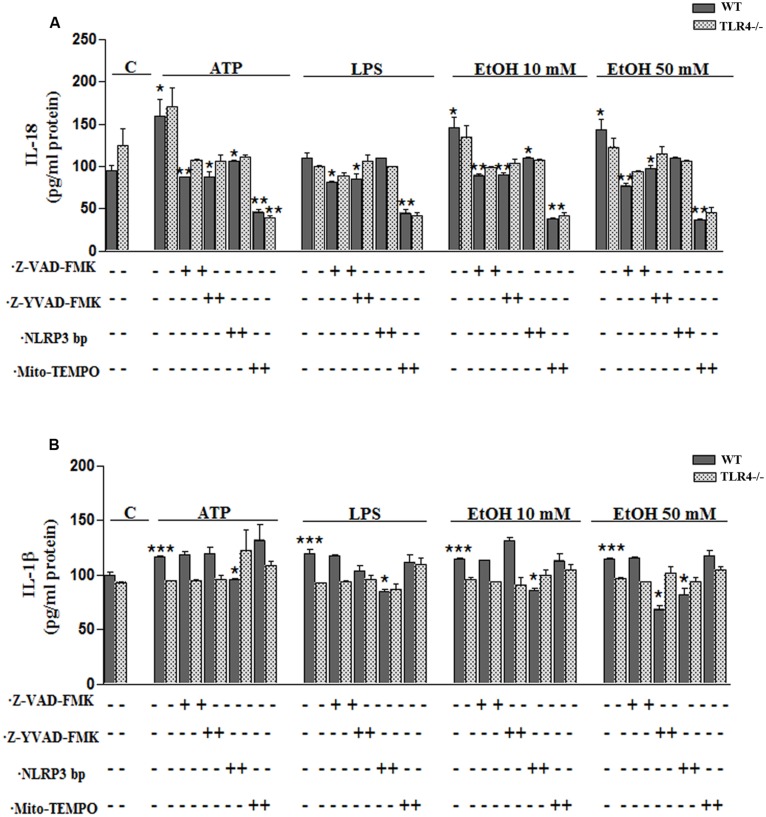
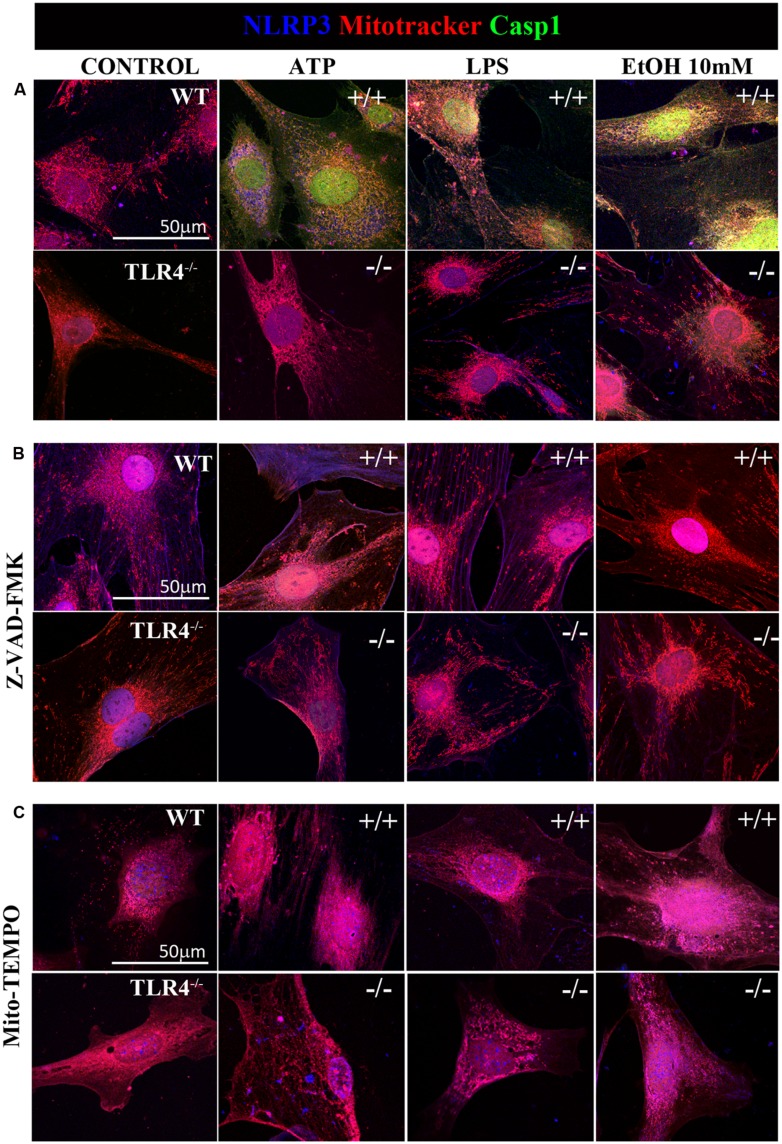
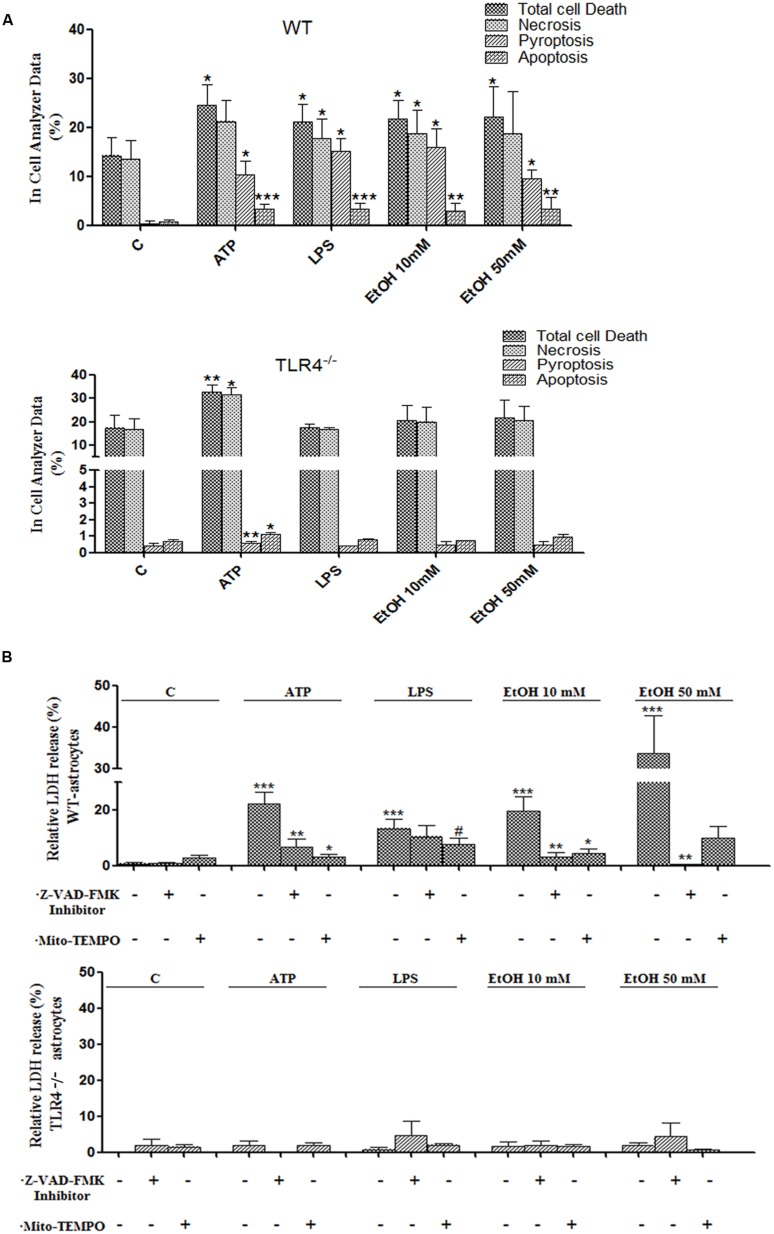
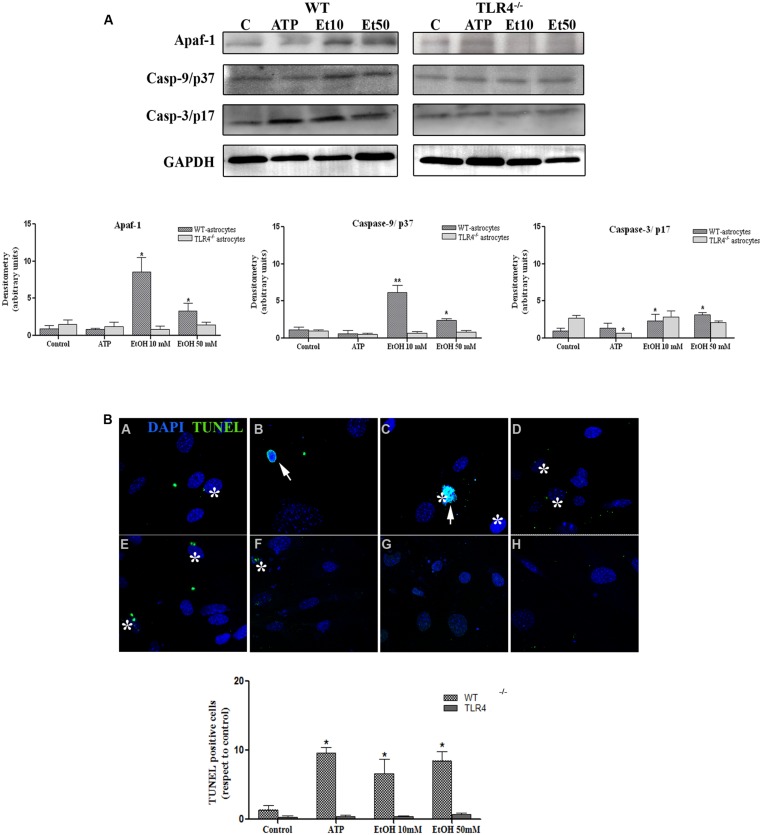
Toll-like receptors (TLRs) and NOD-like receptors (NLRs) are innate immunity sensors that provide an early/effective response to pathogenic or injury conditions. We have reported that ethanol-induced TLR4 activation triggers signaling inflammatory responses in glial cells, causing neuroinflammation and brain damage. However, it is uncertain if ethanol is able to activate NLRs/inflammasome in astroglial cells, which is the mechanism of activation, and whether there is crosstalk between both immune sensors in glial cells. Here we show that chronic ethanol treatment increases the co-localization of caspase-1 with GFAP(+) cells, and up-regulates IL-1β and IL-18 in the frontal medial cortex in WT, but not in TLR4 knockout mice. We further show that cultured cortical astrocytes expressed several inflammasomes (NLRP3, AIM2, NLRP1, and IPAF), although NLRP3 mRNA is the predominant form. Ethanol, as ATP and LPS treatments, up-regulates NLRP3 expression, and causes caspase-1 cleavage and the release of IL-1β and IL-18 in astrocytes supernatant. Ethanol-induced NLRP3/caspase-1 activation is mediated by mitochondrial (m) reactive oxygen species (ROS) generation because when using a specific mitochondria ROS scavenger, the mito-TEMPO (500 μM) or NLRP3 blocking peptide (4 μg/ml) or a specific caspase-1 inhibitor, Z-YVAD-FMK (10 μM), abrogates mROS release and reduces the up-regulation of IL-1β and IL-18 induced by ethanol or LPS or ATP. Confocal microscopy studies further confirm that ethanol, ATP or LPS promotes NLRP3/caspase-1 complex recruitment within the mitochondria to promote cell death by caspase-1-mediated pyroptosis, which accounts for ≈73% of total cell death (≈22%) and the remaining (≈25%) die by caspase-3-dependent apoptosis. Suppression of the TLR4 function abrogates most ethanol effects on NLRP3 activation and reduces cell death. These findings suggest that NLRP3 participates, in ethanol-induced neuroinflammation and highlight the NLRP3/TLR4 crosstalk in ethanol-induced brain injury.
Overview
The claims and statistics of this paper haven’t been checked yet.
Run the check — free, no account needed. It reads the open-access text and checks the sources it cites.
Integrity signals
Registry
Cites
Statistics
Figures
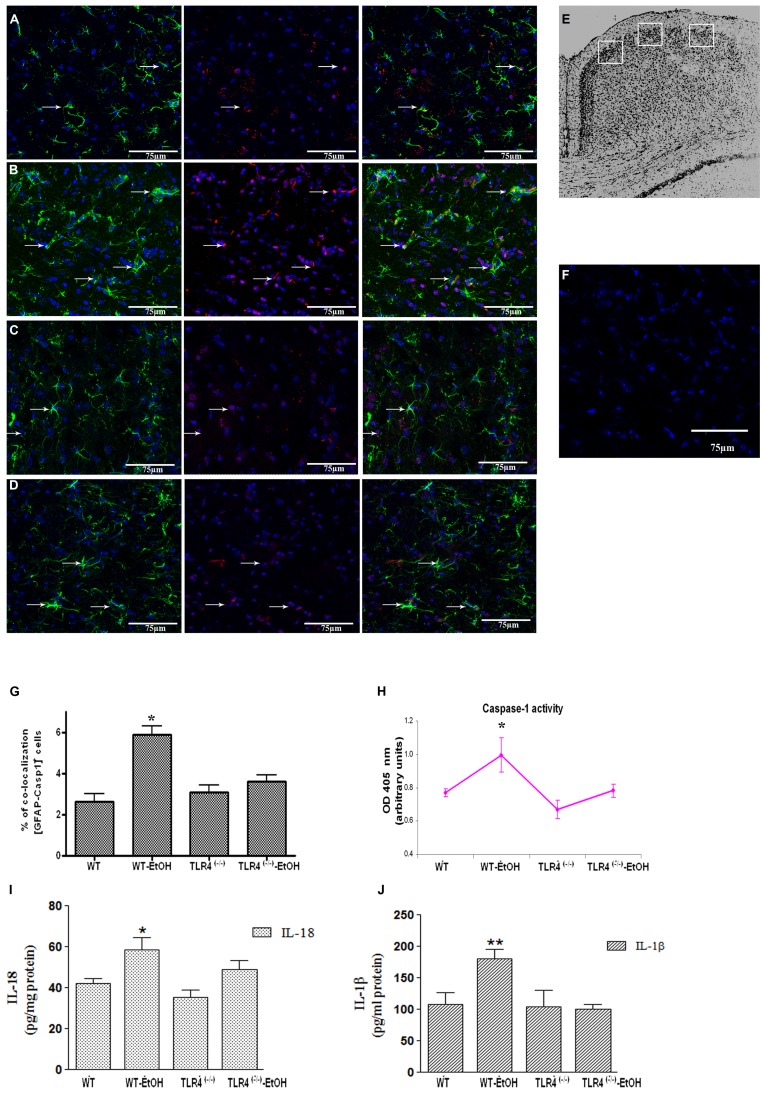
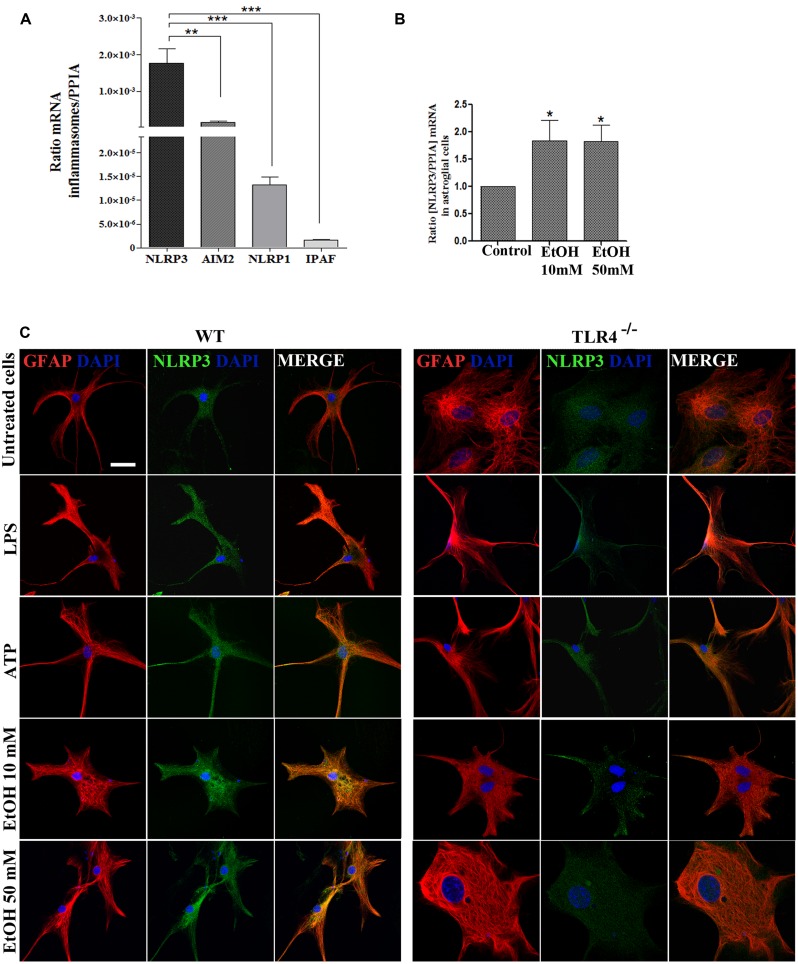
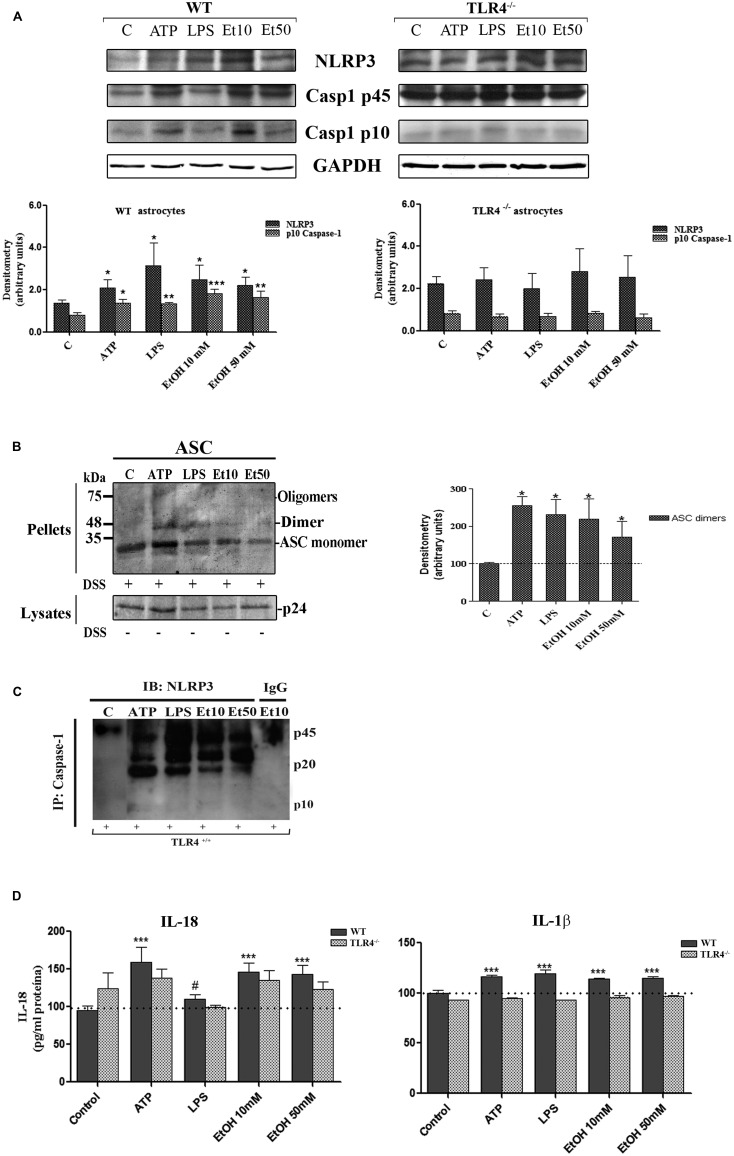
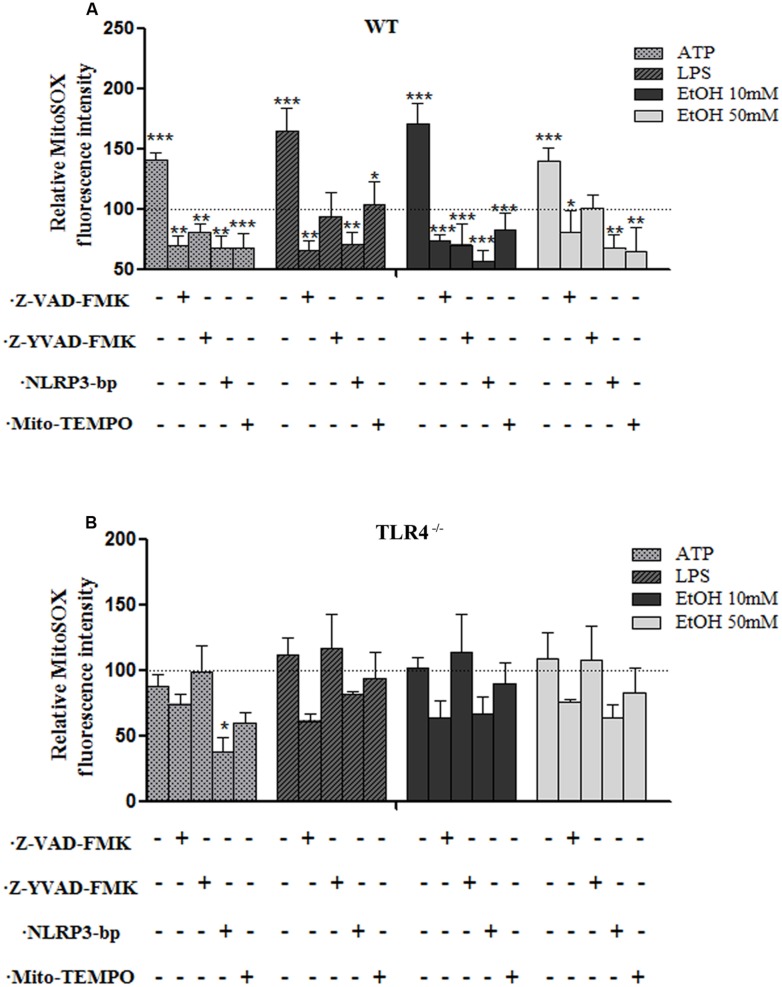
Verification
Claims the paper makes
The claims and statistics of this paper haven’t been checked yet.
Run the check — free, no account needed. It reads the open-access text and checks the sources it cites.
Claims other papers make about this one
Each is checked against this paper’s own text: does it say what the citing paper says it does?
The source backs part of the claim, not all of it — or backs it for a different population, condition or comparison.
In the citing paper
“Following decades of research, the most well‐characterized mechanism underlying activation of the NLRP3 inflammasome is reactive oxygen species (ROS), particularly mitochondrial ROS (mtROS), generation.”
From Trimethylamine‐N‐Oxide Induces Vascular Inflammation by Activating the NLRP3 Inflammasome Through the SIRT3‐SOD2‐mtROS Signaling Pathway (2017) · cites this paper as [15]
Experimental — accuracy not yet measuredIn the citing paper
“The majority of NLRP3 activators increase mtROS levels, and chemical scavengers of mtROS effectively inhibit NLRP3 activation.14, 15”
From Trimethylamine‐N‐Oxide Induces Vascular Inflammation by Activating the NLRP3 Inflammasome Through the SIRT3‐SOD2‐mtROS Signaling Pathway (2017) · cites this paper as [15]
Self-check
Percentages, sums and reported differences re-computed from the paper’s own numbers.
The self-check needs the paper’s full text.
Citations
Cites
A new mathematical model for relative quantification in real-time RT-PCR
Pfaffl, M. W. (2001) · Nucleic Acids Research · doi:10.1093/nar/29.9.e45 · Cited by 34,610
The Mouse Brain in Stereotaxic Coordinates
Paxinos, G. (2001) · Cited by 12,859
A role for mitochondria in nlrp3 inflammasome activation
Zhou, R., Yazdi, A. S., Menu, P., & Tschopp, J. (2011) · Nature · doi:10.1038/nature09663 · Cited by 5,602
Schroder, K., & Tschopp, J. (2010) · Cell · doi:10.1016/j.cell.2010.01.040 · Cited by 5,475
mouse brain in stereotaxic coordinates
Franklin, K. B. J., & Paxinos, G. (1997) · Cited by 3,258
Nakahira, K., Haspel, J. A., Rathinam, V. A. K., Lee, S.-J., Dolinay, T., Lam, H. C., Englert, J. A., Rabinovitch, M., Cernadas, M., Kim, H. P., et al. (2011) · Nature Immunology · doi:10.1038/ni.1980 · Cited by 3,049
NLRP3 is activated in Alzheimer’s disease and contributes to pathology in APP/PS1 mice
Heneka, M. T., Kummer, M. P., Stutz, A., Delekate, A., Schwartz, S., Vieira-Saecker, A., Griep, A., Axt, D., Remus, A., Tzeng, T.-C., et al. (2013) · Nature · doi:10.1038/nature11729 · Cited by 2,898
Activation and regulation of the inflammasomes
Latz, E., Xiao, T. S., & Stutz, A. (2013) · Nature Reviews Immunology · doi:10.1038/nri3452 · Cited by 2,884
Oxidized mitochondrial DNA activates the NLRP3 inflammasome during apoptosis
Shimada, K., Crother, T. R., Karlin, J., Dagvadorj, J., Chiba, N., Chen, S., Ramanujan, V. K., Wolf, A. J., Vergnes, L., Ojcius, D. M., et al. (2012) · Immunity · doi:10.1016/j.immuni.2012.01.009 · Cited by 2,282
NLRP3 inflammasome activation: the convergence of multiple signalling pathways on ROS production?
Tschopp, J., & Schroder, K. (2010) · Nature reviews. Immunology · doi:10.1038/nri2725 · Cited by 1,859
Unified Polymerization Mechanism for the Assembly of ASC-Dependent Inflammasomes
Lu, A., Magupalli, V. G., Ruan, J., Yin, Q., Atianand, M. K., Vos, M. R., Schröder, G. F., Fitzgerald, K. A., Wu, H., & Egelman, E. H. (2014) · Cell · doi:10.1016/j.cell.2014.02.008 · Cited by 1,353
Astrocytes are active players in cerebral innate immunity
Farina, C., Aloisi, F., & Meinl, E. (2007) · Trends in Immunology · doi:10.1016/j.it.2007.01.005 · Cited by 1,304
Cell death by pyroptosis drives CD4 T-cell depletion in HIV-1 infection
Doitsh, G., Galloway, N. L. K., Geng, X., Yang, Z., Monroe, K. M., Zepeda, O., Hunt, P. W., Hatano, H., Sowinski, S., Muñoz-Arias, I., et al. (2013) · Nature · doi:10.1038/nature12940 · Cited by 1,216
Caspase‐1‐induced pyroptotic cell death
Miao, E. A., Rajan, J. V., & Aderem, A. A. (2011) · Immunological Reviews · doi:10.1111/j.1600-065x.2011.01044.x · Cited by 1,162
The NLRP3 Inflammasome: A Sensor for Metabolic Danger?
Schroder, K., Zhou, R., & Tschopp, J. (2010) · Science · doi:10.1126/science.1184003 · Cited by 1,153
Fernandes-Alnemri, T., Wu, J., Yu, J.-W., Datta, P., Miller, B., Jankowski, W., Rosenberg, S., Zhang, J., & Alnemri, E. S. (2007) · Cell Death & Differentiation · doi:10.1038/sj.cdd.4402194 · Cited by 1,026
Sutterwala, F. S., Ogura, Y., Szczepanik, M., Lara-Tejero, M., Lichtenberger, G. S., Grant, E. P., Bertin, J., Coyle, A. J., Galán, J. E., Askenase, P. W., et al. (2006) · Immunity · doi:10.1016/j.immuni.2006.02.004 · Cited by 980
Sheedy, F. J., Grebe, A., Rayner, K. J., Kalantari, P., Ramkhelawon, B., Carpenter, S. B., Becker, C. E., Ediriweera, H. N., Mullick, A. E., Golenbock, D. T., et al. (2013) · Nature Immunology · doi:10.1038/ni.2639 · Cited by 935
Neonatal-Onset Multisystem Inflammatory Disease Responsive to Interleukin-1β Inhibition
Goldbach‐Mansky, R. T., Garnes, N. D., Canna, S., Gelabert, A., Jones, J. H., Rubin, B. I., Kim, H. J., Brewer, C. C., Zalewski, C. K., Wiggs, E. A., et al. (2006) · New England Journal of Medicine · doi:10.1056/nejmoa055137 · Cited by 923
Inflammasome adaptors and sensors: intracellular regulators of infection and inflammation
Mariathasan, S., & Monack, D. M. (2006) · Nature reviews. Immunology · doi:10.1038/nri1997 · Cited by 879
Non-transcriptional Priming and Deubiquitination Regulate NLRP3 Inflammasome Activation
Juliana, C. A., Fernandes‐Alnemri, T., Kang, S., Farias, A., Qin, F., & Alnemri, E. S. (2012) · Journal of Biological Chemistry · doi:10.1074/jbc.m112.407130 · Cited by 803
The inflammasome: an integrated view
Gross, O., Thomas, C. J., Guarda, G., & Tschopp, J. (2011) · Immunological Reviews · doi:10.1111/j.1600-065x.2011.01046.x · Cited by 778
The inflammasome: a danger sensing complex triggering innate immunity
Pétrilli, V., Dostert, C., Muruve, D. A., & Tschopp, J. (2007) · Current Opinion in Immunology · doi:10.1016/j.coi.2007.09.002 · Cited by 700
The Adaptor MAVS Promotes NLRP3 Mitochondrial Localization and Inflammasome Activation
Subramanian, N., Natarajan, K., Clatworthy, M. R., Wang, Z., & Germain, R. N. (2013) · Cell · doi:10.1016/j.cell.2013.02.054 · Cited by 692
Pivotal role of TLR4 receptors in alcohol-induced neuroinflammation and brain damage
Alfonso-Loeches, S., Pascual-Lucas, M., Blanco, A. M., Sanchez-Vera, I., & Guerri, C. (2010) · Journal of Neuroscience · doi:10.1523/jneurosci.0976-10.2010 · Cited by 579
Self-citationQu, Y., Franchi, L., Nunez, G., & Dubyak, G. R. (2007) · The Journal of Immunology · doi:10.4049/jimmunol.179.3.1913 · Cited by 563
Molecular Mechanism of NLRP3 Inflammasome Activation
Jin, C., & Flavell, R. A. (2010) · Journal of Clinical Immunology · doi:10.1007/s10875-010-9440-3 · Cited by 440
NLRP3 inflammasomes link inflammation and metabolic disease
De Nardo, D., & Latz, E. (2011) · Trends in Immunology · doi:10.1016/j.it.2011.05.004 · Cited by 425
Malarial Hemozoin Is a Nalp3 Inflammasome Activating Danger Signal
Dostert, C., Guarda, G., Romero, J. F., Menu, P., Groß, O., Tardivel, A., Suvà, M.-L., Stehle, J., Köpf, M., Stamenkovic, I., et al. (2009) · PLoS ONE · doi:10.1371/journal.pone.0006510 · Cited by 397
Critical role of TLR4 response in the activation of microglia induced by ethanol
Fernandez-Lizarbe, S., Pascual, M., & Guerri, C. (2009) · The Journal of Immunology · doi:10.4049/jimmunol.0803590 · Cited by 373
Self-citationTriantafilou, K., Hughes, T. R., Triantafilou, M., & Morgan, B. P. (2013) · Journal of Cell Science · doi:10.1242/jcs.124388 · Cited by 361
CATERPILLER: A Novel Gene Family Important in Immunity, Cell Death, and Diseases
Ting, J. P.-Y., & Davis, B. K. (2004) · Annual Review of Immunology · doi:10.1146/annurev.immunol.23.021704.115616 · Cited by 351
Human astrocytes express a novel NLRP2 inflammasome
Minkiewicz, J., Vaccari, J. P. D. R., & Keane, R. W. (2013) · Glia · doi:10.1002/glia.22499 · Cited by 343
Jha, S., Srivastava, S. Y., Brickey, W. J., Iocca, H., Toews, A., Morrison, J. P., Chen, V. S., Gris, D., Matsushima, G. K., & Ting, J. P.-Y. (2010) · The Journal of Neuroscience · doi:10.1523/jneurosci.4088-10.2010 · Cited by 310
Cellular and Mitochondrial Effects of Alcohol Consumption
Manzo‐Ávalos, S., & Saavedra‐Molina, A. (2010) · International Journal of Environmental Research and Public Health · doi:10.3390/ijerph7124281 · Cited by 303
Critical functions of priming and lysosomal damage for NLRP3 activation
Hornung, V., & Latz, E. (2010) · European Journal of Immunology · doi:10.1002/eji.200940185 · Cited by 297
Tseng, W. A., Thein, T., Kinnunen, K., Lashkari, K., Gregory, M. S., D'Amore, P. A., & Ksander, B. R. (2012) · Investigative Ophthalmology & Visual Science · doi:10.1167/iovs.12-10655 · Cited by 295
Innate Immunity in the CNS: Redefining the Relationship between the CNS and Its Environment
Lampron, A., ElAli, A., & Rivest, S. (2013) · Neuron · doi:10.1016/j.neuron.2013.04.005 · Cited by 291
Blanco, A. M., Vallés, S. L., Pascual, M., & Guerri, C. (2005) · The Journal of Immunology · doi:10.4049/jimmunol.175.10.6893 · Cited by 258
Self-citationThe NLRP3 Inflammasome in Alzheimer’s Disease
Tan, M., Yu, J., Jiang, T., Zhu, X., & Tan, L. (2013) · Molecular Neurobiology · doi:10.1007/s12035-013-8475-x · Cited by 249
Parajuli, B., Sonobe, Y., Horiuchi, H., Takeuchi, H., Mizuno, T., & Suzumura, A. (2013) · Cell Death & Disease · doi:10.1038/cddis.2013.503 · Cited by 232
Kahlenberg, J. M., Lundberg, K. C., Kertesy, S. B., Qu, Y., & Dubyak, G. (2005) · The Journal of Immunology · doi:10.4049/jimmunol.175.11.7611 · Cited by 215
Inflammasome activation and IL‐1β/IL‐18 processing are influenced by distinct pathways in microglia
Hanamsagar, R., Torres, V. J., & Kielian, T. (2011) · Journal of Neurochemistry · doi:10.1111/j.1471-4159.2011.07481.x · Cited by 163
Inflammasomes in inflammatory disorders: the role of TLRs and their interactions with NLRs
Becker, C., & O'Neill, L. A. J. (2007) · Seminars in Immunopathology · doi:10.1007/s00281-007-0081-4 · Cited by 163
Yuan, X., Zhou, Y., Wang, W., Li, J., Xie, G., Zhao, Y., Xu, D., & Shen, L. (2013) · Cell Death and Disease · doi:10.1038/cddis.2013.334 · Cited by 144
Lippai, D., Bala, S., Csak, T., Kurt-Jones, E. A., & Szabo, G. (2013) · PLoS ONE · doi:10.1371/journal.pone.0070945 · Cited by 129
Inflammasome-IL-1β Signaling Mediates Ethanol Inhibition of Hippocampal Neurogenesis
Zou, J., & Crews, F. T. (2012) · Frontiers in Neuroscience · doi:10.3389/fnins.2012.00077 · Cited by 127
Toll‐like receptor 4 participates in the myelin disruptions associated with chronic alcohol abuse
Alfonso‐Loeches, S., Pascual, M., Gómez‐Pinedo, U., Pascual‐Lucas, M., Renau‐Piqueras, J., & Guerri, C. (2012) · Glia · doi:10.1002/glia.22327 · Cited by 123
Self-citationPittock, S. J., & Lucchinetti, C. F. (2007) · The Neurologist · doi:10.1097/01.nrl.0000253065.31662.37 · Cited by 117
Miñana, R., Climent, E., Barettino, D., Seguí-Simarro, J. M., Renau‐Piqueras, J., & Guerri, C. (2000) · Journal of Neurochemistry · doi:10.1046/j.1471-4159.2000.0750954.x · Cited by 106
Self-citationAn Astrocyte-Specific Proteomic Approach to Inflammatory Responses in Experimental Rat Glaucoma
Tezel, G., Yang, X., Luo, C., Cai, J., & Powell, D. W. (2012) · Investigative Ophthalmology & Visual Science · doi:10.1167/iovs.11-9101 · Cited by 101
The Role of Potassium in Inflammasome Activation by Bacteria
Arlehamn, C. S. L., Pétrilli, V., Groß, O., Tschopp, J., & Evans, T. J. (2010) · Journal of Biological Chemistry · doi:10.1074/jbc.m109.067298 · Cited by 101
González, A., Pariente, J. A., & Salido, G. M. (2007) · Brain Research · doi:10.1016/j.brainres.2007.08.040 · Cited by 100
Blanco, A. M. A., Pérez-Aragó, A., Fernández‐Lizarbe, S., & Guerri, C. (2008) · Journal of Neurochemistry · doi:10.1111/j.1471-4159.2008.05425.x · Cited by 92
Self-citationJha, S., & Ting, J. P. ‐. (2009) · The Journal of Immunology · doi:10.4049/jimmunol.0902425 · Cited by 88
Chapter Thirteen Assembly, Purification, and Assay of the Activity of the ASC Pyroptosome
Fernandes‐Alnemri, T., & Alnemri, E. S. (2008) · Methods in enzymology on CD-ROM/Methods in enzymology · doi:10.1016/s0076-6879(08)01413-4 · Cited by 69
Innate immune responses to Chlamydia pneumoniae infection: role of TLRs, NLRs, and the inflammasome
Shimada, K., Crother, T. R., & Arditi, M. (2012) · Microbes and Infection · doi:10.1016/j.micinf.2012.08.004 · Cited by 53
Antigen-Specific Therapies in Multiple Sclerosis
Sospedra, M., & Martinꝉ, R. (2005) · International Reviews of Immunology · doi:10.1080/08830180500371256 · Cited by 51
Orchestration of pathogen recognition by inflammasome diversity: Variations on a common theme
Martinon, F. (2007) · European Journal of Immunology · doi:10.1002/eji.200737871 · Cited by 29
Morizot, B. (2012) · Progress in Biophysics and Molecular Biology · doi:10.1016/j.pbiomolbio.2012.04.007 · Cited by 7
Cited by
Sorted by citations
Dopamine controls systemic inflammation through inhibition of NLRP3 inflammasome
Yan, Y., Jiang, W., Liu, L., Wang, X., Ding, C., Tian, Z., & Zhou, R. (2015) · Cell · doi:10.1016/j.cell.2014.11.047 · Cited by 1,014
Chen, M., Zhu, X., Ran, L., Lang, H., Yi, L., & Mi, M. (2017) · Journal of the American Heart Association · doi:10.1161/jaha.117.006347 · Cited by 600
The role of mitochondria in NLRP3 inflammasome activation
Liu, Q., Zhang, D., Hu, D., Zhou, X., & Zhou, Y. (2018) · Molecular Immunology · doi:10.1016/j.molimm.2018.09.010 · Cited by 475
NLRP3 inflammasome in neurological diseases, from functions to therapies
Song, L., Pei, L., Yao, S., Wu, Y., & Shang, Y. (2017) · Frontiers in Cellular Neuroscience · doi:10.3389/fncel.2017.00063 · Cited by 467
Mitochondrial ROS promote macrophage pyroptosis by inducing GSDMD oxidation
Wang, Y., Shi, P., Chen, Q., Huang, Z., Zou, D., Zhang, J., Gao, X., & Lin, Z. (2019) · Journal of Molecular Cell Biology · doi:10.1093/jmcb/mjz020 · Cited by 365
Metadata
- Authors
- Alfonso-Loeches, S., Ureña-Peralta, J. R., Morillo-Bargues, M. J., Oliver-De La Cruz, J., & Guerri, C.
- Affiliations
- Centro de Investigacion Principe Felipe (ES)
- Corresponding author
- Guerri, Consuelo
- ORCID
- Guerri, Consuelo
- Venue
- Frontiers in Cellular Neuroscience
- Publisher
- Frontiers Media SA
- Published
- 2014-08-01
- Volume
- 8
- Pages
- 216-216
- ISSN
- 1662-5102 (ISSN-L)
- PMC
- PMC4118026
- OpenAlex
- W2081653529
- Cited by
- 265
- References
- 61
- Citations by year
- 2026: 11 · 2025: 19 · 2024: 21 · 2023: 22 · 2022: 33 · 2021: 33 · 2020: 27 · 2019: 24 · 2018: 22 · 2017: 22 · 2016: 21 · 2015: 8 · 2014: 2
- FWCI
- 7.25
- Type
- journal article
- Language
- en
- Open access
- gold
- doi.org
- Licence
- cc-by
- Locations
- Frontiers in Cellular Neuroscience (publishedVersion, cc-by)
- Europe PMC (PubMed Central) (publishedVersion, cc-by)
- PubMed Central (publishedVersion, cc-by)
- PubMed (publishedVersion)
- DOAJ (DOAJ: Directory of Open Access Journals) (submittedVersion, cc-by-sa)
- Funders
- Ministerio de Economía y Competitividad
- Ministerio de Ciencia e Innovación
- Topics
- Life Sciences › Biochemistry, Genetics and Molecular Biology › Molecular Biology › Inflammasome and immune disorders
- Life Sciences › Neuroscience › Neurology › Neuroinflammation and Neurodegeneration Mechanisms
- Life Sciences › Immunology and Microbiology › Immunology › Immune Response and Inflammation
- Keywords
- ethanol, NLRP3 inflammasome, reactive oxygen species, mitochondria, astrocytes, caspase-1, pyroptosis, TLR4, neuroinflammation, IL-1β, IL-18, innate immunity, brain injury, apoptosis, LPS, ATP
About these checks
Registry, retraction, Cites and statistics results are computed, not judged, with one exception: a printed reference that no index lists is read once by a model before it counts as a citation error. Claims are extracted by a model and kept only when their quote appears verbatim in the text; each cited source is then checked, with a model’s help, for whether it says what the claim relies on. Those verdicts can be wrong — read the claim’s quote and the cited source before relying on one.
Statistics and arithmetic are recomputed, not judged.
Confidence bands are shown only for fields calibrated on our annotated test set. None is calibrated yet, so no band is shown.
What counts as a claim ›How we measure confidence ›How we check this ›
Are you an author, or do you see a problem with this page? Request a review
