

Generative AI for brain image computing and brain network computing: a review
Open accessThe DOI matches its Crossref record; 110 of the 112 references it cites were found in a registry or an index.
Abstract
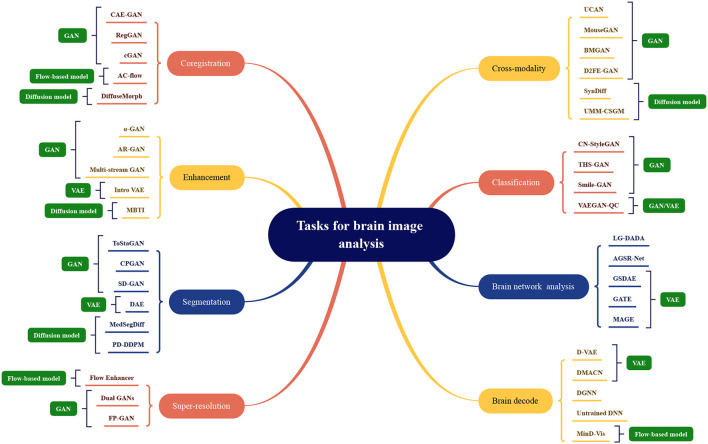
Recent years have witnessed a significant advancement in brain imaging techniques that offer a non-invasive approach to mapping the structure and function of the brain. Concurrently, generative artificial intelligence (AI) has experienced substantial growth, involving using existing data to create new content with a similar underlying pattern to real-world data. The integration of these two domains, generative AI in neuroimaging, presents a promising avenue for exploring various fields of brain imaging and brain network computing, particularly in the areas of extracting spatiotemporal brain features and reconstructing the topological connectivity of brain networks. Therefore, this study reviewed the advanced models, tasks, challenges, and prospects of brain imaging and brain network computing techniques and intends to provide a comprehensive picture of current generative AI techniques in brain imaging. This review is focused on novel methodological approaches and applications of related new methods. It discussed fundamental theories and algorithms of four classic generative models and provided a systematic survey and categorization of tasks, including co-registration, super-resolution, enhancement, classification, segmentation, cross-modality, brain network analysis, and brain decoding. This paper also highlighted the challenges and future directions of the latest work with the expectation that future research can be beneficial.
Overview
The claims and statistics of this paper haven’t been checked yet.
Free: it reads the open-access text and checks the first 5 claims that cite a source we can check. Create a free account to check every claim.
Integrity signals
Registry
Cites
Statistics
Figures
Verification
Claims the paper makes
The claims and statistics of this paper haven’t been checked yet.
Free: it reads the open-access text and checks the first 5 claims that cite a source we can check. Create a free account to check every claim.
Claims other papers make about this one
Each is checked against this paper’s own text: does it say what the citing paper says it does?
The cited source says what the claim attributes to it.
In the citing paper
“For instance, GANs have been used for image reconstruction, synthesis, segmentation, registration and classification [5, 9, 37, 39].”
From Generative AI in healthcare: an implementation science informed translational path on application, integration and governance (2024) · cites this paper as [39]
Self-check
Percentages, sums and reported differences re-computed from the paper’s own numbers.
The self-check needs the paper’s full text.
Citations
Cites
Unpaired image-to-image translation using cycle-consistent adversarial networks
Zhu, J.-Y., Park, T., Isola, P., & Efros, A. A. (2017) · 2017 IEEE International Conference on Computer Vision (ICCV) · doi:10.1109/iccv.2017.244 · Cited by 23,602
Auto-Encoding Variational Bayes
Kingma, D. P., & Welling, M. (2013) · arXiv · doi:10.48550/arxiv.1312.6114 · Cited by 20,067
Proceedings of IEEE International Conference on Computer Vision
(1995) · Proceedings of IEEE International Conference on Computer Vision · doi:10.1109/iccv.1995.466933 · Cited by 12,860
Denoising Diffusion Probabilistic Models
Ho, J., Jain, A., & Abbeel, P. (2020) · arXiv · doi:10.48550/arxiv.2006.11239 · Cited by 8,712
Improved training of Wasserstein GANs
Gulrajani, I., Ahmed, F., Arjovsky, M., Dumoulin, V., & Courville, A. (2017) · arXiv · doi:10.48550/arxiv.1704.00028 · Cited by 6,800 · cited 1×
“Its success has led to the development of several variants, such as Wasserstein GAN with Gradient Penalty (WGAN-GP; Gulrajani et al., 2017), which further improves the stability and efficiency of training.”
Background(2017) · International Conference on Machine Learning · Cited by 6,382
Tracking whole-brain connectivity dynamics in the resting state
Allen, E. A., Damaraju, E., Plis, S. M., Erhardt, E. B., Eichele, T., & Calhoun, V. D. (2014) · Cerebral Cortex · doi:10.1093/cercor/bhs352 · Cited by 2,992 · cited 1×
“For instance, functional brain imaging, such as functional magnetic resonance imaging (fMRI), has the potential to revolutionize researchers’ understanding of the physical basis of the brain and offers a powerful tool to understand how the brain adapts to various cognitive activities and tasks (Allen et al., 2014).”
BackgroundBassett, D. S., & Sporns, O. (2017) · Nature Neuroscience · doi:10.1038/nn.4502 · Cited by 2,398 · cited 2×
“Population-based multi-scale brain research is a prominent focus in neuroscience (Betzel and Bassett, 2017).”
BackgroundDualGAN: Unsupervised Dual Learning for Image-to-Image Translation
Yi, Z., Zhang, H., Tan, P., & Gong, M. (2017) · 2017 IEEE International Conference on Computer Vision (ICCV) · doi:10.1109/iccv.2017.310 · Cited by 2,134 · cited 2×
“CycleGAN has also inspired the development of several variants, such as DualGAN (Yi et al., 2017), DiscoGAN (Kim et al., 2017), and UNIT (Liu et al., 2017), which further improve the performance and versatility of the original CycleGAN.”
MethodAn overview of deep learning in medical imaging focusing on MRI
Lundervold, A. S., & Lundervold, A. (2019) · Zeitschrift für Medizinische Physik · doi:10.1016/j.zemedi.2018.11.002 · Cited by 2,058 · cited 1×
“Lundervold and Lundervold (2019) demonstrated that the introduction of automated computer analysis of magnetic resonance imaging has facilitated the in vivo study of whole-brain coordinated patterns in thousands of individuals (Hu et al., 2020b).”
Background
Research works printed but not linked: 4
- Goodfellow I. Pouget-Abadie J. Mirza M. Xu B. Warde-Farley D. Ozair S.. (2014). “Generative adversarial nets,” in Advances in Neural Information Processing Systems, eds Z. Ghahramani, M. Welling, C. Cortes, N. Lawrence, and K. Q. Weinberger (Montreal, QC: Curran Associates, Inc.), 2672– 2680.
- Kwon G. Han C. Kim D.-S. (2019). “Generation of 3D brain MRI using auto-encoding generative adversarial networks,” in International Conference on Medical Image Computing and Computer-Assisted Intervention (Shenzhen: Springer), 118– 126.
- Wolterink J. M. Dinkla A. M. Savenije M. Seevinck P. R. van den Berg C. Išgum I. (2017). “MR-to-CT synthesis using cycle-consistent generative adversarial networks,” in Proc. Neural Inf. Process. Syst (Long Beach, CA: NIPS).
- Zhou B. Wang R. Chen M.-K. Mecca A. P. O'Dell R. S. Dyck C. H. V.. (2021). “Synthesizing multi-tracer pet images for Alzheimer's disease patients using a 3D unified anatomy-aware cyclic adversarial network,” in International Conference on Medical Image Computing and Computer-Assisted Intervention (Strasbourg: Springer), 34– 43.
Cited by
Reddy, S. (2024) · Implementation Science · doi:10.1186/s13012-024-01357-9 · Cited by 554
“For instance, GANs have been used for image reconstruction, synthesis, segmentation, registration and classification [5, 9, 37, 39].”
MethodRelmasira, S. C., Lai, Y. C., & Donaldson, J. P. (2023) · Sustainability · doi:10.3390/su151813595 · Cited by 210
Iqbal, J., Hashmi, Z. F., Asghar, M. Z., & Abid, M. N. (2025) · Scientific Reports · doi:10.1038/s41598-025-01676-x · Cited by 82
“For example, researchers also highlighted that GenAITU enhances the collective regulation of thinking processes among student groups 51 .”
Zuo, Q., Wu, H., Chen, C. L. P., Lei, B., & Wang, S. (2024) · IEEE Transactions on Cybernetics · doi:10.1109/tcyb.2023.3344641 · Cited by 93
“Besides, in the area of brain disease analysis, the generative artificial intelligence [17] has achieved great success in computing brain images [18], [19] and brain networks [20].”
BackgroundSelf-citationSMAFormer: Synergistic Multi-Attention Transformer for Medical Image Segmentation
Zheng, F., Chen, X., Liu, W., Li, H., Lei, Y., He, J., Pun, C., & Zhou, S. (2024) · IEEE International Conference on Bioinformatics and Biomedicine (BIBM) · doi:10.1109/bibm62325.2024.10822736 · Cited by 90
“This is because the failure to diagnose tumors at an early stage often leads to the advancement of cancer [1] , rendering it incurable.”
Self-citationAlzheimer’s Disease Prediction via Brain Structural-Functional Deep Fusing Network
Zuo, Q., Shen, Y., Zhong, N., Chen, C. L. P., Lei, B., & Wang, S. (2023) · IEEE Transactions on Neural Systems and Rehabilitation Engineering · doi:10.1109/tnsre.2023.3333952 · Cited by 82
“As a branch of deep learning, generative adversarial networks (GANs) are widely used to learn complex distributions for medical image computing [36], [37], [38], [39].”
Self-citationVelasco, S. S., Alaguero, M., Benito, V. D., & Cano, S. R. (2024) · Informatics · doi:10.3390/informatics11020037 · Cited by 120
Comprehensive Review: Machine and Deep Learning in Brain Stroke Diagnosis
Fernandes, J. N. D., Cardoso, V. E. M., Comesaña-Campos, A., & Pinheira, A. (2024) · Sensors · doi:10.3390/s24134355 · Cited by 75
“Concerning the field of stroke diagnosis, a comprehensive review was conducted by Gong et al. [104] where the authors pointed out a work conducted by Wang et al. [105], where the Consistent Perception Generative Adversarial Network (CPGAN) was introduced to enhance the effect of brain stroke lesion…”
Zuo, Q., Zhong, N., Pan, Y. F., Wu, H., Lei, B., & Wang, S. (2023) · IEEE Transactions on Neural Systems and Rehabilitation Engineering · doi:10.1109/tnsre.2023.3323432 · Cited by 61
“The brain network is suitable for characterizing the structural or functional relationships between brain regions by diffusion tensor imaging (DTI) or resting-state functional magnetic resonance imaging (fMRI) [6].”
BackgroundSelf-citationAI in imaging: the regulatory landscape
Hill, D. L. G. (2024) · British Journal of Radiology · doi:10.1093/bjr/tqae002 · Cited by 52
“Gong et al, however, point out that they do provide a way of generating large volumes of training images for training traditional deep learning algorithms, from a smaller set of hand-annotated images.”
MethodNeuroimage analysis using artificial intelligence approaches: a systematic review
Bacon, E. J., He, D., Achi, N. A. D., Wang, L., Li, H., Yao-Digba, P. D. Z., Monkam, P., & Qi, S. (2024) · Medical & Biological Engineering & Computing · doi:10.1007/s11517-024-03097-w · Cited by 64
Self-citationSalah, M., Abdelfattah, F., & Halbusi, H. A. (2024) · Current Opinion in Psychology · doi:10.1016/j.copsyc.2024.101872 · Cited by 65
Visualizing the knowledge mapping of artificial intelligence in education: A systematic review
Qin, Q., & Zhang, S. (2024) · Education and Information Technologies · doi:10.1007/s10639-024-13076-1 · Cited by 71
“GAI, as defined by its core principles, encompasses the generation of new content such as text, images, and music (Gong et al., 2023; Lim et al., 2023; Ooi et al., 2023; Yu & Zou, 2023).”
MedPrompt: Cross-modal Prompting for Multi-task Medical Image Translation
Chen, X., Luo, S., Pun, C., & Wang, S. (2024) · Lecture notes in computer science · doi:10.1007/978-981-97-8496-7_5 · Cited by 61
Self-citationKhosravi, P., Fuchs, T. J., & Ho, D. J. (2025) · Cancer Research · doi:10.1158/0008-5472.can-24-3630 · Cited by 41
Generative AI Enables EEG Super-Resolution via Spatio-Temporal Adaptive Diffusion Learning
Wang, S., Zhou, T., Shen, Y., Li, Y., Huang, G., & Hu, Y. S. (2025) · IEEE Transactions on Consumer Electronics · doi:10.1109/tce.2025.3528438 · Cited by 50
“Recently, a novel generative model–diffusion models [26] have exhibited remarkable generative capabilities in computer vision, leading to a significant increase in the Artificial Intelligence Generated Content (AIGC) [27], [28].”
Self-citationGenerative AI Enables EEG Data Augmentation for Alzheimer’s Disease Detection Via Diffusion Model
Zhou, T., Chen, X., Shen, Y., Nieuwoudt, M., Pun, C., & Wang, S. (2023) · IEEE International Symposium on Product Compliance Engineering - Asia (ISPCE-ASIA) · doi:10.1109/ispce-asia60405.2023.10365931 · Cited by 50
Self-citationCTH-Net: A CNN and Transformer hybrid network for skin lesion segmentation
Ding, Y., Yi, Z., Xiao, J., Hu, M., Guo, Y. F., Liao, Z., & Wang, Y. (2024) · iScience · doi:10.1016/j.isci.2024.109442 · Cited by 39
“36”
Large-scale foundation models and generative AI for BigData neuroscience
Wang, R., & Chen, Z. S. (2024) · Neuroscience Research · doi:10.1016/j.neures.2024.06.003 · Cited by 34
SCDM: Unified Representation Learning for EEG-to-fNIRS Cross-Modal Generation in MI-BCIs
Li, Y., Wang, Y., Lei, B., & Wang, S. (2025) · IEEE Transactions on Medical Imaging · doi:10.1109/tmi.2025.3532480 · Cited by 39
“With the rapid advancement of artificial intelligence technologies, generative models have opened up possibilities for cross-modal generation of brain functional data [34], [35], [36].”
Self-citationTest-Time Intensity Consistency Adaptation for Shadow Detection
Zhu, L., Liu, W., Chen, X., Li, Z., Chen, X., Wang, Z., & Pun, C. (2025) · Lecture notes in computer science · doi:10.1007/978-981-96-6594-5_16 · Cited by 28
Self-citationDocDeshadower: Frequency-Aware Transformer for Document Shadow Removal
Zhou, Z., Lei, Y., Chen, X., Luo, S., Zhang, W., Pun, C., & Wang, Z. (2024) · Conference proceedings/Conference proceedings - IEEE International Conference on Systems, Man, and Cybernetics · doi:10.1109/smc54092.2024.10831480 · Cited by 21
Self-citationThe novel imaging methods in diagnosis and assessment of cerebrovascular diseases: an overview
Liu, F., Yao, Y., Zhu, B., Yu, Y., Ren, R., & Hu, Y. (2024) · Frontiers in Medicine · doi:10.3389/fmed.2024.1269742 · Cited by 33
“Additionally, AI algorithms can help predict patient outcomes, such as the risk of recurrent strokes or response to treatment, based on imaging findings and clinical data (134, 135).”
BackgroundSelf-citationChen, Y., Chen, P., Zhou, X., Lei, Y., Zhou, Z., & Li, M. (2024) · International Joint Conference on Neural Networks (IJCNN) · doi:10.1109/ijcnn60899.2024.10650029 · Cited by 32
Semiconducting polymer dots for multifunctional integrated nanomedicine carriers
Zhang, Z., Yu, C., Wu, Y., Wang, Z., Xu, H., Yan, Y., Zhan, Z., & Yin, S. (2024) · Materials Today Bio · doi:10.1016/j.mtbio.2024.101028 · Cited by 25
“This approach aims to simplify the dimensionality of the anticipated data, facilitating the understanding of multi-dimensional parameters [377].”
BackgroundMulti-modal Mood Reader: Pre-trained Model Empowers Cross-Subject Emotion Recognition
Dong, Y., Chen, X., Shen, Y., Ng, M. K., Qian, T., & Wang, S. (2024) · Communications in computer and information science · doi:10.1007/978-981-97-7007-6_13 · Cited by 24
Self-citationBDHT: Generative AI Enables Causality Analysis for Mild Cognitive Impairment
Zuo, Q., Chen, L., Shen, Y., Ng, M. K., Lei, B., & Wang, S. (2024) · IEEE Transactions on Automation Science and Engineering · doi:10.1109/tase.2024.3425949 · Cited by 22
“In contrast to methods utilizing undirected brain networks (i.e., functional connectivity, structural connectivity, or multimodal connectivity) [8], [9], [10] or imaging-based data [11], EC-based approaches focus on the causal interactions between regions of interest (ROIs).”
Self-citationLiu, X., Huang, G., Yuan, X., Zheng, Z., Zhong, G., Chen, X., & Pun, C. (2024) · The Visual Computer · doi:10.1007/s00371-024-03574-1 · Cited by 18
Self-citationVelasco, S. S., Alaguero, M., Cano, S. R., & Benito, V. D. (2025) · Sustainability · doi:10.3390/su17073096 · Cited by 22
Wang, X., Mi, Y., & Zhang, X. (2024) · Frontiers in Neurorobotics · doi:10.3389/fnbot.2024.1371385 · Cited by 14
Jing, C., Shen, Y., Zhao, S., Pan, Y. F., Chen, C. L. P., Lei, B., & Wang, S. (2024) · IEEE Transactions on Cybernetics · doi:10.1109/tcyb.2024.3353549 · Cited by 15
Self-citationThe Interplay of Sports and Nutrition in Neurological Health and Recovery
Clemente‐Suárez, V. J., Redondo-Flórez, L., Beltrán-Velasco, A. I., Belinchón-deMiguel, P., Ramos‐Campo, D. J., Curiel-Regueros, A., Martín-Rodríguez, A., & Tornero-Aguilera, J. F. (2024) · Journal of Clinical Medicine · doi:10.3390/jcm13072065 · Cited by 13
“In addition, some components of vitamin E are absorbed by the brain and are involved in the protection of the nerve membrane [73,74].”
BackgroundDong, Y., Jing, C., Mahmud, M., Ng, M. K.-P., & Wang, S. (2024) · Brain Informatics · doi:10.1186/s40708-024-00245-8 · Cited by 12
Self-citationGenerative artificial intelligence model for simulating structural brain changes in schizophrenia
Yamaguchi, H., Sugihara, G., Shimizu, M., & Yamashita, Y. (2024) · Frontiers in Psychiatry · doi:10.3389/fpsyt.2024.1437075 · Cited by 12
Artificial intelligence and stroke imaging
Rondina, J. M., & Nachev, P. (2024) · Current Opinion in Neurology · doi:10.1097/wco.0000000000001333 · Cited by 10
Generative AI for Image Classification: A Comprehensive Review and Future Directions
Sharma, S. K., Chauhan, R., & Garine, R. (2025) · Procedia Computer Science · doi:10.1016/j.procs.2025.03.293 · Cited by 9
Generative AI Enables the Detection of Autism Using EEG Signals
Li, Y., Liao, I. Y., Zhong, N., Toshihiro, F., Wang, Y., & Wang, S. (2023) · Lecture notes in computer science · doi:10.1007/978-981-99-8565-4_35 · Cited by 14
Self-citationThe future of data analysis is now: Integrating generative AI in neuroimaging methods development
DuPré, E., & Poldrack, R. A. (2024) · Imaging Neuroscience · doi:10.1162/imag_a_00241 · Cited by 11
“While other reviews have considered emerging use cases of generative AI models for neuroimaging analyses ( Gong et al., 2023), the potential impact of these methods on the scientific process itself remains underexplored.”
BackgroundAddiction-related brain networks identification via Graph Diffusion Reconstruction Network
Jing, C., Kuai, H., Matsumoto, H., Yamaguchi, T., Liao, I. Y., & Wang, S. (2024) · Brain Informatics · doi:10.1186/s40708-023-00216-5 · Cited by 13
“Generative artificial intelligence [20–22] can be applied to brain network analysis [23, 24] to help better understand the function and structure of the brain [25].”
BackgroundSelf-citationHassanaly, R., Brianceau, C., Solal, M., Colliot, O., & Burgos, N. (2024) · The Journal of Machine Learning for Biomedical Imaging · doi:10.59275/j.melba.2024-b87a · Cited by 24
“…et al., 2014) and more recently denoising diffusion probabilistic models (DDPMs) (Ho et al., 2020) have shown great results for image generation tasks and unsupervised anomaly detection (UAD) in medical imaging (Esmaeili et al., 2023), including neuroimaging (Wang et al., 2023; Gong et al., 2023).”
BackgroundLi, L., Yu, J., Li, Y., Wei, J., Fan, R., Wu, D., & Ye, Y. (2024) · Frontiers in Computational Neuroscience · doi:10.3389/fncom.2024.1365238 · Cited by 8
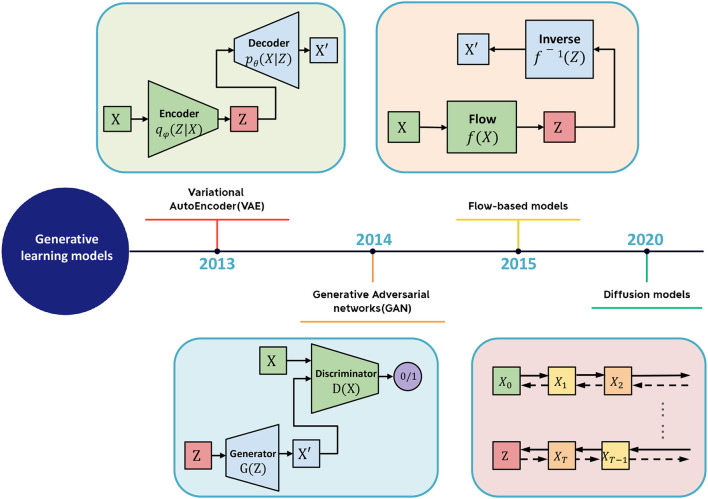
“Generative artificial intelligence can be divided into four main methods [variational autoencoder (VAEs), generative adversarial network (GANs), Flow Models and Denoising Diffusion Probabilistic Models (DDPMs)] (Gong et al., 2023).”
MethodGenerative modeling of the Circle of Willis using 3D-StyleGAN
Aydin, O. U., Hilbert, A., Koch, A., Lohrke, F., Rieger, J., Tanioka, S., & Frey, D. (2024) · NeuroImage · doi:10.1016/j.neuroimage.2024.120936 · Cited by 9
Wasserstein adversarial learning based temporal knowledge graph embedding
Dai, Y., Guo, W., & Eickhoff, C. (2023) · Information Sciences · doi:10.1016/j.ins.2023.120061 · Cited by 12
Masood, H., Naseer, A., & Saeed, M. (2024) · Foundations of Science · doi:10.1007/s10699-024-09957-w · Cited by 6
“Gong et al. (2023) this review explores innovative methodological approaches and applications of emerging techniques, focusing on the theories and algorithms of classic generative models and categorizing tasks like co-registration, super-resolution, and brain decoding (Gong et al., 2023).”
You, S., Yuan, B., Lv, Z., Chui, C. K., Chen, C. L. P., Lei, B., & Wang, S. (2024) · IEEE Transactions on Computational Imaging · doi:10.1109/tci.2024.3434724 · Cited by 6
Self-citationGenerative Artificial Intelligence: Current Trends, Issues, and Challenges
Vyas, P., & Vyas, G. (2025) · IT Professional · doi:10.1109/mitp.2024.3516058 · Cited by 7
Structural Brain Network Generation via Brain Denoising Diffusion Probabilistic Model
Jiang, H., Chen, X., Chang-hong, J., & Wang, S. (2024) · Lecture notes in computer science · doi:10.1007/978-3-031-67278-1_21 · Cited by 5
Self-citationZuo, Q., Lei, B., Qiu, W., Jing, C., Hong, J., & Wang, S. (2026) · IEEE Transactions on Consumer Electronics · doi:10.1109/tce.2026.3677325 · Cited by 9
“Due to the power of multimodal fusion, fusing SC and FC enhances structural-functional connectivity complementarity and greatly improves the capabilities of disease analysis [12], [13], [14].”
Self-citationGenerative AI in healthcare: challenges to patient agency and ethical implications
Holmes, S. A., Faria, V., & Moulton, E. A. (2025) · Frontiers in Digital Health · doi:10.3389/fdgth.2025.1524553 · Cited by 4
Singh, S. P., Ramprasad, A., & Makary, M. S. (2025) · CVIR Endovascular · doi:10.1186/s42155-025-00573-8 · Cited by 11
BrainNetDiff: Generative AI Empowers Brain Network Construction Via Multimodal Diffusion
Zong, Y., Jing, C., Chan, J. H., & Wang, S. (2024) · IEEE International Symposium on Biomedical Imaging (ISBI) · doi:10.1109/isbi56570.2024.10635395 · Cited by 7
“However, challenges persist in the fusion of multimodal brain imaging and the construction of brain networks [7, 8].”
BackgroundSelf-citationSong, Z., Zhu, C., Jiang, M., Ouyang, M., & Zheng, Q. (2024) · Neurocomputing · doi:10.1016/j.neucom.2024.128709 · Cited by 4
Idoko, D. O., Adeniyi, M., Senejani, M. N., Felix, E. O., & Adeyeye, Y. I. (2024) · International Journal of Innovative Science and Research Technology (IJISRT) · doi:10.38124/ijisrt/ijisrt24nov1416 · Cited by 14
Scaling Synthetic Brain Data Generation
Doan, M., & Plis, S. (2024) · IEEE Journal of Biomedical and Health Informatics · doi:10.1109/jbhi.2024.3520156 · Cited by 5
“However, the field of developing brain simulations is blooming with more complex, potentially more advanced, and highly computationally sophisticated methods such as diffusion models [9]–[11], generative adversarial networks (GANs) [12], [13], and many more [14].”
Medify-AI based LLM Based Healthcare System
Kumar, P. S., Shreenidhi, G. L., Mahendran, R. K., & Sowmiya, S. (2025) · International Conference on Frontier Technologies and Solutions (ICFTS) · doi:10.1109/icfts62006.2025.11031483 · Cited by 4
Ung, C. Y., Correia, C., Zhang, Z. M., Caya, C., Zhu, S., Billadeau, D. D., & Li, H. (2025) · Cancers · doi:10.3390/cancers17213543 · Cited by 5
“GAI has been broadly used to produce synthetic medical imaging data [33–35].”
Self-citationExploring generative artificial intelligence: a comprehensive guide
Shoitan, R., Moussa, M. M., Tawfik, N., Cho, Y. K., & Abdallah, M. S. (2026) · PeerJ Computer Science · doi:10.7717/peerj-cs.3276 · Cited by 6
Enhancing depression diagnosis with augmented brain signal driven decorrelated graph neural networks
Barman, J., Yusuf, M., Kumar, S., & Gandhi, T. K. (2026) · Communications Medicine · doi:10.1038/s43856-026-01395-y · Cited by 3
“Thesemodelsoftenrely onlargeanddiversesetsofunlabeled data, require substantial computational resources, and typically struggle to preserve biologically meaningful connectivity patterns 33,34 .”
Resen, R. D., Alzubaidi, L., Alwzwazy, H. A., & Capel, M. I. (2026) · Frontiers in Artificial Intelligence · doi:10.3389/frai.2026.1707043 · Cited by 10
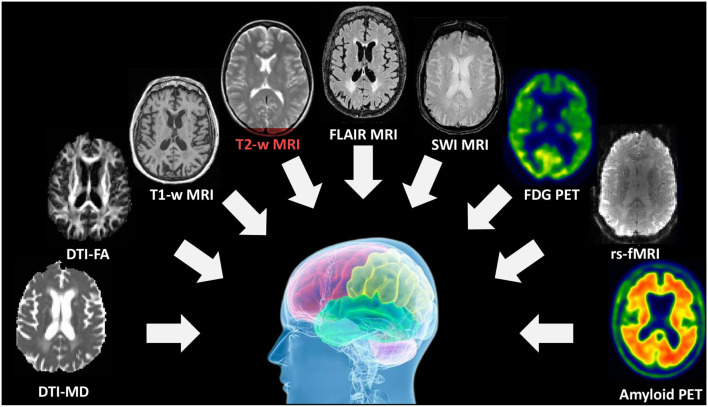
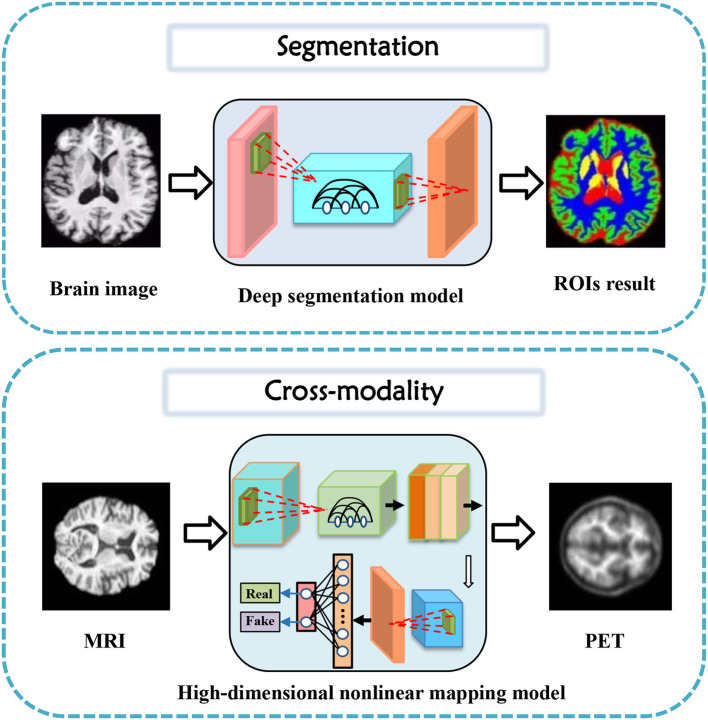
“Given the rapid growth of deep learning–based approaches for Alzheimer’s disease detection using MRI, alongside persistent concerns regarding reproducibility, clinical validity, and real-world The different MRI modalities (sMRI, fMRI, DTI) and what each captures in the brain (Gong et al., 2023).”
Aglinskas, A., Bergeron, A., & Anzellotti, S. (2025) · Psychiatry and Clinical Neurosciences · doi:10.1111/pcn.13829 · Cited by 3
“52 review generative models that can create realistic brain images and capture complex network dynamics; Pan et al .”
Generative artificial intelligence-enabled dynamic detection of rat nicotine-related circuits
Gong, C., Jing, C., Liu, X., Wang, V. X., Tang, C. Y., Kenny, P. J., Li, Y., Chen, Z., & Wang, S. (2023) · Neural Computing and Applications · doi:10.1007/s00521-023-09307-0 · Cited by 4
Self-citationSanthakumar, D., Prasanna, R., Sivakumar, M., Aswath, S., Arthy, P. S., & Kanna, R. R. (2025) · Critical Reviews in Therapeutic Drug Carrier Systems · doi:10.1615/critrevtherdrugcarriersyst.2025055526 · Cited by 2
Au, C. K., Yoo, S., & Chiu, T. K. F. (2025) · School Science and Mathematics · doi:10.1111/ssm.18413 · Cited by 7
Walluscheck, S., Gerken, A., Galinović, I., Villringer, K., Fiebach, J. B., Klein, J., & Heldmann, S. (2024) · Journal of medical imaging · doi:10.1117/1.jmi.11.4.044508 · Cited by 5
“6 Reconstruction of a normal image is then generally done by mapping an input image with an encoding network to a latent space and reconstructing the output image with a decoding network.”
Spatiotemporal coarse‐to‐fine diffusion model for automatic brain network generation
Zuo, Q., Yu, J., Ye, C., Chen, L., Tian, H., Wu, Y., & Zhang, Y. (2025) · Medical Physics · doi:10.1002/mp.17833 · Cited by 3
“37,38 42 Unlike traditional generative models, the DDPM iteratively improves the initial noisy sample through a series of denoising steps.”
Fraud Detection for Financial Transactions: Leveraging Big Data Analytics and Machine Learning
Zhang, Y., Chen, Y., & Zhang, K. (2024) · Conference proceedings/Conference proceedings - IEEE International Conference on Systems, Man, and Cybernetics · doi:10.1109/smc54092.2024.10831888 · Cited by 1
“In recent years, with the rapid advancements in AI technology, an increasing number of models [2], [3], [4], [5] have emerged across various fields, such as medical image [6], [7], [8], [9], computer vision [10], [11], [12], [13], [14] .”
Jing, C., Lei, B., Wang, S., Liu, Y., Liu, F., Chen, C. L. P., & Wang, S. (2025) · IEEE Transactions on Cybernetics · doi:10.1109/tcyb.2025.3634735 · Cited by 2
“Generative adversarial network (GAN) methods [24] are particularly well-suited for medical imaging applications [25].”
Self-citationNavigating the GenAI Revolution: A Call to Advance Academic Excellence in Kinesiology and Beyond
Oliveira, M. A. (2025) · Kinesiology Review · doi:10.1123/kr.2025-0040 · Cited by 1
Banh, L., Stangl, F. J., Strobel, G., & Riedl, R. (2025) · Lecture notes in information systems and organisation · doi:10.1007/978-3-032-00815-2_3 · Cited by 2
Varghese, A., Ricaurte‐Fajardo, A., Prashanth, G. P., Thankappan, M., & Kannan, B. (2026) · Sadhana · doi:10.1007/s12046-025-03004-5 · Cited by 1
Multimodal and data-driven approaches in acupuncture research: methods, applications, and challenges
Nie, D., Huang, P., Jin, D., Chen, Y., Fan, B., Huang, S. J., Zhang, Y., Zhou, Y., Han, B., Huang, J., et al. (2026) · Acupuncture and Herbal Medicine · doi:10.1097/hm9.0000000000000198 · Cited by 1
Reconstructing higher-resolution four-dimensional time-varying volumetric data
Ma, J., & Chen, J. (2023) · Connection Science · doi:10.1080/09540091.2023.2289837 · Cited by 1
“In this field, researchers are focused on utilising generative models such as VAE, GAN, Flow models, diffusion models, etc., to synthesise medical images that can be utilised in various clinical applications (Gong et al., 2023).”
MethodUnsupervised Anomaly Detection for Mild Cognitive Impairment Using Diffusion Model
Lei, Y., Nieuwoudt, M., Matsumoto, H., Zhong, N., Yin, P., & Wang, S. (2023) · Asia Conference on Cognitive Engineering and Intelligent Interaction (CEII) · doi:10.1109/ceii60565.2023.00016 · Cited by 2
“In medical imaging, GANs are also generally used for MCI diagnosis [27],[28].”
MethodSelf-citationHow Psychophysiologists Face AI
Onoda, K. (2024) · Japanese Journal of Physiological Psychology and Psychophysiology · doi:10.5674/jjppp.2411si · Cited by 1
Chen, Y., Huang, G., Huang, K., Lin, Z., Zhong, G., Luo, S., Deng, J., & Zhou, J. W. (2024) · Conference proceedings/Conference proceedings - IEEE International Conference on Systems, Man, and Cybernetics · doi:10.1109/smc54092.2024.10831717 · Cited by 3
“Advanced imaging techniques such as Electroencephalogram (EEG) [1] Magnetic Resonance Imaging (MRI) [2]–[4], Computed Tomography (CT) [5]–[7], and endoscopy [8] aid physicians in making precise judgments.”
Self-citationIAMS-Net: An Illumination-Adaptive Multi-Scale Lesion Segmentation Network
Zheng, Y., Huang, G., Zhang, F., Cheng, L., Yuan, X., Zhong, G., & Luo, S. (2024) · Conference proceedings/Conference proceedings - IEEE International Conference on Systems, Man, and Cybernetics · doi:10.1109/smc54092.2024.10831819 · Cited by 1
“CNN-based deep learning, especially the U-Net architecture, excels in medical image segmentation [7]–[12] by adopting the encoder-decoder structure [13]–[16].”
Self-citationBrain-Supervised Conditional Generative Modeling
Ma, J., & Ruotsalo, T. (2025) · IEEE Transactions on Human-Machine Systems · doi:10.1109/thms.2025.3537339 · Cited by 3
“These studies, however, do not train the generative models using brain responses but focus on learning mappings between brain activity and existing latent feature spaces or decoding brain signals [29].”
Brain Causality Modeling Using Structure-Guided Spatiotemporal Diffusion Model for MCI Analysis
Zhu, Y., Wang, J., Cheng, X., Chen, J., Wei, H., Lu, L., Yang, Z., & Zuo, Q. (2025) · Lecture notes in computer science · doi:10.1007/978-981-96-3297-8_1 · Cited by 1
Functional division of the dorsal striatum based on a graph neural network
Zheng, Q., Ba, X., Xin, Y., Nan, J., Cui, X., & Lin, X. (2024) · Mathematical Biosciences & Engineering · doi:10.3934/mbe.2024109
“Significant activation areas for functional subregions 11 and 14 in the left brain were concentrated in the caudate body, whereas those for the right side were in the caudate head, and fewer voxels were found in the left and right putamen.”
Method(2024) · Compunet ( The Egyptian Information Journal ) · doi:10.21608/jstc.2024.355421
Promises and Perils of Generative AI in the Healthcare Sector
Garg, P. (2024) · Advances in medical technologies and clinical practice book series · doi:10.4018/979-8-3693-3731-8.ch015
Generative Intelligence: Sculpting Tomorrow's Healthcare Solutions
Kaur, J. (2024) · Advances in medical technologies and clinical practice book series · doi:10.4018/979-8-3693-3731-8.ch018
Promoting Transparency in Generative AI: A Focus on Africa
Kponyo, J. J., Kemausuor, F., Tchao, E. T., Mensah, H. N., & Adjoe, R. Y. (2025) · Oxford University Press eBooks · doi:10.1093/oxfordhb/9780198940272.013.0015
Advancing Comic Image Inpainting: A Novel Dual-Stream Fusion Approach with Texture Enhancements
Hong, Z., Cheng, L., Huang, G., Chen, X., Pun, C., Yuan, X., & Zhong, G. (2025) · Communications in computer and information science · doi:10.1007/978-981-96-6969-1_13
Self-citationRST-UNet: Medical Image Segmentation Transformer Effectively Combining Superpixel
Ye, S., Feng, Z., Huang, G., Ke, J., Chen, X., Pun, C., Zhong, G., & Yuan, X. (2025) · Communications in computer and information science · doi:10.1007/978-981-96-6969-1_23
Self-citationGenerative AI for the Detection and Prediction of Alzheimer’s Biomarkers
Indrani, B., & Kala, K. (2025) · Lecture notes in networks and systems · doi:10.1007/978-3-031-91008-1_34
Huang, X., Huang, G., Zhong, G., Yuan, X., Chen, X., Pun, C., & Chen, J. (2025) · Lecture notes in computer science · doi:10.1007/978-981-96-6606-5_24
Self-citationSharma, S., Chauhan, R., Raj, A., & Kumar, S. (2025) · Communications in computer and information science · doi:10.1007/978-3-031-92041-7_1
Li, Z., Lian, D., Peng, X., Huang, W., Zeng, X., Zhu, D. L., & Huang, G. (2025) · Communications in computer and information science · doi:10.1007/978-981-96-7036-9_19
Self-citationGenerative AI in neuroscience imaging: A review
AbuEid, A. I., Elhossiny, M. A., Elghazawy, M. A. I., Mohamed, A. S., Miled, A. B., Allan, F. M., Ebad, S. A., & Escorcia‐Gutierrez, J. (2025) · International Journal of ADVANCED AND APPLIED SCIENCES · doi:10.21833/ijaas.2025.08.024
Raj, V. K., & Thomas, A. J. (2025) · Wiley eBooks · doi:10.1002/9781394345625.ch7
Conditional GAN for Time-to-Peak (TTP) Generation from Non-Contrast MRI Modalities
Brejo, M. G., Maaref, H., Ahsan, S., Vigneron, V., & Faria, A. V. (2025) · International Conference on Image Processing Theory, Tools and Applications (IPTA) · doi:10.1109/ipta66025.2025.11222052
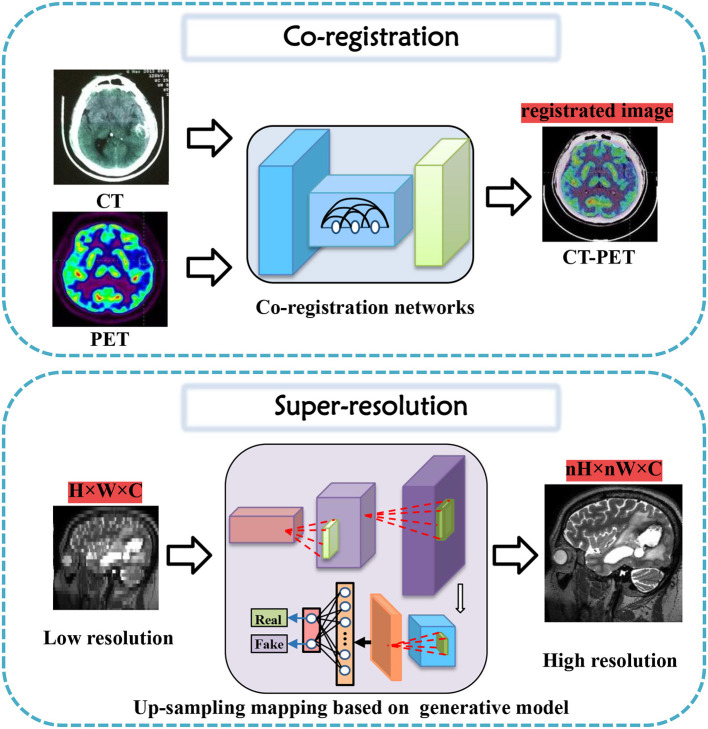
“GAN architectures have also been found promising in co-registration and super-resolution tasks, which subsequently could improve classification and segmentation results [24].”
Adaptive Query Prompting for Multi-Domain Landmark Detection
Li, Y., Wei, Q., Huang, G., Yuan, X., Zhong, G., Huang, J., & Huang, J. (2025) · International Joint Conference on Neural Networks (IJCNN) · doi:10.1109/ijcnn64981.2025.11229324 · Cited by 2
“Landmark detection plays an important role in various of medical image analysis tasks [1], [2], [3].”
Self-citationStudy on the Swimming Control of Bionic Robotic Fish Based on the Shallow Brain Model
Ma, H., Wang, M., Sun, H., Wang, C., Wu, Z., & Gao, H. (2025) · Communications in computer and information science · doi:10.1007/978-981-95-1103-7_23 · Cited by 1
COMMUNITY-DRIVEN AI MODELS FOR CULTURAL ART EDUCATION
Khurana, J., Gupta, S., Homavazir, Z., Desai, S., Nanda, S., & Singh, Y. (2025) · ShodhKosh Journal of Visual and Performing Arts · doi:10.29121/shodhkosh.v6.i1s.2025.6639
EVALUATING AI-GENERATED IMAGES IN FINE ART EDUCATION
Singh, A. K., Vadivelu, V. K., Rawat, K., France, K., Sahu, P. K., & Sood, S. (2025) · ShodhKosh Journal of Visual and Performing Arts · doi:10.29121/shodhkosh.v6.i4s.2025.6840
Shape matters: Predicting Huntington’s disease using progression modelling
Ghofrani-Jahromi, M., Saha, S., Razi, A., Abeyasinghe, P. M., Poudel, G. R., Paulsen, J. S., Tabrizi, S. J., & Georgiou‐Karistianis, N. (2026) · Computer Methods and Programs in Biomedicine · doi:10.1016/j.cmpb.2026.109250
Batta, I., Ajith, M., & Calhoun, V. D. (2026) · bioRxiv (Cold Spring Harbor Laboratory) · doi:10.64898/2026.02.20.707025
“46 While prediction models map neuroimaging features to clinical targets for classification or regression, generative models 47 advance this by learning feature-to-feature mappings through a latent space, enabling the creation of 48 synthetic features (Gong et al., 2023).”
11 The Role of Generative Artificial Intelligence for Biomedical Engineering
Shafik, W. (2025) · De Gruyter eBooks · doi:10.1515/9783111429458-001
A tool for generating and evaluating synthetic embryo development videos using generative models
Celard, P., Vieira, A. S., Iglesias, E. L., Sorribes-Fdez, J. M., & Borrajo, L. (2026) · Logic Journal of IGPL · doi:10.1093/jigpal/jzaf046
Metadata
- Authors
- Gong, C., Jing, C., Chen, X., Pun, C. M., Huang, G., Saha, A., Nieuwoudt, M., Li, H.-X., Hu, Y., & Wang, S.
- Affiliations
- Chinese Academy of Sciences (CN)
- University of Macau (MO)
- McMaster University (CA)
- Stellenbosch University (ZA)
- City University of Hong Kong (HK)
- University of Hong Kong (HK)
- Corresponding author
- Hu, Yong
- Wang, Shuqiang
- ORCID
- Venue
- Frontiers in Neuroscience
- Publisher
- Frontiers Media SA
- Published
- 2023-06-13
- Volume
- 17
- Pages
- 1203104-1203104
- ISSN
- 1662-453X (ISSN-L)
- PMC
- PMC10293625
- OpenAlex
- W4380629073
- Semantic Scholar
- 667ee6cc2d47a88cbbf6c8ad2b5269c3f37367fc
- Cited by
- 111
- References
- 112
- Citations by year
- 2026: 17 · 2025: 38 · 2024: 46 · 2023: 10
- FWCI
- 4.17
- Type
- journal article
- Language
- en
- Open access
- gold
- doi.org
- Licence
- Locations
- Frontiers in Neuroscience (publishedVersion, cc-by)
- PubMed Central (publishedVersion, cc-by)
- PubMed (publishedVersion)
- CityU Scholars (submittedVersion, cc-by)
- DOAJ (DOAJ: Directory of Open Access Journals) (submittedVersion, cc-by-sa)
- Topics
- Life Sciences › Neuroscience › Cognitive Neuroscience › Functional Brain Connectivity Studies
- Health Sciences › Medicine › Health Informatics › Artificial Intelligence in Healthcare and Education
- Physical Sciences › Computer Science › Computer Vision and Pattern Recognition › Medical Image Segmentation Techniques
- Keywords
- generative AI, neuroimaging, brain network analysis, co-registration, super-resolution, image enhancement, brain classification, brain segmentation, brain decoding, generative models
About these checks
Registry, retraction, Cites and statistics results are computed, not judged, with one exception: a printed reference that no index lists is read once by a model before it counts as a citation error. Claims are extracted by a model and kept only when their quote appears verbatim in the text; each cited source is then checked, with a model’s help, for whether it says what the claim relies on. Those verdicts can be wrong — read the claim’s quote and the cited source before relying on one.
Statistics and arithmetic are recomputed, not judged.
Confidence bands are shown only for fields calibrated on our annotated test set. None is calibrated yet, so no band is shown.
What counts as a claim ›How we measure confidence ›How we check this ›
Are you an author, or do you see a problem with this page? Request a review
Data sources
Bibliographic data: Semantic Scholar, OpenAlex, Crossref.
Contains information from the Semantic Scholar Academic Graph Datasets, made available under the ODC Attribution License (ODC-BY 1.0).
Semantic Scholar’s data is described in: Kinney, R., et al. (2023). The Semantic Scholar Open Data Platform. arXiv:2301.10140.
