

Generative AI for brain image computing and brain network computing: a review
Open accessThe DOI matches its Crossref record; 110 of the 112 references it cites were found in a registry or an index.
Abstract
Recent years have witnessed a significant advancement in brain imaging techniques that offer a non-invasive approach to mapping the structure and function of the brain. Concurrently, generative artificial intelligence (AI) has experienced substantial growth, involving using existing data to create new content with a similar underlying pattern to real-world data. The integration of these two domains, generative AI in neuroimaging, presents a promising avenue for exploring various fields of brain imaging and brain network computing, particularly in the areas of extracting spatiotemporal brain features and reconstructing the topological connectivity of brain networks. Therefore, this study reviewed the advanced models, tasks, challenges, and prospects of brain imaging and brain network computing techniques and intends to provide a comprehensive picture of current generative AI techniques in brain imaging. This review is focused on novel methodological approaches and applications of related new methods. It discussed fundamental theories and algorithms of four classic generative models and provided a systematic survey and categorization of tasks, including co-registration, super-resolution, enhancement, classification, segmentation, cross-modality, brain network analysis, and brain decoding. This paper also highlighted the challenges and future directions of the latest work with the expectation that future research can be beneficial.
Overview
The claims and statistics of this paper haven’t been checked yet.
Free: it reads the open-access text and checks the first 5 claims that cite a source we can check. Create a free account to check every claim.
Integrity signals
Registry
Cites
Statistics
Figures
Verification
Claims the paper makes
The claims and statistics of this paper haven’t been checked yet.
Free: it reads the open-access text and checks the first 5 claims that cite a source we can check. Create a free account to check every claim.
Claims other papers make about this one
Each is checked against this paper’s own text: does it say what the citing paper says it does?
The cited source says what the claim attributes to it.
In the citing paper
“For instance, GANs have been used for image reconstruction, synthesis, segmentation, registration and classification [5, 9, 37, 39].”
From Generative AI in healthcare: an implementation science informed translational path on application, integration and governance (2024) · cites this paper as [39]
Self-check
Percentages, sums and reported differences re-computed from the paper’s own numbers.
The self-check needs the paper’s full text.
Citations
Cites
Unpaired image-to-image translation using cycle-consistent adversarial networks
Zhu, J.-Y., Park, T., Isola, P., & Efros, A. A. (2017) · 2017 IEEE International Conference on Computer Vision (ICCV) · doi:10.1109/iccv.2017.244 · Cited by 23,602
Auto-Encoding Variational Bayes
Kingma, D. P., & Welling, M. (2013) · arXiv · doi:10.48550/arxiv.1312.6114 · Cited by 20,067
Proceedings of IEEE International Conference on Computer Vision
(1995) · Proceedings of IEEE International Conference on Computer Vision · doi:10.1109/iccv.1995.466933 · Cited by 12,860
Denoising Diffusion Probabilistic Models
Ho, J., Jain, A., & Abbeel, P. (2020) · arXiv · doi:10.48550/arxiv.2006.11239 · Cited by 8,712
Improved training of Wasserstein GANs
Gulrajani, I., Ahmed, F., Arjovsky, M., Dumoulin, V., & Courville, A. (2017) · arXiv · doi:10.48550/arxiv.1704.00028 · Cited by 6,800 · cited 1×
“Its success has led to the development of several variants, such as Wasserstein GAN with Gradient Penalty (WGAN-GP; Gulrajani et al., 2017), which further improves the stability and efficiency of training.”
Background(2017) · International Conference on Machine Learning · Cited by 6,382
Tracking whole-brain connectivity dynamics in the resting state
Allen, E. A., Damaraju, E., Plis, S. M., Erhardt, E. B., Eichele, T., & Calhoun, V. D. (2014) · Cerebral Cortex · doi:10.1093/cercor/bhs352 · Cited by 2,992 · cited 1×
“For instance, functional brain imaging, such as functional magnetic resonance imaging (fMRI), has the potential to revolutionize researchers’ understanding of the physical basis of the brain and offers a powerful tool to understand how the brain adapts to various cognitive activities and tasks (Allen et al., 2014).”
BackgroundBassett, D. S., & Sporns, O. (2017) · Nature Neuroscience · doi:10.1038/nn.4502 · Cited by 2,398 · cited 2×
“Population-based multi-scale brain research is a prominent focus in neuroscience (Betzel and Bassett, 2017).”
BackgroundDualGAN: Unsupervised Dual Learning for Image-to-Image Translation
Yi, Z., Zhang, H., Tan, P., & Gong, M. (2017) · 2017 IEEE International Conference on Computer Vision (ICCV) · doi:10.1109/iccv.2017.310 · Cited by 2,134 · cited 2×
“CycleGAN has also inspired the development of several variants, such as DualGAN (Yi et al., 2017), DiscoGAN (Kim et al., 2017), and UNIT (Liu et al., 2017), which further improve the performance and versatility of the original CycleGAN.”
MethodAn overview of deep learning in medical imaging focusing on MRI
Lundervold, A. S., & Lundervold, A. (2019) · Zeitschrift für Medizinische Physik · doi:10.1016/j.zemedi.2018.11.002 · Cited by 2,058 · cited 1×
“Lundervold and Lundervold (2019) demonstrated that the introduction of automated computer analysis of magnetic resonance imaging has facilitated the in vivo study of whole-brain coordinated patterns in thousands of individuals (Hu et al., 2020b).”
BackgroundLearning to Discover Cross-Domain Relations with Generative Adversarial Networks
Kim, T., Cha, M., Kim, H., Lee, J. K., & Kim, J. (2017) · arXiv · doi:10.48550/arxiv.1703.05192 · Cited by 1,716
GRETNA: a graph theoretical network analysis toolbox for imaging connectomics
Wang, J., Wang, X., Xia, M., Liao, X., Evans, A., & He, Y. (2015) · Frontiers in Human Neuroscience · doi:10.3389/fnhum.2015.00386 · Cited by 1,672 · cited 1×
“Various tools, such as PANDA (Cui et al., 2013) and GRETNA (Wang J. et al., 2015), can be used for constructing brain networks.”
MethodThe Chronnectome: Time-Varying Connectivity Networks as the Next Frontier in fMRI Data Discovery
Calhoun, V. D., Miller, R., Pearlson, G., & Adalı, T. (2014) · Neuron · doi:10.1016/j.neuron.2014.10.015 · Cited by 1,378 · cited 2×
“Moreover, in the field of network neuroscience (Bassett and Sporns, 2017), the theory and applications of generative AI offer a powerful tool for brain imaging and brain network computing including but not limited to extraction of brain spatiotemporal features and the reconstruction of the topological connectivity of…”
Background3D MRI Brain Tumor Segmentation Using Autoencoder Regularization
Myronenko, A. (2019) · Lecture Notes in Computer Science · doi:10.1007/978-3-030-11726-9_28 · Cited by 1,283
Variational Inference with Normalizing Flows
Rezende, D. J., & Mohamed, S. (2015) · arXiv (Cornell University) · doi:10.48550/arxiv.1505.05770 · Cited by 1,253
An overview of deep learning in medical imaging focusing on MRI
Lundervold, A. S., & Lundervold, A. (2018) · NORA - Norwegian Open Research Archives · Cited by 1,012
PANDA: a pipeline toolbox for analyzing brain diffusion images
Cui, Z., Zhong, S., Xu, P., He, Y., & Gong, G. (2013) · Frontiers in Human Neuroscience · doi:10.3389/fnhum.2013.00042 · Cited by 762 · cited 2×
“Various tools, such as PANDA (Cui et al., 2013) and GRETNA (Wang J.”
Method(2017) · Lecture Notes in Computer Science · doi:10.1007/978-3-319-70139-4 · Cited by 704
Image Synthesis in Multi-Contrast MRI With Conditional Generative Adversarial Networks
Dar, S. U., Yurt, M., Karacan, L., Erdem, A., Erdem, E., & Cukur, T. (2019) · IEEE Transactions on Medical Imaging · doi:10.1109/tmi.2019.2901750 · Cited by 608
Betzel, R. F., & Bassett, D. S. (2017) · NeuroImage · doi:10.1016/j.neuroimage.2016.11.006 · Cited by 587 · cited 1×
“Population-based multi-scale brain research is a prominent focus in neuroscience (Betzel and Bassett, 2017).”
BackgroundJoyce, J. M. (2011) · International Encyclopedia of Statistical Science · doi:10.1007/978-3-642-04898-2_327 · Cited by 555 · cited 1×
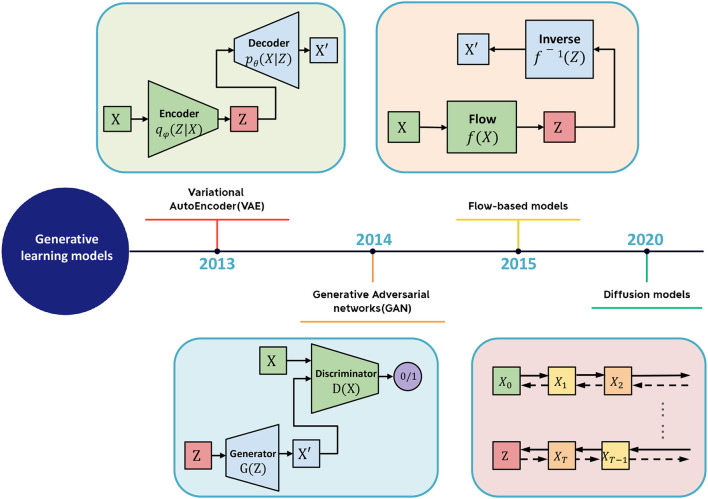
“The similarity between X and ˆ X is generally measured using reconstructions loss, while the similarity between two distributions is generally measured using the Kullback-Leibler divergence (Joyce, 2011).”
MethodUnsupervised Medical Image Translation With Adversarial Diffusion Models
Özbey, M., Dalmaz, O., Dar, S. U. H., Bedel, H. A., Özturk, Ş., Güngör, A., & Çukur, T. (2023) · IEEE Transactions on Medical Imaging · doi:10.1109/tmi.2023.3290149 · Cited by 517 · cited 1×
“, 2022), SynDi (Özbey et al., 2022), UMM-CSGM (Meng et al.”
MedSegDiff: Medical Image Segmentation with Diffusion Probabilistic ModelPreprint
Wu, J., Fu, R., Fang, H., Zhang, Y., Yang, Y., Xiong, H., Liu, H., & Xu, Y. (2022) · arXiv (Cornell University) · doi:10.48550/arxiv.2211.00611 · Cited by 477 · cited 1×
“, 2022), MedSegDi (Wu et al., 2022), PD-DDPM (Guo et al.”
Score-based diffusion models for accelerated MRI
Chung, H., & Ye, J. C. (2022) · Medical Image Analysis · doi:10.1016/j.media.2022.102479 · Cited by 421
Seeing Beyond the Brain: Conditional Diffusion Model with Sparse Masked Modeling for Vision Decoding
Chen, Z., Qing, J., Xiang, T., Yue, W. L., & Zhou, J. H. (2023) · IEEE Computer Society Conference on Computer Vision and Pattern Recognition/Proceedings - IEEE Computer Society Conference on Computer Vision and Pattern Recognition/Proceedings · doi:10.1109/cvpr52729.2023.02175 · Cited by 332
Diffusion Models for Medical Anomaly Detection
Wolleb, J., Bieder, F., Sandkühler, R., & Cattin, P. C. (2022) · Lecture Notes in Computer Science · doi:10.1007/978-3-031-16452-1_4 · Cited by 322
Ea-GANs: Edge-Aware Generative Adversarial Networks for Cross-Modality MR Image Synthesis
Yu, B., Zhou, L., Wang, L., Shi, Y., Fripp, J., & Bourgeat, P. (2019) · IEEE Transactions on Medical Imaging · doi:10.1109/tmi.2019.2895894 · Cited by 298
Skin lesion segmentation via generative adversarial networks with dual discriminators
Lei, B., Xia, Z., Jiang, F., Jiang, X., Ge, Z., Xu, Y., Qin, J., Chen, S., Wang, T., & Wang, S. (2020) · Medical Image Analysis · doi:10.1016/j.media.2020.101716 · Cited by 279
Self-citationMissing MRI Pulse Sequence Synthesis Using Multi-Modal Generative Adversarial Network
Sharma, A., & Hamarneh, G. (2020) · IEEE Transactions on Medical Imaging · doi:10.1109/tmi.2019.2945521 · Cited by 254
Breaking the Dilemma of Medical Image-to-image TranslationPreprint
Kong, L., Lian, C., Huang, D., li, Z., Hu, Y., & Zhou, Q. (2021) · arXiv (Cornell University) · doi:10.48550/arxiv.2110.06465 · Cited by 246
Self-citation2023 IEEE 20th International Symposium on Biomedical Imaging (ISBI)
(2023) · doi:10.1109/isbi53787.2023 · Cited by 204
Fine Perceptive GANs for Brain MR Image Super-Resolution in Wavelet Domain
You, S., Lei, B., Wang, S., Chui, C. K., Cheung, A. C., Liu, Y., Gan, M., Wu, G., & Shen, Y. (2022) · IEEE Transactions on Neural Networks and Learning Systems · doi:10.1109/tnnls.2022.3153088 · Cited by 193 · cited 4×
“, 2020), FP-GAN (You et al., 2022); Cross-modality: UCAN (Zhou et al.”
BackgroundInfluentialSelf-citationBidirectional Mapping Generative Adversarial Networks for Brain MR to PET Synthesis
Hu, S., Lei, B., Wang, S., Wang, Y., Feng, Z., & Shen, Y. (2022) · IEEE Transactions on Medical Imaging · doi:10.1109/tmi.2021.3107013 · Cited by 176
Self-citationGao, X., Shi, F., Shen, D., & Liu, M. (2022) · IEEE Journal of Biomedical and Health Informatics · doi:10.1109/jbhi.2021.3097721 · Cited by 173 · cited 1×
“GANs can also augment data by generating synthetic samples to balance imbalanced classes in the dataset, improving deep learning performance in tasks such as image segmentation and classification (Gao et al., 2021).”
BackgroundDiffuseMorph: Unsupervised Deformable Image Registration Using Diffusion Model
Kim, B., Han, I., & Ye, J. C. (2022) · Lecture notes in computer science · doi:10.1007/978-3-031-19821-2_20 · Cited by 172 · cited 1×
“, 2022), Di useMorph (Kim et al., 2022); Enhancement: α-GAN (Kwon et al.”
mustGAN: multi-stream Generative Adversarial Networks for MR Image Synthesis
Yurt, M., Dar, S. U., Erdem, A., Erdem, E., Oguz, K. K., & Çukur, T. (2021) · Medical Image Analysis · doi:10.1016/j.media.2020.101944 · Cited by 171
Wang, S., Wang, X., Hu, Y. S., Shen, Y., Yang, Z., Gan, M., & Lei, B. (2020) · IEEE Transactions on Automation Science and Engineering · doi:10.1109/tase.2020.2981637 · Cited by 168
Self-citationMR Image Reconstruction Using Deep Density Priors
Tezcan, K. C., Baumgartner, C. F., Luechinger, R., Pruessmann, K. P., & Konukoglu, E. (2019) · IEEE Transactions on Medical Imaging · doi:10.1109/tmi.2018.2887072 · Cited by 167 · cited 1×
“VAEs can effectively cluster similar patterns in brain activity data and detect subtle changes that may not be easily perceptible to the human eye (Tezcan et al., 2017; Cheng et al., 2021).”
BackgroundReconstructing faces from fMRI patterns using deep generative neural networks
VanRullen, R., & Reddy, L. (2019) · Communications Biology · doi:10.1038/s42003-019-0438-y · Cited by 155 · cited 1×
“VanRullen and Reddy (2019) applied a deep learning system to reconstruct face images from fMRI data, achieving accurate gender classification and decoding of visually similar inputs.”
BackgroundRen, Z., Li, J., Xue, X., Li, X., Yang, F., Jiao, Z., & Gao, X. (2021) · NeuroImage · doi:10.1016/j.neuroimage.2020.117602 · Cited by 143 · cited 1×
“, 2021); Brain decode: D-VAE (Ren et al., 2021), DMACN (Lu et al.”
Tensorizing GAN With High-Order Pooling for Alzheimer’s Disease Assessment
Yu, W., Lei, B., Ng, M. K., Cheung, A. C., Shen, Y., & Wang, S. (2022) · IEEE Transactions on Neural Networks and Learning Systems · doi:10.1109/tnnls.2021.3063516 · Cited by 138
Self-citationPan, Y., Liu, M., Xia, Y., & Shen, D. (2022) · IEEE Transactions on Pattern Analysis and Machine Intelligence · doi:10.1109/tpami.2021.3091214 · Cited by 137 · cited 1×
“Moreover, in neuroimaging data, One study (Pan et al., 2022) proposed a diseaseimage-specific deep learning framework that utilizes image-disease specificity to highlight different disease-relevant regions in the brain, with promising results on Alzheimer’s Disease and mild cognitive impairment conversion prediction t…”
BackgroundMorphological Feature Visualization of Alzheimer’s Disease via Multidirectional Perception GAN
Wen, Y., Lei, B., Wang, S., Liu, Y., Feng, Z., Hu, Y. S., Shen, Y., & Ng, M. K. (2022) · IEEE Transactions on Neural Networks and Learning Systems · doi:10.1109/tnnls.2021.3118369 · Cited by 135 · cited 1×
“Functional neuroimaging, which has generated great optimism about its potential to both revolutionize researchers’ understanding of the physical basis of the brain and to provide clinically useful tools (Yu et al., 2021b), has made significant progress in achieving the former goal.”
BackgroundSelf-citationBrain Imaging Techniques and Their Applications in Decision-Making Research
Xue, G., Chen, C., Lu, Z., & Dong, Q. (2010) · Acta Psychologica Sinica · doi:10.3724/sp.j.1041.2010.00120 · Cited by 132 · cited 1×
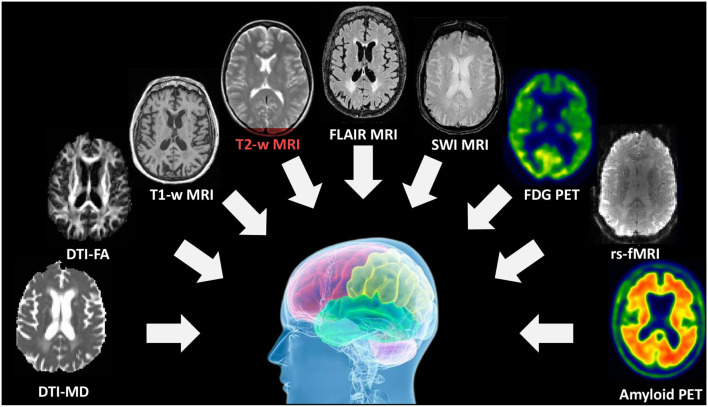
“Brain imaging, providing a way to non-invasively map the structure and function of the brain, has developed significantly in recent years (Gui et al., 2010).”
MethodLuo, Y., Zhou, L., Zhan, B., Fei, Y., Zhou, J., Wang, Y., & Shen, D. G. (2021) · Medical Image Analysis · doi:10.1016/j.media.2021.102335 · Cited by 131 · cited 1×
“, 2019), AR-GAN (Luo et al., 2022), Multi-stream GAN (Yurt et al.”
Hierarchical Amortized GAN for 3D High Resolution Medical Image Synthesis
Sun, L., Chen, J., Xu, Y., Gong, M., Yu, K., & Batmanghelich, K. (2022) · IEEE Journal of Biomedical and Health Informatics · doi:10.1109/jbhi.2022.3172976 · Cited by 127 · cited 1×
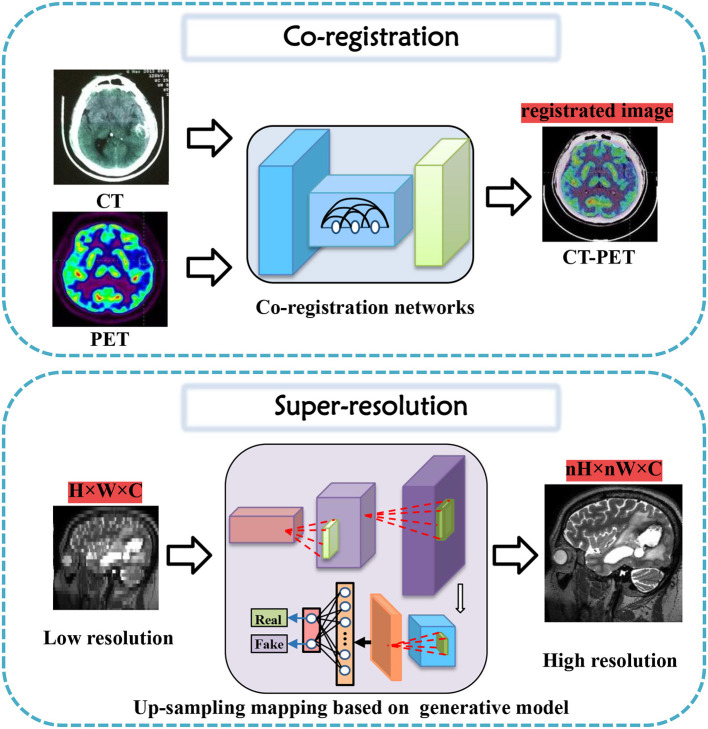
“Research into high-resolution brain imaging has yielded promising results, with generative models proving to be a popular and effective approach (Sun et al., 2022).”
BackgroundVariational AutoEncoder for Regression: Application to Brain Aging Analysis
Zhao, Q., Adeli, E., Honnorat, N., Leng, T., & Pohl, K. M. (2019) · Lecture notes in computer science · doi:10.1007/978-3-030-32245-8_91 · Cited by 117
PET image super-resolution using generative adversarial networks
Song, T.-A., Chowdhury, S. R., Yang, F., & Dutta, J. (2020) · Neural Networks · doi:10.1016/j.neunet.2020.01.029 · Cited by 116 · cited 1×
“, 2022), Dual GANs (Song et al., 2020), FP-GAN (You et al.”
Predicting clinical scores for Alzheimer’s disease based on joint and deep learning
Lei, B., Liang, E., Yang, M., Yang, P., Zhou, F., Tan, E.-L., Lei, Y., Liu, C.-M., Wang, T., Xiao, X., et al. (2021) · Expert Systems with Applications · doi:10.1016/j.eswa.2021.115966 · Cited by 113 · cited 1×
“…radiological studies have identified the characteristics that predict health-related outcomes (Wang S.- Q. et al., 2015; Wang et al., 2020a), including current diagnostic categories and measures of symptoms (Lei et al., 2022a), cognitive and affective computing processes, and cognitive performance.”
BackgroundSelf-citationDeep and joint learning of longitudinal data for Alzheimer's disease prediction
Lei, B., Yang, M., Yang, P., Zhou, F., Hou, W., Zou, W., Li, X., Wang, T., Xiao, X., & Wang, S. (2020) · Pattern Recognition · doi:10.1016/j.patcog.2020.107247 · Cited by 105 · cited 16×
“Similarly, You et al. (2022) suggests using fine perceptive generative adversarial networks (FP-GANs) for high-resolution magnetic resonance imaging.”
BackgroundInfluentialSelf-citationYang, Z., Nasrallah, I. M., Shou, H., Wen, J., Doshi, J., Habes, M., Erus, G., Abdulkadir, A., Resnick, S. M., Albert, M. S., et al. (2021) · Nature Communications · doi:10.1038/s41467-021-26703-z · Cited by 100
Lan, H., Initiative, T. A. D. N., Toga, A. W., & Sepehrband, F. (2021) · Magnetic Resonance in Medicine · doi:10.1002/mrm.28819 · Cited by 97
Multi-modal mri image synthesis via gan with multi-scale gate mergence
Zhan, B., Li, D., Wu, X., Zhou, J., & Wang, Y. (2022) · IEEE Journal of Biomedical and Health Informatics · doi:10.1109/jbhi.2021.3088866 · Cited by 90
Brain stroke lesion segmentation using consistent perception generative adversarial network
Wang, S., Chen, Z., You, S., Wang, B.-C., Shen, Y., & Lei, B. (2022) · Neural Computing and Applications · doi:10.1007/s00521-021-06816-8 · Cited by 86
Self-citationBrain MR to PET Synthesis via Bidirectional Generative Adversarial Network
Hu, S., Shen, Y., Wang, S., & Lei, B. (2020) · Lecture notes in computer science · doi:10.1007/978-3-030-59713-9_67 · Cited by 80
Self-citationZuo, Q., Lei, B., Shen, Y., Liu, Y., Feng, Z., & Wang, S. (2021) · Lecture notes in computer science · doi:10.1007/978-3-030-88010-1_40 · Cited by 78
Self-citationWang, S., Shen, Y., Chen, W., Xiao, T., & Hu, J. (2017) · Lecture notes in computer science · doi:10.1007/978-3-319-68600-4_43 · Cited by 75 · cited 2×
“Synthetic data from generative AI (Wang et al., 2017; Lei et al., 2020b) can train machine learning models (Liu Y. et al., 2021; Lei et al., 2022b) to be less biased and help robots to learn more abstract concepts both in the real and virtual world.”
BackgroundSelf-citationCheng, J., Gao, M., Liu, J., Yue, H., Kuang, H., Liu, J., & Wang, J. (2021) · IEEE Journal of Biomedical and Health Informatics · doi:10.1109/jbhi.2021.3095476 · Cited by 74 · cited 2×
“GANs can also augment data by generating synthetic samples to balance imbalanced classes in the dataset, improving deep learning performance in tasks such as image segmentation and classification (Gao et al., 2021).”
BackgroundAccelerating Diffusion Models Via Pre-Segmentation Diffusion Sampling for Medical Image Segmentation
Guo, X., Yang, Y., Ye, C., Lu, S., Peng, B., Huang, H., Xiang, Y., & Ma, T. (2023) · IEEE International Symposium on Biomedical Imaging (ISBI) · doi:10.1109/isbi53787.2023.10230524 · Cited by 70 · cited 1×
“, 2022), PD-DDPM (Guo et al., 2022); Super-resolution: Flow Enhancer (Dong et al.”
Face detection in untrained deep neural networks
Baek, S., Song, M., Jang, J., Kim, G., & Paik, S.-B. (2021) · Nature Communications · doi:10.1038/s41467-021-27606-9 · Cited by 69 · cited 1×
“Baek et al. (2021) proposed a hierarchical deep neural network model of the ventral visual stream to explain the innate emergence of face-selectivity.”
BackgroundUnsupervised brain tumor segmentation using a symmetric-driven adversarial network
Wu, X., Bi, L., FULHAM, M. J., Feng, D. D., Zhou, L., & Kim, J. (2021) · Neurocomputing · doi:10.1016/j.neucom.2021.05.073 · Cited by 68 · cited 2×
“, 2022), SD-GAN (Wu et al., 2021), DAE (Bangalore Yogananda et al.”
Pan, J., Lei, B., Shen, Y., Liu, Y., Feng, Z., & Wang, S. (2021) · Lecture notes in computer science · doi:10.1007/978-3-030-88010-1_39 · Cited by 65
Self-citationDado, T., Güçlütürk, Y., Ambrogioni, L., Ras, G., Bosch, S., van Gerven, M. A. J., & Güçlü, U. (2022) · Scientific Reports · doi:10.1038/s41598-021-03938-w · Cited by 64
Pan, Y., Liu, M., Lian, C., Xia, Y., & Shen, D. G. (2019) · Lecture notes in computer science · doi:10.1007/978-3-030-32248-9_16 · Cited by 63 · cited 1×
“In 2019, Pan et al. (2019) propose a unified deep learning framework to jointly perform image synthesis and disease diagnosis using incomplete multi-modal neuroimaging data.”
BackgroundCross-modality Synthesis from MRI to PET Using Adversarial U-Net with Different Normalization
Hu, S., Yuan, J., & Wang, S. (2019) · IEEE International Conference on Medical Imaging Physics and Engineering (ICMIPE) · doi:10.1109/icmipe47306.2019.9098219 · Cited by 62
Self-citationMulti-scale Enhanced Graph Convolutional Network for Early Mild Cognitive Impairment Detection
Yu, S., Wang, S., Xiao, X., Cao, J., Yue, G., Liu, D., Wang, T., Xu, Y., & Lei, B. (2020) · Lecture notes in computer science · doi:10.1007/978-3-030-59728-3_23 · Cited by 62
Self-citationPrediction of myelopathic level in cervical spondylotic myelopathy using diffusion tensor imaging
Wang, S., Li, X., Cui, J.-L., Li, H., Luk, K. D. K., & Hu, Y. S. (2014) · Journal of Magnetic Resonance Imaging · doi:10.1002/jmri.24709 · Cited by 61
Self-citationSelf-Supervised Ultrasound to MRI Fetal Brain Image Synthesis
Jiao, J., Namburete, A. I. L., Papageorghiou, A. T., & Noble, J. A. (2020) · IEEE Transactions on Medical Imaging · doi:10.1109/tmi.2020.3018560 · Cited by 60 · cited 1×
“Other studies explored more challenging scenarios, such as Jiao et al. (2020) generating magnetic resonance (MR)-like images directly from clinical ultrasound (US) images of fetal brains and Sharma andHamarneh (2019) synthesizingmultiplemodalities of neuroimaging data.”
BackgroundSteGANomaly: Inhibiting CycleGAN Steganography for Unsupervised Anomaly Detection in Brain MRI
Baur, C., Graf, R., Wiestler, B., Albarqouni, S., & Navab, N. (2020) · Lecture notes in computer science · doi:10.1007/978-3-030-59713-9_69 · Cited by 59 · cited 1×
“Furthermore, like Baur et al. (2020) propose a practical method for unsupervised brain MRI anomaly detection in clinical scenarios using a CycleGAN-based style-transfer framework.”
MethodToStaGAN: An end-to-end two-stage generative adversarial network for brain tumor segmentation
Ding, Y., Zhang, C., Cao, M., Wang, Y., Chen, D., Zhang, N., & Qin, Z. (2021) · Neurocomputing · doi:10.1016/j.neucom.2021.07.066 · Cited by 58
Edge-preserving MRI image synthesis via adversarial network with iterative multi-scale fusion
Luo, Y., Nie, D., Zhan, B., Li, Z., Wu, X., Zhou, J., Wang, Y., & Shen, D. G. (2021) · Neurocomputing · doi:10.1016/j.neucom.2021.04.060 · Cited by 54
Bone age assessment using convolutional neural networks
Wang, S., Shen, Y., Zeng, D., & Hu, Y. S. (2018) · International Conference on Artificial Intelligence and Big Data (ICAIBD) · doi:10.1109/icaibd.2018.8396189 · Cited by 52 · cited 1×
“The approach seems feasible when there are insufficient datasets available for training individual deep neural networks (Wang et al., 2018; Yu et al., 2020) with single-source training datasets.”
BackgroundSelf-citationUnified generative adversarial networks for multimodal segmentation from unpaired 3D medical images
Yuan, W., Wei, J., Wang, J., Ma, Q., & Taşdizen, T. (2020) · Medical Image Analysis · doi:10.1016/j.media.2020.101731 · Cited by 52
Zhang, L., Wang, L., & Zhu, D. (2020) · Lecture notes in computer science · doi:10.1007/978-3-030-59728-3_6 · Cited by 47
Shin, H.-C., Ihsani, A., Xu, Z., Mandava, S., Sreenivas, S. T., Forster, C., Cha, J., & Initiative, A. D. N. (2020) · Lecture notes in computer science · doi:10.1007/978-3-030-59713-9_66 · Cited by 45
Hirte, A. U., Platscher, M., Joyce, T., Heit, J. J., Tranvinh, E., & Federau, C. (2021) · Magnetic Resonance Imaging · doi:10.1016/j.mri.2021.06.001 · Cited by 43 · cited 3×
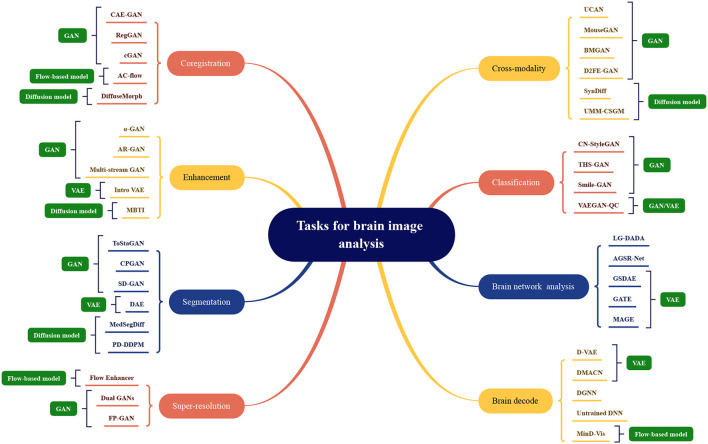
“Coregistration: CAE-GAN (Yang et al., 2020), RegGAN (Kong et al., 2021), cGAN (Sundar et al., 2021), AC-flow (Wang B. et al., 2022), Di useMorph (Kim et al., 2022); Enhancement: α-GAN (Kwon et al., 2019), AR-GAN (Luo et al., 2022), Multi-stream GAN (Yurt et al., 2021), Intro VAE (Hirte et al., 2021), MBTI (Rouzrokh et…”
BackgroundA variational approach to nonlinear two-point boundary value problems
Mo, L., & Wang, S. (2008) · Nonlinear Analysis · doi:10.1016/j.na.2008.12.006 · Cited by 42
Self-citationMultitask Brain Tumor Inpainting with Diffusion Models: A Methodological ReportPreprint
Rouzrokh, P., Khosravi, B., Faghani, S., Moassefi, M., Vahdati, S., & Erickson, B. J. (2022) · arXiv (Cornell University) · doi:10.48550/arxiv.2210.12113 · Cited by 41 · cited 2×
“…2022); Enhancement: α-GAN (Kwon et al., 2019), AR-GAN (Luo et al., 2022), Multi-stream GAN (Yurt et al., 2021), Intro VAE (Hirte et al., 2021), MBTI (Rouzrokh et al., 2022); Segmentation: ToStaGAN (Ding et al., 2021), CPGAN (Wang S. et al., 2022), SD-GAN (Wu et al., 2021), DAE (Bangalore Yogananda…”
Emergency triage of brain computed tomography via anomaly detection with a deep generative model
Lee, S., Jeong, B., Kim, M., Jang, R., Paik, W., Kang, J., Chung, W. J., Hong, G.-S., & Kim, N. (2022) · Nature Communications · doi:10.1038/s41467-022-31808-0 · Cited by 40 · cited 1×
“, 2022); Classification: CN-StyleGAN (Lee et al., 2022), THS-GAN (Yu et al.”
Sundar, L. K. S., Iommi, D., Muzik, O., Chalampalakis, Z., Klebermass, E., Hienert, M., Rischka, L., Lanzenberger, R. R., Hahn, A., Pataraia, E., et al. (2020) · Journal of Nuclear Medicine · doi:10.2967/jnumed.120.248856 · Cited by 37
Deep multi-kernel auto-encoder network for clustering brain functional connectivity data
Lu, H., Liu, S., Wei, H., Chen, C., & Geng, X. (2020) · Neural Networks · doi:10.1016/j.neunet.2020.12.005 · Cited by 37 · cited 3×
“, 2021), DMACN (Lu et al., 2021), DGNN (VanRullen and Reddy, 2019), Untrained DNN (Baek et al.”
BackgroundKim, H. W., Lee, H. E., Lee, S., Oh, K. T., Yun, M., & Yoo, S. K. (2020) · European Journal of Nuclear Medicine and Molecular Imaging · doi:10.1007/s00259-019-04676-y · Cited by 36 · cited 1×
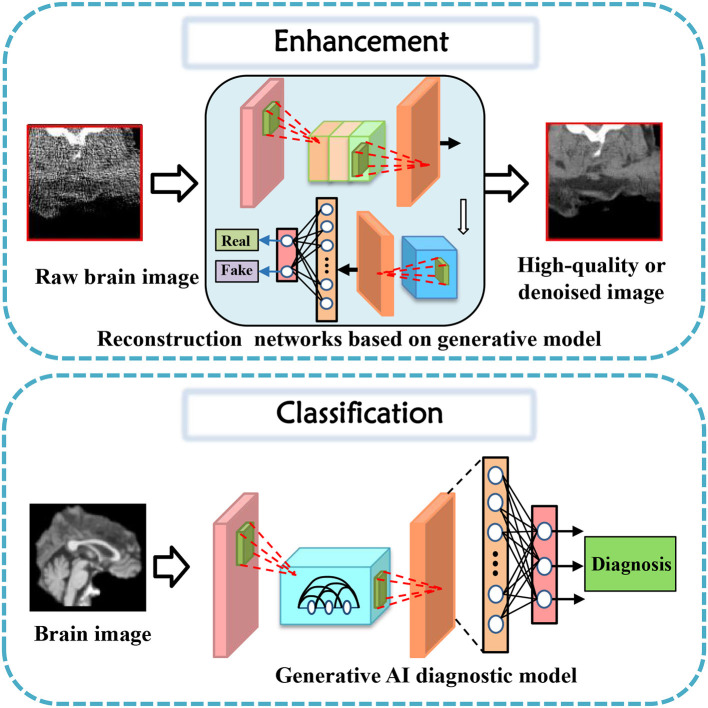
“Kim et al. (2020) propose a GAN-based model for classifying Frontiers inNeuroscience 08 frontiersin.org Alzheimer’s disease (AD) and normal cognitive condition (NC).”
MethodUncertainty-aware GAN with Adaptive Loss for Robust MRI Image Enhancement
Upadhyay, U., Sudarshan, V. P., & Awate, S. P. (2021) · IEEE International Conference on Computer Vision Workshops · doi:10.1109/iccvw54120.2021.00364 · Cited by 36
Meng, X., Gu, Y., Pan, Y., Wang, N., Xue, P., Lu, M., He, X., Zhan, Y., & Shen, D. G. (2022) · arXiv (Cornell University) · doi:10.48550/arxiv.2207.03430 · Cited by 34 · cited 2×
“…UCAN (Zhou et al., 2021), MouseGAN (Yu et al., 2021c), BMGAN (Hu et al., 2021), D2FE-GAN (Zhan et al., 2022), SynDi (Özbey et al., 2022), UMM-CSGM (Meng et al., 2022); Classification: CN-StyleGAN (Lee et al., 2022), THS-GAN (Yu et al., 2021a), Smile-GAN (Yang Z. et al., 2021), VAEGAN-QC…”
EC-GAN: Inferring Brain Effective Connectivity via Generative Adversarial Networks
Liu, J., Ji, J., Xun, G., Yao, L., Huai, M., & Zhang, A. (2020) · Proceedings of the AAAI Conference on Artificial Intelligence · doi:10.1609/aaai.v34i04.5921 · Cited by 33
Unsupervised Medical Image Translation with Adversarial Diffusion ModelsPreprint
Özbey, M., Dalmaz, O., Dar, S. U. H., et al. (2022) · arXiv (Cornell University) · doi:10.48550/arxiv.2207.08208 · Cited by 32 · cited 1×
“, 2022), SynDi (Özbey et al., 2022), UMM-CSGM (Meng et al.”
An Indirect Multimodal Image Registration and Completion Method Guided by Image Synthesis
Yang, H., Qian, P., & Fan, C. (2020) · Computational and Mathematical Methods in Medicine · doi:10.1155/2020/2684851 · Cited by 31
D2FE-GAN: Decoupled dual feature extraction based GAN for MRI image synthesis
Zhan, B., Zhou, L., Li, Z., Wu, X., Pu, Y., Zhou, J., Wang, Y., & Shen, D. G. (2022) · Knowledge-Based Systems · doi:10.1016/j.knosys.2022.109362 · Cited by 30 · cited 1×
“, 2021), D2FE-GAN (Zhan et al., 2022), SynDi (Özbey et al.”
Multi-dynamic modelling reveals strongly time-varying resting fMRI correlations
Pervaiz, U., Vidaurre, D., Gohil, C., Smith, S. M., & Woolrich, M. W. (2022) · Medical Image Analysis · doi:10.1016/j.media.2022.102366 · Cited by 27
A Unified Hyper-GAN Model for Unpaired Multi-contrast MR Image Translation
Yang, H., Sun, J. Z., Yang, L., & Xu, Z. (2021) · Lecture notes in computer science · doi:10.1007/978-3-030-87199-4_12 · Cited by 27
Graph auto-encoding brain networks with applications to analyzing large-scale brain imaging datasets
Liu, M., Zhang, Z., & Dunson, D. B. (2021) · NeuroImage · doi:10.1016/j.neuroimage.2021.118750 · Cited by 24
MouseGAN: GAN-Based Multiple MRI Modalities Synthesis and Segmentation for Mouse Brain Structures
Yu, Z., Zhai, Y., Han, X., Peng, T., & Zhang, X. (2021) · Lecture notes in computer science · doi:10.1007/978-3-030-87193-2_42 · Cited by 24
Wicaksono, K. P., Fujimoto, K., Fushimi, Y., Sakata, A., Okuchi, S., Hinoda, T., Nakajima, S., Yamao, Y., Yoshida, K., Miyake, K. K., et al. (2022) · European Radiology · doi:10.1007/s00330-022-09103-9 · Cited by 23 · cited 1×
“The success of these models suggests that they could be applied to other high-resolution imaging tasks requiring greater detail and precision (Wicaksono et al., 2022).”
BackgroundBessadok, A., Mahjoub, M. A., & Rekik, I. (2020) · Medical Image Analysis · doi:10.1016/j.media.2020.101902 · Cited by 22 · cited 1×
“, 2019); Brain network analysis: LG-DADA (Bessadok et al., 2021), AGSR-Net (Isallari and Rekik, 2021), GSDAE (Qiao et al.”
Isallari, M., & Rekik, I. (2021) · Medical Image Analysis · doi:10.1016/j.media.2021.102084 · Cited by 22 · cited 2×
“While brain imaging allows for the qualitative and quantitative analysis of the brain’s anatomical and functional structure in two or three dimensions, brain network computing enables the study of brain topological features and covariant features (Isallari and Rekik, 2021).”
BackgroundLei, B., Zhang, Y., Liu, D., Xu, Y., Yue, G., Cao, J., Hu, H., Yu, S., Yang, P., Wang, T., et al. (2022) · Knowledge-Based Systems · doi:10.1016/j.knosys.2022.109466 · Cited by 19
Self-citationTA-GAN: transformer-driven addiction-perception generative adversarial network
Jing, C., Gong, C., Chen, Z., Lei, B., & Wang, S. (2022) · Neural Computing and Applications · doi:10.1007/s00521-022-08187-0 · Cited by 19 · cited 2×
“Consequently, they are expected to become pivotal tools for exploring and comprehending brain mechanisms, with the potential to boost the precision of neurodegenerative disease diagnosis and treatment (Jing et al., 2022).”
BackgroundSelf-citationBessadok, A., Mahjoub, M. A., & Rekik, I. (2020) · Lecture notes in computer science · doi:10.1007/978-3-030-59728-3_54 · Cited by 19
Qiao, C., Hu, X., Xiao, L., Calhoun, V. D., & Wang, Y. (2021) · Neurocomputing · doi:10.1016/j.neucom.2021.05.003 · Cited by 16 · cited 2×
“, 2021), AGSR-Net (Isallari and Rekik, 2021), GSDAE (Qiao et al., 2021), GATE (Liu M.”
MethodSemi-supervised VAE-GAN for Out-of-Sample Detection Applied to MRI Quality Control
Mostapha, M., Prieto, J. C., Murphy, V. A., Girault, J. B., Foster, M. B., Rumple, A., Blocher, J., Lin, W., Elison, J. T., Gilmore, J. H., et al. (2019) · Lecture notes in computer science · doi:10.1007/978-3-030-32248-9_15 · Cited by 15 · cited 3×
“…(Meng et al., 2022); Classification: CN-StyleGAN (Lee et al., 2022), THS-GAN (Yu et al., 2021a), Smile-GAN (Yang Z. et al., 2021), VAEGAN-QC (Mostapha et al., 2019); Brain network analysis: LG-DADA (Bessadok et al., 2021), AGSR-Net (Isallari and Rekik, 2021), GSDAE (Qiao et al., 2021),…”
Disparity Autoencoders for Multi-class Brain Tumor Segmentation
Yogananda, C. G. B., Das, Y., Wagner, B., Nalawade, S. S., Reddy, D. D., Holcomb, J. M., Pinho, M. C., Fei, B., Madhuranthakam, A. J., & Maldjian, J. A. (2022) · Lecture notes in computer science · doi:10.1007/978-3-031-09002-8_11 · Cited by 14 · cited 2×
“…et al., 2021), MBTI (Rouzrokh et al., 2022); Segmentation: ToStaGAN (Ding et al., 2021), CPGAN (Wang S. et al., 2022), SD-GAN (Wu et al., 2021), DAE (Bangalore Yogananda et al., 2022), MedSegDi (Wu et al., 2022), PD-DDPM (Guo et al., 2022); Super-resolution: Flow Enhancer (Dong et al., 2022), Dual…”
Addictive brain-network identification by spatial attention recurrent network with feature selection
Gong, C., Chen, X., Mughal, B., & Wang, S. (2023) · Brain Informatics · doi:10.1186/s40708-022-00182-4 · Cited by 13 · cited 1×
“Overall, deep learning frameworks have been shown to hold great potential in brain network modeling, rapidly advancing our understanding of brain structure-function relationships and improving the prediction accuracy of brain disorders, such as brain drug addiction (Gong et al., 2023).”
BackgroundSelf-citationEffective Distributed Learning with Random Features: Improved Bounds and Algorithms
Liu, Y., Liu, J., & Wang, S. (2021) · International Conference on Learning Representations · Cited by 13
Self-citationFlow-Based Visual Quality Enhancer for Super-Resolution Magnetic Resonance Spectroscopic Imaging
Dong, S., Hangel, G. J., Chen, E. Z., Sun, S., Bogner, W., Widhalm, G., You, C., Onofrey, J. A., de Graaf, R. A., & Duncan, J. S. (2022) · Lecture notes in computer science · doi:10.1007/978-3-031-18576-2_1 · Cited by 8
Munteanu, C. R. (2018) · MOL2NET International Conference on Multidisciplinary Sciences (MOL2NET) · doi:10.3390/mol2net-04-06107 · Cited by 6
Multi-dynamic Modelling Reveals Strongly Time-varying Resting fMRI CorrelationsPreprint
Pervaiz, U., Vidaurre, D., Gohil, C., et al. (2021) · bioRxiv (Cold Spring Harbor Laboratory) · doi:10.1101/2021.06.23.449584 · Cited by 4 · cited 1×
“, 2021), MAGE (Pervaiz et al., 2021); Brain decode: D-VAE (Ren et al.”
Time-sequential graph adversarial learning for brain modularity community detection
Gong, C., Xue, B., Jing, C., He, C., Wu, G., Lei, B., & Wang, S. (2022) · Mathematical Biosciences & Engineering · doi:10.3934/mbe.2022621 · Cited by 4
Self-citationInvertible AC-flow: Direct Attenuation Correction Of Pet Images Without Ct Or Mr Images
Wang, B., Lu, L., & Liu, H. (2022) · IEEE International Symposium on Biomedical Imaging (ISBI) · doi:10.1109/isbi52829.2022.9761476 · Cited by 3
Research works printed but not linked: 4
- Goodfellow I. Pouget-Abadie J. Mirza M. Xu B. Warde-Farley D. Ozair S.. (2014). “Generative adversarial nets,” in Advances in Neural Information Processing Systems, eds Z. Ghahramani, M. Welling, C. Cortes, N. Lawrence, and K. Q. Weinberger (Montreal, QC: Curran Associates, Inc.), 2672– 2680.
- Kwon G. Han C. Kim D.-S. (2019). “Generation of 3D brain MRI using auto-encoding generative adversarial networks,” in International Conference on Medical Image Computing and Computer-Assisted Intervention (Shenzhen: Springer), 118– 126.
- Wolterink J. M. Dinkla A. M. Savenije M. Seevinck P. R. van den Berg C. Išgum I. (2017). “MR-to-CT synthesis using cycle-consistent generative adversarial networks,” in Proc. Neural Inf. Process. Syst (Long Beach, CA: NIPS).
- Zhou B. Wang R. Chen M.-K. Mecca A. P. O'Dell R. S. Dyck C. H. V.. (2021). “Synthesizing multi-tracer pet images for Alzheimer's disease patients using a 3D unified anatomy-aware cyclic adversarial network,” in International Conference on Medical Image Computing and Computer-Assisted Intervention (Strasbourg: Springer), 34– 43.
Cited by
Reddy, S. (2024) · Implementation Science · doi:10.1186/s13012-024-01357-9 · Cited by 554
“For instance, GANs have been used for image reconstruction, synthesis, segmentation, registration and classification [5, 9, 37, 39].”
MethodRelmasira, S. C., Lai, Y. C., & Donaldson, J. P. (2023) · Sustainability · doi:10.3390/su151813595 · Cited by 210
Iqbal, J., Hashmi, Z. F., Asghar, M. Z., & Abid, M. N. (2025) · Scientific Reports · doi:10.1038/s41598-025-01676-x · Cited by 82
“For example, researchers also highlighted that GenAITU enhances the collective regulation of thinking processes among student groups 51 .”
Zuo, Q., Wu, H., Chen, C. L. P., Lei, B., & Wang, S. (2024) · IEEE Transactions on Cybernetics · doi:10.1109/tcyb.2023.3344641 · Cited by 93
“Besides, in the area of brain disease analysis, the generative artificial intelligence [17] has achieved great success in computing brain images [18], [19] and brain networks [20].”
BackgroundSelf-citationSMAFormer: Synergistic Multi-Attention Transformer for Medical Image Segmentation
Zheng, F., Chen, X., Liu, W., Li, H., Lei, Y., He, J., Pun, C., & Zhou, S. (2024) · IEEE International Conference on Bioinformatics and Biomedicine (BIBM) · doi:10.1109/bibm62325.2024.10822736 · Cited by 90
“This is because the failure to diagnose tumors at an early stage often leads to the advancement of cancer [1] , rendering it incurable.”
Self-citation
Metadata
- Authors
- Gong, C., Jing, C., Chen, X., Pun, C. M., Huang, G., Saha, A., Nieuwoudt, M., Li, H.-X., Hu, Y., & Wang, S.
- Affiliations
- Chinese Academy of Sciences (CN)
- University of Macau (MO)
- McMaster University (CA)
- Stellenbosch University (ZA)
- City University of Hong Kong (HK)
- University of Hong Kong (HK)
- Corresponding author
- Hu, Yong
- Wang, Shuqiang
- ORCID
- Venue
- Frontiers in Neuroscience
- Publisher
- Frontiers Media SA
- Published
- 2023-06-13
- Volume
- 17
- Pages
- 1203104-1203104
- ISSN
- 1662-453X (ISSN-L)
- PMC
- PMC10293625
- OpenAlex
- W4380629073
- Semantic Scholar
- 667ee6cc2d47a88cbbf6c8ad2b5269c3f37367fc
- Cited by
- 111
- References
- 112
- Citations by year
- 2026: 17 · 2025: 38 · 2024: 46 · 2023: 10
- FWCI
- 4.17
- Type
- journal article
- Language
- en
- Open access
- gold
- doi.org
- Licence
- Locations
- Frontiers in Neuroscience (publishedVersion, cc-by)
- PubMed Central (publishedVersion, cc-by)
- PubMed (publishedVersion)
- CityU Scholars (submittedVersion, cc-by)
- DOAJ (DOAJ: Directory of Open Access Journals) (submittedVersion, cc-by-sa)
- Topics
- Life Sciences › Neuroscience › Cognitive Neuroscience › Functional Brain Connectivity Studies
- Health Sciences › Medicine › Health Informatics › Artificial Intelligence in Healthcare and Education
- Physical Sciences › Computer Science › Computer Vision and Pattern Recognition › Medical Image Segmentation Techniques
- Keywords
- generative AI, neuroimaging, brain network analysis, co-registration, super-resolution, image enhancement, brain classification, brain segmentation, brain decoding, generative models
About these checks
Registry, retraction, Cites and statistics results are computed, not judged, with one exception: a printed reference that no index lists is read once by a model before it counts as a citation error. Claims are extracted by a model and kept only when their quote appears verbatim in the text; each cited source is then checked, with a model’s help, for whether it says what the claim relies on. Those verdicts can be wrong — read the claim’s quote and the cited source before relying on one.
Statistics and arithmetic are recomputed, not judged.
Confidence bands are shown only for fields calibrated on our annotated test set. None is calibrated yet, so no band is shown.
What counts as a claim ›How we measure confidence ›How we check this ›
Are you an author, or do you see a problem with this page? Request a review
Data sources
Bibliographic data: Semantic Scholar, OpenAlex, Crossref.
Contains information from the Semantic Scholar Academic Graph Datasets, made available under the ODC Attribution License (ODC-BY 1.0).
Semantic Scholar’s data is described in: Kinney, R., et al. (2023). The Semantic Scholar Open Data Platform. arXiv:2301.10140.
