

Next-Generation Sequencing Technology: Current Trends and Advancements
Open accessThe DOI matches its Crossref record; 206 of the 206 references it cites were found in a registry or an index.
Abstract
The advent of next-generation sequencing (NGS) has brought about a paradigm shift in genomics research, offering unparalleled capabilities for analyzing DNA and RNA molecules in a high-throughput and cost-effective manner. This transformative technology has swiftly propelled genomics advancements across diverse domains. NGS allows for the rapid sequencing of millions of DNA fragments simultaneously, providing comprehensive insights into genome structure, genetic variations, gene expression profiles, and epigenetic modifications. The versatility of NGS platforms has expanded the scope of genomics research, facilitating studies on rare genetic diseases, cancer genomics, microbiome analysis, infectious diseases, and population genetics. Moreover, NGS has enabled the development of targeted therapies, precision medicine approaches, and improved diagnostic methods. This review provides an insightful overview of the current trends and recent advancements in NGS technology, highlighting its potential impact on diverse areas of genomic research. Moreover, the review delves into the challenges encountered and future directions of NGS technology, including endeavors to enhance the accuracy and sensitivity of sequencing data, the development of novel algorithms for data analysis, and the pursuit of more efficient, scalable, and cost-effective solutions that lie ahead.
Overview
The claims and statistics of this paper haven’t been checked yet.
Free: it reads the open-access text and checks the first 5 claims that cite a source we can check. Create a free account to check every claim.
Integrity signals
Registry
Cites
Statistics
Figures
Verification
Claims the paper makes
The claims and statistics of this paper haven’t been checked yet.
Free: it reads the open-access text and checks the first 5 claims that cite a source we can check. Create a free account to check every claim.
Self-check
Percentages, sums and reported differences re-computed from the paper’s own numbers.
The self-check needs the paper’s full text.
Citations
Cites
1 retracted
[Retracted] A Comprehensive Review of Performance of Next‐Generation Sequencing Platforms
Pervez, M. T., Hasnain, M. J. U., Abbas, S. H., Moustafa, M. F., Aslam, N., & Shah, S. S. M. (2022) · BioMed Research International · doi:10.1155/2022/3457806 · Cited by 141 · cited 1×
“The commentator highlighted the point in the original article regarding the higher error rate of long-read sequencing compared to short-read sequencing.”
BackgroundRetractedModerated estimation of fold change and dispersion for RNA-seq data with DESeq2
Love, M. I., Huber, W., & Anders, S. (2014) · Genome Biology · doi:10.1186/s13059-014-0550-8 · Cited by 95,106 · cited 1×
“…Greengenes [155], Silva [156], RDP [157] Shotgun Metagenomics Taxonomic classification MetaPhlAn4 [158], Kaiju [159], Kraken [160] Assembly of metagenomic reads metaSPAdes [86], metaIDBA [87] Protein databases for taxonomic classification NCBI non-redundant protein database [83] Gene annotation…”
DNA sequencing with chain-terminating inhibitors
Sanger, F., Nicklen, S., & Coulson, A. R. (1977) · Proceedings of the National Academy of Sciences · doi:10.1073/pnas.74.12.5463 · Cited by 68,572 · cited 1×
“However, the real breakthrough came with the introduction of the chain termination-based sequencing method by Fredrick Sanger [13].”
MethodTrimmomatic: a flexible trimmer for Illumina sequence data
Bolger, A. M., Lohse, M., & Usadel, B. (2014) · Bioinformatics · doi:10.1093/bioinformatics/btu170 · Cited by 65,548 · cited 2×
“Quality check of sequences FastQC [90], FASTX-toolkit [91], MultiQC [92] Trimming of adaptors and low-quality bases Trimmomatic [93], Cutadapt [94], fastp [95] Alignment of sequence reads to reference genome BWA [96], Bowtie [97], dragMAP [98]”
MethodFast gapped-read alignment with Bowtie 2
Langmead, B., & Salzberg, S. L. (2012) · Nature Methods · doi:10.1038/nmeth.1923 · Cited by 56,400 · cited 1×
“MethylDackel * Differential methylation Metilene [138], BSsmooth [139], methylKit [140] Epigenomics-ChIP [147], MAnorm [148], MMDiff [149]”
MethodSTAR: ultrafast universal RNA-seq aligner
Dobin, A., Davis, C. A., Schlesinger, F., Drenkow, J., Zaleski, C., Jha, S., Batut, P., Chaisson, M., & Gingeras, T. R. (2013) · Bioinformatics · doi:10.1093/bioinformatics/bts635 · Cited by 51,709 · cited 1×
“Commonly Used Tools 16s rRNA seq 16S rRNAseq analysis pipelines QIIME2 [82], mothur [153], USEARCH [154] Ribosomal RNA databases Greengenes [155], Silva [156], RDP [157] Shotgun Metagenomics Taxonomic classification MetaPhlAn4 [158], Kaiju [159], Kraken [160] Assembly of metagenomic reads metaSPAdes…”
MethodRobinson, M. D., McCarthy, D. J., & Smyth, G. K. (2010) · Bioinformatics · doi:10.1093/bioinformatics/btp616 · Cited by 41,364 · cited 1×
“…[155], Silva [156], RDP [157] Shotgun Metagenomics Taxonomic classification MetaPhlAn4 [158], Kaiju [159], Kraken [160] Assembly of metagenomic reads metaSPAdes [86], metaIDBA [87] Protein databases for taxonomic classification NCBI non-redundant protein database [83] Gene annotation Prokka [88],…”
BackgroundKEGG: Kyoto Encyclopedia of Genes and Genomes
Kanehisa, M. (2000) · Nucleic Acids Research · doi:10.1093/nar/28.1.27 · Cited by 37,077 · cited 2×
“Shotgun Metagenomics Taxonomic classification MetaPhlAn4 [158], Kaiju [159], Kraken [160] Assembly of metagenomic reads metaSPAdes [86], metaIDBA [87] Protein databases for taxonomic classification NCBI non-redundant protein database [83] Gene annotation Prokka [88], MetaGeneMark [89] Databases for functional annotati…”
QIIME allows analysis of high-throughput community sequencing data
Caporaso, J. G., Kuczynski, J., Stombaugh, J., Bittinger, K., Bushman, F. D., Costello, E. K., Fierer, N., Peña, A. G., Goodrich, J. K., Gordon, J. I., et al. (2010) · Nature Methods · doi:10.1038/nmeth.f.303 · Cited by 34,887 · cited 2×
“Quality check of sequences FastQC [90], FASTX-toolkit [91], MultiQC [92] Trimming of adaptors and low-quality bases Trimmomatic [93], Cutadapt [94], fastp [95] Alignment of sequence reads to reference genome BWA [96], Bowtie [97], dragMAP [98]”
BackgroundMethodCutadapt removes adapter sequences from high-throughput sequencing reads
Martin, M. (2011) · EMBnet.journal · doi:10.14806/ej.17.1.200 · Cited by 33,889 · cited 1×
“MethylDackel * Differential methylation Metilene [138], BSsmooth [139], methylKit [140] Epigenomics-ChIP [147], MAnorm [148], MMDiff [149]”
Method
Research works printed but not linked: 1
- Li H. Aligning sequence reads, clone sequences and assembly contigs with BWA-MEM arXiv 2013 1303.3997
Cited by
Items 201–300 of 1,002
Pan, Y., Ran, T., Zhang, X., Qin, X., Zhang, Y., Zhou, C., & Zou, D. (2024) · Endoscopic Ultrasound · doi:10.1097/eus.0000000000000097 · Cited by 17
Liquid biopsies and exosomal ncRNA: Transforming pancreatic cancer diagnostics and therapeutics
Balaraman, A. K., Moglad, E. H. O., Afzal, M., Babu, M. A., Goyal, K., Roopashree, R., Kaur, I., Kumar, S., Kumar, M., Chauhan, A. S., et al. (2024) · Clinica Chimica Acta · doi:10.1016/j.cca.2024.120105 · Cited by 16
Alnasser, S. M. (2025) · BioData Mining · doi:10.1186/s13040-025-00447-8 · Cited by 17
Zhang, S., Li, X., Li, X., Fu, Y., Chen, L., Wang, W., Lin, Q., Lou, H. P., Yao, Y., Chen, W., et al. (2025) · EBioMedicine · doi:10.1016/j.ebiom.2025.105752 · Cited by 17
“14,15 Despite its promise, mTGS still lacks a standardised technical framework and quality control processes, which limits its widespread clinical adoption.”
The Use of AI for Phenotype-Genotype Mapping
Sharma, J., & Goel, P. (2025) · Methods in molecular biology · doi:10.1007/978-1-0716-4690-8_21 · Cited by 19
The Transformative Potential of Liquid Biopsies and Circulating Tumor DNA (ctDNA) in Modern Oncology
Rouvinov, K., Naamneh, R., Yakobson, A., Najjar, W., Abu Amna, M., Soklakova, A., Abu Zeid, E. E. D., Brenner, R., Asla, M., Ghalion, F. A., et al. (2026) · Diagnostics · doi:10.3390/diagnostics16040523 · Cited by 14
Qin, S., Wang, Q., Zhang, Z., Gu, J., He, G., Zeng, F., Chen, R., He, B., Wang, Y., Wang, M., et al. (2025) · Journal of the American Chemical Society · doi:10.1021/jacs.5c10242 · Cited by 15
Next-generation sequencing approaches for soil microbiome research
Reznikova, D. A., Barannikova, M. V., Shnakhova, L. M., Mitkin, N. A., & Vatlin, A. A. (2026) · Frontiers in Soil Science · doi:10.3389/fsoil.2025.1706999 · Cited by 17
Huang, Y., Liao, C., Shen, Z., Zou, Y., Xie, W., Gan, Q., Yao, Y., Zheng, J., & Kong, J. (2024) · Frontiers in Immunology · doi:10.3389/fimmu.2024.1297542 · Cited by 17
“The advent of high-throughput genomic sequencing technologies, such as next-generation sequencing (NGS), has revolutionized bladder cancer research (9).”
BackgroundSingh, A. K., Maurya, A., Rajkumar, S., Singh, A. K., Bhardwaj, R., Kaushik, S. K., Kumar, S., Singh, K., Singh, G. P., & SINGH, R. D. (2024) · Plants · doi:10.3390/plants13060824 · Cited by 14
GWAS advancements to investigate disease associations and biological mechanisms
Omidiran, O., Patel, A., Usman, S., Mhatre, I., Abdelhalim, H., DeGroat, W., Narayanan, R., Singh, K., Mendhe, D., & Ahmed, Z. (2024) · Clinical and Translational Discovery · doi:10.1002/ctd2.296 · Cited by 20
Insights into Porphyromonas somerae in Bladder Cancer Patients: Urinary Detection by ddPCR
Russo, F., Esposito, S., Tripodi, L., Pandolfo, S. D., Aveta, A., Amato, F., Nardelli, C., Imbimbo, C., Pastore, L., & Castaldo, G. (2024) · Microorganisms · doi:10.3390/microorganisms12102049 · Cited by 16
“…sequencing (NGS) has revolutionized genomics by enabling the rapid and comprehensive analysis of DNA and RNA molecules, providing unparalleled capabilities for identifying new genetic biomarkers, and advancing our understanding of complex biological systems and disease mechanisms [1–3].”
BackgroundPromising tools for future drug discovery and development in antiarrhythmic therapy
Mondéjar‐Parreño, G., Sánchez-Pérez, P., Cruz, F. M., & Jalife, J. (2024) · Pharmacological Reviews · doi:10.1124/pharmrev.124.001297 · Cited by 17
Anwar, S., Alhumaydhi, F. A., Rahmani, A. H., Kumar, V., & Alrumaihi, F. (2024) · Diseases · doi:10.3390/diseases12120310 · Cited by 18
Data-Driven Healthcare: The Role of Computational Methods in Medical Innovation
Hariharasakthisudhan, P., Rajendran, S., Khalkar, V., Devarajan, G., & Kamaraj, L. (2025) · Computer Modeling in Engineering & Sciences · doi:10.32604/cmes.2024.056605 · Cited by 23
Advancing Archival Data Storage: The Promises and Challenges of DNA Storage System
Sensintaffar, A., Wei, Y., Ou, L., Du, D. H. C., & Li, B. (2025) · ACM Transactions on Storage · doi:10.1145/3723166 · Cited by 17
Systems biology of Haemonchus contortus – Advancing biotechnology for parasitic nematode control
Zheng, Y., Young, N. D., Wang, T., Chang, B. C. H., Song, J., & Gasser, R. B. (2025) · Biotechnology Advances · doi:10.1016/j.biotechadv.2025.108567 · Cited by 15
Conservation and diversity of the pollen microbiome of Pan-American maize using PacBio and MiSeq
Khalaf, E. M., Shrestha, A., Reid, M. L., McFadyen, B. J., & Raizada, M. N. (2023) · Frontiers in Microbiology · doi:10.3389/fmicb.2023.1276241 · Cited by 13
“The past decade has witnessed unprecedented evolution in HTS platforms (Gupta and Verma, 2019; Satam et al., 2023).”
BackgroundGenomic Insights into Dementia: Precision Medicine and the Impact of Gene-Environment Interaction
Tripathi, A., Pandey, V. K., Sharma, G., Sharma, A. R., Taufeeq, A., Jha, A. K., & Kim, J. (2024) · Aging and Disease · doi:10.14336/ad.2024.0322 · Cited by 17
“Individualized therapy regimens based on genetic and environmental profiles hold the potential to be more focused and successful interventions, potentially delaying the onset of dementia and enhancing the quality of life for those who are impacted [120].”
BackgroundEvaluation of DNA Extraction Methods for Microbial Community Profiling in Deadwood Decomposition
Zhang, Y., Song, Z., & Schilling, J. S. (2024) · MicrobiologyOpen · doi:10.1002/mbo3.70007 · Cited by 14
Khan, Z., Mehan, S., Maurya, P. K., Kumar, A., Gupta, G. D., Narula, A. S., & Kalfin, R. E. (2025) · Endocrine Metabolic & Immune Disorders - Drug Targets · doi:10.2174/0118715303325979241206115417 · Cited by 15
TLR/NLRP3 inflammasome signaling pathways as a main target in frailty, cachexia and sarcopenia
Shahbaz, S. K., Mokhlesi, A., Sadegh, R. K., Rahimi, K., Jamialahmadi, T., Butler, A. E., Kesharwani, P., & Sahebkar, A. (2025) · Tissue and Cell · doi:10.1016/j.tice.2025.102723 · Cited by 13
Kampmann, M., Børsting, C., Jepsen, A. H., Andersen, M. M., Aagreen, C. I. V., Poggiali, B., Jønck, C. G., Morling, N., & Andersen, J. D. (2025) · Forensic Science International Genetics · doi:10.1016/j.fsigen.2025.103234 · Cited by 15
Innovative laboratory techniques shaping cancer diagnosis and treatment in developing countries
Lawal, A. O., Ogunniyi, T. J., Oludele, O. I., Olorunfemi, O. A., Okesanya, O. J., Ogaya, J. B., Manirambona, E., Ahmed, M. M., & Lucero‐Prisno, D. E. (2025) · Discover Oncology · doi:10.1007/s12672-025-01877-w · Cited by 18
Microbial Interactions in Rearing Systems for Marine Fish Larvae
Paralika, V., & Makridis, P. (2025) · Microorganisms · doi:10.3390/microorganisms13030539 · Cited by 17
“…to potential overestimation of microbial diversity [129], limited ability to study microbial physiology and interactions in the absence of cultured isolates [130], and reliance on DNA sequencing technologies, which may be costly and require bioinformatics expertise for data analysis [131,132].”
Precision medicine in colorectal cancer: genomics profiling and targeted treatment
Muhar, A. M., Velaro, A. J., Prananda, A. T., Nugraha, S. E., Halim, P., & Syahputra, R. A. (2025) · Frontiers in Pharmacology · doi:10.3389/fphar.2025.1532971 · Cited by 15
Ma, Y., Wang, Y., Chen, C., Feng, L., Shan, J., Zhang, L., Ma, X., Chu, Y., Wu, H., & Zhou, G. (2025) · Analytical Chemistry · doi:10.1021/acs.analchem.4c07015 · Cited by 13
Farhat, J., Alzyoud, L., Alwahsh, M., Acharjee, A., & Al‐Omari, B. (2025) · Cancer Medicine · doi:10.1002/cam4.70853 · Cited by 20
Bernsen, E. C., Verwiel, E. T. P., van der Lee, M., Swen, J. J., Santoso, M., Brigitha, L. J., Admiraal, R., Tops, B. B. J., Huitema, A. D. R., Kemmeren, P., et al. (2025) · Clinical Pharmacology & Therapeutics · doi:10.1002/cpt.3685 · Cited by 14
“45,46 Initiatives like PG4KDS: Clinical Implementation of Pharmacogenetics at St. Jude Children’s Research Hospital, that use a panel-based approach, as well as our own study, demonstrate the feasibility of incorporating pharmaco-genetic screening into routine clinical workflows.”
Rezaei, S., Hamedani, Z., Ahmadi, K., Ghannadikhosh, P., Motamedi, A., Athari, M., Yousefi, H., Rajabi, A. H., Abbasi, A., & Arabi, H. (2025) · Critical Reviews in Oncology/Hematology · doi:10.1016/j.critrevonc.2025.104780 · Cited by 14
Wang, C., Dong, T., Rong, X., Yang, Y., Mou, J., Li, J., Ge, J., Mu, X., & Jiang, J. (2025) · Journal of Cancer Research and Clinical Oncology · doi:10.1007/s00432-025-06187-w · Cited by 15
“Visualizing data through charts, such as bar graphs, boxplots, scatter plots, and heat maps, enhances data-mining efficiency and rule discovery (Satam et al. 2023).”
Technological Innovations and Multi-Omics Approaches in Cancer Research: A Comprehensive Review
Velmurugan, S., Wankhar, D., Paramasivan, V., & Subbaraj, G. K. (2025) · Biocell · doi:10.32604/biocell.2025.065891 · Cited by 13
Yuan, S., Qi, Y., & Qin, R. (2025) · Frontiers in Cardiovascular Medicine · doi:10.3389/fcvm.2025.1579352 · Cited by 13
“As technologies such as next-generation sequencing and machine learning evolve, the prospect of epigenetically guided exercise interventions is becoming increasingly feasible (123, 124).”
Enhanced metagenomic strategies for elucidating the complexities of gut microbiota: a review
Li, X., & Lu, H. (2025) · Frontiers in Microbiology · doi:10.3389/fmicb.2025.1626002 · Cited by 21
Advancements in microfluidic platforms for rapid biomarker diagnostics of infectious diseases
Vafadar, A., Takallu, S., Alashti, S. K., Rashidi, S., Bahrani, S., Tajbakhsh, A., Mirzaei, E., & Savardashtaki, A. (2024) · Microchemical Journal · doi:10.1016/j.microc.2024.112296 · Cited by 12
Exploring SNP filtering strategies: the influence of strict vs soft core
Taouk, M. L., Featherstone, L. A., Taiaroa, G., Seemann, T., Ingle, D. J., Stinear, T. P., & Wick, R. R. (2025) · Microbial Genomics · doi:10.1099/mgen.0.001346 · Cited by 17
Razalli, I. I., Abdullah‐Zawawi, M., Tamizi, A. A., Harun, S., Zainal‐Abidin, R., Jalal, M. I. A., Ullah, M. A., & Zainal, Z. (2025) · Planta · doi:10.1007/s00425-025-04666-5 · Cited by 12
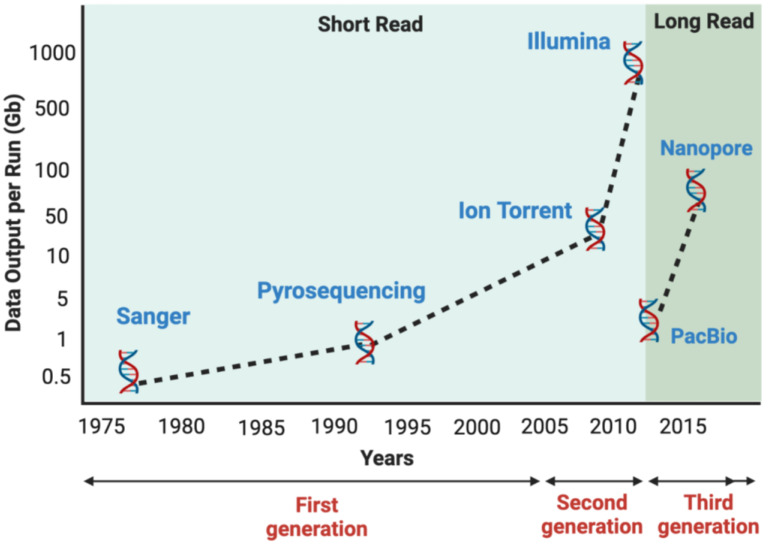
“The second generation pioneered parallel short-read sequencing, and the third generation introduced the capability for long-read sequencing is ascertained through the detection of pyrophosphate release upon the addition of nucleotides to the DNA template (Satam et al. 2023).”
Gales, L. N., Păun, M.-A., Butnariu, I., Simion, L., Manolescu, L. S. C., Trifanescu, O. G., & Anghel, R. M. (2025) · International Journal of Molecular Sciences · doi:10.3390/ijms26073123 · Cited by 12
“…genomic evaluation by parallel sequencing large quantities of DNA fragments extracted from tissue or liquid samples, resulting in a high-throughput, high-yield technique capable of interrogating sensitive molecular events with an impactful meaning in the subsequent clinical management [3].”
Multiscale information processing in the immune system
Quiroz, R. N., Camacho, J. V., Peñata, E. Z., Bello-Lemus, Y., López-Fernández, C., Escorcia, L. G., Fernandez-Ponce, C. M., Cobos, M. R., Moreno, J. F., Moreno, O. F., et al. (2025) · Frontiers in Immunology · doi:10.3389/fimmu.2025.1563992 · Cited by 16
“Sequential signals require molecular memory systems, typically based on epigenetic modi fi cations or changes in levels of key proteins that persist after the fi rst signal has ceased (61).”
Mir, R., Javid, J., Ullah, M. F., Alrdahe, S. S., Albalawi, I. A., Mustafa, S. K., Jalal, M. M., Altayar, M. A., Albalawi, A. D., Abunab, M. K., et al. (2025) · Medical Oncology · doi:10.1007/s12032-025-02945-5 · Cited by 15
“…technological leaps, as delineated in Tables 1 and 2 , have empowered researchers with advanced DNA sequencing [203, 204], SNP-chip profiling [205], RNA-seq [206], SWATH-based proteomics [207] and metabolomic capabilities [208], catalyzing an enhanced understanding in multi-omics studies…”
Chen, B., Bülbül, E. F., Bang, S., Minas, H. A., & Bozhüyük, K. A. J. (2025) · Natural Product Reports · doi:10.1039/d5np00041f · Cited by 12
Genomic insights into bacteriophages: a new frontier in AMR detection and phage therapy
Banerjee, B., Halder, S., Kumar, S., Chaddha, M., Ali, R., Mohite, R., Bano, M., & Pandey, R. (2025) · Briefings in Functional Genomics · doi:10.1093/bfgp/elaf011 · Cited by 12
Mena, J., Marco-Fuertes, A., Culhane, M. R., & Torremorell, M. (2025) · Frontiers in Veterinary Science · doi:10.3389/fvets.2025.1648878 · Cited by 12
“These methods support surveillance, virus characterization, vaccine strain selection, and 10.3389/fvets.2025 .1648878 Frontiers in Veterinary Science 06 frontiersin.org molecular epidemiology (99).”
InfluentialToland, S., Ridge, P., O’Brien, E., Morgan, R. K., Toomey, S., Hennessy, B. T., & Ryan, D. (2025) · Breathe · doi:10.1183/20734735.0051-2025 · Cited by 13
“However, they are limited by tissue availability, sampling bias and procedural risks [13 – 16].”
Soe, T., Kong, J., Xu, B., Kan, J., Tembrock, L. R., Nie, L., & Jia, M. (2025) · Genomics Communications · doi:10.48130/gcomm-0025-0018 · Cited by 12
Rabello, E., & de Paris, F. (2026) · Pathogens · doi:10.3390/pathogens15020142 · Cited by 13
“Portable NGS devices with reduced costs are currently being developed, which may increase the accessibility of this technology [58,104].”
Karimi-Fard, A., Saidi, A., Tohidfar, M., & Emami, S. N. (2024) · Brazilian Journal of Microbiology · doi:10.1007/s42770-024-01338-6 · Cited by 11
“Next-generation sequencing (NGS) technologies have also led to significant advances in understanding molecular mechanisms and gene regulation in response to stress [8].”
Multi-omics in Human Disease Biomarker Discovery
Kumar, P., Kanchan, S., & Kesheri, M. (2024) · Springer eBooks · doi:10.1007/978-981-97-1769-9_8 · Cited by 12
Kolisnik, T., Keshavarz-Rahaghi, F., Purcell, R. V., Smith, A. N. H., & Silander, O. (2024) · Briefings in Functional Genomics · doi:10.1093/bfgp/elae038 · Cited by 13
Extensive sequence analysis: revealing genomic knowledge throughout various domains
Sikkander, A. R. M., Tripathi, S. L., & Theivanathan, G. (2025) · Elsevier eBooks · doi:10.1016/b978-0-443-30080-6.00007-9 · Cited by 16
Knowledge of the genetics of human pain gained over the last decade from next-generation sequencing
Kringel, D., & Lötsch, J. (2025) · Pharmacological Research · doi:10.1016/j.phrs.2025.107667 · Cited by 13
Alternative splicing in addiction
Bhatnagar, A., & Heller, E. A. (2025) · Current Opinion in Genetics & Development · doi:10.1016/j.gde.2025.102340 · Cited by 11
“Recent advances in next-generation sequencing have revolutionized our ability to analyze gene expression and alternative splicing at an unprecedented depth and resolution [22].”
The emerging role of circulating tumor DNA in brain tumor research
Chahardehi, A. M., Faraji, N., Emtiazi, N., Nasiri, R., Daghagheleh, M., Mohammadaein, H., Masoudi, F., Vakili, K. G., Azar, A. S., Fatemian, H., et al. (2025) · IBRO Neuroscience Reports · doi:10.1016/j.ibneur.2025.04.007 · Cited by 11
Chromosome defects and male factor infertility
Lamb, D. J. (2025) · Fertility and Sterility · doi:10.1016/j.fertnstert.2025.04.034 · Cited by 12
Asim, M. N., Asif, T., Hassan, F., & Dengel, A. (2025) · Database · doi:10.1093/database/baaf027 · Cited by 15
Integrating biotechnology into diagnostic labs: Innovations in PCR and molecular procedures
Tahir, M. F., Ishtiaq, S., Anas, M., Irfan, A., Jaremko, M., Fahad, S., Ercişli, S., Almahasheer, H., & Abdelsalam, N. R. (2025) · Current Research in Biotechnology · doi:10.1016/j.crbiot.2025.100325 · Cited by 12
Naghib, S. M., Khorasani, M. A., Sharifianjazi, F., & Tavamaishvili, K. (2025) · TrAC Trends in Analytical Chemistry · doi:10.1016/j.trac.2025.118412 · Cited by 12
Bioengineered Skin Microbiome: The Next Frontier in Personalized Cosmetics
Atallah, C., Abiad, A. E., Abiad, M. E., Nakad, M., & Assaf, J. C. (2025) · Cosmetics · doi:10.3390/cosmetics12050205 · Cited by 13
“Microbiome sequencing, specifically next-generation sequencing (NGS), is a transfor-mative technology [130].”
InfluentialAlzarea, S. I. (2025) · Saudi Pharmaceutical Journal · doi:10.1007/s44446-025-00026-2 · Cited by 12
“Recent studies have shown that combining transcriptomic data with epigenomic and proteomic profiles can uncover intricate regulatory networks involving ncRNAs, enhancing understanding of their roles in diseases like cancer and neurodegeneration (Satam et al. 2023; Jorge et al. 2012).”
Yohannis, E., Teka, T. A., & Urugo, M. M. (2025) · Food Chemistry Advances · doi:10.1016/j.focha.2025.101138 · Cited by 13
Hepatitis B Virus and microRNAs: A Bioinformatics Approach
Zulian, V., Fiscon, G., Paci, P., & Garbuglia, A. R. (2023) · International Journal of Molecular Sciences · doi:10.3390/ijms242417224 · Cited by 12
“The advancement of high-throughput sequencing technologies, also known as next-generation sequencing (NGS), led to the rapid generation of massive biological data [78,79].”
BackgroundShanmugam, G., Jeyaraj, G., & Sarkar, K. (2024) · Oral Oncology Reports · doi:10.1016/j.oor.2024.100710 · Cited by 11
Role and significance of virus–bacteria interactions in disease progression
Pokhrel, V., Kuntal, B. K., & Mande, S. S. (2024) · Journal of Applied Microbiology · doi:10.1093/jambio/lxae130 · Cited by 11
Kitchens, S., Wang, C., & Price, S. B. (2024) · Microorganisms · doi:10.3390/microorganisms12112249 · Cited by 15
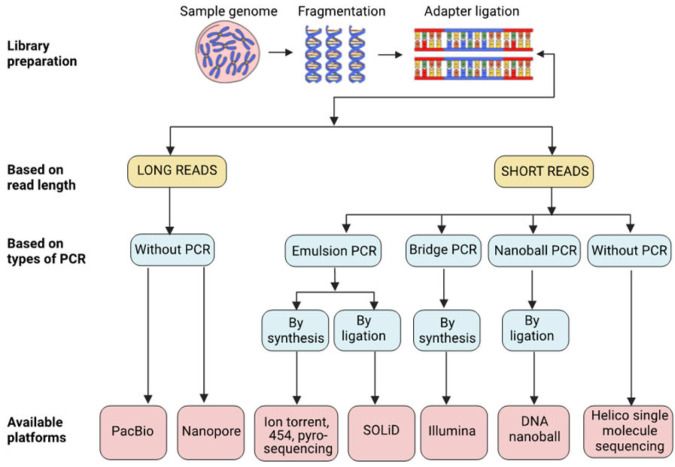
“Illumina sequencing platform (36–300 bp) is based on the “sequencing by synthesis” (SBS) approach that involves DNA-polymerase-dependent nucleotide incorporation on the extended DNA chain [188,189].”
Advancements in single-cell techniques for examining the HIV reservoir: pathways to a cure
Mbhele, N., Chimukangara, B., Tyers, L., Maldarelli, F. M., & Redd, A. D. (2025) · mBio · doi:10.1128/mbio.00655-25 · Cited by 11
Research progress in high-throughput DNA synthesis and its applications
Liu, C. B., Zhuang, W., Liu, L., Chen, Y., Yang, C., Chen, H., Yao, Y., Sun, X., & Hu, W. W. (2025) · Journal of Materials Chemistry B · doi:10.1039/d5tb00869g · Cited by 12
Skoufos, S., Stavropoulou, E., Tsigalou, C., & Voidarou, C. C. (2025) · Microorganisms · doi:10.3390/microorganisms13071564 · Cited by 9
Singh, M., Sreelakshmi, C. S., Mukhopadhyay, C., George, S. D., Nag, P., & Sadani, K. (2025) · Sensors and Actuators Reports · doi:10.1016/j.snr.2025.100365 · Cited by 10
Wu, P., Zhou, J., Amaral, L. S. D., Cassera, M. B., Yue, J., & Zhou, B. (2025) · Bioorganic Chemistry · doi:10.1016/j.bioorg.2025.108825 · Cited by 10
Bianco, B. C. F., & Planello, A. C. (2025) · Molecular Genetics and Genomics · doi:10.1007/s00438-025-02295-x · Cited by 10
Kang, H., Cho, S. G., & Oh, E. (2025) · Clinical Transplantation and Research · doi:10.4285/ctr.25.0045 · Cited by 10
“NGS is the most analytically comprehensive platform, enabling parallel sequencing of numerous genomic regions and broad detection of donor-specific SNPs or epigenetic signatures [58].”
Mboowa, G. (2025) · Pathogens · doi:10.3390/pathogens14100975 · Cited by 10
“Infrastructure, supply chain and cost: The relatively high cost of next-generation sequencing platforms [57] and reagents remains a significant barrier to widespread adoption in many LMICs.”
Unveiling the Paradoxical Nature of Autophagy in Cancer Cell Fate
Shifa, J., Amin, T., Fakruddin, M., Rahman, K. A., & Islam, S. M. B. U. (2025) · Cancer Control · doi:10.1177/10732748251384365 · Cited by 12
“236 In addition to multi-omic integration, computational models and arti fi cial intelligence (AI) approaches have the potential in making clinical use out of autophagy data.”
Eman, S., Din, R. M. U., Zafar, M., Zhang, M., Wen, X., Ma, J., Saleh, A. A., Husien, H. M., Wang, M., & Guo, X. (2025) · Animals · doi:10.3390/ani15213132 · Cited by 12
“NGS has revolutionized genome sequencing by allowing the simultaneous reading of millions of DNA fragments, which has dramatically improved both speed and cost-effectiveness [75,76].”
Ipeleng, K. E., Feleni, U., & Saasa, V. (2025) · Foods · doi:10.3390/foods14234139 · Cited by 10
“Finally, NGS is defined as a technique that enables fast and simultaneous sequencing of millions of DNA segments, revealing detailed information about an organism’s genetic composition, variations, epigenetic modifications, and gene expression profiles [57].”
Dukuze, N., Hitayezu, J., Uyisenga, J. P., Hakizimana, O., Bours, V., Uwineza, A., & Alagbonsi, A. I. (2026) · Frontiers in Genetics · doi:10.3389/fgene.2026.1718279 · Cited by 11
“Discoveries and advancements in new technologies like next-generation sequencing have brought the ability to analyse individual genomes and find a vast array of genetic variants (Satam et al., 2023).”
Emerging roles of plant microRNAs during Colletotrichum spp. infection
Cabral, S. K. D. O., de Freitas, M. B., Stadnik, M. J., & Kulcheski, F. R. (2024) · Planta · doi:10.1007/s00425-023-04318-6 · Cited by 12
“Acquisition of sRNA-seq data necessitates meticulous sample preparation, specialized equipment, and robust computational infrastructure for analysis (Siddika and Heinemann 2021; Satam et al. 2023).”
Current and future trends in whole genome sequencing in cancer
Katsuya, Y. (2024) · Cancer Biology and Medicine · doi:10.20892/j.issn.2095-3941.2023.0420 · Cited by 10
“Currently, the third generation technologies have long-read and single-molecule sequencing abilities 5 .”
BackgroundDowrick, J. M., Roy, N. C., Bayer, S. B., Frampton, C. M., Talley, N. J., Gearry, R. B., & Angeli, T. R. (2024) · Neurogastroenterology & Motility · doi:10.1111/nmo.14898 · Cited by 12
“The power and accessibility of omics technology are rapidly improving, 97 which presents an opportunity for quantitative biological- marker-based subtyping.”
Leveraging Deep Learning for Genomics Analysis
Gandhewar, N., Pimpalkar, A. P., Jadhav, A. R., Shelke, N. M., & Jain, R. (2024) · Wiley eBooks · doi:10.1002/9781394268832.ch9 · Cited by 12
Santanumurti, M. B., Nugraha, M. A. R., Dewi, N. R., Awaluddin, M., Tang, P. W., Pardede, H. I., Solami, L. A., Sulmartiwi, L., & El-Regal, M. A. A. (2024) · Veterinary World · doi:10.14202/vetworld.2024.2267-2285 · Cited by 14
“Each application provides information on the genome structure, gene expression profiles, and gene function of the different organisms [67], allowing for an in-depth understanding of the molecular mechanisms governing various biological and physiological processes [68].”
Backgrounddel Río, J. M., Frutos-Beltrán, E., Sebastián-Martín, A., Lasala, F., Yasukawa, K., Delgado, R. B., & Menéndez‐Arias, L. (2024) · Journal of Molecular Biology · doi:10.1016/j.jmb.2024.168815 · Cited by 12
Wang, Q., Lu, Y. C., Li, M., Gao, Z., Li, D., Gao, Y., Deng, W., & Wu, J. (2025) · Animals · doi:10.3390/ani15060831 · Cited by 10
“In contrast, NGS is renowned for its high-throughput capabilities, featuring mature alignment and assembly algorithms, straight-forward data quality control, and high cost-effectiveness [13].”
Redhwan, A., Adnan, M., Bakhsh, H. R., Alshammari, N. I., Surti, M., Parashar, M., Patel, M., Patel, M. B., Manjegowda, D. S., & Sharma, S. (2024) · Cell Biochemistry and Biophysics · doi:10.1007/s12013-024-01465-9 · Cited by 9
“Exploring the impact of extensive sequence variation data within biological systems can be challenging and resource-intensive [14].”
Digital Transformation: A Challenge for the Romanian Health System
Rotaru, N.-P., & Edelhauser, E. (2024) · Systems · doi:10.3390/systems12090366 · Cited by 11
Dissecting ncRNA pathways and omics integration
Agu, P. C. (2025) · Progress in molecular biology and translational science · doi:10.1016/bs.pmbts.2025.01.001 · Cited by 9
Khan, Z., Mumtaz, Gupta, S., Mehan, S., Sharma, T., Kumar, M., Maurya, P. K., Sharma, A. K., Gupta, G. D., & Narula, A. S. (2025) · Current Gene Therapy · doi:10.2174/0115665232376648250312050239 · Cited by 11
Kollár, J., Kopalová, K., & Kohler, T. J. (2025) · Fottea · doi:10.5507/fot.2024.009 · Cited by 10
Warda, M., Tekin, S., Khafaga, N., Şengül, E., Çelebi, F., & Lacın, B. B. (2025) · Food Safety and Health · doi:10.1002/fsh3.70011 · Cited by 12
“Immunoassays are restricted to identifying known GM proteins and may fail to detect GMOs that do not express these proteins.”
Workforce Development in Genomic Data Science for Health: A Worldview
Lukhele, S., Ras, V., & Mulder, N. (2025) · Annual Review of Genomics and Human Genetics · doi:10.1146/annurev-genom-012224-122440 · Cited by 11
Pacheco-Dorantes, C., Tovar‐Pedraza, J. M., Ochoa-Martínez, D. L., Garza, R. G., & Díaz-Lara, A. (2025) · Frontiers in Microbiology · doi:10.3389/fmicb.2025.1603010 · Cited by 9
Can Metagenomic Analyses Be Used Effectively in Safe Food Production?
Kıyak, B. D., Yılmaz, İ., & Güldaş, M. (2025) · Food Science & Nutrition · doi:10.1002/fsn3.70772 · Cited by 10
“To address this, several user-friendly et al. 2023; Oon et al. 2023; Zhao et al. 2025).”
From Panels to Pathogen Networks: The Expanding Role of Targeted Sequencing in Veterinary Medicine
Luo, J., Lu, W., Liu, R., Zhang, S., Cao, J., & Ma, C. (2025) · Biology · doi:10.3390/biology14081075 · Cited by 10
Hereditary spastic paraplegia: from decades of therapy to future innovations
Cipriano, L., Angelini, C. I., & Santorelli, F. M. (2026) · Therapeutic Advances in Neurological Disorders · doi:10.1177/17562864251406589 · Cited by 10
“43 The implementation of whole-exome sequencing (ES) and, more recently, whole-genome sequencing has further expanded the scope of genetic analysis, making it possible to identify both coding and non-coding pathogenic variants.”
Plasmids as persistent genetic reservoirs of bacterial defense systems in wastewater treatment
Zheng, H., Payne, L. J., He, W., Mestre, M. R., Yang, L., Dechesne, A., Pinilla‐Redondo, R., Nesme, J., & Sørensen, S. J. (2026) · Microbiome · doi:10.1186/s40168-025-02297-2 · Cited by 9
“The rapid development of sequencing technologies has provided powerful tools for research in this field: metagenomic sequencing can quantify genes in wastewater samples, providing information on bacterial community composition and plasmid distribution [59].”
Heffernan, E., Barkdull, M., & Brady, N. (2024) · Frontiers in Ecology and Evolution · doi:10.3389/fevo.2024.1344065 · Cited by 9
Advancing Clinical Microbiology: Applications and Future of Next-Generation Sequencing
Carpenter, R. E. (2024) · SAR Journal of Pathology and Microbiology · doi:10.36346/sarjpm.2024.v05i03.010 · Cited by 9
High-throughput assays to assess variant effects on disease
Ma, K., Gauthier, L. O., Cheung, F., Huang, S., & Lek, M. (2024) · Disease Models & Mechanisms · doi:10.1242/dmm.050573 · Cited by 10
“Current sequencing technologies have enabled detection of numerous types of variants in the human genome (Mastrorosa et al., 2023; Satam et al., 2023).”
Parsaei, M., Dashtkoohi, M., Salmani, T. A., Najafi, M. S., Haddadi, M. R., Ghaemi, M., & Hantoushzadeh, S. (2024) · BMC Pregnancy and Childbirth · doi:10.1186/s12884-024-06655-0 · Cited by 10
Gurazada, S. G. R., Kennedy, H. M., Braatz, R. D., Mehrman, S. J., Polson, S. W., & Rombel, I. T. (2025) · Biotechnology Advances · doi:10.1016/j.biotechadv.2024.108506 · Cited by 9
Metadata
- Authors
- Satam, H., Joshi, K., Mangrolia, U., Waghoo, S., Zaidi, G., Rawool, S., Thakare, R. P., Banday, S., Mishra, A. K., Das, G., & Malonia, S. K.
- Affiliations
- miBiome Therapeutics, Mumbai 400102, India
- University of Massachusetts Chan Medical School (US)
- Corresponding author
- Das, Gautam
- Malonia, Sunil K.
- ORCID
- Venue
- Biology
- Publisher
- MDPI AG
- Published
- 2023-07-13
- Volume
- 12
- Issue
- 7
- Pages
- 997
- ISSN
- 2079-7737 (ISSN-L)
- PMC
- PMC10376292
- OpenAlex
- W4384341779
- Semantic Scholar
- 101927542010533ce22bfbb49531026112406b8f
- Cited by
- 1,299
- References
- 205
- Citations by year
- 2026: 352 · 2025: 580 · 2024: 342 · 2023: 25
- FWCI
- 34.24
- Type
- journal article
- Language
- en
- Update notices
- correction (2023-07-13)
- Open access
- gold
- doi.org
- Licence
- Locations
- Biology (publishedVersion, cc-by)
- PubMed Central (publishedVersion, cc-by)
- PubMed (publishedVersion)
- DOAJ (DOAJ: Directory of Open Access Journals) (submittedVersion, cc-by-sa)
- Topics
- Life Sciences › Biochemistry, Genetics and Molecular Biology › Molecular Biology › Genomics and Phylogenetic Studies
- Life Sciences › Biochemistry, Genetics and Molecular Biology › Genetics › Genomics and Rare Diseases
- Life Sciences › Biochemistry, Genetics and Molecular Biology › Molecular Biology › Genetics, Bioinformatics, and Biomedical Research
- Keywords
- next-generation sequencing, RNA sequencing, genetic variation, gene expression profiling, epigenetic modifications, rare genetic disorders, cancer genomics, microbiome analysis, infectious disease diagnostics, population genetics, precision medicine, sequencing accuracy, bioinformatics algorithms
About these checks
Registry, retraction, Cites and statistics results are computed, not judged, with one exception: a printed reference that no index lists is read once by a model before it counts as a citation error. Claims are extracted by a model and kept only when their quote appears verbatim in the text; each cited source is then checked, with a model’s help, for whether it says what the claim relies on. Those verdicts can be wrong — read the claim’s quote and the cited source before relying on one.
Statistics and arithmetic are recomputed, not judged.
Confidence bands are shown only for fields calibrated on our annotated test set. None is calibrated yet, so no band is shown.
What counts as a claim ›How we measure confidence ›How we check this ›
Are you an author, or do you see a problem with this page? Request a review
Data sources
Bibliographic data: Semantic Scholar, OpenAlex, Crossref.
Contains information from the Semantic Scholar Academic Graph Datasets, made available under the ODC Attribution License (ODC-BY 1.0).
Semantic Scholar’s data is described in: Kinney, R., et al. (2023). The Semantic Scholar Open Data Platform. arXiv:2301.10140.
