

Next-Generation Sequencing Technology: Current Trends and Advancements
Open accessThe DOI matches its Crossref record; 205 of the 205 references it cites were found in a registry or an index.
Abstract
The advent of next-generation sequencing (NGS) has brought about a paradigm shift in genomics research, offering unparalleled capabilities for analyzing DNA and RNA molecules in a high-throughput and cost-effective manner. This transformative technology has swiftly propelled genomics advancements across diverse domains. NGS allows for the rapid sequencing of millions of DNA fragments simultaneously, providing comprehensive insights into genome structure, genetic variations, gene expression profiles, and epigenetic modifications. The versatility of NGS platforms has expanded the scope of genomics research, facilitating studies on rare genetic diseases, cancer genomics, microbiome analysis, infectious diseases, and population genetics. Moreover, NGS has enabled the development of targeted therapies, precision medicine approaches, and improved diagnostic methods. This review provides an insightful overview of the current trends and recent advancements in NGS technology, highlighting its potential impact on diverse areas of genomic research. Moreover, the review delves into the challenges encountered and future directions of NGS technology, including endeavors to enhance the accuracy and sensitivity of sequencing data, the development of novel algorithms for data analysis, and the pursuit of more efficient, scalable, and cost-effective solutions that lie ahead.
Overview
The claims and statistics of this paper haven’t been checked yet.
Free: it reads the open-access text and checks the first 5 claims that cite a source we can check. Create a free account to check every claim.
Integrity signals
Registry
Cites
Statistics
Figures
Verification
Claims the paper makes
The claims and statistics of this paper haven’t been checked yet.
Free: it reads the open-access text and checks the first 5 claims that cite a source we can check. Create a free account to check every claim.
Self-check
Percentages, sums and reported differences re-computed from the paper’s own numbers.
The self-check needs the paper’s full text.
Citations
Cites
1 retracted
[Retracted] A Comprehensive Review of Performance of Next‐Generation Sequencing Platforms
Pervez, M. T., Hasnain, M. J. U., Abbas, S. H., Moustafa, M. F., Aslam, N., & Shah, S. S. M. (2022) · BioMed Research International · doi:10.1155/2022/3457806 · Cited by 141 · cited 1×
“The commentator highlighted the point in the original article regarding the higher error rate of long-read sequencing compared to short-read sequencing.”
BackgroundRetractedModerated estimation of fold change and dispersion for RNA-seq data with DESeq2
Love, M. I., Huber, W., & Anders, S. (2014) · Genome Biology · doi:10.1186/s13059-014-0550-8 · Cited by 95,106 · cited 1×
“…Greengenes [155], Silva [156], RDP [157] Shotgun Metagenomics Taxonomic classification MetaPhlAn4 [158], Kaiju [159], Kraken [160] Assembly of metagenomic reads metaSPAdes [86], metaIDBA [87] Protein databases for taxonomic classification NCBI non-redundant protein database [83] Gene annotation…”
DNA sequencing with chain-terminating inhibitors
Sanger, F., Nicklen, S., & Coulson, A. R. (1977) · Proceedings of the National Academy of Sciences · doi:10.1073/pnas.74.12.5463 · Cited by 68,572 · cited 1×
“However, the real breakthrough came with the introduction of the chain termination-based sequencing method by Fredrick Sanger [13].”
MethodTrimmomatic: a flexible trimmer for Illumina sequence data
Bolger, A. M., Lohse, M., & Usadel, B. (2014) · Bioinformatics · doi:10.1093/bioinformatics/btu170 · Cited by 65,548 · cited 2×
“Quality check of sequences FastQC [90], FASTX-toolkit [91], MultiQC [92] Trimming of adaptors and low-quality bases Trimmomatic [93], Cutadapt [94], fastp [95] Alignment of sequence reads to reference genome BWA [96], Bowtie [97], dragMAP [98]”
MethodFast gapped-read alignment with Bowtie 2
Langmead, B., & Salzberg, S. L. (2012) · Nature Methods · doi:10.1038/nmeth.1923 · Cited by 56,400 · cited 1×
“MethylDackel * Differential methylation Metilene [138], BSsmooth [139], methylKit [140] Epigenomics-ChIP [147], MAnorm [148], MMDiff [149]”
MethodSTAR: ultrafast universal RNA-seq aligner
Dobin, A., Davis, C. A., Schlesinger, F., Drenkow, J., Zaleski, C., Jha, S., Batut, P., Chaisson, M., & Gingeras, T. R. (2013) · Bioinformatics · doi:10.1093/bioinformatics/bts635 · Cited by 51,709 · cited 1×
“Commonly Used Tools 16s rRNA seq 16S rRNAseq analysis pipelines QIIME2 [82], mothur [153], USEARCH [154] Ribosomal RNA databases Greengenes [155], Silva [156], RDP [157] Shotgun Metagenomics Taxonomic classification MetaPhlAn4 [158], Kaiju [159], Kraken [160] Assembly of metagenomic reads metaSPAdes…”
MethodRobinson, M. D., McCarthy, D. J., & Smyth, G. K. (2010) · Bioinformatics · doi:10.1093/bioinformatics/btp616 · Cited by 41,364 · cited 1×
“…[155], Silva [156], RDP [157] Shotgun Metagenomics Taxonomic classification MetaPhlAn4 [158], Kaiju [159], Kraken [160] Assembly of metagenomic reads metaSPAdes [86], metaIDBA [87] Protein databases for taxonomic classification NCBI non-redundant protein database [83] Gene annotation Prokka [88],…”
BackgroundKEGG: Kyoto Encyclopedia of Genes and Genomes
Kanehisa, M. (2000) · Nucleic Acids Research · doi:10.1093/nar/28.1.27 · Cited by 37,077 · cited 2×
“Shotgun Metagenomics Taxonomic classification MetaPhlAn4 [158], Kaiju [159], Kraken [160] Assembly of metagenomic reads metaSPAdes [86], metaIDBA [87] Protein databases for taxonomic classification NCBI non-redundant protein database [83] Gene annotation Prokka [88], MetaGeneMark [89] Databases for functional annotati…”
QIIME allows analysis of high-throughput community sequencing data
Caporaso, J. G., Kuczynski, J., Stombaugh, J., Bittinger, K., Bushman, F. D., Costello, E. K., Fierer, N., Peña, A. G., Goodrich, J. K., Gordon, J. I., et al. (2010) · Nature Methods · doi:10.1038/nmeth.f.303 · Cited by 34,887 · cited 2×
“Quality check of sequences FastQC [90], FASTX-toolkit [91], MultiQC [92] Trimming of adaptors and low-quality bases Trimmomatic [93], Cutadapt [94], fastp [95] Alignment of sequence reads to reference genome BWA [96], Bowtie [97], dragMAP [98]”
BackgroundMethodCutadapt removes adapter sequences from high-throughput sequencing reads
Martin, M. (2011) · EMBnet.journal · doi:10.14806/ej.17.1.200 · Cited by 33,889 · cited 1×
“MethylDackel * Differential methylation Metilene [138], BSsmooth [139], methylKit [140] Epigenomics-ChIP [147], MAnorm [148], MMDiff [149]”
MethodThe SILVA ribosomal RNA gene database project: improved data processing and web-based tools
Quast, C., Pruesse, E., Yilmaz, P., Gerken, J., Schweer, T., Yarza, P., Peplies, J., & Glöckner, F. O. (2012) · Nucleic Acids Research · doi:10.1093/nar/gks1219 · Cited by 33,055 · cited 1×
“Given the ubiquitous nature of microbes, their symbiotic, pathogenic, and commensal characteristics are of importance to humans by forming a highly functioning ecosystem.”
BackgroundKEGG: Kyoto Encyclopedia of Genes and Genomes
Ogata, H., Goto, S., Sato, K., Fujibuchi, W., Bono, H., & Kanehisa, M. (1999) · Nucleic Acids Research · doi:10.1093/nar/27.1.29 · Cited by 31,232 · cited 1×
“The approaches include pathogen surveillance, functional dysbiosis, and therapeutic potential.”
Backgroundfastp: an ultra-fast all-in-one FASTQ preprocessor
Chen, S., Zhou, Y., Chen, Y., & Gu, J. (2018) · Bioinformatics · doi:10.1093/bioinformatics/bty560 · Cited by 29,721
The Genome Analysis Toolkit: A MapReduce framework for analyzing next-generation DNA sequencing data
McKenna, A., Hanna, M., Banks, E., Sivachenko, A., Cibulskis, K., Kernytsky, A., Garimella, K., Altshuler, D., Gabriel, S., Daly, M., et al. (2010) · Genome Research · doi:10.1101/gr.107524.110 · Cited by 27,895 · cited 1×
“Cont.”
BEDTools: a flexible suite of utilities for comparing genomic features
Quinlan, A. R., & Hall, I. M. (2010) · Bioinformatics · doi:10.1093/bioinformatics/btq033 · Cited by 27,437
featureCounts: an efficient general purpose program for assigning sequence reads to genomic features
Liao, Y., Smyth, G. K., & Shi, W. (2014) · Bioinformatics · doi:10.1093/bioinformatics/btt656 · Cited by 27,219 · cited 1×
“Transcript quantification featureCounts [126], HTSeq-count [127], Salmon [128], Kallisto [129] Differential gene expression analysis enrichment of gene categories DESeq2 [130], EdgeR [131], DAVID [132], clusterProfiler [133], Enrichr [134]”
MethodHTSeq—a Python framework to work with high-throughput sequencing data
Anders, S., Pyl, P. T., & Huber, W. (2015) · Bioinformatics · doi:10.1093/bioinformatics/btu638 · Cited by 21,464 · cited 2×
“…16s rRNA seq 16S rRNAseq analysis pipelines QIIME2 [82], mothur [153], USEARCH [154] Ribosomal RNA databases Greengenes [155], Silva [156], RDP [157] Shotgun Metagenomics Taxonomic classification MetaPhlAn4 [158], Kaiju [159], Kraken [160] Assembly of metagenomic reads metaSPAdes [86],…”
MethodSchloss, P. D., Westcott, S. L., Ryabin, T., Hall, J. R., Hartmann, M., Hollister, E. B., Lesniewski, R. A., Oakley, B. B., Parks, D. H., Robinson, C. J., et al. (2009) · Applied and Environmental Microbiology · doi:10.1128/aem.01541-09 · Cited by 19,549 · cited 1×
“Given the ubiquitous nature of microbes, their symbiotic, pathogenic, and commensal characteristics are of importance to humans by forming a highly functioning ecosystem.”
BackgroundProkka: rapid prokaryotic genome annotation
Seemann, T. (2014) · Bioinformatics · doi:10.1093/bioinformatics/btu153 · Cited by 18,818
Model-based Analysis of ChIP-Seq (MACS)
Zhang, Y., Liu, T., Meyer, C. A., Eeckhoute, J., Johnson, D. S., Bernstein, B. E., Nusbaum, C., Myers, R. M., Brown, M., Li, W., et al. (2008) · Genome Biology · doi:10.1186/gb-2008-9-9-r137 · Cited by 18,386 · cited 1×
“Epigenomics-ChIP seq Removal of PCR duplicates Samtools [107] Peak calling MACS2 [141], SICER2 [142], SPP [143] Peak filtering Bedtools [144] Enrichment quality control ChipQC [145], Phantompeakqualtools [146] Enrichment comparison diffBind [147], MAnorm [148], MMDiff [149] Motif analysis MemeCHiP [150], Homer [151],…”
MethodUPARSE: highly accurate OTU sequences from microbial amplicon reads
Edgar, R. C. (2013) · Nature Methods · doi:10.1038/nmeth.2604 · Cited by 16,707
Graph-based genome alignment and genotyping with HISAT2 and HISAT-genotype
Kim, D., Paggi, J. M., Park, C., Bennett, C., & Salzberg, S. L. (2019) · Nature Biotechnology · doi:10.1038/s41587-019-0201-4 · Cited by 15,022 · cited 1×
“Commonly Used Tools 16s rRNA seq 16S rRNAseq analysis pipelines QIIME2 [82], mothur [153], USEARCH [154] Ribosomal RNA databases Greengenes [155], Silva [156], RDP [157] Shotgun Metagenomics Taxonomic classification MetaPhlAn4 [158], Kaiju [159], Kraken [160] Assembly of metagenomic reads metaSPAdes…”
MethodANNOVAR: functional annotation of genetic variants from high-throughput sequencing data
Wang, K., Li, M., & Hakonarson, H. (2010) · Nucleic Acids Research · doi:10.1093/nar/gkq603 · Cited by 14,621 · cited 1×
“Cont.”
Heinz, S., Benner, C., Spann, N., Bertolino, E., Lin, Y. C., Laslo, P., Cheng, J. X., Murre, C., Singh, H., & Glass, C. K. (2010) · Molecular Cell · doi:10.1016/j.molcel.2010.05.004 · Cited by 13,382
RNA-Seq: a revolutionary tool for transcriptomics
Wang, Z., Gerstein, M., & Snyder, M. (2009) · Nature Reviews Genetics · doi:10.1038/nrg2484 · Cited by 13,174 · cited 1×
“Bioinformatic steps and tools used for NGS data analysis.”
MethodSalmon provides fast and bias-aware quantification of transcript expression
Patro, R., Duggal, G., Love, M. I., Irizarry, R. A., & Kingsford, C. (2017) · Nature Methods · doi:10.1038/nmeth.4197 · Cited by 12,700 · cited 2×
“Alignment of reads to reference Splice-aware aligner such as TopHat2 [123], HISAT2 [124], and STAR [125] Transcript quantification featureCounts [126], HTSeq-count [127], Salmon [128], Kallisto [129] Differential gene expression analysis enrichment of gene categories DESeq2 [130], EdgeR [131], DAVID [132], clusterProfil…”
MethodKim, D., Pertea, G., Trapnell, C., Pimentel, H., Kelley, R., & Salzberg, S. L. (2013) · Genome Biology · doi:10.1186/gb-2013-14-4-r36 · Cited by 12,668 · cited 2×
“Commonly Used Tools 16s rRNA seq 16S rRNAseq analysis pipelines QIIME2 [82], mothur [153], USEARCH [154] Ribosomal RNA databases Greengenes [155], Silva [156], RDP [157] Shotgun Metagenomics Taxonomic classification MetaPhlAn4 [158], Kaiju [159], Kraken [160] Assembly of metagenomic reads metaSPAdes…”
MethodclusterProfiler 4.0: A universal enrichment tool for interpreting omics data
(2021) · doi:10.1016/j.xinn.2021.100141 · Cited by 12,455 · cited 1×
“Transcript quantification featureCounts [126], HTSeq-count [127], Salmon [128], Kallisto [129] Differential gene expression analysis enrichment of gene categories DESeq2 [130], EdgeR [131], DAVID [132], clusterProfiler [133], Enrichr [134]”
MethodCingolani, P., Platts, A., Wang, L. L., Coon, M., Nguyen, T., Wang, L., Land, S. J., Lu, X., & Ruden, D. M. (2012) · Fly · doi:10.4161/fly.19695 · Cited by 11,816 · cited 1×
“Variant annotation ANNOVAR [108], ensemblVEP [109], snpEff [110], NIRVANA [111]”
MethodA human gut microbial gene catalogue established by metagenomic sequencing
MetaHIT Consortium, Qin, J., Li, R., Raes, J., Arumugam, M., Burgdorf, K. S., Manichanh, C., Nielsen, T., Pons, N., Levenez, F., et al. (2010) · Nature · doi:10.1038/nature08821 · Cited by 11,624 · cited 1×
“However, with the limitations of multiplexing, NGS panels are being developed that can detect any pathogen using a shotgun approach or a targeted approach (16S) from various diseased specimens or clinical isolates.”
BackgroundMultiQC: summarize analysis results for multiple tools and samples in a single report
Ewels, P., Magnusson, M., Lundin, S., & Käller, M. (2016) · Bioinformatics · doi:10.1093/bioinformatics/btw354 · Cited by 10,143 · cited 2×
“MethylDackel * Differential methylation Metilene [138], BSsmooth [139], methylKit [140] Epigenomics-ChIP [147], MAnorm [148], MMDiff [149]”
BackgroundMethodNear-optimal probabilistic RNA-seq quantification
Bray, N. L., Pimentel, H., Melsted, P., & Pachter, L. (2016) · Nature Biotechnology · doi:10.1038/nbt.3519 · Cited by 9,723 · cited 2×
“Alignment of reads to reference Splice-aware aligner such as TopHat2 [123], HISAT2 [124], and STAR [125] Transcript quantification featureCounts [126], HTSeq-count [127], Salmon [128], Kallisto [129] Differential gene expression analysis enrichment of gene categories DESeq2 [130], EdgeR [131], DAVID [132], clusterProfil…”
MethodThe mutational constraint spectrum quantified from variation in 141,456 humans
Karczewski, K. J., Francioli, L. C., Tiao, G., Cummings, B. B., Alföldi, J., Wang, Q., Collins, R. L., Laricchia, K. M., Ganna, A., Birnbaum, D. P., et al. (2020) · Nature · doi:10.1038/s41586-020-2308-7 · Cited by 9,434 · cited 1×
“This has been widely used as a resource for estimating allele frequency in rare diseases, disease gene discovery, and the biological effect of variation [163].”
MethodDAVID: Database for Annotation, Visualization, and Integrated Discovery
Dennis, G., Sherman, B. T., Hosack, D. A., Yang, J., Gao, W., Lane, H. C., & Lempicki, R. A. (2003) · Genome Biology · doi:10.1186/gb-2003-4-5-p3 · Cited by 9,327 · cited 2×
“Alignment of reads to reference Splice-aware aligner such as TopHat2 [123], HISAT2 [124], and STAR [125] Transcript quantification featureCounts [126], HTSeq-count [127], Salmon [128], Kallisto [129] Differential gene expression analysis enrichment of gene categories DESeq2 [130], EdgeR [131], DAVID [132], clusterProfil…”
MethodThe Ensembl Variant Effect Predictor
McLaren, W., Gil, L., Hunt, S. E., Riat, H. S., Ritchie, G. R. S., Thormann, A., Flicek, P., & Cunningham, F. (2016) · Genome Biology · doi:10.1186/s13059-016-0974-4 · Cited by 8,099 · cited 1×
“Cont.”
Enrichr: interactive and collaborative HTML5 gene list enrichment analysis tool
Chen, E. Y., Tan, C. M., Kou, Y., Duan, Q., Wang, Z., Meirelles, G. V., Clark, N. R., & Ma’ayan, A. (2013) · BMC Bioinformatics · doi:10.1186/1471-2105-14-128 · Cited by 7,814 · cited 1×
“…Taxonomic classification MetaPhlAn4 [158], Kaiju [159], Kraken [160] Assembly of metagenomic reads metaSPAdes [86], metaIDBA [87] Protein databases for taxonomic classification NCBI non-redundant protein database [83] Gene annotation Prokka [88], MetaGeneMark [89] Databases for functional…”
Li, H. (2011) · Bioinformatics · doi:10.1093/bioinformatics/btr509 · Cited by 6,486 · cited 1×
“Cont.”
Bismark: a flexible aligner and methylation caller for Bisulfite-Seq applications
Krueger, F., & Andrews, S. R. (2011) · Bioinformatics · doi:10.1093/bioinformatics/btr167 · Cited by 5,297
Bailey, T. L., Johnson, J., Grant, C. E., & Noble, W. S. (2015) · Nucleic Acids Research · doi:10.1093/nar/gkv416 · Cited by 5,269
McDonald, D., Price, M. N., Goodrich, J., Nawrocki, E. P., DeSantis, T. Z., Probst, A., Andersen, G. L., Knight, R., & Hugenholtz, P. (2012) · The ISME Journal · doi:10.1038/ismej.2011.139 · Cited by 5,064 · cited 1×
“Given the ubiquitous nature of microbes, their symbiotic, pathogenic, and commensal characteristics are of importance to humans by forming a highly functioning ecosystem.”
BackgroundThe Gene Ontology (GO) database and informatics resource
Gene Ontology Consortium (2004) · Nucleic Acids Research · doi:10.1093/nar/gkh036 · Cited by 4,579
Kraken: ultrafast metagenomic sequence classification using exact alignments
Wood, D. E., & Salzberg, S. L. (2014) · Genome Biology · doi:10.1186/gb-2014-15-3-r46 · Cited by 4,521 · cited 2×
“Shotgun Metagenomics Taxonomic classification MetaPhlAn4 [158], Kaiju [159], Kraken [160] Assembly of metagenomic reads metaSPAdes [86], metaIDBA [87] Protein databases for taxonomic classification NCBI non-redundant protein database [83] Gene annotation Prokka [88], MetaGeneMark [89] Databases for functional annotati…”
metaSPAdes: a new versatile metagenomic assembler
Nurk, S., Meleshko, D., Korobeynikov, A., & Pevzner, P. A. (2017) · Genome Research · doi:10.1101/gr.213959.116 · Cited by 4,496 · cited 1×
“However, a close monitoring and comprehensive understanding of the host–microbiome and microbiome–intercommunity interactions are vital to healthy survival.”
BackgroundPruitt, K. D., Tatusova, T., & Maglott, D. R. (2007) · Nucleic Acids Research · doi:10.1093/nar/gkl842 · Cited by 4,481
Ribosomal Database Project: data and tools for high throughput rRNA analysis
Cole, J. R., Wang, Q., Fish, J. A., Chai, B., McGarrell, D. M., Sun, Y., Brown, C. T., Porras-Alfaro, A., Kuske, C. R., & Tiedje, J. M. (2014) · Nucleic Acids Research · doi:10.1093/nar/gkt1244 · Cited by 4,367 · cited 1×
“Given the ubiquitous nature of microbes, their symbiotic, pathogenic, and commensal characteristics are of importance to humans by forming a highly functioning ecosystem.”
BackgroundComing of age: ten years of next-generation sequencing technologies
Goodwin, S., McPherson, J. D., & McCombie, W. R. (2016) · Nature Reviews Genetics · doi:10.1038/nrg.2016.49 · Cited by 4,352 · cited 1×
“With its high-throughput capacity and cost-effectiveness, NGS has become a fundamental tool for researchers across diverse disciplines, from basic biology to clinical diagnostics [1].”
BackgroundReal-Time DNA Sequencing from Single Polymerase Molecules
Eid, J., Fehr, A., Gray, J., Luong, K., Lyle, J., Otto, G., Peluso, P., Rank, D., Baybayan, P., Bettman, B., et al. (2009) · Science · doi:10.1126/science.1162986 · Cited by 3,732
Haplotype-based variant detection from short-read sequencing
Garrison, E., & Marth, G. (2012) · arXiv · doi:10.48550/arxiv.1207.3907 · Cited by 3,700
A Genomic Perspective on Protein Families
Tatusov, R. L., Koonin, E. V., & Lipman, D. J. (1997) · Science · doi:10.1126/science.278.5338.631 · Cited by 3,590 · cited 1×
“The approaches include pathogen surveillance, functional dysbiosis, and therapeutic potential.”
BackgroundFrommer, M., McDonald, L. E., Millar, D. S., Collis, C. M., Watt, F., Grigg, G. W., Molloy, P. L., & Paul, C. L. (1992) · Proceedings of the National Academy of Sciences · doi:10.1073/pnas.89.5.1827 · Cited by 3,238 · cited 1×
“Commonly Used Tools”
Fast and accurate de novo genome assembly from long uncorrected reads
Vaser, R., Sović, I., Nagarajan, N., & Šikić, M. (2017) · Genome Research · doi:10.1101/gr.214270.116 · Cited by 3,043 · cited 1×
“…and Oxford Nanopore, has transformed the field of genomics by allowing for the parallel sequencing of millions to billions of DNA fragments [3,4]. comprehensive This capability has unlocked new opportunities for understanding genetic variation, gene expression, epigenetic modifications, and…”
BackgroundOpportunities and challenges in long-read sequencing data analysis
Amarasinghe, S. L., Su, S., Dong, X., Zappia, L., Ritchie, M. E., & Gouil, Q. (2020) · Genome Biology · doi:10.1186/s13059-020-1935-5 · Cited by 2,530
Gut–brain axis: How the microbiome influences anxiety and depression
Foster, J. A., & McVey Neufeld, K.-A. (2013) · Trends in Neurosciences · doi:10.1016/j.tins.2013.01.005 · Cited by 2,460 · cited 1×
“Metagenomic studies have linked the gut microbiome to disorders affecting mental health [166], autoimmune diseases (rheumatoid arthritis) [167], and metabolic disorders (diabetes and obesity) [168], thus instrumental in evaluating the functional potential of the microbiome.”
BackgroundDELLY: structural variant discovery by integrated paired-end and split-read analysis
Rausch, T., Zichner, T., Schlattl, A., Stütz, A. M., Benes, V., & Korbel, J. O. (2012) · Bioinformatics · doi:10.1093/bioinformatics/bts378 · Cited by 2,459
Sambamba: fast processing of NGS alignment formats
Tarasov, A., Vilella, A. J., Cuppen, E., Nijman, I. J., & Prins, P. (2015) · Bioinformatics · doi:10.1093/bioinformatics/btv098 · Cited by 2,413 · cited 1×
“Cont.”
DAVID: Database for Annotation, Visualization, and Integrated Discovery
Dennis, G., Sherman, B. T., Hosack, D. A., Yang, J., Gao, W., Lane, H. C., & Lempicki, R. A. (2003) · Genome Biology · doi:10.1186/gb-2003-4-9-r60 · Cited by 2,376
methylKit: a comprehensive R package for the analysis of genome-wide DNA methylation profiles
Akalin, A., Kormaksson, M., Li, S., Garrett-Bakelman, F. E., Figueroa, M. E., Melnick, A., & Mason, C. E. (2012) · Genome Biology · doi:10.1186/gb-2012-13-10-r87 · Cited by 2,238 · cited 1×
“Epigenomics-Methyl Seq Sequence aligners Bwameth [135], BS-Seeker2 [136], Bismark [137] Methylation level quantification MethylDackel * Differential methylation Metilene [138], BSsmooth [139], methylKit [140]”
Background(2015) · doi:10.1093/bioinformatics/btv710 · Cited by 2,234
An integrated semiconductor device enabling non-optical genome sequencing
Rothberg, J. M., Hinz, W., Rearick, T. M., Schultz, J., Mileski, W., Davey, M., Leamon, J. H., Johnson, K., Milgrew, M. J., Edwards, M., et al. (2011) · Nature · doi:10.1038/nature10242 · Cited by 2,172
PacBio Sequencing and its Applications
Rhoads, A., & Au, K. F. (2015) · Genomics, Proteomics & Bioinformatics · doi:10.1016/j.gpb.2015.08.002 · Cited by 2,135 · cited 3×
“…novel drug targets, and shedding light on complex biological phenomena, including the heterogeneity of tumors and developmental processes [3–5] This review provides a comprehensive overview of NGS technology, highlighting its transformative impact in various fields, including clinical…”
BackgroundFast and sensitive taxonomic classification for metagenomics with Kaiju
Menzel, P., Ng, K. L., & Krogh, A. (2016) · Nature Communications · doi:10.1038/ncomms11257 · Cited by 2,118 · cited 2×
“Shotgun Metagenomics Taxonomic classification MetaPhlAn4 [158], Kaiju [159], Kraken [160] Assembly of metagenomic reads metaSPAdes [86], metaIDBA [87] Protein databases for taxonomic classification NCBI non-redundant protein database [83] Gene annotation Prokka [88], MetaGeneMark [89] Databases for functional annotati…”
ChIP-seq guidelines and practices of the ENCODE and modENCODE consortia
Landt, S. G., Marinov, G. K., Kundaje, A., Kheradpour, P., Pauli, F., Batzoglou, S., Bernstein, B. E., Bickel, P., Brown, J. B., Cayting, P., et al. (2012) · Genome Research · doi:10.1101/gr.136184.111 · Cited by 2,033 · cited 1×
“Epigenomics-ChIP seq Removal of PCR duplicates Samtools [107] Peak calling MACS2 [141], SICER2 [142], SPP [143] Peak filtering Bedtools [144] Enrichment quality control ChipQC [145], Phantompeakqualtools [146] Enrichment comparison diffBind [147], MAnorm [148], MMDiff [149] Motif analysis MemeCHiP [150], Homer [151],…”
MethodYe, K., Schulz, M. H., Long, Q., Apweiler, R., & Ning, Z. (2009) · Bioinformatics · doi:10.1093/bioinformatics/btp394 · Cited by 2,022 · cited 2×
“MultiQC [92] Whole-Genome Sequencing/Whole-Exome Sequencing/Targeted Panel Removal of duplicate reads Picard [99], Sambamba [100] Variant calling (single-nucleotide polymorphisms and indels) GATK [101], freeBayes [102], Platypus [103], VarScan [104], DeepVariant [105], Illumina Dragen [106] Filter and merge variants b…”
MethodRNA sequencing: the teenage years
Stark, R., Grzelak, M., & Hadfield, J. (2019) · Nature Reviews Genetics · doi:10.1038/s41576-019-0150-2 · Cited by 1,915 · cited 1×
“The various bioinformatics tools used in NGS analysis are listed in Table 3.”
MethodA universal SNP and small-indel variant caller using deep neural networks
Poplin, R., Chang, P.-C., Alexander, D., Schwartz, S., Colthurst, T., Ku, A., Newburger, D., Dijamco, J., Nguyen, N., Afshar, P. T., et al. (2018) · Nature Biotechnology · doi:10.1038/nbt.4235 · Cited by 1,840 · cited 1×
“Cont.”
Ab initio gene identification in metagenomic sequences
Zhu, W., Lomsadze, A., & Borodovsky, M. (2010) · Nucleic Acids Research · doi:10.1093/nar/gkq275 · Cited by 1,819 · cited 2×
“Shotgun Metagenomics Taxonomic classification MetaPhlAn4 [158], Kaiju [159], Kraken [160] Assembly of metagenomic reads metaSPAdes [86], metaIDBA [87] Protein databases for taxonomic classification NCBI non-redundant protein database [83] Gene annotation Prokka [88], MetaGeneMark [89] Databases for functional annotati…”
Next-generation sequencing transforms today's biology
Schuster, S. C. (2008) · Nature Methods · doi:10.1038/nmeth1156 · Cited by 1,807 · cited 2×
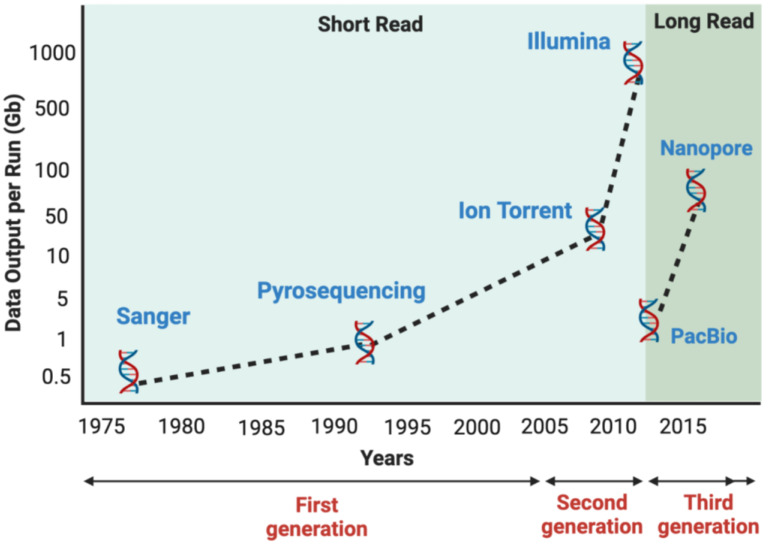
“The ABI 370 quickly became the industry standard, and subsequent improvements in the technology led to the development of higher-throughput sequencers capable of producing longer reads [15,16].”
BackgroundMethodPruitt, K. D. (2004) · Nucleic Acids Research · doi:10.1093/nar/gki025 · Cited by 1,660 · cited 1×
“However, a close monitoring and comprehensive understanding of the host–microbiome and microbiome–intercommunity interactions are vital to healthy survival.”
BackgroundAbyzov, A., Urban, A. E., Snyder, M., & Gerstein, M. (2011) · Genome Research · doi:10.1101/gr.114876.110 · Cited by 1,658 · cited 1×
“Cont.”
Ten years of next-generation sequencing technology
van Dijk, E. L., Auger, H., Jaszczyszyn, Y., & Thermes, C. (2014) · Trends in Genetics · doi:10.1016/j.tig.2014.07.001 · Cited by 1,622
The Oxford Nanopore MinION: delivery of nanopore sequencing to the genomics community
Jain, M., Olsen, H. E., Paten, B., & Akeson, M. (2016) · Genome Biology · doi:10.1186/s13059-016-1103-0 · Cited by 1,588 · cited 1×
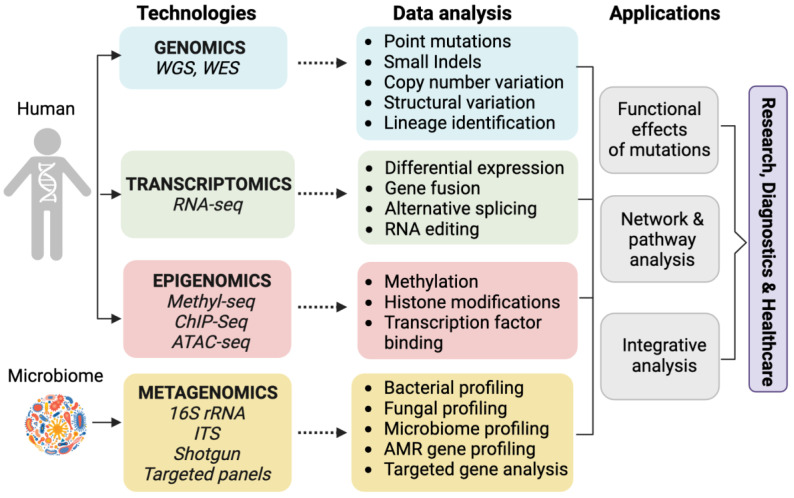
“, whole-genome sequencing; WES, whole-exome sequencing; Seq, sequencing; ITS, internal transcribed spacer; ChIP, chromatin immunoprecipitation ATAC, assay for transposase-accessible chromatin; AMR, anti-microbial resistance.”
LUMPY: a probabilistic framework for structural variant discovery
Layer, R. M., Chiang, C., Quinlan, A. R., & Hall, I. M. (2014) · Genome Biology · doi:10.1186/gb-2014-15-6-r84 · Cited by 1,554 · cited 1×
“Cont.”
Structure of a Ribonucleic Acid
Holley, R. W., Apgar, J., Everett, G. A., Madison, J. T., Marquisee, M., Merrill, S. H., Penswick, J. R., & Zamir, A. (1965) · Science · doi:10.1126/science.147.3664.1462 · Cited by 1,452 · cited 2×
“Robert Holley was the first to sequence a nucleic acid molecule, Alanine tRNA, in 1964 using ribonuclease from S. cerevisiae [11].”
MethodBlanco-Míguez, A., Beghini, F., Cumbo, F., McIver, L. J., Thompson, K. N., Zolfo, M., Manghi, P., Dubois, L., Huang, K. D., Thomas, A. M., et al. (2023) · Nature Biotechnology · doi:10.1038/s41587-023-01688-w · Cited by 1,442
Accurate Multiplex Polony Sequencing of an Evolved Bacterial Genome
Shendure, J., Porreca, G. J., Reppas, N. B., Lin, X., McCutcheon, J. P., Rosenbaum, A. M., Wang, M. D., Zhang, K., Mitra, R. D., & Church, G. M. (2005) · Science · doi:10.1126/science.1117389 · Cited by 1,402
The sequence of sequencers: The history of sequencing DNA
Heather, J. M., & Chain, B. (2016) · Genomics · doi:10.1016/j.ygeno.2015.11.003 · Cited by 1,397 · cited 4×
“The first attempts at sequencing DNA and RNA involved chemical degradation or enzymatic cleavage of the molecules to generate fragments that could be analyzed individually.”
BackgroundMethodInfluentialVarScan: variant detection in massively parallel sequencing of individual and pooled samples
Koboldt, D. C., Chen, K., Wylie, T., Larson, D. E., McLellan, M. D., Mardis, E. R., Weinstock, G. M., Wilson, R. K., & Ding, L. (2009) · Bioinformatics · doi:10.1093/bioinformatics/btp373 · Cited by 1,348 · cited 1×
“Cont.”
Long-read human genome sequencing and its applications
Logsdon, G. A., Vollger, M. R., & Eichler, E. E. (2020) · Nature Reviews Genetics · doi:10.1038/s41576-020-0236-x · Cited by 1,235 · cited 12×
“such as whole-genome sequencing, whole-exome sequencing, and targeted sequencing.”
BackgroundInfluentialHuman Genome Sequencing Using Unchained Base Reads on Self-Assembling DNA Nanoarrays
Drmanac, R., Sparks, A. B., Callow, M. J., Halpern, A. L., Burns, N. L., Kermani, B. G., Carnevali, P., Nazarenko, I., Nilsen, G. B., Yeung, G., et al. (2010) · Science · doi:10.1126/science.1181498 · Cited by 1,212
Circular RNAs: diversity of form and function
Lasda, E., & Parker, R. (2014) · RNA · doi:10.1261/rna.047126.114 · Cited by 1,204 · cited 1×
“These approaches encompass a wide range of computational methods, algorithms, and tools that handle preprocessing, alignment, variant calling, gene expression quantification, differential expression analysis, and other specialized analyses.”
BackgroundReal-Time DNA Sequencing Using Detection of Pyrophosphate Release
Ronaghi, M., Karamohamed, S., Pettersson, B., Uhlén, M., & Nyrén, P. (1996) · Analytical Biochemistry · doi:10.1006/abio.1996.0432 · Cited by 1,173
ITS as an environmental DNA barcode for fungi: an in silico approach reveals potential PCR biases
Bellemain, E., Carlsen, T., Brochmann, C., Coissac, E., Taberlet, P., & Kauserud, H. (2010) · BMC Microbiology · doi:10.1186/1471-2180-10-189 · Cited by 1,148 · cited 1×
“Quality check of sequences FastQC [90], FASTX-toolkit [91], MultiQC [92] Trimming of adaptors and low-quality bases Trimmomatic [93], Cutadapt [94], fastp [95] Alignment of sequence reads to reference genome BWA [96], Bowtie [97], dragMAP [98]”
MethodEpigenetic Modifications: Basic Mechanisms and Role in Cardiovascular Disease
Handy, D. E., Castro, R., & Loscalzo, J. (2011) · Circulation · doi:10.1161/circulationaha.110.956839 · Cited by 1,067 · cited 1×
“These chemical tags in turn alter DNA accessibility, chromatin remodeling, and nucleosome positioning [61].”
BackgroundWGS500 Consortium, Rimmer, A., Phan, H., Mathieson, I., Iqbal, Z., Twigg, S. R. F., Wilkie, A. O. M., McVean, G., & Lunter, G. (2014) · Nature Genetics · doi:10.1038/ng.3036 · Cited by 1,057 · cited 1×
“Cont.”
Metagenomics - a guide from sampling to data analysis
Thomas, T., Gilbert, J., & Meyer, F. (2012) · Microbial Informatics and Experimentation · doi:10.1186/2042-5783-2-3 · Cited by 1,029 · cited 1×
“Quality check of sequences FastQC [90], FASTX-toolkit [91], MultiQC [92] Trimming of adaptors and low-quality bases Trimmomatic [93], Cutadapt [94], fastp [95] Alignment of sequence reads to reference genome BWA [96], Bowtie [97], dragMAP [98]”
MethodBocklandt, S., Lin, W., Sehl, M. E., Sánchez, F. J., Sinsheimer, J. S., Horvath, S., & Vilain, E. (2011) · PLoS ONE · doi:10.1371/journal.pone.0014821 · Cited by 1,012
Overview of Next‐Generation Sequencing Technologies
Slatko, B. E., Gardner, A. F., & Ausubel, F. M. (2018) · Current Protocols in Molecular Biology · doi:10.1002/cpmb.59 · Cited by 970 · cited 1×
“, whole-genome sequencing; WES, whole-exome sequencing; Seq, sequencing; ITS, internal transcribed spacer; ChIP, chromatin immunoprecipitation ATAC, assay for transposase-accessible chromatin; AMR, anti-microbial resistance.”
Single-Cell RNA-Seq Technologies and Related Computational Data Analysis
Chen, G., Ning, B., & Shi, T. (2019) · Frontiers in Genetics · doi:10.3389/fgene.2019.00317 · Cited by 923 · cited 1×
“This has enabled disease treatment through personalized genome testing for the betterment of human health, preventive testing, and disease management.”
BackgroundFurey, T. S. (2012) · Nature Reviews Genetics · doi:10.1038/nrg3306 · Cited by 835
IMGT/HLA and IMGT/MHC: sequence databases for the study of the major histocompatibility complex
Robinson, J. (2003) · Nucleic Acids Research · doi:10.1093/nar/gkg070 · Cited by 810 · cited 1×
“As technology progresses, NGS is expected to play a pivotal role in areas such as single-cell genomics, long-read sequencing, epigenomics, and multi-omics integration, enabling a deeper understanding of cellular processes, disease mechanisms, and personalized treatment strategies.”
BackgroundBSmooth: from whole genome bisulfite sequencing reads to differentially methylated regions
Hansen, K. D., Langmead, B., & Irizarry, R. A. (2012) · Genome Biology · doi:10.1186/gb-2012-13-10-r83 · Cited by 802 · cited 2×
“MethylDackel * Differential methylation Metilene [138], BSsmooth [139], methylKit [140] Epigenomics-ChIP [147], MAnorm [148], MMDiff [149]”
BackgroundOptiType: precision HLA typing from next-generation sequencing data
Szolek, A., Schubert, B., Mohr, C., Sturm, M., Feldhahn, M., & Kohlbacher, O. (2014) · Bioinformatics · doi:10.1093/bioinformatics/btu548 · Cited by 769 · cited 1×
“As technology progresses, NGS is expected to play a pivotal role in areas such as single-cell genomics, long-read sequencing, epigenomics, and multi-omics integration, enabling a deeper understanding of cellular processes, disease mechanisms, and personalized treatment strategies.”
BackgroundNext generation sequencing technology: Advances and applications
Buermans, H. P. J., & den Dunnen, J. T. (2014) · Biochimica et Biophysica Acta (BBA) - Molecular Basis of Disease · doi:10.1016/j.bbadis.2014.06.015 · Cited by 752
DNA methylation profiling in the clinic: applications and challenges
Heyn, H., & Esteller, M. (2012) · Nature Reviews Genetics · doi:10.1038/nrg3270 · Cited by 746 · cited 1×
“The knowledge and data generated through whole-genomewide sequencing in humans, plants, and animals [64] have helped scientists to gain better insights into these epigenetic alterations, especially DNA methylation and hydroxymethylation.”
BackgroundPlagnol, V., Curtis, J., Epstein, M., Mok, K. Y., Stebbings, E., Grigoriadou, S., Wood, N. W., Hambleton, S., Burns, S. O., Thrasher, A. J., et al. (2012) · Bioinformatics · doi:10.1093/bioinformatics/bts526 · Cited by 743 · cited 1×
“Cont.”
Comprehensive analysis of cancer-associated somatic mutations in class I HLA genes
Shukla, S. A., Rooney, M. S., Rajasagi, M., Tiao, G., Dixon, P. M., Lawrence, M. S., Stevens, J., Lane, W. J., Dellagatta, J. L., Steelman, S., et al. (2015) · Nature Biotechnology · doi:10.1038/nbt.3344 · Cited by 675 · cited 1×
“As technology progresses, NGS is expected to play a pivotal role in areas such as single-cell genomics, long-read sequencing, epigenomics, and multi-omics integration, enabling a deeper understanding of cellular processes, disease mechanisms, and personalized treatment strategies.”
Advancements in Next-Generation Sequencing
Levy, S. E., & Myers, R. M. (2016) · Annual Review of Genomics and Human Genetics · doi:10.1146/annurev-genom-083115-022413 · Cited by 599 · cited 1×
“NGS has not only enabled comprehensive genome sequencing but also facilitated transcriptomics, epigenomics, metagenomics, and other omics studies [2].”
BackgroundRNA sequencing: new technologies and applications in cancer research
Hong, M., Tao, S., Zhang, L., Diao, L.-T., Huang, X., Huang, S., Xie, S.-J., Xiao, Z.-D., & Zhang, H. (2020) · Journal of Hematology & Oncology · doi:10.1186/s13045-020-01005-x · Cited by 596 · cited 1×
“This has enabled disease treatment through personalized genome testing for the betterment of human health, preventive testing, and disease management.”
BackgroundHajibabaei, M., Shokralla, S., Zhou, X., Singer, G. A. C., & Baird, D. J. (2011) · PLoS ONE · doi:10.1371/journal.pone.0017497 · Cited by 584
The advantages of SMRT sequencing
Roberts, R. J., Carneiro, M. O., & Schatz, M. C. (2013) · Genome Biology · doi:10.1186/gb-2013-14-6-405 · Cited by 584 · cited 1×
“such as whole-genome sequencing, whole-exome sequencing, and targeted sequencing.”
BackgroundThe promise of whole-exome sequencing in medical genetics
Rabbani, B., Tekin, M., & Mahdieh, N. (2014) · Journal of Human Genetics · doi:10.1038/jhg.2013.114 · Cited by 542 · cited 1×
“These modi-fications are influenced by environmental factors such as nutrients, pollutants, toxicants, and inflammation [62,63].”
BackgroundEnhancing the accuracy of next-generation sequencing for detecting rare and subclonal mutations
Salk, J. J., Schmitt, M. W., & Loeb, L. A. (2018) · Nature Reviews Genetics · doi:10.1038/nrg.2017.117 · Cited by 541
Jühling, F., Kretzmer, H., Bernhart, S. H., Otto, C., Stadler, P. F., & Hoffmann, S. (2016) · Genome Research · doi:10.1101/gr.196394.115 · Cited by 509
Han, J., Kraft, P., Nan, H., Guo, Q., Chen, C., Qureshi, A., Hankinson, S. E., Hu, F. B., Duffy, D. L., Zhao, Z. Z., et al. (2008) · PLoS Genetics · doi:10.1371/journal.pgen.1000074 · Cited by 499 · cited 1×
“NGS is being applied to solve different categories of criminal cases: mtDNA for the investigation of maternal lineage [201], Y chromosome STR analysis for the identification of male DNA in a contaminated sample [202], animal and plant DNA analysis to identify important clues in poisoning cases [203], ancestry tracing…”
MethodEpigenetic regulation in human cancer: the potential role of epi-drug in cancer therapy
Lu, Y., Chan, Y.-T., Tan, H.-Y., Li, S., Wang, N., & Feng, Y. (2020) · Molecular Cancer · doi:10.1186/s12943-020-01197-3 · Cited by 499 · cited 2×
“…and RNA fusion transcripts, TMB, and microsatellite instability (MSI) for lung cancer, breast cancer, colorectal cancer, and even for difficult cancers such as ovarian, pancreatic, renal, urothelial cancers, etc. RNA-seq finds its application mainly in research for analyzing pathogen transcriptomic…”
BackgroundClinical epigenetics: seizing opportunities for translation
Berdasco, M., & Esteller, M. (2019) · Nature Reviews Genetics · doi:10.1038/s41576-018-0074-2 · Cited by 498 · cited 1×
“This has enabled disease treatment through personalized genome testing for the betterment of human health, preventive testing, and disease management.”
BackgroundEmerging technologies in DNA sequencing
Metzker, M. L. (2005) · Genome Research · doi:10.1101/gr.3770505 · Cited by 491
The microbiome and rheumatoid arthritis
Scher, J. U., & Abramson, S. B. (2011) · Nature Reviews Rheumatology · doi:10.1038/nrrheum.2011.121 · Cited by 474 · cited 1×
“The useful data generated through NGS on microbial identification and drug resistance genotyping, e.g., in MTB, HIV, and SARS-CoV-2 [181], have proven important for disease surveillance, disease containment, public health epidemiological studies, policy making, and rapid therapeutic interventions,…”
BackgroundKlambauer, G., Schwarzbauer, K., Mayr, A., Clevert, D.-A., Mitterecker, A., Bodenhofer, U., & Hochreiter, S. (2012) · Nucleic Acids Research · doi:10.1093/nar/gks003 · Cited by 455 · cited 2×
“MultiQC [92] Whole-Genome Sequencing/Whole-Exome Sequencing/Targeted Panel Removal of duplicate reads Picard [99], Sambamba [100] Variant calling (single-nucleotide polymorphisms and indels) GATK [101], freeBayes [102], Platypus [103], VarScan [104], DeepVariant [105], Illumina Dragen [106] Filter and merge variants b…”
The advantages of SMRT sequencing
Roberts, R. J., Carneiro, M. O., & Schatz, M. C. (2013) · Genome biology · doi:10.1186/gb-2013-14-7-405 · Cited by 454
Next-Generation Sequencing in Oncology: Genetic Diagnosis, Risk Prediction and Cancer Classification
Kamps, R., Brandão, R., Bosch, B., Paulussen, A., Xanthoulea, S., Blok, M., & Romano, A. (2017) · International Journal of Molecular Sciences · doi:10.3390/ijms18020308 · Cited by 453 · cited 1×
“NGS has facilitated the identification and characterization of these extended sets of genes associated with HBOC, expanding our knowledge of hereditary cancer predisposition [197].”
BackgroundLong-Read Sequencing Emerging in Medical Genetics
Mantere, T., Kersten, S., & Hoischen, A. (2019) · Frontiers in Genetics · doi:10.3389/fgene.2019.00426 · Cited by 440 · cited 2×
“, whole-genome sequencing; WES, whole-exome sequencing; Seq, sequencing; ITS, internal transcribed spacer; ChIP, chromatin immunoprecipitation ATAC, assay for transposase-accessible chromatin; AMR, anti-microbial resistance.”
BackgroundBS-Seeker2: a versatile aligning pipeline for bisulfite sequencing data
Guo, W., Fiziev, P., Yan, W., Cokus, S., Sun, X., Zhang, M. Q., Chen, P.-Y., & Pellegrini, M. (2013) · BMC Genomics · doi:10.1186/1471-2164-14-774 · Cited by 420 · cited 2×
“Alignment of reads to reference Splice-aware aligner such as TopHat2 [123], HISAT2 [124], and STAR [125] Transcript quantification featureCounts [126], HTSeq-count [127], Salmon [128], Kallisto [129] Differential gene expression analysis enrichment of gene categories DESeq2 [130], EdgeR [131], DAVID [132], clusterProfil…”
BackgroundMAnorm: a robust model for quantitative comparison of ChIP-Seq data sets
Shao, Z., Zhang, Y., Yuan, G.-C., Orkin, S. H., & Waxman, D. J. (2012) · Genome Biology · doi:10.1186/gb-2012-13-3-r16 · Cited by 414
Cameron, D. L., Schröder, J., Penington, J. S., Do, H., Molania, R., Dobrovic, A., Speed, T. P., & Papenfuss, A. T. (2017) · Genome Research · doi:10.1101/gr.222109.117 · Cited by 387 · cited 2×
“MultiQC [92] Whole-Genome Sequencing/Whole-Exome Sequencing/Targeted Panel Removal of duplicate reads Picard [99], Sambamba [100] Variant calling (single-nucleotide polymorphisms and indels) GATK [101], freeBayes [102], Platypus [103], VarScan [104], DeepVariant [105], Illumina Dragen [106] Filter and merge variants b…”
MethodThe functional role of long non-coding RNAs and epigenetics
Cao, J. (2014) · Biological Procedures Online · doi:10.1186/1480-9222-16-11 · Cited by 357 · cited 1×
“Bioinformatic steps and tools used for NGS data analysis.”
MethodBeyond bulk: a review of single cell transcriptomics methodologies and applications
Kulkarni, A., Anderson, A. G., Merullo, D. P., & Konopka, G. (2019) · Current Opinion in Biotechnology · doi:10.1016/j.copbio.2019.03.001 · Cited by 356 · cited 1×
“Bioinformatic steps and tools used for NGS data analysis.”
MethodEpidrugs: targeting epigenetic marks in cancer treatment
Miranda Furtado, C. L., Dos Santos Luciano, M. C., Silva Santos, R. D., Furtado, G. P., Moraes, M. O., & Pessoa, C. (2019) · Epigenetics · doi:10.1080/15592294.2019.1640546 · Cited by 345 · cited 1×
“Epi-drugs have been developed over the last 40 years, and few are in clinical practice, whereas some are in clinical trials [177].”
BackgroundNext-generation sequencing and its clinical application
Dahui, Q. (2019) · Cancer Biology & Medicine · doi:10.20892/j.issn.2095-3941.2018.0055 · Cited by 333
Meta-IDBA: a de Novo assembler for metagenomic data
Peng, Y., Leung, H. C. M., Yiu, S. M., & Chin, F. Y. L. (2011) · Bioinformatics · doi:10.1093/bioinformatics/btr216 · Cited by 323 · cited 1×
“However, a close monitoring and comprehensive understanding of the host–microbiome and microbiome–intercommunity interactions are vital to healthy survival.”
BackgroundThe Human Gut Microbiome and Body Metabolism: Implications for Obesity and Diabetes
Devaraj, S., Hemarajata, P., & Versalovic, J. (2013) · Clinical Chemistry · doi:10.1373/clinchem.2012.187617 · Cited by 321 · cited 1×
“The useful data generated through NGS on microbial identification and drug resistance genotyping, e.g., in MTB, HIV, and SARS-CoV-2 [181], have proven important for disease surveillance, disease containment, public health epidemiological studies, policy making, and rapid therapeutic interventions,…”
BackgroundHistorical perspective, development and applications of next-generation sequencing in plant virology
Barba, M., Czosnek, H., & Hadidi, A. (2014) · Viruses · doi:10.3390/v6010106 · Cited by 317 · cited 1×
“This machine used fluorescently labeled dideoxynucleotides and capillary electrophoresis to automate the Sanger sequencing method, significantly increasing the speed and accuracy of DNA sequencing [14,15].”
MethodJäger, A. C., Alvarez, M. L., Davis, C. P., Guzmán, E., Han, Y., Way, L., Walichiewicz, P., Silva, D., Pham, N., Caves, G., et al. (2017) · Forensic Science International: Genetics · doi:10.1016/j.fsigen.2017.01.011 · Cited by 314
Cao, Y., Fanning, S., Proos, S., Jordan, K., & Srikumar, S. (2017) · Frontiers in Microbiology · doi:10.3389/fmicb.2017.01829 · Cited by 298 · cited 1×
“Quality check of sequences FastQC [90], FASTX-toolkit [91], MultiQC [92] Trimming of adaptors and low-quality bases Trimmomatic [93], Cutadapt [94], fastp [95] Alignment of sequence reads to reference genome BWA [96], Bowtie [97], dragMAP [98]”
MethodDNA sequencing: bench to bedside and beyond
Hutchison, C. A. (2007) · Nucleic Acids Research · doi:10.1093/nar/gkm688 · Cited by 297 · cited 1×
“The ABI 370 quickly became the industry standard, and subsequent improvements in the technology led to the development of higher-throughput sequencers capable of producing longer reads [15,16].”
BackgroundNext-Generation Sequencing and Emerging Technologies
Kumar, K. R., Cowley, M. J., & Davis, R. L. (2019) · Seminars in Thrombosis and Hemostasis · doi:10.1055/s-0039-1688446 · Cited by 292
The small peptide world in long noncoding RNAs
Choi, S.-W., Kim, H.-W., & Nam, J.-W. (2019) · Briefings in Bioinformatics · doi:10.1093/bib/bby055 · Cited by 287
Methods for ChIP-seq analysis: A practical workflow and advanced applications
Nakato, R., & Sakata, T. (2021) · Methods · doi:10.1016/j.ymeth.2020.03.005 · Cited by 267
Impact of artifact removal on ChIP quality metrics in ChIP-seq and ChIP-exo data
Carroll, T. S., Liang, Z., Salama, R., Stark, R., & de Santiago, I. (2014) · Frontiers in Genetics · doi:10.3389/fgene.2014.00075 · Cited by 254 · cited 1×
“Epigenomics-ChIP seq Removal of PCR duplicates Samtools [107] Peak calling MACS2 [141], SICER2 [142], SPP [143] Peak filtering Bedtools [144] Enrichment quality control ChipQC [145], Phantompeakqualtools [146] Enrichment comparison diffBind [147], MAnorm [148], MMDiff [149] Motif analysis MemeCHiP [150], Homer [151],…”
MethodNon-coding RNAs in cancer: platforms and strategies for investigating the genomic “dark matter”
Grillone, K., Riillo, C., Scionti, F., Rocca, R., Tradigo, G., Guzzi, P. H., Alcaro, S., Di Martino, M. T., Tagliaferri, P., & Tassone, P. (2020) · Journal of Experimental & Clinical Cancer Research · doi:10.1186/s13046-020-01622-x · Cited by 251
Xu, S., Grullon, S., Ge, K., & Peng, W. (2014) · Methods in Molecular Biology · doi:10.1007/978-1-4939-0512-6_5 · Cited by 248 · cited 1×
“Epigenomics-ChIP seq Removal of PCR duplicates Samtools [107] Peak calling MACS2 [141], SICER2 [142], SPP [143] Peak filtering Bedtools [144] Enrichment quality control ChipQC [145], Phantompeakqualtools [146] Enrichment comparison diffBind [147], MAnorm [148], MMDiff [149] Motif analysis MemeCHiP [150], Homer [151],…”
MethodRSAT 2015: Regulatory Sequence Analysis Tools
Medina-Rivera, A., Defrance, M., Sand, O., Herrmann, C., Castro-Mondragon, J. A., Delerce, J., Jaeger, S., Blanchet, C., Vincens, P., Caron, C., et al. (2015) · Nucleic Acids Research · doi:10.1093/nar/gkv362 · Cited by 245
The usefulness of whole-exome sequencing in routine clinical practice
Iglesias, A., Anyane-Yeboa, K., Wynn, J., Wilson, A., Truitt Cho, M., Guzman, E., Sisson, R., Egan, C., & Chung, W. K. (2014) · Genetics in Medicine · doi:10.1038/gim.2014.58 · Cited by 237 · cited 1×
“These modi-fications are influenced by environmental factors such as nutrients, pollutants, toxicants, and inflammation [62,63].”
BackgroundMicroRNAs: biomarkers, diagnostics, and therapeutics
Huang, W. (2017) · Methods in molecular biology · doi:10.1007/978-1-4939-7046-9_4 · Cited by 237 · cited 1×
“This has enabled disease treatment through personalized genome testing for the betterment of human health, preventive testing, and disease management.”
BackgroundExome Sequencing: Current and Future Perspectives
Warr, A., Robert, C., Hume, D., Archibald, A., Deeb, N., & Watson, M. (2015) · G3 Genes|Genomes|Genetics · doi:10.1534/g3.115.018564 · Cited by 224 · cited 1×
“Epigenetic alterations have attracted researchers’ and clinicians’ interest in complex disorders such as behavioral disorders, memory, cancer, autoimmune disease, addiction, neurodegenerative, and psychological disorders [65].”
BackgroundApplication of Next-Generation Sequencing Technology in Forensic Science
Yang, Y., Xie, B., & Yan, J. (2014) · Genomics, Proteomics & Bioinformatics · doi:10.1016/j.gpb.2014.09.001 · Cited by 202
Coding or Noncoding, the Converging Concepts of RNAs
Li, J., & Liu, C. (2019) · Frontiers in Genetics · doi:10.3389/fgene.2019.00496 · Cited by 202 · cited 1×
“These approaches encompass a wide range of computational methods, algorithms, and tools that handle preprocessing, alignment, variant calling, gene expression quantification, differential expression analysis, and other specialized analyses.”
BackgroundDerivation of HLA types from shotgun sequence datasets
Warren, R. L., Choe, G., Freeman, D. J., Castellarin, M., Munro, S., Moore, R., & Holt, R. A. (2012) · Genome Medicine · doi:10.1186/gm396 · Cited by 192 · cited 1×
“As technology progresses, NGS is expected to play a pivotal role in areas such as single-cell genomics, long-read sequencing, epigenomics, and multi-omics integration, enabling a deeper understanding of cellular processes, disease mechanisms, and personalized treatment strategies.”
BackgroundChromatin accessibility: methods, mechanisms, and biological insights
Mansisidor, A., & Risca, V. I. (2022) · Nucleus · doi:10.1080/19491034.2022.2143106 · Cited by 189 · cited 1×
“Commonly Used Tools”
Next generation sequencing‐based gene panel tests for the management of solid tumors
Nagahashi, M., Shimada, Y., Ichikawa, H., Kameyama, H., Takabe, K., Okuda, S., & Wakai, T. (2019) · Cancer Science · doi:10.1111/cas.13837 · Cited by 177
A simple guide to de novo transcriptome assembly and annotation
Raghavan, V., Kraft, L., Mesny, F., & Rigerte, L. (2022) · Briefings in Bioinformatics · doi:10.1093/bib/bbab563 · Cited by 174 · cited 1×
“This information enhances our understanding of the transcriptome’s complexity and improves the annotation of reference genomes, enabling the discovery of previously unknown genes and regulatory elements [55].”
BackgroundBarros-Silva, D., Marques, C. J., Henrique, R., & Jerónimo, C. (2018) · Genes · doi:10.3390/genes9090429 · Cited by 172
Strategies for analyzing bisulfite sequencing data
Wreczycka, K., Gosdschan, A., Yusuf, D., Grüning, B., Assenov, Y., & Akalin, A. (2017) · Journal of Biotechnology · doi:10.1016/j.jbiotec.2017.08.007 · Cited by 164
Massive parallel sequencing in forensics: advantages, issues, technicalities, and prospects
Ballard, D., Winkler-Galicki, J., & Wesoły, J. (2020) · International Journal of Legal Medicine · doi:10.1007/s00414-020-02294-0 · Cited by 164 · cited 1×
“The major providers of NGS technology dominating the forensic domain are Illumina’s MiSeq FGx, Thermo Fisher’s Ion Torrent PGM, and Ion S5 [210,211] Biology 2023, 12, x FOR PEER REVIEW 17 of 27”
Using ChIP-Seq Technology to Generate High-Resolution Profiles of Histone Modifications
O’Geen, H., Echipare, L., & Farnham, P. J. (2011) · Methods in Molecular Biology · doi:10.1007/978-1-61779-316-5_20 · Cited by 163
Abel, H. J., & Duncavage, E. J. (2013) · Cancer Genetics · doi:10.1016/j.cancergen.2013.11.002 · Cited by 162
Non-Coding RNAs as Mediators of Epigenetic Changes in Malignancies
Kumar, S., Gonzalez, E. A., Rameshwar, P., & Etchegaray, J. (2020) · Cancers · doi:10.3390/cancers12123657 · Cited by 159
Fast and accurate HLA typing from short-read next-generation sequence data with xHLA
Xie, C., Yeo, Z. X., Wong, M., Piper, J., Long, T., Kirkness, E. F., Biggs, W., Bloom, K., Spellman, S. R., Vierra‐Green, C., et al. (2017) · Proceedings of the National Academy of Sciences · doi:10.1073/pnas.1707945114 · Cited by 158 · cited 1×
“As technology progresses, NGS is expected to play a pivotal role in areas such as single-cell genomics, long-read sequencing, epigenomics, and multi-omics integration, enabling a deeper understanding of cellular processes, disease mechanisms, and personalized treatment strategies.”
BackgroundIndiGenomes: a comprehensive resource of genetic variants from over 1000 Indian genomes
Jain, A. K., Bhoyar, R. C., Pandhare, K., Mishra, A., Sharma, D., Imran, M., Senthivel, V., Divakar, M. K., Rophina, M., Jolly, B., et al. (2020) · Nucleic Acids Research · doi:10.1093/nar/gkaa923 · Cited by 158 · cited 1×
“…and food research; genome-wide association research studies uncovering the wide range of population genetic variants; their genetic linkage and molecular basis to various diseases, including cancer; and the study of new pathogenic/emerging variants such as SARS-CoV-2 variants in human diseases.”
BackgroundSelf-citationAncestry analysis in the 11-M Madrid bomb attack investigation
Phillips, C., Prieto, L., Fondevila, M., Salas, A., Gómez-Tato, A., Álvarez-Dios, J., Alonso, A., Blanco-Verea, A., Brión, M., Montesino, M., et al. (2009) · PLoS ONE · doi:10.1371/journal.pone.0006583 · Cited by 149
Fast and accurate alignment of long bisulfite-seq reads
Pedersen, B. S., Eyring, K. R., De, S., Yang, I. V., & Schwartz, D. A. (2014) · arXiv (Cornell University) · doi:10.48550/arxiv.1401.1129 · Cited by 148 · cited 2×
“Alignment of reads to reference Splice-aware aligner such as TopHat2 [123], HISAT2 [124], and STAR [125] Transcript quantification featureCounts [126], HTSeq-count [127], Salmon [128], Kallisto [129] Differential gene expression analysis enrichment of gene categories DESeq2 [130], EdgeR [131], DAVID [132], clusterProfil…”
BackgroundBhoyar, R. C., Jain, A., Sehgal, P., Divakar, M. K., Sharma, D., Imran, M., Jolly, B., Ranjan, G., Rophina, M., Sharma, S., et al. (2021) · PLOS ONE · doi:10.1371/journal.pone.0247115 · Cited by 146 · cited 1×
“…Cancer Institute (Buffalo, NY, USA), the CC Onco Panel by Sysmex (Kobe, Japan), and the Todai Onco Panel by Riken Genesis (Tokyo, Japan) have come up with multigene panels using TCGA and ICGC data for different NGS platforms that are now frequently used in cancer prognosis and therapeutics [191].”
MethodWham: Identifying Structural Variants of Biological Consequence
Kronenberg, Z. N., Osborne, E. J., Cone, K. R., Kennedy, B. J., Domyan, E. T., Shapiro, M. D., Elde, N. C., & Yandell, M. (2015) · PLOS Computational Biology · doi:10.1371/journal.pcbi.1004572 · Cited by 142
Small RNA-Sequencing: Approaches and Considerations for miRNA Analysis
Benesova, S., Kubista, M., & Valihrach, L. (2021) · Diagnostics · doi:10.3390/diagnostics11060964 · Cited by 136 · cited 1×
“Bioinformatic steps and tools used for NGS data analysis.”
MethodNext-Generation Sequencing and Large Genome Assemblies
Henson, J., Tischler, G., & Ning, Z. (2012) · Pharmacogenomics · doi:10.2217/pgs.12.72 · Cited by 134
Liquid Biopsy in Breast Cancer: A Focused Review
Tay, T. K. Y., & Tan, P. H. (2020) · Archives of Pathology & Laboratory Medicine · doi:10.5858/arpa.2019-0559-ra · Cited by 133
Single-Cell Transcriptomics: Current Methods and Challenges in Data Acquisition and Analysis
Adil, A., Kumar, V., Jan, A. T., & Asger, M. (2021) · Frontiers in Neuroscience · doi:10.3389/fnins.2021.591122 · Cited by 132 · cited 1×
“Bioinformatic steps and tools used for NGS data analysis.”
MethodExploring long non-coding RNAs through sequencing
Atkinson, S. R., Marguerat, S., & Bähler, J. (2012) · Seminars in Cell & Developmental Biology · doi:10.1016/j.semcdb.2011.12.003 · Cited by 131 · cited 1×
“Bioinformatic steps and tools used for NGS data analysis.”
MethodCharacterization of Mitochondrial DNA Heteroplasmy Using a Parallel Sequencing System
Tang, S., & Huang, T. (2010) · BioTechniques · doi:10.2144/000113389 · Cited by 127
Ochsner, S. A., Abraham, D., Martin, K., Ding, W., McOwiti, A., Kankanamge, W., Wang, Z., Andreano, K., Hamilton, R. A., Chen, Y., et al. (2019) · Scientific Data · doi:10.1038/s41597-019-0193-4 · Cited by 122 · cited 1×
“Epigenomics-ChIP seq Removal of PCR duplicates Samtools [107] Peak calling MACS2 [141], SICER2 [142], SPP [143] Peak filtering Bedtools [144] Enrichment quality control ChipQC [145], Phantompeakqualtools [146] Enrichment comparison diffBind [147], MAnorm [148], MMDiff [149] Motif analysis MemeCHiP [150], Homer [151],…”
MethodThe emerging role of the long non-coding RNA HOTAIR in breast cancer development and treatment
Mozdarani, H., Ezzatizadeh, V., & Parvaneh, R. R. (2020) · Journal of Translational Medicine · doi:10.1186/s12967-020-02320-0 · Cited by 114 · cited 1×
“Bioinformatic steps and tools used for NGS data analysis.”
MethodA new era of long-read sequencing for cancer genomics
Sakamoto, Y., Sereewattanawoot, S., & Suzuki, A. (2020) · Journal of Human Genetics · doi:10.1038/s10038-019-0658-5 · Cited by 112 · cited 1×
“such as whole-genome sequencing, whole-exome sequencing, and targeted sequencing.”
BackgroundLeong, A. Z.-X., Lee, P. Y., Mohtar, M. A., Syafruddin, S. E., Pung, Y. F., & Low, T. Y. (2022) · Journal of Biomedical Science · doi:10.1186/s12929-022-00802-5 · Cited by 112 · cited 1×
“Thus, with transcriptomics, Ribo-seq, and MS proteomics, the bifunctional potential of RNA molecules is identified [173,174].”
BackgroundSingle Molecule Sequencing with a HeliScope Genetic Analysis System
Thompson, J. F., & Steinmann, K. E. (2010) · Current Protocols in Molecular Biology · doi:10.1002/0471142727.mb0710s92 · Cited by 110
Micro-RNA – A potential for forensic science?
Courts, C., & Madea, B. (2010) · Forensic Science International · doi:10.1016/j.forsciint.2010.07.002 · Cited by 105
Measuring Clonal Evolution in Cancer with Genomics
Williams, M. J., Sottoriva, A., & Graham, T. A. (2019) · Annual Review of Genomics and Human Genetics · doi:10.1146/annurev-genom-083117-021712 · Cited by 102 · cited 1×
“For viral genome sequencing, reads generated from NGS (shotgun) are again the culture-independent method for studying viral diversity, abundance, and functional potential of viruses in the environment.”
MethodA new massively parallel nanoball sequencing platform for whole exome research
Xu, Y., Lin, Z., Tang, C., Tang, Y., Cai, Y., Zhong, H., Wang, X., Zhang, W., Xu, C., Wang, J., et al. (2019) · BMC Bioinformatics · doi:10.1186/s12859-019-2751-3 · Cited by 98
Pandey, P. R., Young, K. H., Kumar, D., & Jain, N. K. (2022) · Molecular Cancer · doi:10.1186/s12943-022-01528-6 · Cited by 94 · cited 1×
“This has enabled disease treatment through personalized genome testing for the betterment of human health, preventive testing, and disease management.”
BackgroundBlanco-Miguez, A., Beghini, F., Cumbo, F., McIver, L. J., Thompson, K. N., Zolfo, M., Manghi, P., Dubois, L., Huang, K. D., Thomas, A. M., et al. (2022) · bioRxiv (Cold Spring Harbor Laboratory) · doi:10.1101/2022.08.22.504593 · Cited by 89
Epigenetic modification and therapeutic targets of diabetes mellitus
Singh, R., Chandel, S., Dey, D., Ghosh, A., Roy, S., Ravichandiran, V., & Ghosh, D. (2020) · Bioscience Reports · doi:10.1042/bsr20202160 · Cited by 88 · cited 2×
“The reversible nature of epigenetic changes makes them promising candidates for precision medicine in cancer and other conditions [164,176].”
BackgroundSolid-state nanopores towards single-molecule DNA sequencing
Goto, Y., Akahori, R., Yanagi, I., & Takeda, K.-I. (2019) · Journal of Human Genetics · doi:10.1038/s10038-019-0655-8 · Cited by 82
DNA Methylation and Hydroxymethylation in Cervical Cancer: Diagnosis, Prognosis and Treatment
Zhu, H., Zhu, H., Tian, M., Wang, D., He, J., & Xu, T. (2020) · Frontiers in Genetics · doi:10.3389/fgene.2020.00347 · Cited by 82 · cited 1×
“Commonly Used Tools”
Past, Present, and Future of DNA Typing for Analyzing Human and Non-Human Forensic Samples
Jordan, D., & Mills, D. (2021) · Frontiers in Ecology and Evolution · doi:10.3389/fevo.2021.646130 · Cited by 76
Advani, J., Verma, R., Chatterjee, O., Pachouri, P. K., Upadhyay, P., Singh, R. K., Yadav, J., Naaz, F., Ravikumar, R., Buggi, S., et al. (2019) · Frontiers in Microbiology · doi:10.3389/fmicb.2019.00309 · Cited by 66 · cited 1×
“, in MTB, HIV, and SARSCoV-2 [181], have proven important for disease surveillance, disease containment, public health epidemiological studies, policy making, and rapid therapeutic interventions, as evident during the COVID-19 outbreak [182].”
BackgroundEnhancing the landscape of colorectal cancer using targeted deep sequencing
Lee, C. S., Song, I. H., Lee, A., Kang, J., Lee, Y. S., Lee, I. K., Song, Y. S., & Lee, S. H. (2021) · Scientific Reports · doi:10.1038/s41598-021-87486-3 · Cited by 64
Q&A: ChIP-seq technologies and the study of gene regulation
Liu, E. T., Pott, S., & Huss, M. (2010) · BMC Biology · doi:10.1186/1741-7007-8-56 · Cited by 63 · cited 1×
“Commonly Used Tools”
Next-Generation Sequencing and Epigenomics Research: A Hammer in Search of Nails
Sarda, S., & Hannenhalli, S. (2014) · Genomics & Informatics · doi:10.5808/gi.2014.12.1.2 · Cited by 58 · cited 1×
“Commonly Used Tools”
The hitchhikers’ guide to RNA sequencing and functional analysis
Chen, J.-W., Shrestha, L., Green, G. A., Leier, A., & Marquez‐Lago, T. T. (2023) · Briefings in Bioinformatics · doi:10.1093/bib/bbac529 · Cited by 56 · cited 1×
“RNA-seq data can be analyzed to detect differential gene expression between different conditions, discover novel transcripts, assess alternative splicing events, and study gene expression dynamics over time or across different tissues or cell types [44,45].”
BackgroundGenome sequencing as a diagnostic test
Costain, G., Cohn, R. D., Scherer, S. W., & Marshall, C. R. (2021) · Canadian Medical Association Journal · doi:10.1503/cmaj.210549 · Cited by 54 · cited 2×
“such as whole-genome sequencing, whole-exome sequencing, and targeted sequencing.”
BackgroundMethodNext-Generation Sequencing for Biodefense: Biothreat Detection, Forensics, and the Clinic
Minogue, T. D., Koehler, J. W., Stefan, C. P., & Conrad, T. (2019) · Clinical Chemistry · doi:10.1373/clinchem.2016.266536 · Cited by 51
Hart, C. E., Lipson, D., Ozsolak, F., Raz, T., Steinmann, K. E., Thompson, J. F., & Milos, P. M. (2010) · Methods in enzymology on CD-ROM/Methods in enzymology · doi:10.1016/s0076-6879(10)72002-4 · Cited by 50
A comparison of mRNA sequencing (RNA-Seq) library preparation methods for transcriptome analysis
Ura, H., Togi, S., & Niida, Y. (2022) · BMC Genomics · doi:10.1186/s12864-022-08543-3 · Cited by 47 · cited 1×
“This information allows for the quantification and characterization of transcript isoforms, providing insights into isoform diversity, tissue-specific expression, and the functional implications of alternative splicing [46].”
BackgroundPerlejewski, K., Bukowska‐Ośko, I., Rydzanicz, M., Pawełczyk, A., Cortés, K. C., Osuch, S., Paciorek, M., Dzieciątkowski, T., Radkowski, M., & Laskus, T. (2020) · Scientific Reports · doi:10.1038/s41598-020-73156-3 · Cited by 46 · cited 1×
“Quality check of sequences FastQC [90], FASTX-toolkit [91], MultiQC [92] Trimming of adaptors and low-quality bases Trimmomatic [93], Cutadapt [94], fastp [95] Alignment of sequence reads to reference genome BWA [96], Bowtie [97], dragMAP [98]”
MethodmiR-21: A Key Small Molecule with Great Effects in Combination Cancer Therapy
Arghiani, N., & Matin, M. M. (2021) · Nucleic Acid Therapeutics · doi:10.1089/nat.2020.0914 · Cited by 45 · cited 1×
“This has enabled disease treatment through personalized genome testing for the betterment of human health, preventive testing, and disease management.”
BackgroundUpdating the Y-chromosomal phylogenetic tree for forensic applications based on whole genome SNPs
Geystelen, A. V., Decorte, R., & Larmuseau, M. (2013) · Forensic Science International Genetics · doi:10.1016/j.fsigen.2013.03.010 · Cited by 40
HLA Class I or Class II and Disease Association: Catch the Difference If You Can
Fiorillo, M. T., Paladini, F., Tedeschi, V., & Sorrentino, R. (2017) · Frontiers in Immunology · doi:10.3389/fimmu.2017.01475 · Cited by 38 · cited 1×
“Additionally, they will become increasingly portable, enabling their utilization in diagnostic applications across various fields such as medical, ecological, and other field-based settings.”
BackgroundThe Essentials on microRNA-Encoded Peptides from Plants to Animals
Ormancey, M., Thuleau, P., Combier, J., & Plaza, S. (2023) · Biomolecules · doi:10.3390/biom13020206 · Cited by 38 · cited 1×
“This has enabled disease treatment through personalized genome testing for the betterment of human health, preventive testing, and disease management.”
BackgroundMMDiff: quantitative testing for shape changes in ChIP-Seq data sets
Schweikert, G., Cseke, B., Clouaire, T., Bird, A. P., & Sanguinetti, G. (2013) · BMC Genomics · doi:10.1186/1471-2164-14-826 · Cited by 37 · cited 1×
“This power of NGS in translation medicine lies not only in its advanced multiplexing efficiency but also in the equally smart bioinformatic tools used for data curation followed by various reference databases that help researchers, medical practitioners, and drug designers to understand the genetic…”
MethodConnecting high-resolution 3D chromatin organization with epigenomics
Feng, F., Yao, Y., Wang, X. Q. D., Zhang, X., & Liu, J. (2022) · Nature Communications · doi:10.1038/s41467-022-29695-6 · Cited by 36 · cited 1×
“Commonly Used Tools”
Wang, J., Tian, T., Li, X., & Zhang, Y. (2022) · Molecules · doi:10.3390/molecules27196717 · Cited by 36 · cited 2×
“Numerous lncRNAs are subsequently identified and found to be aberrantly expressed in various tumors [58].”
BackgroundMicrobial forensics for natural and intentional incidents of infectious disease involving animals
McEwen, S. A., WILSON, T. M., Ashford, D. A., Heegaard, E. D., Kuiken, T., & Kournikakis, B. (2006) · Scientific and Technical Review (World Organisation for Animal Health) · doi:10.20506/rst.25.1.1662 · Cited by 27
Iyer, R., Stepanov, V. G., & Iken, B. (2013) · Advances in Biological Chemistry · doi:10.4236/abc.2013.36065 · Cited by 26 · cited 1×
“MethylDackel * Differential methylation Metilene [138], BSsmooth [139], methylKit [140] Epigenomics-ChIP [147], MAnorm [148], MMDiff [149]”
MethodMicroRNA Analysis Using Next-Generation Sequencing
Kolanowska, M., Kubiak, A., Jażdżewski, K., & Wójcicka, A. (2018) · Methods in molecular biology · doi:10.1007/978-1-4939-8624-8_8 · Cited by 25 · cited 1×
“Bioinformatic steps and tools used for NGS data analysis.”
MethodFactors Influencing Epigenetic Mechanisms: Is There A Role for Bariatric Surgery?
Metere, A., & Graves, C. E. (2020) · Microarrays · doi:10.3390/ht9010006 · Cited by 20 · cited 1×
“These modifications are influenced by environmental factors such as nutrients, pollutants, toxicants, and inflammation [62,63].”
BackgroundAbstract 2287: Precise common and rare germline CNV calling with GATK
Babadi, M., Lee, S. K., Smirnov, A. N., Lichtenstein, L., Gauthier, L. D., Howrigan, D. P., & Poterba, T. (2018) · Cancer Research · doi:10.1158/1538-7445.am2018-2287 · Cited by 19 · cited 1×
“Cont.”
Advances in Genomic Profiling and Analysis of 3D Chromatin Structure and Interaction
Tang, B., Cheng, X., Xi, Y., Chen, Z., Zhou, Y., & Jin, V. X. (2017) · Genes · doi:10.3390/genes8090223 · Cited by 18
Pharmaco-epigenomics: On the Road of Translation Medicine
López‐Camarillo, C., Gallardo‐Rincón, D., Álvarez-Sánchez, M. E., & Marchat, L. A. (2019) · Advances in experimental medicine and biology · doi:10.1007/978-3-030-24100-1_3 · Cited by 18
Transfer transcriptomic signatures for infectious diseases
di Iulio, J., Bartha, I., Spreafico, R., Virgin, H. W., & Telenti, A. (2021) · Proceedings of the National Academy of Sciences · doi:10.1073/pnas.2022486118 · Cited by 17
First custom next-generation sequencing infertility panel in Latin America: design and first results
Lorenzi, D., Fernández, C. S., Bilinski, M., Fabbro, M., Galain, M., Menazzi, S., Miguens, M., Perassi, P. N., Fulco, M. F., Kopelman, S., et al. (2020) · JBRA · doi:10.5935/1518-0557.20190065 · Cited by 16 · cited 1×
“Targeted NGS panels have evolved as a result of WGS, and WES has enabled the simultaneous evaluation of multiple genes and their variants explaining the complexity of various disorders, including infertility, inherited genetic diseases, and reproductive genome testing, including NIPT (non-invasive prenatal testing), P…”
BackgroundATACgraph: Profiling Genome-Wide Chromatin Accessibility From ATAC-seq
Lu, R. J.-H., Liu, Y., Huang, C. W., Yen, M., Lin, C., & Chen, P. (2021) · Frontiers in Genetics · doi:10.3389/fgene.2020.618478 · Cited by 16 · cited 1×
“and transcription factor binding data, researchers can unravel the functional elements within the genome [70,71].”
Background
Research works printed but not linked: 1
- Li H. Aligning sequence reads, clone sequences and assembly contigs with BWA-MEM arXiv 2013 1303.3997
Cited by
The GSA Family in 2025: A Broadened Sharing Platform for Multi-omics and Multimodal Data
Zhang, S., Chen, X., Jin, E., Wang, A., Chen, T., Zhang, X., Zhu, J., Dong, L., Sun, Y., Yu, C., et al. (2025) · Genomics, Proteomics & Bioinformatics · doi:10.1093/gpbjnl/qzaf072 · Cited by 332
AI-Assisted Detection of Biomarkers by Sensors and Biosensors for Early Diagnosis and Monitoring
Wasilewski, T., Kamysz, W., & Gębicki, J. (2024) · Biosensors · doi:10.3390/bios14070356 · Cited by 290
“Progress in Next-Generation Sequencing [201] and our comprehension of the human genome have transformed biomarker discovery, especially in oncology [202].”
BackgroundMolla, G., & Bitew, M. (2024) · Biomedicines · doi:10.3390/biomedicines12122750 · Cited by 246
“This makes it easier to conduct detailed analysis of unique genetic profiles, identifying mutations and genetic variations associated with diseases [72,73].”
Transforming Clinical Research: The Power of High-Throughput Omics Integration
Vitorino, R. (2024) · Proteomes · doi:10.3390/proteomes12030025 · Cited by 183
“Despite its complexity, omics technology has brought us closer to understanding the final clinical phenotype in complex diseases where multiple genes, organs and environmental influences are likely to be involved [11].”
BackgroundDecoding the Role of CYP450 Enzymes in Metabolism and Disease: A Comprehensive Review
Hossam Abdelmonem, B., Abdelaal, N. M., Anwer, E. K. E., Rashwan, A. A., Hussein, M. A., Ahmed, Y. F., Khashana, R., Hanna, M. M., & Abdelnaser, A. (2024) · Biomedicines · doi:10.3390/biomedicines12071467 · Cited by 162
“For example, NGS has been successfully used to detect genetic variations, including polymorphisms, in the highly polymorphic CYP2D6 gene and the promoter (TA)7 TAA repeat polymorphism UDP glucuronosyltransferase (UGT) 1A1*28 [70].”
Method
Metadata
- Authors
- Satam, H., Joshi, K., Mangrolia, U., Waghoo, S., Zaidi, G., Rawool, S., Thakare, R. P., Banday, S., Mishra, A. K., Das, G., & Malonia, S. K.
- Affiliations
- miBiome Therapeutics, Mumbai 400102, India
- University of Massachusetts Chan Medical School (US)
- Corresponding author
- Das, Gautam
- Malonia, Sunil K.
- ORCID
- Venue
- Biology
- Publisher
- MDPI AG
- Published
- 2023-07-13
- Volume
- 12
- Issue
- 7
- Pages
- 997
- ISSN
- 2079-7737 (ISSN-L)
- PMC
- PMC10376292
- OpenAlex
- W4384341779
- Semantic Scholar
- 101927542010533ce22bfbb49531026112406b8f
- Cited by
- 1,299
- References
- 205
- Citations by year
- 2026: 352 · 2025: 580 · 2024: 342 · 2023: 25
- FWCI
- 34.24
- Type
- journal article
- Language
- en
- Update notices
- correction (2023-07-13)
- Open access
- gold
- doi.org
- Licence
- Locations
- Biology (publishedVersion, cc-by)
- PubMed Central (publishedVersion, cc-by)
- PubMed (publishedVersion)
- DOAJ (DOAJ: Directory of Open Access Journals) (submittedVersion, cc-by-sa)
- Topics
- Life Sciences › Biochemistry, Genetics and Molecular Biology › Molecular Biology › Genomics and Phylogenetic Studies
- Life Sciences › Biochemistry, Genetics and Molecular Biology › Genetics › Genomics and Rare Diseases
- Life Sciences › Biochemistry, Genetics and Molecular Biology › Molecular Biology › Genetics, Bioinformatics, and Biomedical Research
- Keywords
- next-generation sequencing, RNA sequencing, genetic variation, gene expression profiling, epigenetic modifications, rare genetic disorders, cancer genomics, microbiome analysis, infectious disease diagnostics, population genetics, precision medicine, sequencing accuracy, bioinformatics algorithms
About these checks
Registry, retraction, Cites and statistics results are computed, not judged, with one exception: a printed reference that no index lists is read once by a model before it counts as a citation error. Claims are extracted by a model and kept only when their quote appears verbatim in the text; each cited source is then checked, with a model’s help, for whether it says what the claim relies on. Those verdicts can be wrong — read the claim’s quote and the cited source before relying on one.
Statistics and arithmetic are recomputed, not judged.
Confidence bands are shown only for fields calibrated on our annotated test set. None is calibrated yet, so no band is shown.
What counts as a claim ›How we measure confidence ›How we check this ›
Are you an author, or do you see a problem with this page? Request a review
Data sources
Bibliographic data: Semantic Scholar, OpenAlex, Crossref.
Contains information from the Semantic Scholar Academic Graph Datasets, made available under the ODC Attribution License (ODC-BY 1.0).
Semantic Scholar’s data is described in: Kinney, R., et al. (2023). The Semantic Scholar Open Data Platform. arXiv:2301.10140.
