

Biofilm Resilience: Molecular Mechanisms Driving Antibiotic Resistance in Clinical Contexts
Open accessThe DOI matches its Crossref record; 386 of the 386 references it cites were found in a registry or an index; none of the 595 sources its claims cite is checked for support yet.
Abstract
Healthcare-associated infections pose a significant global health challenge, negatively impacting patient outcomes and burdening healthcare systems. A major contributing factor to healthcare-associated infections is the formation of biofilms, structured microbial communities encased in a self-produced extracellular polymeric substance matrix. Biofilms are critical in disease etiology and antibiotic resistance, complicating treatment and infection control efforts. Their inherent resistance mechanisms enable them to withstand antibiotic therapies, leading to recurrent infections and increased morbidity. This review explores the development of biofilms and their dual roles in health and disease. It highlights the structural and protective functions of the EPS matrix, which shields microbial populations from immune responses and antimicrobial agents. Key molecular mechanisms of biofilm resistance, including restricted antibiotic penetration, persister cell dormancy, and genetic adaptations, are identified as significant barriers to effective management. Biofilms are implicated in various clinical contexts, including chronic wounds, medical device-associated infections, oral health complications, and surgical site infections. Their prevalence in hospital environments exacerbates infection control challenges and underscores the urgent need for innovative preventive and therapeutic strategies. This review evaluates cutting-edge approaches such as DNase-mediated biofilm disruption, RNAIII-inhibiting peptides, DNABII proteins, bacteriophage therapies, antimicrobial peptides, nanoparticle-based solutions, antimicrobial coatings, and antimicrobial lock therapies. It also examines critical challenges associated with biofilm-related healthcare-associated infections, including diagnostic difficulties, disinfectant resistance, and economic implications. This review emphasizes the need for a multidisciplinary approach and underscores the importance of understanding biofilm dynamics, their role in disease pathogenesis, and the advancements in therapeutic strategies to combat biofilm-associated infections effectively in clinical settings. These insights aim to enhance treatment outcomes and reduce the burden of biofilm-related diseases.
Overview
CoChat Summary
TL;DR
This review synthesizes molecular mechanisms of biofilm antibiotic resistance and the clinical burden of biofilm-associated healthcare infections, medical-device infections, chronic wounds, dental disease, and surgical site infections. It highlights emerging anti-biofilm strategies including DNase, RIP, DNABII antibodies, bacteriophages, antimicrobial peptides, nanoparticles, antimicrobial coatings, and lock solutions, while emphasizing diagnostic and economic challenges.
Key findings
- Biofilm resistance mechanisms include the EPS physical barrier, diminished growth/metabolic activity, horizontal gene transfer, stress responses, quorum-sensing-regulated efflux pumps, and persister cells; biofilm bacteria can be as much as 1000 times more resistant to antibiotics than planktonic counterparts.
- WHO predicts 7% of acute-care patients in high-income countries and 15% in low- and middle-income countries acquire at least one HAI; 1 in 10 HAI-affected patients do not survive; US HAIs cause over 88,000 deaths annually and an estimated USD 4.5 billion economic burden; the UK annual HAI financial burden is estimated at GBP 774 million.
- Approximately 95% of sampled hospital surfaces contain dry surface biofilms; biofilms are found in around 60% of chronic wounds; surgical site infections affect roughly 0.5% to 3% of surgical patients, and more than 80% are associated with biofilm-forming bacteria; SSIs constituted up to 18.4% of HAIs in Europe (2016–2017) and 20% of all HAIs in the United States.
- Economic costs include central venous catheter-related infections estimated at USD 11.5 billion globally, catheter-associated urinary tract infections affecting approximately 150 million individuals annually and adding USD 1 billion, and prosthetic joint infection revision surgeries contributing USD 7849 million annually.
Methods
- Design: a thorough literature review using Google Scholar, PubMed, and Scopus, focused on articles published from 1 January 2018 to 31 December 2024, with keywords including biofilms, HAIs, bacterial adhesion, and microbial drug resistance.
- Inclusion criteria: experimental research, randomized controlled trials, reviews, and epidemiological studies; exclusion criteria: editorials, theses, case reports, and abstracts not in English.
- No primary data collection, systematic review protocol, meta-analysis, or quality appraisal is described in the text.
Limitations
- The paper does not state a dedicated limitations section; it states only exclusion criteria: editorials, theses, case reports, and non-English abstracts were excluded.
- Evident from the text: as a narrative literature review, it does not report systematic search counts, risk-of-bias/quality assessment, or meta-analysis, and it synthesizes heterogeneous study types.
- Evident from the text: the 2018–2024 publication window and English-language restriction may limit coverage of older foundational or non-English evidence.
Model-written summary. Check it against the paper before relying on it.
Integrity signals
Registry
Cites
Statistics
Figures
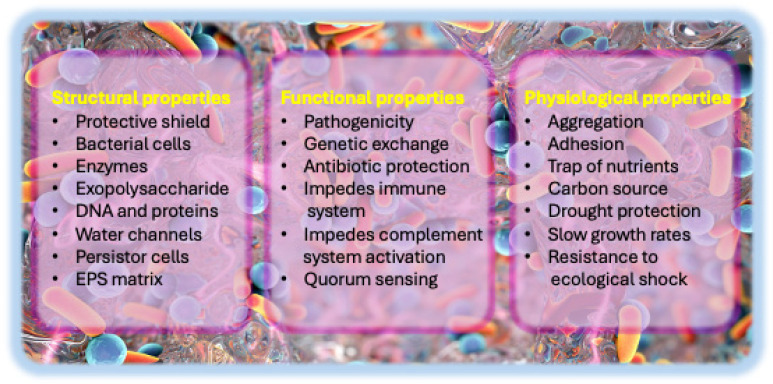
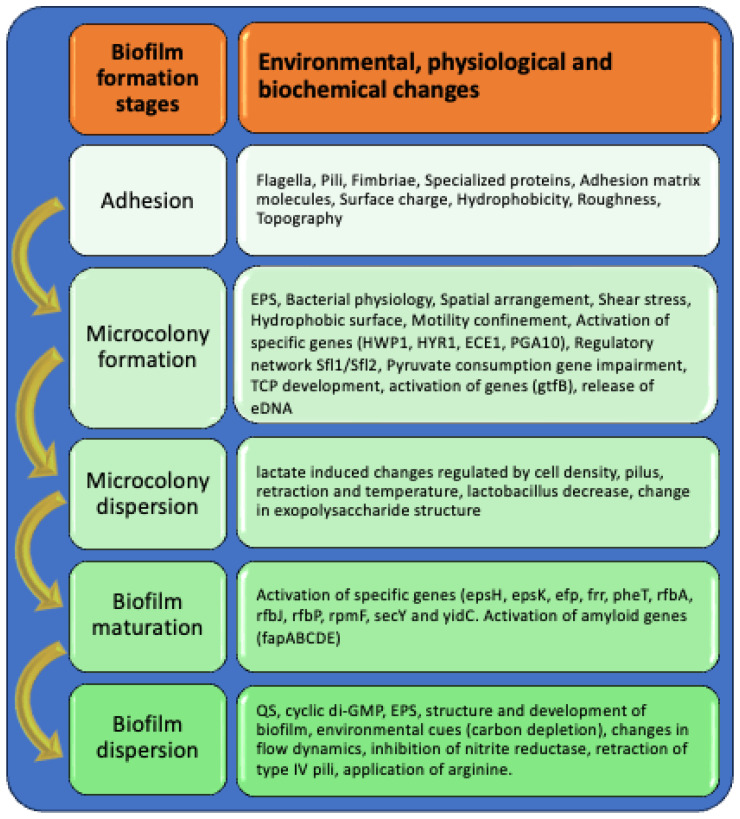
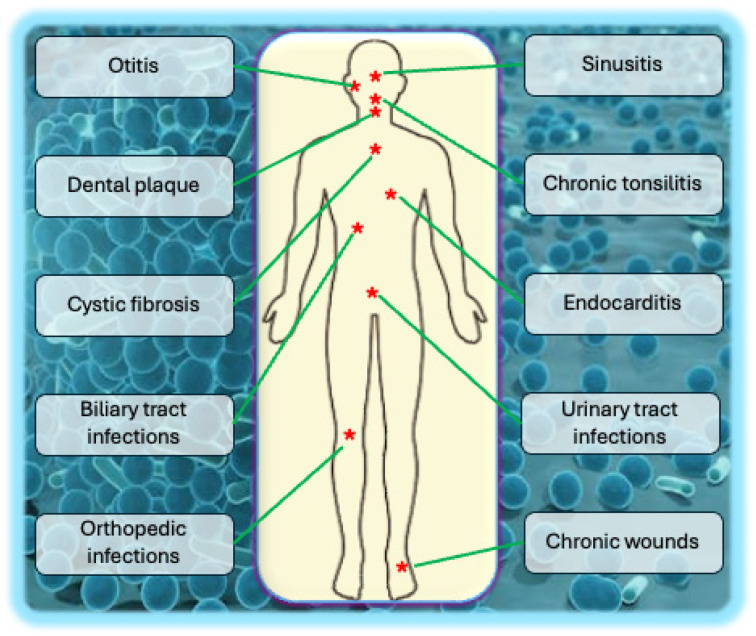
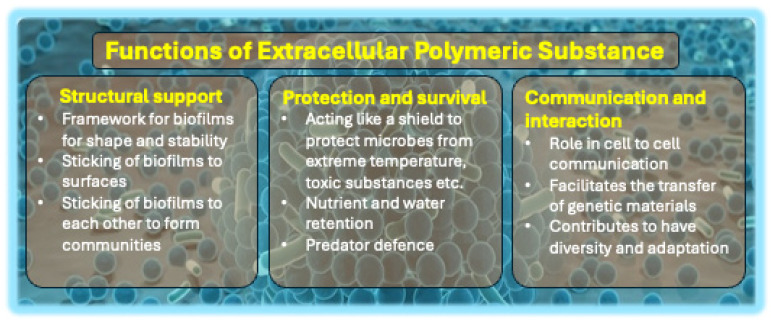
Verification
Claims the paper makes
0 Valid · 0 Not valid · 391 Not checked · 54 Own results and interpretations
None of the sources cited for this claim have been checked yet.
In the paper
“Biofilms, organized microbial communities enveloped in a self-synthesized extracellular polymeric substance (EPS) matrix, significantly contribute to healthcare-associated infections (HAIs) and other microbial illnesses.”
§ Biofilm Resilience: Molecular Mechanisms Driving Antibiotic Resistance in Clinical Contexts > 1. Introduction
What the sources say
- Not checked yetcites [1] Fleming D. Rumbaugh K.P. The Consequences of Biofilm Dispersal on the Host Sci. Rep. 2018 8 10738 10.1038/s41598-018-29121-2 30013112 PMC6048044 source
- Not checked yetcites [2] Nguyen P.-T. Nguyen T.H. Bui D.-C. Hong P.-T. Hoang Q.-K. Nguyen H.-V. Exopolysaccharide Production by Lactic Acid Bacteria: The Manipulation of Environmental Stresses for Industrial Applications AIMS Microbiol. 2020 6 451 469 10.3934/microbiol.2020027 33364538 PMC7755584 source
- Not checked yetcites [3] Dong H. Yang K. Li Q. Xiu W. Ding M. Shan J. Mou Y. Photocatalytic Cu2WS4 Nanocrystals for Efficient Bacterial Killing and Biofilm Disruption Int. J. Nanomed. 2022 17 2735 2750 10.2147/IJN.S360246 35769516 PMC9234186 source
plainstates a cause- Asserted: passes — The authors put it forward as true.
- Checkable: passes — It can be checked against evidence.
- Load-bearing: passes — The paper’s conclusions depend on it.
- Based: passes — The paper gives a reason why it holds.
None of the sources cited for this claim have been checked yet.
In the paper
“EPS, consisting of polysaccharides, proteins, extracellular DNA (eDNA), and lipids, improves adhesion, sequesters nutrients, and protects bacteria from external pressures, such as antibiotics and immunological reactions.”
§ Biofilm Resilience: Molecular Mechanisms Driving Antibiotic Resistance in Clinical Contexts > 1. Introduction
What the sources say
- Not checked yetcites [1] Fleming D. Rumbaugh K.P. The Consequences of Biofilm Dispersal on the Host Sci. Rep. 2018 8 10738 10.1038/s41598-018-29121-2 30013112 PMC6048044 source
- Not checked yetcites [2] Nguyen P.-T. Nguyen T.H. Bui D.-C. Hong P.-T. Hoang Q.-K. Nguyen H.-V. Exopolysaccharide Production by Lactic Acid Bacteria: The Manipulation of Environmental Stresses for Industrial Applications AIMS Microbiol. 2020 6 451 469 10.3934/microbiol.2020027 33364538 PMC7755584 source
- Not checked yetcites [3] Dong H. Yang K. Li Q. Xiu W. Ding M. Shan J. Mou Y. Photocatalytic Cu2WS4 Nanocrystals for Efficient Bacterial Killing and Biofilm Disruption Int. J. Nanomed. 2022 17 2735 2750 10.2147/IJN.S360246 35769516 PMC9234186 source
plain- Asserted: passes — The authors put it forward as true.
- Checkable: passes — It can be checked against evidence.
- Load-bearing: passes — The paper’s conclusions depend on it.
- Based: passes — The paper gives a reason why it holds.
None of the sources cited for this claim have been checked yet.
In the paper
“Its involvement in antibiotic resistance makes it a critical target for methods designed to break biofilms and address related illnesses [1,2,3].”
§ Biofilm Resilience: Molecular Mechanisms Driving Antibiotic Resistance in Clinical Contexts > 1. Introduction
What the sources say
- Not checked yetcites [1] Fleming D. Rumbaugh K.P. The Consequences of Biofilm Dispersal on the Host Sci. Rep. 2018 8 10738 10.1038/s41598-018-29121-2 30013112 PMC6048044 source
- Not checked yetcites [2] Nguyen P.-T. Nguyen T.H. Bui D.-C. Hong P.-T. Hoang Q.-K. Nguyen H.-V. Exopolysaccharide Production by Lactic Acid Bacteria: The Manipulation of Environmental Stresses for Industrial Applications AIMS Microbiol. 2020 6 451 469 10.3934/microbiol.2020027 33364538 PMC7755584 source
- Not checked yetcites [3] Dong H. Yang K. Li Q. Xiu W. Ding M. Shan J. Mou Y. Photocatalytic Cu2WS4 Nanocrystals for Efficient Bacterial Killing and Biofilm Disruption Int. J. Nanomed. 2022 17 2735 2750 10.2147/IJN.S360246 35769516 PMC9234186 source
plainstates a cause- Asserted: passes — The authors put it forward as true.
- Checkable: passes — It can be checked against evidence.
- Load-bearing: passes — The paper’s conclusions depend on it.
- Based: passes — The paper gives a reason why it holds.
None of the sources cited for this claim have been checked yet.
In the paper
“Biofilm-forming bacteria, including Staphylococcus aureus, Coagulase-negative staphylococci (CoNS), Pseudomonas aeruginosa, and Acinetobacter baumannii, exhibit resistance to antibiotics that can be as much as 1000 times greater than that of their planktonic counterparts [11,12,13].”
§ Biofilm Resilience: Molecular Mechanisms Driving Antibiotic Resistance in Clinical Contexts > 1. Introduction
What the sources say
- Not checked yetcites [11] Abdelraheem W.M. Refaie M.M.M. Yousef R.K.M. Fatah A.S.A.E. Mousa Y.M. Rashwan R. Assessment of Antibacterial and Anti-Biofilm Effects of Vitamin C Against Pseudomonas Aeruginosa Clinical Isolates Front. Microbiol. 2022 13 847449 10.3389/fmicb.2022.847449 35668756 PMC9163820 source
- Not checked yetcites [12] Shenkutie A.M. Yao M. Siu G.K.H. Wong B. Leung P.H. Biofilm-Induced Antibiotic Resistance in Clinical Acinetobacter Baumannii Isolates Antibiotics 2020 9 817 10.3390/antibiotics9110817 33212840 PMC7698371 source
- Not checked yetcites [13] Silva V. Correia E. Pereira J.E.L. González-Machado C. Capita R. Alonso-Calleja C. Igrejas G. Poeta P. Exploring the Biofilm Formation Capacity in S. Pseudintermedius and Coagulase-Negative Staphylococci Species Pathogens 2022 11 689 10.3390/pathogens11060689 35745543 PMC9229561 source
plainstates an association- Asserted: passes — The authors put it forward as true.
- Checkable: passes — It can be checked against evidence.
- Load-bearing: passes — The paper’s conclusions depend on it.
- Based: passes — The paper gives a reason why it holds.
None of the sources cited for this claim have been checked yet.
In the paper
“Bacterial biofilms in the lungs of individuals with cystic fibrosis include clusters of microorganisms encased in EPS, all immersed in the dense sputum typical of the condition.”
§ Biofilm Resilience: Molecular Mechanisms Driving Antibiotic Resistance in Clinical Contexts > 3. Understanding Biofilms > 3.2. Role of Biofilm Formation in Disease Pathogenesis
What the sources say
- Not checked yetcites [39] Martin I. Waters V. Grasemann H. Approaches to Targeting Bacterial Biofilms in Cystic Fibrosis Airways Int. J. Mol. Sci. 2021 22 2155 10.3390/ijms22042155 33671516 PMC7926955 source
- Not checked yetcites [40] Morris A.J. Jackson L. CW Yau Y. Reichhardt C. Beaudoin T. Uwumarenogie S. Guttman K.M. Lynne Howell P. Parsek M.R. Hoffman L.R. The Role of Psl in the Failure to Eradicate Pseudomonas Aeruginosa Biofilms in Children with Cystic Fibrosis NPJ Biofilms Microbiomes 2021 7 63 10.1038/s41522-021-00234-3 34349133 PMC8338932 source
plain- Asserted: passes — The authors put it forward as true.
- Checkable: passes — It can be checked against evidence.
- Load-bearing: unclear — It is unclear whether the paper’s conclusions depend on it.
- Based: passes — The paper gives a reason why it holds.
247 more claims
Create a free account to see all 445 claims and to verify the 595 references still open.
- It may state two separate claims as one. 148
- Probably not a substantial claim. 60
Citations
Cites
Items 201–386 of 386
Antimicrobial Photodynamic Therapy: Self-Disinfecting Surfaces for Controlling Microbial Infections
Dube, E. (2024) · Microorganisms · doi:10.3390/microorganisms12081573 · Cited by 39 · cited 1×
“Such advancements in diagnostic tools are pivotal for enhancing the precision and effectiveness of biofilm-associated HAI management, making them indispensable for modern clinical practices [364].”
Xin, L., Zhang, C., Chen, J., Jiang, Y., Liu, Y., Jin, P., Wang, X., Wang, G., & Huang, P. (2022) · ACS Applied Materials & Interfaces · doi:10.1021/acsami.2c13166 · Cited by 39 · cited 1×
“Forming biofilms exemplifies a complex adaptive mechanism in response to various environmental stressors, such as physical pressures, chemical agents like hypochlorous acid, and antibiotic exposure [126,137–139].”
Ercan, U. K., İbiş, F., Dikyol, C., Horzum, N., Karaman, O., Yıldırım, Ç., Çukur, E., & Demirci, E. A. (2018) · PLOS ONE · doi:10.1371/journal.pone.0202703 · Cited by 39 · cited 1×
“Below are several ways to prevent and treat biofilm-associated infections, derived from the information presented.”
Use of Hydrogen Peroxide Vapour for Microbiological Disinfection in Hospital Environments: A Review
Ayub, A., Cheong, Y. K., Castro, J. C., Cumberlege, O., & Chrysanthou, A. (2024) · Bioengineering · doi:10.3390/bioengineering11030205 · Cited by 38 · cited 1×
“Outbreaks and epidemics associated with biofilms have considerable consequences for public health, highlighting the need for effective monitoring systems and prompt response tactics.”
Mollabashi, V., Farmany, A., Alikhani, M. Y., Sattari, M., Soltanian, A. R., Kahvand, P., & Banisafar, Z. (2020) · International Journal of Nanomedicine · doi:10.2147/ijn.s258440 · Cited by 38
Simonetti, O., Marasca, S., Candelora, M., Rizzetto, G., Radi, G., Molinelli, E., Brescini, L., Cirioni, O., & Offidani, A. (2022) · AIMS Microbiology · doi:10.3934/microbiol.2022011 · Cited by 38 · cited 1×
“These peptides target different molecular components at various stages of biofilm development, employing unique modes of action.”
Radaelli, D., Di Maria, S., Jakovski, Z., Alempijevic, D., Al-Habash, I., Concato, M., Bolcato, M., & D’Errico, S. (2024) · Healthcare · doi:10.3390/healthcare12191996 · Cited by 37 · cited 1×
“Below are several ways to prevent and treat biofilm-associated infections, derived from the information presented.”
Candida albicans Sfl1/Sfl2 regulatory network drives the formation of pathogenic microcolonies
McCall, A. D., Kumar, R., & Edgerton, M. (2018) · PLOS Pathogens · doi:10.1371/journal.ppat.1007316 · Cited by 37 · cited 1×
“Criti-Biology 2025 , 14 , 165 9 of 46 cal parameters like pH, temperature, and nutrient availability significantly influence this transition, affecting the behavior and resilience of biofilm-forming microbes.”
Nature-Inspired Surface Structures Design for Antimicrobial Applications
Lee, M., Hussein, H. R., Chang, S.-W., Chang, C.-Y., Lin, Y., Chien, Y., Yang, Y., Kiew, L. V., Chen, C., Chiou, S., et al. (2023) · International Journal of Molecular Sciences · doi:10.3390/ijms24021348 · Cited by 37 · cited 1×
“These diminutive, amphipathic peptides exhibit cytotoxic properties and facilitate the disintegration of the biofilm matrix, hence enhancing the liberation of bacteria from the biofilm into the surrounding milieu [90,91].”
Balikci, E., Yilmaz, B., Tahmasebifar, A., Baran, E. T., & Kara, E. (2021) · Journal of Biomedical Materials Research Part B: Applied Biomaterials · doi:10.1002/jbm.b.34701 · Cited by 37 · cited 1×
“Biofilms provide a protective matrix that conceals bacteria from standard detection techniques used for planktonic bacteria, often leading to false-negative outcomes [356].”
Deciphering agr quorum sensing in Staphylococcus aureus: insights and therapeutic prospects
Vinodhini, V., & Kavitha, M. (2024) · Molecular Biology Reports · doi:10.1007/s11033-023-08930-3 · Cited by 36
Current and Novel Diagnostics for Orthopedic Implant Biofilm Infections: A Review
Ronin, D., Boyer, J., Alban, N., Natoli, R. M., Johnson, A., & Kjellerup, B. V. (2022) · APMIS · doi:10.1111/apm.13197 · Cited by 36 · cited 1×
“This figure underscores the need for extensive training and on-going education for healthcare professionals about infection control practices.”
Rezaie, P., Pourhajibagher, M., Chiniforush, N., Hosseini, N., & Bahador, A. (2018) · Journal of Lasers in Medical Sciences · doi:10.15171/jlms.2018.30 · Cited by 36 · cited 1×
“Biofilms and Healthcare-Associated Infections”
Wen, R., Li, X., Liu, T., & Lin, G. (2022) · BMC Infectious Diseases · doi:10.1186/s12879-022-07873-7 · Cited by 36
Novel and potent antimicrobial effects of caspofungin on drug-resistant Candida and bacteria
Sumiyoshi, M., Miyazaki, T., Makau, J. N., Mizuta, S., Tanaka, Y., Ishikawa, T., Makimura, K., Hirayama, T., Takazono, T., Saijo, T., et al. (2020) · Scientific Reports · doi:10.1038/s41598-020-74749-8 · Cited by 35 · cited 1×
“Healthcare institutions have used many cleaning and disinfection methods to tackle these difficulties.”
Price, B. L., Morley, R., Bowling, F. L., Lovering, A. M., & Dobson, C. B. (2020) · PLOS ONE · doi:10.1371/journal.pone.0228704 · Cited by 35
Host–Bacterium Interaction Mechanisms in Staphylococcus aureus Endocarditis: A Systematic Review
Nappi, F., & Singh, S. (2023) · International Journal of Molecular Sciences · doi:10.3390/ijms241311068 · Cited by 34
Molecular Determinants Involved in Candida Albicans Biofilm Formation and Regulation
Kumar, D., & Kumar, A. (2024) · Molecular Biotechnology · doi:10.1007/s12033-023-00796-x · Cited by 34
Khan, F., Yu, H., & Kim, Y.-M. (2020) · Marine Drugs · doi:10.3390/md18050270 · Cited by 34
A Bioengineered Nisin Derivative To Control Streptococcus uberis Biofilms
Pérez-Ibarreche, M., Field, D., Ross, R. P., & Hill, C. (2021) · Applied and Environmental Microbiology · doi:10.1128/aem.00391-21 · Cited by 34
Bottura, B., Rooney, L. M., Hoskisson, P. A., & McConnell, G. (2022) · Biofilm · doi:10.1016/j.bioflm.2022.100084 · Cited by 34 · cited 1×
“Similarly, a study found that Salmonella enterica serotype Kentucky forms more biofilms at higher pH levels (7.0 and 8.0) than lower ones (4.0 to 6.0) [93].”
InfluentialThe Mechanisms of Biofilm Antibiotic Resistance in Chronic Rhinosinusitis: A Review
Huang, Y., Qin, F., Li, S., Yin, J., Hu, L., Zheng, S., He, L., Xia, H., Liu, J., & Hu, W. (2022) · Medicine · doi:10.1097/md.0000000000032168 · Cited by 33 · cited 2×
“This metabolic inactivity makes these cells more resistant to antibiotics, focusing on active cellular functions.”
Jurcisek, J. A., Hofer, L. K., Goodman, S. D., & Bakaletz, L. O. (2022) · Biofilm · doi:10.1016/j.bioflm.2022.100096 · Cited by 33 · cited 1×
“In dental treatment, NPs are used in adhesives and filling materials to impede biofilm growth, avoiding tooth cavities and periodontitis [295].”
Khoshnood, S., Sadeghifard, N., Mahdian, N., Heidary, M., Mahdian, S., Mohammadi, M., Maleki, A., & Haddadi, M. H. (2023) · Journal of Clinical Laboratory Analysis · doi:10.1002/jcla.24814 · Cited by 33 · cited 1×
“These problems underscore the need for appropriate biofilm control solutions in implant dentistry to improve long-term results and avert complications such as peri-implantitis [227,228].”
Synthetic Antimicrobial Immunomodulatory Peptides: Ongoing Studies and Clinical Trials
Lesiuk, M., Paduszynska, M. A., & Greber, K. E. (2022) · Antibiotics · doi:10.3390/antibiotics11081062 · Cited by 33 · cited 1×
“An overview of strategies to prevent and manage biofilm-related infections is shown in [Table 3].”
Whelan, M. V. X., Ardill, L., Koide, K., Nakajima, C., Suzuki, Y., Simpson, J. C., & Ó Cróinín, T. (2019) · Scientific Reports · doi:10.1038/s41598-019-54620-1 · Cited by 33 · cited 1×
“Research has shown that biofilms contain more persister cells when exposed to antibiotic concentrations that significantly surpass the minimum inhibitory concentration needed to eradicate planktonic cells [161].”
Multicellular and Unicellular Responses of Microbial Biofilms to Stress
Rode, D. K. H., Singh, P. K., & Drescher, K. (2020) · Biological Chemistry · doi:10.1515/hsz-2020-0213 · Cited by 32
Sun, C., Zhao, X., Jiao, Z., Peng, J., Zhou, L., Yang, L., Huang, M., Tian, C., & Guo, G. (2022) · Antibiotics · doi:10.3390/antibiotics11111474 · Cited by 30 · cited 1×
“While non-antibiotic ALS reduces this danger, it must be meticulously given to prevent systemic toxicity, particularly in ethanol-based formulations.”
Bioactive Compounds: A Goldmine for Defining New Strategies against Pathogenic Bacterial Biofilms?
Pompilio, A., Scocchi, M., Mangoni, M. L., Shirooie, S., Serio, A., Ferreira Garcia da Costa, Y., Alves, M. S., Şeker Karatoprak, G., Süntar, I., Khan, H., et al. (2023) · Critical Reviews in Microbiology · doi:10.1080/1040841x.2022.2038082 · Cited by 30 · cited 1×
“An overview of strategies to prevent and manage biofilm-related infections is shown in [Table 3].”
Eradication of Staphylococcus aureus Biofilm Infection by Persister Drug Combination
Yee, R., Yuan, Y., Tarff, A., Brayton, C., Gour, N., Feng, J., & Zhang, Y. (2022) · Antibiotics · doi:10.3390/antibiotics11101278 · Cited by 30
Burmeister, N., Vollstedt, C., Kröger, C., Friedrich, T., Scharnagl, N., Rohnke, M., Zorn, E., Wicha, S. G., Streit, W. R., & Maison, W. (2023) · Colloids and Surfaces B Biointerfaces · doi:10.1016/j.colsurfb.2023.113195 · Cited by 30 · cited 1×
“Molecular approaches have shown efficacy in identifying biofilm-associated genes and virulence factors, including DNA sequencing, metagenomics, multiplex PCR, and metatranscriptomics [297].”
Effect of Temperature, PH and Plasmids on in Vitro Biofilm Formation in Escherichia Coli
Mathlouthi, A., Pennacchietti, E., & Biase, D. D. (2018) · Acta Naturae · doi:10.32607/20758251-2018-10-4-129-132 · Cited by 30 · cited 3×
“According to Mathlouthi et al. (2018), E. coli strains produce more biofilms when the medium pH is 7.4 [92].”
InfluentialMaiden, M. M., & Waters, C. M. (2020) · PLoS Pathogens · doi:10.1371/journal.ppat.1008529 · Cited by 29 · cited 1×
“[12,125]”
Bacterial Sensing and Biofilm Monitoring for Infection Diagnostics
Parlak, O., & Richter‐Dahlfors, A. (2020) · Macromolecular Bioscience · doi:10.1002/mabi.202000129 · Cited by 29 · cited 1×
“These systems assist healthcare institutions in detecting infection trends, identifying biofilm reservoirs, and executing targeted actions for their eradication.”
Growth of Aspergillus fumigatus in Biofilms in Comparison to Candida albicans
Subroto, E., van Neer, J., Valdes, I., & de Cock, H. (2022) · Journal of Fungi · doi:10.3390/jof8010048 · Cited by 29 · cited 1×
“[12,125]”
Apanga, P. A., Ahmed, J., Tanner, W. D., Starcevich, K., VanDerslice, J. A., Rehman, U. U., Channa, N., Benson, S., & Garn, J. V. (2022) · PLoS ONE · doi:10.1371/journal.pone.0263297 · Cited by 29
Han, Y., Jiang, N., Xu, H., Yuan, Z., Xiu, J., Mao, S., Liu, X., & Huang, J. (2023) · Advanced Science · doi:10.1002/advs.202206153 · Cited by 29 · cited 2×
“The occurrence of stress-inducing agents, including triclosan and aminoglycosides, can initiate the emergence of adaptive resistance within biofilms.”
Drame, I., Lafforgue, C., Formosa-Dague, C., Chapot-Chartier, M.-P., Piard, J.-C., Castelain, M., & Dague, E. (2021) · Scientific Reports · doi:10.1038/s41598-021-84030-1 · Cited by 28 · cited 1×
“Various environmental cues typically trigger this phase, including nutrient depletion, shifts in oxygen levels, waste accumulation, chemical signals and changes in flow dynamics.”
Pentland, D. R., Davis, J., Mühlschlegel, F. A., & Gourlay, C. W. (2021) · npj Biofilms and Microbiomes · doi:10.1038/s41522-021-00238-z · Cited by 28
Liu, Z., Li, L., Wang, Q., Sadiq, F. A., Lee, Y., Zhao, J., Zhang, H., Chen, W., Li, H., & Lu, W. (2021) · Microorganisms · doi:10.3390/microorganisms9020385 · Cited by 28
Sucrose-mediated formation and adhesion strength of Streptococcus mutans biofilms on titanium
Waldman, L. J., Butera, T., Boyd, J. D., & Grady, M. E. (2023) · Biofilm · doi:10.1016/j.bioflm.2023.100143 · Cited by 28 · cited 1×
“[242–245]”
Plausible Role of Bacterial Toxin–Antitoxin System in Persister Cell Formation and Elimination
Paul, P., Sahu, B. R., & Suar, M. (2019) · Molecular Oral Microbiology · doi:10.1111/omi.12258 · Cited by 27 · cited 1×
“This protected environment facilitates the survival and proliferation of MDR and XDR pathogens, significantly complicating infection prevention and treatment strategies [123,178].”
Peculiarities of Biofilm Formation by Paracoccus Denitrificans
Morinaga, K., Yoshida, K., Takahashi, K., Nomura, N., & Toyofuku, M. (2020) · Applied Microbiology and Biotechnology · doi:10.1007/s00253-020-10400-w · Cited by 27
Research Progress on the Carcinogenicity of Metal Nanomaterials
Liu, L., & Kong, L. (2021) · Journal of Applied Toxicology · doi:10.1002/jat.4145 · Cited by 27
Shariati, A., Noei, M., & Chegini, Z. (2023) · Journal of Clinical Laboratory Analysis · doi:10.1002/jcla.24932 · Cited by 27
Nutrient Starvation Intensifies Chlorine Disinfection-Stressed Biofilm Formation
Du, B., Wang, S., Chen, G., Wang, G., & Liu, L. (2022) · Chemosphere · doi:10.1016/j.chemosphere.2022.133827 · Cited by 27 · cited 1×
“Tackling the significant challenge of antibiotic resistance linked to biofilms is essential for enhancing treatment approaches, especially in the fight against stubborn infections that resist standard therapies.”
Kaushik, A., Kest, H., Sood, M., Thieman, C., Steussy, B. W., Padomek, M., & Gupta, S. (2024) · Antibiotics · doi:10.3390/antibiotics13121132 · Cited by 26 · cited 1×
“Pathogens adhere to surgical implements, including suture materials, and form biofilms that protect them from immune responses and antimicrobial agents, thus worsening infections [237,238].”
Nouruzi, E., Hosseini, S. M., Asghari, B., Mahjoub, R., Zare, E. N., Shahbazi, M.-A., Kalhori, F., & Arabestani, M. R. (2023) · BMC Biotechnology · doi:10.1186/s12896-023-00811-8 · Cited by 26
Gasu, E. N., Ahor, H. S., & Borquaye, L. S. (2019) · BioMed Research International · doi:10.1155/2019/5313918 · Cited by 26 · cited 1×
“An overview of strategies to prevent and manage biofilm-related infections is shown in [Table 3].”
Kristensen, R., Andersen, J. B., Rybtke, M., Jansen, C. U., Fritz, B. G., Kiilerich, R. O., Uhd, J., Bjarnsholt, T., Qvortrup, K., Tolker-Nielsen, T., et al. (2024) · Antimicrobial Agents and Chemotherapy · doi:10.1128/aac.01387-23 · Cited by 26 · cited 1×
“Biofilms and Healthcare-Associated Infections”
Hauner, A., Onwuchekwa, C., & Ariën, K. K. (2024) · Expert Review of Molecular Diagnostics · doi:10.1080/14737159.2024.2353690 · Cited by 26 · cited 1×
“Evidence-based antimicrobial stewardship programs promote appropriate antimicrobial use and assure conformity with local antibiotic susceptibility patterns [378,379].”
Pakkulnan, R., Thonglao, N., & Chareonsudjai, S. (2023) · Scientific Reports · doi:10.1038/s41598-023-27790-2 · Cited by 26 · cited 1×
“Tian et al. (2021) have highlighted the potential of phages to produce enzymes that break down the polysaccharide matrix and proteins in biofilms, offering an alternative approach to controlling bacterial biofilms [263].”
Porous marine snow differentially benefits chemotactic, motile, and nonmotile bacteria
Borer, B., Zhang, I. H., Baker, A. E., O'Toole, G. A., & Babbin, A. R. (2023) · PNAS Nexus · doi:10.1093/pnasnexus/pgac311 · Cited by 26
Brothers, K. M., Parker, D. M., Taguchi, M., Ma, D., Mandell, J. B., Thurlow, L. R., Byrapogu, V. K., & Urish, K. L. (2023) · Scientific Reports · doi:10.1038/s41598-023-30951-y · Cited by 25
O’Neal, L., Gullett, J. M., Aksenova, A., Hubler, A., Briegel, A., Ortega, D., Kjær, A., Jensen, G., & Alexandre, G. (2019) · mBio · doi:10.1128/mbio.01757-19 · Cited by 24 · cited 1×
“As the synthesis of these structural and protective chemicals decreases, the biofilm matrix weakens, and bacteria generate specialized enzymes that aid in its degradation.”
Photocatalytic Cu2WS4 Nanocrystals for Efficient Bacterial Killing and Biofilm Disruption
Dong, H., Yang, K., Zhang, Y., Li, Q., Xiu, W., Ding, M., Shan, J., & Mou, Y. (2022) · International Journal of Nanomedicine · doi:10.2147/ijn.s360246 · Cited by 24 · cited 2×
“The mechanical properties could improve the biofilm’s resilience, allowing bacterial populations to withstand external stresses, such as antimicrobial treatments, more effectively [64].”
Du, M., Yuan, Z., Werneburg, G. T., Henderson, N. S., Chauhan, H., Kovach, A., Zhao, G., Johl, J., Li, H., & Thanassi, D. G. (2021) · Nature Communications · doi:10.1038/s41467-021-25522-6 · Cited by 24 · cited 1×
“These diminutive, amphipathic peptides exhibit cytotoxic properties and facilitate the disintegration of the biofilm matrix, hence enhancing the liberation of bacteria from the biofilm into the surrounding milieu [90,91].”
Lordelo, R., Branco, R., Gama, F., & Morais, P. V. (2024) · Heliyon · doi:10.1016/j.heliyon.2024.e30464 · Cited by 23
Jayasena Kaluarachchi, T. D., Campbell, P. M., Wickremasinghe, R., Ranasinghe, S., Wickremasinghe, R., Yasawardene, S., De Silva, H., Menike, C., Jayarathne, M. C. K., Jayathilake, S., et al. (2021) · Scientific Reports · doi:10.1038/s41598-021-02388-8 · Cited by 23 · cited 1×
“Flagella, pili, fi mbriae, and specialized”
Zhang, Y., Ge, T., Li, Y., Lu, J., Du, H. Y., Yan, L., Tan, H. S., Li, J., & Yin, Y. (2023) · Polymers · doi:10.3390/polym15020317 · Cited by 22
Adhesion of Escherichia Coli to Nanostructured Surfaces and the Role of Type 1 Fimbriae
Kallas, P., Haugen, H. J., Gadegaard, N., Stormonth-Darling, J., Hulander, M., Andersson, M., & Valen, H. (2020) · Nanomaterials · doi:10.3390/nano10112247 · Cited by 22 · cited 1×
“In numerous Gram-positive bacteria, such as S. aureus , biofilm dispersal is governed by the Agr QS system, which monitors bacterial cell density.”
Wongkaewkhiaw, S., Taweechaisupapong, S., Thanaviratananich, S., Bolscher, J. G. M., Nazmi, K., Anutrakunchai, C., Chareonsudjai, S., & Kanthawong, S. (2020) · PLOS ONE · doi:10.1371/journal.pone.0243315 · Cited by 22 · cited 1×
“Studies have shown that bacteriophage depolymerases facilitate the infiltration of phages into biofilms by breaking down the EPS substrate, ultimately leading to the destruction of bacterial cells [264].”
Biofilm Signaling, Composition and Regulation in Burkholderia pseudomallei
Nyanasegran, P. K., Nathan, S., Firdaus-Raih, M., Muhammad, N. A. N., & Ng, C. L. (2023) · Journal of Microbiology and Biotechnology · doi:10.4014/jmb.2207.07032 · Cited by 22 · cited 1×
“Studies have shown that different types of bacteria respond differently to temperature when it comes to the formation and growth of biofilms.”
Modelling vaporised hydrogen peroxide efficacy against mono-species biofilms
Watson, F., Keevil, C. W., Wilks, S. A., & Chewins, J. (2018) · Scientific Reports · doi:10.1038/s41598-018-30706-0 · Cited by 22 · cited 1×
“Outbreaks and epidemics associated with biofilms have considerable consequences for public health, highlighting the need for effective monitoring systems and prompt response tactics.”
C. S., S., Kini, V., Singh, M., Mukhopadhyay, C., Nag, P., & Sadani, K. (2024) · Biotechnology and Bioengineering · doi:10.1002/bit.28735 · Cited by 21
Submicron Topography Design for Controlling Staphylococcal Bacterial Adhesion and Biofilm Formation
Xu, L., & Siedlecki, C. A. (2022) · Journal of Biomedical Materials Research Part A · doi:10.1002/jbm.a.37369 · Cited by 21 · cited 1×
“These diminutive, amphipathic peptides exhibit cytotoxic properties and facilitate the disintegration of the biofilm matrix, hence enhancing the liberation of bacteria from the biofilm into the surrounding milieu [90,91].”
Gold Nanoclusters Cure Implant Infections by Targeting Biofilm
Gong, Y., Zhao, X., Yan, X., Zheng, W., Chen, H., & Wang, L. (2024) · Journal of Colloid and Interface Science · doi:10.1016/j.jcis.2024.06.172 · Cited by 21
Amieva, R., Gil-Gil, T., Martínez, J., & Alcalde-Rico, M. (2022) · International Journal of Molecular Sciences · doi:10.3390/ijms23147492 · Cited by 21 · cited 1×
“Biofilms and Healthcare-Associated Infections”
Baburam, S., Ramasamy, S., Shanmugam, G., & Mathanmohun, M. (2022) · Applied Biochemistry and Biotechnology · doi:10.1007/s12010-021-03683-w · Cited by 21 · cited 1×
“[114,135] Stress Responses and Adaptive Resistance Bacteria in biofilms possess the ability to adjust and acquire resistance mechanisms as a reaction to environmental stressors, such as the existence of antibiotics.”
Real-Time Biofilm Detection Techniques: Advances and Applications
Kulshrestha, A., & Gupta, P. (2024) · Future Microbiology · doi:10.1080/17460913.2024.2350285 · Cited by 21 · cited 1×
“An examination of the health complications associated with biofilms, ranging from persistent wounds to infections acquired in hospitals.”
Multidrug-Resistant Microbial Therapy Using Antimicrobial Peptides and the CRISPR/Cas9 System
Getahun, Y. A., Ali, D. A., Taye, B. W., & Alemayehu, Y. A. (2022) · Veterinary Medicine: Research and Reports · doi:10.2147/vmrr.s366533 · Cited by 20 · cited 1×
“An overview of strategies to prevent and manage biofilm-related infections is shown in [Table 3].”
Tian, C., Yuan, M., Tao, Q., Xu, T., Liu, J., Huang, Z., Wu, Q., Pan, Y., Zhao, Y., & Zhang, Z. (2023) · Antibiotics · doi:10.3390/antibiotics12040638 · Cited by 20 · cited 3×
“Within biofilms, bacterial cells demonstrate notable metabolic diversity, especially when comparing the inner and outer layers of the biofilm architecture.”
Kalia, M., Resch, M. D., Cherny, K. E., & Sauer, K. (2022) · mSphere · doi:10.1128/msphere.00505-22 · Cited by 20 · cited 1×
“Furthermore, Ghazay and Mamdouh’s research suggested that the optimal temperature for Klebsiella Pneumonia biofilm growth is around 40 ◦ C, as this was when the highest levels of biofilm formation were observed [95].”
Mukherjee, D., Sil, M., Goswami, A., Lahiri, D., & Nag, M. (2023) · Journal of Basic Microbiology · doi:10.1002/jobm.202300013 · Cited by 20
Silva, V., Correia, E., Pereira, J. E., González-Machado, C., Capita, R., Alonso-Calleja, C., Igrejas, G., & Poeta, P. (2022) · Pathogens · doi:10.3390/pathogens11060689 · Cited by 20 · cited 1×
“Biofilm-forming bacteria, including Staphylococcus aureus , Coagulase-negative staphylococci (CoNS), Pseudomonas aeruginosa , and Acinetobacter baumannii , exhibit resistance to antibiotics that can be as much as 1000 times greater than that of their planktonic counterparts [11–13].”
Li, P., Li, Y., Zhang, Y., Bao, J., Yuan, R., Lan, H., & Sun, M. (2022) · Epidemiology and Infection · doi:10.1017/s0950268822001340 · Cited by 20
Breslawec, A. P., Wang, S., Monahan, K. N., Barry, L. L., & Poulin, M. B. (2023) · The FEBS Journal · doi:10.1111/febs.16624 · Cited by 19 · cited 1×
“Increased or decreased temperatures may induce stress in microbial cells, promoting biofilm formation as a defensive mechanism against thermal stressors.”
Mejía-Manzano, L. A., Vázquez-Villegas, P., Prado-Cervantes, L. V., Franco-Gómez, K. X., Carbajal-Ocaña, S., Sotelo-Cortés, D. L., Atehortúa-Benítez, V., Delgado-Rodríguez, M., & Membrillo-Hernández, J. (2023) · Polymers · doi:10.3390/polym15143021 · Cited by 19 · cited 1×
“An examination of the health complications associated with biofilms, ranging from persistent wounds to infections acquired in hospitals.”
Nygren, E., Gonzales Strömberg, L., Logenius, J., Husmark, U., Löfström, C., & Bergström, B. (2023) · PLOS ONE · doi:10.1371/journal.pone.0287855 · Cited by 19 · cited 1×
“Biofilms provide considerable obstacles in dental implantology.”
Acinetobacter Pittii Biofilm Formation on Inanimate Surfaces after Long-Term Desiccation
Bravo, Z., Chapartegui-González, I., Lázaro-Díez, M., & Ramos-Vivas, J. (2018) · Journal of Hospital Infection · doi:10.1016/j.jhin.2017.07.031 · Cited by 19 · cited 1×
“This development intensifies structural damage and elevates the likelihood of infection [223,224].”
Theodorea, C. F., Diven, S., Hendrawan, D., Djais, A. A., Bachtiar, B. M., Widyarman, A. S., & Seneviratne, C. J. (2022) · International Journal of Environmental Research and Public Health · doi:10.3390/ijerph192113998 · Cited by 18 · cited 1×
“The conditions mentioned are dental caries (tooth decay), gingivitis, periodontitis, and dental implant-related mucositis.”
Biofilm Production in Intensive Care Units: Challenges and Implications
Taner, F., Baddal, B., Theodoridis, L., & Petrovski, S. (2024) · Pathogens · doi:10.3390/pathogens13110954 · Cited by 18 · cited 1×
“This matrix provides structural integrity and protection, making bacterial colonies resistant to mechanical removal.”
Denture Plaque Biofilm Visual Assessment Methods: A Systematic Review
Thu, K. M., Yeung, A. W. K., Samaranayake, L., & Lam, W. Y. H. (2024) · International Dental Journal · doi:10.1016/j.identj.2023.06.010 · Cited by 18 · cited 1×
“Possibility of dissemination of infection throughout the body.”
Peptide-Based Inhibitors of Fimbrial Biogenesis in Porphyromonas Gingivalis
Alaei, S. R., Park, J. H., Walker, S. G., & Thanassi, D. G. (2019) · Infection and Immunity · doi:10.1128/iai.00750-18 · Cited by 18 · cited 1×
“In numerous Gram-positive bacteria, such as S. aureus , biofilm dispersal is governed by the Agr QS system, which monitors bacterial cell density.”
Interactions Between Surface Material and Bacteria: From Biofilm Formation to Suppression
Treccani, L. (2022) · Wiley eBooks · doi:10.1002/9783527698042.ch8 · Cited by 17
Hu, L., Zhao, L., Zhuang, Z., Wang, X., Fu, Q., Huang, H., Lin, L., Huang, L., Qin, Y., Zhang, J., et al. (2021) · Frontiers in Microbiology · doi:10.3389/fmicb.2021.720967 · Cited by 17 · cited 1×
“This promotes the separation of cells from the biofilm [88].”
Biofilm Detection by a Fiber-Tip Ball Resonator Optical Fiber Sensor
Rakhimbekova, A., Kudaibergenov, B., Moldabay, D., Zharylgap, A., Ajunwa, O. M., Marsili, E., & Tosi, D. (2022) · Biosensors · doi:10.3390/bios12070481 · Cited by 17 · cited 1×
“DSBs provide a distinct problem due to their resistance to standard cleaning and disinfection methods and their ability to renew upon exposure to moisture and nutrients [374].”
Biofilms, Biomaterials, and Device-Related Infections
Francolini, I., Hall-Stoodley, L., & Stoodley, P. (2020) · Biomaterials Science · doi:10.1016/b978-0-12-816137-1.00054-4 · Cited by 17
Dry Surface Biofilms: What You Need to Know
Ledwoch, K., Vickery, K., & Maillard, J.-Y. (2022) · British Journal of Hospital Medicine · doi:10.12968/hmed.2022.0274 · Cited by 17 · cited 2×
“Improved surface coatings and compliance with rigorous hospital requirements are also essential.”
Stirpe, M., Brugnoli, B., Donelli, G., Francolini, I., & Vuotto, C. (2020) · Pathogens · doi:10.3390/pathogens9110885 · Cited by 16 · cited 1×
“Similarly, a study found that Salmonella enterica serotype Kentucky forms more biofilms at higher pH levels (7.0 and 8.0) than lower ones (4.0 to 6.0) [93].”
InfluentialLight and Temperature Influence on Diuron Bioaccumulation and Toxicity in Biofilms
Chaumet, B., Mazzella, N., Neury-Ormanni, J., & Morin, S. (2020) · Ecotoxicology · doi:10.1007/s10646-020-02166-8 · Cited by 16 · cited 1×
“Furthermore, bacterial cells that separate from biofilms maintain their Furthermore, bacterial cells that separate from biofilms maintain their antibiotic resistance characteristics, suggesting that this resistance continues to exist even when the cells shift into a planktonic form [113].…”
Zeiler, M. J., Melander, R. J., & Melander, C. (2020) · ChemMedChem · doi:10.1002/cmdc.202000438 · Cited by 16 · cited 2×
“This matrix improves adhesion to device surfaces and protects bacteria from immune defenses, making biofilm-associated infections particularly resistant to standard treatments [194,195].”
Non-Canonical Host Intracellular Niche Links to New Antimicrobial Resistance Mechanism
Kember, M., Grandy, S., Raudonis, R., & Cheng, Z. (2022) · Pathogens · doi:10.3390/pathogens11020220 · Cited by 15
Research progress of nanoparticle targeting delivery systems in bacterial infections
Jin, M., He, B., Cai, X., Lei, Z., & Sun, T. (2023) · Colloids and Surfaces B: Biointerfaces · doi:10.1016/j.colsurfb.2023.113444 · Cited by 15
Deliorman, M., Gordesli Duatepe, F. P., Davenport, E. K., Fransson, B. A., Call, D. R., Beyenal, H., & Abu-Lail, N. I. (2019) · Langmuir · doi:10.1021/acs.langmuir.9b01227 · Cited by 15 · cited 1×
“The mechanical properties could improve the biofilm’s resilience, allowing bacterial populations to withstand external stresses, such as antimicrobial treatments, more effectively [64].”
Chaggar, G. K., Nkemngong, C. A., Li, X., Teska, P. J., & Oliver, H. F. (2022) · Microbiology · doi:10.1099/mic.0.001140 · Cited by 15 · cited 1×
“These results are essential for guiding focused initiatives to tackle this global health issue.”
Sampling challenges in diagnosis of chronic bacterial infections
Jakobsen, T. H., Xu, Y., Bay, L., Schønheyder, H. C., Jakobsen, T., Bjarnsholt, T., & Thomsen, T. R. (2021) · Journal of Medical Microbiology · doi:10.1099/jmm.0.001302 · Cited by 15 · cited 1×
“Compliance with hand hygiene measures is essential for avoiding the transmission of biofilm-associated infections.”
Wang, D., Bai, P., Zhang, B., Su, X., Jiang, X., Fang, T., Wang, J., & Liu, C. (2021) · Brazilian Journal of Microbiology · doi:10.1007/s42770-021-00588-y · Cited by 15 · cited 1×
“This interaction guarantees that QS signals are maintained at appropriate quantities to coordinate collective bacterial activities successfully.”
Microbial Biofilms: Pathogenicity and Treatment Strategies
Samal, S., & Das, P. K. (2018) · Pharmatutor · doi:10.29161/pt.v6.i1.2018.16 · Cited by 15 · cited 2×
“Comparative studies reveal significant disparities in microbial growth rates between bacteria associated with biofilms and those in a planktonic state.”
Blanco-Di Matteo, A., Garcia-Fernandez, N., Aguinaga Pérez, A., Carmona-Torre, F., Oteiza, A. C., Leiva, J., & Del Pozo, J. L. (2023) · Antimicrobial Agents and Chemotherapy · doi:10.1128/aac.01264-22 · Cited by 15 · cited 1×
“These results highlight the inadequacies of commonly used disinfectants in eliminating biofilms and controlling HAI-related bacteria.”
Hong, B., Winkel, A., Ertl, P., Stumpp, S. N., Schwabe, K., Stiesch, M., & Krauss, J. K. (2018) · Acta Neurochirurgica · doi:10.1007/s00701-017-3404-9 · Cited by 15 · cited 1×
“Below are several ways to prevent and treat biofilm-associated infections, derived from the information presented.”
Innovative approaches to combating dental biofilms: Nanotechnology and its applications
Dash, A., & Ragavendran, C. (2024) · Biocatalysis and Agricultural Biotechnology · doi:10.1016/j.bcab.2024.103406 · Cited by 15
Büchler, A. C., Wicki, M., Frei, R., Hinic, V., Seth-Smith, H. M. B., Egli, A., & Widmer, A. F. (2022) · Journal of Hospital Infection · doi:10.1016/j.jhin.2022.04.016 · Cited by 15 · cited 1×
“If left untreated, gingivitis may advance to periodontitis, a more serious disorder characterized by the subgingival infiltration of biofilms.”
Sankar, S., & Kodiveri Muthukaliannan, G. (2024) · Saudi Journal of Biological Sciences · doi:10.1016/j.sjbs.2024.103963 · Cited by 14
Biofilm addition improves sand strength over a wide range of saturations
Shariq, A. F., Beyenal, H., & Akin, I. D. (2021) · Biofilm · doi:10.1016/j.bioflm.2021.100050 · Cited by 14 · cited 1×
“For instance, the rigidity of EPS matrix has been shown to affect the biofilm’s capacity to endure antibiotics.”
Antibodies against the DNABII Protein Integration Host Factor (IHF) Inhibit Sinus Implant Biofilms
Martyn, L., Sethia, R., Chon, R., Novotny, L., Goodman, S. D., Elmaraghy, C., & Bakaletz, L. O. (2020) · The Laryngoscope · doi:10.1002/lary.28188 · Cited by 14 · cited 1×
“A primary mechanism is their capacity to infiltrate the thick EPS matrix, which often obstructs conventional antimicrobials.”
Can Vancomycin Lock Therapy Extend the Retention Time of Infected Long-term Catheters?
Alonso, B., Fernández‐Cruz, A., Díaz, M., Sánchez‐Carrillo, C., Martín‐Rabadán, P., Bouza, E., Muñoz, P., & Guembe, M. (2020) · APMIS · doi:10.1111/apm.13033 · Cited by 14 · cited 1×
“These results highlight the inadequacies of commonly used disinfectants in eliminating biofilms and controlling HAI-related bacteria.”
rizi, K. S., & Ashrafi, A. (2023) · Results in Materials · doi:10.1016/j.rinma.2023.100402 · Cited by 14 · cited 1×
“An examination of the health complications associated with biofilms, ranging from persistent wounds to infections acquired in hospitals.”
Lu, X., Wang, G., Xie, Y., Tang, W., Liu, B., & Zhang, J. (2023) · RSC Advances · doi:10.1039/d2ra06696c · Cited by 14 · cited 1×
“Biofilms and Healthcare-Associated Infections”
Ahmad, S. S., Siddiqui, M. F., Maqbool, F., Ullah, I., Adnan, F., Albutti, A., Alsowayeh, N., & Rahman, Z. (2024) · Molecules · doi:10.3390/molecules29020397 · Cited by 13
Okaro, U., Mou, S., Lenkoue, G., Williams, J. A., Bonagofski, A., Larson, P., Kumar, R., & DeShazer, D. (2022) · Microbiology · doi:10.1099/mic.0.001150 · Cited by 12 · cited 1×
“Upon reaching a specific threshold of bacterial population, the Agr system initiates the synthesis of Phenol-Soluble Modulins (PSMs).”
Kaveh, M. H., Motamed-Jahromi, M., & Hassanipour, S. (2021) · Canadian Journal of Infectious Diseases and Medical Microbiology · doi:10.1155/2021/8860705 · Cited by 12
Novel Detection of Nasty Bugs, Prevention Is Better than Cure
Strom, M., Crowley, T., & Shigdar, S. (2020) · International Journal of Molecular Sciences · doi:10.3390/ijms22010149 · Cited by 12 · cited 2×
“The significant occurrence of biofilms in hospital environments and its correlation with MDROs in HAIs highlights the need for stringent infection control protocols [187].”
Yamabe, K., Arakawa, Y., Shoji, M., Miyamoto, K., Tsuchiya, T., Minoura, K., Akeda, Y., Tomono, K., & Onda, M. (2022) · Journal of Applied Microbiology · doi:10.1111/jam.15712 · Cited by 12 · cited 1×
“This genetic and metabolic adaptation is directly linked to heightened antibiotic resistance, underscoring biofilm communities’ resilience and capacity to circumvent therapeutic interventions [128].”
Piątkowska, E., Paleczny, J., Dydak, K., & Letachowicz, K. (2021) · PLOS ONE · doi:10.1371/journal.pone.0258148 · Cited by 12 · cited 1×
“HPV systems, in particular, have emerged as a powerful tool, capable of penetrating biofilm structures and eradicating embedded pathogens through the generation of ROS.”
Fiolet, A.-S., Jandot, E., Doucey, P., Crétet, C., Brunel, C., Pivot, C., Ghigo, J.-M., Beloin, C., Lebeaux, D., & Pirot, F. (2018) · Journal of Pharmaceutical Analysis · doi:10.1016/j.jpha.2017.09.004 · Cited by 12 · cited 1×
“This resistance is especially significant in DSBs, which develop on healthcare surfaces and have enhanced tolerance to disinfection and physical removal methods relative to wet surface biofilms and planktonic bacteria [366,367].”
Vargas-Cruz, N., Rosenblatt, J., Reitzel, R. A., Chaftari, A.-M., Hachem, R., & Raad, I. (2019) · BioMed Research International · doi:10.1155/2019/2869039 · Cited by 12 · cited 1×
“Similarly, a study found that Salmonella enterica serotype Kentucky forms more biofilms at higher pH levels (7.0 and 8.0) than lower ones (4.0 to 6.0) [93].”
InfluentialAntimicrobial Coatings: Current Mechanisms, Challenges, and Opportunities
Agarwalla, S., Singh, S. K., Ibrahim, M. A., Noothalapati, H., & Duraiswamy, S. (2024) · Functional Coatings · doi:10.1002/9781394207305.ch9 · Cited by 11
Wang, R., Wang, Y., Lei, Z., Hao, L., & Jiang, L. (2022) · Microbiology and Immunology · doi:10.1111/1348-0421.13025 · Cited by 10 · cited 1×
“Criti-Biology 2025 , 14 , 165 9 of 46 cal parameters like pH, temperature, and nutrient availability significantly influence this transition, affecting the behavior and resilience of biofilm-forming microbes.”
Guichard, M., Wilms, T., Mahri, S., Patil, H. P., Hoton, D., Ucakar, B., Vanvarenberg, K., Cheou, P., Beka, M., Marbaix, E., et al. (2021) · Advanced Therapeutics · doi:10.1002/adtp.202000146 · Cited by 10 · cited 1×
“Furthermore, it has been discovered that phages equipped with virion-associated depolymerases can overcome the challenge of biofilm matrix viscosity, allowing them to penetrate the biofilm and destroy EPS [265].”
de Oliveira, A., Pinheiro-Hubinger, L., Pereira, V. C., Riboli, D. F. M., Martins, K. B., Romero, L. C., & Cunha, M. D. L. R. D. S. D. (2021) · Antibiotics · doi:10.3390/antibiotics10070879 · Cited by 10 · cited 2×
“Hydrogel systems represent another promising method, enabling sustained and controlled AMP release directly at the infection site and maintain-Biology ing therapeutic concentrations over extended periods [276].”
Zhang, P., Guo, J.-S., Yan, P., Chen, Y.-P., Wang, W., Dai, Y.-Z., Fang, F., Wang, G.-X., & Shen, Y. (2018) · Applied and Environmental Microbiology · doi:10.1128/aem.00047-18 · Cited by 10 · cited 1×
“The restricted permeability serves as a key contributor to the resistance seen in infections linked to biofilms.”
Gong, Y., Wu, D., Yan, X., Zhang, Q., Zheng, W., Li, B., Chen, H., & Wang, L. (2024) · Analytical Chemistry · doi:10.1021/acs.analchem.4c04571 · Cited by 10
Implant-Associated Infections: A Review of the Safety of Cardiac Implants
Kandi, V., & Vadakedath, S. (2020) · Cureus · doi:10.7759/cureus.12267 · Cited by 10 · cited 1×
“Flagella, pili, fi mbriae, and specialized”
New Temperature-Switchable Acyl Homoserine Lactone-Regulated Expression Vector
Bazhenov, S. V., Scheglova, E. S., Utkina, A. A., Kudryavtseva, A. A., Al Ebrahim, R., & Manukhov, I. V. (2023) · Applied Microbiology and Biotechnology · doi:10.1007/s00253-022-12341-y · Cited by 10
van den Bosch, C. H., Loeffen, Y. G. T., van der Steeg, A. F. W., van der Bruggen, J.-T. T., Frakking, F. N. J., Fiocco, M. F., van de Ven, C. P., Wijnen, M. H. W. A., & van de Wetering, M. D. (2023) · BMJ Open · doi:10.1136/bmjopen-2022-069760 · Cited by 10
Crawling motility of Treponema denticola modulated by outer sheath protein
Kokubu, E., Kikuchi, Y., Okamoto‐Shibayama, K., Nakamura, S., & Ishihara, K. (2021) · Microbiology and Immunology · doi:10.1111/1348-0421.12940 · Cited by 10 · cited 1×
“These diminutive, amphipathic peptides exhibit cytotoxic properties and facilitate the disintegration of the biofilm matrix, hence enhancing the liberation of bacteria from the biofilm into the surrounding milieu [90,91].”
Microbial Biofilm for Soil Health, Plant Growth, and Productivity Under Multi Stress. A Review
Dewi, W. S., Amalina, D. D., & Romadhon, M. R. (2023) · IOP Conference Series: Earth and Environmental Science · doi:10.1088/1755-1315/1162/1/012008 · Cited by 10 · cited 1×
“Furthermore, their capacity to endure toxins and adjust to ecological disturbances amplifies their influence on healthcare systems, establishing them as a significant obstacle to efficient infection control [16,17].”
Ornowska, M., Wong, H., Ouyang, Y., Mitra, A., White, A., Willems, S., Wittmann, J., & Reynolds, S. (2022) · Trials · doi:10.1186/s13063-022-06671-5 · Cited by 10 · cited 1×
“This resistance is especially significant in DSBs, which develop on healthcare surfaces and have enhanced tolerance to disinfection and physical removal methods relative to wet surface biofilms and planktonic bacteria [366,367].”
Guo, M., Tan, S., Wu, Y., Zheng, C., Du, P., Zhu, J., Sun, A., & Liu, X. (2024) · Microbiological Research · doi:10.1016/j.micres.2024.127864 · Cited by 9 · cited 1×
“Similarly, a study found that Salmonella enterica serotype Kentucky forms more biofilms at higher pH levels (7.0 and 8.0) than lower ones (4.0 to 6.0) [93].”
InfluentialGeißler, P., & Wollanke, B. (2021) · Pferdeheilkunde Equine Medicine · doi:10.21836/pem20210303 · Cited by 9 · cited 2×
“Biofilms are associated with around 65% of human microbial infections and 80% of chronic illnesses, highlighting their significant influence on healthcare systems [7–9].”
Cai, G., Geng, Y., Liu, Y., Yang, S., Li, X., Sun, H., & Lu, J. (2023) · Journal of Food Science · doi:10.1111/1750-3841.16609 · Cited by 9 · cited 1×
“This adaptive response enhances the biofilm structure and promotes the rapid evolution of resistance mechanisms within the bacterial community [122].”
Biomolecules for early detection of biofilms through point-of-use devices
Bazsefidpar, S., Saweres-Argüelles, C., Gutiérrez, G., Matos, M., Calero, V., Serrano-Pertierra, E., García, P., & Blanco-López, M. D. C. (2024) · Microchemical Journal · doi:10.1016/j.microc.2024.111702 · Cited by 9 · cited 1×
“An examination of the health complications associated with biofilms, ranging from persistent wounds to infections acquired in hospitals.”
Kaul, L., Grundmann, C. E., Köll-Weber, M., Löffler, H., Weiz, A., Zannettino, A. C. W., Richter, K., & Süss, R. (2022) · Pharmaceutics · doi:10.3390/pharmaceutics14122841 · Cited by 9
Crowther, G. S., Callaghan, N., Bayliss, M., Noel, A., Morley, R., & Price, B. (2021) · Antimicrobial Agents and Chemotherapy · doi:10.1128/aac.02012-20 · Cited by 9 · cited 1×
“This degradation enhances the penetration of antibiotics into the biofilm, thereby increasing their efficacy and improving treatment outcomes for persistent infections [246,247].”
Nowak, J., Visnovsky, S. B., Cruz, C. D., Fletcher, G. C., Vliet, A. H. M., Hedderley, D., Butler, R., Flint, S., Palmer, J., & Pitman, A. R. (2021) · Journal of Applied Microbiology · doi:10.1111/jam.14790 · Cited by 9
Ramachandran, G., Palanisamy, B., Chackaravarthy, G., Chelliah, C. K., Rajivgandhi, G., Quero, F., & Natesan, M. (2024) · Nanoscience and Nanotechnology for Smart Prevention, Diagnostics and Therapeutics · doi:10.1002/9781394175222.ch5 · Cited by 9
Chaftari, A., Viola, G. M., Rosenblatt, J. S., Hachem, R. Y., & RAAD, I. I. (2019) · Infection Control and Hospital Epidemiology · doi:10.1017/ice.2019.162 · Cited by 9
Nanoroughness-Mediated Bacterial Adhesion on Fabrics
Hong, H. R., & Kim, J. (2023) · ACS Applied Nano Materials · doi:10.1021/acsanm.3c04015 · Cited by 9 · cited 1×
“These diminutive, amphipathic peptides exhibit cytotoxic properties and facilitate the disintegration of the biofilm matrix, hence enhancing the liberation of bacteria from the biofilm into the surrounding milieu [90,91].”
Ling, G., Ben-Shimol, S., Elamour, S., Nassar, R., Kristal, E., Shalev, R., Howard, G., Yerushalmi, B., Kogan, S., & Shmueli, M. (2024) · Antibiotics · doi:10.3390/antibiotics13090847 · Cited by 9 · cited 1×
“HPV systems, in particular, have emerged as a powerful tool, capable of penetrating biofilm structures and eradicating embedded pathogens through the generation of ROS.”
Greenwald, M. A., Meinig, S. L., Plott, L. M., Roca, C., Higgs, M. G., Vitko, N. P., Markovetz, M. R., Rouillard, K. R., Carpenter, J., Kesimer, M., et al. (2024) · mBio · doi:10.1128/mbio.03451-23 · Cited by 8 · cited 1×
“In addition, some phages have been found to prompt their hosts to produce EPS-degrading enzymes, which are subsequently released during phage replication to enhance the penetration of virions into the biofilm [266].”
Franco, N. I. R., & de la Rubia, J. M. (2020) · International Journal of Dentistry · doi:10.1155/2020/3257937 · Cited by 8 · cited 1×
“The capacity of DNase to improve antibiotic efficacy highlights its potential as a significant adjunct in therapies aimed at biofilms [250,251].”
Continuous Production of Human Epidermal Growth Factor Using Escherichia coli Biofilm
Li, M., Wang, Z., Zhou, M., Zhang, C., Zhi, K., Liu, S., Sun, X., Wang, Z., Liu, J., & Liu, D. (2022) · Frontiers in Microbiology · doi:10.3389/fmicb.2022.855059 · Cited by 8
Hailemichael, T., Girma, L., Fissiha, P., Geteneh, A., & Kassa, T. (2023) · BMC Infectious Diseases · doi:10.1186/s12879-023-08823-7 · Cited by 8
Biofilm Production by Critical Antibiotic-Resistant Pathogens from an Equine Wound
Afonso, A. C., Sousa, M., Pinto, A. R., Cotovio, M., Simões, M., & Saavedra, M. J. (2023) · Animals · doi:10.3390/ani13081342 · Cited by 7
Titanium complexes affect Bacillus subtilis biofilm formation
Hayet, S., Ghrayeb, M., Azulay, D. N., Shpilt, Z., Tshuva, E. Y., & Chai, L. (2023) · RSC Medicinal Chemistry · doi:10.1039/d3md00075c · Cited by 7 · cited 3×
“Biofilms can form on various medical devices such as catheters, sutures, orthopedic implants, heart valves, and vascular grafts, significantly contributing to HAIs [15,192,193].”
Yang, X., Ren, H., Li, J., Sun, B., Lu, D., Li, S., & Zhang, Y. (2023) · ACS Applied Nano Materials · doi:10.1021/acsanm.2c05210 · Cited by 7
Quintieri, L., Mani, S., Lentini, G., & Maisetta, G. (2022) · Frontiers in Microbiology · doi:10.3389/fmicb.2022.1092209 · Cited by 6 · cited 1×
“The capacity of DNase to improve antibiotic efficacy highlights its potential as a significant adjunct in therapies aimed at biofilms [250,251].”
Biospeckle Analysis and Biofilm Electrostatic Tests, Two Useful Methods in Microbiology
Oleandro, E., Grilli, S., Rega, R., Mugnano, M., Bianco, V., Valentino, M., Mandracchia, B., Nazzaro, F., Coppola, R., & Ferraro, P. (2021) · Applied Microbiology · doi:10.3390/applmicrobiol1030036 · Cited by 6 · cited 1×
“DSBs provide a distinct problem due to their resistance to standard cleaning and disinfection methods and their ability to renew upon exposure to moisture and nutrients [374].”
Reitzel, R. A., Rosenblatt, J., Gerges, B. Z., Vargas-Cruz, N., & Raad, I. I. (2020) · Antimicrobial Agents and Chemotherapy · doi:10.1128/aac.02146-19 · Cited by 6
Heydarian, N., Wouters, C. L., Neel, A., Ferrell, M., Panlilio, H., Haight, T., Gu, T., & Rice, C. V. (2023) · ChemMedChem · doi:10.1002/cmdc.202200428 · Cited by 6
Targeting Matrix Exopolysaccharides to Disrupt Pseudomonas aeruginosa Biofilms in Cystic Fibrosis
Chung, J., Eisha, S., Park, S., Morris, A., & Martin, I. (2023) · doi:10.20944/preprints202302.0042.v1 · Cited by 5
Dental Microbial Biofilms: Control and Treatment Through Nanotechnology Approaches
Shetty, H., Shukla, V., Lokur, A. S., & Chaughule, R. S. (2023) · Applications of Nanotechnology in Microbiology · doi:10.1007/978-3-031-49933-3_9 · Cited by 5
Ghazay, A., & Mamdouh, B. (2021) · Edelweiss Chemical Science Journal · doi:10.33805/2690-2613.120 · Cited by 4 · cited 1×
“…that separate from biofilms maintain their antibiotic resistance characteristics, suggesting that this resistance continues to exist even when the cells shift into a planktonic form [113]. antibiotic resistance characteristics, suggesting that this resistance continues to exist even when the…”
Singh, P. K., Rode, D. K. H., Buffard, P., Nosho, K., Bayer, M., Jeckel, H., Jelli, E., Neuhaus, K., Jiménez-Siebert, E., Peschek, N., et al. (2021) · doi:10.1101/2021.05.02.442311 · Cited by 4 · cited 1×
“Additionally, research by Chaumet et al. revealed that exposure to 26 ◦ C for three days led to increased production of polysaccharides compared to 10 ◦ C [94].”
Bhagat, S., Jaiswal, P., & Kotecha, S. V. (2024) · Cureus · doi:10.7759/cureus.67129 · Cited by 4
Pathak, R., Vergis, J., Chouhan, G., Kumar, M., Malik, S. S., Barbuddhe, S. B., & Rawool, D. B. (2022) · Journal of Food Safety · doi:10.1111/jfs.12971 · Cited by 4
Viju, N., Ezhilraj, N., Shankar, C. V. S., Punitha, S. M. J., & Satheesh, S. (2018) · Nova Biotechnologica et Chimica · doi:10.2478/nbec-2018-0012 · Cited by 4 · cited 1×
“Antibiotics frequently struggle to penetrate bacterial cells situated beyond the outermost layer of the biofilm, which diminishes their effectiveness and enables the safeguarded inner populations to endure and continue existing [121].”
Awareness on Herbal Mouthwash among Dental Students
Sivakumar, N., Ganapathy, D. M., Pandurangan, K. K., & Velayudhan, A. (2020) · Journal of Pharmaceutical Research International · doi:10.9734/jpri/2020/v32i1730667 · Cited by 4 · cited 1×
“The capacity of DNase to improve antibiotic efficacy highlights its potential as a significant adjunct in therapies aimed at biofilms [250,251].”
Biofilm Detachment and Its Implication in Spreading Biofilm-Related Infections
Gupta, A., Srivastava, A., & Agarwal, V. (2023) · Proceedings of the Conference BioSangam 2022: Emerging Trends in Biotechnology (BIOSANGAM 2022) · doi:10.2991/978-94-6463-020-6_2 · Cited by 4
Application‐Related Optimization of Adhesion of Polymers Using Photochemical Surface Modification
Bahners, T., Gutmann, J. S., & Müssig, J. (2024) · Polymer Surface Modification to Enhance Adhesion · doi:10.1002/9781394231034.ch5 · Cited by 3
Volatile anesthetic isoflurane exposure facilitates Enterococcus biofilm infection
Maisat, W., & Yuki, K. (2023) · The FASEB Journal · doi:10.1096/fj.202301128r · Cited by 3 · cited 1×
“Below are several ways to prevent and treat biofilm-associated infections, derived from the information presented.”
Are Stethoscopes, Coats, and Pagers Potential Sources of Healthcare Associated Infections?
Arora, H. S., Kamat, D., Choudhry, S., Asmar, B. I., & Abdel-Haq, N. (2020) · Global Pediatric Health · doi:10.1177/2333794x20969285 · Cited by 3 · cited 1×
“If left untreated, gingivitis may advance to periodontitis, a more serious disorder characterized by the subgingival infiltration of biofilms.”
Aishat, A. F., Manga, S. B., Obaroh, I. O., Bioku, R. J., & Abdulkadir, B. (2021) · UMYU Journal of Microbiology Research (UJMR) · doi:10.47430/ujmr.2161.015 · Cited by 3 · cited 1×
“Silver-based coatings have shown effective in producing microbicidal surfaces that prevent pathogen adhesion and proliferation, diminishing biofilm development on urinary catheters and orthopedic implants [322,323].”
Hailemichael, T., Girma, L., Fissiha, P., Geteneh, A., & Kassa, T. (2023) · BMC Infectious Diseases · doi:10.1186/s12879-023-08915-4 · Cited by 3
Maiden, M. M., & Waters, C. M. (2020) · doi:10.1101/2020.04.09.034033 · Cited by 3
Pentland, D. R., Mühlschlegel, F. A., & Gourlay, C. W. (2020) · doi:10.1101/2020.03.31.018200 · Cited by 2
Biofilms, quorum sensing, and crosstalk
Chen, Z., & Liu, J. (2024) · Molecular Medical Microbiology · doi:10.1016/b978-0-12-818619-0.00098-8 · Cited by 2
Impact of Healthcare-Associated Infections in Surgery
D’Ancona, F. “., & Isonne, C. (2025) · Updates in Surgery · doi:10.1007/978-3-031-60462-1_2 · Cited by 2
Soumia, D., Khedoudja, K., M’hamed, B., & Bouziane, A. (2021) · Egyptian Academic Journal of Biological Sciences. C, Physiology and Molecular Biology · doi:10.21608/eajbsc.2021.209999 · Cited by 2
Standyło, A., Obuchowska, A., & Mielnik-Niedzielska, G. (2022) · Journal of Education, Health and Sport · doi:10.12775/jehs.2022.12.06.026 · Cited by 2
Isolation and characterisation of Klebsiella phages for phage therapy
Townsend, E., Kelly, L., Gannon, L., Muscatt, G., Dunstan, R., Michniewski, S., Sapkota, H., Kiljunen, S. J., Kolsi, A., Skurnik, M., et al. (2020) · doi:10.1101/2020.07.05.179689 · Cited by 2
Insights into the antibiotic resistance in Biofilms – A Review
Sahoo, J. P., Mishra, A. P., Samal, K. C., & Dash, A. K. (2021) · Environment Conservation Journal · doi:10.36953/ecj.2021.22307 · Cited by 1 · cited 1×
“Research indicates that S. aureus and Clostridioides difficile can contaminate gloves, hands, and clothing, thus promoting the transmission of infections in healthcare settings [175,176].”
Antibiofilm Effect of Adamantane Derivative Against Staphylococcus Aureus
Institute of Pharmacology and Toxicology, N. O. U., Hrynchuk, N. I., Vrynchanu, N. O., Institute of Pharmacology and Toxicology, N. O. U., Buchtyarova, T. A., Institute of Pharmacology and Toxicology, N. O. U., Dudikova, D. M., Institute of Pharmacology and Toxicology, N. O. U., Korotkyi, Y. V., Institute of Organic Chemistry, N. O. U., et al. (2021) · Mikrobiolohichnyi Zhurnal · doi:10.15407/microbiolj83.01.058 · Cited by 1
Surgical site and other acquired perioperative infections
Tan, S. A., & Sanchez, J. A. (2024) · Handbook of Perioperative and Procedural Patient Safety · doi:10.1016/b978-0-323-66179-9.00006-3 · Cited by 1
Bottura, B., Rooney, L. M., Hoskisson, P. A., & McConnell, G. (2021) · doi:10.1101/2021.12.17.473116 · Cited by 1
Iyamba, J.-M. L., Mabankama, R. M., Lukukula, C. M., Unya, J. W., Okombe, D. T., Ngbandani, B. K., Vihembo, G. M., Ngoma, N. N., Kajinga, T. M., Mapipi, O. M., et al. (2020) · doi:10.21203/rs.3.rs-96885/v1
Inhibition of MreB and ftsZ proteins to minimize E. coli biofilms formation
Charles, E. (2019) · doi:10.1101/523167 · cited 1×
“Biofilms utilize various strategies to adjust to stress and improve their resilience.”
Biofilm aggravates antibiotic resistance: Molecular mechanisms behind
Rajkumar, N., & Mohiddin, S. K. (2022) · International journal of health sciences · doi:10.53730/ijhs.v6ns4.11055 · cited 2×
“[115,122] Diminished Rate of Growth and Metabolic Activity Bacteria within biofilms frequently exhibit reduced growth rates and diminished metabolic activity, rendering them less vulnerable to antibiotics that specifically target rapidly proliferating cells.”
Antimicrobial Stewardship Interventions: Narrative Review
Ahmed, N. J., Haseeb, A., Hassali, A. A., & Khan, A. H. (2021) · Journal of Pharmaceutical Research International · doi:10.9734/jpri/2021/v33i23b31422
Boora, S., Singh, P., Verma, A., Chauhan, A., Lathwal, A., & Mathur, P. (2022) · Journal of Laboratory Physicians · doi:10.1055/s-0041-1731946
Jiang, M., Li, L., Liu, S., Zhang, Z., Li, N., & Zhao, S. (2020) · doi:10.21203/rs.2.22414/v1 · cited 1×
“This study emphasizes promising treatments such as bacteriophage therapy, QS inhibitors, and the creation of biofilm-targeted antimicrobial medicines.”
Sun, P., Xu, Y., Sun, R., Gao, M., Wu, Y., & Dolfing, J. (2020) · doi:10.21203/rs.3.rs-25975/v1 · cited 1×
“The mechanical properties could improve the biofilm’s resilience, allowing bacterial populations to withstand external stresses, such as antimicrobial treatments, more effectively [64].”
Sabitha, Y., & Fatima, S. (2022) · Journal of Advanced Scientific Research · doi:10.55218/jasr.202213518
Sucrose-mediated formation and adhesion strength of Streptococcus mutans biofilms on titanium
Waldman, L. J., Butera, T., Boyd, J. D., & Grady, M. E. (2022) · doi:10.1101/2022.09.08.507119
Cited by
Touati, A., Mairi, A., Ibrahim, N. A., & Idres, T. (2025) · Antibiotics · doi:10.3390/antibiotics14050503 · Cited by 146
Mulat, M., Banicod, R. J. S., Tabassum, N., Javaid, A., Karthikeyan, A., Jeong, G., Kim, Y., Jung, W., & Khan, F. (2025) · Antibiotics · doi:10.3390/antibiotics14060555 · Cited by 82
Biofilm, resistance, and quorum sensing: The triple threat in bacterial pathogenesis
Bhuiyan, M. N. I. (2025) · The Microbe · doi:10.1016/j.microb.2025.100578 · Cited by 50
Tegegne, D. T., Abbott, I. J., & Poźniak, B. (2025) · International Journal of Molecular Sciences · doi:10.3390/ijms26189193 · Cited by 40
El‐Saadony, M. T., Saad, A. M., Alkafaas, S. S., Dladla, M., Ghosh, S. K., Mohammed, D. M., Soliman, T. N., Elkelish, A., Khalil, F. M. A., Fahmy, M. A., et al. (2026) · Materials Today Bio · doi:10.1016/j.mtbio.2026.102946 · Cited by 34
Metadata
- Authors
- Almatroudi, A.
- Affiliations
- Qassim University (SA)
- Corresponding author
- Almatroudi, Ahmad
- ORCID
- Almatroudi, Ahmad
- Venue
- Biology
- Publisher
- MDPI AG
- Published
- 2025-02-06
- Volume
- 14
- Issue
- 2
- Pages
- 165
- ISSN
- 2079-7737 (ISSN-L)
- PMC
- PMC11852148
- OpenAlex
- W4407193798
- Cited by
- 303
- References
- 379
- Citations by year
- 2026: 232 · 2025: 69
- FWCI
- 19.40
- Type
- journal article
- Language
- en
- Open access
- gold
- doi.org
- Licence
- Locations
- Biology (publishedVersion, cc-by)
- PubMed Central (publishedVersion, cc-by)
- PubMed (publishedVersion)
- DOAJ (DOAJ: Directory of Open Access Journals) (submittedVersion)
- Funders
- Qassim University ((QU-APC-2025))
- Topics
- Life Sciences › Biochemistry, Genetics and Molecular Biology › Molecular Biology › Bacterial biofilms and quorum sensing
- Health Sciences › Medicine › Infectious Diseases › Antifungal resistance and susceptibility
- Health Sciences › Medicine › Infectious Diseases › Antimicrobial Resistance in Staphylococcus
- Keywords
- biofilm, antibiotic resistance, persister cells, nosocomial infections, device-related infection, surgical site infection, chronic wounds, oral complications, phage therapy, antimicrobial peptides, antimicrobial coatings, disinfectant resistance, infection control
About these checks
Registry, retraction, Cites and statistics results are computed, not judged, with one exception: a printed reference that no index lists is read once by a model before it counts as a citation error. Claims are extracted by a model and kept only when their quote appears verbatim in the text; each cited source is then checked, with a model’s help, for whether it says what the claim relies on. Those verdicts can be wrong — read the claim’s quote and the cited source before relying on one.
A language model drew the claims from the paper on 2026-11-22, under version 3 of the claim definition (model deepseek-v4.1-flash, prompt extract-v3).
A second model labelled each claim on 2026-11-22 (model jev-1.13-20260917, definition revision gold-guideline-v0.2).
Statistics and arithmetic are recomputed, not judged.
Confidence bands are shown only for fields calibrated on our annotated test set. None is calibrated yet, so no band is shown.
What counts as a claim ›How we measure confidence ›How we check this ›
Are you an author, or do you see a problem with this page? Request a review
Data sources
Bibliographic data: Semantic Scholar, OpenAlex, Crossref.
Contains information from the Semantic Scholar Academic Graph Datasets, made available under the ODC Attribution License (ODC-BY 1.0).
Semantic Scholar’s data is described in: Kinney, R., et al. (2023). The Semantic Scholar Open Data Platform. arXiv:2301.10140.
