

Biofilm Resilience: Molecular Mechanisms Driving Antibiotic Resistance in Clinical Contexts
Open accessThe DOI matches its Crossref record; 386 of the 386 references it cites were found in a registry or an index; none of the 595 sources its claims cite is checked for support yet.
Abstract
Healthcare-associated infections pose a significant global health challenge, negatively impacting patient outcomes and burdening healthcare systems. A major contributing factor to healthcare-associated infections is the formation of biofilms, structured microbial communities encased in a self-produced extracellular polymeric substance matrix. Biofilms are critical in disease etiology and antibiotic resistance, complicating treatment and infection control efforts. Their inherent resistance mechanisms enable them to withstand antibiotic therapies, leading to recurrent infections and increased morbidity. This review explores the development of biofilms and their dual roles in health and disease. It highlights the structural and protective functions of the EPS matrix, which shields microbial populations from immune responses and antimicrobial agents. Key molecular mechanisms of biofilm resistance, including restricted antibiotic penetration, persister cell dormancy, and genetic adaptations, are identified as significant barriers to effective management. Biofilms are implicated in various clinical contexts, including chronic wounds, medical device-associated infections, oral health complications, and surgical site infections. Their prevalence in hospital environments exacerbates infection control challenges and underscores the urgent need for innovative preventive and therapeutic strategies. This review evaluates cutting-edge approaches such as DNase-mediated biofilm disruption, RNAIII-inhibiting peptides, DNABII proteins, bacteriophage therapies, antimicrobial peptides, nanoparticle-based solutions, antimicrobial coatings, and antimicrobial lock therapies. It also examines critical challenges associated with biofilm-related healthcare-associated infections, including diagnostic difficulties, disinfectant resistance, and economic implications. This review emphasizes the need for a multidisciplinary approach and underscores the importance of understanding biofilm dynamics, their role in disease pathogenesis, and the advancements in therapeutic strategies to combat biofilm-associated infections effectively in clinical settings. These insights aim to enhance treatment outcomes and reduce the burden of biofilm-related diseases.
Overview
CoChat Summary
TL;DR
This review synthesizes molecular mechanisms of biofilm antibiotic resistance and the clinical burden of biofilm-associated healthcare infections, medical-device infections, chronic wounds, dental disease, and surgical site infections. It highlights emerging anti-biofilm strategies including DNase, RIP, DNABII antibodies, bacteriophages, antimicrobial peptides, nanoparticles, antimicrobial coatings, and lock solutions, while emphasizing diagnostic and economic challenges.
Key findings
- Biofilm resistance mechanisms include the EPS physical barrier, diminished growth/metabolic activity, horizontal gene transfer, stress responses, quorum-sensing-regulated efflux pumps, and persister cells; biofilm bacteria can be as much as 1000 times more resistant to antibiotics than planktonic counterparts.
- WHO predicts 7% of acute-care patients in high-income countries and 15% in low- and middle-income countries acquire at least one HAI; 1 in 10 HAI-affected patients do not survive; US HAIs cause over 88,000 deaths annually and an estimated USD 4.5 billion economic burden; the UK annual HAI financial burden is estimated at GBP 774 million.
- Approximately 95% of sampled hospital surfaces contain dry surface biofilms; biofilms are found in around 60% of chronic wounds; surgical site infections affect roughly 0.5% to 3% of surgical patients, and more than 80% are associated with biofilm-forming bacteria; SSIs constituted up to 18.4% of HAIs in Europe (2016–2017) and 20% of all HAIs in the United States.
- Economic costs include central venous catheter-related infections estimated at USD 11.5 billion globally, catheter-associated urinary tract infections affecting approximately 150 million individuals annually and adding USD 1 billion, and prosthetic joint infection revision surgeries contributing USD 7849 million annually.
Methods
- Design: a thorough literature review using Google Scholar, PubMed, and Scopus, focused on articles published from 1 January 2018 to 31 December 2024, with keywords including biofilms, HAIs, bacterial adhesion, and microbial drug resistance.
- Inclusion criteria: experimental research, randomized controlled trials, reviews, and epidemiological studies; exclusion criteria: editorials, theses, case reports, and abstracts not in English.
- No primary data collection, systematic review protocol, meta-analysis, or quality appraisal is described in the text.
Limitations
- The paper does not state a dedicated limitations section; it states only exclusion criteria: editorials, theses, case reports, and non-English abstracts were excluded.
- Evident from the text: as a narrative literature review, it does not report systematic search counts, risk-of-bias/quality assessment, or meta-analysis, and it synthesizes heterogeneous study types.
- Evident from the text: the 2018–2024 publication window and English-language restriction may limit coverage of older foundational or non-English evidence.
Model-written summary. Check it against the paper before relying on it.
Integrity signals
Registry
Cites
Statistics
Figures
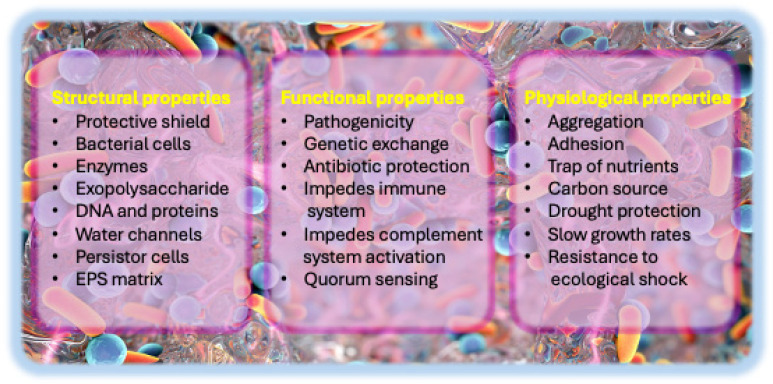
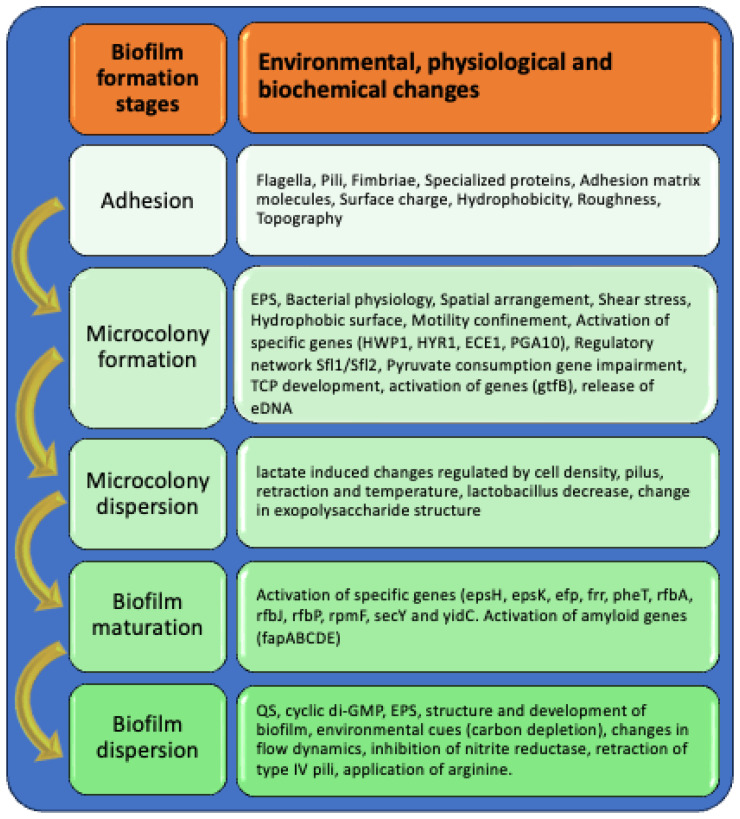
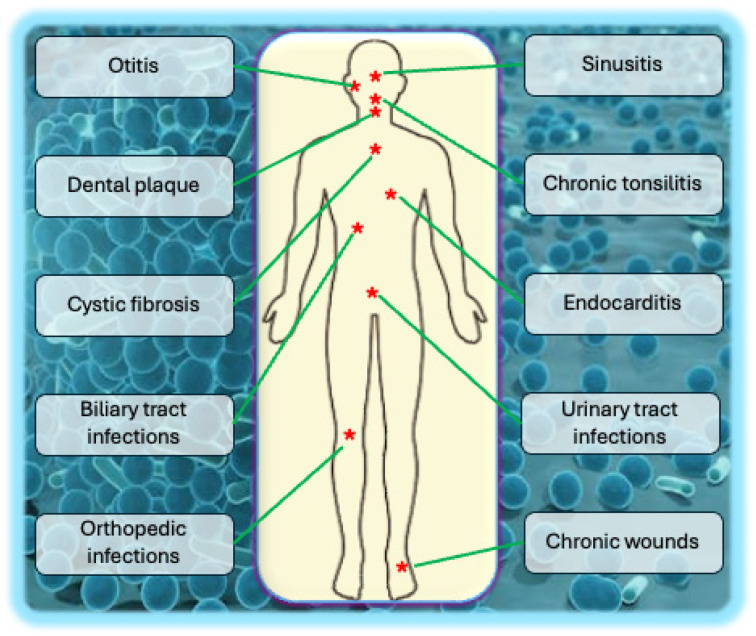
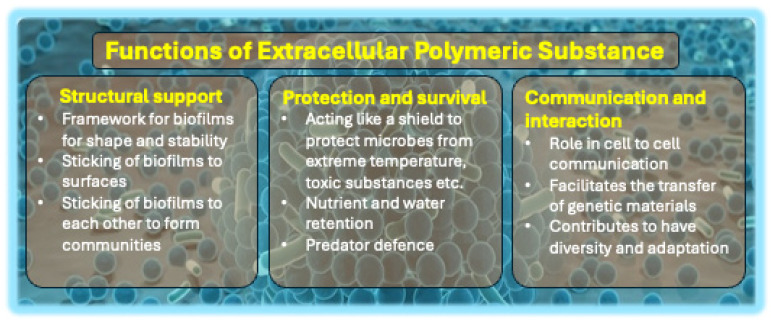
Verification
Claims the paper makes
0 Valid · 0 Not valid · 391 Not checked · 54 Own results and interpretations
None of the sources cited for this claim have been checked yet.
In the paper
“Biofilms, organized microbial communities enveloped in a self-synthesized extracellular polymeric substance (EPS) matrix, significantly contribute to healthcare-associated infections (HAIs) and other microbial illnesses.”
§ Biofilm Resilience: Molecular Mechanisms Driving Antibiotic Resistance in Clinical Contexts > 1. Introduction
What the sources say
- Not checked yetcites [1] Fleming D. Rumbaugh K.P. The Consequences of Biofilm Dispersal on the Host Sci. Rep. 2018 8 10738 10.1038/s41598-018-29121-2 30013112 PMC6048044 source
- Not checked yetcites [2] Nguyen P.-T. Nguyen T.H. Bui D.-C. Hong P.-T. Hoang Q.-K. Nguyen H.-V. Exopolysaccharide Production by Lactic Acid Bacteria: The Manipulation of Environmental Stresses for Industrial Applications AIMS Microbiol. 2020 6 451 469 10.3934/microbiol.2020027 33364538 PMC7755584 source
- Not checked yetcites [3] Dong H. Yang K. Li Q. Xiu W. Ding M. Shan J. Mou Y. Photocatalytic Cu2WS4 Nanocrystals for Efficient Bacterial Killing and Biofilm Disruption Int. J. Nanomed. 2022 17 2735 2750 10.2147/IJN.S360246 35769516 PMC9234186 source
plainstates a cause- Asserted: passes — The authors put it forward as true.
- Checkable: passes — It can be checked against evidence.
- Load-bearing: passes — The paper’s conclusions depend on it.
- Based: passes — The paper gives a reason why it holds.
None of the sources cited for this claim have been checked yet.
In the paper
“EPS, consisting of polysaccharides, proteins, extracellular DNA (eDNA), and lipids, improves adhesion, sequesters nutrients, and protects bacteria from external pressures, such as antibiotics and immunological reactions.”
§ Biofilm Resilience: Molecular Mechanisms Driving Antibiotic Resistance in Clinical Contexts > 1. Introduction
What the sources say
- Not checked yetcites [1] Fleming D. Rumbaugh K.P. The Consequences of Biofilm Dispersal on the Host Sci. Rep. 2018 8 10738 10.1038/s41598-018-29121-2 30013112 PMC6048044 source
- Not checked yetcites [2] Nguyen P.-T. Nguyen T.H. Bui D.-C. Hong P.-T. Hoang Q.-K. Nguyen H.-V. Exopolysaccharide Production by Lactic Acid Bacteria: The Manipulation of Environmental Stresses for Industrial Applications AIMS Microbiol. 2020 6 451 469 10.3934/microbiol.2020027 33364538 PMC7755584 source
- Not checked yetcites [3] Dong H. Yang K. Li Q. Xiu W. Ding M. Shan J. Mou Y. Photocatalytic Cu2WS4 Nanocrystals for Efficient Bacterial Killing and Biofilm Disruption Int. J. Nanomed. 2022 17 2735 2750 10.2147/IJN.S360246 35769516 PMC9234186 source
plain- Asserted: passes — The authors put it forward as true.
- Checkable: passes — It can be checked against evidence.
- Load-bearing: passes — The paper’s conclusions depend on it.
- Based: passes — The paper gives a reason why it holds.
None of the sources cited for this claim have been checked yet.
In the paper
“Its involvement in antibiotic resistance makes it a critical target for methods designed to break biofilms and address related illnesses [1,2,3].”
§ Biofilm Resilience: Molecular Mechanisms Driving Antibiotic Resistance in Clinical Contexts > 1. Introduction
What the sources say
- Not checked yetcites [1] Fleming D. Rumbaugh K.P. The Consequences of Biofilm Dispersal on the Host Sci. Rep. 2018 8 10738 10.1038/s41598-018-29121-2 30013112 PMC6048044 source
- Not checked yetcites [2] Nguyen P.-T. Nguyen T.H. Bui D.-C. Hong P.-T. Hoang Q.-K. Nguyen H.-V. Exopolysaccharide Production by Lactic Acid Bacteria: The Manipulation of Environmental Stresses for Industrial Applications AIMS Microbiol. 2020 6 451 469 10.3934/microbiol.2020027 33364538 PMC7755584 source
- Not checked yetcites [3] Dong H. Yang K. Li Q. Xiu W. Ding M. Shan J. Mou Y. Photocatalytic Cu2WS4 Nanocrystals for Efficient Bacterial Killing and Biofilm Disruption Int. J. Nanomed. 2022 17 2735 2750 10.2147/IJN.S360246 35769516 PMC9234186 source
plainstates a cause- Asserted: passes — The authors put it forward as true.
- Checkable: passes — It can be checked against evidence.
- Load-bearing: passes — The paper’s conclusions depend on it.
- Based: passes — The paper gives a reason why it holds.
None of the sources cited for this claim have been checked yet.
In the paper
“Biofilm-forming bacteria, including Staphylococcus aureus, Coagulase-negative staphylococci (CoNS), Pseudomonas aeruginosa, and Acinetobacter baumannii, exhibit resistance to antibiotics that can be as much as 1000 times greater than that of their planktonic counterparts [11,12,13].”
§ Biofilm Resilience: Molecular Mechanisms Driving Antibiotic Resistance in Clinical Contexts > 1. Introduction
What the sources say
- Not checked yetcites [11] Abdelraheem W.M. Refaie M.M.M. Yousef R.K.M. Fatah A.S.A.E. Mousa Y.M. Rashwan R. Assessment of Antibacterial and Anti-Biofilm Effects of Vitamin C Against Pseudomonas Aeruginosa Clinical Isolates Front. Microbiol. 2022 13 847449 10.3389/fmicb.2022.847449 35668756 PMC9163820 source
- Not checked yetcites [12] Shenkutie A.M. Yao M. Siu G.K.H. Wong B. Leung P.H. Biofilm-Induced Antibiotic Resistance in Clinical Acinetobacter Baumannii Isolates Antibiotics 2020 9 817 10.3390/antibiotics9110817 33212840 PMC7698371 source
- Not checked yetcites [13] Silva V. Correia E. Pereira J.E.L. González-Machado C. Capita R. Alonso-Calleja C. Igrejas G. Poeta P. Exploring the Biofilm Formation Capacity in S. Pseudintermedius and Coagulase-Negative Staphylococci Species Pathogens 2022 11 689 10.3390/pathogens11060689 35745543 PMC9229561 source
plainstates an association- Asserted: passes — The authors put it forward as true.
- Checkable: passes — It can be checked against evidence.
- Load-bearing: passes — The paper’s conclusions depend on it.
- Based: passes — The paper gives a reason why it holds.
None of the sources cited for this claim have been checked yet.
In the paper
“Bacterial biofilms in the lungs of individuals with cystic fibrosis include clusters of microorganisms encased in EPS, all immersed in the dense sputum typical of the condition.”
§ Biofilm Resilience: Molecular Mechanisms Driving Antibiotic Resistance in Clinical Contexts > 3. Understanding Biofilms > 3.2. Role of Biofilm Formation in Disease Pathogenesis
What the sources say
- Not checked yetcites [39] Martin I. Waters V. Grasemann H. Approaches to Targeting Bacterial Biofilms in Cystic Fibrosis Airways Int. J. Mol. Sci. 2021 22 2155 10.3390/ijms22042155 33671516 PMC7926955 source
- Not checked yetcites [40] Morris A.J. Jackson L. CW Yau Y. Reichhardt C. Beaudoin T. Uwumarenogie S. Guttman K.M. Lynne Howell P. Parsek M.R. Hoffman L.R. The Role of Psl in the Failure to Eradicate Pseudomonas Aeruginosa Biofilms in Children with Cystic Fibrosis NPJ Biofilms Microbiomes 2021 7 63 10.1038/s41522-021-00234-3 34349133 PMC8338932 source
plain- Asserted: passes — The authors put it forward as true.
- Checkable: passes — It can be checked against evidence.
- Load-bearing: unclear — It is unclear whether the paper’s conclusions depend on it.
- Based: passes — The paper gives a reason why it holds.
247 more claims
Create a free account to see all 445 claims and to verify the 595 references still open.
- It may state two separate claims as one. 148
- Probably not a substantial claim. 60
Citations
Cites
Bacterial biofilm and associated infections
Jamal, M., Ahmad, W., Andleeb, S., Jalil, F., Imran, M., Nawaz, M. A., Hussain, T., Ali, M., Rafiq, M., & Kamil, M. A. (2018) · Journal of the Chinese Medical Association · doi:10.1016/j.jcma.2017.07.012 · Cited by 1,642
Antibiotics versus biofilm: an emerging battleground in microbial communities
Sharma, D., Misba, L., & Khan, A. U. (2019) · Antimicrobial Resistance & Infection Control · doi:10.1186/s13756-019-0533-3 · Cited by 1,553 · cited 1×
“The specialized cells found within biofilms have been recognized as a key factor in biofilm resistance and play a significant role in the recurrence of bacterial biofilms in medical and industrial settings [155].”
Roy, R., Tiwari, M., Donelli, G., & Tiwari, V. (2018) · Virulence · doi:10.1080/21505594.2017.1313372 · Cited by 1,523 · cited 1×
“This capability complicates surface sterilizing and heightens the risk of HAIs linked to this fungus [191].”
Biofilm Matrixome: Extracellular Components in Structured Microbial Communities
Karygianni, L., Ren, Z., Koo, H., & Thurnheer, T. (2020) · Trends in Microbiology · doi:10.1016/j.tim.2020.03.016 · Cited by 1,487 · cited 1×
“The mechanical properties could improve the biofilm’s resilience, allowing bacterial populations to withstand external stresses, such as antimicrobial treatments, more effectively [64].”
The value of antimicrobial peptides in the age of resistance
Magana, M., Pushpanathan, M., Santos, A. L., Leanse, L., Fernandez, M., Ioannidis, A., Giulianotti, M. A., Apidianakis, Y., Bradfute, S., Ferguson, A. L., et al. (2020) · The Lancet Infectious Diseases · doi:10.1016/s1473-3099(20)30327-3 · Cited by 1,150 · cited 1×
“An overview of strategies to prevent and manage biofilm-related infections is shown in [Table 3].”
Oral Biofilms: Pathogens, Matrix, and Polymicrobial Interactions in Microenvironments
Bowen, W. H., Burne, R. A., Wu, H., & Koo, H. (2018) · Trends in Microbiology · doi:10.1016/j.tim.2017.09.008 · Cited by 1,059 · cited 2×
“The biofilm They play a crucial role in developing some diseases [18]. matrix consists of eDNA, proteins, and polysaccharides, The creation of bio fi lms involves a series of stages, starting with reversible and irreversible a tt achment, proceeding to the production of EPS, and fi nally culminating…”
Immunology of Acute and Chronic Wound Healing
Raziyeva, K., Kim, Y., Zharkinbekov, Z., Kassymbek, K., Jimi, S., & Saparov, A. (2021) · Biomolecules · doi:10.3390/biom11050700 · Cited by 1,049
Biofilms: The Microbial “Protective Clothing” in Extreme Environments
Yin, W., Wang, Y., Liu, L., & He, J. (2019) · International Journal of Molecular Sciences · doi:10.3390/ijms20143423 · Cited by 1,004 · cited 1×
“This adaptive response enhances the biofilm structure and promotes the rapid evolution of resistance mechanisms within the bacterial community [122].”
Rumbaugh, K. P., & Sauer, K. (2020) · Nature Reviews Microbiology · doi:10.1038/s41579-020-0385-0 · Cited by 907 · cited 1×
“Increased or decreased temperatures may induce stress in microbial cells, promoting biofilm formation as a defensive mechanism against thermal stressors.”
Beyond Risk: Bacterial Biofilms and Their Regulating Approaches
Muhammad, M. H., Idris, A. L., Fan, X., Guo, Y., Yu, Y., Jin, X., Qiu, J., Guan, X., & Huang, T. (2020) · Frontiers in Microbiology · doi:10.3389/fmicb.2020.00928 · Cited by 860 · cited 1×
“Bio fi lms are complex and organized microbial communities surrounded by an EPS. production of EPS, and finally culminating in maturation [19] [Figure 2].”
Biofilms as Promoters of Bacterial Antibiotic Resistance and Tolerance
Uruén, C., Chopo-Escuin, G., Tommassen, J., Mainar-Jaime, R. C., & Arenas, J. (2020) · Antibiotics · doi:10.3390/antibiotics10010003 · Cited by 769 · cited 2×
“This mechanism allows biofilm bacteria to detect their population density and collectively modulate gene expression, including genes related to antimicrobial resistance and biofilm development [148].”
Surviving as a Community: Antibiotic Tolerance and Persistence in Bacterial Biofilms
Yan, J., & Bassler, B. L. (2019) · Cell Host & Microbe · doi:10.1016/j.chom.2019.06.002 · Cited by 747 · cited 1×
“Moist biofilms, commonly observed in sinks and drains, are well-documented; however, the emergence of dry surface biofilms (DSBs) presents a significant challenge in infection control.”
Nanotechnology-based antimicrobials and delivery systems for biofilm-infection control
Liu, Y., Shi, L., Su, L., van der Mei, H. C., Jutte, P. C., Ren, Y., & Busscher, H. J. (2019) · Chemical Society Reviews · doi:10.1039/c7cs00807d · Cited by 737
Mechano-bactericidal actions of nanostructured surfaces
Linklater, D. P., Baulin, V. A., Juodkazis, S., Crawford, R. J., Stoodley, P., & Ivanova, E. P. (2021) · Nature Reviews Microbiology · doi:10.1038/s41579-020-0414-z · Cited by 578 · cited 1×
“These diminutive, amphipathic peptides exhibit cytotoxic properties and facilitate the disintegration of the biofilm matrix, hence enhancing the liberation of bacteria from the biofilm into the surrounding milieu [90,91].”
Surgical Site Infection Prevention: A Review
Seidelman, J. L., Mantyh, C. R., & Anderson, D. J. (2023) · JAMA · doi:10.1001/jama.2022.24075 · Cited by 553 · cited 1×
“Below are several ways to prevent and treat biofilm-associated infections, derived from the information presented.”
Antimicrobial Silver Nanoparticles for Wound Healing Application: Progress and Future Trends
Paladini, F., & Pollini, M. (2019) · Materials · doi:10.3390/ma12162540 · Cited by 540
Quorum-Sensing Regulation of Antimicrobial Resistance in Bacteria
Zhao, X., Yu, Z., & Ding, T. (2020) · Microorganisms · doi:10.3390/microorganisms8030425 · Cited by 501 · cited 1×
“Adaptive reaction to several stressors, such as physical pressure, hypochlorous acid, and exposure to antibiotics.”
Wang, J., Chen, X.-Y., Zhao, Y., Yang, Y., Wang, W., Wu, C., Yang, B., Zhang, Z., Zhang, L., Liu, Y., et al. (2019) · ACS Nano · doi:10.1021/acsnano.9b05608 · Cited by 491
A Review of Biofilm Formation of Staphylococcus aureus and Its Regulation Mechanism
Peng, Q., Tang, X., Dong, W., Sun, N., & Yuan, W. (2022) · Antibiotics · doi:10.3390/antibiotics12010012 · Cited by 440 · cited 1×
“Increased or decreased temperatures may induce stress in microbial cells, promoting biofilm formation as a defensive mechanism against thermal stressors.”
Challenges of intervention, treatment, and antibiotic resistance of biofilm-forming microorganisms
Gebreyohannes, G., Nyerere, A., Bii, C., & Sbhatu, D. B. (2019) · Heliyon · doi:10.1016/j.heliyon.2019.e02192 · Cited by 414 · cited 3×
“Biofilms enable bacteria to withstand disinfectants, scarce nutrients, and antimicrobial agents, facilitating their prolonged survival on surfaces and devices [14,15].”
Intracellular Staphylococcus aureus persisters upon antibiotic exposure
Peyrusson, F., Varet, H., Nguyen, T. K., Legendre, R., Sismeiro, O., Coppée, J.-Y., Wolz, C., Tenson, T., & Van Bambeke, F. (2020) · Nature Communications · doi:10.1038/s41467-020-15966-7 · Cited by 392 · cited 1×
“Pathogens, including, MDR ESKAPEE; A. baumannii , K. pneumoniae , Enterobacter species, MRSA , E. coli , P. aeruginosa , and Enterococcus faecalis and faecium , are frequently detected in biofilms on dry hospital surfaces [180–183].”
Wearable Biosensors: An Alternative and Practical Approach in Healthcare and Disease Monitoring
Sharma, A., Badea, M., Tiwari, S., & Marty, J. L. (2021) · Molecules · doi:10.3390/molecules26030748 · Cited by 357
Silver nanoparticles: synthesis, characterisation and biomedical applications
Almatroudi, A. (2020) · Open Life Sciences · doi:10.1515/biol-2020-0094 · Cited by 335
Self-citationEconomic significance of biofilms: a multidisciplinary and cross-sectoral challenge
Cámara, M., Green, W., MacPhee, C. E., Rakowska, P. D., Raval, R., Richardson, M. C., Slater-Jefferies, J., Steventon, K., & Webb, J. S. (2022) · npj Biofilms and Microbiomes · doi:10.1038/s41522-022-00306-y · Cited by 332
Bacterial exo-polysaccharides in biofilms: role in antimicrobial resistance and treatments
Singh, S., Datta, S., Narayanan, K. B., & Rajnish, K. N. (2021) · Journal of Genetic Engineering and Biotechnology · doi:10.1186/s43141-021-00242-y · Cited by 331 · cited 2×
“Biofilms can form on various medical devices such as catheters, sutures, orthopedic implants, heart valves, and vascular grafts, significantly contributing to HAIs [15,192,193].”
Schreiber, P. W., Sax, H., Wolfensberger, A., Clack, L., Kuster, S. P., & Swissnoso (2018) · Infection Control & Hospital Epidemiology · doi:10.1017/ice.2018.183 · Cited by 325
Action of Antimicrobial Peptides against Bacterial Biofilms
Yasir, M., Willcox, M. D. P., & Dutta, D. (2018) · Materials · doi:10.3390/ma11122468 · Cited by 319 · cited 2×
“An overview of strategies to prevent and manage biofilm-related infections is shown in [Table 3].”
Gao, Y., Wang, J., Chai, M., Li, X., Deng, Y., Jin, Q., & Ji, J. (2020) · ACS Nano · doi:10.1021/acsnano.0c00269 · Cited by 305
Are coagulase-negative staphylococci virulent?
Heilmann, C., Ziebuhr, W., & Becker, K. (2019) · Clinical Microbiology and Infection · doi:10.1016/j.cmi.2018.11.012 · Cited by 298
Xiu, W., Wan, L., Yang, K., Li, X., Yuwen, L., Dong, H., Mou, Y., Yang, D., & Wang, L. (2022) · Nature Communications · doi:10.1038/s41467-022-31479-x · Cited by 288 · cited 1×
“Research has shown that the overexpression or chemical induction of the MexCD-OprJ efflux pump in P. aeruginosa can attenuate QS signaling [153,154].”
Relationship between the Viable but Nonculturable State and Antibiotic Persister Cells
Ayrapetyan, M., Williams, T., & Oliver, J. D. (2018) · Journal of Bacteriology · doi:10.1128/jb.00249-18 · Cited by 286 · cited 1×
“Pathogens, including, MDR ESKAPEE; A. baumannii , K. pneumoniae , Enterobacter species, MRSA , E. coli , P. aeruginosa , and Enterococcus faecalis and faecium , are frequently detected in biofilms on dry hospital surfaces [180–183].”
Candida albicans biofilms and polymicrobial interactions
Ponde, N. O., Lortal, L., Ramage, G., Naglik, J. R., & Richardson, J. P. (2021) · Critical Reviews in Microbiology · doi:10.1080/1040841x.2020.1843400 · Cited by 281 · cited 1×
“Criti-Biology 2025 , 14 , 165 9 of 46 cal parameters like pH, temperature, and nutrient availability significantly influence this transition, affecting the behavior and resilience of biofilm-forming microbes.”
Advancing antimicrobial strategies for managing oral biofilm infections
Jiao, Y., Tay, F. R., Niu, L.-N., & Chen, J.-H. (2019) · International Journal of Oral Science · doi:10.1038/s41368-019-0062-1 · Cited by 280
Antimicrobial Tolerance and Metabolic Adaptations in Microbial Biofilms
Crabbé, A., Jensen, P. Ø., Bjarnsholt, T., & Coenye, T. (2019) · Trends in Microbiology · doi:10.1016/j.tim.2019.05.003 · Cited by 276 · cited 1×
“This mechanism allows biofilm bacteria to detect their population density and collectively modulate gene expression, including genes related to antimicrobial resistance and biofilm development [148].”
The Potential of Human Peptide LL-37 as an Antimicrobial and Anti-Biofilm Agent
Ridyard, K. E., & Overhage, J. (2021) · Antibiotics · doi:10.3390/antibiotics10060650 · Cited by 270 · cited 1×
“An overview of strategies to prevent and manage biofilm-related infections is shown in [Table 3].”
Eze, E., Chenia, H., & El Zowalaty, M. (2018) · Infection and Drug Resistance · doi:10.2147/idr.s169894 · Cited by 264 · cited 1×
“Biofilms enable bacteria to withstand disinfectants, scarce nutrients, and antimicrobial agents, facilitating their prolonged survival on surfaces and devices [14,15].”
Nguyen, P.-T., 1 Graduate University of Sciences and Technology, V. A. O. S. A. T., Nguyen, T.-T., Bui, D.-C., Hong, P.-T., Hoang, Q.-K., Nguyen, H.-T., 2 Department of Biotechnology, A. G. U., 3 Vietnam National University Ho Chi Minh City, H. C. M. C., 4 Ho Chi Minh City University of Technology (HUTECH), H. C. M. C., et al. (2020) · AIMS Microbiology · doi:10.3934/microbiol.2020027 · Cited by 259
Biofilm-Innate Immune Interface: Contribution to Chronic Wound Formation
Versey, Z., da Cruz Nizer, W. S., Russell, E., Zigic, S., DeZeeuw, K. G., Marek, J. E., Overhage, J., & Cassol, E. (2021) · Frontiers in Immunology · doi:10.3389/fimmu.2021.648554 · Cited by 253
Biofilm exacerbates antibiotic resistance: Is this a current oversight in antimicrobial stewardship?
Bowler, P., Murphy, C., & Wolcott, R. (2020) · Antimicrobial Resistance & Infection Control · doi:10.1186/s13756-020-00830-6 · Cited by 248 · cited 1×
“In this approach, the HipA toxin phosphorylates target proteins, blocking critical cellular activities such as translation and inducing a dormant state in cells.”
Therapeutic Targeting of the Staphylococcus aureus Accessory Gene Regulator (agr) System
Tan, L., Li, S. R., Jiang, B., Hu, X. M., & Li, S. (2018) · Frontiers in Microbiology · doi:10.3389/fmicb.2018.00055 · Cited by 246 · cited 1×
“As a result, they are being explored as potential and effective antibacterial agents against biofilms [273].”
Biofilms in Diabetic Foot Ulcers: Significance and Clinical Relevance
Pouget, C., Dunyach-Remy, C., Pantel, A., Schuldiner, S., Sotto, A., & Lavigne, J.-P. (2020) · Microorganisms · doi:10.3390/microorganisms8101580 · Cited by 242 · cited 1×
“This degradation enhances the penetration of antibiotics into the biofilm, thereby increasing their efficacy and improving treatment outcomes for persistent infections [246,247].”
Chakraborty, P., Bajeli, S., Kaushal, D., Radotra, B. D., & Kumar, A. (2021) · Nature Communications · doi:10.1038/s41467-021-21748-6 · Cited by 229 · cited 1×
“Flagella, pili, fi mbriae, and specialized”
Z-form extracellular DNA is a structural component of the bacterial biofilm matrix
Buzzo, J. R., Devaraj, A., Gloag, E. S., Jurcisek, J. A., Robledo-Avila, F., Kesler, T., Wilbanks, K., Mashburn-Warren, L., Balu, S., Wickham, J., et al. (2021) · Cell · doi:10.1016/j.cell.2021.10.010 · Cited by 225 · cited 1×
“Tian et al. (2021) have highlighted the potential of phages to produce enzymes that break down the polysaccharide matrix and proteins in biofilms, offering an alternative approach to controlling bacterial biofilms [263].”
Yang, P., Zhu, Z., Zhang, T., Zhang, W., Chen, W., Cao, Y., Chen, M., & Zhou, X. (2019) · Small · doi:10.1002/smll.201902823 · Cited by 224
Biofilm-Associated Multi-Drug Resistance in Hospital-Acquired Infections: A Review
Assefa, M., & Amare, A. (2022) · Infection and Drug Resistance · doi:10.2147/idr.s379502 · Cited by 215
Bacterial Biofilm in Chronic Wounds and Possible Therapeutic Approaches
Cavallo, I., Sivori, F., Mastrofrancesco, A., Abril, E., Pontone, M., Di Domenico, E. G., & Pimpinelli, F. (2024) · Biology · doi:10.3390/biology13020109 · Cited by 213 · cited 1×
“Once formed, biofilms are exceedingly challenging to eliminate, resulting in long-lasting and recurring infections.”
Convergence of Biofilm Formation and Antibiotic Resistance in Acinetobacter baumannii Infection
Roy, S., Chowdhury, G., Mukhopadhyay, A. K., Dutta, S., & Basu, S. (2022) · Frontiers in Medicine · doi:10.3389/fmed.2022.793615 · Cited by 213 · cited 2×
“However, complex molecular processes that require more investigation regulate their creation and reactivation.”
Extracellular DNA (eDNA). A Major Ubiquitous Element of the Bacterial Biofilm Architecture
Campoccia, D., Montanaro, L., & Arciola, C. R. (2021) · International Journal of Molecular Sciences · doi:10.3390/ijms22169100 · Cited by 203 · cited 1×
“…[19] [Figure 2]. with its primary functions being to provide structural support and protect the microbial community from external factors [20 The bio fi lm Biofilms have long been recognized as a major contributor to HAIs, posing significant challenges due to their inherent resistance to…”
Vandana, & Das, S. (2022) · Carbohydrate Polymers · doi:10.1016/j.carbpol.2022.119536 · Cited by 199 · cited 1×
“The mechanical properties could improve the biofilm’s resilience, allowing bacterial populations to withstand external stresses, such as antimicrobial treatments, more effectively [64].”
Friction behavior of biodegradable electrospun polyester nanofibrous membranes
Wang, Y., Zhai, W., Li, J., Liu, H., Li, C., & Li, J. (2023) · Tribology International · doi:10.1016/j.triboint.2023.108891 · Cited by 199
Biofilms in Diabetic Foot Ulcers: Impact, Risk Factors and Control Strategies
Afonso, A. C., Oliveira, D., Saavedra, M. J., Borges, A., & Simões, M. (2021) · International Journal of Molecular Sciences · doi:10.3390/ijms22158278 · Cited by 194
Bacteriophages and antibiotic interactions in clinical practice: what we have learned so far
Łusiak-Szelachowska, M., Międzybrodzki, R., Drulis-Kawa, Z., Cater, K., Knežević, P., Winogradow, C., Amaro, K., Jończyk-Matysiak, E., Weber-Dąbrowska, B., Rękas, J., et al. (2022) · Journal of Biomedical Science · doi:10.1186/s12929-022-00806-1 · Cited by 192 · cited 1×
“In addition to medical equipment, antimicrobial coatings are used on frequently touched surfaces in hospital environments, including bedrails and doorknobs [324].”
Panlilio, H., & Rice, C. V. (2021) · Biotechnology and Bioengineering · doi:10.1002/bit.27760 · Cited by 189 · cited 3×
“The mechanical properties could improve the biofilm’s resilience, allowing bacterial populations to withstand external stresses, such as antimicrobial treatments, more effectively [64].”
Surviving Reactive Chlorine Stress: Responses of Gram-Negative Bacteria to Hypochlorous Acid
da Cruz Nizer, W. S., Inkovskiy, V., & Overhage, J. (2020) · Microorganisms · doi:10.3390/microorganisms8081220 · Cited by 189 · cited 2×
“[115,122] Diminished Rate of Growth and Metabolic Activity Bacteria within biofilms frequently exhibit reduced growth rates and diminished metabolic activity, rendering them less vulnerable to antibiotics that specifically target rapidly proliferating cells.”
The Consequences of Biofilm Dispersal on the Host
Fleming, D., & Rumbaugh, K. (2018) · Scientific Reports · doi:10.1038/s41598-018-29121-2 · Cited by 186 · cited 2×
“Its involvement in antibiotic resistance makes it a critical target for methods designed to break biofilms and address related illnesses [1–3].”
Sahoo, J., Sarkhel, S., Mukherjee, N., & Jaiswal, A. (2022) · ACS Omega · doi:10.1021/acsomega.2c06211 · Cited by 185 · cited 1×
“Overcoming the challenges of diagnosing biofilm-associated HAIs necessitates developing and adopting diagnostic tools that are more accessible, sensitive, and specialized.”
Santos-Lopez, A., Marshall, C. W., Scribner, M. R., Snyder, D. J., & Cooper, V. S. (2019) · eLife · doi:10.7554/elife.47612 · Cited by 182 · cited 1×
“The presence of persister cells in biofilms rises markedly when they are subjected to elevated levels of antibiotics.”
Proteus mirabilis Biofilm: Development and Therapeutic Strategies
Wasfi, R., Hamed, S. M., Amer, M. A., & Fahmy, L. I. (2020) · Frontiers in Cellular and Infection Microbiology · doi:10.3389/fcimb.2020.00414 · Cited by 182
A Brief Recap of Microbial Adhesion and Biofilms
Achinas, S., Charalampogiannis, N., & Euverink, G. J. W. (2019) · Applied Sciences · doi:10.3390/app9142801 · Cited by 178
Polymicrobial Infections and Biofilms: Clinical Significance and Eradication Strategies
Anju, V. T., Busi, S., Imchen, M., Kumavath, R., Mohan, M. S., Salim, S. A., Subhaswaraj, P., & Dyavaiah, M. (2022) · Antibiotics · doi:10.3390/antibiotics11121731 · Cited by 177
Recent Nanotechnologies to Overcome the Bacterial Biofilm Matrix Barriers
Lv, X., Wang, L., Mei, A., Xu, Y., Ruan, X., Wang, W., Shao, J., Yang, D., & Dong, X. (2023) · Small · doi:10.1002/smll.202206220 · Cited by 174
Velsko, I. M., Fellows Yates, J. A., Aron, F., Hagan, R. W., Frantz, L. A. F., Loe, L., Martinez, J. B. R., Chaves, E., Gosden, C., Larson, G., et al. (2019) · Microbiome · doi:10.1186/s40168-019-0717-3 · Cited by 170
Mishra, A., Aggarwal, A., & Khan, F. (2024) · Antibiotics · doi:10.3390/antibiotics13070623 · Cited by 168 · cited 1×
“Infections that persist, such as equine recurrent uveitis, often involve biofilm production, which can impede treatment efforts [9].”
Clinical and economic burden of healthcare-associated infections: A prospective cohort study
Gidey, K., Gidey, M. T., Hailu, B. Y., Gebreamlak, Z. B., & Niriayo, Y. L. (2023) · PLOS ONE · doi:10.1371/journal.pone.0282141 · Cited by 166
Jalal, M., Ansari, M. A., Alzohairy, M. A., Ali, S. G., Khan, H. M., Almatroudi, A., & Raees, K. (2018) · Nanomaterials · doi:10.3390/nano8080586 · Cited by 166
Self-citationUneputty, A., Dávila-Lezama, A., Garibo, D., Oknianska, A., Bogdanchikova, N., Hernández-Sánchez, J. F., & Susarrey-Arce, A. (2022) · Colloid and Interface Science Communications · doi:10.1016/j.colcom.2021.100560 · Cited by 155 · cited 1×
“These diminutive, amphipathic peptides exhibit cytotoxic properties and facilitate the disintegration of the biofilm matrix, hence enhancing the liberation of bacteria from the biofilm into the surrounding milieu [90,91].”
Rapid microevolution of biofilm cells in response to antibiotics
Penesyan, A., Nagy, S. S., Kjelleberg, S., Gillings, M. R., & Paulsen, I. T. (2019) · npj Biofilms and Microbiomes · doi:10.1038/s41522-019-0108-3 · Cited by 149 · cited 2×
“Confronting the issue of biofilms in chronic wounds is crucial for enhancing treatment approaches and facilitating efficient wound care.”
Wu, X., Wang, H., Xiong, J., Yang, G.-X., Hu, J.-F., Zhu, Q., & Chen, Z. (2024) · Biofilm · doi:10.1016/j.bioflm.2023.100175 · Cited by 145 · cited 1×
“This synergistic approach disrupts biofilm integrity and amplifies the therapeutic impact of antibiotics, antimicrobial peptides, and other agents, offering a highly effective strategy for managing persistent biofilm-related infections [293,294].”
Bowel Biofilms: Tipping Points between a Healthy and Compromised Gut?
Tytgat, H. L. P., Nobrega, F. L., van der Oost, J., & de Vos, W. M. (2019) · Trends in Microbiology · doi:10.1016/j.tim.2018.08.009 · Cited by 144
(p)ppGpp and Its Role in Bacterial Persistence: New Challenges
Pacios, O., Blasco, L., Bleriot, I., Fernandez-Garcia, L., Ambroa, A., López, M., Bou, G., Cantón, R., Garcia-Contreras, R., Wood, T. K., et al. (2020) · Antimicrobial Agents and Chemotherapy · doi:10.1128/aac.01283-20 · Cited by 143 · cited 1×
“The ability to form biofilms on dry surfaces enhances resilience and increases the risk of antimicrobial resistance dissemination.”
Ledwoch, K., Dancer, S. J., Otter, J. A., Kerr, K., Roposte, D., Rushton, L., Weiser, R., Mahenthiralingam, E., Muir, D. D., & Maillard, J.-Y. (2018) · Journal of Hospital Infection · doi:10.1016/j.jhin.2018.06.028 · Cited by 142 · cited 1×
“Dental caries arise from the metabolic processes of acidogenic bacteria, especially S. mutans .”
Pietrocola, G., Campoccia, D., Motta, C., Montanaro, L., Arciola, C. R., & Speziale, P. (2022) · International Journal of Molecular Sciences · doi:10.3390/ijms23115958 · Cited by 141
Microbial Biofilm: A Matter of Grave Concern for Human Health and Food Industry
Rather, M. A., Gupta, K., Bardhan, P., Borah, M., Sarkar, A., Eldiehy, K. S. H., Bhuyan, S., & Mandal, M. (2021) · Journal of Basic Microbiology · doi:10.1002/jobm.202000678 · Cited by 140 · cited 1×
“Furthermore, their capacity to endure toxins and adjust to ecological disturbances amplifies their influence on healthcare systems, establishing them as a significant obstacle to efficient infection control [16,17].”
Clarifying the Link between Toxin–Antitoxin Modules and Bacterial Persistence
Ronneau, S., & Helaine, S. (2019) · Journal of Molecular Biology · doi:10.1016/j.jmb.2019.03.019 · Cited by 139 · cited 1×
“This protected environment facilitates the survival and proliferation of MDR and XDR pathogens, significantly complicating infection prevention and treatment strategies [123,178].”
DeFlorio, W., Liu, S., White, A. R., Taylor, T. M., Cisneros‐Zevallos, L., Min, Y., & Scholar, E. M. A. (2021) · Comprehensive Reviews in Food Science and Food Safety · doi:10.1111/1541-4337.12750 · Cited by 137 · cited 2×
“Although initial equipment, staff training, and infrastructure investments may seem costly, their long-term advantages are substantial [362].”
Nanotechnology-Based Delivery Systems for Antimicrobial Peptides
Fadaka, A. O., Sibuyi, N. R. S., Madiehe, A. M., & Meyer, M. (2021) · Pharmaceutics · doi:10.3390/pharmaceutics13111795 · Cited by 137 · cited 1×
“These solutions are aimed against Gram-positive bacteria, including S. aureus and CoNS, which are prevalent in biofilm-related illnesses [334,335].”
In Vitro and in Vivo Biofilm Forming Vibrio Spp: A Significant Threat in Aquaculture
Arunkumar, M., LewisOscar, F., Thajuddin, N., Pugazhendhi, A., & Nithya, C. (2020) · Process Biochemistry · doi:10.1016/j.procbio.2020.04.029 · Cited by 136 · cited 1×
“Criti-Biology 2025 , 14 , 165 9 of 46 cal parameters like pH, temperature, and nutrient availability significantly influence this transition, affecting the behavior and resilience of biofilm-forming microbes.”
Chakraborty, P., & Kumar, A. (2019) · Microbial Cell · doi:10.15698/mic2019.02.667 · Cited by 134 · cited 1×
“Criti-Biology 2025 , 14 , 165 9 of 46 cal parameters like pH, temperature, and nutrient availability significantly influence this transition, affecting the behavior and resilience of biofilm-forming microbes.”
State of the Art of Bacterial Chemotaxis
Karmakar, R. (2021) · Journal of Basic Microbiology · doi:10.1002/jobm.202000661 · Cited by 134 · cited 1×
“This alteration in gene expression is vital in preparing the cells for detachment [86,87].”
Jalal, M., Ansari, M. A., Alzohairy, M. A., Ali, S. G., Khan, H. M., Almatroudi, A., & Siddiqui, M. I. (2019) · International Journal of Nanomedicine · doi:10.2147/ijn.s210449 · Cited by 132
Self-citationAmankwah, S., Abdusemed, K., & Kassa, T. (2021) · Nanotechnology, Science and Applications · doi:10.2147/nsa.s325594 · Cited by 131 · cited 1×
“In addition to medical equipment, antimicrobial coatings are used on frequently touched surfaces in hospital environments, including bedrails and doorknobs [324].”
Targeting biofilms using phages and their enzymes
Azeredo, J., García, P., & Drulis-Kawa, Z. (2021) · Current Opinion in Biotechnology · doi:10.1016/j.copbio.2021.02.002 · Cited by 127 · cited 1×
“Coatings that release agents progressively discharge antimicrobial substances, like silver ions, antibiotics, or quaternary ammonium compounds (QACs).”
Roque‐Borda, C. A., Primo, L. M. D. G., Medina‐Alarcón, K. P., Campos, I. C., Nascimento, C. D. F., Saraiva, M. D. M. S., Berchieri, Â., Fusco‐Almeida, A. M., Mendes‐Giannini, M. J. S., Perdigão, J., et al. (2024) · Advanced Science · doi:10.1002/advs.202410893 · Cited by 127 · cited 1×
“An overview of strategies to prevent and manage biofilm-related infections is shown in [Table 3].”
Surface disinfection challenges for Candida auris: an in-vitro study
Kean, R., Sherry, L., Townsend, E., McKloud, E., Short, B., Akinbobola, A., Mackay, W. G., Williams, C., Jones, B. L., & Ramage, G. (2018) · Journal of Hospital Infection · doi:10.1016/j.jhin.2017.11.015 · Cited by 125 · cited 3×
“One such instance is C. auris , a multidrug-resistant fungus that has shown resilience to disinfectant doses often used in clinical environments, as documented by Kean et al. (2018).”
Thomaz, D. Y., de Almeida, J. N., Lima, G. M. E., Nunes, M. D. O., Camargo, C. H., Grenfell, R. D. C., Benard, G., & Del Negro, G. M. B. (2018) · Frontiers in Microbiology · doi:10.3389/fmicb.2018.02997 · Cited by 124 · cited 1×
“These problems underscore the need for appropriate biofilm control solutions in implant dentistry to improve long-term results and avert complications such as peri-implantitis [227,228].”
Factors Influencing Bacterial Biofilm Formation and Development
Alotaibi, G. F. (2021) · American Journal of Biomedical Science & Research · doi:10.34297/ajbsr.2021.12.001820 · Cited by 121 · cited 1×
“Tackling the significant challenge of antibiotic resistance linked to biofilms is essential for enhancing treatment approaches, especially in the fight against stubborn infections that resist standard therapies.”
Costa, D. M., Johani, K., Melo, D. S., Lopes, L. K. O., Lopes Lima, L. K. O., Tipple, A. F. V., Hu, H., & Vickery, K. (2019) · Letters in Applied Microbiology · doi:10.1111/lam.13127 · Cited by 121 · cited 1×
“This matrix provides structural integrity and protection, making bacterial colonies resistant to mechanical removal.”
Anti-Biofilm Activity of Graphene Quantum Dots via Self-Assembly with Bacterial Amyloid Proteins
Wang, Y., Kadiyala, U., Qu, Z., Elvati, P., Altheim, C., Kotov, N. A., Violi, A., & VanEpps, J. S. (2019) · ACS Nano · doi:10.1021/acsnano.8b09403 · Cited by 120
Roy, P. K., Ha, A. J.-W., Mizan, M. F. R., Hossain, M. I., Ashrafudoulla, M., Toushik, S. H., Nahar, S., Kim, Y. K., & Ha, S.-D. (2021) · Poultry Science · doi:10.1016/j.psj.2021.101209 · Cited by 120 · cited 1×
“EPS functions as a biological adhesive, facilitating the adhesion of bacterial cells, providing mechanical support, and enhancing resistance to shear forces and physical disruptions [1].”
Al-Omari, A., Al Mutair, A., Alhumaid, S., Salih, S., Alanazi, A., Albarsan, H., Abourayan, M., & Al Subaie, M. (2020) · Antimicrobial Resistance & Infection Control · doi:10.1186/s13756-020-00751-4 · Cited by 119
Silver and Copper Nanoparticles Induce Oxidative Stress in Bacteria and Mammalian Cells
Ameh, T., Gibb, M., Stevens, D., Pradhan, S. H., Braswell, E., & Sayes, C. M. (2022) · Nanomaterials · doi:10.3390/nano12142402 · Cited by 114
Scannapieco, F. A., & Dongari‐Bagtzoglou, A. (2021) · Journal of Periodontology · doi:10.1002/jper.21-0120 · Cited by 114
Khan, F., Manivasagan, P., Lee, J.-W., Pham, D. T. N., Oh, J., & Kim, Y.-M. (2019) · Marine Drugs · doi:10.3390/md17040208 · Cited by 114 · cited 1×
“Khan et al. (2019) showed that fucoidan-stabilized AuNPs significantly prevented biofilm formation and decreased pathogenicity in P. aeruginosa [300].”
Soares, A., Alexandre, K., & Etienne, M. (2020) · Frontiers in Microbiology · doi:10.3389/fmicb.2020.02057 · Cited by 113 · cited 3×
“Confronting the issue of biofilms in chronic wounds is crucial for enhancing treatment approaches and facilitating efficient wound care.”
Abdelhamid, A. G., & Yousef, A. E. (2023) · Antibiotics · doi:10.3390/antibiotics12061005 · Cited by 113 · cited 1×
“An overview of strategies to prevent and manage biofilm-related infections is shown in [Table 3].”
Bacteriophage – A Promising Alternative Measure for Bacterial Biofilm Control
Tian, F., Li, J., Nazir, A., & Tong, Y. (2021) · Infection and Drug Resistance · doi:10.2147/idr.s290093 · Cited by 111 · cited 2×
“These compounds impede microbial growth upon contact, delivering a prolonged antimicrobial action that diminishes the probability of biofilm formation.”
Latka, A., & Drulis-Kawa, Z. (2020) · Scientific Reports · doi:10.1038/s41598-020-77198-5 · Cited by 111 · cited 1×
“These alterations often include hydrophobic, superhydrophobic, or zwitterionic surface designs that impede bacterial adhesion and hinder the early phases of biofilm development.”
Hrynyshyn, A., Simões, M., & Borges, A. (2022) · Antibiotics · doi:10.3390/antibiotics11010069 · Cited by 110 · cited 1×
“Below are several ways to prevent and treat biofilm-associated infections, derived from the information presented.”
The Exopolysaccharide–EDNA Interaction Modulates 3D Architecture of Bacillus Subtilis Biofilm
Peng, N., Cai, P., Mortimer, M., Wu, Y., Gao, C., & Huang, Q. (2020) · BMC Microbiology · doi:10.1186/s12866-020-01789-5 · Cited by 109 · cited 1×
“For example, the matrix can react to sublethal levels of antibiotics by adjusting its synthesis.”
Clinical periodontal diagnosis
Salvi, G. E., Roccuzzo, A., Imber, J., Stähli, A., Klinge, B., & Lang, N. P. (2023) · Periodontology 2000 · doi:10.1111/prd.12487 · Cited by 107 · cited 1×
“[242–245]”
Chegini, Z., Khoshbayan, A., Vesal, S., Moradabadi, A., Hashemi, A., & Shariati, A. (2021) · Annals of Clinical Microbiology and Antimicrobials · doi:10.1186/s12941-021-00433-y · Cited by 102 · cited 1×
“Conversely, non-release coatings inhibit microbial adherence by altering surface characteristics to resist attachment.”
Fulaz, S., Hiebner, D., Barros, C. H. N., Devlin, H., Vitale, S., Quinn, L., & Casey, E. (2019) · ACS Applied Materials & Interfaces · doi:10.1021/acsami.9b09978 · Cited by 100 · cited 1×
“Criti-Biology 2025 , 14 , 165 9 of 46 cal parameters like pH, temperature, and nutrient availability significantly influence this transition, affecting the behavior and resilience of biofilm-forming microbes.”
Biofilm-Induced Antibiotic Resistance in Clinical Acinetobacter baumannii Isolates
Shenkutie, A. M., Yao, M. Z., Siu, G. K.-H., Wong, B. K. C., & Leung, P. H.-M. (2020) · Antibiotics · doi:10.3390/antibiotics9110817 · Cited by 100 · cited 7×
“Confronting the issue of biofilms in chronic wounds is crucial for enhancing treatment approaches and facilitating efficient wound care.”
InfluentialThe Role of Staphylococcus Aureus Quorum Sensing in Cutaneous and Systemic Infections
Yamazaki, Y., Ito, T., Tamai, M., Nakagawa, S., & Nakamura, Y. (2024) · Inflammation and Regeneration · doi:10.1186/s41232-024-00323-8 · Cited by 99 · cited 1×
“Increased or decreased temperatures may induce stress in microbial cells, promoting biofilm formation as a defensive mechanism against thermal stressors.”
Almatroudi, A., Tahir, S., Hu, H., Chowdhury, D., Gosbell, I. B., Jensen, S. O., Whiteley, G. S., Deva, A. K., Glasbey, T. O., & Vickery, K. (2017) · Journal of Hospital Infection · doi:10.1016/j.jhin.2017.09.007 · Cited by 99 · cited 1×
“The EPS shield facilitates microbial persistence, sustaining colonization and resulting in chronic inflammation that interferes with wound-healing [207].”
Self-citationThe Current Knowledge on the Pathogenesis of Tissue and Medical Device-Related Biofilm Infections
Di Domenico, E. G., Oliva, A., & Guembe, M. (2022) · Microorganisms · doi:10.3390/microorganisms10071259 · Cited by 96 · cited 1×
“Pathogens adhere to surgical implements, including suture materials, and form biofilms that protect them from immune responses and antimicrobial agents, thus worsening infections [237,238].”
Trampari, E., Holden, E. R., Wickham, G. J., Ravi, A., Martins, L. D. O., Savva, G. M., & Webber, M. A. (2021) · npj Biofilms and Microbiomes · doi:10.1038/s41522-020-00178-0 · Cited by 96 · cited 1×
“This genetic and metabolic adaptation is directly linked to heightened antibiotic resistance, underscoring biofilm communities’ resilience and capacity to circumvent therapeutic interventions [128].”
Spirito, F. D., Giordano, F., Palo, M. P. D., D’Ambrosio, F., Scognamiglio, B., Sangiovanni, G., Caggiano, M., & Gasparro, R. (2024) · Microorganisms · doi:10.3390/microorganisms12061137 · Cited by 95 · cited 1×
“[242–245]”
Bioactive Peptides Against Fungal Biofilms
Oshiro, K. G. N., Rodrigues, G. R., Monges, B. E. D., Cardoso, M. H. E. S., & Franco, O. L. (2019) · Frontiers in Microbiology · doi:10.3389/fmicb.2019.02169 · Cited by 93
Cooke, A. C., Florez, C., Dunshee, E. B., Lieber, A. D., Terry, M. L., Light, C. J., & Schertzer, J. W. (2020) · mSphere · doi:10.1128/msphere.01109-20 · Cited by 92 · cited 1×
“Furthermore, Ghazay and Mamdouh’s research suggested that the optimal temperature for Klebsiella Pneumonia biofilm growth is around 40 ◦ C, as this was when the highest levels of biofilm formation were observed [95].”
Ahmed, T., Shahid, M., Noman, M., Niazi, M. B. K., Zubaır, M., Almatroudi, A., Khurshid, M., Tariq, F., Mumtaz, R., & Li, B. (2020) · Journal of Advanced Research · doi:10.1016/j.jare.2020.05.011 · Cited by 92
Self-citationCopper Surfaces in Biofilm Control
Gomes, I. B., Simões, M. V., & Simões, L. C. (2020) · Nanomaterials · doi:10.3390/nano10122491 · Cited by 91
Advancements in Antimicrobial Nanoscale Materials and Self-Assembling Systems
Doolan, J. A., Williams, G. T., Hilton, K. L. F., Chaudhari, R., Fossey, J. S., Goult, B. T., & Hiscock, J. R. (2022) · Chemical Society Reviews · doi:10.1039/d1cs00915j · Cited by 90 · cited 1×
“Ethanol interferes with microbial membranes and solubilizes biofilm matrix, while taurolidine has extensive antibacterial efficacy and prevents biofilm development [337,338].”
Chung, J. H., Eisha, S., Park, S., Morris, A. J., & Martin, I. (2023) · International Journal of Molecular Sciences · doi:10.3390/ijms24108709 · Cited by 90
Nanoparticle-Based Strategies for Managing Biofilm Infections in Wounds: A Comprehensive Review
Sedighi, O., Bednarke, B., Sherriff, H., & Doiron, A. L. (2024) · ACS Omega · doi:10.1021/acsomega.4c02343 · Cited by 90
Stewart, P. S., White, B., Boegli, L., Hamerly, T., Williamson, K. S., Franklin, M. J., Bothner, B., James, G. A., Fisher, S., Vital-Lopez, F. G., et al. (2019) · Journal of Bacteriology · doi:10.1128/jb.00307-19 · Cited by 89 · cited 3×
“The Pqs system, using 2-heptyl-3-hydroxy-4-quinolone (PQS) signaling, has been associated with the augmentation of efflux pump activity, further facilitating antibiotic tolerance in biofilms [149].”
Alcalde-Rico, M., Olivares-Pacheco, J., Alvarez-Ortega, C., Cámara, M., & Martínez, J. L. (2018) · Frontiers in Microbiology · doi:10.3389/fmicb.2018.02752 · Cited by 89 · cited 1×
“Biofilms and Healthcare-Associated Infections”
Amylases: Biofilm Inducer or Biofilm Inhibitor?
Lahiri, D., Nag, M., Banerjee, R., Mukherjee, D., Garai, S., Sarkar, T., Dey, A., Sheikh, H. I., Pathak, S. K., Edinur, H. A., et al. (2021) · Frontiers in Cellular and Infection Microbiology · doi:10.3389/fcimb.2021.660048 · Cited by 86 · cited 1×
“Studies indicate that persister cells exist in multiple bacterial species, especially in biofilms.”
Nature-Inspired Biomimetic Surfaces for Controlling Bacterial Attachment and Biofilm Development
Oopath, S. V., Baji, A., Abtahi, M., Luu, T. Q., Vasilev, K., & Truong, V. K. (2023) · Advanced Materials Interfaces · doi:10.1002/admi.202201425 · Cited by 85 · cited 1×
“The mechanical properties could improve the biofilm’s resilience, allowing bacterial populations to withstand external stresses, such as antimicrobial treatments, more effectively [64].”
Balaure, P. C., & Grumezescu, A. M. (2020) · Nanomaterials · doi:10.3390/nano10061230 · Cited by 83 · cited 1×
“Molecular approaches have shown efficacy in identifying biofilm-associated genes and virulence factors, including DNA sequencing, metagenomics, multiplex PCR, and metatranscriptomics [297].”
Almatroudi, A., Khadri, H., Azam, M., Rahmani, A. H., Al Khaleefah, F. K., Khateef, R., Ansari, M. A., & Allemailem, K. S. (2020) · Processes · doi:10.3390/pr8040388 · Cited by 83
Self-citationPLGA-Based Nanoplatforms in Drug Delivery for Inhibition and Destruction of Microbial Biofilm
Shariati, A., Chegini, Z., Ghaznavi-Rad, E., Zare, E. N., & Hosseini, S. M. (2022) · Frontiers in Cellular and Infection Microbiology · doi:10.3389/fcimb.2022.926363 · Cited by 82
Wearable Sensors for the Detection of Biomarkers for Wound Infection
Pusta, A., Tertiș, M., Cristea, C., & Mirel, S. (2021) · Biosensors · doi:10.3390/bios12010001 · Cited by 80
Bed-Days and Costs Associated with the Inpatient Burden of Healthcare-Associated Infection in the UK
Manoukian, S., Stewart, S., Graves, N., Mason, H., Robertson, C., Kennedy, S., Pan, J., Kavanagh, K., Haahr, L., Adil, M., et al. (2021) · Journal of Hospital Infection · doi:10.1016/j.jhin.2020.12.027 · Cited by 80
Liposomes-Based Drug Delivery Systems of Anti-Biofilm Agents to Combat Bacterial Biofilm Formation
Makhlouf, Z., Ali, A. A., & Al-Sayah, M. H. (2023) · Antibiotics · doi:10.3390/antibiotics12050875 · Cited by 79
Visnapuu, A., Van der Gucht, M., Wagemans, J., & Lavigne, R. (2022) · Viruses · doi:10.3390/v14051057 · Cited by 79 · cited 1×
“Antimicrobial coatings are especially crucial in medical equipment, where biofilm-related infections pose substantial difficulties.”
Johani, K., Abualsaud, D., Costa, D. M., Hu, H., Whiteley, G., Deva, A., & Vickery, K. (2018) · Journal of Infection and Public Health · doi:10.1016/j.jiph.2017.10.005 · Cited by 79 · cited 1×
“These problems underscore the need for appropriate biofilm control solutions in implant dentistry to improve long-term results and avert complications such as peri-implantitis [227,228].”
Recent Advances and Challenges in Nanodelivery Systems for Antimicrobial Peptides (AMPs)
Tang, Z., Ma, Q., Chen, X., Chen, T., Ying, Y., Xi, X., Wang, L., Ma, C., Shaw, C., & Zhou, M. (2021) · Antibiotics · doi:10.3390/antibiotics10080990 · Cited by 78 · cited 1×
“These solutions are aimed against Gram-positive bacteria, including S. aureus and CoNS, which are prevalent in biofilm-related illnesses [334,335].”
Straub, H., Bigger, C. M., Valentin, J., Abt, D., Qin, X., Eberl, L., Maniura‐Weber, K., & Ren, Q. (2019) · Advanced Healthcare Materials · doi:10.1002/adhm.201801323 · Cited by 78 · cited 1×
“These diminutive, amphipathic peptides exhibit cytotoxic properties and facilitate the disintegration of the biofilm matrix, hence enhancing the liberation of bacteria from the biofilm into the surrounding milieu [90,91].”
Wu, X., Zhang, S., Li, H., Shen, L., Dong, C., Sun, Y., Chen, H., Xu, B., Zhuang, W., Deighton, M., et al. (2020) · Frontiers in Microbiology · doi:10.3389/fmicb.2020.01117 · Cited by 74 · cited 1×
“DSBs pose distinct challenges, challenging the traditional notion that low-moisture environments are inhospitable to microbial survival.”
Ecology and Biogenesis of Functional Amyloids in Pseudomonas
Rouse, S. L., Matthews, S. J., & Dueholm, M. S. (2018) · Journal of Molecular Biology · doi:10.1016/j.jmb.2018.05.004 · Cited by 74 · cited 1×
“Similarly, a study found that Salmonella enterica serotype Kentucky forms more biofilms at higher pH levels (7.0 and 8.0) than lower ones (4.0 to 6.0) [93].”
InfluentialApproaches to Targeting Bacterial Biofilms in Cystic Fibrosis Airways
Martin, I., Waters, V., & Grasemann, H. (2021) · International Journal of Molecular Sciences · doi:10.3390/ijms22042155 · Cited by 73 · cited 1×
“Flagella, pili, fi mbriae, and specialized”
Hijacking of Immune Defences by Biofilms: A Multifront Strategy
Campoccia, D., Mirzaei, R., Montanaro, L., & Arciola, C. R. (2019) · Biofouling · doi:10.1080/08927014.2019.1689964 · Cited by 72 · cited 1×
“Flagella, pili, fi mbriae, and specialized”
Spatiotemporal Dynamics of Multidrug Resistant Bacteria on Intensive Care Unit Surfaces
D’Souza, A. W., Potter, R. F., Wallace, M., Shupe, A., Patel, S., Sun, X., Gul, D., Kwon, J. H., Andleeb, S., Burnham, C.-A. D., et al. (2019) · Nature Communications · doi:10.1038/s41467-019-12563-1 · Cited by 72 · cited 1×
“These problems underscore the need for appropriate biofilm control solutions in implant dentistry to improve long-term results and avert complications such as peri-implantitis [227,228].”
Isolation and Characterization of Klebsiella Phages for Phage Therapy
Townsend, E. M., Kelly, L., Gannon, L., Muscatt, G., Dunstan, R., Michniewski, S., Sapkota, H., Kiljunen, S. J., Kolsi, A., Skurnik, M., et al. (2021) · PHAGE: Therapy, Applications, and Research · doi:10.1089/phage.2020.0046 · Cited by 72
Schutte‐Smith, M., Erasmus, E., Mogale, R., Marogoa, N. R., Jayiya, A., & Visser, H. G. (2023) · Journal of Coatings Technology and Research · doi:10.1007/s11998-022-00733-8 · Cited by 71 · cited 1×
“Enhanced biofilm detection enables more targeted antimicrobial therapy, reduces the recurrence of infections, and shortens hospital stays, ultimately offsetting the initial expenses.”
Jabłońska-Trypuć, A., Makuła, M., Włodarczyk-Makuła, M., Wołejko, E., Wydro, U., Serra-Majem, L., & Wiater, J. (2022) · International Journal of Environmental Research and Public Health · doi:10.3390/ijerph19138121 · Cited by 71 · cited 1×
“These problems underscore the need for appropriate biofilm control solutions in implant dentistry to improve long-term results and avert complications such as peri-implantitis [227,228].”
Biofilm matrix: a multifaceted layer of biomolecules and a defensive barrier against antimicrobials
Ragupathi, H., Pushparaj, M. M., Gopi, S. M., Govindarajan, D. K., & Kandaswamy, K. (2024) · Archives of Microbiology · doi:10.1007/s00203-024-04157-3 · Cited by 70 · cited 1×
“These problems underscore the need for appropriate biofilm control solutions in implant dentistry to improve long-term results and avert complications such as peri-implantitis [227,228].”
Antimicrobial Coatings: Reviewing Options for Healthcare Applications
Jose, A., Gizdavic-Nikolaidis, M., & Swift, S. (2023) · Applied Microbiology · doi:10.3390/applmicrobiol3010012 · Cited by 70 · cited 1×
“Such advancements in diagnostic tools are pivotal for enhancing the precision and effectiveness of biofilm-associated HAI management, making them indispensable for modern clinical practices [364].”
Advances in Antimicrobial Resistance Monitoring Using Sensors and Biosensors: A Review
Reynoso, E. C., Laschi, S., Palchetti, I., & Torres, E. (2021) · Chemosensors · doi:10.3390/chemosensors9080232 · Cited by 70 · cited 1×
“An examination of the health complications associated with biofilms, ranging from persistent wounds to infections acquired in hospitals.”
Biofilms deform soft surfaces and disrupt epithelia
Cont, A., Rossy, T., Al-Mayyah, Z., & Persat, A. (2020) · eLife · doi:10.7554/elife.56533 · Cited by 70 · cited 1×
“These diminutive, amphipathic peptides exhibit cytotoxic properties and facilitate the disintegration of the biofilm matrix, hence enhancing the liberation of bacteria from the biofilm into the surrounding milieu [90,91].”
Superhydrophobic Nanocoatings as Intervention against Biofilm-Associated Bacterial Infections
Chan, Y., Wu, X. H., Chieng, B. W., Ibrahim, N. A., & Then, Y. Y. (2021) · Nanomaterials · doi:10.3390/nano11041046 · Cited by 69 · cited 2×
“SSIs pose a considerable challenge in healthcare, with biofilms significantly contributing to their development and persistence [231].”
Metatranscriptomic analyses of the oral microbiome
Duran-Pinedo, A. E. (2020) · Periodontology 2000 · doi:10.1111/prd.12350 · Cited by 68 · cited 1×
“Similarly, a study found that Salmonella enterica serotype Kentucky forms more biofilms at higher pH levels (7.0 and 8.0) than lower ones (4.0 to 6.0) [93].”
InfluentialRecent Design Approaches, Adhesion Mechanisms, and Applications of Antibacterial Surfaces
Uzoma, P. C., Etim, I.-I. N., Okonkwo, B. O., Olanrele, O. S., Njoku, D. I., Kolawole, S. K., Emori, W., Ikeuba, A. I., Njoku, C. N., Ekerenam, O. O., et al. (2023) · Chemical Engineering Journal Advances · doi:10.1016/j.ceja.2023.100563 · Cited by 68 · cited 1×
“Bacteria persist in this form without proliferating on regular culture medium, complicating detection efforts [358].”
Antimicrobial lock solutions for preventing catheter-related infections in haemodialysis
Arechabala, M. C., Catoni, M. I., Claro, J. C., Rojas, N. P., Rubio, M. E., Calvo, M. A., & Letelier, L. M. (2018) · Cochrane Database of Systematic Reviews · doi:10.1002/14651858.cd010597.pub2 · Cited by 67 · cited 1×
“One such instance is C. auris , a multidrug-resistant fungus that has shown resilience to disinfectant doses often used in clinical environments, as documented by Kean et al. (2018).”
Phytochemical-Based Nanocomposites for the Treatment of Bacterial Biofilms
Li, C., Chen, X., Landis, R. F., Geng, Y., Makabenta, J. M., Lemnios, W., Gupta, A., & Rotello, V. M. (2019) · ACS Infectious Diseases · doi:10.1021/acsinfecdis.9b00134 · Cited by 67
Atomic force microscopy to elucidate how peptides disrupt membranes
Hammond, K., Ryadnov, M. G., & Hoogenboom, B. W. (2021) · Biochimica et Biophysica Acta (BBA) - Biomembranes · doi:10.1016/j.bbamem.2020.183447 · Cited by 67 · cited 1×
“This focused approach improves treatment effectiveness and markedly decreases catheter-related bloodstream infections [328,329].”
Flagellar Motility Is Critical for Salmonella enterica Serovar Typhimurium Biofilm Development
Wang, F., Deng, L., Huang, F., Wang, Z., Lu, Q., & Xu, C. (2020) · Frontiers in Microbiology · doi:10.3389/fmicb.2020.01695 · Cited by 66 · cited 2×
“For instance, dispersion B (DspB), an enzyme, has been demonstrated to facilitate the breakdown of poly-N-acetylglucosamine (PNAG), a significant polysaccharide found in biofilms produced by different bacteria that create biofilms [89].”
Sodium Citrate Alleviates Virulence in Pseudomonas aeruginosa
Khayat, M. T. A., Ibrahim, T. S., Khayyat, A. N., Alharbi, M., Shaldam, M. A., Mohammad, K. A., Khafagy, E., El-damasy, D. A., Hegazy, W. A. H., & Abbas, H. A. (2022) · Microorganisms · doi:10.3390/microorganisms10051046 · Cited by 66
Efflux pumps: gatekeepers of antibiotic resistance in Staphylococcus aureus biofilms
Sinha, S., Aggarwal, S., & Singh, D. V. (2024) · Microbial Cell · doi:10.15698/mic2024.11.839 · Cited by 64 · cited 1×
“Biofilms and Healthcare-Associated Infections”
Ul Haq, I., & Krukiewicz, K. (2023) · Applied Surface Science Advances · doi:10.1016/j.apsadv.2023.100532 · Cited by 63
Rao, H., Choo, S., Rajeswari Mahalingam, S. R., Adisuri, D. S., Madhavan, P., Md. Akim, A., & Chong, P. P. (2021) · Molecules · doi:10.3390/molecules26071870 · Cited by 61 · cited 2×
“Critical elements like bacterial cell density, quorum-sensing communication, and genetic adaptations, such as efflux pump activation and mutations, contribute to their resilience, making treatment efforts more challenging [10].”
Oh, M. J., Babeer, A., Liu, Y., Ren, Z., Wu, J., Issadore, D. A., Stebe, K. J., Lee, D., Steager, E., & Koo, H. (2022) · ACS Nano · doi:10.1021/acsnano.2c01950 · Cited by 61 · cited 1×
“Flagella, pili, fi mbriae, and specialized”
Devaraj, A., Buzzo, J., Rocco, C. J., Bakaletz, L. O., & Goodman, S. D. (2018) · MicrobiologyOpen · doi:10.1002/mbo3.563 · Cited by 60 · cited 1×
“Metallic NPs, particularly silver (AgNPs) and zinc oxide (ZnO) possess inherent antibacterial characteristics, notably the generation of reactive oxygen species (ROS).”
Stachler, E., Kull, A., & Julian, T. R. (2021) · Applied and Environmental Microbiology · doi:10.1128/aem.00980-21 · Cited by 60
Chowdhury, D., Tahir, S., Legge, M., Hu, H., Prvan, T., Johani, K., Whiteley, G. S., Glasbey, T. O., Deva, A. K., & Vickery, K. (2018) · Journal of Hospital Infection · doi:10.1016/j.jhin.2018.06.021 · Cited by 60 · cited 1×
“Gingivitis, the preliminary phase of periodontal disease, is characterized by gum inflammation induced by the immune response to biofilm-related bacteria.”
Ma, R., Hu, X., Zhang, X., Wang, W., Sun, J., Su, Z., & Zhu, C. (2022) · Frontiers in Cellular and Infection Microbiology · doi:10.3389/fcimb.2022.1003033 · Cited by 57 · cited 1×
“Additionally, research by Chaumet et al. revealed that exposure to 26 ◦ C for three days led to increased production of polysaccharides compared to 10 ◦ C [94].”
Abdelraheem, W. M., Refaie, M. M. M., Yousef, R. K. M., Abd El Fatah, A. S., Mousa, Y. M., & Rashwan, R. (2022) · Frontiers in Microbiology · doi:10.3389/fmicb.2022.847449 · Cited by 57 · cited 1×
“Biofilm-forming bacteria, including Staphylococcus aureus , Coagulase-negative staphylococci (CoNS), Pseudomonas aeruginosa , and Acinetobacter baumannii , exhibit resistance to antibiotics that can be as much as 1000 times greater than that of their planktonic counterparts [11–13].”
Development and Utilization of Peptide-Based Quorum Sensing Modulators in Gram-Positive Bacteria
McBrayer, D. N., Cameron, C. D., & Tal-Gan, Y. (2020) · Organic & Biomolecular Chemistry · doi:10.1039/d0ob01421d · Cited by 57 · cited 1×
“[114,135] Stress Responses and Adaptive Resistance Bacteria in biofilms possess the ability to adjust and acquire resistance mechanisms as a reaction to environmental stressors, such as the existence of antibiotics.”
Unlocking the Potential of Silver Nanoparticles: From Synthesis to Versatile Bio-Applications
Almatroudi, A. (2024) · Pharmaceutics · doi:10.3390/pharmaceutics16091232 · Cited by 56
Self-citationFerreira, M., Pinto, S. N., Aires-da-Silva, F., Bettencourt, A., Aguiar, S. I., & Gaspar, M. M. (2021) · Pharmaceutics · doi:10.3390/pharmaceutics13030321 · Cited by 56
Mucus, Microbiomes and Pulmonary Disease
Meldrum, O. W., & Chotirmall, S. H. (2021) · Biomedicines · doi:10.3390/biomedicines9060675 · Cited by 55 · cited 1×
“In addition, some phages have been found to prompt their hosts to produce EPS-degrading enzymes, which are subsequently released during phage replication to enhance the penetration of virions into the biofilm [266].”
Klebsiella Pneumoniae Survives on Surfaces as a Dry Biofilm
Centeleghe, I., Norville, P., Hughes, L., & Maillard, J.-Y. (2023) · American Journal of Infection Control · doi:10.1016/j.ajic.2023.02.009 · Cited by 55 · cited 1×
“This development intensifies structural damage and elevates the likelihood of infection [223,224].”
Cowley, L. A., Petersen, F. C., Junges, R., Jimson D. Jimenez, M., Morrison, D. A., & Hanage, W. P. (2018) · PLOS Genetics · doi:10.1371/journal.pgen.1007410 · Cited by 55 · cited 1×
“The association of these cells with mechanisms like the suppression of protein translation, induction of dormancy, and development of antibiotic tolerance highlights their role in surviving amid antimicrobial agents [12].”
Zhang, S., Guo, L., Yang, K., Zhang, Y., Ye, C., Chen, S., Yu, X., Huang, W. E., & Cui, L. (2018) · Frontiers in Microbiology · doi:10.3389/fmicb.2018.02243 · Cited by 54 · cited 1×
“Regrettably, health-care professionals’ compliance rates with hand hygiene protocols persist low, fluctuating between 20 and 40% [373].”
Scheper, H., Wubbolts, J. M., Verhagen, J. A. M., de Visser, A. W., van der Wal, R. J. P., Visser, L. G., de Boer, M. G. J., & Nibbering, P. H. (2021) · Frontiers in Microbiology · doi:10.3389/fmicb.2021.625952 · Cited by 54 · cited 1×
“An overview of strategies to prevent and manage biofilm-related infections is shown in [Table 3].”
Bougnoux, M.-E., Brun, S., & Zahar, J.-R. (2018) · Antimicrobial Resistance & Infection Control · doi:10.1186/s13756-018-0338-9 · Cited by 54 · cited 1×
“These problems underscore the need for appropriate biofilm control solutions in implant dentistry to improve long-term results and avert complications such as peri-implantitis [227,228].”
Role of (p) PpGpp in Antibiotic Resistance, Tolerance, Persistence and Survival in Firmicutes
Salzer, A., & Wolz, C. (2023) · microLife · doi:10.1093/femsml/uqad009 · Cited by 52 · cited 1×
“The ability to form biofilms on dry surfaces enhances resilience and increases the risk of antimicrobial resistance dissemination.”
Wang, D., Ning, Q., Deng, Z., Zhang, M., & You, J. (2022) · Environmental Pollution · doi:10.1016/j.envpol.2022.119603 · Cited by 51 · cited 1×
“[12,125]”
Azulay, D. N., Spaeker, O., Ghrayeb, M., Wilsch-Bräuninger, M., Scoppola, E., Burghammer, M., Zizak, I., Bertinetti, L., Politi, Y., & Chai, L. (2022) · Proceedings of the National Academy of Sciences · doi:10.1073/pnas.2118107119 · Cited by 51 · cited 1×
“Similarly, a study found that Salmonella enterica serotype Kentucky forms more biofilms at higher pH levels (7.0 and 8.0) than lower ones (4.0 to 6.0) [93].”
InfluentialCariogenic Biofilm: Pathology-Related Phenotypes and Targeted Therapy
Chen, X., Daliri, E. B.-M., Tyagi, A., & Oh, D.-H. (2021) · Microorganisms · doi:10.3390/microorganisms9061311 · Cited by 50 · cited 1×
“The conditions mentioned are dental caries (tooth decay), gingivitis, periodontitis, and dental implant-related mucositis.”
Deepika, M. S., Thangam, R., Sundarraj, S., Sheena, T. S., Sivasubramanian, S., Kulandaivel, J., & Thirumurugan, R. (2020) · ACS Applied Bio Materials · doi:10.1021/acsabm.9b00850 · Cited by 50
Biofilms as protective cocoons against biocides: from bacterial adaptation to One Health issues
Charron, R., Boulanger, M., Briandet, R., & Bridier, A. (2023) · Microbiology · doi:10.1099/mic.0.001340 · Cited by 49 · cited 1×
“[12,125]”
Antimicrobial d -Peptide Hydrogels
Guo, Z., Wang, Y., Tan, T., Ji, Y., Hu, J., & Zhang, Y. (2021) · ACS Biomaterials Science & Engineering · doi:10.1021/acsbiomaterials.1c00187 · Cited by 49 · cited 1×
“By introducing a concentrated antimicrobial solution into the catheter lumen [330,331], ALS infiltrates the biofilm matrix, disrupts the EPS, and exposes embedded bacteria to elevated concentrations of antimicrobial chemicals [332,333].”
Almatroudi, A. (2024) · Frontiers in Bioscience-Landmark · doi:10.31083/j.fbl2904133 · Cited by 48 · cited 1×
“Effective disinfection and sterilization of medical instruments and ambient surfaces are essential for avoiding biofilm reservoirs and reducing the incidence of HAIs.”
Self-citationChelation in Antibacterial Drugs: From Nitroxoline to Cefiderocol and Beyond
Repac Antić, D., Parčina, M., Gobin, I., & Petković Didović, M. (2022) · Antibiotics · doi:10.3390/antibiotics11081105 · Cited by 48 · cited 1×
“Despite these measures, the enduring presence of biofilm-associated organisms underscores the need for ongoing innovation and enhancement in disinfection protocols.”
Critical Assessment of the Prospects of Quorum-Quenching Therapy for Staphylococcus aureus Infection
Otto, M. (2023) · International Journal of Molecular Sciences · doi:10.3390/ijms24044025 · Cited by 47
Biofilms preserve the transmissibility of a multi-drug resistance plasmid
Metzger, G. A., Ridenhour, B. J., France, M., Gliniewicz, K., Millstein, J., Settles, M. L., Forney, L. J., Stalder, T., & Top, E. M. (2022) · npj Biofilms and Microbiomes · doi:10.1038/s41522-022-00357-1 · Cited by 47 · cited 1×
“Persister cells have been observed in a diverse array of bacterial and fungal species, such as P. aeruginosa , E. coli , S. aureus , C. albicans , A. baumannii , and B. cereus [12,157–160].”
Franco, L. C., Tanner, W. D., Ganim, C., Davy, T., Edwards, J. R., & Donlan, R. M. (2020) · Scientific Reports · doi:10.1038/s41598-020-65052-7 · Cited by 47
Kataoka, Y., Kunimitsu, M., Nakagami, G., Koudounas, S., Weller, C. D., & Sanada, H. (2021) · International Wound Journal · doi:10.1111/iwj.13509 · Cited by 45
O’Hara, L. M., Calfee, D. P., Miller, L. G., Pineles, L., Magder, L. S., Johnson, J. K., Morgan, D. J., & Harris, A. D. (2019) · Clinical Infectious Diseases · doi:10.1093/cid/ciz621 · Cited by 45 · cited 1×
“These problems underscore the need for appropriate biofilm control solutions in implant dentistry to improve long-term results and avert complications such as peri-implantitis [227,228].”
Liu, F., Hansra, S., Crockford, G., Köster, W., Allan, B. J., Blondeau, J. M., Lainesse, C., & White, A. P. (2018) · mSphere · doi:10.1128/msphere.00525-18 · Cited by 45 · cited 1×
“This capability complicates surface sterilizing and heightens the risk of HAIs linked to this fungus [191].”
Pönisch, W., Eckenrode, K. B., Alzurqa, K., Nasrollahi, H., Weber, C., Zaburdaev, V., & Biais, N. (2018) · Scientific Reports · doi:10.1038/s41598-018-34754-4 · Cited by 45 · cited 1×
“Criti-Biology 2025 , 14 , 165 9 of 46 cal parameters like pH, temperature, and nutrient availability significantly influence this transition, affecting the behavior and resilience of biofilm-forming microbes.”
Chew, S. C., Yam, J. K. H., Matysik, A., Seng, Z. J., Klebensberger, J., Givskov, M., Doyle, P., Rice, S. A., Yang, L., & Kjelleberg, S. (2018) · mBio · doi:10.1128/mbio.00585-18 · Cited by 44 · cited 1×
“Similarly, a study found that Salmonella enterica serotype Kentucky forms more biofilms at higher pH levels (7.0 and 8.0) than lower ones (4.0 to 6.0) [93].”
InfluentialDhakal, J., Sharma, C. S., Nannapaneni, R., McDaniel, C. D., Kim, T., & Kiess, A. (2019) · Journal of Food Protection · doi:10.4315/0362-028x.jfp-18-119 · Cited by 44 · cited 1×
“Tackling the significant challenge of antibiotic resistance linked to biofilms is essential for enhancing treatment approaches, especially in the fight against stubborn infections that resist standard therapies.”
Thomas, R. E., Thomas, B. C., Conly, J., & Lorenzetti, D. (2022) · Journal of Hospital Infection · doi:10.1016/j.jhin.2021.12.017 · Cited by 43
Lin, J. S., Bekale, L. A., Molchanova, N., Nielsen, J. E., Wright, M., Bacacao, B., Diamond, G., Jenssen, H., Santa Maria, P. L., & Barron, A. E. (2022) · ACS Infectious Diseases · doi:10.1021/acsinfecdis.2c00288 · Cited by 43 · cited 1×
“An overview of strategies to prevent and manage biofilm-related infections is shown in [Table 3].”
Odoyo, E., Matano, D., Tiria, F., Georges, M., Kyanya, C., Wahome, S., Mutai, W., & Musila, L. (2023) · Antimicrobial Resistance & Infection Control · doi:10.1186/s13756-023-01227-x · Cited by 43 · cited 1×
“These problems underscore the need for appropriate biofilm control solutions in implant dentistry to improve long-term results and avert complications such as peri-implantitis [227,228].”
Hall, C. W., Hinz, A. J., Gagnon, L. B.-P., Zhang, L., Nadeau, J.-P., Copeland, S., Saha, B., & Mah, T.-F. (2018) · Applied and Environmental Microbiology · doi:10.1128/aem.02762-17 · Cited by 43 · cited 1×
“Similarly, a study found that Salmonella enterica serotype Kentucky forms more biofilms at higher pH levels (7.0 and 8.0) than lower ones (4.0 to 6.0) [93].”
InfluentialRogers, J. V., Hall, V. L., & McOsker, C. C. (2022) · Antibiotics · doi:10.3390/antibiotics11010104 · Cited by 43 · cited 1×
“In dental treatment, NPs are used in adhesives and filling materials to impede biofilm growth, avoiding tooth cavities and periodontitis [295].”
Liu, L., Xiao, X., Li, K., Li, X., Yu, K., Liao, X., & Shi, B. (2020) · ACS Applied Materials & Interfaces · doi:10.1021/acsami.0c06459 · Cited by 43 · cited 2×
“The European Centre for Disease Prevention and Control reported that SSIs constituted up to 18.4% of HAIs documented in Europe from 2016 to 2017 [234].”
Influentialde Melo, C. C., de Sousa, B. R., da Costa, G. L., Oliveira, M. M. E., & de Lima-Neto, R. G. (2023) · Frontiers in Cellular and Infection Microbiology · doi:10.3389/fcimb.2023.1033707 · Cited by 42 · cited 1×
“These problems underscore the need for appropriate biofilm control solutions in implant dentistry to improve long-term results and avert complications such as peri-implantitis [227,228].”
Morimoto, T., Hirata, H., Eto, S., Hashimoto, A., Kii, S., Kobayashi, T., Tsukamoto, M., Yoshihara, T., Toda, Y., & Mawatari, M. (2022) · Medicina · doi:10.3390/medicina58040519 · Cited by 42 · cited 1×
“Overcoming the challenges of diagnosing biofilm-associated HAIs necessitates developing and adopting diagnostic tools that are more accessible, sensitive, and specialized.”
Pandit, S., Fazilati, M., Gaska, K., Derouiche, A., Nypelö, T., Mijakovic, I., & Kádár, R. (2020) · International Journal of Molecular Sciences · doi:10.3390/ijms21186755 · Cited by 42
Pickens, C. I., & Wunderink, R. G. (2022) · Seminars in Respiratory and Critical Care Medicine · doi:10.1055/s-0041-1740583 · Cited by 42 · cited 1×
“These diminutive, amphipathic peptides exhibit cytotoxic properties and facilitate the disintegration of the biofilm matrix, hence enhancing the liberation of bacteria from the biofilm into the surrounding milieu [90,91].”
Morris, A. J., Jackson, L., CW Yau, Y., Reichhardt, C., Beaudoin, T., Uwumarenogie, S., Guttman, K. M., Lynne Howell, P., Parsek, M. R., Hoffman, L. R., et al. (2021) · npj Biofilms and Microbiomes · doi:10.1038/s41522-021-00234-3 · Cited by 42 · cited 1×
“Flagella, pili, fi mbriae, and specialized”
France, M. T., Cornea, A., Kehlet‐Delgado, H., & Forney, L. J. (2019) · Evolutionary Applications · doi:10.1111/eva.12728 · Cited by 42
Hu, J., Chen, S., Yang, Y., Li, L., Cheng, X., Cheng, Y., & Huang, Q. (2022) · Advanced Healthcare Materials · doi:10.1002/adhm.202200299 · Cited by 41 · cited 2×
“Biofilms are associated with around 65% of human microbial infections and 80% of chronic illnesses, highlighting their significant influence on healthcare systems [7–9].”
Strategies to Promote the Journey of Nanoparticles Against Biofilm-Associated Infections
Wang, X., Wang, D., Lu, H., Wang, X., Wang, X., Su, J., & Xia, G. (2024) · Small · doi:10.1002/smll.202305988 · Cited by 40
Duque‐Sanchez, L., Qu, Y., Voelcker, N. H., & Thissen, H. (2024) · Journal of Biomedical Materials Research Part A · doi:10.1002/jbm.a.37630 · Cited by 40 · cited 1×
“One such instance is C. auris , a multidrug-resistant fungus that has shown resilience to disinfectant doses often used in clinical environments, as documented by Kean et al. (2018).”
Cited by
Touati, A., Mairi, A., Ibrahim, N. A., & Idres, T. (2025) · Antibiotics · doi:10.3390/antibiotics14050503 · Cited by 146
Mulat, M., Banicod, R. J. S., Tabassum, N., Javaid, A., Karthikeyan, A., Jeong, G., Kim, Y., Jung, W., & Khan, F. (2025) · Antibiotics · doi:10.3390/antibiotics14060555 · Cited by 82
Biofilm, resistance, and quorum sensing: The triple threat in bacterial pathogenesis
Bhuiyan, M. N. I. (2025) · The Microbe · doi:10.1016/j.microb.2025.100578 · Cited by 50
Tegegne, D. T., Abbott, I. J., & Poźniak, B. (2025) · International Journal of Molecular Sciences · doi:10.3390/ijms26189193 · Cited by 40
El‐Saadony, M. T., Saad, A. M., Alkafaas, S. S., Dladla, M., Ghosh, S. K., Mohammed, D. M., Soliman, T. N., Elkelish, A., Khalil, F. M. A., Fahmy, M. A., et al. (2026) · Materials Today Bio · doi:10.1016/j.mtbio.2026.102946 · Cited by 34
Metadata
- Authors
- Almatroudi, A.
- Affiliations
- Qassim University (SA)
- Corresponding author
- Almatroudi, Ahmad
- ORCID
- Almatroudi, Ahmad
- Venue
- Biology
- Publisher
- MDPI AG
- Published
- 2025-02-06
- Volume
- 14
- Issue
- 2
- Pages
- 165
- ISSN
- 2079-7737 (ISSN-L)
- PMC
- PMC11852148
- OpenAlex
- W4407193798
- Cited by
- 303
- References
- 379
- Citations by year
- 2026: 232 · 2025: 69
- FWCI
- 19.40
- Type
- journal article
- Language
- en
- Open access
- gold
- doi.org
- Licence
- Locations
- Biology (publishedVersion, cc-by)
- PubMed Central (publishedVersion, cc-by)
- PubMed (publishedVersion)
- DOAJ (DOAJ: Directory of Open Access Journals) (submittedVersion)
- Funders
- Qassim University ((QU-APC-2025))
- Topics
- Life Sciences › Biochemistry, Genetics and Molecular Biology › Molecular Biology › Bacterial biofilms and quorum sensing
- Health Sciences › Medicine › Infectious Diseases › Antifungal resistance and susceptibility
- Health Sciences › Medicine › Infectious Diseases › Antimicrobial Resistance in Staphylococcus
- Keywords
- biofilm, antibiotic resistance, persister cells, nosocomial infections, device-related infection, surgical site infection, chronic wounds, oral complications, phage therapy, antimicrobial peptides, antimicrobial coatings, disinfectant resistance, infection control
About these checks
Registry, retraction, Cites and statistics results are computed, not judged, with one exception: a printed reference that no index lists is read once by a model before it counts as a citation error. Claims are extracted by a model and kept only when their quote appears verbatim in the text; each cited source is then checked, with a model’s help, for whether it says what the claim relies on. Those verdicts can be wrong — read the claim’s quote and the cited source before relying on one.
A language model drew the claims from the paper on 2026-11-22, under version 3 of the claim definition (model deepseek-v4.1-flash, prompt extract-v3).
A second model labelled each claim on 2026-11-22 (model jev-1.13-20260917, definition revision gold-guideline-v0.2).
Statistics and arithmetic are recomputed, not judged.
Confidence bands are shown only for fields calibrated on our annotated test set. None is calibrated yet, so no band is shown.
What counts as a claim ›How we measure confidence ›How we check this ›
Are you an author, or do you see a problem with this page? Request a review
Data sources
Bibliographic data: Semantic Scholar, OpenAlex, Crossref.
Contains information from the Semantic Scholar Academic Graph Datasets, made available under the ODC Attribution License (ODC-BY 1.0).
Semantic Scholar’s data is described in: Kinney, R., et al. (2023). The Semantic Scholar Open Data Platform. arXiv:2301.10140.
