

Multiplexing AAV Serotype-Specific Neutralizing Antibodies in Preclinical Animal Models and Humans
Open accessThe DOI matches its Crossref record; 96 of the 96 references it cites were found in a registry or an index.
Abstract
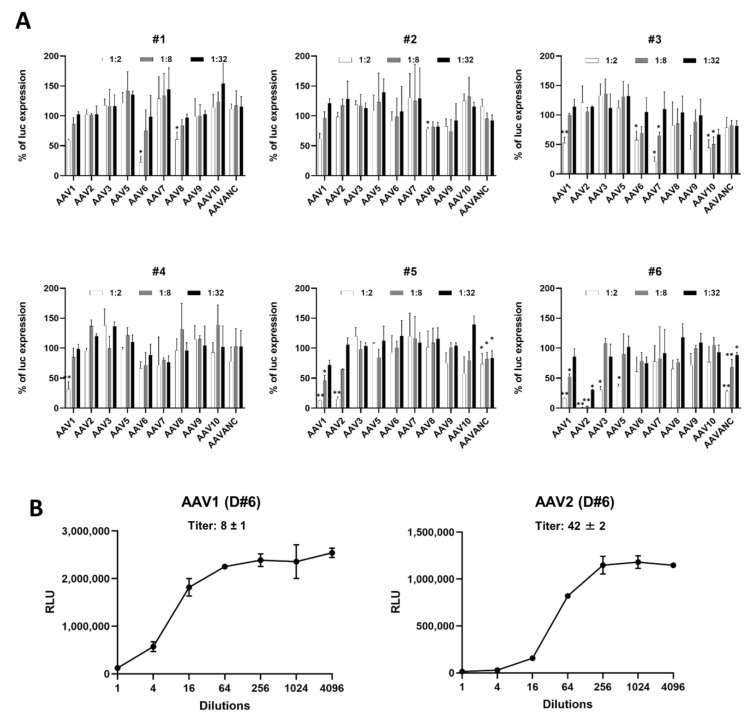
The accurate assessment of AAV-specific pre-existing humoral immunity due to natural viral infection is critical for the efficient use of clinical gene therapy. The method described in the present study applies equivalent infection conditions to each AAV serotype (AAV1, AAV2, AAV3, AAV5, AAV6, AAV7, AAV8, AAV9, AAV10, and AAVAnc80L65). In the current study, we validated the assay by assessing AAV-neutralizing antibody titers in a limited cohort of random human donors and well-established preclinical large animal models, including dogs and non-human primates (NHPs). We achieved a rapid and accurate evaluation of neutralizing titers for each individual subject that can be used for clinical enrollment based on specific AAV serotypes and individualized selection of the most suitable AAV serotype for each specific patient.
Overview
The claims and statistics of this paper haven’t been checked yet.
Free: it reads the open-access text and checks the first 5 claims that cite a source we can check. Create a free account to check every claim.
Integrity signals
Registry
Cites
Statistics
Figures
Verification
Claims the paper makes
The claims and statistics of this paper haven’t been checked yet.
Free: it reads the open-access text and checks the first 5 claims that cite a source we can check. Create a free account to check every claim.
Claims other papers make about this one
Each is checked against this paper’s own text: does it say what the citing paper says it does?
The cited source says what the claim attributes to it.
In the citing paper
“It is also worth noting that the seroprevalence against AAVs is influenced by the antibody assay used and the definition of seropositivity in different trials [42].”
From Characterization of anti-AAV2 neutralizing antibody levels in sheep prior to and following intravitreal AAV2.7m8 injection (2024) · cites this paper as [42]
Self-check
Percentages, sums and reported differences re-computed from the paper’s own numbers.
The self-check needs the paper’s full text.
Citations
Cites
Manno, C. S., Pierce, G. F., Arruda, V. R., Glader, B., Ragni, M., Rasko, J. J. E., Ozelo, M. C., Hoots, K., Blatt, P., Konkle, B., et al. (2006) · Nature Medicine · doi:10.1038/nm1358 · Cited by 2,163 · cited 1×
“Since the presence of NABs even at low titers can affect gene therapy efficiency, NAB titers are a major exclusion criterion for AAV-based clinical studies [77].”
BackgroundThe Path to Personalized Medicine
Hamburg, M. A., & Collins, F. S. (2010) · New England Journal of Medicine · doi:10.1056/nejmp1006304 · Cited by 1,970
Adenovirus-Associated Virus Vector–Mediated Gene Transfer in Hemophilia B
Nathwani, A. C., Tuddenham, E. G. D., Rangarajan, S., Rosales, C., McIntosh, J., Linch, D. C., Chowdary, P., Riddell, A., Pie, A. J., Harrington, C., et al. (2011) · New England Journal of Medicine · doi:10.1056/nejmoa1108046 · Cited by 1,864
Long-Term Safety and Efficacy of Factor IX Gene Therapy in Hemophilia B
Nathwani, A. C., Reiss, U. M., Tuddenham, E. G. D., Rosales, C., Chowdary, P., McIntosh, J., Della Peruta, M., Lheriteau, E., Patel, N., Raj, D., et al. (2014) · New England Journal of Medicine · doi:10.1056/nejmoa1407309 · Cited by 1,273
Boutin, S., Monteilhet, V., Veron, P., Leborgne, C., Benveniste, O., Montus, M. F., & Masurier, C. (2010) · Human Gene Therapy · doi:10.1089/hum.2009.182 · Cited by 970 · cited 1×
“Our data are in agreement with several independent evaluations of NABs against AAV5, which is considered to have the lowest rate of pre-existing NABs, with as low as approximately 20–30% of tested humans being seropositive, and also has the potential to target a larger number of patients in the development of AAV5-bas…”
ResultTherapeutic in vivo gene transfer for genetic disease using AAV: Progress and challenges
Mingozzi, F., & High, K. A. (2011) · Nature Reviews Genetics · doi:10.1038/nrg2988 · Cited by 893
Emerging issues in AAV-mediated in vivo gene therapy
Colella, P., Ronzitti, G., & Mingozzi, F. (2018) · Molecular Therapy - Methods & Clinical Development · doi:10.1016/j.omtm.2017.11.007 · Cited by 881 · cited 1×
“At the same time, pre-existing immunity has a profound effect on liver-directed AAV gene therapy, and NAB titers as low as 1:5 completely block hepatocyte transduction, which leads to far more rigorous criteria for patient enrollment compared to muscle-directed gene transfer [14,78].”
BackgroundWorldwide epidemiology of neutralizing antibodies to adeno-associated viruses
Calcedo, R., Vandenberghe, L. H., Gao, G., Lin, J., & Wilson, J. M. (2009) · The Journal of Infectious Diseases · doi:10.1086/595830 · Cited by 808
Engineering adeno-associated viruses for clinical gene therapy
Kotterman, M. A., & Schaffer, D. V. (2014) · Nature Reviews Genetics · doi:10.1038/nrg3742 · Cited by 761
AAV Vector Immunogenicity in Humans: A Long Journey to Successful Gene Transfer
Costa Verdera, H., Kuranda, K., & Mingozzi, F. (2020) · Molecular Therapy · doi:10.1016/j.ymthe.2019.12.010 · Cited by 641
The clinical landscape for AAV gene therapies
Kuzmin, D. A., Shutova, M. V., Johnston, N. R., Smith, O. P., Fedorin, V. V., Kukushkin, Y. S., van der Loo, J. C. M., & Johnstone, E. C. (2021) · Nature Reviews Drug Discovery · doi:10.1038/d41573-021-00017-7 · Cited by 503 · cited 1×
“Of these, 149 were identified as unique clinical trials [76].”
BackgroundmRNA vaccine–induced neoantigen-specific T cell immunity in patients with gastrointestinal cancer
Cafri, G., Gartner, J. J., Zaks, T., Hopson, K., Levin, N., Paria, B. C., Parkhurst, M. R., Yossef, R., Lowery, F. J., Jafferji, M. S., et al. (2020) · Journal of Clinical Investigation · doi:10.1172/jci134915 · Cited by 427
Pre-existing Anti–Adeno-Associated Virus Antibodies as a Challenge in AAV Gene Therapy
Louis Jeune, V., Joergensen, J. A., Hajjar, R. J., & Weber, T. (2013) · Human Gene Therapy Methods · doi:10.1089/hgtb.2012.243 · Cited by 358
Comprehensive AAV capsid fitness landscape reveals a viral gene and enables machine-guided design
Ogden, P. J., Kelsic, E. D., Sinai, S., & Church, G. M. (2019) · Science · doi:10.1126/science.aaw2900 · Cited by 356
Leborgne, C., Barbon, E., Alexander, J. M., Hanby, H., Delignat, S., Cohen, D. M., Collaud, F., Muraleetharan, S., Lupo, D., Silverberg, J., et al. (2020) · Nature Medicine · doi:10.1038/s41591-020-0911-7 · Cited by 336 · cited 1×
“At the same time, the pharmacological reduction of AAV NABs was explored using IgG-degrading enzymes and IgG-cleaving endopeptidase, which were able to deprive AAV-specific IgG in dog, monkey, and human antisera and allow AAV administration in mice and NHP models regardless of the presence of NABs [43,44].”
BackgroundFlotte, T. R., Trapnell, B. C., Humphries, M., Carey, B., Calcedo, R., Rouhani, F., Campbell-Thompson, M., Yachnis, A. T., Sandhaus, R. A., McElvaney, N. G., et al. (2011) · Human Gene Therapy · doi:10.1089/hum.2011.053 · Cited by 335
Self-citationA synthetic AAV vector enables safe and efficient gene transfer to the mammalian inner ear
Landegger, L. D., Pan, B., Askew, C., Wassmer, S. J., Gluck, S. D., Galvin, A., Taylor, R., Forge, A., Stankovic, K. M., Holt, J. R., et al. (2017) · Nature Biotechnology · doi:10.1038/nbt.3781 · Cited by 325 · cited 2×
“The single-stranded AAV vectors (serotypes 1, 2, 3, 5, 6, 7, 8, 9, 10, and Anc80L65 [52]) expressing the firefly luciferase gene [49] were packaged in adherent HEK293 cells via triple transfection with PEI (Polyscince, Warrington, PA, USA) and purified using an iodixanol (Millipore-Sigma, Billerica, MA, USA) density g…”
MethodKeeler, A. M., & Flotte, T. R. (2019) · Annual Review of Virology · doi:10.1146/annurev-virology-092818-015530 · Cited by 322 · cited 1×
“AAV-based treatments for monogenic diseases have experienced major success, as two therapies recently became available for clinical practice [1,2].”
BackgroundNathwani, A. C., Gray, J. T., McIntosh, J., Ng, C. Y. C., Zhou, J., Spence, Y., Cochrane, M., Gray, E., Tuddenham, E. G. D., & Davidoff, A. M. (2007) · Blood · doi:10.1182/blood-2006-03-010181 · Cited by 272
Nonhuman primate models of human viral infections
Estes, J. D., Wong, S. W., & Brenchley, J. M. (2018) · Nature Reviews Immunology · doi:10.1038/s41577-018-0005-7 · Cited by 255
Humoral immune response to AAV
Calcedo, R., & Wilson, J. M. (2013) · Frontiers in Immunology · doi:10.3389/fimmu.2013.00341 · Cited by 243
Dosage thresholds for AAV2 and AAV8 photoreceptor gene therapy in monkey
Vandenberghe, L. H., Bell, P., Maguire, A. M., Cearley, C. N., Xiao, R., Calcedo, R., Wang, L., Castle, M. J., Maguire, A. C., Grant, R., et al. (2011) · Science Translational Medicine · doi:10.1126/scitranslmed.3002103 · Cited by 242
Halbert, C. L., Miller, A. D., Mcnamara, S., Emerson, J., Gibson, R. L., Ramsey, B., & Aitken, M. L. (2006) · Human Gene Therapy · doi:10.1089/hum.2006.17.440 · Cited by 227
Li, C., Narkbunnam, N., Samulski, R. J., Asokan, A., Hu, G., Jacobson, L. J., Manco-Johnson, M. J., Monahan, P. E., & The Joint Outcome Study Investigators (2012) · Gene Therapy · doi:10.1038/gt.2011.90 · Cited by 225
Tse, L. V., Klinc, K. A., Madigan, V. J., Castellanos Rivera, R. M., Wells, L. F., Havlik, L. P., Smith, J. K., Agbandje-McKenna, M., & Asokan, A. (2017) · Proceedings of the National Academy of Sciences · doi:10.1073/pnas.1704766114 · Cited by 210
Le Meur, G., Stieger, K., Smith, A. J., Weber, M., Deschamps, J. Y., Nivard, D., Mendes-Madeira, A., Provost, N., Péréon, Y., Cherel, Y., et al. (2007) · Gene Therapy · doi:10.1038/sj.gt.3302861 · Cited by 207
Monteilhet, V., Saheb, S., Boutin, S., Leborgne, C., Veron, P., Montus, M.-F., Moullier, P., Benveniste, O., & Masurier, C. (2011) · Molecular Therapy · doi:10.1038/mt.2011.108 · Cited by 206
Influence of Pre-existing Anti-capsid Neutralizing and Binding Antibodies on AAV Vector Transduction
Fitzpatrick, Z., Leborgne, C., Barbon, E., Masat, E., Ronzitti, G., van Wittenberghe, L., Vignaud, A., Collaud, F., Charles, S., Simon Sola, M., et al. (2018) · Molecular Therapy - Methods & Clinical Development · doi:10.1016/j.omtm.2018.02.003 · Cited by 192 · cited 1×
“Indeed, some AAV-binding antibodies do not have neutralizing activities and instead promote AAV-based gene transfer [86].”
BackgroundKruzik, A., Fetahagic, D., Hartlieb, B., Dorn, S., Koppensteiner, H., Horling, F. M., Scheiflinger, F., Reipert, B. M., & de la Rosa, M. (2019) · Molecular Therapy - Methods & Clinical Development · doi:10.1016/j.omtm.2019.05.014 · Cited by 182 · cited 1×
“An additional challenge for the use of a specific AAV vector for clinical gene therapy is the substantial cross-reactivity among evolutionarily similar AAVs, which can reach 50–60% depending on the tested AAV serotypes [21,25].”
BackgroundChicoine, L., Montgomery, C., Bremer, W., Shontz, K., Griffin, D., Heller, K., Lewis, S., Malik, V, Grose, W., Shilling, C., et al. (2014) · Molecular Therapy · doi:10.1038/mt.2013.244 · Cited by 167 · cited 14×
“74 in NHPs [45,46] and AAV1, 2, and 6 in humans [47].”
BackgroundInfluentialNathwani, A. C., Davidoff, A. M., Hanawa, H., Hu, Y., Hoffer, F. A., Nikanorov, A., Slaughter, C., Ng, C. Y. C., Zhou, J., Lozier, J. N., et al. (2002) · Blood · doi:10.1182/blood-2002-02-0589 · Cited by 164 · cited 3×
“Currently, several methodologically different assays are used for the preclinical and clinical determination of AAV NAB titers and neutralizing activities, including ELISA [79], a qPCR-based AAV-to-cell binding assay [80], and the in vitro inhibition of AAV activity through the presence of serial dilutions of a tested…”
MethodPaulk, N. K., Pekrun, K., Zhu, E., Nygaard, S., Li, B., Xu, J., Chu, K., Leborgne, C., Dane, A. P., Haft, A., et al. (2018) · Molecular Therapy · doi:10.1016/j.ymthe.2017.09.021 · Cited by 161
Anti-AAV Antibodies in AAV Gene Therapy: Current Challenges and Possible Solutions
Weber, T. (2021) · Frontiers in Immunology · doi:10.3389/fimmu.2021.658399 · Cited by 157 · cited 1×
“Thus, our assay addressed the previously discussed lack of consistency and standardization in the evaluation of NABs for multiple AAV serotypes [24].”
MethodAmado, D., Mingozzi, F., Hui, D., Bennicelli, J. L., Wei, Z., Chen, Y., Bote, E., Grant, R. L., Golden, J. A., Narfstrom, K., et al. (2010) · Science Translational Medicine · doi:10.1126/scitranslmed.3000659 · Cited by 140
Rescuing AAV gene transfer from neutralizing antibodies with an IgG-degrading enzyme
Elmore, Z. C., Oh, D. K., Simon, K. E., Fanous, M. M., & Asokan, A. (2020) · JCI Insight · doi:10.1172/jci.insight.139881 · Cited by 137 · cited 1×
“At the same time, the pharmacological reduction of AAV NABs was explored using IgG-degrading enzymes and IgG-cleaving endopeptidase, which were able to deprive AAV-specific IgG in dog, monkey, and human antisera and allow AAV administration in mice and NHP models regardless of the presence of NABs [43,44].”
BackgroundLe Guiner, C., Montus, M., Servais, L., Cherel, Y., Francois, V., Thibaud, J.-L., Wary, C., Matot, B., Larcher, T., Guigand, L., et al. (2014) · Molecular Therapy · doi:10.1038/mt.2014.151 · Cited by 134
Huttner, N. A., Girod, A., Perabo, L., Edbauer, D., Kleinschmidt, J. A., Büning, H., & Hallek, M. (2003) · Gene Therapy · doi:10.1038/sj.gt.3302123 · Cited by 124
Sabatino, D. E., Lange, A. M., Altynova, E. S., Sarkar, R., Zhou, S., Merricks, E. P., Franck, H. G., Nichols, T. C., Arruda, V. R., & Kazazian Jr, H. H. (2011) · Molecular Therapy · doi:10.1038/mt.2010.240 · Cited by 120
Mueller, C., Tang, Q., Gruntman, A., Blomenkamp, K., Teckman, J., Song, L., Zamore, P. D., & Flotte, T. R. (2012) · Molecular Therapy · doi:10.1038/mt.2011.292 · Cited by 117
Meliani, A., Leborgne, C., Triffault, S., Jeanson-Leh, L., Veron, P., & Mingozzi, F. (2015) · Human Gene Therapy Methods · doi:10.1089/hgtb.2015.037 · Cited by 114
First AAV gene therapy poised for landmark approval
Smalley, E. (2017) · Nature Biotechnology · doi:10.1038/nbt1117-998 · Cited by 112 · cited 1×
“AAV-based treatments for monogenic diseases have experienced major success, as two therapies recently became available for clinical practice [1,2].”
BackgroundThe Critical Role of Nonhuman Primates in Medical Research - White Paper
Friedman, H., Haigwood, N., Ator, N., Newsome, W., Allan, J. S., Golos, T. G., Kordower, J. H., Shade, R. E., Goldberg, M. E., Bailey, M. R., et al. (2017) · Pathogens and Immunity · doi:10.20411/pai.v2i3.186 · Cited by 108
Long-Term Efficacy of Adeno-Associated Virus Serotypes 8 and 9 in Hemophilia A Dogs and Mice
Sarkar, R., Mucci, M., Addya, S., Tetreault, R., Bellinger, D. A., Nichols, T. C., & Kazazian, H. H. (2006) · Human Gene Therapy · doi:10.1089/hum.2006.17.427 · Cited by 103
Strategy to detect pre-existing immunity to AAV gene therapy
Falese, L., Sandza, K., Yates, B., Triffault, S., Gangar, S., Long, B., Tsuruda, L., Carter, B., Vettermann, C., Zoog, S. J., et al. (2017) · Gene Therapy · doi:10.1038/gt.2017.95 · Cited by 101 · cited 2×
“A number of different approaches were developed to overcome such limitations, including the use of dedicated cell lines for each different AAV serotype in vitro [82,85,90], treating cells with pharmacological drugs to enhance the overall transduction efficiency of gene expression [82,85,90], and co-infection with Aden…”
BackgroundJennings, M., Prescott, M. J., Members of the Joint Working Group on Refinement (Primates), Buchanan-Smith, H. M., Gamble, M. R., Gore, M., Hawkins, P., Hubrecht, R., Hudson, S., Jennings, M., et al. (2009) · Laboratory Animals · doi:10.1258/la.2008.007143 · Cited by 101
Using a barcoded AAV capsid library to select for clinically relevant gene therapy vectors
Pekrun, K., De Alencastro, G., Luo, Q.-J., Liu, J., Kim, Y., Nygaard, S., Galivo, F., Zhang, F., Song, R., Tiffany, M. R., et al. (2019) · JCI Insight · doi:10.1172/jci.insight.131610 · Cited by 94
Cancer Precision Medicine: From Cancer Screening to Drug Selection and Personalized Immunotherapy
Deng, X., & Nakamura, Y. (2016) · Trends in Pharmacological Sciences · doi:10.1016/j.tips.2016.10.013 · Cited by 87
Monahan, P. E., Négrier, C., Tarantino, M., Valentino, L. A., & Mingozzi, F. (2021) · Journal of Clinical Medicine · doi:10.3390/jcm10112471 · Cited by 85 · cited 1×
“At the same time, pre-existing immunity has a profound effect on liver-directed AAV gene therapy, and NAB titers as low as 1:5 completely block hepatocyte transduction, which leads to far more rigorous criteria for patient enrollment compared to muscle-directed gene transfer [14,78].”
BackgroundGurda, B. L., De Guilhem De Lataillade, A., Bell, P., Zhu, Y., Yu, H., Wang, P., Bagel, J., Vite, C. H., Sikora, T., Hinderer, C., et al. (2016) · Molecular Therapy · doi:10.1038/mt.2015.189 · Cited by 81
Age-Related Seroprevalence of Antibodies Against AAV-LK03 in a UK Population Cohort
Perocheau, D. P., Cunningham, S. C., Lee, J., Antinao Diaz, J., Waddington, S. N., Gilmour, K., Eaglestone, S., Lisowski, L., Thrasher, A. J., Alexander, I. E., et al. (2019) · Human Gene Therapy · doi:10.1089/hum.2018.098 · Cited by 81 · cited 3×
“An additional challenge for the use of a specific AAV vector for clinical gene therapy is the substantial cross-reactivity among evolutionarily similar AAVs, which can reach 50–60% depending on the tested AAV serotypes [21,25].”
BackgroundLi, S., Ling, C., Zhong, L., Li, M., Su, Q., He, R., Tang, Q., Greiner, D. L., Shultz, L. D., Brehm, M. A., et al. (2015) · Molecular Therapy · doi:10.1038/mt.2015.174 · Cited by 77
Stieger, K., Colle, M.-A., Dubreil, L., Mendes-Madeira, A., Weber, M., Le Meur, G., Deschamps, J. Y., Provost, N., Nivard, D., Cherel, Y., et al. (2008) · Molecular Therapy · doi:10.1038/mt.2008.41 · Cited by 75
Graham, M. L., Rieke, E. F., Mutch, L. A., Zolondek, E. K., Faig, A. W., DuFour, T. A., Munson, J. W., Kittredge, J. A., & Schuurman, H. (2011) · Journal of Medical Primatology · doi:10.1111/j.1600-0684.2011.00525.x · Cited by 75
Self-citationNonhuman Primate Models of Respiratory Disease: Past, Present, and Future
Miller, L. A., Royer, C. M., Pinkerton, K. E., & Schelegle, E. S. (2017) · ILAR Journal · doi:10.1093/ilar/ilx030 · Cited by 75
Arbetman, A. E., Lochrie, M., Zhou, S., Wellman, J., Scallan, C., Doroudchi, M. M., Randlev, B., Patarroyo-White, S., Liu, T., Smith, P., et al. (2005) · Journal of Virology · doi:10.1128/jvi.79.24.15238-15245.2005 · Cited by 71
Hacker, U. T., Bentler, M., Kaniowska, D., Morgan, M., & Büning, H. (2020) · Cancers · doi:10.3390/cancers12071889 · Cited by 71 · cited 1×
“In recent years, possibilities for AAV-based treatment have continued to expand towards applications in cancer [3] and infectious diseases [4].”
BackgroundA parvovirus isolated from royal python (Python regius) is a member of the genus Dependovirus
Farkas, S. L., Zádori, Z., Benkő, M., Essbauer, S., Harrach, B., & Tijssen, P. (2004) · Journal of General Virology · doi:10.1099/vir.0.19616-0 · Cited by 67
Comparative genetics of the major histocompatibility complex in humans and nonhuman primates
Heijmans, C. M. C., de Groot, N. G., & Bontrop, R. E. (2020) · International Journal of Immunogenetics · doi:10.1111/iji.12490 · Cited by 63
Assessment of Humoral, Innate, and T-Cell Immune Responses to Adeno-Associated Virus Vectors
Calcedo, R., Chichester, J. A., & Wilson, J. M. (2018) · Human Gene Therapy Methods · doi:10.1089/hgtb.2018.038 · Cited by 62 · cited 1×
“A number of different approaches were developed to overcome such limitations, including the use of dedicated cell lines for each different AAV serotype in vitro [82,85,90], treating cells with pharmacological drugs to enhance the overall transduction efficiency of gene expression [82,85,90], and co-infection with Aden…”
BackgroundCalcedo, R., Franco, J., Qin, Q., Richardson, D. W., Mason, J. B., Boyd, S., & Wilson, J. M. (2015) · Human Gene Therapy Methods · doi:10.1089/hgtb.2015.082 · Cited by 61 · cited 1×
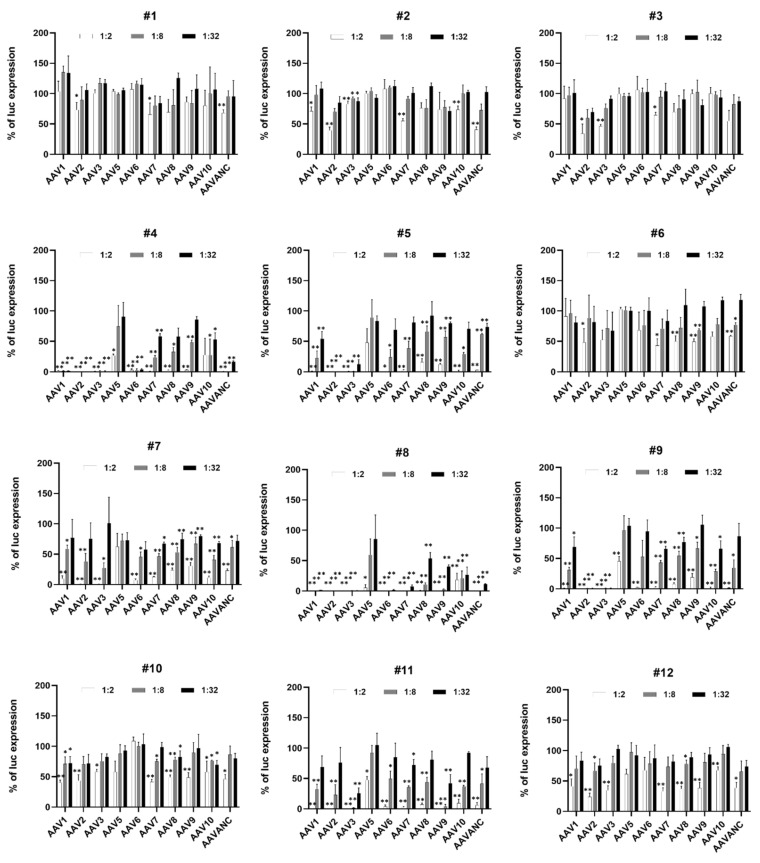
“Surprisingly, none of the dogs tested positive to AAV6 serotypes described as being the most seroprevalent in prior studies [59,74,75], which might be attributable to the particular geographical environments in which the blood samples were collected.”
BackgroundIsolation and evaluation of novel adeno-associated virus sequences from porcine tissues
Bello, A., Tran, K., Chand, A., Doria, M., Allocca, M., Hildinger, M., Beniac, D. R., Kranendonk, C., Auricchio, A., & Kobinger, G. P. (2009) · Gene Therapy · doi:10.1038/gt.2009.82 · Cited by 59
Manufacturing Clinical Grade Recombinant Adeno-Associated Virus Using Invertebrate Cell Lines
Kotin, R. M., & Snyder, R. O. (2017) · Human Gene Therapy · doi:10.1089/hum.2017.042 · Cited by 59
Salas, D., Kwikkers, K. L., Zabaleta, N., Bazo, A., Petry, H., van Deventer, S. J., Aseguinolaza, G. G., & Ferreira, V. (2019) · Blood Advances · doi:10.1182/bloodadvances.2019000380 · Cited by 59 · cited 14×
“74 in NHPs [45,46] and AAV1, 2, and 6 in humans [47].”
BackgroundInfluentialHavlik, L. P., Simon, K. E., Smith, J. K., Klinc, K. A., Tse, L. V., Oh, D. K., Fanous, M. M., Meganck, R. M., Mietzsch, M., Kleinschmidt, J., et al. (2020) · Journal of Virology · doi:10.1128/jvi.00976-20 · Cited by 58 · cited 1×
“To circumvent problems associated with pre-existing immunity, many novel and modified AAV variants, which can avoid neutralization by the host, were developed through rational design based on reconstruction of the capsid structure [30,31], pulled from recombinant libraries [32–39], or isolated from different species,…”
MethodRecommendations for the Development of Cell-Based Anti-Viral Vector Neutralizing Antibody Assays
Gorovits, B., Fiscella, M., Havert, M., Koren, E., Long, B., Milton, M., & Purushothama, S. (2020) · The AAPS Journal · doi:10.1208/s12248-019-0403-1 · Cited by 57 · cited 1×
“pointing a single cell line that is equally permissive for infection with a variety of AAV serotypes [82,88] The most common examples are the clinically proven and highly efficient in vivo AAV serotypes 8 and 9, which require a much higher virus load of up to 2-logs of magnitude than other frequently used AAV serotype…”
BackgroundPandya, J., Ortiz, L., Ling, C., Rivers, A. E., & Aslanidi, G. (2014) · Immunology & Cell Biology · doi:10.1038/icb.2013.74 · Cited by 55 · cited 2×
“Concentrated AAV stock titers were determined on DNase I (ThermoFisher, Waltham, MA, USA)-resistant particles via qPCR with primers specific for the CMV enhancer of the chicken-β-actin promoter [53,54].”
MethodSelf-citationPrecision Medicine for Breast Cancer: The Paths to Truly Individualized Diagnosis and Treatment
Harris, E. E. R. (2018) · International Journal of Breast Cancer · doi:10.1155/2018/4809183 · Cited by 53
Wang, D., Zhong, L., Li, M., Li, J., Tran, K., Ren, L., He, R., Xie, J., Moser, R. P., Fraser, C., et al. (2018) · Molecular Therapy - Methods & Clinical Development · doi:10.1016/j.omtm.2018.09.003 · Cited by 53
Adamson-Small, L., Potter, M., Falk, D. J., Cleaver, B., Byrne, B. J., & Clément, N. (2016) · Molecular Therapy - Methods & Clinical Development · doi:10.1038/mtm.2016.31 · Cited by 51
Li, C., Wu, S., Albright, B., Hirsch, M., Li, W., Tseng, Y.-S., Agbandje-McKenna, M., McPhee, S., Asokan, A., & Samulski, R. J. (2016) · Molecular Therapy · doi:10.1038/mt.2015.134 · Cited by 48
Prediction of adeno-associated virus neutralizing antibody activity for clinical application
Wang, M., Crosby, A., Hastie, E., Samulski, J. J., McPhee, S., Joshua, G., Samulski, R. J., & Li, C. (2015) · Gene Therapy · doi:10.1038/gt.2015.69 · Cited by 45 · cited 2×
“Currently, several methodologically different assays are used for the preclinical and clinical determination of AAV NAB titers and neutralizing activities, including ELISA [79], a qPCR-based AAV-to-cell binding assay [80], and the in vitro inhibition of AAV activity through the presence of serial dilutions of a tested…”
BackgroundMethodLing, C., Wang, Y., Feng, Y., Zhang, Y., Li, J., Hu, X.-R., Wang, L., Zhong, M., Zhai, X., Zolotukhin, I., et al. (2015) · Journal of Chinese Integrative Medicine · doi:10.1016/s2095-4964(15)60200-x · Cited by 38
Boyd, R. F., Boye, S. L., Conlon, T. J., Erger, K. E., Sledge, D. G., Langohr, I. M., Hauswirth, W. W., Komáromy, A. M., Boye, S. E., Petersen-Jones, S. M., et al. (2016) · Gene Therapy · doi:10.1038/gt.2016.31 · Cited by 37
Zhan, W., Muhuri, M., Tai, P. W. L., & Gao, G. (2021) · Frontiers in Immunology · doi:10.3389/fimmu.2021.673699 · Cited by 37 · cited 1×
“In recent years, possibilities for AAV-based treatment have continued to expand towards applications in cancer [3] and infectious diseases [4].”
BackgroundHakim, C. H., Yue, Y., Shin, J., Williams, R. R., Zhang, K., Smith, B. F., & Duan, D. (2014) · Molecular Therapy — Methods & Clinical Development · doi:10.1038/mtm.2014.2 · Cited by 34 · cited 1×
“Surprisingly, none of the dogs tested positive to AAV6 serotypes described as being the most seroprevalent in prior studies [59,74,75], which might be attributable to the particular geographical environments in which the blood samples were collected.”
BackgroundRapid AAV-Neutralizing Antibody Determination with a Cell-Binding Assay
Guo, P., Zhang, J., Chrzanowski, M., Huang, J., Chew, H., Firrman, J. A., Sang, N., Diao, Y., & Xiao, W. (2019) · Molecular Therapy - Methods & Clinical Development · doi:10.1016/j.omtm.2018.11.007 · Cited by 33 · cited 1×
“Currently, several methodologically different assays are used for the preclinical and clinical determination of AAV NAB titers and neutralizing activities, including ELISA [79], a qPCR-based AAV-to-cell binding assay [80], and the in vitro inhibition of AAV activity through the presence of serial dilutions of a tested…”
MethodHumoral Immunity to AAV-6, 8, and 9 in Normal and Dystrophic Dogs
Shin, J.-H., Yue, Y., Smith, B., & Duan, D. (2012) · Human Gene Therapy · doi:10.1089/hum.2011.125 · Cited by 33 · cited 1×
“Surprisingly, none of the dogs tested positive to AAV6 serotypes described as being the most seroprevalent in prior studies [59,74,75], which might be attributable to the particular geographical environments in which the blood samples were collected.”
BackgroundKrotova, K. Y., Day, A., & Aslanidi, G. (2019) · Molecular Therapy — Oncolytics · doi:10.1016/j.omto.2019.10.001 · Cited by 32 · cited 2×
“Concentrated AAV stock titers were determined on DNase I (ThermoFisher, Waltham, MA, USA)-resistant particles via qPCR with primers specific for the CMV enhancer of the chicken-β-actin promoter [53,54].”
MethodSelf-citationKruzik, A., Koppensteiner, H., Fetahagic, D., Hartlieb, B., Dorn, S., Romeder-Finger, S., Coulibaly, S., Weber, A., Hoellriegl, W., Horling, F. M., et al. (2019) · Human Gene Therapy Methods · doi:10.1089/hgtb.2018.263 · Cited by 31
Gardner, M. R., Mendes, D. E., Muniz, C. P., Martinez-Navio, J. M., Fuchs, S. P., Gao, G., & Desrosiers, R. C. (2022) · Molecular Therapy - Methods & Clinical Development · doi:10.1016/j.omtm.2022.01.003 · Cited by 30 · cited 1×
“pointing a single cell line that is equally permissive for infection with a variety of AAV serotypes [82,88] The most common examples are the clinically proven and highly efficient in vivo AAV serotypes 8 and 9, which require a much higher virus load of up to 2-logs of magnitude than other frequently used AAV serotype…”
BackgroundBiswas, M., Marsic, D., Li, N., Zou, C., González‐Aseguinolaza, G., Zolotukhin, I., Kumar, S. R. P., Rana, J., Butterfield, J. S. S., Kondratov, O., et al. (2020) · Molecular Therapy — Methods & Clinical Development · doi:10.1016/j.omtm.2020.09.019 · Cited by 30
Whole Body Skeletal Muscle Transduction in Neonatal Dogs with AAV-9
Yue, Y., Shin, J.-H., & Duan, D. (2011) · Methods in Molecular Biology · doi:10.1007/978-1-61737-982-6_21 · Cited by 29
Guggino, W. B., Benson, J. M., Seagrave, J., Yan, Z., Engelhardt, J. F., Gao, G., Conlon, T. J., & Cebotaru, L. (2017) · Human Gene Therapy Clinical Development · doi:10.1089/humc.2017.067 · Cited by 28
Lee, Y., Conlon, T., Specht, A., Coleman, K., Brown, L. M., Estrella, A., Dambska, M., Dahlberg, K. R., & Weinstein, D. A. (2018) · Journal of Inherited Metabolic Disease · doi:10.1007/s10545-018-0199-7 · Cited by 26
Adeno-Associated Virus: The Naturally Occurring Virus Versus the Recombinant Vector
Srivastava, A. (2015) · Human Gene Therapy · doi:10.1089/hum.2015.29017.asr · Cited by 24
Engineered adeno-associated virus 3 vector with reduced reactivity to serum antibodies
Ito, M., Takino, N., Nomura, T., Kan, A., & Muramatsu, S. (2021) · Scientific Reports · doi:10.1038/s41598-021-88614-9 · Cited by 23 · cited 1×
“To circumvent problems associated with pre-existing immunity, many novel and modified AAV variants, which can avoid neutralization by the host, were developed through rational design based on reconstruction of the capsid structure [30,31], pulled from recombinant libraries [32–39], or isolated from different species,…”
MethodEvaluation of engineered AAV capsids for hepatic factor IX gene transfer in murine and canine models
Markusic, D. M., Nichols, T. C., Merricks, E. P., Palaschak, B., Zolotukhin, I., Marsic, D., Zolotukhin, S., Srivastava, A., & Herzog, R. W. (2017) · Journal of Translational Medicine · doi:10.1186/s12967-017-1200-1 · Cited by 19
Daniel, H. D. J., Kumar, S., Kannangai, R., Lakshmi, K. M., Agbandje‐McKenna, M., Coleman, K. E., Srivastava, A., Srivastava, A., & Abraham, A. M. (2021) · Human Gene Therapy · doi:10.1089/hum.2020.258 · Cited by 19 · cited 1×
“An analogous study in India revealed a prevalence of NABs for AAV3 of up to 80–90% in both healthy individuals and hemophilia B patients [27].”
BackgroundKrotova, K. Y., & Aslanidi, G. (2020) · Human Gene Therapy · doi:10.1089/hum.2020.074 · Cited by 18 · cited 4×
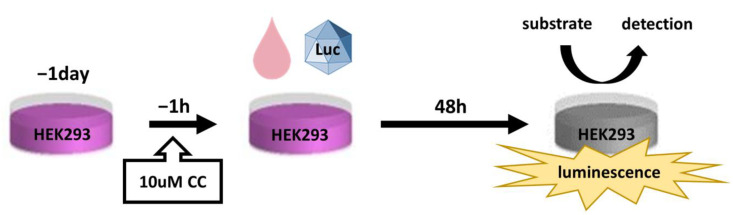
“The present study was performed to evaluate the pertinence of our recently developed AAV serotype universal assay [49] to assess the titers of AAV NABs against multiple commonly used AAV serotypes in blood samples in a limited cohort of human subjects, dogs, and NHPs.”
MethodInfluentialSelf-citationTransduction of Surface and Basal Cells in Rhesus Macaque Lung Following Repeat Dosing with AAV1CFTR
Guggino, W. B., Yanda, M. K., Cebotaru, C. V., & Cebotaru, L. (2020) · Human Gene Therapy · doi:10.1089/hum.2020.207 · Cited by 17
AAV Immunogenicity: A Matter of Sensitivity
Mingozzi, F. (2018) · Molecular Therapy · doi:10.1016/j.ymthe.2018.09.001 · Cited by 14
Primates as a model for research
Garbarini, N. (2010) · Disease Models & Mechanisms · doi:10.1242/dmm.004861 · Cited by 13
Precision Medicine-Enabled Cancer Immunotherapy
Lee, J. K., & Priceman, S. J. (2019) · Cancer treatment and research · doi:10.1007/978-3-030-16391-4_7 · Cited by 13
Mutch, L. A., Klinker, S. T., Janecek, J. L., Niewinski, M. N., Lee, R. M. Z., & Graham, M. L. (2018) · Journal of Investigative Surgery · doi:10.1080/08941939.2018.1536178 · Cited by 10 · cited 1×
“Blood samples were collected from awake, cooperating animals via a subcutaneous vascular access port [51].”
MethodSelf-citationSeroprevalence to adeno‐associated virus type 6 in people with hemophilia B from a UK adult cohort
Boyce, S., James, I., Rangarajan, S., Curry, N. S., Bagot, C. N., Austin, S. K., Laffan, M., Mangles, S., Chandrakumaran, K., & Mundy, C. (2022) · Research and Practice in Thrombosis and Haemostasis · doi:10.1002/rth2.12705 · Cited by 6 · cited 1×
“A study in the UK identified the seroprevalence of NABs for AAV3B, its recombinant library-derived variation AAV-LK03, and AAV8, which reached up to 23%, 35%, and 18% prevalence, respectively, [25] and up to 30% for AAV6 vectors [26].”
BackgroundBiologic Immunomodulatory Drugs and Infection in the Respiratory Tract of Nonhuman Primates
Flandre, T., Piaia, A., & Cary, M. G. (2020) · Toxicologic Pathology · doi:10.1177/0192623320946705 · Cited by 5
Cited by
Therapeutic Application and Structural Features of Adeno-Associated Virus Vector
Matsuzaka, Y., & Yashiro, R. (2024) · Current Issues in Molecular Biology · doi:10.3390/cimb46080499 · Cited by 16
Molina, E., Tejero, M., Duzenli, O. F., Kuoch, H., Caine, C., Krotova, K. Y., Paulaitis, M. E., & Aslanidi, G. (2024) · Molecular Therapy — Methods & Clinical Development · doi:10.1016/j.omtm.2024.101358 · Cited by 8
Self-citationTejero, M., Duzenli, O. F., Caine, C., Kuoch, H., & Aslanidi, G. (2023) · Genes · doi:10.3390/genes14101866 · Cited by 5
Self-citationRoss, M., Sade, K., Obolensky, A., Averbukh, E., Desrosiers, M., Rosov, A., Dvir, H., Gootwine, E., Banin, E., Dalkara, D., et al. (2024) · Gene Therapy · doi:10.1038/s41434-024-00495-5 · Cited by 3
Preclinical study of an optimized AAV cancer vaccine in a spontaneous canine model of oral melanoma
Ghersa, F., Yung, C., Molina, E., Kuoch, H., Caine, C., Krotova, K. Y., Borgatti, A., & Aslanidi, G. (2026) · Molecular Therapy Oncology · doi:10.1016/j.omton.2026.201282
Self-citation
Metadata
- Authors
- Kuoch, H., Krotova, K., Graham, M. L., Brantly, M. L., & Aslanidi, G.
- Affiliations
- University of Minnesota (US)
- University of Florida (US)
- Corresponding author
- Aslanidi, George
- Venue
- Biomedicines
- Publisher
- MDPI AG
- Published
- 2023-02-11
- Volume
- 11
- Issue
- 2
- Pages
- 523
- ISSN
- 2227-9059 (ISSN-L)
- PMC
- PMC9953293
- OpenAlex
- W4320491185
- Semantic Scholar
- 6cf7e6f7e33365689dda6b59884acad570db2390
- Cited by
- 5
- References
- 96
- Citations by year
- 2026: 1 · 2024: 3 · 2023: 1
- FWCI
- 0.83
- Type
- journal article
- Language
- en
- Open access
- gold
- doi.org
- Licence
- Locations
- Biomedicines (publishedVersion, cc-by)
- PubMed Central (publishedVersion, cc-by)
- PubMed (publishedVersion)
- DOAJ (DOAJ: Directory of Open Access Journals) (submittedVersion, cc-by-sa)
- Funders
- NIH (R01HL131586, FD007483)
- FDA/CEBR (R01HL131586, FD007483)
- Topics
- Life Sciences › Biochemistry, Genetics and Molecular Biology › Genetics › Virus-based gene therapy research
- Life Sciences › Biochemistry, Genetics and Molecular Biology › Molecular Biology › RNA Interference and Gene Delivery
- Health Sciences › Medicine › Hematology › Hemophilia Treatment and Research
- Keywords
- adeno-associated virus, AAV serotypes, neutralizing antibodies, humoral immunity, pre-existing immunity, gene therapy, AAV8, AAV9, non-human primates, dogs
About these checks
Registry, retraction, Cites and statistics results are computed, not judged, with one exception: a printed reference that no index lists is read once by a model before it counts as a citation error. Claims are extracted by a model and kept only when their quote appears verbatim in the text; each cited source is then checked, with a model’s help, for whether it says what the claim relies on. Those verdicts can be wrong — read the claim’s quote and the cited source before relying on one.
Statistics and arithmetic are recomputed, not judged.
Confidence bands are shown only for fields calibrated on our annotated test set. None is calibrated yet, so no band is shown.
What counts as a claim ›How we measure confidence ›How we check this ›
Are you an author, or do you see a problem with this page? Request a review
Data sources
Bibliographic data: Semantic Scholar, OpenAlex, Crossref.
Contains information from the Semantic Scholar Academic Graph Datasets, made available under the ODC Attribution License (ODC-BY 1.0).
Semantic Scholar’s data is described in: Kinney, R., et al. (2023). The Semantic Scholar Open Data Platform. arXiv:2301.10140.
