

Emerging Insights into Targeted Therapy-Tolerant Persister Cells in Cancer
Open accessThe DOI matches its Crossref record; 130 of the 131 references it cites were found in a registry or an index; 39 of the 112 sources its claims cite were checked for support.
Abstract
Drug resistance is perhaps the greatest challenge in improving outcomes for cancer patients undergoing treatment with targeted therapies. It is becoming clear that “persisters,” a subpopulation of drug-tolerant cells found in cancer populations, play a critical role in the development of drug resistance. Persisters are able to maintain viability under therapy but are typically slow cycling or dormant. These cells do not harbor classic drug resistance driver alterations, and their partial resistance phenotype is transient and reversible upon removal of the drug. In the clinic, the persister state most closely corresponds to minimal residual disease from which relapse can occur if treatment is discontinued or if acquired drug resistance develops in response to continuous therapy. Thus, eliminating persister cells will be crucial to improve outcomes for cancer patients. Using lung cancer targeted therapies as a primary paradigm, this review will give an overview of the characteristics of drug-tolerant persister cells, mechanisms associated with drug tolerance, and potential therapeutic opportunities to target this persister cell population in tumors.
Overview
CoChat Summary
TL;DR
This review argues that drug-tolerant persister cells survive targeted therapy without bona fide resistance mutations, are often slow-cycling/dormant, and can serve as a reservoir from which acquired resistance evolves. It summarizes mechanisms of tolerance and potential therapeutic vulnerabilities, using lung cancer targeted therapies as the primary paradigm.
Key findings
- In the founding cancer persister study, ~0.3% of PC9 EGFR-mutant NSCLC cells survived lethal-dose erlotinib as slowly cycling drug-tolerant persisters; upon drug removal, expanded persisters reverted to a drug-sensitive state.
- Acquired resistance can evolve from persisters: in PC9 pools treated with gefitinib, 5–10% developed rapid EGFR T790M resistance as early as 2 weeks, while most underwent initial response followed by slow expansion of drug-tolerant cells and later full resistance.
- Clinical resistance mechanisms include secondary mutations such as EGFR T790M, bypass signaling such as MET activation in 5–10% of EGFR TKI-resistant lung cancers, and lineage transformation in 5–15% of EGFR-mutant lung cancer patients with acquired resistance.
- Persister mechanisms reviewed include epigenetic/chromatin reprogramming, bypass/alternative signaling, apoptosis suppression, metabolic reprogramming, tumor microenvironment interactions, and adaptive mutagenesis; clinical minimal residual disease is the closest analogue.
Methods
- Narrative review of in vitro, in vivo, and clinical studies on drug-tolerant persister cells, focused on targeted therapies for solid malignancies and using lung cancer as the primary paradigm.
- Synthesizes mechanistic studies and includes Table 1 cataloging tumor type, target oncogene, targeted therapy, model system, mechanism of drug tolerance, and susceptibility for each study.
- No systematic review, meta-analysis, or primary experimental methods are reported.
Limitations
- The paper states that understanding clinical persisters is limited by difficulty accessing tumor tissue at minimal residual disease, that molecular signatures indicating whether relapsed tumors passed through a persister state are undefined, and that the true extent of relapse from persister evolution versus pre-existing resistant clones remains unknown.
- The paper states that tumor microenvironment contributions cannot be addressed well by in vitro models or in vivo studies using immunocompromised mice, and that future work should prioritize on-treatment biopsies.
- Evident from the text: this is a narrative review without systematic search or quantitative synthesis, so conclusions depend on the selected literature and model systems discussed.
Model-written summary. Check it against the paper before relying on it.
Integrity signals
Registry
Cites
Statistics
Figures
Verification
Claims the paper makes
21 Valid · 0 Not valid · 88 Not checked · 30 Own results and interpretations
Every source the paper cites for this claim was checked and supports it.
In the paper
“The results revealed a large fraction of shared barcodes within the cells treated with EGFR inhibitor alone, consistent with selection of pre-existing persister clones.”
§ Emerging Insights into Targeted Therapy-Tolerant Persister Cells in Cancer > 2. Origins and Characteristics of Persisters > 2.3. Origin of Drug-Tolerant Persister Cells
What the sources say
- Supportedcites [56] Kurppa K.J. Liu Y. To C. Zhang T. Fan M. Vajdi A. Knelson E.H. Xie Y. Lim K. Cejas P. Treatment-Induced Tumor Dormancy through YAP-Mediated Transcriptional Reprogramming of the Apoptotic Pathway Cancer Cell 2020 37 104 122.e112 10.1016/j.ccell.2019.12.006 31935369 PMC7146079 source
The Results section (“Combined EGFR and MEK inhibition results in a stable, but reversible dormant state”; page not supplied) reports DNA barcoding of PC-9 cells and a large fraction of shared barcodes after gefitinib or osimertinib alone. The authors interpret this as strong evidence for selection of pre-existing clones. (LLM, conf=0.93)
plainstates a cause- Asserted: passes — The authors put it forward as true.
- Checkable: passes — It can be checked against evidence.
- Load-bearing: passes — The paper’s conclusions depend on it.
- Based: passes — The paper gives a reason why it holds.
- Supported
The sources with a verdict support this claim; the rest weren’t checked yet, have no full text we could read, or their verdicts aren’t rated yet.
In the paper
“Alternatively, cells may survive initial drug treatment by epigenetic adaptations that enable a drug-tolerant, slow-cycling phenotype that precedes the emergence of permanent drug resistance [23,24].”
§ Emerging Insights into Targeted Therapy-Tolerant Persister Cells in Cancer > 1. Introduction
What the sources say
- Supportedcites [23] Sharma S.V. Lee D.Y. Li B. Quinlan M.P. Takahashi F. Maheswaran S. McDermott U. Azizian N. Zou L. Fischbach M.A. A chromatin-mediated reversible drug-tolerant state in cancer cell subpopulations Cell 2010 141 69 80 10.1016/j.cell.2010.02.027 20371346 PMC2851638 source
The Abstract and Introduction of Sharma et al. (2010) describe a reversibly drug-tolerant subpopulation maintained via an altered chromatin state requiring RBP2/KDM5A, i.e. an epigenetic adaptation, and the Results (p. 'Detection of a drug-tolerant cancer cell subpopulation') characterize the DTPs as 'largely quiescent' slow-cycling cells surviving an otherwise lethal exposure. The DISCUSSION states explicitly that such a transient drug-tolerant state lets a small subpopulation withstand the initial drug onslaught 'until more permanent resistance mechanisms can be established,' matching the claim's ordering of tolerance preceding permanent resistance. The claim's hedged wording ('may') is consistent with the source's own framing. (LLM, conf=0.93)
- Not checked yetcites [24] Guler G.D. Tindell C.A. Pitti R. Wilson C. Nichols K. KaiWai Cheung T. Kim H.J. Wongchenko M. Yan Y. Haley B. Repression of Stress-Induced LINE-1 Expression Protects Cancer Cell Subpopulations from Lethal Drug Exposure Cancer Cell 2017 32 221 237 10.1016/j.ccell.2017.07.002 28781121 source
hedgedstates a possible cause- Asserted: passes — The authors put it forward as true.
- Checkable: passes — It can be checked against evidence.
- Load-bearing: passes — The paper’s conclusions depend on it.
- Based: passes — The paper gives a reason why it holds.
- Supported
The cited sources support only part of this claim — read each source’s verdict below.
In the paper
“Meanwhile, other studies suggest that some persister phenotypes arise via plasticity induced by drug treatment [56,64,65].”
§ Emerging Insights into Targeted Therapy-Tolerant Persister Cells in Cancer > 2. Origins and Characteristics of Persisters > 2.3. Origin of Drug-Tolerant Persister Cells
What the sources say
- Supportedcites [56] Kurppa K.J. Liu Y. To C. Zhang T. Fan M. Vajdi A. Knelson E.H. Xie Y. Lim K. Cejas P. Treatment-Induced Tumor Dormancy through YAP-Mediated Transcriptional Reprogramming of the Apoptotic Pathway Cancer Cell 2020 37 104 122.e112 10.1016/j.ccell.2019.12.006 31935369 PMC7146079 source
The Results section reports that entry into dormancy after EGFR/MEK inhibitor treatment was predominantly stochastic rather than selection of a pre-existing resistant clone. The Discussion describes cells reversibly adopting a dormant, senescent-like state during treatment and returning to their prior state after drug withdrawal. Together, these passages support the claim that some persister phenotypes arise through treatment-induced plasticity. Page numbers are unavailable in our copy. (LLM, conf=0.92)
- Supportedcites [64] Goldman A. Majumder B. Dhawan A. Ravi S. Goldman D. Kohandel M. Majumder P.K. Sengupta S. Temporally sequenced anticancer drugs overcome adaptive resistance by targeting a vulnerable chemotherapy-induced phenotypic transition Nat. Commun. 2015 6 6139 10.1038/ncomms7139 25669750 PMC4339891 source
In Results, ‘Drug-induced phenotypic plasticity and tolerance’ (page not provided), the paper identifies drug-tolerant cells as persisters and reports that low-dose chemotherapy induced a CD44HiCD24Hi phenotype without selecting for surviving cells. It concludes that chemotherapy tolerance could arise from a drug-induced cell-state transition, matching the claim’s cautious wording. (LLM, conf=0.93)
- Partly supportedcites [65] Glasspool R.M. Teodoridis J.M. Brown R. Epigenetics as a mechanism driving polygenic clinical drug resistance Br. J. Cancer 2006 94 1087 1092 10.1038/sj.bjc.6603024 16495912 PMC2361257 sourceExperimental — accuracy not yet measured
The ‘Genetic vs Epigenetic Alterations of Resistance Genes’ section suggests that epigenetic changes allow tumour cells to adapt to cytotoxic drug therapy and produce persistent acquired resistance. It does not identify these cells as persisters or establish that persister phenotypes arise through treatment-induced plasticity. (LLM, conf=0.83)
hedgedstates a possible cause- Asserted: passes — The authors put it forward as true.
- Checkable: passes — It can be checked against evidence.
- Load-bearing: unclear — It is unclear whether the paper’s conclusions depend on it.
- Based: passes — The paper gives a reason why it holds.
- Supported
Every source the paper cites for this claim was checked and supports it.
In the paper
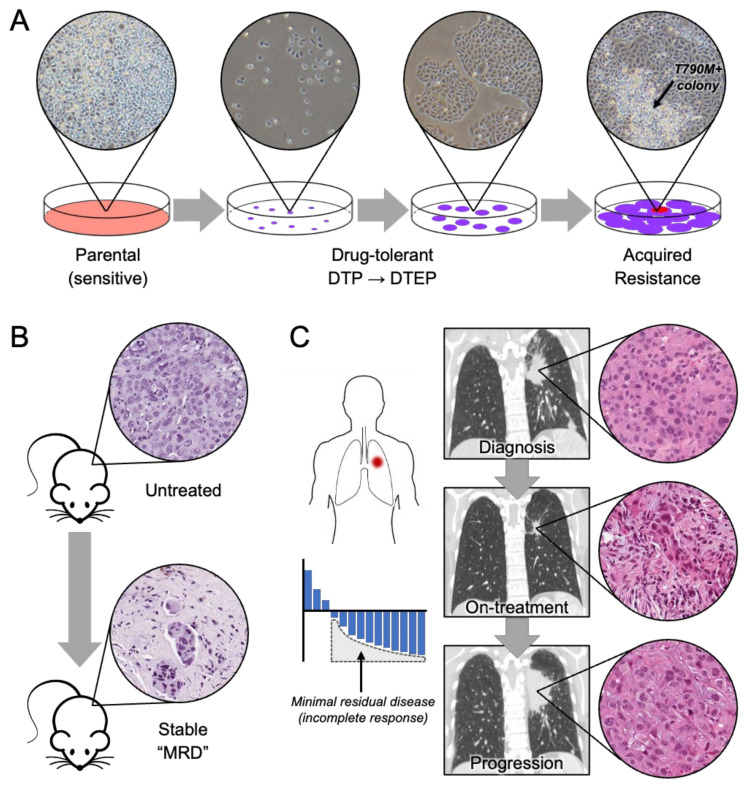
“Over time, a fraction of DTPs reinitiated proliferation in the presence of erlotinib, giving rise to a second population of cells labeled drug-tolerant expanded persisters (DTEPs).”
§ Emerging Insights into Targeted Therapy-Tolerant Persister Cells in Cancer > 2. Origins and Characteristics of Persisters > 2.2. Persisters in Cancer
What the sources say
- Supportedcites [23] Sharma S.V. Lee D.Y. Li B. Quinlan M.P. Takahashi F. Maheswaran S. McDermott U. Azizian N. Zou L. Fischbach M.A. A chromatin-mediated reversible drug-tolerant state in cancer cell subpopulations Cell 2010 141 69 80 10.1016/j.cell.2010.02.027 20371346 PMC2851638 source
The Results section 'Detection of a drug-tolerant cancer cell subpopulation' (p. 1 of our copy) states that although DTPs are largely quiescent, approximately 20% eventually resume normal proliferation in the presence of drug, yielding colonies termed 'drug-tolerant expanded persisters' (DTEPs), which can be propagated indefinitely in drug. The 'Generation of DTEPs' procedures (Experimental Procedures) corroborate that clones of drug-resistant cells appear after ~30 days of continued erlotinib/gefitinib selection. Both the fraction ('a fraction') and the continued-drug condition in the citing sentence match the source. (LLM, conf=0.93)
plainstates a cause- Asserted: passes — The authors put it forward as true.
- Checkable: passes — It can be checked against evidence.
- Load-bearing: unclear — It is unclear whether the paper’s conclusions depend on it.
- Based: passes — The paper gives a reason why it holds.
- Supported
Every source the paper cites for this claim was checked and supports it.
In the paper
“Some studies indicate that drug-tolerant persister populations or cancer cells that are primed to persist exist even prior to treatment [40,43,60,61].”
§ Emerging Insights into Targeted Therapy-Tolerant Persister Cells in Cancer > 2. Origins and Characteristics of Persisters > 2.3. Origin of Drug-Tolerant Persister Cells
What the sources say
- Supportedcites [40] Hangauer M.J. Viswanathan V.S. Ryan M.J. Bole D. Eaton J.K. Matov A. Galeas J. Dhruv H.D. Berens M.E. Schreiber S.L. Drug-tolerant persister cancer cells are vulnerable to GPX4 inhibition Nature 2017 551 247 250 10.1038/nature24297 29088702 PMC5933935 source
The passage on RSL3 pretreatment (labeled Abstract in our copy; page not provided) says that reducing the later persister-cell pool is consistent with reports that persister cells may preexist drug treatment. This supports the citing sentence’s qualified claim that some studies indicate pretreatment existence. (LLM, conf=0.93)
- Supportedcites [43] Raha D. Wilson T.R. Peng J. Peterson D. Yue P. Evangelista M. Wilson C. Merchant M. Settleman J. The cancer stem cell marker aldehyde dehydrogenase is required to maintain a drug-tolerant tumor cell subpopulation Cancer Res. 2014 74 3579 3590 10.1158/0008-5472.CAN-13-3456 24812274 source
In “Drug-tolerant cancer cells express the CSC marker ALDH1A1,” the paper identifies ALDH-high cells before treatment and reports that they showed greater crizotinib tolerance than ALDH-low cells. The Discussion explicitly describes a preexisting subpopulation with characteristics of drug-tolerant cells. This supports the citing sentence’s qualified claim that some cancer cells are primed to persist before treatment. (LLM, conf=0.93)
- Supportedcites [60] Roesch A. Vultur A. Bogeski I. Wang H. Zimmermann K.M. Speicher D. Korbel C. Laschke M.W. Gimotty P.A. Philipp S.E. Overcoming intrinsic multidrug resistance in melanoma by blocking the mitochondrial respiratory chain of slow-cycling JARID1B(high) cells Cancer Cell 2013 23 811 825 10.1016/j.ccr.2013.05.003 23764003 PMC3810180 source
In Results (“Dynamics of the therapy-resistant JARID1Bhigh phenotype”; page unavailable), the authors conclude that treatment mainly selects pre-existing slow-cycling JARID1Bhigh melanoma cells. This supports the claim that cells primed to survive treatment can exist beforehand, while the paper also allows that some cells may acquire the phenotype. (LLM, conf=0.93)
- Supportedcites [61] Shaffer S.M. Dunagin M.C. Torborg S.R. Torre E.A. Emert B. Krepler C. Beqiri M. Sproesser K. Brafford P.A. Xiao M. Rare cell variability and drug-induced reprogramming as a mode of cancer drug resistance Nature 2017 546 431 435 10.1038/nature22794 28607484 PMC5542814 source
The Abstract says that transcriptional variability in melanoma cells before treatment predicts which cells will resist the drug. It describes rare cells in a transient pre-resistant state that become stably resistant after drug-induced reprogramming, supporting the claim's 'primed to persist' alternative. (LLM, conf=0.92)
hedged- Asserted: passes — The authors put it forward as true.
- Checkable: passes — It can be checked against evidence.
- Load-bearing: passes — The paper’s conclusions depend on it.
- Based: passes — The paper gives a reason why it holds.
- Supported
89 more claims · 13 with their cited sources checked
Create a free account to see all 139 claims and to verify the 73 references still open.
- It may state two separate claims as one. 38
- Probably not a substantial claim. 8
Claims other papers make about this one
Each is checked against this paper’s own text: does it say what the citing paper says it does?
The cited source says what the claim attributes to it.
In the citing paper
“in BRAF-mutated CRC, the response to single-agent BRAF inhibition is limited by EGFR-mediated adaptive feedback reactivation of MAPK signaling [237].”
From Mechanisms and Strategies to Overcome Drug Resistance in Colorectal Cancer (2025) · cites this paper as [237]
In the citing paper
“Biologically, the closest analogy to clinical residual disease is the drug-tolerant (or “persister”) state (9).”
From Synthetic Lethal Interaction with BCL-XL Blockade Deepens Response to Cetuximab in Patient-Derived Models of Metastatic Colorectal Cancer (2023) · cites this paper as [9]
Self-check
Percentages, sums and reported differences re-computed from the paper’s own numbers.
Each contradiction between two passages listed here was confirmed by an independent check.
Rated minor: it would not touch a result — a value no result rests on, a p-value that stays on the same side of the significance level, or a conflict that is clerical, resolved elsewhere in the paper, or outside its own findings.
In the paper
§ Emerging Insights into Targeted Therapy-Tolerant Persister Cells in Cancer > 3. Drug-Tolerant Persister Cells: Mechanisms of Drug Tolerance and Therapeutic Vulnerabilities > 3.1. Epigenetic Reprogramming/Plasticity
“| Melanoma | BRAF | Vemurafenib | SK-MEL-5, SK-MEL-28, G-361 | Stromal cell secretion of HGF | MAPK (PD184352), PI3K–AKT (crizotinib, MK-2206) | [99] |”
§ Emerging Insights into Targeted Therapy-Tolerant Persister Cells in Cancer > 3. Drug-Tolerant Persister Cells: Mechanisms of Drug Tolerance and Therapeutic Vulnerabilities > 3.5. Interactions with the Tumor Microenvironment
“Using either an HGF-blocking antibody or the MET small molecule inhibitor crizotinib to target the HGF–MET axis suppressed fibroblast-mediated resistance.”
Citations
Cites
Lynch, T. J., Bell, D. W., Sordella, R., Gurubhagavatula, S., Okimoto, R. A., Brannigan, B. W., Harris, P. L., Haserlat, S. M., Supko, J. G., Haluska, F. G., et al. (2004) · New England Journal of Medicine · doi:10.1056/nejmoa040938 · Cited by 11,486
EGFR Mutations in Lung Cancer: Correlation with Clinical Response to Gefitinib Therapy
Paez, J. G., Jänne, P. A., Lee, J. C., Tracy, S., Greulich, H., Gabriel, S., Herman, P., Kaye, F. J., Lindeman, N., Boggon, T. J., et al. (2004) · Science · doi:10.1126/science.1099314 · Cited by 9,368
Microenvironmental regulation of tumor progression and metastasis
Quail, D. F., & Joyce, J. A. (2013) · Nature Medicine · doi:10.1038/nm.3394 · Cited by 7,994
Primary, Adaptive, and Acquired Resistance to Cancer Immunotherapy
Sharma, P., Hu-Lieskovan, S., Wargo, J. A., & Ribas, A. (2017) · Cell · doi:10.1016/j.cell.2017.01.017 · Cited by 5,588
Identification of the transforming EML4–ALK fusion gene in non-small-cell lung cancer
Soda, M., Choi, Y. L., Enomoto, M., Takada, S., Yamashita, Y., Ishikawa, S., Fujiwara, S.-I., Watanabe, H., Kurashina, K., Hatanaka, H., et al. (2007) · Nature · doi:10.1038/nature05945 · Cited by 5,439
Cancer drug resistance: an evolving paradigm
Holohan, C., Van Schaeybroeck, S., Longley, D. B., & Johnston, P. G. (2013) · Nature Reviews Cancer · doi:10.1038/nrc3599 · Cited by 4,681 · cited 2×
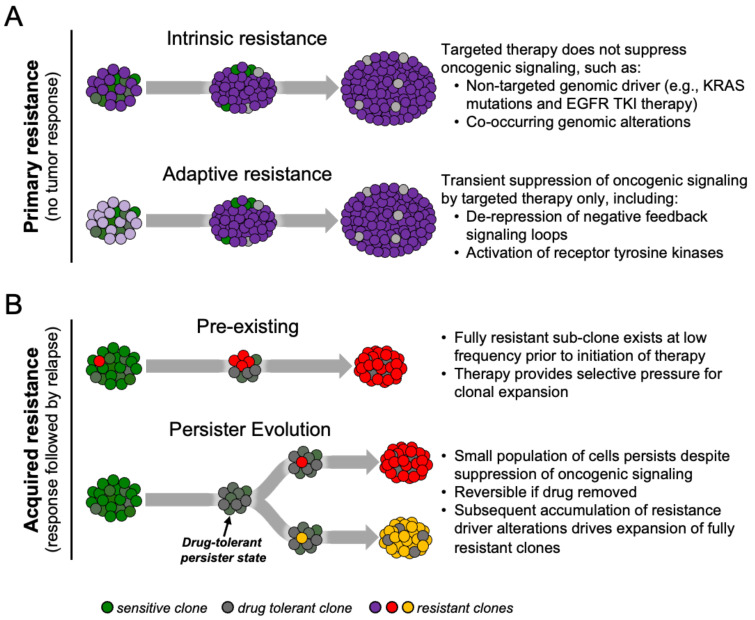
“Drug resistance to targeted therapies in cancer can be classified as primary or acquired (Figure 1A) [8,9].”
BackgroundMET Amplification Leads to Gefitinib Resistance in Lung Cancer by Activating ERBB3 Signaling
Engelman, J. A., Zejnullahu, K., Mitsudomi, T., Song, Y., Hyland, C., Park, J. O., Lindeman, N., Gale, C.-M., Zhao, X., Christensen, J., et al. (2007) · Science · doi:10.1126/science.1141478 · Cited by 4,496 · cited 4×
“For example, the discovery of MET amplification in a subset of resistant EGFR-mutant lung cancers [14] has now led to promising activity of combination EGFR and MET TKIs [103] in EGFR-mutant lung cancer patients with acquired resistance due to MET amplification.”
BackgroundInfluentialEGFR Mutation and Resistance of Non–Small-Cell Lung Cancer to Gefitinib
Kobayashi, S., Boggon, T. J., Dayaram, T., Jänne, P. A., Kocher, O., Meyerson, M., Johnson, B. E., Eck, M. J., Tenen, D. G., & Halmos, B. (2005) · New England Journal of Medicine · doi:10.1056/nejmoa044238 · Cited by 3,964 · cited 1×
“For example, in EGFR-mutant lung cancers, the point mutation leading to a substitution of methionine for threonine at amino acid position 790 in exon 20 of EGFR, known as the EGFR T790M gatekeeper mutation, is a leading cause of resistance to first- and second-generation EGFR inhibitors [11,12].”
BackgroundGenotypic and Histological Evolution of Lung Cancers Acquiring Resistance to EGFR Inhibitors
Sequist, L. V., Waltman, B. A., Dias-Santagata, D., Digumarthy, S., Turke, A. B., Fidias, P., Bergethon, K., Shaw, A. T., Gettinger, S., Cosper, A. K., et al. (2011) · Science Translational Medicine · doi:10.1126/scitranslmed.3002003 · Cited by 3,499
Bacterial Persistence as a Phenotypic Switch
Balaban, N. Q., Merrin, J., Chait, R., Kowalik, L., & Leibler, S. (2004) · Science · doi:10.1126/science.1099390 · Cited by 2,952 · cited 1×
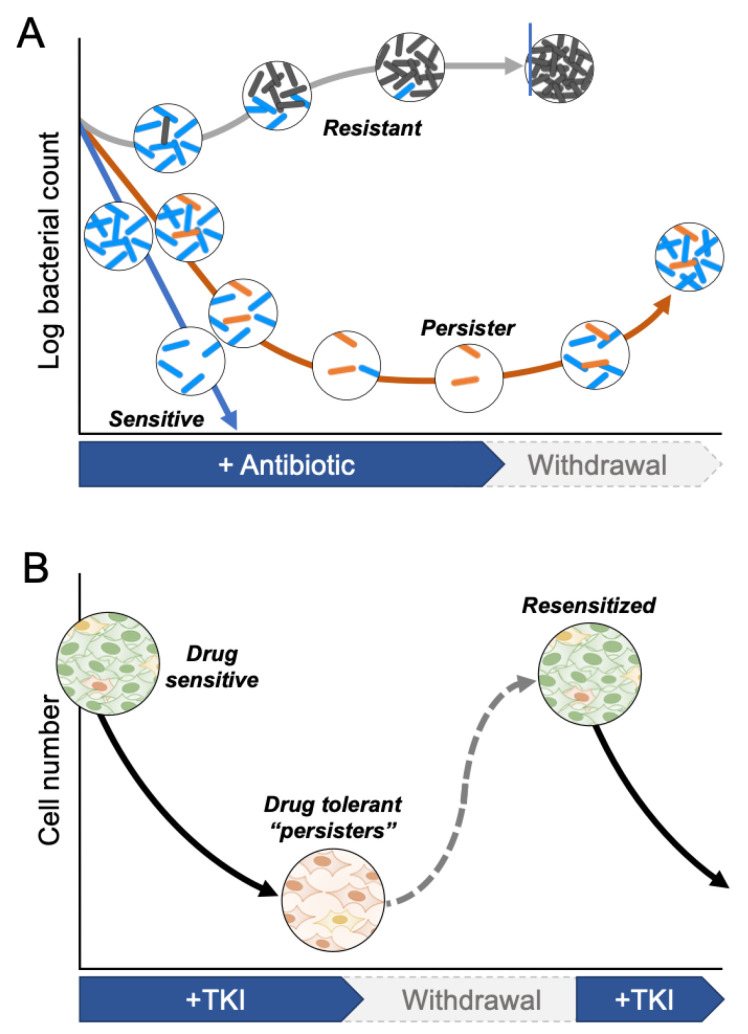
“More recently, live imaging experiments have confirmed that these bacterial cells that survived antibiotic treatment were indeed not proliferating before the addition of antibiotics [30].”
Background
Cited by
Items 101–196 of 196
Li, M., Wang, X., He, W., & Zhou, H. (2025) · Frontiers in Medicine · doi:10.3389/fmed.2025.1586552 · Cited by 10
“These cells can enter a dormant state under drug pressure, evading drug-induced cell death, and can resume proliferation once the drug is removed (20, 22, 23).”
Dawalibi, A., Bakir, M. A., & Mohammad, K. S. (2025) · Cancer Drug Resistance · doi:10.20517/cdr.2025.28 · Cited by 12
Haratake, N., Takamori, S., Isozaki, H., Shigeta, K., Kikutake, C., Ozawa, H., Bhattacharya, A., Nakashoji, A., Suyama, M., Takenaka, T., et al. (2025) · Cell Death Discovery · doi:10.1038/s41420-025-02673-9 · Cited by 7
“H1975/EGFR(L858R/T790M) (ATCC) and PC9/EGFR(19del) cells (Millipore Sigma, Burlington, MA, USA) were cultured in RPMI1640 medium (Thermo Fisher Scienti fi c, Waltham, MA, USA) supplemented with 10% fetal bovine serum (FBS; GEMINI Bio-Products, West Sacramento, CA, USA).”
Self-citationLalla, M., Ratnani, A., Yang, J., Wang, M., & Cheng, H. (2026) · Cancers · doi:10.3390/cancers18050779 · Cited by 10
“Subsequent work in lung cancer and other tumors linked early persistence to later acquisition of stable resistance and to clinically relevant minimal residual disease (MRD) [3–6].”
Saini, H., Dave, R., Chatterjee, S., Mandloi, A., Sharma, H., Daiya, A., Mukherjee, S., Chowdhury, R., & Chowdhury, S. (2023) · Gene · doi:10.1016/j.gene.2023.147304 · Cited by 7
Milne, A., Marusyk, A., Maini, P. K., Anderson, A. R. A., & Picco, N. (2025) · Communications Biology · doi:10.1038/s42003-025-08585-9 · Cited by 9
“Ourin-silicoresultsshowthatremovalofparacrinesignallingfromtheactivated stromaduringtheholidayperiodcanbeusedtomodulatetumourgrowth, reminiscent of adaptive therapy strategies that exploit intracellular competition to delay the onset of disease progression 41,55,58,59 .”
Yamazoe, M., Ozasa, H., Tsuji, T., Funazo, T. Y., Yoshida, H., Hashimoto, K., Hosoya, K., Ogimoto, T., Ajimizu, H., Yoshida, H., et al. (2022) · Cancer Science · doi:10.1111/cas.15622 · Cited by 8
Oren, Y. (2022) · Molecular Systems Biology · doi:10.15252/msb.202211168 · Cited by 7
“Studies that searched for a magic bullet that could eliminate persister cells were largely based on the hope that persister cells would be less heterogenous than the drug-na € ıve cell population they were derived from (Cabanos & Hata, 2021; Hangauer et al , 2017).”
Lynch, S. M., Heeran, A. B., Burke, C., Lynam‐Lennon, N., Eustace, A. J., Dean, K. A., Robson, T., Rahman, A., & Marcone, S. (2024) · Cancers · doi:10.3390/cancers16111989 · Cited by 7
“These cells pose a significant challenge because they can re-enter the cell cycle and drive tumour recurrence once treatment ceases [27].”
BackgroundTargeting PRMT1 Reduces Cancer Persistence and Tumor Relapse in EGFR - and KRAS -Mutant Lung Cancer
Sun, X., Kumbier, K., Gayathri, S., Steri, V., Wu, L. F., & Altschuler, S. J. (2025) · Cancer Research Communications · doi:10.1158/2767-9764.crc-24-0389 · Cited by 7
Celeste, F., & Powers, S. (2024) · Cancers · doi:10.3390/cancers16051001 · Cited by 8
“Many other studies of the epigenetic changes in the development of drug-tolerant cells have been recently reviewed [7].”
BackgroundRational design of a new short anticancer peptide with good potential for cancer treatment
Wu, X., Tian, Y., Ran, K., Yao, J., Wang, Y., Ouyang, X., Mao, W., Zhang, J., Li, B., Yang, P., et al. (2024) · European Journal of Medicinal Chemistry · doi:10.1016/j.ejmech.2024.116519 · Cited by 6
Horwitz, E. P., Dubash, T. D., Szabolcs, A., Wittner, B. S., Kreuzer, J., Morris, R. T., Bardia, A., Chirn, B., Wiley, D. F., Che, D., et al. (2025) · Proceedings of the National Academy of Sciences · doi:10.1073/pnas.2507203122 · Cited by 5
“In some CTC cultures, treatment with a single dose of DTX results in complete cell killing, associated with accumulation of nonviable polyploid (≥8 N) cells arising from endomitosis.”
Ghoderao, P., Kwiatkowska-Borowczyk, E. P., Sahare, S. H., & Dams‐Kozlowska, H. (2025) · Pharmaceutics · doi:10.3390/pharmaceutics17111428 · Cited by 5
“After various treatments, a small subset of cancer cells, known as minimal residual disease, may persist at the primary site, in the bloodstream, or at metastatic sites [1–3].”
Porcelli, G., D’Accardo, C., Angeloro, F., Cucchiara, M., Bianca, P., Pantina, V. D., Roozafzay, N., Modica, C., Gaggianesi, M., Bella, S. D., et al. (2025) · Molecular Cancer · doi:10.1186/s12943-025-02499-0 · Cited by 7
张德楠, Su, Y., Wang, Y., Qu, Z., Liu, J., Ren, X., & Chen, X. (2023) · Frontiers in Pharmacology · doi:10.3389/fphar.2023.1280099 · Cited by 5
Tian, Y., Bhattacharya, R., Yoo, S., Jiang, F., Park, E. Y. H., Granados, G. L., Shen, Y., Park, K., Kanıskan, H. Ü., Jin, J. J., et al. (2025) · iScience · doi:10.1016/j.isci.2025.112387 · Cited by 5
“34 In an EGFR inhibition study, it was reported that drug pre-treated persisters have higher frequency of per-sisters than drug naive cells, which is pre-determined by IRS1 phosphorylation level.”
Unlocking the enigma of phenotypic drug tolerance: Mechanisms and emerging therapeutic strategies
Mishra, A. K., Thakare, R., Santani, B. G., Yabaji, S. M., Dixit, S. K., & Srivastava, K. K. (2023) · Biochimie · doi:10.1016/j.biochi.2023.12.009 · Cited by 5
Watanabe, H., Nakagomi, H., Hirotsu, Y., Amemiya, K., Mochizuki, H., Inoue, M., Kimura, A., & Omata, M. (2022) · Breast Cancer Research and Treatment · doi:10.1007/s10549-022-06731-z · Cited by 5
Piteša, N., Kurtović, M., Bartoniček, N., Gkotsi, D. S., Čonkaš, J., Petrić, T., Musani, V., Ozretić, P., Galdo, N. A. R., & Sabol, M. (2023) · Biomedicines · doi:10.3390/biomedicines11051353 · Cited by 5
“These cells do not harbor classic drug resistance driver alterations and their partial resistance phenotype is transient and reversible upon removal of the drug [50].”
BackgroundCurrent opportunities and challenges in ALK-positive lung cancer
Lin, J. J., & Gainor, J. F. (2024) · Translational Lung Cancer Research · doi:10.21037/tlcr-2023-4 · Cited by 5
Triplet versus doublet therapy in patients with metastatic hormone-sensitive prostate cancer
Hayakawa, K., Ueda, T., Iehara, M., Gabata, Y., Murashita, J., Takahashi, H., Saito, Y., Miyashita, M., Yamada, Y., Shiraishi, T., et al. (2026) · Scientific Reports · doi:10.1038/s41598-026-44627-w · Cited by 4
“Untreated prostate cancer contains a mix of androgen receptor (AR)-dependent and AR-independent cells 20,21 , which forms the rationale for triplet therapy using drugs with different mechanisms of action.”
Waseem, S., Zhan, J., Xiao, X., & Bai, P. (2026) · Frontiers in Oncology · doi:10.3389/fonc.2026.1785469 · Cited by 6
Zeng, B., Gan, K., Yu, Y., Hu, J., Deng, Q., Yin, C., & Gao, X. (2024) · Frontiers in Oncology · doi:10.3389/fonc.2024.1442237 · Cited by 5
“Therefore, eradicating persister cells is imperative to enhance the response to antitumor therapy (69).”
BackgroundUehara, R., Obinata, D., Hashimoto, S., Nakahara, K., Uchida, H., Yoshizawa, T., Mochida, J., Yamaguchi, K., Sakaguchi, M., Ozawa, Y., et al. (2024) · Medicine · doi:10.1097/md.0000000000037371 · Cited by 5
“[3] Primary resistance refers to the inherent resistance present at the onset of treatment.”
BackgroundShen, Y., Guan, X., Li, S., Hou, X., Yu, J., Yin, H., Shan, X., Han, X., Wang, L., Zhou, B., et al. (2024) · Chemical Engineering Journal · doi:10.1016/j.cej.2024.155217 · Cited by 4
Corigliano, M., Bernardo, A. D., Lagomarsino, M. C., & Pompei, S. (2025) · PRX Life · doi:10.1103/mh5v-lcyw · Cited by 5
Advancement of regulating cellular signaling pathways in NSCLC target therapy via nanodrug
Li, W., Li, M., Huang, Q., He, X., Shen, C., Hou, X., Xue, F., Deng, Z., & Luo, Y. (2023) · Frontiers in Chemistry · doi:10.3389/fchem.2023.1251986 · Cited by 4
“Targeted drugs can reduce resistance to chemotherapy drugs, but are prone to cause new genetic mutations during treatment, leading to resistance to targeted drugs (Cabanos and Hata, 2021).”
BackgroundStulpinas, A., Tenkutytė, M., Imbrasaitė, A., & Kalvelytė, A. V. (2024) · ACS Omega · doi:10.1021/acsomega.4c01950 · Cited by 5
Membrane-active peptides escape drug-resistance in cancerPreprint
Benfield, A. H., Vernen, F., Young, R. S. E., Nadal‐Bufí, F., Hammerlindl, H., Craik, D. J., Schaider, H., Lawrence, N., Blanksby, S. J., & Henriques, S. T. (2022) · bioRxiv (Cold Spring Harbor Laboratory) · doi:10.1101/2022.10.27.513961 · Cited by 4
Steinbauer, S., Cowles, J., Sabbaghi, M., Poppelaars, M., Hussain, A., Wagesreither, M., Laimer-Gruber, D., Tóvári, J., Szakács, G., & Csiszar, A. (2025) · npj Breast Cancer · doi:10.1038/s41523-025-00795-y · Cited by 4
“Thissmallreservoirofcancercells — whether remaining at the primary tumor site, circulating in the bloodstream, or disseminated to distant organs — poses a signi fi cant challenge to achieving complete remission 44 – 46 , and is strongly associated with unfavorable clinical outcomes 47 .”
Zhou, C. Q., Li, A., Ri, K., Sultan, A. S., & Ren, H. (2024) · Cancer Research Communications · doi:10.1158/2767-9764.crc-24-0020 · Cited by 3
Targeted Drug Nanodelivery and Immunotherapy for Combating Tumor Resistance
Liu, Y., Sun, X., Wei, C., Guo, S., Song, C., Zhang, J., & Bai, J. (2024) · Combinatorial Chemistry & High Throughput Screening · doi:10.2174/0113862073296206240416060154 · Cited by 5
Zhang, H., Xu, X., Cao, Y., Chen, Z., Liu, W., Lu, X., & Li, C. (2025) · Angewandte Chemie · doi:10.1002/ange.202424830 · Cited by 9
Xu, R., Wang, D., Ma, G., Yuan, X., Chu, Q., Fan, S., Zhang, R., Du, Jia, S., Leal, T. A. B., et al. (2026) · Journal of Clinical Investigation · doi:10.1172/jci197192 · Cited by 2
“…NSCLC expressing low levels of Topo II α had significantly longer mPFS (6.9 vs. 3.0 months, P < 0.001; Figure 10C) and higher ORR (78.6% [11/14] vs. 25.0% [2/8], P = 0.026; Figure 10D) in comparison with G12C inhibitors and the enhanced therapeutic efficacy when combining a KRAS G12…”
InfluentialResistance mechanisms in anaplastic lymphoma kinase-positive lung cancer
Behinaein, P., Gadgeel, S. M., Rattan, R., MacKeigan, J. P., Pilling, A. B., Rous, F. A., Martin, K. R., & Okereke, I. C. (2025) · Critical Reviews in Oncology/Hematology · doi:10.1016/j.critrevonc.2025.104821 · Cited by 4
Time for a New Paradigm in Oncology? Viewpoint of the Radiobiologist
Shoutko, A. N. (2024) · Open Journal of Biophysics · doi:10.4236/ojbiphy.2024.141002 · Cited by 2
Genomic hallmarks of cellular dormancy in cancer and therapeutic implicationsPreprint
Secrier, M., Wiecek, A. J., Cutty, S. J., Kornai, D., Parreno-Centeno, M., Gourmet, L. E., Tagliazucchi, G. M., Jacobson, D. H., Zhang, P., Xiong, L., et al. (2021) · Research Square · doi:10.21203/rs.3.rs-1104031/v1 · Cited by 3
Martins, F., Machado, A. L., Ribeiro, A., Oliveira, S. M., Carvalho, J., Matthiesen, R., Backman, V., & Velho, S. (2024) · Research Square · doi:10.21203/rs.3.rs-3752760/v2 · Cited by 2
Generating Anticancer Peptides Sequences Using Seq2Seq Modeling and Machine Learning Methods
Ibrahim, M. S., Bello, S. A., Kwak, Y., Kim, M., & Khan, S. (2025) · IEEE Access · doi:10.1109/access.2025.3569255 · Cited by 1
“Additionally, the development of drug resistance during chemotherapy limits the effectiveness of existing antineoplastic agents [4].”
Du, R., Hu, D., Sun, H., Zhao, M., & Liu, M. (2025) · International Journal of Bifurcation and Chaos · doi:10.1142/s0218127425501172 · Cited by 1
The Evolution of Cancer Immunotherapy: A Journey from Concept to Clinical Reality
Mishra, A. K., & Malonia, S. K. (2025) · Springer eBooks · doi:10.1007/978-3-031-88695-9_2 · Cited by 2
Liu, X., Lu, Y., Chen, Q., Yang, M., Li, S., Sun, H., Liu, X., Yan, J., Liangning, L., Xiang, N., et al. (2025) · Acta Pharmaceutica Sinica B · doi:10.1016/j.apsb.2025.10.005 · Cited by 1
“…, phenotypic screening approach remains a crucial strategy for identifying, validating, and developing new anticancer drugs with optimal molecular action mechanisms 23 , especially for chemo-refractory and drug-resistant tumors 24,25 where improved therapeutic options are urgently needed 26,27 .”
Pramanik, P., Das, T., Pal, U., & Rehman, I. (2025) · The Nucleus · doi:10.1007/s13237-025-00629-z · Cited by 1
Progress in perioperative immunotherapy for lung cancer and analysis of therapy (Review)
Ma, X., Li, G., Li, H., Li, L., Zhao, H., & Liu, Z. (2026) · Oncology Letters · doi:10.3892/ol.2026.15453 · Cited by 1
Cellular plasticity as a dynamic regulator of death sensitivity and drug resistance in cancer
Malode, S., Desai, S. A., Mhatre, D., Patel, V. P., Chhajed, F., & Surade, S. (2026) · Cell Death · doi:10.1016/j.celld.2026.100016 · Cited by 2
Sun, X., Gayathri, S., Kumbier, K., Hammerlindl, H., Ahern, E., Wu, L. F., & Altschuler, S. J. (2026) · Science Advances · doi:10.1126/sciadv.aed7476 · Cited by 1
Therapy-induced immunoediting and the evolution of cancer immune escape
Meng, S., & Wang, Z. (2026) · Frontiers in Immunology · doi:10.3389/fimmu.2026.1936590 · Cited by 1
“…preferentially removes sensitive and immune-visible cells, thereby enriching surviving populations with reduced antigen expression, impaired interferon responsiveness, altered apoptotic sensitivity, reversible persister-like states or dependence on protective stromal and myeloid niches (73).”
Traditional Chinese medicine mediated tumor suppression via regulating psychological factors
Shi, Y., Gu, L., Zhang, X., & Chen, M. (2022) · Medicine in Novel Technology and Devices · doi:10.1016/j.medntd.2022.100162 · Cited by 1
Chaudhary, N., Choudhary, B. S., Patra, S., Malvankar, S., Shivashankar, A., Jog, E., Kailje, V. V., Khanna, S., Manna, S., Sahoo, S., et al. (2023) · bioRxiv (Cold Spring Harbor Laboratory) · doi:10.1101/2023.05.18.541287 · Cited by 3
“mechanisms or alteration in cellular metabolism (16, 17).”
BackgroundGanapathi, S. S., Wrenn, E. D., Garcia, N. M., Katiyar, N., Walter, S. I., Miyaki, A., Valenti, J. R., Kang, Y., Chan, M., Gujral, T. S., et al. (2025) · SSRN Electronic Journal · doi:10.1101/2025.09.02.673849 · Cited by 1
Leto, S. M., Ferri, M., Sassi, F. P., Zanella, E. R., Cottino, F., Vurchio, V., Catalano, I., Ferrero, A., Zingaretti, C. C., Marchiò, C., et al. (2023) · doi:10.1158/1078-0432.c.6533128.v1
Martins, F., Machado, A. L., Ribeiro, A., Oliveira, S. M., Carvalho, J., Matthiesen, R., & Velho, S. (2023) · Research Square · doi:10.21203/rs.3.rs-3752760/v1
Martins, F., Machado, A. L., Ribeiro, A., Oliveira, S. M., Carvalho, J., Matthiesen, R., Backman, V., & Velho, S. (2024) · Research Square · doi:10.21203/rs.3.rs-3752760/v3
Chemical Biology Editor's Pick 2024
(2024) · Frontiers research topics · doi:10.3389/978-2-8325-5763-1
Time Series Analysis in Functional Genomics
Mahajan, Y., Singh, I., Sharma, M., & Sharma, S. (2025) · Wiley eBooks · doi:10.1002/9781394269969.ch9
Hirsi, M., Lahrach, Y., Abdirahman, A. M., Nazir, A., Barre, M. E., Dinle, Y. Y. H., Alkhatib, A. W., & Nagendrappa, B. R. (2025) · International Journal of Clinical Medicine · doi:10.4236/ijcm.2025.162009
Advances in Cancer Vaccines: From Traditional Platforms to Nanotechnology Innovations
Thorat, N. D. (2025) · Springer eBooks · doi:10.1007/978-3-031-86185-7_1
Zhang, F., Hao, Y., Yang, N., Liu, M., Luo, Y., Zhang, Y., Zhou, J., Liu, H., & Li, J. (2024) · Figshare · doi:10.6084/m9.figshare.26680124
Song, Y., Deng, Z. C., Sun, H., Zhao, Y., Zhao, R., Cheng, J., & Huang, Q. (2024) · Figshare · doi:10.6084/m9.figshare.26597633
Song, Y., Deng, Z. C., Sun, H., Zhao, Y., Zhao, R., Cheng, J., & Huang, Q. (2024) · Figshare · doi:10.6084/m9.figshare.26597618
Song, Y., Deng, Z. C., Sun, H., Zhao, Y., Zhao, R., Cheng, J., & Huang, Q. (2024) · Figshare · doi:10.6084/m9.figshare.26597615
Song, Y., Deng, Z. C., Sun, H., Zhao, Y., Zhao, R., Cheng, J., & Huang, Q. (2024) · Figshare · doi:10.6084/m9.figshare.26597612
Song, Y., Deng, Z. C., Sun, H., Zhao, Y., Zhao, R., Cheng, J., & Huang, Q. (2024) · Figshare · doi:10.6084/m9.figshare.26597642
Song, Y., Deng, Z. C., Sun, H., Zhao, Y., Zhao, R., Cheng, J., & Huang, Q. (2024) · Figshare · doi:10.6084/m9.figshare.26597624
Song, Y., Deng, Z. C., Sun, H., Zhao, Y., Zhao, R., Cheng, J., & Huang, Q. (2024) · Figshare · doi:10.6084/m9.figshare.26597627
Song, Y., Deng, Z. C., Sun, H., Zhao, Y., Zhao, R., Cheng, J., & Huang, Q. (2024) · Figshare · doi:10.6084/m9.figshare.26597639
Zhang, F., Hao, Y., Yang, N., Liu, M., Luo, Y., Zhang, Y., Zhou, J., Liu, H., & Li, J. (2024) · Figshare · doi:10.6084/m9.figshare.26680127
Song, Y., Deng, Z. C., Sun, H., Zhao, Y., Zhao, R., Cheng, J., & Huang, Q. (2024) · Figshare · doi:10.6084/m9.figshare.26597621
Song, Y., Deng, Z. C., Sun, H., Zhao, Y., Zhao, R., Jin, C., & Huang, Q. (2024) · Figshare · doi:10.6084/m9.figshare.26597630
Song, Y., Deng, Z. C., Sun, H., Zhao, Y., Zhao, R., Cheng, J., & Huang, Q. (2024) · Figshare · doi:10.6084/m9.figshare.26597636
NRG1/ERBB Axis in Drug Tolerance to Targeted Cancer Therapies
Peltola, S. (2024) · UTUPub (University of Turku)
Sakai, T., Piotrowska, Z., Wang, C. I., Yeap, B. Y., Sabbagh, M. F., Heist, R. S., Lin, J. J., Highfield, L., Peterson, J. L., Banwait, M. K., et al. (2026) · Clinical Cancer Research · doi:10.64898/2026.01.21.700721
Self-citationParang, B., Yoffe, L., Khan, R., Li, Z., Nagiec, M. J., Gardner, E. E., Shieh, Y., Heise, R. S., Saxena, A., Altorki, N., et al. (2026) · Scientific Reports · doi:10.1038/s41598-026-44451-2 · Cited by 1
Chen, A., Xie, D.-J., Jhu, Y., Lin, Y.-J., Wu, D.-Y., Yan, S.-L., Chou, Y., & Ko, J. (2026) · Biomedicine & Pharmacotherapy · doi:10.1016/j.biopha.2026.119281
Targeting mitochondrial and redox metabolism to prevent relapse in pancreatic cancer
Hadi, N. A. (2022) · theses.fr (ABES) · doi:10.70675/de0db041z7be5z4ee3z8a2cz7ca2e21ede31
Etude des résistances aux inhibiteurs d’ALK dans les LAGC ALK+
Vasseur, D. (2023) · theses.fr (ABES) · doi:10.70675/f61106c4z7744z4662z8df7z4c6f885a65cf
Non-genetic regulation of chemopersistence in Triple Negative Breast Cancers
Baudre, L. (2024) · theses.fr (ABES) · doi:10.70675/6422f0bbza832z4dcfza920zaa55605f8a31
Regulation of colorectal cancer stem cell apoptosis and self-renewal by dependence receptors
Brisset, M. (2024) · theses.fr (ABES) · doi:10.70675/69ff325bz921az4e25zaceczf43a4ba7f5dd
Computational Approaches to Cancer Cell Dormancy: From Detection to Dynamic Modelling
Spink, L. G. N., Shi, P., Kim, M., Yener, B., Banfalvi, B., & Secrier, M. (2026) · Biomolecules · doi:10.3390/biom16050633
Gurzu, I. L., Handra, C. M., Mandanach, C., Ionovici, N., & Gurzu, B. (2026) · Cancers · doi:10.3390/cancers18091364
Davis, W. J. H., Thompson, M., Farry, S. M., McKinney, C., Gimenez, G., Hatley, M. E., Kumar, R., Rodger, E. J., Chatterjee, A., Diermeier, S. D., et al. (2026) · bioRxiv (Cold Spring Harbor Laboratory) · doi:10.64898/2026.05.07.723110
Immunogenic Cell Death: Unlocking New Frontiers in Cancer Immunotherapy
Yaacoub, K. (2026) · Cancer Innovation · doi:10.1002/cai2.70069
“Resistant cells act as a “pool” from which tumors will re‐emerge [65].”
Chen, L., Zhang, H., Wang, Y., Feng, X., Hou, Y., & Su, Q. (2026) · Frontiers in Immunology · doi:10.3389/fimmu.2026.1890839 · Cited by 1
“(246).”
Early EGFR Inhibition Triggers Actionable Tumor and Microenvironmental Remodeling in Lung Cancer
Tan, A. C., Yeo, J. C., Alvarez, J. J. S., Pang, M., Guo, Y. A., Hoo, R., Takano, A. M., Ong, B., Goh, D. L. M., Yeong, J. P.-S., et al. (2026) · Cancer Research Communications · doi:10.1158/2767-9764.crc-26-0073
Li, H., Wang, Z., Wang, J., & Yang, Y. (2026) · Journal of Chemical Information and Modeling · doi:10.1021/acs.jcim.6c00582
Integrating ex vivo platforms with AI to guide glioblastoma treatment
Bardhan, M., Paul, S., Pun, S., Aryal, M. R., Claudio, P. P., Binder, J., Barrile, R., & Krummel, D. P. (2026) · Journal of Neuro-Oncology · doi:10.1007/s11060-026-05708-y
“This figure was prepared using Biorender. com subpopulation enriched for stem-like properties that has been implicated in tumor recurrence and treatment resis - tance [20, 21 ].”
Aboagye, D., Sackitey, S., Bandoh, C. O., Buabeng, J. A., Dwomoh, N. K. A., Adam, Y., Oppong, J. F., Adanuty, D. E., Biniyam, P. D., Ohene‐Adu, V., et al. (2026) · In Silico Research in Biomedicine · doi:10.1016/j.insi.2026.100584
Chang, W., Yuan, J., Zhang, H., Yu, Y., Ma, Y., Li, M., Li, W., Yan, H., Sun, C., Zhang, P., et al. (2026) · Molecular Medicine Reports · doi:10.3892/mmr.2026.14017 · Cited by 1
Benfield, A. H., Young, R. S. E., Philippe, G. J.-B., Condon, N. D., Filho, N. B. P., Schaider, H., Blanksby, S. J., & Henriques, S. T. (2026) · Cancer Drug Resistance · doi:10.20517/cdr.2026.54
Shi, C., Jiang, R., & Yan, J. (2026) · Frontiers in Pharmacology · doi:10.3389/fphar.2026.1966584
“Additional reviews have addressed targeted-therapy-tolerant persisters, therapy-persistent residual disease, and persister plasticity (Cabanos and Hata, 2021; McDonald and Dedhar, 2024; Sun et al., 2024).”
Early-Phase Drug Development in Rare Cancers: A Decade of Progress and Future Directions
Myat, Y. M., Thein, K. Z., Mahmood, L., Ma, W. W., Eng, C., & Shanshal, M. (2026) · Cancers · doi:10.3390/cancers18203290
“Secondary resistance mutations can emerge under therapeutic pressure or through clonal evolution, further diminishing drug efficacy over time [134].”
Erasing the invisible: targeting persister cells to cure minimal residual disease
Wang, Y., Shi, Z., Xu, F., Zhu, Y., Liu, C., Wang, B., Ji, N., Wang, Z., Wang, S., Zhou, X., et al. (2026) · Holistic Integrative Oncology · doi:10.1007/s44178-026-00307-3
“However, the extent to which spatial architecture, stromal interactions, hypoxia, or metabolic gradients drive DTP persistence likely varies across solid tumor models and warrants careful validation rather than broad generalization [56].”
Mapping Tumor Recurrence and Metastasis With Pan‐Cancer Multi‐Omics
Meng, W., Li, R., Mu, X., Tang, X., Luo, Y., Lei, Y., Xian, J., Ji, G., Liu, Y., Huo, C., et al. (2026) · Med Research · doi:10.1002/mdr2.70098
Metadata
- Authors
- Cabanos, H. F., & Hata, A. N.
- Affiliations
- Harvard University (US)
- Corresponding author
- Hata, Aaron N.
- Venue
- Cancers
- Publisher
- MDPI AG
- Published
- 2021-05-28
- Volume
- 13
- Issue
- 11
- Pages
- 2666
- ISSN
- 2072-6694 (ISSN-L)
- PMC
- PMC8198243
- OpenAlex
- W3164747206
- Semantic Scholar
- 2c8bf4ee4ae8fc459542c3b2c653293e06b91077
- Cited by
- 189
- References
- 131
- Citations by year
- 2026: 24 · 2025: 37 · 2024: 58 · 2023: 43 · 2022: 25 · 2021: 2
- FWCI
- 4.03
- Type
- journal article
- Language
- en
- Open access
- gold
- doi.org
- Licence
- Locations
- Cancers (publishedVersion, cc-by)
- PubMed Central (publishedVersion, cc-by)
- PubMed (publishedVersion)
- DOAJ (DOAJ: Directory of Open Access Journals) (submittedVersion, cc-by-sa)
- Funders
- National Institutes of Health (K08 CA197389, R01 CA137008)
- Doris Duke Charitable Foundation (Clinical Scientist Development Award)
- Stand Up To Cancer (Convergence 1.0 Team Award)
- V Foundation (Scholar Award)
- Ludwig Center at Harvard (N/A)
- Topics
- Health Sciences › Medicine › Oncology › Cancer Cells and Metastasis
- Health Sciences › Medicine › Pulmonary and Respiratory Medicine › Lung Cancer Treatments and Mutations
- Physical Sciences › Mathematics › Modeling and Simulation › Mathematical Biology Tumor Growth
- Keywords
- drug-tolerant persister cells, targeted therapy, drug resistance, minimal residual disease, lung cancer, tumor dormancy, tumor recurrence
About these checks
Registry, retraction, Cites and statistics results are computed, not judged, with one exception: a printed reference that no index lists is read once by a model before it counts as a citation error. Claims are extracted by a model and kept only when their quote appears verbatim in the text; each cited source is then checked, with a model’s help, for whether it says what the claim relies on. Those verdicts can be wrong — read the claim’s quote and the cited source before relying on one.
The claim verdicts this report counts are experimental: their accuracy is not yet measured.
A language model drew the claims from the paper on 2026-10-06, under version 3 of the claim definition (model deepseek-v4.1-flash, prompt extract-v3).
A second model labelled each claim on 2026-10-06 (model jev-1.13-20260917, definition revision gold-guideline-v0.2).
Cited sources are checked with a language model’s help (gpt-6-sol and qwen3.8-omni-flash).
Statistics and arithmetic are recomputed, not judged.
Confidence bands are shown only for fields calibrated on our annotated test set. None is calibrated yet, so no band is shown.
What counts as a claim ›How we measure confidence ›How we check this ›
Are you an author, or do you see a problem with this page? Request a review
Data sources
Bibliographic data: Semantic Scholar, OpenAlex, Crossref.
Contains information from the Semantic Scholar Academic Graph Datasets, made available under the ODC Attribution License (ODC-BY 1.0).
Semantic Scholar’s data is described in: Kinney, R., et al. (2023). The Semantic Scholar Open Data Platform. arXiv:2301.10140.
