

The DOI matches its Crossref record; 218 of the 218 references it cites were found in a registry or an index.
Oxidative Stress in Human Pathology and Aging: Molecular Mechanisms and Perspectives
Open accessAbstract
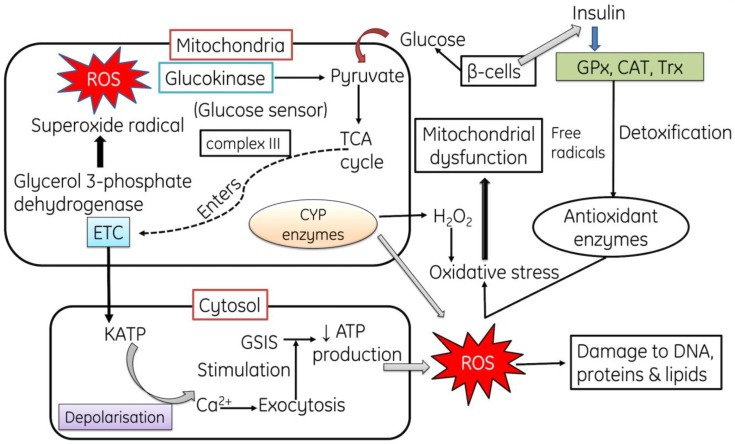
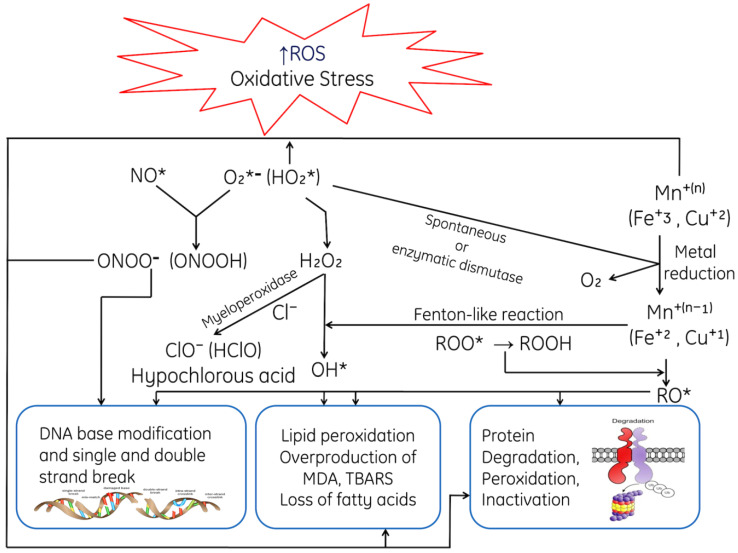
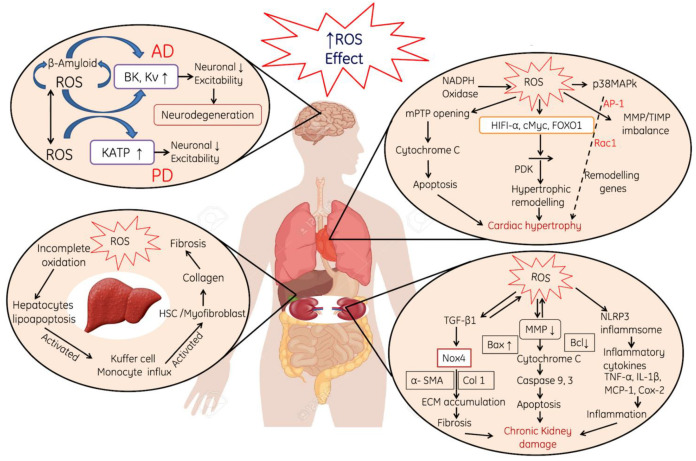
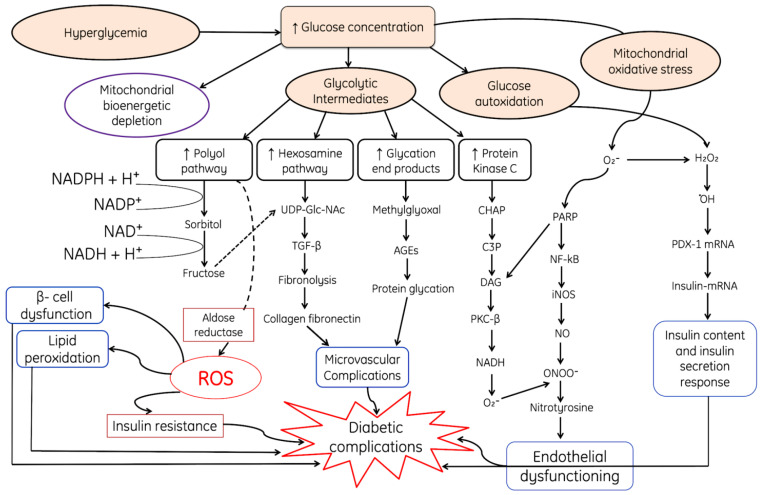
Reactive oxygen and nitrogen species (RONS) are generated through various endogenous and exogenous processes; however, they are neutralized by enzymatic and non-enzymatic antioxidants. An imbalance between the generation and neutralization of oxidants results in the progression to oxidative stress (OS), which in turn gives rise to various diseases, disorders and aging. The characteristics of aging include the progressive loss of function in tissues and organs. The theory of aging explains that age-related functional losses are due to accumulation of reactive oxygen species (ROS), their subsequent damages and tissue deformities. Moreover, the diseases and disorders caused by OS include cardiovascular diseases [CVDs], chronic obstructive pulmonary disease, chronic kidney disease, neurodegenerative diseases and cancer. OS, induced by ROS, is neutralized by different enzymatic and non-enzymatic antioxidants and prevents cells, tissues and organs from damage. However, prolonged OS decreases the content of antioxidant status of cells by reducing the activities of reductants and antioxidative enzymes and gives rise to different pathological conditions. Therefore, the aim of the present review is to discuss the mechanism of ROS-induced OS signaling and their age-associated complications mediated through their toxic manifestations in order to devise effective preventive and curative natural therapeutic remedies.
Overview
The claims and statistics of this paper haven’t been checked yet.
Run the check — free, no account needed. It reads the open-access text and checks the sources it cites.
Integrity signals
Registry
Cites
Statistics
Figures
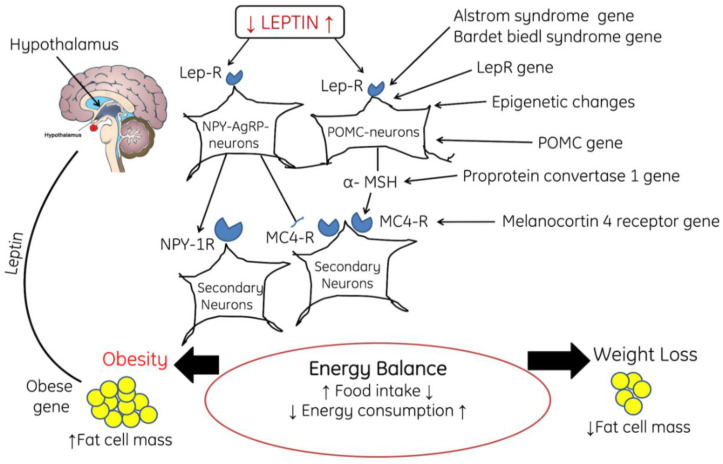
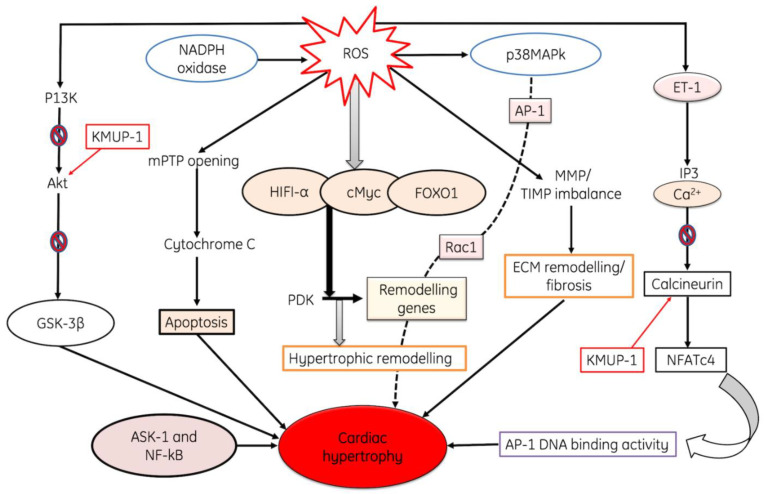
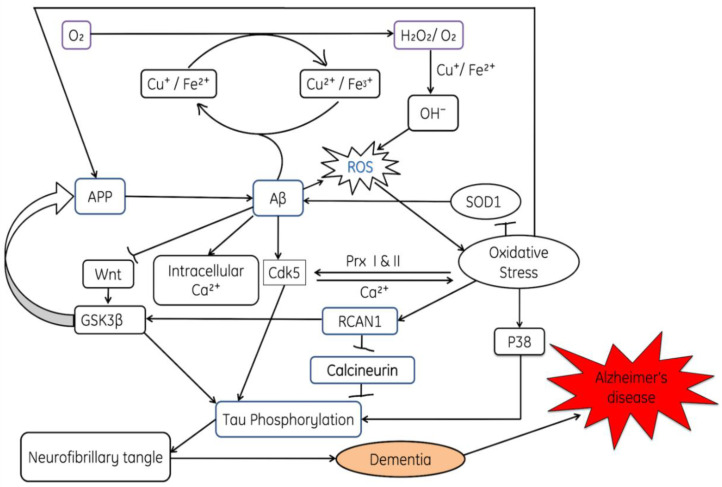
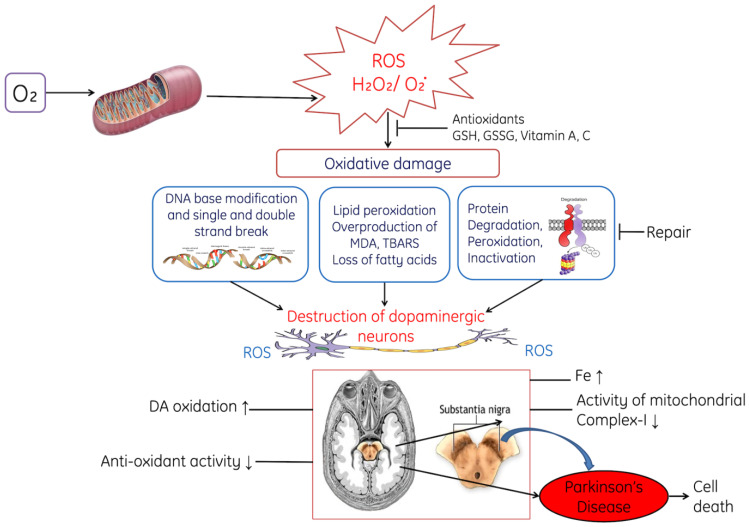
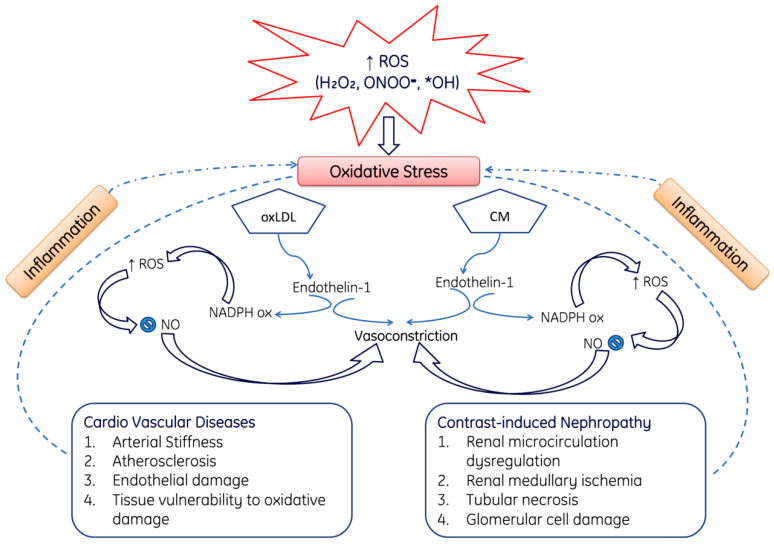
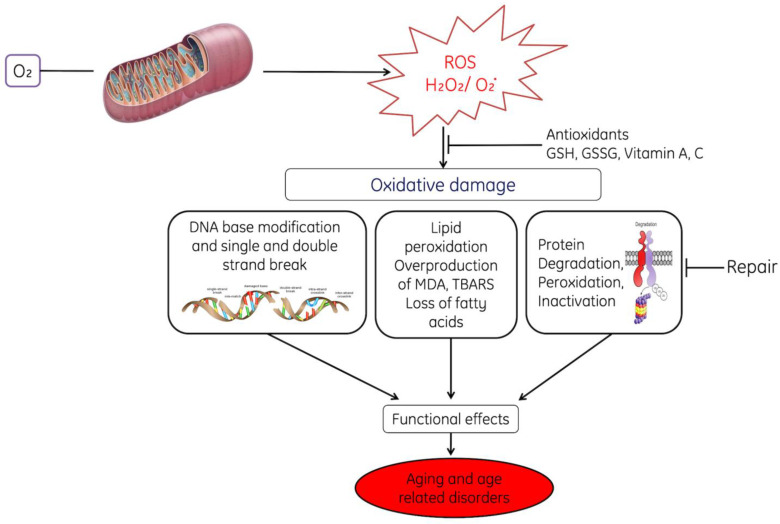
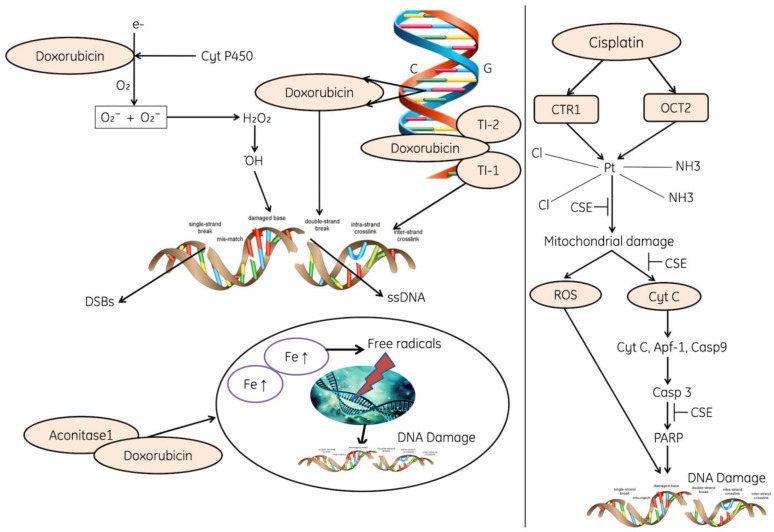
Verification
Claims the paper makes
The claims and statistics of this paper haven’t been checked yet.
Run the check — free, no account needed. It reads the open-access text and checks the sources it cites.
Claims other papers make about this one
Each is checked against this paper’s own text: does it say what the citing paper says it does?
In the citing paper
“The theory of mitochondrial free radicals in senescence proposes that progressive mitochondrial dysfunction, which occurs with aging, results in an increased production of ROS, which in turn causes further mitochondrial and global cellular damage.”
From The Role of Antioxidants in the Interplay between Oxidative Stress and Senescence (2022) · cites this paper as [46]
Self-check
Percentages, sums and reported differences re-computed from the paper’s own numbers.
The self-check needs the paper’s full text.
Citations
Cites
López-Otín, C., Blasco, M. A., Partridge, L., Serrano, M., & Kroemer, G. (2013) · Cell · doi:10.1016/j.cell.2013.05.039 · Cited by 14,982
Free radicals and antioxidants in normal physiological functions and human disease
Valko, M., Leibfritz, D., Moncol, J., Cronin, M. T. D., Mazur, M., & Telser, J. (2007) · The International Journal of Biochemistry & Cell Biology · doi:10.1016/j.biocel.2006.07.001 · Cited by 14,269
Apoptosis: A Review of Programmed Cell Death
Elmore, S. (2007) · Toxicologic Pathology · doi:10.1080/01926230701320337 · Cited by 13,853
Free Radicals in the Physiological Control of Cell Function
Dröge, W. (2002) · Physiological Reviews · doi:10.1152/physrev.00018.2001 · Cited by 9,855
Oxidants, oxidative stress and the biology of ageing
Finkel, T., & Holbrook, N. J. (2000) · Nature · doi:10.1038/35041687 · Cited by 9,413
The NOX Family of ROS-Generating NADPH Oxidases: Physiology and Pathophysiology
Bedard, K., & Krause, K.-H. (2007) · Physiological Reviews · doi:10.1152/physrev.00044.2005 · Cited by 6,989
ROS function in redox signaling and oxidative stress
Schieber, M., & Chandel, N. S. (2014) · Current Biology · doi:10.1016/j.cub.2014.03.034 · Cited by 6,931
Mitochondrial Dysfunction and Oxidative Stress in Neurodegenerative Diseases
Lin, M. T., & Beal, M. F. (2006) · Nature · doi:10.1038/nature05292 · Cited by 6,455
Nitric Oxide and Peroxynitrite in Health and Disease
Pacher, P., Beckman, J. S., & Liaudet, L. (2007) · Physiological Reviews · doi:10.1152/physrev.00029.2006 · Cited by 6,390
Free radicals, antioxidants and functional foods: impact on human health
Lobo, V, Patil, A., Phatak, A., & Chandra, N. (2010) · Pharmacognosy Reviews · doi:10.4103/0973-7847.70902 · Cited by 5,435
Research works printed but not linked: 1
- Hajam, 2017, Retrieval of reproductive complications by exogenous melatonin treatment in streptozotocin induced diabetic rat model, Res. Rev. J. Zool. Sci., 5, 96
Cited by
Sorted by citations
Items 901–916 of 916
Dzhalilov, K. N., Kadyrov, Z. A., Велиевна, Ц. Т., Dzhalilova, A. N., & Нурмагомедовна, Д. Д. (2026) · Andrology and Genital Surgery · doi:10.63769/2070-9781-2026-27-2-34-42
Cui, H., Nisar, A., Duan, Z., Mao, J., Zhu, H., Li, L., Cao, X., He, Y., & Li, W. (2026) · Pharmacological Research · doi:10.1016/j.phrs.2026.108443
Babaali, A., Majdrezaei, Z., Javad-Khayat, Y., Fereidooni, S., & Mirzapoor, A. (2026) · Next Nanotechnology · doi:10.1016/j.nxnano.2026.100742
Othman, N., Aminuddin, A., Hamid, A. A., Abidin, S. Z., Syafruddin, S. E., Ahmad, M. F., Jaffar, F., Basri, N. A. O., & Ugusman, A. (2026) · Biomedicines · doi:10.3390/biomedicines14092038
“In addition, 8-hydroxy-2-deoxyguanosine (8-OHdG), an oxidized derivative of deoxyguanosine generated following ROS-induced DNA damage, is widely used as a biomarker of oxidative stress [9].”
InfluentialSulaiman, S. H., Omer, R. A., Omar, Z. A., Qadir, A. M., & Barzani, H. A. H. (2026) · Journal of Diabetes & Metabolic Disorders · doi:10.1007/s40200-026-02075-3
“Constant impairment of these mechanisms results in an inability to eliminate damaged mitochondria and oxidized cellular elements, thereby leading to accumulation of dysfunctional organelles and sustaining oxidative stress, metabolic reprogramming, and inflammation [ 80 ].”
Fan, X., Feng, Y., Yu, B., Zhang, T., Yang, J., He, J., Huang, X., & Huang, S. (2026) · Applied Biochemistry and Microbiology · doi:10.1134/s0003683826600880
Zarifkar, A. H., & Safaei, S. (2026) · Molecular Biology Reports · doi:10.1007/s11033-026-12836-1
Alanazi, S. M., Al‐kuraishy, H. M., Abdelaziz, A. M., Alasmari, E. M., Yousef, F. M., Mohamed, A. A., Salama, M. M., & Batiha, G. E. (2026) · Fitoterapia · doi:10.1016/j.fitote.2026.107497
Jagtap, A. S., Chandrasekar, A., Manohar, C. S., Parab, A. S., Rajyashree, R., & Sankar, N. P. V. (2026) · Archives of Microbiology · doi:10.1007/s00203-026-05232-7
“Oxidative stress is also a contributing factor of pancreatic β-cell dys - function and insulin receptor impairment, leading to the onset of diabetes (Mancini et al. 2018; Hajam et al. 2022 ).”
Oxidative lipid damage and its significance in the development of diabetic retinal changes
Sirman, Y. V., Pandei, S. A., Savytskyi, І. V., Yeromenko, R. F., & Horiachyi, O. V. (2026) · Archive of Ukrainian Ophthalmology · doi:10.22141/2309-8147.14.2.2026.454
da Fonseca, E. O., de Faria, J. C., Santos, R. P., Carvalho, J. V., & Volpe, C. M. O. (2026) · Frontiers in Pharmacology · doi:10.3389/fphar.2026.1864831
“…processes, immune activation and metabolic dysfunction are increasingly recognized as components of an integrated immunometabolic axis that underlies the pathophysiology of these conditions (Figure 1) (Hajam et al., 2022; Rana et al., 2019; Anders et al., 2017; Catalano and Shankar, 2017).”
Xie, S., Wu, Y., Xu, J., Zhou, M., Chen, Y., Zhou, F., Zhu, B., Ding, Z., & Ye, X. (2026) · Journal of Ethnopharmacology · doi:10.1016/j.jep.2026.122458
Redox-responsive peptide assemblies for precision theranostic
Haddadzadegan, S., Huang, C., Ghafouri, M., & Miserez, A. (2026) · Advanced Drug Delivery Reviews · doi:10.1016/j.addr.2026.115977
Li, X., Ma, X., Shi, J., Zhao, J., Xu, Y., Xi, J., Xu, C., Sun, H., Zhao, L., & Wang, Z. (2026) · Biology of Reproduction · doi:10.1093/biolre/ioag232
Cerlati, O., Putaux, J., Marty, J., Mingotaud, A., Vicendo, P., Pimienta, V., & Collin, F. (2026) · Journal of Colloid and Interface Science · doi:10.1016/j.jcis.2026.141831
Delivery Strategies Targeting Senescent Cells: From Precise Elimination to Functional Remodeling
Liu, Z., Hu, Z., Xia, A., Wang, Q., Li, L., Minglu, Z., Xiang, Y., & Ruan, J. (2026) · Pharmaceutics · doi:10.3390/pharmaceutics18111376
Metadata
- Authors
- Hajam, Y. A., Rani, R., Ganie, S. Y., Sheikh, T. A., Javaid, D., Qadri, S. S., Pramodh, S., Alsulimani, A., Alkhanani, M. F., Harakeh, S., Hussain, A., Haque, S., & Reshi, M. S.
- Affiliations
- Career Point University (IN)
- Baba Ghulam Shah Badshah University (IN)
- Zayed University (AE)
- Jazan University (SA)
- Almaarefa University (SA)
- King Abdulaziz University (SA)
- Manipal Academy of Higher Education, Dubai (AE)
- Bursa Uludağ Üni̇versi̇tesi̇ (TR)
- Corresponding author
- Hussain, Arif
- Haque, Shafiul
- Reshi, Mohd Salim
- ORCID
- Venue
- Cells
- Publisher
- MDPI AG
- Published
- 2022-02-05
- Volume
- 11
- Issue
- 3
- Pages
- 552
- ISSN
- 2073-4409 (ISSN-L)
- PMC
- PMC8833991
- OpenAlex
- W4210796776
- Cited by
- 915
- References
- 218
- Citations by year
- 2026: 165 · 2025: 330 · 2024: 226 · 2023: 150 · 2022: 44
- FWCI
- 16.63
- Type
- journal article
- Language
- en
- Open access
- gold
- doi.org
- Licence
- Locations
- Cells (publishedVersion, cc-by)
- PubMed Central (publishedVersion, cc-by)
- PubMed (publishedVersion)
- Bursa Uludag University - AVESIS (submittedVersion, cc-by-nc-nd)
- DOAJ (DOAJ: Directory of Open Access Journals) (submittedVersion, cc-by-sa)
- University of Birmingham Research Portal (University of Birmingham) (submittedVersion, other-oa)
- Funders
- Jazan University
- University Grants Commission (/2018)
- Topics
- Health Sciences › Medicine › Biochemistry (medical) › Antioxidant Activity and Oxidative Stress
- Life Sciences › Biochemistry, Genetics and Molecular Biology › Molecular Biology › Redox biology and oxidative stress
- Health Sciences › Medicine › Physiology (medical) › Exercise and Physiological Responses
- Keywords
- oxidative stress, reactive oxygen species, reactive nitrogen species, antioxidants, aging, age-related diseases, cardiovascular disease, chronic obstructive pulmonary disease, chronic kidney disease, neurodegenerative diseases, cancer, antioxidant enzymes, oxidative stress signaling
- MeSH terms
- Aging, Humans, Reactive Oxygen Species, Oxidative Stress
About these checks
Registry, retraction, Cites and statistics results are computed, not judged, with one exception: a printed reference that no index lists is read once by a model before it counts as a citation error. Claims are extracted by a model and kept only when their quote appears verbatim in the text; each cited source is then checked, with a model’s help, for whether it says what the claim relies on. Those verdicts can be wrong — read the claim’s quote and the cited source before relying on one.
Statistics and arithmetic are recomputed, not judged.
Confidence bands are shown only for fields calibrated on our annotated test set. None is calibrated yet, so no band is shown.
What counts as a claim ›How we measure confidence ›How we check this ›
Are you an author, or do you see a problem with this page? Request a review
