

Structure and Function of Human Matrix Metalloproteinases
Open accessThe DOI matches its Crossref record; 36 of the 36 references it cites were found in a registry or an index.
Abstract
The extracellular matrix (ECM) is a macromolecules network, in which the most abundant molecule is collagen. This protein in triple helical conformation is highly resistant to proteinases degradation, the only enzymes capable of degrading the collagen are matrix metalloproteinases (MMPs). This resistance and maintenance of collagen, and consequently of ECM, is involved in several biological processes and it must be strictly regulated by endogenous inhibitors (TIMPs). The deregulation of MMPs activity leads to development of numerous diseases. This review shows MMPs complexity.
Overview
The claims and statistics of this paper haven’t been checked yet.
Free: it reads the open-access text and checks the first 5 claims that cite a source we can check. Create a free account to check every claim.
Integrity signals
Registry
Cites
Statistics
Figures
Verification
Claims the paper makes
The claims and statistics of this paper haven’t been checked yet.
Free: it reads the open-access text and checks the first 5 claims that cite a source we can check. Create a free account to check every claim.
Claims other papers make about this one
Each is checked against this paper’s own text: does it say what the citing paper says it does?
The source backs part of the claim, not all of it — or backs it for a different population, condition or comparison.
In the citing paper
“The MMP catalytic domains harbor catalytic Zn2+ ions and their binding motif (HExxHxxGxxH) are both responsible for structural coordination and highly conserved among different MMP subtypes30.”
From Bioengineered liver crosslinked with nano-graphene oxide enables efficient liver regeneration via MMP suppression and immunomodulation (2023) · cites this paper as [30]
Experimental — accuracy not yet measuredThe source backs part of the claim, not all of it — or backs it for a different population, condition or comparison.
In the citing paper
“Varying stages of the inflammatory response are controlled by different MMPs, including overall inflammation, cell morphogenesis, tissue remodeling, wound healing, and cell apoptosis.”
From Unraveling and Harnessing the Immune Response at the Cell–Biomaterial Interface for Tissue Engineering Purposes (2024) · cites this paper as [252]
Experimental — accuracy not yet measuredThe cited source says what the claim attributes to it.
In the citing paper
“The ECM is composed of many natural components, including fibers, proteoglycans, glycoproteins, and polysaccharides.”
From Unraveling and Harnessing the Immune Response at the Cell–Biomaterial Interface for Tissue Engineering Purposes (2024) · cites this paper as [252]
Self-check
Percentages, sums and reported differences re-computed from the paper’s own numbers.
The self-check needs the paper’s full text.
Citations
Cites
Visse, R., & Nagase, H. (2003) · Circulation Research · doi:10.1161/01.res.0000070112.80711.3d · Cited by 4,575 · cited 9×
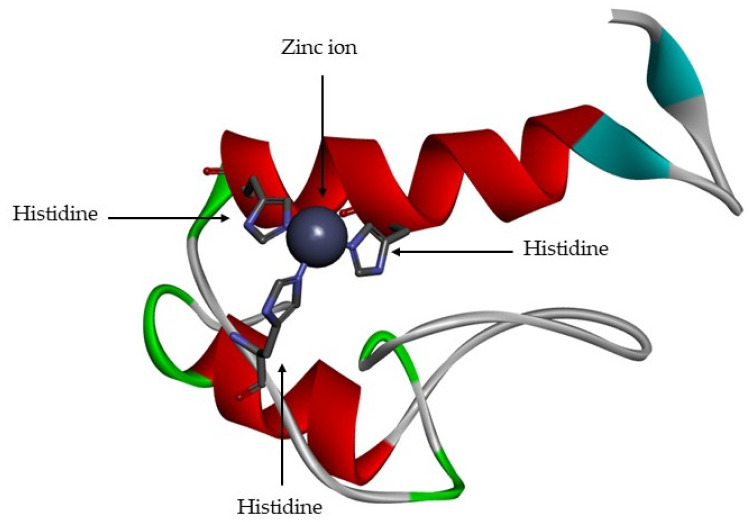
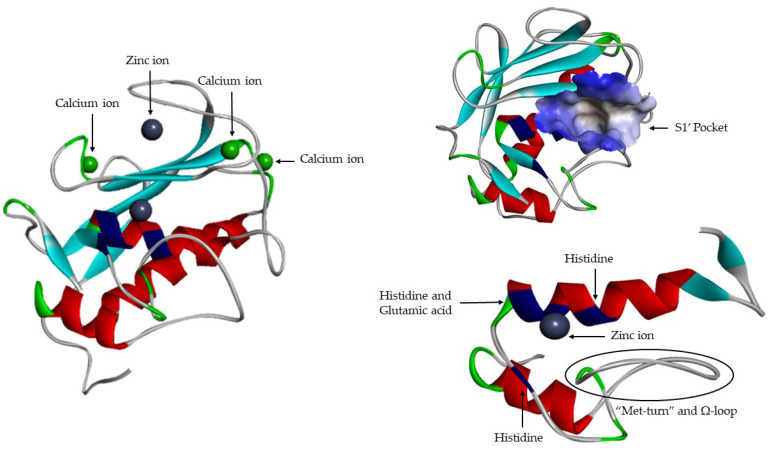
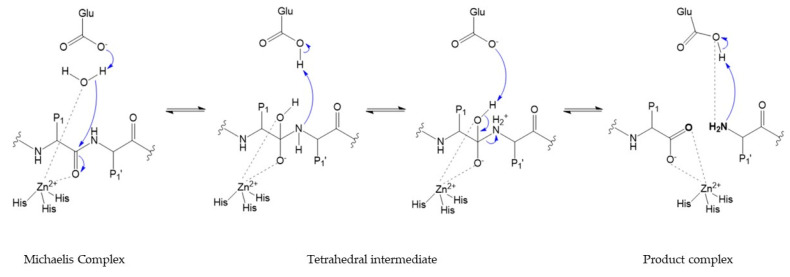
“The active site is zinc-dependent [1,2,6,11,13,15– 18,24,25] and is highly conserved, with three histidine residues bound to catalytic zinc [6,11,12,15] (Figure 4).”
InfluentialStructure and function of matrix metalloproteinases and TIMPs
NAGASE, H., VISSE, R., & MURPHY, G. (2006) · Cardiovascular Research · doi:10.1016/j.cardiores.2005.12.002 · Cited by 3,409 · cited 5×
“The ECM degradation is also an important process in development, morphogenesis, tissue repair and remodulation [8], and can affect the cellular behavior and phenotype [6,9].”
BackgroundInfluentialRicard-Blum, S. (2011) · Cold Spring Harbor Perspectives in Biology · doi:10.1101/cshperspect.a004978 · Cited by 2,305 · cited 3×
“The high glycine content is i portant for collagen helix stabilization as it allo s collagen fibers to co bine, facilitating hydrogen bridges and cross-link for ation [5].”
BackgroundInfluentialBiochemical and Biological Attributes of Matrix Metalloproteinases
Cui, N., Hu, M., & Khalil, R. A. (2017) · Progress in Molecular Biology and Translational Science · doi:10.1016/bs.pmbts.2017.02.005 · Cited by 1,359 · cited 7×
“The collagen is the ost abundant protein in EC hich gives structural support for cells [1,3].”
BackgroundInfluentialCOLLAGENOLYTIC ACTIVITY IN AMPHIBIAN TISSUES: A TISSUE CULTURE ASSAY
Gross, J., & Lapiere, C. M. (1962) · Proceedings of the National Academy of Sciences · doi:10.1073/pnas.48.6.1014 · Cited by 1,310 · cited 1×
“In 1962, a MMP collagenase was isolated and characterized as an enzyme responsible for tadpole tail resorption [1,2,6,13,14,16,21,22], by Gross and Lapiere [22].”
BackgroundDesign and Therapeutic Application of Matrix Metalloproteinase Inhibitors
Whittaker, M., Floyd, C. D., Brown, P., & Gearing, A. J. H. (1999) · Chemical Reviews · doi:10.1021/cr9804543 · Cited by 982 · cited 5×
“Over the next 20 years, several enzymes were purified, but it was in 1985 that the area has developed more significantly [16,21].”
BackgroundInfluentialPhysiology and pathophysiology of matrix metalloproteases
Klein, T., & Bischoff, R. (2011) · Amino Acids · doi:10.1007/s00726-010-0689-x · Cited by 828 · cited 5×
“The active site is zinc-dependent [1,2,6,11,13,15– 18,24,25] and is highly conserved, with three histidine residues bound to catalytic zinc [6,11,12,15] (Figure 4).”
BackgroundInfluentialMatrix metalloproteinases (MMPs): Chemical–biological functions and (Q)SARs
Verma, R. P., & Hansch, C. (2007) · Bioorganic & Medicinal Chemistry · doi:10.1016/j.bmc.2007.01.011 · Cited by 783 · cited 6×
“Over the next 20 years, several enzymes were purified, but it was in 1985 that the area has developed more significantly [16,21].”
BackgroundInfluentialProgress in matrix metalloproteinase research
MURPHY, G., & NAGASE, H. (2008) · Molecular Aspects of Medicine · doi:10.1016/j.mam.2008.05.002 · Cited by 759 · cited 4×
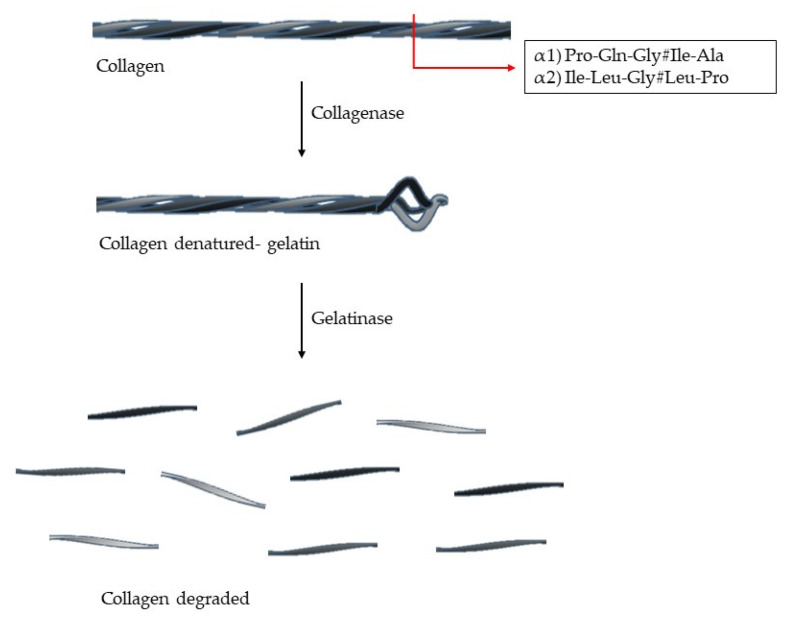
“Collagenases (Appendix A, Table A1) cleave some ECM proteins and other soluble proteins, but the most important role of this type of MMPs is the cleavage of fibrillar collagen type I, II, III, IV and XI into two characteristic fragments, 1/4 C-terminal and 3/4 N -terminal [1,6,8,9,12,14,17,21].”
BackgroundInfluentialMatrix Metalloproteinase-9 (MMP-9) as a Cancer Biomarker and MMP-9 Biosensors: Recent Advances
Huang, H. (2018) · Sensors · doi:10.3390/s18103249 · Cited by 739 · cited 2×
“[26] related that MMP-9 represents a potential biomarker which is overexpressed in several types of tumors (colarectal carcinoma, breast, pancreatic, ovaria, cervical, osteosarcoma nonsmall cell lung cancer (NSCLC), and giant cell tumor of bone (GCTB)), which makes MMP-9 a preferential candidate for the early detectio…”
BackgroundCollagenase unwinds triple‐helical collagen prior to peptide bond hydrolysis
Chung, L., Dinakarpandian, D., Yoshida, N., Lauer‐Fields, J. L., Fields, G. B., Visse, R., & Nagase, H. (2004) · The EMBO Journal · doi:10.1038/sj.emboj.7600318 · Cited by 675 · cited 5×
“The enzymes able to cleave this structure are capthesin K and enzymes with collagenolytic activity (MMPs-1, -2, -8, -13, 14, and -18) [3,4].”
BackgroundInfluentialGersh, I., & Catchpole, H. R. (1949) · American Journal of Anatomy · doi:10.1002/aja.1000850304 · Cited by 582 · cited 1×
“The MMPs were first described in 1949 [20], as depolymerizing enzymes that facilitate tumor growth, by making connective tissue stroma, including small blood vessels that are more fluid [16,20,21].”
BackgroundMatrix metalloproteinases: Fold and function of their catalytic domains
Tallant, C., Marrero, A., & Gomis-Rüth, F. X. (2010) · Biochimica et Biophysica Acta (BBA) - Molecular Cell Research · doi:10.1016/j.bbamcr.2009.04.003 · Cited by 463 · cited 3×
“The principal biologic function of MMPs is degradation of ECM proteins and glycoproteins [1,2,6,8,11,12,14,16,18,19,24,31], membrane receptors[13,14,24,31], cytokines [11,13,14,31], and growth factors [11,13,14,24,31].”
BackgroundBar-Or, A. (2003) · Brain · doi:10.1093/brain/awg285 · Cited by 360
Structure of the Catalytic Domain of Fibroblast Collagenase Complexed with an Inhibitor
Lovejoy, B., Cleasby, A., Hassell, A. M., Longley, K., Luther, M. A., Weigl, D., McGeehan, G., McElroy, A. B., Drewry, D., Lambert, M. H., et al. (1994) · Science · doi:10.1126/science.8278810 · Cited by 328 · cited 7×
“reported the first structure of MMP-inhibitor complex [33].”
BackgroundInfluentialJacobsen, J. A., Major Jourden, J. L., Miller, M. T., & Cohen, S. M. (2010) · Biochimica et Biophysica Acta (BBA) - Molecular Cell Research · doi:10.1016/j.bbamcr.2009.08.006 · Cited by 313 · cited 6×
“The active site is zinc-dependent [1,2,6,11,13,15– 18,24,25] and is highly conserved, with three histidine residues bound to catalytic zinc [6,11,12,15] (Figure 4).”
BackgroundInfluentialKwan, J. A., Schulze, C. J., Wang, W., Leon, H., Sariahmetoglu, M., Sung, M., Sawicka, J., Sims, D. E., Sawicki, G., & Schulz, R. (2004) · The FASEB Journal · doi:10.1096/fj.02-1202fje · Cited by 258 · cited 4×
“Poly ADP-ribose polymerase is a nuclear matrix enzyme involved in DNA repair and is susceptible to cleavage by MMP-2, in vitro its cleavage being blocked by MMPs inhibitors [32].”
BackgroundInfluentialBiology of metalloproteinases.
Amălinei, C., Căruntu, I.-D., & Balan, R. A. (2007) · PubMed · Cited by 218
Crystal structures of MMPs in complex with physiological and pharmacological inhibitors
Maskos, K. (2005) · Biochimie · doi:10.1016/j.biochi.2004.11.019 · Cited by 200 · cited 5×
“Taken together it has been demonstrated that MMPs are present in virus, archeabacteria, bacteria, plants, nematodes, and animals [6,13].”
BackgroundInfluentialLiu, J., & Khalil, R. A. (2017) · Progress in Molecular Biology and Translational Science · doi:10.1016/bs.pmbts.2017.04.003 · Cited by 170 · cited 6×
“The excessive degradation of ECM leads to metabolic and immune diseases, cancer and cardiovascular disorders (hypertension, atherosclerosis and aneurysm) [2,3,6].”
BackgroundInfluentialNuclear localization of Matrix metalloproteinases
Mannello, F., & Medda, V. (2012) · Progress in Histochemistry and Cytochemistry · doi:10.1016/j.proghi.2011.12.002 · Cited by 167 · cited 4×
“The deregulation of MMP activity leads to the progression of various pathologies, that can be grouped into [1,6,14,18,19,24,25]: 1) Tissue destruction, 2) fibrosis, and 3) matrix weakening.”
BackgroundInfluentialGoncalves, I., Bengtsson, E., Colhoun, H. M., Shore, A. C., Palombo, C., Natali, A., Edsfeldt, A., Dunér, P., Fredrikson, G. N., Björkbacka, H., et al. (2015) · Arteriosclerosis, Thrombosis, and Vascular Biology · doi:10.1161/atvbaha.115.305631 · Cited by 132 · cited 1×
“[30] studied the MMPs-1, -3, -7, -10, and -12 in plasma and demonstrated that MMP-7 and -12 were elevated in type 2 diabetes, which is related to atherosclerosis and coronary events [30].”
BackgroundA therapeutic role for matrix metalloproteinase inhibitors in lung diseases?
Vandenbroucke, R. E., Dejonckheere, E., & Libert, C. (2011) · European Respiratory Journal · doi:10.1183/09031936.00027411 · Cited by 118 · cited 5×
“The deregulation of MMP activity leads to the progression of various pathologies, that can be grouped into [1,6,14,18,19,24,25]: (1) Tissue destruction, (2) fibrosis, and (3) matrix weakening.”
BackgroundInfluentialUpdating the role of matrix metalloproteinases in mineralized tissue and related diseases
Tokuhara, C. K., Santesso, M. R., de Oliveira, G. S. N., Ventura, T. M. O., Doyama, J. T., Zambuzzi, W. F., & de Oliveira, R. C. (2019) · Journal of Applied Oral Science · doi:10.1590/1678-7757-2018-0596 · Cited by 103 · cited 4×
“The deregulation of MMP activity leads to the progression of various pathologies, that can be grouped into [1,6,14,18,19,24,25]: 1) Tissue destruction, 2) fibrosis, and 3) matrix weakening.”
BackgroundInfluentialMatrix Metalloproteases as Influencers of the Cells’ Social Media
Young, D. W., Das, N., Anowai, A., & Dufour, A. (2019) · International Journal of Molecular Sciences · doi:10.3390/ijms20163847 · Cited by 90 · cited 2×
“The principal biologic function of MMPs is degradation of ECM proteins and glycoproteins [1,2,6,8,11,12,14,16,18,19,24,31], membrane receptors[13,14,24,31], cytokines [11,13,14,31], and growth factors [11,13,14,24,31].”
BackgroundGimeno, A., Beltrán‐Debón, R., Mulero, M., Pujadas, G., & García-Vallvé, S. (2019) · Drug Discovery Today · doi:10.1016/j.drudis.2019.07.013 · Cited by 84 · cited 3×
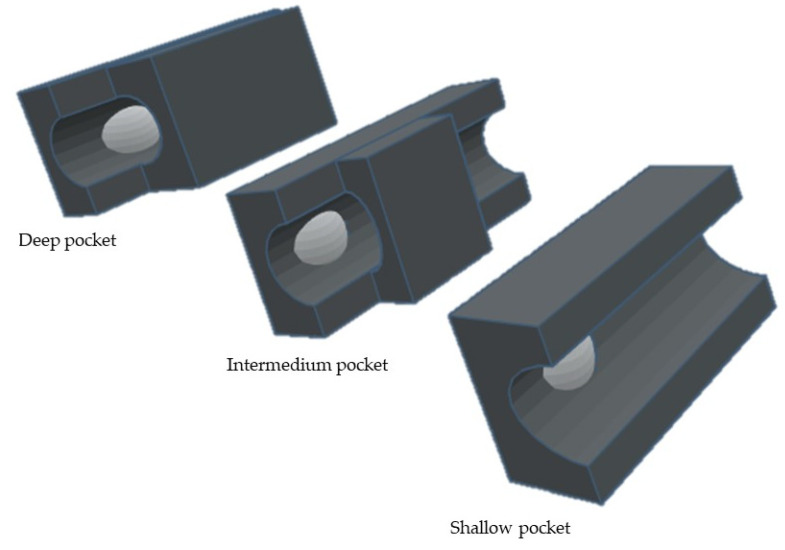
“By analyzing the depth of the different S1′ subsites, MMPs can be divided into three different subgroups [1,2,17,19,36] (Figure 10): the shallow, the intermedium and the deep pockets.”
BackgroundInfluentialDesign and Structural Evolution of Matrix Metalloproteinase Inhibitors
Fischer, T., Senn, N., & Riedl, R. (2019) · Chemistry - A European Journal · doi:10.1002/chem.201805361 · Cited by 82 · cited 7×
“The active site is zinc-dependent [1,2,6,11,13,15– 18,24,25] and is highly conserved, with three histidine residues bound to catalytic zinc [6,11,12,15] (Figure 4).”
BackgroundInfluentialYu, Z., Visse, R., Inouye, M., Nagase, H., & Brodsky, B. (2012) · Journal of Biological Chemistry · doi:10.1074/jbc.m112.348979 · Cited by 77 · cited 1×
“The collagen type I, II and III have a specific cleavage sequence: (Gln/Leu)-Gly#(Ile/Leu)-(Ala/Pro), which is located at 3/4 of N-terminal and this is crucial for collagen degradation [6,7] (Figure 3).”
BackgroundKnäuper, V., Docherty, A. J. P., Smith, B., Tschesche, H., & Murphy, G. (1997) · FEBS Letters · doi:10.1016/s0014-5793(97)00158-0 · Cited by 63 · cited 2×
“MMP-8 is secreted by pro-MMP-8 form and it is activated by MMP-3 and -10 13 Collagenase-3 Collagen type I, II, III, IV, IX, X and XIV, tenascin C isoform, fibronectin, laminin, aggrecan core protein, gelatin, plasminogen, osteonectin, casein, fibrillin-1 and serine proteinases inhibitors Connective tissue (cartilage a…”
BackgroundMolecular Imaging Probes Based on Matrix Metalloproteinase Inhibitors (MMPIs)
Rangasamy, L., Di Geronimo, B., Ortín, I., Coderch, C., Zapico, J. M., Ramos, A., & de Pascual-Teresa, B. (2019) · Molecules · doi:10.3390/molecules24162982 · Cited by 58 · cited 5×
“The elevated levels of MMP-9 can be detected in plasma or blood, show triple protein levels compared to healthy patients [19,27,28].”
BackgroundInfluentialMechanism and Inhibition of Matrix Metalloproteinases
Cerofolini, L., Fragai, M., & Luchinat, C. (2018) · Current Medicinal Chemistry · doi:10.2174/0929867325666180326163523 · Cited by 57 · cited 7×
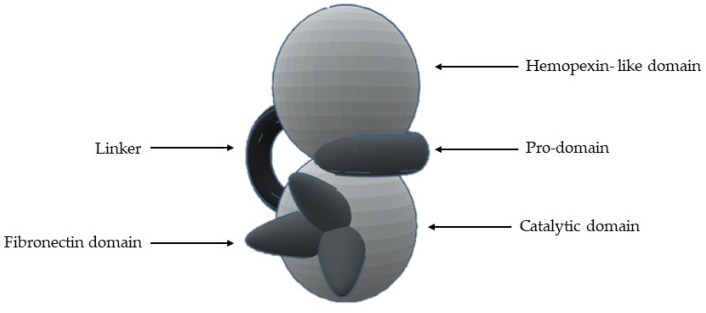
“MMPs can be subdivided according to bioinformatic analysis, in 5 types [23]:”
BackgroundInfluentialSilvello, D., Narvaes, L. B., Albuquerque, L. C., Forgiarini, L. F., Meurer, L., Martinelli, N. C., Andrades, M. É., Clausell, N., dos Santos, K. G., & Rohde, L. E. P. (2013) · Biomarkers · doi:10.3109/1354750x.2013.866165 · Cited by 55
Relevance of matrix metalloproteases in non-small cell lung cancer diagnosis
Blanco-Prieto, S., Barcia-Castro, L., de la Cadena, M. P., Rodrı́guez-Berrocal, F. J., Vázquez‐Iglesias, L., Botana-Rial, M. I., Fernández‐Villar, A., & Chiara, L. D. (2017) · BMC Cancer · doi:10.1186/s12885-017-3842-z · Cited by 51 · cited 1×
“The elevated levels of MMP-9 can be detected in plasma or blood, show triple protein levels compared to healthy patients [19,27,28].”
BackgroundUnexpected Crucial Role of Residue 272 in Substrate Specificity of Fibroblast Collagenase
Tsukada, H., & Pourmotabbed, T. (2002) · Journal of Biological Chemistry · doi:10.1074/jbc.m201367200 · Cited by 43 · cited 1×
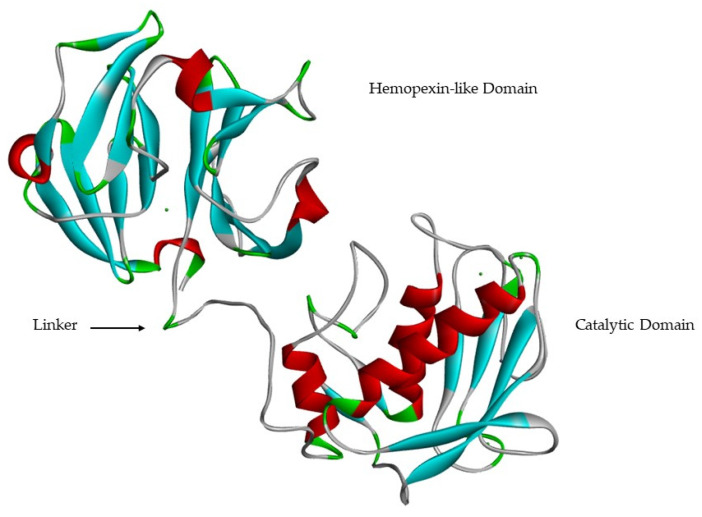
“Mutations in the linker region in MMP-1 [34] and MMP-8 [35] reduce collagenolytic activity, supporting the hypothesis that correct movement and rearrangement between the catalytic domain and the hemopexin-like domain is important for activity [17].”
BackgroundCryptic binding sites become accessible through surface reconstruction of the type I collagen fibril
Zhu, J., Hoop, C. L., Case, D. A., & Baum, J. (2018) · Scientific Reports · doi:10.1038/s41598-018-34616-z · Cited by 40 · cited 8×
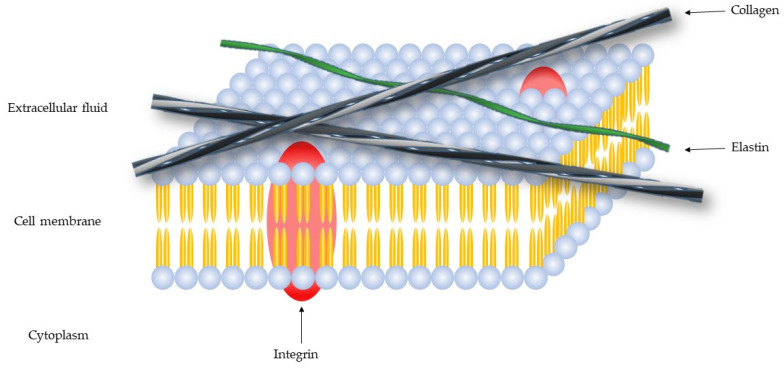
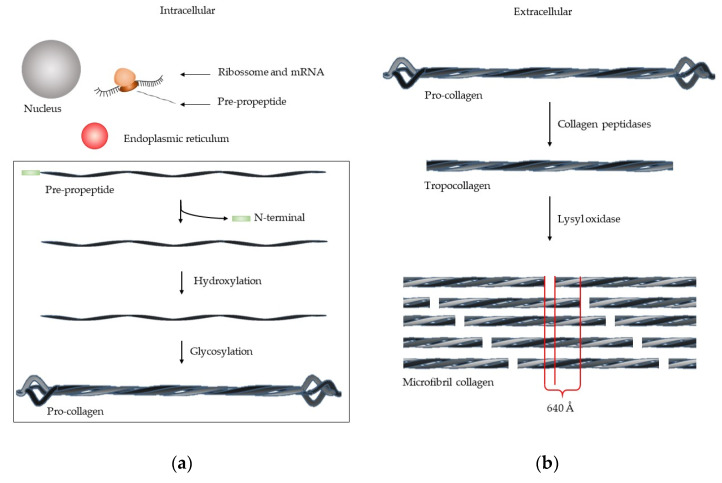
“The fibril collagen is composed of various microfibril collagen group and the alternating overlap and gap regions create the characteristic “bright and dark” d-banding pattern [3].”
BackgroundInfluentialZajkowska, M., Zbucka-Krętowska, M., Sidorkiewicz, I., Lubowicka, E., Będkowska, G. E., Gacuta, E., Szmitkowski, M., & Ławicki, S. (2018) · Cancer Control · doi:10.1177/1073274818789357 · Cited by 15 · cited 1×
“The elevated levels of MMP-9 can be detected in plasma or blood, show triple protein levels compared to healthy patients [19,27,28].”
Background
Cited by
Angiogenic signaling pathways and anti-angiogenic therapy for cancer
Liu, Z.-L., Chen, H.-H., Zheng, L.-L., Sun, L.-P., & Shi, L. (2023) · Signal Transduction and Targeted Therapy · doi:10.1038/s41392-023-01460-1 · Cited by 1,300
“MMP-9 is a 92 kDa gelatinase B or type IV collagenase and MMP-14 is a type 1 membrane matrix metalloproteinase (MT1-MMP) that can degrade multiplicate extracellular matrix components.(81,321) MMP-9 is the central protease for extracellular matrix degradation, which increases the bioavailability of VEGF and recruits pe…”
Backgroundde Almeida, L. G. N., Thode, H., Eslambolchi, Y., Chopra, S., Young, D., Gill, S., Devel, L., & Dufour, A. (2022) · Pharmacological Reviews · doi:10.1124/pharmrev.121.000349 · Cited by 535
Overview of MMP-13 as a Promising Target for the Treatment of Osteoarthritis
Hu, Q., & Ecker, M. (2021) · International Journal of Molecular Sciences · doi:10.3390/ijms22041742 · Cited by 475
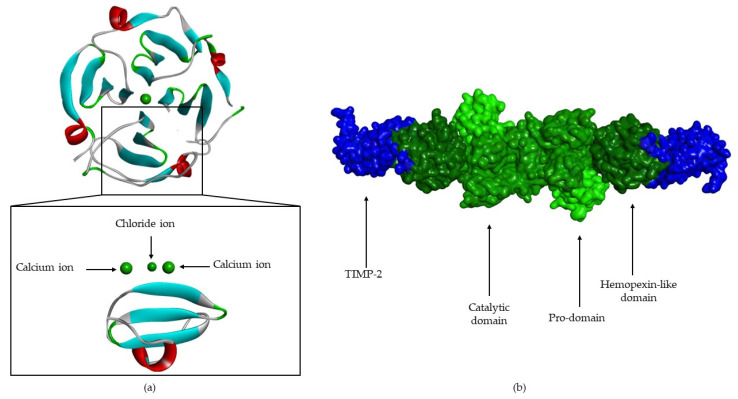
“Additionally, they contain a catalytic zinc ion coordinated by three histidine residues, a structural zinc ion, and three structural calcium ions required for enzyme stability [37].”
BackgroundLuchian, I., Goriuc, A., Sandu, D., & Covasa, M. (2022) · International Journal of Molecular Sciences · doi:10.3390/ijms23031806 · Cited by 358
“An imbalance in the regulation of MMPs activity can lead to tissue destruction, fibrosis, and degradation of the extracellular matrix, which represent various stages of the disease progression, including periodontal disease [14].”
BackgroundInfluentialFrąk, W., Wojtasińska, A., Lisińska, W., Młynarska, E., Franczyk, B., & Rysz, J. (2022) · Biomedicines · doi:10.3390/biomedicines10081938 · Cited by 303
“The dysfunction of MMP activity leads to a progression of various pathologies, tissue destruction, fibrosis, and matrix weakening [64].”
Background
Metadata
- Authors
- Laronha, H., & Caldeira, J.
- Affiliations
- LAQV Requimte (PT)
- Corresponding author
- Caldeira, Jorge
- Venue
- Cells
- Publisher
- MDPI AG
- Published
- 2020-04-26
- Volume
- 9
- Issue
- 5
- Pages
- 1076
- ISSN
- 2073-4409 (ISSN-L)
- PMC
- PMC7290392
- OpenAlex
- W3019034047
- Semantic Scholar
- 78e1f6960d48761830483b73ddf345fae4bbfdb7
- Cited by
- 609
- References
- 36
- Citations by year
- 2026: 82 · 2025: 117 · 2024: 132 · 2023: 122 · 2022: 93 · 2021: 61 · 2020: 1
- FWCI
- 7.06
- Type
- journal article
- Language
- en
- Open access
- gold
- dx.doi.org
- Licence
- Locations
- Cells (publishedVersion, cc-by)
- PubMed Central (publishedVersion, cc-by)
- PubMed (publishedVersion)
- Portuguese National Funding Agency for Science, Research and Technology (RCAAP Project by FCT) (submittedVersion, other-oa)
- DOAJ (DOAJ: Directory of Open Access Journals) (submittedVersion, cc-by-sa)
- Funders
- Fundação para a Ciência e a Tecnologia (PTDC/SAU-BMA/122444/2010, SAICT-POL/24288/2016)
- Topics
- Life Sciences › Biochemistry, Genetics and Molecular Biology › Cancer Research › Protease and Inhibitor Mechanisms
- Life Sciences › Biochemistry, Genetics and Molecular Biology › Biochemistry › Bone and Dental Protein Studies
- Life Sciences › Biochemistry, Genetics and Molecular Biology › Structural Biology › Enzyme Structure and Function
- Keywords
- matrix metalloproteinases, extracellular matrix, collagen degradation, collagen triple helix, tissue inhibitors of metalloproteinases, MMP regulation, protease inhibitors
- MeSH terms
- Collagen, Extracellular Matrix, Humans, Structure-Activity Relationship, Matrix Metalloproteinases, Proteolysis, Matrix Metalloproteinase Inhibitors
About these checks
Registry, retraction, Cites and statistics results are computed, not judged, with one exception: a printed reference that no index lists is read once by a model before it counts as a citation error. Claims are extracted by a model and kept only when their quote appears verbatim in the text; each cited source is then checked, with a model’s help, for whether it says what the claim relies on. Those verdicts can be wrong — read the claim’s quote and the cited source before relying on one.
Statistics and arithmetic are recomputed, not judged.
Confidence bands are shown only for fields calibrated on our annotated test set. None is calibrated yet, so no band is shown.
What counts as a claim ›How we measure confidence ›How we check this ›
Are you an author, or do you see a problem with this page? Request a review
Data sources
Bibliographic data: Semantic Scholar, OpenAlex, Crossref.
Contains information from the Semantic Scholar Academic Graph Datasets, made available under the ODC Attribution License (ODC-BY 1.0).
Semantic Scholar’s data is described in: Kinney, R., et al. (2023). The Semantic Scholar Open Data Platform. arXiv:2301.10140.
