

Structure and Function of Human Matrix Metalloproteinases
Open accessThe DOI matches its Crossref record; 36 of the 36 references it cites were found in a registry or an index.
Abstract
The extracellular matrix (ECM) is a macromolecules network, in which the most abundant molecule is collagen. This protein in triple helical conformation is highly resistant to proteinases degradation, the only enzymes capable of degrading the collagen are matrix metalloproteinases (MMPs). This resistance and maintenance of collagen, and consequently of ECM, is involved in several biological processes and it must be strictly regulated by endogenous inhibitors (TIMPs). The deregulation of MMPs activity leads to development of numerous diseases. This review shows MMPs complexity.
Overview
The claims and statistics of this paper haven’t been checked yet.
Free: it reads the open-access text and checks the first 5 claims that cite a source we can check. Create a free account to check every claim.
Integrity signals
Registry
Cites
Statistics
Figures
Verification
Claims the paper makes
The claims and statistics of this paper haven’t been checked yet.
Free: it reads the open-access text and checks the first 5 claims that cite a source we can check. Create a free account to check every claim.
Claims other papers make about this one
Each is checked against this paper’s own text: does it say what the citing paper says it does?
The source backs part of the claim, not all of it — or backs it for a different population, condition or comparison.
In the citing paper
“The MMP catalytic domains harbor catalytic Zn2+ ions and their binding motif (HExxHxxGxxH) are both responsible for structural coordination and highly conserved among different MMP subtypes30.”
From Bioengineered liver crosslinked with nano-graphene oxide enables efficient liver regeneration via MMP suppression and immunomodulation (2023) · cites this paper as [30]
Experimental — accuracy not yet measuredThe source backs part of the claim, not all of it — or backs it for a different population, condition or comparison.
In the citing paper
“Varying stages of the inflammatory response are controlled by different MMPs, including overall inflammation, cell morphogenesis, tissue remodeling, wound healing, and cell apoptosis.”
From Unraveling and Harnessing the Immune Response at the Cell–Biomaterial Interface for Tissue Engineering Purposes (2024) · cites this paper as [252]
Experimental — accuracy not yet measuredThe cited source says what the claim attributes to it.
In the citing paper
“The ECM is composed of many natural components, including fibers, proteoglycans, glycoproteins, and polysaccharides.”
From Unraveling and Harnessing the Immune Response at the Cell–Biomaterial Interface for Tissue Engineering Purposes (2024) · cites this paper as [252]
Self-check
Percentages, sums and reported differences re-computed from the paper’s own numbers.
The self-check needs the paper’s full text.
Citations
Cites
Visse, R., & Nagase, H. (2003) · Circulation Research · doi:10.1161/01.res.0000070112.80711.3d · Cited by 4,575 · cited 9×
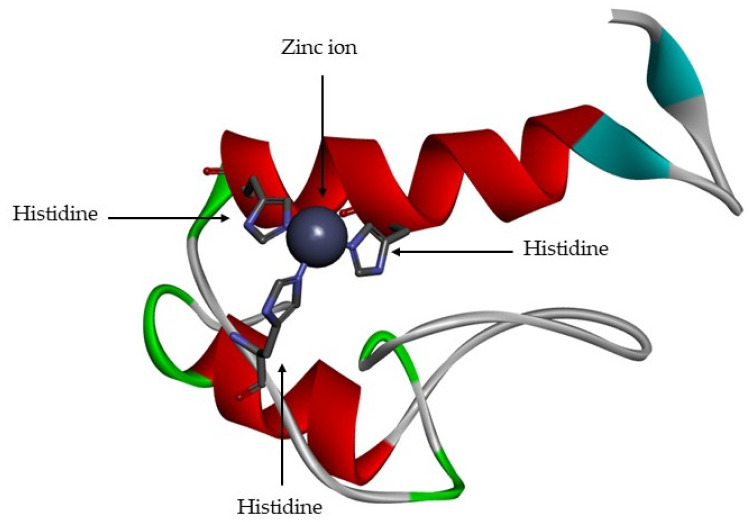
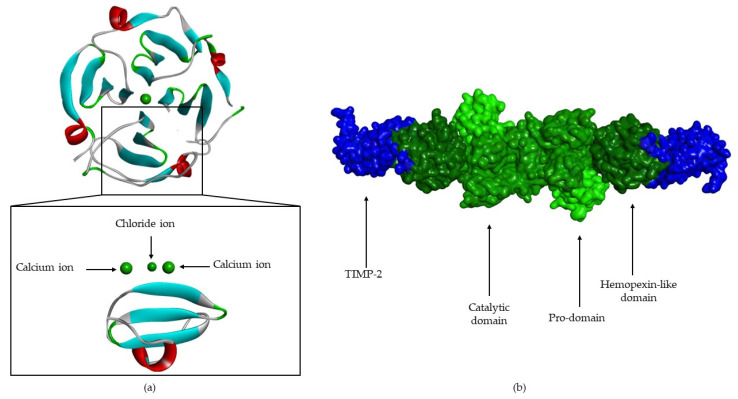
“The active site is zinc-dependent [1,2,6,11,13,15– 18,24,25] and is highly conserved, with three histidine residues bound to catalytic zinc [6,11,12,15] (Figure 4).”
InfluentialStructure and function of matrix metalloproteinases and TIMPs
NAGASE, H., VISSE, R., & MURPHY, G. (2006) · Cardiovascular Research · doi:10.1016/j.cardiores.2005.12.002 · Cited by 3,409 · cited 5×
“The ECM degradation is also an important process in development, morphogenesis, tissue repair and remodulation [8], and can affect the cellular behavior and phenotype [6,9].”
BackgroundInfluentialRicard-Blum, S. (2011) · Cold Spring Harbor Perspectives in Biology · doi:10.1101/cshperspect.a004978 · Cited by 2,305 · cited 3×
“The high glycine content is i portant for collagen helix stabilization as it allo s collagen fibers to co bine, facilitating hydrogen bridges and cross-link for ation [5].”
BackgroundInfluentialBiochemical and Biological Attributes of Matrix Metalloproteinases
Cui, N., Hu, M., & Khalil, R. A. (2017) · Progress in Molecular Biology and Translational Science · doi:10.1016/bs.pmbts.2017.02.005 · Cited by 1,359 · cited 7×
“The collagen is the ost abundant protein in EC hich gives structural support for cells [1,3].”
BackgroundInfluentialCOLLAGENOLYTIC ACTIVITY IN AMPHIBIAN TISSUES: A TISSUE CULTURE ASSAY
Gross, J., & Lapiere, C. M. (1962) · Proceedings of the National Academy of Sciences · doi:10.1073/pnas.48.6.1014 · Cited by 1,310 · cited 1×
“In 1962, a MMP collagenase was isolated and characterized as an enzyme responsible for tadpole tail resorption [1,2,6,13,14,16,21,22], by Gross and Lapiere [22].”
BackgroundDesign and Therapeutic Application of Matrix Metalloproteinase Inhibitors
Whittaker, M., Floyd, C. D., Brown, P., & Gearing, A. J. H. (1999) · Chemical Reviews · doi:10.1021/cr9804543 · Cited by 982 · cited 5×
“Over the next 20 years, several enzymes were purified, but it was in 1985 that the area has developed more significantly [16,21].”
BackgroundInfluentialPhysiology and pathophysiology of matrix metalloproteases
Klein, T., & Bischoff, R. (2011) · Amino Acids · doi:10.1007/s00726-010-0689-x · Cited by 828 · cited 5×
“The active site is zinc-dependent [1,2,6,11,13,15– 18,24,25] and is highly conserved, with three histidine residues bound to catalytic zinc [6,11,12,15] (Figure 4).”
BackgroundInfluentialMatrix metalloproteinases (MMPs): Chemical–biological functions and (Q)SARs
Verma, R. P., & Hansch, C. (2007) · Bioorganic & Medicinal Chemistry · doi:10.1016/j.bmc.2007.01.011 · Cited by 783 · cited 6×
“Over the next 20 years, several enzymes were purified, but it was in 1985 that the area has developed more significantly [16,21].”
BackgroundInfluentialProgress in matrix metalloproteinase research
MURPHY, G., & NAGASE, H. (2008) · Molecular Aspects of Medicine · doi:10.1016/j.mam.2008.05.002 · Cited by 759 · cited 4×
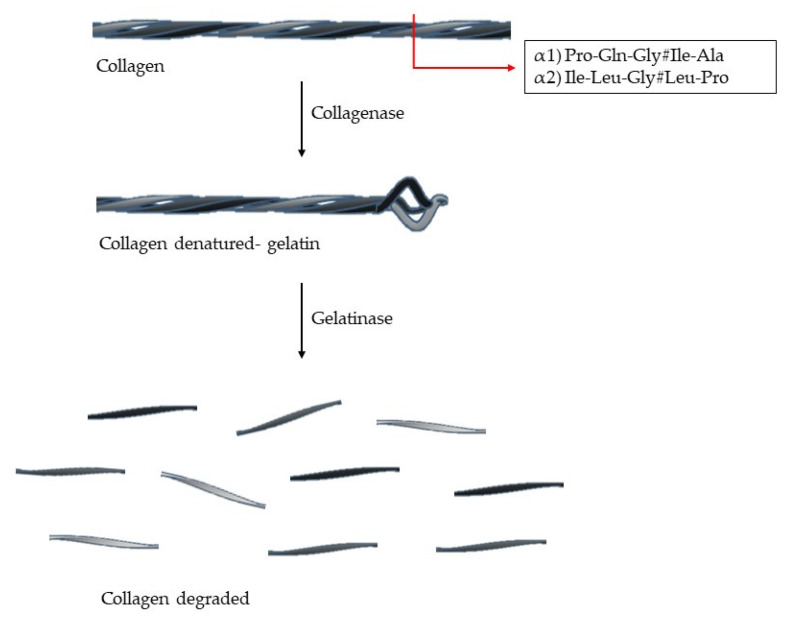
“Collagenases (Appendix A, Table A1) cleave some ECM proteins and other soluble proteins, but the most important role of this type of MMPs is the cleavage of fibrillar collagen type I, II, III, IV and XI into two characteristic fragments, 1/4 C-terminal and 3/4 N -terminal [1,6,8,9,12,14,17,21].”
BackgroundInfluentialMatrix Metalloproteinase-9 (MMP-9) as a Cancer Biomarker and MMP-9 Biosensors: Recent Advances
Huang, H. (2018) · Sensors · doi:10.3390/s18103249 · Cited by 739 · cited 2×
“[26] related that MMP-9 represents a potential biomarker which is overexpressed in several types of tumors (colarectal carcinoma, breast, pancreatic, ovaria, cervical, osteosarcoma nonsmall cell lung cancer (NSCLC), and giant cell tumor of bone (GCTB)), which makes MMP-9 a preferential candidate for the early detectio…”
Background
Cited by
Angiogenic signaling pathways and anti-angiogenic therapy for cancer
Liu, Z.-L., Chen, H.-H., Zheng, L.-L., Sun, L.-P., & Shi, L. (2023) · Signal Transduction and Targeted Therapy · doi:10.1038/s41392-023-01460-1 · Cited by 1,300
“MMP-9 is a 92 kDa gelatinase B or type IV collagenase and MMP-14 is a type 1 membrane matrix metalloproteinase (MT1-MMP) that can degrade multiplicate extracellular matrix components.(81,321) MMP-9 is the central protease for extracellular matrix degradation, which increases the bioavailability of VEGF and recruits pe…”
Backgroundde Almeida, L. G. N., Thode, H., Eslambolchi, Y., Chopra, S., Young, D., Gill, S., Devel, L., & Dufour, A. (2022) · Pharmacological Reviews · doi:10.1124/pharmrev.121.000349 · Cited by 535
Overview of MMP-13 as a Promising Target for the Treatment of Osteoarthritis
Hu, Q., & Ecker, M. (2021) · International Journal of Molecular Sciences · doi:10.3390/ijms22041742 · Cited by 475
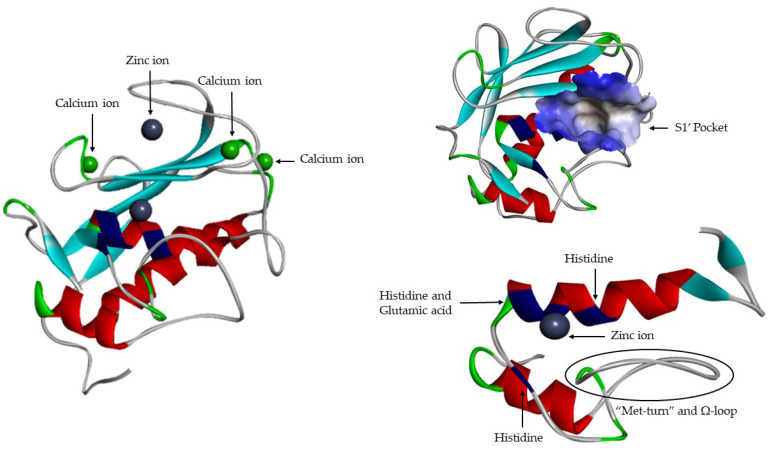
“Additionally, they contain a catalytic zinc ion coordinated by three histidine residues, a structural zinc ion, and three structural calcium ions required for enzyme stability [37].”
BackgroundLuchian, I., Goriuc, A., Sandu, D., & Covasa, M. (2022) · International Journal of Molecular Sciences · doi:10.3390/ijms23031806 · Cited by 358
“An imbalance in the regulation of MMPs activity can lead to tissue destruction, fibrosis, and degradation of the extracellular matrix, which represent various stages of the disease progression, including periodontal disease [14].”
BackgroundInfluentialFrąk, W., Wojtasińska, A., Lisińska, W., Młynarska, E., Franczyk, B., & Rysz, J. (2022) · Biomedicines · doi:10.3390/biomedicines10081938 · Cited by 303
“The dysfunction of MMP activity leads to a progression of various pathologies, tissue destruction, fibrosis, and matrix weakening [64].”
BackgroundMohanto, S., Narayana, S., Merai, K. P., Kumar, J. A., Bhunia, A., Hani, U., Al Fatease, A., Gowda, B. H. J., Nag, S., Ahmed, M. G., et al. (2023) · International Journal of Biological Macromolecules · doi:10.1016/j.ijbiomac.2023.127143 · Cited by 256
Ma, J., Li, Y., Yang, X., Liu, K., Zhang, X., Zuo, X., Ye, R., Wang, Z., Shi, R., Meng, Q., et al. (2023) · Signal Transduction and Targeted Therapy · doi:10.1038/s41392-023-01430-7 · Cited by 243
The mechanics of fibrillar collagen extracellular matrix
Sun, B. (2021) · Cell Reports Physical Science · doi:10.1016/j.xcrp.2021.100515 · Cited by 208
Laha, D., Grant, R., Mishra, P., & Nilubol, N. (2021) · Frontiers in Immunology · doi:10.3389/fimmu.2021.656908 · Cited by 213
Mukherjee, A., & Das, B. (2024) · Biomaterials and Biosystems · doi:10.1016/j.bbiosy.2024.100090 · Cited by 182
“The Collagenase group includes three collagenases: collagenase 1 (MMP-1), collagenase 2 (MMP-8), and Collagenase 3 (MMP-13) [23, 182,198].”
BackgroundInfluentialPompili, S., Latella, G., Gaudio, E., Sferra, R., & Vetuschi, A. (2021) · Frontiers in Medicine · doi:10.3389/fmed.2021.610189 · Cited by 191
Matrix Metalloproteinases in Chronic Obstructive Pulmonary Disease
Christopoulou, M. E., Papakonstantinou, E., & Stolz, D. (2023) · International Journal of Molecular Sciences · doi:10.3390/ijms24043786 · Cited by 153
“In vertebrates, there are 28 different MMPs; however, only 23 MMPs are expressed in human tissues that are synthesized as pre-proenzymes [15,16].”
BackgroundInfluentialLorenc, P., Sikorska, A., Molenda, S., Guzniczak, N., Dams‐Kozlowska, H., & Florczak, A. (2024) · Biomedicine & Pharmacotherapy · doi:10.1016/j.biopha.2024.117585 · Cited by 157
Kim, M., & Park, J. H. (2022) · Pharmaceutics · doi:10.3390/pharmaceutics14091905 · Cited by 150
Advances in Gelatin Bioinks to Optimize Bioprinted Cell Functions
Asim, S., Tabish, T. A., Liaqat, U., Ozbolat, I. T., & Rizwan, M. (2023) · Advanced Healthcare Materials · doi:10.1002/adhm.202203148 · Cited by 153
Advanced Strategies for 3D Bioprinting of Tissue and Organ Analogs Using Alginate Hydrogel Bioinks
Gao, Q., Kim, B.-S., & Gao, G. (2021) · Marine Drugs · doi:10.3390/md19120708 · Cited by 141
“The main group of enzymes responsible for the degradation of ECM proteins is the matrix metalloproteinases (MMPs) [74].”
BackgroundMatrix Metalloproteinases Inhibitors in Cancer Treatment: An Updated Review (2013–2023)
Almutairi, S., Kalloush, H. M., Manoon, N. A., & Bardaweel, S. K. (2023) · Molecules · doi:10.3390/molecules28145567 · Cited by 144
Matrix Metalloproteinases and Their Inhibitors in Pulmonary Fibrosis: EMMPRIN/CD147 Comes into Play
Chuliá‐Peris, L., Carreres-Rey, C., Gabasa, M., Alcaraz, J., Carretero, J., & Pereda, J. (2022) · International Journal of Molecular Sciences · doi:10.3390/ijms23136894 · Cited by 142
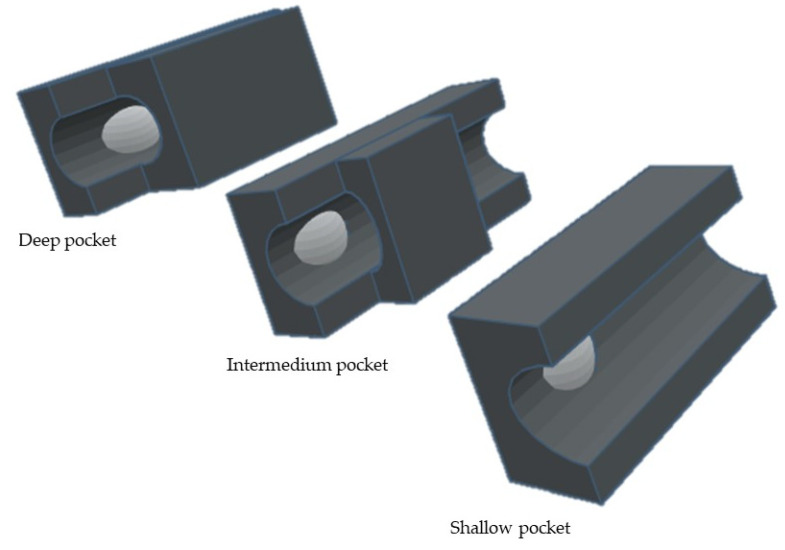
“MMPs possess six pockets (S1, S2, S3, S1, S2, and S3), but S1 is the most important for substrate specificity [19].”
BackgroundInhibitors of gelatinases (MMP-2 and MMP-9) for the management of hematological malignancies
Das, S., Amin, S. A., & Jha, T. (2021) · European Journal of Medicinal Chemistry · doi:10.1016/j.ejmech.2021.113623 · Cited by 127
Pancreatic cancer tumor microenvironment is a major therapeutic barrier and target
Hartupee, C. D., Nagalo, B. M., Chabu, C. Y., Tesfay, M. Z., Coleman‐Barnett, J., West, J. T., & Moaven, O. (2024) · Frontiers in Immunology · doi:10.3389/fimmu.2024.1287459 · Cited by 139
“Although the purpose is to break down protein, MMPs additionally function in tissue remodeling, cellular differentiation, and proliferation (112).”
BackgroundTargeting matrix metalloproteases in diabetic wound healing
Chen, J., Qin, S., Liu, S., Zhong, K., Jing, Y., Wu, X., Peng, F., Li, D., & Peng, C. Y. (2023) · Frontiers in Immunology · doi:10.3389/fimmu.2023.1089001 · Cited by 146
Charge‐Reversible Nanoparticles: Advanced Delivery Systems for Therapy and Diagnosis
Veider, F., Armengol, E. S., & Bernkop‐Schnürch, A. (2023) · Small · doi:10.1002/smll.202304713 · Cited by 124
Filamented Light (FLight) Biofabrication of Highly Aligned Tissue‐Engineered Constructs
Liu, H., Chansoria, P., Delrot, P., Angelidakis, E., Rizzo, R., Rütsche, D., Applegate, L. A., Loterie, D., & Zenobi‐Wong, M. (2022) · Advanced Materials · doi:10.1002/adma.202204301 · Cited by 120
PROLIDASE: A Review from Discovery to its Role in Health and Disease
Eni-Aganga, I., Lanaghan, Z. M., Balasubramaniam, M., Dash, C., & Pandhare, J. (2021) · Frontiers in Molecular Biosciences · doi:10.3389/fmolb.2021.723003 · Cited by 99
Targeting Invasion: The Role of MMP-2 and MMP-9 Inhibition in Colorectal Cancer Therapy
Shoari, A., Ardalan, A. A., Dimesa, A. M., & Coban, M. (2024) · Biomolecules · doi:10.3390/biom15010035 · Cited by 99
Immunomodulatory roles of metalloproteinases in rheumatoid arthritis
Bian, Y., Xiang, Z., Wang, Y., Ren, Q., Chen, G., Xiang, B., Wang, J., Zhang, C., Pei, S., Guo, S., et al. (2023) · Frontiers in Pharmacology · doi:10.3389/fphar.2023.1285455 · Cited by 95
“MMPs expression requires an extracellular stimulation for induction and activation via cytokines, chemokines, growth factors, or alterations in cell-matrix and cell-cell interactions (Cui et al., 2017; Laronha and Caldeira, 2020; de Almeida et al., 2022).”
BackgroundInfluentialModelling the complex nature of the tumor microenvironment: 3D tumor spheroids as an evolving tool
Rodrigues, D. B., Reis, R. L., & Pirraco, R. P. (2024) · Journal of Biomedical Science · doi:10.1186/s12929-024-00997-9 · Cited by 94
“These enzymes are known for their role tissue repair and remodeling, cellular differentiation, cell mobility and wound healing [76], achieved through the cleavage of ECM components [77].”
BackgroundRegulation and Function of Matrix Metalloproteinase-13 in Cancer Progression and Metastasis
Li, S., Pritchard, D. M., & Yu, L.-G. (2022) · Cancers · doi:10.3390/cancers14133263 · Cited by 82
“It is believed that the S1′ pocket is the key contributor to establish MMP binding specificity, possibly because it is the most variable in depth among all the pockets [31].”
BackgroundPezeshkian, Z., Nobili, S., Peyravian, N., Shojaee, B., Nazari, H., Soleimani, H., Asadzadeh‐Aghdaei, H., Bonab, M. A., Mojarad, E. N., & Mini, E. (2021) · Cancers · doi:10.3390/cancers13246226 · Cited by 90
“According to their structural domains, MMPs have been categorized into collagenase, gelatinase, stromelysin, matrilysin, and membrane-bound MMPs (MT-MMPs) [31,32].”
BackgroundVarışlı, B., Çağlayan, C., Kandemır, F. M., Gür, C., Ayna, A., Genç, A., & Tayşi, S. (2022) · Molecular Biology Reports · doi:10.1007/s11033-022-07928-7 · Cited by 86
Wang, M., Lin, S., Liu, M., Jiao, J., Mi, H., Sun, J., Liu, Y., Guo, R., Liu, S., Fu, H., et al. (2023) · Chemical Engineering Journal · doi:10.1016/j.cej.2023.142283 · Cited by 78
Novel Roles of MT1-MMP and MMP-2: Beyond the Extracellular Milieu
Maybee, D. V., Ink, N. L., & Ali, M. A. (2022) · International Journal of Molecular Sciences · doi:10.3390/ijms23179513 · Cited by 79
“Markedly, apart from the accumulation of MT1-MMP on the cell surface, MT1-MMP also localizes to the cytoplasm, caveolae, Golgi apparatus, and nucleus [8,13,26,27].”
BackgroundRadzki, D., Negri, A., Kusiak, A., & Obuchowski, M. (2024) · International Journal of Molecular Sciences · doi:10.3390/ijms25052763 · Cited by 88
“…(‘x’ is any amino acid residue) within their catalytic domain and an invariant methionine-containing 1,4-β -turn called Met-turn [5,52,56,62,66,67]. is any amino acid residue) within their catalytic domain and an invariant methionine-containing 1,4-β -turn called Met-turn [5,52,56,62,66,67].”
BackgroundInfluentialMatrix Metalloproteinase-Responsive Drug Delivery Systems
Zhang, C., Jiang, G., & Gao, X. (2023) · Bioconjugate Chemistry · doi:10.1021/acs.bioconjchem.3c00266 · Cited by 85
Establishments and Evaluations of Post‐Operative Adhesion Animal Models
Wang, Y., Zhai, W., Yang, L., Cheng, S., Cui, W., & Li, J. (2023) · Advanced Therapeutics · doi:10.1002/adtp.202200297 · Cited by 78
ten Brink, T., Damanik, F., Rotmans, J. I., & Moroni, L. (2024) · Advanced Healthcare Materials · doi:10.1002/adhm.202301939 · Cited by 71
Mechanical homeostasis imbalance in hepatic stellate cells activation and hepatic fibrosis
Zhao, Y.-Q., Deng, X.-W., Xu, G.-Q., Lin, J., Lu, H.-Z., & Chen, J. (2023) · Frontiers in Molecular Biosciences · doi:10.3389/fmolb.2023.1183808 · Cited by 71
Aberrance of Zinc Metalloenzymes-Induced Human Diseases and Its Potential Mechanisms
Cheng, Y., & Chen, H. (2021) · Nutrients · doi:10.3390/nu13124456 · Cited by 76
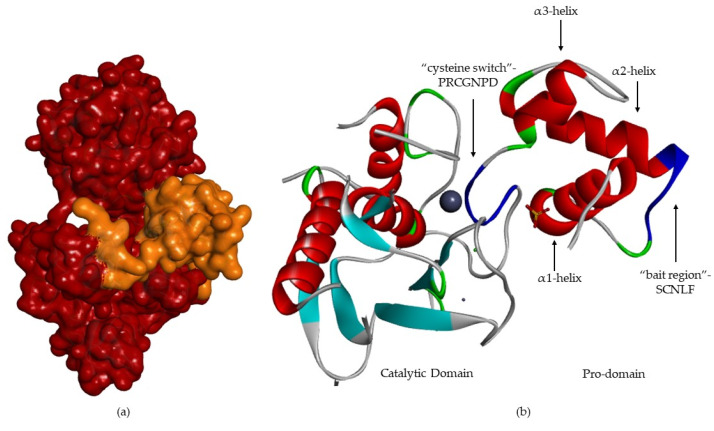
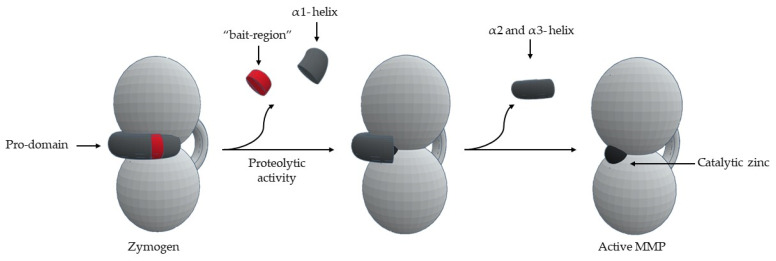
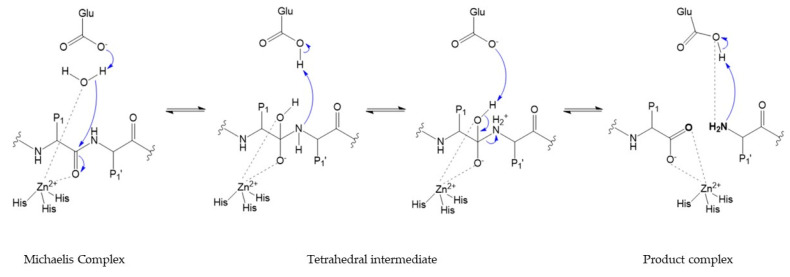
“When the Zn2+–cysteine bond is disrupted by other proteolytic enzymes, proMMPs becomes active with a combination of water molecules and Zn2+ [45,46].”
BackgroundThe Role of Extracellular Matrix in Human Neurodegenerative Diseases
Pintér, P., & Alpár, A. (2022) · International Journal of Molecular Sciences · doi:10.3390/ijms231911085 · Cited by 75
Besednova, N. N., Andryukov, B. G., Zaporozhets, T. S., Kuznetsova, T. A., Kryzhanovsky, S. P., Ermakova, S. P., Galkina, I. V., & Shchelkanov, M. Y. (2022) · Marine Drugs · doi:10.3390/md20040243 · Cited by 75
Tănase, D. M., Valasciuc, E., Anton, I.-B., Gosav, E. M., Dima, N., Cucu, A. I., Costea, C. F., Floria, D., Hurjui, L. L., Tărniceriu, C. C., et al. (2025) · Biomolecules · doi:10.3390/biom15040598 · Cited by 67
“While dysregulated MMP activity is associated with pathological changes in conditions such as atherosclerosis, myocardial infarction, heart failure, and aortic stenosis, these relationships are often correlative, and direct causal links remain incompletely understood [3,4,30].”
InfluentialElgezawi, M., Haridy, R., Almas, K., Abdalla, M. A., Omar, O., Abuohashish, H. M., ElEmbaby, A., Wölfle, U. C., Siddiqui, Y., & Kaisarly, D. (2022) · International Journal of Molecular Sciences · doi:10.3390/ijms23168929 · Cited by 72
“Based on respective substrate preference, domain structure and sequential similarity, MMPs are grouped into collagenases, gelatinases, stromelysins, matrilysins, membranetype MMPs, and other MMPs [9].”
BackgroundInfluentialFactors Influencing Wound Healing in Diabetic Foot Patients
Lee, S., Kim, S. H., Kim, K.-B., Kim, H. S., & Lee, Y. K. (2024) · Medicina · doi:10.3390/medicina60050723 · Cited by 76
“Matrix metalloproteinases constitute a group of calcium-dependent zinc-containing enzymes responsible for degrading the extracellular matrix [65].”
BackgroundCOX 2-inhibitors; a thorough and updated survey into combinational therapies in cancers
Rodrigues, P., Bangali, H., Hammoud, A., Mustafa, Y. F., Al‐Hetty, H. R. A. K., Alkhafaji, A. T., Deorari, M. M., Al‐Taee, M. M., Zabibah, R. S., & Alsalamy, A. (2024) · Medical Oncology · doi:10.1007/s12032-023-02256-7 · Cited by 70
“An enzyme family that breaks down the matrix includes matrix metalloproteinases (MMPs) [20].”
Lai, Y., Xiao, X., Huang, Z., Duan, H., Yang, L., Yang, Y.-C., Li, C., & Feng, L. (2024) · International Journal of Molecular Sciences · doi:10.3390/ijms252312567 · Cited by 65
“Despite DLP‑ based 3D bioprinting offering a powerful tool to address this, the advanced fabrication of large constructs with perfusive microchannels is difficult.”
Osteoarthritis: Mechanisms and Therapeutic Advances
Liu, W., Guo, N., Wang, J., & Xu, B. (2025) · MedComm · doi:10.1002/mco2.70290 · Cited by 74
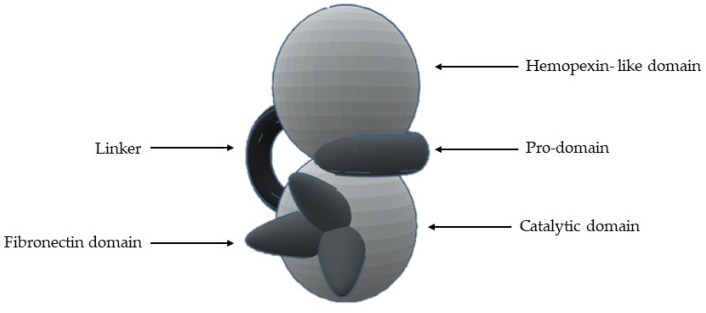
“MMPs are a family of zinc-dependent proteolytic enzymes, which are multidomain proteins with highly conserved signal peptides, propeptide domains, and catalytic domains [161].”
Role of the Extracellular Matrix in Cancer: Insights into Tumor Progression and Therapy
Desai, N., Sahel, D. K., Sawant, B. K. S., Postwala, H. I., Shah, Y. B., Chavda, V. P., Fernandes, C., Khatri, D. K., & Vora, L. K. (2025) · Advanced Therapeutics · doi:10.1002/adtp.202400370 · Cited by 67
Kim, D.-H., Kim, M.-J., Kwak, S.-Y., Jeong, J., Choi, D., Choi, S. W., Ryu, J., & Kang, K.-S. (2023) · Nature Communications · doi:10.1038/s41467-023-35941-2 · Cited by 53
Kim, I.-S., Yang, W., & Kim, C. (2022) · Current Medicinal Chemistry · doi:10.2174/0929867329666220823112731 · Cited by 60
Baruwa, A., Martins, J. N. R., Maravić, T., Mazzitelli, C., Mazzoni, A., & Ginjeira, A. (2022) · Dentistry Journal · doi:10.3390/dj10120219 · Cited by 59
“Numerous studies have identified over 20 MMPs in humans, [133,134] and they have been classified and grouped according to their cellular localization and substrate specificity as collagenases (Types 1, 8, 13, and 18), gelatinases (Types 2, 9), stromelysins (Types 3, 10, and 11), matrilysins (Types 7 and 26), membrane-…”
BackgroundKazemi, A., Fathy, M., Jahanian, A., Khanali, J., Ostadi, Y., Babajani, A., Tayebi, T., & Niknejad, H. (2025) · Biomedicine & Pharmacotherapy · doi:10.1016/j.biopha.2025.118457 · Cited by 64
Tampa, M. Ş., Georgescu, S. R., Mitran, M. I., Mitran, C. I., Matei, C., Căruntu, A., Scheau, C., Nicolae, I., Matei, A. C., Căruntu, C., et al. (2021) · Biomolecules · doi:10.3390/biom11060903 · Cited by 55
Meteva, D., Vinci, R., Seppelt, C., Abdelwahed, Y. S., Pedicino, D., Nelles, G., Skurk, C., Haghikia, A., Rauch, U., Gerhardt, T., et al. (2023) · European Heart Journal · doi:10.1093/eurheartj/ehad379 · Cited by 57
Telocytes are major constituents of the angiogenic apparatus
Soliman, S. A. (2021) · Scientific Reports · doi:10.1038/s41598-021-85166-w · Cited by 51
Mohammadhosayni, M., Mohammadi, F. S., Ezzatifar, F., Gorabi, A. M., Khosrojerdi, A., Aslani, S., Hemmatzadeh, M., Yazdani, S., Arabi, M., Marofi, F., et al. (2021) · International Immunopharmacology · doi:10.1016/j.intimp.2021.108076 · Cited by 51
“This issue might stem from the specific function of MMPs, as MMP-1, MMP-8 and MMP13 are collagenases, MMP-2 and MMP-9 are gelatinases, MMP-3, MMP10, MMP-11 are stromelysins, MMP-7 and MMP-12 are elastases, and MMP-14, MMP-15, MMP-16 and MMP-17 are membrane-type MMPs that target gelatin, fibronectin, laminin, and colla…”
Matrix Metalloproteinase-2 (MMP-2): As an Essential Factor in Cancer Progression
Reddy, R. A., Varshini, M. S., & Sureshkumar, R. (2023) · Recent Patents on Anti-Cancer Drug Discovery · doi:10.2174/0115748928251754230922095544 · Cited by 54
Discovery of matrix metalloproteinase inhibitors as anti-skin photoaging agents
Li, F., Zhi, J., Zhao, R., Sun, Y., Wen, H., Cai, H., Chen, W., Jiang, X., & Bai, R. (2024) · European Journal of Medicinal Chemistry · doi:10.1016/j.ejmech.2024.116152 · Cited by 51
Association of Hypertension and Organ-Specific Cancer: A Meta-Analysis
Connaughton, M., & Dabagh, M. (2022) · Healthcare · doi:10.3390/healthcare10061074 · Cited by 55
“There are 23 MMPs expressed in humans, and they have been recently shown to be associated with receptor cleavage of the insulin receptor, leading to insulin resistance and, as mentioned above, insulin resistance is typically associated with hypertension [59,87,88].”
BackgroundRole of Matrix Metalloproteinases in Musculoskeletal Diseases
Kumar, L., Bisen, M., Khan, A. A., Kumar, P., & Patel, S. K. S. (2022) · Biomedicines · doi:10.3390/biomedicines10102477 · Cited by 49
“In contrast, membrane-bound MMPs have a distinct transmembrane domain and a C-terminal cytoplasmic tail [21].”
BackgroundInfluentialBhar, B., Chakraborty, B., Nandi, S. K., & Mandal, B. B. (2022) · International Journal of Biological Macromolecules · doi:10.1016/j.ijbiomac.2022.01.142 · Cited by 49
The roles of proteases in prostate cancer
Koistinen, H. K., Kovanen, R., Hollenberg, M. D., Dufour, A., Radisky, E. S., Stenman, U., Batra, J., Clements, J. A., Hooper, J. D., Diamandis, E. P., et al. (2023) · IUBMB Life · doi:10.1002/iub.2700 · Cited by 49
Unlocking the Potential of Collagenases: Structures, Functions, and Emerging Therapeutic Horizons
Wang, Z., Wang, K., Xu, L.-F., Su, C., Gong, J., Shi, J., Ma, X., Xie, N., & Qian, J.-Y. (2024) · BioDesign Research · doi:10.34133/bdr.0050 · Cited by 45
“Subsequently, disassembly occurs, allowing the exposure of the catalytic domain of MMPs to bind with substrates and thereby activate their proteolytic activity [ 31 , 32 ].”
BackgroundSalomão, R., Assis, V., Neto, I. V. D. S., Petriz, B. A., Babault, N., Durigan, J. L. Q., & Marqueti, R. D. C. (2023) · Biology · doi:10.3390/biology12060843 · Cited by 50
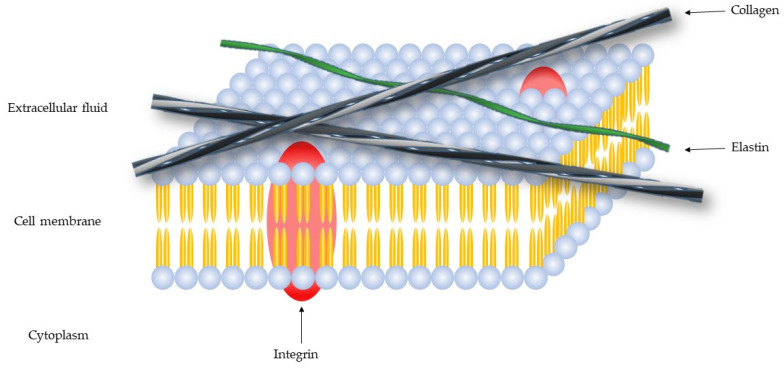
“The ECM has a diverse composition of fibers, proteoglycans, glycoproteins, and polysaccharides which regulate cell migration, growth, and differentiation [15].”
BackgroundGonzález-Ávila, G., Sommer, B., Flores‐Soto, E., & Aquino‐Gálvez, A. (2023) · International Journal of Molecular Sciences · doi:10.3390/ijms242316887 · Cited by 53
“Likewise, chemicals such as sodium dodecyl sulfate (SDS), mercurial agents, reactive oxygen species (ROS), or glutathione can cause the breaking of the thiol–zinc link, causing a partial activation of the enzyme [11].”
BackgroundRecent Advances in the Development and Application of Cell-Loaded Collagen Scaffolds
He, Q., Feng, T., Xie, Y., Sathiskumar, S., Zhou, Y., Zhou, Y., Zhou, H. H., & Peng, X. (2025) · International Journal of Molecular Sciences · doi:10.3390/ijms26094009 · Cited by 48
“In living organisms, matrix metalloproteinases (MMPs) are the only enzymes capable of degrading collagen [29].”
Michalak, M., Zagórska-Dziok, M., Klimek-Szczykutowicz, M., & Szopa, A. (2023) · Molecules · doi:10.3390/molecules28020868 · Cited by 44
“MMPs are involved in many biological processes, including cell proliferation, tissue repair and remodelling, wound healing, and apoptosis [36].”
BackgroundInfluentialCollagenases and their inhibitors: a review
Wu, S., Zhou, X.-W., Jin, Z., & Cheng, H. (2023) · Collagen and Leather · doi:10.1186/s42825-023-00126-6 · Cited by 49
Kudelski, J., Tokarzewicz, A., Gudowska-Sawczuk, M., Mroczko, B., Chłosta, P. L., Bruczko-Goralewska, M., Mitura, P., & Młynarczyk, G. (2023) · Biomedicines · doi:10.3390/biomedicines11030956 · Cited by 42
“It has been reported that MMP-2 is associated with many disorders such as: multicentric osteolysis, nodulosis, and arthropathy [12,13].”
BackgroundJing, M., Chen, X., Qiu, H., He, W., Zhou, Y., Li, D., Wang, D., Jiao, Y., & Liu, A.-X. (2023) · Frontiers in Immunology · doi:10.3389/fimmu.2022.1067661 · Cited by 46
Sabir, U., Gu, H., & Zhang, D. (2023) · Phytotherapy Research · doi:10.1002/ptr.7959 · Cited by 44
“…-13, and -14, are highly expressed in the liver and are relevant to hepatic fibrogenesis and fibrolysis in humans; each of them is uniquely expressed during the deterioration of normal liver matrix, buildup of fibrotic tissue and degradation of the fibrotic liver matrix (Laronha & Caldeira, 2020).”
BackgroundApplication of collagen in bone regeneration
Li, R., Xu, S., Guo, Y. P., Cao, C., Xu, J., Hao, L., Luo, S., Chen, X., Du, Y., Li, Y., et al. (2025) · Journal of Orthopaedic Translation · doi:10.1016/j.jot.2024.10.002 · Cited by 48
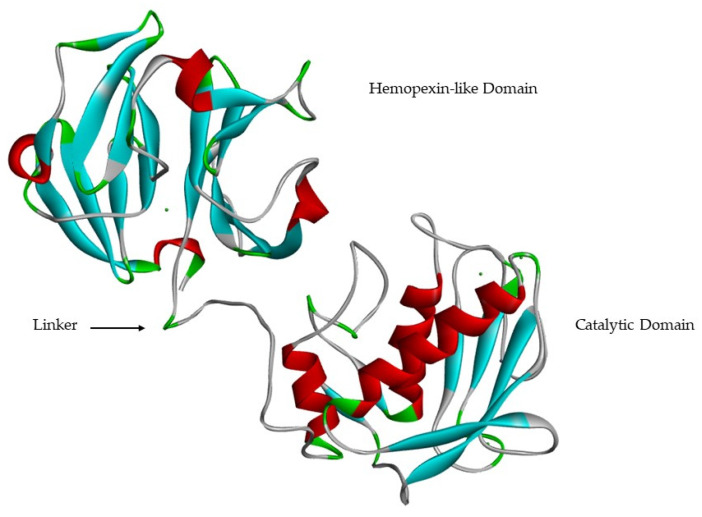
“The MMPs constitute a family of proteolytic enzymes with distinct substrates but common structural features including catalytic domains and C-terminal hemopexin domains [90].”
Chen, Y., & Li, T. X. (2025) · International Journal of Molecular Sciences · doi:10.3390/ijms26041770 · Cited by 44
“According to studies, they have a close relationship with chronic pain hyperalgesia [135–138].”
Liu, J., Yang, L., Liu, D., Wu, Q., Yu, Y., Huang, X., Li, J., & Liu, S. (2025) · Journal of Orthopaedic Translation · doi:10.1016/j.jot.2025.07.006 · Cited by 56
“A variety of extracellular endopeptidases in the matrix metalloproteinases (MMPs) help replace type III collagen with type I collagen [144 – 150].”
Monea, M. D., & Pop, A. M. (2022) · Current Issues in Molecular Biology · doi:10.3390/cimb44120430 · Cited by 39
“However, the deregulation of their function promotes the development of several pathologies associated with tissue destruction, ECM loosening and fibrosis [53].”
BackgroundYoodee, S., Noonin, C., Sueksakit, K., Kanlaya, R., Chaiyarit, S., Peerapen, P., & Thongboonkerd, V. (2021) · Communications Biology · doi:10.1038/s42003-021-02479-2 · Cited by 35
Fibrillar Collagen: A Review of the Mechanical Modeling of Strain-Mediated Enzymatic Turnover
Topol, H., Demirkoparan, H., & Pence, T. J. (2021) · Applied Mechanics Reviews · doi:10.1115/1.4052752 · Cited by 40
DNAzymes, Novel Therapeutic Agents in Cancer Therapy: A Review of Concepts to Applications
Thomas, I. B. K., Gaminda, K. A. P., Jayasinghe, C. D., Abeysinghe, T., & Senthilnithy, R. (2021) · Journal of Nucleic Acids · doi:10.1155/2021/9365081 · Cited by 38
“Matrix metalloproteinases (MMPs) are members of the metzincin protease superfamily of zinc-endopeptidases which are involved in many biological processes such as degradation of ECM [35].”
BackgroundInfluentialCheng, Y., Ren, J., Fan, S., Wu, P., Cong, W., Lin, Y., Lan, S., Song, S., Shao, B., Dai, W., et al. (2022) · Nanoscale Horizons · doi:10.1039/d2nh00067a · Cited by 35
Gkaliagkousi, Ε., Lazaridis, A. A., Doğan, S., Fraenkel, E., Tuna, B. G., Mozos, I. M., VUKIĆEVIĆ, M., Yalçın, Ö., & Gopčević, K. (2022) · International Journal of Molecular Sciences · doi:10.3390/ijms23158672 · Cited by 39
Matrix Metalloproteinases in Glioma: Drivers of Invasion and Therapeutic Targets
Aitchison, E. E., Dimesa, A. M., & Shoari, A. (2025) · BioTech · doi:10.3390/biotech14020028 · Cited by 41
“MMPs are a group of enzymes that are capable of degrading various components of the ECM, which provides structural and biochemical support to surrounding cells [6].”
Mixon, A., Savage, A. M., Moni, A. S. B., Adouni, M., & Faisal, T. R. (2021) · Scientific Reports · doi:10.1038/s41598-021-93744-1 · Cited by 38
SARS-CoV-2 and pathological matrix remodeling mediators
Guizani, I., Fourti, N., Zidi, W., Feki, M., & Elasmi, M. (2021) · Inflammation Research · doi:10.1007/s00011-021-01487-6 · Cited by 39
Mârțu, M.-A., Maftei, G.-A., Luchian, I. A., Ștefănescu, O. M., Scutariu, M. M., & Solomon, S. M. (2021) · Pharmaceuticals · doi:10.3390/ph14121209 · Cited by 41
Genetic and Epigenetic Aspects of Skin Collagen Fiber Turnover and Functioning
Потекаев, Н. Н., Borzykh, O. B., Medvedev, G. V., Петрова, М. М., Gavrilyuk, O. A., Karpova, E. I., Trefilova, V. V., Demina, O. M., Popova, T. E., & Shnayder, N. A. (2021) · Cosmetics · doi:10.3390/cosmetics8040092 · Cited by 38
Mohammadi, S., Ravanbakhsh, H., Taheri, S., Bao, G., & Mongeau, L. (2022) · Advanced Healthcare Materials · doi:10.1002/adhm.202102366 · Cited by 32
Sanyal, S. K., Amin, S. A., Banerjee, P., Gayen, S., & Jha, T. (2022) · Bioorganic & Medicinal Chemistry · doi:10.1016/j.bmc.2022.117044 · Cited by 35
Cardoso, L. P., de Sousa, S. O., Gusson-Zanetoni, J. P., Silva, L. L. D. M. M., Frigieri, B. M., Henrique, T., Tajara, E. H., Oliani, S. M., & Rodrigues‐Lisoni, F. C. (2023) · Pharmaceuticals · doi:10.3390/ph16010103 · Cited by 34
“MMP activity is contained by MMP inhibitors (TIMPs) [21,22], and studies show that high levels of TIMP2 are associated with a better clinical outcome in patients with solid tumor [20]; therefore, the effect of treatment on this mediator has a substantial impact on controlling the progression of tumorigenesis.”
BackgroundSmart Hydrogels for Tissue Regeneration
Xie, C., Xu, J., Wang, X., Jiang, S., Zheng, Y., Liu, Z., Jia, Z., Jia, Z., & Lu, X. (2023) · Macromolecular Bioscience · doi:10.1002/mabi.202300339 · Cited by 33
Zhao, T., Chu, Z., Chu, C. H., Dong, S., Li, G., Wu, J. C., & Tang, C. (2023) · Frontiers in Immunology · doi:10.3389/fimmu.2023.1194662 · Cited by 37
Thanh, H. D., Lee, S., Thủy, N. T. T., Huu, T. N., Ahn, E., Cho, S., Kim, M. S., Moon, K., & Jung, C. (2024) · Scientific Reports · doi:10.1038/s41598-024-65398-2 · Cited by 35
“MMPs are tightly controlled at several levels, such as at the transcriptional and post-transcriptional levels and by enzyme activation, specific inhibitors, and enzyme degradation 13 .”
Kawa, H., Ahmed, Z., Majid, A., & Chen, R. (2024) · Neuropharmacology · doi:10.1016/j.neuropharm.2024.110192 · Cited by 34
Ogoyama, M., Ohkuchi, A., Takahashi, H., Zhao, D., Matsubara, S., & Takizawa, T. (2021) · International Journal of Molecular Sciences · doi:10.3390/ijms22031237 · Cited by 29
“MMP13 (also known as collagenase-3) is secreted into the extracellular space as an inactive proenzyme (pro-MMP13); its activation requires cleavage of pro-MMP13 by MMP3 and MMP14 [62,63].”
BackgroundActions and interactions of IGF-I and MMPs during muscle regeneration
Kok, H. J., & Barton, E. R. (2021) · Seminars in Cell and Developmental Biology · doi:10.1016/j.semcdb.2021.04.018 · Cited by 29
Selected Biomarkers of Tick-Borne Encephalitis: A Review
Gudowska-Sawczuk, M., & Mroczko, B. (2021) · International Journal of Molecular Sciences · doi:10.3390/ijms221910615 · Cited by 30
Kim, M., Jang, H. Y., & Park, J. H. (2023) · Antioxidants · doi:10.3390/antiox12061146 · Cited by 32
“However, in the chronic skin wound environment, the activity of proteases such as matrix metalloproteinases (MMPs) increases, while the activity of protease inhibitors such as tissue inhibitor of MMPs (TIMPs) decreases, promoting degradation of extracellular matrix (ECM) proteins and growth factors [6,9].”
BackgroundMatrix metalloproteinases as biomarkers and therapeutic targets in colitis-associated cancer
Moura, N. S., Schledwitz, A., Alizadeh, M. A., Patil, S. A., & Raufman, J. (2024) · Frontiers in Oncology · doi:10.3389/fonc.2023.1325095 · Cited by 34
“Following removal of the N-terminal signal sequence during translation, each MMP exists in three forms: the inactive secreted form or zymogen known as pro-MMP, active MMP, and inhibitor-complexed MMP (64, 65).”
BackgroundZhao, Q., Hu, Q.-X., Li, J.-P., Su, H., Li, Z., He, J., You, Q., Yang, Y., Zhang, H., & Zhao, K. (2025) · ACS Applied Materials & Interfaces · doi:10.1021/acsami.5c01640 · Cited by 30
Using Salivary MMP-9 to Successfully Quantify Periodontal Inflammation during Orthodontic Treatment
Luchian, I. A., Moscalu, M., Goriuc, A., Nucci, L., Tatarciuc, M., Mârţu, I., & Covașă, M. (2021) · Journal of Clinical Medicine · doi:10.3390/jcm10030379 · Cited by 28
“Moreover, MMP-2 and MMP-9 may have a binding domain for gelatin, inserted between the catalytic and the active domain, and this is the reason of why MMP-9 is also called gelatinase B [9].”
BackgroundKamińska, M., Bruyat, P., Malgorn, C., Doladilhe, M., Lajeunesse, E. C., Fruchart‐Gaillard, C., Souza, M. D. C., Beau, F., Thaï, R., Correia, I., et al. (2021) · Angewandte Chemie International Edition · doi:10.1002/anie.202106117 · Cited by 29
Flavonoids as regulators of TIMPs expression in cancer: Consequences, opportunities, and challenges
Cayetano‐Salazar, L., Nava-Tapia, D. A., Astudillo-Justo, K. D., Arizmendi-Izazaga, A., Sotelo-Leyva, C., Herrera-Martínez, M., Villegas‐Comonfort, S., & Navarro‐Tito, N. (2022) · Life Sciences · doi:10.1016/j.lfs.2022.120932 · Cited by 26
Metadata
- Authors
- Laronha, H., & Caldeira, J.
- Affiliations
- LAQV Requimte (PT)
- Corresponding author
- Caldeira, Jorge
- Venue
- Cells
- Publisher
- MDPI AG
- Published
- 2020-04-26
- Volume
- 9
- Issue
- 5
- Pages
- 1076
- ISSN
- 2073-4409 (ISSN-L)
- PMC
- PMC7290392
- OpenAlex
- W3019034047
- Semantic Scholar
- 78e1f6960d48761830483b73ddf345fae4bbfdb7
- Cited by
- 609
- References
- 36
- Citations by year
- 2026: 82 · 2025: 117 · 2024: 132 · 2023: 122 · 2022: 93 · 2021: 61 · 2020: 1
- FWCI
- 7.06
- Type
- journal article
- Language
- en
- Open access
- gold
- dx.doi.org
- Licence
- Locations
- Cells (publishedVersion, cc-by)
- PubMed Central (publishedVersion, cc-by)
- PubMed (publishedVersion)
- Portuguese National Funding Agency for Science, Research and Technology (RCAAP Project by FCT) (submittedVersion, other-oa)
- DOAJ (DOAJ: Directory of Open Access Journals) (submittedVersion, cc-by-sa)
- Funders
- Fundação para a Ciência e a Tecnologia (PTDC/SAU-BMA/122444/2010, SAICT-POL/24288/2016)
- Topics
- Life Sciences › Biochemistry, Genetics and Molecular Biology › Cancer Research › Protease and Inhibitor Mechanisms
- Life Sciences › Biochemistry, Genetics and Molecular Biology › Biochemistry › Bone and Dental Protein Studies
- Life Sciences › Biochemistry, Genetics and Molecular Biology › Structural Biology › Enzyme Structure and Function
- Keywords
- matrix metalloproteinases, extracellular matrix, collagen degradation, collagen triple helix, tissue inhibitors of metalloproteinases, MMP regulation, protease inhibitors
- MeSH terms
- Collagen, Extracellular Matrix, Humans, Structure-Activity Relationship, Matrix Metalloproteinases, Proteolysis, Matrix Metalloproteinase Inhibitors
About these checks
Registry, retraction, Cites and statistics results are computed, not judged, with one exception: a printed reference that no index lists is read once by a model before it counts as a citation error. Claims are extracted by a model and kept only when their quote appears verbatim in the text; each cited source is then checked, with a model’s help, for whether it says what the claim relies on. Those verdicts can be wrong — read the claim’s quote and the cited source before relying on one.
Statistics and arithmetic are recomputed, not judged.
Confidence bands are shown only for fields calibrated on our annotated test set. None is calibrated yet, so no band is shown.
What counts as a claim ›How we measure confidence ›How we check this ›
Are you an author, or do you see a problem with this page? Request a review
Data sources
Bibliographic data: Semantic Scholar, OpenAlex, Crossref.
Contains information from the Semantic Scholar Academic Graph Datasets, made available under the ODC Attribution License (ODC-BY 1.0).
Semantic Scholar’s data is described in: Kinney, R., et al. (2023). The Semantic Scholar Open Data Platform. arXiv:2301.10140.
