

Can Glucose Alarm Fatigue Threaten the Absolute Clinical Benefit of Continuous Glucose Monitoring in Optimal Glucose Management in Children and Adolescents with Type 1 Diabetes? A Narrative Review
Open accessThe DOI matches its Crossref record; 75 of the 75 references it cites were found in a registry or an index; 2 of the 132 sources its claims cite were checked for support.
Abstract
Technology has brought about a revolution in the management of type 1 diabetes (T1D). The adoption of continuous glucose monitoring (CGM) and insulin pump therapy in the everyday life of children and adolescents with T1D is a real innovation and the most promising choice for optimizing glycemic control in this population. The incorporation of an alarm system, including notifications, alerts and alarms and warning patients and their parents about glucose levels and upcoming events interfering with safety, is an invaluable additional tool for better targeting euglycemia. However, in parallel with the clinical benefits of alarm systems in ameliorating metabolic control parameters, alarm fatigue was recorded as a phenomenon, negatively affecting the everyday lives of patients and their caregivers, and as a cause for rejecting or abandoning CGM or pump therapy treatment. There are a few data concerning the frequency, consequences and methods of eliminating alarm fatigue among children. As a result, we have conducted a narrative review to briefly present the basic philosophy of the existing CGM alarm systems and their positive effect on glycemic management, and focus on alarm fatigue; definition, frequency, effect on quality of life and sleep, not only of T1D pediatric patients but also of their families, and methods of elimination. Efforts to achieve a more reliable and accurate alarm system and educate on adapting personalized limits and positively interpreting them may protect the T1D pediatric population from alarm fatigue and prevent rejection or incomplete use of CGM and insulin pump as the therapeutic choice, ensuring the best glycemic control.
Overview
CoChat Summary
TL;DR
This narrative review argues that CGM/pump/HCL alarms improve glycemic management in children and adolescents with type 1 diabetes, but alarm fatigue is common and can undermine adherence, quality of life, and sleep. The authors conclude that despite this problem, alarm fatigue is “not able to threaten the undeniable positive effect on glycemic control.”
Key findings
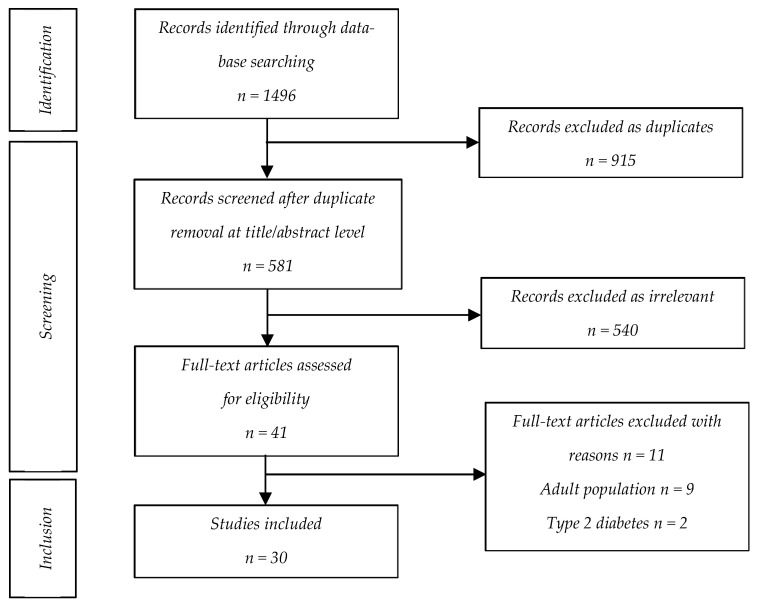
- The search identified 1496 records; after removing 915 duplicates and screening, the review included 30 articles.
- Reported alarm-fatigue frequency was highly variable: 0 in some studies, 26–50% in others, and technology discontinuation used as an indirect marker ranged from 12% to 62%.
- In the only study that estimated parental sleep, alarm-fatigue frequency was 60%.
- A prospective observational study of 47 children and adolescents found that switching from FreeStyle Libre to FreeStyle Libre 2 for 14 days increased time in range (TIR) and reduced time above range (TAR), weekly hypoglycemic events, and coefficient of variation.
Methods
- Narrative review of literature published from 1 January 2000 to 30 September 2025.
- Database searched: PubMed/Medline; included studies of children/adolescents with T1D and/or their parents/caregivers using CGM, insulin pump, or HCL systems.
- Included observational and qualitative studies in English; excluded adult-only studies, type 2 diabetes, case reports/series, editorials, and letters. Full texts were reviewed and findings synthesized narratively.
Limitations
- The paper states it is a narrative review, and it notes that prior data on alarm fatigue were “scarce and scattered”; it does not report a formal meta-analysis or quantitative pooled estimate.
- The evidence base was heterogeneous: studies varied in how alarm fatigue was defined or measured, and many did not record frequency directly; this limits comparability (stated in the paper).
- Evident from the text: the review is restricted to PubMed/Medline and English-language studies, so relevant evidence outside those bounds may have been missed.
Model-written summary. Check it against the paper before relying on it.
Integrity signals
Registry
Cites
Statistics
Figures
Verification
Claims the paper makes
2 Valid · 0 Not valid · 97 Not checked · 16 Own results and interpretations
The sources with a verdict support this claim; the rest weren’t checked yet, have no full text we could read, or their verdicts aren’t rated yet.
In the paper
“Among 85 children and adolescents between 5 and 18 years old with T1D, alarm fatigue was found to be the main reason for discontinuing CGM [ 43 ], or at least one of the reasons [ 32 , 67 ].”
What the sources say
- Not checked yetcites [32] Barnard, 2016, Impact of Type 1 Diabetes Technology on Family Members/Significant Others of People With Diabetes, J. Diabetes Sci. Technol. source
- Supportedcites [67] Choudhary, 2018, Hypoglycaemia in type 1 diabetes: Technological treatments, their limitations and the place of psychology, Diabetologia source
The Treatment adherence section (Limitations of technology) states that in a representative paediatric cohort, reasons for discontinuing CGM included 'too many alarms' (27%), i.e. one of several reasons, and the Alarm fatigue section states that 'many individuals give alarm fatigue as a reason for discontinuing sensor use'. The review reports these as findings of the cohort it cites (ref 69), which is sufficient for a review source; our copy does not give the sample size or 5-18 age range, but the paraphrase attributed here — that among children and adolescents alarm fatigue was at least one reason for CGM discontinuation — is stated. (LLM, conf=0.85)
plainstates a causen = 85- Asserted: passes — The authors put it forward as true.
- Checkable: passes — It can be checked against evidence.
- Load-bearing: passes — The paper’s conclusions depend on it.
- Based: passes — The paper gives a reason why it holds.
None of the sources cited for this claim have been checked yet.
In the paper
“Studies recorded the impact of alarm fatigue among patients [ 18 , 29 , 31 , 33 , 34 , 36 , 43 , 44 , 45 , 47 , 49 , 53 , 55 ], their parents [ 22 , 27 , 32 , 35 , 38 , 42 , 46 , 50 ] or both [ 25 , 37 , 39 , 40 , 41 , 48 , 51 , 52 , 54 ].”
plain- Asserted: passes — The authors put it forward as true.
- Checkable: passes — It can be checked against evidence.
- Load-bearing: unclear — It is unclear whether the paper’s conclusions depend on it.
- Based: passes — The paper gives a reason why it holds.
In the paper
“In the only study [ 48 ] that estimated parental sleep, alarm fatigue frequency was rather high (60%).”
What the sources say
- Not checked yetcites [48] Macaulay, 2020, Sleep and Night-time Caregiving in Parents of Children and Adolescents with Type 1 Diabetes Mellitus—A Qualitative Study, Behav. Sleep Med. source
plain- Asserted: passes — The authors put it forward as true.
- Checkable: passes — It can be checked against evidence.
- Load-bearing: unclear — It is unclear whether the paper’s conclusions depend on it.
- Based: passes — The paper gives a reason why it holds.
In the paper
“In a study, among CGM ex-users, 50% reported too many alarms as the cause of CGM discontinuation.”
What the sources say
- Not checked yetcites [43] Farfel, 2020, Executive Functions and Adherence to Continuous Glucose Monitoring in Children and Adolescents with Type 1 Diabetes, Diabetes Technol. Ther. source
plainstates a cause- Asserted: passes — The authors put it forward as true.
- Checkable: passes — It can be checked against evidence.
- Load-bearing: passes — The paper’s conclusions depend on it.
- Based: passes — The paper gives a reason why it holds.
In the paper
“Among 85 children and adolescents between 5 and 18 years old with T1D, alarm fatigue was found to be the main reason for discontinuing CGM [ 43 ], or at least one of the reasons [ 32 , 67 ].”
What the sources say
- Not checked yetcites [43] Farfel, 2020, Executive Functions and Adherence to Continuous Glucose Monitoring in Children and Adolescents with Type 1 Diabetes, Diabetes Technol. Ther. source
hedgedstates a causen = 85- Asserted: passes — The authors put it forward as true.
- Checkable: passes — It can be checked against evidence.
- Load-bearing: unclear — It is unclear whether the paper’s conclusions depend on it.
- Based: passes — The paper gives a reason why it holds.
47 more claims
Create a free account to see all 115 claims and to verify the 130 references still open.
- Probably not a substantial claim. 28
- It may state two separate claims as one. 44
Self-check
Percentages, sums and reported differences re-computed from the paper’s own numbers.
Each contradiction between two passages listed here was confirmed by an independent check.
Rated minor: it would not touch a result — a value no result rests on, a p-value that stays on the same side of the significance level, or a conflict that is clerical, resolved elsewhere in the paper, or outside its own findings.
In the paper
“There were two studies being conducted with parental sleep [ 48 ] and QoL [ 42 ].”
“Overnight awakening due to CGM alerts and notifications was also reported in two other studies, performing qualitative narrative analysis of CGM and evaluating its impact on parental sleep [ 27 , 35 ].”
Citations
Cites
Maiorino, M. I., Signoriello, S., Maio, A., Chiodini, P., Bellastella, G., Scappaticcio, L., Longo, M., Giugliano, D., & Esposito, K. (2020) · Diabetes Care · doi:10.2337/dc19-1459 · Cited by 364 · cited 1×
“A lot of clinical [4,5] and real-world studies [6], as well as systematic reviews and meta-analyses [7,8], have clearly proven the beneficial effect of CGM on glycemic control optimization.”
Real-time continuous glucose monitoring among participants in the T1D Exchange clinic registry
Wong, J. C., Foster, N. C., Maahs, D. M., Raghinaru, D., Bergenstal, R. M., Ahmann, A. J., Peters, A. L., Bode, B. W., Aleppo, G., Hirsch, I. B., et al. (2014) · Diabetes Care · doi:10.2337/dc14-0303 · Cited by 318 · cited 2×
“Studies recorded the impact of alarm fatigue among patients [18,29,31,33,34,36,43– 45,47 ,49 ,53 , 55 ], their parents [22 ,27 ,32,35,38,42,46, The main reasons responsible for alarm fatigue concerned either everyday life [22,25,29,31,33,34,37,39,41,43,45,46,49,51,52] or sleep [18,25,27,29,31–38,…”
for the T1D Exchange Clinic Network, T. D. I., Sherr, J. L., Hermann, J. M., Campbell, F., Foster, N. C., Hofer, S. E., Allgrove, J., Maahs, D. M., Kapellen, T. M., Holman, N., et al. (2016) · Diabetologia · doi:10.1007/s00125-015-3790-6 · Cited by 237
One year clinical experience of the first commercial hybrid closed-loop system
Lal, R. A., Basina, M., Maahs, D. M., Hood, K., Buckingham, B., & Wilson, D. M. (2019) · Diabetes Care · doi:10.2337/dc19-0855 · Cited by 215 · cited 1×
“Studies recorded the impact of alarm fatigue among patients [18,29,31,33,34,36,43– 45,47 ,49 ,53 , 55 ], their parents [22 ,27 ,32,35,38,42,46, The main reasons responsible for alarm fatigue concerned either everyday life [22,25,29,31,33,34,37,39,41,43,45,46,49,51,52] or sleep [18,25,27,29,31–38,…”
Pickup, J. C., Ford Holloway, M., & Samsi, K. (2015) · Diabetes Care · doi:10.2337/dc14-1855 · Cited by 189 · cited 7×
“Studies recorded the impact of alarm fatigue among patients [18,29,31,33,34,36,43– 45,47 ,49 ,53 , 55 ], their parents [22 ,27 ,32,35,38,42,46, The main reasons responsible for alarm fatigue concerned either everyday life [22,25,29,31,33,34,37,39,41,43,45,46,49,51,52] or sleep [18,25,27,29,31–38,…”
InfluentialBidargaddi, N., Almirall, D., Murphy, S., Nahum-Shani, I., Kovalcik, M., Pituch, T., Maaieh, H., & Strecher, V. (2018) · JMIR mHealth and uHealth · doi:10.2196/10123 · Cited by 189 · cited 1×
“It is important to optimize alarm settings with respect to each user’s preferences regarding frequency, timing, and content of notifications [69], in order to improve user engagement and long-term adherence [76,77].”
Lawton, J., Blackburn, M., Allen, J., Campbell, F., Elleri, D., Leelarathna, L., Rankin, D., Tauschmann, M., Thabit, H., & Hovorka, R. (2018) · BMC Endocrine Disorders · doi:10.1186/s12902-018-0239-1 · Cited by 174 · cited 6×
“Parents and young people report protection against hypoglycemic episodes as the primary cause of such feelings [25], while caregivers of children and adolescents using CGM find alarms useful in understanding the trending direction of glucose levels [27].”
InfluentialAlva, S., Bailey, T., Brazg, R., Budiman, E. S., Castorino, K., Christiansen, M. P., Forlenza, G., Kipnes, M., Liljenquist, D. R., & Liu, H. (2022) · Journal of Diabetes Science and Technology · doi:10.1177/1932296820958754 · Cited by 164 · cited 1×
“Accuracy improvement and the optional alarm feature of new-generation CGM systems can be rather useful for the adoption of this technology in the daily life of the pediatric population with T1D [28].”
Messer, L. H., Berget, C., Vigers, T., Pyle, L., Geno, C., Wadwa, R. P., Driscoll, K. A., & Forlenza, G. P. (2020) · Pediatric Diabetes · doi:10.1111/pedi.12971 · Cited by 161 · cited 3×
““Alarms” was reported by 40% of pediatric HCL users as the third most common issue and recorded as a cause of HCL discontinuation [49].”
“Turn it Off!”: Diabetes Device Alarm Fatigue Considerations for the Present and the Future
Shivers, J. P., Mackowiak, L., Anhalt, H., & Zisser, H. (2013) · Journal of Diabetes Science and Technology · doi:10.1177/193229681300700324 · Cited by 158 · cited 10×
“The high frequency of alarms increases the potential of fatigue [9,16].”
InfluentialBiester, T., Berget, C., Boughton, C. K., Cudizio, L., Ekhlaspour, L., Hilliard, M. E., Reddy, L., Sap, S. N. U., Schoelwer, M. J., Sherr, J. L., et al. (2024) · Hormone Research in Paediatrics · doi:10.1159/000543034 · Cited by 131 · cited 2×
“The adoption of continuous glucose monitoring (CGM) and insulin pump therapy in the everyday life of children and adolescents with T1D is a real innovation and the most promising choice for optimizing glycemic control in this population [1,2].”
Biester, T., Kordonouri, O., Holder, M., Remus, K., Kieninger-Baum, D., Wadien, T., & Danne, T. (2017) · Diabetes Technology & Therapeutics · doi:10.1089/dia.2016.0349 · Cited by 128 · cited 1×
“Such a reaction caused post-hypo peaks and threatened optimal glycemic control [30].”
Barnard, K. D., Wysocki, T., Ully, V., Mader, J. K., Pieber, T. R., Thabit, H., Tauschmann, M., Leelarathna, L., Hartnell, S., Acerini, C. L., et al. (2017) · Journal of Diabetes Science and Technology · doi:10.1177/1932296817702656 · Cited by 126 · cited 3×
“Studies recorded the impact of alarm fatigue among patients [18,29,31,33,34,36,43– 45,47 ,49 ,53 , 55 ], their parents [22 ,27 ,32,35,38,42,46, The main reasons responsible for alarm fatigue concerned either everyday life [22,25,29,31,33,34,37,39,41,43,45,46,49,51,52] or sleep [18,25,27,29,31–38,…”
Messer, L. H., Forlenza, G. P., Sherr, J. L., Wadwa, R. P., Buckingham, B. A., Weinzimer, S. A., Maahs, D. M., & Slover, R. H. (2018) · Diabetes Care · doi:10.2337/dc17-1682 · Cited by 126 · cited 1×
“For HCL users, there is a need for re-education in the timing of sensor calibrations, reacting to system alerts and setting alerts to reduce the number of nuisance alarms [78].”
Satisfaction with continuous glucose monitoring in adults and youths with Type 1 diabetes
Tansey, M., Laffel, L., Cheng, J., Beck, R., Coffey, J., Huang, E., Kollman, C., Lawrence, J., Lee, J., Ruedy, K., et al. (2011) · Diabetic Medicine · doi:10.1111/j.1464-5491.2011.03368.x · Cited by 125
Abraham, M. B., de Bock, M., Smith, G. J., Dart, J., Fairchild, J. M., King, B. R., Ambler, G. R., Cameron, F. J., McAuley, S. A., Keech, A. C., et al. (2021) · JAMA Pediatrics · doi:10.1001/jamapediatrics.2021.3965 · Cited by 121 · cited 1×
“There is an increasing number of studies underlining the increase in time in range (TIR) without a concomitant increase in time below range (TBR) among users [10–14].”
Burckhardt, M.-A., Roberts, A., Smith, G. J., Abraham, M. B., Davis, E. A., & Jones, T. W. (2018) · Diabetes Care · doi:10.2337/dc18-0938 · Cited by 116 · cited 2×
“…recorded the impact of alarm fatigue among patients [18,29,31,33,34,36,43– 45,47 ,49 ,53 , 55 ], their parents [22 ,27 ,32,35,38,42,46, The main reasons responsible for alarm fatigue concerned either everyday life [22,25,29,31,33,34,37,39,41,43,45,46,49,51,52] or sleep [18,25,27,29,31–38, 40–”
Response to Nocturnal Alarms Using a Real-Time Glucose Sensor
Buckingham, B., Block, J., Burdick, J., Kalajian, A., Kollman, C., Choy, M., Wilson, D. M., & Chase, P. (2005) · Diabetes Technology & Therapeutics · doi:10.1089/dia.2005.7.440 · Cited by 115 · cited 3×
“Studies recorded the impact of alarm fatigue among patients [18,29,31,33,34,36,43– 45,47 ,49 ,53 , 55 ], their parents [22 ,27 ,32,35,38,42,46, The main reasons responsible for alarm fatigue concerned either everyday life [22,25,29,31,33,34,37,39,41,43,45,46,49,51,52] or sleep [18,25,27,29,31–38,…”
Dicembrini, I., Cosentino, C., Monami, M., Mannucci, E., & Pala, L. (2021) · Acta Diabetologica · doi:10.1007/s00592-020-01589-3 · Cited by 106 · cited 1×
“A lot of clinical [4,5] and real-world studies [6], as well as systematic reviews and meta-analyses [7,8], have clearly proven the beneficial effect of CGM on glycemic control optimization.”
Iturralde, E., Tanenbaum, M. L., Hanes, S. J., Suttiratana, S. C., Ambrosino, J. M., Ly, T. T., Maahs, D. M., Naranjo, D., Walders-Abramson, N., Weinzimer, S. A., et al. (2017) · The Diabetes Educator · doi:10.1177/0145721717697244 · Cited by 103
Realistic Expectations and Practical Use of Continuous Glucose Monitoring for the Endocrinologist
Hirsch, I. B. (2009) · The Journal of Clinical Endocrinology & Metabolism · doi:10.1210/jc.2008-2625 · Cited by 93 · cited 1×
“Nowadays, some clinicians choose to counsel CGM users to set extremely low or high values as hypoglycemia and hyperglycemia alarm thresholds, respectively, in order to minimize early “nuisance alarms” [62,63].”
El-Laboudi, A. H., Godsland, I. F., Johnston, D. G., & Oliver, N. S. (2016) · Diabetes Technology & Therapeutics · doi:10.1089/dia.2016.0146 · Cited by 84 · cited 1×
“A lot of clinical [4,5] and real-world studies [6], as well as systematic reviews and meta-analyses [7,8], have clearly proven the beneficial effect of CGM on glycemic control optimization.”
Tauschmann, M., Cardona‐Hernandez, R., DeSalvo, D. J., Hood, K. K., Лаптев, Д. Н., Olinder, A. L., Wheeler, B. J., & Smart, C. E. (2025) · Hormone Research in Paediatrics · doi:10.1159/000543156 · Cited by 83 · cited 1×
“The adoption of continuous glucose monitoring (CGM) and insulin pump therapy in the everyday life of children and adolescents with T1D is a real innovation and the most promising choice for optimizing glycemic control in this population [1,2].”
Puhr, S., Derdzinski, M., Welsh, J. B., Parker, A. S., Walker, T., & Price, D. A. (2019) · Diabetes Technology & Therapeutics · doi:10.1089/dia.2018.0359 · Cited by 78 · cited 1×
“Indeed, only the adaptation of a predictive hypoglycemia alert provided additional benefits over traditional low-threshold alerts, as TBR < 54 mg/dL, <70 mg/dL and TAR > 250 mg/dL decreased significantly regardless of the low-threshold alert setting [23].”
Duckworth, C., Guy, M. J., Kumaran, A., O’Kane, A. A., Ayobi, A., Chapman, A., Marshall, P., & Boniface, M. (2024) · Journal of Diabetes Science and Technology · doi:10.1177/19322968221103561 · Cited by 75 · cited 2×
“Maximizing model performance for glucose risk prediction and management is crucial for reducing the burden of alarm fatigue on CGM users [74].”
Macaulay, G. C., Styles, S. E., Yogarajah, A., Galland, B. C., & Wheeler, B. J. (2019) · Behavioral Sleep Medicine · doi:10.1080/15402002.2019.1647207 · Cited by 74 · cited 1×
“Awaking was more common among parents “sleeping lightly” and especially mothers [48].”
Bruttomesso, D., Laviola, L., Avogaro, A., Bonora, E., Del Prato, S., Frontoni, S., Orsi, E., Rabbone, I., Sesti, G., & Purrello, F. (2019) · Nutrition, Metabolism and Cardiovascular Diseases · doi:10.1016/j.numecd.2019.01.018 · Cited by 72 · cited 1×
“The patients discontinuing CGM as a result of alarm fatigue cannot take advantage of their beneficial effect on glycemic control [56,57].”
Cemeroglu, A. P., Stone, R., Kleis, L., Racine, M. S., Postellon, D. C., & Wood, M. A. (2009) · Pediatric Diabetes · doi:10.1111/j.1399-5448.2009.00549.x · Cited by 67 · cited 2×
“Interference in daily life was recorded among 38% of pediatric CGM users [39].”
Wilson, D. M., Calhoun, P. M., Maahs, D. M., Chase, H. P., Messer, L. H., Buckingham, B. A., Aye, T., Clinton, P. K., HRAMIAK, I. M., Kollman, C., et al. (2015) · Diabetes Technology & Therapeutics · doi:10.1089/dia.2014.0342 · Cited by 66 · cited 1×
“…of minors with T1D reported waking frequently to check CGM, while several ones confessed that they additionally set clock alarms to make sure that their child’s glucose was in range, despite having a CGM system, revealing a deficiency of trust in CGM alarms, not fulfilling their mission [71].”
Beato-Víbora, P. I., Gallego-Gamero, F., Lázaro-Martín, L., Romero-Pérez, M. D. M., & Arroyo-Díez, F. J. (2020) · Diabetes Technology & Therapeutics · doi:10.1089/dia.2019.0400 · Cited by 66 · cited 2×
“Studies recorded the impact of alarm fatigue among patients [18,29,31,33,34,36,43– 45,47 ,49 ,53 , 55 ], their parents [22 ,27 ,32,35,38,42,46, The main reasons responsible for alarm fatigue concerned either everyday life [22,25,29,31,33,34,37,39,41,43,45,46,49,51,52] or sleep [18,25,27,29,31–38,…”
Cobry, E. C., Hamburger, E., & Jaser, S. S. (2020) · Diabetes Technology & Therapeutics · doi:10.1089/dia.2020.0057 · Cited by 64 · cited 1×
“…recorded the impact of alarm fatigue among patients [18,29,31,33,34,36,43– 45,47 ,49 ,53 , 55 ], their parents [22 ,27 ,32,35,38,42,46, The main reasons responsible for alarm fatigue concerned either everyday life [22,25,29,31,33,34,37,39,41,43,45,46,49,51,52] or sleep [18,25,27,29,31–38, 40–”
Burckhardt, M., Fried, L., Bebbington, K. R., Hancock, M., Nicholas, J. A., Roberts, A., Abraham, M. B., Davis, E. A., & Jones, T. W. (2019) · Diabetic Medicine · doi:10.1111/dme.14061 · Cited by 62 · cited 2×
“Studies recorded the impact of alarm fatigue among patients [18,29,31,33,34,36,43– 45,47 ,49 ,53 , 55 ], their parents [22 ,27 ,32,35,38,42,46, The main reasons responsible for alarm fatigue concerned either everyday life [22,25,29,31,33,34,37,39,41,43,45,46,49,51,52] or sleep [18,25,27,29,31–38,…”
Impact of Type 1 Diabetes Technology on Family Members/Significant Others of People With Diabetes
Barnard, K., Crabtree, V., Adolfsson, P., Davies, M., Kerr, D., Kraus, A., Gianferante, D., Bevilacqua, E., & Serbedzija, G. (2016) · Journal of Diabetes Science and Technology · doi:10.1177/1932296816645365 · Cited by 61 · cited 2×
“Studies recorded the impact of alarm fatigue among patients [18,29,31,33,34,36,43– 45,47 ,49 ,53 , 55 ], their parents [22 ,27 ,32,35,38,42,46, The main reasons responsible for alarm fatigue concerned either everyday life [22,25,29,31,33,34,37,39,41,43,45,46,49,51,52] or sleep [18,25,27,29,31–38,…”
Erie, C., Van Name, M. A., Weyman, K., Weinzimer, S. A., Finnegan, J., Sikes, K., Tamborlane, W. V., & Sherr, J. L. (2018) · Pediatric Diabetes · doi:10.1111/pedi.12518 · Cited by 57 · cited 10×
“In the school environment, caregivers, teachers or school nurses consider an alarm system as a tool that simplifies glycemic management [22].”
InfluentialOser, T. K., Oser, S. M., McGinley, E. L., & Stuckey, H. L. (2017) · JMIR Diabetes · doi:10.2196/diabetes.8966 · Cited by 56
Petrovski, G., Al Khalaf, F., Campbell, J., Umer, F., Almajaly, D., Hamdan, M., & Hussain, K. (2021) · Acta Diabetologica · doi:10.1007/s00592-020-01607-4 · Cited by 56
Choudhary, P., & Amiel, S. A. (2018) · Diabetologia · doi:10.1007/s00125-018-4566-6 · Cited by 52 · cited 1×
“Among 85 children and adolescents between 5 and 18 years old with T1D, alarm fatigue was found to be the main reason for discontinuing CGM [43], or at least one of the reasons [32,67].”
Monzon, A., McDonough, R., Meltzer, L. J., & Patton, S. R. (2019) · Pediatric Diabetes · doi:10.1111/pedi.12797 · Cited by 52 · cited 1×
“Alarm fatigue can be expressed as nighttime sleep disruption not only for T1D children and adolescents but also for their families [24,25,41,70].”
Rashotte, J., Tousignant, K. F., Richardson, C., Fothergill‐Bourbonnais, F., Nakhla, M. M., Olivier, P., & Lawson, M. L. (2014) · Canadian Journal of Diabetes · doi:10.1016/j.jcjd.2014.02.002 · Cited by 50 · cited 3×
“Alarms being released at inconvenient times draw attention to young users, producing embarrassment [51].”
Hypoglycaemia detection and prediction techniques: A systematic review on the latest developments
Diouri, O., Cigler, M., Vettoretti, M., Mader, J. K., Choudhary, P., Renard, E., & HYPO‐RESOLVE Consortium (2021) · Diabetes/Metabolism Research and Reviews · doi:10.1002/dmrr.3449 · Cited by 50 · cited 1×
“The development of algorithms may serve in this context [16], for learning individual glucose profiles and providing earlier and more accurate prediction of glucose levels, focused on hypoglycemia [33,73,74].”
Lin, Y. K., Groat, D., Chan, O., Hung, M., Sharma, A., Varner, M. W., Gouripeddi, R., Facelli, J. C., & Fisher, S. J. (2020) · Journal of the Endocrine Society · doi:10.1210/jendso/bvz005 · Cited by 39 · cited 5×
“It is not known how CGM alarm settings are associated with the number of alarms, and whether the alarm frequency alters patients’ responses and, as a result, is associated with alarm fatigue [21].”
InfluentialKarakus, K. E., Sakarya, S., Mutlu, G. Y., Berkkan, M., Muradoğlu, S., Can, E., Gökçe, T., Eviz, E., & Hatun, Ş. (2021) · Journal of Patient Experience · doi:10.1177/23743735211056523 · Cited by 39 · cited 2×
“Studies recorded the impact of alarm fatigue among patients [18,29,31,33,34,36,43– 45,47 ,49 ,53 , 55 ], their parents [22 ,27 ,32,35,38,42,46, The main reasons responsible for alarm fatigue concerned either everyday life [22,25,29,31,33,34,37,39,41,43,45,46,49,51,52] or sleep [18,25,27,29,31–38,…”
Time in Tight Range for Patients With Type 1 Diabetes: The Time Is Now, or Is It Too Soon?
Hamidi, V., & Pettus, J. (2024) · Diabetes Care · doi:10.2337/dci23-0092 · Cited by 38 · cited 1×
“However, retrospective studies of TITR do not support concerns that its use in clinical practice may contribute to alarm fatigue [66].”
Hypo- and Hyperglycemic Alarms: Devices and Algorithms
Howsmon, D. P., & Bequette, B. W. (2015) · Journal of Diabetes Science and Technology · doi:10.1177/1932296815583507 · Cited by 37 · cited 5×
“The high frequency of alarms increases the potential of fatigue [9,16].”
InfluentialIdentifying the deficiencies of currently available CGM to improve uptake and benefit
Barnard‐Kelly, K. D., Martínez‐Brocca, M. A., Glatzer, T., & Oliver, N. (2024) · Diabetic Medicine · doi:10.1111/dme.15338 · Cited by 37 · cited 1×
“The patients discontinuing CGM as a result of alarm fatigue cannot take advantage of their beneficial effect on glycemic control [56,57].”
Use of the Cygnus GlucoWatch Biographer at a Diabetes Camp
Gandrud, L. M., Paguntalan, H. U., Wyhe, M. M. V., Kunselman, B., Leptien, A. D., Wilson, D. M., Eastman, R. C., & Buckingham, B. A. (2004) · PEDIATRICS · doi:10.1542/peds.113.1.108 · Cited by 34
Elbalshy, M. M., Styles, S. E., Crocket, H. R., Galland, B. C., MacKenzie, C., de Bock, M. I., Jefferies, C., Wiltshire, E. J., & Wheeler, B. J. (2019) · Journal of Diabetes Science and Technology · doi:10.1177/1932296819895290 · Cited by 33 · cited 1×
“Studies recorded the impact of alarm fatigue among patients [18,29,31,33,34,36,43– 45,47 ,49 ,53 , 55 ], their parents [22 ,27 ,32,35,38,42,46, The main reasons responsible for alarm fatigue concerned either everyday life [22,25,29,31,33,34,37,39,41,43,45,46,49,51,52] or sleep [18,25,27,29,31–38,…”
Nocturnal Hypoglycemia in the Era of Continuous Glucose Monitoring
Kulzer, B., Freckmann, G., Ziegler, R., Schnell, O., Glatzer, T., & Heinemann, L. (2024) · Journal of Diabetes Science and Technology · doi:10.1177/19322968241267823 · Cited by 33 · cited 3×
“…of it, a CGM user may perform from 15 to 48 glucose level checks a day [58], with the upper limit being approached in younger children due to the frequent and great fluctuations in blood glucose and the difficulty in recognizing or reporting symptoms of hypo-or hyperglycaemia [59,60].”
Pihoker, C., Shulman, D. I., Forlenza, G. P., Kaiserman, K. B., Sherr, J. L., Thrasher, J. R., Buckingham, B. A., Kipnes, M. S., Bode, B. W., Carlson, A. L., et al. (2023) · Diabetes Technology & Therapeutics · doi:10.1089/dia.2023.0255 · Cited by 29
Farfel, A., Liberman, A., Yackobovitch‐Gavan, M., Phillip, M., & Nimri, R. (2020) · Diabetes Technology & Therapeutics · doi:10.1089/dia.2019.0341 · Cited by 28 · cited 5×
“Studies recorded the impact of alarm fatigue among patients [18,29,31,33,34,36,43– 45,47 ,49 ,53 , 55 ], their parents [22 ,27 ,32,35,38,42,46, The main reasons responsible for alarm fatigue concerned either everyday life [22,25,29,31,33,34,37,39,41,43,45,46,49,51,52] or sleep [18,25,27,29,31–38,…”
InfluentialMiller, E. M., & Midyett, L. K. (2021) · Diabetes Technology & Therapeutics · doi:10.1089/dia.2021.0192 · Cited by 26 · cited 7×
“It is a kind of stigma produced when alerts go off in schools or social events [3].”
Influentialvan den Boom, L., Auzanneau, M., Woelfle, J., Sindichakis, M., Herbst, A., Meraner, D., Hake, K., Klinkert, C., Gohlke, B. C., & Holl, R. W. (2023) · Journal of Diabetes Science and Technology · doi:10.1177/19322968231156601 · Cited by 26 · cited 1×
“There is an increasing number of studies underlining the increase in time in range (TIR) without a concomitant increase in time below range (TBR) among users [10–14].”
Practical Aspects of Real-Time Continuous Glucose Monitors
Ives, B., Sikes, K., Urban, A., Stephenson, K., & Tamborlane, W. V. (2010) · The Diabetes Educator · doi:10.1177/0145721709352010 · Cited by 24 · cited 2×
“A great number of false alarms were detected [62].”
DuBose, S. N., Bauza, C. E., Verdejo, A. S., Beck, R. W., Bergenstal, R. M., Sherr, J. L., for the HYCLO Study Group, Levy, C. J., Levister, C. M., Lam, D. W.-H., et al. (2021) · Diabetes Technology & Therapeutics · doi:10.1089/dia.2021.0176 · Cited by 22
Patient Perception and Satisfaction With Insulin Pump System: Pilot User Experience Survey
Grando, A., Bayuk, M., Karway, G. K., Corrette, K., Groat, D., Cook, C. B., & Thompson, B. (2019) · Journal of Diabetes Science and Technology · doi:10.1177/1932296819843146 · Cited by 21 · cited 1×
“If patients feel that the increased mental burden of responding to frequent notifications and alarms is too much, it could be a barrier to the adoption of this new technology [37,68].”
Sanderson, E., Abraham, M. B., Smith, G. J., Mountain, J. A., Jones, T. W., & Davis, E. A. (2021) · Diabetes Care · doi:10.2337/dc21-0304 · Cited by 21 · cited 1×
“A lot of clinical [4,5] and real-world studies [6], as well as systematic reviews and meta-analyses [7,8], have clearly proven the beneficial effect of CGM on glycemic control optimization.”
Roberts, A., Fried, L., Dart, J., de Bock, M. I., Fairchild, J. M., King, B. R., Ambler, G. R., Cameron, F. J., McAuley, S. A., KEECH, A. C., et al. (2022) · Diabetic Medicine · doi:10.1111/dme.14907 · Cited by 21 · cited 2×
“…recorded the impact of alarm fatigue among patients [18,29,31,33,34,36,43– 45,47 ,49 ,53 , 55 ], their parents [22 ,27 ,32,35,38,42,46, The main reasons responsible for alarm fatigue concerned either everyday life [22,25,29,31,33,34,37,39,41,43,45,46,49,51,52] or sleep [18,25,27,29,31–38, 40–”
Oriot, P., kurz, N. K. D., Ponchon, M., Weber, E., Colin, I. M., & Philips, J. (2022) · Diabetes Epidemiology and Management · doi:10.1016/j.deman.2022.100125 · Cited by 20 · cited 5×
“The option to delay the hyperglycemia alert has been shown in some studies to reduce the incidence of hypoglycemia due to overcorrection by avoiding unnecessary insulin administration [75].”
InfluentialMcGarraugh, G. V. (2010) · Journal of Diabetes Science and Technology · doi:10.1177/193229681000400106 · Cited by 14 · cited 1×
“On the other hand, there are clinicians who educate patients to choose a rather high hypoglycemia threshold as useful to detect and predict more hypoglycemic events [64,65].”
Franceschi, R., Scotton, C., Leonardi, L., Cauvin, V., Maines, E., Angriman, M., Pertile, R., Valent, F., Soffiati, M., & Faraguna, U. (2022) · Acta Diabetologica · doi:10.1007/s00592-022-01882-3 · Cited by 14 · cited 3×
“Alarm fatigue can be expressed as nighttime sleep disruption not only for T1D children and adolescents but also for their families [24,25,41,70].”
Methods of Evaluating the Utility of Continuous Glucose Monitor Alerts
Kamath, A., Mahalingam, A., & Brauker, J. H. (2010) · Journal of Diabetes Science and Technology · doi:10.1177/193229681000400108 · Cited by 13 · cited 2×
“It seems that alarm fatigue is caused by an imbalance between the sensitivity and specificity of CGM systems, as there is an inverse relationship between sensitivity and specificity [61].”
Marigliano, M., Piona, C. A., Mancioppi, V., Morotti, E., Morandi, A., & Maffeis, C. (2024) · Diabetes Obesity and Metabolism · doi:10.1111/dom.15432 · Cited by 13
Cobry, E. C., Vigers, T., Berget, C., Messer, L. H., Wadwa, R. P., Pyle, L. L., & Forlenza, G. P. (2023) · Diabetes Spectrum · doi:10.2337/ds23-0003 · Cited by 12 · cited 8×
“Studies recorded the impact of alarm fatigue among patients [18,29,31,33,34,36,43– 45,47 ,49 ,53 , 55 ], their parents [22 ,27 ,32,35,38,42,46, The main reasons responsible for alarm fatigue concerned either everyday life [22,25,29,31,33,34,37,39,41,43,45,46,49,51,52] or sleep [18,25,27,29,31–38,…”
Influential“I’ve Had an Alarm Set for 3:00 a.m. for Decades”: The Impact of Type 1 Diabetes on Sleep
Bispham, J. A., Hughes, A. S., Fan, L., Perez‐Nieves, M., & McAuliffe‐Fogarty, A. H. (2021) · Clinical Diabetes · doi:10.2337/cd20-0026 · Cited by 11 · cited 2×
“Studies recorded the impact of alarm fatigue among patients [18,29,31,33,34,36,43– 45,47 ,49 ,53 , 55 ], their parents [22 ,27 ,32,35,38,42,46, The main reasons responsible for alarm fatigue concerned either everyday life [22,25,29,31,33,34,37,39,41,43,45,46,49,51,52] or sleep [18,25,27,29,31–38,…”
Miller, K. M., Bauza, C. E., Kanapka, L. G., Clements, M. A., DeSalvo, D. J., Hood, K. K., Messer, L. H., Sherr, J. L., Bergamo, K., Criego, A. B., et al. (2023) · Pediatric Diabetes · doi:10.1155/2023/6718115 · Cited by 9 · cited 1×
“A lot of clinical [4,5] and real-world studies [6], as well as systematic reviews and meta-analyses [7,8], have clearly proven the beneficial effect of CGM on glycemic control optimization.”
Harvengt, A., Bastin, M., Toussaint, C., Beckers, M., Helleputte, T., & Lysy, P. A. (2025) · Nutrients · doi:10.3390/nu17162610 · Cited by 8 · cited 2×
“Studies recorded the impact of alarm fatigue among patients [18,29,31,33,34,36,43– 45,47 ,49 ,53 , 55 ], their parents [22 ,27 ,32,35,38,42,46, The main reasons responsible for alarm fatigue concerned either everyday life [22,25,29,31,33,34,37,39,41,43,45,46,49,51,52] or sleep [18,25,27,29,31–38,…”
Pleus, S., Eichenlaub, M., Waldenmaier, D., & Freckmann, G. (2024) · Journal of Diabetes Science and Technology · doi:10.1177/19322968241236504 · Cited by 7 · cited 1×
“The combined result is a decrease in glycemic variability and an increase in TIR [19–22].”
Lessons from the Glass Cockpit: Innovation in Alarm Systems to Support Cognitive Work
Mumaw, R. J., Roth, E. M., & Patterson, E. S. (2021) · Biomedical Instrumentation & Technology · doi:10.2345/0899-8205-55.1.29 · Cited by 6 · cited 1×
“In order to successfully face the phenomenon of alarm fatigue, alarms should be designed in a way that they fulfill their mission, to reliably detect and warn for upcoming events that require action [72], in the most user-friendly way.”
Approaches for Successful Outcomes with Continuous Glucose Monitoring
Aleppo, G. (2018) · American Diabetes Association eBooks · doi:10.2337/db20181-6 · Cited by 5 · cited 1×
“Interdependently of it, a CGM user may perform from 15 to 48 glucose level checks a day [58], with the upper limit being approached in younger children due to the frequent and great fluctuations in blood glucose and the difficulty in recognizing or reporting symptoms of hypo-or hyperglycaemia…”
Krakauer, M., Alves, S. T. D. F., Rodacki, M., Gabbay, M. A. L., Vianna, A. G. D., Scharf, M., Lamounier, R. N., Franco, D. R., Araujo, L. R., & Calliari, L. E. (2025) · Diabetology & Metabolic Syndrome · doi:10.1186/s13098-025-01797-3 · Cited by 5 · cited 2×
“There is a narrative review [17] on the benefits of a diabetes alarm system, but only scarce and scattered data on alarm fatigue, negatively affecting glycemic control, QoL and sleep of T1D pediatric patients and their parents.”
Soto-Rodríguez, A., Fernández-Conde, A., Leirós‐Rodríguez, R., Opazo, A., & Martínez-Blanco, N. (2025) · Nursing Reports · doi:10.3390/nursrep15080294 · Cited by 5 · cited 3×
“Some patients reported anxiety in response to the notifications and occasionally disabled the hyperglycemia alarms to avoid discomfort from constant alerts [69].”
Insulin Pump Alarms During Adverse Events: A Qualitative Descriptive Study
Estock, J. L., Codario, R. A., Zupa, M. F., Keddem, S., & Rodriguez, K. L. (2025) · Journal of Diabetes Science and Technology · doi:10.1177/19322968231209999 · Cited by 4 · cited 3×
“…pump as a stand-alone device is designed to have safety notifications, but, as a sensor-augmented or HCL system, its functionality was upgraded with certain alarms, intending to warn patients about detected changes in glucose levels or events expected to negatively affect their health status [15].”
InfluentialScheinker, D., & Maahs, D. M. (2024) · Diabetes Care · doi:10.2337/dc24-1682 · Cited by 4 · cited 2×
“Studies recorded the impact of alarm fatigue among patients [18,29,31,33,34,36,43– 45,47 ,49 ,53 , 55 ], their parents [22 ,27 ,32,35,38,42,46, The main reasons responsible for alarm fatigue concerned either everyday life [22,25,29,31,33,34,37,39,41,43,45,46,49,51,52] or sleep [18,25,27,29,31–38,…”
Analysis: High-Tech Diabetes Technology and the Myth of Clinical “Plug and Play”
WEINZIMER, S. A. (2010) · Journal of Diabetes Science and Technology · doi:10.1177/193229681000400621 · Cited by 3 · cited 1×
“On the other hand, there are clinicians who educate patients to choose a rather high hypoglycemia threshold as useful to detect and predict more hypoglycemic events [64,65].”
Meschtscherjakov, A., Midden, C., & Ham, J. (2023) · Lecture notes in computer science · doi:10.1007/978-3-031-30933-5 · Cited by 2
Research works printed but not linked: 3
- Varughese, 2021, The Value of Optional Alarms in Continuous Glucose Monitoring Devices: A Survey on Patients and their Physicians, Diabetes Stoffwechs. Herz, 30, 231
- Aljuhani, 2024, Comparing Real-Time Continuous Glucose Monitoring to Self-Monitoring of Blood Glucose: Advantages and Limitations for Children and Adolescents With Type 1 Diabetes, Cureus, 16, e51496
- Kaylor, 2022, Alarm fatigue and sleep deprivation in carers of children using continuous glucose monitors, Diabetes Care Child. Young People DCCYP, 11, 103
Cited by
Wang, Q., Pan, F., Li, B., Liu, X., & Zhang, J. (2026) · Frontiers in Endocrinology · doi:10.3389/fendo.2026.1862387 · Cited by 1
Advances in diabetes technology: clinical implications, limitations, and future perspectives
Apostolopoulou, M., & Effraimidis, G. (2026) · HORMONES · doi:10.1007/s42000-026-00797-w · Cited by 2
Ayhan, D. B., & Özdemir, S. (2026) · Journal of Pediatric Nursing · doi:10.1016/j.pedn.2026.08.011 · Cited by 1
Dennis, C., & Bouhairie, V. E. (2026) · Diabetes Therapy · doi:10.1007/s13300-026-01894-0
“Alarm fatigue caused by frequent, non-personalized alerts has been identified as a leading driver of CGM discontinuation, contributing to disrupted sleep and reduced engagement [23].”
Insulin pens and the digital ecosystem
JENDLE, J. H., Adolfsson, P., Cardona‐Hernandez, R., Crenier, L., Molfetta, S. D., Ehrmann, D., Giorgino, F., Haluzík, M., Hirsch, I. B., Irace, C., et al. (2026) · Diabetologia · doi:10.1007/s00125-026-06858-4 · Cited by 1
Metadata
- Authors
- Giza, S., Kotanidou, E. P., Tsinopoulou, V. R., Poukoulidou, T., Ntouma, S., & Galli-Tsinopoulou, A.
- Affiliations
- Aristotle University of Thessaloniki (GR)
- Unit of Pediatric Endocrinology, Diabetes and Metabolism–Collaborative Sweet Center, 2nd Department of Paediatrics, School of Medicine, Faculty of Health Sciences, Aristotle University of Thessaloniki, AHEPA University General Hospital, Stilponos Kyriakidi 1, 54636 Thessaloniki, Greece
- ORCID
- Venue
- Children
- Publisher
- MDPI AG
- Published
- 2025-12-08
- Volume
- 12
- Issue
- 12
- Pages
- 1668
- ISSN
- 2227-9067 (ISSN-L)
- PMC
- PMC12731774
- OpenAlex
- W4417120559
- Cited by
- 7
- References
- 75
- Citations by year
- 2026: 7
- FWCI
- 0.95
- Type
- journal article
- Language
- en
- Open access
- gold
- doi.org
- Licence
- Locations
- Children (publishedVersion, cc-by)
- Preprints.org (acceptedVersion, cc-by)
- PubMed (publishedVersion)
- PubMed Central (publishedVersion, cc-by)
- DOAJ (DOAJ: Directory of Open Access Journals) (submittedVersion, cc-by-sa)
- Topics
- Health Sciences › Medicine › Endocrinology, Diabetes and Metabolism › Diabetes Management and Research
- Health Sciences › Medicine › Surgery › Healthcare Technology and Patient Monitoring
- Health Sciences › Medicine › Endocrinology, Diabetes and Metabolism › Diabetes Management and Education
- Keywords
- alarm fatigue, continuous glucose monitoring, type 1 diabetes, children and adolescents, insulin pump therapy, glycemic control, sleep, quality of life, treatment discontinuation, normoglycemia
About these checks
Registry, retraction, Cites and statistics results are computed, not judged, with one exception: a printed reference that no index lists is read once by a model before it counts as a citation error. Claims are extracted by a model and kept only when their quote appears verbatim in the text; each cited source is then checked, with a model’s help, for whether it says what the claim relies on. Those verdicts can be wrong — read the claim’s quote and the cited source before relying on one.
The claim verdicts this report counts are experimental: their accuracy is not yet measured.
A language model drew the claims from the paper on 2026-10-11, under version 3 of the claim definition (model deepseek-v4.1-flash, prompt extract-v3).
A second model labelled each claim on 2026-10-11 (model jev-1.13-20260917, definition revision gold-guideline-v0.2).
Cited sources are checked with a language model’s help (qwen3.8-omni-flash).
Statistics and arithmetic are recomputed, not judged.
Confidence bands are shown only for fields calibrated on our annotated test set. None is calibrated yet, so no band is shown.
What counts as a claim ›How we measure confidence ›How we check this ›
Are you an author, or do you see a problem with this page? Request a review
Data sources
Bibliographic data: Semantic Scholar, OpenAlex, Crossref.
Contains information from the Semantic Scholar Academic Graph Datasets, made available under the ODC Attribution License (ODC-BY 1.0).
Semantic Scholar’s data is described in: Kinney, R., et al. (2023). The Semantic Scholar Open Data Platform. arXiv:2301.10140.
