

The k-means Algorithm: A Comprehensive Survey and Performance Evaluation
Open accessThe DOI matches its Crossref record; 76 of the 76 references it cites were found in a registry or an index.
Abstract
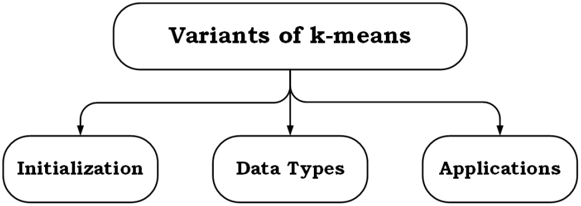
The k-means clustering algorithm is considered one of the most powerful and popular data mining algorithms in the research community. However, despite its popularity, the algorithm has certain limitations, including problems associated with random initialization of the centroids which leads to unexpected convergence. Additionally, such a clustering algorithm requires the number of clusters to be defined beforehand, which is responsible for different cluster shapes and outlier effects. A fundamental problem of the k-means algorithm is its inability to handle various data types. This paper provides a structured and synoptic overview of research conducted on the k-means algorithm to overcome such shortcomings. Variants of the k-means algorithms including their recent developments are discussed, where their effectiveness is investigated based on the experimental analysis of a variety of datasets. The detailed experimental analysis along with a thorough comparison among different k-means clustering algorithms differentiates our work compared to other existing survey papers. Furthermore, it outlines a clear and thorough understanding of the k-means algorithm along with its different research directions.
Overview
The claims and statistics of this paper haven’t been checked yet.
Free: it reads the open-access text and checks the first 5 claims that cite a source we can check. Create a free account to check every claim.
Integrity signals
Registry
Cites
Statistics
Figures
Verification
Claims the paper makes
The claims and statistics of this paper haven’t been checked yet.
Free: it reads the open-access text and checks the first 5 claims that cite a source we can check. Create a free account to check every claim.
Claims other papers make about this one
Each is checked against this paper’s own text: does it say what the citing paper says it does?
The check wasn’t confident either way, so it gives no verdict — never disputed.
In the citing paper
“First, k-means does not account for uncertainty associated with yield environment classifications [1, 19].”
From A Bayesian framework to model variance of grain yield response to plant density (2025) · cites this paper as [1]
Experimental — accuracy not yet measured
Self-check
Percentages, sums and reported differences re-computed from the paper’s own numbers.
The self-check needs the paper’s full text.
Citations
Cites
Estimating the Dimension of a Model
Schwarz, G. (1978) · The Annals of Statistics · doi:10.1214/aos/1176344136 · Cited by 47,033 · cited 1×
“In x-means clustering [49], the BIC (Bayesian information criterion) or “Schwarz criterion” [50,51] is utilised to find the number of k clusters.”
UCI Machine Learning Repository
Asuncion, A. (2007) · Medical Entomology and Zoology · Cited by 25,411
(1967) · Cited by 23,719
Neural networks for pattern recognition
(1994) · Choice Reviews Online · doi:10.5860/choice.31-5500 · Cited by 18,538
Jain, A. K., Murty, M. N., & Flynn, P. J. (1999) · ACM Computing Surveys · doi:10.1145/331499.331504 · Cited by 13,199
Neural Networks for Pattern Recognition
Bishop, C. M. (1995) · doi:10.1093/oso/9780198538493.001.0001 · Cited by 12,287
Finding groups in data: an introduction to cluster analysis
(1991) · Choice Reviews Online · doi:10.5860/choice.28-4558 · Cited by 10,474
Top 10 algorithms in data mining
Wu, X., Kumar, V., Ross Quinlan, J., Ghosh, J., Yang, Q., Motoda, H., McLachlan, G. J., Ng, A., Liu, B., Yu, P. S., et al. (2008) · Knowledge and Information Systems · doi:10.1007/s10115-007-0114-2 · Cited by 5,667 · cited 1×
“This survey studies the problems of and solutions to partition-based clustering, and more specifically the widely used k-means algorithm [9], which has been listed among the top 10 clustering algorithms for data analysis [35].”
An efficient k-means clustering algorithm: analysis and implementation
Kanungo, T., Mount, D. M., Netanyahu, N. S., Piatko, C. D., Silverman, R., & Wu, A. Y. (2002) · IEEE Transactions on Pattern Analysis and Machine Intelligence · doi:10.1109/tpami.2002.1017616 · Cited by 5,660
Bozdogan, H. (1987) · Psychometrika · doi:10.1007/bf02294361 · Cited by 4,468 · cited 1×
“In x-means clustering [49], the BIC (Bayesian information criterion) or “Schwarz criterion” [50,51] is utilised to find the number of k clusters.”
Research works printed but not linked: 1
- Mohri, M., Rostamizadeh, A., and Talwalkar, A. (2012). Foundations of Machine Learning, MIT Press.
Cited by
Items 301–400 of 1,001
Evaluation of semantic relations impact in query expansion-based retrieval systems
Massai, L. (2023) · Knowledge-Based Systems · doi:10.1016/j.knosys.2023.111183 · Cited by 11
“Data-centric approaches include data agglomeration techniques like K-means and its variants [17] and SVM classifiers which have been demonstrated suitable for both binary and multi-class classification problems [18].”
K-Means and Fuzzy based Hybrid Clustering Algorithm for WSN
Angadi, B. M., & Kakkasageri, M. S. (2023) · International Journal of Electronics and Telecommunications · doi:10.24425/ijet.2023.147703 · Cited by 11
“To group Sensor Nodes (SN) into cluster, the k-means employs the Euclidean distance as a similarity metric and has received a lot of attention with frequent usage[11] [12].”
MethodSun, X., Fu, J., Zhou, F., Luo, B., & Liu, J. (2024) · Thermal Science and Engineering Progress · doi:10.1016/j.tsep.2024.102402 · Cited by 16
Genetic Algorithm-Based Optimization of Clustering Algorithms for the Healthy Aging Dataset
Kouser, K., Priyam, A., Gupta, M., Kumar, S., & Bhattacharjee, V. (2024) · Applied Sciences · doi:10.3390/app14135530 · Cited by 11
Ransikarbum, K., Kritchanchai, D., Chanpuypetch, W., & Niemsakul, J. (2024) · Operations and Supply Chain Management An International Journal · doi:10.31387/oscm0570429 · Cited by 11
“The K-means algorithm technique requires the exact value for the cluster number as an input to evaluate the proper classification (Ahmed et al. 2020, Lusiantoro et al. 2022, Ransikarbum and Madathil 2022, Alvarez-Uribe et al .”
Xiong, S., Chen, X., Zhang, H., & Wang, M. (2024) · Artificial Intelligence Advances · doi:10.30564/aia.v6i1.6718 · Cited by 11
“K-means [30,31] is a widely used method in data mining that partitions data into k distinct clusters based on feature similarity.”
MethodInvestigation of lawsuit process duration using machine learning and process mining
Verçosa, L., da Silva, V. M. S., Cruz, J. Z. D. S., Bastos-Filho, C. J. A., & Bezerra, B. L. D. (2024) · Discover Analytics · doi:10.1007/s44257-024-00015-0 · Cited by 11
“The K-means algorithm is a well-consolidated partitioning clustering technique [15, 53].”
Zhao, M., Xia, J., Hou, K., Liu, Y., Xia, S., & Jiang, X. (2025) · ACM Conference on Embedded Networked Sensor Systems (SenSys) · doi:10.1145/3715014.3722081 · Cited by 11
“We leverage hierarchical clustering [40], but also benchmark against K-means [7].”
Denoised Jarque-Bera features-based K-Means algorithm for intelligent cooperative spectrum sensing
Radhi, A. A., Abdullah, H. N., & Akkar, H. A. R. (2022) · Digital Signal Processing · doi:10.1016/j.dsp.2022.103659 · Cited by 13
Fast Component Density Clustering in Spatial Databases: A Novel Algorithm
Bataineh, B. (2022) · Information · doi:10.3390/info13100477 · Cited by 11
Improved YOLOv3 Model for Workpiece Stud Leakage Detection
Cong, P., Lv, K., Feng, H., & Zhou, J. (2022) · Electronics · doi:10.3390/electronics11213430 · Cited by 11
“However, there are two issues with this algorithm [34]: (i) The initial clustering centers affect its sensitivity.”
BackgroundSegment-Based Clustering of Hyperspectral Images Using Tree-Based Data Partitioning Structures
Ismail, M., & Orlandić, M. (2020) · Algorithms · doi:10.3390/a13120330 · Cited by 11
“This heuristic method optimizes the time complexity of the standard k-means algorithm from O(n2) to O(n) [31].”
MethodFluorescence lifetime: Beating the IRF and interpulse window
Fazel, M., Vallmitjana, A., Scipioni, L., Gratton, E., Digman, M. A., & Pressé, S. (2023) · Biophysical Journal · doi:10.1016/j.bpj.2023.01.014 · Cited by 11
An optimized outlier detection function for multibeam echo-sounder data
Ziolkowski, T., Koschmider, A., & Devey, C. W. (2024) · Computers & Geosciences · doi:10.1016/j.cageo.2024.105572 · Cited by 10
A multi-threaded particle swarm optimization-kmeans algorithm based on MapReduce
Wang, X., Wang, T., & Xiang, H. (2024) · Cluster Computing · doi:10.1007/s10586-024-04456-w · Cited by 10
“To solve the problem that the K-Means algo-rithm is sensitive to the initial clustering center and easy to fall into local optimum [2], such as the K-Means ?”
Mapping sustainability: A comparative analysis proposal across EU countries and regions
Cheba, K., Brelik, A., Szopik‐Depczyńska, K., Oleszczyk, N., & Ioppolo, G. (2024) · Journal of Environmental Management · doi:10.1016/j.jenvman.2024.121236 · Cited by 10
Mpaka, Y. W., & von der Heyden, B. P. (2024) · Journal of African Earth Sciences · doi:10.1016/j.jafrearsci.2024.105363 · Cited by 10
Hao, S., Li, T., Li, W., Qi, T., & Ma, X. (2025) · IEEE Sensors Journal · doi:10.1109/jsen.2025.3558229 · Cited by 10
“However, the existing detection methods typically use anchor parameters obtained using the k -means [31] algorithm on general datasets.”
Dong, Y., Zhang, J., Shi, J., Hu, Y., Cao, X., Xing, L., Dong, Y., & Zhang, X. (2025) · Briefings in Bioinformatics · doi:10.1093/bib/bbaf244 · Cited by 10
“We start by randomly sampling a subset of m cells from all n cells as initial anchors Y 0 , which are the centroids of the identified clusters by applying k-means [39] to the above random subsample.”
Machine Learning Algorithms and Sensor Technologies for Aging-In-Place Applications: A Review
Habibovic, I., Almisreb, A. A., Hodžić, M. I., Turaev, S., & Cantelli‐Forti, A. (2025) · IEEE Sensors Journal · doi:10.1109/jsen.2025.3591931 · Cited by 11
“…K -means algorithm have been proposed, such as using Mahalanobis distance for detecting elliptical clusters, incorporating skewness transformation for handling skewed data, and adopting parallel and distributed computing paradigms to improve the algorithm’s scalability and performance [53], [54].”
Abbasova, S. A., Vasylieva, T., Aliyeva, M., Gubadova, A., Ashurbayli-Huseynova, N., & Kasumova, L. (2025) · Banks and Bank Systems · doi:10.21511/bbs.20(3).2025.06 · Cited by 10
Kopaničáková, A., Lee, Y., & Karniadakis, G. E. (2025) · Machine learning for computational science and engineering · doi:10.1007/s44379-025-00039-7 · Cited by 10
“18, and pass the resulting vector to a clustering algorithm, namely k-means [77].”
Jweri, A.-R. K., Al-Haddad, L. A., Ogaili, A. A. F., Jaber, A. A., & Al-Karkhi, M. I. (2025) · Clean Energy Science and Technology · doi:10.18686/cest398 · Cited by 10
Wei, C., Zhou, L., Liang, B., Chen, J., Wang, G., & Li, X. (2025) · Food Chemistry · doi:10.1016/j.foodchem.2025.147377 · Cited by 11
Çelik, S., Yavan, S., & ÇİMEN, G. (2026) · Economics of Governance · doi:10.1007/s10101-026-00365-3 · Cited by 10
“(2): where a ( i ) represents the intra-cluster mean distance and b ( i ) indicates the minimum mean distance to another cluster (Ahmed et al. 2020).”
Tossounian, M., Hristov, S. D., Semelak, J. A., Yu, B. Y. K., Baczynska, M., Zhao, Y., Estrin, D. A., Trujillo, M., Filonenko, V. V., Gouge, J., et al. (2023) · International Journal of Molecular Sciences · doi:10.3390/ijms24119359 · Cited by 10
“Additionally, to better characterize the ligand–protein interaction, a cluster analysis based on the CPPTRAJ implementation of k-means clustering algorithm [62] was performed.”
MethodFeatures of animal babbling in the vocal ontogeny of the gray mouse lemur (Microcebus murinus)
Langehennig-Peristenidou, A., Romero‐Mujalli, D., Bergmann, T., & Scheumann, M. (2023) · Scientific Reports · doi:10.1038/s41598-023-47919-7 · Cited by 10
“An unsupervised clustering model (K-means) was used to define distinctive syllable types, as k-means cluster analysis is an unbiased, simple and at the same time computationally efficient algorithm, which uses quantitative data and makes very few assumptions for the categorization task 37,54,55 .”
MethodYin, T., Chen, W., Liu, B., Li, C., & Du, L. (2023) · Mathematics · doi:10.3390/math12010124 · Cited by 10
Wang, L., Zhou, J., & Li, X. (2024) · IEEE Access · doi:10.1109/access.2024.3349979 · Cited by 10
“It is used to divide similar data points into the same cluster, which can be used for data mining and pattern recognition [25], [26], [27].”
MethodHuang, L., & Lu, H. (2024) · PeerJ Computer Science · doi:10.7717/peerj-cs.1799 · Cited by 10
Mahmoud, A., Kassem, M., Elrewainy, A., & El-Sharkawy, Y. H. (2024) · The International Journal of Advanced Manufacturing Technology · doi:10.1007/s00170-024-13268-6 · Cited by 11
“(3) and (4) [39–41].”
Towards a general method to classify personal network structures
González-Casado, M. Á., Gonzales, G., Molina, J. L., & Sánchez, Á. (2024) · Social Networks · doi:10.1016/j.socnet.2024.03.004 · Cited by 10
Data-Driven Workload Generation Based on Google Data Center Measurements
Yildiz, M., & Baiocchi, A. (2024) · IEEE International Conference on High Performance Switching and Routing (HPSR) · doi:10.1109/hpsr62440.2024.10635925 · Cited by 10
“To investigate this, we implemented k -means clustering [15], using Overall CPU Usage and Maximum Memory as metrics.”
MethodYan, Y., Wang, F., Tian, C., Xue, W. C., Lin, L., Cao, W., & Qiao, L. (2024) · International Journal of Green Energy · doi:10.1080/15435075.2024.2421328 · Cited by 10
“The k-means clustering algorithm, known for its simplicity, interpretability, easy implementation, and rapid convergence, stands out as a widely used and straightforward clustering method (Ahmed, Seraj, and Islam 2020).”
The Application of Machine Learning in Doping Detection
Yang, Q., Xu, W., Sun, X., Chen, Q., & Niu, B. (2024) · Journal of Chemical Information and Modeling · doi:10.1021/acs.jcim.4c01234 · Cited by 11
Improved Constrained k-Means Algorithm for Clustering with Domain Knowledge
Huang, P., Yao, P., Hao, Z., Peng, H., & Guo, L. (2021) · Mathematics · doi:10.3390/math9192390 · Cited by 10
“Ahmed et al. [17] gave a structured and synoptic overview of the k -means algorithm to overcome the shortcomings of the algorithm, and studied the latest development and effectiveness of variants of k -means algorithms.”
MethodMulticomponent Adversarial Domain Adaptation: A General Framework
Yi, C., Chen, H., Xu, Y., Chen, H., Liu, Y., Tan, H., Yan, Y., & Yu, H. (2023) · IEEE Transactions on Neural Networks and Learning Systems · doi:10.1109/tnnls.2023.3270359 · Cited by 10
“This can be achieved by using a distance-based clustering method such as k -means [49].”
MethodApplying Machine Learning to DEM Raster Images
Alzaghoul, E. F., Al-Zoubi, M. B., Obiedat, R., & Al-Zaghoul, F. (2021) · Technologies · doi:10.3390/technologies9040087 · Cited by 10
Black-Box Graph Backdoor Defense
Yang, X. Y., Li, G., Tao, X., Zhang, C., & Li, J. (2024) · Lecture notes in computer science · doi:10.1007/978-981-97-0808-6_10 · Cited by 9
Unraveling climate trends in the mediterranean: a hybrid machine learning and statistical approach
AlShafeey, M. (2024) · Modeling Earth Systems and Environment · doi:10.1007/s40808-024-02117-w · Cited by 9
“8, which emphasizes the algorithm’s iterative refinement of cluster centroids ( µ j ) to achieve a minimized WCSS, effectively grouping data points ( x ) into cohesive clusters based on the specified variables (Ahmed et al. 2020).”
ClusFC ‐ IoT : A clustering‐based approach for data reduction in fog‐cloud‐enabled IoT
Hemmati, A., & Rahmani, A. M. (2024) · Concurrency and Computation Practice and Experience · doi:10.1002/cpe.8284 · Cited by 9
Siregar, H. L., Hidayanthi, R., & Sakti, A. L. D. (2024) · Research and Development in Education (RaDEn) · doi:10.22219/raden.v4i2.36742 · Cited by 9
“These clusters provide information on minimum and maximum temperatures, average humidity, and maximum wind speeds in each region (Ahmed et al., 2020; Ikotun et al., 2023).”
Bayareh, M., & Kharaji, Z. G. (2025) · International Communications in Heat and Mass Transfer · doi:10.1016/j.icheatmasstransfer.2025.109340 · Cited by 9
GEDR: Gaussian-Enhanced Detail Reconstruction for Real-Time High-Fidelity 3D Scene Reconstruction
Zhou, T., Chen, S., Wan, S., Lv, H., Luo, Z., & Wu, J. (2025) · IEEE Transactions on Circuits and Systems for Video Technology · doi:10.1109/tcsvt.2025.3588848 · Cited by 9
“To further analyze the geometric characteristics of the point cloud, the K-means clustering algorithm [56] is employed to segment the point cloud into di ff erent clusters, primarily distinguishing complex detail regions from smooth regions: Let f ( x i ) represent the feature vector of point x i…”
Raamets, T., Karjust, K., Majak, J., & Hermaste, A. (2025) · Applied Sciences · doi:10.3390/app15147952 · Cited by 9
Artificial Intelligence in Pathology: Advancing Large Models for Scalable Applications
Xiao, Z., Feng, B., Yang, J., Sun, G., Shen, Y., Xu, S., Yang, L., Xu, H., Zhang, M., & Wang, S. (2025) · Annual Review of Biomedical Data Science · doi:10.1146/annurev-biodatasci-103123-095814 · Cited by 11
Adaptive granular-ball based density peak clustering
Zhang, X., Xu, L., & Jia, W. (2025) · Neurocomputing · doi:10.1016/j.neucom.2025.131458 · Cited by 9
Segmentasi Pelanggan Menggunakan K-Means Clustering Berdasarkan Data Kepribadian dan Pola Konsumsi
Iqbal, I., Hidayat, N., Gevano, D. P., & Ilahi, A. P. R. (2025) · Jurnal Teknik Informatika (Jutif) · doi:10.52436/1.jutif.2025.6.5.5140 · Cited by 12
Out-of-distribution machine learning for materials discovery: Challenges and opportunities
Tenorio, M., Rahman, M. H., Mannodi‐Kanakkithodi, A., & Chapman, J. (2026) · Chemical Physics Reviews · doi:10.1063/5.0228239 · Cited by 10
“99 Regardless of the specific algorithm chosen to identify new data points to retrain a model on, the concept is the same: does this new data represent something unique that the model requires but does not currently understand?”
Assessing the Performance of BioEmu in Understanding Protein Dynamics
Zha, J., Li, N., Li, M., Liu, X., Zhu, R., Feng, L., Lu, X., & Zhang, J. (2026) · International Journal of Molecular Sciences · doi:10.3390/ijms27062896 · Cited by 9
“The reduced representations were clustered into 5 groups with K-Means [85].”
Spatially Resolved Transcriptomics Data Clustering With Modality Conflict Modulation
Xiao, Y., Li, Z., Zheng, X., Tang, C., Sun, K., & Liu, X. (2026) · IEEE Transactions on Emerging Topics in Computational Intelligence · doi:10.1109/tetci.2026.3675463 · Cited by 9
“Early methods for spatial domain identification primarily relied on gene expression data for clustering analysis, such as K-means [8], Louvain [9], and Seurat [10] algorithms.”
Machine learning for semi-automated scoping reviews
Mozgai, S., Kaurloto, C., Winn, J. G., Leeds, A., Heylen, D., Hartholt, A., & Scherer, S. J. (2023) · Intelligent Systems with Applications · doi:10.1016/j.iswa.2023.200249 · Cited by 9
Evolutionary Multi-Tasking Optimization for High-Efficiency Time Series Data Clustering
Wang, R., Li, W., Shen, K., Zhang, T., & Liao, X. (2023) · Tsinghua Science & Technology · doi:10.26599/tst.2023.9010036 · Cited by 9
Enhancing Pedestrian Group Detection and Tracking Through Zone-Based Clustering
Chen, M., Banitaan, S., & Maleki, M. (2023) · IEEE Access · doi:10.1109/access.2023.3336592 · Cited by 13
“Ahmed [75] classified evaluation measures into internal evaluation, external evaluation, manual evaluation, and indirect evaluation, in which internal evaluation and external evaluation are widely used nowadays.”
BackgroundChun, W. (2024) · The International Journal of Advanced Manufacturing Technology · doi:10.1007/s00170-023-12903-y · Cited by 9
Disentangled-feature and composite-prior VAE on social recommendation for new users
Li, N., Guo, B., Liu, Y., & Yu, Z. (2024) · Expert Systems with Applications · doi:10.1016/j.eswa.2024.123309 · Cited by 9
Zong, X., Luo, W., Ning, B., He, K., Lian, L., & Sun, Y. (2024) · IEEE Access · doi:10.1109/access.2024.3399820 · Cited by 9
“A clustering strategy is employed to further categorize the data for training and learning purposes, including frame length clustering and k-means clustering [54].”
MethodHua, J., Wang, Z., Han, H., Gao, H., & Nie, L. (2024) · Measurement Science and Technology · doi:10.1088/1361-6501/ad5199 · Cited by 9
“Subsequently, based on the characteristics of the bolt compon-ent’s target size, the K -means dimension clustering algorithm is employed to re-cluster the dataset, obtaining 9 new Anchors suitable for steel rail bolt sizes to reduce bounding box regression errors [30, 31].”
Ando, Y., Cho, J., Park, J. Y., Ko, S., & Han, H. S. (2024) · Bioengineering · doi:10.3390/bioengineering11060567 · Cited by 9
“Clustering algorithms included agglomerative clustering [24], K-means [35], spectral clustering [36], and DBSCAN [37].”
MethodYaro, A. S., Malý, F., Maly, K., & Pražák, P. (2024) · Jordan Journal of Electrical Engineering · doi:10.5455/jjee.204-1703256698 · Cited by 9
“The k-means is the most commonly used clustering algorithm due to its simplicity and moderate clustering performances [15, 16].”
Albarrak, K. M., & Sorour, S. E. (2024) · Mathematics · doi:10.3390/math12121806 · Cited by 9
Alrayani, B., Kalkatawi, M., Abulkhair, M., & Abukhodair, F. (2024) · Applied Sciences · doi:10.3390/app14166952 · Cited by 9
Yao, J., Gao, Q., Jiang, B., Powell, K. M., & Gao, T. (2024) · Batteries · doi:10.3390/batteries10080283 · Cited by 10
“The k value, which is the number of the cluster, will affect the K–means algorithm and needs to be specified before conducting any clustering analysis [27].”
Reassessing taxonomy-based data clustering: Unveiling insights and guidelines for application
Heumann, M., Kraschewski, T., Werth, O., & Breitner, M. H. (2024) · Decision Support Systems · doi:10.1016/j.dss.2024.114344 · Cited by 14
Three-point bending damage detection of SiC coated C/C composites based on acoustic emission
Wu, Q., Shi, X., Jiao, F., Li, W., Ti, X., & Liu, H. (2024) · Materials Today Communications · doi:10.1016/j.mtcomm.2024.110655 · Cited by 9
Abdulaal, A. H., Valizadeh, M., Yassin, R. A., Albaker, B. M., Abdulwahhab, A. H., Amirani, M. C., & Shah, D. A. F. M. S. (2024) · Journal of Engineering and Sustainable Development · doi:10.31272/jeasd.28.6.6 · Cited by 12
Bu, S., Jin, M., Wang, J., Xie, Y., & Zhang, L. (2024) · IEEE Transactions on Cloud Computing · doi:10.1109/tcc.2024.3514297 · Cited by 10
“…machine learning anomaly detection methods can be categorized into distance-based anomaly detection [44], clustering-based anomaly detection [45], density-based anomaly detection [21], and anomaly detection based on a one-class support vector machine [46], etc. Kant et al. [18] used a…”
Clustering algorithm based on Hopkins statistics and K-means
He, H. (2025) · Multimedia Tools and Applications · doi:10.1007/s11042-025-20693-6 · Cited by 9
“However, the clustering results are still unstable, and the clustering time for large-scale datasets is still long [24–26].”
Uncrewed Vehicles in 6G Networks: A Unifying Treatment of Problems, Formulations, and Tools
Hurst, W., Evmorfos, S., Petropulu, A. P., & Mostofi, Y. (2025) · Proceedings of the IEEE · doi:10.1109/jproc.2025.3541949 · Cited by 13
“The problem is approached by first partitioning the sites among the UAVs with a variant of K-means [212], then using ant colony optimization [213] to find the visit order for each UAV.”
Mao, G., Ferrand, T. P., Li, J., Zhu, B., Xi, Z., & Chen, M. (2022) · Communications Earth & Environment · doi:10.1038/s43247-022-00377-x · Cited by 9
Recognition of temporary vertical objects in large point clouds of construction sites
Torres, M. A. V., Braun, A., Noichl, F., Borrmann, A., Bauer, H., & Wohlfeld, D. (2021) · Proceedings of the Institution of Civil Engineers - Smart Infrastructure and Construction · doi:10.1680/jsmic.21.00033 · Cited by 9
Lee, H., Choi, Y., Son, B., Lim, J., Lee, S., Kang, J. W., Kim, K. H., Kim, E., Yang, C., & Lee, J.-D. (2022) · Frontiers in Medicine · doi:10.3389/fmed.2022.950327 · Cited by 9
“K -means clustering is an unsupervised machine learning algorithm (39).”
MethodCustomer Profiling Using Internet of Things Based Recommendations
Shili, M., Sethom, K., Namoun, A., Tufail, A., Kim, K., & Almoamari, H. (2022) · Sustainability · doi:10.3390/su141811200 · Cited by 9
Predicting Risk Matrix in Software Development Projects using BERT and K-Means
Pilliang, M., Munawar, Hadi, M. A., Firmansyah, G., & Tjahjono, B. (2022) · Proceeding of the Electrical Engineering Computer Science and Informatics · doi:10.23919/eecsi56542.2022.9946637 · Cited by 9
“This study used the K-Means algorithm to create a cluster model because it is simple, fast, and the most popular [30], [31].”
MethodAn Improved Multimodal Trajectory Prediction Method Based on Deep Inverse Reinforcement Learning
Chen, T., Guo, C., Li, H., Gao, T., Chen, L., Tu, H., & Yang, J. (2022) · Electronics · doi:10.3390/electronics11244097 · Cited by 9
Maneuvering target oriented digital camouflage image generation method
Pei, H., Wu, M. C., Huang, X., Ding, M., & Zhang, X. (2022) · Displays · doi:10.1016/j.displa.2022.102365 · Cited by 9
Threat Hunting System for Protecting Critical Infrastructures Using a Machine Learning Approach
Lozano, M. A., Pérez-Llopis, I., & Domingo, M. E. (2023) · Mathematics · doi:10.3390/math11163448 · Cited by 11
zPoseScore model for accurate and robust protein–ligand docking pose scoring in CASP15
Shen, T., Liu, F., Wang, Z., Sun, J., Bu, Y., Meng, J., Chen, W., Yao, K., Mu, Y., Li, W., et al. (2023) · Proteins Structure Function and Bioinformatics · doi:10.1002/prot.26573 · Cited by 9
“The top-ranked 50 poses were then selected and clustered into 5 clusters by K-means algorithm [54], and the representative poses of the 5 clusters were visually re-ranked according to their binding patterns.”
MethodSvetič, S., Vrečer, F., & Korasa, K. (2023) · Journal of Drug Delivery Science and Technology · doi:10.1016/j.jddst.2023.105201 · Cited by 12
Xu, J., Yan, Q., Zhang, S., & Wu, C. (2023) · Mathematics · doi:10.3390/math11244994 · Cited by 9
Zhang, T., Shimasaki, K., Ishii, I., & Namiki, A. (2024) · Sensors · doi:10.3390/s24124019 · Cited by 9
“The proposed HFR tracking pipeline utilizes the main color of the object, continuously updated by applying the K-means clustering method [31] on the ROI obtained by YOLOv8 [32].”
MethodK-Splits: Improved K-Means Clustering Algorithm to Automatically Detect the Number of Clusters
Mohammadi, S. O., Kalhor, A., & Bodaghi, H. (2022) · Lecture notes on data engineering and communications technologies · doi:10.1007/978-981-19-0898-9_15 · Cited by 9
“Scalability and simplicity of implementation make the k-means algorithm a perfect candidate for practical applications ranging from optimization and signal processing to face detection [4].”
MethodTowards Efficient Compiler Auto-tuning: Leveraging Synergistic Search Spaces
Pan, H., Wei, Y., Xing, M., Wu, Y., & Zhao, C. (2025) · Proceedings of the CGO/Proceedings of the ... CGO · doi:10.1145/3696443.3708961 · Cited by 19
MANET highly efficient clustering technique based on coverage k-means algorithm
Hussein, A. A., Abdulrazzak, H. N., & Ali, A. S. (2025) · Egyptian Informatics Journal · doi:10.1016/j.eij.2025.100672 · Cited by 8
Random normed k-means: A paradigm-shift in clustering within probabilistic metric spaces
Hemdanou, A. L., Achtoun, Y., Sefian, M. L., Tahırı, I., & Afia, A. E. (2026) · Journal of Computational Mathematics and Data Science · doi:10.1016/j.jcmds.2026.100132 · Cited by 8
Zhou, X., Wu, Y., Lin, J., Xu, Y., & Woo, S. (2025) · Symmetry · doi:10.3390/sym17060874 · Cited by 8
Liu, Z., Li, G., Wang, C., Cascioli, V., & McCarthy, P. W. (2025) · Sensors · doi:10.3390/s25123609 · Cited by 8
Fault Detection in MV Switchgears Through Unsupervised Learning of Temperature Conditions
Iadarola, G., Mingotti, A., Negri, V., & Spinsante, S. (2025) · Sensors · doi:10.3390/s25154818 · Cited by 10
“Another critical limitation is its sensitivity to the initial selection of centroids ( µ k ), which can lead to suboptimal solutions by converging to local minima rather than finding the global optimum solution [42].”
Generating Microservice Graphs with Production Characteristics for Efficient Resource Scaling
Du, F., Shi, J., Chen, Q., Pang, P., Li, L., & Guo, M. (2025) · International Conference on Supercomputing · doi:10.1145/3721145.3725761 · Cited by 8
Ylönen, M., Marttila, H., Geissler, J., Kuzmin, A., Korpelainen, P., Kumpula, T., & Ala‐aho, P. (2025) · The Cryosphere · doi:10.5194/tc-19-4585-2025 · Cited by 8
“K-means clustering is widely used in many applications for partition datasets but is known to have problems associated with centroid initialization, handling outliers and dealing with various data types (Ahmed et al., 2020; Morissette & Chartier, 2013).”
Chen, S., & Zhao, Y. (2025) · Journal of Retailing and Consumer Services · doi:10.1016/j.jretconser.2025.104561 · Cited by 8
Research on Specific Scenario Generation Methods for Autonomous Driving Simulation Tests
Li, N., Chen, L., & Huang, Y. (2023) · World Electric Vehicle Journal · doi:10.3390/wevj15010002 · Cited by 8
Krysmon, S., Pischinger, S., Claßen, J., Trendafilov, G., Düzgün, M. T., Dorscheidt, F., Nijs, M., & Görgen, M. (2024) · Future Transportation · doi:10.3390/futuretransp4010004 · Cited by 8
Strategic Deployment of Swarm of UAVs for Secure IoT Networks
Cabezas, X. A. F., & Osorio, D. P. M. (2024) · IEEE Transactions on Aerospace and Electronic Systems · doi:10.1109/taes.2024.3404912 · Cited by 8
“3) A convex optimization-based power allocation technique is developed to increase the minimum secrecy rate of IoT nodes that can achieve secrecy, while guaranteeing a level of service to all IoT nodes.”
MethodZhao, G., Chen, R., & Wang, J. (2024) · Computers & Electrical Engineering · doi:10.1016/j.compeleceng.2024.109456 · Cited by 8
Clients Help Clients: Alternating Collaboration for Semi-Supervised Federated Learning
Jiang, Z., Yang, X., Xu, H., Wang, Z., & Qiao, C. (2024) · IEEE International Conference on Data Engineering (ICDE) · doi:10.1109/icde60146.2024.00149 · Cited by 8
“Firstly , it requires the prior knowledge of the number of clusters ( i.e. , the value of “ K ”), which is related to different cluster shapes and outlier effects [42].”
BackgroundBertani, M., Pedone, A., Faglioni, F., & Charpentier, T. (2024) · ChemPhysChem · doi:10.1002/cphc.202300782 · Cited by 8
AI@ALS Workshop Report: Machine Learning Needs at the Advanced Light Source
Parkinson, D. Y., Chávez, T., Choudhary, M., English, D., Hao, G., Hellert, T., Leemann, S., Nemšák, S., Rotenberg, E., Taylor, A. L., et al. (2024) · Synchrotron Radiation News · doi:10.1080/08940886.2024.2391258 · Cited by 9
Prior-Boosted GRL: Microarchitecture Design Space Exploration via Graph Representation Learning
Wu, Z. Y., Shen, J., Yi, X., Shang, L., Yang, F., & Zeng, X. (2024) · IEEE Transactions on Computer-Aided Design of Integrated Circuits and Systems · doi:10.1109/tcad.2024.3457376 · Cited by 8
“To address these concerns and achieve efficient and uniform sampling across the search space, we apply the k -means clustering algorithm [33] to cluster the candidate points.”
qProtein: Exploring Physical Features of Protein Thermostability Based on Structural Proteomics
Dou, Z., He, J., Han, C., Wu, X., Wan, L. S., Yang, J., Zheng, Y., Gong, B., & Wang, L. (2024) · Journal of Chemical Information and Modeling · doi:10.1021/acs.jcim.4c01303 · Cited by 8
Metadata
- Authors
- Ahmed, M., Seraj, R., & Islam, S. M. S.
- Affiliations
- Edith Cowan University (AU)
- McGill University (CA)
- Corresponding author
- Ahmed, Mohiuddin
- Venue
- Electronics
- Publisher
- MDPI AG
- Published
- 2020-08-12
- Volume
- 9
- Issue
- 8
- Pages
- 1295
- ISSN
- 2079-9292 (ISSN-L)
- OpenAlex
- W3048804154
- Cited by
- 1,717
- References
- 76
- Citations by year
- 2026: 311 · 2025: 471 · 2024: 484 · 2023: 302 · 2022: 109 · 2021: 35 · 2020: 5
- FWCI
- 44.33
- Type
- journal article
- Language
- en
- Open access
- gold
- doi.org
- Licence
- Locations
- Electronics (publishedVersion, cc-by)
- UWA Profiles and Research Repository (UWA) (submittedVersion, cc-by)
- Australasian Journal of Paramedicine (submittedVersion, cc-by)
- DOAJ (DOAJ: Directory of Open Access Journals) (submittedVersion, cc-by-sa)
- Topics
- Physical Sciences › Computer Science › Artificial Intelligence › Advanced Clustering Algorithms Research
- Physical Sciences › Computer Science › Information Systems › Data Mining and Machine Learning Applications
- Physical Sciences › Computer Science › Artificial Intelligence › Bayesian Methods and Mixture Models
- Keywords
- K-means clustering, centroid initialization, optimal number of clusters, cluster shape, outliers, algorithm comparison, convergence
About these checks
Registry, retraction, Cites and statistics results are computed, not judged, with one exception: a printed reference that no index lists is read once by a model before it counts as a citation error. Claims are extracted by a model and kept only when their quote appears verbatim in the text; each cited source is then checked, with a model’s help, for whether it says what the claim relies on. Those verdicts can be wrong — read the claim’s quote and the cited source before relying on one.
Statistics and arithmetic are recomputed, not judged.
Confidence bands are shown only for fields calibrated on our annotated test set. None is calibrated yet, so no band is shown.
What counts as a claim ›How we measure confidence ›How we check this ›
Are you an author, or do you see a problem with this page? Request a review
Data sources
Bibliographic data: Semantic Scholar, OpenAlex, Crossref.
Contains information from the Semantic Scholar Academic Graph Datasets, made available under the ODC Attribution License (ODC-BY 1.0).
Semantic Scholar’s data is described in: Kinney, R., et al. (2023). The Semantic Scholar Open Data Platform. arXiv:2301.10140.
