

Multi-Sequence LSTM-RNN Deep Learning and Metaheuristics for Electric Load Forecasting
Open accessThe DOI matches its Crossref record; 41 of the 41 references it cites were found in a registry or an index.
Abstract
Short term electric load forecasting plays a crucial role for utility companies, as it allows for the efficient operation and management of power grid networks, optimal balancing between production and demand, as well as reduced production costs. As the volume and variety of energy data provided by building automation systems, smart meters, and other sources are continuously increasing, long short-term memory (LSTM) deep learning models have become an attractive approach for energy load forecasting. These models are characterized by their capabilities of learning long-term dependencies in collected electric data, which lead to accurate prediction results that outperform several alternative statistical and machine learning approaches. Unfortunately, applying LSTM models may not produce acceptable forecasting results, not only because of the noisy electric data but also due to the naive selection of its hyperparameter values. Therefore, an optimal configuration of an LSTM model is necessary to describe the electric consumption patterns and discover the time-series dynamics in the energy domain. Finding such an optimal configuration is, on the one hand, a combinatorial problem where selection is done from a very large space of choices; on the other hand, it is a learning problem where the hyperparameters should reflect the energy consumption domain knowledge, such as the influential time lags, seasonality, periodicity, and other temporal attributes. To handle this problem, we use in this paper metaheuristic-search-based algorithms, known by their ability to alleviate search complexity as well as their capacity to learn from the domain where they are applied, to find optimal or near-optimal values for the set of tunable LSTM hyperparameters in the electrical energy consumption domain. We tailor both a genetic algorithm (GA) and particle swarm optimization (PSO) to learn hyperparameters for load forecasting in the context of energy consumption of big data. The statistical analysis of the obtained result shows that the multi-sequence deep learning model tuned by the metaheuristic search algorithms provides more accurate results than the benchmark machine learning models and the LSTM model whose inputs and hyperparameters were established through limited experience and a discounted number of experimentations.
Overview
The claims and statistics of this paper haven’t been checked yet.
Free: it reads the open-access text and checks the first 5 claims that cite a source we can check. Create a free account to check every claim.
Integrity signals
Registry
Cites
Statistics
Figures

Verification
Claims the paper makes
The claims and statistics of this paper haven’t been checked yet.
Free: it reads the open-access text and checks the first 5 claims that cite a source we can check. Create a free account to check every claim.
Claims other papers make about this one
Each is checked against this paper’s own text: does it say what the citing paper says it does?
The cited source says what the claim attributes to it.
In the citing paper
“Bouktif et al. [43] optimized the LSTM hyperparameters in their prediction model using GA and PSO.”
From Prediction of Heat and Cold Loads of Factory Mushroom Houses Based on EWT Decomposition (2023) · cites this paper as [43]
Self-check
Percentages, sums and reported differences re-computed from the paper’s own numbers.
The self-check needs the paper’s full text.
Citations
Cites
Hochreiter, S., & Schmidhuber, J. (1997) · Neural Computation · doi:10.1162/neco.1997.9.8.1735 · Cited by 102,318 · cited 1×
“In particular, LSTM networks, deep learning variations proposed by Hochreiter and Schmidhuber [8], were designed specially to learn long-term dependencies present in sequential data.”
BackgroundKennedy, J., & Eberhart, R. (2002) · Proceedings of ICNN'95 - International Conference on Neural Networks · doi:10.1109/icnn.1995.488968 · Cited by 58,192
Particle swarm optimization: An overview
Poli, R., Kennedy, J., & Blackwell, T. (2007) · Swarm Intelligence · doi:10.1007/s11721-007-0002-0 · Cited by 21,101 · cited 1×
“It is evolved by imitating the social behavior of a school of fishes and a flock of birds that collectively search for the best locations and are likely to move close to an optimum fitness function [39].”
BackgroundA new optimizer using particle swarm theory
Eberhart, R., & Kennedy, J. (2002) · MHS'95. Proceedings of the Sixth International Symposium on Micro Machine and Human Science · doi:10.1109/mhs.1995.494215 · Cited by 16,067 · cited 1×
“Particle swarm optimization developed by Kennedy and Eberhart in 1995 was inspired by the social behavior [38].”
Method(2012) · Cited by 8,009
Neural Networks and the Bias/Variance Dilemma
Geman, S., Bienenstock, E., & Doursat, R. (1992) · Neural Computation · doi:10.1162/neco.1992.4.1.1 · Cited by 3,578 · cited 1×
“A deeper neural network with more layers will have a greater capacity, but more layers can eventually result in a decrease in the performance due to high variance and model overfitting and thus a reduced generalization power for the electricity dataset [43].”
BackgroundTime series analysis forecasting and control
Janacek, G. (2010) · Journal of Time Series Analysis · doi:10.1111/j.1467-9892.2009.00643.x · Cited by 2,584 · cited 1×
“Traditional linear statistical models such as autoregressive (AR), moving average (MA) and autoregressive integrated moving average (ARIMA) have remained the baseline for time-series predictions, with extensive use in several industrial applications [3,4].”
BackgroundA Comparative Analysis of Selection Schemes Used in Genetic Algorithms
Goldberg, D. E., & Deb, K. (1991) · Foundations of Genetic Algorithms · doi:10.1016/b978-0-08-050684-5.50008-2 · Cited by 2,407 · cited 1×
“A large tournament value results in a stronger selective pressure, and the population can converge to a faster solution, at the cost of the solution being potentially not as good [44].”
BackgroundEngineering Optimization: An Introduction with Metaheuristic Applications
Yang, X. (2010) · Wiley eBooks · doi:10.1002/9780470640425 · Cited by 1,248 · cited 1×
“In our case, metaheuristics will select from an infinite number of configurations the appropriate lags as well as the best parameter setting for an accurate time series analysis using deep learning [13].”
BackgroundApplied Time Series Econometrics
(2004) · Cambridge University Press eBooks · doi:10.1017/cbo9780511606885 · Cited by 1,196 · cited 1×
“If the selected lags are not relevant, this may unnecessarily increase the curse of dimensionality, slow down the training process, and lead to model overfitting [41].”
Background
Research works printed but not linked: 5
- Defilippo, S.B.; Neto, G.G.; Hippert, H.S. Short-term load forecasting by artificial neural networks specified by genetic algorithms-a simulation study over a Brazilian dataset. In Proceedings of the XIII Simposio Argentino de Investigación Operativa (SIO)-JAIIO 44, Rosario, Santa Fe, Argentina, 31 August-1 September 2015.
- Brownlee, J. Clever Algorithms: Nature-Inspired Programming Recipes; Lulu Press: Morrisville, NY, USA, 2011.
- Holland, J.H.; Goldberg, D. Genetic Algorithms in Search, Optimization and Machine Learning; Addison-Wesley: Boston, MA, USA, 1989.
- Holland, J.H. Adaptation in Natural and Artificial Systems; University of Michigan Press: Ann Arbor, MI, USA, 1975.
- Meyer-Baese, A.; Schmid, V.J. Pattern Recognition and Signal Analysis in Medical Imaging; Elsevier: Amsterdam, The Netherlands, 2014.
Cited by
Fan, Z., Yan, Z., & Wen, S. (2023) · Sustainability · doi:10.3390/su151813493 · Cited by 346
“Bouktif et al. [90] emphasized the importance of short-term electric load forecasting for efficient power grid management.”
BackgroundArtificial Intelligence Techniques in Smart Grid: A Survey
Omitaomu, O. A., & Niu, H. (2021) · Smart Cities · doi:10.3390/smartcities4020029 · Cited by 371
Multimodal Emotion Recognition using Deep Learning
Abdullah, S. M. S. A., Ameen, S. Y. A., M. Sadeeq, M. A., & Zeebaree, S. (2021) · Journal of Applied Science and Technology Trends · doi:10.38094/jastt20291 · Cited by 347
“In [60], to boost the efficiency of the multimodal fusion, a new algorithm and new architecture using the kernel matrix and a deep neural network are proposed.”
BackgroundMethodEsenogho, E., Djouani, K., & Kurien, A. M. (2022) · IEEE Access · doi:10.1109/access.2022.3140595 · Cited by 247
Ullah, K., Ahsan, M., Hasanat, S. M., Haris, M., Yousaf, H., Raza, S. F., Tandon, R., Abid, S., & Ullah, Z. (2024) · IEEE Access · doi:10.1109/access.2024.3440631 · Cited by 219
Building energy prediction using artificial neural networks: A literature survey
Lu, C., Li, S., & Lu, Z. (2022) · Energy and Buildings · doi:10.1016/j.enbuild.2021.111718 · Cited by 236
Jose, D. M., Vincent, A. M., & Dwarakish, G. S. (2022) · Scientific Reports · doi:10.1038/s41598-022-08786-w · Cited by 213
“More information LSTM can be found in Bouktif et al. 69 and Sagheer and Kotb 70 .”
BackgroundMethodHora, S. K., Poongodan, R., de Prado, R. P., Wozniak, M., & Divakarachari, P. B. (2021) · Applied Sciences · doi:10.3390/app112311263 · Cited by 204
Short-Term Load Forecasting Models: A Review of Challenges, Progress, and the Road Ahead
Akhtar, S., Shahzad, S., Zaheer, A., Ullah, H. S., Kilic, H., Gono, R., Jasiński, M., & Leonowicz, Z. (2023) · Energies · doi:10.3390/en16104060 · Cited by 167
Li, X., Ma, X., Xiao, F., Xiao, C., Wang, F., & Zhang, S. (2022) · Journal of Petroleum Science and Engineering · doi:10.1016/j.petrol.2021.109309 · Cited by 185
Air pollution prediction using LSTM deep learning and metaheuristics algorithms
Drewil, G. I., & Al-Bahadili, R. J. (2022) · Measurement Sensors · doi:10.1016/j.measen.2022.100546 · Cited by 203
Wu, K., Wu, J., Feng, L., Yang, B., Liang, R., Yang, S., & Zhao, R. (2021) · International Transactions on Electrical Energy Systems · doi:10.1002/2050-7038.12637 · Cited by 159
Electrical Load Forecasting Models for Different Generation Modalities: A Review
Azeem, A., Ismail, I. B., Jameel, S. M., & Harindran, V. R. (2021) · IEEE Access · doi:10.1109/access.2021.3120731 · Cited by 166
“[42] have used LSTM-RNN deep learning method for STLF utilizing GA and PSO for hyperparameter learning and tuning.”
BackgroundMethodLoad Forecasting Models in Smart Grid Using Smart Meter Information: A Review
Dewangan, F., Abdelaziz, A. Y., & Biswal, M. (2023) · Energies · doi:10.3390/en16031404 · Cited by 180
“[94] presented a hybrid method for load forecasting using both multisequence LSTM-RNN and a metaheuristics technique.”
MethodAccurate Prediction Approach of SOH for Lithium-Ion Batteries Based on LSTM Method
Zhang, L., Ji, T., Yu, S., & Liu, G. (2023) · Batteries · doi:10.3390/batteries9030177 · Cited by 124
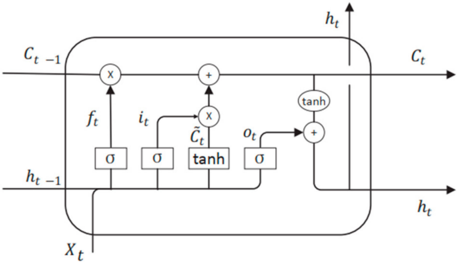
“The LSTM consists of three logic gates, and the specific LSTM memory cells are shown in Figure 9 [34].”
BackgroundLoad forecasting for energy communities: a novel LSTM-XGBoost hybrid model based on smart meter data
Semmelmann, L., Henni, S., & Weinhardt, C. (2022) · Energy Informatics · doi:10.1186/s42162-022-00212-9 · Cited by 142
“The proposed LSTM is set up based on best practices from existing research (Kong et al. 2017; Muzaffar and Afshari 2019; Zheng et al. Bouktif et al. 2018; Jiao et al. 2018; Bouktif et al. 2020; Jahangir et al. 2020).”
BackgroundMethodInfluentialJang, J., Han, J., & Leigh, S.-B. (2021) · Energy and Buildings · doi:10.1016/j.enbuild.2021.111647 · Cited by 125
A Review of Data-Driven Building Energy Prediction
Liu, H., Liang, J., Liu, Y., & Wu, H. (2023) · Buildings · doi:10.3390/buildings13020532 · Cited by 121
“[72] found that LSTM, improved by GA and PSO optimization, provided higher-accuracy predictions than the original LSTM.”
BackgroundMethodTimilsina, M. S., Sen, S., Uprety, B., Patel, V. B., Sharma, P., & Sheth, P. N. (2023) · Fuel · doi:10.1016/j.fuel.2023.129573 · Cited by 115
Data-Driven Tools for Building Energy Consumption Prediction: A Review
Olu-Ajayi, R., Alaka, H., Owolabi, H. A., Akanbi, L., & Ganiyu, S. A. (2023) · Energies · doi:10.3390/en16062574 · Cited by 104
“However, ANN and other fairly common data-driven tools (i.e., RF, LR) have been utilized and compared in various studies using a small data sizes [71,73,116].”
MethodLin, Y., Tang, J., Guo, J., Wu, S., & Li, Z. (2025) · Energies · doi:10.3390/en18040845 · Cited by 107
“LSTMs [69], with their capability to capture long-term dependencies, are widely used for renewable energy generation forecasting, such as predicting solar or wind output based on historical data.”
Ding, Z., Chen, W., Hu, T., & Xu, X. (2021) · Applied Energy · doi:10.1016/j.apenergy.2021.116660 · Cited by 85
Wang, C., Ansari, F., Wu, B., Li, S., Morgese, M., & Zhou, J. (2022) · Advances in Structural Engineering · doi:10.1177/13694332221133604 · Cited by 85
“The Adam optimization algorithm was employed in this study (Bock et al., 2018).”
MethodImproving the prediction of continuous integration build failures using deep learning
Saidani, I., Ouni, A., & Mkaouer, M. W. (2022) · Automated Software Engineering · doi:10.1007/s10515-021-00319-5 · Cited by 96
“2 LSTM model construction and hyper‐parameters tuning We first need to design and configure our LSTM-RNN model by choosing the architecture, setting up the initial hyper-parameters, and selecting the mathematical components such as activation functions, loss functions, and gradient-based optimizers (Jebnoun et al. 202…”
MethodSelf-citationWang, Z., Li, J., Rangaiah, G. P., & Wu, Z. (2022) · Computers & Chemical Engineering · doi:10.1016/j.compchemeng.2022.107945 · Cited by 96
Pravin, P. S., Tan, J. Z. M., Yap, K. S., & Wu, Z. (2022) · Digital Chemical Engineering · doi:10.1016/j.dche.2022.100047 · Cited by 83
Abu-Salih, B., Wongthongtham, P., Morrison, G. M., Coutinho, K., Al‐Okaily, M., & Huneiti, A. (2022) · Heliyon · doi:10.1016/j.heliyon.2022.e09152 · Cited by 87
“The ongoing incorporation of deep learning approaches is due to their technical capabilities to learn long-term dependencies as well as nonlinear characteristics that are captured in electric data which commonly leads to obtain accurate forecasting results; thus they overshadow other classical or statistical machine l…”
BackgroundDeep learning modeling in electricity load forecasting: Improved accuracy by combining DWT and LSTM
Nabavi, S. A., Mohammadi, S., Motlagh, N. H., Tarkoma, S., & Geyer, P. (2024) · Energy Reports · doi:10.1016/j.egyr.2024.08.070 · Cited by 71
Solar power generation prediction based on deep Learning
Chang, R., Bai, L., & Hsu, C. (2021) · Sustainable Energy Technologies and Assessments · doi:10.1016/j.seta.2021.101354 · Cited by 66
Energy Consumption Forecasting for the Digital-Twin Model of the Building
Henzel, J., Wróbel, Ł., Fice, M., & Sikora, M. (2022) · Energies · doi:10.3390/en15124318 · Cited by 61
Hybrid Facial Emotion Recognition Using CNN-Based Features
Shahzad, H. M., Bhatti, S. M., Jaffar, A., Akram, S., Alhajlah, M., & Mahmood, A. (2023) · Applied Sciences · doi:10.3390/app13095572 · Cited by 68
“Each architecture has its own advantages and disadvantages, so it is important to select the right one for the task at hand [17].”
BackgroundAyub, N., Irfan, M., Awais, M., Ali, U., Ali, T. M., Hamdi, M., Alghamdi, A., & Muhammad, F. (2020) · Energies · doi:10.3390/en13195193 · Cited by 57
“Additionally, the LSTM-RNN model in [11] is used to forecast an hourly and monthly electricity load.”
MethodThanh, P. N., Cho, M.-Y., Chang, C.-L., & Chen, M.-J. (2022) · IEEE Access · doi:10.1109/access.2022.3185747 · Cited by 61
“However, the LSTM has been proved the effective performance in sequential learning [11]–[16], which are the speech recognition [17], [18], the image processing implementations [19], [20], and natural language applications [21], [22].”
BackgroundRostam, N. A. P., Malim, N. H. A. H., Abdullah, R., Ahmad, A. L., Ooi, B. S., & Chan, D. J. C. (2021) · IEEE Access · doi:10.1109/access.2021.3102044 · Cited by 55
Abedi, S., & Kwon, S. (2022) · International Journal of Electrical Power & Energy Systems · doi:10.1016/j.ijepes.2022.108589 · Cited by 58
Modified Particle Swarm Optimization with Attention-Based LSTM for Wind Power Prediction
Sun, Y., Wang, X., & Yang, J. (2022) · Energies · doi:10.3390/en15124334 · Cited by 59
Bayesian Optimized Echo State Network Applied to Short-Term Load Forecasting
Ribeiro, G. T., Sauer, J. G., Fraccanabbia, N., Mariani, V. C., & Coelho, L. D. S. (2020) · Energies · doi:10.3390/en13092390 · Cited by 50
“…of artificial neural networks [7–12], single artificial neural networks [13–16], Gaussian process [17], long short-term memory networks (LSTM) [18–22], deep belief networks [23,24], heterogeneous ensemble methods [25–28], k -nearest neighbor [29], echo state network [30,31], deep echo state…”
BackgroundAlawi, O. A., Kamar, H. M., & Yaseen, Z. M. (2024) · Journal of Building Engineering · doi:10.1016/j.jobe.2024.109247 · Cited by 56
Recent Advances and Future Challenges of Solar Power Generation Forecasting
Jannah, N., Gunawan, T. S., Yusoff, S. H., Hanifah, M. S. A., & Sapihie, S. N. M. (2024) · IEEE Access · doi:10.1109/access.2024.3496120 · Cited by 54
Effective End-to-End Learning Framework for Economic Dispatch
Lu, C., Jiang, W., & Wu, C. (2022) · IEEE Transactions on Network Science and Engineering · doi:10.1109/tnse.2022.3168845 · Cited by 47
Zhou, S., Guo, S., Du, B., Huang, S., & Guo, J. Q. (2022) · Sustainability · doi:10.3390/su141711086 · Cited by 45
Esparza-Gómez, J. M., Luque-Vega, L. F., Guerrero-Osuna, H. A., Carrasco-Navarro, R., García-Vázquez, F., Mata-Romero, M. E., Olvera-Olvera, C. A., Carlos-Mancilla, M. A., & Solís-Sánchez, L. O. (2023) · Applied Sciences · doi:10.3390/app132212341 · Cited by 46
“Various hyperparameters can be modified when utilizing the LSTM-RNN technique, as listed in Table 3 [52,53].”
Yalçın, S., Eşit, M., & Çoban, Ö. (2023) · Engineering Applications of Artificial Intelligence · doi:10.1016/j.engappai.2023.106550 · Cited by 41
A novel and secured email classification and emotion detection using hybrid deep neural network
Krishnamoorthy, P., Sathiyanarayanan, M., & Proença, H. P. M. C. (2024) · International Journal of Cognitive Computing in Engineering · doi:10.1016/j.ijcce.2024.01.002 · Cited by 42
PSO Based Optimized Ensemble Learning and Feature Selection Approach for Efficient Energy Forecast
Shafqat, W., Malik, S., Lee, K., & Kim, D. (2021) · Electronics · doi:10.3390/electronics10182188 · Cited by 42
“Several studies have suggested deep learning-based solutions for energy prediction, such as using SVMs [12], ANNs [13], Decision Trees (DTs) [14], LSTM [15], etc. Numerous studies have proved that machine learning models can substantially outperform state-ofthe-art statistical models [16].”
BackgroundEvolutionary Hybrid System for Energy Consumption Forecasting for Smart Meters
Izidio, D. M. F., Neto, P. S. G. D. M., Barbosa, L., de Oliveira, J. F. L., Marinho, M. H. N., & Rissi, G. F. (2021) · Energies · doi:10.3390/en14071794 · Cited by 44
“[56] employed a Genetic Algorithm (GA) and Particle Swarm Optimization (PSO) to search for hyperparameters of the LSTM in load forecasting tasks.”
MethodDheda, D., Cheng, L., & Abu-Mahfouz, A. M. I. (2022) · IEEE Access · doi:10.1109/access.2022.3152818 · Cited by 38
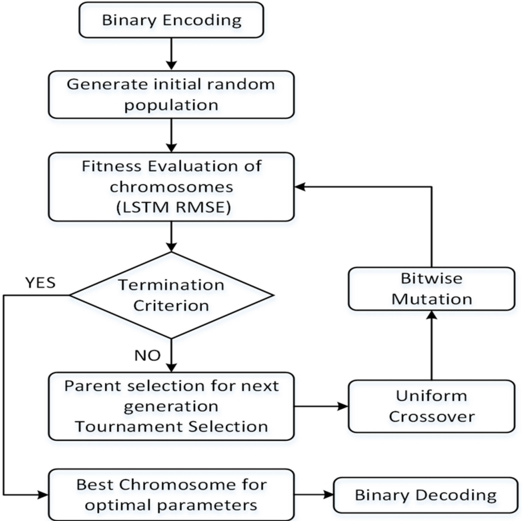
“Figure 2 [4] illustrates the basic GA process with six distinct stages: initialization, fitness calculation, termination condition check, selection, crossover, and mutation [10].”
BackgroundMethodInfluentialPrediction of COVID-19 Data Using Improved ARIMA-LSTM Hybrid Forecast Models
Jin, Y., Cao, Q., Wang, K., Zhou, Y., Cao, Y., & Wang, X. (2023) · IEEE Access · doi:10.1109/access.2023.3291999 · Cited by 43
“A recurrent neural network (RNN) called LSTM (Long Short-Term Memory) is frequently used to analyze sequence data [5].”
Parizad, B., Ranjbarzadeh, H., Jamali, A., & Khayyam, H. (2024) · Sustainability · doi:10.3390/su16062328 · Cited by 36
Detecting Anomalous Multivariate Time-Series via Hybrid Machine Learning
Terbuch, A., O'Leary, P. L., Khalili‐Motlagh‐Kasmaei, N., Auer, P. L., Zöhrer, A., & Winter, V. (2023) · IEEE Transactions on Instrumentation and Measurement · doi:10.1109/tim.2023.3236354 · Cited by 42
“This avoids the necessity to resample the time-series to a common time-series length [41], [42] or to pad the data with zeros to the length of the longest time-series [43], [44], which adds information and has an impact on the learning performance, especially when used with LSTM [45].”
BackgroundSalami, B. A., Abba, S. I., Adewumi, A. A., Dodo, U. A., Otukogbe, G. K., & Oyedele, L. O. (2023) · Case Studies in Construction Materials · doi:10.1016/j.cscm.2023.e02676 · Cited by 44
A Fuzzy Logic Model for Hourly Electrical Power Demand Modeling
Islas, M. A., Rubio, J. D. J., Muñiz, S., Ochoa, G., Pacheco, J., Meda-Campaña, J. A., Mújica‐Vargas, D., Aguilar-Ibañez, C. F., Gutiérrez, G., & Zacarías, A. (2021) · Electronics · doi:10.3390/electronics10040448 · Cited by 34
“In References [22–25], the authors used deep neural models.”
Banerjee, S., & Singh, G. K. (2021) · Biomedical Signal Processing and Control · doi:10.1016/j.bspc.2021.102508 · Cited by 36
Fang, Y., Li, X., Wang, X., Dai, L., Ruan, R. R., & You, S. (2024) · Energy Conversion and Management · doi:10.1016/j.enconman.2024.118137 · Cited by 32
“For example, Bouktif et al. [8] explored the use of LSTM-RNN modelling for energy yield forecasting in solar thermal energy system.”
Zakhrouf, M., Bouchelkia, H., Kim, S., & Stamboul, M. (2021) · Physical Geography · doi:10.1080/02723646.2021.1943126 · Cited by 32
“It usually provides an efficient solution (Bouktif et al., 2020).”
An Improved Bees Algorithm for Training Deep Recurrent Networks for Sentiment Classification
Zeybek, S., Pham, D. T., Koç, E., & Seçer, A. (2021) · Symmetry · doi:10.3390/sym13081347 · Cited by 35
“Similarly, Bouktif et al. proposed to use GA and PSO algorithms to find optimum hyperparameters of the LSTM-RNN model for electric load forecasting [27].”
MethodDai, L. (2024) · Heliyon · doi:10.1016/j.heliyon.2024.e35273 · Cited by 34
“This attribute renders the LSTM particularly adept at handling time series data, making it an ideal choice for domains such as power load forecasting [10].”
BackgroundEnhancing Electricity Load Forecasting with Machine Learning and Deep Learning
Percuku, A. S., Minkovska, D. V., & Hinov, N. L. (2025) · Technologies · doi:10.3390/technologies13020059 · Cited by 31
“The LSTM model with genetic algorithm (GA) and particle swarm optimization (PSO) shows good results regarding load forecasting [13].”
Energy Load Forecasting Using a Dual-Stage Attention-Based Recurrent Neural Network
Özcan, A., Catal, C., & Kaşif, A. (2021) · Sensors · doi:10.3390/s21217115 · Cited by 30
Energy Consumption Forecasting for Smart Meters Using Extreme Learning Machine Ensemble
Neto, P. S. G. D. M., de Oliveira, J. F. L., Bassetto, P., Siqueira, H. V., Barbosa, L., Alves, E. P., Marinho, M. H. N., Rissi, G. F., & Li, F. (2021) · Sensors · doi:10.3390/s21238096 · Cited by 32
“[41] employed a genetic algorithm (GA) and particle swarm optimization (PSO) to search for hyperparameters of the LSTM in load forecasting tasks.”
MethodA Review of Long Short-Term Memory Approach for Time Series Analysis and Forecasting
Kader, N. I. A., Yusof, U. K., Khalid, M. N. A., & Husain, N. R. N. (2022) · Lecture notes in networks and systems · doi:10.1007/978-3-031-20429-6_2 · Cited by 29
Sharma, M., Mittal, N., Mishra, A., & Gupta, A. K. (2023) · Smart Grids and Sustainable Energy · doi:10.1007/s40866-023-00168-z · Cited by 35
Nsiah, R. A., Mantey, S., & Ziggah, Y. Y. (2023) · Smart Construction and Sustainable Cities · doi:10.1007/s44268-023-00019-x · Cited by 31
Machine learning application in building energy consumption prediction: A comprehensive review
Ji, J., Yu, H., Wang, X., & Xu, X. (2025) · Journal of Building Engineering · doi:10.1016/j.jobe.2025.112295 · Cited by 40
Islam, B. U., Rasheed, M., & Ahmed, S. F. (2022) · Mathematical Problems in Engineering · doi:10.1155/2022/4049685 · Cited by 31
“Inaccurate forecasts could cause huge nancial losses for power companies [6].”
BackgroundRetractedForecasting of Energy Demands for Smart Home Applications
Bhatt, D., Danalakshmi, D., Hariharasudan, A., Lis, M., & Grabowska, M. (2021) · Energies · doi:10.3390/en14041045 · Cited by 26
“Figure 9 shows improved load balancing accuracy on uncontrollable loads (Packaged Terminal Heat Pumps, Unit Heaters, Packaged Rooftop Unit and Packaged Rooftop Heat Pump and Humidifiers) by Li-Fi technology for smart commercial three-storied buildings with multiple HVAC devices over the RNN [43-46], ANN [39, 46] and C…”
MethodLiu, X., Song, J., Tao, H. J., Wang, P., Mo, H., & Du, W. (2025) · Energies · doi:10.3390/en18112675 · Cited by 25
“It handles temporal and nonlinear data relationships and outperforms traditional methods by capturing long-term dependencies in power data [20,21].”
Mao, Y., Pranolo, A., Wibawa, A. P., Utama, A. B. P., Dwiyanto, F. A., & Saifullah, S. (2022) · International Conference on Applied Artificial Intelligence and Computing (ICAAIC) · doi:10.1109/icaaic53929.2022.9792708 · Cited by 27
“These parameters include the number of units (neurons), dropout, activation function, loss function, optimizer, epoch, batch size, learning rate, lag size, and cell type [6], [8].”
BackgroundAn integrated D-CNN-LSTM approach for short-term heat demand prediction in district heating systems
Yao, F., Zhou, W., Ghamdi, M. A., Yang, S., & Zhao, W. (2022) · Energy Reports · doi:10.1016/j.egyr.2022.08.087 · Cited by 25
“[15] Bouktif S, Fiaz A, Ouni A, Serhani MA.”
BackgroundMethodXia, Y., Wang, J., Wei, D., & Zhang, Z. (2022) · Engineering Applications of Artificial Intelligence · doi:10.1016/j.engappai.2022.105776 · Cited by 25
Alba, E. L., Oliveira, G. A., Ribeiro, M. H. D. M., & Rodrigues, É. O. (2024) · Forecasting · doi:10.3390/forecast6030042 · Cited by 29
“Bouktif et al. [14] also utilized PSO and GA to improve forecast accuracy in electricity prediction for a metropolitan area using LSTM, achieving superior performance compared to other models.”
Leme, J. V., Casaca, W. C. D. O., Colnago, M., & Dias, M. A. (2020) · Energies · doi:10.3390/en13061407 · Cited by 27
“Despite the adaptation of several machine learning models to properly address the problem [5–9], tracking the progressive use of the electricity is not a straightforward task in practice.”
Adomako, A. B., Jamshidi, E. J., Yusup, Y., Elsebakhi, E., Jaafar, M. H., Ishak, M. I. S., Lim, H. S., & Ahmad, M. I. (2024) · Ecological Informatics · doi:10.1016/j.ecoinf.2024.102898 · Cited by 30
Bresil, M., Prasad, P., Sayeed, M. S., & Bukar, U. A. (2025) · IEEE Access · doi:10.1109/access.2025.3532326 · Cited by 28
A Short‐Term Load Forecasting Model of LSTM Neural Network considering Demand Response
Guo, X., Zhao, Q., Wang, S., Shan, D., & Gong, W. (2021) · Complexity · doi:10.1155/2021/5571539 · Cited by 30
Zhai, Y., Wan, Y., & Wang, X. (2022) · Journal of Advanced Transportation · doi:10.1155/2022/3305400 · Cited by 29
Maghraoui, A. E., Hammouch, F.-E., Ledmaoui, Y., & Chebak, A. (2022) · Global Power, Energy and Communication Conference · doi:10.1109/gpecom55404.2022.9815807 · Cited by 24
Untangling Energy Consumption Dynamics with Renewable Energy Using Recurrent Neural Network
Yazdan, M. M. S., Khosravi, M., Saki, S., & Mehedi, M. A. A. (2023) · Analytics · doi:10.3390/analytics2010008 · Cited by 24
Iruela, J. R. S., Ruiz, L. G. B., Criado-Ramón, D., Pegalajar, M. C., & Capel, M. I. (2024) · Applied Soft Computing · doi:10.1016/j.asoc.2024.111711 · Cited by 24
Sine Cosine Algorithm for Simple recurrent neural network Tuning for Stock Market Prediction
Jovanović, L., Milutinovic, N., Gajevic, M., Krstovic, J., Rashid, T. A., & Petrović, A. (2022) · Telecommunications Forum (TELFOR) · doi:10.1109/telfor56187.2022.9983694 · Cited by 22
“Some of the most successful algorithms are gravitational search algorithm (GSA) [3], grey wolf optimizer (GWO) [4], particle swarm optimization (PSO) [5], artificial bee colony algorithm [6], and the cuckoo search algorithm (CS) [7].”
BackgroundOlu-Ajayi, R., Alaka, H., Sunmola, F. T., Ajayi, S. O., & Mporas, I. (2024) · IEEE Transactions on Engineering Management · doi:10.1109/tem.2024.3422821 · Cited by 23
An Extensive Study on Deep Learning: Techniques, Applications
Mittal, R., Arora, S., Bansal, V., & Bhatia, M. P. S. (2021) · Archives of Computational Methods in Engineering · doi:10.1007/s11831-021-09542-5 · Cited by 24
Finder: A novel approach of change point detection for multivariate time series
Du, H., & Duan, Z. (2021) · Applied Intelligence · doi:10.1007/s10489-021-02532-x · Cited by 27
Deep Learning Techniques for Smart Meter Data Analytics: A Review
Eskandarnia, E., Al-Ammal, H., Ksantini, R., & Hammad, M. (2022) · SN Computer Science · doi:10.1007/s42979-022-01161-6 · Cited by 24
“In addition to these, recently a hybrid network was also was designed for STLF (i.e. LSTM network with CNN) [58, 59] and an RNN with LSTM [60].”
MethodMa, Z., Yan, Z., He, M., Zhao, H., & Song, J. (2025) · AIMS energy · doi:10.3934/energy.2025003 · Cited by 20
Electricity demand uncertainty modeling with Temporal Convolution Neural Network models
Ghimire, S., Deo, R. C., Casillas-Pérez, D., Salcedo‐Sanz, S., Acharya, U. R., & Dinh, T. (2024) · Renewable and Sustainable Energy Reviews · doi:10.1016/j.rser.2024.115097 · Cited by 20
Gür, Y. E. (2024) · Data Science in Finance and Economics · doi:10.3934/dsfe · Cited by 22
A Deep Learning Approach for Short-Term Electricity Demand Forecasting: Analysis of Thailand Data
Shiwakoti, R. K., Charoenlarpnopparut, C., & Chapagain, K. (2024) · Applied Sciences · doi:10.3390/app14103971 · Cited by 18
“The attraction of the RNN-based LSTM and GRU networks among researchers is due to their capacity to manage sequential data and dependencies over time and to discover complicated patterns in the data [24,25].”
BackgroundValdivia, S., Soto, R., Crawford, B., Caselli, N., Paredes, F., Castro, C., & Olivares, R. (2020) · Mathematics · doi:10.3390/math8071070 · Cited by 18
Multivariate machine learning algorithms for energy demand forecasting and load behavior analysis
Hussain, F., Hasanuzzaman, M., & Rahim, N. A. (2025) · Energy Conversion and Management X · doi:10.1016/j.ecmx.2025.100903 · Cited by 17
Enhanced Data Processing and Machine Learning Techniques for Energy Consumption Forecasting
Shin, J., Moon, H., Chun, C.-J., Sim, T., Kim, E. H., & Lee, S. (2024) · Electronics · doi:10.3390/electronics13193885 · Cited by 19
He, M., Li, W., Via, B. K., & Zhang, Y. (2021) · Forest Products Journal · doi:10.13073/fpj-d-21-00061 · Cited by 17
Wang, L. Y., Zhou, X., Xu, H., Tian, T., & Tong, H. (2023) · IET Generation Transmission & Distribution · doi:10.1049/gtd2.12992 · Cited by 16
Poobalan, A., Ganapriya, K., Kalaivani, K., & Parthiban, K. (2024) · Computer Speech & Language · doi:10.1016/j.csl.2024.101667 · Cited by 15
Electricity Load Forecasting Using Attention-Based Hybrid Deep Learning Model
Hussain, A., Dhanawat, V., Aslam, A., Tariq, & Zaman, F. (2024) · IEEE International Conference on Artificial Intelligence in Engineering and Technology (IICAIET) · doi:10.1109/iicaiet62352.2024.10729950 · Cited by 15
“By combining two models or utilizing a hybrid model, it is possible to get enhanced outcomes, as demonstrated in [6].”
MethodReconstruction of 12-lead ECG with an Optimized LSTM Neural Network
Dhahri, N., Majdoub, N., Ladhari, T., Sakly, A., & M’Sahli, F. (2022) · International Conference on Sciences and Techniques of Automatic Control and Computer Engineering · doi:10.1109/sta56120.2022.10019143 · Cited by 14
LSTM-based framework with metaheuristic optimizer for manufacturing process monitoring
Yang, C.-L., Yilma, A. A., Sutrisno, H., Woldegiorgis, B. H., & Nguyen, T. P. Q. (2023) · Alexandria Engineering Journal · doi:10.1016/j.aej.2023.10.006 · Cited by 14
Kim, J.-M., Yum, S., Adhikari, M. D., & Bae, J. (2024) · Engineering Construction & Architectural Management · doi:10.1108/ecam-11-2023-1194 · Cited by 14
Multi-Source Data Fusion-Based Grid-Level Load Forecasting
Ye, H., Teng, X., Song, B., Zou, K., Zhu, M., & He, G. (2025) · Applied Sciences · doi:10.3390/app15094820 · Cited by 14
Metadata
- Authors
- Bouktif, S., Fiaz, A., Ouni, A., & Serhani, M. A.
- Affiliations
- United Arab Emirates University (AE)
- École de Technologie Supérieure (CA)
- Corresponding author
- Bouktif, Salah
- Venue
- Energies
- Publisher
- MDPI AG
- Published
- 2020-01-13
- Volume
- 13
- Issue
- 2
- Pages
- 391
- ISSN
- 1996-1073 (ISSN-L)
- OpenAlex
- W2999869395
- Cited by
- 256
- References
- 39
- Citations by year
- 2026: 29 · 2025: 42 · 2024: 48 · 2023: 46 · 2022: 44 · 2021: 37 · 2020: 10
- FWCI
- 11.75
- Type
- journal article
- Language
- en
- Open access
- gold
- dx.doi.org
- Licence
- Locations
- Energies (publishedVersion, cc-by)
- Espace ÉTS (ETS) (acceptedVersion)
- RePEc: Research Papers in Economics (submittedVersion)
- DOAJ (DOAJ: Directory of Open Access Journals) (submittedVersion, cc-by-sa)
- Funders
- United Arab Emirates University (G00002211)
- Topics
- Physical Sciences › Engineering › Electrical and Electronic Engineering › Energy Load and Power Forecasting
- Physical Sciences › Engineering › Electrical and Electronic Engineering › Smart Grid Energy Management
- Social Sciences › Decision Sciences › Management Science and Operations Research › Stock Market Forecasting Methods
- Keywords
- short-term load forecasting, LSTM hyperparameter optimization, genetic algorithm, particle swarm optimization, metaheuristic search, energy consumption time series, power grid management, smart meter data
About these checks
Registry, retraction, Cites and statistics results are computed, not judged, with one exception: a printed reference that no index lists is read once by a model before it counts as a citation error. Claims are extracted by a model and kept only when their quote appears verbatim in the text; each cited source is then checked, with a model’s help, for whether it says what the claim relies on. Those verdicts can be wrong — read the claim’s quote and the cited source before relying on one.
Statistics and arithmetic are recomputed, not judged.
Confidence bands are shown only for fields calibrated on our annotated test set. None is calibrated yet, so no band is shown.
What counts as a claim ›How we measure confidence ›How we check this ›
Are you an author, or do you see a problem with this page? Request a review
Data sources
Bibliographic data: Semantic Scholar, OpenAlex, Crossref.
Contains information from the Semantic Scholar Academic Graph Datasets, made available under the ODC Attribution License (ODC-BY 1.0).
Semantic Scholar’s data is described in: Kinney, R., et al. (2023). The Semantic Scholar Open Data Platform. arXiv:2301.10140.
