

Pediatric Adapted Liking Survey (PALS) with Tailored Nutrition Education Messages: Application to a Middle School Setting
Open accessThe DOI matches its Crossref record; 63 of the 63 references it cites were found in a registry or an index.
Abstract
We tested the feasibility of a school-based, liking-based behavioral screener (Pediatric Adapted Liking Survey (PALS)) and message program to motivate healthy diet and activity behaviors. Students, recruited from middle- (n = 195) or low-income (n = 310) schools, online-reported: likes/dislikes of foods/beverages and physical/sedentary activities, scored into healthy behavior indexes (HBI); perceived food insecurity; and sleep indicators. Students received tailored motivating or reinforcing messages (aligned with behavior change theories) and indicated their willingness to improve target behaviors as well as program feasibility (acceptability; usefulness). Although HBIs averaged lower in the lower versus middle-income school, frequencies of food insecurity were similar (39–44% of students). Students in both schools reported sleep concerns (middle-income school—43% reported insufficient hours of sleep/night; low-income school—55% reported excessive daytime sleepiness). Students across both schools confirmed the PALS acceptability (>85% agreement to answering questions quickly and completion without help) and usefulness (≥73% agreed PALS got them thinking about their behaviors) as well as the tailored message acceptability (≥73% reported the messages as helpful; learning new information; wanting to receive more messages) and usefulness (73% reported “liking” to try one behavioral improvement). Neither message type nor response varied significantly by food insecurity or sleep measures. Thus, this program feasibly delivered students acceptable and useful messages to motivate healthier behaviors and identified areas for school-wide health promotion.
Overview
The claims and statistics of this paper haven’t been checked yet.
Free: it reads the open-access text and checks the first 5 claims that cite a source we can check. Create a free account to check every claim.
Integrity signals
Registry
Cites
Statistics
Figures
Verification
Claims the paper makes
The claims and statistics of this paper haven’t been checked yet.
Free: it reads the open-access text and checks the first 5 claims that cite a source we can check. Create a free account to check every claim.
Self-check
Percentages, sums and reported differences re-computed from the paper’s own numbers.
The self-check needs the paper’s full text.
Citations
Cites
The Transtheoretical Model of Health Behavior Change.
Prochaska, J. O., & Velicer, W. F. (1997) · American Journal of Health Promotion · doi:10.4278/0890-1171-12.1.38 · Cited by 7,782
Prevalence of Obesity Among Adults and Youth: United States, 2015-2016.
Hales, C. M., Carroll, M. D., Fryar, C. D., & Ogden, C. L. (2017) · PubMed · Cited by 4,554
How we design feasibility studies
Bowen, D. J., Kreuter, M., Spring, B., Cofta-Woerpel, L., Linnan, L., Weiner, D., Bakken, S., Kaplan, C. P., Squiers, L., Fabrizio, C., et al. (2009) · American Journal of Preventive Medicine · doi:10.1016/j.amepre.2009.02.002 · Cited by 4,021 · cited 1×
“The aim was to assess feasibility, operationalized as the acceptability and usefulness of the program to the children [22], as well as toward the goal of motivating healthier behaviors for obesity prevention and providing usable information for school-based health promotion interventions.”
BackgroundAttitudes and Persuasion: Classic and Contemporary Approaches
Petty, R. E., & Cacioppo, J. T. (1981) · Medical Entomology and Zoology · Cited by 3,368
Paruthi, S., Brooks, L. J., D'Ambrosio, C., Hall, W. A., Kotagal, S., Lloyd, R. M., Malow, B. A., Maski, K., Nichols, C., Quan, S. F., et al. (2016) · Journal of Clinical Sleep Medicine · doi:10.5664/jcsm.6288 · Cited by 837 · cited 1×
“Stakeholders in both school settings also reported interest in evaluating poor sleep habits since most middle schoolers report not meeting recommended hours of sleep [23] and”
BackgroundGuenther, P. M., Kirkpatrick, S. I., Reedy, J., Krebs-Smith, S. M., Buckman, D. W., Dodd, K. W., Casavale, K. O., & Carroll, R. J. (2014) · The Journal of Nutrition · doi:10.3945/jn.113.183079 · Cited by 822 · cited 1×
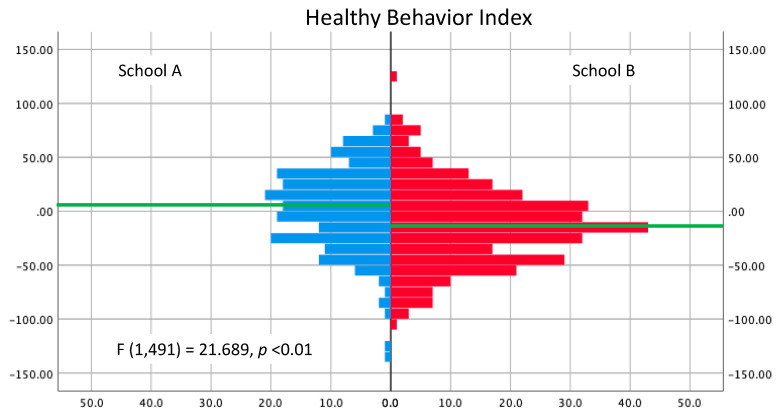
“The composite index of healthy behaviors (HBI) showed good variability across the sample and acceptable psychometric properties for indexes [54] that are similar to what was previously reported [8].”
ResultStigma Experienced by Children and Adolescents With Obesity
Pont, S. J., Puhl, R., Cook, S. R., Slusser, W., OBESITY, S. O., & THE OBESITY SOCIETY (2017) · Pediatrics · doi:10.1542/peds.2017-3034 · Cited by 676
The ADAPT-ITT Model: A Novel Method of Adapting Evidence-Based HIV Interventions
Wingood, G. M., & DiClemente, R. J. (2008) · JAIDS Journal of Acquired Immune Deficiency Syndromes · doi:10.1097/qai.0b013e3181605df1 · Cited by 664 · cited 5×
“As outlined in the Assessment phase of an ADAPT-ITT model [26]; (Table 1), interviews with school stakeholders and school meal observations lead to the decision to adapt the PALS plus message program used in a clinical setting [7] to meet the needs of the school while retaining the essence of the original program.”
MethodInfluential(2003) · Sleep · doi:10.1093/sleep/26.4.455 · Cited by 588 · cited 6×
“5 hours for 12–14 years) [27]; School B was ≥15 on the summed score across eight items of Pediatric Daytime Sleepiness Scale [24].”
BackgroundMethodInfluentialOgden, C. L., Carroll, M. D., Fakhouri, T. H., Hales, C. M., Fryar, C. D., Li, X., & Freedman, D. S. (2018) · MMWR. Morbidity and Mortality Weekly Report · doi:10.15585/mmwr.mm6706a3 · Cited by 475
Celis-Morales, C., Livingstone, K. M., Marsaux, C. F. M., Macready, A. L., Fallaize, R., O’Donovan, C. B., Woolhead, C., Forster, H., Walsh, M. C., Navas-Carretero, S., et al. (2016) · International Journal of Epidemiology · doi:10.1093/ije/dyw186 · Cited by 399 · cited 1×
“The landmark, multi-country randomized controlled trial, Food4Me, suggested that technology could deliver interventions and that personalizing recommendations to reported dietary intake was effective [18].”
BackgroundPsychophysics of sweet and fat perception in obesity: problems, solutions and new perspectives
Bartoshuk, L. M., Duffy, V. B., Hayes, J. E., Moskowitz, H. R., & Snyder, D. J. (2006) · Philosophical Transactions of the Royal Society B: Biological Sciences · doi:10.1098/rstb.2006.1853 · Cited by 381 · cited 2×
“In the present study, students reported the daytime sleepiness items on a scale identified by time increments (everyday = 4, 2–3 times per week = 3, once per week = 2, 2–3 times per month = 1, never = 0) instead of Likert-scale categories (always = 4, frequently = 3, sometimes = 2, seldom = 1, never = 0) to improve co…”
BackgroundMethodSelf-citationOlfactory dysfunction, central cholinergic integrity and cognitive impairment in Parkinson's disease
Bohnen, N. I., Muller, M. L. T. M., Kotagal, V., Koeppe, R. A., Kilbourn, M. A., Albin, R. L., & Frey, K. A. (2010) · Brain · doi:10.1093/brain/awq079 · Cited by 316
Is there utility in the transtheoretical model?
Armitage, C. J. (2009) · British Journal of Health Psychology · doi:10.1348/135910708x368991 · Cited by 185 · cited 1×
“Aligned with a two-stage transtheoretical model of behavior change [35] and criteria derived from a separate group of children (n = 525) in a past study [36], one or multiple of the eight motivational messages were delivered to children who reported a high liking for”
MethodLiu, Z., Xu, H.-M., Wen, L.-M., Peng, Y.-Z., Lin, L.-Z., Zhou, S., Li, W.-H., & Wang, H.-J. (2019) · International Journal of Behavioral Nutrition and Physical Activity · doi:10.1186/s12966-019-0848-8 · Cited by 175
Insufficient Sleep Duration Is Associated With Dietary Habits, Screen Time, and Obesity in Children
Tambalis, K. D., Panagiotakos, D. B., Psarra, G., & Sidossis, L. S. (2018) · Journal of Clinical Sleep Medicine · doi:10.5664/jcsm.7374 · Cited by 174 · cited 2×
“We found that children with greater daytime sleepiness had significantly lower HBIs, which is consistent with findings across a population-based study of Greek children and adolescents [25] as well as a school-based study of adolescents in Brazil [55].”
BackgroundResultDietary Behavior: An Interdisciplinary Conceptual Analysis and Taxonomy
Stok, F. M., Renner, B., Allan, J., Boeing, H., Ensenauer, R. E., Issanchou, S., Kiesswetter, E., Lien, N., Mazzocchi, M., Monsivais, P., et al. (2018) · Frontiers in Psychology · doi:10.3389/fpsyg.2018.01689 · Cited by 151 · cited 1×
“Reported liking of foods and beverages is part of the broad taxonomy of dietary behaviors [3] that can serve as a proxy for what is consumed.”
BackgroundCullen, K. W., & Chen, T.-A. (2017) · Preventive Medicine Reports · doi:10.1016/j.pmedr.2016.11.016 · Cited by 124 · cited 1×
“Approximately one half (47%) of children and adolescents’ daily energy intake is provided by school meals [49].”
BackgroundTuorila, H., Huotilainen, A., Lähteenmäki, L., Ollila, S., Tuomi-Nurmi, S., & Urala, N. (2007) · Food Quality and Preference · doi:10.1016/j.foodqual.2007.06.007 · Cited by 123
Schmid, K. L., Rivers, S. E., Latimer‐Cheung, A. E., & Salovey, P. (2008) · PubMed · Cited by 119
Huang, K., Cheng, S., & Theise, R. (2013) · Public Health Reports · doi:10.1177/00333549131286s304 · Cited by 117 · cited 1×
“Schools can provide an important function to decrease health disparity and promote health equity through school-based programs, opportunities, policies, and family and community engagement [57].”
BackgroundChild-Report of Food Insecurity Is Associated with Diet Quality in Children
Landry, M. J., van den Berg, A. E., Asigbee, F. M., Vandyousefi, S., Ghaddar, R., & Davis, J. N. (2019) · Nutrients · doi:10.3390/nu11071574 · Cited by 108 · cited 1×
“A previous study found lower diet quality among children (3rd to 5th graders) who reported food insecurity, via a study design and multivariate analysis that controlled for parent-reported food assistance and measured body mass index percentile [56].”
MethodHung, L.-S., Tidwell, D. K., Hall, M. E., Lee, M. L., Briley, C. A., & Hunt, B. P. (2015) · Nutrition Research · doi:10.1016/j.nutres.2015.01.002 · Cited by 102 · cited 1×
“Even so, school-based health promotion programs were found only to have small effects on obesity prevention efforts through improving dietary habits and physical activity [14].”
BackgroundKral, T. V. E., Chittams, J., & Moore, R. H. (2017) · Journal for Specialists in Pediatric Nursing · doi:10.1111/jspn.12177 · Cited by 91 · cited 1×
“Since asking children directly about food insecurity may improve their understanding of the impact of their diet on health outcomes [30], students reported “never,” “sometimes,” or “often” to the following three questions: “I was hungry but didn’t eat enough because there wasn’t enough food at home”; “I felt worried t…”
BackgroundExploring self-rated health among adolescents: a think-aloud study
Joffer, J., Jerdén, L., Öhman, A., & Flacking, R. (2016) · BMC Public Health · doi:10.1186/s12889-016-2837-z · Cited by 80
An integrative review of sleep for nutrition professionals
Golem, D. L., Martin-Biggers, J. T., Koenings, M. M., Davis, K. F., & Byrd-Bredbenner, C. (2014) · Advances in Nutrition · doi:10.3945/an.114.006809 · Cited by 77
The Promotion of Eating Behaviour Change through Digital Interventions
Chen, Y., Perez-Cueto, F. J. A., Giboreau, A., Mavridis, I., & Hartwell, H. (2020) · International Journal of Environmental Research and Public Health · doi:10.3390/ijerph17207488 · Cited by 75 · cited 1×
“Similar findings in message acceptance and usefulness, along with the existing literature on the efficacy of technology use coupled with tailored feedback [63], show that a more individualized tailored messaging program could be a useful tool for promoting behavioral change in children in both a clinical and school se…”
ResultZhao, C., Panizza, C. E., Fox, K. A. A., Boushey, C. J., Shanks, C. B., Ahmed, S., Chen, S., Serrano, E. L., Zee, J., Fialkowski, M. K., et al. (2019) · Journal of Nutrition Education and Behavior · doi:10.1016/j.jneb.2019.05.590 · Cited by 73 · cited 1×
“Attention to student’s food preferences can support improved dietary quality through the school meal program and decrease food waste [47].”
BackgroundImpact of Taste on Food Choices in Adolescence—Systematic Review and Meta-Analysis
Bawajeeh, A. O., Albar, S. A., Zhang, H., Zulyniak, M. A., Evans, C. E. L., & Cade, J. E. (2020) · Nutrients · doi:10.3390/nu12071985 · Cited by 63 · cited 1×
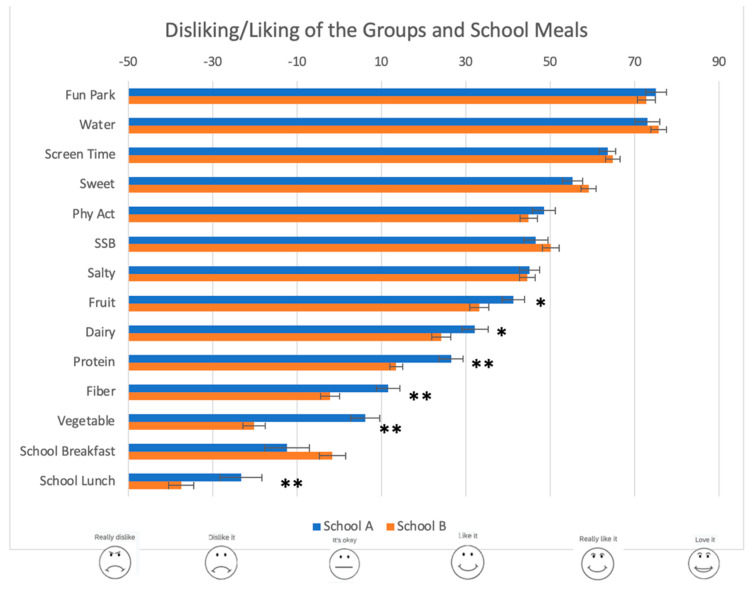
“Greater preferences were observed for sweet, salty, and fatty foods—as well as lower liking of healthier foods with strong flavors and textures—which is consistent with preference patterns in adolescents that are influenced by genetic and sensory nutrition influences [40].”
BackgroundFactors that contribute to effective online nutrition education interventions: a systematic review
Murimi, M., Nguyen, B., Moyeda-Carabaza, A. F., Lee, H.-J., & Park, O. (2019) · Nutrition Reviews · doi:10.1093/nutrit/nuz032 · Cited by 55 · cited 3×
“This regular messaging may also be successful in collaboration with school-based activities and interventions [65].”
BackgroundInfluentialSocial marketing-based communications to integrate and support the HEALTHY study intervention
for the HEALTHY Study Group, DeBar, L. L., Schneider, M., Ford, E. G., Hernandez, A. E., Showell, B., Drews, K. L., Moe, E. L., Gillis, B., Jessup, A. N., et al. (2009) · International Journal of Obesity · doi:10.1038/ijo.2009.117 · Cited by 53 · cited 2×
“Other studies found similar success in health campaigns that incorporated student-generated messages to promote student engagement and acceptance by peers [67].”
BackgroundResultMeyer, C., Barbosa, D. G., Ferrari, G. J., Andrade, R. D., Silva, D. A. S., Pelegrini, A., & Pereira, É. F. (2017) · Chronobiology International · doi:10.1080/07420528.2017.1400980 · Cited by 53 · cited 1×
“Scores on the PDSS ≥15 were categorized as insufficient sleep, having been correlated with poorer academic and health outcomes in adolescents [29].”
Au, L. E., Zhu, S. M., Nhan, L. A., Plank, K. R., Frongillo, E. A., Laraia, B. A., Gurzó, K., & Ritchie, L. D. (2019) · Journal of Nutrition · doi:10.1093/jn/nxz108 · Cited by 50 · cited 1×
“Highest rates of obesity are seen among Hispanic and non-Hispanic black children [10], due to complex interactions among families who have lower education and income [11] as well as food insecurity [12].”
BackgroundChildren’s Self-Reported Reasons for Accepting and Rejecting Foods
Sick, J., Højer, R., & Olsen, A. (2019) · Nutrients · doi:10.3390/nu11102455 · Cited by 44 · cited 1×
“Although adults [1] and children [2] report that “taste” is a primary driver of food choice, it is the liking of the taste of food that drives what is chosen and ultimately consumed.”
Background#Lancerhealth: Using Twitter and Instagram as a Tool in a Campus Wide Health Promotion Initiative
Santarossa, S., & Woodruff, S. J. (2018) · Journal of Public Health Research · doi:10.4081/jphr.2018.1166 · Cited by 41 · cited 1×
“The use of social media also allowed for more student engagement with their ability to interact with and share health communication postings [68].”
BackgroundTurner, L., & Chaloupka, F. J. (2014) · Childhood Obesity · doi:10.1089/chi.2014.0038 · Cited by 39 · cited 1×
“A representative survey of school food service directors showed that elementary student acceptance of the school lunch program improved over the 2012 to 2013 academic year after the changes were implemented [51].”
BackgroundHolmberg, C., Larsson, C. L., Korp, P., Lindgren, E., Jönsson, L., Fröberg, A., Chaplin, J. E., & Berg, C. (2018) · International Journal of Qualitative Studies on Health and Well-Being · doi:10.1080/17482631.2018.1487759 · Cited by 39 · cited 1×
“School-based follow-up with the survey and empowering the students in health promotion activities can support further self-reflection and action as well as recognizing their individual preferences, especially in a low-income school setting [60].”
BackgroundA cross-cultural analysis of children's vegetable preferences
Estay, K., Pan, S., Zhong, F., Capitaine, C., & Guinard, J. (2019) · Appetite · doi:10.1016/j.appet.2019.104346 · Cited by 36 · cited 1×
“preference in children [41] and adults [42] and, in multivariate modeling, social-behavior factors influencing the preference for vegetable, which in turn, influencing the consumption of vegetables [43].”
BackgroundSharafi, M., Peracchio, H., Scarmo, S., Huedo-Medina, T. B., Mayne, S. T., Cartmel, B., & Duffy, V. B. (2015) · Childhood Obesity · doi:10.1089/chi.2015.0037 · Cited by 34 · cited 1×
“We have found that responses to the Pediatric Adapted Liking Survey (PALS), reported by parents on their preschoolers’ liking for foods and beverages, can be formed into an index of diet quality that correlates with skin carotenoid status [5].”
BackgroundSelf-citationMalheiros, L. E. A., da Costa, B. G. G., Lopes, M. V. V., Chaput, J., & da Silva, K. S. (2020) · Sleep Medicine · doi:10.1016/j.sleep.2020.12.004 · Cited by 34 · cited 1×
“We found that children with greater daytime sleepiness had significantly lower HBIs, which is consistent with findings across a population-based study of Greek children and adolescents [25] as well as a school-based study of adolescents in Brazil [55].”
ResultHamdi, N., Ellison, B., McCaffrey, J., Metcalfe, J. J., Hoffman, A., Haywood, P., & Prescott, M. P. (2020) · International Journal of Environmental Research and Public Health · doi:10.3390/ijerph17113971 · Cited by 28
Validation of 5 Stage-of-Change Measures for Parental Support of Healthy Eating and Activity
Wright, J. A., Whiteley, J. A., Laforge, R. G., Adams, W. G., Berry, D. L., & Friedman, R. H. (2015) · Journal of Nutrition Education and Behavior · doi:10.1016/j.jneb.2014.11.003 · Cited by 26 · cited 1×
“For children and evidenced-aligned [21], a two-stage approach (pre-action, action/maintenance) from the TTM to the liking survey has been found in previous research to be effective in delivering motivating messages to children who reported liking less healthy foods and targeted reinforcing messages to children who rep…”
Duffy, V. B., Hayes, J. E., & Sharafi, M. (2020) · Journal of Agriculture and Food Research · doi:10.1016/j.jafr.2020.100044 · Cited by 24 · cited 1×
“preference in children [41] and adults [42] and, in multivariate modeling, social-behavior factors influencing the preference for vegetable, which in turn, influencing the consumption of vegetables [43].”
BackgroundSelf-citationShaver, E. R., McGlumphy, K. C., Gill, A. K., & Hasson, R. E. (2018) · American Journal of Health Behavior · doi:10.5993/ajhb.43.1.10 · Cited by 23 · cited 5×
“For children and evidenced-aligned [21], a two-stage approach (pre-action, action/maintenance) from the TTM to the liking survey has been found in previous research to be effective in delivering motivating messages to children who reported liking less healthy foods and targeted reinforcing messages to children who rep…”
ResultInfluentialSchneider, M. L., DeBar, L., Calingo, A., Hall, W., Hindes, K., Sleigh, A., Thompson, D. I., Volpe, S. L., Zeveloff, A., Pham, T., et al. (2013) · Journal of Health Communication · doi:10.1080/10810730.2012.743627 · Cited by 22 · cited 2×
“The same campaign also found success in constantly changing campaign messaging to maintain the interest of the students [66].”
BackgroundBurgermaster, M., Contento, I. R., Koch, P. A., & Mamykina, L. (2018) · Translational Behavioral Medicine · doi:10.1093/tbm/ibx029 · Cited by 22 · cited 1×
“For this reason, there is a need for designing school-based interventions that recognize individual phenotypes within the broader school-wide activities [17].”
BackgroundSmith, S. R., Johnson, S. T., Oldman, S., & Duffy, V. B. (2018) · Caries Research · doi:10.1159/000485467 · Cited by 20 · cited 2×
“Older children can complete the PALS by themselves to produce reliable food groups [6,7] and, when combined with physical activities and screen time, formed a valid and reliable healthy behavior index [8].”
BackgroundSelf-citationHaegele, J. A., Foley, J. T., Healy, S., & Paller, A. (2019) · Pediatric Obesity · doi:10.1111/ijpo.12595 · Cited by 20
Describing Independent Eating Occasions among Low-Income Adolescents
Banna, J. C., Richards, R., Jones, B. L., Anderson, A. K., Reicks, M. M., Cluskey, M., Gunther, C. W., Hongu, N. K., Lora, K. R., Misner, S. L., et al. (2020) · International Journal of Environmental Research and Public Health · doi:10.3390/ijerph17030981 · Cited by 17 · cited 1×
“The literature shows that adolescents tend to consume energy-dense snacks containing few micronutrients when eating at home or independently [70].”
BackgroundŠmigelskas, K., Lukoševičiūtė, J., Vaičiūnas, T., Mozūraitytė, K., Ivanavičiūtė, U., Milevičiūtė, I., & Žemaitaitytė, M. (2019) · Slovenian Journal of Public Health · doi:10.2478/sjph-2019-0001 · Cited by 16 · cited 1×
“The online survey method may produce more honest responses from students because it improves their perceived anonymity and stigma by utilizing a digital modality that is familiar to them [31,32].”
Methodvan der Horst, K., Mathias, K. C., Patron, A. P., & Allirot, X. (2019) · Journal of Nutrition Education and Behavior · doi:10.1016/j.jneb.2019.03.009 · Cited by 16 · cited 1×
“It is the repeated exposure to foods and tasting foods [44], coupled with positive modeling, nutrition education, cooking experiences [45], storytelling [46], and involvement of the family, that increases an individual’s preference for foods such as vegetables.”
BackgroundJilani, H. S., Pohlabeln, H., Henauw, S. D., Eiben, G., Hunsberger, M. L., Molnár, D., Moreno, L. A., Pala, V. M., Russo, P., Solea, A., et al. (2019) · Nutrients · doi:10.3390/nu11071453 · Cited by 16 · cited 1×
“In essence, surveying food liking can offer a useful proxy for measuring consumption in adolescents for sensory phenotyping [19].”
BackgroundIdentifying food insecurity: Two-question screening tool has 97% sensitivity
O’Keefe, L. (2015) · AAP News · doi:10.1542/aapnews.20151023-1 · Cited by 15 · cited 1×
“Child-reported or perceived food insecurity questions were extracted from the validated measure of food insecurity status [69].”
MethodJönsson, S., Angka, S., Olsen, K., Tolver, A., & Olsen, A. (2019) · Appetite · doi:10.1016/j.appet.2019.05.002 · Cited by 15 · cited 1×
“It is the repeated exposure to foods and tasting foods [44], coupled with positive modeling, nutrition education, cooking experiences [45], storytelling [46], and involvement of the family, that increases an individual’s preference for foods such as vegetables.”
BackgroundPreadolescents’ healthy eating behavior: peeping through the social norms approach
Ragelienė, T., & Grønhøj, A. (2020) · BMC Public Health · doi:10.1186/s12889-020-09366-1 · Cited by 15 · cited 1×
“preference in children [41] and adults [42] and, in multivariate modeling, social-behavior factors influencing the preference for vegetable, which in turn, influencing the consumption of vegetables [43].”
BackgroundPediatric-Adapted Liking Survey (PALS): A Diet and Activity Screener in Pediatric Care
Vosburgh, K. L., Smith, S. R., Oldman, S., Huedo-Medina, T. B., & Duffy, V. B. (2019) · Nutrients · doi:10.3390/nu11071641 · Cited by 12 · cited 11×
“In order to compare reported behaviors across the schools and to compare with food insecurity and sleep indices, a Healthy Behavior Index (HBI) was constructed for each student following the methodology described in our previous study [8].”
BackgroundMethodResultInfluentialSelf-citationAppleton, K. M., Barrie, E., & Samuel, T. J. (2019) · Appetite · doi:10.1016/j.appet.2019.05.003 · Cited by 11 · cited 1×
“It is the repeated exposure to foods and tasting foods [44], coupled with positive modeling, nutrition education, cooking experiences [45], storytelling [46], and involvement of the family, that increases an individual’s preference for foods such as vegetables.”
BackgroundHu, S., Gentzke, A. S., Jamal, A., Homa, D. M., & Neff, L. J. (2020) · Preventing Chronic Disease · doi:10.5888/pcd17.190294 · Cited by 10 · cited 2×
“Technology-based surveys have also been previously found to provide more accurate responses than traditional paper-and-pencil surveys, proving a more accurate representation of diet quality across schools [31].”
BackgroundMethodBahreynian, M., Salehi, M., Khoshhali, M., & Kelishadi, R. (2020) · Journal of Education and Health Promotion · doi:10.4103/jehp.jehp_707_19 · Cited by 9 · cited 2×
“Continued health promotion efforts may benefit from incorporating regular follow-up messaging, as suggested by other research studies [64].”
BackgroundChau, S., Oldman, S., Smith, S. R., Lin, C. A., Ali, S., & Duffy, V. B. (2021) · Nutrients · doi:10.3390/nu13010223 · Cited by 9 · cited 9×
“Through collaboration with school stakeholders, the online PALS was adapted from reaching children and families in a clinical setting [7] to reaching children in a school setting, incorporating questions with a focus on food insecurity, and school meal acceptance.”
BackgroundMethodResultInfluentialSelf-citationWickström, A., & Zeiler, K. (2021) · Children & Society · doi:10.1111/chso.12425 · Cited by 5 · cited 1×
“Completing health surveys can get adolescents to think about their behaviors, draw them to try healthier behaviors based on self-reflection, and encourage them to take ownership of their personal behaviors [59].”
BackgroundOldman, S. (2018) · OpenCommons - UConn (University of Connecticut) · Cited by 2
Karner, H. (2019) · OpenCommons - UConn (University of Connecticut) · Cited by 1
Self-citation
Research works printed but not linked: 1
- 38. Lund, A.M. Measuring Usability with the USE Questionnaire. Usability Interface 2001 , 8 , 3-6.
Cited by
Determinants of Preference and Consumption of Healthy Food in Children
Laureati, M. (2022) · Foods · doi:10.3390/foods11020203 · Cited by 28
Chatterjee, P., & Nirgude, A. (2024) · Cureus · doi:10.7759/cureus.53127 · Cited by 26
“…short and long-term intervention periods provided in the chosen research varied from one day [12] to five years [52], with 25 studies [8,10-12, 17 , 19-21 It is important to highlight in the common findings that the effects of interventions tend to diminish over time [8,10,12,14,21,24,25,32,34,38].”
BackgroundMethodResultInfluentialHubert, P. A., Mahoney, M., Huedo-Medina, T. B., Leahey, T. M., & Duffy, V. B. (2021) · Nutrients · doi:10.3390/nu13103366 · Cited by 10
Self-citationUsability Testing an mHealth Program with Tailored Motivational Messages for Early Adolescents
Lin, C. A., Vosburgh, K. L., Roy, D., & Duffy, V. B. (2023) · Nutrients · doi:10.3390/nu15030574 · Cited by 10
Self-citationHubert, P. A., Fiorenti, H., & Duffy, V. B. (2022) · Nutrients · doi:10.3390/nu14194012 · Cited by 7
Self-citation
Metadata
- Authors
- Hildrey, R., Karner, H., Serrao, J., Lin, C. A., Shanley, E., & Duffy, V. B.
- Affiliations
- University of Connecticut (US)
- Corresponding author
- Duffy, Valerie B.
- Venue
- Foods
- Publisher
- MDPI AG
- Published
- 2021-03-10
- Volume
- 10
- Issue
- 3
- Pages
- 579
- ISSN
- 2304-8158 (ISSN-L)
- PMC
- PMC8001433
- OpenAlex
- W3134663602
- Cited by
- 6
- References
- 63
- Citations by year
- 2024: 1 · 2023: 1 · 2022: 3 · 2021: 1
- FWCI
- 0.96
- Type
- journal article
- Language
- en
- Open access
- gold
- doi.org
- Licence
- Locations
- Foods (publishedVersion, cc-by)
- PubMed Central (publishedVersion, cc-by)
- PubMed (publishedVersion)
- DOAJ (DOAJ: Directory of Open Access Journals) (submittedVersion, cc-by-sa)
- Funders
- National Institute of Food and Agriculture (Hatch project 1001056)
- Topics
- Health Sciences › Nursing › Nutrition and Dietetics › Nutrition, Health and Food Behavior
- Health Sciences › Medicine › Public Health, Environmental and Occupational Health › School Health and Nursing Education
- Health Sciences › Medicine › Public Health, Environmental and Occupational Health › Obesity, Physical Activity, Diet
- Keywords
- food liking, food preferences, junior high school students, food insecurity, sleep, physical activity, sedentary behavior, behaviour change theory, program acceptability, school health promotion, low-income schools
About these checks
Registry, retraction, Cites and statistics results are computed, not judged, with one exception: a printed reference that no index lists is read once by a model before it counts as a citation error. Claims are extracted by a model and kept only when their quote appears verbatim in the text; each cited source is then checked, with a model’s help, for whether it says what the claim relies on. Those verdicts can be wrong — read the claim’s quote and the cited source before relying on one.
Statistics and arithmetic are recomputed, not judged.
Confidence bands are shown only for fields calibrated on our annotated test set. None is calibrated yet, so no band is shown.
What counts as a claim ›How we measure confidence ›How we check this ›
Are you an author, or do you see a problem with this page? Request a review
Data sources
Bibliographic data: Semantic Scholar, OpenAlex, Crossref.
Contains information from the Semantic Scholar Academic Graph Datasets, made available under the ODC Attribution License (ODC-BY 1.0).
Semantic Scholar’s data is described in: Kinney, R., et al. (2023). The Semantic Scholar Open Data Platform. arXiv:2301.10140.
