

One health, fermented foods and gut microbiota
Open accessThe DOI matches its Crossref record; 140 of the 141 references it cites were found in a registry or an index.
Abstract
Changes in present-day society such as diets with more sugar, salt, and saturated fat, bad habits and unhealthy lifestyles contribute to the likelihood of the involvement of the microbiota in inflammatory diseases, which contribute to global epidemics of obesity, depression, and mental health concerns. The microbiota is presently one of the hottest areas of scientific and medical research, and exerts a marked influence on the host during homeostasis and disease. Fermented foods and beverages are generally defined as products made by microbial organisms and enzymatic conversions of major and minor food components. Further to the commonly-recognized effects of nutrition on the digestive health (e.g., dysbiosis) and well-being, there is now strong evidence for the impact of fermented foods and beverages (e.g., yoghurt, pickles, bread, kefir, beers, wines, mead), produced or preserved by the action of microorganisms, on general health, namely their significance on the gut microbiota balance and brain functionality. Fermented products require microorganisms, i.e., Saccharomyces yeasts and lactic acid bacteria, yielding alcohol and lactic acid. Ingestion of vibrant probiotics, especially those contained in fermented foods, is found to cause significant positive improvements in balancing intestinal permeability and barrier function. Our guts control and deal with every aspect of our health. How we digest our food and even the food sensitivities we have is linked with our mood, behavior, energy, weight, food cravings, hormone balance, immunity, and overall wellness. We highlight some impacts in this domain and debate calls for the convergence of interdisciplinary research fields from the United Nations’ initiative. Worldwide human and animal medicine are practiced separately; veterinary science and animal health are generally neither considered nor inserted within national or international Health discussions. The absence of a clear definition and subsequent vision for the future of One Health may act as a barrier to transdisciplinary collaboration. The point of this mini review is to highlight the role of fermented foods and beverages on gut microbiota and debate if the need for confluence of transdisciplinary fields of One Health is feasible and achievable, since they are managed by separate sectors with limited communication.
Overview
The claims and statistics of this paper haven’t been checked yet.
Free: it reads the open-access text and checks the first 5 claims that cite a source we can check. Create a free account to check every claim.
Integrity signals
Registry
Cites
Statistics
Figures
Verification
Claims the paper makes
The claims and statistics of this paper haven’t been checked yet.
Free: it reads the open-access text and checks the first 5 claims that cite a source we can check. Create a free account to check every claim.
Claims other papers make about this one
Each is checked against this paper’s own text: does it say what the citing paper says it does?
The cited source says what the claim attributes to it.
In the citing paper
“Fermented foods are able to modify the composition of the intestinal microbiota, improve the control of intestinal permeability, increase its barrier function (10–12)”
From Kefir and Intestinal Microbiota Modulation: Implications in Human Health (2021) · cites this paper as [12]
Self-check
Percentages, sums and reported differences re-computed from the paper’s own numbers.
The self-check needs the paper’s full text.
Citations
Cites
Diet rapidly and reproducibly alters the human gut microbiome
David, L. A., Maurice, C. F., Carmody, R. N., Gootenberg, D. B., Button, J. E., Wolfe, B. E., Ling, A. V., Devlin, A. S., Varma, Y., Fischbach, M. A., et al. (2014) · Nature · doi:10.1038/nature12820 · Cited by 10,100 · cited 1×
“Gut microbes are extensively purged every one to two days and have the ability to double in number within the space of an hour [138].”
BackgroundHill (2014) · doi:10.1038/nrgastro.2014.66 · Cited by 9,592
Whiteford, H. A., Degenhardt, L., Rehm, J., Baxter, A. J., Ferrari, A. J., Erskine, H. E., Charlson, F. J., Norman, R. E., Flaxman, A. D., Johns, N., et al. (2013) · The Lancet · doi:10.1016/s0140-6736(13)61611-6 · Cited by 6,006
Gibson, G. R., Hutkins, R., Sanders, M. E., Prescott, S. L., Reimer, R. A., Salminen, S. J., Scott, K., Stanton, C., Swanson, K. S., Cani, P. D., et al. (2017) · Nature Reviews Gastroenterology & Hepatology · doi:10.1038/nrgastro.2017.75 · Cited by 5,634 · cited 1×
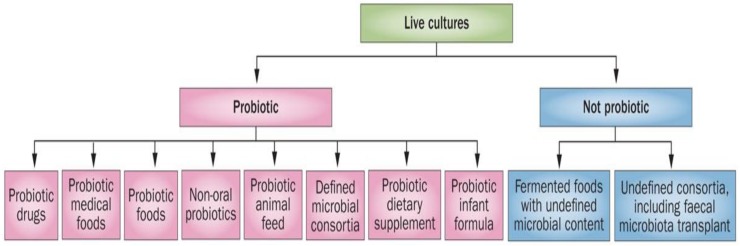
“It is important to address the common misconception that fermented foods are the same thing as probiotics [59].”
BackgroundRevised Estimates for the Number of Human and Bacteria Cells in the Body
Sender, R., Fuchs, S., & Milo, R. (2016) · PLOS Biology · doi:10.1371/journal.pbio.1002533 · Cited by 5,425 · cited 1×
“Indeed, although it is broadly mentioned that there are 10 times more cells from microorganisms in our bodies than there are human cells [10], this claim has been challenged, and others have estimated that the number of bacteria is similar to that of human cells [11].”
BackgroundInfluentialThe role of inflammation in depression: from evolutionary imperative to modern treatment target
Miller, A. H., & Raison, C. L. (2016) · Nature Reviews Immunology · doi:10.1038/nri.2015.5 · Cited by 3,942
Introduction to the human gut microbiota
Thursby, E., & Juge, N. (2017) · Biochemical Journal · doi:10.1042/bcj20160510 · Cited by 3,600 · cited 1×
“Therefore, research is being conducted to generate new technologies to study the rest of the human microbiome using advances in DNA-sequencing technologies and associated computational methods [14].”
BackgroundRole of the normal gut microbiota
Jandhyala, S. M. (2015) · World Journal of Gastroenterology · doi:10.3748/wjg.v21.i29.8787 · Cited by 3,001 · cited 2×
“The use of antibiotics does have several short and long-term implications in the ecology of the normal microbiota and gut motility [35].”
BackgroundThe gut flora as a forgotten organ
O'Hara, A. M., & Shanahan, F. (2006) · The EMBO Reports · doi:10.1038/sj.embor.7400731 · Cited by 2,791 · cited 1×
“Health authorities are now becoming fully aware that one cannot be considered to be in good health without a well-balanced microbiota composition in the gut, our “forgotten organ” [7], and of the fundamental role of a diverse and healthy gut microbiota on the subsequent maintenance of future health and well-being of t…”
BackgroundInfluence of diet on the gut microbiome and implications for human health
Singh, R. K., Chang, H.-W., Yan, D., Lee, K. M., Ucmak, D., Wong, K., Abrouk, M., Farahnik, B., Nakamura, M., Zhu, T. H., et al. (2017) · Journal of Translational Medicine · doi:10.1186/s12967-017-1175-y · Cited by 2,599 · cited 2×
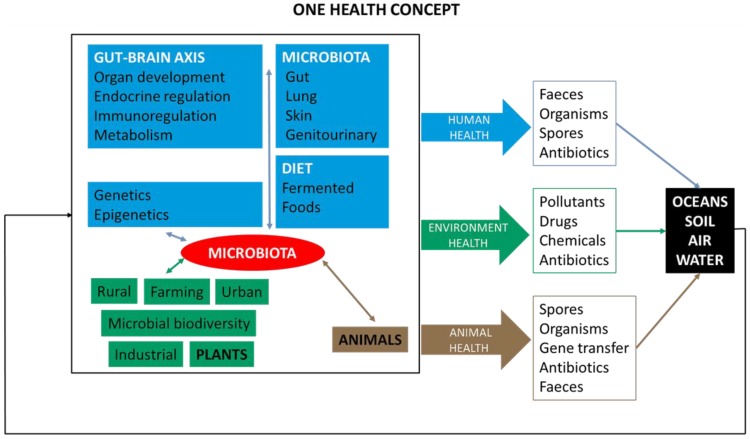
“The interactions (Figure 2) between ingested fermented food and intestinal microbiota, and their correlations to metabolomics profiles and health, represent an important perspective, and independent research on health benefits is still emerging [50,51].”
Background
Research works printed but not linked: 3
- Hutkins R.W. Microbiology and Technology of Fermented Foods 2nd ed. Hoboken N.J. Wiley-Blackwell Hoboken, NJ, USA 9 2018 616
- Metchnikoff I.I. The Prolongation of Life: Optimistic Studies Springer Publishing Company New York, NY, USA 2004
- El Samra G.H. Climate change, food security, food safety and nutrition Egypt. J. Occup. Med. 2017 41 217 236
Cited by
Health-Promoting Components in Fermented Foods: An Up-to-Date Systematic Review
Melini, F., Melini, V., Luziatelli, F., Ficca, A. G., & Ruzzi, M. (2019) · Nutrients · doi:10.3390/nu11051189 · Cited by 392
Voidarou, C., Antoniadou, Μ., Rozos, G., Tzora, A., Skoufos, I., Varzakas, T., Lagiou, A., & Bezirtzoglou, E. (2020) · Foods · doi:10.3390/foods10010069 · Cited by 281
The food-gut axis: lactic acid bacteria and their link to food, the gut microbiome and human health
De Filippis, F., Pasolli, E., & Ercolini, D. (2020) · FEMS Microbiology Reviews · doi:10.1093/femsre/fuaa015 · Cited by 303
“Functional foods deliver additional or enhanced benefits over and above their basic nutritional benefits (Bell et al. 2018).”
BackgroundKetogenic Diet and Microbiota: Friends or Enemies?
Paoli, A., Mancin, L., Bianco, A., Thomas, E., Mota, J. F., & Piccini, F. (2019) · Genes · doi:10.3390/genes10070534 · Cited by 262
Anti-Inflammatory and Immunomodulatory Properties of Fermented Plant Foods
Shahbazi, R., Sharifzad, F., Bagheri, R., Alsadi, N., Yasavoli-Sharahi, H., & Matar, C. (2021) · Nutrients · doi:10.3390/nu13051516 · Cited by 201
Fermented foods: An update on evidence-based health benefits and future perspectives
Diez-Ozaeta, I., & Astiazaran, O. J. (2022) · Food Research International · doi:10.1016/j.foodres.2022.111133 · Cited by 162
Plant Prebiotics and Their Role in the Amelioration of Diseases
Kaur, A. P., Bhardwaj, S., Dhanjal, D. S., Nepovimova, E., Cruz-Martins, N., Kuča, K., Chopra, C., Singh, R., Kumar, H., Șen, F., et al. (2021) · Biomolecules · doi:10.3390/biom11030440 · Cited by 168
COVID-19 Pandemic Response in Japan: What Is behind the Initial Flattening of the Curve?
Tashiro, A., & Shaw, R. (2020) · Sustainability · doi:10.3390/su12135250 · Cited by 165
Wasimuddin, Schlaeppi, K., Ronchi, F., Leib, S. L., Erb, M., & Ramette, A. (2020) · Molecular Ecology Resources · doi:10.1111/1755-0998.13215 · Cited by 201
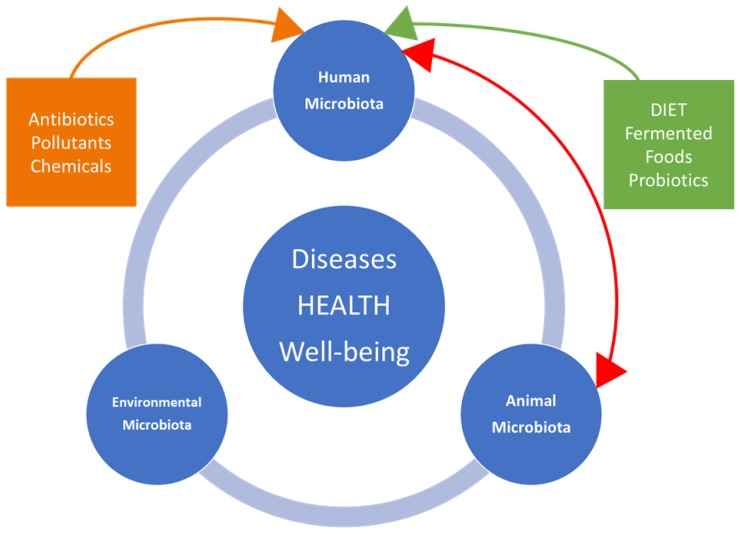
“Thus, recommendations have been made to extend the One Health concept to include the full breadth of microbes (Bell, Ferrao, Pimentel, Pintado, & Fernandes, 2018; van Bruggen et al., 2019; Trinh, Zaneveld, Safranek, & Rabinowitz, 2018).”
Dietary Components That May Influence the Disturbed Gut Microbiota in Chronic Kidney Disease
Mafra, D., Borges, N., Alvarenga, L., Esgalhado, M., Cardozo, L., Lindholm, B., & Stenvinkel, P. (2019) · Nutrients · doi:10.3390/nu11030496 · Cited by 152
Hill, C., Tancredi, D. J., Cifelli, C. J., Slavin, J. L., Gahche, J. J., Marco, M. L., Hutkins, R. W., Fulgoni, V. L. I., Merenstein, D. J., & Sanders, M. E. (2023) · Journal of Nutrition · doi:10.1016/j.tjnut.2023.02.019 · Cited by 127
“…evidence to support the hypothesis that foods containing live microbes may provide health bene fi ts to consumers and suggest the value, if supported by additional research, of a recommendation for live microbes in healthy eating patterns, similar to the current recommendation for fi ber [2,38 – 41].”
ResultPark, I., & Mannaa, M. (2025) · Foods · doi:10.3390/foods14132292 · Cited by 114
“According to recent reviews [3,87,88], bioactive metabolites, such as gamma-aminobutyric acid (GABA), EPS, and peptides, produced during fermentation exert direct effects on immune modulation, oxidative stress, and inflammatory pathways.”
Fabozzi, G., Verdone, G., Allori, M., Cimadomo, D., Tatone, C., Stuppia, L., Franzago, M., Ubaldi, N., Vaiarelli, A., Ubaldi, F. M., et al. (2022) · Nutrients · doi:10.3390/nu14091918 · Cited by 109
Advanced glycation end products in food and their effects on intestinal tract
Nie, C., Li, Y., Qian, H., Ying, H., & Wang, L. (2020) · Critical Reviews in Food Science and Nutrition · doi:10.1080/10408398.2020.1863904 · Cited by 102
“It exerts a marked influence on the host during homeostasis and disease (Bell et al. 2018), affects the development and function of essentially all organ systems and contributes to adaptation and evolution, while protecting against pathogenic microorganisms and toxins (Flandroy et al. 2018).”
BackgroundKefir and Intestinal Microbiota Modulation: Implications in Human Health
Peluzio, M. D. C. G., Dias, M. D. M. E., Martinez, J. A., & Milagro, F. I. (2021) · Frontiers in Nutrition · doi:10.3389/fnut.2021.638740 · Cited by 92
Beer and its non-alcoholic compounds in health and disease
Osorio-Paz, I., Brunauer, R., & Alavez, S. (2019) · Critical Reviews in Food Science and Nutrition · doi:10.1080/10408398.2019.1696278 · Cited by 101
Carotenoids Diet: Digestion, Gut Microbiota Modulation, and Inflammatory Diseases
Rocha, H. R., Coelho, M. C., Gomes, A., & Pintado, M. (2023) · Nutrients · doi:10.3390/nu15102265 · Cited by 99
“Although the absorption of carotenoids can be different depending on the individual [123], the studies mentioned before indicated that the composition of the intestinal microbiota has an important influence on the absorption and metabolism of carotenoids [120].”
BackgroundSelf-citationCapozzi, V., Fragasso, M., & Russo, P. (2020) · Microorganisms · doi:10.3390/microorganisms8020306 · Cited by 84
A Review of the Relationship between Gut Microbiome and Obesity
Zsálig, D., Berta, A., Tóth, V., Szabó, Z., Klara, S. M., Figler, M., Pusztafalvi, H., & Polyák, É. (2023) · Applied Sciences · doi:10.3390/app13010610 · Cited by 89
“These foods may be effective in maintaining body weight, balancing intestinal permeability and barrier functions, and controlling dysbiosis [94].”
Ferro, M., Charneca, S., Dourado, E., Guerreiro, C. S., & Fonseca, J. E. (2021) · Frontiers in Pharmacology · doi:10.3389/fphar.2021.711788 · Cited by 82
“Although the current body of evidence regarding the impact of fermented foods on health and disease remains insufficient (Bell et al., 2018; Dimidi et al., 2019), it is increasingly understood that some fermented foods promote human health in ways not directly attributable to the starting food materials (Marco et al.”
BackgroundLiang, L., Saunders, C., & Sanossian, N. (2023) · Food Science & Nutrition · doi:10.1002/fsn3.3229 · Cited by 85
“Fermented food shows a significant positive improvement in balancing intestinal permeability and barrier function (Bell et al., 2018).”
BackgroundProbiotic Properties of Lactobacillus Species Isolated from Fermented Palm Sap in Thailand
Sornsenee, P., Singkhamanan, K., Sangkhathat, S., Saengsuwan, P., & Romyasamit, C. (2021) · Probiotics and Antimicrobial Proteins · doi:10.1007/s12602-021-09754-y · Cited by 80
Alzheimer's disease and symbiotic microbiota: an evolutionary medicine perspective
Fox, M., Knorr, D. A., & Haptonstall, K. M. (2019) · Annals of the New York Academy of Sciences · doi:10.1111/nyas.14129 · Cited by 66
Zhao, D., Cao, J., Jin, H., Shan, Y., Fang, J., & Liu, F. (2021) · Food & Function · doi:10.1039/d1fo00560j · Cited by 75
Zhang, Y., Zhang, J., Yan, J., Qi, X., Wang, Y., Zheng, Z., Liang, J., Ling, J., Chen, Y., Tang, X., et al. (2024) · Trends in Food Science & Technology · doi:10.1016/j.tifs.2024.104410 · Cited by 62
C-type lectin receptor-mediated immune recognition and response of the microbiota in the gut
Li, T.-H., Liu, L., Hou, Y.-Y., Shen, S.-N., & Wang, T.-T. (2019) · Gastroenterology Report · doi:10.1093/gastro/goz028 · Cited by 58
Gaudioso, G., Weil, T., Marzorati, G., Solovyev, P. A., Bontempo, L., Franciosi, E., Bertoldi, L., Pedrolli, C., Tuohy, K. M., & Fava, F. (2022) · Frontiers in Microbiology · doi:10.3389/fmicb.2022.929738 · Cited by 60
“Ingestion of certain probiotic bacteria, including those present in fermented foods, has been shown to induce significant positive improvements in gut barrier function (Lamprecht et al., 2012; Bell et al., 2018; Hiippala et al., 2018).”
BackgroundMethodInnovative uses of agricultural by-products in the food and beverage sector: A review
Areti, H. A., Muleta, M. D., Abo, L. D., Hamda, A. S., Adugna, A., Edae, I. T., Daba, B. J., & Gudeta, R. L. (2024) · Food Chemistry Advances · doi:10.1016/j.focha.2024.100838 · Cited by 59
A Review on Fruit and Vegetable Fermented Beverage-Benefits of Microbes and Beneficial Effects
Tang, Z., Zhao, Z., Wu, X., Lin, W., Qin, Y., Chen, H., Wan, Y., Zhou, C., Bu, T., Chen, H., et al. (2022) · Food Reviews International · doi:10.1080/87559129.2021.2024222 · Cited by 59
Praia, A. B., Herkenhoff, M. E., Brödel, O., Frohme, M., & Saad, S. M. I. (2022) · Foods · doi:10.3390/foods11244068 · Cited by 62
Microbiome One Health model for a healthy ecosystem
Tomasulo, A., Simionati, B., & Facchin, S. (2024) · Science in One Health · doi:10.1016/j.soh.2024.100065 · Cited by 56
“The application of microbes helps fi nd sustainable solutions to most of the critical problems that face our health [30].”
BackgroundEffects of kimchi on human health: a scoping review of randomized controlled trials
Song, E., Ang, L., Lee, H. W., Kim, M., Kim, Y. J., Jang, D., & Lee, M. S. (2023) · Journal of Ethnic Foods · doi:10.1186/s42779-023-00173-8 · Cited by 54
“Introduction Fermented foods are part of the diverse food cultures found in various nations and areas around the world [1].”
BackgroundCan pseudocereals modulate microbiota by functioning as probiotics or prebiotics?
Ugural, A., & Akyol, A. (2020) · Critical Reviews in Food Science and Nutrition · doi:10.1080/10408398.2020.1846493 · Cited by 53
“…endocrine and metabolic parameters such as insulin resistance in patients with Polycystic Ovary Syndrome (PCOS) when supplemented with myoinositol (Benelli et al. 2016) and as a secondary messenger in insulin signaling, play an important role in glycemic control in patients with type 2 diabetes…”
BackgroundPeptides in Brewed Wines: Formation, Structure, and Function
Zhou, M., Bu, T., Zheng, J., Liu, L., Yu, S., Li, S., & Wu, J. (2021) · Journal of Agricultural and Food Chemistry · doi:10.1021/acs.jafc.1c00452 · Cited by 48
García-Gutiérrez, E., & Cotter, P. D. (2021) · Critical Reviews in Microbiology · doi:10.1080/1040841x.2021.1979933 · Cited by 50
“…and antioxidants, through the activity of fermenting microbes, typically lactic acid bacteria (LAB), but also other microbial species, that contribute to milk, meat, fish, vegetables, cereals and legumes fermentations, on an industrial or artisanal basis (Bell et al. 2018; Macori and Cotter 2018).”
BackgroundNutritional Contributions and Health Associations of Traditional Fermented Foods
Negrete-Romero, B., Valencia-Olivares, C., Baños-Dossetti, G. A., Pérez‐Armendáriz, B., & Cardoso‐Ugarte, G. A. (2021) · Fermentation · doi:10.3390/fermentation7040289 · Cited by 47
Lactic acid bacteria in Asian fermented foods and their beneficial roles in human health
Doo, H., Kwak, J., Keum, G. B., Ryu, S., Choi, Y., Kang, J., Kim, H., Chae, Y., Kim, S., Kim, H. B., et al. (2024) · Food Science and Biotechnology · doi:10.1007/s10068-024-01634-9 · Cited by 51
“1)(Bell et al., 2018).”
Noh, H., Jang, H., Kim, G.-C., Zouiouich, S., Cho, S.-Y., Kim, H.-J., Kim, J., Choe, J., Gunter, M. J., Ferrari, P., et al. (2021) · Nutrients · doi:10.3390/nu13020366 · Cited by 49
The microbiota-mediated dietary and nutritional interventions for COVID-19
Gasmi, A., Tippairote, T., Mujawdiya, P. K., Peana, M., Menzel, A., Dadar, M., Gasmi Benahmed, A., & Bjørklund, G. (2021) · Clinical Immunology · doi:10.1016/j.clim.2021.108725 · Cited by 42
Potential neuroprotective effects of fermented foods and beverages in old age: a systematic review
Porras‐García, E., Calderón, I. F.-E., González, J. G., & Fernández‐García, J. C. (2023) · Frontiers in Nutrition · doi:10.3389/fnut.2023.1170841 · Cited by 41
Targeting Fusobacterium nucleatum in colorectal cancer: therapeutic strategies and future directions
Kowsarkhizi, A. S., Yousefi, B., Rahimi, A., & Aliramezani, A. (2025) · Infectious Agents and Cancer · doi:10.1186/s13027-025-00676-w · Cited by 41
Fermented Minor Grain Foods: Classification, Functional Components, and Probiotic Potential
Qin, H., Wu, H., Shen, K., Liu, Y., Li, M., Wang, H., Qiao, Z., & Mu, Z. (2022) · Foods · doi:10.3390/foods11203155 · Cited by 40
ERÇELİK, H. C., & Kaya, V. (2023) · Journal of Pediatric Nursing · doi:10.1016/j.pedn.2023.12.019 · Cited by 36
Plant-based probiotic foods: current state and future trends
D’Almeida, A. P., Infante-Neta, A. A., Lima, M. D. A., & de Albuquerque, T. L. (2024) · Food Science and Biotechnology · doi:10.1007/s10068-024-01674-1 · Cited by 37
“Moreover, the fiber fraction inherent in pickles and their probiotic content fosters a healthy gut microbiota, which bears far-reaching implications for overall health, from mental well-being to metabolic regulation (Bell et al., 2018).”
Diversity and distribution of yeasts in indigenous fermented foods and beverages of Ethiopia
Dabassa, A., Han, D., Bacha, K., & Bai, F. (2020) · Journal of the Science of Food and Agriculture · doi:10.1002/jsfa.10391 · Cited by 38
Fermented pomegranate extracts protect against oxidative stress and aging of skin
Chan, L., Tseng, Y., Liu, C., & Liang, C. (2021) · Journal of Cosmetic Dermatology · doi:10.1111/jocd.14379 · Cited by 43
Importance of Health Aspects in Polish Consumer Choices of Dairy Products
Sajdakowska, M., Gębski, J., Gutkowska, K., & Żakowska‐Biemans, S. (2018) · Nutrients · doi:10.3390/nu10081007 · Cited by 41
Zou, Y., Hu, J., Huang, W., Zhu, L., Shao, M., Dordoe, C., Ahn, Y., Wang, D., Zhao, Y., Xiong, Y., et al. (2020) · BMC Complementary Medicine and Therapies · doi:10.1186/s12906-020-03023-1 · Cited by 31
“modulating various physiologic and metabolic function for human health [28, 29].”
BackgroundNovel Probiotic/Bacterial Cellulose Biocatalyst for the Development of Functional Dairy Beverage
Lappa, I. K., Kachrimanidou, V., Alexandri, M., Papadaki, A., & Kopsahelis, N. (2022) · Foods · doi:10.3390/foods11172586 · Cited by 34
Mu, J., Zhang, J., Zhou, X., Zalán, Z., Hegyi, F., Takács, K., Ibrahim, A., Awad, S., Wu, Y., Zhao, X., et al. (2020) · Journal of Functional Foods · doi:10.1016/j.jff.2020.104264 · Cited by 32
Microbial Interactions in Kombucha through the Lens of Metabolomics
Tran, T., Roullier‐Gall, C., Verdier, F., Martin, A., Schmitt‐Kopplin, P., Alexandre, H., Grandvalet, C., & Tourdot‐Maréchal, R. (2022) · Metabolites · doi:10.3390/metabo12030235 · Cited by 34
Wildlife Symbiotic Bacteria Are Indicators of the Health Status of the Host and Its Ecosystem.
Bravo, M., Combes, T., Martínez, F. O., Risco, D., Gonçalves, P., García‐Jiménez, W., Cerrato, R., Fernández‐Llario, P., & Gutierrez‐Merino, J. (2022) · PubMed Central · doi:10.1128/aem.01385-21 · Cited by 16
“LAB are an excellent model to understand host-microbiota cross talk in wildlife (19, 22).”
BackgroundAlemán, R., Fernández, I. M., Marcía-Fuentes, J. A., Maldonado, S. A. S., & Martín‐Vertedor, D. (2024) · Fermentation · doi:10.3390/fermentation10030124 · Cited by 31
A comprehensive review for gut microbes: technologies, interventions, metabolites and diseases
Qi, C., Wang, P., Fu, T., Lu, M., Cai, Y., Chen, X., & Cheng, L. (2021) · Briefings in Functional Genomics · doi:10.1093/bfgp/elaa029 · Cited by 29
Frumuzachi, O., Rohn, S., & Mocan, A. (2024) · Food Research International · doi:10.1016/j.foodres.2024.115094 · Cited by 33
Gizachew, S., Van Beeck, W., Spacova, I., Dekeukeleire, M., Alemu, A., Woldemedhin, W. M., Mariam, S. H., Lebeer, S., & Engidawork, E. (2023) · Fermentation · doi:10.3390/fermentation9030258 · Cited by 26
Koilybayeva, M., Shynykul, Z., Устенова, Г. О., Abzaliyeva, S., Alimzhanova, M. B., Amirkhanova, A., Turgumbayeva, A., Mustafina, K., Yeleken, G., Тлеубергеновна, Р. К., et al. (2023) · Molecules · doi:10.3390/molecules28073210 · Cited by 31
Wang, D., Deng, Y., Zhao, L., Wang, K., Wu, D., Hu, Z., & Liu, X. (2023) · Food & Function · doi:10.1039/d2fo04038g · Cited by 25
Globalizing the health-promoting potential of fermented foods: A culturomics pathway to probiotics
Fentie, E. G., Lim, K., Ebabuye, Y., Azizoğlu, U., & Shin, J. (2025) · Trends in Food Science & Technology · doi:10.1016/j.tifs.2025.105119 · Cited by 25
Dabiré, Y., Somda, N. S., Somda, M. K., Mogmenga, I., Traoré, K. A., Ezeogu, L. I., Traore, A. S., Ugwuanyi, J. O., & Dicko, M. H. (2022) · Annals of Microbiology · doi:10.1186/s13213-022-01664-w · Cited by 29
The Policy of Compulsory Large-Scale Food Fortification in Sub-Saharan Africa
Bell, V., Rodrigues, A. R., Ferrão, J., Varzakas, T. H., & Fernandes, T. H. (2024) · Foods · doi:10.3390/foods13152438 · Cited by 24
“…mitigation, including water and food security/safety, and socioeconomic and cultural factors, which are influenced by food fortification (Figure 3) [170]. towards achieving optimal public health outcomes, demanding surveillance, prevention, and mitigation, including water and food security/safety,…”
BackgroundSelf-citationWitkamp, R. F. (2022) · Annual Review of Food Science and Technology · doi:10.1146/annurev-food-052720-092845 · Cited by 23
Fermentation microbiome and metabolic profiles of Indian palm wine
Prathiviraj, R., Rajeev, R., Jose, C. M., Begum, A., Selvin, J., & Kiran, G. S. (2022) · Gene Reports · doi:10.1016/j.genrep.2022.101543 · Cited by 21
Li, F., Jiang, L., Pan, S., Jiang, S., Fan, Y., Jiang, C., Gao, C., & Leng, Y. (2022) · mSystems · doi:10.1128/msystems.01204-21 · Cited by 25
“Plasma diamine oxidase (DAO) and lactic acid (LA) were selected to assess the alteration of intestinal permeability (50, 51).”
MethodKnowledge of fermentation and health benefits among general population in North-eastern Slovenia
Pogačar, M. Š., Turk, D. M., & Fijan, S. (2022) · BMC Public Health · doi:10.1186/s12889-022-14094-9 · Cited by 26
“Modern lifestyles and diets with less exposure to microorganisms are both associated with changes in the human colonic microbiota that can lead to many inflammatory diseases and are the major cause of morbidity and mortality worldwide [10].”
BackgroundInfluentialDairy associations for the targeted control of opportunistic Candida
Aitzhanova, A., Oleinikova, Y., Mounier, J., Hymery, N., Salas, M. L., Amangeldi, A., Saubenova, M., Alimzhanova, M. B., Ashimuly, K., & САДАНОВ, А. К. (2021) · World Journal of Microbiology and Biotechnology · doi:10.1007/s11274-021-03096-1 · Cited by 23
Food systems at a watershed: Unlocking the benefits of technology and ecosystem symbioses
Knorr, D., & Augustin, M. A. (2022) · Critical Reviews in Food Science and Nutrition · doi:10.1080/10408398.2021.2023092 · Cited by 22
Vila-Real, C., Costa, C. M., Pimenta‐Martins, A., Mbugua, S. K., Hagrétou, S.-L., Katina, K., Maina, N. H., Pinto, E. C. B., & Gomes, A. (2025) · Foods · doi:10.3390/foods14030433 · Cited by 27
Singh, D., Chand, K., Sahal, A., Kumar, S., & Hussain, A. (2024) · Journal of Stored Products Research · doi:10.1016/j.jspr.2024.102302 · Cited by 21
Anti-obesity Effect of Fermented Persimmon Extracts via Activation of AMP-Activated Protein Kinase
Song, M., Yang, G., Hoa, T. Q., Hieu, H. D., Amin, A. S. M., Choe, W., Kang, I., Kim, S. S., & Ha, J. (2020) · Biological and Pharmaceutical Bulletin · doi:10.1248/bpb.b19-00777 · Cited by 22
Protective Effect of Gochujang on Inflammation in a DSS-Induced Colitis Rat Model
Mahoro, P., Moon, H., Yang, H.-J., Kim, K., & Cha, Y. (2021) · Foods · doi:10.3390/foods10051072 · Cited by 21
Metabolic pathway prediction of core microbiome based on enterotype and orotype
Lee, S. H., Lee, H. B., You, H. S., Sung, H.-J., & Hyun, S. H. (2023) · Frontiers in Cellular and Infection Microbiology · doi:10.3389/fcimb.2023.1173085 · Cited by 19
“Fermented foods are known to contain large amounts of microorganisms and their strains are phylogenetically similar to probiotic strains, which may affect the composition and diversity of the gut microbiome (Bell et al., 2018).”
BackgroundLogozzi, M., Raimo, R. D., Mizzoni, D., Andreotti, M., Spada, M., Macchia, D., & Fais, S. (2020) · Antioxidants · doi:10.3390/antiox9020144 · Cited by 20
Csukovich, G., Pratscher, B., & Burgener, I. A. (2022) · Animals · doi:10.3390/ani12182461 · Cited by 17
Effects of kefir fermented milk beverage on sodium dextran sulfate (DSS)-induced colitis in rats
da Silva, K. N., Fávero, A. G., Ribeiro, W., Ferreira, C. M., Sartorelli, P., Cardili, L., Bogsan, C. S. B., Pereira, J. N. B., Sinigaglia, R. D. C., Malinverni, A. C. D. M., et al. (2022) · Heliyon · doi:10.1016/j.heliyon.2022.e12707 · Cited by 22
Jansen, C. A., Zanzarin, D. M., Março, P. H., Porto, C., do Prado, R. M., Carvalhaes, F., & Pilau, E. J. (2024) · Heliyon · doi:10.1016/j.heliyon.2024.e28937 · Cited by 16
“This compendium of benefits encompasses fostering a harmonious gut microbiota and optimizing digestion, mitigating symptoms of irritable bowel syndrome [5,6], and promoting cardiovascular health and the immune system [7].”
BackgroundDenaturation of proteins, generation of bioactive peptides, and alterations of amino acids
Amaya‐Farfán, J. (2021) · Elsevier eBooks · doi:10.1016/b978-0-12-817380-0.00002-6 · Cited by 17
Deng, G., Lei, Q., Gao, X., Zhang, Y., Zheng, H., Bi, J., & Wang, X. (2021) · Frontiers in Nutrition · doi:10.3389/fnut.2021.688715 · Cited by 17
“D-lactic acid is the metabolic end product of intestinal microorganisms such as Lactic Acid Bacteria and Escherichia coli (40).”
BackgroundHoungbédji, M., Jespersen, J. S., Padonou, S. W., & Jespersen, L. (2024) · Critical Reviews in Food Science and Nutrition · doi:10.1080/10408398.2024.2365342 · Cited by 18
Sailo, C. V., Pandey, P., Mukherjee, S., Zami, Z., Lalremruata, R., Nemi, L., & Kumar, N. S. (2019) · Tropical Medicine and Health · doi:10.1186/s41182-019-0190-5 · Cited by 15
Plant-Based Fermented Foods: Classification, Biochemical Transformations, and Health Benefits
Peng, B., Nie, P., & Xu, H. (2025) · Fermentation · doi:10.3390/fermentation11070364 · Cited by 15
Mendelian Randomisation Study on Association of Gut Microbiota and Periodontitis
Song, J., Wu, Y., Yin, X., Ma, H., & Zhang, J. (2023) · International Dental Journal · doi:10.1016/j.identj.2023.05.002 · Cited by 15
“46,47 A growing body of evidence associates gut microbiota with bone health.”
BackgroundHati, S., Ramanuj, K., Basaiawmoit, B., Sreeja, V., Maurya, R., Bishnoi, M., Kondepudi, K. K., & Mishra, B. K. (2023) · Brazilian Journal of Microbiology · doi:10.1007/s42770-023-01093-0 · Cited by 14
Essential Factors for a Healthy Microbiome: A Scoping Review
Grace-Farfaglia, P., Frazier, H., & Iversen, M. D. (2022) · International Journal of Environmental Research and Public Health · doi:10.3390/ijerph19148361 · Cited by 20
ЧИЖАЕВА, А. В., Oleinikova, Y., Saubenova, M., САДАНОВ, А. К., Amangeldi, A., Aitzhanova, A., АЛЫБАЕВА, А. Ж., & Елубаевна, Е. М. (2020) · AIMS Agriculture and Food · doi:10.3934/agrfood.2020.3.521 · Cited by 14
Microbiology of Fermented Foods and Beverages
Varzakas, T. H. (2020) · Foods · doi:10.3390/foods9111660 · Cited by 14
Daval, C., Tran, T., Verdier, F., Martin, A., Alexandre, H., Grandvalet, C., & Tourdot‐Maréchal, R. (2024) · Foods · doi:10.3390/foods13081181 · Cited by 14
“Moreover, an increasing amount of scientific evidence has highlighted the effective benefits of fermented food consumption, along with the unraveling of their mechanisms [8–11].”
BackgroundKim, J., Burton-Pimentel, K. J., Fleuti, C., Blaser, C., Scherz, V., Badertscher, R., Marmonier, C., Lyon-Belgy, N., Caillé, A., Pidou, V., et al. (2021) · Nutrients · doi:10.3390/nu13061905 · Cited by 14
Directions of Changes in the Health Values of Dairy Products in the Opinion of Consumers
Sajdakowska, M., Gębski, J., & Gutkowska, K. (2021) · Nutrients · doi:10.3390/nu13061945 · Cited by 18
Modulation of the gut microbiota: opportunities and regulatory aspects
Ribaldone, D. G., Pellicano, R., Fagoonee, S., & Actis, G. C. (2022) · Minerva Gastroenterology · doi:10.23736/s2724-5985.22.03152-7 · Cited by 15
Fermented food: Should patients with cardiometabolic diseases go back to an early neolithic diet?
Mafra, D., Borges, N. A., Alvarenga, L., Ribeiro, M., Fonseca, L., Leal, V. O., Shiels, P. G., & Stenvinkel, P. (2023) · Critical Reviews in Food Science and Nutrition · doi:10.1080/10408398.2022.2077300 · Cited by 13
“The gut microbiota exerts a marked influence on host metabolic homeostasis, and research demonstrate that good health and well-being require a healthy gut (Bell et al. 2018).”
BackgroundFermented food/beverage and health: current perspectives
Durazzo, A., Carocho, M., Heleno, S. A., Pedrosa, M. C., Ueda, J. M., Barros, L., Souto, E. B., Santini, A., & Lucarini, M. (2022) · RENDICONTI LINCEI · doi:10.1007/s12210-022-01093-6 · Cited by 14
Comparing Precision Fermentation and Traditional Fermentations: Consumer Views
Bogueva, D., & Danova, S. T. (2024) · Springer eBooks · doi:10.1007/978-981-97-7870-6_27 · Cited by 18
Mehlomakulu, N. N., Moyo, S. M., & Kayitesi, E. (2022) · Food Bioscience · doi:10.1016/j.fbio.2022.102300 · Cited by 14
Xu, L., Wang, Y., Wu, Z., & Deng, S. (2021) · Archives of Microbiology · doi:10.1007/s00203-021-02292-9 · Cited by 12
Carotenoids and Intestinal Harmony: Exploring the Link for Health
Rocha, H. R., Pintado, M., Gomes, A., & Coelho, M. C. (2024) · Foods · doi:10.3390/foods13111599 · Cited by 14
“Various factors, intrinsic and environmental, can influence the composition and function of the IM, including age, ethnicity, genetic markers, geographic area, lifestyle, diet, and drug intake [19,20].”
BackgroundSelf-citationThe role of the gut microbiota in neuropsychiatric disorders and therapy
Zhang, F., Ding, K., Zhang, L., Liu, D., Dong, X., Wang, M., Zhou, F.-L., Sun, Y., Zhang, W., Yu, Y., et al. (2025) · Ageing Research Reviews · doi:10.1016/j.arr.2025.102894 · Cited by 12
Coelho, M. C., Costa, C. M., Roupar, D., Silva, S., Rodrigues, A. S., Teixeira, J. A., & Pintado, M. (2023) · Foods · doi:10.3390/foods12091920 · Cited by 13
Self-citationAFRICAN FERMENTED FOODS AND BEVERAGES. POTENTIAL IMPACT ON HEALTH
Bell, V., Guina, J. A., & Fernandes, T. H. (2023) · Wiley eBooks · doi:10.1002/9781119850007.ch12 · Cited by 11
Self-citationAscomycetes yeasts: The hidden part of human microbiome
Nenciarini, S., Renzi, S., Paola, M. D., Meriggi, N., & Cavalieri, D. (2024) · WIREs Mechanisms of Disease · doi:10.1002/wsbm.1641 · Cited by 11
Metadata
- Authors
- Bell, V., Ferrão, J., Pimentel, L., Pintado, M., & Fernandes, T.
- Affiliations
- University of Coimbra (PT)
- Pedagogical University (MZ)
- Universidade Católica Portuguesa (PT)
- University of Lisbon (PT)
- Corresponding author
- Fernandes, Tito
- Venue
- Foods
- Publisher
- MDPI AG
- Published
- 2018-12-03
- Volume
- 7
- Issue
- 12
- Pages
- 195
- ISSN
- 2304-8158 (ISSN-L)
- PMC
- PMC6306734
- OpenAlex
- W2900712301
- Semantic Scholar
- 9ca37d3f7023cb88bad31940794d40fcf5c9a02f
- Cited by
- 188
- References
- 141
- Citations by year
- 2026: 15 · 2025: 23 · 2024: 26 · 2023: 24 · 2022: 31 · 2021: 32 · 2020: 23 · 2019: 12 · 2018: 2
- FWCI
- 1.75
- Type
- journal article
- Language
- en
- Open access
- gold
- dx.doi.org
- Licence
- Locations
- Foods (publishedVersion, cc-by)
- Preprints.org (acceptedVersion, cc-by)
- Europe PMC (PubMed Central) (publishedVersion, cc-by)
- PubMed Central (publishedVersion, cc-by)
- PubMed (publishedVersion)
- DOAJ (DOAJ: Directory of Open Access Journals) (submittedVersion, cc-by-sa)
- Portuguese National Funding Agency for Science, Research and Technology (RCAAP Project by FCT) (submittedVersion, cc-by)
- Portuguese National Funding Agency for Science, Research and Technology (RCAAP Project by FCT) (submittedVersion, other-oa)
- Topics
- Life Sciences › Agricultural and Biological Sciences › Food Science › Probiotics and Fermented Foods
- Life Sciences › Biochemistry, Genetics and Molecular Biology › Molecular Biology › Gut microbiota and health
- Health Sciences › Medicine › Gastroenterology › Gastrointestinal motility and disorders
- Keywords
- One Health, fermented foods, gut microbiota, probiotics, lactic acid bacteria, Saccharomyces yeast, dysbiosis, intestinal permeability, gut-brain axis, fermented beverages, transdisciplinary collaboration, obesity, mental health
About these checks
Registry, retraction, Cites and statistics results are computed, not judged, with one exception: a printed reference that no index lists is read once by a model before it counts as a citation error. Claims are extracted by a model and kept only when their quote appears verbatim in the text; each cited source is then checked, with a model’s help, for whether it says what the claim relies on. Those verdicts can be wrong — read the claim’s quote and the cited source before relying on one.
Statistics and arithmetic are recomputed, not judged.
Confidence bands are shown only for fields calibrated on our annotated test set. None is calibrated yet, so no band is shown.
What counts as a claim ›How we measure confidence ›How we check this ›
Are you an author, or do you see a problem with this page? Request a review
Data sources
Bibliographic data: Semantic Scholar, OpenAlex, Crossref.
Contains information from the Semantic Scholar Academic Graph Datasets, made available under the ODC Attribution License (ODC-BY 1.0).
Semantic Scholar’s data is described in: Kinney, R., et al. (2023). The Semantic Scholar Open Data Platform. arXiv:2301.10140.
