

One health, fermented foods and gut microbiota
Open accessThe DOI matches its Crossref record; 140 of the 141 references it cites were found in a registry or an index.
Abstract
Changes in present-day society such as diets with more sugar, salt, and saturated fat, bad habits and unhealthy lifestyles contribute to the likelihood of the involvement of the microbiota in inflammatory diseases, which contribute to global epidemics of obesity, depression, and mental health concerns. The microbiota is presently one of the hottest areas of scientific and medical research, and exerts a marked influence on the host during homeostasis and disease. Fermented foods and beverages are generally defined as products made by microbial organisms and enzymatic conversions of major and minor food components. Further to the commonly-recognized effects of nutrition on the digestive health (e.g., dysbiosis) and well-being, there is now strong evidence for the impact of fermented foods and beverages (e.g., yoghurt, pickles, bread, kefir, beers, wines, mead), produced or preserved by the action of microorganisms, on general health, namely their significance on the gut microbiota balance and brain functionality. Fermented products require microorganisms, i.e., Saccharomyces yeasts and lactic acid bacteria, yielding alcohol and lactic acid. Ingestion of vibrant probiotics, especially those contained in fermented foods, is found to cause significant positive improvements in balancing intestinal permeability and barrier function. Our guts control and deal with every aspect of our health. How we digest our food and even the food sensitivities we have is linked with our mood, behavior, energy, weight, food cravings, hormone balance, immunity, and overall wellness. We highlight some impacts in this domain and debate calls for the convergence of interdisciplinary research fields from the United Nations’ initiative. Worldwide human and animal medicine are practiced separately; veterinary science and animal health are generally neither considered nor inserted within national or international Health discussions. The absence of a clear definition and subsequent vision for the future of One Health may act as a barrier to transdisciplinary collaboration. The point of this mini review is to highlight the role of fermented foods and beverages on gut microbiota and debate if the need for confluence of transdisciplinary fields of One Health is feasible and achievable, since they are managed by separate sectors with limited communication.
Overview
The claims and statistics of this paper haven’t been checked yet.
Free: it reads the open-access text and checks the first 5 claims that cite a source we can check. Create a free account to check every claim.
Integrity signals
Registry
Cites
Statistics
Figures
Verification
Claims the paper makes
The claims and statistics of this paper haven’t been checked yet.
Free: it reads the open-access text and checks the first 5 claims that cite a source we can check. Create a free account to check every claim.
Claims other papers make about this one
Each is checked against this paper’s own text: does it say what the citing paper says it does?
The cited source says what the claim attributes to it.
In the citing paper
“Fermented foods are able to modify the composition of the intestinal microbiota, improve the control of intestinal permeability, increase its barrier function (10–12)”
From Kefir and Intestinal Microbiota Modulation: Implications in Human Health (2021) · cites this paper as [12]
Self-check
Percentages, sums and reported differences re-computed from the paper’s own numbers.
The self-check needs the paper’s full text.
Citations
Cites
Diet rapidly and reproducibly alters the human gut microbiome
David, L. A., Maurice, C. F., Carmody, R. N., Gootenberg, D. B., Button, J. E., Wolfe, B. E., Ling, A. V., Devlin, A. S., Varma, Y., Fischbach, M. A., et al. (2014) · Nature · doi:10.1038/nature12820 · Cited by 10,100 · cited 1×
“Gut microbes are extensively purged every one to two days and have the ability to double in number within the space of an hour [138].”
BackgroundHill (2014) · doi:10.1038/nrgastro.2014.66 · Cited by 9,592
Whiteford, H. A., Degenhardt, L., Rehm, J., Baxter, A. J., Ferrari, A. J., Erskine, H. E., Charlson, F. J., Norman, R. E., Flaxman, A. D., Johns, N., et al. (2013) · The Lancet · doi:10.1016/s0140-6736(13)61611-6 · Cited by 6,006
Gibson, G. R., Hutkins, R., Sanders, M. E., Prescott, S. L., Reimer, R. A., Salminen, S. J., Scott, K., Stanton, C., Swanson, K. S., Cani, P. D., et al. (2017) · Nature Reviews Gastroenterology & Hepatology · doi:10.1038/nrgastro.2017.75 · Cited by 5,634 · cited 1×
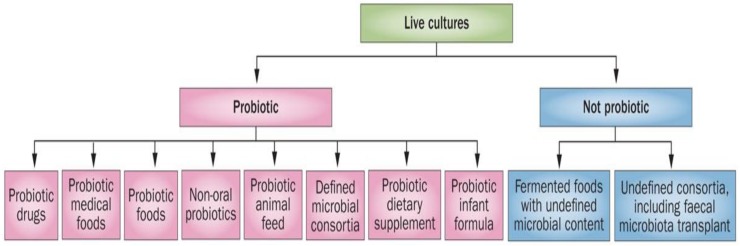
“It is important to address the common misconception that fermented foods are the same thing as probiotics [59].”
BackgroundRevised Estimates for the Number of Human and Bacteria Cells in the Body
Sender, R., Fuchs, S., & Milo, R. (2016) · PLOS Biology · doi:10.1371/journal.pbio.1002533 · Cited by 5,425 · cited 1×
“Indeed, although it is broadly mentioned that there are 10 times more cells from microorganisms in our bodies than there are human cells [10], this claim has been challenged, and others have estimated that the number of bacteria is similar to that of human cells [11].”
BackgroundInfluentialThe role of inflammation in depression: from evolutionary imperative to modern treatment target
Miller, A. H., & Raison, C. L. (2016) · Nature Reviews Immunology · doi:10.1038/nri.2015.5 · Cited by 3,942
Introduction to the human gut microbiota
Thursby, E., & Juge, N. (2017) · Biochemical Journal · doi:10.1042/bcj20160510 · Cited by 3,600 · cited 1×
“Therefore, research is being conducted to generate new technologies to study the rest of the human microbiome using advances in DNA-sequencing technologies and associated computational methods [14].”
BackgroundRole of the normal gut microbiota
Jandhyala, S. M. (2015) · World Journal of Gastroenterology · doi:10.3748/wjg.v21.i29.8787 · Cited by 3,001 · cited 2×
“The use of antibiotics does have several short and long-term implications in the ecology of the normal microbiota and gut motility [35].”
BackgroundThe gut flora as a forgotten organ
O'Hara, A. M., & Shanahan, F. (2006) · The EMBO Reports · doi:10.1038/sj.embor.7400731 · Cited by 2,791 · cited 1×
“Health authorities are now becoming fully aware that one cannot be considered to be in good health without a well-balanced microbiota composition in the gut, our “forgotten organ” [7], and of the fundamental role of a diverse and healthy gut microbiota on the subsequent maintenance of future health and well-being of t…”
BackgroundInfluence of diet on the gut microbiome and implications for human health
Singh, R. K., Chang, H.-W., Yan, D., Lee, K. M., Ucmak, D., Wong, K., Abrouk, M., Farahnik, B., Nakamura, M., Zhu, T. H., et al. (2017) · Journal of Translational Medicine · doi:10.1186/s12967-017-1175-y · Cited by 2,599 · cited 2×
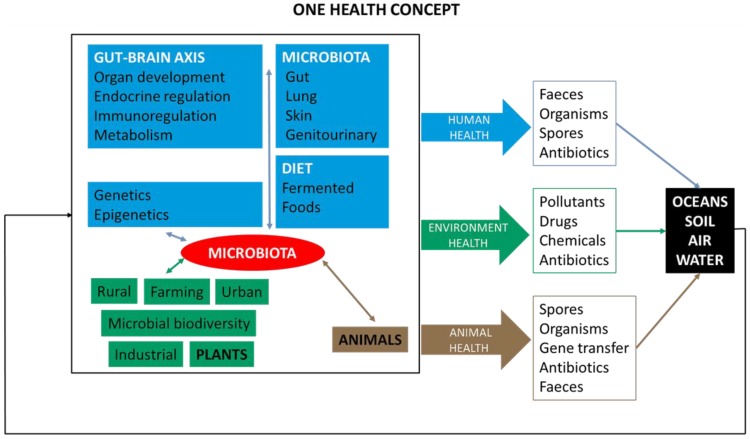
“The interactions (Figure 2) between ingested fermented food and intestinal microbiota, and their correlations to metabolomics profiles and health, represent an important perspective, and independent research on health benefits is still emerging [50,51].”
Background
Research works printed but not linked: 3
- Hutkins R.W. Microbiology and Technology of Fermented Foods 2nd ed. Hoboken N.J. Wiley-Blackwell Hoboken, NJ, USA 9 2018 616
- Metchnikoff I.I. The Prolongation of Life: Optimistic Studies Springer Publishing Company New York, NY, USA 2004
- El Samra G.H. Climate change, food security, food safety and nutrition Egypt. J. Occup. Med. 2017 41 217 236
Cited by
Items 101–194 of 194
Mourenza, Á., Gil, J. A., Mateos, L. M., & Letek, M. (2020) · Antibiotics · doi:10.3390/antibiotics9100702 · Cited by 13
Boggio, C. M. T., Veronese, F., Armari, M., Zavattaro, E., Esposto, E., Savoia, P., & Azzimonti, B. (2025) · Antioxidants · doi:10.3390/antiox14040386 · Cited by 12
“Foods rich in fat, simple and complex sugars, and salt decrease the diversity of gut bacteria, favoring the growth and virulence of potentially pathogenic species [9].”
Obesity and cancer: unravelling the microbiome’s hidden role
Gaskell, C., MacDonald, R. S., Aleem, E. A., & Bendriss, G. (2025) · Frontiers in Nutrition · doi:10.3389/fnut.2025.1602603 · Cited by 11
Diet, Microbiota and the Gut-Brain Axis
García-Gutiérrez, E., & Sayavedra, L. (2021) · Elsevier eBooks · doi:10.1016/b978-0-12-819265-8.00089-9 · Cited by 13
Jagielski, P., Bolesławska, I., Wybrańska, I., Przysławski, J., & Łuszczki, E. (2023) · International Journal of Environmental Research and Public Health · doi:10.3390/ijerph20021348 · Cited by 11
Si, W., Zhao, Y., Wu, Y., Jiang, J., Zheng, H., Yang, Y., & Zheng, T. (2025) · Nutrients · doi:10.3390/nu17233688 · Cited by 14
“The vitamins, milk peptides, bac-teriocins, and immune enhancers produced during the fermentation process have been shown to play a positive role in balancing intestinal permeability and improving barrier function [118,122].”
Naz, M. S. G., Jahanfar, S., & Tehrani, F. R. (2022) · Clinical Nutrition ESPEN · doi:10.1016/j.clnesp.2022.11.007 · Cited by 10
Sajdakowska, M., & Tekień, A. (2019) · Nutrients · doi:10.3390/nu11102526 · Cited by 9
Köksal, Z. G., Uysal, P., Mercan, A., Beşe, S. A., & Erge, D. (2022) · Annals of Allergy Asthma & Immunology · doi:10.1016/j.anai.2022.12.024 · Cited by 10
Association of moderate beer consumption with the gut microbiota
Liu, Z., Shi, J., Wang, L., Dong, J., Yu, J., & Chen, M. (2024) · Food Science and Human Wellness · doi:10.26599/fshw.2023.9250004 · Cited by 6
Anti-Inflammatory Effect of Korean Soybean Sauce (Ganjang) on Mice with Induced Colitis
Lim, H.-J., Park, I.-S., Seo, J. W., Ha, G., Yang, H.-J., Jeong, D., Kim, S., & Jung, C. (2024) · Journal of Microbiology and Biotechnology · doi:10.4014/jmb.2404.04020 · Cited by 8
Fermented foods and gut microbiome: a focus on African Indigenous fermented foods
Fasogbon, B. M., Ademuyiwa, O. H., & Adebo, O. A. (2023) · Elsevier eBooks · doi:10.1016/b978-0-323-98341-9.00018-9 · Cited by 7
Microbiome Research: Open Communication Today, Microbiome Applications in the Future
Schelkle, B., & Galland, Q. (2020) · Microorganisms · doi:10.3390/microorganisms8121960 · Cited by 7
Probiotic Potential of Fermented Foods and Their Effects on Immune System
Şengün, İ. Y., & Güney, D. (2021) · Turkish Journal of Agriculture - Food Science and Technology · doi:10.24925/turjaf.v9i10.1744-1750.3880 · Cited by 10
“Besides, some yeasts and molds such as Saccharomyces spp. and Aspergillus spp. are also crucial probiotics (Bell et al., 2018; Boricha et al. 2019; Chugh and Kamal-Eldin, 2020).”
BackgroundRole and importance of fermented products in the diet
Karwowska, K., & Kaczmarczyk, D. (2023) · Medycyna Ogólna i Nauki o Zdrowiu · doi:10.26444/monz/166088 · Cited by 11
Yadav, A., & Melkani, G. C. (2026) · Cellular and Molecular Life Sciences · doi:10.1007/s00018-025-06022-y · Cited by 7
“Activated microglia promotes neuroinflammation, oxidative stress, and neuronal damage, factors that impair Certain bacteria possess enzymes capable of breaking down complex carbohydrates into simple sugars, leading to increased energy harvest from the diet and subsequent fat accumulation [1, 12 ].”
InfluentialKefir: A Potential Gut Microbiota Modulator: A Systematic Review of Human Interventional Studies
Hamsho, M., Ranneh, Y., Kaddour, B., Alfakhri, S., Hacıbayram, H., Shkorfu, W., Terzi, M., & Fadel, A. (2026) · MicrobiologyOpen · doi:10.1002/mbo3.70297 · Cited by 6
“The microbial composition of kefir typically includes species of Lactococcus, Leuconostoc, Acetobacter , and yeasts such as Kluyveromyces marxianus and Saccharomyces cerevisiae (Bell et al. 2018; Hamsho 2025).”
Wang, S., Liu, B., Ma, Y., Jiang, G., Liu, X., & Sun, H. (2025) · npj Science of Food · doi:10.1038/s41538-025-00586-6 · Cited by 6
“The mechanical barrier function of tight junctions between intestinal epithelial cells against microbiota and endotoxins is well-established 41 .”
Artisanal Cream Cheese Fermented with Kefir Grains
Freitas, D. R., Kamimura, E. S., & Mazalli, M. R. (2024) · Fermentation · doi:10.3390/fermentation10080420 · Cited by 26
Nutrition, health and microbial ecology of traditional fermented foods in Zambia
Chileshe, J. (2019) · doi:10.18174/499123 · Cited by 9
Silva, R., Dinis, L., Peris, A., Novais, L., Calhau, C., Pestana, D., & Marques, C. (2023) · Frontiers in Gastroenterology · doi:10.3389/fgstr.2023.1270899 · Cited by 5
Lee, D. Y., Lee, S. Y., Jeong, J. W., Kim, J. H., Yun, S. H., Lee, J., Mariano, E., & Hur, S. J. (2024) · Food Science & Nutrition · doi:10.1002/fsn3.4470 · Cited by 5
“…gut microbiota health or prevent gut dysbiosis by the action of probiotics contained in these foods, which have been shown to improve gut microbiota balance and gut barrier function related to digestive health and thus contribute to protection against CRC (Bell et al., 2018; Gagnière et al., 2016).”
Maintenance of Probiotic Characteristics of Dry Kefir: Is It Possible?
Brasiel, P. G. D. A., de Almeida, T. C., Mateus, K., de Carvalho, A. F., Luquetti, S. C. P. D., & Pelúzio, M. D. C. G. (2020) · Journal of Culinary Science & Technology · doi:10.1080/15428052.2020.1862010 · Cited by 5
BIOLOGICAL VALUE OF FERMENTED FOODS
Saubenova, M., Oleynikova, E., & Amangeldi, A. (2019) · International Journal of Applied and Fundamental Research (Международный журнал прикладных и фундаментальных исследований) · doi:10.17513/mjpfi.12838 · Cited by 7
Dectin-1 as a therapeutic target for inflammatory bowel disease
Li, Y., Huang, M., Cardinale, S., Su, Y., Peters, D. E., Slusher, B. S., & Zhu, X. (2024) · Advances in pharmacology · doi:10.1016/bs.apha.2024.10.002 · Cited by 7
Bhuiya, S., Kaushik, S., Prathiviraj, R., Selvin, J., & Kiran, G. S. (2025) · Food Bioscience · doi:10.1016/j.fbio.2025.105903 · Cited by 4
Ahn, H.-Y., & Cho, Y. (2020) · J — Multidisciplinary Scientific Journal · doi:10.3390/j3010006 · Cited by 4
Setiawan, B., & Masfufatun, M. (2021) · IntechOpen eBooks · doi:10.5772/intechopen.96610 · Cited by 7
Navarra, P., Milleri, S., Perez, M. I., Uboldi, M. C., Pellegrino, P., Fer, B. B. D., & Morelli, L. (2021) · European Journal of Drug Metabolism and Pharmacokinetics · doi:10.1007/s13318-021-00676-2 · Cited by 4
Use of Tannin-Containing Plants as Antimicrobials Influencing the Animal Health
Dakheel, M. M., Al-Mnaser, A. A., Quijada, J., Woodward, M. J., & Rymer, C. (2021) · The Iraqi Journal of Veterinary Medicine · doi:10.30539/ijvm.v45i2.1258 · Cited by 4
Tinjauan Literatur: KEFIR: MIKROBIOLOGI, SENYAWA BIOAKTIF, DAN MANFAATNYA PADA PENYAKIT NONINFEKSI
Raras, T. Y. M. (2022) · majalah kesehatan · doi:10.21776/majalahkesehatan.2022.009.04.7 · Cited by 9
STARTER CULTURES AND THEIR ROLE IN FERMENTED FOODS
Laranjo, M. (2023) · Wiley eBooks · doi:10.1002/9781119850007.ch11 · Cited by 7
Organic Acids: Key Products of Fermented Foods and Sources of Anti-Inflammatory Potential
Li, W., Ghamry, M., Xu, X., Zhang, L., & Li, J. (2025) · Food Reviews International · doi:10.1080/87559129.2025.2529546 · Cited by 5
“[15,37,38] Organic acids, as an important product, contribute significantly in the anti-inflammatory effect of fermented foods.”
Nagendra, A., & Rao, S. (2020) · Acta Scientifci Nutritional Health · doi:10.31080/asnh.2020.04.0699 · Cited by 4
Foods Influence the Gut Microbiota: Boost Immunity Against Covid-19
Ikram, A., Khalid, W., Rahim, M. A., Jha, R. P., Azhar, A., Asghar, A., Akram, R., Aziz, A., Saleem, F. S., Khalid, M. Z., et al. (2021) · Acta Scientifci Nutritional Health · doi:10.31080/asnh.2020.05.0958 · Cited by 3
KÜÇÜK, S. C., & Yıbar, A. (2021) · Journal of Research in Veterinary Medicine · doi:10.30782/jrvm.990617 · Cited by 3
Rodríguez-Hernández, A. I., Salinas, E., Tirado‐González, D. N., Benítez, C. A. V., Jiménez, M., Córdova-Dávalos, L. E., Cervantes‐García, D., Nava, V. F. R., & Bermúdez‐Humarán, L. G. (2022) · Microorganisms · doi:10.3390/microorganisms10071291 · Cited by 4
La obesidad y su relación con el consumo de probióticos
Rodríguez-Reyes, X. J., Alanís‐García, E., Delgado‐Olivares, L., & Cruz‐Cansino, N. D. S. (2022) · Educación y Salud Boletín Científico Instituto de Ciencias de la Salud Universidad Autónoma del Estado de Hidalgo · doi:10.29057/icsa.v11i21.9669 · Cited by 4
Gut Microbiota: A Future Clinical Magic Bullet to Manifest Pathogenic Disease in the Current Future
Mina, P. R. (2023) · Journal of Pure and Applied Microbiology · doi:10.22207/jpam.17.1.43 · Cited by 3
Huang, S., Xiao, H., Xiao, H., Liu, L., & Cai, S. (2025) · Frontiers in Nutrition · doi:10.3389/fnut.2025.1592969 · Cited by 3
“In recent years, attention has been focused on the potential role of dietary live microbes—microorganisms naturally present in foods such as fermented products, fresh produce, and probiotic supplements—in influencing metabolic and overall health (7, 8).”
Dutton, C. L., Goeckner, A. H., Goldwire, T., Grupstra, C. G. B., Houghtaling, D., Nonnamaker, L., & Subalusky, A. L. (2026) · Environmental Microbiology · doi:10.1111/1462-2920.70291 · Cited by 3
Ropelewska, E., Szwejda-Grzybowska, J. I., Wrzodak, A., & Mieszczakowska‐Frąc, M. (2024) · Acta Universitatis Cibiniensis. Series E: Food Technology · doi:10.2478/aucft-2024-0012 · Cited by 2
Hansa, C. H., Anil, A., Chandran, A., & Rathish, R. L. (2024) · European Journal of Nutrition & Food Safety · doi:10.9734/ejnfs/2024/v16i71469 · Cited by 1
Lee, S. Y., Lee, D. Y., Kim, J. H., Jeong, J. W., Yun, S. H., Lee, J., Mariano, E., & Hur, S. J. (2024) · Food Science of Animal Resources · doi:10.5851/kosfa.2024.e66 · Cited by 1
“Several studies have reported that the beneficial effects of dietary fermented foods are related to the improvement of the gut microbiota balance and the gut barrier function related to digestive health, which, in turn, protects against CRC (Bell et al., 2018; Gagnière et al., 2016).”
Component specific responses of the microbiomes to common chemical stressors in the human food chain
Wasimuddin, Chiaia‐Hernández, A. C., Terrettaz, C., Thoenen, L., Caggìa, V., Mateo, P., Coll-Crespí, M., Notter, M. D., Mukherjee, M., Chávez-Capilla, T., et al. (2025) · Environmental Microbiome · doi:10.1186/s40793-025-00700-x · Cited by 2
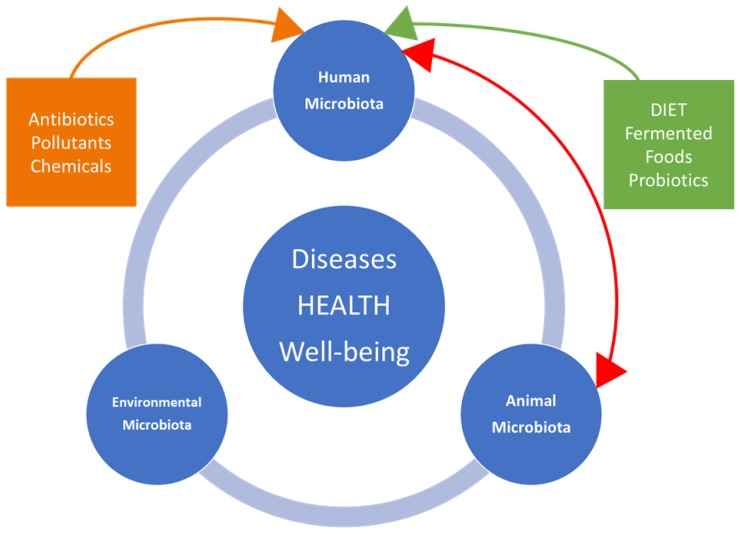
“The ‘One Health’ concept was extended to include the full breadth of microbiomes [7, 46, 71].”
Çevik, S., Altaş, U., Altaş, Z. M., Alkaya, H., Özbay, Ö. F., & Özkars, M. Y. (2025) · International Archives of Allergy and Immunology · doi:10.1159/000546657 · Cited by 1
“Additionally, they enhance interferon-gamma production, suppress the TH2 phenotype, and support the development of regulatory T cells, thereby providing protection against food allergies [19 – 21].”
Pathi, B. K., Sahoo, J. P., Panigrahi, K., Pattnaik, S. S., Dash, S. K., Patro, S., Mishra, D., Pattnaik, D., Behera, M. R., & Das, M. K. (2025) · Cureus · doi:10.7759/cureus.85635 · Cited by 1
“The components of Torani , like SCFA and enrichment with prebiotic (xylitol), are likely to repair gut dysbiosis, modulate colonic milieu, improve gut immunity, and prevent CD colonization and CDI [14,15,17,19].”
Natural Probiotic Foods and Beverages: Exploring Microbial Composition and Health Benefits
Brasileiro, C. G., Moreno, M. T. D. C., Santos, E. D. O., Saranraj, P., Cardoso, A. M., & Vieira, J. M. B. D. (2025) · Current Probiotics · doi:10.2174/0126666499301041250816061523 · Cited by 1
Phytochemicals in fermented foods: health-promoting transformations and probiotic potential
Itrat, N., Israr, B., Shabbir, J., Ameen, F., & Ali, A. (2025) · Elsevier eBooks · doi:10.1016/b978-0-443-26494-8.00028-8 · Cited by 3
A Review on the Interactive Role of Microbial Gut and African Diets on Human Health Status
Acho, M. A., & Olusoji, P. F. (2025) · NIPES Journal of Science and Technology Research · doi:10.37933/nipes/7.4.2025.si279 · Cited by 1
Lactic Acid Bacteria in Fermented Foods
Cheng, Z., Li, H., Sun, J., Sun, B., & Wang, B. (2026) · IntechOpen eBooks · doi:10.5772/intechopen.1014577 · Cited by 1
Milani, J. M., Asqardokht-Aliabadi, A., & Mohammadifar, M. A. (2026) · Food Reviews International · doi:10.1080/87559129.2026.2659368 · Cited by 2
“[129,130] Certain fermented dairy products are said to reduce the risk of type 2 diabetes and improve the body’s response to insulin.”
Mulaw, G., Tesfay, T., Tessema, T. S., Muleta, D., Goulart, D. B., Davies‐Bolorunduro, O. F., Ohaeri, C., & Narayanan, N. (2026) · PLoS ONE · doi:10.1371/journal.pone.0332682 · Cited by 1
“Additionally, fermented foods have been shown to support gut microbiota balance [9], reduce inflammation [10], and improve metabolic health [11], making them an essential part of a balanced diet.”
Cheese and Its Microbes Under the Light of One Health—A Comprehensive Review
Dapkevicius, M. D. L. E., de Sousa, T., Silveira, M. D. G. A., Poeta, P., & Malcata, F. X. (2026) · Foods · doi:10.3390/foods15111935 · Cited by 2
“…with the spread of pathogens and their genetic determinants of virulence and AMR, applying is principles to the dissemination of beneficial microbes through fermented foods, such as cheese, has been proposed and could provide a useful framework to promote healthy, sustainable food systems [241].”
Alves, M. V., Lima, E. M. F., Fagundes, V. L., Kürti, P., & Todorov, S. D. (2026) · Molecular Nutrition & Food Research · doi:10.1002/mnfr.70523 · Cited by 1
The effect of kefir and milk intake on intestinal permeability
Novak, K. Š., Pražnikar, Z. J., & Petelin, A. (2020) · doi:10.26493/978-961-293-015-8.133-139 · Cited by 1
Kimchi and other fermented foods for gastrointestinal health
Ang, L., Song, E., Lee, H. W., Kim, M., & Lee, M. S. (2022) · Elsevier eBooks · doi:10.1016/b978-0-12-821232-5.00013-6 · Cited by 1
Rab, F. A., & Hassan, A. (2022) · Springer eBooks · doi:10.1007/978-981-16-2210-6_53 · Cited by 1
Nutrition, the Immune and Inflammatory Systems, and Mental Illness: What Is the Interplay?
Hadjikyriakou, M., Garcia, F., Alhajji, L., Padilla, V. L., & Hayek, S. E. (2024) · Nutritional neurosciences · doi:10.1007/978-981-97-2681-3_6 · Cited by 1
Priya, M. U., Varghese, T. P., Vijayan, A., Elango, K., & John, A. (2024) · Research Journal of Pharmacy and Technology · doi:10.52711/0974-360x.2024.00913 · Cited by 2
Profiling and antibiotic resistance of lactic acid bacteria isolated from commercial aMasi samples
Pillay, Y. (2020) · DUT Open Scholar (Durban University of Technology) · doi:10.51415/10321/3612 · Cited by 5
Bester, A., Mileva, K. N., & Gaoua, N. (2026) · Preprints.org · doi:10.20944/preprints202601.0406.v1 · Cited by 1
Why the N (Nutrition) was Added in the EAGEN Acronym?
Milosavljević, T., & Kostić-Milosavljević, M. (2019) · Digestive Diseases · doi:10.1159/000505288
Food for a Healthy Immune System
Rafie, C. L. (2020) · VTechWorks (Virginia Tech)
Galena, A. E. (2021) · University of North Florida Digital Commons (University of North Florida)
Segliņa, D., Krasnova, I., & Alsiņa, S. (2021) · Proceedings of the Latvian Academy of Sciences Section B Natural Exact and Applied Sciences · doi:10.2478/prolas-2021-0067 · Cited by 3
Palamutoğlu, R., Palamutoğlu, M. İ., Kasnak, C., & Ünaldı, B. Ö. (2022) · Journal of Yaşar University · doi:10.19168/jyasar.1058758 · Cited by 1
Potential Probiotic Activity of Lactic Acid Bacteria Isolated from Vended Dairy Products
(2021) · Middle East Journal of Applied Sciences · doi:10.36632/mejas/2021.11.1.2
“Fermented foods and dairy products have emerged as not only the source of nutrition but also as functional and probiotic foods, which provide protection against many food-borne diseases (Bell et al., 2018).”
BackgroundAdvent of Pharmabiotics as a Promising Therapeutic Tool for Human Health and Diseases Management
Mulay, V., Satav, D., Fernandes, A., Pisalwar, P., & Ahmed, S. (2023) · BENTHAM SCIENCE PUBLISHERS eBooks · doi:10.2174/9789815079609123010008
(2023) · Elsevier eBooks · doi:10.1016/b978-0-323-89873-7.00007-7
Quality of New Dairy and Plant-Based Bioproducts
Boyarineva, I. V., Подволоцкая, А. Б., Стёпочкина, В. Д., & Рочин, Е. О. (2023) · Dairy Industry · doi:10.21603/1019-8946-2023-6-14
Component specific responses of the microbiomes to common chemical stressors in the human food chainPreprint
Wasimuddin, Chiaia‐Hernández, A. C., Terrettaz, C., Thoenen, L., Caggìa, V., Matteo, P. D., Coll-Crespí, M., Notter, M. D., Mukherjee, M., Chávez-Capilla, T., et al. (2024) · bioRxiv (Cold Spring Harbor Laboratory) · doi:10.1101/2024.04.20.590402
Gut Health and the Microbiome's Role in Wellness
Nallappan, D. (2025) · IGI Global eBooks · doi:10.4018/979-8-3373-1439-6.ch010
Cortez-Martínez, M., Medrano-Lozano, J., Blanco‐Peña, K., Quesada-Alvarado, F., & Solano-Campos, F. (2025) · BMC Microbiology · doi:10.1186/s12866-025-04279-8
“Indeed, phylogeny and the host diet are two main factors that shape the intestinal microbiome [3, 6–8].”
Espinoza‐Tellez, T., Quevedo, R., Izaguirre-Torres, D., Paucar‐Menacho, L. M., & Luis, H. H. A. (2025) · Scientia Agropecuaria · doi:10.17268/sci.agropecu.2026.003
Substitution of the formulation of probiotic yogurt
Сичова, О. О., Zavhorodnii, M., & Polishchuk, G. (2025) · Food Industry · doi:10.24263/2225-2916-2025-38-7
The Gut-Brain Axis: The effect of dysbiosis on mood disorders like anxiety and depression
Sangal, M. (2022) · Journal of High School Science · doi:10.64336/001c.56437 · Cited by 1
Bioactivity of Secreted Compounds Made by Fermented Vegetable-Associated Lactobacilli
Wei, L. (2024) · eScholarship (California Digital Library)
Probiotic Fortified Foods - Current Problems and Threats
Drożdż, I., & Makarewicz, M. (2025) · Acta Universitatis Cibiniensis. Series E: Food Technology · doi:10.2478/aucft-2025-0001
Povezava med celiakijo in mikrobioto
Šenk, B. (2024) · Repository of the University of Primorsk (University of Primorska)
Esen, B. (2022) · IYTE GCRIS Database (Izmir Institute of Technology)
Etude de la dynamique microbienne pour la maîtrise de la fabrication de Kombucha
Tran, T. (2021) · theses.fr (ABES) · doi:10.70675/31e78501z4902z4f77zb926z860b80bdb744
Impact du procédé de fabrication du pain sur l'homéostasie intestinale
Troadec, R. (2023) · theses.fr (ABES) · doi:10.70675/9a03887bz9ee7z4713z8058z3a3bbc5f59f9
Baek, J. Y., Kim, J. Y., Jeong, D., Hwang, S.-J., Donohoe, D. R., & Han, A. (2026) · Journal of Functional Foods · doi:10.1016/j.jff.2026.107417
Etti, C. J., Singh, A., Ratsamany, A., Abdelrahman, A., & Manickavasagan, A. (2026) · Starch - Stärke · doi:10.1002/star.70255
Muthuvel, I., Priyadharshini, D., Ponnaiah, S. K., Kavitha, P. S., & Selvaraj, K. V. (2026) · Springer eBooks · doi:10.1007/978-3-032-29927-7_7 · Cited by 1
Understanding the Challenges Through Climate Microbiota Mental Health Trilogy
Gul, H., Shah, I., Younus, M., Manaf, H. B. A., Andoko, B. W., Adawiah, A., Zainudin, A., Meiyani, E., Rehman, A., & Minhas, R. (2026) · IGI Global eBooks · doi:10.4018/979-8-2600-0060-1.ch016
Ramoba, L., Rapeso, P., Lekganyane, M. A., Mothapo, M., & Moganedi, K. L. M. (2026) · European Journal of Horticultural Science · doi:10.1079/ejhs.2026.0017
Microorganisms in Fermented Foods and Their Contribution to Oral Health: A Narrative Review
Chrysochoou, G., Thomaidis, S., Αντωνιάδου, Μ., & Varzakas, T. H. (2026) · Fermentation · doi:10.3390/fermentation12080376
“Some of these foods contain viable microorganisms at the time of consumption; however, fermented foods should not automatically be classified as probiotic foods unless their microorganisms are sufficiently characterized and shown to confer a demonstrated health benefit [5,6].”
Exploring the functional potential of microorganisms: Fermentation and health benefits
Rizwan, M., Uddin, T., Uddin, M. N., Akbar, F., Din, N. U., Hemeg, H. A., & Thiruvengadam, M. (2026) · Elsevier eBooks · doi:10.1016/b978-0-443-34071-0.00005-1
Lazareva, E. G., Khan, A. G., Коваль, Д. Д., & Fomenko, O. (2026) · Food systems · doi:10.21323/2618-9771-2026-9-3-426-434
Metadata
- Authors
- Bell, V., Ferrão, J., Pimentel, L., Pintado, M., & Fernandes, T.
- Affiliations
- University of Coimbra (PT)
- Pedagogical University (MZ)
- Universidade Católica Portuguesa (PT)
- University of Lisbon (PT)
- Corresponding author
- Fernandes, Tito
- Venue
- Foods
- Publisher
- MDPI AG
- Published
- 2018-12-03
- Volume
- 7
- Issue
- 12
- Pages
- 195
- ISSN
- 2304-8158 (ISSN-L)
- PMC
- PMC6306734
- OpenAlex
- W2900712301
- Semantic Scholar
- 9ca37d3f7023cb88bad31940794d40fcf5c9a02f
- Cited by
- 188
- References
- 141
- Citations by year
- 2026: 15 · 2025: 23 · 2024: 26 · 2023: 24 · 2022: 31 · 2021: 32 · 2020: 23 · 2019: 12 · 2018: 2
- FWCI
- 1.75
- Type
- journal article
- Language
- en
- Open access
- gold
- dx.doi.org
- Licence
- Locations
- Foods (publishedVersion, cc-by)
- Preprints.org (acceptedVersion, cc-by)
- Europe PMC (PubMed Central) (publishedVersion, cc-by)
- PubMed Central (publishedVersion, cc-by)
- PubMed (publishedVersion)
- DOAJ (DOAJ: Directory of Open Access Journals) (submittedVersion, cc-by-sa)
- Portuguese National Funding Agency for Science, Research and Technology (RCAAP Project by FCT) (submittedVersion, cc-by)
- Portuguese National Funding Agency for Science, Research and Technology (RCAAP Project by FCT) (submittedVersion, other-oa)
- Topics
- Life Sciences › Agricultural and Biological Sciences › Food Science › Probiotics and Fermented Foods
- Life Sciences › Biochemistry, Genetics and Molecular Biology › Molecular Biology › Gut microbiota and health
- Health Sciences › Medicine › Gastroenterology › Gastrointestinal motility and disorders
- Keywords
- One Health, fermented foods, gut microbiota, probiotics, lactic acid bacteria, Saccharomyces yeast, dysbiosis, intestinal permeability, gut-brain axis, fermented beverages, transdisciplinary collaboration, obesity, mental health
About these checks
Registry, retraction, Cites and statistics results are computed, not judged, with one exception: a printed reference that no index lists is read once by a model before it counts as a citation error. Claims are extracted by a model and kept only when their quote appears verbatim in the text; each cited source is then checked, with a model’s help, for whether it says what the claim relies on. Those verdicts can be wrong — read the claim’s quote and the cited source before relying on one.
Statistics and arithmetic are recomputed, not judged.
Confidence bands are shown only for fields calibrated on our annotated test set. None is calibrated yet, so no band is shown.
What counts as a claim ›How we measure confidence ›How we check this ›
Are you an author, or do you see a problem with this page? Request a review
Data sources
Bibliographic data: Semantic Scholar, OpenAlex, Crossref.
Contains information from the Semantic Scholar Academic Graph Datasets, made available under the ODC Attribution License (ODC-BY 1.0).
Semantic Scholar’s data is described in: Kinney, R., et al. (2023). The Semantic Scholar Open Data Platform. arXiv:2301.10140.
