

One health, fermented foods and gut microbiota
Open accessThe DOI matches its Crossref record; 140 of the 141 references it cites were found in a registry or an index.
Abstract
Changes in present-day society such as diets with more sugar, salt, and saturated fat, bad habits and unhealthy lifestyles contribute to the likelihood of the involvement of the microbiota in inflammatory diseases, which contribute to global epidemics of obesity, depression, and mental health concerns. The microbiota is presently one of the hottest areas of scientific and medical research, and exerts a marked influence on the host during homeostasis and disease. Fermented foods and beverages are generally defined as products made by microbial organisms and enzymatic conversions of major and minor food components. Further to the commonly-recognized effects of nutrition on the digestive health (e.g., dysbiosis) and well-being, there is now strong evidence for the impact of fermented foods and beverages (e.g., yoghurt, pickles, bread, kefir, beers, wines, mead), produced or preserved by the action of microorganisms, on general health, namely their significance on the gut microbiota balance and brain functionality. Fermented products require microorganisms, i.e., Saccharomyces yeasts and lactic acid bacteria, yielding alcohol and lactic acid. Ingestion of vibrant probiotics, especially those contained in fermented foods, is found to cause significant positive improvements in balancing intestinal permeability and barrier function. Our guts control and deal with every aspect of our health. How we digest our food and even the food sensitivities we have is linked with our mood, behavior, energy, weight, food cravings, hormone balance, immunity, and overall wellness. We highlight some impacts in this domain and debate calls for the convergence of interdisciplinary research fields from the United Nations’ initiative. Worldwide human and animal medicine are practiced separately; veterinary science and animal health are generally neither considered nor inserted within national or international Health discussions. The absence of a clear definition and subsequent vision for the future of One Health may act as a barrier to transdisciplinary collaboration. The point of this mini review is to highlight the role of fermented foods and beverages on gut microbiota and debate if the need for confluence of transdisciplinary fields of One Health is feasible and achievable, since they are managed by separate sectors with limited communication.
Overview
The claims and statistics of this paper haven’t been checked yet.
Free: it reads the open-access text and checks the first 5 claims that cite a source we can check. Create a free account to check every claim.
Integrity signals
Registry
Cites
Statistics
Figures
Verification
Claims the paper makes
The claims and statistics of this paper haven’t been checked yet.
Free: it reads the open-access text and checks the first 5 claims that cite a source we can check. Create a free account to check every claim.
Claims other papers make about this one
Each is checked against this paper’s own text: does it say what the citing paper says it does?
The cited source says what the claim attributes to it.
In the citing paper
“Fermented foods are able to modify the composition of the intestinal microbiota, improve the control of intestinal permeability, increase its barrier function (10–12)”
From Kefir and Intestinal Microbiota Modulation: Implications in Human Health (2021) · cites this paper as [12]
Self-check
Percentages, sums and reported differences re-computed from the paper’s own numbers.
The self-check needs the paper’s full text.
Citations
Cites
Diet rapidly and reproducibly alters the human gut microbiome
David, L. A., Maurice, C. F., Carmody, R. N., Gootenberg, D. B., Button, J. E., Wolfe, B. E., Ling, A. V., Devlin, A. S., Varma, Y., Fischbach, M. A., et al. (2014) · Nature · doi:10.1038/nature12820 · Cited by 10,100 · cited 1×
“Gut microbes are extensively purged every one to two days and have the ability to double in number within the space of an hour [138].”
BackgroundHill (2014) · doi:10.1038/nrgastro.2014.66 · Cited by 9,592
Whiteford, H. A., Degenhardt, L., Rehm, J., Baxter, A. J., Ferrari, A. J., Erskine, H. E., Charlson, F. J., Norman, R. E., Flaxman, A. D., Johns, N., et al. (2013) · The Lancet · doi:10.1016/s0140-6736(13)61611-6 · Cited by 6,006
Gibson, G. R., Hutkins, R., Sanders, M. E., Prescott, S. L., Reimer, R. A., Salminen, S. J., Scott, K., Stanton, C., Swanson, K. S., Cani, P. D., et al. (2017) · Nature Reviews Gastroenterology & Hepatology · doi:10.1038/nrgastro.2017.75 · Cited by 5,634 · cited 1×
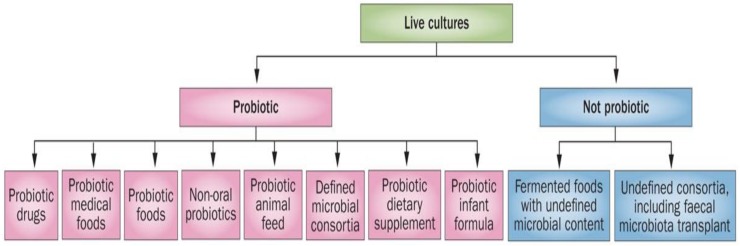
“It is important to address the common misconception that fermented foods are the same thing as probiotics [59].”
BackgroundRevised Estimates for the Number of Human and Bacteria Cells in the Body
Sender, R., Fuchs, S., & Milo, R. (2016) · PLOS Biology · doi:10.1371/journal.pbio.1002533 · Cited by 5,425 · cited 1×
“Indeed, although it is broadly mentioned that there are 10 times more cells from microorganisms in our bodies than there are human cells [10], this claim has been challenged, and others have estimated that the number of bacteria is similar to that of human cells [11].”
BackgroundInfluentialThe role of inflammation in depression: from evolutionary imperative to modern treatment target
Miller, A. H., & Raison, C. L. (2016) · Nature Reviews Immunology · doi:10.1038/nri.2015.5 · Cited by 3,942
Introduction to the human gut microbiota
Thursby, E., & Juge, N. (2017) · Biochemical Journal · doi:10.1042/bcj20160510 · Cited by 3,600 · cited 1×
“Therefore, research is being conducted to generate new technologies to study the rest of the human microbiome using advances in DNA-sequencing technologies and associated computational methods [14].”
BackgroundRole of the normal gut microbiota
Jandhyala, S. M. (2015) · World Journal of Gastroenterology · doi:10.3748/wjg.v21.i29.8787 · Cited by 3,001 · cited 2×
“The use of antibiotics does have several short and long-term implications in the ecology of the normal microbiota and gut motility [35].”
BackgroundThe gut flora as a forgotten organ
O'Hara, A. M., & Shanahan, F. (2006) · The EMBO Reports · doi:10.1038/sj.embor.7400731 · Cited by 2,791 · cited 1×
“Health authorities are now becoming fully aware that one cannot be considered to be in good health without a well-balanced microbiota composition in the gut, our “forgotten organ” [7], and of the fundamental role of a diverse and healthy gut microbiota on the subsequent maintenance of future health and well-being of t…”
BackgroundInfluence of diet on the gut microbiome and implications for human health
Singh, R. K., Chang, H.-W., Yan, D., Lee, K. M., Ucmak, D., Wong, K., Abrouk, M., Farahnik, B., Nakamura, M., Zhu, T. H., et al. (2017) · Journal of Translational Medicine · doi:10.1186/s12967-017-1175-y · Cited by 2,599 · cited 2×
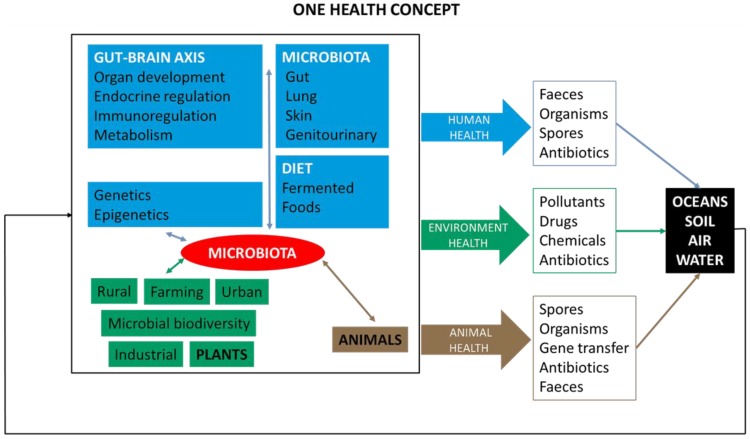
“The interactions (Figure 2) between ingested fermented food and intestinal microbiota, and their correlations to metabolomics profiles and health, represent an important perspective, and independent research on health benefits is still emerging [50,51].”
BackgroundIntrauterine infection and preterm delivery
Goldenberg, R. L., Hauth, J. C., & Andrews, W. W. (2000) · New England Journal of Medicine · doi:10.1056/nejm200005183422007 · Cited by 2,548
The Placenta Harbors a Unique Microbiome
Aagaard, K., Ma, J., Antony, K. M., Ganu, R., Petrosino, J., & Versalovic, J. (2014) · Science Translational Medicine · doi:10.1126/scitranslmed.3008599 · Cited by 2,494 · cited 1×
“The establishment and development of the gut microbiota over the lifecycle moved from the previous accepted dogma that the mammalian healthy placenta and foetus were germ-free and considered to be sterile, and that these conditions were critical to the developing newborn’s immune system, to the actual knowledge that i…”
BackgroundThe immune contexture in cancer prognosis and treatment
Fridman, W. H., Zitvogel, L., Sautès–Fridman, C., & Kroemer, G. (2017) · Nature Reviews Clinical Oncology · doi:10.1038/nrclinonc.2017.101 · Cited by 2,263 · cited 2×
“Not only is this process beneficial for extending shelf-life, but also, fermentation can enhance nutritional properties in a safe and effective manner [55].”
BackgroundZmora, N., Zilberman-Schapira, G., Suez, J., Mor, U., Dori-Bachash, M., Bashiardes, S., Kotler, E., Zur, M., Regev-Lehavi, D., Brik, R. B.-Z., et al. (2018) · Cell · doi:10.1016/j.cell.2018.08.041 · Cited by 1,695 · cited 1×
“Besides, taking probiotics after treatment with broad spectrum antibiotics may actually delay the return of normal gut microbiome, a new potential adverse side effect [26].”
BackgroundHealth benefits of fermented foods: Microbiota and beyond
Marco, M. L., Heeney, D., Binda, S., Cifelli, C. J., Cotter, P. D., Foligné, B., Gänzle, M., Kort, R., Pasin, G., Pihlanto, A., et al. (2017) · Current Opinion in Biotechnology · doi:10.1016/j.copbio.2016.11.010 · Cited by 1,674 · cited 2×
“the microbes in fermented foods is not well understood [69].”
BackgroundAn ecological and evolutionary perspective on human–microbe mutualism and disease
Dethlefsen, L., McFall-Ngai, M., & Relman, D. A. (2007) · Nature · doi:10.1038/nature06245 · Cited by 1,660
The role of gut microbiota in immune homeostasis and autoimmunity
Wu, H.-J., & Wu, E. (2012) · Gut Microbes · doi:10.4161/gmic.19320 · Cited by 1,426 · cited 1×
“Fermentation, as a human ecological process, begins with the symbiotic human relationship with the microbial habitat [135].”
BackgroundImpact of the Gut Microbiota on Intestinal Immunity Mediated by Tryptophan Metabolism
Gao, J., Xu, K., Liu, H., Liu, G., Bai, M., Peng, C., Li, T., & Yin, Y. (2018) · Frontiers in Cellular and Infection Microbiology · doi:10.3389/fcimb.2018.00013 · Cited by 1,298
Suez, J., Zmora, N., Zilberman-Schapira, G., Mor, U., Dori-Bachash, M., Bashiardes, S., Zur, M., Regev-Lehavi, D., Ben-Zeev Brik, R., Federici, S., et al. (2018) · Cell · doi:10.1016/j.cell.2018.08.047 · Cited by 1,184 · cited 2×
“support specific uses of probiotics for most health conditions is still lacking [36].”
BackgroundResultProbiotics, gut microbiota, and their influence on host health and disease
Sánchez, B., Delgado, S., Blanco‐Míguez, A., Lourenço, A., Gueimonde, M., & Margolles, A. (2017) · Molecular Nutrition & Food Research · doi:10.1002/mnfr.201600240 · Cited by 1,104 · cited 2×
“The interactions (Figure 2) between ingested fermented food and intestinal microbiota, and their correlations to metabolomics profiles and health, represent an important perspective, and independent research on health benefits is still emerging [50,51].”
BackgroundThe Human Gut Microbiome – A Potential Controller of Wellness and Disease
Kho, Z. Y., & Lal, S. K. (2018) · Frontiers in Microbiology · doi:10.3389/fmicb.2018.01835 · Cited by 1,104
Perez-Muñoz, M. E., Arrieta, M.-C., Ramer-Tait, A. E., & Walter, J. (2017) · Microbiome · doi:10.1186/s40168-017-0268-4 · Cited by 1,096 · cited 1×
“Early gut microbiota settlement influences the maturation of the infant’s immune system [5] and subsequent health, although the evidence in support of the “in utero colonization hypothesis” is considered extremely weak by some authors [6].”
BackgroundHemarajata, P., & Versalovic, J. (2013) · Therapeutic Advances in Gastroenterology · doi:10.1177/1756283x12459294 · Cited by 1,083 · cited 1×
“Many studies suggest that probiotics may help with diarrhea or symptoms of irritable bowel syndrome, but strong evidence to support their use for most health conditions is lacking in people with sepsis, and probiotics are no panacea [23,24].”
BackgroundNew evidences on the altered gut microbiota in autism spectrum disorders
Strati, F., Cavalieri, D., Albanese, D., De Felice, C., Donati, C., Hayek, J., Jousson, O., Leoncini, S., Renzi, D., Calabrò, A., et al. (2017) · Microbiome · doi:10.1186/s40168-017-0242-1 · Cited by 1,040 · cited 1×
“Young individuals with autism often have a reduced number of microorganisms in the gut [98], and atypical digestive health conditions may occur, like chronic gastrointestinal and functional bowel disorder, causing discomfort, diarrhea and bloating, abdominal pain and cramping, collectively described as irritable bowel…”
BackgroundThe microbiome-gut-brain axis: from bowel to behavior
Cryan, J. F., & O’Mahony, S. M. (2011) · Neurogastroenterology & Motility · doi:10.1111/j.1365-2982.2010.01664.x · Cited by 990 · cited 1×
“to human health and to several infectious [88], inflammatory, and neoplastic disease processes [89], as well as to brain functionality [90].”
BackgroundRevised estimates for the number of human and bacteria cells in the bodyPreprint
Sender, R., Fuchs, S., & Milo, R. (2016) · bioRxiv (Cold Spring Harbor Laboratory) · doi:10.1101/036103 · Cited by 888
Probiotic species in the modulation of gut microbiota: An overview
Azad, M. A. K., Sarker, M., Li, T., & Yin, J. (2018) · BioMed Research International · doi:10.1155/2018/9478630 · Cited by 803 · cited 1×
“Indeed, probiotics may not be quite as good as was commonly thought, and they could even be harmful if taken after antibiotics [39].”
BackgroundA review on mechanisms and commercial aspects of food preservation and processing
Amit, S. K., Uddin, M. M., Rahman, R., Islam, S. M. R., & Khan, M. S. (2017) · Agriculture & Food Security · doi:10.1186/s40066-017-0130-8 · Cited by 694 · cited 1×
“the functional property of fermented foods and beverages [71].”
BackgroundTraditional Medicines in Africa: An Appraisal of Ten Potent African Medicinal Plants
Mahomoodally, M. F. (2013) · Evidence-Based Complementary and Alternative Medicine · doi:10.1155/2013/617459 · Cited by 647 · cited 1×
“People from Sub-Saharan Africa, often plagued by civil conflicts, drought, floods, famine, and disease, but with huge biodiversity of plants and herbs, tend to rely on traditional healers who often interpret mental illness in terms of possession or curses, and tackle mental health by rituals, but also by recommending…”
BackgroundHomeostasis of the gut barrier and potential biomarkers
Wells, J. M., Brummer, R. J., Derrien, M., MacDonald, T. T., Troost, F., Cani, P. D., Theodorou, V., Dekker, J., Méheust, A., de Vos, W. M., et al. (2017) · American Journal of Physiology-Gastrointestinal and Liver Physiology · doi:10.1152/ajpgi.00048.2015 · Cited by 620 · cited 1×
“The coevolution of humans and microbiota has generated host-specific microbiome structures and gut homeostasis of physiologic, metabolic, and antigenic diversity [128].”
BackgroundEmerging Roles for the Gut Microbiome in Autism Spectrum Disorder
Vuong, H. E., & Hsiao, E. Y. (2017) · Biological Psychiatry · doi:10.1016/j.biopsych.2016.08.024 · Cited by 595
Hiippala, K., Jouhten, H., Ronkainen, A., Hartikainen, A., Kainulainen, V., Jalanka, J., & Satokari, R. (2018) · Nutrients · doi:10.3390/nu10080988 · Cited by 594 · cited 1×
“Ingestion of vibrant probiotics, especially in fermented foods, is found to cause significant positive improvements in balancing intestinal permeability and barrier function [95], with direct effects on metabolic syndrome, atherosclerosis, inflammatory bowel diseases, and colon cancer [96] and indirect effects on depr…”
BackgroundThe evolution of One Health: a decade of progress and challenges for the future
Gibbs, E. P. J. (2014) · Veterinary Record · doi:10.1136/vr.g143 · Cited by 591 · cited 1×
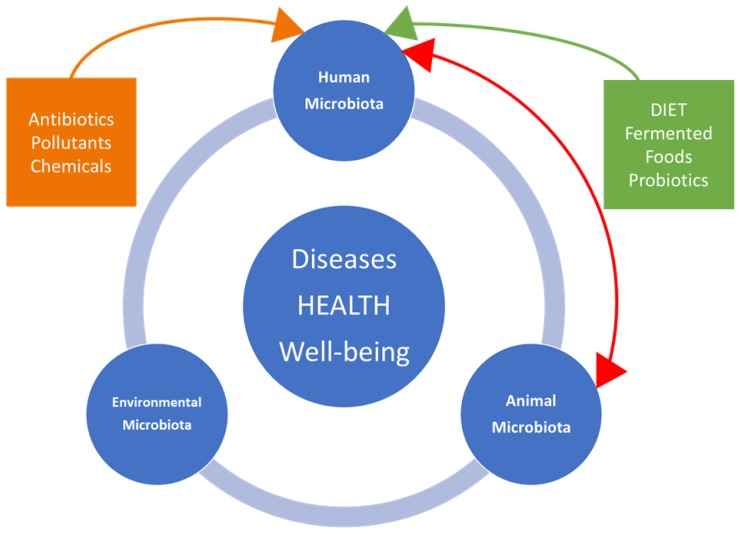
“The One Health concept, introduced at the beginning of the 2000s [27], is a worldwide strategy for promoting multidisciplinary partnerships and information in all facets of health care sciences, perceiving the interrelationship between humans, animals, plants, and their common environment [28].”
BackgroundThe Gut Microbiota in the Pathogenesis and Therapeutics of Inflammatory Bowel Disease
Zuo, T., & Ng, S. C. (2018) · Frontiers in Microbiology · doi:10.3389/fmicb.2018.02247 · Cited by 587 · cited 1×
“Probiotics should not be universally given as a ‘one-size-fits-all’; most trials were based on stool samples, which may not really reflect the bacteria living in the gut, as shedding takes place continuously [25].”
BackgroundMetagenomics for studying unculturable microorganisms: cutting the Gordian knot.
Schloss, P. D., & Handelsman, J. (2005) · Genome biology · doi:10.1186/gb-2005-6-8-229 · Cited by 560 · cited 1×
“Metagenomic sequencing of total fecal DNA samples offers complementary support to classical microbiology, and enables researchers to access previously-inaccessible genomic information from gut bacteria [15,16].”
BackgroundFermented Foods as a Dietary Source of Live Organisms
Rezac, S., Kok, C. R., Heermann, M., & Hutkins, R. (2018) · Frontiers in Microbiology · doi:10.3389/fmicb.2018.01785 · Cited by 540 · cited 1×
“The two main effects of the daily consumption of fermented foods are upon the immune system and upon metabolic function [77].”
BackgroundThe gut microbiota influences anticancer immunosurveillance and general health
Routy, B., Gopalakrishnan, V., Daillère, R., Zitvogel, L., Wargo, J. A., & Kroemer, G. (2018) · Nature Reviews Clinical Oncology · doi:10.1038/s41571-018-0006-2 · Cited by 523 · cited 1×
“In Africa, a continent which consumes high levels of lactic acid fermented products, estimates for mental disorders and depression vary widely, but seemingly, such diseases are not less common than in developed societies [109], although factors other than diet exist which may exacerbate conditions such as socio-econom…”
BackgroundGérard, P. (2016) · Cellular and Molecular Life Sciences · doi:10.1007/s00018-015-2061-5 · Cited by 508 · cited 1×
“Factors such as parental age at conception, maternal nutrition, infection during pregnancy, and premature birth are risk factors [43].”
BackgroundNew Scientific Paradigms for Probiotics and Prebiotics
Reid, G., Sanders, M. E., Gaskins, H. R., Gibson, G. R., Mercenier, A., Rastall, R., Roberfroid, M., Rowland, I., Cherbut, C., & Klaenhammer, T. R. (2003) · Journal of Clinical Gastroenterology · doi:10.1097/00004836-200308000-00004 · Cited by 495 · cited 1×
“our microflora fermenting our food correctly and improving our health [65,66].”
BackgroundExploring host–microbiota interactions in animal models and humans
Kostic, A. D., Howitt, M. R., & Garrett, W. S. (2013) · Genes & Development · doi:10.1101/gad.212522.112 · Cited by 494 · cited 1×
“Humans as hosts have co-evolved with microorganisms over millions of years, and each body habitat has a unique set of microorganisms shaping its microbiota [2].”
BackgroundFermented Fruits and Vegetables of Asia: A Potential Source of Probiotics
Swain, M. R., Anandharaj, M., Ray, R. C., & Parveen Rani, R. (2014) · Biotechnology Research International · doi:10.1155/2014/250424 · Cited by 478 · cited 1×
“It is in developing settings in Africa, Asia [118], and Latin America [119,120] that perhaps the greatest need for probiotics and fermented foods exist; however, for many reasons, this is not the case [121].”
BackgroundThe role of the microbiome for human health: From basic science to clinical applications
Mohajeri, M. H., Brummer, R. J. M., Rastall, R. A., Weersma, R. K., Harmsen, H. J. M., Faas, M., & Eggersdorfer, M. (2018) · European Journal of Nutrition · doi:10.1007/s00394-018-1703-4 · Cited by 440 · cited 1×
“Specific benefits from the direct dietary modulation of the human gut microbiota has been described [48].”
BackgroundInfluence of gut microbiota on neuropsychiatric disorders
Cenit, M. C., Sanz, Y., & Codoñer-Franch, P. (2017) · World Journal of Gastroenterology · doi:10.3748/wjg.v23.i30.5486 · Cited by 416 · cited 1×
“Health authorities are now becoming fully aware that one cannot be considered to be in good health without a well-balanced microbiota composition in the gut, our “forgotten organ” [7], and of the fundamental role of a diverse and healthy gut microbiota on the subsequent maintenance of future health and well-being of t…”
BackgroundProbiotics. The other half of the antibiotics story
Parker, R. B. (1974) · Medical Entomology and Zoology · Cited by 407
The human microbiome in evolution
Davenport, E. R., Sanders, J. G., Song, S. J., Amato, K. R., Clark, A. G., & Knight, R. (2017) · BMC Biology · doi:10.1186/s12915-017-0454-7 · Cited by 393 · cited 1×
“Ecosystems, landscapes, and a One Health paradigm, including social-ecological holistic approaches become increasingly important [131,132].”
BackgroundHuman microbiomes and their roles in dysbiosis, common diseases, and novel therapeutic approaches
Belizário, J. E., & Napolitano, M. (2015) · Frontiers in Microbiology · doi:10.3389/fmicb.2015.01050 · Cited by 372 · cited 1×
“, composed of nonpathogenic commensal microbiota from the Firmicutes, Bacteroidetes, Actinobacteria, Proteobacteria and Verrucomicrobia phyla [12], are unsusceptible to petri dish cultivation.”
BackgroundBioactive Peptides in Milk and Dairy Products: A Review
Park, Y. W., & Nam, M. S. (2015) · Korean Journal for Food Science of Animal Resources · doi:10.5851/kosfa.2015.35.6.831 · Cited by 365 · cited 1×
“, immunoglobulins, antibacterial peptides, antimicrobial proteins, oligosaccharides, lipids, and other “minor” components) have the potential to be used in the formulation of health-enhancing nutraceuticals [83], and include short amino acid sequences that, upon release from the parent protein, may play different phys…”
BackgroundDahiya, D. K., Renuka, Puniya, M., Shandilya, U. K., Dhewa, T., Kumar, N., Kumar, S., Puniya, A. K., & Shukla, P. (2017) · Frontiers in Microbiology · doi:10.3389/fmicb.2017.00563 · Cited by 352
Rebuilding the Gut Microbiota Ecosystem
Gagliardi, A., Totino, V., Cacciotti, F., Iebba, V., Neroni, B., Bonfiglio, G., Trancassini, M., Passariello, C., Pantanella, F., & Schippa, S. (2018) · International Journal of Environmental Research and Public Health · doi:10.3390/ijerph15081679 · Cited by 340
Gut microbiota as a potential target of metabolic syndrome: the role of probiotics and prebiotics
He, M., & Shi, B. (2017) · Cell & Bioscience · doi:10.1186/s13578-017-0183-1 · Cited by 336 · cited 1×
“In the developing world, for people living in poverty, the main priority is not food hygiene, safety, and nutritive factors, as they consume less nutritious foods in which chemical, microbiological, zoonotic, and other hazards may pose a health risk [108].”
BackgroundThe prenatal gut microbiome: are we colonized with bacteria in utero ?
Walker, R. W., Clemente, J. C., Peter, I., & Loos, R. J. F. (2017) · Pediatric Obesity · doi:10.1111/ijpo.12217 · Cited by 293 · cited 1×
“The establishment and development of the gut microbiota over the lifecycle moved from the previous accepted dogma that the mammalian healthy placenta and foetus were germ-free and considered to be sterile, and that these conditions were critical to the developing newborn’s immune system, to the actual knowledge that i…”
BackgroundFermented foods, microbiota, and mental health: ancient practice meets nutritional psychiatry
Selhub, E. M., Logan, A. C., & Bested, A. C. (2014) · Journal of Physiological Anthropology · doi:10.1186/1880-6805-33-2 · Cited by 280
Probiotics: definition, scope and mechanisms of action
Reid, G. (2016) · Best Practice & Research Clinical Gastroenterology · doi:10.1016/j.bpg.2015.12.001 · Cited by 270 · cited 1×
“FAO/WHO redefined the term “probiotics”, which is now widely accepted as constituting “live microorganisms that, when administered in adequate amounts, confer a health benefit on the host” [62].”
BackgroundWampach, L., Heintz-Buschart, A., Hogan, A., Muller, E. E. L., Narayanasamy, S., Laczny, C. C., Hugerth, L. W., Bindl, L., Bottu, J., Andersson, A. F., et al. (2017) · Frontiers in Microbiology · doi:10.3389/fmicb.2017.00738 · Cited by 270 · cited 1×
“Indeed, although it is broadly mentioned that there are 10 times more cells from microorganisms in our bodies than there are human cells [10], this claim has been challenged, and others have estimated that the number of bacteria is similar to that of human cells [11].”
BackgroundAdams, J., Audhya, T., Geis, E., Gehn, E., Fimbres, V., Pollard, E., Mitchell, J., Ingram, J., Hellmers, R., Laake, D., et al. (2018) · Nutrients · doi:10.3390/nu10030369 · Cited by 267
African fermented foods and probiotics
Franz, C. M. A. P., Huch, M., Mathara, J. M., Abriouel, H., Benomar, N., Reid, G., Galvez, A., & Holzapfel, W. H. (2014) · International Journal of Food Microbiology · doi:10.1016/j.ijfoodmicro.2014.08.033 · Cited by 265 · cited 1×
“It is in developing settings in Africa, Asia [118], and Latin America [119,120] that perhaps the greatest need for probiotics and fermented foods exist; however, for many reasons, this is not the case [121].”
BackgroundReview of probiotics available to modify gastrointestinal flora
Gismondo, M. R., Drago, L., & Lombardi, A. (1999) · International Journal of Antimicrobial Agents · doi:10.1016/s0924-8579(99)00050-3 · Cited by 265
Gut-Brain Psychology: Rethinking Psychology From the Microbiota–Gut–Brain Axis
Liang, S., Wu, X., & Jin, F. (2018) · Frontiers in Integrative Neuroscience · doi:10.3389/fnint.2018.00033 · Cited by 263 · cited 1×
“Despite disagreement among mental health practitioners and researchers pertaining to the aetiology, categorization, and medical care of several mental disorders [91], current research regarding fermented foods, the microbiome, and their effect on human health, particularly the global epidemic of mental health [92], de…”
BackgroundWang, L. W., Tancredi, D. J., & Thomas, D. W. (2011) · Journal of Developmental & Behavioral Pediatrics · doi:10.1097/dbp.0b013e31821bd06a · Cited by 258 · cited 1×
“Ingestion of vibrant probiotics, especially in fermented foods, is found to cause significant positive improvements in balancing intestinal permeability and barrier function [95], with direct effects on metabolic syndrome, atherosclerosis, inflammatory bowel diseases, and colon cancer [96] and indirect effects on depr…”
BackgroundEnvironmental factors influencing the risk of autism
Karimi, P., Kamali, E., Mousavi, S. M., & Karahmadi, M. (2017) · Journal of Research in Medical Sciences · doi:10.4103/1735-1995.200272 · Cited by 243
Shimizu, K., Yamada, T., Ogura, H., Mohri, T., Kiguchi, T., Fujimi, S., Asahara, T., Yamada, T., Ojima, M., Ikeda, M., et al. (2018) · Critical Care · doi:10.1186/s13054-018-2167-x · Cited by 234 · cited 1×
“Many studies suggest that probiotics may help with diarrhea or symptoms of irritable bowel syndrome, but strong evidence to support their use for most health conditions is lacking in people with sepsis, and probiotics are no panacea [23,24].”
BackgroundTransmission of the gut microbiota: spreading of health
Browne, H. P., Neville, B. A., Forster, S. C., & Lawley, T. D. (2017) · Nature Reviews Microbiology · doi:10.1038/nrmicro.2017.50 · Cited by 232 · cited 1×
“to human health and to several infectious [88], inflammatory, and neoplastic disease processes [89], as well as to brain functionality [90].”
BackgroundThe Gut Microbiota and Dysbiosis in Autism Spectrum Disorders
Hughes, H. K., Rose, D., & Ashwood, P. (2018) · Current Neurology and Neuroscience Reports · doi:10.1007/s11910-018-0887-6 · Cited by 225
Mind-altering with the gut: Modulation of the gut-brain axis with probiotics
Kim, N., Yun, M., Oh, Y. J., & Choi, H.-J. (2018) · Journal of Microbiology · doi:10.1007/s12275-018-8032-4 · Cited by 210 · cited 1×
“There are well documented effects of how adverse early life influences on the gut-brain axis and the use of fermented foods and beverages, mainly with probiotic bacteria, can restore a disturbance of the normal luminal habitat, and so change the effects of the central nervous system on the microbiota [79].”
BackgroundIntestinal microbiota and chronic constipation
Zhao, Y., & Yu, Y.-B. (2016) · SpringerPlus · doi:10.1186/s40064-016-2821-1 · Cited by 209 · cited 1×
“, fungi (yeasts) and bacteria on fermentation ecosystems [136].”
BackgroundOne Health Relationships Between Human, Animal, and Environmental Microbiomes: A Mini-Review
Trinh, P., Zaneveld, J. R., Safranek, S., & Rabinowitz, P. M. (2018) · Frontiers in Public Health · doi:10.3389/fpubh.2018.00235 · Cited by 209
Gut Microbiota and Type 1 Diabetes
Han, H., Li, Y., Fang, J., Liu, G., Yin, J., Li, T., & Yin, Y. (2018) · International Journal of Molecular Sciences · doi:10.3390/ijms19040995 · Cited by 206 · cited 1×
“The microbiota exerts a marked influence on the host during homeostasis linked with metabolic diseases in humans, but demonstration of causality remains a challenge [1].”
BackgroundFadgyas-Stanculete, M., Buga, A.-M., Popa-Wagner, A., & Dumitrascu, D. L. (2014) · Journal of Molecular Psychiatry · doi:10.1186/2049-9256-2-4 · Cited by 197
Carrera-Quintanar, L., López Roa, R. I., Quintero-Fabián, S., Sánchez-Sánchez, M. A., Vizmanos, B., & Ortuño-Sahagún, D. (2018) · Mediators of Inflammation · doi:10.1155/2018/9734845 · Cited by 189 · cited 2×
“of dietary components that escape gut digestion and may be affected by phytochemicals [58].”
BackgroundDicks, L. M. T., Dreyer, L., Smith, C., & van Staden, A. D. (2018) · Frontiers in Microbiology · doi:10.3389/fmicb.2018.02297 · Cited by 189 · cited 1×
“How we digest our food, and even the food sensitivities we have are linked to our mood, behavior, energy, weight, food cravings, hormone balance, and immunity [80].”
BackgroundGenser, L., Aguanno, D., Soula, H. A., Dong, L., Trystram, L., Assmann, K., Salem, J., Vaillant, J., Oppert, J., Laugerette, F., et al. (2018) · The Journal of Pathology · doi:10.1002/path.5134 · Cited by 187 · cited 1×
“The degradation of the intestinal mucous membrane, weakening the tight barrier against the ingress of harmful substances, and the protection against a reaction to omnipresent harmless compounds, is a primary cause of several disturbances [94].”
BackgroundForest landscapes as social-ecological systems and implications for management
Fischer, A. P. (2018) · Landscape and Urban Planning · doi:10.1016/j.landurbplan.2018.05.001 · Cited by 186 · cited 1×
“Ecosystems, landscapes, and a One Health paradigm, including social-ecological holistic approaches become increasingly important [131,132].”
BackgroundThe developing gut microbiota and its consequences for health
Butel, M.-J., Waligora-Dupriet, A.-J., & Wydau-Dematteis, S. (2018) · Journal of Developmental Origins of Health and Disease · doi:10.1017/s2040174418000119 · Cited by 182 · cited 1×
“Gut bacteria can produce various bioactive metabolites which can be detrimental to the host’s health, such as those with cytotoxicity, genotoxicity, or immunotoxicity [18], shifting the paradigm of understanding the root cause of the onset and progression of several human metabolic diseases [19].”
BackgroundIntestinal Microbiota Influences Non-intestinal Related Autoimmune Diseases
Opazo, M. C., Ortega-Rocha, E. M., Coronado-Arrázola, I., Bonifaz, L. C., Boudin, H., Neunlist, M., Bueno, S. M., Kalergis, A. M., & Riedel, C. A. (2018) · Frontiers in Microbiology · doi:10.3389/fmicb.2018.00432 · Cited by 179 · cited 2×
“imbalanced, it is hard for the body’s immune system to function properly [34].”
BackgroundHuman–environment interactions in population and ecosystem health
Galvani, A. P., Bauch, C. T., Anand, M., Singer, B. H., & Levin, S. A. (2016) · Proceedings of the National Academy of Sciences · doi:10.1073/pnas.1618138113 · Cited by 178 · cited 1×
“Population growth and economic development are leading to rapid changes in our global ecosystems [129].”
BackgroundDietary Factors: Major Regulators of the Gut's Microbiota
Moschen, A. R., Wieser, V., & Tilg, H. (2012) · Gut and Liver · doi:10.5009/gnl.2012.6.4.411 · Cited by 173 · cited 1×
“Children with autism spectrum, besides having a genetic predisposition, show a disruption of the indigenous gut flora and an elevated number of potentially pathogenic (toxin-producing) Clostridia in the gut [100,101].”
BackgroundThe "Gut Feeling": Breaking Down the Role of Gut Microbiome in Multiple Sclerosis
Freedman, S. N., Shahi, S. K., & Mangalam, A. K. (2018) · Neurotherapeutics · doi:10.1007/s13311-017-0588-x · Cited by 168 · cited 2×
“conditions [45], and immune system d sregulation and dreadful gut co cerns may improve with”
BackgroundGluten- and casein-free diet and autism spectrum disorders in children: a systematic review
Piwowarczyk, A., Horvath, A., Łukasik, J., Pisula, E., & Szajewska, H. (2017) · European Journal of Nutrition · doi:10.1007/s00394-017-1483-2 · Cited by 165 · cited 1×
“Children with autism spectrum, besides having a genetic predisposition, show a disruption of the indigenous gut flora and an elevated number of potentially pathogenic (toxin-producing) Clostridia in the gut [100,101].”
BackgroundEFSA Panel on Dietetic Products, N. A. A. (. (2010) · EFSA Journal · doi:10.2903/j.efsa.2010.1763 · Cited by 162
The gut microbiome and mental health: implications for anxiety- and trauma-related disorders
Malan-Muller, S., Valles-Colomer, M., Raes, J., Lowry, C. A., Seedat, S., & Hemmings, S. M. J. (2018) · OMICS: A Journal of Integrative Biology · doi:10.1089/omi.2017.0077 · Cited by 161 · cited 1×
“Some 80% of such agents can be used for potential bioterrorism and are also pathogens of animal origin [126].”
BackgroundGut Microbiota and Mucosal Immunity in the Neonate
Dzidic, M., Boix-Amorós, A., Selma‐Royo, M., Mira, Á., & Collado, M. C. (2018) · Medical Sciences · doi:10.3390/medsci6030056 · Cited by 160 · cited 1×
“Early gut microbiota settlement influences the maturation of the infant’s immune system [5] and subsequent health, although the evidence in support of the “in utero colonization hypothesis” is considered extremely weak by some authors [6].”
BackgroundCan probiotics benefit children with autism spectrum disorders?
Navarro, F., Liu, Y., & Rhoads, J. M. (2016) · World Journal of Gastroenterology · doi:10.3748/wjg.v22.i46.10093 · Cited by 154 · cited 1×
“to human health and to several infectious [88], inflammatory, and neoplastic disease processes [89], as well as to brain functionality [90].”
BackgroundLee, P., Yacyshyn, B. R., & Yacyshyn, M. B. (2019) · Diabetes, Obesity and Metabolism · doi:10.1111/dom.13561 · Cited by 151
The challenges of implementing an integrated One Health surveillance system in Australia
Johnson, I., Hansen, A. L., & Bi, P. (2017) · Zoonoses and Public Health · doi:10.1111/zph.12433 · Cited by 150
Probiotics and gastrointestinal conditions: An overview of evidence from the Cochrane Collaboration
Parker, E. A., Roy, T., D'Adamo, C. R., & Wieland, L. S. (2018) · Nutrition · doi:10.1016/j.nut.2017.06.024 · Cited by 147 · cited 2×
“likely to be different from one person to the next [38].”
BackgroundMicrobiome and nutrition in autism spectrum disorder: Current knowledge and research needs
Berding, K., & Donovan, S. M. (2016) · Nutrition Reviews · doi:10.1093/nutrit/nuw048 · Cited by 146 · cited 1×
“The involvement of the microbiota in inflammatory diseases may contribute to altered mood via intestinal permeability, systemic and local lipopolysaccharide burden, and even direct-to-brain microbial communication [105].”
BackgroundFermented food and non-communicable chronic diseases: a review
Gille, D., Schmid, A., Walther, B., & Vergères, G. (2018) · Nutrients · doi:10.3390/nu10040448 · Cited by 142 · cited 1×
“When ferm nt d foods and beverag s are supplemented with probiotic bacteria, they prov de numerous extra nutritional and h alth characteris ics [68].”
BackgroundRole of Endogenous Microbiota, Probiotics and Their Biological Products in Human Health
Howarth, G., & Wang, H. (2013) · Nutrients · doi:10.3390/nu5010058 · Cited by 141 · cited 1×
“) favors homeostasis, particularly at the level of the disease–immune dialogue [52,53].”
BackgroundVemuri, R., Gundamaraju, R., Shastri, M. D., Shukla, S. D., Kalpurath, K., Ball, M., Tristram, S., Shankar, E. M., Ahuja, K., & Eri, R. (2018) · BioMed Research International · doi:10.1155/2018/4178607 · Cited by 141 · cited 1×
“But without being able to isolate them, research is difficult [13].”
BackgroundTargeting gut microbiome: a novel and potential therapy for autism
Yang, Y., Tian, J., & Yang, B. (2018) · Life Sciences · doi:10.1016/j.lfs.2017.12.027 · Cited by 140 · cited 1×
“Despite disagreement among mental health practitioners and researchers pertaining to the aetiology, categorization, and medical care of several mental disorders [91], current research regarding fermented foods, the microbiome, and their effect on human health, particularly the global epidemic of mental health [92], de…”
BackgroundGonzález‐Sarrías, A., Romo‐Vaquero, M., García‐Villalba, R., Cortés‐Martín, A., Selma, M. V., & Espín, J. C. (2018) · Molecular Nutrition & Food Research · doi:10.1002/mnfr.201800160 · Cited by 137 · cited 1×
“) favors homeostasis, particularly at the level of the disease–immune dialogue [52,53].”
BackgroundBested, A. C., Logan, A. C., & Selhub, E. M. (2013) · Gut Pathogens · doi:10.1186/1757-4749-5-5 · Cited by 132
A planetary vision for one health
Rabinowitz, P. M., Pappaioanou, M., Bardosh, K. L., & Conti, L. (2018) · BMJ Global Health · doi:10.1136/bmjgh-2018-001137 · Cited by 131 · cited 1×
“The One Health approach has been criticized for an excessive focus on emerging zoonotic diseases, inadequate incorporation of environmental concepts and expertise, and insufficient incorporation of social science and behavioral aspects of health and governance [140].”
BackgroundA Review of Fermented Foods with Beneficial Effects on Brain and Cognitive Function
Kim, B., Hong, V. M., Yang, J., Hyun, H., Im, J. J., Hwang, J., Yoon, S., & Kim, J. E. (2016) · Preventive Nutrition and Food Science · doi:10.3746/pnf.2016.21.4.297 · Cited by 128
Strain-level dissection of the contribution of the gut microbiome to human metabolic disease
Zhang, C., & Zhao, L. (2016) · Genome Medicine · doi:10.1186/s13073-016-0304-1 · Cited by 123
Toward Effective Probiotics for Autism and Other Neurodevelopmental Disorders
Gilbert, J. A., Krajmalnik-Brown, R., Porazinska, D. L., Weiss, S. J., & Knight, R. (2013) · Cell · doi:10.1016/j.cell.2013.11.035 · Cited by 121 · cited 1×
“Despite disagreement among mental health practitioners and researchers pertaining to the aetiology, categorization, and medical care of several mental disorders [91], current research regarding fermented foods, the microbiome, and their effect on human health, particularly the global epidemic of mental health [92], de…”
BackgroundC. Borresen, E., J. Henderson, A., Kumar, A., L. Weir, T., & P. Ryan, E. (2012) · Recent Patents on Food, Nutrition & Agriculturee · doi:10.2174/2212798411204020134 · Cited by 117 · cited 2×
“Fermented foods and beverages can comprise anywhere from 5–40% of the human diet in some populations [57].”
BackgroundAfrican Traditional Fermented Foods and Probiotics
Anukam, K. C., & Reid, G. (2009) · Journal of Medicinal Food · doi:10.1089/jmf.2008.0163 · Cited by 109 · cited 1×
“Many rural communities in Africa are totally reliant on traditional fermented foods as the primary source of nutrition for nourishment, as well as for cultural traditional practices [113].”
BackgroundImplementing One Health as an integrated approach to health in Rwanda
Nyatanyi, T., Wilkes, M. S., McDermott, H., Nzietchueng, S., Gafarasi, I., Mudakikwa, A. B., Kinani, J. F., Rukelibuga, J., Omolo, J. O., Mupfasoni, D., et al. (2017) · BMJ Global Health · doi:10.1136/bmjgh-2016-000121 · Cited by 108 · cited 1×
“Barriers to implementing this strategy include competition over budgets, poor communication, and the need for improved technology [141].”
BackgroundNutritional Guidelines and Fermented Food Frameworks
Bell, V., Ferrão, J., & Fernandes, T. (2017) · Foods · doi:10.3390/foods6080065 · Cited by 105 · cited 2×
“Despite the impact of fermented foods and beverages on gastro-intestinal well-being and dise ses, their health b nefits or recommended consumption have not been widely ranslated to global inclusi n in wor d food guidelines [67].”
BackgroundSelf-citationAsare, M., & Danquah, S. A. (2015) · Child and Adolescent Psychiatry and Mental Health · doi:10.1186/s13034-015-0043-x · Cited by 89 · cited 1×
“People from Sub-Saharan Africa, often plagued by civil conflicts, drought, floods, famine, and disease, but with huge biodiversity of plants and herbs, tend to rely on traditional healers who often interpret mental illness in terms of possession or curses, and tackle mental health by rituals, but also by recommending…”
BackgroundPotential use of traditional fermented foods for weaning in Zimbabwe
Simango, C. (1997) · Social Science & Medicine · doi:10.1016/s0277-9536(96)00261-4 · Cited by 81 · cited 1×
“The commonest fermented food is known are mahewu, a traditional, fermented, malted, sour, non-alcoholic maize or cassava thin porridge, sour milk and sour porridge [114,115].”
BackgroundHu, S., Cao, X., Wu, Y., Mei, X., Han, X., Wang, Y., Zhang, X., Gong, L., & Li, W. (2018) · Frontiers in Microbiology · doi:10.3389/fmicb.2018.02427 · Cited by 80 · cited 1×
“bulgaricus; Streptococcus thermophilus), and inhibition of foodborne pathogens [75,76].”
BackgroundNext generation of microbiological risk assessment: Potential of omics data for exposure assessment
den Besten, H. M. W., Amézquita, A., Bover-Cid, S., Dagnas, S., Ellouze, M., Guillou, S., Nychas, G., O'Mahony, C., Pérez-Rodriguez, F., & Membré, J.-M. (2018) · International Journal of Food Microbiology · doi:10.1016/j.ijfoodmicro.2017.10.006 · Cited by 78 · cited 1×
“In future, insights based upon omics techniques will increase our knowledge between pathogens and healthy strains, thereby explaining food ecosystems and their dynamics [106,107].”
BackgroundHashemi, Z., Fouhse, J., Im, H., Chan, C., & Willing, B. (2017) · Nutrients · doi:10.3390/nu9111236 · Cited by 70 · cited 2×
“The good, healthy bacteria make food more digestible through their enzymes, increased vitamin synthesis, and the preservation of nutrients, and also help to reduce sweet cravings, maintain the immune system, and benefit overall gut wellness [31].”
BackgroundBiochemical requirements of bioactive peptides for nutraceutical efficacy
Gianfranceschi, G. L., Gianfranceschi, G., Quassinti, L., & Bramucci, M. (2018) · Journal of Functional Foods · doi:10.1016/j.jff.2018.05.034 · Cited by 64 · cited 1×
“, immunoglobulins, antibacterial peptides, antimicrobial proteins, oligosaccharides, lipids, and other “minor” components) have the potential to be used in the formulation of health-enhancing nutraceuticals [83], and include short amino acid sequences that, upon release from the parent protein, may play different phys…”
BackgroundOral-gut connection: one step closer to an integrated view of the gastrointestinal tract?
Lira-Junior, R., & Boström, E. A. (2018) · Mucosal Immunology · doi:10.1038/mi.2017.116 · Cited by 62 · cited 1×
“Health authorities are now becoming fully aware that one cannot be considered to be in good health without a well-balanced microbiota composition in the gut, our “forgotten organ” [7], and of the fundamental role of a diverse and healthy gut microbiota on the subsequent maintenance of future health and well-being of t…”
BackgroundConsumer Perception of Sustainability Attributes in Organic and Local Food
Annunziata, A., & Mariani, A. (2017) · Recent Patents on Food Nutrition & Agriculture · doi:10.2174/2212798410666171215112058 · Cited by 62 · cited 1×
“There is recent evidence and consumer perception of the health benefits of fermented foods and beverages [87], beyond the popular recognized effects on the impairment of gastrointestinal function, namely, their relevance on gut microbiota, correlated”
BackgroundProbiotics: Finding the Right Regulatory Balance
Hoffmann, D. E., Fraser, C. M., Palumbo, F. B., Ravel, J., Rothenberg, K., Rowthorn, V., & Schwartz, J. (2013) · Science · doi:10.1126/science.1244656 · Cited by 57
Gut dysbiosis and paediatric Crohn's disease
Brusaferro, A., Cavalli, E., Farinelli, E., Cozzali, R., Principi, N., & Esposito, S. (2018) · Journal of Infection · doi:10.1016/j.jinf.2018.10.005 · Cited by 55 · cited 1×
“our microflora fermenting our food correctly and improving our health [65,66].”
BackgroundDuthé, G., Rossier, C., Bonnet, D., Soura, A., & Corker, J. (2016) · Population Health Metrics · doi:10.1186/s12963-016-0084-2 · Cited by 54 · cited 1×
“The commonest fermented food is known are mahewu, a traditional, fermented, malted, sour, non-alcoholic maize or cassava thin porridge, sour milk and sour porridge [114,115].”
BackgroundWu, G., Zhang, C., Wu, H., Wang, R., Shen, J., Wang, L., Zhao, Y., Pang, X., Zhang, X., Zhao, L., et al. (2017) · mBio · doi:10.1128/mbio.02348-16 · Cited by 53 · cited 1×
“Gut bacteria can produce various bioactive metabolites which can be detrimental to the host’s health, such as those with cytotoxicity, genotoxicity, or immunotoxicity [18], shifting the paradigm of understanding the root cause of the onset and progression of several human metabolic diseases [19].”
BackgroundImpact of Fermented Foods on Human Cognitive Function—A Review of Outcome of Clinical Trials
Sivamaruthi, B. S., Kesika, P., & Chaiyasut, C. (2018) · Scientia Pharmaceutica · doi:10.3390/scipharm86020022 · Cited by 52 · cited 1×
“One the biggest benefits of fermented foods comes from the probiotics they might contain [72].”
BackgroundProteolytic activities in togwa, a Tanzanian fermented food
Mugula, J. K., Sørhaug, T., & Stepaniak, L. (2002) · International Journal of Food Microbiology · doi:10.1016/s0168-1605(02)00387-2 · Cited by 50 · cited 1×
“The Tanzanian fermented gruel, togwa, has been found to protect against foodborne illnesses in regions that have poor sanitation [116].”
BackgroundNovel Food Fermentation Technologies
Ojha, K. S., & Tiwari, B. K. (2016) · Food engineering series · doi:10.1007/978-3-319-42457-6 · Cited by 48
Guirro, M., Costa, A., Gual‐Grau, A., Mayneris‐Perxachs, J., Torrell-Galceran, H., Herrero, P., Canela-Canela, N., & Arola, L. (2018) · Electrophoresis · doi:10.1002/elps.201700476 · Cited by 46 · cited 1×
“Metagenomic sequencing of total fecal DNA samples offers complementary support to classical microbiology, and enables researchers to access previously-inaccessible genomic information from gut bacteria [15,16].”
BackgroundTechnological and nutritional aspects of indigenous Latin America fermented foods
Ramos, C. L., & Schwan, R. F. (2017) · Current Opinion in Food Science · doi:10.1016/j.cofs.2017.07.001 · Cited by 45 · cited 1×
“It is in developing settings in Africa, Asia [118], and Latin America [119,120] that perhaps the greatest need for probiotics and fermented foods exist; however, for many reasons, this is not the case [121].”
BackgroundBenefits of a one health approach: An example using Rift Valley fever
Rostal, M. K., Ross, N., Machalaba, C. C., Cordel, C., Paweska, J. T., & Karesh, W. B. (2018) · One Health · doi:10.1016/j.onehlt.2018.01.001 · Cited by 44 · cited 1×
“considered critical for the emergence of antimicrobial drug resistance and on attending prevalent public health concerns, which comprise emerging infectious, parasitic, and zoonotic diseases [124].”
BackgroundThe science behind One Health: at the interface of humans, animals, and the environment
Murtaugh, M. P., Steer, C. J., Sreevatsan, S., Patterson, N., Kennedy, S. P., & Sriramarao, P. (2017) · Annals of the New York Academy of Sciences · doi:10.1111/nyas.13355 · Cited by 42 · cited 1×
“Such interactions require the integration of health science disciplines that span the spectrum from personalized care to public health [133].”
BackgroundImportance of Health Aspects in Polish Consumer Choices of Dairy Products
Sajdakowska, M., Gębski, J., Gutkowska, K., & Żakowska‐Biemans, S. (2018) · Nutrients · doi:10.3390/nu10081007 · Cited by 41 · cited 1×
“Fermentation may enhance the benefits of a wide variety of foods, dairy products, herbs, and beverages, acting upon the absorption and activity of their secondary metabolites and chemical elements [86].”
BackgroundEmerging Role of Diet and Microbiota Interactions in Neuroinflammation
Janakiraman, M., & Krishnamoorthy, G. (2018) · Frontiers in Immunology · doi:10.3389/fimmu.2018.02067 · Cited by 38 · cited 1×
“Having an active and natural variety of microorganisms in the gut may improve general health [30].”
BackgroundBioenergetic variation is related to autism symptomatology
Delhey, L. M., Kilinc, E. N., Yin, L., Slattery, J. M., Tippett, M., Wynne, R. A., Rose, S., Kahler, S. G., Damle, S., Legido, A., et al. (2017) · Metabolic Brain Disease · doi:10.1007/s11011-017-0087-0 · Cited by 37 · cited 2×
“Autism (ASD, autism spectrum disorder), a developmental disorder characterized by disturbance in language, perception, and socialization, with no exact known cause, is usually linked with bioenergetic metabolism deficiency [44] and neuro-inflammatory conditions [45], and immune system dysregulation and dreadful gut co…”
BackgroundTh17, intestinal microbiota and the abnormal immune response in the pathogenesis of celiac disease.
Cicerone, C., Nenna, R., & Pontone, S. (2015) · Gastroenterology and hepatology from bed to bench. · Cited by 36
Rubio‐Terres, C., & Schmidt, P. T. (2018) · Anticancer Research · doi:10.21873/anticanres.12664 · Cited by 36 · cited 2×
“It is now well established that gut bacteria are closely tied to immune health [32].”
Background(2014) · doi:10.1128/9781555818432 · Cited by 36
Comparative Fingerprinting of the Human Microbiota in Diabetes and Cardiovascular Disease
Vamanu, E., Pelinescu, D. R., & Sârbu, I. (2016) · Journal of Medicinal Food · doi:10.1089/jmf.2016.0085 · Cited by 33
One Health: people, animals, and the environment
Stadtländer, C. T. K. ‐. (2015) · Infection Ecology & Epidemiology · doi:10.3402/iee.v5.30514 · Cited by 28 · cited 1×
“The concept of a whole ecosystem is unpopular, and many have abandoned the idea that ecosystems have boundaries [137].”
BackgroundLaurent-Babot, C., & Guyot, J. (2017) · Microorganisms · doi:10.3390/microorganisms5030040 · Cited by 28
Metabolic Interplay between Gut Bacteria and Their Host
Duca, F. A., Gérard, P., Covașă, M., & Lepage, P. (2014) · Frontiers of hormone research · doi:10.1159/000358315 · Cited by 27 · cited 1×
“Young individuals with autism often have a reduced number of microorganisms in the gut [98], and atypical digestive health conditions may occur, like chronic gastrointestinal and functional bowel disorder, causing discomfort, diarrhea and bloating, abdominal pain and cramping, collectively described as irritable bowel…”
BackgroundOne health : people, animals, and the environment
Atlas, R. M., & Maloy, S. (2014) · Cited by 26
Systematic Review on Effects of Diet on Gut Microbiota in Relation to Metabolic Syndromes
Willson, K., & Situ, C. (2017) · Research Portal (Queen's University Belfast) · Cited by 23
Fermented Foods of Latin America
Penna, A. L. B., Nero, L. A., & Todorov, S. D. (2017) · CRC Press eBooks · doi:10.1201/9781315369433 · Cited by 20 · cited 1×
“It is in developing settings in Africa, Asia [118], and Latin America [119,120] that perhaps the greatest need for probiotics and fermented foods exist; however, for many reasons, this is not the case [121].”
BackgroundIs There a Diet for Histamine Intolerance?
Kohn, J. B. (2014) · Journal of the Academy of Nutrition and Dietetics · doi:10.1016/j.jand.2014.09.009 · Cited by 19 · cited 1×
“Indigenous fermented foods and beverages, as potential sources of probiotics, may be very therapeutic for some, while others may have an intolerance to histamine since there is no histamine free diet, and this amine, with many functions in the body, occurs naturally, and is a neurotransmitter in the central nervous sy…”
BackgroundOne Health: People, Animals, and the Environment
Behravesh, C. B. (2016) · Emerging infectious diseases · doi:10.3201/eid2204.151887 · Cited by 15
With Probiotics, Resistance Is Not Always Futile
Severyn, C. J., & Bhatt, A. S. (2018) · Cell Host & Microbe · doi:10.1016/j.chom.2018.08.014 · Cited by 15
Iwu, M. M. (2016) · CRC Press eBooks · doi:10.1201/9781315371627 · Cited by 13 · cited 2×
“fruits, as well as meat and fish, can be fermented [56].”
BackgroundImpact of Mushroom Nutrition on Microbiota and Potential for Preventative Health
Ferrão, J., Bell, V., Calabrese, Pimentel, L. L., Pintado, M., & Th, F. (2017) · doi:10.12691/jfnr-5-4-4 · Cited by 11 · cited 1×
“Eating and drinking fermented foods and beverages, especially organic unpeeled and unpasteurized fruits and vegetables, improves the bioaccessibility and bioavailability of food bioactive components, supplying dietary fibers and essential micronutrients such as trace-elements and phytochemicals, together with enzymes,…”
BackgroundSelf-citationHeidari, F., Abbaszadeh, S., & Mirak, S. E. M. (2017) · Biomedical & Pharmacology Journal · doi:10.13005/bpj/1157 · Cited by 11 · cited 1×
“Ingestion of vibrant probiotics, especially in fermented foods, is found to cause significant positive improvements in balancing intestinal permeability and barrier function [95], with direct effects on metabolic syndrome, atherosclerosis, inflammatory bowel diseases, and colon cancer [96] and indirect effects on depr…”
BackgroundHuman Gut Microbiome Analysis and Multi-omics Approach
Sirangelo, T. M. (2018) · International Journal of Pharma Medicine and Biological Sciences · doi:10.18178/ijpmbs.7.3.52-57 · Cited by 11 · cited 1×
“In future, insights based upon omics techniques will increase our knowledge between pathogens and healthy strains, thereby explaining food ecosystems and their dynamics [106,107].”
BackgroundFermented foods offer up a versatile microbial model system
Katsnelson, A. (2017) · Proceedings of the National Academy of Sciences · doi:10.1073/pnas.1701818114 · Cited by 7
Research works printed but not linked: 3
- Hutkins R.W. Microbiology and Technology of Fermented Foods 2nd ed. Hoboken N.J. Wiley-Blackwell Hoboken, NJ, USA 9 2018 616
- Metchnikoff I.I. The Prolongation of Life: Optimistic Studies Springer Publishing Company New York, NY, USA 2004
- El Samra G.H. Climate change, food security, food safety and nutrition Egypt. J. Occup. Med. 2017 41 217 236
Cited by
Health-Promoting Components in Fermented Foods: An Up-to-Date Systematic Review
Melini, F., Melini, V., Luziatelli, F., Ficca, A. G., & Ruzzi, M. (2019) · Nutrients · doi:10.3390/nu11051189 · Cited by 392
Voidarou, C., Antoniadou, Μ., Rozos, G., Tzora, A., Skoufos, I., Varzakas, T., Lagiou, A., & Bezirtzoglou, E. (2020) · Foods · doi:10.3390/foods10010069 · Cited by 281
The food-gut axis: lactic acid bacteria and their link to food, the gut microbiome and human health
De Filippis, F., Pasolli, E., & Ercolini, D. (2020) · FEMS Microbiology Reviews · doi:10.1093/femsre/fuaa015 · Cited by 303
“Functional foods deliver additional or enhanced benefits over and above their basic nutritional benefits (Bell et al. 2018).”
BackgroundKetogenic Diet and Microbiota: Friends or Enemies?
Paoli, A., Mancin, L., Bianco, A., Thomas, E., Mota, J. F., & Piccini, F. (2019) · Genes · doi:10.3390/genes10070534 · Cited by 262
Anti-Inflammatory and Immunomodulatory Properties of Fermented Plant Foods
Shahbazi, R., Sharifzad, F., Bagheri, R., Alsadi, N., Yasavoli-Sharahi, H., & Matar, C. (2021) · Nutrients · doi:10.3390/nu13051516 · Cited by 201
Metadata
- Authors
- Bell, V., Ferrão, J., Pimentel, L., Pintado, M., & Fernandes, T.
- Affiliations
- University of Coimbra (PT)
- Pedagogical University (MZ)
- Universidade Católica Portuguesa (PT)
- University of Lisbon (PT)
- Corresponding author
- Fernandes, Tito
- Venue
- Foods
- Publisher
- MDPI AG
- Published
- 2018-12-03
- Volume
- 7
- Issue
- 12
- Pages
- 195
- ISSN
- 2304-8158 (ISSN-L)
- PMC
- PMC6306734
- OpenAlex
- W2900712301
- Semantic Scholar
- 9ca37d3f7023cb88bad31940794d40fcf5c9a02f
- Cited by
- 188
- References
- 141
- Citations by year
- 2026: 15 · 2025: 23 · 2024: 26 · 2023: 24 · 2022: 31 · 2021: 32 · 2020: 23 · 2019: 12 · 2018: 2
- FWCI
- 1.75
- Type
- journal article
- Language
- en
- Open access
- gold
- dx.doi.org
- Licence
- Locations
- Foods (publishedVersion, cc-by)
- Preprints.org (acceptedVersion, cc-by)
- Europe PMC (PubMed Central) (publishedVersion, cc-by)
- PubMed Central (publishedVersion, cc-by)
- PubMed (publishedVersion)
- DOAJ (DOAJ: Directory of Open Access Journals) (submittedVersion, cc-by-sa)
- Portuguese National Funding Agency for Science, Research and Technology (RCAAP Project by FCT) (submittedVersion, cc-by)
- Portuguese National Funding Agency for Science, Research and Technology (RCAAP Project by FCT) (submittedVersion, other-oa)
- Topics
- Life Sciences › Agricultural and Biological Sciences › Food Science › Probiotics and Fermented Foods
- Life Sciences › Biochemistry, Genetics and Molecular Biology › Molecular Biology › Gut microbiota and health
- Health Sciences › Medicine › Gastroenterology › Gastrointestinal motility and disorders
- Keywords
- One Health, fermented foods, gut microbiota, probiotics, lactic acid bacteria, Saccharomyces yeast, dysbiosis, intestinal permeability, gut-brain axis, fermented beverages, transdisciplinary collaboration, obesity, mental health
About these checks
Registry, retraction, Cites and statistics results are computed, not judged, with one exception: a printed reference that no index lists is read once by a model before it counts as a citation error. Claims are extracted by a model and kept only when their quote appears verbatim in the text; each cited source is then checked, with a model’s help, for whether it says what the claim relies on. Those verdicts can be wrong — read the claim’s quote and the cited source before relying on one.
Statistics and arithmetic are recomputed, not judged.
Confidence bands are shown only for fields calibrated on our annotated test set. None is calibrated yet, so no band is shown.
What counts as a claim ›How we measure confidence ›How we check this ›
Are you an author, or do you see a problem with this page? Request a review
Data sources
Bibliographic data: Semantic Scholar, OpenAlex, Crossref.
Contains information from the Semantic Scholar Academic Graph Datasets, made available under the ODC Attribution License (ODC-BY 1.0).
Semantic Scholar’s data is described in: Kinney, R., et al. (2023). The Semantic Scholar Open Data Platform. arXiv:2301.10140.
