

Economics of Artificial Intelligence in Healthcare: Diagnosis vs. Treatment
Open accessThe DOI matches its Crossref record; 195 of the 198 references it cites were found in a registry or an index.
Abstract
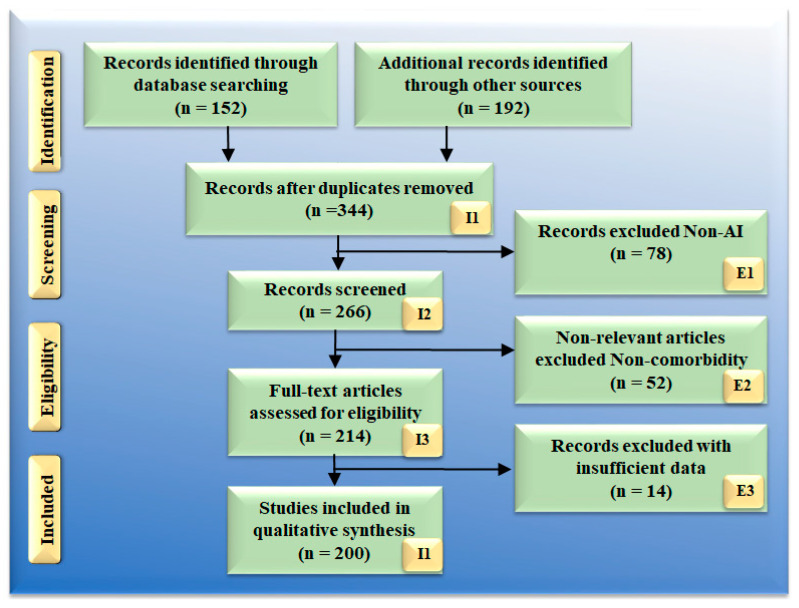
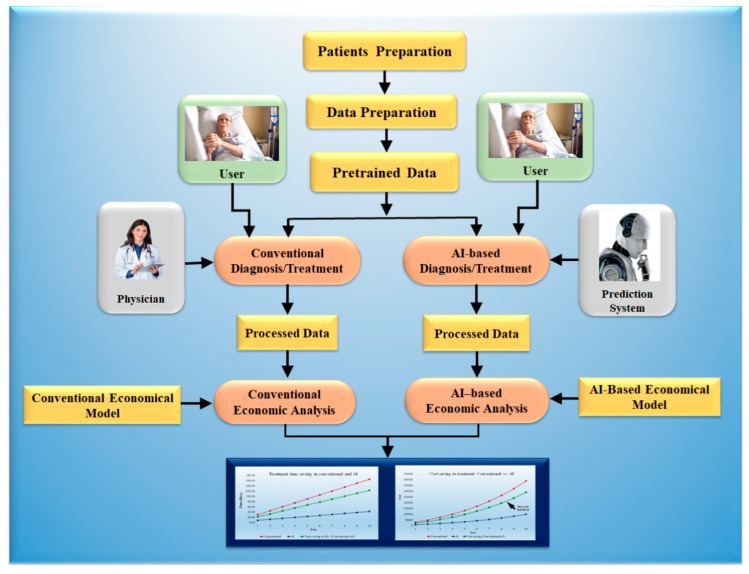
Motivation: The price of medical treatment continues to rise due to (i) an increasing population; (ii) an aging human growth; (iii) disease prevalence; (iv) a rise in the frequency of patients that utilize health care services; and (v) increase in the price. Objective: Artificial Intelligence (AI) is already well-known for its superiority in various healthcare applications, including the segmentation of lesions in images, speech recognition, smartphone personal assistants, navigation, ride-sharing apps, and many more. Our study is based on two hypotheses: (i) AI offers more economic solutions compared to conventional methods; (ii) AI treatment offers stronger economics compared to AI diagnosis. This novel study aims to evaluate AI technology in the context of healthcare costs, namely in the areas of diagnosis and treatment, and then compare it to the traditional or non-AI-based approaches. Methodology: PRISMA was used to select the best 200 studies for AI in healthcare with a primary focus on cost reduction, especially towards diagnosis and treatment. We defined the diagnosis and treatment architectures, investigated their characteristics, and categorized the roles that AI plays in the diagnostic and therapeutic paradigms. We experimented with various combinations of different assumptions by integrating AI and then comparing it against conventional costs. Lastly, we dwell on three powerful future concepts of AI, namely, pruning, bias, explainability, and regulatory approvals of AI systems. Conclusions: The model shows tremendous cost savings using AI tools in diagnosis and treatment. The economics of AI can be improved by incorporating pruning, reduction in AI bias, explainability, and regulatory approvals.
Overview
The claims and statistics of this paper haven’t been checked yet.
Free: it reads the open-access text and checks the first 5 claims that cite a source we can check. Create a free account to check every claim.
Integrity signals
Registry
Cites
Statistics
Figures
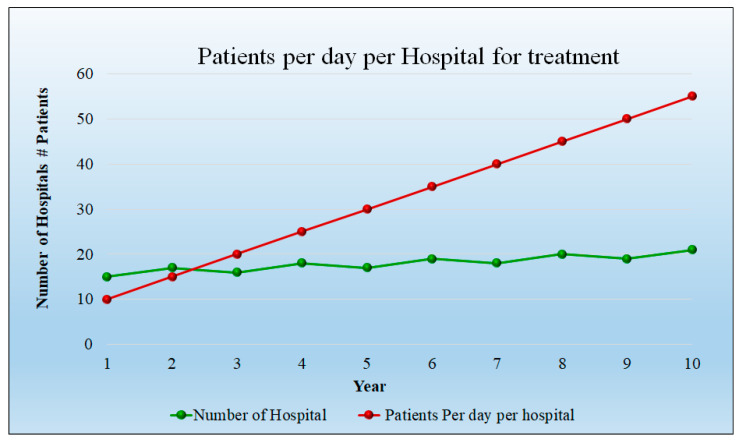
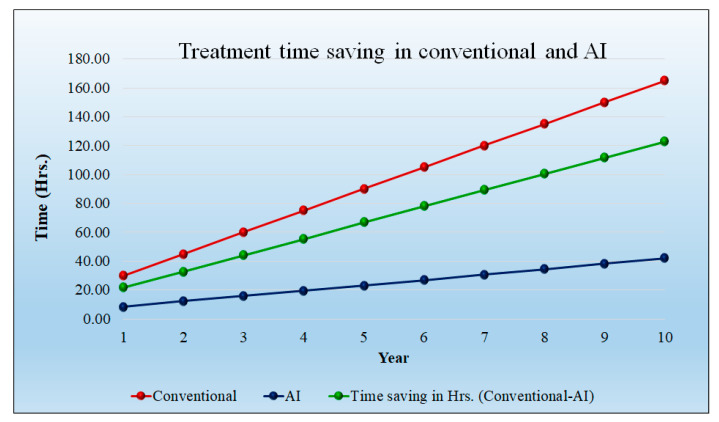
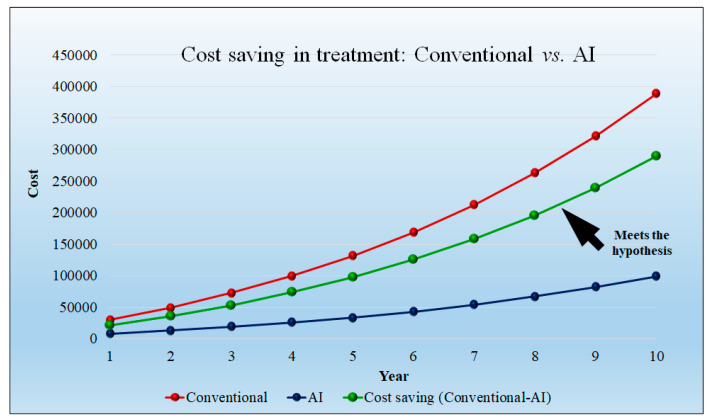
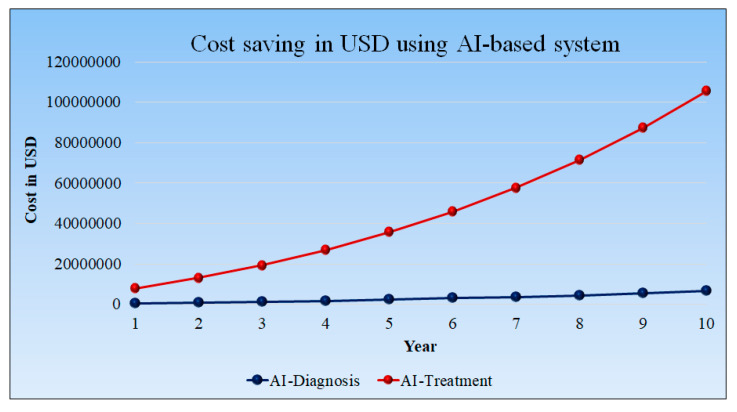
Verification
Claims the paper makes
The claims and statistics of this paper haven’t been checked yet.
Free: it reads the open-access text and checks the first 5 claims that cite a source we can check. Create a free account to check every claim.
Claims other papers make about this one
Each is checked against this paper’s own text: does it say what the citing paper says it does?
The cited source says what the claim attributes to it.
In the citing paper
“Regulatory constraints may also play a role, as seen in sectors like healthcare, where AI integration faces compliance hurdles.26”
From The widespread adoption of large language model-assisted writing across society (2025) · cites this paper as [26]
Self-check
Percentages, sums and reported differences re-computed from the paper’s own numbers.
The self-check needs the paper’s full text.
Citations
Cites
Deep learning in medical image analysis
Shen, D., Wu, G., & Suk, H.-I. (2017) · Annual Review of Biomedical Engineering · doi:10.1146/annurev-bioeng-071516-044442 · Cited by 4,968 · cited 2×
“CNN can employ high‐level features to diagnose medical conditions [39,134].”
BackgroundMethodThe potential for artificial intelligence in healthcare
Davenport, T., & Kalakota, R. (2019) · Future Healthcare Journal · doi:10.7861/futurehosp.6-2-94 · Cited by 3,800
An introduction to kernel-based learning algorithms
Muller, K.-R., Mika, S., Ratsch, G., Tsuda, K., & Scholkopf, B. (2001) · IEEE Transactions on Neural Networks · doi:10.1109/72.914517 · Cited by 3,473
(1989) · Cited by 3,214
ARTIFICIAL INTELLIGENCE FOR THE REAL WORLD
(2023) · International Research Journal of Modernization in Engineering Technology and Science · doi:10.56726/irjmets42512 · Cited by 1,434 · cited 1×
“However, static or increasing human employment means that AI technologies are unlikely to significantly cut the costs of medical diagnosis and treatment throughout that timeframe [197].”
BackgroundLiu, X., Cruz Rivera, S., Moher, D., Calvert, M. J., Denniston, A. K., The SPIRIT-AI and CONSORT-AI Working Group, SPIRIT-AI and CONSORT-AI Steering Group, Chan, A.-W., Darzi, A., Holmes, C., et al. (2020) · Nature Medicine · doi:10.1038/s41591-020-1034-x · Cited by 1,421
Can machine-learning improve cardiovascular risk prediction using routine clinical data?
Weng, S. F., Reps, J., Kai, J., Garibaldi, J. M., & Qureshi, N. (2017) · PLOS ONE · doi:10.1371/journal.pone.0174944 · Cited by 1,346
Lung pattern classification for interstitial lung diseases using a deep convolutional neural network
Anthimopoulos, M., Christodoulidis, S., Ebner, L., Christe, A., & Mougiakakou, S. (2016) · IEEE Transactions on Medical Imaging · doi:10.1109/tmi.2016.2535865 · Cited by 1,343 · cited 2×
“Medical image analysis can benefit from DL techniques such as classification and feature extraction [132].”
MethodBenjamens, S., Dhunnoo, P., & Meskó, B. (2020) · npj Digital Medicine · doi:10.1038/s41746-020-00324-0 · Cited by 1,215
Global healthcare expenditure on diabetes for 2010 and 2030
Zhang, P., Zhang, X., Brown, J., Vistisen, D., Sicree, R., Shaw, J., & Nichols, G. (2010) · Diabetes Research and Clinical Practice · doi:10.1016/j.diabres.2010.01.026 · Cited by 1,145
Lee, D., & Yoon, S. N. (2021) · International Journal of Environmental Research and Public Health · doi:10.3390/ijerph18010271 · Cited by 1,017 · cited 1×
“The parent firm should submit medical hardware or software for FDA review before it may be sold legally in the US market [175,176].”
BackgroundArtificial intelligence, bias and clinical safety
Challen, R., Denny, J., Pitt, M., Gompels, L., Edwards, T., & Tsaneva-Atanasova, K. (2019) · BMJ Quality & Safety · doi:10.1136/bmjqs-2018-008370 · Cited by 956 · cited 3×
“[183] (2019) NR NR NR NR NR NR NR NR NR NR NR NR NR ML DSS deployment will most likely concentrate on diagnostic decision support.”
BackgroundInfluentialTuckson, R. V., Edmunds, M., & Hodgkins, M. L. (2017) · New England Journal of Medicine · doi:10.1056/nejmsr1503323 · Cited by 907
Essentials of Business Research Methods
Hair, J. F., Page, M., & Brunsveld, N. (2019) · doi:10.4324/9780429203374 · Cited by 732
Yang, G., Ye, Q., & Xia, J. (2022) · Information Fusion · doi:10.1016/j.inffus.2021.07.016 · Cited by 717 · cited 3×
“The role of jus‐ tice, privacy, openness, and explainability in the DL paradigm has been further developed by the European General Data Protection Regulation (GDPR) [165].”
BackgroundInfluentialShahin, M., Ali Babar, M., & Zhu, L. (2017) · IEEE Access · doi:10.1109/access.2017.2685629 · Cited by 680 · cited 1×
“When attempting to evaluate algorithm performance reliability and consistency, there are numerous obstacles [179].”
BackgroundMuehlematter, U. J., Daniore, P., & Vokinger, K. N. (2021) · The Lancet Digital Health · doi:10.1016/s2589-7500(20)30292-2 · Cited by 665
Digital technology, tele-medicine and artificial intelligence in ophthalmology: A global perspective
Li, J.-P. O., Liu, H., Ting, D. S. J., Jeon, S., Chan, R. V. P., Kim, J. E., Sim, D. A., Thomas, P. B. M., Lin, H., Chen, Y., et al. (2021) · Progress in Retinal and Eye Research · doi:10.1016/j.preteyeres.2020.100900 · Cited by 626 · cited 1×
“Therefore, AI-based systems make it possible to examine the risk of stroke and CVD diseases and the need for human intervention [47].”
BackgroundA deep learning system for detecting diabetic retinopathy across the disease spectrum
Dai, L., Wu, L., Li, H., Cai, C., Wu, Q., Kong, H., Liu, R., Wang, X., Hou, X., Liu, Y., et al. (2021) · Nature Communications · doi:10.1038/s41467-021-23458-5 · Cited by 620
Goldstein, B. A., Navar, A. M., & Carter, R. E. (2016) · European Heart Journal · doi:10.1093/eurheartj/ehw302 · Cited by 543 · cited 2×
“It discovers non-linear correlations between the cardiovascular outcomes and the input predictors [25].”
BackgroundResultA Systematic Review of the Association Between Erectile Dysfunction and Cardiovascular Disease
Gandaglia, G., Briganti, A., Jackson, G., Kloner, R. A., Montorsi, F., Montorsi, P., & Vlachopoulos, C. (2014) · European Urology · doi:10.1016/j.eururo.2013.08.023 · Cited by 524 · cited 4×
“Therefore, identifying risk-of-bias in artificial intelligence systems (RoB) [166,167] and adjusting the diagnosis and treatment are essential steps in the process of enhancing risk”
BackgroundInfluentialArtificial intelligence: Implications for the future of work
Howard, J. (2019) · American Journal of Industrial Medicine · doi:10.1002/ajim.23037 · Cited by 522 · cited 1×
“Even though, as we have shown, technologies such as deep learning are making strides into the ability to analyze and classify images, there are many reasons why radiology professions, for example, will not go away anytime soon [195].”
BackgroundBollyky, T. J., Hulland, E. N., Barber, R. M., Collins, J. K., Kiernan, S., Moses, M., Pigott, D. M., Reiner Jr, R. C., Sorensen, R. J. D., Abbafati, C., et al. (2022) · The Lancet · doi:10.1016/s0140-6736(22)00172-6 · Cited by 477
Internet of Medical Things (IOMT): Applications, Benefits and Future Challenges in Healthcare Domain
National University of Sciences and Technology, I., Joyia, G. J., Liaqat, R. M., Farooq, A., & Rehman, S. (2017) · Journal of Communications · doi:10.12720/jcm.12.4.240-247 · Cited by 425
Implementation of competency‐based medical education: are we addressing the concerns and challenges?
Hawkins, R. E., Welcher, C. M., Holmboe, E. S., Kirk, L. M., Norcini, J. J., Simons, K. B., & Skochelak, S. E. (2015) · Medical Education · doi:10.1111/medu.12831 · Cited by 409
Bennett, C. C., & Hauser, K. (2013) · Artificial Intelligence in Medicine · doi:10.1016/j.artmed.2012.12.003 · Cited by 378
Gerke, S., Babic, B., Evgeniou, T., & Cohen, I. G. (2020) · npj Digital Medicine · doi:10.1038/s41746-020-0262-2 · Cited by 359 · cited 1×
“In AI-based design, AI explainability is of vital importance since most AI-based systems are black boxes; therefore one must show the explanations and justification of the results, such as where the lesions are by color codes (say heatmaps) or show which AI-based features are crucial and why, such as usage of LIME or…”
BackgroundThe present and future of deep learning in radiology
Saba, L., Biswas, M., Kuppili, V., Cuadrado Godia, E., Suri, H. S., Edla, D. R., Omerzu, T., Laird, J. R., Khanna, N. N., Mavrogeni, S., et al. (2019) · European Journal of Radiology · doi:10.1016/j.ejrad.2019.02.038 · Cited by 353 · cited 3×
“The same is true for healthcare, where massive data collection is made available for AI-enabled algorithms that can examine pattern-based outcomes, leading to improved time analysis for decision making [7,8].”
BackgroundSelf-citationCheung, C. Y., Xu, D., Cheng, C.-Y., Sabanayagam, C., Tham, Y.-C., Yu, M., Rim, T. H., Chai, C. Y., Gopinath, B., Mitchell, P., et al. (2020) · Nature Biomedical Engineering · doi:10.1038/s41551-020-00626-4 · Cited by 302 · cited 2×
“Recently, CVD risk and coronary artery calcium scores have been predicted using retinal images [41,42].”
BackgroundMethodQuantitative magnetic resonance imaging of brain anatomy and in vivo histology
Weiskopf, N., Edwards, L. J., Helms, G., Mohammadi, S., & Kirilina, E. (2021) · Nature Reviews Physics · doi:10.1038/s42254-021-00326-1 · Cited by 300
Radiogenomics: What It Is and Why It Is Important
Mazurowski, M. A. (2015) · Journal of the American College of Radiology · doi:10.1016/j.jacr.2015.04.019 · Cited by 290 · cited 2×
“New conclusions can be established by combining the imperfect and erroneous datasets available in the radiogenomics database with preexisting knowledge of the results [148].”
BackgroundEconomic Policy for Artificial Intelligence
Agrawal, A., Gans, J., & Goldfarb, A. (2019) · Innovation Policy and the Economy · doi:10.1086/699935 · Cited by 283 · cited 2×
“With the help of this AI data, people at risk of particular diseases could be risk stratified well before the threat becomes acute, thereby eventually reducing cost [17].”
BackgroundThibaud, M., Chi, H., Zhou, W., & Piramuthu, S. (2018) · Decision Support Systems · doi:10.1016/j.dss.2018.02.005 · Cited by 274
Comparative approaches for classification of diabetes mellitus data: Machine learning paradigm
Maniruzzaman, M., Kumar, N., Menhazul Abedin, M., Shaykhul Islam, M., Suri, H. S., El-Baz, A. S., & Suri, J. S. (2017) · Computer Methods and Programs in Biomedicine · doi:10.1016/j.cmpb.2017.09.004 · Cited by 270 · cited 2×
“Despite issues such as physician burnout, expenses, and lack of interoperability, EHRs can benefit the healthcare system [96].”
BackgroundSelf-citationComparison of Treatment Costs for Breast Cancer, by Tumor Stage and Type of Service.
Blumen, H., Fitch, K., & Polkus, V. (2016) · Europe PMC (PubMed Central) · Cited by 256
Tandel, G. S., Balestrieri, A., Jujaray, T., Khanna, N. N., Saba, L., & Suri, J. S. (2020) · Computers in Biology and Medicine · doi:10.1016/j.compbiomed.2020.103804 · Cited by 255
Self-citationApplications of Artificial Intelligence (AI) in healthcare: A review
Shaheen, M. Y. (2021) · doi:10.14293/s2199-1006.1.sor-.ppvry8k.v1 · Cited by 247
Emerging Applications of Artificial Intelligence in Neuro-Oncology
Rudie, J. D., Rauschecker, A. M., Bryan, R. N., Davatzikos, C., & Mohan, S. (2019) · Radiology · doi:10.1148/radiol.2018181928 · Cited by 242 · cited 2×
“This results in a reduction in the total amount of time spent performing tasks that are repetitive and laborious, while simultaneously boosting both efficiency and productivity [145,146].”
BackgroundVlachopoulos, C., Aznaouridis, K., Ioakeimidis, N., Rokkas, K., Vasiliadou, C., Alexopoulos, N., Stefanadi, E., Askitis, A., & Stefanadis, C. (2006) · European Heart Journal · doi:10.1093/eurheartj/ehl341 · Cited by 237 · cited 4×
“Therefore, identifying risk-of-bias in artificial intelligence systems (RoB) [166,167] and adjusting the diagnosis and treatment are essential steps in the process of enhancing risk”
BackgroundInfluentialRim, T. H., Lee, C. J., Tham, Y.-C., Cheung, N., Yu, M., Lee, G., Kim, Y., Ting, D. S. W., Chong, C. C. Y., Choi, Y. S., et al. (2021) · The Lancet Digital Health · doi:10.1016/s2589-7500(21)00043-1 · Cited by 234 · cited 2×
“[41] employed DL to predict CAC from retinal pictures.”
BackgroundMethodMachine Learning Outperforms ACC/AHA CVD Risk Calculator in MESA
Kakadiaris, I. A., Vrigkas, M., Yen, A. A., Kuznetsova, T., Budoff, M., & Naghavi, M. (2018) · Journal of the American Heart Association · doi:10.1161/jaha.118.009476 · Cited by 227 · cited 2×
“Using fog AI, it is possible to test for a wide variety of diseases at a reduced cost, including Parkinson’s [73–76], COVID‐19 [77,78], and CVD [79,80].”
BackgroundGupta, A., Kesavabhotla, K., Baradaran, H., Kamel, H., Pandya, A., Giambrone, A. E., Wright, D., Pain, K. J., Mtui, E. E., Suri, J. S., et al. (2015) · Stroke · doi:10.1161/strokeaha.114.006091 · Cited by 225 · cited 2×
“It introduces bias into the AI system [13,16,155,168,169,171].”
BackgroundMethodSelf-citationLekadir, K., Galimzianova, A., Betriu, A., del Mar Vila, M., Igual, L., Rubin, D. L., Fernandez, E., Radeva, P., & Napel, S. (2017) · IEEE Journal of Biomedical and Health Informatics · doi:10.1109/jbhi.2016.2631401 · Cited by 212 · cited 2×
“CNN was used to classify carotid ultrasound images into lipid, fibrous, and calcified plaque [135].”
MethodA Deep Learning Based Method for Parkinson’s Disease Detection Using Dynamic Features of Speech
Quan, C., Ren, K., & Luo, Z. (2021) · IEEE Access · doi:10.1109/access.2021.3051432 · Cited by 197
Biswas, M., Kuppili, V., Edla, D. R., Suri, H. S., Saba, L., Marinhoe, R. T., Sanches, J. M., & Suri, J. S. (2018) · Computer Methods and Programs in Biomedicine · doi:10.1016/j.cmpb.2017.12.016 · Cited by 190 · cited 2×
“Recently, it has been explained that ML applications have dominated the field of medical imaging, including diabetes [101,102], cardiovascular disease [79,84,103], liver [98,104], thyroid [105,106], ovarian [29,107], and prostate cancers [108], as well as risk characterization using coronary and vascular screening [10…”
BackgroundSelf-citationState-of-the-art review on deep learning in medical imaging
Suri, J. S. (2019) · Frontiers in Bioscience · doi:10.2741/4725 · Cited by 186 · cited 4×
“Healthcare professionals are beginning to move toward AI-based solutions for predicting outcomes which can help in optimal medications based on patient profiles, thereby lowering long-term costs [9,10].”
BackgroundInfluentialSelf-citationAvnimelech, G., & Teubal, M. (2004) · Economics of Innovation and New Technology · doi:10.1080/1043859042000156020 · Cited by 183
Automated detection of mild and multi-class diabetic eye diseases using deep learning
Sarki, R., Ahmed, K., Wang, H., & Zhang, Y. (2020) · Health Information Science and Systems · doi:10.1007/s13755-020-00125-5 · Cited by 182
Shui, L., Ren, H., Yang, X., Li, J., Chen, Z., Cheng, Y., Zhu, H., & Shui, P. (2021) · Frontiers in Oncology · doi:10.3389/fonc.2020.570465 · Cited by 173 · cited 3×
“The advent of radiogenomics has prompted a shift in the focus of research from the level of radiology and pathology to the level of genetics [142].”
BackgroundInfluentialA Comparative Analysis of Machine Learning Algorithms to Predict Alzheimer’s Disease
Bari Antor, M., Jamil, A. H. M. S., Mamtaz, M., Monirujjaman Khan, M., Aljahdali, S., Kaur, M., Singh, P., & Masud, M. (2021) · Journal of Healthcare Engineering · doi:10.1155/2021/9917919 · Cited by 170
Healthcare Expenditure and Economic Growth in Developing Countries
Bedir, S. (2016) · Advances in Economics and Business · doi:10.13189/aeb.2016.040202 · Cited by 167 · cited 1×
“For instance, an Israeli start-up has created AI algorithms for diagnosing conditions including osteoporosis, brain hemorrhage, malignant tissue in breast mammography, and coronary aneurysms that are equally accurate or more accurate than humans [3].”
BackgroundRUNet: A Robust UNet Architecture for Image Super-Resolution
Hu, X., Naiel, M. A., Wong, A. K. C., Lamm, M., & Fieguth, P. (2019) · IEEE/CVF Conference on Computer Vision and Pattern Recognition Workshops (CVPRW) · doi:10.1109/cvprw.2019.00073 · Cited by 164
Clinical applications of artificial intelligence and radiomics in neuro-oncology imaging
Razek, A. A. K. A., Alksas, A., Shehata, M., AbdelKhalek, A., Abdel-Baki, K., El-Baz, A. S., & Helmy, E. M. (2021) · Insights into Imaging · doi:10.1186/s13244-021-01102-6 · Cited by 161 · cited 4×
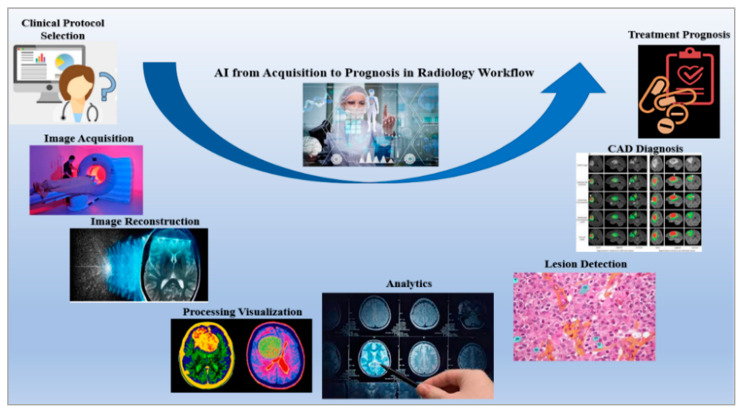
“The development of a completely automated system paired with a radio‐ logical workflow, such as the one represented in Figure 8 [144], is a notable breakthrough in the field of radiogenomics.”
BackgroundMethodInfluentialOperationalising ethics in artificial intelligence for healthcare: a framework for AI developers
Solanki, P., Grundy, J., & Hussain, W. (2023) · AI and Ethics · doi:10.1007/s43681-022-00195-z · Cited by 157
AI-Enabled Future Wireless Networks: Challenges, Opportunities, and Open Issues
Elsayed, M., & Erol-Kantarci, M. (2019) · IEEE Vehicular Technology Magazine · doi:10.1109/mvt.2019.2919236 · Cited by 156
Recent Advances in Breast Imaging, Mammography, and Computer-Aided Diagnosis of Breast Cancer
(2006) · SPIE eBooks · doi:10.1117/3.651880 · Cited by 155
Baxi, E. G., Thompson, T., Li, J., Kaye, J. A., Lim, R. G., Wu, J., Ramamoorthy, D., Lima, L., Vaibhav, V., Matlock, A., et al. (2022) · Nature Neuroscience · doi:10.1038/s41593-021-01006-0 · Cited by 154
Cardiac abnormalities in Parkinson’s disease and Parkinsonism
Scorza, F. A., Fiorini, A. C., Scorza, C. A., & Finsterer, J. (2018) · Journal of Clinical Neuroscience · doi:10.1016/j.jocn.2018.04.031 · Cited by 151
Towards Effective Bug Triage with Software Data Reduction Techniques
Xuan, J., Jiang, H., Hu, Y., Ren, Z., Zou, W., Luo, Z., & Wu, X. (2014) · IEEE Transactions on Knowledge and Data Engineering · doi:10.1109/tkde.2014.2324590 · Cited by 150
The future of labor unions in the age of automation and at the dawn of AI
Nissim, G., & Simon, T. (2021) · Technology in Society · doi:10.1016/j.techsoc.2021.101732 · Cited by 146 · cited 1×
“The limited penetration of AI into the sector thus far, as well as the difficulties of integrating AI into clinical workflows and EHR systems, has contributed to the lack of job impact [194].”
BackgroundDiabetic retinopathy classification based on multipath CNN and machine learning classifiers
Gayathri, S. G., Gopi, V. P., & Palanisamy, P. (2021) · Physical and Engineering Sciences in Medicine · doi:10.1007/s13246-021-01012-3 · Cited by 145 · cited 2×
“DL‐ based algorithms are also used to screen DR patients [45,46,139].”
MethodBreast image registration techniques: a survey
Guo, Y., Sivaramakrishna, R., Lu, C., Suri, J. S., & Laxminarayan, S. (2006) · Medical & Biological Engineering & Computing · doi:10.1007/s11517-005-0016-y · Cited by 140
Self-citationJain, P. K., Sharma, N., Giannopoulos, A. A., Saba, L., Nicolaides, A. N., & Suri, J. S. (2021) · Computers in Biology and Medicine · doi:10.1016/j.compbiomed.2021.104721 · Cited by 140
Self-citationKuppili, V., Biswas, M., Sreekumar, A., Suri, H. S., Saba, L., Edla, D. R., Marinho, R. T., Sanches, J., & Suri, J. S. (2017) · Journal of Medical Systems · doi:10.1007/s10916-017-0797-1 · Cited by 139 · cited 2×
“Recently, it has been explained that ML applications have dominated the field of medical imaging, including diabetes [101,102], cardiovascular disease [79,84,103], liver [98,104], thyroid [105,106], ovarian [29,107], and prostate cancers [108], as well as risk characterization using coronary and vascular screening [10…”
BackgroundSelf-citationAl‐Hassany, L., Goadsby, P. J., Danser, A. H. J., & MaassenVanDenBrink, A. (2022) · The Lancet Neurology · doi:10.1016/s1474-4422(21)00409-9 · Cited by 132
Role of Artificial Intelligence in Radiogenomics for Cancers in the Era of Precision Medicine
Saxena, S., Jena, B., Gupta, N., Das, S., Sarmah, D., Bhattacharya, P., Nath, T., Paul, S., Fouda, M. M., Kalra, M., et al. (2022) · Cancers · doi:10.3390/cancers14122860 · Cited by 129 · cited 2×
“Role of AI in improving the pipeline of radiology, from clinical protocol selection to treat‐ ment prognosis [12].”
BackgroundSelf-citationNon-invasive automated 3D thyroid lesion classification in ultrasound: A class of ThyroScan™ systems
Acharya, U. R., Sree, S. V., Krishnan, M. M. R., Molinari, F., Garberoglio, R., & Suri, J. S. (2011) · Ultrasonics · doi:10.1016/j.ultras.2011.11.003 · Cited by 128
Self-citationMing, C., Viassolo, V., Probst-Hensch, N., Chappuis, P. O., Dinov, I. D., & Katapodi, M. C. (2019) · Breast Cancer Research · doi:10.1186/s13058-019-1158-4 · Cited by 128 · cited 1×
“ML-based algorithms have the potential to simultaneously employ complicated, non-linear correlations among several input risk predictors (or qualities), in contrast to conventional statistical risk prediction methods [25,26].”
ResultQiu, C., Hu, G., Kivipelto, M., Laatikainen, T., Antikainen, R., Fratiglioni, L., Jousilahti, P., & Tuomilehto, J. (2011) · Hypertension · doi:10.1161/hypertensionaha.111.171249 · Cited by 126
Cheng, J. Y., Abel, J. T., Balis, U. G. J., McClintock, D. S., & Pantanowitz, L. (2021) · The American Journal of Pathology · doi:10.1016/j.ajpath.2020.10.018 · Cited by 126 · cited 1×
“This is not limited to these, but can be summarized as follows: (i) customer requirements should be clearly laid out; (ii) engineering specifications should be planned well; (iii) used cases must be established; (iv) engineering design should be carefully designed ensuring proper use of 3rd party systems, such as gold…”
BackgroundFerini-Strambi, L., & Salsone, M. (2021) · Journal of Neurology · doi:10.1007/s00415-020-10070-8 · Cited by 119
Nielsen, K. B., Lautrup, M. L., Andersen, J. K. H., Savarimuthu, T. R., & Grauslund, J. (2019) · Ophthalmology Retina · doi:10.1016/j.oret.2018.10.014 · Cited by 118
Al-Shorbaji, N. (2022) · IntechOpen eBooks · doi:10.5772/intechopen.99607 · Cited by 117
Acharya, U. R., Mookiah, M. R. K., Sree, S. V., Afonso, D. M., Sanches, J., Shafique, S., Nicolaides, A. N., Pedro, L. M., Fernandes, J. F. E., & Suri, J. S. (2013) · Medical & Biological Engineering & Computing · doi:10.1007/s11517-012-1019-0 · Cited by 116 · cited 2×
“In addition to this, ML-based algorithms can identify symptomatic and asymptomatic carotid atherosclerotic plaques effectively [30,128].”
BackgroundSelf-citationThe Whale Optimization Algorithm Approach for Deep Neural Networks
Brodzicki, A., Piekarski, M., & Jaworek-Korjakowska, J. (2021) · Sensors · doi:10.3390/s21238003 · Cited by 116 · cited 2×
“By selecting the appropriate and correct hyperparameters during model training, this pruning approach was expanded to optimize storage [161] and speed up model development [29].”
MethodUnwin, H. J. T., Hillis, S. D., Cluver, L. D., Flaxman, S. R., Goldman, P., Butchart, A., Bachman, G. L., Rawlings, L. B., Donnelly, C. A., Ratmann, O., et al. (2022) · The Lancet Child & Adolescent Health · doi:10.1016/s2352-4642(22)00005-0 · Cited by 114 · cited 2×
“Almost a quarter of all healthcare dollars spent in the United States were wasted [1].”
BackgroundAcharya, U. R., Faust, O., Sree, S. V., Molinari, F., Garberoglio, R., & Suri, J. S. (2011) · Technology in Cancer Research & Treatment · doi:10.7785/tcrt.2012.500214 · Cited by 113
Self-citationSuri, J. S., Puvvula, A., Biswas, M., Majhail, M., Saba, L., Faa, G., Singh, I. M., Oberleitner, R., Turk, M., Chadha, P. S., et al. (2020) · Computers in Biology and Medicine · doi:10.1016/j.compbiomed.2020.103960 · Cited by 107
Self-citationShrivastava, V. K., Londhe, N. D., Sonawane, R. S., & Suri, J. S. (2015) · Expert Systems with Applications · doi:10.1016/j.eswa.2015.03.014 · Cited by 104 · cited 2×
“The cost-effective treatment of skin illnesses such as psoriasis [71], skin cancer [72], wound care, and other similar conditions are the primary focus of a significant portion”
BackgroundSelf-citationBiswas, M., Kuppili, V., Araki, T., Edla, D. R., Cuadrado‐Godia, E., Saba, L., Suri, H. S., Omerzu, T., Laird, J. R., Khanna, N. N., et al. (2018) · Computers in Biology and Medicine · doi:10.1016/j.compbiomed.2018.05.014 · Cited by 104
Self-citationNillmani, Sharma, N., Saba, L., Khanna, N., Kalra, M., Fouda, M., & Suri, J. (2022) · Diagnostics · doi:10.3390/diagnostics12092132 · Cited by 100
Self-citationSanagala, S. S., Gupta, S. K., Saba, L., Koppula, V. K., Johri, A. M., Khanna, N. N., Mavrogeni, S. I., Laird, J. R., Pareek, G., Miner, M. M., et al. (2020) · Computers in Biology and Medicine · doi:10.1016/j.compbiomed.2020.103958 · Cited by 100
Self-citationAraki, T., Ikeda, N., Shukla, D., Jain, P. K., Londhe, N. D., Shrivastava, V. K., Banchhor, S. K., Saba, L., Nicolaides, A. N., Shafique, S., et al. (2016) · Computer Methods and Programs in Biomedicine · doi:10.1016/j.cmpb.2016.02.004 · Cited by 98 · cited 2×
“Recently, it has been explained that ML applications have dominated the field of medical imaging, including diabetes [101,102], cardiovascular disease [79,84,103], liver [98,104], thyroid [105,106], ovarian [29,107], and prostate cancers [108], as well as risk characterization using coronary and vascular screening [10…”
BackgroundSelf-citationStochastic Modeling for Medical Image Analysis
El-Baz, A., Gimel’farb, G., & Suri, J. S. (2015) · CRC Press eBooks · doi:10.1201/b19253 · Cited by 98 · cited 1×
“The consequences of future action investigation into the proposed and current deep learning application could result in the improvement of conventional techniques in biomedical imaging [187].”
BackgroundSelf-citationMulti Modality State-of-the-Art Medical Image Segmentation and Registration Methodologies
El-Baz, A. S., Suri, J. S., Mirmehdi, M., & Acharya U, R. (2011) · Springer eBooks · doi:10.1007/978-1-4419-8195-0 · Cited by 96
Self-citationHoshida, Y., Fuchs, B. C., & Tanabe, K. K. (2012) · Current Cancer Drug Targets · doi:10.2174/15680096112091129 · Cited by 96
Nissar, I., Rizvi, D. R., Masood, S., & Mir, A. N. (2019) · EAI Endorsed Transactions on Pervasive Health and Technology · doi:10.4108/eai.13-7-2018.162806 · Cited by 95 · cited 1×
“The experimental results demonstrated that the proposed approach significantly outperforms conventional machine learning models using static features in terms of the accuracy of PD detection under the two evaluation methods of 10-fold cross-validation (CV) and splitting the dataset without sample overlap of one indivi…”
Battineni, G., Chintalapudi, N., Amenta, F., & Traini, E. (2020) · Journal of Clinical Medicine · doi:10.3390/jcm9072146 · Cited by 92 · cited 5×
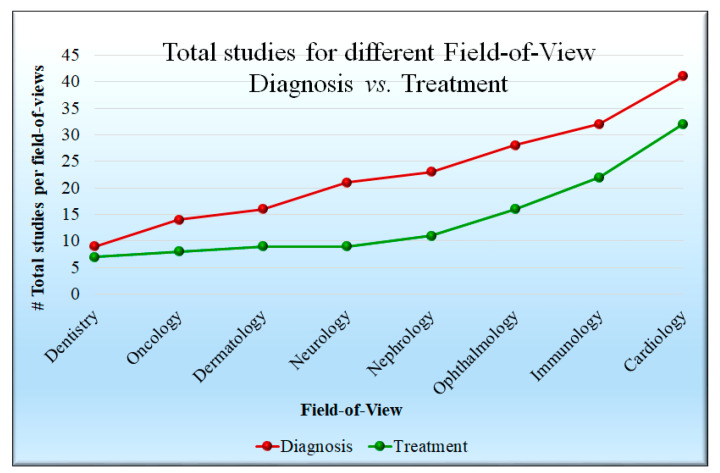
“An analysis of the information shows that a few studies using different imaging modalities such as MRI, CT, X-ray, US, and ECG have been linked with AI models for the various disease diagnosis and treatment of renal, pulmonary, carotid artery disease, coronary artery disease, DR, and COVID-19.”
BackgroundInfluentialBrain Tumor Characterization Using Radiogenomics in Artificial Intelligence Framework
Jena, B., Saxena, S., Nayak, G. K., Balestrieri, A., Gupta, N., Khanna, N. N., Laird, J. R., Kalra, M. K., Fouda, M. M., Saba, L., et al. (2022) · Cancers · doi:10.3390/cancers14164052 · Cited by 90
Self-citationRole of Artificial Intelligence in Kidney Disease
Yuan, Q., Zhang, H., Deng, T., Tang, S., Yuan, X., Tang, W., Xie, Y., Ge, H., Wang, X., Zhou, Q., et al. (2020) · International Journal of Medical Sciences · doi:10.7150/ijms.42078 · Cited by 90 · cited 2×
“[184] proposed that the evolution of medical practice from empirical medicine to evidence-based medicine, intelligent diagnosis, and AI-directed medicine is something we are currently witnessing.”
BackgroundAn Accurate and Generalized Approach to Plaque Characterization in 346 Carotid Ultrasound Scans
Acharya, U. R., Faust, O., Sree, S. V., Molinari, F., Saba, L., Nicolaides, A. N., & Suri, J. S. (2011) · IEEE Transactions on Instrumentation and Measurement · doi:10.1109/tim.2011.2174897 · Cited by 89 · cited 2×
“Recently, it has been explained that ML applications have dominated the field of medical imaging, including diabetes [101,102], cardiovascular disease [79,84,103], liver [98,104], thyroid [105,106], ovarian [29,107], and prostate cancers [108], as well as risk characterization using coronary and vascular screening [10…”
BackgroundSelf-citationJamthikar, A. D., Gupta, D., Mantella, L. E., Saba, L., Laird, J. R., Johri, A. M., & Suri, J. S. (2020) · International journal of cardiac imaging · doi:10.1007/s10554-020-02099-7 · Cited by 87 · cited 4×
“Recently, it has been explained that ML applications have dominated the field of medical imaging, including diabetes [101,102], cardiovascular disease [79,84,103], liver [98,104], thyroid [105,106], ovarian [29,107], and prostate cancers [108], as well as risk characterization using coronary and vascular screening [10…”
BackgroundInfluentialSelf-citationMachine Learning in Cardiac Health Monitoring and Decision Support
Hijazi, S., Page, A., Kantarcı, B., & Soyata, T. (2016) · Computer · doi:10.1109/mc.2016.339 · Cited by 87 · cited 2×
“The ability to distinguish between pa‐ tients with a low risk of CVD and those with a high risk of CVD is a characteristic of an ML‐based algorithm [127].”
BackgroundDigitized spiral drawing classification for Parkinson's disease diagnosis
Kamble, M., Shrivastava, P. K., & Jain, M. (2021) · Measurement Sensors · doi:10.1016/j.measen.2021.100047 · Cited by 86 · cited 2×
“[191] indicated that when four ML models are used in a dataset that has undergone mathematical processing, three different types of digitalized spiral drawing tests have a significant impact on the classification of PD patients versus healthy controls.”
MethodChong, J. L., Tjurin, P., Niemelä, M., Jämsä, T. J., & Farrahi, V. (2021) · Gait & Posture · doi:10.1016/j.gaitpost.2021.06.017 · Cited by 86 · cited 2×
“DL algorithms extract their features and conduct classification or prediction [133].”
MethodSuri, J. S., Bhagawati, M., Paul, S., Protogeron, A., Sfikakis, P. P., Kitas, G. D., Khanna, N. N., Ruzsa, Z., Sharma, A. M., Saxena, S., et al. (2022) · Computers in Biology and Medicine · doi:10.1016/j.compbiomed.2021.105204 · Cited by 86 · cited 3×
“AI systems, on the other hand, confront several chal‐ lenges, one of which is a tendency to prioritize accuracy over scientific validation and clinical evaluation [168,169].”
BackgroundSelf-citationUnderstanding symptomatology of atherosclerotic plaque by image-based tissue characterization
Acharya, U. R., Faust, O., Sree, S. V., Alvin, A. P. C., Krishnamurthi, G., Seabra, J., Sanches, J., & Suri, J. S. (2012) · Computer Methods and Programs in Biomedicine · doi:10.1016/j.cmpb.2012.09.008 · Cited by 85
Self-citationSaba, L., Sanagala, S. S., Gupta, S. K., Koppula, V. K., Johri, A. M., Khanna, N. N., Mavrogeni, S. I., Laird, J. R., Pareek, G., Miner, M. M., et al. (2021) · Annals of Translational Medicine · doi:10.21037/atm-20-7676 · Cited by 84
Self-citationMolinari, F., Liboni, W., Giustetto, P., Badalamenti, S., & Suri, J. S. (2009) · Journal of Mechanics in Medicine and Biology · doi:10.1142/s0219519409003115 · Cited by 83 · cited 1×
“The use of AI-based algorithms in specific carotid ultrasonography applications has shown promise [48,49].”
Self-citationJamthikar, A., Gupta, D., Saba, L., Khanna, N. N., Araki, T., Viskovic, K., Mavrogeni, S., Laird, J. R., Pareek, G., Miner, M., et al. (2020) · Cardiovascular Diagnosis and Therapy · doi:10.21037/cdt.2020.01.07 · Cited by 83 · cited 4×
“Conventional CVD risk assessment calculators such as the Framingham Risk Score (FRS), Pooled Cohort Risk Equation (PCRE), and QRISK3 can ac‐ commodate a substantially greater number of possible variables than ML‐based methods [94].”
BackgroundMethodInfluentialSelf-citationDeep Learning Application for Effective Classification of Different Types of Psoriasis
Aijaz, S. F., Khan, S. J., Azim, F., Shakeel, C. S., & Hassan, U. (2022) · Journal of Healthcare Engineering · doi:10.1155/2022/7541583 · Cited by 77 · cited 4×
“The cost-effective treatment of skin illnesses such as psoriasis [71], skin cancer [72], wound care, and other similar conditions are the primary focus of a significant portion”
BackgroundInfluentialBiswas, M., Saba, L., Omerzu, T., Johri, A. M., Khanna, N. N., Višković, K., Mavrogeni, S. I., Laird, J. R., Pareek, G., Miner, M. M., et al. (2021) · Journal of Imaging Informatics in Medicine · doi:10.1007/s10278-021-00461-2 · Cited by 76 · cited 1×
“tissue characterization of atherosclerotic carotid [27–32], image segmentation [33–37], and cardiovascular disease (CVD) risk stratification [38] are features that DL algorithms directly extract from the input data to make predictions [9].”
BackgroundSelf-citationAgarwal, M., Saba, L., Gupta, S. K., Carriero, A., Falaschi, Z., Paschè, A., Danna, P., El-Baz, A., Naidu, S., & Suri, J. S. (2021) · Journal of Medical Systems · doi:10.1007/s10916-021-01707-w · Cited by 75
Self-citationAcharya, U., Mookiah, M., Vinitha Sree, S., Yanti, R., Martis, R., Saba, L., Molinari, F., Guerriero, S., & Suri, J. (2012) · Ultraschall in der Medizin - European Journal of Ultrasound · doi:10.1055/s-0032-1330336 · Cited by 73 · cited 4×
“By selecting the appropriate and correct hyperparameters during model training, this pruning approach was expanded to optimize storage [161] and speed up model development [29].”
BackgroundMethodInfluentialSelf-citationBaschi, R., Luca, A., Nicoletti, A., Caccamo, M., Cicero, C. E., D'Agate, C., Di Giorgi, L., La Bianca, G., Lo Castro, T., Zappia, M., et al. (2020) · Frontiers in Psychiatry · doi:10.3389/fpsyt.2020.590134 · Cited by 73 · cited 16×
“Using fog AI, it is possible to test for a wide variety of diseases at a reduced cost, including Parkinson’s [73–76], COVID-19 [77,78], and CVD [79,80].”
BackgroundInfluentialPaul, S., Maindarkar, M., Saxena, S., Saba, L., Turk, M., Kalra, M., Krishnan, P. R., & Suri, J. S. (2022) · Diagnostics · doi:10.3390/diagnostics12010166 · Cited by 73
Self-citationBiswas, M., Kuppili, V., Saba, L., Edla, D. R., Suri, H. S., Sharma, A., Cuadrado‐Godia, E., Laird, J. R., Nicolaides, A. N., & Suri, J. S. (2018) · Medical & Biological Engineering & Computing · doi:10.1007/s11517-018-1897-x · Cited by 73 · cited 4×
“Recently, it has been explained that ML applications have dominated the field of medical imaging, including diabetes [101,102], cardiovascular disease [79,84,103], liver [98,104], thyroid [105,106], ovarian [29,107], and prostate cancers [108], as well as risk characterization using coronary and vascular screening [10…”
BackgroundMethodInfluentialSelf-citationUltrasound Imaging: Advances and Applications
(2012) · Springer eBooks · doi:10.1007/978-1-4614-1180-2 · Cited by 72
Sanagala, S. S., Nicolaides, A. N., Gupta, S. K., Koppula, V. K., Saba, L., Johri, A. M., Kalra, M. S., & Suri, J. S. (2021) · Computers in Biology and Medicine · doi:10.1016/j.compbiomed.2021.105131 · Cited by 72
Self-citationGeneration of Synthetic Chest X-ray Images and Detection of COVID-19: A Deep Learning Based Approach
Karbhari, Y., Basu, A., Geem, Z. W., Han, G.-T., & Sarkar, R. (2021) · Diagnostics · doi:10.3390/diagnostics11050895 · Cited by 71 · cited 1×
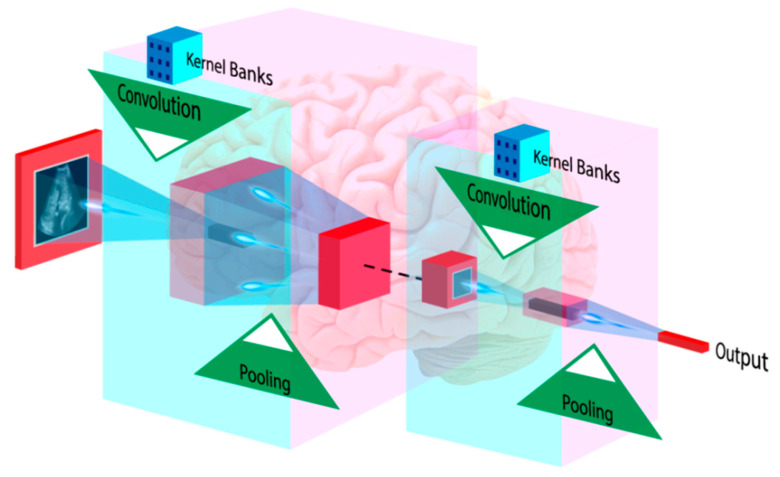
“It has also been shown that convolution neural network (CNN) DL algorithms can extract features, followed by the training and testing of an ML-based classifier to produce a superior classification [39,40].”
BackgroundKim, J. O. (., Jeong, Y.-S., Kim, J. H., Lee, J.-W., Park, D., & Kim, H.-S. (2021) · Diagnostics · doi:10.3390/diagnostics11060943 · Cited by 70 · cited 2×
“This fusion was used for determining the 10‐year CVD risk [118,123,124].”
MethodAI in healthcare: A narrative review
Väänänen, A., Haataja, K., Vehviläinen-Julkunen, K., & Toivanen, P. (2021) · F1000Research · doi:10.12688/f1000research.26997.2 · Cited by 69
Jain, P. K., Sharma, N., Saba, L., Paraskevas, K. I., Kalra, M. K., Johri, A. M., Laird, J. R., Nicolaides, A. N., & Suri, J. S. (2021) · Diagnostics · doi:10.3390/diagnostics11122257 · Cited by 69
Self-citationSaba, L., Antignani, P. L., Gupta, A. K., Cau, R., Paraskevas, K. I., Poredoš, P., Wasserman, B. A., Kamel, H., Avgerinos, E. D., Salgado, R. A., et al. (2022) · Atherosclerosis · doi:10.1016/j.atherosclerosis.2022.06.1014 · Cited by 69
Self-citationRadiogenomics for Precision Medicine With a Big Data Analytics Perspective
Panayides, A. S., Pattichis, M. S., Leandrou, S., Pitris, C., Constantinidou, A., & Pattichis, C. S. (2019) · IEEE Journal of Biomedical and Health Informatics · doi:10.1109/jbhi.2018.2879381 · Cited by 66 · cited 4×
“The use of radiogenomics research in various diseases, including glioblastoma, hepatocellular carcinoma, non-small cell lung cancer, hematological tumors, and others, may provide an excellent representation of the advances made in this field [140,141].”
BackgroundInfluentialRadiogenomics and radiotherapy response modeling
Naqa, I. E., Kerns, S. L., Coates, J. T. T., Luo, Y., Speers, C. W., West, C., Rosenstein, B. S., & Haken, R. K. T. (2017) · Physics in Medicine and Biology · doi:10.1088/1361-6560/aa7c55 · Cited by 66
Agarwal, M., Saba, L., Gupta, S. K., Johri, A. M., Khanna, N. N., Mavrogeni, S. I., Laird, J. R., Pareek, G., Miner, M. M., Sfikakis, P. P., et al. (2021) · Medical & Biological Engineering & Computing · doi:10.1007/s11517-021-02322-0 · Cited by 66
Self-citationSuri, J. S., Paul, S., Maindarkar, M. A., Puvvula, A., Saxena, S., Saba, L., Turk, M., Laird, J. R., Khanna, N. N., Višković, K., et al. (2022) · Metabolites · doi:10.3390/metabo12040312 · Cited by 66
Self-citationSuri, J. S., Agarwal, S., Gupta, S., Puvvula, A., Viskovic, K., Suri, N., Alizad, A., El-Baz, A., Saba, L., Fatemi, M., et al. (2021) · IEEE Journal of Biomedical and Health Informatics · doi:10.1109/jbhi.2021.3103839 · Cited by 65
Self-citationKaur, I., Behl, T., Aleya, L., Rahman, H., Kumar, A., Arora, S., & Bulbul, I. J. (2021) · Environmental Science and Pollution Research · doi:10.1007/s11356-021-13823-8 · Cited by 65 · cited 2×
“One of the ost popular for s of AI is L, hich is e ployed by 63 of businesses, according to a poll of 1100 S anagers conducted by eloitte in 2018 [95].”
BackgroundAcharya, U. R., Sree, S. V., Krishnan, M. M. R., Molinari, F., ZieleŸnik, W., Bardales, R. H., Witkowska, A., & Suri, J. S. (2014) · Journal of Ultrasound in Medicine · doi:10.7863/ultra.33.2.245 · Cited by 64 · cited 2×
“Recently, it has been explained that ML applications have dominated the field of medical imaging, including diabetes [101,102], cardiovascular disease [79,84,103], liver [98,104], thyroid [105,106], ovarian [29,107], and prostate cancers [108], as well as risk characterization using coronary and vascular screening [10…”
BackgroundSelf-citationJain, P. K., Sharma, N., Saba, L., Paraskevas, K. I., Kalra, M. K., Johri, A. M., Nicolaides, A. N., & Suri, J. S. (2021) · International Angiology · doi:10.23736/s0392-9590.21.04771-4 · Cited by 62
Self-citationJamthikar, A. D., Gupta, D., Saba, L., Khanna, N. N., Viskovic, K., Mavrogeni, S., Laird, J. R., Sattar, N., Johri, A. M., Pareek, G., et al. (2020) · Computers in Biology and Medicine · doi:10.1016/j.compbiomed.2020.104043 · Cited by 61 · cited 3×
“Recently, it has been explained that ML applications have dominated the field of medical imaging, including diabetes [101,102], cardiovascular disease [79,84,103], liver [98,104], thyroid [105,106], ovarian [29,107], and prostate cancers [108], as well as risk characterization using coronary and vascular screening [10…”
BackgroundSelf-citationOvarian Tumor Characterization and Classification Using Ultrasound—A New Online Paradigm
Acharya, U. R., Sree, S. V., Saba, L., Molinari, F., Guerriero, S., & Suri, J. S. (2012) · Journal of Imaging Informatics in Medicine · doi:10.1007/s10278-012-9553-8 · Cited by 59 · cited 2×
“Recently, it has been explained that ML applications have dominated the field of medical imaging, including diabetes [101,102], cardiovascular disease [79,84,103], liver [98,104], thyroid [105,106], ovarian [29,107], and prostate cancers [108], as well as risk characterization using coronary and vascular screening [10…”
BackgroundSelf-citationJamthikar, A. D., Gupta, D., Puvvula, A., Johri, A. M., Khanna, N. N., Saba, L., Mavrogeni, S. I., Laird, J. R., Pareek, G., Miner, M. M., et al. (2020) · Rheumatology International · doi:10.1007/s00296-020-04691-5 · Cited by 58 · cited 1×
“Several studies have shown that AI is competitive with or even superior to humans at essential healthcare tasks such as illness diagnosis [31,84,85].”
BackgroundSelf-citationAgarwal, M., Agarwal, S., Saba, L., Chabert, G. L., Gupta, S. K., Carriero, A., Paschè, A., Danna, P. S. C., Mehmedović, A., Faa, G., et al. (2022) · Computers in Biology and Medicine · doi:10.1016/j.compbiomed.2022.105571 · Cited by 58 · cited 5×
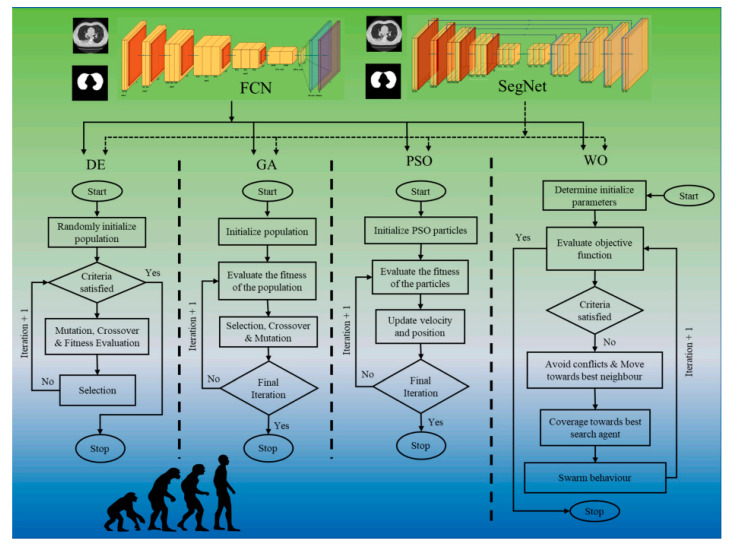
“The eight pruning procedures are thus four times two (i) FCN-DE, (ii) FCN-GA, (iii) FCN-PSO, and (iv) FCN-WO, with FCN and (v) SegNet-DE, (vi) SegNet-GA, (vii) SegNet-PSO, and (viii) SegNet-WO in DL framework.”
MethodInfluentialSelf-citationEnvironmental Risk Assessment and Management in Industry 4.0: A Review of Technologies and Trends
Lemos, J., Gaspar, P. D., & Lima, T. M. (2022) · Machines · doi:10.3390/machines10080702 · Cited by 57
Khanna, N. N., Jamthikar, A. D., Araki, T., Gupta, D., Piga, M., Saba, L., Carcassi, C., Nicolaides, A. N., Laird, J. R., Suri, H. S., et al. (2019) · Echocardiography · doi:10.1111/echo.14242 · Cited by 56
Self-citationAlmazán, M. M., Pérez, J. M. D., Pozo, J. F. M., Granados, A. L. O., de Fuentes, B. M., Sanz, P. Q., Sánchez, A. I. G., Gómez, P. R., Jurado, J. M., Rodríguez-Hermida, F. A., et al. (2018) · International Journal of Clinical Pharmacy · doi:10.1007/s11096-018-0772-z · Cited by 56
Emerging Imaging and Genomic Tools for Developmental Systems Biology
Liu, Z. J., & Keller, P. (2016) · Developmental Cell · doi:10.1016/j.devcel.2016.02.016 · Cited by 55 · cited 2×
“Research in the field of radiogenomics has sig‐ nificantly benefited from the development of deep learning and big data programming, which in turn has contributed to the creation of newer algorithms, workflows, and ap‐ proaches [143].”
BackgroundSuri, J. S., Bhagawati, M., Paul, S., Protogerou, A. D., Sfikakis, P. P., Kitas, G. D., Khanna, N. N., Ruzsa, Z., Sharma, A. M., Saxena, S., et al. (2022) · Diagnostics · doi:10.3390/diagnostics12030722 · Cited by 55 · cited 2×
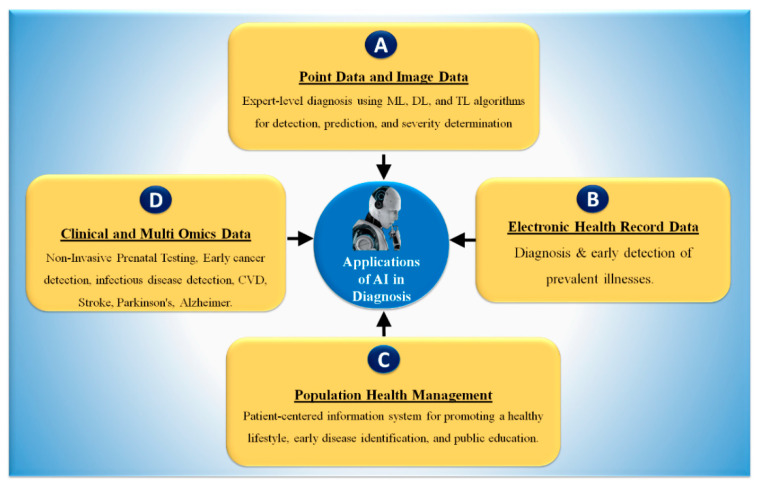
“AI technological development improves existing systems, especially medical imaging [9,14] and coronary artery disease diagnosis [15,16], reducing human error, increasing patient care overall, and making doctors’ responsibilities easier [17].”
BackgroundSelf-citationHow real is the impact of artificial intelligence? The business information survey 2018
Carter, D. (2018) · Business Information Review · doi:10.1177/0266382118790150 · Cited by 54
Jamthikar, A. D., Gupta, D., Khanna, N. N., Saba, L., Laird, J. R., & Suri, J. S. (2020) · Indian Heart Journal · doi:10.1016/j.ihj.2020.06.004 · Cited by 54 · cited 1×
“They improved risk prediction precision by using carotid ultrasonography plaque characteristics [126,129].”
MethodSelf-citationViswanathan, V., Puvvula, A., Jamthikar, A. D., Saba, L., Johri, A. M., Kotsis, V., Khanna, N. N., Dhanjil, S. K., Majhail, M., Misra, D. P., et al. (2021) · World Journal of Diabetes · doi:10.4239/wjd.v12.i3.215 · Cited by 54 · cited 2×
“Recently, it has been explained that ML applications have dominated the field of medical imaging, including diabetes [101,102], cardiovascular disease [79,84,103], liver [98,104], thyroid [105,106], ovarian [29,107], and prostate cancers [108], as well as risk characterization using coronary and vascular screening [10…”
BackgroundSelf-citationBig Data in Multimodal Medical Imaging
El-Baz, A. S., & Suri, J. S. (2019) · Chapman & Hall/CRC eBooks · doi:10.1201/b22410 · Cited by 52 · cited 1×
“Medical applications have made extensive use of ML and DL algorithms [23,24].”
MethodSelf-citationApplication of Artificial Intelligence in Drug Discovery
Chopra, H., Baig, A. A., Gautam, R. K., & Kamal, M. A. (2022) · Current Pharmaceutical Design · doi:10.2174/1381612828666220608141049 · Cited by 51
Korinek, A., & Stiglitz, J. E. (2021) · BMJ · doi:10.1136/bmj.n367 · Cited by 50 · cited 1×
“Pathology and other digitally related elements of medicine have similar causes [196].”
BackgroundKhanna, N. N., Jamthikar, A. D., Gupta, D., Nicolaides, A. N., Araki, T., Saba, L., Cuadrado‐Godia, E., Sharma, A., Omerzu, T., Suri, H. S., et al. (2019) · Computers in Biology and Medicine · doi:10.1016/j.compbiomed.2019.01.002 · Cited by 49 · cited 1×
“The use of AI-based algorithms in specific carotid ultrasonography applications has shown promise [48,49].”
Self-citationThe Regulation of Wearable Medical Devices
Jiang, N., Mück, J. E., & Yetisen, A. K. (2019) · Trends in biotechnology · doi:10.1016/j.tibtech.2019.06.004 · Cited by 48 · cited 1×
“Technical advancements has changed the face of the healthcare sector [22], and in particular, AI has changed the healthcare sector scenario.”
BackgroundRegulatory barriers surrounding the use of whole slide imaging in the United States of America
Parwani, A. V., Hassell, L. A., Glassy, E. F., & Pantanowitz, L. (2014) · Journal of Pathology Informatics · doi:10.4103/2153-3539.143325 · Cited by 47
Radiomics and “radi-…omics” in cancer immunotherapy: a guide for clinicians
Porcu, M., Solinas, C., Mannelli, L., Micheletti, G., Lambertini, M., Willard-Gallo, K. E., Neri, E., Flanders, A. E., & Saba, L. (2020) · Critical Reviews in Oncology/Hematology · doi:10.1016/j.critrevonc.2020.103068 · Cited by 47
Self-citationOvarian Tumor Characterization using 3D Ultrasound
Acharya, U. R., Sree, S. V., Krishnan, M. M. R., Saba, L., Molinari, F., Guerriero, S., & Suri, J. S. (2012) · Technology in Cancer Research & Treatment · doi:10.7785/tcrt.2012.500272 · Cited by 44 · cited 2×
“The use of AI and related technologies is expanding throughout industries and sectors, including the medical field [81,82].”
BackgroundSelf-citationEffect of carotid image-based phenotypes on cardiovascular risk calculator: AECRS1.0
Khanna, N. N., Jamthikar, A. D., Gupta, D., Araki, T., Piga, M., Saba, L., Carcassi, C., Nicolaides, A. N., Laird, J. R., Suri, H. S., et al. (2019) · Medical & Biological Engineering & Computing · doi:10.1007/s11517-019-01975-2 · Cited by 44
Self-citationDetecting Alzheimer’s Disease Using Machine Learning Methods
Dashtipour, K. K., Taylor, W., Ansari, S., Zahid, A., Gogate, M., Ahmad, J. E., Assaleh, K. T., Arshad, K., Imran, M. A., & Abbasi, Q. (2022) · Lecture notes of the Institute for Computer Sciences, Social Informatics and Telecommunications Engineering · doi:10.1007/978-3-030-95593-9_8 · Cited by 44 · cited 2×
“DL‐ based algorithms are also used to screen DR patients [45,46,139].”
MethodTamang, H. K., Timilsina, U., Singh, K. P., Shrestha, S., Raman, R. K., Panta, P., Karna, P., Khadka, L., & Dahal, C. (2014) · JOURNAL OF CLINICAL AND DIAGNOSTIC RESEARCH · doi:10.7860/jcdr/2014/7588.4000 · Cited by 43
Munjral, S., Maindarkar, M. A., Ahluwalia, P., Puvvula, A., Jamthikar, A. D., Jujaray, T., Suri, N., Paul, S., Pathak, R., Saba, L., et al. (2022) · Diagnostics · doi:10.3390/diagnostics12051234 · Cited by 43
Self-citationAcharya, U. R., Mookiah, M. R. K., Sree, S. V., Yanti, R., Martis, R. J., Saba, L., Molinari, F., Guerriero, S., & Suri, J. S. (2013) · Springer eBooks · doi:10.1007/978-1-4614-8633-6_27 · Cited by 42
Self-citationLow-cost preventive screening using carotid ultrasound in patients with diabetes
Suri, J. S. (2020) · Frontiers in bioscience · doi:10.2741/4850 · Cited by 41 · cited 3×
“[189] explained diabetes exacerbated the development of atherosclerotic plaque.”
BackgroundInfluentialSelf-citationWearable medical devices — Design challenges and issues
Hemapriya, D., Viswanath, P., Mithra, V. M., S.Nagalakshmi, S. N., & Umarani, G. (2017) · International Conference on Innovations in Green Energy and Healthcare Technologies (IGEHT) · doi:10.1109/igeht.2017.8094096 · Cited by 40 · cited 1×
“The ability to reduce workflow and refocus most of a doctor’s attention on providing outstanding patient care has been made possible by systems that use AI and better data management [21].”
BackgroundAI in Healthcare: medical and socio-economic benefits and challenges
Shaheen, M. Y. (2021) · doi:10.14293/s2199-1006.1.sor-.pprqni1.v1 · Cited by 40
Jamthikar, A., Gupta, D., Johri, A. M., Mantella, L. E., Saba, L., & Suri, J. S. (2022) · Computers in Biology and Medicine · doi:10.1016/j.compbiomed.2021.105102 · Cited by 39 · cited 2×
“Recently, it has been explained that ML applications have dominated the field of medical imaging, including diabetes [101,102], cardiovascular disease [79,84,103], liver [98,104], thyroid [105,106], ovarian [29,107], and prostate cancers [108], as well as risk characterization using coronary and vascular screening [10…”
BackgroundSelf-citationAssociation Between Stroke and Parkinson’s Disease: a Meta-analysis
Liu, Y., Li, X., Zhang, Y., & Xie, A. (2020) · Journal of Molecular Neuroscience · doi:10.1007/s12031-020-01524-9 · Cited by 39
Suri, J. S., Agarwal, S., Jena, B., Saxena, S., El-Baz, A., Agarwal, V., Kalra, M. K., Saba, L., Viskovic, K., Fatemi, M., et al. (2024) · IEEE Transactions on Instrumentation and Measurement · doi:10.1109/tim.2022.3174270 · Cited by 38 · cited 1×
“It introduces bias into the AI system [13,16,155,168,169,171].”
BackgroundSelf-citationIntegration of cardiovascular risk assessment with COVID-19 using artificial intelligence
Suri, J. S., Puvvula, A., Majhail, M., Biswas, M., Jamthikar, A. D., Saba, L., Faa, G., Singh, I. M., Oberleitner, R., Turk, M., et al. (2020) · Reviews in Cardiovascular Medicine · doi:10.31083/j.rcm.2020.04.236 · Cited by 38 · cited 2×
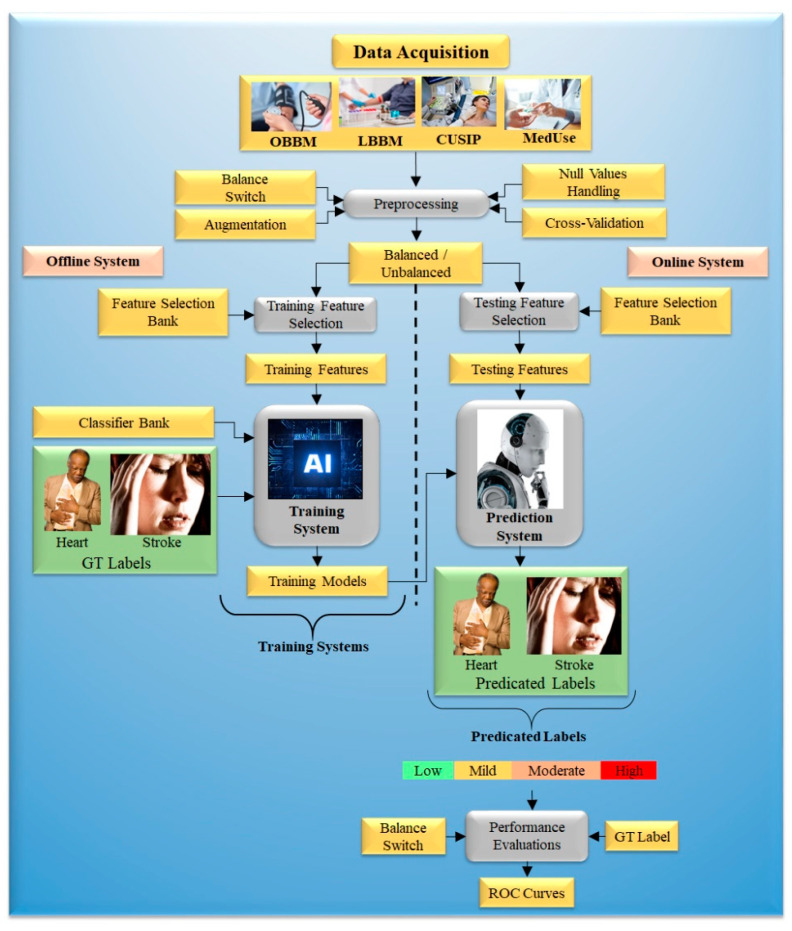
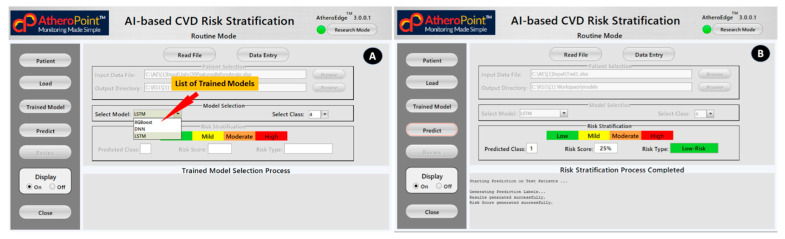
“(A) Trained Model Selection Process and (B) Risk Strat‐ ification Predication Process [117].”
MethodSelf-citationJamthikar, A. D., Gupta, D., Johri, A. M., Mantella, L. E., Saba, L., Kolluri, R., Sharma, A., Viswanathan, V., Nicolaides, A. N., & Suri, J. S. (2020) · Journal of Medical Systems · doi:10.1007/s10916-020-01675-7 · Cited by 37 · cited 2×
“This fusion was used for determining the 10‐year CVD risk [118,123,124].”
MethodSelf-citationFotiadis, D. I., Glaros, C., & Likas, A. (2006) · Wiley Encyclopedia of Biomedical Engineering · doi:10.1002/9780471740360.ebs1326 · Cited by 36
An efficient framework for automated screening of Clinically Significant Macular Edema
Chalakkal, R. J., Hafiz, F. M. F., Abdulla, W. H., & Swain, A. K. (2020) · Computers in Biology and Medicine · doi:10.1016/j.compbiomed.2020.104128 · Cited by 36
Brain MRI‐based Wilson disease tissue classification: an optimised deep transfer learning approach
Saba, L., Agarwal, M., Sanagala, S. S., Gupta, S. K., Sinha, G. R., Johri, A. M., Khanna, N. N., Mavrogeni, S. I., Laird, J. R., Pareek, G., et al. (2020) · Electronics Letters · doi:10.1049/el.2020.2102 · Cited by 34 · cited 1×
“Several studies have shown that AI is competitive with or even superior to humans at essential healthcare tasks such as illness diagnosis [31,84,85].”
BackgroundSelf-citationAssessment of Acoustic Features and Machine Learning for Parkinson’s Detection
Pramanik, M., Pradhan, R., Nandy, P., Qaisar, S. M., & Bhoi, A. K. (2021) · Journal of Healthcare Engineering · doi:10.1155/2021/9957132 · Cited by 33
Khanna, N. N., Maindarkar, M. A., Saxena, A. K., Ahluwalia, P., Paul, S., Srivastava, S. K., Cuadrado‐Godia, E., Sharma, A., Omerzu, T., Saba, L., et al. (2022) · Diagnostics · doi:10.3390/diagnostics12051249 · Cited by 31 · cited 2×
“This directly helps in cutting costs, reducing time, and, more importantly, saving lives by reconfiguring the existing treatments [14].”
BackgroundSelf-citationPuvvula, A., Jamthikar, A. D., Gupta, D., Khanna, N. N., Porcu, M., Saba, L., Višković, K., Ajuluchukwu, J. N. A., Gupta, A. K., Mavrogeni, S. I., et al. (2020) · Angiology · doi:10.1177/0003319720910660 · Cited by 30 · cited 2×
“This fusion was used for determining the 10‐year CVD risk [118,123,124].”
MethodSelf-citationSuri, J. S., Agarwal, S., Elavarthi, P., Pathak, R., Ketireddy, V., Columbu, M., Saba, L., Gupta, S. K., Faa, G., Singh, I. M., et al. (2021) · Diagnostics · doi:10.3390/diagnostics11112025 · Cited by 30
Self-citationSuri, J. S., Agarwal, S., Carriero, A., Paschè, A., Danna, P. S. C., Columbu, M., Saba, L., Višković, K., Mehmedović, A., Agarwal, S., et al. (2021) · Diagnostics · doi:10.3390/diagnostics11122367 · Cited by 30 · cited 5×
“An analysis of the information shows that a few studies using different imaging modalities such as MRI, CT, X-ray, US, and ECG have been linked with AI models for the various disease diagnosis and treatment of renal, pulmonary, carotid artery disease, coronary artery disease, DR, and COVID-19.”
BackgroundInfluentialSelf-citationAngiography and Plaque Imaging
Suri, J. S., & Laxminarayan, S. (2003) · CRC Press eBooks · doi:10.1201/9780203490907 · Cited by 30
Self-citationKhanna, N. N., Maindarkar, M. A., Puvvula, A., Paul, S., Bhagawati, M., Ahluwalia, P., Ruzsa, Z., Sharma, A., Munjral, S., Kolluri, R., et al. (2022) · Journal of Cardiovascular Development and Disease · doi:10.3390/jcdd9080268 · Cited by 30
Self-citationJamthikar, A. D., Gupta, D., Cuadrado‐Godia, E., Puvvula, A., Khanna, N. N., Saba, L., Višković, K., Mavrogeni, S. I., Turk, M., Laird, J. R., et al. (2020) · Cardiovascular Diagnosis and Therapy · doi:10.21037/cdt.2020.01.16 · Cited by 28
Self-citationProposal of a novel Artificial Intelligence Distribution Service platform for healthcare
Väänänen, A., Haataja, K., Vehviläinen-Julkunen, K. M., & Toivanen, P. (2021) · F1000Research · doi:10.12688/f1000research.36775.1 · Cited by 28
AI Automation and it`s Future in the UnitedStates
Yarlagadda, R. T. (2017) · IJCRT - International Journal of Creative Research Thoughts (IJCRT) · Cited by 28
Guo, Y. (2021) · Thrombosis and Haemostasis · doi:10.1055/a-1508-7980 · Cited by 27 · cited 3×
“Notable ML-based methods include support vector machines, random forests, decision trees, and extreme gradient boosting [126].”
MethodSuri, J. S., Maindarkar, M. A., Paul, S., Ahluwalia, P., Bhagawati, M., Saba, L., Faa, G., Saxena, S., Singh, I. M., Chadha, P. S., et al. (2022) · Diagnostics · doi:10.3390/diagnostics12071543 · Cited by 27
Self-citationSuri, J. S., Agarwal, S., Chabert, G. L., Carriero, A., Paschè, A., Danna, P. S. C., Saba, L., Mehmedović, A., Faa, G., Singh, I. M., et al. (2022) · Diagnostics · doi:10.3390/diagnostics12051283 · Cited by 25
Self-citationAI in Healthcare: medical and socio-economic benefits and challengesPreprint
Shaheen, M. Y. (2021) · SSRN Electronic Journal · doi:10.2139/ssrn.3932277 · Cited by 21
Psoriasis Detection Based on Deep Neural Network
Syu, J.-M., Lai, C.-H., Lin, G.-S., & Chai, S.-K. D. (2018) · IEEE International Conference on Consumer Electronics - Taiwan (ICCE-Taiwan) · doi:10.1109/icce-china.2018.8448609 · Cited by 20 · cited 2×
“[186] (2018) Taiwan IEEE Conference R Skin DL-based psoriasis detection 5700 No Noninvasive NR”
BackgroundMethodKhan, M. U., Ali, S. Z.-E.-Z., Ishtiaq, A., Habib, K., Gul, T., & Samer, A. (2021) · Mohammad Ali Jinnah University International Conference on Computing (MAJICC) · doi:10.1109/majicc53071.2021.9526250 · Cited by 18 · cited 2×
“In comparison to the conventional CVD risk calculators, the ML‐based algorithms have provided improved risk categorization in terms of multiclass endpoints [119].”
ResultLin, M., Cui, H., Chen, W., van Engelen, A., de Bruijne, M., Azarpazhooh, M. R., Sohrevardi, S. M., Spence, J. D., & Chiu, B. C. Y. (2019) · Computers in Biology and Medicine · doi:10.1016/j.compbiomed.2019.103586 · Cited by 18
Sanagala, S. S., Gupta, S. K., Koppula, V. K., & Agarwal, M. (2019) · International Conference on Machine Learning and Applications · doi:10.1109/icmla.2019.00225 · Cited by 18
The Economic Impact of AI on Breast Imaging
Smetherman, D. H., Golding, L. P., Moy, L. P., & Rubin, E. J. (2022) · Journal of Breast Imaging · doi:10.1093/jbi/wbac012 · Cited by 17 · cited 2×
“[182] explained in detail AI products in radiology, and numerous novel uses for these technologies in breast imaging.”
BackgroundEaglehouse, Y. L., Manjelievskaia, J., Shao, S., Brown, D. W., Hofmann, K., Richard, P., Shriver, C. D., & Zhu, K. (2018) · Military Medicine · doi:10.1093/milmed/usy052 · Cited by 16
The “Ecosystem as a Service (EaaS)” approach to advance clinical artificial intelligence (cAI)
Ishii-Rousseau, J. E., Seino, S., Ebner, D. K., Vareth, M., Po, M. J., & Celi, L. A. (2022) · PLOS Digital Health · doi:10.1371/journal.pdig.0000011 · Cited by 15
Heart Stroke Risk Analysis: A Deep Learning Approach
Sharma, N., Mishra, M. K., Chadha, J. S., & Lalwani, P. (2021) · IEEE International Conference on Communication Systems and Network Technologies (CSNT) · doi:10.1109/csnt51715.2021.9509665 · Cited by 13 · cited 2×
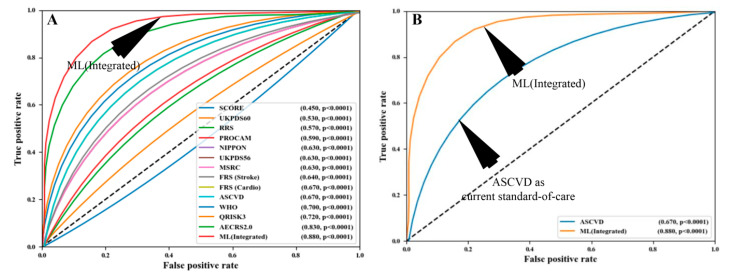
“0ML with (A) 13 types of CCVRC and (B) the standard-of-care ASCVD calculator [131].”
MethodRetson, T., & Eghtedari, M. (2020) · Current Radiology Reports · doi:10.1007/s40134-020-00350-6 · Cited by 13
Carotid Ultrasound Screening Programs in Rural Communities: A Systematic Review
Petrova, M., Kiat, H., Gavino, A., & McLachlan, C. S. (2021) · Journal of Personalized Medicine · doi:10.3390/jpm11090897 · Cited by 11 · cited 1×
“It is also important to note that the database contains specific regional patient characteristics; as a result, the model may under or overestimate diagnosis and treatment findings for different ethnicities or comorbidities [164].”
BackgroundRothstein, J. D., Berry, J. D., Svendsen, C. N., et al. (2020) · Research Square · doi:10.21203/rs.3.rs-96858/v1 · Cited by 9
El-Baz, A. S., & Suri, J. S. (2021) · Chapman & Hall/CRC eBooks · doi:10.1201/9781315101323 · Cited by 9
Self-citationMedical Device Artificial Intelligence: The New Tort Frontier
Tschider, C. (2021) · BYU Law Library (Brigham Young University) · Cited by 6
The ability of Micropure® ultrasound technique to identify microcalcifications in carotid plaques
Ruan, W., He, Y., Shao, X., Yang, S. R., Li, X., Ding, J., Hua, F., & Lian, X. (2020) · Clinical Neurology and Neurosurgery · doi:10.1016/j.clineuro.2020.106401 · Cited by 5
Insights into Futuristic Renal Medicine
Ali, A. (2021) · Saudi Journal of Kidney Diseases and Transplantation · doi:10.4103/1319-2442.338301 · Cited by 5 · cited 3×
“[188] presented study of renal medicine will change as a result of the applications of regenerative medicine, nanotechnology, genomics, artificial intelligence, 3D organ bioprinting, and smartphone applications.”
BackgroundInfluentialMesquita, P. N., Maia, J. M. C., Andrade, S. R. D. L., & Bandeira, F. A. F. (2022) · Springer eBooks · doi:10.1007/978-3-030-90684-9_24 · Cited by 5
CT radiomics for predicting PD-L1 expression on tumor cells in gastric cancerPreprint
Xu, M., Qiao, X., Liu, S., ZhengLiang, L., Ji, C., Li, H., Shi, T., Li, L., Gu, Q., Zhou, K., et al. (2021) · Research Square · doi:10.21203/rs.3.rs-52520/v3 · Cited by 4 · cited 4×
“This results in a reduction in the total amount of time spent performing tasks that are repetitive and laborious, while simultaneously boosting both efficiency and productivity [145,146].”
BackgroundInfluentialDefining health and reorganizing medicine
Salmon, J. W. (2022) · Routledge eBooks · doi:10.4324/9781003294900-10 · Cited by 4
Carotid Ultrasound Screening Programs in Rural Communities: A Systematic ReviewPreprint
Petrova, M., Kiat, H., Gavino, A., & McLachlan, C. S. (2021) · SSRN Electronic Journal · doi:10.2139/ssrn.3766777 · Cited by 3
Automatic Retinal Image Analysis to Triage Retinal Pathologies
Chalakkal, R. J. (2019) · ResearchSpace (University of Auckland) · Cited by 3
Prasad, V. V. K. D. V., Razia, S., & Gutta, S. (2022) · ECS Transactions · doi:10.1149/10701.19949ecst · Cited by 2 · cited 1×
“Providers, payers, and pharmaceutical companies all stand to benefit, which may affect a wide range of administrative and clinical processes [83].”
BackgroundSilva, F. C. S., & Aras, R. (2022) · Ultrasound Quarterly · doi:10.1097/ruq.0000000000000610 · Cited by 2
Paraskevas, K. I., Suri, J. S., Saba, L., & Mikhailidis, D. P. (2022) · Current Vascular Pharmacology · doi:10.2174/1570161120666220919095729 · Cited by 2
Self-citation
Research works printed but not linked: 6
- Suri J.S. Mind of An Innovator Stalk. Artic. 2022 1 1
- Johri A.M. Mantella L.E. Jamthikar A.D. Saba L. Suri J.S. Artificial Intelligence-based Survival Analysis and Coronary Artery Disease Prediction using a combination of Carotid B-model Image Phenotypes and Intraplaque Neovascularization Int. J. Cardiovasc. Imaging 2021 112–121 2021
- Dick R.S. Steen E.B. Detmer D.E. The Computer-Based Patient Record: An Essential Technology for Health Care National Academies Press Washington, DC, USA 1997 112 123 25121222
- Saba L. Suri J.S. Multi-Detector CT Imaging: ABDOMEN, Pelvis, and CAD Applications CRC Press Boca Raton, FL, USA 2013
- Zhu M. Gupta S. To prune, or not to prune: Exploring the efficacy of pruning for model compression arXiv 2017 1710.01878
- Smith A. Anderson J. AI, Robotics, and the Future of Jobs Pew Res. Cent. 2014 6 51
Cited by
Lekadir, K., Frangi, A. F., Porras, A. R., Glocker, B., Cintas, C., Langlotz, C. P., Weicken, E., Asselbergs, F. W., Prior, F., Collins, G. S., et al. (2025) · BMJ · doi:10.1136/bmj-2024-081554 · Cited by 957
Palaniappan, K., Lin, E. Y. T., & Vogel, S. (2024) · Healthcare · doi:10.3390/healthcare12050562 · Cited by 301
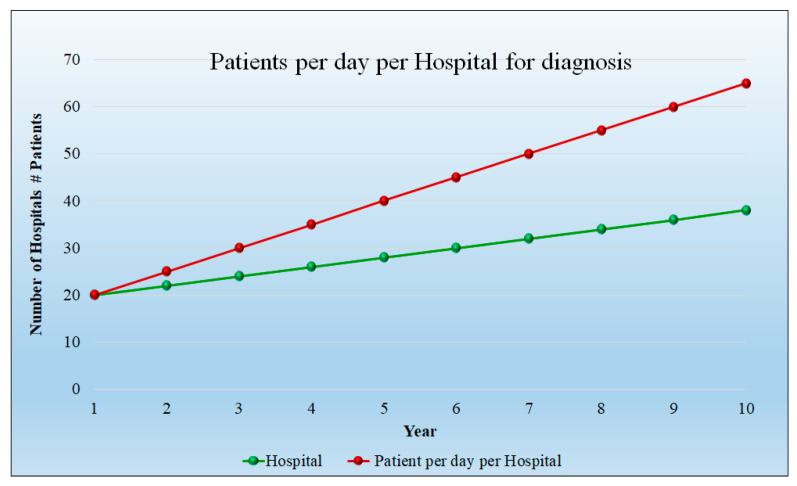
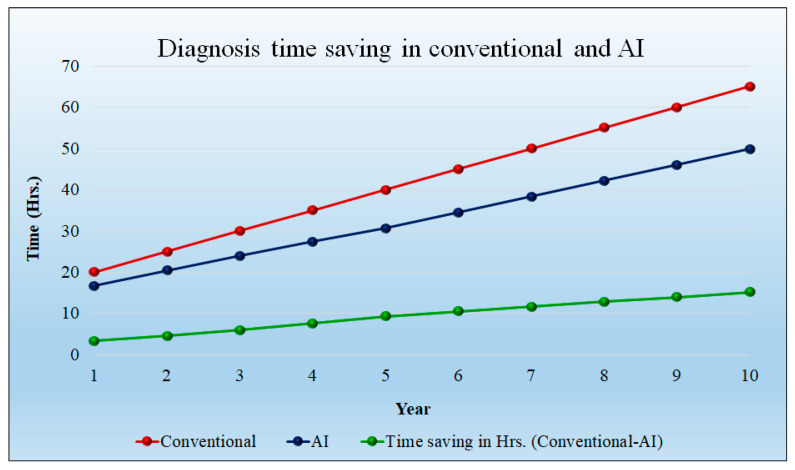
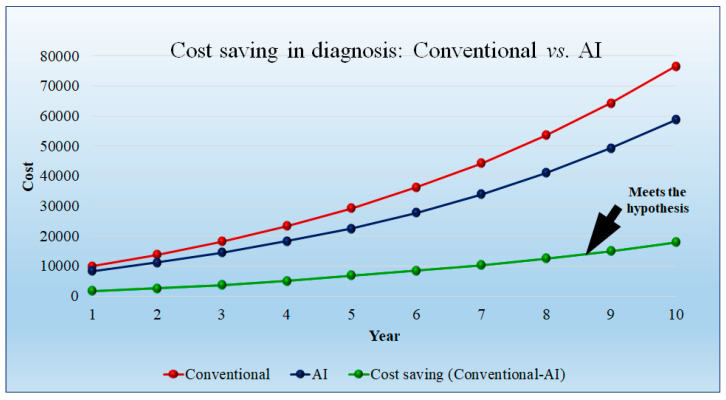
“…range of USD 1666 per day per hospital in the first year to about USD 17,881 per day per hospital in the tenth year and cost savings in treatment in the range of USD 21,666.67 per day per hospital in the first year to about USD 289,634.83 per day per hospital in the tenth year were observed [39].”
BackgroundInfluentialThe role of agentic AI in shaping a smart future: A systematic review
Hosseini, S., & Seilani, H. (2025) · Array · doi:10.1016/j.array.2025.100399 · Cited by 280
Parvin, N., Aslam, M., Joo, S., & Mandal, T. K. (2025) · Molecules · doi:10.3390/molecules30153177 · Cited by 201
“Economic evaluations must consider not only manufacturing expenses but also potential healthcare savings through improved efficacy, reduced side effects, and decreased dosing frequency [245].”
Nouis, S. C., Uren, V. S., & Jariwala, S. (2025) · BMC Medical Ethics · doi:10.1186/s12910-025-01243-z · Cited by 187
“Participants highlighted the ability of AI systems to minimize idle time and streamline processes, echoing prior research indicating that AI can diminish manual labor and human error, ultimately leading to cost savings [5, 25].”
Metadata
- Authors
- Khanna, N. N., Maindarkar, M. A., Viswanathan, V., Fernandes, J. F. E., Paul, S., Bhagawati, M., Ahluwalia, P., Ruzsa, Z., Sharma, A., Kolluri, R., Singh, I. M., Laird, J. R., Fatemi, M., Alizad, A., Saba, L., Agarwal, V., Sharma, A., Teji, J. S., Al-Maini, M., Rathore, V., Naidu, S., Liblik, K., Johri, A. M., Turk, M., Mohanty, L., Sobel, D. W., Miner, M., Viskovic, K., Tsoulfas, G., Protogerou, A. D., Kitas, G. D., Fouda, M. M., Chaturvedi, S., Kalra, M. K., & Suri, J. S.
- Affiliations
- Indraprastha Apollo Hospitals (IN)
- North Eastern Hill University (IN)
- M.V. Hospital for Diabetes and Diabetes Research Centre (IN)
- Department of Vascular Surgery, University of Lisbon, 1649-004 Lisbon, Portugal
- Max Super Speciality Hospital (IN)
- Invasive Cardiology Division, Faculty of Medicine, University of Szeged, 6720 Szeged, Hungary
- Sanjay Gandhi Post Graduate Institute of Medical Sciences (IN)
- OhioHealth (US)
- Stroke Monitoring and Diagnostic Division, AtheroPoint™, Roseville, CA 95661, USA
- St. Helena Hospital (US)
- Mayo Clinic (US)
- Azienda Ospedaliero-Universitaria Cagliari (IT)
- Lurie Children's Hospital (US)
- Allergy, Clinical Immunology and Rheumatology Institute, Toronto, ON L4Z 4C4, Canada
- AtheroPoint LLC, Roseville, CA 95661, USA
- University of Minnesota, Duluth (US)
- Queen's University (CA)
- Institute for Advanced Study (DE)
- ABES Engineering College (IN)
- National and Kapodistrian University of Athens (GR)
- Miriam Hospital (US)
- Department of Radiology and Ultrasound, University Hospital for Infectious Diseases, 10000 Zagreb, Croatia
- Aristotle University of Thessaloniki (GR)
- Cardiovascular Prevention and Research Unit, Department of Pathophysiology, National & Kapodistrian University of Athens, 15772 Athens, Greece
- Dudley Group NHS Foundation Trust (GB)
- Idaho State University (US)
- University of Maryland, Baltimore (US)
- Harvard University (US)
- Corresponding author
- Suri, Jasjit S.
- ORCID
- Khanna, Narendra N.
- Maindarkar, Mahesh A.
- Viswanathan, Vijay
- Paul, Sudip
- Bhagawati, Mrinalini
- Ahluwalia, Puneet
- Ruzsa, Zoltan
- Sharma, Aditya
- Kolluri, Raghu
- Singh, Inder M.
- Laird, John R.
- Fatemi, Mostafa
- Alizad, Azra
- Saba, Luca
- Agarwal, Vikas
- Sharma, Aman
- Teji, Jagjit S.
- Al-Maini, Mustafa
- Rathore, Vijay
- Naidu, Subbaram
- Liblik, Kiera
- Johri, Amer M.
- Mohanty, Lopamudra
- Sobel, David W.
- Miner, Martin
- Tsoulfas, George
- Protogerou, Athanasios D.
- Kitas, George D.
- Fouda, Mostafa M.
- Chaturvedi, Seemant
- Kalra, Mannudeep K.
- Suri, Jasjit S.
- Venue
- Healthcare
- Publisher
- MDPI AG
- Published
- 2022-12-09
- Volume
- 10
- Issue
- 12
- Pages
- 2493
- ISSN
- 2227-9032 (ISSN-L)
- PMC
- PMC9777836
- OpenAlex
- W4312000342
- Semantic Scholar
- ceccd431fe9588ad93821e8aaf3ec1e076bb3010
- Cited by
- 347
- References
- 198
- Citations by year
- 2026: 65 · 2025: 157 · 2024: 70 · 2023: 54 · 2022: 1
- FWCI
- 21.26
- Type
- journal article
- Language
- en
- Open access
- gold
- doi.org
- Licence
- Locations
- Healthcare (publishedVersion, cc-by)
- PubMed Central (publishedVersion, cc-by)
- PubMed (publishedVersion)
- SZTE Publicatio Repozitórium (University of Szeged) (acceptedVersion, other-oa)
- DOAJ (DOAJ: Directory of Open Access Journals) (submittedVersion, cc-by-sa)
- UNICA IRIS Institutional Research Information System (University of Cagliari) (submittedVersion, other-oa)
- Topics
- Health Sciences › Medicine › Health Informatics › Artificial Intelligence in Healthcare and Education
- Health Sciences › Health Professions › Health Information Management › Artificial Intelligence in Healthcare
- Social Sciences › Economics, Econometrics and Finance › Economics and Econometrics › Health Systems, Economic Evaluations, Quality of Life
- Keywords
- artificial intelligence in healthcare, health care costs, diagnosis, medical treatment, cost reduction, model pruning, algorithmic bias, explainability, comparison with conventional methods
About these checks
Registry, retraction, Cites and statistics results are computed, not judged, with one exception: a printed reference that no index lists is read once by a model before it counts as a citation error. Claims are extracted by a model and kept only when their quote appears verbatim in the text; each cited source is then checked, with a model’s help, for whether it says what the claim relies on. Those verdicts can be wrong — read the claim’s quote and the cited source before relying on one.
Statistics and arithmetic are recomputed, not judged.
Confidence bands are shown only for fields calibrated on our annotated test set. None is calibrated yet, so no band is shown.
What counts as a claim ›How we measure confidence ›How we check this ›
Are you an author, or do you see a problem with this page? Request a review
Data sources
Bibliographic data: Semantic Scholar, OpenAlex, Crossref.
Contains information from the Semantic Scholar Academic Graph Datasets, made available under the ODC Attribution License (ODC-BY 1.0).
Semantic Scholar’s data is described in: Kinney, R., et al. (2023). The Semantic Scholar Open Data Platform. arXiv:2301.10140.
