

Economics of Artificial Intelligence in Healthcare: Diagnosis vs. Treatment
Open accessThe DOI matches its Crossref record; 195 of the 198 references it cites were found in a registry or an index.
Abstract
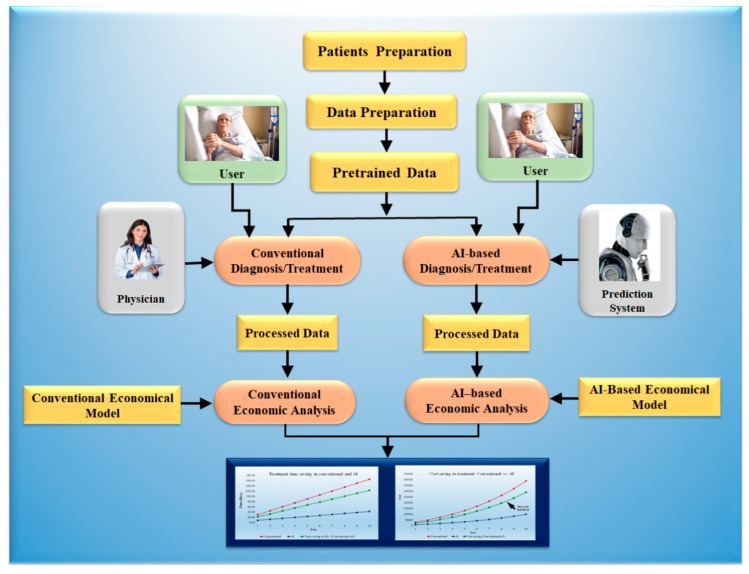
Motivation: The price of medical treatment continues to rise due to (i) an increasing population; (ii) an aging human growth; (iii) disease prevalence; (iv) a rise in the frequency of patients that utilize health care services; and (v) increase in the price. Objective: Artificial Intelligence (AI) is already well-known for its superiority in various healthcare applications, including the segmentation of lesions in images, speech recognition, smartphone personal assistants, navigation, ride-sharing apps, and many more. Our study is based on two hypotheses: (i) AI offers more economic solutions compared to conventional methods; (ii) AI treatment offers stronger economics compared to AI diagnosis. This novel study aims to evaluate AI technology in the context of healthcare costs, namely in the areas of diagnosis and treatment, and then compare it to the traditional or non-AI-based approaches. Methodology: PRISMA was used to select the best 200 studies for AI in healthcare with a primary focus on cost reduction, especially towards diagnosis and treatment. We defined the diagnosis and treatment architectures, investigated their characteristics, and categorized the roles that AI plays in the diagnostic and therapeutic paradigms. We experimented with various combinations of different assumptions by integrating AI and then comparing it against conventional costs. Lastly, we dwell on three powerful future concepts of AI, namely, pruning, bias, explainability, and regulatory approvals of AI systems. Conclusions: The model shows tremendous cost savings using AI tools in diagnosis and treatment. The economics of AI can be improved by incorporating pruning, reduction in AI bias, explainability, and regulatory approvals.
Overview
The claims and statistics of this paper haven’t been checked yet.
Free: it reads the open-access text and checks the first 5 claims that cite a source we can check. Create a free account to check every claim.
Integrity signals
Registry
Cites
Statistics
Figures
Verification
Claims the paper makes
The claims and statistics of this paper haven’t been checked yet.
Free: it reads the open-access text and checks the first 5 claims that cite a source we can check. Create a free account to check every claim.
Claims other papers make about this one
Each is checked against this paper’s own text: does it say what the citing paper says it does?
The cited source says what the claim attributes to it.
In the citing paper
“Regulatory constraints may also play a role, as seen in sectors like healthcare, where AI integration faces compliance hurdles.26”
From The widespread adoption of large language model-assisted writing across society (2025) · cites this paper as [26]
Self-check
Percentages, sums and reported differences re-computed from the paper’s own numbers.
The self-check needs the paper’s full text.
Citations
Cites
Deep learning in medical image analysis
Shen, D., Wu, G., & Suk, H.-I. (2017) · Annual Review of Biomedical Engineering · doi:10.1146/annurev-bioeng-071516-044442 · Cited by 4,968 · cited 2×
“CNN can employ high‐level features to diagnose medical conditions [39,134].”
BackgroundMethodThe potential for artificial intelligence in healthcare
Davenport, T., & Kalakota, R. (2019) · Future Healthcare Journal · doi:10.7861/futurehosp.6-2-94 · Cited by 3,800
An introduction to kernel-based learning algorithms
Muller, K.-R., Mika, S., Ratsch, G., Tsuda, K., & Scholkopf, B. (2001) · IEEE Transactions on Neural Networks · doi:10.1109/72.914517 · Cited by 3,473
(1989) · Cited by 3,214
ARTIFICIAL INTELLIGENCE FOR THE REAL WORLD
(2023) · International Research Journal of Modernization in Engineering Technology and Science · doi:10.56726/irjmets42512 · Cited by 1,434 · cited 1×
“However, static or increasing human employment means that AI technologies are unlikely to significantly cut the costs of medical diagnosis and treatment throughout that timeframe [197].”
BackgroundLiu, X., Cruz Rivera, S., Moher, D., Calvert, M. J., Denniston, A. K., The SPIRIT-AI and CONSORT-AI Working Group, SPIRIT-AI and CONSORT-AI Steering Group, Chan, A.-W., Darzi, A., Holmes, C., et al. (2020) · Nature Medicine · doi:10.1038/s41591-020-1034-x · Cited by 1,421
Can machine-learning improve cardiovascular risk prediction using routine clinical data?
Weng, S. F., Reps, J., Kai, J., Garibaldi, J. M., & Qureshi, N. (2017) · PLOS ONE · doi:10.1371/journal.pone.0174944 · Cited by 1,346
Lung pattern classification for interstitial lung diseases using a deep convolutional neural network
Anthimopoulos, M., Christodoulidis, S., Ebner, L., Christe, A., & Mougiakakou, S. (2016) · IEEE Transactions on Medical Imaging · doi:10.1109/tmi.2016.2535865 · Cited by 1,343 · cited 2×
“Medical image analysis can benefit from DL techniques such as classification and feature extraction [132].”
MethodBenjamens, S., Dhunnoo, P., & Meskó, B. (2020) · npj Digital Medicine · doi:10.1038/s41746-020-00324-0 · Cited by 1,215
Global healthcare expenditure on diabetes for 2010 and 2030
Zhang, P., Zhang, X., Brown, J., Vistisen, D., Sicree, R., Shaw, J., & Nichols, G. (2010) · Diabetes Research and Clinical Practice · doi:10.1016/j.diabres.2010.01.026 · Cited by 1,145
Research works printed but not linked: 6
- Suri J.S. Mind of An Innovator Stalk. Artic. 2022 1 1
- Johri A.M. Mantella L.E. Jamthikar A.D. Saba L. Suri J.S. Artificial Intelligence-based Survival Analysis and Coronary Artery Disease Prediction using a combination of Carotid B-model Image Phenotypes and Intraplaque Neovascularization Int. J. Cardiovasc. Imaging 2021 112–121 2021
- Dick R.S. Steen E.B. Detmer D.E. The Computer-Based Patient Record: An Essential Technology for Health Care National Academies Press Washington, DC, USA 1997 112 123 25121222
- Saba L. Suri J.S. Multi-Detector CT Imaging: ABDOMEN, Pelvis, and CAD Applications CRC Press Boca Raton, FL, USA 2013
- Zhu M. Gupta S. To prune, or not to prune: Exploring the efficacy of pruning for model compression arXiv 2017 1710.01878
- Smith A. Anderson J. AI, Robotics, and the Future of Jobs Pew Res. Cent. 2014 6 51
Cited by
Lekadir, K., Frangi, A. F., Porras, A. R., Glocker, B., Cintas, C., Langlotz, C. P., Weicken, E., Asselbergs, F. W., Prior, F., Collins, G. S., et al. (2025) · BMJ · doi:10.1136/bmj-2024-081554 · Cited by 957
Palaniappan, K., Lin, E. Y. T., & Vogel, S. (2024) · Healthcare · doi:10.3390/healthcare12050562 · Cited by 301
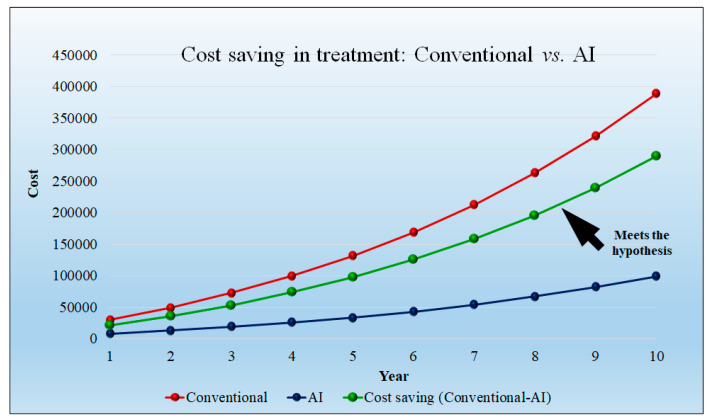
“…range of USD 1666 per day per hospital in the first year to about USD 17,881 per day per hospital in the tenth year and cost savings in treatment in the range of USD 21,666.67 per day per hospital in the first year to about USD 289,634.83 per day per hospital in the tenth year were observed [39].”
BackgroundInfluentialThe role of agentic AI in shaping a smart future: A systematic review
Hosseini, S., & Seilani, H. (2025) · Array · doi:10.1016/j.array.2025.100399 · Cited by 280
Parvin, N., Aslam, M., Joo, S., & Mandal, T. K. (2025) · Molecules · doi:10.3390/molecules30153177 · Cited by 201
“Economic evaluations must consider not only manufacturing expenses but also potential healthcare savings through improved efficacy, reduced side effects, and decreased dosing frequency [245].”
Nouis, S. C., Uren, V. S., & Jariwala, S. (2025) · BMC Medical Ethics · doi:10.1186/s12910-025-01243-z · Cited by 187
“Participants highlighted the ability of AI systems to minimize idle time and streamline processes, echoing prior research indicating that AI can diminish manual labor and human error, ultimately leading to cost savings [5, 25].”
Gala, D., Behl, H., Shah, M., & Makaryus, A. N. (2024) · Healthcare · doi:10.3390/healthcare12040481 · Cited by 183
Artificial intelligence in healthcare delivery: Prospects and pitfalls
Olawade, D. B., David-Olawade, A. C., Wada, O. Z., Asaolu, A. J., Adereni, T., & Ling, J. (2024) · Journal of Medicine, Surgery, and Public Health · doi:10.1016/j.glmedi.2024.100108 · Cited by 180
Singh, M., Kumar, A., Khanna, N. N., Laird, J. R., Nicolaides, A., Faa, G., Johri, A. M., Mantella, L. E., Fernandes, J. F. E., Teji, J. S., et al. (2024) · eClinicalMedicine · doi:10.1016/j.eclinm.2024.102660 · Cited by 163
Self-citationYim, D., Khuntia, J., Parameswaran, V., & Meyers, A. (2024) · JMIR Medical Informatics · doi:10.2196/52073 · Cited by 118
“Given the mixed evidence in previous research on the role of technology in services [28,43,44], it is timely to assess to what extent GenAI may even have a role in shaping or disrupting health care services.”
Systematic review of cost effectiveness and budget impact of artificial intelligence in healthcare
El Arab, R. A., & Al Moosa, O. A. (2025) · npj Digital Medicine · doi:10.1038/s41746-025-01722-y · Cited by 149
Dailah, H. G., Koriri, M. D., Sabei, A., Kriry, T., & Zakri, M. (2024) · Healthcare · doi:10.3390/healthcare12242555 · Cited by 152
Han, X., Xiao, S., Sheng, J., & Zhang, G. (2024) · Journal of the Knowledge Economy · doi:10.1007/s13132-024-01868-2 · Cited by 122
“AI-driven systems can expedite expense reimbursement processes by employing image recognition and electronic approval features, significantly reducing time and effort (Khanna et al., 2022).”
RetractedKumar, K., Kumar, P., Deb, D., Ungureșan, M.-L., & Mureşan, V. (2023) · Healthcare · doi:10.3390/healthcare11020207 · Cited by 122
Generative artificial intelligence in medicine
Teo, Z. L., Thirunavukarasu, A. J., Elangovan, K., Cheng, H., Moova, P., Soetikno, B., Nielsen, C., Pollreisz, A., Ting, D. S. J., Morris, R. J. T., et al. (2025) · Nature Medicine · doi:10.1038/s41591-025-03983-2 · Cited by 119
“Finally, health economic analysis is an essential precursor to deployment—particularly in view of the substantial resource requirement for many GAI systems 164 .”
Alobaidi, S. A. (2025) · Diagnostics · doi:10.3390/diagnostics15101225 · Cited by 114
“Studies emphasize that without clear financial incentives, healthcare institutions may hesitate to invest in these technologies [106].”
Leadership for AI Transformation in Health Care Organization: Scoping Review
Sriharan, A., Sekercioglu, N., Mitchell, C., Senkaiahliyan, S., Hertelendy, A. J., Porter, T. H., & Banaszak‐Holl, J. (2024) · Journal of Medical Internet Research · doi:10.2196/54556 · Cited by 97
“The lack of strategy and strategic failures in AI integration not only have financial consequences for organizations but also erode trust among patients, providers, and organizations [17].”
Lindroth, H. L., Nalaie, K., Raghu, R., Ayala, I. N., Busch, C., Bhattacharyya, A., Franco, P. M., Diedrich, D. A., Pickering, B. W., & Herasevich, V. (2024) · Journal of Imaging · doi:10.3390/jimaging10040081 · Cited by 87
“A recent review studied how artificial intelligence models could result in healthcare cost savings over several years [258].”
BackgroundArtificial intelligence to improve cardiovascular population health
Meder, B., Asselbergs, F. W., & Ashley, E. A. (2025) · European Heart Journal · doi:10.1093/eurheartj/ehaf125 · Cited by 82
Large language models in biomedicine and healthcare
Zhou, J., Li, H., Chen, S., Chen, Z., Han, Z., & Gao, X. (2025) · Yearbook of pediatric endocrinology · doi:10.1038/s44387-025-00047-1 · Cited by 77
How Artificial Intelligence is altering the nursing workforce
Yakusheva, O., Bouvier, M. J., & Hagopian, C. O. P. (2024) · Nursing Outlook · doi:10.1016/j.outlook.2024.102300 · Cited by 67
AI in Indian healthcare: From roadmap to reality
Das, S. K., Dasgupta, R. K., Roy, S. D., & Shil, D. (2024) · Intelligent Pharmacy · doi:10.1016/j.ipha.2024.02.005 · Cited by 68
Arab, R. A. E., Moosa, O. A. A., & Sagbakken, M. (2025) · Frontiers in Public Health · doi:10.3389/fpubh.2025.1617138 · Cited by 67
“Empirical economic analyses, including those by Khanna et al. (53) and Moro-Visconti et al. (44), applied robust economic modeling techniques and sensitivity analyses, underscoring the potential of integrating economic evaluations into the broader AI healthcare literature.”
Čartolovni, A., Malešević, A., & Poslon, L. (2023) · DIGITAL HEALTH · doi:10.1177/20552076231220833 · Cited by 48
Radaelli, D., Di Maria, S., Jakovski, Z., Alempijevic, D., Al-Habash, I., Concato, M., Bolcato, M., & D’Errico, S. (2024) · Healthcare · doi:10.3390/healthcare12191996 · Cited by 37
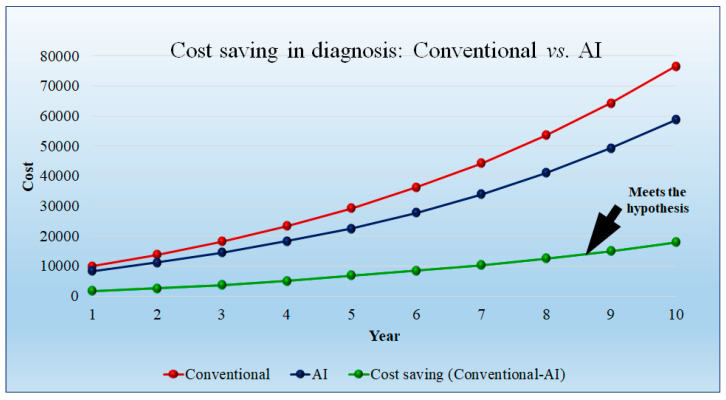
“Translated in economic terms, savings would amount to 17,881 USD and 289,634 USD per day per hospital, respectively [60].”
BackgroundO'Reilly, D., McGrath, J., & Martin-Loeches, I. (2024) · Journal of Intensive Medicine · doi:10.1016/j.jointm.2023.10.001 · Cited by 55
Machine Learning Operations in Health Care: A Scoping Review
Rajagopal, A., Ayanian, S., Ryu, A. J., Qian, R., Legler, S. R., Peeler, E. A., Issa, M., Coons, T. J., & Kawamoto, K. (2024) · Mayo Clinic Proceedings: Digital Health · doi:10.1016/j.mcpdig.2024.06.009 · Cited by 52
“130 However, we recommend that speci fi c categories of fi nancial factors to consider include the following: 82 First, there is (1) the initial cost to develop a model, followed by (2) the costs of implementing the model in the real-world.”
Al-Maini, M., Maindarkar, M. A., Kitas, G. D., Khanna, N. N., Misra, D. P., Johri, A. M., Mantella, L. E., Agarwal, V., Sharma, A., Singh, I. M., et al. (2023) · Rheumatology International · doi:10.1007/s00296-023-05415-1 · Cited by 51
“These interpretability tools open doors for broader acceptance of AI models in the medical field, ultimately leading to improvements and cost-effectiveness [152] stratification.”
BackgroundSelf-citationShin, Y., Lee, M., Lee, Y. K., Kim, K., & Kim, T. J. (2025) · Life · doi:10.3390/life15040654 · Cited by 50
Cardiovascular Care Innovation through Data-Driven Discoveries in the Electronic Health Record
Dhingra, L. S., Shen, M., Mangla, A., & Khera, R. (2023) · The American Journal of Cardiology · doi:10.1016/j.amjcard.2023.06.104 · Cited by 47
Germain, D. P., Gruson, D., Malcles, M., & Garcelon, N. (2025) · Orphanet Journal of Rare Diseases · doi:10.1186/s13023-025-03655-x · Cited by 47
“Nonetheless, by facilitating clinical decisions, providing predictions and reducing the sample size required for clinical trials, AI-based systems should ultimately result in cost savings, particularly in areas such as the future development of new therapeutics [102].”
Mottaghi-Dastjerdi, N., & Soltany-Rezaee-Rad, M. (2024) · Iranian journal of pharmaceutical research · doi:10.5812/ijpr-150510 · Cited by 18
Chia, J. L. L., He, G. S., Ngiam, K. Y., Hartman, M., Ng, Q. X., & Goh, S. S. N. (2025) · Cancers · doi:10.3390/cancers17020197 · Cited by 47
“Long-term studies are needed to evaluate whether AI-enhanced care translates into better survival rates, improved quality of life, and reduced healthcare costs [103,104].”
Ethical and social issues related to AI in healthcare
Mondal, H., & Mondal, S. (2024) · Methods in microbiology · doi:10.1016/bs.mim.2024.05.009 · Cited by 44
Chen, C., & Cui, Z. (2025) · Journal of Medical Internet Research · doi:10.2196/66083 · Cited by 46
“This research question is essential because understanding preferences for AI-assis-ted doctors can inform health care policy [24], guide the development of AI technologies in health care, and improve patient health outcomes [6] and satisfaction [25].”
Federico, C. A., & Trotsyuk, A. A. (2024) · Annual Review of Biomedical Data Science · doi:10.1146/annurev-biodatasci-102623-104553 · Cited by 43
AI in Hepatology: Revolutionizing the Diagnosis and Management of Liver Disease
Malik, S., Das, R., Thongtan, T., Thompson, K. M., & Dbouk, N. (2024) · Journal of Clinical Medicine · doi:10.3390/jcm13247833 · Cited by 46
“Conducting cost-effectiveness analyses will be vital to determine whether AI tools deliver sufficient clinical benefits to justify their financial impact, particularly in resource-limited settings [117,118].”
Critical review of self‐diagnosis of mental health conditions using artificial intelligence
Wimbarti, S., Kairupan, B. H. R., & Tallei, T. E. (2024) · International Journal of Mental Health Nursing · doi:10.1111/inm.13303 · Cited by 42
Tafat, W., Budka, M., McDonald, D. A., & Wainwright, T. W. (2024) · Computational and Structural Biotechnology Reports · doi:10.1016/j.csbr.2024.100006 · Cited by 43
Unlocking Patient Resistance to AI in Healthcare: A Psychological Exploration
Sobaih, A. E. E., Chaibi, A., Brini, R., & Ibrahim, T. M. A. (2025) · European Journal of Investigation in Health Psychology and Education · doi:10.3390/ejihpe15010006 · Cited by 42
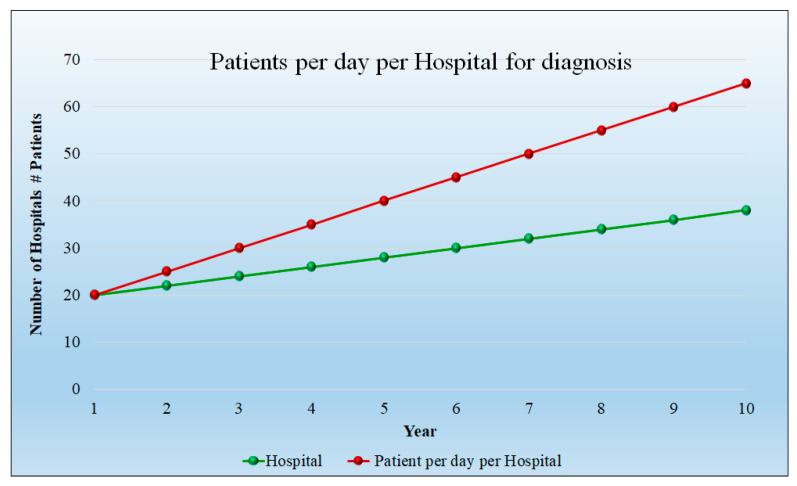
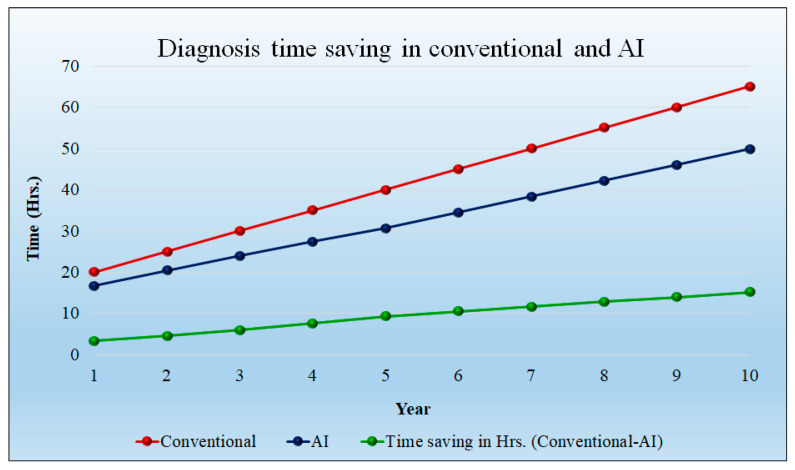
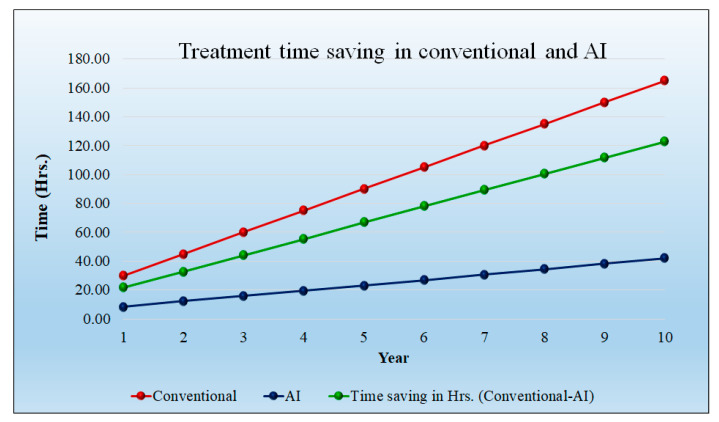
“AI integration in healthcare was found to significantly lower expenditures in comparison to traditional diagnostic approaches, saving from 3.3 and up to 15.2 h per day, and reducing costs by USD 1667 to USD 17,881 per day per hospital (Khanna et al., 2022).”
InfluentialThe Future of Artificial Intelligence in Surgery
Hamilton, A. J. (2024) · Cureus · doi:10.7759/cureus.63699 · Cited by 41
“The application of AI in multiple medical models [93] suggests that the integration of AI in the realms of diagnostic algorithms, treatment architectures, programs of risk reduction and prevention, and improvements in scheduling and patient throughput could effectively reduce healthcare spending in…”
MethodPolygenic Risk Score for Cardiovascular Diseases in Artificial Intelligence Paradigm: A Review
Khanna, N. N., Singh, M., Maindarkar, M. A., Kumar, A., Johri, A. M., Mantella, L. E., Laird, J. R., Paraskevas, K. I., Ruzsa, Z., Singh, N., et al. (2023) · Journal of Korean Medical Science · doi:10.3346/jkms.2023.38.e395 · Cited by 42
Self-citationHow are US hospitals adopting artificial intelligence? Early evidence from 2022
Baten, R. B. A. (2024) · Health Affairs Scholar · doi:10.1093/haschl/qxae123 · Cited by 40
Abdulazeem, H. M., Meckawy, R., Schwarz, S., Novillo-Ortiz, D., & Klug, S. J. (2025) · International Journal of Medical Informatics · doi:10.1016/j.ijmedinf.2025.105945 · Cited by 41
Parsons, C. S., Zuiderwijk, A., Orchard, N. A., Oosterhoff, J. H. F., & de Reuver, M. (2025) · BMC Medical Informatics and Decision Making · doi:10.1186/s12911-025-03237-8 · Cited by 41
“By leveraging multi-source data and machine learning, AI-based clinical decision support systems (AI-CDSSs) personalise patient care and can improve health-care services, thereby reducing healthcare costs [3].”
Recommendations for using artificial intelligence in clinical flow cytometry
Ng, D. P., Simonson, P. D., Tárnok, A., Lucas, F. M., Kern, W., Rolf, N., Bogdanoski, G., Green, C., Brinkman, R. R., & Czechowska, K. (2024) · Cytometry Part B Clinical Cytometry · doi:10.1002/cyto.b.22166 · Cited by 38
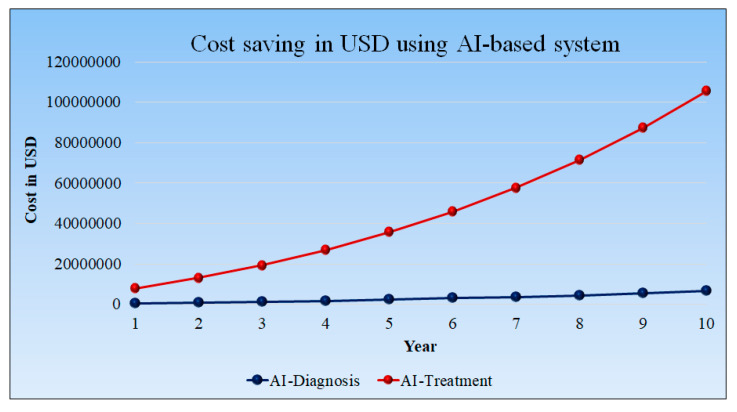
“Recent modeling of AI economics advances is projecting cost savings of hundreds of thousands of dollars per day per hospital when using AI in diagnostics compared to traditional methods (Khanna et al., 2022).”
A critical look into artificial intelligence and healthcare disparities
Li, D. M., Parikh, S., & Costa, A. B. N. (2025) · Frontiers in Artificial Intelligence · doi:10.3389/frai.2025.1545869 · Cited by 38
Aligning Human Knowledge with Visual Concepts Towards Explainable Medical Image Classification
Gao, Y., Gu, D., Zhou, M., & Metaxas, D. (2024) · Lecture notes in computer science · doi:10.1007/978-3-031-72117-5_5 · Cited by 36
The role of AI in mitigating the impact of radiologist shortages: a systematised review
Achour, N., Zapata, T., Saleh, Y., Pierscionek, B. K., Muscat, N. A., Novillo-Ortiz, D., Morgan, C., & Chaouali, M. (2025) · Health and Technology · doi:10.1007/s12553-025-00970-y · Cited by 36
“These use of AI within radiology departments mean that the patient can be set upon the correct clinical pathway more quickly, ulti - mately resulting in improved patient safety and outcomes and reduced insurance costs [26 ].”
Artificial Intelligence and Multiple Sclerosis: Up-to-Date Review
Naji, Y., Mahdaoui, M., Klevor, R., & Kissani, N. (2023) · Cureus · doi:10.7759/cureus.45412 · Cited by 37
“This technology allows early detection of changes in patient conditions, facilitates remote consultations, and enhances patient engagement in self-care, thus leading to improved outcomes and reduced healthcare costs [2,3,5].”
BackgroundThe widespread adoption of large language model-assisted writing across society
Liang, W., Zhang, Y., Codreanu, M., Wang, J., Cao, H., & Zou, J. (2025) · Patterns · doi:10.1016/j.patter.2025.101366 · Cited by 35
Saba, L., Maindarkar, M. A., Johri, A. M., Mantella, L. E., Laird, J. R., Khanna, N. N., Paraskevas, K. I., Ruzsa, Z., Kalra, M. K., Fernandes, J. F. E., et al. (2024) · Reviews in Cardiovascular Medicine · doi:10.31083/j.rcm2505184 · Cited by 35
“As a result, AI devices can be improved and made economic if they can be explained [205].”
BackgroundSelf-citationFuture Use of AI in Diagnostic Medicine: 2-Wave Cross-Sectional Survey Study
Cabral, B. P., Braga, L. A. M., Filho, C. G. C., Penteado, B. E., Silva, S. L. F. D. C., Castro, L., Fornazin, M., & Mota, F. B. (2025) · Journal of Medical Internet Research · doi:10.2196/53892 · Cited by 36
“This efficiency is already leading to cost savings and a reduced burden on the health care system, and there is potential for further reduction of redundant and follow-up tests [84].”
Exploring the integration of artificial intelligence in radiology education: A scoping review
Hui, M. L., Sacoransky, E., Chung, A., & Kwan, B. Y. (2024) · Current Problems in Diagnostic Radiology · doi:10.1067/j.cpradiol.2024.10.012 · Cited by 31
AI washing: A conceptual exploration
Elhajjar, S., & Itani, O. S. (2025) · AMS Review · doi:10.1007/s13162-025-00323-y · Cited by 31
“…AI-driven recommendation engines are widely used by e-commerce companies to personalize shopping experiences (Acharya et al., 2023), while AI algorithms in healthcare have been designed to assist doctors in diagnosing diseases more accurately (Davenport & Ronanki, 2018; Khanna et al., 2022).”
The Role of Virtual Triage in Improving Clinician Experience and Satisfaction: A Narrative Review
Gellert, G. A., Rasławska-Socha, J., Marcjasz, N., Price, T. J., Heyduk, A., Młodawska, A., Kuszczyński, K., Jędruch, A., & Orzechowski, P. D. (2023) · Telemedicine Reports · doi:10.1089/tmr.2023.0020 · Cited by 31
“Technological solutions optimize clinician workflows and time, increase efficiency, and reduce risk of medical errors.(13,14) VT has potential to reduce clinician frustration with redundant or inappropriate patient visits, for example, when patients are improperly referred to a specialist, or referred for health probl…”
BackgroundAlnasser, B. (2023) · E-Health Telecommunication Systems and Networks · doi:10.4236/etsn.2023.123003 · Cited by 32
AI-assisted ophthalmic imaging for early detection of neurodegenerative diseases
Tukur, H. N., Uwishema, O., Akbay, H., Sheikhah, D., & Correia, I. F. S. (2025) · International Journal of Emergency Medicine · doi:10.1186/s12245-025-00870-y · Cited by 30
“Although the initial investments in AI technologies may be substantial, these costs could be offset over time through earlier disease detection with increased diagnostic efficiency [40].”
Health Equity Considerations in the Age of Artificial Intelligence
Budhu, J. A., Anderson, N., Branson, C. O., Dy-Hollins, M., Jiménez-Gómez, A., Nearing, K. I., Vélez, F. G. S., Staisch, J., Wabulya, A., & Mendizabal, A. (2025) · Neurology · doi:10.1212/wnl.0000000000214356 · Cited by 30
“14 These tools will be important in resource-limited and time-limited settings, allowing marginalized communities receiving care in safety net systems and rural areas to be quickly referred to specialty neurology services.”
Smart CAR-T Nanosymbionts: archetypes and proto-models
Baena, J. C., Victoria, J. S., Toro-Pedroza, A., Aragón, C. C., Ortiz‐Guzman, J., García-Robledo, J. E., Torres, D., Ríos-Serna, L. J., Albornóz, L. L., Rosales, J. D., et al. (2025) · Frontiers in Immunology · doi:10.3389/fimmu.2025.1635159 · Cited by 29
Revolutionizing hematological disorder diagnosis: unraveling the role of artificial intelligence
Obeagu, E. I. (2025) · Annals of Medicine and Surgery · doi:10.1097/ms9.0000000000003227 · Cited by 28
“The adoption of AI in hematological diagnostics is leading to significant cost savings and efficiency improvements across healthcare systems [ 19 ] .”
InfluentialApplications of Multimodal Artificial Intelligence in Non-Hodgkin Lymphoma B Cells
Isavand, P., Aghamiri, S. S., & Amin, R. (2024) · Biomedicines · doi:10.3390/biomedicines12081753 · Cited by 28
“Despite these initial costs, the long-term benefits of improved patient care and operational efficiency underscore the value of investing in multimodal AI for healthcare [130].”
BackgroundBaghbani, S., Mehrabi, Y., Movahedinia, M., Nejad, E. B., Joshaghanian, M. A., Amiri, S., & Shahrezaee, M. (2025) · Journal of Robotic Surgery · doi:10.1007/s11701-025-02561-5 · Cited by 26
“Beyond diagnosis and surgery, AI can significantly impact healthcare systems by reducing human errors, increasing the speed of recovery, and consequently shortening hospitalization [66, 74, 129].”
The Value of Clinical Decision Support in Healthcare: A Focus on Screening and Early Detection
Schäfer, H., Lajmi, N., Valente, P., Pedrioli, A., Cigoianu, D., Hoehne, B., Schenk, M., Guo, C., Singhrao, R., Gmuer, D., et al. (2025) · Diagnostics · doi:10.3390/diagnostics15050648 · Cited by 26
“In addition, AI efficiently processes and analyzes data in real time, thereby saving time and resources [3].”
Challenges for AI in Healthcare Systems
Bertl, M., Lamo, Y., Leucker, M., Margaria, T., Mohammadi, E., Mukhiya, S. K., Pechmann, L., Piho, G., & Rabbi, F. (2024) · Lecture notes in computer science · doi:10.1007/978-3-031-73741-1_11 · Cited by 26
Yang, H., Zhu, D., He, S., Xu, Z., Liu, Z., Zhang, W., & Cai, J. (2024) · Psychiatry Research · doi:10.1016/j.psychres.2024.115896 · Cited by 24
Reshadi, M. S., & Chehragh, A. M. (2025) · AI & Society · doi:10.1007/s00146-024-02178-6 · Cited by 27
“Furthermore, a profit-driven strategy that puts monetary gain ahead of patient welfare may result from the commercialization of healthcare using AI (Khanna, et al. 2022; Rashid and Kausik 2024).”
Evaluating AI performance in nephrology triage and subspecialty referrals
Koirala, P., Thongprayoon, C., Miao, J., Valencia, O. A. G., Sheikh, M. S., Suppadungsuk, S., Mao, M. A., Pham, J. H., Craici, I. M., & Cheungpasitporn, W. (2025) · Scientific Reports · doi:10.1038/s41598-025-88074-5 · Cited by 24
“However, the potential benefits of AI-assisted triage in nephrology, such as improved efficiency, reduced wait times, the ability to reallocate healthcare staff time, and decreasing healthcare staff burden and burnout, may contribute to long-term cost savings for healthcare systems 39,40 .”
de Almeida, J. G., Messiou, C., Withey, S. J., Matos, C., Koh, D.-M., & Papanikolaou, N. (2025) · European Radiology · doi:10.1007/s00330-025-11654-6 · Cited by 23
Ma, S., Zhang, M., Sun, W., Gao, Y., Jing, M., Gao, L., & Wu, Z. (2025) · Healthcare and Rehabilitation · doi:10.1016/j.hcr.2024.100006 · Cited by 23
“120 Moreover, AI can facilitate timely diagnosis and treatment adjustments, significantly improving patient outcomes.”
Transforming the Healthcare Revenue Cycle with Artificial Intelligence in the USA
Adeleke, O., & Ajayi, S. A.-O. (2024) · International Journal of Multidisciplinary Research and Growth Evaluation · doi:10.54660/.ijmrge.2024.5.3.1069-1083 · Cited by 23
Chow, W., Venkataraman, N., Oh, H. C., Ramanathan, S., Sridharan, S., Arish, S. M., Wong, K. C., Hay, K. K. X., Hoo, J. F., Tan, W. H. L., et al. (2025) · Singapore Medical Journal · doi:10.4103/singaporemedj.smj-2025-066 · Cited by 22
Loaiza‐Bonilla, A., Thaker, N. G., Chung, C. D., Parikh, R. B., Stapleton, S., & Borkowski, P. (2025) · American Society of Clinical Oncology Educational Book · doi:10.1200/edbk-25-100048 · Cited by 21
Saba, L., Maindarkar, M. A., Khanna, N. N., Johri, A. M., Mantella, L. E., Laird, J. R., Paraskevas, K. I., Ruzsa, Z., Kalra, M. K., Fernandes, J. F. E., et al. (2023) · Frontiers in Bioscience-Landmark · doi:10.31083/j.fbl2810248 · Cited by 21
“Incorporating XAI enhances its usability, increasing demand for such systems and generating higher revenue [172].”
BackgroundSelf-citationOng, W., Lee, A., Tan, W. C., Fong, K. T. D., Lai, D. D., Tan, Y. L., Low, X. Z., Ge, S., Makmur, A., Ong, S. J., et al. (2024) · Cancers · doi:10.3390/cancers16172988 · Cited by 21
“Ultimately, the continued exploration and refinement of AI applications in CT spinal imaging holds immense promise for advancing the field of spinal oncology and improving patient care.”
BackgroundAdvancing cardiovascular care through actionable AI innovation
Biondi‐Zoccai, G., Mahajan, A., Powell, D., Peruzzi, M., Carnevale, R., & Frati, G. (2025) · npj Digital Medicine · doi:10.1038/s41746-025-01621-2 · Cited by 21
Etemadifar, M., Norouzi, M., Alaei, S., Karimi, R., & Salari, M. (2024) · Multiple Sclerosis and Related Disorders · doi:10.1016/j.msard.2024.105682 · Cited by 20
Development and Evaluation of a GPT4-Based Orofacial Pain Clinical Decision Support System
Vueghs, C., Shakeri, H., Renton, T. F., & der Cruyssen, F. V. (2024) · Diagnostics · doi:10.3390/diagnostics14242835 · Cited by 19
Tiwari, E., Shrimankar, D. D., Maindarkar, M. A., Bhagawati, M., Kaur, J., Singh, I. M., Mantella, L. E., Johri, A. M., Khanna, N. N., Singh, R., et al. (2025) · Rheumatology International · doi:10.1007/s00296-024-05756-5 · Cited by 19
Self-citationKong, L., & Wu, Y. J. (2024) · Biomedical Signal Processing and Control · doi:10.1016/j.bspc.2024.106296 · Cited by 18
Epelde, F. (2024) · Hospitals · doi:10.3390/hospitals1020015 · Cited by 19
“Studies indicate that hospitals implementing AI-driven EWSs for sepsis detection experience lower healthcare costs due to fewer ICU admissions and shorter patient stays, as well as a reduction in the use of high-cost interventions [27,28].”
Artificial Intelligence in Healthcare: Current Trends and Future Directions
Samajdar, S. S., Chatterjee, R., Mukherjee, S., Dey, A., Saboo, B., Pal, J., Joshi, S., & Chatterjee, N. (2025) · Current Medical Issues · doi:10.4103/cmi.cmi_93_24 · Cited by 19
Future Care: Artificial Intelligence and the New Age of Digital Health
Shukla, G., Sinha, A., Gehlot, A., & Singh, R. (2025) · doi:10.55938/wlp.v2i6.306 · Cited by 17
Mikava, N., & Mamulaidze, T. (2023) · AGORA INTERNATIONAL JOURNAL OF ECONOMICAL SCIENCES · doi:10.15837/aijes.v17i2.6448 · Cited by 17
Eid, M. F. (2024) · Journal of Healthcare Management · doi:10.1097/jhm-d-24-00094 · Cited by 17
Odat, R. M., Marsool, M. D. M., Nguyen, D. H., Idrees, M., Hussein, A. M., Ghabally, M., Yasin, J. A., Hanifa, H., Sabet, C. J., Định, N. H., et al. (2024) · International Journal of Surgery · doi:10.1097/js9.0000000000002003 · Cited by 18
Mahamadou, A. J. D., Ochasi, A., & Altman, R. B. (2024) · arXiv (Cornell University) · doi:10.48550/arxiv.2406.10121 · Cited by 17
FedGAN: Federated diabetic retinopathy image generation
Kamran, H., Hussain, S. J., Latif, S., Soomro, I. A., Alnfiai, M. M., & Alotaibi, N. N. (2025) · PLoS ONE · doi:10.1371/journal.pone.0326579 · Cited by 17
Rapid Triage of Children with Suspected COVID-19 Using Laboratory-Based Machine-Learning Algorithms
Dobrijević, D., Dautović, G. V., Katanić, J., Horvat, M., Horvat, Z., & Pastor, K. (2023) · Viruses · doi:10.3390/v15071522 · Cited by 15
“[12], AI has been recognized as a promising and tremendously cost-saving diagnostic tool.”
BackgroundBukke, S. P. N., Kumarachari, R. K., Rajasekhar, E. S. K., Jamal Basha, D., & Kamati, M. (2024) · Discover Sustainability · doi:10.1007/s43621-024-00575-x · Cited by 15
Thaichana, P., Oo, M. Z., Thorup, G. L., Chansakaow, C., Arworn, S., & Rerkasem, K. (2025) · The International Journal of Lower Extremity Wounds · doi:10.1177/15347346241312814 · Cited by 15
Ginsburg, A. S., Liddy, Z., Alkan, E., Matcheck, K., & May, S. J. (2025) · Scientific Reports · doi:10.1038/s41598-025-87284-1 · Cited by 15
“As well as expanding access to services in resource-constrained, rural, or remote LMIC settings without highly trained healthcare providers with specialized imaging expertise, AI-assisted OBUS could have important cost savings and improve equity of care 30 .”
Mudrik, A., & Efros, O. (2025) · Acta Haematologica · doi:10.1159/000545760 · Cited by 15
Advancing cancer care: How artificial intelligence is transforming oncology pharmacy
Alnuhait, M. A., Shahbar, A. N., Alrumaih, I. A., Alzahrani, T., Alzahrani, A. M., Alanizi, A. H., Alrashed, M. A., Elrggal, M. E., Alhuthali, A., & Alsuhebany, N. (2024) · Informatics in Medicine Unlocked · doi:10.1016/j.imu.2024.101529 · Cited by 14
Hoebers, F. J. P., Wee, L., Likitlersuang, J., Mak, R. H., Bitterman, D. S., Huang, Y., Dekker, A. L. A. J., Aerts, H. J. W. L., & Kann, B. H. (2023) · BJR|Open · doi:10.1093/bjro/tzae039 · Cited by 14
Jia, X., Rong, Y., Wu, Q. J., Cárdenas, C., Court, L. E., Hrinivich, W. T., Kang, H., Kovalchuk, N., Whitaker, T. J., Xiao, Y., et al. (2025) · International Journal of Radiation Oncology*Biology*Physics · doi:10.1016/j.ijrobp.2025.03.045 · Cited by 14
Cao, C., Zhao, W., Guo, J., Wang, Z., Lü, A., & Liang, C. C. (2025) · The Innovation Medicine · doi:10.59717/j.xinn-med.2025.100154 · Cited by 14
Campos, V. M. S., Prudente, T. P., Leão, L. L., Costa, M., Oliva, H. N. P., & Monteiro-Júnior, R. S. (2025) · Health Information Science and Systems · doi:10.1007/s13755-025-00368-0 · Cited by 14
“While modelling studies for applications such as imaging triage, diabetic-retinopathy screening, and documentation platforms show promising incremental cost-effectiveness ratios, these positive outcomes depend on achieving sustained accuracy and low false-negative rates [58–60].”
The Future of Allergy Management: How Artificial Intelligence Is Changing the Game
Cilluffo, G., Bajowala, S. S., Elliott, T., Gupta, P., Volertas, S., & Ferrante, G. (2025) · The Journal of Allergy and Clinical Immunology In Practice · doi:10.1016/j.jaip.2025.08.033 · Cited by 14
Beyond Quantity: Research with Subsymbolic AI
Sudmann, A., Echterhölter, A., Ramsauer, M., Retkowski, F., Schröter, J., & Waibel, A. (2023) · AI critique · doi:10.1515/9783839467664 · Cited by 14
Mank, Q. J., Thabit, A., Maat, A. P. W. M., Siregar, S., Mahtab, E. A. F., van Walsum, T., Sadeghi, A. H., & Kluin, J. (2025) · Journal of Thoracic Disease · doi:10.21037/jtd-24-1793 · Cited by 13
Metadata
- Authors
- Khanna, N. N., Maindarkar, M. A., Viswanathan, V., Fernandes, J. F. E., Paul, S., Bhagawati, M., Ahluwalia, P., Ruzsa, Z., Sharma, A., Kolluri, R., Singh, I. M., Laird, J. R., Fatemi, M., Alizad, A., Saba, L., Agarwal, V., Sharma, A., Teji, J. S., Al-Maini, M., Rathore, V., Naidu, S., Liblik, K., Johri, A. M., Turk, M., Mohanty, L., Sobel, D. W., Miner, M., Viskovic, K., Tsoulfas, G., Protogerou, A. D., Kitas, G. D., Fouda, M. M., Chaturvedi, S., Kalra, M. K., & Suri, J. S.
- Affiliations
- Indraprastha Apollo Hospitals (IN)
- North Eastern Hill University (IN)
- M.V. Hospital for Diabetes and Diabetes Research Centre (IN)
- Department of Vascular Surgery, University of Lisbon, 1649-004 Lisbon, Portugal
- Max Super Speciality Hospital (IN)
- Invasive Cardiology Division, Faculty of Medicine, University of Szeged, 6720 Szeged, Hungary
- Sanjay Gandhi Post Graduate Institute of Medical Sciences (IN)
- OhioHealth (US)
- Stroke Monitoring and Diagnostic Division, AtheroPoint™, Roseville, CA 95661, USA
- St. Helena Hospital (US)
- Mayo Clinic (US)
- Azienda Ospedaliero-Universitaria Cagliari (IT)
- Lurie Children's Hospital (US)
- Allergy, Clinical Immunology and Rheumatology Institute, Toronto, ON L4Z 4C4, Canada
- AtheroPoint LLC, Roseville, CA 95661, USA
- University of Minnesota, Duluth (US)
- Queen's University (CA)
- Institute for Advanced Study (DE)
- ABES Engineering College (IN)
- National and Kapodistrian University of Athens (GR)
- Miriam Hospital (US)
- Department of Radiology and Ultrasound, University Hospital for Infectious Diseases, 10000 Zagreb, Croatia
- Aristotle University of Thessaloniki (GR)
- Cardiovascular Prevention and Research Unit, Department of Pathophysiology, National & Kapodistrian University of Athens, 15772 Athens, Greece
- Dudley Group NHS Foundation Trust (GB)
- Idaho State University (US)
- University of Maryland, Baltimore (US)
- Harvard University (US)
- Corresponding author
- Suri, Jasjit S.
- ORCID
- Khanna, Narendra N.
- Maindarkar, Mahesh A.
- Viswanathan, Vijay
- Paul, Sudip
- Bhagawati, Mrinalini
- Ahluwalia, Puneet
- Ruzsa, Zoltan
- Sharma, Aditya
- Kolluri, Raghu
- Singh, Inder M.
- Laird, John R.
- Fatemi, Mostafa
- Alizad, Azra
- Saba, Luca
- Agarwal, Vikas
- Sharma, Aman
- Teji, Jagjit S.
- Al-Maini, Mustafa
- Rathore, Vijay
- Naidu, Subbaram
- Liblik, Kiera
- Johri, Amer M.
- Mohanty, Lopamudra
- Sobel, David W.
- Miner, Martin
- Tsoulfas, George
- Protogerou, Athanasios D.
- Kitas, George D.
- Fouda, Mostafa M.
- Chaturvedi, Seemant
- Kalra, Mannudeep K.
- Suri, Jasjit S.
- Venue
- Healthcare
- Publisher
- MDPI AG
- Published
- 2022-12-09
- Volume
- 10
- Issue
- 12
- Pages
- 2493
- ISSN
- 2227-9032 (ISSN-L)
- PMC
- PMC9777836
- OpenAlex
- W4312000342
- Semantic Scholar
- ceccd431fe9588ad93821e8aaf3ec1e076bb3010
- Cited by
- 347
- References
- 198
- Citations by year
- 2026: 65 · 2025: 157 · 2024: 70 · 2023: 54 · 2022: 1
- FWCI
- 21.26
- Type
- journal article
- Language
- en
- Open access
- gold
- doi.org
- Licence
- Locations
- Healthcare (publishedVersion, cc-by)
- PubMed Central (publishedVersion, cc-by)
- PubMed (publishedVersion)
- SZTE Publicatio Repozitórium (University of Szeged) (acceptedVersion, other-oa)
- DOAJ (DOAJ: Directory of Open Access Journals) (submittedVersion, cc-by-sa)
- UNICA IRIS Institutional Research Information System (University of Cagliari) (submittedVersion, other-oa)
- Topics
- Health Sciences › Medicine › Health Informatics › Artificial Intelligence in Healthcare and Education
- Health Sciences › Health Professions › Health Information Management › Artificial Intelligence in Healthcare
- Social Sciences › Economics, Econometrics and Finance › Economics and Econometrics › Health Systems, Economic Evaluations, Quality of Life
- Keywords
- artificial intelligence in healthcare, health care costs, diagnosis, medical treatment, cost reduction, model pruning, algorithmic bias, explainability, comparison with conventional methods
About these checks
Registry, retraction, Cites and statistics results are computed, not judged, with one exception: a printed reference that no index lists is read once by a model before it counts as a citation error. Claims are extracted by a model and kept only when their quote appears verbatim in the text; each cited source is then checked, with a model’s help, for whether it says what the claim relies on. Those verdicts can be wrong — read the claim’s quote and the cited source before relying on one.
Statistics and arithmetic are recomputed, not judged.
Confidence bands are shown only for fields calibrated on our annotated test set. None is calibrated yet, so no band is shown.
What counts as a claim ›How we measure confidence ›How we check this ›
Are you an author, or do you see a problem with this page? Request a review
Data sources
Bibliographic data: Semantic Scholar, OpenAlex, Crossref.
Contains information from the Semantic Scholar Academic Graph Datasets, made available under the ODC Attribution License (ODC-BY 1.0).
Semantic Scholar’s data is described in: Kinney, R., et al. (2023). The Semantic Scholar Open Data Platform. arXiv:2301.10140.
