

Federated Learning in Smart Healthcare: A Comprehensive Review on Privacy, Security, and Predictive Analytics with IoT Integration
Open accessThe DOI matches its Crossref record; 119 of the 127 references it cites were found in a registry or an index, and 4 are not checked yet; 53 of the 137 sources its claims cite were checked for support.
Abstract
Federated learning (FL) is revolutionizing healthcare by enabling collaborative machine learning across institutions while preserving patient privacy and meeting regulatory standards. This review delves into FL’s applications within smart health systems, particularly its integration with IoT devices, wearables, and remote monitoring, which empower real-time, decentralized data processing for predictive analytics and personalized care. It addresses key challenges, including security risks like adversarial attacks, data poisoning, and model inversion. Additionally, it covers issues related to data heterogeneity, scalability, and system interoperability. Alongside these, the review highlights emerging privacy-preserving solutions, such as differential privacy and secure multiparty computation, as critical to overcoming FL’s limitations. Successfully addressing these hurdles is essential for enhancing FL’s efficiency, accuracy, and broader adoption in healthcare. Ultimately, FL offers transformative potential for secure, data-driven healthcare systems, promising improved patient outcomes, operational efficiency, and data sovereignty across the healthcare ecosystem.
Verified 2026-11-25 · 4 references not checked yet
Overview
CoChat Summary
## TL;DR
This is a systematic review of federated learning (FL) in smart healthcare, focusing on privacy, security, predictive analytics, and IoT integration. It argues that FL enables collaborative model training without sharing raw patient data, but adoption is constrained by heterogeneity, communication costs, and security threats such as poisoning and model inversion.
## Key findings
- FL is presented as a way to train models across hospitals, clinics, IoT devices, and wearables without centralizing raw data, supporting privacy and regulatory compliance with HIPAA and GDPR.
- The review highlights reported improvements from FL use cases, including a multi-hospital diabetes study where FL reportedly reduced data breach risk by 40% and improved predicted outcomes by 15% in EHR analysis, and disease prediction collaborations that improved model generalizability by 20%.
- In the text’s examples, FL-enabled remote monitoring with wearables reached 90% precision in detecting chronic diseases, and one cited breast tumor prediction approach improved local model precision by up to 20%.
- Security threats emphasized include adversarial attacks, data poisoning, and model inversion; the paper points to mitigation tools such as differential privacy, secure multiparty computation, homomorphic encryption, robust aggregation, and blockchain.
## Methods
- This is a systematic review covering studies published from 2023 to 2024 on FL in healthcare.
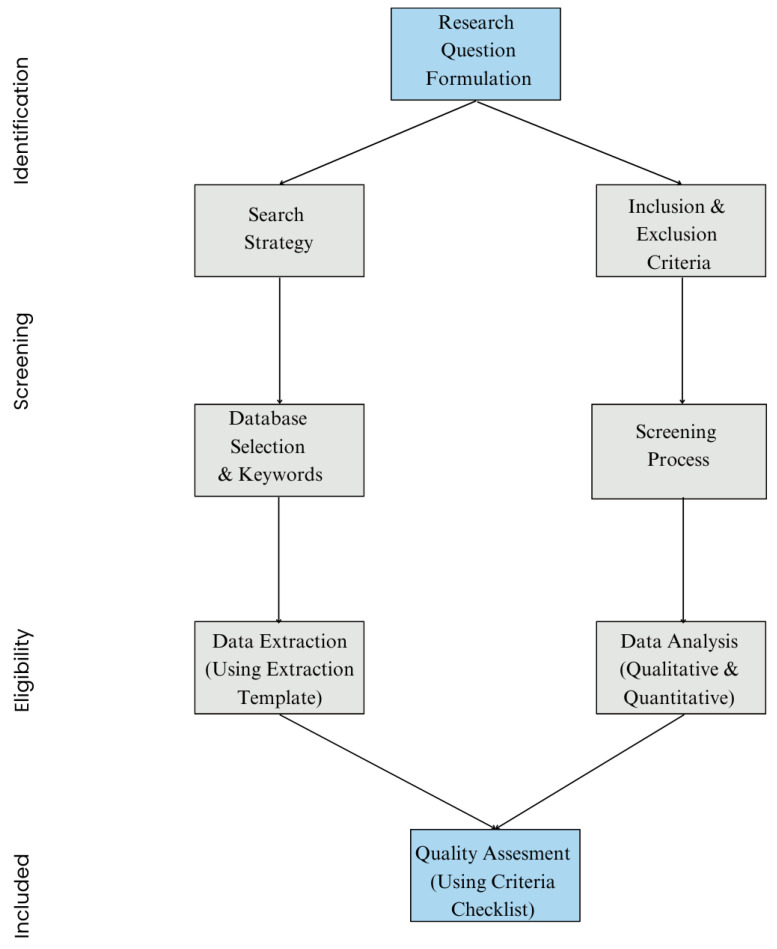
- The authors searched SpringerLink, PubMed, ScienceDirect, ACM Digital Library, and IEEE Xplore using healthcare/FL/IOT/privacy/security keyword combinations, then screened studies with title/abstract review followed by full-text review.
- Inclusion focused on peer-reviewed journal or conference papers on FL in smart health/healthcare and privacy/security techniques; analysis combined qualitative theme synthesis and a quantitative summary of metrics such as privacy loss, model accuracy, and computational cost.
## Limitations
- The paper states an English-only restriction and notes that this can cause selection bias and reduce the global scope of included studies.
- It also states that the fast-moving FL literature means some recent publications may not yet have been indexed, limiting comprehensiveness.
- Evident from the text: the review’s evidence base is limited to 2023–2024 studies, so older foundational work is largely outside scope.
Model-written summary. Check it against the paper before relying on it.
Integrity signals
Registry
Cites
Statistics
Figures
Verification
Claims the paper makes
45 Valid · 8 Not valid · 75 Not checked · 46 Own results and interpretations
Every source the paper cites for this claim was checked and supports it.
In the paper
“The approach is also bandwidth-efficient, as only model updates need to be communicated, reducing the need for large data transfers [13].”
§ Federated Learning in Smart Healthcare: A Comprehensive Review on Privacy, Security, and Predictive Analytics with IoT Integration > 1. Introduction > 1.2. Federated Learning
What the sources say
- Supportedcites [13] Zhang T. Gao L. He C. Zhang M. Krishnamachari B. Avestimehr A.S. Federated learning for the Internet of Things: Applications, challenges, and opportunities IEEE Internet Things Mag. 2022 5 24 29 10.1109/IOTM.004.2100182 source
Section II (p. 1) says raw data stay on devices and only model updates are sent to the central server. Section II (p. 2) adds that avoiding transmission of raw IoT data reduces communication costs, especially on low-bandwidth networks. (LLM, conf=0.93)
plainstates a cause- Asserted: passes — The authors put it forward as true.
- Checkable: passes — It can be checked against evidence.
- Load-bearing: unclear — It is unclear whether the paper’s conclusions depend on it.
- Based: passes — The paper gives a reason why it holds.
- Supported
The cited sources support only part of this claim — read each source’s verdict below.
In the paper
“For example, using sophisticated privacy-preserving techniques like differential privacy, a memory-aware curriculum FL strategy increased the precision of local models in breast tumor prediction by up to 20% while protecting patient information confidentiality [4].”
§ Federated Learning in Smart Healthcare: A Comprehensive Review on Privacy, Security, and Predictive Analytics with IoT Integration > 1. Introduction > 1.1. Background and Motivation
What the sources say
- Partly supportedcites [4] Jiménez-Sánchez A. Tardy M. Ballester M.A.G. Mateus D. Piella G. Memory-aware curriculum federated learning for breast cancer classification Comput. Methods Programs Biomed. 2023 229 107318 10.1016/j.cmpb.2022.107318 36592580 sourceExperimental — accuracy not yet measured
The paper says it uses differential privacy for data protection (section B), and Table III reports improved average precision–recall AUC for its federated method, from 0.77 to 0.82. It does not report a 20% increase in local-model precision. The Discussion also cautions that patient reidentification or information leakage cannot be ruled out, so the confidentiality claim is too strong. (LLM, conf=0.89)
plainstates a cause- Asserted: passes — The authors put it forward as true.
- Checkable: passes — It can be checked against evidence.
- Load-bearing: unclear — It is unclear whether the paper’s conclusions depend on it.
- Based: passes — The paper gives a reason why it holds.
- Partly supported
The cited sources support only part of this claim — read each source’s verdict below.
In the paper
“Early cancer diagnosis accuracy has been shown to significantly improve with FL.”
§ Federated Learning in Smart Healthcare: A Comprehensive Review on Privacy, Security, and Predictive Analytics with IoT Integration > 1. Introduction > 1.1. Background and Motivation
What the sources say
- Partly supportedcites [4] Jiménez-Sánchez A. Tardy M. Ballester M.A.G. Mateus D. Piella G. Memory-aware curriculum federated learning for breast cancer classification Comput. Methods Programs Biomed. 2023 229 107318 10.1016/j.cmpb.2022.107318 36592580 sourceExperimental — accuracy not yet measured
The Abstract reports improved breast-cancer classification metrics for the proposed method, and the results section (‘a)’, page not provided) says its improvement over other federated approaches was statistically significant. The source does not establish that federated learning generally improves early cancer diagnosis accuracy: it tests a specific breast-cancer classification method, primarily against other federated methods. (LLM, conf=0.88)
- Partly supportedcites [5] Hossain M.M. Islam M.R. Ahamed M.F. Ahsan M. Haider J. A Collaborative Federated Learning Framework for Lung and Colon Cancer Classifications Technologies 2024 12 151 10.3390/technologies12090151 sourceExperimental — accuracy not yet measured
The Abstract reports high accuracy for federated classification of lung and colon cancer images and says the framework performed better than other approaches. It does not show that federated learning significantly improved the accuracy of early-stage cancer diagnosis; early diagnosis is discussed as a potential benefit in the Introduction, not evaluated as an outcome. (LLM, conf=0.86)
plainstates a cause- Asserted: passes — The authors put it forward as true.
- Checkable: passes — It can be checked against evidence.
- Load-bearing: unclear — It is unclear whether the paper’s conclusions depend on it.
- Based: passes — The paper gives a reason why it holds.
- Partly supported
The cited sources support only part of this claim — read each source’s verdict below.
In the paper
“FL has seen notable applications in disease prediction and early diagnosis, particularly for situations requiring large, different datasets to train perfect models [41].”
§ Federated Learning in Smart Healthcare: A Comprehensive Review on Privacy, Security, and Predictive Analytics with IoT Integration > 3. Overview of Federated Learning in Healthcare > 3.1. Key Applications of Federated Learning in Healthcare
What the sources say
- Partly supportedcites [41] Moshawrab M. Adda M. Bouzouane A. Ibrahim H. Raad A. Reviewing federated machine learning and its use in diseases prediction Sensors 2023 23 2112 10.3390/s23042112 36850717 PMC9958993 sourceExperimental — accuracy not yet measured
Section 3.3 (Discussion) says FL can train disease-diagnosis models on large, distributed patient datasets from different facilities, and section 3.2 describes its use in disease prediction and detection. The citing sentence’s claim about training “perfect models” goes beyond the paper: section 3.3.1 says FL’s results are not yet sufficient to establish a performance advantage over conventional ML in disease prediction. (LLM, conf=0.88)
plainstates an association- Asserted: passes — The authors put it forward as true.
- Checkable: passes — It can be checked against evidence.
- Load-bearing: passes — The paper’s conclusions depend on it.
- Based: passes — The paper gives a reason why it holds.
- Partly supported
The cited sources support only part of this claim — read each source’s verdict below.
In the paper
“Using a variety of patient data from several institutions, FL has developed more broadly applicable models for predicting diseases like sepsis and acute kidney damage (AKI) in precision medicine.”
§ Federated Learning in Smart Healthcare: A Comprehensive Review on Privacy, Security, and Predictive Analytics with IoT Integration > 3. Overview of Federated Learning in Healthcare > 3.4. Case Studies in Federated Learning for Healthcare
What the sources say
- Partly supportedcites [64] Rajendran S. Xu Z. Pan W. Ghosh A. Wang F. Data heterogeneity in federated learning with Electronic Health Records: Case studies of risk prediction for acute kidney injury and sepsis diseases in critical care PLoS Digit. Health 2023 2 e0000117 10.1371/journal.pdig.0000117 36920974 PMC10016691 sourceExperimental — accuracy not yet measured
The Results report federated AKI and sepsis prediction models using patient data from seven hospitals, and the Discussion says they generally outperformed local models. But the Discussion cautions that data heterogeneity makes it difficult to justify a conclusion about generalizability, so the claim overstates how firmly the paper establishes that the models are more broadly applicable. (LLM, conf=0.86)
plainstates a cause- Asserted: passes — The authors put it forward as true.
- Checkable: passes — It can be checked against evidence.
- Load-bearing: unclear — It is unclear whether the paper’s conclusions depend on it.
- Based: passes — The paper gives a reason why it holds.
- Partly supported
64 more claims · 12 with their cited sources checked
Create a free account to see all 174 claims and to verify the 33 references still open.
- It may state two separate claims as one. 91
- Probably not a substantial claim. 27
Claims other papers make about this one
Each is checked against this paper’s own text: does it say what the citing paper says it does?
The check wasn’t confident either way, so it gives no verdict — never disputed.
In the citing paper
“Many studies on XAI in healthcare remain in the proof-of-concept stage or are only tested on retrospective datasets [34,35].”
From Explainable AI in Clinical Decision Support Systems: A Meta-Analysis of Methods, Applications, and Usability Challenges (2025) · cites this paper as [34]
Experimental — accuracy not yet measured
Self-check
Percentages, sums and reported differences re-computed from the paper’s own numbers.
Self-check results appear here once an independent check has confirmed them.
Cited works that were retracted
Works this paper cites that were later retracted, from the retraction notices publishers deposit. Major when the notice came out before this paper was published.
A note, not an issue: for example, a cited work that was retracted only after this paper was published, which its authors could not have known.
In the paper
“Sharafaddini, A.M., Esfahani, K.K., and Mansouri, N. (2024). Deep learning approaches to detect breast cancer: A comprehensive review. Multimed. Tools Appl., 1–112.”
Cited work 10.1007/s11042-024-20011-6 · retracted 2026-04-16 · notice 10.1007/s11042-026-21595-x · this paper published 2024-12-22
Citations
Cites
1 retracted
RETRACTED ARTICLE: Deep learning approaches to detect breast cancer: a comprehensive review
Sharafaddini, A. M., Esfahani, K. K., & Mansouri, N. (2024) · Multimedia Tools and Applications · doi:10.1007/s11042-024-20011-6 · Cited by 104
RetractedFederated Optimization in Heterogeneous Networks
Li, T., Sahu, A. K., Zaheer, M., Sanjabi, M., Talwalkar, A., & Smith, V. (2018) · arXiv · doi:10.48550/arxiv.1812.06127 · Cited by 4,023
SCAFFOLD: Stochastic Controlled Averaging for Federated Learning
Karimireddy, S. P., Kale, S., Mohri, M., Reddi, S. J., Stich, S. U., & Suresh, A. T. (2019) · arXiv · doi:10.48550/arxiv.1910.06378 · Cited by 1,734
Federated Learning for Internet of Things: A Comprehensive Survey
Nguyen, D. C., Ding, M., Pathirana, P. N., Seneviratne, A., Li, J., & Vincent Poor, H. (2021) · IEEE Communications Surveys & Tutorials · doi:10.1109/comst.2021.3075439 · Cited by 1,503
Tackling the Objective Inconsistency Problem in Heterogeneous Federated Optimization
Wang, J., Liu, Q., Liang, H., Joshi, G., & Poor, H. V. (2020) · arXiv · doi:10.48550/arxiv.2007.07481 · Cited by 927
Federated Learning for Internet of Things: A Comprehensive Survey
Nguyen, D., Ding, M., Pathirana, P. N., Seneviratne, A., Li, J., & Poor, H. (2021) · Deakin Research Online (Deakin University) · Cited by 889
Federated learning for smart healthcare: A survey
Nguyen, D. C., Pham, Q.-V., Pathirana, P. N., Ding, M., Seneviratne, A., Lin, Z., Dobre, O., & Hwang, W.-J. (2023) · ACM Computing Surveys · doi:10.1145/3501296 · Cited by 827
Fairness in machine learning: A survey
Caton, S., & Haas, C. (2024) · ACM Computing Surveys · doi:10.1145/3616865 · Cited by 646
Fairness in Machine Learning: A Survey
Caton, S., & Haas, C. (2020) · arXiv · doi:10.48550/arxiv.2010.04053 · Cited by 646
Decentralized federated learning: Fundamentals, state of the art, frameworks, trends, and challenges
Martínez Beltrán, E. T., Pérez, M. Q., Sánchez, P. M. S., Bernal, S. L., Bovet, G., Pérez, M. G., Pérez, G. M., & Celdrán, A. H. (2023) · IEEE Communications Surveys & Tutorials · doi:10.1109/comst.2023.3315746 · Cited by 625
Research works printed but not linked: 5
- Shiwlani A. Khan M. Sherani A.M.K. Qayyum M.U. Hussain H.K. Revolutionizing healthcare: The impact of artificial intelligence on patient care, diagnosis, and treatment JURIHUM J. Inov. Dan Hum. 2024 1 779 790
- Thummisetti B.S.P. Atluri H. Advancing healthcare informatics for empowering privacy and security through federated learning paradigms Int. J. Sustain. Dev. Comput. Sci. 2024 6 1 16
- Heikkilä M.A. On Joint Noise Scaling in Differentially Private Federated Learning with Multiple Local Steps arXiv 2024 2407.19286
- Henry E. AI-Driven Optimization in Healthcare: Machine Learning Models for Predictive Diagnostics and Personalized Treatment Strategies Well Test. J. 2024 33 10 33
- Rehan H. AI-Powered Genomic Analysis in the Cloud: Enhancing Precision Medicine and Ensuring Data Security in Biomedical Research J. Deep Learn. Genom. Data Anal. 2023 3 37 71
Cited by
Items 101–200 of 213
Priyadarshini, S. H., Deivasigamani, D., Kumar, R., Suganya, K., Uma, K. P., & Pradeep, H. (2025) · International Conference on Intelligent Cyber Physical Systems and Internet of Things (ICoICI) · doi:10.1109/icoici65217.2025.11254186
“A study explored a method to utilize federated learning for cardiac risk prediction which included data sharing from multiple private healthcare sectors yet without exposure to sensitive patient information [11].”
Kumar, A. H. S., Pavan, K., Igasaki, T., & Ganapathy, N. (2025) · Annual International Conference of the IEEE Engineering in Medicine and Biology Society (EMBC) · doi:10.1109/embc58623.2025.11253351
Salama, A., Saatchi, R., Bagheri, M., Saleem, M., & Shad, M. U. (2025) · Algorithms · doi:10.3390/a18120780 · Cited by 2
Myakala, P. K., Raut, M., & Singh, V. (2025) · Advances in computational intelligence and robotics book series · doi:10.4018/979-8-3373-3576-6.ch006
Advances in immunomodulation: From dietary influence to computational precision
Mohan, S., Selvam, P. K., & Vasudevan, K. (2025) · Advances in protein chemistry and structural biology · doi:10.1016/bs.apcsb.2025.10.004
Privacy-Preserving Federated IoT Architecture for Early Stroke Risk Prediction
Rahman, M. W., Nijim, M., Rahman, M. H., Roksana, K., Hai, T. B. A., Islam, M. T., & Al-Bataineh, H. (2025) · Electronics · doi:10.3390/electronics15010032 · Cited by 1
Peng, H., Wu, C., & Xiao, Y. (2025) · Electronics · doi:10.3390/electronics15010074
Sobya, D., Devi, K. G., Sindhu, L., Kohila, G., & Nirmaladevi, A. (2025) · International Conference on Sustainable Communication Networks and Application (ICSCNA) · doi:10.1109/icscn67106.2025.11306394
“IoT integration studies such as Abbas et al. [8] show promise but lack robust real-time processing capabilities essential for critical healthcare applications.”
A Novel Hierarchical Integration Method for Efficient Model Merging in Medical LLMs
Timilsina, P., Nepal, A., Kadel, R., & Doss, R. (2025) · IEEE International Conference on Smart Internet of Things (SmartIoT) · doi:10.1109/smartiot66867.2025.00031 · Cited by 1
“Federated Learning (FL) enables collaborative training without centralizing sensitive data, but still requires strong privacy safeguards against leakage through model updates [25].”
Real-Time Stroke Monitoring IoT System using Federated Learning
Prisilla., N., & Gomathi, N. (2025) · International Conference on IoT Based Control Networks and Intelligent Systems (ICICNIS) · doi:10.1109/icicnis66685.2025.11315759
“Syed Raza Abbas et al. (2024) suggested that although real-world limitations exist regarding approaches such as security and interoperability, a novel paradigm in healthcare analytics called federated learning remains a potential technical solution for collaborative privacy-one learning studies [9].”
An Adaptive Privacy-Preserving Federated Learning for Real-World Healthcare Deployment
Dwivedi, A. K., Bajpai, V., Kar, N. B., & Goyal, S. B. (2026) · Lecture notes in networks and systems · doi:10.1007/978-3-032-10783-1_5
Ibrahim, B. (2026) · Briefings in Bioinformatics · doi:10.1093/bib/bbaf729
“Federated learning approaches enable collaborative model development across institutions while preserving patient privacy [107], essential for training on diverse cancer datasets.”
Alharbi, A., Alosaimi, W. A., Ahmad, M., et al. (2026) · Health Informatics Journal · doi:10.1177/14604582261417493
Designing Intelligent and Integrated Analytics Frameworks for Personalized Healthcare
Sudharson, D., N, P. K., Rakshitha, S., Sri Dharaneesh, P., Diwakaran, M., & Saravanan, A. (2025) · International Conference on Applied Artificial Intelligence and Computing (ICAAIC) · doi:10.1109/icaaic64647.2025.11330909
“[3] Provided a roadmap from concept to deployment in healthcare ML. [4] and [5] Emphasized balancing predictive accuracy with interpretability.”
Pandian, G., & Kesavan, K. (2025) · International Conference on Smart Structures and Systems (ICSSS) · doi:10.1109/icsss66939.2025.11346260
“Furthermore, Abbas et al. [11] introduces ensemble learning methods like Random Forest, Gradient Boosting to improve the predictive accuracy of remote patient monitoring systems.”
Federated Learning for Smart Healthcare: Privacy Preserving AI on Wearable Devices
J, B. K. G., Surukanti, S. R., Madichetty, M., Gandloju, S., Mandu, S., & Gangone, A. (2025) · International Conference on Responsible, Generative and Explainable AI (ResGenXAI) · doi:10.1109/resgenxai64788.2025.11344039
“They underlined the need for lightweight encryption techniques and decentralized infrastructures to support privacy-respecting analytics in settings with limited resources [4].”
On-Device Artificial Intelligence for Image Analysis in Resource-Limited Settings: A Review
Xie, C., An, J. E., Bae, H.-J., Yun, E. S., Ko, K.-C., Jeong, D. S., & Kwon, O. S. (2025) · Applied Science and Convergence Technology · doi:10.5757/asct.2026.35.1.1 · Cited by 2
Almsallati, I., & Singh, H. M. (2025) · International Conference on Artificial Intelligence and Knowledge Discovery in Concurrent Engineering (ICECONF) · doi:10.1109/iceconf65644.2025.11379468
Alekya, G., Kalaivani, K. S., Nagalakshmi, M., Verma, O. D., Ramkumar, A., & Praveen Kumar, G. (2025) · International Conference on Science Technology Engineering and Mathematics (ICONSTEM) · doi:10.1109/iconstem65670.2025.11374863
“…time-sensitive applications Case studies in energy systems IoT networks may be used to provide predictive performance without compromising privacy [13], and so may be used extensively in the real world to solve large-scale predictive performance-sensitive problems, such as wind power prediction,…”
RetractedKannan, M. R., Sindhu, V., Umamageshwari, D., & Keerthika, K. (2026) · Elsevier eBooks · doi:10.1016/b978-0-44-333234-0.00020-0
Shahrezaei, A., Malak, J. S., Dashti, L., Marjaei, S., & Nasirinezhad, F. (2026) · SN Comprehensive Clinical Medicine · doi:10.1007/s42399-025-02234-2 · Cited by 1
Federated Adversarial Transfer Learning: Opportunities and Risks
Kumar, S., Tiwari, G., Sagar, L. K., & Khan, M. A. (2026) · Advances in computational intelligence and robotics book series · doi:10.4018/979-8-3373-6224-3.ch008
Federated Deep Learning on Privacy-Preserving Multi-Hospital Cardiac Health Risk Prediction
Shaikh, U. H., Shah, D. A., Dhanwade, P., et al. (2025) · doi:10.1109/idicaihei65991.2025.11379269
AI-Driven Cybersecurity for Detecting Organ Trafficking Networks
Mali, C. V., Shinde, G. R., Bobhate, G., Fatangare, S., Dhotre, P., & Gawali, P. P. (2026) · IGI Global eBooks · doi:10.4018/979-8-3373-6696-8.ch005
Moradbakhti, L., Peters, D., Quint, J. K., Schuller, B. W., Cook, D., & Calvo, R. A. (2026) · JMIR Human Factors · doi:10.2196/80979 · Cited by 1
“…security layer for data sharing) present alternatives to traditional machine learning approaches and combine technological advances with adherence to legislative requirements (eg, HIPAA [Health Insurance Portability and Accountability Act] or GDPR [General Data Protection Regulation]) [60-62].”
Wu, C., Zhang, J., Wang, X., Zheng, J., Li, M., Xu, L., Wei, M., Shen, Z., Chen, P., Nie, Y., et al. (2026) · Digital Health · doi:10.1177/20552076261431856
“88 Future research should explore how these innovations integrate with stakeholder-preferred strategies.”
Advances in Machine Learning and Deep Learning for Early Disease Detection in Healthcare
Singh, V., & Sadia, H. (2025) · International Conference on Recent Trends in Electrical, Electronics and Computing Technologies (ICRTEECT) · doi:10.1109/icrteect67512.2025.11448724
A Comprehensive Federated Framework for Privacy Preserving Techniques in Sensitive Data Applications
Rahul Raj, D., & Karpagam, G. R. (2026) · International Conference on Intelligent Systems for Communication, IoT and Security (ICISCoIS) · doi:10.1109/iciscois62701.2026.11448080
The Role of AI Methods in Analyzing Autism Spectrum Disorder: Trends and Innovations in Healthcare
Al-Nefaie, A. H. A., Aldhyani, T. H. H., Abdulmana, A., & Uddin, M. I. (2026) · Journal of Disability Research · doi:10.57197/jdr-2026-0790
Designing Equity-Focused School Climates Through Federated Learning Approaches
Kumar, P. P. (2026) · International Conference on Intelligent Sustainable Systems (ICISS) · doi:10.1109/iciss67859.2026.11453569
“Federated learning reduces the amount of sensitive data required to develop a model and enables local variation to be captured in the contributions made by each school to the model [15].”
Machine Learning for Secure Cardiovascular Risk Assessment in Distributed Healthcare Environments
Tariq, A., Arikhad, M., & Sultana, A. (2026) · International Journal of Innovative Research in Computer Science & Technology · doi:10.55524/ijircst.2026.14.1.19 · Cited by 1
Reliable and privacy-preserving collaborative AI in multi-tier distributed architectures
Saidi, R., Moulahi, T., Zidi, S., & Mahfoudhi, S. (2026) · Sustainable Computing Informatics and Systems · doi:10.1016/j.suscom.2026.101354 · Cited by 2
Lanka, S. (2026) · International Journal of Latest Technology in Engineering Management & Applied Science · doi:10.51583/ijltemas.2026.150300050
Enhanced Diabetes Detection via a Privacy-Preserving Federated Learning Framework
Aasoum, N., Jellouli, I., & Amjad, S. (2026) · Acta Informatica Pragensia · doi:10.18267/j.aip.304
A Systematic Review of Federated Learning Approaches for Privacy-Preserving Artificial IntelligencePreprint
Ruqnuzzaman, M., Feng, K. L., Alimour, S. A., Rahman, A., Gardashbeyova, N. A. G., & Ghaffar, U. (2026) · SSRN Electronic Journal · doi:10.2139/ssrn.6574603
Apostolakos, V., Vezakis, A., Bromis, K., Ανδρούτσου, Θ., Pitoglou, S., Prasinos, M., Sotiriades, P., Miloulis, S.-T., Kakkos, I., Tarousi, M., et al. (2026) · International Conference on Artificial Intelligence, Computer, Data Sciences and Applications (ACDSA) · doi:10.1109/acdsa67686.2026.11467939
“…under strict privacy regulations, compounded by complex EU-US data transfer challenges and the emerging European Health Data Space requirements [16], [17], (3) insufficient computational architectures for federated AI-driven analytics on multi-modal datasets, with privacy-preserving mechanisms…”
Zehra, I., Ali, S., & Lee, S. W. (2026) · Journal for Healthcare Quality · doi:10.1097/jhq.0000000000000524 · Cited by 3
Self-citationDharmale, S., & Karale, N. E. (2026) · International Journal of IoT Embedded Systems and Industrial Automation · doi:10.66261/eqtkxf18
“Yet, streaming this data from remote clinics to a central cloud server remains problematic due to limited bandwidth, high latency and the risk of data interception [7].”
Artificial Intelligence (AI) and Machine Learning (ML) in Personalized Medicine
Paul, I. (2026) · Springer eBooks · doi:10.1007/978-981-95-6845-1_23
Sidheeq, M. A., Fahizah, A., Shafna, M., & Rahaman, S. R. M. (2026) · Advances in computational intelligence and robotics book series · doi:10.4018/979-8-2600-1348-9.ch012
Federated Artificial Intelligence approaches for wearables and health devices
Ranjbaran, G., Consoli, S., Leoni, G., Recupero, D. R., & Roy, C. K. (2026) · Smart Health · doi:10.1016/j.smhl.2026.100663 · Cited by 2
Quantum-Classical Hybrid Model for Retinal Disease Classification with Interpretability
Verma, L., Sase, S., Yele, S., et al. (2026) · doi:10.1109/etfi68128.2026.11484922
Vincent, V., S, H. S. R., Srikanth, R., et al. (2026) · doi:10.1109/wccst67302.2026.11496022
“Federated learning has become one of the promising solutions to privacy-sensitive model training, which involves localizing raw data in an edge device and sharing only model parameters [4].”
Gundaboina, A. K. (2025) · International Conference on Sustainable Computing and Smart Systems (ICSCSS) · doi:10.1109/icscss64956.2025.11500847
“…models that operate effectively within healthcare clouds while respecting the boundaries of legal and ethical data governance frameworks like the Health Insurance Portability and Accountability Act (HIPAA), General Data Protection Regulation (GDPR), and California Consumer Privacy Act (CCPA) [2].”
Gut Microbiome, Machine Learning, and Artificial Intelligence Way Forward with Precision Medicine
Patel, R., Dubey, P., Patel, S., Patel, N. A., & Prajapati, B. G. (2026) · Springer eBooks · doi:10.1007/978-981-95-7494-0_12
Fundamentals of Cognitive Diseases and Diagnostic Challenges
Kumar, S. M. (2026) · Cognitive systems monographs · doi:10.1007/978-3-032-18782-6_2
Lakkireddy, S. (2026) · Journal of Advances in Information Technology · doi:10.12720/jait.17.5.956-977 · Cited by 1
“…by meta-analytical research demonstrating that transparency, usability, and trustworthiness constitute central success factors for the clinical adoption of AI-based decision systems, particularly when models operate across institutional boundaries in restricted data-access environments [15].”
Federated Learning Based Disease Detection in Healthcare: A Systematic Review
Sonkhla, D., Saini, N., & Gandotra, N. (2026) · International Conference on Computing for Sustainable Global Development · doi:10.23919/indiacom70271.2026.11525630
Moila, R. L., & Velempini, M. (2025) · IEEE AFRICON · doi:10.1109/africon66545.2025.11533789
“This method objectively examines performance metrics, such as accuracy, privacy, and communication overhead, across simulated healthcare environments reflecting South Africa’s POPIA framework [16].”
Sodeify, R., Seyednazari, M. A., Dorosti, A. M., & Nourazarian, A. (2026) · Journal of Materials Science Materials in Medicine · doi:10.1007/s10856-026-07070-x · Cited by 3
“…fi cant increase in analytical sensitivity [348] Future personalized federated learning — wherein models adapt to individual metabolic phenotypes through local fi ne-tuning while maintaining population-level knowledge — reconciles precision medicine objectives with privacy preservation [351, 352].”
Private and Secure Decentralized Federated Learning for IoT Smart Healthcare via Blockchain
Nguyen, H. P. H., & Le, T. T. B. (2026) · Lecture notes in computer science · doi:10.1007/978-981-92-0074-0_30
Harmon, I., Sánchez-Cano, I. R., Brailsford, J., & Fishe, J. N. (2026) · Prehospital Emergency Care · doi:10.1080/10903127.2026.2683523
Sengan, S., & Shieh, C. (2026) · Scientific Reports · doi:10.1038/s41598-026-56167-4
Girirajan, B., Kumar, R. A., R, A. S. L. D., MuthuKumaran., K., Stalin, J. L. A., & Richa (2026) · International Conference on Intelligent Computing and Automation for Sustainable Solutions (ICASS) · doi:10.1109/icass69550.2026.11547646
Vegesna, R. V., & Sahoo, G. (2026) · International Conference on Recent Trends in Computer Science and Technology (ICRTCST) · doi:10.1109/icrtcst68392.2026.11545344
Data Privacy, Security, and PHI Protection
Lizy, R. F. S. (2026) · Advances in computational intelligence and robotics book series · doi:10.4018/979-8-3373-7862-6.ch012
Likitha, P., Prasanthi, K., & Rajeswari, K. N. (2026) · doi:10.1109/qpain69676.2026.11546138
“Software development is inherently accompanied by bugs, with modern large-scale projects generating hundreds of bug reports daily [1], [2].”
P, K. C., RAJA, M. S., Vijayan, V., Srinath, V., Ranganathan, S., & Suberiya Begum, S. (2026) · IEEE International Conference on Quantum Photonics, Artificial Intelligence & Networking (QPAIN) · doi:10.1109/qpain69676.2026.11545856
“Federated learning has become a disruptive change paradigm in jointly developing models in a healthcare setting, as it allows a variety of institutions to train common predictive models without sharing raw patient information [1, 2].”
Federated Learning for Privacy-Preserving Healthcare Wearable Security
Shalini, T. G., Shrivastav, P., & Gopa, P. (2026) · Advances in computational intelligence and robotics book series · doi:10.4018/979-8-3373-7426-0.ch005
Privacy-preserving federated learning in IoT for smart and sustainable healthcare
Rajagopal, S. M., Supriya, M., & Buyya, R. (2026) · Elsevier eBooks · doi:10.1016/b978-0-44-344433-3.00021-6
Yang, Y., Huang, J., & An, R. (2026) · Springer eBooks · doi:10.1007/978-3-032-18443-6_21 · Cited by 1
Ajagbe, T. S. (2026) · Healthcare · doi:10.3390/healthcare14121698
“By keeping training data lo-cal while sharing only model updates, it offers a partial answer to the data-residency dimension of the privacy concern [36].”
Privacy-Aware and Scalable Blockchain Solutions in Healthcare: Emerging Directions
Singh, G., & Haroon, M. (2026) · Journal of Information assurance and security · doi:10.2478/ias-2026-0003 · Cited by 1
“…mechanisms facilitate trustworthy sharing of proofs, metadata, and encrypted health records among non-homogeneous blockchains [60], which may serve a wide variety of applications, e.g., cross-hospital referrals, longitudinal patient records, and jurisdiction-sensitive consent enforcement [61].”
Federated Learning in Smart Healthcare, Homes, and Cities (FL-SHHC): A Systematic Literature ReviewPreprint
Jackson, T., Khan, J. A., & Mylonas, A. (2026) · SSRN Electronic Journal · doi:10.2139/ssrn.6955451
Hussein, A. F., & Al-Neami, A. Q. (2026) · Informatics · doi:10.3390/informatics13060088
Federated Soft-Voting Intrusion Detection with Random Forest under IID and Non-IID Data
Yeng, P. K., Abouezz, A., Diekuu, J.-B., & Hadded, M. (2026) · International Conference on Integrated Intelligence and Cognitive Engineering (ICIICE) · doi:10.1109/iciice69672.2026.11565507 · Cited by 1
“As a result, intelligent and privacy-aware security monitoring mechanisms are required for modern distributed computing environments [1], [2].”
Federated Learning Framework for Privacy-Preserving Healthcare Diagnosis
Manjusha, B., Manivrath, G., Deepthi, D., Tripathy, H. K., Tharangini, M. P., & Jyothi, P. (2026) · International Conference on Connected Intelligence for Industrial Applications (CI2A) · doi:10.1109/ci2a69097.2026.11577067
SAFHA: An IoT Predictive Analytics for Security and Privacy Protection in Distributed Health System
Akpan, E. E., Ojaide, E., Rosa, R. L., Adedokun, M. T., Matthew, U. O., Oyedemi, O. A., Okafor, N. U., Adasme, P., & Rodríguez, D. Z. (2026) · International Conference on Connected Intelligence for Industrial Applications (CI2A) · doi:10.1109/ci2a69097.2026.11576863
“According to [12] , SMPC enables secure computations without disclosing raw data by allowing multiple healthcare institutions to work together to analyze patient data while maintaining the privacy of individual records.”
Djemaa, A., Djenouri, D., & Legg, P. (2026) · Electronics · doi:10.3390/electronics15132876 · Cited by 1
Jadhav, A., Khare, A., Bhise, M., BHANDARI, S., Tamboli, M. M., & Buchade, A. (2026) · International Conference on Computing, Communication and Green Engineering (CCGE) · doi:10.1109/ccge67142.2026.11581859
Khairunnisa, K., Awwad, H., Syambabu, V., Indumathi, G., Padole, G., & Latha, S. S. (2026) · International Conference on Computing Theory and Wireless Communications (ICCTWC) · doi:10.1109/icctwc68241.2026.11583452
New healthcare management framework informed by peri-body perception space: a perspective
Dong, C., Ji, Y., Luo, R., Fu, X., Fu, Z., Huang, Y., Yi, T. C., Chen, Z., Hu, Y., Chen, Z., et al. (2026) · The EPMA Journal · doi:10.1007/s13167-026-00461-8
“At the data compliance level, federated learning enables each participating node to independently perform local model training, with the central server aggregating and distributing only global model parameters without accessing raw data [51].”
Smart Medical Assistance System Using AI
Singh, P. K., Anand, R., & Tripathi, A. M. (2026) · IEEE International Conference on Computing, Power and Communication Technologies (IC2PCT) · doi:10.1109/ic2pct68894.2026.11584397
A Personalized and Trustworthy Federated Learning Framework for Sustainable Healthcare Systems
Khaddar, M. A. E., & Boulmalf, M. (2026) · Lecture notes in networks and systems · doi:10.1007/978-3-032-24807-7_13
SCEM: A Structure-Preserving Privacy Framework for Sensor-Generated Time-Series Data
Jin, S., Pu, Q., Zheng, S., & Shen, H. (2026) · Sensors · doi:10.3390/s26144477
Convergence of AI and IoT for Smart Healthcare: A Comprehensive Review of Disease Diagnosis Models
Mala, M., & Priyanga, P. (2026) · International Conference on Emerging Research in Smart Electronics and Machine Informatics (ECMI) · doi:10.1109/ecmi68341.2026.11603029
“This underscores the need for a generalized, scalable AI-IoT framework that can handle diverse health conditions and hardware configurations [1], [4], [6].”
InfluentialAI-Driven Transfer Learning for Medical Imaging and Sensor-Based Healthcare
Assudani, P. J., Leema, A. A., Balakrishnan, P., Kollem, S., Pachlor, R., López‐Linares, K., Oliver, I. M., Haick, H., & Bhaiyya, M. L. (2026) · Archives of Computational Methods in Engineering · doi:10.1007/s11831-026-10667-8 · Cited by 3
Kumar, R., Raja, J. A., Nishad, P. M., & Manikandan, T. (2026) · IEEE International Conference on VLSI Systems, Architecture, Technology and Applications (VLSI SATA) · doi:10.1109/vlsisata69163.2026.11610540
“Additionally, scalability and complexity of coordination are also very challenging in large-scale CPS deployments [11].”
Alam, M. Z., & Ayath, E. (2026) · International Conference on Federated Learning and Intelligent Computing Systems (FLICS) · doi:10.1109/flics70075.2026.11621910
“In multi-hospital RPM environments, variations in patient populations, device configurations, and attack patterns lead to substantial performance degradation and model drift under non-IID settings [13, 15].”
InfluentialGold, N. O., & Mahmood, T. (2026) · CSR, sustainability, ethics & governance · doi:10.1007/978-3-032-20091-4_5
Pendyala, B. P., & Praveen, P. (2026) · International Conference on Inventive Computation and Information Technologies (ICICIT) · doi:10.1109/icicit69063.2026.11634253
Rahman, A., Walee, N. A., Mahir, S. H., Tashrif, M. T. A., & Rana, M. S. (2026) · International Conference on Artificial Intelligence, Robotics and Control (AIRC) · doi:10.1109/airc69745.2026.11631456 · Cited by 1
“Abbas et al. [10] conducted an extensive study on applications of federated learning in smart healthcare systems with emphasis on the integration of FL with IoT devices, wearables, and remote healthcare infrastructure.”
Sowan, B. I., & Massad, B. (2026) · Informatics in Medicine Unlocked · doi:10.1016/j.imu.2026.101794
Syed, A. (2026) · Lecture notes in networks and systems · doi:10.1007/978-3-032-28616-1_40
Rehman, K., & Akash, M. S. H. (2026) · Elsevier eBooks · doi:10.1016/b978-0-443-45911-5.00009-x
Personalized Federated Learning Systems for Secure and Private Analysis of Patient Medical Records
Akhmetov, A., Berlikozha, B., Amreyev, M., & Nauruzbayeva, F. (2026) · International Conference on Cybersecurity, Digital Forensics, and AI Applications (ICCSDFAI) · doi:10.1109/iccsdfai70505.2026.11648033
“Central-izing EHRs and patient-generated health data (PGHD) for AI model training creates a single point of catastrophic failure— a pattern reflected in the growing frequency and severity of hospital ransomware incidents and insider-threat cases [1], [2].”
Federated Learning for Privacy-Preserving Fatigue Detection from Wearable IMU Data
Issellay, K., Khirania, A., Elhir, S., et al. (2026) · doi:10.1109/iccsdfai70505.2026.11648004
“Albogamy [12] applied federated learning to IoMT-enhanced human activity recognition using hybrid recurrent architectures, while Abbas et al. [13] highlighted the growing adoption of FL for distributed health monitoring systems, where data confidentiality, regulatory constraints, and device…”
AI-Orchestrated Edge-Fog-Cloud Continuum for Privacy-Preserving Healthcare Intelligence
Aarthi, S. (2026) · Advances in computational intelligence and robotics book series · doi:10.4018/979-8-2600-0021-2.ch011
Digital Biobanking in the Era of Artificial Intelligence
Dey, P. (2026) · Biopreservation and Biobanking · doi:10.1177/19475535261474367
Theranostic Smart Bionanosensors for Solid Tumors: Advances, Challenges, and Future Directions
El-Morsy, M. T., Basem, Y., Ali, A. E., Sherif, A., Ata, A., Sabry, F., ElMahsoub, N. M., Doghish, A. S., El-Sayyad, G. S., & Ali, G. A. M. (2026) · Applied Biochemistry and Biotechnology · doi:10.1007/s12010-026-05874-9
Siddh, S., Tiwari, A., Kumari, N., Tripathi, B., & Nunia, V. (2026) · International Journal of Nanoscience · doi:10.1142/s0219581x26400302
Noori, G. H., Bibi, S., & Lee, S. W. (2026) · INQUIRY The Journal of Health Care Organization Provision and Financing · doi:10.1177/00469580261478793 · Cited by 3
“19,20 The translation of AI research into therapeutic applications such as AI-guided intraoperative monitoring that reduces adverse events during surgery 6 and AI-assisted screening systems that improve early cancer detection 5 has grown more rapid as a result of these advancements.”
Self-citationLightweight Gossip Learning Model for Energy-Constrained Continuous Diabetes Monitoring System
Prasad, I. H., & Sophia, S. (2026) · International Conference on Smart Systems and Inventive Technology (ICSSIT) · doi:10.1109/icssit69151.2026.11656464
“Abbas et al. [8], FL application in healthcare IoT has also been utilized successfully in the security and regulatory-conformant medical data analytics.”
Sardar, T. H., Thahniyath, G., Almusharraf, A. I., Mahesh, T. R., Khan, M. A., Saleem, M. A., & Alhefdi, M. (2026) · Transactions on Emerging Telecommunications Technologies · doi:10.1002/ett.70480 · Cited by 1
Massey, S., Rakesh, N., Chopra, S. R., et al. (2026) · doi:10.1109/insect68872.2026.11663914
A Federated Deep Learning Framework for Privacy-Preserving IoT-Based Healthcare Monitoring Systems
Sultana, F., Laskar, A. R., Barbhuiya, S. A. S. K., & Laskar, K. A. (2026) · International Journal of Modern Science and Research Technology · doi:10.67317/ijmsrt26aug151
Shaikh, M. S., Mohammed, N. M., Abdullah, S. H., et al. (2026) · Information systems engineering and management · doi:10.1007/978-3-032-22426-2_28
Napa, K. K., Sathyanarayanan, D., Purushothaman, R., Allasi, H. L., Soosaimariyan, M. V., Karunakaran, C., & Rao, M. (2026) · Discover Artificial Intelligence · doi:10.1007/s44163-026-02143-w
“Several studies have highlighted the potential of FL in medical prediction tasks, including cardiovascular and diabetes-related applications, demonstrating its suitability for decentralized healthcare systems [22].”
Conti, M., Greco, A., & Ferri, L. (2026) · Journal of Artificial Intelligence for Healthcare Systems · doi:10.68159/h352855186
Khot, M. S. A. A., Kari, M. I., Garg, D., Hussain, S. A., & Uddin, A. J. (2026) · MEC International Conference on Big Data and Smart City (ICBDSC) · doi:10.1109/icadaai64945.2026.11679303
Metadata
- Authors
- Abbas, S. R., Abbas, Z., Zahir, A., & Lee, S. W.
- Affiliations
- COMSATS University Islamabad (PK)
- Sungkyunkwan University (KR)
- Corresponding author
- Lee, Seung Won
- Venue
- Healthcare
- Publisher
- MDPI AG
- Published
- 2024-12-22
- Volume
- 12
- Issue
- 24
- Pages
- 2587
- ISSN
- 2227-9032 (ISSN-L)
- PMC
- PMC11728217
- OpenAlex
- W4405701133
- Semantic Scholar
- c2089ef4d1c9e7ed15013d7ef67b30b66b75580d
- Cited by
- 228
- References
- 127
- Citations by year
- 2026: 142 · 2025: 85 · 2024: 1
- FWCI
- 7.79
- Type
- journal article
- Language
- en
- Open access
- gold
- doi.org
- Licence
- Locations
- Healthcare (publishedVersion, cc-by)
- PubMed Central (publishedVersion, cc-by)
- PubMed (publishedVersion)
- Funders
- SungKyunKwan University (NRF[2021-R1-I1A2(059735)], RS[2024-0040(5650)], RS[2024-0044(0881)], RS[2019- II19(0421)])
- Ministry of Education (NRF[2021-R1-I1A2(059735)], RS[2024-0040(5650)], RS[2024-0044(0881)], RS[2019- II19(0421)])
- National Research Foundation of Korea (NRF) (NRF[2021-R1-I1A2(059735)], RS[2024-0040(5650)], RS[2024-0044(0881)], RS[2019- II19(0421)])
- Ministry of Science and ICT (MSIT) (NRF[2021-R1-I1A2(059735)], RS[2024-0040(5650)], RS[2024-0044(0881)], RS[2019- II19(0421)])
- Topics
- Physical Sciences › Computer Science › Artificial Intelligence › Privacy-Preserving Technologies in Data
- Physical Sciences › Computer Science › Information Systems › Internet of Things and AI
- Physical Sciences › Computer Science › Information Systems › Blockchain Technology Applications and Security
- Keywords
- federated learning, smart healthcare, privacy-preserving machine learning, Internet of Medical Things, wearable devices, remote patient monitoring, predictive analytics, adversarial attacks, data poisoning, model inversion attacks, data heterogeneity, scalability, interoperability, differential privacy, secure multi-party computation, data sovereignty
About these checks
Registry, retraction, Cites and statistics results are computed, not judged, with one exception: a printed reference that no index lists is read once by a model before it counts as a citation error. Claims are extracted by a model and kept only when their quote appears verbatim in the text; each cited source is then checked, with a model’s help, for whether it says what the claim relies on. Those verdicts can be wrong — read the claim’s quote and the cited source before relying on one.
The claim verdicts this report counts are experimental: their accuracy is not yet measured.
A language model drew the claims from the paper on 2026-10-09, under version 3 of the claim definition (model deepseek-v4.1-flash, prompt extract-v3).
A second model labelled each claim on 2026-10-09 (model jev-1.13-20260917, definition revision gold-guideline-v0.2).
Cited sources are checked with a language model’s help (gpt-6-sol).
Statistics and arithmetic are recomputed, not judged.
Confidence bands are shown only for fields calibrated on our annotated test set. None is calibrated yet, so no band is shown.
What counts as a claim ›How we measure confidence ›How we check this ›
Are you an author, or do you see a problem with this page? Request a review
Data sources
Bibliographic data: Semantic Scholar, OpenAlex, Crossref.
Contains information from the Semantic Scholar Academic Graph Datasets, made available under the ODC Attribution License (ODC-BY 1.0).
Semantic Scholar’s data is described in: Kinney, R., et al. (2023). The Semantic Scholar Open Data Platform. arXiv:2301.10140.
