

The Impact of Epidemics and Pandemics on the Mental Health of Healthcare Workers: A Systematic Review
Open accessThe DOI matches its Crossref record; 94 of the 95 references it cites were found in a registry or an index.
Abstract
Background: There is increasing evidence that healthcare workers (HCWs) experience significant psychological distress during an epidemic or pandemic. Considering the increase in emerging infectious diseases and the ongoing COVID-19 pandemic, it is timely to review and synthesize the available evidence on the psychological impact of disease outbreaks on HCWs. Thus, we conducted a systematic review to examine the impact of epidemics and pandemics on the mental health of HCWs. Method: PubMed, PsycInfo, and PsycArticles databases were systematically searched from inception to June-end 2020 for studies reporting the impact of a pandemic/epidemic on the mental health of HCWs. Results: Seventy-six studies were included in this review. Of these, 34 (45%) focused on SARS, 28 (37%) on COVID-19, seven (9%) on MERS, four (5%) on Ebola, two (3%) on H1N1, and one (1%) on H7N9. Most studies were cross-sectional (93%) and were conducted in a hospital setting (95%). Common mental health symptoms identified by this review were acute stress disorder, depression, anxiety, insomnia, burnout, and post-traumatic stress disorder. The associated risk factors were working in high-risk environments (frontline), being female, being a nurse, lack of adequate personal protective equipment, longer shifts, lack of knowledge of the virus, inadequate training, less years of experience in healthcare, lack of social support, and a history of quarantine. Conclusion: HCWs working in the frontline during epidemics and pandemics experience a wide range of mental health symptoms. It is imperative that adequate psychological support be provided to HCWs during and after these extraordinary distressful events.
Overview
The claims and statistics of this paper haven’t been checked yet.
Free: it reads the open-access text and checks the first 5 claims that cite a source we can check. Create a free account to check every claim.
Integrity signals
Registry
Cites
Statistics
Figures
Verification
Claims the paper makes
The claims and statistics of this paper haven’t been checked yet.
Free: it reads the open-access text and checks the first 5 claims that cite a source we can check. Create a free account to check every claim.
Claims other papers make about this one
Each is checked against this paper’s own text: does it say what the citing paper says it does?
In the citing paper
“In terms of the negative psychological reaction, the influence of personal affect on the level of perceived workload is well established [24]”
From Workflow interruption and nurses’ mental workload in electronic health record tasks: An observational study (2023) · cites this paper as [24]
Self-check
Percentages, sums and reported differences re-computed from the paper’s own numbers.
The self-check needs the paper’s full text.
Citations
Cites
Shamseer, L., Moher, D., Clarke, M., Ghersi, D., Liberati, A., Petticrew, M., Shekelle, P., Stewart, L. A., & the PRISMA-P Group (2015) · BMJ · doi:10.1136/bmj.g7647 · Cited by 13,120 · cited 5×
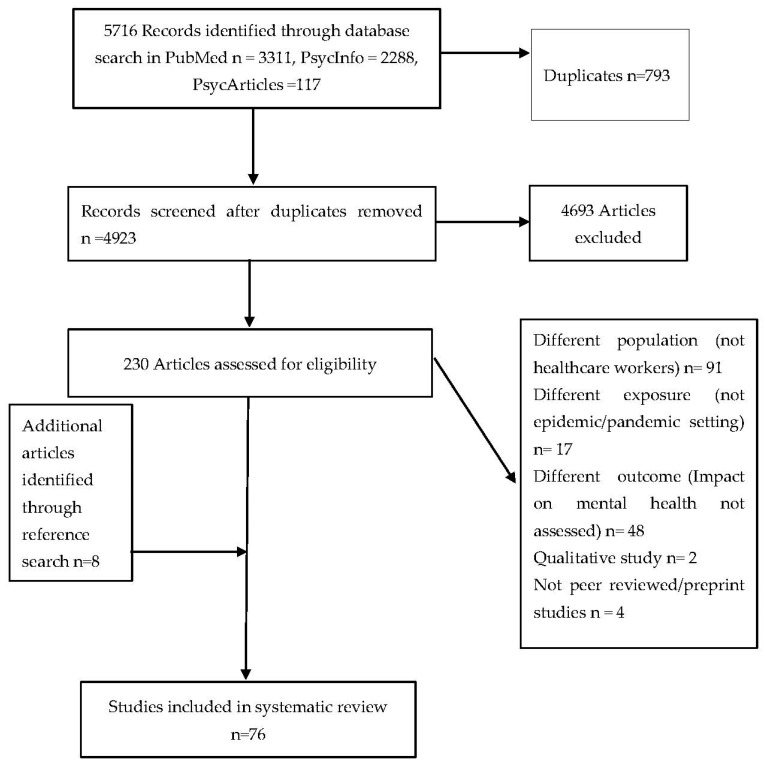
“Details are provided in the PRISMA flowchart (Figure 1).”
MethodInfluentialLai, J., Ma, S., Wang, Y., Cai, Z., Hu, J., Wei, N., Wu, J., Du, H., Chen, T., Li, R., et al. (2020) · JAMA Network Open · doi:10.1001/jamanetworkopen.2020.3976 · Cited by 8,015 · cited 10×
“(2020) [30] China COVID-19 Pandemic N = 1257 764 Nurses 493 Doctors (Hospital) Depression (PHQ-9) Anxiety (GADS-7) Insomnia (ISI-7) Distress (IES) 50.”
BackgroundResultInfluentialWright, K. B. (2006) · Journal of Computer-Mediated Communication · doi:10.1111/j.1083-6101.2005.tb00259.x · Cited by 2,550
Chew, N. W. S., Lee, G. K. H., Tan, B. Y. Q., Jing, M., Goh, Y., Ngiam, N. J. H., Yeo, L. L. L., Ahmad, A., Ahmed Khan, F., Napolean Shanmugam, G., et al. (2020) · Brain, Behavior, and Immunity · doi:10.1016/j.bbi.2020.04.049 · Cited by 1,650 · cited 3×
“Amerio et al. (2020) 8 Y Y Y Y Y Y Y Y Cai et al. (2020) 5 Y Y Y Y N N N Y Chew et al. (2020) 8 Y Y Y Y Y Y Y Y Du et al. (2020) 5 N Y Y Y N N Y Y Hacimusalar et al. (2020) 8 Y Y Y Y Y Y Y Y Hu et al. (2020) 6 Y Y Y Y N N Y Y Kang et al. (2020) 7 N Y Y Y Y Y Y Y Lai et al. (2020) 8 Y Y Y Y Y Y Y…”
BackgroundInfluentialWu, P., Fang, Y., Guan, Z., Fan, B., Kong, J., Yao, Z., Liu, X., Fuller, C. J., Susser, E., Lu, J., et al. (2009) · The Canadian Journal of Psychiatry · doi:10.1177/070674370905400504 · Cited by 1,647 · cited 5×
“(2009) [65] China SARS Epidemic N = 549 (hospital) Psychological distress (IES) Work exposure, exposure to traumatic events, Fear 10% had post-traumatic symptoms.”
BackgroundInfluentialKang, L., Ma, S., Chen, M., Yang, J., Wang, Y., Li, R., Yao, L., Bai, H., Cai, Z., Xiang Yang, B., et al. (2020) · Brain, Behavior, and Immunity · doi:10.1016/j.bbi.2020.03.028 · Cited by 1,516 · cited 3×
“…et al. (2020) 8 Y Y Y Y Y Y Y Y Du et al. (2020) 5 N Y Y Y N N Y Y Hacimusalar et al. (2020) 8 Y Y Y Y Y Y Y Y Hu et al. (2020) 6 Y Y Y Y N N Y Y Kang et al. (2020) 7 N Y Y Y Y Y Y Y Lai et al. (2020) 8 Y Y Y Y Y Y Y Y Li et al. (2020) 6 Y Y Y Y N N Y Y Liang et al. (2020) 5 N Y Y Y N N Y Y Liu…”
BackgroundInfluentialPsychological impact of the COVID-19 pandemic on health care workers in Singapore
Tan, B. Y. Q., Chew, N. W. S., Lee, G. K. H., Jing, M., Goh, Y., Yeo, L. L. L., Zhang, K., Chin, H.-K., Ahmad, A., Khan, F. A., et al. (2020) · Annals of Internal Medicine · doi:10.7326/m20-1083 · Cited by 1,279 · cited 3×
“…et al. (2020) 8 Y Y Y Y Y Y Y Y Que et al. (2020) 8 Y Y Y Y Y Y Y Y Shechter et al. (2020) 6 Y Y Y Y N N Y Y Sun et al. (2020) 8 Y Y Y Y Y Y Y Y Tan et al. (2020) 7 N Y Y Y Y Y Y Y Temsah et al. (2020) 8 Y Y Y Y Y Y Y Y Wang et al. (2020) 7 N Y Y Y Y Y Y Y Wu et al. (2020) 8 Y Y Y Y Y Y Y Y Wu…”
BackgroundInfluentialPsychological status of medical workforce during the COVID-19 pandemic: A cross-sectional study
Lu, W., Wang, H., Lin, Y., & Li, L. (2020) · Psychiatry Research · doi:10.1016/j.psychres.2020.112936 · Cited by 1,257 · cited 7×
“(2020) [34] China COVID-19 Pandemic N = 2299 HCWs (hospital) Fear (NRS) Anxiety (HAMA) Depression (HAMD) Medical staff experienced more fear, anxiety, and depression compared to administrative staff.”
BackgroundResultInfluentialLi, Z., Ge, J., Yang, M., Feng, J., Qiao, M., Jiang, R., Bi, J., Zhan, G., Xu, X., Wang, L., et al. (2020) · Brain, Behavior, and Immunity · doi:10.1016/j.bbi.2020.03.007 · Cited by 1,166 · cited 3×
“HCWS in Wuhan had more distress compared to HCWs outside Wuhan and outside Hubei province Li et al. (2020) [31] China COVID-19 Pandemic N = 526 nurses and 214 general public 234 frontline nurses 292 non frontline nurses (Hospital) Vicarious traumatization (Self-developed questionnaire) Vicarious…”
BackgroundInfluentialLee, S. M., Kang, W. S., Cho, A.-R., Kim, T., & Park, J. K. (2018) · Comprehensive Psychiatry · doi:10.1016/j.comppsych.2018.10.003 · Cited by 1,112 · cited 19×
“Lin et al. (2007) [69] Taiwan SARS Epidemic N = 92 HCWs (emergency department vs. psychiatry ward) (Hospital) Psychological status (DTS-C) (CHQ-12) 19.3% had symptoms of PTSD (DTS-C scores >40) 47.78% had minor psychiatric morbidity (CHQ-12 scores >3) Emergency department staff had higher psychiatric morbidity, and ex…”
BackgroundInfluential
Research works printed but not linked: 1
- Sim F. McKee M. Sim F. Issues in Public Health McGraw-Hill Education Maidenhead, UK 2011 978-0-335-24422-5
Cited by
The Mediating Role of Resilience in the Relationship between Perceived Stress and Mental Health
Lara‐Cabrera, M. L., Betancort, M., Muñoz-Rubilar, C. A., Novo, N. R., & Cuevas, C. D. L. (2021) · International Journal of Environmental Research and Public Health · doi:10.3390/ijerph18189762 · Cited by 150
“Recent meta-analysis studies have revealed the strong impact that the COVID-19 outbreak has had on people’s psychological wellbeing and mental health [11,33], which increases the urgency of addressing mental health during and after this global health crisis.”
BackgroundShan, Y., Shang, J., Yan, Y., & Ye, X. (2023) · BMC Nursing · doi:10.1186/s12912-023-01209-9 · Cited by 79
“In terms of the negative psychological reaction, the influence of personal affect on the level of perceived workload is well established [24], thus influencing consequently, a decline in task performance in physically and emotionally challenging context [25].”
BackgroundAust, B., Leduc, C., Cresswell‐Smith, J., O’Brien, C., Rugulies, R., Leduc, M., Dhálaigh, D. N., Dushaj, A., Fanaj, N., Guinart, D., et al. (2024) · International Archives of Occupational and Environmental Health · doi:10.1007/s00420-024-02065-z · Cited by 140
“Attention to health care workers general health and especially mental health is therefore crucial and particularly so during a global health crisis like the COVID-19 pandemic (Vizheh et al. 2020; Woo et al. 2020; Chigwedere et al. 2021).”
Self-citationde Vries, N., Maniscalco, L., Matranga, D., Bouman, J., & de Winter, P. (2024) · PLoS ONE · doi:10.1371/journal.pone.0300377 · Cited by 89
Semaan, A. T., Banke-Thomas, A. O., Amongin, D., Babah, O. A., Dioubaté, N., Kikula, A. I., Nakubulwa, S., Ogein, O., Adroma, M., Adiga, W. A., et al. (2022) · BMJ Global Health · doi:10.1136/bmjgh-2021-008063 · Cited by 64
“28 A recent study in Ghana and Kenya shows significant declines in job satisfaction and increase in stress and burnout among frontline healthcare workers during the COVID-19 pandemic.”
Mental health among healthcare workers during COVID-19 pandemic in Thailand
Chinvararak, C., Kerdcharoen, N., Pruttithavorn, W., Polruamngern, N., Asawaroekwisoot, T., Munsukpol, W., & Kirdchok, P. (2022) · PLoS ONE · doi:10.1371/journal.pone.0268704 · Cited by 74
“However, the figures are smaller when compared to studies that used the GAD-7 and PHQ-9 questionnaires as we did [12, 27].”
ResultYan, J., Wu, C., He, C., Lin, Y., He, S., Du, Y., Cao, B., & Lang, H. (2022) · Journal of Nursing Management · doi:10.1111/jonm.13889 · Cited by 63
“Nurses self-reported that they would have more confidence in their capacity to relieve stress if felt supported by family and friends (Chigwedere et al., 2021; Huang et al., 2021).”
BackgroundZhu, H., Yang, X., Xie, S., & Zhou, J. (2023) · BMJ Open · doi:10.1136/bmjopen-2022-061945 · Cited by 78
Davey, Z., Srikesavan, C. S., Cipriani, A., & Henshall, C. L. (2022) · Healthcare · doi:10.3390/healthcare10091674 · Cited by 43
“, Ebola, SARS, MERS) suggest that the behavioural and psychological consequences can last months and even years after the acute phase of these outbreaks [48,49].”
BackgroundCare home workers experiences of stress and coping during COVID‐19 pandemic: A mixed methods study
Beattie, M., Carolan, C. M., Macaden, L., Maciver, A., Dingwall, L., MacGilleEathain, R., & Schoultz, M. (2022) · Nursing Open · doi:10.1002/nop2.1335 · Cited by 45
“Nurses and care workers are known for their ability to adapt and overcome adversity, but resilience amongst HCWs has been challenged by the current pandemic (Akkuş et al., 2021; Chigwedere et al., 2021).”
BackgroundMental impact of Covid-19 among Spanish healthcare workers. A large longitudinal survey
Alonso, J., Vilagut, G., Alayo, I., Ferrer, M., Amigo, F., Peña, A. A., Aragonès, E., Campos, M. T., del Cura-González, I., Urreta, I., et al. (2022) · Epidemiology and Psychiatric Sciences · doi:10.1017/s2045796022000130 · Cited by 51
COVID-19-related mental health difficulties among marginalised populations: A literature review
Camara, C., Surkan, P. J., van der Waerden, J. E. B., Tortelli, A., Downes, N., Vuillermoz, C., & Melchior, M. (2022) · Cambridge Prisms Global Mental Health · doi:10.1017/gmh.2022.56 · Cited by 31
“…extensively summarised findings on levels of psychological distress in the general population and among healthcare workers (Zürcher et al., 2020; Chigwedere et al., 2021; Magnavita et al., 2021; Yuan et al., 2021); however, to date there was no overview of the situation among marginalised…”
Bouaddi, O., Abdallahi, N. M., Abdi, C. M. F., Hassouni, K., Jallal, M., Benjelloun, R., Belrhiti, Z., Nejjari, C., & Khalis, M. (2023) · INQUIRY The Journal of Health Care Organization Provision and Financing · doi:10.1177/00469580221147377 · Cited by 34
Grigorescu, S., Cazan, A., Rogozea, L. M., & Grigorescu, D. O. (2022) · Frontiers in Medicine · doi:10.3389/fmed.2022.842457 · Cited by 32
Müller, M., Baillés, E., Blanch, J., Torres, X., Rousaud, A., Cañizares, S., Teruel, M. C., Conti, C. M., Dunne, P. J., Stănculete, M. F., et al. (2022) · Journal of Psychosomatic Research · doi:10.1016/j.jpsychores.2022.111102 · Cited by 32
“Contrary to previously published data on psychological burden in healthcare workers, we did not find that being a nurse and being female was associated with higher levels or different courses of burnout [44].”
ResultShan, Y., Zhou, X., Zhang, Z., Chen, W., & Chen, R. (2023) · BMC Nursing · doi:10.1186/s12912-023-01623-z · Cited by 34
“Regarding negative psychological reactions, the risk and fear of contagion resulting from a massive number of confirmed cases and a high-risk environment may increase nurses’ anxiety level [21], thus influencing the level of perceived workload.”
BackgroundEyles, E., Moran, P., Okolie, C., Dekel, D., Macleod-Hall, C., Webb, R. T., Schmidt, L., Knipe, D. W., Sinyor, M., McGuinness, L. A., et al. (2021) · Journal of Affective Disorders Reports · doi:10.1016/j.jadr.2021.100271 · Cited by 26
“The mental health impact on healthcare and social care workers is of particular concern (Chigwedere et al., 2021; Gold, 2020).”
Self-citationHealthcare Workers' Mental Health in Pandemic Times: The Predict Role of Psychosocial Risks
Barros, C. E. C., Baylina, P., Fernandes, R., Ramalho, S., & Arezes, P. (2022) · Safety and Health at Work · doi:10.1016/j.shaw.2022.08.004 · Cited by 31
Halms, T., Strasser, M., Papazova, I., Reicherts, P., Zerbini, G., Grundey, S., Täumer, E., Ohmer-Kluge, M., Miriam Kunz, A., & Hasan, A. (2023) · BMC Psychiatry · doi:10.1186/s12888-023-04686-z · Cited by 34
Diakos, G., Koupidis, S., & Dounias, G. (2022) · Medicine International · doi:10.3892/mi.2022.62 · Cited by 25
“Since the onset of the CoVID‑19 pandemic in 2019, a number of researchers worldwide have focused on the mental health of healthcare workers (5,6). a previous meta‑analysis of 13 studies, 12 were from China and one from Singapore, focused on mental health during the COVID‑19 pandemic and identified…”
Skelton, E., Harrison, G., Rutherford, M., Ayers, S., & Malamateniou, C. (2022) · Ultrasound · doi:10.1177/1742271x221091716 · Cited by 25
Pigati, P. A. D. S., Righetti, R. F., Dourado, V. Z., Nisiaymamoto, B. T. C., Saraiva-Romanholo, B. M., & Tibério, I. D. F. L. C. (2022) · International Journal of Environmental Research and Public Health · doi:10.3390/ijerph19148720 · Cited by 25
“The causes for the increase in symptoms of depression, anxiety, and stress were multi-factorial and included work overload, exposure to the virus, experiencing prejudice, fear of contaminating others, the daily experience of death, and impact of social isolation [81].”
BackgroundKeisari, S., Feniger‐Schaal, R., Butler, J. D., Sajnani, N. L., Golan, N., & Orkibi, H. (2022) · The Arts in Psychotherapy · doi:10.1016/j.aip.2022.101983 · Cited by 26
“These results are consistent with findings that have discussed the burden and the stressful experience of health care professionals during COVID-19, as well as the need to provide adequate support (Chigwedere et al., 2021; Kisely et al., 2020).”
BackgroundResultCaramello, V., Gariglio, V., Salvo, G. D., Maina, G., & Boccuzzi, A. (2023) · Disaster Medicine and Public Health Preparedness · doi:10.1017/dmp.2023.42 · Cited by 20
“Results:A total of 207 HCWs (74% female, 46% physicians, 44% nurses) answered; 50% scored over the cut-off for anxiety (GAD-7), 66% for PCL-C, 41% for depression (PHQ-9), 25% for ISI, and 15% started sleep inducers; 52% showed emotional exhaustion (EE), 68% detachment (DE), 39% professional efficacy (EF) at MBI; 27% c…”
BackgroundInfluentialDong, L., Meredith, L. S., Farmer, C. M., Ahluwalia, S. C., Chen, P. G., Bouskill, K., Han, B., Qureshi, N., Dalton, S. E., Watson, P., et al. (2022) · Contemporary Clinical Trials · doi:10.1016/j.cct.2022.106768 · Cited by 21
Levin, C., Naimi, E., & Saban, M. (2024) · International Journal of Medical Informatics · doi:10.1016/j.ijmedinf.2024.105566 · Cited by 17
Mengin, A. C., Nourry, N., Séverac, F., Berna, F. S., Bemmouna, D., Costache, M. E., Fritsch, A., Frey, I., Ligier, F., Engel, N., et al. (2024) · Internet Interventions · doi:10.1016/j.invent.2024.100736 · Cited by 22
“During pandemics, being highly exposed (frontline), being a female, a nurse, lacking protective equipment, having less experience of healthcare and less social support have been identified as risk factors for mental health disorders among healthcare workers (Chigwedere et al., 2021).”
BackgroundMeredith, L. S., Ahluwalia, S. C., Chen, P. G., Dong, L., Farmer, C. M., Bouskill, K., Dalton, S. E., Qureshi, N., Blagg, T., Timmins, G. T., et al. (2024) · JAMA Network Open · doi:10.1001/jamanetworkopen.2024.4192 · Cited by 22
Belita, E., Neil‐Sztramko, S., Seale, C., Zhou, F., Ongolo-Zogo, C., Boamah, S. A., Cabaj, J., Jack, S. M., Banfield, L. E., Neudorf, C. O., et al. (2025) · BMC Health Services Research · doi:10.1186/s12913-025-12888-2 · Cited by 30
“Systematic reviews conducted in 2021 provide consistent evidence that anxiety, depression, post-traumatic stress disorder (PTSD), and burnout among other mental health issues, were prevalent among healthcare workers due to sustained and challenging working conditions [1–3].”
Memmott, C., Smith, J., Korzuchowski, A., Tan, H.-L., Oveisi, N., Hawkins, K., & Morgan, R. (2022) · Midwifery · doi:10.1016/j.midw.2022.103437 · Cited by 20
Wong, K. W., Wu, X., & Dong, Y. (2023) · International Journal of Mental Health Nursing · doi:10.1111/inm.13251 · Cited by 21
Broom, J. K., Veazey, L. W., Broom, A. F., Hor, S.-Y., Degeling, C., Burns, P. L., Wyer, M., & Gilbert, G. L. (2021) · Journal of Hospital Infection · doi:10.1016/j.jhin.2021.12.002 · Cited by 14
Tang, R., Feng, O., Chong, J. J., & Wang, A. (2022) · Proceedings of Singapore Healthcare · doi:10.1177/20101058221117390 · Cited by 15
Health equity in pediatrics: Current concepts for the care of children in the 21st century (Dis Mon)
Dickson, C. A., Ergun-Longmire, B., Greydanus, D. E., Eke, R., Giedeman, B., Nickson, N. M., Hoang, L.-N., Adabanya, U., Payares, D. V. P., Chahin, S. S., et al. (2023) · Disease-a-Month · doi:10.1016/j.disamonth.2023.101631 · Cited by 18
O’Callaghan, C., & Sadath, A. (2025) · Cogent Psychology · doi:10.1080/23311908.2025.2481733 · Cited by 35
“…in changes in workload and work schedules, healthcare professionals, particularly nurses, have been facing increased mental health difficulties (chigwedere et al., 2021). this underscores the heightened importance of conducting a study on nurse job satisfaction in Ireland, particularly in…”
InfluentialSelf-citationDaryanto, B., Putri, F. R., Kurniawan, J., Ilmawan, M., & Fajar, J. K. (2022) · Frontiers in Public Health · doi:10.3389/fpubh.2022.894946 · Cited by 19
Skelton, E., Smith, A., Harrison, G., Rutherford, M., Ayers, S., & Malamateniou, C. (2023) · Radiography · doi:10.1016/j.radi.2023.03.007 · Cited by 13
Predictors of COVID-19-related health anxiety among health care workers: a cross-sectional study
Saeedi, M., Yazdi, S., & Bahador, R. C. (2022) · BMC Psychology · doi:10.1186/s40359-022-00880-y · Cited by 15
“Inadequate protective equipment is associated with higher levels of stress and anxiety in HCWs [54, 55].”
BackgroundSun, T.-K., Chu, L., & Hui, C. (2022) · International Journal of Environmental Research and Public Health · doi:10.3390/ijerph191710542 · Cited by 13
“It is crucial to provide transparent and concrete information and policies [1].”
BackgroundInfluentialZohn, J. H., & Hovis, S. (2023) · Journal of Clinical Nursing · doi:10.1111/jocn.16651 · Cited by 23
Yin, T., Lü, Y., Xiong, W., Yu, C., Yin, D., & He, H. (2023) · Journal of Multidisciplinary Healthcare · doi:10.2147/jmdh.s401914 · Cited by 12
“Depression, anxiety, burnout and post-traumatic stress disorder were commonly observed in healthcare providers, especially in those fighting at the frontline, being a nurse, with longer shifts, etc.(3) In addition, these psychological issues could have associations with decreased quality of life and suicidality.”
BackgroundOsório, F. D. L., Zuardi, A. W., Silveira, I. L. M., Crippa, J. A. S., Hallak, J. E. C., Pereira‐Lima, K., & Loureiro, S. R. (2022) · Frontiers in Psychiatry · doi:10.3389/fpsyt.2022.852157 · Cited by 12
Mosolova, E., & Sosin, D. N. (2022) · S S Korsakov Journal of Neurology and Psychiatry · doi:10.17116/jnevro2022122061128 · Cited by 12
Gustavsson, K., Goetz-Kundera, Z., Flaga-Łuczkiewicz, M., & Wichniak, A. (2023) · International Journal of Environmental Research and Public Health · doi:10.3390/ijerph20042870 · Cited by 12
“Dealing with uncertainty, tiredness and frequent changes of procedures in hospitals placed healthcare personnel at a high risk of mental health deterioration [4,5].”
Correlation between COVID-19-related health anxiety and coping styles among frontline nurses
Saeedi, M., Abedini, Z., Latif, M., & Piruzhashemi, M. (2023) · BMC Nursing · doi:10.1186/s12912-023-01344-3 · Cited by 12
“more experienced nurses have faced similar epidemics before, so they have more knowledge, skills, and self-regulation, are more adaptable, and are less anxious than less experienced nurses [58].”
BackgroundAbaatyo, J., Rukundo, G. Z., Twine, M., Lutasingwa, D., Favina, A., Nyemara, N., & Ricciardelli, R. (2024) · BMC Psychiatry · doi:10.1186/s12888-024-05922-w · Cited by 11
“In addition, the anticipation of every patient having EVD disease, suggests HCPs to live in fear and anxiety which may escalate into psychological distress [11].”
BackgroundThankachen, S., Kabir, Z., & Sadath, A. (2025) · Journal of Migration and Health · doi:10.1016/j.jmh.2025.100325 · Cited by 13
“Nurses often experience high burnout (Chigwedere et al., 2021), which is associated with factors such as high workload, value incongruence, low control over the job, limited decision latitude, poor social climate/social support, and low rewards (Dall ’ Ora et al., 2020).”
Self-citationLanzara, R., Conti, C. M., Rosa, I., Pawłowski, T., Małecka, M., Rymaszewska, J., Porcelli, P., Stein, B., Waller, C., Müller, M., et al. (2023) · PLoS ONE · doi:10.1371/journal.pone.0285296 · Cited by 10
“The prolonged nature of the pandemic, as well as long working hours, exposure to critically ill patients, and the risk of contracting the virus itself, added to the stress and emotional toll on HCWs [50].”
BackgroundImpact of COVID-19 on mental health of health care workers in Spain: a mix-methods study
Ripoll, J., Chela-Àlvarez, X., Briones‐Vozmediano, E., Fiol-deRoque, M. A., Zamanillo‐Campos, R., Ricci‐Cabello, I., Llobera, J., Calafat-Villalonga, C., & Serrano-Ripoll, M. J. (2024) · BMC Public Health · doi:10.1186/s12889-024-17979-z · Cited by 11
“It has been an unprecedented situation in which HCWs had to deal with high mortality rates, overload in their workplaces, working in a high-risk environment, without being prepared, or well protected [11, 12].”
BackgroundBucaktepe, P. G. E., Akgül, F., & Çelik, S. B. (2024) · BMC Psychology · doi:10.1186/s40359-024-01880-w · Cited by 8
“That HCWs were negatively affected psychologically also meant that the whole of society was affected as a result of reduced performance and loss of work force [9, 17].”
BackgroundInfluentialNew graduate nurses’ perspectives on well-being and transitioning into the workforce
Hale, F. B., Wong, L. C. K., Callahan, J., & Fontenot, H. B. (2024) · Nursing Outlook · doi:10.1016/j.outlook.2024.102310 · Cited by 11
Alsaeed, D., Al-Ozairi, A., Alsarraf, H., Albarrak, F., & Al‐Ozairi, E. (2023) · Frontiers in Public Health · doi:10.3389/fpubh.2023.1048283 · Cited by 12
Savu, C., Armaș, I., Burcea, M., & Dobre, D. (2023) · Frontiers in Psychiatry · doi:10.3389/fpsyt.2023.1179803 · Cited by 8
Liu, G., Tong, Y., Li, J., Sun, X., Chen, L., Zheng, X., Zhang, X., Lv, J., Wang, J., Wei, B., et al. (2023) · The International Journal of Psychiatry in Medicine · doi:10.1177/00912174231219041 · Cited by 8
“…burnout and suicide was not addressed in the study of physical and mental health in health professionals (particularly public health personnel) during COVID-19, 18 and even fewer studies have examined moral injury and suicidal/self-harm ideation among public health professionals during COVID-19.”
InfluentialMeneguin, S., Pollo, C. F., Segalla, A. V. Z., Generoso, F. J. F., de Leo, A. F. D., & de Oliveira, C. M. (2024) · Healthcare · doi:10.3390/healthcare12060613 · Cited by 11
“Epidemics and pandemics can have negative impacts on the psychological well-being of healthcare professionals, leading to stress, depression, anxiety, insomnia, fear, stigma, and exhaustion [9].”
BackgroundBelita, E., Neil‐Sztramko, S., Rubeis, V. D., Boamah, S. A., Cabaj, J., Jack, S. M., Neudorf, C. O., Ongolo-Zogo, C., Seale, C., Watson-Creed, G., et al. (2024) · BMC Public Health · doi:10.1186/s12889-024-19783-1 · Cited by 7
“These variables were identified a priori based on previous literature [15, 17, 32].”
MethodEngelmann, P., Toussaint, A. C., Addo, M. M., Brehm, T. T., Lohse, A. W., Weigel, A., Thompson, M., & Löwe, B. (2022) · Journal of Mental Health · doi:10.1080/09638237.2022.2069709 · Cited by 8
“:3) enat et al., 2020; Chen et al., 2020; Chigwedere et al., 2021; Kunz et al., 2021).”
Veronesi, G., Giusti, E. M., D’Amato, A., Gianfagna, F., Borchini, R., Castelnuovo, G., Iacoviello, L., & Ferrario, M. (2022) · International Journal of Environmental Research and Public Health · doi:10.3390/ijerph19159514 · Cited by 6
Burnout in Pharmacy professionals during COVID-19 outbreak.
Coelho, E., Amaral, A. P., Rocha, C., Cruz, R., & Brito‐Costa, S. (2022) · Acta bio-medica dell'Ateneo parmense/Acta biomedica · doi:10.23750/abm.v93i6.13386 · Cited by 9
“an environment of extreme responsibility and precision (16-18).”
BackgroundYarahmadi, S., Khademi, M., Ebrahimzadeh, F., Cheraghian, T., & Delshad, E. S. (2023) · Frontiers in Psychology · doi:10.3389/fpsyg.2022.1108835 · Cited by 7
“Related studies conclude that less experienced HCWs are less knowledgeable, have lower levels of self-control and resilience, and experience greater levels of stress than more experienced HCWs who also have greater expertise (Chigwedere et al., 2021; Jamebozorgi et al., 2021).”
BackgroundWojnar-Gruszka, K., Miernik, M., Cichoń, J., Liberacka, D. B., Płaszewska‐Żywko, L., & Potocka, M. (2025) · Psychology Health & Medicine · doi:10.1080/13548506.2025.2455468 · Cited by 8
“Previous literature has indicated a possible higher risk of BOS for staff continually caring for patients with infection or suspected to be infected (Chigwedere et al., 2021; Kim & Choi, 2016).”
Apea, V., Titanji, B. K., Dakin, F., Hayes, R., Smuk, M., Kawu, H., Waters, L. J., Levy, I., Kuritzkes, D. R., Gandhi, M., et al. (2025) · PLOS Global Public Health · doi:10.1371/journal.pgph.0003704 · Cited by 7
Mirbahaeddin, E., & Chreim, S. (2023) · BMC Public Health · doi:10.1186/s12889-023-16488-9 · Cited by 9
Soklaridis, S., Chowdhury, M., Turco, M. G., Tremblay, M., Mazmanian, P. E., Williams, B. W., Besa, R., & Sockalingam, S. (2024) · Journal of Continuing Education in the Health Professions · doi:10.1097/ceh.0000000000000539 · Cited by 11
“” 212,213 Given the importance of wellness among health professionals, in general, and those who identify as belonging to a marginalized group, 214,215 in particular, the opportunities for CPD scholarship and interventions will be essential to the well-being of all.”
Ahn, M. H., Suh, S. A., & Chung, S. (2024) · Psychiatric Quarterly · doi:10.1007/s11126-024-10097-4 · Cited by 9
“Shift-working nurses face challenges that can significantly impact their psychological well-being [5, 7 ].”
Khanlari, P., NoorbalaTafti, A., Ghasemi, F., Ghiyasvandian, S., Azam, K., & Zakerian, S. A. (2025) · BMC Public Health · doi:10.1186/s12889-025-22840-y · Cited by 12
“Shifts and long working hours have been stated as a risk factor in various studies [7, 34, 44, 49, 52, 54].”
InfluentialTheron, E., Erasmus, H. C., Wylie, C., Khan, W., Geduld, H. I., & Stassen, W. (2022) · African Journal of Emergency Medicine · doi:10.1016/j.afjem.2022.08.004 · Cited by 8
“These feelings and conditions were, amongst others, identified as being prevalent among COVID-19 health care workers [ 29 –33 ] although not unknown prior to this pandemic [34] .”
Psychological Distress among University Staff before and during the COVID-19 Pandemic
Tanifuji, T., Mouri, K., Yamamoto, Y., & Aoyama, S. (2023) · International Journal of Environmental Research and Public Health · doi:10.3390/ijerph20032208 · Cited by 19
Bondjers, K., Lingaas, I., Stensland, S. Ø., Atar, D., Zwart, J., Wøien, H., & Dyb, G. A. (2023) · BMC Health Services Research · doi:10.1186/s12913-023-09246-5 · Cited by 12
“, staff shortages, lack of hospital beds and medical equipment), have all been potential strains throughout the pandemic [1, 2].”
BackgroundRodriguez, S. B., Bardacci, Y., Aoufy, K. E., Bazzini, M., Caruso, C., Giusti, G. D., Mezzetti, A., Lucchini, A., Iozzo, P., Guazzini, A., et al. (2023) · Nursing Reports · doi:10.3390/nursrep13030103 · Cited by 8
“…nurses, due not only to the novelty of the SARS-CoV2 infective threat but also to the lack of personal protective equipment (PPE) and training, fatigue due to the wearing of PPE for many consecutive hours, and the absence of a vaccine that could have protected first-line operators [25–27].”
BackgroundNavarro, L. P. M., Miranda, G. D. M. V., Aroca, B. E. L., Caballero, N. E. C., Guimaraes, J. L. C., Sánchez, J. D. A., & Vásquez, A. M. M. (2022) · Ciencia Latina Revista Científica Multidisciplinar · doi:10.37811/cl_rcm.v6i2.1960 · Cited by 6
Organizational conditions, work–life balance and work ability of healthcare workers
Poma, E., Curzi, Y., & Pistoresi, B. (2025) · Journal of Health Organization and Management · doi:10.1108/jhom-07-2024-0309 · Cited by 6
ICU Nursing Team Mental Health in The Face of the COVID-19 Pandemic: An Integrative Review
Fernandes, R. M., Carino, A. C. C., Almeida, A. T. D., de Souza, L. B. F., da Cruz, M. D. L. A., & Lira, A. L. B. D. C. (2023) · Aquichan · doi:10.5294/aqui.2023.23.2.6 · Cited by 9
Clelland, A., Bulut, O., King, S., & Johnson, M. D. (2023) · Psych · doi:10.3390/psych5030053 · Cited by 5
Factors associated with suicide risk among Brazilian graduate students during the COVID-19 pandemic
Molina, N. P. F. M., Júnior, A. D. C. P., Donato, G. D., Pillon, S. C., Vedana, K. G. G., Alves, V. D. M., & Miasso, A. I. (2023) · Death Studies · doi:10.1080/07481187.2023.2285936 · Cited by 6
“In addition, the literature indicates that there was an increase in rates of PTSD-related symptoms after the start of the pandemic in various populations (Chigwedere et al., 2021; Vasconcelos Neto et al., 2020).”
Baatiema, L., Aikins, A. D., Koram, K. A., Kunfah, S. M. P., Allen, L. N., Abímbọ́lá, Ṣ., & Kruk, M. E. (2024) · BMJ Open · doi:10.1136/bmjopen-2023-078957 · Cited by 9
Lee, D., Erande, A. S., Christodoulou, G., & Malik, S. (2024) · Stress and Health · doi:10.1002/smi.3502 · Cited by 7
“…such as SARS and MERS, as well as influenza and Ebola, the SARS‐CoV‐2 pandemic increased rates of depression, anxiety and stress among HCWs (Chigwedere et al. 2021; Magnavita et al. 2021; Preti et al. 2020; Saragih et al. 2021; Shreffler, Petrey, and Huecker 2020; Spoorthy, Pratapa, and…”
Influentialvan Duinkerken, A., Bosmans, M. W. G., O'Donnell, M. L., Baliatsas, C., & Dückers, M. (2025) · Journal of Psychiatric Research · doi:10.1016/j.jpsychires.2025.02.032 · Cited by 5
McCrimmon, T., Sundelson, A. E., Darisheva, M., Gilbert, L., Hunt, T., Terlikbayeva, A., Primbetova, S., & El-Bassel, N. (2022) · Global Health Science and Practice · doi:10.9745/ghsp-d-21-00619 · Cited by 5
Babicki, M., Kowalski, K., Bogudzińska, B., & Mastalerz–Migas, A. (2022) · Frontiers in Psychiatry · doi:10.3389/fpsyt.2022.1027734 · Cited by 6
“There are numerous indications of the longevity of the health effects caused by the pandemic (19).”
BackgroundSaeri, M., Vaezi, A., Tavakolifard, N., & Javanmard, S. H. (2023) · Advanced Biomedical Research · doi:10.4103/abr.abr_439_22 · Cited by 6
“[29,30] Among the factors we studied, female sex, working in the ICU, and history of comorbidities were associated with lower mental health status.”
BackgroundWagner, R. W., Mallaiah, S., Anderson, C. R., Engle, R., Vasu, V., Bruera, E. D., Subramaniam, B., Cohen, L. G., & Narayanan, S. (2024) · Journal of Integrative and Complementary Medicine · doi:10.1089/jicm.2023.0692 · Cited by 5
Kussainova, D. K., Оразалина, А. С., Khismetova, Z. A., С., С.-Е. Д., Khamidullina, Z., К.М., А., Ериковна, Т. А., Tukinova, A. R., & Shalgumbayeva, G. M. (2025) · International Journal of Environmental Research and Public Health · doi:10.3390/ijerph22030407 · Cited by 6
“These factors can have a negative impact on the mental health of health care workers and increase the risk of developing psychological problems [37].”
Ma, M., Adeney, M., Long, H., & He, B. (2021) · Frontiers in Public Health · doi:10.3389/fpubh.2021.774553 · Cited by 7
Nepal, S., Bailey, S., Newman, J., Wright, L., Smith, N., Dickson, M., & Williamson, A. B. (2023) · International Journal of Environmental Research and Public Health · doi:10.3390/ijerph20126060 · Cited by 4
“Throughout the COVID-19 pandemic, ACCHS staff have performed tasks that are not part of their usual role, and the resultant change in their roles have led to reduced community engagement; these factors are likely to have contributed to emotional exhaustion [15].”
BackgroundMonkeypox awareness and public health challenges in conflict affected syria 2024
Al-Deeb, R., Wali, A., Mansour, N., Shamme, N., Almansour, S., Ataya, J., Alolabi, H., & Albeshara, H. (2025) · Scientific Reports · doi:10.1038/s41598-025-89696-5 · Cited by 4
Tonole, R., Passos, J. P., Brandão, E. D. S., dos Santos, R., Souza, M. O. D. S. E., & Cardoso, T. C. D. S. F. (2022) · Research Society and Development · doi:10.33448/rsd-v11i5.28695 · Cited by 6
Job burnout among healthcare workers—The impact of the COVID-19 pandemic
Wlazło, M., Łaskawiec-Żuławińska, D., Grajek, M. K., & Korzonek-Szlacheta, I. (2024) · Applied Psychology Research · doi:10.59400/apr.v3i1.359 · Cited by 6
“The rapidly increasing number of patients per number of specialists has translated into both physical and mental fatigue, the symptoms of which may continue even after the outbreak ends (Chigwedere et al., 2021).”
BackgroundMoser, C. M., Tietbohl-Santos, B., Laskoski, P. B., & Hauck, S. (2024) · Journal of Occupational and Environmental Medicine · doi:10.1097/jom.0000000000003194 · Cited by 6
Zhang, S., & Gu, X. (2024) · BMJ Leader · doi:10.1136/leader-2024-001041 · Cited by 4
“61 The research on front-line clinical nurses showed that poor sleep, low environmental satisfaction, current department and rank contributed to high levels of physical fatigue.”
Dentists' Stress During the COVID-19 Pandemic: A Repeated Cross-Sectional Study
Praditpapha, A., Mattheos, N., Pisarnturakit, P. P., Pimkhaokham, A., & Subbalekha, K. (2023) · International Dental Journal · doi:10.1016/j.identj.2023.09.006 · Cited by 4
Bégin, C., Gilbert‐Ouimet, M., & Truchon, M. (2024) · Discover Psychology · doi:10.1007/s44202-024-00192-9 · Cited by 3
“Healthcare workers have experienced a wide range of mental health symptoms during this pandemic such as acute stress disorder, depression, anxiety, insomnia, burnout, and posttraumatic stress disorder [5].”
Strengthening Primary Health Care for Epidemic and Pandemic Response: A Scoping Review
Homayounifar, F., Abdollahi, Z., Davar, G., Ostovar, T., Delavari, S., Marzaleh, M. A., & Khosravi, M. (2025) · Journal of Advanced Nursing · doi:10.1111/jan.16757 · Cited by 5
Silva, J. A. M., da Silva, L. E. O., de Araújo, Y. L., Bottacin, W. E., Souza, T. T., & Reis, W. C. T. (2021) · Research Society and Development · doi:10.33448/rsd-v10i16.23591 · Cited by 7
Carvalho-Alves, M. O., Petrilli-Mazon, V. A., Brunoni, A. R., Malbergier, A., Fukuti, P., Polanczyk, G. V., Miguel, E. C., Corchs, F., & Wang, Y. (2022) · World Journal of Psychiatry · doi:10.5498/wjp.v12.i6.843 · Cited by 7
Meaning in life as an armor to prevent psychological damage in future crises
Mahdavinoor, S. M. M., & Mahdavinoor, S. H. (2022) · Asian Journal of Psychiatry · doi:10.1016/j.ajp.2022.103362 · Cited by 3
“Crises such as epidemics and pandemics can have long-term negative effects on mental health of people due to the special conditions they create (Chigwedere et al., 2021; Esterwood and Saeed, 2020).”
Namikawa, H., Tochino, Y., Okada, A., Ota, K., Okada, Y., Yamada, K., Watanabe, T., Mizobata, Y., Kakeya, H., Kuwatsuru, Y., et al. (2023) · Journal of General and Family Medicine · doi:10.1002/jgf2.632 · Cited by 3
Mo, D., Gluck, R. L., Jiang, F., Tao, R., Geng, F., Liu, T., Liu, Y., Liu, H., & Tang, Y. (2023) · Alcohol · doi:10.1016/j.alcohol.2023.08.006 · Cited by 5
The Emotional and Moral Remnants of COVID-19: Burnout, Moral Distress, and Mental Health Concerns
Grady, C. (2022) · Springer eBooks · doi:10.1007/978-3-030-82113-5_5 · Cited by 3
Santos-Ribeiro, C., Rodríguez‐Blázquez, C., Ayala, A., Romay‐Barja, M., Romero, M. F., & Forjaz, M. J. (2025) · Heliyon · doi:10.1016/j.heliyon.2025.e42409 · Cited by 3
Metadata
- Authors
- Chigwedere, O. C., Sadath, A., Kabir, Z., & Arensman, E.
- Affiliations
- University College Cork (IE)
- Griffith University (AU)
- Corresponding author
- Chigwedere, Ottilia Cassandra
- Venue
- International Journal of Environmental Research and Public Health
- Publisher
- MDPI AG
- Published
- 2021-06-22
- Volume
- 18
- Issue
- 13
- Pages
- 6695
- ISSN
- 1660-4601 (ISSN-L)
- PMC
- PMC8296866
- OpenAlex
- W3176158059
- Cited by
- 181
- References
- 95
- Citations by year
- 2026: 16 · 2025: 32 · 2024: 34 · 2023: 45 · 2022: 47 · 2021: 7
- FWCI
- 4.41
- Type
- journal article
- Language
- en
- Open access
- gold
- doi.org
- Licence
- Locations
- International Journal of Environmental Research and Public Health (publishedVersion, cc-by)
- PubMed Central (publishedVersion, cc-by)
- PubMed (publishedVersion)
- Griffith Research Online (submittedVersion, cc-by)
- RePEc: Research Papers in Economics (submittedVersion)
- DOAJ (DOAJ: Directory of Open Access Journals) (submittedVersion)
- Topics
- Social Sciences › Psychology › Clinical Psychology › COVID-19 and Mental Health
- Health Sciences › Health Professions › General Health Professions › Healthcare professionals’ stress and burnout
- Health Sciences › Medicine › Public Health, Environmental and Occupational Health › Occupational Health and Burnout
- Keywords
- healthcare workers, mental health, epidemics, pandemic, COVID-19 pandemic, SARS, MERS, Ebola, H1N1, H7N9, psychological distress, acute stress disorder, depression, anxiety, insomnia, burnout, post-traumatic stress disorder, frontline workers, personal protective equipment, social support, quarantine, psychological support
- MeSH terms
- COVID-19, SARS-CoV-2, Anxiety, Cross-Sectional Studies, Female, Health Personnel, Humans, Mental Health, Influenza A Virus, H1N1 Subtype, Pandemics, Influenza A Virus, H7N9 Subtype
About these checks
Registry, retraction, Cites and statistics results are computed, not judged, with one exception: a printed reference that no index lists is read once by a model before it counts as a citation error. Claims are extracted by a model and kept only when their quote appears verbatim in the text; each cited source is then checked, with a model’s help, for whether it says what the claim relies on. Those verdicts can be wrong — read the claim’s quote and the cited source before relying on one.
Statistics and arithmetic are recomputed, not judged.
Confidence bands are shown only for fields calibrated on our annotated test set. None is calibrated yet, so no band is shown.
What counts as a claim ›How we measure confidence ›How we check this ›
Are you an author, or do you see a problem with this page? Request a review
Data sources
Bibliographic data: Semantic Scholar, OpenAlex, Crossref.
Contains information from the Semantic Scholar Academic Graph Datasets, made available under the ODC Attribution License (ODC-BY 1.0).
Semantic Scholar’s data is described in: Kinney, R., et al. (2023). The Semantic Scholar Open Data Platform. arXiv:2301.10140.
