

Waste Management and the Perspective of a Green Hospital—A Systematic Narrative Review
Open accessThe DOI matches its Crossref record; 38 of the 38 references it cites were found in a registry or an index; 18 of the 29 sources its claims cite were checked for support.
Abstract
Systematic narrative review identifying operating room and hemodialysis as procedures strongly associated with healthcare waste and emphasizing 5Rs, education, regulation, and environmental teams.
Overview
CoChat Summary
TL;DR
This systematic narrative review synthesized 19 studies on healthcare waste management and “green hospital” practices published from January 2020 to April 2022. It concludes that operating rooms and hemodialysis generate substantial waste, that the 5Rs strategy is commonly recommended, and that education, managerial commitment, and regulation are key to greener healthcare.
Key findings
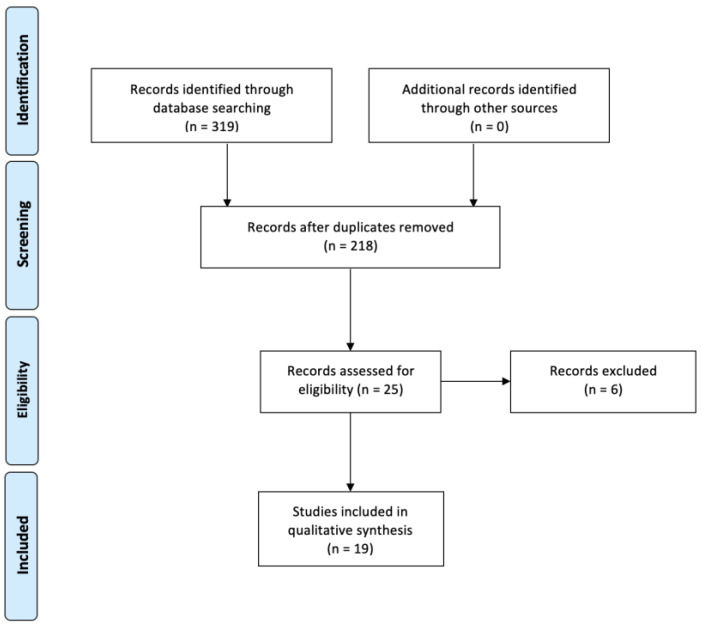
- The search identified 12 articles in Scopus, 15 in ISI Web of Knowledge, and 9 in MEDLINE/PubMed; after removing duplicates and excluding ineligible papers, 19 studies were included.
- Operating rooms were a major waste source, with surgical activity accounting for 30–70% of all healthcare waste; in one audit of 17 neurointerventional procedures, 135.3 kg of waste was produced, including 85.5 kg (63.2%) clinical waste and a mean of 8 kg per case.
- In one Cleveland Clinic intervention, training and diversion efforts led to around 1 million pounds of plastics being diverted from landfills and a reduction of regulated medical waste by 26 tons per month.
- The review reports that 1.5–8 kg per dialysis can be generated by hemodialysis, and that one UK adenotonsillectomy study found 1,984 kg of incinerated waste per year from nearly 1,000 procedures annually.
- Across studies, the 5Rs rule (reduce, reuse, recycle, rethink, research) was the most common waste-reduction strategy; barriers included insufficient funding (72%), lack of mandate (64%), and scarce knowledge (60%) in a Canadian anesthesia survey.
Methods
- Systematic search of Scopus, MEDLINE/PubMed, and ISI Web of Knowledge for English full-text studies published between 1 January 2020 and 30 April 2022.
- Included research articles, brief reports, commentaries, and letters; excluded abstracts without full text, systematic reviews, meta-analyses, and studies unrelated to waste management.
- Two reviewers independently screened titles/abstracts, resolved disagreements by consensus, and supplemented searching by reviewing references and contacting authors when needed.
Limitations
- The authors state the review is limited by “limited previous literature and poor data sources,” because most references were opinion papers, letters, and small case studies.
- Evident from the text: the review covers a narrow time window (2020–April 2022) and only English full-text studies, which may limit breadth.
- Evident from the text: the included evidence is heterogeneous and often descriptive, so the review does not present a single pooled quantitative effect estimate.
Model-written summary. Check it against the paper before relying on it.
Integrity signals
Registry
Cites
Statistics
Figures
Verification
Claims the paper makes
16 Valid · 2 Not valid · 10 Not checked · 7 Own results and interpretations
The cited sources support only part of this claim — read each source’s verdict below.
In the paper
“in particular, endoscopy services and anesthetic procedures seem to be the most wasteful procedures [13,15,21].”
§ Waste Management and the Perspective of a Green Hospital—A Systematic Narrative Review > 4. Discussion
What the sources say
- Not checked — no full text of the sourcecites [13] Skowno J. Weatherall A. Lighting a candle, or cursing the darkness? Delivering a climate friendly anaesthetic J. Paediatr. Child Health 2021 57 1781 1784 10.1111/jpc.15760 34792239 source
- Not checked — no full text of the sourcecites [15] De Melo S.W. Taylor G.L. Kao J.Y. Packaging and Waste in the Endoscopy Suite Tech. Innov. Gastrointest. Endosc. 2021 23 371 375 10.1016/j.tige.2021.07.004 source
- Partly supportedcites [21] Petre M.A. Bahrey L. Levine M. van Rensburg A. Crawford M. Matava C.T. Anesthesia environmental sustainability programs-a survey of Canadian department chiefs and residency program directors Can. J. Anaesth. 2020 67 1190 1200 (In English) 10.1007/s12630-020-01738-w 32529472 sourceExperimental — accuracy not yet measured
The Introduction (page unavailable) says anesthetic practice contributes significantly to waste associated with surgery. It does not discuss endoscopy services or establish that either type of procedure is among the most wasteful. (LLM, conf=0.87)
states an association- Asserted: passes — The authors put it forward as true.
- Checkable: passes — It can be checked against evidence.
- Load-bearing: unclear — It is unclear whether the paper’s conclusions depend on it.
- Based: passes — The paper gives a reason why it holds.
The cited sources support only part of this claim — read each source’s verdict below.
In the paper
“The most recent studies evidenced how the COVID-19 pandemic could provisionally slow down the greening process of a nosocomial environment [7].”
- Also stated in: § Abstract The concept of a “green hospital” is used in reference to a hospital that includes the environment as part of its quality services and one that pays attention to the sustainable design of buildings. Waste disposal represents a potential risk for the environment; therefore, waste collection from healthcare centers is a key environmental issue. Our study aims to systematically review the experiences acquired in worldwide nosocomial settings related to the management of healthcare waste. Nineteen studies, selected between January 2020 and April 2022 on Scopus, MEDLINE/PubMed and Web of Science databases were included in our systematic narrative review. Operating room and hemodialysis activities seem to be the procedures most associated with waste production. To deal with waste production, the 5Rs rule (reduce, reuse, recycle, rethink and research) was a common suggested strategy to derive the maximum practical benefit while generating the minimum amount of waste. In this context, the COVID-19 pandemic slowed down the greening process of nosocomial environments. Waste management requires a multifactorial approach to deal with medical waste management, even considering the climate change that the world is experiencing. Education of health personnel and managers, regulation by governmental institutions, creation of an “environmental greening team”, and awareness of stakeholders and policymakers are some of the measures needed for the greening of healthcare facilities. · plain
“the COVID-19 pandemic slowed down the greening process of nosocomial environments.”
§ Waste Management and the Perspective of a Green Hospital—A Systematic Narrative Review > 3. Results > 3.2. Systematic Review
What the sources say
- Partly supportedcites [7] Giannaccare G. Breda J.B. For a greener future of ophthalmology Eye 2021 36 656 657 10.1038/s41433-021-01445-w 33608644 PMC7894230 sourceExperimental — accuracy not yet measured
In “To the Editor,” the paper says COVID-19 could temporarily slow the greening of ophthalmology because measures to reduce cross-contamination favor unidose systems and disposable instruments. The citing sentence extends that point to nosocomial environments generally, which the paper does not address. (LLM, conf=0.84)
plainstates a possible cause- Asserted: passes — The authors put it forward as true.
- Checkable: passes — It can be checked against evidence.
- Load-bearing: unclear — It is unclear whether the paper’s conclusions depend on it.
- Based: passes — The paper gives a reason why it holds.
- Also stated in: § Abstract The concept of a “green hospital” is used in reference to a hospital that includes the environment as part of its quality services and one that pays attention to the sustainable design of buildings. Waste disposal represents a potential risk for the environment; therefore, waste collection from healthcare centers is a key environmental issue. Our study aims to systematically review the experiences acquired in worldwide nosocomial settings related to the management of healthcare waste. Nineteen studies, selected between January 2020 and April 2022 on Scopus, MEDLINE/PubMed and Web of Science databases were included in our systematic narrative review. Operating room and hemodialysis activities seem to be the procedures most associated with waste production. To deal with waste production, the 5Rs rule (reduce, reuse, recycle, rethink and research) was a common suggested strategy to derive the maximum practical benefit while generating the minimum amount of waste. In this context, the COVID-19 pandemic slowed down the greening process of nosocomial environments. Waste management requires a multifactorial approach to deal with medical waste management, even considering the climate change that the world is experiencing. Education of health personnel and managers, regulation by governmental institutions, creation of an “environmental greening team”, and awareness of stakeholders and policymakers are some of the measures needed for the greening of healthcare facilities. · plain
Every source the paper cites for this claim was checked and supports it.
In the paper
“Wastes produced during health care activities have a greater possible risk of infection and injury than any other type.”
§ Waste Management and the Perspective of a Green Hospital—A Systematic Narrative Review > 1. Introduction
What the sources say
- Supportedcites [3] Azmal M. Kalhor R. Dehcheshmeh N.F. Goharinezhad S. Heidari Z.A. Farzianpour F. Going toward Green Hospital by Sustainable Healthcare Waste Management: Segregation, Treatment and Safe Disposal Health 2014 6 2632 2640 10.4236/health.2014.619302 source
The Introduction states almost exactly that wastes generated during care activities have more potential risk of infection and injury than other types. It also notes that most healthcare waste is considered nonhazardous, so the statement concerns potential risk rather than every item of waste. (LLM, conf=0.94)
hedgedstates an association- Asserted: passes — The authors put it forward as true.
- Checkable: passes — It can be checked against evidence.
- Load-bearing: unclear — It is unclear whether the paper’s conclusions depend on it.
- Based: passes — The paper gives a reason why it holds.
- Supported
Every source the paper cites for this claim was checked and supports it.
In the paper
“Many ecological concerns in health areas are directly linked to waste production and dumping methods.”
§ Waste Management and the Perspective of a Green Hospital—A Systematic Narrative Review > 1. Introduction
What the sources say
- Supportedcites [4] Kenny C. Priyadarshini A. Review of Current Healthcare Waste Management Methods and Their Effect on Global Health Healthcare 2021 9 284 10.3390/healthcare9030284 33807606 PMC7999172 source
The Introduction links increasing healthcare-waste volumes and disposal practices to environmental problems. Section 5 states that incineration and landfilling can produce hazardous pollutants that damage the environment. The supplied passages do not give page numbers. (LLM, conf=0.92)
plainstates an association- Asserted: passes — The authors put it forward as true.
- Checkable: passes — It can be checked against evidence.
- Load-bearing: passes — The paper’s conclusions depend on it.
- Based: passes — The paper gives a reason why it holds.
- Supported
Every source the paper cites for this claim was checked and supports it.
In the paper
“One of the principal obstacles is the absence of organization in hospitals in terms of handling waste disposal.”
§ Waste Management and the Perspective of a Green Hospital—A Systematic Narrative Review > 1. Introduction
What the sources say
- Supportedcites [3] Azmal M. Kalhor R. Dehcheshmeh N.F. Goharinezhad S. Heidari Z.A. Farzianpour F. Going toward Green Hospital by Sustainable Healthcare Waste Management: Segregation, Treatment and Safe Disposal Health 2014 6 2632 2640 10.4236/health.2014.619302 source
The Introduction identifies a lack of necessary hospital infrastructure for handling waste disposal as one of the main barriers. Section 5 also describes unplanned disposal and says a clear plan would help hospitals handle infectious waste. Together, these support the claim's paraphrase about inadequate organization. (LLM, conf=0.88)
plainstates a cause- Asserted: passes — The authors put it forward as true.
- Checkable: passes — It can be checked against evidence.
- Load-bearing: unclear — It is unclear whether the paper’s conclusions depend on it.
- Based: passes — The paper gives a reason why it holds.
- Supported
12 more claims · 4 with their cited sources checked
Create a free account to see all 35 claims and every source verdict.
- It may state two separate claims as one. 8
- Probably not a substantial claim. 15
Citations
Cites
The PRISMA 2020 statement: An updated guideline for reporting systematic reviews
Page, M. J., McKenzie, J. E., Bossuyt, P. M., Boutron, I., Hoffmann, T. C., Mulrow, C. D., Shamseer, L., Tetzlaff, J. M., Akl, E. A., Brennan, S. E., et al. (2021) · BMJ · doi:10.1136/bmj.n71 · Cited by 108,283
The PRISMA 2020 statement: an updated guideline for reporting systematic reviews
Page, M. J., McKenzie, J., Bossuyt, P., Boutron, I., Hoffmann, T., mulrow, C., Shamseer, L., Tetzlaff, J., Akl, E., Brennan, S. E., et al. (2020) · doi:10.31222/osf.io/v7gm2_v1 · Cited by 8,090
The PRISMA 2020 statement: an updated guideline for reporting systematic reviews
Page, M. J., McKenzie, J., Bossuyt, P., Boutron, I., Hoffmann, T., mulrow, C., Shamseer, L., Tetzlaff, J., Akl, E., Brennan, S. E., et al. (2020) · doi:10.31222/osf.io/v7gm2 · Cited by 5,177
Harussani, M. M., Sapuan, S. M., Rashid, U., Khalina, A., & Ilyas, R. A. (2022) · Science of The Total Environment · doi:10.1016/j.scitotenv.2021.149911 · Cited by 255 · cited 1×
“This method reduces PP plastic waste and produces pyrolysis liquid oil and solid char to be used in fuel applications [37].”
MethodBarraclough, K. A., & Agar, J. W. M. (2020) · Nature Reviews Nephrology · doi:10.1038/s41581-019-0245-1 · Cited by 245
Review of Current Healthcare Waste Management Methods and Their Effect on Global Health
Kenny, C., & Priyadarshini, A. (2021) · Healthcare · doi:10.3390/healthcare9030284 · Cited by 238
Operating room greening initiatives—The old, the new, and the way forward: A narrative review
Wyssusek, K. H., Keys, M. T., & van Zundert, A. A. J. (2019) · Waste Management & Research: The Journal for a Sustainable Circular Economy · doi:10.1177/0734242x18793937 · Cited by 217 · cited 3×
“Many studies focused on the cost-effectiveness of waste management initiatives in nosocomial environments and estimated that reducing, recycling and reusing tools and instruments leads to savings of thousands of dollars a year, even if an initial investment is required to optimize processes [31].”
BackgroundJoseph, B., James, J., Kalarikkal, N., & Thomas, S. (2021) · Advanced Industrial and Engineering Polymer Research · doi:10.1016/j.aiepr.2021.06.003 · Cited by 195 · cited 1×
“[35] focused on non-infected plastic wastes generated at healthcare facilities, proving that this type of waste is either disposed of in landfills or inadequately incinerated.”
BackgroundTorres, F. G., & De-la-Torre, G. E. (2021) · Science of The Total Environment · doi:10.1016/j.scitotenv.2021.147628 · Cited by 179 · cited 1×
“A 2021 review [33] estimated that the overall face mask waste generated in Peru reached 14,983,383.”
BackgroundConrardy, J., Hillanbrand, M., Myers, S., & Nussbaum, G. F. (2010) · AORN Journal · doi:10.1016/j.aorn.2009.12.029 · Cited by 162 · cited 1×
“A recommendation to raise awareness among managers on this issue could be the addition of the purchase price of an item to the cost of its waste disposal, occupational health costs, environmental impact, and warehousing costs to determine the ultimate cost of purchasing the disposable medical item [38].”
Background
Research works printed but not linked: 2
- Suwasono E. Suman A. Soemarno Yanuwiadi B. Creating a green hospital concept through the management of non-medical waste Int. J. Adv. Eng. Technol. 2013 6 1988 1994
- Institute of Medicine (US) Roundtable on Environmental Health Sciences, Research, and Medicine Green Healthcare Institutions: Health, Environment, and Economics: Workshop Summary National Academies Press Washington, DC, USA 2007 21595109
Cited by
Climate Change and Radiology: Impetus for Change and a Toolkit for Action
Brown, M. J., Schoen, J. H., Gross, J., Omary, R. A., & Hanneman, K. A. (2023) · Radiology · doi:10.1148/radiol.230229 · Cited by 122
Strategies and tactics to reduce the impact of healthcare on climate change: systematic review
Braithwaite, J., Smith, C. L., Leask, E., Wijekulasuriya, S., Brooke-Cowden, K., Fisher, G., Patel, R., Pagano, L., Rahimi‐Ardabili, H., Spanos, S., et al. (2024) · BMJ · doi:10.1136/bmj-2024-081284 · Cited by 121
Green hospitals face to climate change: Between sobriety and resilience
Vallée, A. (2024) · Heliyon · doi:10.1016/j.heliyon.2024.e24769 · Cited by 70
“It aims to operate in harmony with both the human body and the natural world, ensuring that it does not disproportionately or unfairly impact any key component of the healthcare system [12].”
BackgroundConti, A., Viottini, E., Comoretto, R. I., Piovan, C., Martin, B. S., Albanesi, B., Clari, M., Dimonte, V., & Campagna, S. (2024) · Sustainability · doi:10.3390/su16093513 · Cited by 47
Schwab, R. M., Schiestl, L. J., & Hasenburg, A. (2025) · Frontiers in Public Health · doi:10.3389/fpubh.2025.1559132 · Cited by 54
Phonthanukitithaworn, C., Srisathan, W. A., & Naruetharadhol, P. (2024) · Journal of Open Innovation Technology Market and Complexity · doi:10.1016/j.joitmc.2024.100342 · Cited by 37
van Gils-Schmidt, H. J., & Salloch, S. (2023) · Journal of Medical Ethics · doi:10.1136/jme-2023-109203 · Cited by 28
“7 The ‘green hospital’ has become a catchphrase referring to attempts of decarboni-sation at the institutional level, for example, addressing waste management 8 and the sustainable design of buildings.”
BackgroundZhou, F., Samsurijan, M. S., Ibrahim, R. L., & Al‐Faryan, M. A. S. (2023) · International Journal of Sustainable Development & World Ecology · doi:10.1080/13504509.2023.2291135 · Cited by 24
“Empirical evidence such as (Lattanzio et al. 2022; Shah et al. 2023) alludes to the fundamentality of sustainable waste management in the achievement of green environment and green energy generation.”
BackgroundReusable laryngoscope blades: a more eco-responsible and cost-effective alternative
Rouvière, N., Chkair, S., Auger, F., Cuvillon, P., Leguelinel, G., & Chasseigne, V. (2023) · Anaesthesia Critical Care & Pain Medicine · doi:10.1016/j.accpm.2023.101276 · Cited by 40
Badawy, W., Shaban, M., Elsayed, H. H., & Hashim, A. (2024) · Teaching and learning in nursing · doi:10.1016/j.teln.2024.11.019 · Cited by 32
(2023) · Quality - Access to Success · doi:10.47750/qas/25.198.40 · Cited by 22
Barriers and facilitators to recycling waste in hospitals: A mixed methods systematic review
Jungbluth, L., Goodwin, D. M., Tull, F., & Bragge, P. (2024) · Resources Conservation & Recycling Advances · doi:10.1016/j.rcradv.2024.200209 · Cited by 31
“…a wider thematic focus of review-level studies on healthcare as opposed to hospital settings (e.g. Aboueid et al., 2023) and sustainability or waste management topics instead of a specific focus on the waste management option of recycling (e.g. Lattanzio et al., 2022; McGain and Naylor, 2014).”
Ang, T. L., Dao, H. V., Li, J. W., Ho, J. C. L., Sy‐Janairo, M. L. L., Ali, R. A. R., Makharia, G. K., Sundaram, S., Chantarojanasiri, T., Kim, H. G., et al. (2025) · Journal of Gastroenterology and Hepatology · doi:10.1111/jgh.16896 · Cited by 20
Özkan, Ş., Selçuk, K. T., & Kan, Z. E. (2023) · International Journal of Environmental Health Research · doi:10.1080/09603123.2023.2185209 · Cited by 19
“Accordingly, training of healthcare staff and managers, establishment of environmental greening teams in the public and private sectors, and raising awareness of stakeholders and policy makers have been recommended for greening healthcare facilities (Lattanzio et al. 2022).”
BackgroundMoya, E., Bryant, S. A., Horneck, N. C., Taylor, V., Alayleh, A. M., Alawa, J., Pintea, S. D., Lin, C., Bellaire, L. L., Saleh, J. R., et al. (2024) · The American Journal of Surgery · doi:10.1016/j.amjsurg.2024.116178 · Cited by 17
How to improve the environmental impact in haemodialysis: small actions, big changes
Jiménez, M. D. A., Audije-Gil, J., Martínez, R., Vaquero, N. M., Gómez, M., Portillo, J., Pereda, G., Hernán, D., Duane, B. G., Sanjuan, M., et al. (2024) · Clinical Kidney Journal · doi:10.1093/ckj/sfae407 · Cited by 20
“The main proposal is to make use of the 5 R rule: reduce, reuse, recycle, rethink and research [10 ].”
Towards a novel circular maturity model to foster circular economy in the healthcare industry
Sgambaro, L., Raji, Y., Chiaroni, D., & Lettieri, E. (2025) · Sustainable Production and Consumption · doi:10.1016/j.spc.2025.02.016 · Cited by 18
Ngatindriatun, N., Alfarizi, M., & Arifian, R. (2023) · Journal of Modelling in Management · doi:10.1108/jm2-05-2023-0108 · Cited by 21
Green healthcare: initiatives and adaptations for sustainable future
Sanyal, T., Rakshit, I., & Bhattacharjee, P. (2024) · Environment Development and Sustainability · doi:10.1007/s10668-024-04957-z · Cited by 16
“The processing of medical waste is complex and requires coordination among multiple sectors for better accomplishment, green governance principle facilitates the effective clearance of medical wastes thus reducing the chance of infection subsequently (Lattanzio et al., 2022).”
Sahoo, M., Kumar, A., & Thakur, V. (2025) · Journal of Cleaner Production · doi:10.1016/j.jclepro.2025.145024 · Cited by 17
Environmentally sustainable gastroenterology practice: Review of current state and future goals
Sonaiya, S., Marino, R., Agollari, K., Sharma, P., & Desai, M. (2023) · Digestive Endoscopy · doi:10.1111/den.14688 · Cited by 11
“73 Telemedicine : The carbon footprint savings related to telemedicine can range between 0.70 and 372 kg CO 2 e per consultation.”
BackgroundInfluentialThe environmental impacts of anesthesia
Grunert, M., Hunt, M. F., & Decker, M. (2024) · Current Opinion in Urology · doi:10.1097/mou.0000000000001192 · Cited by 12
The “6th R” of sustainability: Repurposing operating room waste for community benefit
Bae, J. H., Ravinal, L., Barth, E., Yanda, M., Bae, D. S., Arato, G., & Lewandowski, K. S. (2024) · The American Journal of Surgery · doi:10.1016/j.amjsurg.2024.115930 · Cited by 14
Cappelli, M. A., Cappelli, E., & Cappelli, F. (2025) · Environments · doi:10.3390/environments12090295 · Cited by 14
“A common framework guiding these efforts is the 5Rs rule—reduce, reuse, recycle, rethink, and research—which provides a structured approach to maximize practical benefits while minimizing waste [31].”
InfluentialOptimizing teleconsultation scheduling to make healthcare greener
Qiao, Y., Zhai, Y., Ma, R., Ji, M., & Lu, W. (2023) · Journal of Cleaner Production · doi:10.1016/j.jclepro.2023.138569 · Cited by 14
Public awareness, attitudes, behavior and norms building green hospitals' power
Nurfikri, A., Kesa, D. D., Wu, M., Roselina, E., & Hidayat, A. (2024) · Heliyon · doi:10.1016/j.heliyon.2024.e39336 · Cited by 20
“2) Green hospitals focus on better waste management, including recycling and reducing medical waste, which helps reduce environmental impact [24].”
BackgroundRoadmaps to green nephrology: a mediterranean point of view
Hmida, M. B., Torreggiani, M., Berman-Parks, N., Salomone, M., & Piccoli, G. B. (2023) · Current Opinion in Nephrology & Hypertension · doi:10.1097/mnh.0000000000000943 · Cited by 9
“Green nephrology is a stepwise pathway that take local resources and priorities into account.”
BackgroundGreen Hospital as a new Standard in Japan: How far can Neurosurgery go in Japan?
Asamoto, S., Sawada, H., Muto, J., Arai, T., & Kawamata, T. (2024) · World Neurosurgery · doi:10.1016/j.wneu.2024.04.086 · Cited by 13
Green Horizons in Oncology: A Blueprint for Environmentally Sustainable Radiation Therapy Facilities
Baniel, C., Sabol, R. A., Nieto, R., Scholey, J., Witztum, A., Chuter, R., Pollom, E. L., Gandhi, S., Wang, K., Mishra, K., et al. (2024) · Seminars in Radiation Oncology · doi:10.1016/j.semradonc.2024.07.004 · Cited by 11
Aslan, Y., Zeybek, D. Ö., Zengin, O., Kavşur, Z., & GÜLER, S. (2024) · Ankara Hacı Bayram Veli Üniversitesi İktisadi ve İdari Bilimler Fakültesi Dergisi · doi:10.26745/ahbvuibfd.1239635 · Cited by 8
Optimal selection of healthcare waste treatment devices using fuzzy-rough approach
Puška, A., Štilić, A., Pamucar, D. S., Šimić, V., & Petrović, N. (2024) · Environmental Science and Pollution Research · doi:10.1007/s11356-024-32630-5 · Cited by 9
“The quest for sustainable solutions in managing HCW demands decision models that transcend mere device selection, incorporating environmental considerations, resource efficiency, and long-term viability (Eleftheriades et al. 2022; Lattanzio et al. 2022; Tushar et al. 2023a, b, c).”
Healthcare Waste Management: connections with sustainable nursing care
Ferreira, M. J. C., Ventura, C. A. A., Valadares, G. V., et al. (2024) · Revista da Escola de Enfermagem da USP · doi:10.1590/1980-220x-reeusp-2023-0229en · Cited by 6
“…that provide human healthcare and generate hazardous waste are considered to be originators of Healthcare Waste (HCW), namely: those with risk potential due to the presence of biological materials capable of causing infection; sharp objects; hazardous chemicals and radioactive materials (1) .”
BackgroundTackling Environmental Impact: A New Support Tool for Sustainable Healthcare Waste Management
D’Alessandro, C., Szopik‐Depczyńska, K., Taddeo, R., Cheba, K., & Ioppolo, G. (2025) · Corporate Social Responsibility and Environmental Management · doi:10.1002/csr.3191 · Cited by 10
Russo, M. D., Alizadeh, A. H., Nurchis, M. C., Capizzi, S., Cavuto, C., Bella, O. D., Piazza, G. D., Figini, A., Milia, D. I. L., Nasi, G., et al. (2024) · International Journal of Healthcare Management · doi:10.1080/20479700.2024.2358704 · Cited by 11
“In fact, there is a growing emphasis on ‘green hospitals’ within the scientific community, as these institutions offer potential solutions to the healthcare sector’s significant contribution to the ongoing climate change crisis [61].”
Serrano-Baena, M. M., Fernández, R. E. H., Ruiz-Díaz, C., & Triviño-Tarradas, P. (2023) · International Journal of Environmental Research and Public Health · doi:10.3390/ijerph20021100 · Cited by 15
“As it has been found, the pandemic could motivate stakeholders to think more sustainably, by fighting for an advantage in the post-pandemic stage [15].”
BackgroundEnvironmental sustainability in healthcare: impacts of climate change, challenges and opportunities
Koh, E. Y.-P., Chan, W. F., Lim, H. C. S., Tan, B. K. T., Ong, C. T.-M., Singh, P. A., Tan, M. B. H., Sim, M. J. H., Ong, L. W., Tan, H., et al. (2025) · Singapore Medical Journal · doi:10.4103/singaporemedj.smj-2025-050 · Cited by 9
“[69] Dialysis centres are another major source of waste (1.5–8 kg per dialysis).”
InfluentialKhosravi, M., Mojtabaeian, S. M., Marzaleh, M. A., & Izadi, R. (2025) · Environmental Health Insights · doi:10.1177/11786302251332058 · Cited by 5
“34,56,57 Therefore, addressing these issues, such as finding safer chemical alternatives and reducing waste, is crucial for promoting environmental sustainability in healthcare centers.”
Nixon, R. L., Milne, E. M., Cameron, I., Nuttall, T., Blacklock, B. T., Faller, K. M., Schöffmann, G., Liuti, T., Ryan, J. M., & Blacklock, K. B. (2025) · The Veterinary Journal · doi:10.1016/j.tvjl.2025.106451 · Cited by 4
Advancing green nephrology: a scoping review of sustainability interventions in kidney care
Yasar, A., Larkin, J., Steinbach, I., Duane, B. G., Attwell, H., Mortimer, F., & Arias‐Guillén, M. (2025) · International Urology and Nephrology · doi:10.1007/s11255-025-04904-5 · Cited by 6
Gkouliaveras, V., Kalogiannidis, S., Kalfas, D., Papaklonari, A., & Kontsas, S. (2026) · Climate · doi:10.3390/cli14010012 · Cited by 8
“In the study by Lattanzio et al. [96], the authors proposed the creation of an “ecological environmental group to increase knowledge, change attitudes and behaviors, and promote effective and cost-efficient sustainable practices (waste, water, energy).”
Interventions to reduce greenhouse gas emissions from health-system solid waste: a systematic review
McGushin, A., Okokon, E. O., Haddock, R., O’Brien, A. T., Turner, M. R., McGain, F., McGinley, C., Wyns, A., Vardoulakis, S., & Skellern, M. (2026) · The Lancet Planetary Health · doi:10.1016/j.lanplh.2025.101418 · Cited by 8
Murugan, P. (2026) · Journal of Environmental Health Science and Engineering · doi:10.1007/s40201-026-00996-y · Cited by 5
“Secure storage, appropriate treatment technologies-includ-ing sterilization, chemical disinfection, thermal treatment, and stabilization-and disposal in engineered facilities are essential to ensure long-term environmental protection and regulatory compliance [26, 63–65, 81, 94 –96].”
S1-Leitlinie Nachhaltigkeit in der Intensiv- und Notfallmedizin
Kochanek, M., Berek, M., Gibb, S., Hermes, C., Hilgarth, H., Janssens, U., Kessel, J. M., Kitz, V. M., Kreutziger, J., Krone, M., et al. (2025) · Medizinische Klinik - Intensivmedizin und Notfallmedizin · doi:10.1007/s00063-025-01261-0 · Cited by 5
Critical care nephrology: opportunities for implementing green practices
Molano‐Triviño, A., Rizo-Topete, L. M., Zúñiga, E., la Hoz, J. C. C.-D., & Karopadi, A. N. (2025) · Frontiers in Medicine · doi:10.3389/fmed.2025.1635718 · Cited by 4
Green Hospitals: A a remedy for the Climate Change Burden on the Polish Healthcare System
Tomiak, W., Kupis, R. W., Kowalik, J., & Skrobisz, K. (2024) · Prospects in Pharmaceutical Sciences · doi:10.56782/pps.179 · Cited by 4
Gerenciamento dos Resíduos dos Serviços de Saúde: conexões com o cuidado sustentável de enfermagem
Ferreira, M. J. C., Ventura, C. A. A., Valadares, G. V., et al. (2024) · Revista da Escola de Enfermagem da USP · doi:10.1590/1980-220x-reeusp-2023-0229pt · Cited by 4
Autopsy of a Hemodialysis Machine: Potential for Recycling at the End of the Life Cycle
Bonnet, C., Torreggiani, M., Bianco, L., Amiard, F., Elsalhy, Z., Grozdanic, A., Grozdanic, H., Sizov, A. V., Kayel, M., Saulnier, M., et al. (2024) · Journal of the American Society of Nephrology · doi:10.1681/asn.0000000584 · Cited by 5
“3,6,7 45 The aim of this study was to examine the potential for and the barriers to recycling dialysis machines once they reach the end of their life cycle (an estimated 100,000 machines per year).”
Chabane, M., Fagnoni-Legat, C., Hosotte, C., Rave, M., Barbier, G., Perrin-Bonnot, S., Sadeghipour, F., Carrez, L., Limat, S., & Kroemer, M. (2025) · Journal of Oncology Pharmacy Practice · doi:10.1177/10781552251318313 · Cited by 8
“24 The energy required for the operation of the CPU could not be distinguished from that consumed by other units in the building.”
Çolak, M., & Karakaya, T. (2026) · Journal of Pediatric Nursing · doi:10.1016/j.pedn.2026.02.011 · Cited by 5
The Impact of Anesthesia on Global Warming and the Reality of Sustainable Anesthesia
İnan, G., & Şatırlar, Z. Ö. (2023) · Journal of Anesthesiology and Reanimation Specialists’ Society · doi:10.54875/jarss.2023.57804 · Cited by 4
E-commerce mineral resource footprints: Investigating drivers for sustainable mining development
Dong, W., Niu, X., Nassani, A. A., Naseem, I., & Zaman, K. (2023) · Resources Policy · doi:10.1016/j.resourpol.2023.104569 · Cited by 4
Sustainable practices in hospital and operating theaters
Anract, J., Pradère, B., & Pinar, U. (2024) · Current Opinion in Urology · doi:10.1097/mou.0000000000001190 · Cited by 4
Knowledge About Medical Waste Management: How do Healthcare Professionals Learn and Practice?
van Linden, A. W. N., & Werlang, A. (2023) · European Conference on Knowledge Management · doi:10.34190/eckm.24.2.1358 · Cited by 3
Circularity of Polymers Used in Hospitals: Current Status, Challenges, and Future Solutions
Zechel, M., Zechel, S., Schubert, U. S., & Ruckdäschel, H. (2024) · Advanced Sustainable Systems · doi:10.1002/adsu.202400050 · Cited by 7
Waste not want not: the story of surgical trash
Woods, N. C., Melnyk, A. I., & Moalli, P. (2024) · Current Opinion in Obstetrics & Gynecology · doi:10.1097/gco.0000000000000992 · Cited by 4
Saadat, H., & Raman, V. T. (2023) · Current anesthesiology reports · doi:10.1007/s40140-023-00604-x · Cited by 3
“Sterilizable surgical drapes and gowns are also returning to favor over single-use items [35–38].”
Investigating the Role of Future Hospitals in Health Promotion: Global Evidence and Experiences
Eskandari, F., Tabibi, S. J., Riahi, L., & Nazarimanesh, L. (2025) · Health Scope · doi:10.5812/healthscope-157316 · Cited by 2
Waste Management and Recycling in the Operating Theatre – A Sustainability-oriented Approach
Steinmeier, A., Feder, N., Birkelbach, O., Mahlow, R., Stöckle, U., & Zahn, R. (2026) · Zeitschrift für Orthopädie und Unfallchirurgie · doi:10.1055/a-2784-0755 · Cited by 2
David-Olawade, A. C., Adeniji, Y. J., Onuoha, J. U., Bello, O. J., Analikwu, C. C., Egbon, E., & Olawade, D. B. (2026) · Gastroenterology & Endoscopy · doi:10.1016/j.gande.2026.03.003 · Cited by 5
Porrogi, P. (2026) · Journal of Personalized Medicine · doi:10.3390/jpm16040183 · Cited by 5
“This genetically based, multi-layered approach will enable more accurate and efficient clinical decisions, optimize healthcare resource allocation, and greatly reduce pharmaceutical waste [35].”
Towards responding to climate change: practices in Iranian healthcare centers
Khosravi, M., Zare, Z., Marzaleh, M. A., Izadi, R., & Shojaei, P. (2024) · Discover Sustainability · doi:10.1007/s43621-024-00606-7 · Cited by 3
Göl, İ. (2024) · Collegian Journal of the Royal College of Nursing Australia · doi:10.1016/j.colegn.2024.11.001 · Cited by 8
Perceptions of a Hospital’s Anesthesia Team Members on Precycling and Recycling of Anesthetic Gases
Haluza, D., Brenn, K., Choc, J., Ortmann, J., Tschurtschenthaler, R., & Schindler, L. (2025) · Healthcare · doi:10.3390/healthcare13030211 · Cited by 2
“Given the usefulness of precycling and recycling attempts, understanding anesthesia team members’ attitudes and practices is crucial for developing effective GHG reduction strategies [13,27].”
Sustainability of the Integrated Waste Management System: A Case Study of Bihor County, Romania
Mintaş, O., Marele, D. C., Stanciu, A. S., Osiceanu, A. G., Osiceanu, A. S., Pop, H., & Rusu, T. (2025) · Sustainability · doi:10.3390/su17072822 · Cited by 5
Silva, G. S., Zinn, Z. A., Wayt, I., & Wolstencroft, P. W. (2025) · Dermatologic Clinics · doi:10.1016/j.det.2025.08.006 · Cited by 3
Sterile Draping of Operative Microscopes in Breast Free Flaps and Surgical Site Infections
Marable, J. K., Spoer, D. L., Harish, V., Berger, L. E., Song, D. H., & Fan, K. L. (2024) · Annals of Plastic Surgery · doi:10.1097/sap.0000000000004067 · Cited by 2
Death by compaction in a robotic dumpster
Karakasi, M., Nikolaidis, I., & Pavlidis, P. (2023) · Journal of Forensic Sciences · doi:10.1111/1556-4029.15264 · Cited by 1
“The particular robotic system had been in operation for a decade prior to the occurrence of the fatality, and is in general considered safe for placement in central locations, including hospitals and schools [5].”
BackgroundHammana, I., Bernier, M.-C., Sahmi, S., & Pomp, A. (2024) · The Joint Commission Journal on Quality and Patient Safety · doi:10.1016/j.jcjq.2024.01.012 · Cited by 1
Nursing and waste management in health services: unveiling meanings in the hospital context
Ferreira, M. J. C., Ventura, C. A. A., Valadares, G. V., et al. (2024) · Revista gaúcha de enfermagem · doi:10.1590/1983-1447.2024.20230136.en · Cited by 1
Mulier, H., Rex, S., & Teunkens, A. (2024) · Best practice & research. Clinical anaesthesiology · doi:10.1016/j.bpa.2025.04.003 · Cited by 5
A Study on Generation Z's Knowledge and Awareness Levels Regarding Sustainable (Green) Hospitals
HOŞGÖR, H., & GÜNGÖRDÜ, H. (2025) · Namık Kemal Üniversitesi Sosyal Bilimler Meslek Yüksek Okulu Dergisi · doi:10.56493/nkusbmyo.1622411 · Cited by 1
An Analysis of the Electronic Waste Produced by Dermatological Clinics
Scheinkman, R., Dender, L., Kannikal, J., Farhadi, L., Sharifi, S., & Nouri, K. (2025) · Dermatology · doi:10.1159/000546225 · Cited by 1
Alozie, C. M. (2025) · Occupational Diseases and Environmental Medicine · doi:10.4236/odem.2025.133006 · Cited by 1
Zandberga, A., Zlaugotne, B., Kalniņš, S. N., Priedniece, V., & Gušča, J. (2025) · Materials Circular Economy · doi:10.1007/s42824-025-00189-2 · Cited by 1
“To support the circular economy initiatives within the healthcare sector, it is essential to identify the waste generated by healthcare facilities in both quantitative and qualitative terms (Lattanzio et al. 2022).”
Gautam, R. S., Singh, S. K., Arpita, K., et al. (2025) · Discover Environment · doi:10.1007/s44274-025-00433-1 · Cited by 1
“In response to these issues, the use of green treatment technologies, regulation through enforcement mechanisms, and raising awareness regarding risks from healthcare waste are steps needed to be taken [20].”
Bulak, M. E., TURAN, H., Kozanoğlu, O., Taşkıran, A., Çiftçi, F. S., & Chebli, M. A. (2026) · Sustainable Development · doi:10.1002/sd.70739 · Cited by 1
Zhang, X., Lin, F.-P., Lai, K.-L., & Chen, H. (2026) · Journal of Health Organization and Management · doi:10.1108/jhom-07-2025-0432 · Cited by 2
Or, Z. (2025) · European Journal of Public Health · doi:10.1093/eurpub/ckaf251 · Cited by 3
“Research also shows that waste reduction strategies, without compromising patient care, can yield positive economic returns for healthcare facilities [52].”
Alghwail, R. E., Mohammad, S., & Arslan, A. (2026) · Sustainability · doi:10.3390/su18084144 · Cited by 1
Yaraki, M. A. T., Zonoozi, M. H., & Roghanian, M. S. (2026) · Environmental Progress & Sustainable Energy · doi:10.1002/ep.70449 · Cited by 1
Green Energy Innovation of Environmental Remediation and Safety Health Care
Brandão, D. S., Gomes, F., Pal, K., Bezerra, G., Nascimento, T., & Delfino, C. D. S. C. (2026) · Engineering materials · doi:10.1007/978-981-95-4216-1_16 · Cited by 2
Freese, N., Hesse, A., Tetzlaff, B.-O., & Salloch, S. (2026) · BMC Medical Ethics · doi:10.1186/s12910-026-01516-1 · Cited by 1
“Within healthcare institutions, reduction strategies include waste separation and recycling, as well as telemedicine [9, 14].”
Green Theatre Index: Measuring the Effectiveness of Climate-Smart Approaches and Benchmarking
Ronald, C. W., & Clements, L. (2024) · Advances in business information systems and analytics book series · doi:10.4018/979-8-3693-1210-0.ch016 · Cited by 1
Co-designing for the NHS: the development of sustainable theatre garments
Rodgers, P. A., Winton, E., Urquhart, L., O'Reilly, J., & Anderson, C. (2024) · Proceedings of the Design Society · doi:10.1017/pds.2024.168 · Cited by 1
“Other perspectives such as the architectural design and waste management of hospitals require complex and potentially radical design re-imaginings (Lattanzio, 2022).”
BackgroundKhakimova, M., & Турсунов, Р. А. (2024) · ЗДОРОВЬЕ НАСЕЛЕНИЯ И СРЕДА ОБИТАНИЯ - ЗНиСО / PUBLIC HEALTH AND LIFE ENVIRONMENT · doi:10.35627/2219-5238/2024-32-4-59-64 · Cited by 1
Ferreira, M. J. C., Ventura, C. A. A., Valadares, G. V., et al. (2024) · Revista gaúcha de enfermagem · doi:10.1590/1983-1447.2024.20230136.pt · Cited by 1
“Quando há desequilíbrios ambientais, como a poluição do ar, da água e do solo, a degradação dos ecossistemas, a perda de biodiversidade e as mudanças climáticas, isso pode afetar negativamente a saúde humana (20) .”
BackgroundAsamoto, S., Sawada, H., Arai, T., Morita, S., Muto, J., Sato, K., & Kawamata, T. (2024) · World Neurosurgery · doi:10.1016/j.wneu.2024.11.024 · Cited by 1
Towards Sustainable Healthcare: Integrating Technology for Eco-friendly and Efficient Solutions
Al-Barazie, R., & Mohamed, A. (2025) · Advances in Science, Technology & Innovation/Advances in science, technology & innovation · doi:10.1007/978-3-031-76837-8_31 · Cited by 1
Adecuación dermatológica en la práctica médica
Mansilla‐Polo, M., & Morgado‐Carrasco, D. (2024) · Piel · doi:10.1016/j.piel.2024.05.008
Nachhaltigkeit im Gesundheitswesen: Ökologische Transformation im Unternehmen Krankenhaus
Curbach, J. (2025) · SDG - Forschung, Konzepte, Lösungsansätze zur Nachhaltigkeit · doi:10.1007/978-3-658-43334-5_18 · Cited by 1
الممارسات المستدامة في إدارة المستشفيات: الطريق نحو الرعاية الصحية الخضراء
النبي, ش. م. ع. (2025) · Tikrit Journal of Administrative and Economic Sciences · doi:10.25130/tjaes.21.69.1.2
Ameliyathanede Tıbbi Atık Ayrıştırma Neden Önemli?
Dalkılıç, M., Bilik, Ö., & Vural, F. (2025) · Sağlık Bilimleri ve Klinik Araştırmaları Dergisi · doi:10.63695/jhscr.1653098
Goh, K. C., Kurniawan, T. A., Meidiana, C., ABDURAKHMONOV, O. E., Anouzla, A., Yong, W. H., Islam, M. T., Kern, A. O., Aziz, F., Onn, C. W., et al. (2025) · Waste Management & Research The Journal for a Sustainable Circular Economy · doi:10.1177/0734242x251361726 · Cited by 3
“•• Limited stakeholder perspectives : As this is a review article, it may lack nuanced insights from frontline waste workers, hospital administrators or patients, which would require empirical field research or surveys (Lattanzio et al., 2022).”
Kroemer, M., Galy, G., Tarun-Coquoz, S., et al. (2025) · Journal of Oncology Pharmacy Practice · doi:10.1177/10781552251369431
Ethics of Sustainability in Healthcare
Gross, A. R., Bennett, W. C., Miller, B. T., & Asfaw, S. H. (2025) · Springer eBooks · doi:10.1007/978-3-032-07649-6_34
Green hospital waste management in Indonesia
Limijadi, E. K. S., & Devi, K. S. (2026) · AIP conference proceedings · doi:10.1063/5.0313246 · Cited by 1
Akgün, Z., Biler, E. D., & Palamar, M. (2026) · Turkish Journal of Ophthalmology · doi:10.4274/tjo.galenos.2025.55562
“12 In ophthalmology, these principles can be applied both in the operating room and in the outpatient clinic.”
Determinants of waste generation in operating rooms
Steinmeier, A., Feder, N., Mahlow, R., Stöckle, U., Birkelbach, O., & Zahn, R. (2026) · International Orthopaedics · doi:10.1007/s00264-026-06763-w
“Particularly in operation areas, where high energy consumptions and significant waste volumes contribute to high greenhouse gas emissions, there is great potential for improving the ecological balance through targeted measures [11, 12, 23].”
Steinmeier, A., Weiß, I., Stöckle, U., & Zahn, R. (2026) · Die Chirurgie · doi:10.1007/s00104-026-02476-3
Sustainability in university restaurants: a scoping review of evaluation focus and strategies
Peixoto, J. N., Reis, M. G., Dantas, B. A., Feitosa, P. R. B., de Carvalho, I. M. M., & Guimarães, N. S. (2026) · Journal of Health Population and Nutrition · doi:10.1186/s41043-026-01288-9
Metadata
- Authors
- Lattanzio, S., Stefanizzi, P., D’ambrosio, M., Cuscianna, E., Riformato, G., Migliore, G., Tafuri, S., & Bianchi, F. P.
- Affiliations
- University of Bari Aldo Moro (IT)
- Azienda Universitaria Ospedaliera Consorziale - Policlinico Bari (IT)
- Corresponding author
- Tafuri, Silvio
- ORCID
- Venue
- International Journal of Environmental Research and Public Health
- Publisher
- MDPI AG
- Published
- 2022-11-28
- Volume
- 19
- Issue
- 23
- Pages
- 15812
- ISSN
- 1660-4601 (ISSN-L)
- PMC
- PMC9738387
- OpenAlex
- W4310230741
- Cited by
- 118
- References
- 37
- Citations by year
- 2026: 34 · 2025: 32 · 2024: 35 · 2023: 17
- FWCI
- 4.16
- Type
- journal article
- Language
- en
- Open access
- gold
- doi.org
- Licence
- Locations
- International Journal of Environmental Research and Public Health (publishedVersion, cc-by)
- PubMed Central (publishedVersion, cc-by)
- PubMed (publishedVersion)
- CINECA IRIS Institutional Research Information System (University of Bari Aldo Moro) (submittedVersion, cc-by)
- RePEc: Research Papers in Economics (submittedVersion)
- DOAJ (DOAJ: Directory of Open Access Journals) (submittedVersion, cc-by-sa)
- Funders
- Ministry of the University
- Puglia Regional Observatory for Epidemiology
- Topics
- Health Sciences › Medicine › Public Health, Environmental and Occupational Health › Healthcare and Environmental Waste Management
- Physical Sciences › Engineering › Architecture › Healthcare Facilities Design and Sustainability
- Physical Sciences › Environmental Science › Waste Management and Disposal › Municipal Solid Waste Management
- Keywords
- medical waste management, green hospitals, medical waste, operating room waste, waste reduction and recycling
- MeSH terms
- COVID-19, Hospitals, Humans, Medical Waste, Medical Waste Disposal, Waste Management, Pandemics
About these checks
Registry, retraction, Cites and statistics results are computed, not judged, with one exception: a printed reference that no index lists is read once by a model before it counts as a citation error. Claims are extracted by a model and kept only when their quote appears verbatim in the text; each cited source is then checked, with a model’s help, for whether it says what the claim relies on. Those verdicts can be wrong — read the claim’s quote and the cited source before relying on one.
The claim verdicts this report counts are experimental: their accuracy is not yet measured.
A language model drew the claims from the paper on 2026-10-10, under version 3 of the claim definition (model deepseek-v4.1-flash, prompt extract-v3).
A second model labelled each claim on 2026-10-10 (model jev-1.13-20260917, definition revision gold-guideline-v0.2).
Cited sources are checked with a language model’s help (gpt-6-sol).
Statistics and arithmetic are recomputed, not judged.
Confidence bands are shown only for fields calibrated on our annotated test set. None is calibrated yet, so no band is shown.
What counts as a claim ›How we measure confidence ›How we check this ›
Are you an author, or do you see a problem with this page? Request a review
Data sources
Bibliographic data: Semantic Scholar, OpenAlex, Crossref.
Contains information from the Semantic Scholar Academic Graph Datasets, made available under the ODC Attribution License (ODC-BY 1.0).
Semantic Scholar’s data is described in: Kinney, R., et al. (2023). The Semantic Scholar Open Data Platform. arXiv:2301.10140.
