

Bone Diseases in Patients with Chronic Liver Disease
Open accessThe DOI matches its Crossref record; 222 of the 225 references it cites were found in a registry or an index; 66 of the 298 sources its claims cite were checked for support.
Abstract
Osteoporosis is a frequently observed complication in patients with chronic liver disease, particularly liver cirrhosis and cholestatic liver diseases. In addition, osteoporosis is critical in patients receiving a liver transplant. Nevertheless, few studies have evaluated bone diseases in patients with more frequently observed chronic liver disease, such as chronic viral hepatitis, nonalcoholic fatty liver disease and alcoholic liver disease. Osteoporosis is a disease caused by an imbalance in the activities of osteoblasts and osteoclasts. Over the last few decades, many advances have improved our knowledge of the pathogenesis of osteoporosis. Importantly, activated immune cells affect the progression of osteoporosis, and chronic inflammation may exert an additional effect on the existing pathophysiology of osteoporosis. The microbiota of the intestinal tract may also affect the progression of bone loss in patients with chronic liver disease. Recently, studies regarding the effects of chronic inflammation on dysbiosis in bone diseases have been conducted. However, mechanisms underlying osteoporosis in patients with chronic liver disease are complex and precise mechanisms remain unknown. The following special considerations in patients with chronic liver disease are reviewed: bone diseases in patients who underwent a liver transplant, the association between chronic hepatitis B virus infection treatment and bone diseases, the association between sarcopenia and bone diseases in patients with chronic liver disease, and the association between chronic liver disease and avascular necrosis of the hip. Few guidelines are currently available for the management of low bone mineral density or bone diseases in patients with chronic liver disease. Due to increased life expectancy and therapeutic advances in chronic liver disease, the importance of managing osteoporosis and other bone diseases in patients with chronic liver disease is expected to increase. Consequently, specific guidelines need to be established in the near future.
Overview
CoChat Summary
TL;DR
This narrative review summarizes bone diseases in chronic liver disease, focusing on osteoporosis, post-liver-transplant bone loss, HBV treatment effects, sarcopenia, avascular necrosis, and the gut-liver-bone axis. It concludes that chronic inflammation and dysbiosis may contribute, but mechanisms remain complex and disease-specific guidelines are lacking.
Key findings
- Osteoporosis/osteopenia is common in cirrhosis: osteoporosis prevalence in cirrhosis is approximately 12–55%, and up to 40% of patients with chronic liver disease may experience a fracture; EASL reports approximately 30% osteoporosis prevalence and 7–35% fracture prevalence in chronic liver disease.
- After liver transplantation, post-operative fractures are observed in up to 35% of patients; early post-transplant bone loss involves high bone turnover and immunosuppressive therapy, especially glucocorticoids.
- Tenofovir disoproxil fumarate (TDF) for chronic HBV is associated with BMD loss mainly at the hip and spine; cumulative TDF exposure was an independent predictor of osteoporotic fracture (hazard ratio 1.08, 95% CI 1.02–1.15), and hip BMD decline plateaued after 72 weeks in one study.
- Cirrhosis is a risk factor for avascular necrosis/osteonecrosis of the femoral head: 3-year incidence was 0.8% in cirrhosis versus 0.3% in comparison patients (p < 0.001); in cirrhosis, the odds ratio for osteoporosis related to BMI was 0.847 (95% CI 0.764–0.94), and alendronate increased lumbar spine BMD by 5.1% ± 3.9% versus 0.4% ± 4.2% at 12 months.
Methods
- Narrative review of published literature; no primary cohort, sample, or experimental data are reported.
- Synthesizes definitions, liver-society guidelines, pathogenesis, special clinical considerations, and management of bone diseases in chronic liver disease.
- Main analysis is qualitative literature synthesis; no systematic search strategy, meta-analysis, or formal quality appraisal is described.
Limitations
- The paper states that few studies have evaluated bone diseases in more common chronic liver diseases such as chronic viral hepatitis, nonalcoholic fatty liver disease, and alcoholic liver disease; no consensus global guidelines exist, and precise mechanisms remain unknown.
- The paper states that evidence for the role of gut microbiota in human bone health remains inadequate and that many management recommendations are extrapolated from general osteoporosis guidelines rather than chronic-liver-disease-specific guidelines.
- Evident from the text: as a narrative review, it lacks systematic search and quantitative synthesis, and many mechanistic or therapeutic claims rely on animal models, HIV cohorts, or transplant studies rather than chronic liver disease populations alone.
Model-written summary. Check it against the paper before relying on it.
Integrity signals
Registry
Cites
Statistics
Figures
Verification
Claims the paper makes
40 Valid · 3 Not valid · 130 Not checked · 10 Own results and interpretations
The cited sources support only part of this claim — read each source’s verdict below.
In the paper
“Nevertheless, few studies have evaluated bone diseases in patients with more frequently observed chronic liver disease, such as chronic viral hepatitis, non-alcoholic fatty liver disease and alcoholic liver disease [3,4,5,6,7,8,9].”
§ Bone Diseases in Patients with Chronic Liver Disease > 1. Introduction
What the sources say
- Not checked yetcites [3] Compston J.E. McClung M.R. Leslie W.D. Osteoporosis Lancet 2019 393 364 376 10.1016/S0140-6736(18)32112-3 30696576 source
- Not checked yetcites [4] Collier J. Bone disorders in chronic liver disease Hepatology 2007 46 1271 1278 10.1002/hep.21852 17886334 source
- Not checked yetcites [5] Guanabens N. Pares A. Osteoporosis in chronic liver disease Liver Int. 2018 38 776 785 10.1111/liv.13730 29479832 source
- Partly supportedcites [6] Patel N. Muñoz S.J. Bone disease in cirrhosis Clin. Liver Dis. 2015 6 96 99 10.1002/cld.498 31040999 PMC6490654 sourceExperimental — accuracy not yet measured
Table 2 (Other Treatment Options; page unavailable) lists bone-disease studies involving chronic viral hepatitis, viral cirrhosis, and alcoholic liver disease. It does not address nonalcoholic fatty liver disease or state that few studies have evaluated these common liver diseases, so the broader claim is not established by this source. (LLM, conf=0.76)
- Not checked yetcites [7] Nakchbandi I.A. van der Merwe S.W. Current understanding of osteoporosis associated with liver disease Nat. Rev. Gastroenterol Hepatol. 2009 6 660 670 10.1038/nrgastro.2009.166 19881518 source
- Partly supportedcites [8] Pares A. Guanabens N. Treatment of bone disorders in liver disease J. Hepatol. 2006 45 445 453 10.1016/j.jhep.2006.06.007 16844255 sourceExperimental — accuracy not yet measured
The Prevalence of osteoporosis and fractures section (page unavailable) says bone-disease analyses in chronic liver disease have generally been performed in patients with cirrhosis, and the review discusses studies of viral cirrhosis. It does not say that few studies have evaluated the three named diseases, and the passages found do not address nonalcoholic fatty liver disease specifically. (LLM, conf=0.72)
- Partly supportedcites [9] Collier J. Ninkovic M. Compston J. Guidelines on the management of osteoporosis assciated with chronic liver disease Gut 2002 50 i1 i9 10.1136/gut.50.suppl_1.i1 11788576 PMC1867644 sourceExperimental — accuracy not yet measured
Section 8.3 says the prevalence of osteoporosis in non-cholestatic, non-cirrhotic patients is unknown, supporting a research gap for that narrower group. But section 8.0 says many studies have assessed osteoporosis in chronic liver disease, and section 8.1 discusses studies of viral and alcoholic cirrhosis. The paper does not address non-alcoholic fatty liver disease or establish that few studies evaluated all three named diseases. (LLM, conf=0.82)
plain- Asserted: passes — The authors put it forward as true.
- Checkable: passes — It can be checked against evidence.
- Load-bearing: passes — The paper’s conclusions depend on it.
- Based: passes — The paper gives a reason why it holds.
The cited sources that could be checked couldn’t confirm or dispute this claim.
In the paper
“Studies investigating the association between bone diseases and chronic liver disease have mainly focused on cholestatic liver diseases [20].”
§ Bone Diseases in Patients with Chronic Liver Disease > 2. Definitions of Related Terms
What the sources say
- Could not verifycites [20] Hirschfield G.M. Beuers U. Corpechot C. Invernizzi P. Jones D. Marzioni M. Schramm C. EASL Clinical Practice Guidelines: The diagnosis and management of patients with primary biliary cholangitis J. Hepatol. 2017 67 145 172 10.1016/j.jhep.2017.03.022 28427765 sourceExperimental — accuracy not yet measured
Our copy of the EASL PBC guideline addresses bone disease only within the 'Osteoporosis' section, stating that osteoporosis is a common complication of PBC and that study variation (age, disease severity, degree of cholestasis) leaves the magnitude of risk unclear; every bone reference it lists (230–237) is a PBC/cholestasis study. However, no passage characterises the wider literature on bone disease across chronic liver disease or states that such studies have 'mainly focused on cholestatic liver diseases' — the comparative/bibliometric point of the claim is simply not made. Searches for 'bone disease in chronic liver disease / hepatic osteodystrophy / NAFLD / viral hepatitis', 'osteoporosis cholestatic liver disease', and 'studies of osteoporosis in primary biliary cirrhosis' returned nothing addressing the claim's scope, and nothing contrary either, so the attribution can be neither confirmed nor disputed. (LLM, conf=0.65)
plainstates an association- Asserted: passes — The authors put it forward as true.
- Checkable: passes — It can be checked against evidence.
- Load-bearing: unclear — It is unclear whether the paper’s conclusions depend on it.
- Based: passes — The paper gives a reason why it holds.
- Could not verify
The cited sources support only part of this claim — read each source’s verdict below.
In the paper
“The guidelines of most osteoporosis societies briefly describe the causes of fractures and osteoporosis in patients with chronic liver disease as nutritional deficiencies caused by liver disease [1,15].”
§ Bone Diseases in Patients with Chronic Liver Disease > 3. Guidelines for Bone Diseases in Patients with Chronic Liver Disease
What the sources say
- Partly supportedcites [1] Nuti R. Brandi M.L. Checchia G. Di Munno O. Dominguez L. Falaschi P. Fiore C.E. Iolascon G. Maggi S. Michieli R. Guidelines for the management of osteoporosis and fragility fractures Intern. Emerg. Med. 2019 14 85 102 10.1007/s11739-018-1874-2 29948835 PMC6329834 sourceExperimental — accuracy not yet measured
Our copy supports only the 'briefly describe' part: Table 1 (Definition > Primary osteoporosis) lists 'Chronic liver disease' and 'Primary biliary cirrhosis' among gastrointestinal causes of secondary osteoporosis, with no accompanying narrative — the Secondary osteoporosis section discusses glucocorticoids, organ transplant and drug-induced bone loss but never elaborates liver disease. The specific mechanistic attribution the claim makes — that the causes of fractures/osteoporosis in chronic liver disease are nutritional deficiencies caused by the liver disease — is not stated anywhere; the only liver-related bone mechanism in our copy is that calcifediol 'may be indicated in the case of 25-hydroxylation deficits (e.g., severe liver failure...)' (Nutritional approach), i.e. an impaired activation defect rather than a dietary/nutritional deficiency. Our copy is also a single society's guideline (Italian SIOMMMS authors), so it cannot carry the claim's generalisation to 'the guidelines of most osteoporosis societies'. (LLM, conf=0.72)
- Not checked yetcites [15] Eastell R. Rosen C.J. Black D.M. Cheung A.M. Murad M.H. Shoback D. Pharmacological Management of Osteoporosis in Postmenopausal Women: An Endocrine Society* Clinical Practice Guideline J. Clin. ENdocrinol. Metab. 2019 104 1595 1622 10.1210/jc.2019-00221 30907953 source
plainstates a cause- Asserted: passes — The authors put it forward as true.
- Checkable: passes — It can be checked against evidence.
- Load-bearing: unclear — It is unclear whether the paper’s conclusions depend on it.
- Based: passes — The paper gives a reason why it holds.
- Partly supported
The cited sources support only part of this claim — read each source’s verdict below.
In the paper
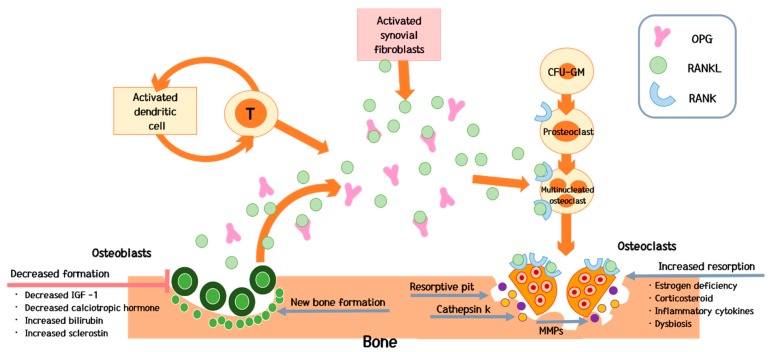
“Osteoblast dysfunction may result from decreased levels of trophic factors such as insulin-like growth factor-1 (IGF-1) [5,63,64].”
§ Bone Diseases in Patients with Chronic Liver Disease > 4. Pathogenesis > 4.1. Predominant Decrease in Bone Formation
What the sources say
- Not checked yetcites [5] Guanabens N. Pares A. Osteoporosis in chronic liver disease Liver Int. 2018 38 776 785 10.1111/liv.13730 29479832 source
- Partly supportedcites [63] Kimura K. Terasaka T. Iwata N. Katsuyama T. Komatsubara M. Nagao R. Inagaki K. Otsuka F. Combined Effects of Androgen and Growth Hormone on Osteoblast Marker Expression in Mouse C2C12 and MC3T3-E1 Cells Induced by Bone Morphogenetic Protein J. Clin. Med. 2017 6 6 10.3390/jcm6010006 28067796 PMC5294959 sourceExperimental — accuracy not yet measured
The Introduction identifies IGF-I as a factor involved in osteoblast differentiation, and the Discussion reports smaller bones in IGF-I-deficient mice. But the Results do not show that decreased IGF-I causes osteoblast dysfunction: blocking endogenous IGF-I did not suppress the osteoblast-marker response tested. No page numbers are available in our copy. (LLM, conf=0.82)
- Supportedcites [64] Qiu T. Crane J.L. Xie L. Xian L. Xie H. Cao X. IGF-I induced phosphorylation of PTH receptor enhances osteoblast to osteocyte transition Bone Res. 2018 6 5 10.1038/s41413-017-0002-7 29507819 PMC5827661 source
The Introduction states that IGF-1 plays a key role in osteoblast differentiation and that disrupting IGF1R in mature osteoblasts impairs bone formation. The Results report that IGF-1 promotes osteoblast differentiation. These passages support the hedged claim that reduced IGF-1 signaling may contribute to osteoblast dysfunction; page numbers are not provided in our copy. (LLM, conf=0.86)
hedgedstates a possible cause- Asserted: passes — The authors put it forward as true.
- Checkable: passes — It can be checked against evidence.
- Load-bearing: passes — The paper’s conclusions depend on it.
- Based: passes — The paper gives a reason why it holds.
The cited sources support only part of this claim — read each source’s verdict below.
In the paper
“Experimental data show that low doses of IGF-1 increase bone mass in cirrhotic rats [65,69,70].”
§ Bone Diseases in Patients with Chronic Liver Disease > 4. Pathogenesis > 4.1. Predominant Decrease in Bone Formation
What the sources say
- Partly supportedcites [65] Guerra-Menendez L. Sadaba M.C. Puche J.E. Lavandera J.L. de Castro L.F. de Gortazar A.R. Castilla-Cortázar I. IGF-I increases markers of osteoblastic activity and reduces bone resorption via osteoprotegerin and RANK-ligand J. Transl. Med. 2013 11 271 10.1186/1479-5876-11-271 24161214 PMC4231608 sourceExperimental — accuracy not yet measured
Our copy does state the substance: the Background records that 'several years ago, our team showed that low doses of IGF-I were able to correct osteopenia associated to experimental cirrhosis', and the Discussion (cirrhotic-rat paragraph) adds that IGF-I replacement normalized the increased urinary deoxypyridinoline of untreated cirrhotic rats — but both are explicitly credited to the team's earlier work (reference [20], Cemborain et al., J Hepatol 1998), not reported as findings of this paper. The experiments actually carried out here were in 20-day-old IGF-I heterozygous (Igf1+/-) mice, not cirrhotic rats (Methods, 'Animals and experimental design'; Abstract Results), so the cirrhotic-rat limb of the claim rests on a study this source only reports. Additionally, the source speaks of 'correcting osteopenia'/reversing reduced bone weight, densitometry and cortical thickness rather than measuring a rise in bone mass per se. (LLM, conf=0.72)
- Supportedcites [69] Cemborain A. Castilla-Cortazar I. Garcia M. Quiroga J. Muguerza B. Picardi A. Santidrián S. Prieto J. Osteopenia in rats with liver cirrhosis: Beneficial effects of IGF-I treatment J. Hepatol. 1998 28 122 131 10.1016/S0168-8278(98)80211-0 9537849 source
The abstract (p. 1, Journal of Hepatology 1998;28:122–131) states in its Conclusions that the osteopenia of CCl4-induced cirrhotic rats 'is partially corrected by treatment with low doses of IGF-I', and the Aims (p. 2) frame the experiment as testing 'whether low doses of IGF-I could increase bone mass in these animals'. Table 2 (Methods/results section) reports the corresponding gains in the IGF-I-treated cirrhotic group versus untreated cirrhotics (femur bone weight 1.15±0.04 vs 1.07±0.03 g; bone weight/100 g bw 0.31 vs 0.28, p<0.001; total densitometry 0.33 vs 0.31 g/cm2, p<0.05), and the Results text states that in CI+IGF rats these parameters 'improved significantly as compared with CI animals'. The paraphrase thus matches the source, including its low-dose regimen (rhIGF-I 2 mg/100 g bw/day, sc, 21 days) and cirrhotic-rat population; the only nuance is that the source describes the correction as partial. (LLM, conf=0.92)
- Partly supportedcites [70] Adamek A. Kasprzak A. Insulin-Like Growth Factor (IGF) System in Liver Diseases Int. J. Mol. Sci. 2018 19 1308 10.3390/ijms19051308 PMC5983723 29702590 sourceExperimental — accuracy not yet measured
In Section 3.2 (Role in Liver Cirrhosis), our copy states that in experimental CCl4-induced cirrhosis in rats, 'administration of rhIGF1 improved ... osteopenia [49]', i.e. it reports (as a review, crediting Cemborain et al. 1998, ref 49) a beneficial IGF-1 effect on bone loss in cirrhotic rats. However, our copy does not carry the 'low doses' qualifier for the bone outcome — the low-dose phrasing appears only in the titles of other cited works (refs 46, 47, 52, 55), and ref 49's title says 'Beneficial effects of IGF-I treatment' without dose — and it describes improvement of osteopenia rather than an explicit increase in bone mass. The unsupported part of the claim is the specification that LOW DOSES of IGF-1 raised bone mass. (LLM, conf=0.70)
plainstates a cause- Asserted: passes — The authors put it forward as true.
- Checkable: passes — It can be checked against evidence.
- Load-bearing: unclear — It is unclear whether the paper’s conclusions depend on it.
- Based: passes — The paper gives a reason why it holds.
- Partly supported
110 more claims · 22 with their cited sources checked
Create a free account to see all 183 claims and to verify the 232 references still open.
- Probably not a substantial claim. 25
- It may state two separate claims as one. 47
Claims other papers make about this one
Each is checked against this paper’s own text: does it say what the citing paper says it does?
The source backs part of the claim, not all of it — or backs it for a different population, condition or comparison.
In the citing paper
“Patients with cirrhosis often develop osteoporosis, with an incidence of approximately 20%–50 %, which is defined as hepatic osteodystrophy (HOD) [73,74].”
From Emerging role of liver-bone axis in osteoporosis (2024) · cites this paper as [74]
Experimental — accuracy not yet measured
Self-check
Percentages, sums and reported differences re-computed from the paper’s own numbers.
Each contradiction between two passages listed here was confirmed by an independent check.
Rated minor: it would not touch a result — a value no result rests on, a p-value that stays on the same side of the significance level, or a conflict that is clerical, resolved elsewhere in the paper, or outside its own findings.
In the paper
§ Bone Diseases in Patients with Chronic Liver Disease > 4. Pathogenesis > 4.3. Gut-Liver-Bone Axis
“In 2007, Cani et al. discovered that gut microbes are involved in low-grade inflammation by activating toll-like receptor (TLR) signaling pathways [114].”
§ Bone Diseases in Patients with Chronic Liver Disease > References
“114. Young V.B. The role of the microbiome in human health and disease: An introduction for clinicians BMJ 2017 356 j831”
Citations
Cites
Metabolic Endotoxemia Initiates Obesity and Insulin Resistance
Cani, P. D., Amar, J., Iglesias, M. A., Poggi, M., Knauf, C., Bastelica, D., Neyrinck, A. M., Fava, F., Tuohy, K. M., Chabo, C., et al. (2007) · Diabetes · doi:10.2337/db06-1491 · Cited by 6,638
EASL 2017 Clinical Practice Guidelines on the management of hepatitis B virus infection
Lampertico, P., Agarwal, K., Berg, T., Buti, M., Janssen, H. L. A., Papatheodoridis, G., Zoulim, F., & Tacke, F. (2017) · Journal of Hepatology · doi:10.1016/j.jhep.2017.03.021 · Cited by 5,391
Role of the microbiota in immunity and inflammation.
Belkaid, Y., & Hand, T. W. (2014) · Cell · doi:10.1016/j.cell.2014.03.011 · Cited by 5,385 · cited 1×
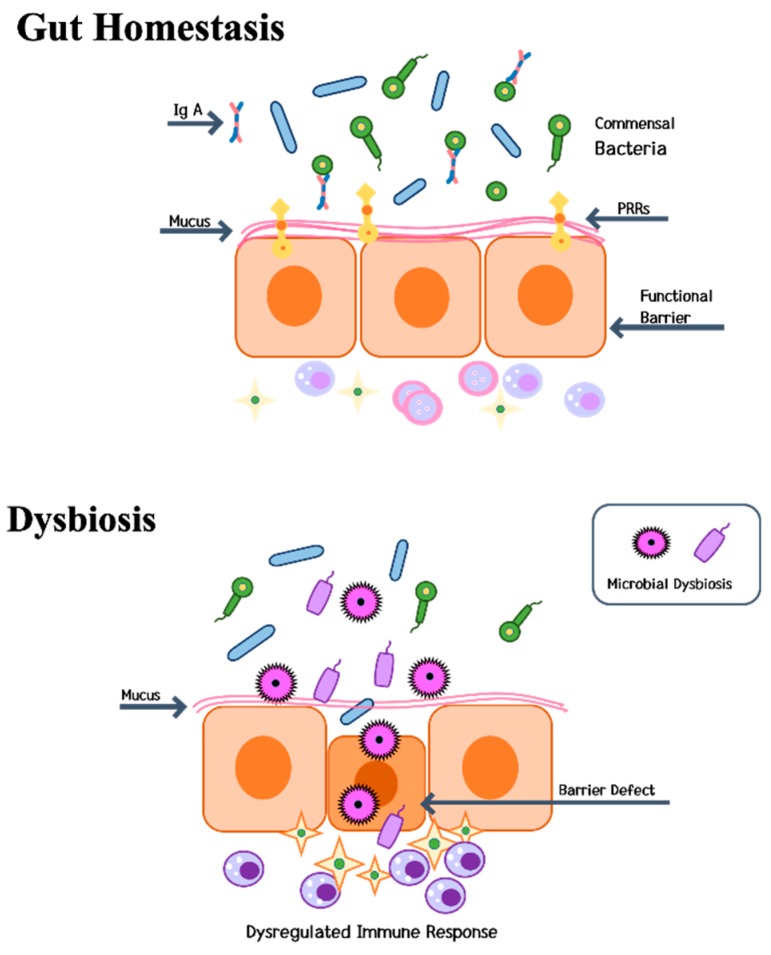
“Several studies have reported an association of dysbiosis with chronic inflammation, which may in turn result in an association with bone diseases [129,132,215,216].”
BackgroundTerrault, N. A., Lok, A. S. F., McMahon, B. J., Chang, K., Hwang, J. P., Jonas, M. M., Brown, R. S., Bzowej, N. H., & Wong, J. B. (2018) · Hepatology · doi:10.1002/hep.29800 · Cited by 4,306 · cited 1×
“AASLD 2 2018 Hepatitis B Guidance: Update on prevention, diagnosis and treatment of chronic hepatitis B [39] Tenofovir disoproxil fumarate-associated bone disease”
BackgroundThe Human Intestinal Microbiome in Health and Disease
Lynch, S. V., & Pedersen, O. (2016) · New England Journal of Medicine · doi:10.1056/nejmra1600266 · Cited by 3,637 · cited 1×
“The microbiota is the community of microbial species that live in a particular environment; the microbiome is all of the genomes of these microbial cells that constitute the microbiota [28].”
BackgroundConsensus development conference: Diagnosis, prophylaxis, and treatment of osteoporosis
(1993) · The American Journal of Medicine · doi:10.1016/0002-9343(93)90218-e · Cited by 2,874
Asian-Pacific clinical practice guidelines on the management of hepatitis B: a 2015 update
Sarin, S. K., Kumar, M., Lau, G. K., Abbas, Z., Chan, H. L. Y., Chen, C. J., Chen, D. S., Chen, H. L., Chen, P. J., Chien, R. N., et al. (2016) · Hepatology International · doi:10.1007/s12072-015-9675-4 · Cited by 2,550 · cited 1×
“AASLD 2 2010 Diagnosis and Management of Primary Sclerosing Cholangitis [33] Evaluation and management of bone disease in PBC patients APASL 4 2015 Clinical Practice Guidelines on the Management of Hepatitis B [37] Decline in the bone mineral density in tenofovir disoproxil fumarate treatment”
BackgroundCompston, J. E., McClung, M. R., & Leslie, W. D. (2019) · The Lancet · doi:10.1016/s0140-6736(18)32112-3 · Cited by 2,449
A homologue of the TNF receptor and its ligand enhance T-cell growth and dendritic-cell function.
Anderson, D. M., Maraskovsky, E., Billingsley, W. L., Dougall, W. C., Tometsko, M. E., Roux, E. R., Teepe, M. C., DuBose, R. F., Cosman, D., & Galibert, L. (1997) · Nature · doi:10.1038/36593 · Cited by 2,290 · cited 2×
“Thus RANKL/RANK signaling can regulate osteoclast formation, activation and survival in normal bone modeling and remodeling and in a variety of pathologic conditions characterized by increased bone turnover [79,83,85,86].”
BackgroundTNF-mediated inflammatory disease
Bradley, Jr. (2008) · The Journal of Pathology · doi:10.1002/path.2287 · Cited by 2,094 · cited 1×
“The importance of TNF in inflammation has been highlighted by the efficacy of anti-TNF antibodies or the administration of soluble TNF receptors to control disease activity in rheumatoid arthritis and other inflammatory conditions [103].”
Background
Research works printed but not linked: 2
- Compston J. Shane E. Bone Disease of Organ. Transplantation 1st ed. Elsevier Academic Press Cambridge, MA, USA 2005 271 285
- Malnick S. Maor Y. Melzer E. Ziv-Sokolowskaia N.N. Neuman M.G. Severe hepatocytotoxicity linked to denosumab Eur. Rev. Med. Pharmacol. Sci. 2017 21 78 85 28379592
Cited by
Yang, Y. J., & Kim, D. J. (2021) · International Journal of Molecular Sciences · doi:10.3390/ijms22052604 · Cited by 112
“For the nutritional support of the patient with osteoporosis, persistent calcium intake at a dosage of 1000 to 1500 mg/day as well as oral 25-hydroxy vitamin D supplementation of 400–800 IU/day or 260 μg every 2 weeks is recommended [2].”
BackgroundSelf-citationOrgan-organ communication: The liver's perspective
Wang, F., So, K., Xiao, J., & Wang, H. (2021) · Theranostics · doi:10.7150/thno.55795 · Cited by 114
“Low body weight, malnutrition, smoking habits, alcohol consumption, opioids or antidepressive drug use, and hypogonadism will also contribute to viral hepatitis-associated bone disease [93].”
BackgroundZhou, Y., Tan, F., Li, C., Li, W., Liao, W., Li, Q., Qin, G., Liu, W., & Zhao, X. (2019) · Antioxidants · doi:10.3390/antiox8110524 · Cited by 68
“Silymarin is a natural active substance extracted from the dried fruit of the plant silymarin and can protect liver cells from toxic substances, especially alcohol; at the same time, it has a strong antioxidant function, can protect liver cells from free radical damage, and its effect is far better than that of vitami…”
BackgroundYi, R., Tan, F., Liao, W., Wang, Q., Mu, J., Zhou, X., Yang, Z., & Zhao, X. (2019) · Microorganisms · doi:10.3390/microorganisms7110530 · Cited by 51
“Lipopolysaccharide significantly increases the transcription and release of inflammatory cytokines, which amplifies the inflammatory effect and stimulates the transformation of stellate cells into fibroblasts, leading to liver fibrosis [17].”
BackgroundEmerging role of liver-bone axis in osteoporosis
Gao, H., Peng, X., Li, N., Gou, L., Xu, T., Wang, Y., Qin, J., Liang, H., Ma, P., Li, S., et al. (2024) · Journal of Orthopaedic Translation · doi:10.1016/j.jot.2024.07.008 · Cited by 36
“Patients with cirrhosis often develop osteoporosis, with an incidence of approximately 20% – 50 %, which is defined as hepatic osteodystrophy (HOD) [73,74].”
BackgroundFrom liver to hormones: The endocrine consequences of cirrhosis
Aldave, J. E. Q., Osorio, E. R. G., Durand‐Vásquez, M. D. C., Rafael-Robles, L. D. P., Yovera, J. G. G., Quispe-Flores, M. A., Urteaga, L. A. C., Román-Gonzaléz, A., Paz‐Ibarra, J., & Concepción‐Zavaleta, M. J. (2024) · World Journal of Gastroenterology · doi:10.3748/wjg.v30.i9.1073 · Cited by 47
“Caloric intake recommendations vary between 30-50 kcal/kg/d, with protein intake of 1.0-1.8 g/kg/d, depending on the severity of malnutrition[158].”
InfluentialIron effects versus metabolic alterations in hereditary hemochromatosis driven bone loss
Baschant, U., Altamura, S., Steele-Perkins, P., Muckenthaler, M. U., Spasić, M. V., Hofbauer, L. C., Steinbicker, A. U., & Rauner, M. (2022) · Trends in Endocrinology and Metabolism · doi:10.1016/j.tem.2022.06.004 · Cited by 39
Bone Loss after Solid Organ Transplantation: A Review of Organ-Specific Considerations
Kim, K. J., Ha, J., Kim, S. W., Kim, J., Lee, S., Choi, H. S., Hong, N., Kong, S. H., Ahn, S. H., Park, S. Y., et al. (2024) · Endocrinology and Metabolism · doi:10.3803/enm.2024.1939 · Cited by 34
“Calcitriol, an active vitamin D metabolite, is often preferred because of its efficacy in patients with liver diseases and is typically prescribed at a dose of 0.25 μg twice daily [88].”
BackgroundInfluentialRisk factors for osteoporosis in liver cirrhosis patients measured by transient elastography
Zheng, J.-P., Miao, H.-X., Zheng, S.-W., Liu, W.-L., Chen, C.-Q., Zhong, H.-B., Li, S.-F., Fang, Y.-P., & Sun, C.-H. (2018) · Medicine · doi:10.1097/md.0000000000010645 · Cited by 28
Bone loss in chronic liver diseases: Could healthy liver be a requirement for good bone health?
Jadzic, J. S., & Djonić, D. (2023) · World Journal of Gastroenterology · doi:10.3748/wjg.v29.i5.825 · Cited by 34
Effects of denosumab treatment in chronic liver disease patients with osteoporosis
Saeki, C., Saito, M., Oikawa, T., Nakano, M., Torisu, Y., Saruta, M., & Tsubota, A. (2020) · World Journal of Gastroenterology · doi:10.3748/wjg.v26.i33.4960 · Cited by 30
Osteosarcopenia in NAFLD/MAFLD: an underappreciated clinical problem in chronic liver disease
Musio, A., Perazza, F., Leoni, L., Stefanini, B., Dajti, E., Menozzi, R., Petroni, M. L., Colecchia, A., & Ravaioli, F. (2023) · International Journal of Molecular Sciences · doi:10.3390/ijms24087517 · Cited by 26
“In addition, the surplus of lipid accumulation in the liver determines low-grade, chronic inflammation, which is combined with the development of bone loss, osteoporosis and a higher risk of osteoporotic fractures; accordingly, pro-inflammatory cytokines have an osteoclastogenic activity [276].”
BackgroundVitamin D Deficiency in Chronic Childhood Disorders: Importance of Screening and Prevention
Joshi, M., & Uday, S. (2023) · Nutrients · doi:10.3390/nu15122805 · Cited by 34
“However, the final target is the bone remodelling unit (the site where remodelling occurs), resulting in an imbalance between bone formation and resorption [43].”
BackgroundOsteoporosis: From Molecular Mechanisms to Therapies
Tang, C. (2020) · International Journal of Molecular Sciences · doi:10.3390/ijms21030714 · Cited by 25
“Liao and colleagues suggest that exercise improves bone mineral density and bone microstructure in mild chronic kidney disease–mineral bone disorder (CKD–MBD) by inhibiting sclerostin production, without altering serum minerals [9], while Jeong and Kim have summarized the complex relationship between osteoporosis and…”
BackgroundOsteosarcopenia predicts poor survival in patients with cirrhosis: a retrospective study
Saeki, C., Kanai, T., Ueda, K., Nakano, M., Oikawa, T., Torisu, Y., Saruta, M., & Tsubota, A. (2023) · BMC Gastroenterology · doi:10.1186/s12876-023-02835-y · Cited by 24
“Similar to the pathogenesis of sarcopenia, malnutrition, dysregulation of the receptor activator of nuclear factor kappa-B (NF-κB) ligand (RANKL)/RANK/osteoprotegerin system due to chronic inflammation, and decreased levels of anabolic hormone and 25-hydroxyvitamin D cause an imbalance in the activities of osteoblasts…”
BackgroundBone disease and liver transplantation: a review
Rodríguez-Aguilar, E. F., Pérez-Escobar, J., Sánchez Herrera, D., García-Alanis, M., Toapanta-Yanchapaxi, L., Gonzalez-Flores, E., & García-Juárez, I. (2021) · Transplantation Proceedings · doi:10.1016/j.transproceed.2021.07.049 · Cited by 19
Osteosarcopenia: epidemiology, molecular mechanisms, and management
Yi, Y.-T., Zhao, H.-F., Wang, W., & Li, X. (2025) · Frontiers in Endocrinology · doi:10.3389/fendo.2025.1577758 · Cited by 21
“Furthermore, it is recommended that patients with OS consistently consume 1000 to 1500 mg of calcium daily, along with 400 – 800 IU of vitamin D or 260 μg of 25-hydroxyvitamin D supplements (e.g., calcitriol) every two weeks as part of their daily nutritional regimen (110).”
Kanakis, A. S., Vipperla, K., Papachristou, G. I., Brand, R. E., Slivka, A., Whitcomb, D. C., & Yadav, D. K. (2020) · Pancreatology · doi:10.1016/j.pan.2020.07.396 · Cited by 21
Association of chronic liver disease with bone diseases and muscle weakness
Saeki, C., Saito, M., & Tsubota, A. (2024) · Journal of Bone and Mineral Metabolism · doi:10.1007/s00774-023-01488-x · Cited by 21
“Altered SCFAs due to imbalanced gut microbiota (dysbiosis) and increased gut permeability (“leaky-gut syndrome”) in CLD, especially cirrhosis, may induce osteoporosis by bacteria-derived substances (e.g., lipopolysaccharide), proinflammatory cytokines, and dysregulated immune system [4, 153].”
Thomson, M., Scott, A. W., Trost, S., Lake, J., & Lim, N. (2023) · Alimentary Pharmacology & Therapeutics · doi:10.1111/apt.17823 · Cited by 17
Huang, G., Li, W., Zhong, Y., Liao, W., & Zhang, Z. (2023) · Frontiers in Immunology · doi:10.3389/fimmu.2023.1195553 · Cited by 15
“Among patients with chronic liver disease, 5% to 20% also suffer from bone and joint-related diseases such as osteoporosis and fractures (7).”
BackgroundLong-term Management of the Adult Liver Transplantation Recipients
Choudhary, N. S., Saraf, N., Saigal, S., & Soin, A. S. (2020) · Journal of Clinical and Experimental Hepatology · doi:10.1016/j.jceh.2020.06.010 · Cited by 18
“The risk factors for bone loss in cirrhosis include cholestatic liver diseases, malabsorption, hypogonadism, vitamin D deficiency, reduced physical activity, gut dysbiosis, and history of steroid treatment (in patients with AIH).(117,118) There is accelerated bone mineral loss in initial several months after LT primar…”
BackgroundJadzic, J., Milovanovic, P. D., Cvetkovic, D., Zivkovic, V., Nikolic, S., Tomanovic, N., Djuric, M. P., & Djonic, D. (2022) · Journal of Anatomy · doi:10.1111/joa.13621 · Cited by 14
“…diet combined with hormonal and metabolic disorders (hyperparathyroidism, hypogonadism, malabsorption syndrome, and intestinal microbiome disorders) could significantly impair bone metabolism among patients prone to alcohol abuse (Alvisa- Negrín et al., 2009; Jeong & Kim, 2019; Luo et al., 2017).”
BackgroundZhu, X., Chen, L., Pan, L., Zeng, Y., Fu, Q., Liu, Y., Peng, Y., Wang, Y., & Li, Y. (2022) · BMC Women s Health · doi:10.1186/s12905-022-02034-z · Cited by 18
“Mechanisms such as decreased vitamin D and insulin-like growth factor-I (IGF-1), increased inflammatory mediators and fibronectin isoforms can further affect osteoblast and osteoclast function, leading to osteoporosis and an increased risk of fragility fractures [36, 37].”
BackgroundThe micro-structural analysis of lumbar vertebrae in alcoholic liver cirrhosis
Jadzic, J. S., Cvetković, D., Milovanovic, P. D., Tomanović, N., Živković, V., Nikolić, S., Djuric, M. P., & Djonić, D. (2020) · Osteoporosis International · doi:10.1007/s00198-020-05509-7 · Cited by 17
Increased concentrations of conjugated bile acids are associated with osteoporosis in PSC patients
Stürznickel, J., Behler-Janbeck, F., Baranowsky, A., Schmidt, T., Schwinge, D., John, C., Lohse, A. W., Schramm, C., Heeren, J., Schinke, T., et al. (2022) · Scientific Reports · doi:10.1038/s41598-022-20351-z · Cited by 15
Transplant of Elderly Patients
Cottone, C., Polanco, N. A. P., & Bhamidimarri, K. R. (2020) · Clinics in Liver Disease · doi:10.1016/j.cld.2020.09.001 · Cited by 13
“There is a substantial risk of decline in bone health and an increase in pathologic fractures of up to 35% in the immediate posttransplant period.(54) Of the 360 LT recipients with cholestatic liver disease transplanted at the Mayo, 20% had a fracture in the pre-LT period.”
BackgroundKaur, P., Verma, N., Wadhawan, A., Garg, P., Ralmilay, S., Kalra, N., Baloji, A., Dutta, P. R., Sharma, G., Rathi, S., et al. (2024) · Journal of Clinical and Experimental Hepatology · doi:10.1016/j.jceh.2024.102402 · Cited by 13
Qu, H., Zhang, Y., He, R., Lin, N., & Wang, C. (2021) · International Immunopharmacology · doi:10.1016/j.intimp.2021.108113 · Cited by 12
Targeting hepatic oxidative stress rescues bone loss in liver fibrosis
Sonoda, S., Murata, S., Yamaza, H., Yuniartha, R., Fujiyoshi, J., Yoshimaru, K., Matsuura, T., Oda, Y., Ohga, S., Tajiri, T., et al. (2022) · Molecular Metabolism · doi:10.1016/j.molmet.2022.101599 · Cited by 14
“Abnormal mineral turnover occurs due to the accelerated osteoclast function that underlies bone loss in patients with chronic liver disease [4,5].”
BackgroundKim, D., Kim, J. H., Lee, H., Hong, I., Chang, Y., & Song, T. (2023) · PLoS ONE · doi:10.1371/journal.pone.0277452 · Cited by 13
“Moreover, variability in metabolic parameters, including GGT, is closely related to inflammation-associated metabolism and dysregulation of homeostasis, which may be associated with cardiovascular diseases and osteoporosis [9, 11].”
BackgroundSelf-citationSaeki, C., Saito, M., Kanai, T., Nakano, M., Oikawa, T., Torisu, Y., Saruta, M., & Tsubota, A. (2021) · PLoS ONE · doi:10.1371/journal.pone.0249728 · Cited by 12
“These vertebral fractures are often undetected [4, 9] but cause impaired physical function, immobility, and sarcopenia [10, 11].”
BackgroundTao, J., Yan, Z.-J., Huang, W.-M., & Feng, T. (2023) · Frontiers in Medicine · doi:10.3389/fmed.2023.1120083 · Cited by 10
“This series of changes gradually leads to a loss of bonemass and a decrease in bonemineral density, which, in turn, increases the risk of osteoporosis (6, 11, 12).”
BackgroundChronic Liver Disease in the Older Patient—Evaluation and Management
DiLeo, D. A., Gidener, T., & Aytaman, A. (2023) · Current Gastroenterology Reports · doi:10.1007/s11894-023-00908-2 · Cited by 11
“Bone loss in ACLD is due to decreased bone formation and increased bone resorption [100].”
Xiong, P., Jiang, W., Li, L., Zeng, Q., Liu, C., Wang, M., Chen, E., Zhou, T., Tang, H., & Wu, D. (2024) · Journal of Gastroenterology and Hepatology · doi:10.1111/jgh.16448 · Cited by 11
Risk factors for fractures following liver transplantation: a population-based cohort study
Chang, J.-W., Yang, H.-H., Lin, N.-C., Kuo, F.-C., Lin, T.-C., & Tsai, H.-L. (2023) · Annals of Medicine · doi:10.1080/07853890.2023.2230871 · Cited by 9
Yang, J., Yang, W., Hu, Y., Tong, L., Liu, R., Liu, L., Jiang, B., & Sun, Z. (2024) · Frontiers in Immunology · doi:10.3389/fimmu.2024.1472354 · Cited by 10
Jadzic, J. S., Cvetković, D., Tomanović, N., Živković, V., Nikolić, S., Milovanovic, P. D., Djuric, M. P., & Djonić, D. (2020) · Microscopy Research and Technique · doi:10.1002/jemt.23642 · Cited by 11
“Even though some studies indicated that the etiology of LC could be an important etiopathogenetic factor in bone turnover imbalance (Beck et al., 2018; Jeong & Kim, 2019), other studies claimed the opposite.”
BackgroundResultKamioka, H., Saeki, C., Oikawa, T., Kinoshita, A., Kanai, T., Ueda, K., Nakano, M., Torisu, Y., Saruta, M., & Tsubota, A. (2024) · BMC Gastroenterology · doi:10.1186/s12876-024-03465-8 · Cited by 11
Beyond the Surface: Uncovering Secondary Causes of Osteoporosis for Optimal Management
Hosein‐Woodley, R., Hirani, R., Issani, A., Hussaini, A. S., Stala, O., Smiley, A., Etienne, M., & Tiwari, R. K. (2024) · Biomedicines · doi:10.3390/biomedicines12112558 · Cited by 9
“IGF-1 IGF-1, an anabolic hormone produced mainly by the liver and in response to GH stimulation, is crucial in bone growth, reduces OB apoptosis, and promotes osteoblastogenesis [56].”
Yoo, H.-J., Kim, J.-Y., Yoo, J., Lee, H. W., Kim, S. G., & Kim, Y. S. (2024) · JHEP Reports · doi:10.1016/j.jhepr.2024.101268 · Cited by 16
“…renal and bone health could contribute to improved overall liver function and a reduced incidence of liver-related complications, including HCC. 27,28 Third, the formulation of TAF is more convenient for patients compared with that of TDF or ETV, which we believe contributed to the higher drug…”
Santos, L. A. A., Lima, T. B., Nunes, H. R. D. C., Qi, X., & Romeiro, F. G. (2022) · Hepatology International · doi:10.1007/s12072-022-10366-z · Cited by 9
“The osteoporosis and osteopenia prevalence in this trial was similar to the ones observed in prior studies [2, 3].”
BackgroundResultPredictors of Mortality in Hypercalcemia of Advanced Chronic Liver Disease
Majety, P., Groysman, A. Y., Erlikh, N., Chen, Z., & Westcott, G. P. (2022) · Endocrine Practice · doi:10.1016/j.eprac.2022.07.008 · Cited by 9
Yang, Y., Jing, Z., Zhang, T., Wang, J., Fan, X., Wang, Q., Wang, X., Qi, Z., & Fang, Y. (2023) · Frontiers in Endocrinology · doi:10.3389/fendo.2023.1237618 · Cited by 8
“Other potential mechanisms that have been suggested including alterations in the gut microbiota and the presence of sarcopenia, a condition characterized by loss of skeletal muscle mass and strength, which can indirectly affect bone health (24).”
BackgroundInfluentialAssessment of mandibular cortical index in patients with hepatic cirrhosis: A case‐control study
Tenório, J. R., Bueno, M. V., Franco, J. B., Peres, M. P. S. D. M., Moratto, B. M. N., Munhoz, L., Arita, E. S., & Ortega, K. L. (2022) · Special Care in Dentistry · doi:10.1111/scd.12747 · Cited by 6
Liu, Y., Yuan, M., He, J., Cai, L., & Leng, A. (2024) · Calcified Tissue International · doi:10.1007/s00223-024-01204-5 · Cited by 6
“…World Health Organization, OP is characterized by bone density greater than 2.5 standard deviations (SD) below the peak value adjusted for gender obtained from healthy adults ( T -score ≤ − 2.5 in postmenopausal women or Z -score ≤ − 2 in men younger than 50 years and premenopausal women) [4, 16].”
InfluentialHepatic osteodystrophy: An underrecognized metabolic bone disease
Pramanik, S., Palui, R., & Ray, S. (2025) · World Journal of Hepatology · doi:10.4254/wjh.v17.i8.109093 · Cited by 9
Li, Z., Cao, J., Li, K., Wu, Y., Luo, Z., Cao, R., Cheng, Z., Tian, Z., Han, Y., Lai, Y., et al. (2025) · Frontiers in Endocrinology · doi:10.3389/fendo.2024.1419303 · Cited by 6
Incidence of Osteopenia or Osteoporosis in Asian Patients With Chronic Hepatitis B
Lee, H. W., Kwon, S., Moon, Y. R., Ahn, H., Lee, J., & Ahn, S. H. (2025) · Journal of Gastroenterology and Hepatology · doi:10.1111/jgh.16982 · Cited by 5
“It is theorized that TDF may exert a direct or indirect effect on bone diseases by triggering an imbalance in bone modeling activity indicated by an increase in bone resorption-associated biomarkers [8, 16].”
InfluentialCorrenti, M., Gammella, E., Cairo, G., & Recalcati, S. (2026) · Biomedicines · doi:10.3390/biomedicines14020301 · Cited by 7
“Indeed, diabetes is associated with bone fragility [64], while osteoporosis is present in men with hypogonadotropic hypogonadism [65] and is frequently observed in patients with chronic liver disease, particularly cirrhosis [66].”
Bone pattern changes in post liver transplant patients using bisphosphonates
Bueno, M. V., Munhoz, L., Ortega, K. L., Peres, M. P. S. D. M., & Franco, J. B. (2024) · Special Care in Dentistry · doi:10.1111/scd.12992 · Cited by 4
Cheng, T., Li, G., Ning, H., & Hao, L. (2022) · The Journal of Arthroplasty · doi:10.1016/j.arth.2022.08.005 · Cited by 4
Lan, K., Wang, L., Lin, Y., Hung, K., Wu, L.-C., Ho, C., Chang, C.-Y., & Chen, J. (2022) · Nutrients · doi:10.3390/nu14173556 · Cited by 4
“(3) Subjects who had diagnostic codes of human immunodeficiency virus infection (ICD-10 B20–B24) [42], solid organ transplantation (ICD-10 Z94) [43], chronic liver diseases (ICD-10 K70–77) [44] and/or chronic kidney disease (ICD-10 N18.”
BackgroundIzzy, M. J., Addissie, B. D., Arab, J. P., Hilscher, M. B., Cartee, A. K., Lee, D. C., Lee, Y., Fletcher, J. G., Keaveny, T. M., & Sánchez, W. (2020) · Liver Transplantation · doi:10.1002/lt.25926 · Cited by 4
“DXA reports were individually reviewed, and the following information was manually collected: (1) femoral neck BMD, femoral neck T score, total hip T score, and total hip BMD on each”
BackgroundMethodPang, K., Li, H., Chen, H., Man, Z., Wang, D., & Li, W. (2025) · Journal of Orthopaedic Surgery and Research · doi:10.1186/s13018-025-06138-8 · Cited by 3
“Furthermore, patients with chronic liver diseases such as hepatitis B and alcoholic liver disease often present with comorbid osteoporosis and bone fragility, which may further exacerbate the risk and severity of AONFH [47].”
Rodić, T., Wölfel, E. M., Fiedler, I. A. K., Cvetković, D., Jähn, K., Sopta, J. P., Nikolić, S., Živković, V., Busse, B., Djuric, M. P., et al. (2024) · Bone · doi:10.1016/j.bone.2024.117378 · Cited by 4
Mineral disorders in patients with chronic liver disease. Part 1: epidemiology and pathophysiology
Gorbacheva, A. M., Евгеньевна, Б. Е., Lavreniuk, A., Константиновна, Е. А., Тихонов, И. Н., & Mokrysheva, N. G. (2024) · Obesity and metabolism · doi:10.14341/omet13124 · Cited by 3
Huang, S.-G., Lee, R., Yao, T.-K., Wang, J., Wu, W., & Yeh, K. (2025) · Journal of Nursing Research · doi:10.1097/jnr.0000000000000656 · Cited by 6
Sarıcı, K. B., Akbulut, S., Üremiş, M. M., Garzali, I. U., Küçükakçalı, Z., Koç, C., Türköz, Y., Usta, S., Başkıran, A., Aloun, A., et al. (2023) · Transplantation Proceedings · doi:10.1016/j.transproceed.2023.03.034 · Cited by 3
Харитонова, Л. А., & Grigoriev, K. I. (2022) · Rossiyskiy Vestnik Perinatologii i Pediatrii (Russian Bulletin of Perinatology and Pediatrics) · doi:10.21508/1027-4065-2022-67-5-78-88 · Cited by 3
Endocrinology for the Hepatologist
Isaacs, S. D., & Isaacs, A. (2024) · Current Hepatology Reports · doi:10.1007/s11901-024-00639-6 · Cited by 4
“However, osteoporosis, osteopenia and the resultant high risk of fragility fractures are the most frequent bone complications in patients with chronic liver diseases, especially cirrhosis, MASLD, hemochromatosis, cholestatic liver disease, as well as in liver transplantation patients [61–63].”
Clinical Usefulness of FRAX Score for Predicting Sarcopenia in Patients with Chronic Liver Disease
Saeki, C., Saito, M., Kanai, T., Nakano, M., Oikawa, T., Torisu, Y., Saruta, M., & Tsubota, A. (2021) · Journal of Clinical Medicine · doi:10.3390/jcm10184080 · Cited by 5
Structural and Metabolic Assessment of Bone
Narla, R. R., & Ott, S. M. (2020) · Handbook of experimental pharmacology · doi:10.1007/164_2020_376 · Cited by 4
Ko, Y., Song, B. G., Shin, H., Park, Y., Park, J., Park, M. K., Lee, Y. B., Yu, S. J., Sinn, D. H., Kim, Y. J., et al. (2025) · Osteoporosis International · doi:10.1007/s00198-025-07602-1 · Cited by 3
Tang, T., Wang, S., Cai, S., & Hu, Y. (2026) · Frontiers in Endocrinology · doi:10.3389/fendo.2025.1719698 · Cited by 2
Association between osteoporosis and waitlist mortality in liver transplant candidates
Naseri, A., Shojaeefard, E., Keshtkar, A., Atighi, F., Sabahizadeh, A., Mofarrah, R., Bakhshayeshkaram, M., Talezadeh, P., Ahmadi, F., Shirzadi, S., et al. (2026) · Scientific Reports · doi:10.1038/s41598-026-38543-2 · Cited by 3
Aging Liver and Interpretation of Liver Tests
Agarwal, R. (2021) · Springer eBooks · doi:10.1007/978-3-030-30192-7_49 · Cited by 2
Yu, Z., Hu, G., Wang, J., & Li, Z. (2024) · Sao Paulo Medical Journal · doi:10.1590/1516-3180.2023.0266.r1.08022024 · Cited by 2
“34 in model 2; ( d ) Pelvis BMD mean value and the bars represent the Multivariable regression is a method used to construct models that investigate the statistical relationship between a response variable (Y) and explanatory variables (Xi), with multivariable linear regression used when Y is…”
MethodDrobinska, N., Abrahamovych, O., Bilous, Z., Ferko, M., Ivanochko, R., & Завадка, М. О. (2021) · Lviv clinical bulletin · doi:10.25040/lkv2021.03-04.023 · Cited by 2
Practical Recommendations on Micronutrient Deficiencies in Gastrointestinal Diseases
Shah, B., & Shah, S. (2023) · Journal of Nutrition Research · doi:10.55289/jnutres/v11i2_23.18 · Cited by 4
Osteoporosis in patients with chronic liver disease: pathogenesis, diagnosis and treatment
Ткаченко, Т. В., Пентюк, Н. О., Pentiuk, L. O., & Tomashkevych, H. (2023) · Bukovinian Medical Herald · doi:10.24061/2413-0737.27.2.106.2023.9 · Cited by 4
Ekramzadeh, M., Moosavi, S. A., Mashhadiagha, A., Ghorbanpour, A., Motazedian, N., Dehghani, S. M., Ilkhanipoor, H., & Mirahmadizadeh, A. (2024) · BMC Pediatrics · doi:10.1186/s12887-024-04974-x · Cited by 2
“They suggest that sarcopenia should be screened in patients with liver cirrhosis and further studies should be conducted on the reference cut-off of muscle mass for diagnosis in various populations [20].”
BackgroundREDUCED BONE MINERAL DENSITY IN YOUNG, NON-CIRRHOTIC PATIENTS WITH CHRONIC VIRAL HEPATITIS
Tuculeanu, G. (2022) · FARMACIA · doi:10.31925/farmacia.2022.2.13 · Cited by 2
Goyal, P., Gaonkar, V. B., & Gupta, A. (2024) · The Egyptian Journal of Neurosurgery : the official publication of the Egyptian Society of Neurological Surgeons/Egyptian journal of neurosurgery · doi:10.1186/s41984-024-00333-1 · Cited by 1
“Liver disease is also known to be associated with deficient bone synthesis leading to osteoporosis and osteopenia [15].”
Li, R., Lu, J., Wang, P., Zhao, Y., Yang, Y., Jiao, J., Qian, Z., Wang, L., & Zheng, H. Y. (2025) · Cell Biochemistry and Function · doi:10.1002/cbf.70108 · Cited by 1
“Chronic liver disease patients are also at increased risk of fractures [33].”
Wang, D., Wang, J., Zheng, X., Diao, S., Li, W., & Ma, W. (2022) · Frontiers in Medicine · doi:10.3389/fmed.2022.1017411 · Cited by 1
The HOPeFUL Study: Hepatic Osteodystrophy Prevalence and Contributory Factors Unveiling Study
Manrai, M., Wangmo, S., Mishra, Y., Premdeep, H., Srivastava, S., Dawra, S., & Pakhetra, R. (2025) · Journal of Marine Medical Society · doi:10.4103/jmms.jmms_169_24 · Cited by 1
Drobinska, N., Abrahamovych, O., Abrahamovych, M. O., Tolopko, S., Guta, S., & Ivanochko, R. (2022) · Lviv clinical bulletin · doi:10.25040/lkv2022.03-04.054 · Cited by 1
OSTEOPOROSIS IN CHRONIC LIVER DISEASE: PATHOGENESIS, DIAGNOSTICS, AND TREATMENT
Мялюк, О. П., Марущак, М. І., Баб’як, О. В., Sabadyshyn, R. O., & Палапа, В. В. (2023) · doi:10.32782/2226-2008-2023-3-15 · Cited by 1
Aging Liver and Interpretation of Liver Tests
Agarwal, R. (2021) · Springer eBooks · doi:10.1007/978-3-319-90761-1_49-1
Drobinska, N., Abrahamovych, O., Abrahamovych, M. O., Khodosevych, O., & Stakh, R. (2020) · Lviv clinical bulletin · doi:10.25040/lkv2020.04.022
Optimization of Antiosteoporotic Therapy in Patients with Liver Fibrosis
Ждан, В. М., Ivanytskyi, I. V., Babanina, М. Y., & Шилкіна, Л. М. (2021) · Ukraïnsʹkij žurnal medicini bìologìï ta sportu · doi:10.26693/jmbs06.06.100
Progress in research of non-cirrhotic chronic viral hepatitis with osteoporosis
Wang, P., Gao, X., Zhang, Y.-N., & Duan, X. (2022) · World Chinese Journal of Digestology · doi:10.11569/wcjd.v30.i11.491
Drobinska, N., Abrahamovych, O., Abrahamovych, M. O., Fayura, O., Ferko, M., Korniychuk, I., & Ivanochko, R. (2022) · Lviv clinical bulletin · doi:10.25040/lkv2022.01-02.041
Key genes and regulatory networks of hypoxic preconditioning on osteoblasts
Wang, D., Wu, X., Zhou, X., & Zhou, J. (2023) · All Life · doi:10.1080/26895293.2023.2169362
li, Y., Zhai, J., Zhu, C., Zhang, Q., Lv, L., Li, P., & Yu, H. Q. (2023) · Research Square · doi:10.21203/rs.3.rs-2767908/v1
Kavlekar, D. B., Rathod, S., & Mummigatti, S. B. (2023) · Journal of Orthopaedic Case Reports · doi:10.13107/jocr.2023.v13.i03.3566
“Notably, up to 40% of patients with chronic liver disease may experience a fracture [1].”
BackgroundSher, F., Khan, R. S. A., Akram, S., Khan, M. A., Iqbal, Q., Haider, F. B., & Hayat, K. (2023) · Pakistan Armed Forces Medical Journal · doi:10.51253/pafmj.v73i3.8197
“15,16 Bis-phosphosphonates also increase bone mass density (BMD) and prevent bone resorption in liver patients.”
THE SYSTEMATIC REVIEW OF OSTEOPOROSIS AND BONE FRACTURES IN ALCOHOLIC LIVER DISEASE
Giovani, C., Carissa, T. M., & Adelin, C. P. (2024) · Journal of Advance Research in Medical & Health Science · doi:10.61841/n81j3616
ЗВ'ЯЗОК САРКОПЕНІЇ ЗІ СТЕАТОТИЧНОЮ ХВОРОБОЮ ПЕЧІНКИ АСОЦІЙОВАНОЮ З МЕТАБОЛІЧНОЮ ДИСФУНКЦІЄЮ
Pivtorak, K. V., Щербенюк, Н., & Pivtorak, N. (2024) · ГРААЛЬ НАУКИ · doi:10.36074/grail-of-science.15.03.2024.070
Liu, Y., Xia, Q., Ding, Z., Gu, L., Xu, Y., Wang, Y., & Zhang, X. (2024) · Journal of International Medical Research · doi:10.1177/03000605241291759 · Cited by 1
“51 Similarly, individuals with chronic liver disease exhibit a significant risk of nontraumatic bone fractures, 52 with the prevalence ranging from 7% to 35%, 53 and the incidence of fractures is two to three times higher in patients with end-stage chronic liver disease than in healthy controls.”
BackgroundHyperparathyroidism in Patients with End-Stage Chronic Liver Disease (Clinical Observations)
Lavreniuk, A., Gorbacheva, A. M., Евгеньевна, Б. Е., Константиновна, Е. А., Тихонов, И. Н., & Mokrysheva, N. G. (2024) · Russian Journal of Gastroenterology Hepatology Coloproctology · doi:10.22416/1382-4376-2024-34-5-93-101
JPEN Journal Club 90. Emulated clinical trials
Koretz, R. L. (2025) · Journal of Parenteral and Enteral Nutrition · doi:10.1002/jpen.2729
The condition of bone tissue in patients with non-alcoholic fatty liver disease
Тамерланович, Ц. Т., Skripnikova, I. A., Sheptulina, A. F., Mamutova, E. M., & Drapkina, O. M. (2025) · Russian Journal of Preventive Medicine · doi:10.17116/profmed20252805182
Zakir, H., Naz, B., Aman, H., Manzoor, W., Majid, A., Khokhar, A., & Khan, H. (2025) · Pakistan Journal of Health Sciences · doi:10.54393/pjhs.v6i5.3204
Yadav, A., Dadhich, S., Saini, V. K., Bhati, R. S., & Mitrolia, B. (2025) · Egyptian Liver Journal · doi:10.1186/s43066-025-00441-z
Osteoporosis in liver cirrhosis
Lima, T. B., Santos, L. A. A., & Romeiro, F. G. (2025) · Elsevier eBooks · doi:10.1016/b978-0-443-21938-2.00019-9
Kotb, M. A., Fakhry, S., Abd-Elbaky, H. G., Khalek, M. Y. A. E., Kamal, N. M., Alfaifi, J. A., Oshi, M. A. M., Alalyani, S. A., & Basanti, C. W. S. (2025) · Sage Open Pediatrics · doi:10.1177/30502225251367480
“7,8,12 In our study, we focused on the bone mineral health of children with Wilson’s disease, an area that remains under-researched but is critically relevant given the multifactorial risks these patients face regarding bone demineralization.”
Saeki, C., Kanai, T., Ueda, K., Nakano, M., Oikawa, T., Torisu, Y., Saruta, M., & Tsubota, A. (2024) · Figshare · doi:10.6084/m9.figshare.26594315
Metadata
- Authors
- Jeong, H., & Kim, D.
- Affiliations
- Hallym University (KR)
- Corresponding author
- Kim, Dong
- ORCID
- Kim, Dong
- Venue
- International Journal of Molecular Sciences
- Publisher
- MDPI AG
- Published
- 2019-08-31
- Volume
- 20
- Issue
- 17
- Pages
- 4270
- ISSN
- 1422-0067 (ISSN-L)
- PMC
- PMC6747370
- OpenAlex
- W2970060369
- Semantic Scholar
- 094fdee58951b677c83c4205cdde2a209e31c8f9
- Cited by
- 113
- References
- 225
- Citations by year
- 2026: 9 · 2025: 15 · 2024: 26 · 2023: 19 · 2022: 20 · 2021: 11 · 2020: 10 · 2019: 2
- FWCI
- 2.05
- Type
- journal article
- Language
- en
- Open access
- gold
- dx.doi.org
- Licence
- Locations
- International Journal of Molecular Sciences (publishedVersion, cc-by)
- PubMed Central (publishedVersion, cc-by)
- PubMed (publishedVersion)
- DOAJ (DOAJ: Directory of Open Access Journals) (submittedVersion, cc-by-sa)
- Topics
- Health Sciences › Medicine › Orthopedics and Sports Medicine › Bone health and osteoporosis research
- Life Sciences › Biochemistry, Genetics and Molecular Biology › Molecular Biology › Bone Metabolism and Diseases
- Health Sciences › Medicine › Hepatology › Liver Disease and Transplantation
- Keywords
- bone disease, chronic liver disease, osteoporosis, liver cirrhosis, cholestatic liver disease, liver transplantation, chronic viral hepatitis, non-alcoholic fatty liver disease, alcoholic liver disease, sarcopenia, hip osteonecrosis, chronic inflammation, dysbiosis, gut microbiota, osteopenia
- MeSH terms
- Animals, Bone Diseases, Chronic Disease, Humans, Liver Diseases, Liver Transplantation, Disease Management
About these checks
Registry, retraction, Cites and statistics results are computed, not judged, with one exception: a printed reference that no index lists is read once by a model before it counts as a citation error. Claims are extracted by a model and kept only when their quote appears verbatim in the text; each cited source is then checked, with a model’s help, for whether it says what the claim relies on. Those verdicts can be wrong — read the claim’s quote and the cited source before relying on one.
The claim verdicts this report counts are experimental: their accuracy is not yet measured.
A language model drew the claims from the paper on 2026-10-08, under version 3 of the claim definition (model deepseek-v4.1-flash, prompt extract-v3).
A second model labelled each claim on 2026-10-08 (model jev-1.13-20260917, definition revision gold-guideline-v0.2).
Cited sources are checked with a language model’s help (gpt-6-sol and qwen3.8-omni-flash).
Statistics and arithmetic are recomputed, not judged.
Confidence bands are shown only for fields calibrated on our annotated test set. None is calibrated yet, so no band is shown.
What counts as a claim ›How we measure confidence ›How we check this ›
Are you an author, or do you see a problem with this page? Request a review
Data sources
Bibliographic data: Semantic Scholar, OpenAlex, Crossref.
Contains information from the Semantic Scholar Academic Graph Datasets, made available under the ODC Attribution License (ODC-BY 1.0).
Semantic Scholar’s data is described in: Kinney, R., et al. (2023). The Semantic Scholar Open Data Platform. arXiv:2301.10140.
