

Bone Diseases in Patients with Chronic Liver Disease
Open accessThe DOI matches its Crossref record; 222 of the 225 references it cites were found in a registry or an index; 66 of the 298 sources its claims cite were checked for support.
Abstract
Osteoporosis is a frequently observed complication in patients with chronic liver disease, particularly liver cirrhosis and cholestatic liver diseases. In addition, osteoporosis is critical in patients receiving a liver transplant. Nevertheless, few studies have evaluated bone diseases in patients with more frequently observed chronic liver disease, such as chronic viral hepatitis, nonalcoholic fatty liver disease and alcoholic liver disease. Osteoporosis is a disease caused by an imbalance in the activities of osteoblasts and osteoclasts. Over the last few decades, many advances have improved our knowledge of the pathogenesis of osteoporosis. Importantly, activated immune cells affect the progression of osteoporosis, and chronic inflammation may exert an additional effect on the existing pathophysiology of osteoporosis. The microbiota of the intestinal tract may also affect the progression of bone loss in patients with chronic liver disease. Recently, studies regarding the effects of chronic inflammation on dysbiosis in bone diseases have been conducted. However, mechanisms underlying osteoporosis in patients with chronic liver disease are complex and precise mechanisms remain unknown. The following special considerations in patients with chronic liver disease are reviewed: bone diseases in patients who underwent a liver transplant, the association between chronic hepatitis B virus infection treatment and bone diseases, the association between sarcopenia and bone diseases in patients with chronic liver disease, and the association between chronic liver disease and avascular necrosis of the hip. Few guidelines are currently available for the management of low bone mineral density or bone diseases in patients with chronic liver disease. Due to increased life expectancy and therapeutic advances in chronic liver disease, the importance of managing osteoporosis and other bone diseases in patients with chronic liver disease is expected to increase. Consequently, specific guidelines need to be established in the near future.
Overview
CoChat Summary
TL;DR
This narrative review summarizes bone diseases in chronic liver disease, focusing on osteoporosis, post-liver-transplant bone loss, HBV treatment effects, sarcopenia, avascular necrosis, and the gut-liver-bone axis. It concludes that chronic inflammation and dysbiosis may contribute, but mechanisms remain complex and disease-specific guidelines are lacking.
Key findings
- Osteoporosis/osteopenia is common in cirrhosis: osteoporosis prevalence in cirrhosis is approximately 12–55%, and up to 40% of patients with chronic liver disease may experience a fracture; EASL reports approximately 30% osteoporosis prevalence and 7–35% fracture prevalence in chronic liver disease.
- After liver transplantation, post-operative fractures are observed in up to 35% of patients; early post-transplant bone loss involves high bone turnover and immunosuppressive therapy, especially glucocorticoids.
- Tenofovir disoproxil fumarate (TDF) for chronic HBV is associated with BMD loss mainly at the hip and spine; cumulative TDF exposure was an independent predictor of osteoporotic fracture (hazard ratio 1.08, 95% CI 1.02–1.15), and hip BMD decline plateaued after 72 weeks in one study.
- Cirrhosis is a risk factor for avascular necrosis/osteonecrosis of the femoral head: 3-year incidence was 0.8% in cirrhosis versus 0.3% in comparison patients (p < 0.001); in cirrhosis, the odds ratio for osteoporosis related to BMI was 0.847 (95% CI 0.764–0.94), and alendronate increased lumbar spine BMD by 5.1% ± 3.9% versus 0.4% ± 4.2% at 12 months.
Methods
- Narrative review of published literature; no primary cohort, sample, or experimental data are reported.
- Synthesizes definitions, liver-society guidelines, pathogenesis, special clinical considerations, and management of bone diseases in chronic liver disease.
- Main analysis is qualitative literature synthesis; no systematic search strategy, meta-analysis, or formal quality appraisal is described.
Limitations
- The paper states that few studies have evaluated bone diseases in more common chronic liver diseases such as chronic viral hepatitis, nonalcoholic fatty liver disease, and alcoholic liver disease; no consensus global guidelines exist, and precise mechanisms remain unknown.
- The paper states that evidence for the role of gut microbiota in human bone health remains inadequate and that many management recommendations are extrapolated from general osteoporosis guidelines rather than chronic-liver-disease-specific guidelines.
- Evident from the text: as a narrative review, it lacks systematic search and quantitative synthesis, and many mechanistic or therapeutic claims rely on animal models, HIV cohorts, or transplant studies rather than chronic liver disease populations alone.
Model-written summary. Check it against the paper before relying on it.
Integrity signals
Registry
Cites
Statistics
Figures
Verification
Claims the paper makes
40 Valid · 3 Not valid · 130 Not checked · 10 Own results and interpretations
The cited sources support only part of this claim — read each source’s verdict below.
In the paper
“Nevertheless, few studies have evaluated bone diseases in patients with more frequently observed chronic liver disease, such as chronic viral hepatitis, non-alcoholic fatty liver disease and alcoholic liver disease [3,4,5,6,7,8,9].”
§ Bone Diseases in Patients with Chronic Liver Disease > 1. Introduction
What the sources say
- Not checked yetcites [3] Compston J.E. McClung M.R. Leslie W.D. Osteoporosis Lancet 2019 393 364 376 10.1016/S0140-6736(18)32112-3 30696576 source
- Not checked yetcites [4] Collier J. Bone disorders in chronic liver disease Hepatology 2007 46 1271 1278 10.1002/hep.21852 17886334 source
- Not checked yetcites [5] Guanabens N. Pares A. Osteoporosis in chronic liver disease Liver Int. 2018 38 776 785 10.1111/liv.13730 29479832 source
- Partly supportedcites [6] Patel N. Muñoz S.J. Bone disease in cirrhosis Clin. Liver Dis. 2015 6 96 99 10.1002/cld.498 31040999 PMC6490654 sourceExperimental — accuracy not yet measured
Table 2 (Other Treatment Options; page unavailable) lists bone-disease studies involving chronic viral hepatitis, viral cirrhosis, and alcoholic liver disease. It does not address nonalcoholic fatty liver disease or state that few studies have evaluated these common liver diseases, so the broader claim is not established by this source. (LLM, conf=0.76)
- Not checked yetcites [7] Nakchbandi I.A. van der Merwe S.W. Current understanding of osteoporosis associated with liver disease Nat. Rev. Gastroenterol Hepatol. 2009 6 660 670 10.1038/nrgastro.2009.166 19881518 source
- Partly supportedcites [8] Pares A. Guanabens N. Treatment of bone disorders in liver disease J. Hepatol. 2006 45 445 453 10.1016/j.jhep.2006.06.007 16844255 sourceExperimental — accuracy not yet measured
The Prevalence of osteoporosis and fractures section (page unavailable) says bone-disease analyses in chronic liver disease have generally been performed in patients with cirrhosis, and the review discusses studies of viral cirrhosis. It does not say that few studies have evaluated the three named diseases, and the passages found do not address nonalcoholic fatty liver disease specifically. (LLM, conf=0.72)
- Partly supportedcites [9] Collier J. Ninkovic M. Compston J. Guidelines on the management of osteoporosis assciated with chronic liver disease Gut 2002 50 i1 i9 10.1136/gut.50.suppl_1.i1 11788576 PMC1867644 sourceExperimental — accuracy not yet measured
Section 8.3 says the prevalence of osteoporosis in non-cholestatic, non-cirrhotic patients is unknown, supporting a research gap for that narrower group. But section 8.0 says many studies have assessed osteoporosis in chronic liver disease, and section 8.1 discusses studies of viral and alcoholic cirrhosis. The paper does not address non-alcoholic fatty liver disease or establish that few studies evaluated all three named diseases. (LLM, conf=0.82)
plain- Asserted: passes — The authors put it forward as true.
- Checkable: passes — It can be checked against evidence.
- Load-bearing: passes — The paper’s conclusions depend on it.
- Based: passes — The paper gives a reason why it holds.
The cited sources that could be checked couldn’t confirm or dispute this claim.
In the paper
“Studies investigating the association between bone diseases and chronic liver disease have mainly focused on cholestatic liver diseases [20].”
§ Bone Diseases in Patients with Chronic Liver Disease > 2. Definitions of Related Terms
What the sources say
- Could not verifycites [20] Hirschfield G.M. Beuers U. Corpechot C. Invernizzi P. Jones D. Marzioni M. Schramm C. EASL Clinical Practice Guidelines: The diagnosis and management of patients with primary biliary cholangitis J. Hepatol. 2017 67 145 172 10.1016/j.jhep.2017.03.022 28427765 sourceExperimental — accuracy not yet measured
Our copy of the EASL PBC guideline addresses bone disease only within the 'Osteoporosis' section, stating that osteoporosis is a common complication of PBC and that study variation (age, disease severity, degree of cholestasis) leaves the magnitude of risk unclear; every bone reference it lists (230–237) is a PBC/cholestasis study. However, no passage characterises the wider literature on bone disease across chronic liver disease or states that such studies have 'mainly focused on cholestatic liver diseases' — the comparative/bibliometric point of the claim is simply not made. Searches for 'bone disease in chronic liver disease / hepatic osteodystrophy / NAFLD / viral hepatitis', 'osteoporosis cholestatic liver disease', and 'studies of osteoporosis in primary biliary cirrhosis' returned nothing addressing the claim's scope, and nothing contrary either, so the attribution can be neither confirmed nor disputed. (LLM, conf=0.65)
plainstates an association- Asserted: passes — The authors put it forward as true.
- Checkable: passes — It can be checked against evidence.
- Load-bearing: unclear — It is unclear whether the paper’s conclusions depend on it.
- Based: passes — The paper gives a reason why it holds.
- Could not verify
The cited sources support only part of this claim — read each source’s verdict below.
In the paper
“The guidelines of most osteoporosis societies briefly describe the causes of fractures and osteoporosis in patients with chronic liver disease as nutritional deficiencies caused by liver disease [1,15].”
§ Bone Diseases in Patients with Chronic Liver Disease > 3. Guidelines for Bone Diseases in Patients with Chronic Liver Disease
What the sources say
- Partly supportedcites [1] Nuti R. Brandi M.L. Checchia G. Di Munno O. Dominguez L. Falaschi P. Fiore C.E. Iolascon G. Maggi S. Michieli R. Guidelines for the management of osteoporosis and fragility fractures Intern. Emerg. Med. 2019 14 85 102 10.1007/s11739-018-1874-2 29948835 PMC6329834 sourceExperimental — accuracy not yet measured
Our copy supports only the 'briefly describe' part: Table 1 (Definition > Primary osteoporosis) lists 'Chronic liver disease' and 'Primary biliary cirrhosis' among gastrointestinal causes of secondary osteoporosis, with no accompanying narrative — the Secondary osteoporosis section discusses glucocorticoids, organ transplant and drug-induced bone loss but never elaborates liver disease. The specific mechanistic attribution the claim makes — that the causes of fractures/osteoporosis in chronic liver disease are nutritional deficiencies caused by the liver disease — is not stated anywhere; the only liver-related bone mechanism in our copy is that calcifediol 'may be indicated in the case of 25-hydroxylation deficits (e.g., severe liver failure...)' (Nutritional approach), i.e. an impaired activation defect rather than a dietary/nutritional deficiency. Our copy is also a single society's guideline (Italian SIOMMMS authors), so it cannot carry the claim's generalisation to 'the guidelines of most osteoporosis societies'. (LLM, conf=0.72)
- Not checked yetcites [15] Eastell R. Rosen C.J. Black D.M. Cheung A.M. Murad M.H. Shoback D. Pharmacological Management of Osteoporosis in Postmenopausal Women: An Endocrine Society* Clinical Practice Guideline J. Clin. ENdocrinol. Metab. 2019 104 1595 1622 10.1210/jc.2019-00221 30907953 source
plainstates a cause- Asserted: passes — The authors put it forward as true.
- Checkable: passes — It can be checked against evidence.
- Load-bearing: unclear — It is unclear whether the paper’s conclusions depend on it.
- Based: passes — The paper gives a reason why it holds.
- Partly supported
The cited sources support only part of this claim — read each source’s verdict below.
In the paper
“Osteoblast dysfunction may result from decreased levels of trophic factors such as insulin-like growth factor-1 (IGF-1) [5,63,64].”
§ Bone Diseases in Patients with Chronic Liver Disease > 4. Pathogenesis > 4.1. Predominant Decrease in Bone Formation
What the sources say
- Not checked yetcites [5] Guanabens N. Pares A. Osteoporosis in chronic liver disease Liver Int. 2018 38 776 785 10.1111/liv.13730 29479832 source
- Partly supportedcites [63] Kimura K. Terasaka T. Iwata N. Katsuyama T. Komatsubara M. Nagao R. Inagaki K. Otsuka F. Combined Effects of Androgen and Growth Hormone on Osteoblast Marker Expression in Mouse C2C12 and MC3T3-E1 Cells Induced by Bone Morphogenetic Protein J. Clin. Med. 2017 6 6 10.3390/jcm6010006 28067796 PMC5294959 sourceExperimental — accuracy not yet measured
The Introduction identifies IGF-I as a factor involved in osteoblast differentiation, and the Discussion reports smaller bones in IGF-I-deficient mice. But the Results do not show that decreased IGF-I causes osteoblast dysfunction: blocking endogenous IGF-I did not suppress the osteoblast-marker response tested. No page numbers are available in our copy. (LLM, conf=0.82)
- Supportedcites [64] Qiu T. Crane J.L. Xie L. Xian L. Xie H. Cao X. IGF-I induced phosphorylation of PTH receptor enhances osteoblast to osteocyte transition Bone Res. 2018 6 5 10.1038/s41413-017-0002-7 29507819 PMC5827661 source
The Introduction states that IGF-1 plays a key role in osteoblast differentiation and that disrupting IGF1R in mature osteoblasts impairs bone formation. The Results report that IGF-1 promotes osteoblast differentiation. These passages support the hedged claim that reduced IGF-1 signaling may contribute to osteoblast dysfunction; page numbers are not provided in our copy. (LLM, conf=0.86)
hedgedstates a possible cause- Asserted: passes — The authors put it forward as true.
- Checkable: passes — It can be checked against evidence.
- Load-bearing: passes — The paper’s conclusions depend on it.
- Based: passes — The paper gives a reason why it holds.
The cited sources support only part of this claim — read each source’s verdict below.
In the paper
“Experimental data show that low doses of IGF-1 increase bone mass in cirrhotic rats [65,69,70].”
§ Bone Diseases in Patients with Chronic Liver Disease > 4. Pathogenesis > 4.1. Predominant Decrease in Bone Formation
What the sources say
- Partly supportedcites [65] Guerra-Menendez L. Sadaba M.C. Puche J.E. Lavandera J.L. de Castro L.F. de Gortazar A.R. Castilla-Cortázar I. IGF-I increases markers of osteoblastic activity and reduces bone resorption via osteoprotegerin and RANK-ligand J. Transl. Med. 2013 11 271 10.1186/1479-5876-11-271 24161214 PMC4231608 sourceExperimental — accuracy not yet measured
Our copy does state the substance: the Background records that 'several years ago, our team showed that low doses of IGF-I were able to correct osteopenia associated to experimental cirrhosis', and the Discussion (cirrhotic-rat paragraph) adds that IGF-I replacement normalized the increased urinary deoxypyridinoline of untreated cirrhotic rats — but both are explicitly credited to the team's earlier work (reference [20], Cemborain et al., J Hepatol 1998), not reported as findings of this paper. The experiments actually carried out here were in 20-day-old IGF-I heterozygous (Igf1+/-) mice, not cirrhotic rats (Methods, 'Animals and experimental design'; Abstract Results), so the cirrhotic-rat limb of the claim rests on a study this source only reports. Additionally, the source speaks of 'correcting osteopenia'/reversing reduced bone weight, densitometry and cortical thickness rather than measuring a rise in bone mass per se. (LLM, conf=0.72)
- Supportedcites [69] Cemborain A. Castilla-Cortazar I. Garcia M. Quiroga J. Muguerza B. Picardi A. Santidrián S. Prieto J. Osteopenia in rats with liver cirrhosis: Beneficial effects of IGF-I treatment J. Hepatol. 1998 28 122 131 10.1016/S0168-8278(98)80211-0 9537849 source
The abstract (p. 1, Journal of Hepatology 1998;28:122–131) states in its Conclusions that the osteopenia of CCl4-induced cirrhotic rats 'is partially corrected by treatment with low doses of IGF-I', and the Aims (p. 2) frame the experiment as testing 'whether low doses of IGF-I could increase bone mass in these animals'. Table 2 (Methods/results section) reports the corresponding gains in the IGF-I-treated cirrhotic group versus untreated cirrhotics (femur bone weight 1.15±0.04 vs 1.07±0.03 g; bone weight/100 g bw 0.31 vs 0.28, p<0.001; total densitometry 0.33 vs 0.31 g/cm2, p<0.05), and the Results text states that in CI+IGF rats these parameters 'improved significantly as compared with CI animals'. The paraphrase thus matches the source, including its low-dose regimen (rhIGF-I 2 mg/100 g bw/day, sc, 21 days) and cirrhotic-rat population; the only nuance is that the source describes the correction as partial. (LLM, conf=0.92)
- Partly supportedcites [70] Adamek A. Kasprzak A. Insulin-Like Growth Factor (IGF) System in Liver Diseases Int. J. Mol. Sci. 2018 19 1308 10.3390/ijms19051308 PMC5983723 29702590 sourceExperimental — accuracy not yet measured
In Section 3.2 (Role in Liver Cirrhosis), our copy states that in experimental CCl4-induced cirrhosis in rats, 'administration of rhIGF1 improved ... osteopenia [49]', i.e. it reports (as a review, crediting Cemborain et al. 1998, ref 49) a beneficial IGF-1 effect on bone loss in cirrhotic rats. However, our copy does not carry the 'low doses' qualifier for the bone outcome — the low-dose phrasing appears only in the titles of other cited works (refs 46, 47, 52, 55), and ref 49's title says 'Beneficial effects of IGF-I treatment' without dose — and it describes improvement of osteopenia rather than an explicit increase in bone mass. The unsupported part of the claim is the specification that LOW DOSES of IGF-1 raised bone mass. (LLM, conf=0.70)
plainstates a cause- Asserted: passes — The authors put it forward as true.
- Checkable: passes — It can be checked against evidence.
- Load-bearing: unclear — It is unclear whether the paper’s conclusions depend on it.
- Based: passes — The paper gives a reason why it holds.
- Partly supported
110 more claims · 22 with their cited sources checked
Create a free account to see all 183 claims and to verify the 232 references still open.
- Probably not a substantial claim. 25
- It may state two separate claims as one. 47
Claims other papers make about this one
Each is checked against this paper’s own text: does it say what the citing paper says it does?
The source backs part of the claim, not all of it — or backs it for a different population, condition or comparison.
In the citing paper
“Patients with cirrhosis often develop osteoporosis, with an incidence of approximately 20%–50 %, which is defined as hepatic osteodystrophy (HOD) [73,74].”
From Emerging role of liver-bone axis in osteoporosis (2024) · cites this paper as [74]
Experimental — accuracy not yet measured
Self-check
Percentages, sums and reported differences re-computed from the paper’s own numbers.
Each contradiction between two passages listed here was confirmed by an independent check.
Rated minor: it would not touch a result — a value no result rests on, a p-value that stays on the same side of the significance level, or a conflict that is clerical, resolved elsewhere in the paper, or outside its own findings.
In the paper
§ Bone Diseases in Patients with Chronic Liver Disease > 4. Pathogenesis > 4.3. Gut-Liver-Bone Axis
“In 2007, Cani et al. discovered that gut microbes are involved in low-grade inflammation by activating toll-like receptor (TLR) signaling pathways [114].”
§ Bone Diseases in Patients with Chronic Liver Disease > References
“114. Young V.B. The role of the microbiome in human health and disease: An introduction for clinicians BMJ 2017 356 j831”
Citations
Cites
Metabolic Endotoxemia Initiates Obesity and Insulin Resistance
Cani, P. D., Amar, J., Iglesias, M. A., Poggi, M., Knauf, C., Bastelica, D., Neyrinck, A. M., Fava, F., Tuohy, K. M., Chabo, C., et al. (2007) · Diabetes · doi:10.2337/db06-1491 · Cited by 6,638
EASL 2017 Clinical Practice Guidelines on the management of hepatitis B virus infection
Lampertico, P., Agarwal, K., Berg, T., Buti, M., Janssen, H. L. A., Papatheodoridis, G., Zoulim, F., & Tacke, F. (2017) · Journal of Hepatology · doi:10.1016/j.jhep.2017.03.021 · Cited by 5,391
Role of the microbiota in immunity and inflammation.
Belkaid, Y., & Hand, T. W. (2014) · Cell · doi:10.1016/j.cell.2014.03.011 · Cited by 5,385 · cited 1×
“Several studies have reported an association of dysbiosis with chronic inflammation, which may in turn result in an association with bone diseases [129,132,215,216].”
BackgroundTerrault, N. A., Lok, A. S. F., McMahon, B. J., Chang, K., Hwang, J. P., Jonas, M. M., Brown, R. S., Bzowej, N. H., & Wong, J. B. (2018) · Hepatology · doi:10.1002/hep.29800 · Cited by 4,306 · cited 1×
“AASLD 2 2018 Hepatitis B Guidance: Update on prevention, diagnosis and treatment of chronic hepatitis B [39] Tenofovir disoproxil fumarate-associated bone disease”
BackgroundThe Human Intestinal Microbiome in Health and Disease
Lynch, S. V., & Pedersen, O. (2016) · New England Journal of Medicine · doi:10.1056/nejmra1600266 · Cited by 3,637 · cited 1×
“The microbiota is the community of microbial species that live in a particular environment; the microbiome is all of the genomes of these microbial cells that constitute the microbiota [28].”
BackgroundConsensus development conference: Diagnosis, prophylaxis, and treatment of osteoporosis
(1993) · The American Journal of Medicine · doi:10.1016/0002-9343(93)90218-e · Cited by 2,874
Asian-Pacific clinical practice guidelines on the management of hepatitis B: a 2015 update
Sarin, S. K., Kumar, M., Lau, G. K., Abbas, Z., Chan, H. L. Y., Chen, C. J., Chen, D. S., Chen, H. L., Chen, P. J., Chien, R. N., et al. (2016) · Hepatology International · doi:10.1007/s12072-015-9675-4 · Cited by 2,550 · cited 1×
“AASLD 2 2010 Diagnosis and Management of Primary Sclerosing Cholangitis [33] Evaluation and management of bone disease in PBC patients APASL 4 2015 Clinical Practice Guidelines on the Management of Hepatitis B [37] Decline in the bone mineral density in tenofovir disoproxil fumarate treatment”
BackgroundCompston, J. E., McClung, M. R., & Leslie, W. D. (2019) · The Lancet · doi:10.1016/s0140-6736(18)32112-3 · Cited by 2,449
A homologue of the TNF receptor and its ligand enhance T-cell growth and dendritic-cell function.
Anderson, D. M., Maraskovsky, E., Billingsley, W. L., Dougall, W. C., Tometsko, M. E., Roux, E. R., Teepe, M. C., DuBose, R. F., Cosman, D., & Galibert, L. (1997) · Nature · doi:10.1038/36593 · Cited by 2,290 · cited 2×
“Thus RANKL/RANK signaling can regulate osteoclast formation, activation and survival in normal bone modeling and remodeling and in a variety of pathologic conditions characterized by increased bone turnover [79,83,85,86].”
BackgroundTNF-mediated inflammatory disease
Bradley, Jr. (2008) · The Journal of Pathology · doi:10.1002/path.2287 · Cited by 2,094 · cited 1×
“The importance of TNF in inflammation has been highlighted by the efficacy of anti-TNF antibodies or the administration of soluble TNF receptors to control disease activity in rheumatoid arthritis and other inflammatory conditions [103].”
BackgroundPopulation-based metagenomics analysis reveals markers for gut microbiome composition and diversity
Zhernakova, A., Kurilshikov, A., Bonder, M. J., Tigchelaar, E. F., Schirmer, M., Vatanen, T., Mujagic, Z., Vila, A. V., Falony, G., Vieira-Silva, S., et al. (2016) · Science · doi:10.1126/science.aad3369 · Cited by 1,914 · cited 1×
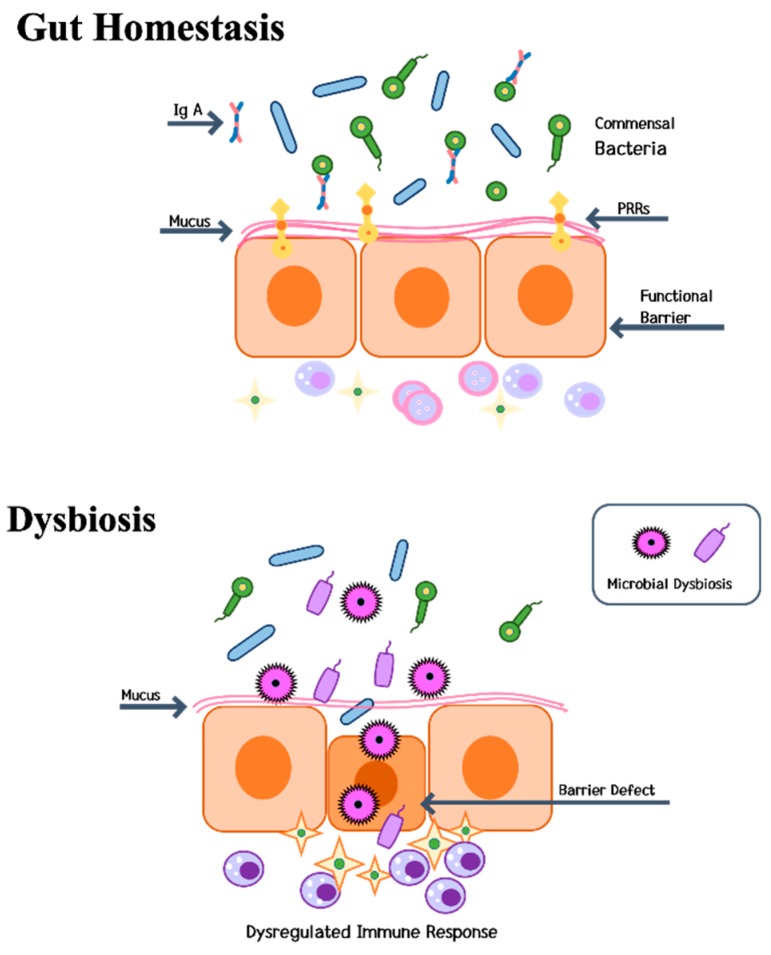
“The environment, diet, drugs and disease affect the microbiota composition [110] and lead to dysbiosis, an altered microbial community that contributes to disease [27,110,111].”
BackgroundOverview of the IL ‐1 family in innate inflammation and acquired immunity
Dinarello, C. A. (2018) · Immunological Reviews · doi:10.1111/imr.12621 · Cited by 1,866 · cited 1×
“IL-1β is a strong stimulator of bone resorption [99].”
BackgroundFunctions of RANKL/RANK/OPG in bone modeling and remodeling
Boyce, B. F., & Xing, L. (2008) · Archives of Biochemistry and Biophysics · doi:10.1016/j.abb.2008.03.018 · Cited by 1,844 · cited 10×
“OPG is secreted by many cell types in addition to osteoblasts, including those in the heart, kidney, liver and spleen [79].”
BackgroundInfluentialBisphosphonates: Mechanism of action and role in clinical practice
Drake, M. T., Clarke, B. L., & Khosla, S. (2008) · Mayo Clinic Proceedings · doi:10.4065/83.9.1032 · Cited by 1,644
Understanding the mechanism of IL-1β secretion
Lopez-Castejon, G., & Brough, D. (2011) · Cytokine & Growth Factor Reviews · doi:10.1016/j.cytogfr.2011.10.001 · Cited by 1,519 · cited 1×
“IL-1β is a potent proinflammatory cytokine [96] involved in many important cellular functions, such as proliferation, activation and differentiation and is an important component of the innate immune response [97].”
BackgroundUnravelling the effects of the environment and host genotype on the gut microbiome
Spor, A., Koren, O., & Ley, R. (2011) · Nature Reviews Microbiology · doi:10.1038/nrmicro2540 · Cited by 1,509 · cited 1×
“The environment, diet, drugs and disease affect the microbiota composition [110] and lead to dysbiosis, an altered microbial community that contributes to disease [27,110,111].”
BackgroundMechanisms regulating skeletal muscle growth and atrophy
Schiaffino, S., Dyar, K. A., Ciciliot, S., Blaauw, B., & Sandri, M. (2013) · The FEBS Journal · doi:10.1111/febs.12253 · Cited by 1,492
Hirschfield, G. M., Beuers, U., Corpechot, C., Invernizzi, P., Jones, D., Marzioni, M., & Schramm, C. (2017) · Journal of Hepatology · doi:10.1016/j.jhep.2017.03.022 · Cited by 1,480 · cited 2×
“Studies investigating the association between bone diseases and chronic liver disease have mainly focused on cholestatic liver diseases [20].”
BackgroundThe gut-liver axis and the intersection with the microbiome
Tripathi, A., Debelius, J., Brenner, D. A., Karin, M., Loomba, R., Schnabl, B., & Knight, R. (2018) · Nature Reviews Gastroenterology & Hepatology · doi:10.1038/s41575-018-0011-z · Cited by 1,480 · cited 2×
“Various liver diseases, such as alcoholic liver disease, non-alcoholic fatty liver disease and PSC, are associated with altered microbiota [24,109], which can affect immunomodulation [29,122].”
BackgroundRegulation of bone mass by Wnt signaling
Krishnan, V. (2006) · Journal of Clinical Investigation · doi:10.1172/jci28551 · Cited by 1,407 · cited 3×
“IGF-1 reduces osteoblast apoptosis and promotes osteoblastogenesis by stabilizing β-catenin, and enhancing Wnt-dependent activity [67,68].”
BackgroundHuman gut microbiome: Hopes, threats and promises
Cani, P. D. (2018) · Gut · doi:10.1136/gutjnl-2018-316723 · Cited by 1,386 · cited 1×
“Constituents of gram-negative bacteria lipopolysaccharides (LPS) circulate at a very low level in the blood and trigger low-grade inflammation [115,116].”
BackgroundGallant, J. E. (2004) · JAMA · doi:10.1001/jama.292.2.191 · Cited by 1,341
Feng, X., & McDonald, J. M. (2011) · Annual Review of Pathology: Mechanisms of Disease · doi:10.1146/annurev-pathol-011110-130203 · Cited by 1,272 · cited 3×
“In patients with chronic liver disease, the balance between osteoclasts and osteoblasts is affected by liver disease, resulting in BRU imbalance [46,50].”
BackgroundEASL Clinical Practice Guidelines: autoimmune hepatitis
(2015) · Journal of Hepatology · doi:10.1016/j.jhep.2015.06.030 · Cited by 1,245 · cited 1×
“EASL 1 2015 Clinical Practice Guidelines: Autoimmune hepatitis [36] Osteopenia/osteoporosis screening and management”
BackgroundCirrhosis-associated immune dysfunction: Distinctive features and clinical relevance
Albillos, A., Lario, M., & Álvarez-Mon, M. (2014) · Journal of Hepatology · doi:10.1016/j.jhep.2014.08.010 · Cited by 1,242 · cited 2×
“Liver cirrhosis leads to severe disturbances in systemic circulation [179,180], immune response [181,182], and coagulation system [183,184].”
BackgroundDiagnosis and Management of Primary Sclerosing Cholangitis
Chapman, R., Fevery, J., Kalloo, A., Nagorney, D. M., Boberg, K. M., Shneider, B., & Gores, G. J. (2010) · Hepatology · doi:10.1002/hep.23294 · Cited by 1,224
Camacho, P. M., Petak, S. M., Binkley, N., Clarke, B. L., Harris, S. T., Hurley, D. L., Kleerekoper, M., Lewiecki, E. M., Miller, P. D., Narula, H. S., et al. (2016) · Endocrine Practice · doi:10.4158/ep161435.esgl · Cited by 1,140
EASL Clinical Practice Guidelines on nutrition in chronic liver disease
Merli, M., Berzigotti, A., Zelber-Sagi, S., Dasarathy, S., Montagnese, S., Genton, L., Plauth, M., & Parés, A. (2019) · Journal of Hepatology · doi:10.1016/j.jhep.2018.06.024 · Cited by 1,130 · cited 10×
“Sarcopenia must be screened and treated in patients with chronic liver disease [41], particularly in patients with liver cirrhosis.”
BackgroundMethodInfluentialEASL Clinical Practice Guidelines: Liver transplantation
(2016) · Journal of Hepatology · doi:10.1016/j.jhep.2015.10.006 · Cited by 1,082 · cited 3×
“Although its pathogenesis is multi-factorial, preexisting bone disease is a major risk factor in patients with chronic liver disease [2,136,138,139] and post-transplant medication may be another factor [136].”
BackgroundMethodMartin, P., DiMartini, A., Feng, S., Brown, R., & Fallon, M. (2014) · Hepatology · doi:10.1002/hep.26972 · Cited by 1,045 · cited 4×
“Thus, BMD should be measured before LT as an appropriate form of preparation [35].”
BackgroundInfluentialLindor, K. D., Bowlus, C. L., Boyer, J., Levy, C., & Mayo, M. (2019) · Hepatology · doi:10.1002/hep.30145 · Cited by 913 · cited 3×
“The American Association for the Study of Liver Disease (AASLD) updated the guidelines for PBC in 2018 and provided recommendations for the diagnosis and management of osteoporosis and osteopenia in patients with chronic liver disease [40].”
BackgroundInfluentialEastell, R., Rosen, C. J., Black, D. M., Cheung, A. M., Murad, M. H., & Shoback, D. (2019) · The Journal of Clinical Endocrinology & Metabolism · doi:10.1210/jc.2019-00221 · Cited by 868 · cited 10×
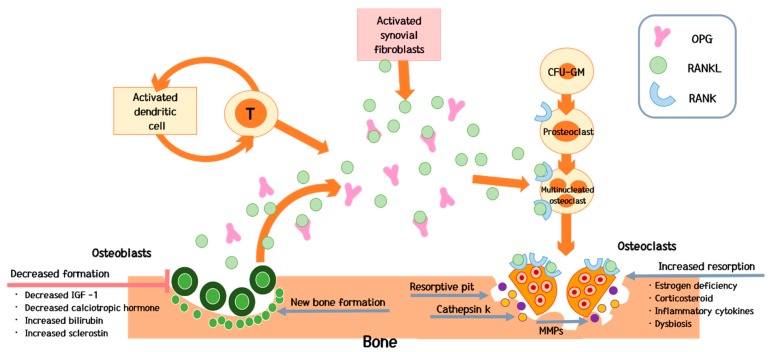
“This osteocyte, which is embedded in the matrix and is the mediator of bone remodeling in response to mechanical strain, has emerged as a major regulator of bone resorption by controlling the number of osteoclasts and bone formation by modifying osteoblast-induced bone mineralization [1,3,15,19].”
BackgroundInfluentialInflammatory bone loss: pathogenesis and therapeutic intervention
Redlich, K., & Smolen, J. S. (2012) · Nature Reviews Drug Discovery · doi:10.1038/nrd3669 · Cited by 830 · cited 1×
“A clinical association between inflammatory conditions and bone loss has long been established [117], and the importance of the immune system in regulating bone remodeling was recognized three decades ago [27,118].”
BackgroundThe gut microbiota regulates bone mass in mice
Sjögren, K., Engdahl, C., Henning, P., Lerner, U. H., Tremaroli, V., Lagerquist, M. K., Bäckhed, F., & Ohlsson, C. (2012) · Journal of Bone and Mineral Research · doi:10.1002/jbmr.1588 · Cited by 822 · cited 2×
“In summary, gut microbiota regulated bone mass in mice, and there is evidence for a mechanism involving altered immune status in bone affecting osteoclast-mediated bone resorption [119].”
BackgroundPitfalls in the measurement of muscle mass: A need for a reference standard
Buckinx, F., Landi, F., Cesari, M., Fielding, R. A., Visser, M., Engelke, K., Maggi, S., Dennison, E., Al‐Daghri, N. M., Allepaerts, S., et al. (2018) · Journal of Cachexia, Sarcopenia and Muscle · doi:10.1002/jcsm.12268 · Cited by 765
Osteoporosis: A Review of Treatment Options.
Tu, K. N., Lie, J. D., Wan, C. K. V., Cameron, M., Austel, A. G., Nguyen, J. K., Van, K., & Hyun, D. (2018) · PubMed Central · Cited by 751
Gut microbiota induce IGF-1 and promote bone formation and growth
Yan, J., Herzog, J. W., Tsang, K., Brennan, C. A., Bower, M. A., Garrett, W. S., Sartor, B. R., Aliprantis, A. O., & Charles, J. F. (2016) · Proceedings of the National Academy of Sciences · doi:10.1073/pnas.1607235113 · Cited by 750 · cited 3×
“Short-chain fatty acids (SCFAs) produced by gut microbiota are the most widely investigated in relation to regulation of inflammation and immune system.”
BackgroundDysbiosis in inflammatory bowel disease
Tamboli, C. P., Neut, C., Desreumaux, P., & Colombel, J. F. (2004) · Gut · doi:10.1136/gut.53.1.1 · Cited by 743
Gut bacteria that prevent growth impairments transmitted by microbiota from malnourished children
Blanton, L. V., Charbonneau, M. R., Salih, T., Barratt, M. J., Venkatesh, S., Ilkaveya, O., Subramanian, S., Manary, M. J., Trehan, I., Jorgensen, J. M., et al. (2016) · Science · doi:10.1126/science.aad3311 · Cited by 735 · cited 3×
“These two studies [124,126] reveal that changes in the microbiota independently regulate bone growth and bone mass acquisition [122,125].”
BackgroundMethodEstrogen deficiency induces bone loss by enhancing T-cell production of TNF-α
Cenci, S., Weitzmann, M. N., Roggia, C., Namba, N., Novack, D., Woodring, J., & Pacifici, R. (2000) · Journal of Clinical Investigation · doi:10.1172/jci11066 · Cited by 705 · cited 1×
“In a series of papers it was shown that athymic nude mice, which lack T cells, were protected from bone loss [84].”
BackgroundKenkre, J., & Bassett, J. (2018) · Annals of Clinical Biochemistry: International Journal of Laboratory Medicine · doi:10.1177/0004563218759371 · Cited by 693
Sex steroid deficiency-associated bone loss is microbiota dependent and prevented by probiotics
Li, J.-Y., Chassaing, B., Tyagi, A. M., Vaccaro, C., Luo, T., Adams, J., Darby, T. M., Weitzmann, M. N., Mulle, J. G., Gewirtz, A. T., et al. (2016) · Journal of Clinical Investigation · doi:10.1172/jci86062 · Cited by 643 · cited 6×
“It also directly suppresses pro-inflammatory T cell production and, indirectly, lowers follicle-stimulating hormone (FSH) levels, thus attenuating FSH-induced TNFα production [123].”
BackgroundInfluentialHyperdynamic circulation in cirrhosis: A role for nitric oxide?
Vallance, P., & Moncada, S. (1991) · The Lancet · doi:10.1016/0140-6736(91)91384-7 · Cited by 615 · cited 1×
“Liver cirrhosis leads to severe disturbances in systemic circulation [179,180], immune response [181,182], and coagulation system [183,184].”
BackgroundBiology of the RANKL–RANK–OPG System in Immunity, Bone, and Beyond
Walsh, M. C., & Choi, Y. (2014) · Frontiers in Immunology · doi:10.3389/fimmu.2014.00511 · Cited by 599
Lactobacillus plantarum strain maintains growth of infant mice during chronic undernutrition
Schwarzer, M., Makki, K., Storelli, G., Machuca-Gayet, I., Srutkova, D., Hermanova, P., Martino, M. E., Balmand, S., Hudcovic, T., Heddi, A., et al. (2016) · Science · doi:10.1126/science.aad8588 · Cited by 597 · cited 2×
“These two studies [124,126] reveal that changes in the microbiota independently regulate bone growth and bone mass acquisition [122,125].”
BackgroundOsteoimmunology: Interactions of the Bone and Immune System
Lorenzo, J., Horowitz, M., & Choi, Y. (2008) · Endocrine Reviews · doi:10.1210/er.2007-0038 · Cited by 563 · cited 4×
“Thus RANKL/RANK signaling can regulate osteoclast formation, activation and survival in normal bone modeling and remodeling and in a variety of pathologic conditions characterized by increased bone turnover [79,83,85,86].”
BackgroundInfluentialCurrent concepts on osteonecrosis of the femoral head
Moya-Angeler, J. (2015) · World Journal of Orthopedics · doi:10.5312/wjo.v6.i8.590 · Cited by 548 · cited 2×
“Avascular necrosis, also known as osteonecrosis of the femoral head, is a special bone disease that is the final common pathway of a series of derangements which result in a decrease in blood flow to the femoral head, leading to cellular death, fracture and collapse of the articular surface [23].”
BackgroundLucey, M. R., Terrault, N., Ojo, L., Hay, E. J., Neuberger, J., Blumberg, E., & Teperman, L. W. (2013) · Liver Transplantation · doi:10.1002/lt.23566 · Cited by 544 · cited 1×
“AASLD 2 2012 Practice guidelines by AASLD and AST 3: Long-term management of the successful adult liver transplant [34] Bone mineral density follow up and management”
MethodThe role of the microbiome in human health and disease: An introduction for clinicians
Young, V. B. (2017) · BMJ · doi:10.1136/bmj.j831 · Cited by 527 · cited 2×
“discovered that gut microbes are involved in low-grade inflammation by activating toll-like receptor (TLR) signaling pathways [114].”
BackgroundGut microbiome and liver diseases
Tilg, H., Cani, P. D., & Mayer, E. A. (2016) · Gut · doi:10.1136/gutjnl-2016-312729 · Cited by 525 · cited 4×
“Various liver diseases, such as alcoholic liver disease, non-alcoholic fatty liver disease and PSC, are associated with altered microbiota [24,109], which can affect immunomodulation [29,122].”
BackgroundInfluentialA multicenter study to define sarcopenia in patients with end-stage liver disease
Carey, E. J., Lai, J. C., Wang, C. W., Dasarathy, S., Lobach, I., Montano‐Loza, A. J., Dunn, M. A., & for the Fitness, L. E. (2017) · Liver Transplantation · doi:10.1002/lt.24750 · Cited by 498 · cited 2×
“Cutoff values defining sarcopenia derived from patients with cirrhosis on the LT list and based on clinical outcomes have recently been suggested (50 cm2/m2 for men and 39 cm2/m2 for women) [22].”
BackgroundMethodRole and mechanism of action of sclerostin in bone
Delgado-Calle, J., Sato, A. Y., & Bellido, T. (2017) · Bone · doi:10.1016/j.bone.2016.10.007 · Cited by 443 · cited 2×
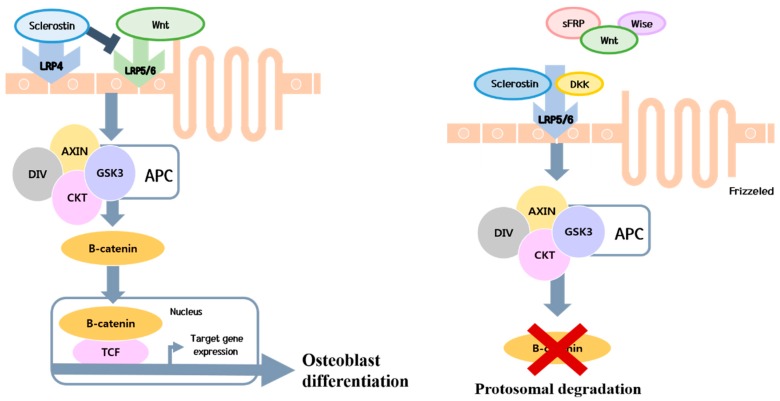
“This blockade prevents osteoblast differentiation to inhibit bone formation [60,61].”
BackgroundGlucocorticoid-Induced Osteoporosis
Buckley, L., & Humphrey, M. B. (2018) · New England Journal of Medicine · doi:10.1056/nejmcp1800214 · Cited by 438
Compartmentalized and systemic control of tissue immunity by commensals
Belkaid, Y., & Naik, S. (2013) · Nature Immunology · doi:10.1038/ni.2604 · Cited by 382 · cited 1×
“Several studies have reported an association of dysbiosis with chronic inflammation, which may in turn result in an association with bone diseases [129,132,215,216].”
BackgroundCalcium intake and risk of fracture: Systematic review
Bolland, M. J., Leung, W., Tai, V., Bastin, S., Gamble, G. D., Grey, A., & Reid, I. R. (2015) · BMJ · doi:10.1136/bmj.h4580 · Cited by 351
Dynamics of the transition from osteoblast to osteocyte
Dallas, S. L., & Bonewald, L. F. (2010) · Annals of the New York Academy of Sciences · doi:10.1111/j.1749-6632.2009.05246.x · Cited by 343 · cited 1×
“Osteoblasts generally undergo apoptosis after bone formation, but the remaining osteoblasts differentiate into osteocytes or bone-lining cells and survive for long periods [3,48].”
BackgroundGuidelines for the management of osteoporosis and fragility fractures
Nuti, R., Brandi, M. L., Checchia, G., Di Munno, O., Dominguez, L., Falaschi, P., Fiore, C. E., Iolascon, G., Maggi, S., Michieli, R., et al. (2019) · Internal and Emergency Medicine · doi:10.1007/s11739-018-1874-2 · Cited by 328 · cited 10×
“This osteocyte, which is embedded in the matrix and is the mediator of bone remodeling in response to mechanical strain, has emerged as a major regulator of bone resorption by controlling the number of osteoclasts and bone formation by modifying osteoblast-induced bone mineralization [1,3,15,19].”
BackgroundInfluentialBedimo, R., Maalouf, N. M., Zhang, S., Drechsler, H., & Tebas, P. (2012) · AIDS · doi:10.1097/qad.0b013e32835192ae · Cited by 324
Nilsson, A. G., Sundh, D., Bäckhed, F., & Lorentzon, M. (2018) · Journal of Internal Medicine · doi:10.1111/joim.12805 · Cited by 323
Gut Microbiota, Immune System, and Bone
D’Amelio, P., & Sassi, F. (2018) · Calcified Tissue International · doi:10.1007/s00223-017-0331-y · Cited by 315 · cited 5×
“Dysbiosis refers to the breakdown of the normal balance between the normal flora and other bacteria [29].”
BackgroundInfluentialEffect of GH/IGF-1 on Bone Metabolism and Osteoporsosis
Locatelli, V., & Bianchi, V. E. (2014) · International Journal of Endocrinology · doi:10.1155/2014/235060 · Cited by 307 · cited 1×
“IGF-1 is crucial to achieving normal longitudinal bone growth and mass during the postnatal period and plays a major role in bone growth and development [66].”
BackgroundPacifici, R., Rifas, L., Teitelbaum, S., Slatopolsky, E., McCracken, R., Bergfeld, M., Lee, W., Avioli, L. V., & Peck, W. A. (1987) · Proceedings of the National Academy of Sciences · doi:10.1073/pnas.84.13.4616 · Cited by 302
Glucocorticoid-induced osteoporosis
Briot, K., & Roux, C. (2015) · RMD Open · doi:10.1136/rmdopen-2014-000014 · Cited by 300
Gut, inflammation and osteoporosis: Basic and clinical concepts
Tilg, H., Moschen, A. R., Kaser, A., Pines, A., & Dotan, I. (2008) · Gut · doi:10.1136/gut.2006.117382 · Cited by 292 · cited 2×
“Importantly, activated immune cells affect the progression of osteoporosis, and chronic inflammation may exert an additional effect on the existing pathophysiology of osteoporosis [43].”
BackgroundPrebiotics, bone and mineral metabolism
Whisner, C. M., & Castillo, L. F. (2018) · Calcified Tissue International · doi:10.1007/s00223-017-0339-3 · Cited by 292 · cited 1×
“Several studies have reported an association of dysbiosis with chronic inflammation, which may in turn result in an association with bone diseases [129,132,215,216].”
BackgroundBenefits and risks of bisphosphonate therapy for osteoporosis
Khosla, S., Bilezikian, J. P., Dempster, D. W., Lewiecki, E. M., Miller, P. D., Neer, R. M., Recker, R. R., Shane, E., Shoback, D., & Potts, J. T. (2012) · The Journal of Clinical Endocrinology & Metabolism · doi:10.1210/jc.2012-1027 · Cited by 290
Hepatic, gut, and renal substrate flux rates in patients with hepatic cirrhosis
Owen, O. E., Reichle, F. A., Mozzoli, M. A., Kreulen, T., Patel, M. S., Elfenbein, I. B., Golsorkhi, M., Chang, K. H., Rao, N. S., Sue, H. S., et al. (1981) · Journal of Clinical Investigation · doi:10.1172/jci110240 · Cited by 290 · cited 1×
“As a consequence of metabolic impairment associated with liver cirrhosis, protein and amino acid metabolism is likely to be altered, and a continuous breakdown of adipose and muscle tissue components that exceeds oral feeding can occur [21,170].”
BackgroundInsulin-Like Growth Factor (IGF) System in Liver Diseases
Adamek, A., & Kasprzak, A. (2018) · International Journal of Molecular Sciences · doi:10.3390/ijms19051308 · Cited by 284 · cited 1×
“Experimental data show that low doses of IGF-1 increase bone mass in cirrhotic rats [65,69,70].”
BackgroundSide effects of long-term oral antiviral therapy for hepatitis B
Fontana, R. J. (2009) · Hepatology · doi:10.1002/hep.22885 · Cited by 272
Coagulation in liver disease: A guide for the clinician
Northup, P. G., & Caldwell, S. H. (2013) · Clinical Gastroenterology and Hepatology · doi:10.1016/j.cgh.2013.02.026 · Cited by 268 · cited 1×
“Liver cirrhosis leads to severe disturbances in systemic circulation [179,180], immune response [181,182], and coagulation system [183,184].”
BackgroundInhibition of interleukin-6 receptor directly blocks osteoclast formation in vitro and in vivo
Axmann, R., Böhm, C., Krönke, G., Zwerina, J., Smolen, J., & Schett, G. (2009) · Arthritis & Rheumatism · doi:10.1002/art.24781 · Cited by 263 · cited 1×
“Indeed, the inhibition of the IL-6 receptor in mice blocked osteoclast-mediated bone resorption [93].”
BackgroundTNF.ALPHA. and pathologic bone resorption
Boyce, B. E., Li, P., Yao, Z., Zhang, Q., Badell, I. R., Schwarz, E. M., O’Keefe, R. J., & Xing, L. (2005) · The Keio Journal of Medicine · doi:10.2302/kjm.54.127 · Cited by 259 · cited 3×
“Specially, TNFα promotes osteoclast formation [104].”
BackgroundInfluentialOsteosarcopenic obesity: the role of bone, muscle, and fat on health
Ormsbee, M. J., Prado, C. M., Ilich, J. Z., Purcell, S., Siervo, M., Folsom, A., & Panton, L. (2014) · Journal of Cachexia, Sarcopenia and Muscle · doi:10.1007/s13539-014-0146-x · Cited by 257 · cited 1×
“In fact, sarcopenia itself is more strongly correlated with osteoporosis than BMI, as observed in elderly individuals who may present with a normal body weight and BMI, but have significant depletion in muscle mass [172].”
BackgroundInterleukin-33 overexpression is associated with liver fibrosis in mice and humans
Marvie, P., Lisbonne, M., L’Helgoualc’h, A., Rauch, M., Turlin, B., Preisser, L., Bourd‐Boittin, K., Théret, N., Gascan, H., Piquet‐Pellorce, C., et al. (2010) · Journal of Cellular and Molecular Medicine · doi:10.1111/j.1582-4934.2009.00801.x · Cited by 251 · cited 8×
“Hung et al. [185] reported the time to hospitalization for osteonecrosis of the femoral head (OFN) in patients with cirrhosis (n = 40,769) and an age-matched cohort of hospitalized patients with a high prevalence of conditions that predispose them to AVN for three-year follow-up.”
BackgroundInfluentialInflammatory osteolysis: A conspiracy against bone
Mbalaviele, G., Novack, D. V., Schett, G., & Teitelbaum, S. L. (2017) · Journal of Clinical Investigation · doi:10.1172/jci93356 · Cited by 251
IL-6 Enhances Osteocyte-Mediated Osteoclastogenesis by Promoting JAK2 and RANKL Activity In Vitro
Wu, Q., Zhou, X., Huang, D., JI, Y., & Kang, F. (2017) · Cellular Physiology and Biochemistry · doi:10.1159/000465455 · Cited by 244
Guidelines on the management of osteoporosis associated with chronic liver disease
Collier, J. D., Ninkovic, M., & Compston, J. E. (2002) · Gut · doi:10.1136/gut.50.suppl_1.i1 · Cited by 241
Safety of intravenous and oral bisphosphonates and compliance with dosing regimens
Conte, P., & Guarneri, V. (2004) · The Oncologist · doi:10.1634/theoncologist.9-90004-28 · Cited by 241
Bone disorders in chronic liver disease
Collier, J. (2007) · Hepatology · doi:10.1002/hep.21852 · Cited by 238 · cited 3×
“The detection of osteoporosis in patients with chronic liver disease requires a high index of suspicion, as approximately one-third of vertebral fractures are asymptomatic [4].”
BackgroundOsteoblasts in osteoporosis: Past, emerging, and future anabolic targets
Marie, P. J., & Kassem, M. (2011) · European Journal of Endocrinology · doi:10.1530/eje-11-0132 · Cited by 234 · cited 1×
“Bone loss due to decreased bone formation is mostly a direct or indirect toxic effect on osteoblast differentiation and survival (Figure 1) [57].”
BackgroundEffects of the gut microbiota on bone mass
Ohlsson, C., & Sjögren, K. (2015) · Trends in Endocrinology & Metabolism · doi:10.1016/j.tem.2014.11.004 · Cited by 233 · cited 1×
“Recognizing this, Ohlsson and Sjögren coined the term “osteomicrobiology” suggesting the importance of microbiota in bone immunology and bone health [121].”
BackgroundIL-1 plays an important role in the bone metabolism under physiological conditions
Lee, Y.-M., Fujikado, N., Manaka, H., Yasuda, H., & Iwakura, Y. (2010) · International Immunology · doi:10.1093/intimm/dxq431 · Cited by 226 · cited 2×
“In this study, the femur mineral density, trabecular bone mass and cortical thickness significantly increased in all knockout (KO) mice compared with wild-type (WT) mice [101].”
BackgroundThe Role of IL‐1 β in the Bone Loss during Rheumatic Diseases
Ruscitti, P., Cipriani, P., Carubbi, F., Liakouli, V., Zazzeroni, F., Di Benedetto, P., Berardicurti, O., Alesse, E., & Giacomelli, R. (2015) · Mediators of Inflammation · doi:10.1155/2015/782382 · Cited by 211
Association between iron overload and osteoporosis in patients with hereditary hemochromatosis
Valenti, L., Varenna, M., Fracanzani, A. L., Rossi, V., Fargion, S., & Sinigaglia, L. (2009) · Osteoporosis International · doi:10.1007/s00198-008-0701-4 · Cited by 203 · cited 2×
“A lower BMD was reported in patients with higher iron loads and lower levels of markers of bone formation [59].”
BackgroundLinks between the microbiome and bone
Hernandez, C. J., Guss, J. D., Luna, M., & Goldring, S. R. (2016) · Journal of Bone and Mineral Research · doi:10.1002/jbmr.2887 · Cited by 200
Effects of PTH on osteocyte function
Bellido, T., Saini, V., & Pajevic, P. D. (2013) · Bone · doi:10.1016/j.bone.2012.09.016 · Cited by 196 · cited 3×
“This effect is achieved through the activation of osteoblasts by inhibiting sclerostin, which prevents Wnt signaling [78].”
BackgroundTenofovir renal toxicity targets mitochondria of renal proximal tubules
Kohler, J. J., Hosseini, S. H., Hoying-Brandt, A., Green, E., Johnson, D. M., Russ, R., Tran, D., Raper, C. M., Santoianni, R., & Lewis, W. (2009) · Laboratory Investigation · doi:10.1038/labinvest.2009.14 · Cited by 195 · cited 2×
“Overall, TDF may exert a direct or indirect effect on bone diseases, and while imbalance in bone remodeling is the most likely explanation, additional research is needed [166].”
BackgroundGut microbiota alterations associated with reduced bone mineral density in older adults
Das, M., Cronin, O., Keohane, D. M., Cormac, E. M., Nugent, H., Nugent, M., Molloy, C., O’Toole, P. W., Shanahan, F., Molloy, M. G., et al. (2019) · Rheumatology · doi:10.1093/rheumatology/kez302 · Cited by 185 · cited 2×
“However, until date, evidence for the role of gut microbiota in bone health in humans remain inadequate [26,129,131].”
BackgroundSelective Estrogen receptor modulators
An, K.-C. (2016) · Asian Spine Journal · doi:10.4184/asj.2016.10.4.787 · Cited by 185 · cited 3×
“Raloxifene is a second-generation SERM [10,208] that functions as an estrogenic agonist in bone by decreasing bone resorption and bone turnover, thus increasing the BMD [14].”
BackgroundMonegal, A., Navasa, M., Guañabens, N., Peris, P., Pons, F., Martinez de Osaba, M. J., Ordi, J., Rimola, A., Rodés, J., & Muñoz-Gómez, J. (2001) · Osteoporosis International · doi:10.1007/s001980170094 · Cited by 183 · cited 2×
“Shortly after LT, during the first three to six months, there is a significant and quantitatively substantial increase in bone turnover which is supported by histomorphometric data [142,143] and an early increase in the levels of biochemical markers of bone resorption that exceeds the levels of bone formation markers…”
BackgroundZhao, B., Grimes, S. N., Li, S., Hu, X., & Ivashkiv, L. B. (2012) · Journal of Experimental Medicine · doi:10.1084/jem.20111566 · Cited by 182 · cited 2×
“TNF also plays a key role in the pathogenesis of inflammatory bone resorption [102].”
BackgroundSchepper, J. D., Collins, F. L., Rios-Arce, N. D., Raehtz, S., Schaefer, L., Gardinier, J. D., Britton, R. A., Parameswaran, N., & McCabe, L. R. (2019) · Journal of Bone and Mineral Research · doi:10.1002/jbmr.3635 · Cited by 182
Grant, P. M., & Cotter, A. G. (2016) · Current Opinion in HIV and AIDS · doi:10.1097/coh.0000000000000248 · Cited by 165 · cited 2×
“The reduction in the expression of an osteoclast-related gene that is involved in inducing osteoblast activity would ultimately result in a loss of BMD [153,158].”
BackgroundAssociation between gut microbiota and bone health: Potential mechanisms and prospective
Chen, Y.-C., Greenbaum, J., Shen, H., & Deng, H.-W. (2017) · The Journal of Clinical Endocrinology & Metabolism · doi:10.1210/jc.2017-00513 · Cited by 165
The structural and biomechanical basis of the gain and loss of bone strength in women and men
Seeman, E. (2003) · Endocrinology and Metabolism Clinics of North America · doi:10.1016/s0889-8529(02)00078-6 · Cited by 163 · cited 1×
“Some authors have hypothesized that low levels of sex hormones (estrogen or testosterone) increase the osteoclast life span and decrease the osteoblast life span, leading to a higher rate of bone resorption than new bone synthesis [67,73,74].”
BackgroundSchiefke, I. (2005) · World Journal of Gastroenterology · doi:10.3748/wjg.v11.i12.1843 · Cited by 156 · cited 1×
“However, the mechanisms underlying osteoporosis in patients with chronic liver disease are complex and not completely understood [45].”
BackgroundGolds, G., Houdek, D., & Arnason, T. (2017) · International Journal of Endocrinology · doi:10.1155/2017/4602129 · Cited by 150 · cited 5×
“The administration of IGF-1 appears to be beneficial in rats, but no studies of IGF-1 use in humans exist [65,67,69,73,196].”
BackgroundInfluentialFung, S., Kwan, P., Fabri, M., Horban, A., Pelemis, M., Hann, H.-W., Gurel, S., Caruntu, F. A., Flaherty, J. F., Massetto, B., et al. (2014) · Gastroenterology · doi:10.1053/j.gastro.2013.12.028 · Cited by 147 · cited 1×
“A recent study showed a plateau in the decrease in hip BMD after 72 weeks of TDF therapy and thus this therapy-associated decrease in BMD may not be a progressive phenomenon [163].”
BackgroundEndotoxemia contributes to the immune paralysis in patients with cirrhosis
Lin, C.-Y., Tsai, I.-F., Ho, Y.-P., Huang, C.-T., Lin, Y.-C., Lin, C.-J., Tseng, S.-C., Lin, W.-P., Chen, W.-T., & Sheen, I.-S. (2007) · Journal of Hepatology · doi:10.1016/j.jhep.2006.12.018 · Cited by 145 · cited 1×
“Liver cirrhosis leads to severe disturbances in systemic circulation [179,180], immune response [181,182], and coagulation system [183,184].”
BackgroundA comprehensive review of immunosuppression used for liver transplantation
Mukherjee, S., & Mukherjee, U. (2009) · Journal of Transplantation · doi:10.1155/2009/701464 · Cited by 140 · cited 1×
“In addition, side effects of immunosuppressive therapy, which depend on the doses of glucocorticoids combined with cyclosporine or tacrolimus, contribute to this state in the early post-transplantation phase [148,149].”
BackgroundFeatured Editorial Hormone replacement therapy and the prevention of postmenopausal osteoporosis
Gambacciani, M., & Levancini, M. (2014) · Menopausal Review · doi:10.5114/pm.2014.44996 · Cited by 139
Measurements of total body and extracellular water in cirrhotic patients with and without ascites
McCullough, A. J., Mullen, K. D., & Kalhan, S. C. (1991) · Hepatology · doi:10.1002/hep.1840140626 · Cited by 135 · cited 1×
“The liver plays an important role in controlling nutritional status and energy balance [41,169].”
BackgroundPrevalence and prediction of osteopenia in chronic liver disease
Bonkovsky, H. L., Hawkins, M., Steinberg, K., Hersh, T., Galambos, J. T., Henderson, M. J., Millikan, W. J., & Galloway, J. R. (1990) · Hepatology · doi:10.1002/hep.1840120214 · Cited by 133 · cited 1×
“Specifically, marked bone loss of the proximal femur at Ward’s triangle was observed compared with the spine [144,145].”
BackgroundSynthesis of IL-6 by Hepatocytes Is a Normal Response to Common Hepatic Stimuli
Norris, C. A., He, M., Kang, L.-I., Ding, M. Q., Radder, J. E., Haynes, M. M., Yang, Y., Paranjpe, S., Bowen, W. C., Orr, A., et al. (2014) · PLoS ONE · doi:10.1371/journal.pone.0096053 · Cited by 132 · cited 2×
“Since any type of liver injury is also associated with an attempt at regeneration, IL-6 is essentially up-regulated in patients with all types of liver disease [94,95].”
BackgroundThe immune system, bone and RANKL
Guerrini, M. M., & Takayanagi, H. (2014) · Archives of Biochemistry and Biophysics · doi:10.1016/j.abb.2014.06.003 · Cited by 131 · cited 5×
“T cells are essential mediators of bone loss in ovariectomized mice [81].”
BackgroundInfluentialOsteoporosis in chronic liver disease
Guañabens, N., & Parés, A. (2018) · Liver International · doi:10.1111/liv.13730 · Cited by 128 · cited 6×
“In the past, bone diseases in patients with chronic liver disease were described using the term “hepatic osteodystrophy” [4,5,8,10,11].”
BackgroundInfluentialRouillard, S., & Lane, N. E. (2001) · Hepatology · doi:10.1053/jhep.2001.20533 · Cited by 125 · cited 2×
“post-operative fractures observed in up to 35% of patients [11,136,137].”
BackgroundNinkovic, M., Love, S. A., Tom, B., Alexander, G. J. M., & Compston, J. E. (2001) · Calcified Tissue International · doi:10.1007/s00223-001-2028-4 · Cited by 123 · cited 1×
“Although its pathogenesis is multi-factorial, preexisting bone disease is a major risk factor in patients with chronic liver disease [2,136,138,139] and post-transplant medication may be another factor [136].”
BackgroundOsteoporosis—Bone Remodeling and Animal Models
BONUCCI, E., & Ballanti, P. (2013) · Toxicologic Pathology · doi:10.1177/0192623313512428 · Cited by 122 · cited 1×
“When the balance between osteoclasts and osteoblasts is disrupted and bone resorption occurs more rapidly than bone formation, the amount of bone decreases and osteoporosis progresses [3,49].”
BackgroundNovince, C. M., Whittow, C. R., Aartun, J. D., Hathaway, J. D., Poulides, N., Chavez, M. B., Steinkamp, H. M., Kirkwood, K. A., Huang, E., Westwater, C., et al. (2017) · Scientific Reports · doi:10.1038/s41598-017-06126-x · Cited by 121 · cited 1×
“Mechanistic studies have shown that microbiota regulate bone formation by altering the production of IGF-1, an important regulator of bone remodeling [120].”
BackgroundMedical Treatment for Osteoporosis: From Molecular to Clinical Opinions
Chen, L.-R., Ko, N.-Y., & Chen, K.-H. (2019) · International Journal of Molecular Sciences · doi:10.3390/ijms20092213 · Cited by 116
Regulation of Osteoclast Differentiation and Function by Interleukin‐1
Nakamura, I., & Jimi, E. (2006) · Vitamins and hormones · doi:10.1016/s0083-6729(06)74015-8 · Cited by 115 · cited 1×
“makes RANKL stimulate osteoclastogenesis [100].”
Osteoporosis in liver disease: Pathogenesis and management
Handzlik-Orlik, G., Holecki, M., Wilczyński, K., & Duława, J. (2016) · Therapeutic Advances in Endocrinology and Metabolism · doi:10.1177/2042018816641351 · Cited by 114
Bone disease after orthotopic liver transplantation
Haagsma, E. B., Thijn, C. J. P., Post, J. G., Slooff, M. J. H., & Gips, C. H. (1988) · Journal of Hepatology · doi:10.1016/s0168-8278(88)80467-7 · Cited by 112 · cited 1×
“post-operative fractures observed in up to 35% of patients [11,136,137].”
BackgroundInterleukin-1β Modulates Proinflammatory Cytokine Production in Human Epithelial Cells
Eskan, M. A., Benakanakere, M. R., Rose, B. G., Zhang, P., Zhao, J., Stathopoulou, P., Fujioka, D., & Kinane, D. F. (2008) · Infection and Immunity · doi:10.1128/iai.01428-07 · Cited by 111
Li, L., Rao, S., Cheng, Y., Zhuo, X., Deng, C., Xu, N., Zhang, H., & Yang, L. (2019) · MicrobiologyOpen · doi:10.1002/mbo3.810 · Cited by 109 · cited 1×
“However, until date, evidence for the role of gut microbiota in bone health in humans remain inadequate [26,129,131].”
BackgroundTenofovir-associated bone density loss
Mansky, K. C. (2009) · Therapeutics and Clinical Risk Management · doi:10.2147/tcrm.s8836 · Cited by 108
Gut microbiome and bone: To build, destroy, or both?
Yan, J., & Charles, J. F. (2017) · Current Osteoporosis Reports · doi:10.1007/s11914-017-0382-z · Cited by 108 · cited 1×
“[127] comprehensively evaluated the bone phenotype of both germ-free mice colonized with conventional flora and specific pathogen-free mice treated with antibiotics.”
BackgroundEffects of Iron Overload on Bone Remodelling in Pigs
de Vernejoul, M. C., Pointillart, A., Cywiner-Golenzer, C., Morieux, C., Bielakoff, J., Modrowski, D., & Miravet, L. (1985) · Springer eBooks · doi:10.1007/978-94-009-4920-1_30 · Cited by 107
From osteoimmunology to osteomicrobiology: How the microbiota and the immune system regulate bone
Hsu, E., & Pacifici, R. (2018) · Calcified Tissue International · doi:10.1007/s00223-017-0321-0 · Cited by 106 · cited 5×
“Any change in gut permeability (“leaky-gut syndrome”) is thus likely to elevate the levels of osteoclastogenic cytokines and influence bone density [122].”
BackgroundInfluentialOsteoporosis and fractures in liver disease: Relevance, pathogenesis and therapeutic implications
Nakchbandi, I. A. (2014) · World Journal of Gastroenterology · doi:10.3748/wjg.v20.i28.9427 · Cited by 105 · cited 6×
“However, different liver disease entities differ in their pathogenesis and hence the cause of the associated bone loss may also vary [30].”
BackgroundInfluentialIbáñez, L., Rouleau, M., Wakkach, A., & Blin-Wakkach, C. (2019) · Joint Bone Spine · doi:10.1016/j.jbspin.2018.02.008 · Cited by 103 · cited 2×
“These two studies [124,126] reveal that changes in the microbiota independently regulate bone growth and bone mass acquisition [122,125].”
BackgroundBone Remodeling and the Microbiome
Pacifici, R. (2018) · Cold Spring Harbor Perspectives in Medicine · doi:10.1101/cshperspect.a031203 · Cited by 101
RANKL-RANK signaling regulates osteoblast differentiation and bone formation
Cao, X. (2018) · Bone Research · doi:10.1038/s41413-018-0040-9 · Cited by 101
Current understanding of osteoporosis associated with liver disease
Nakchbandi, I. A., & van der Merwe, S. W. (2009) · Nature Reviews Gastroenterology & Hepatology · doi:10.1038/nrgastro.2009.166 · Cited by 98 · cited 1×
“This remodeling is tightly controlled by a variety of molecules and systemic proteins [7,30].”
BackgroundNutrition in the management of cirrhosis and its neurological complications
Bémeur, C., & Butterworth, R. F. (2014) · Journal of Clinical and Experimental Hepatology · doi:10.1016/j.jceh.2013.05.008 · Cited by 95
Gill, U. S., Zissimopoulos, A., Al-Shamma, S., Burke, K., McPhail, M. J. W., Barr, D. A., Kallis, Y. N., Marley, R. T. C., Kooner, P., Foster, G. R., et al. (2015) · Journal of Infectious Diseases · doi:10.1093/infdis/jiu471 · Cited by 93 · cited 2×
“compared the chronic hepatitis B group with the control group and postulated that the use of TDF may be associated with BMD loss, consistent with previous reports on changes in BMD in HIV-infected cohorts [161].”
BackgroundResultLi, X., Zhou, Z.-Y., Zhang, Y.-Y., & Yang, H.-L. (2016) · PLOS ONE · doi:10.1371/journal.pone.0154677 · Cited by 89 · cited 1×
“A previous study revealed that IL-6 contributes to the defective osteogenesis of bone marrow stromal cell (BMSC) in the vertebral body of the osteoporotic mice and that the in vivo administration of an IL-6 neutralizing antibody can rescue this phenotype [92].”
BackgroundOsteopenia in rats with liver cirrhosis: Beneficial effects of IGF-I treatment
Cemborain, A., Castilla-Cortázar, I., García, M., Quirog, J., Muguerza, B., Picardi, A., Santidrián, S., & Prieto, J. (1998) · Journal of Hepatology · doi:10.1016/s0168-8278(98)80211-0 · Cited by 88 · cited 2×
“Experimental data show that low doses of IGF-1 increase bone mass in cirrhotic rats [65,69,70].”
BackgroundUpdate in new anabolic therapies for osteoporosis
Canalis, E. (2010) · The Journal of Clinical Endocrinology & Metabolism · doi:10.1210/jc.2009-2677 · Cited by 85
Fux, C. A., Rauch, A., Simcock, M., Bucher, H. C., Hirschel, B., Opravil, M., Vernazza, P., Cavassini, M., Bernasconi, E., Elzi, L., et al. (2008) · Antiviral Therapy · doi:10.1177/135965350801300803 · Cited by 82 · cited 1×
“The loss of BMD due to TDF exposure might also be associated with TDF-induced renal dysfunction, particularly renal proximal tubule dysfunction [165,166].”
BackgroundIGF-1 as an early marker for low bone mass or osteoporosis in premenopausal and postmenopausal women
Liu, J.-M., Zhao, H.-Y., Ning, G., Chen, Y., Zhang, L.-Z., Sun, L.-H., Zhao, Y.-J., Xu, M.-Y., & Chen, J.-L. (2008) · Journal of Bone and Mineral Metabolism · doi:10.1007/s00774-007-0799-z · Cited by 81 · cited 1×
“5 SD below its peak was adopted as a cutoff point, it could identify women with low bone mass/osteoporosis with a sensitivity of 73% and specificity of 67% [71].”
BackgroundEstradiol metabolism in cirrhosis
Zumoff, B., Fishman, J., Gallagher, T. F., & Hellman, L. (1968) · Journal of Clinical Investigation · doi:10.1172/jci105709 · Cited by 80 · cited 2×
“Estrogen serves to dampen this proinflammatory cascade through the gut via several mechanisms [107,108,123].”
BackgroundGuss, J. D., Taylor, E., Rouse, Z., Roubert, S., Higgins, C. H., Thomas, C. J., Baker, S. P., Vashishth, D., Donnelly, E., Shea, M. K., et al. (2019) · Bone · doi:10.1016/j.bone.2019.06.010 · Cited by 77 · cited 1×
“Recently, the microbiota of the intestinal tract were postulated to affect the progression of bone loss in patients with chronic liver disease [27,29,44].”
BackgroundBernardino, J. I., Mocroft, A., Mallon, P. W., Wallet, C., Gerstoft, J., Russell, C., Reiss, P., Katlama, C., De Wit, S., Richert, L., et al. (2015) · The Lancet HIV · doi:10.1016/s2352-3018(15)00181-2 · Cited by 76 · cited 1×
“Loss of BMD is one of the major side effects that have been observed since its development [155].”
BackgroundRuiz-Gaspà, S., Martinez-Ferrer, A., Guañabens, N., Dubreuil, M., Peris, P., Enjuanes, A., de Osaba, M. J. M., Alvarez, L., Monegal, A., Combalia, A., et al. (2010) · Hepatology · doi:10.1002/hep.24605 · Cited by 75 · cited 3×
“For example, in patients with PBC and PSC, higher bilirubin levels exert a negative effect on osteoblasts [58].”
BackgroundInfluentialMechanism of bone loss after liver transplantation: A histomorphometric analysis
Vedi, S., Greer, S., Skingle, S. J., Garrahan, N. J., Ninkovic, M., Alexander, G. A., & Dr. Compston, J. E. (1999) · Journal of Bone and Mineral Research · doi:10.1359/jbmr.1999.14.2.281 · Cited by 74 · cited 4×
“Shortly after LT, during the first three to six months, there is a significant and quantitatively substantial increase in bone turnover which is supported by histomorphometric data [142,143] and an early increase in the levels of biochemical markers of bone resorption that exceeds the levels of bone formation markers…”
BackgroundInfluentialBlaschke, M., Koepp, R., Cortis, J., Komrakova, M., Schieker, M., Hempel, U., & Siggelkow, H. (2018) · Advances in Clinical and Experimental Medicine · doi:10.17219/acem/67561 · Cited by 73
Bering, T., Diniz, K. G. D., Coelho, M. P. P., Vieira, D. A., Soares, M. M. S., Kakehasi, A. M., Correia, M. I. T. D., Teixeira, R., Queiroz, D. M. M., Rocha, G. A., et al. (2018) · Journal of Cachexia Sarcopenia and Muscle · doi:10.1002/jcsm.12269 · Cited by 73
Osteoporosis in liver diseases and after liver transplantation
Hay, J. E. (2003) · Journal of Hepatology · doi:10.1016/s0168-8278(03)00143-0 · Cited by 72
Naseem, S., Hussain, T., & Manzoor, S. (2018) · Cytokine & Growth Factor Reviews · doi:10.1016/j.cytogfr.2018.01.002 · Cited by 72 · cited 1×
“IL-6 has been thought of as a pro-inflammatory cytokine due to its elevation in numerous malignancies and inflammatory diseases [88].”
BackgroundNutritional influence on bone: role of gut microbiota
Rizzoli, R. (2019) · Aging Clinical and Experimental Research · doi:10.1007/s40520-019-01131-8 · Cited by 72
Guañabens, N., & Parés, A. (2010) · Archives of Biochemistry and Biophysics · doi:10.1016/j.abb.2010.05.030 · Cited by 71 · cited 7×
“In this period, a normalization of mineral metabolism disorders is observed [18].”
BackgroundInfluentialAnastasilakis, A. D., Tsourdi, E., Makras, P., Polyzos, S. A., Meier, C., McCloskey, E. V., Pepe, J., & Zillikens, M. C. (2019) · Bone · doi:10.1016/j.bone.2019.07.006 · Cited by 71
Bone Health in Patients With Liver Diseases
Danford, C. J., Trivedi, H. D., & Bonder, A. (2019) · Journal of Clinical Densitometry · doi:10.1016/j.jocd.2019.01.004 · Cited by 70 · cited 2×
“However, there is no consensus on the global guidelines for the diagnosis and treatment of bone diseases as a complication of chronic liver disease and many issues remain to be solved in patients with chronic liver disease [16].”
BackgroundEffects of iron overload on bone remodeling in pigs
de Vernejoul, M. C., Pointillart, A., Golenza, C. C., Morieux, C., Bielakoff, J., Modrowski, D., & Miravet, L. (1985) · Bone · doi:10.1016/8756-3282(85)90365-5 · Cited by 70
The Effect of Anti‐TNF‐α Therapy on Spinal Bone Mineral Density in Patients with Crohn's Disease
PAZIANAS, M., RHIM, A. D., WEINBERG, A. M., SU, C., & LICHTENSTEIN, G. R. (2006) · Annals of the New York Academy of Sciences · doi:10.1196/annals.1346.055 · Cited by 69
Sodium Fluoride Therapy of Postmenopausal Osteoporosis
Kleerekoper, M., & Mendlovic, D. (1993) · Endocrine Reviews · doi:10.1210/edrv-14-3-312 · Cited by 69 · cited 1×
“Sodium fluoride is also known to increase lumbar spine bone mass in patients with osteoporosis [194].”
BackgroundCalcium Homeostasis in Health and in Kidney Disease
Moe, S. M. (2016) · Comprehensive physiology · doi:10.1002/cphy.c150052 · Cited by 69
Murray, T. É., Williams, D., & Lee, M. J. (2017) · Abdominal Radiology · doi:10.1007/s00261-017-1124-5 · Cited by 69 · cited 1×
“, androgens and β-adrenergic agonist) [177], and thus it is difficult to evaluate accurately [178].”
BackgroundSodium fluoride prevents bone loss in primary biliary cirrhosis
Guañabens, N., Parés, A., del Rio, L., Roca, M., Gómez, R., Muñoz, J., & Rodés, J. (1992) · Journal of Hepatology · doi:10.1016/0168-8278(92)90066-x · Cited by 68
Zhou, Y., Tan, F., Li, C., Li, W., Liao, W., Li, Q., Qin, G., Liu, W., & Zhao, X. (2019) · Antioxidants · doi:10.3390/antiox8110524 · Cited by 68
Osteoporosis after transplantation
Kulak, C. A. M., Borba, V. Z. C., Júnior, J. K., & Custódio, M. R. (2012) · Current Osteoporosis Reports · doi:10.1007/s11914-011-0083-y · Cited by 67
Nasu, M., Sugimoto, T., Chihara, M., Hiraumi, M., Kurimoto, F., & Chihara, K. (1997) · European Journal of Endocrinology · doi:10.1530/eje.0.1360608 · Cited by 66 · cited 1×
“IGF-1 reduces osteoblast apoptosis and promotes osteoblastogenesis by stabilizing β-catenin, and enhancing Wnt-dependent activity [67,68].”
BackgroundDiagnosis and Management of Cirrhosis-Related Osteoporosis
Santos, L. A. A., & Romeiro, F. G. (2016) · BioMed Research International · doi:10.1155/2016/1423462 · Cited by 66 · cited 10×
“In the past, bone diseases in patients with chronic liver disease were described using the term “hepatic osteodystrophy” [4,5,8,10,11].”
BackgroundInfluentialLinkage of microbiota and osteoporosis: A mini literature review
II, D. Y., Pan, K., Shendge, V. B., Liu, J., & Ebraheim, N. A. (2019) · World Journal of Orthopedics · doi:10.5312/wjo.v10.i3.123 · Cited by 66
Bone health assessment in older people with or without muscle health impairment
Locquet, M., Beaudart, C., Bruyère, O., Kanis, J. A., Delandsheere, L., & Reginster, J.-Y. (2018) · Osteoporosis International · doi:10.1007/s00198-018-4384-1 · Cited by 65 · cited 1×
“Sarcopenia is a major risk factor and a major component of aging-related illnesses [3,168].”
BackgroundGuerra-Menéndez, L., Sádaba, M. C., Puche, J. E., Lavandera, J. L., de Castro, L. F., de Gortázar, A. R., & Castilla-Cortázar, I. (2013) · Journal of Translational Medicine · doi:10.1186/1479-5876-11-271 · Cited by 64
Titanji, K. (2017) · Frontiers in Immunology · doi:10.3389/fimmu.2017.01851 · Cited by 64 · cited 1×
“In the immune system, OPG is expressed in lymph nodes, B cells and DCs [87].”
BackgroundLevy, C., Harnois, D. M., Angulo, P., Jorgensen, R., & Lindor, K. D. (2005) · Liver International · doi:10.1111/j.1478-3231.2005.01026.x · Cited by 62
IGF-I induced phosphorylation of PTH receptor enhances osteoblast to osteocyte transition
Qiu, T., Crane, J. L., Xie, L., Xian, L., Xie, H., & Cao, X. (2018) · Bone Research · doi:10.1038/s41413-017-0002-7 · Cited by 59 · cited 1×
“Osteoblast dysfunction may result from decreased levels of trophic factors such as insulin-like growth factor-1 (IGF-1) [5,63,64].”
BackgroundOsteoporosis and Fractures After Solid Organ Transplantation
Yu, T.-M., Lin, C.-L., Chang, S.-N., Sung, F.-C., Huang, S.-T., & Kao, C.-H. (2014) · Mayo Clinic Proceedings · doi:10.1016/j.mayocp.2014.02.017 · Cited by 58
Inhibition of active bone resorption by copper
Wilson, T., Katz, J. M., & Gray, D. H. (1981) · Calcified Tissue International · doi:10.1007/bf02409410 · Cited by 58
Dodidou, P., Bruckner, T., Hosch, S., Haass, M., Klar, E., Sauer, P., Ziegler, R., & Leidig-Bruckner, G. (2003) · Osteoporosis International · doi:10.1007/s00198-002-1315-x · Cited by 57
Casado, J. L., Santiuste, C., Vázquez, M. D., Bañón, S., Rosillo, M., Gomez, A., Pérez-Elías, M. J., Caballero, C., del Rey, J. M., & Moreno, S. (2016) · AIDS · doi:10.1097/qad.0000000000001067 · Cited by 57
Management of osteoporosis in liver disease
Guañabens, N., & Parés, A. (2011) · Clinics and Research in Hepatology and Gastroenterology · doi:10.1016/j.clinre.2011.03.007 · Cited by 56 · cited 7×
“Calcitriol is usually prescribed as a daily oral dose of 800 U, but can also be taken at a weekly dose of 5000 U [12].”
BackgroundInfluentialOsteoporosis in primary biliary cholangitis
Danford, C. J., Trivedi, H. D., Papamichael, K., Tapper, E. B., & Bonder, A. (2018) · World Journal of Gastroenterology · doi:10.3748/wjg.v24.i31.3513 · Cited by 56
Insulin-Like Growth Factor-1 Deficiency and Cirrhosis Establishment
de la Garza, R. G., Morales-Garza, L. A., Martin-Estal, I., & Castilla-Cortazar, I. (2017) · Journal of Clinical Medicine Research · doi:10.14740/jocmr2761w · Cited by 55
Nakchbandi, I. A., Lang, R., Kinder, B. K., & Insogna, K. L. (2007) · The Journal of Clinical Endocrinology & Metabolism · doi:10.1210/jc.2007-1645 · Cited by 54 · cited 2×
“Since ost ocl sts do n t express the PTH rec ptor, the effect of PTH on the osteoclasts is mediated by other molecules produced in response to PTH on osteoblasts [77], in particular receptor-activator of nuclear factor kappa ligand (RANKL) and os eop otegerin system (OPG) [78].”
BackgroundEarly increase of bone resorption in patients with liver cirrhosis secondary to viral hepatitis
Corazza, G. R., Trevisani, F., Di Stefano, M., De Notariis, S., Veneto, G., Cecchetti, L., Minguzzi, L., Gasbarrini, G., & Bernardi, M. (2000) · Digestive Diseases and Sciences · doi:10.1023/a:1005568406664 · Cited by 53
Hofmann, W. P., Kronenberger, B., Bojunga, J., Stamm, B., Herrmann, E., Bücker, A., Mihm, U., Von Wagner, M., Zeuzem, S., & Sarrazin, C. (2008) · Journal of Viral Hepatitis · doi:10.1111/j.1365-2893.2008.01038.x · Cited by 51
Yi, R., Tan, F., Liao, W., Wang, Q., Mu, J., Zhou, X., Yang, Z., & Zhao, X. (2019) · Microorganisms · doi:10.3390/microorganisms7110530 · Cited by 51
Treatment of bone disorders in liver disease
Parés, A., & Guañabens, N. (2006) · Journal of Hepatology · doi:10.1016/j.jhep.2006.06.007 · Cited by 50 · cited 1×
“In the past, bone diseases in patients with chronic liver disease were described using the term “hepatic osteodystrophy” [4,5,8,10,11].”
BackgroundBone histomorphometric changes after liver transplantation for chronic cholestatic liver disease
Guichelaar, M. M., Malinchoc, M., Sibonga, J. D., Clarke, B. L., & Hay, J. E. (2003) · Journal of Bone and Mineral Research · doi:10.1359/jbmr.2003.18.12.2190 · Cited by 50
Nutritional support in chronic liver disease and cirrhotics
Shergill, R., Syed, W., Rizvi, S., & Singh, I. (2018) · World Journal of Hepatology · doi:10.4254/wjh.v10.i10.685 · Cited by 50 · cited 1×
“There have been multiple research studies on the use of BCAAs for nutritional support [190].”
BackgroundSieber, P., Lardelli, P., Kraenzlin, C. A., Kraenzlin, M. E., & Meier, C. (2013) · Clinical Drug Investigation · doi:10.1007/s40261-012-0041-1 · Cited by 49
Bone disorders in patients with chronic liver disease awaiting liver transplantation
Loria, I., Albanese, C., Giusto, M., Galtieri, P. A., Giannelli, V., Lucidi, C., Di Menna, S., Pirazzi, C., Corradini, S. G., Mennini, G., et al. (2010) · Transplantation Proceedings · doi:10.1016/j.transproceed.2010.03.096 · Cited by 48 · cited 1×
“Although its pathogenesis is multi-factorial, preexisting bone disease is a major risk factor in patients with chronic liver disease [2,136,138,139] and post-transplant medication may be another factor [136].”
BackgroundCalcitriol for bone disease in patients with cirrhosis of the liver
Shiomi, S., Masaki, K., Habu, D., Takeda, T., Nishiguchi, S., Kuroki, T., Tanaka, T., & Ochi, H. (1999) · Journal of Gastroenterology and Hepatology · doi:10.1046/j.1440-1746.1999.01913.x · Cited by 47 · cited 1×
“5 mg twice per day) was administered to 38 patients with cirrhosis for 12 months, the supplement was the only factor that significantly correlated with an increase in BMD [191].”
MethodAtamaz, F., Hepguler, S., Akyildiz, M., Karasu, Z., & Kilic, M. (2006) · Osteoporosis International · doi:10.1007/s00198-006-0082-5 · Cited by 46 · cited 1×
“Alendronate exerts a positive effect on BMD in patients with LT [201].”
BackgroundLan, G.-B., Xie, X.-B., Peng, L.-K., Liu, L., Song, L., & Dai, H.-L. (2015) · BioMed Research International · doi:10.1155/2015/413169 · Cited by 46
Critical factors for bone health in women across the age span: how important is muscle mass?
Ilich, J. Z., Brownbill, R. A., Ludemann, M. A., & Fu, R. (2002) · PubMed · Cited by 45
Casado, J. L., Bañon, S., Andrés, R., Perez-Elías, M. J., Moreno, A., & Moreno, S. (2014) · Osteoporosis International · doi:10.1007/s00198-013-2506-3 · Cited by 44
Does iron affect osteoblast function? StudiesIn vitro and in patients with chronic liver disease
Diamond, T., Pojer, R., Stiel, D., Alfrey, A., & Posen, S. (1991) · Calcified Tissue International · doi:10.1007/bf02556449 · Cited by 44
Murray, T. E., Williams, D. J., & Lee, M. J. (2017) · Abdominal Radiology · doi:10.1007/s00261-017-1274-5 · Cited by 43
Regional bone mineral density after orthotopic liver transplantation
Hussaini, S. H., Oldroyd, B., Stewart, S. P., Roman, F., Smith, M. A., Pollard, S., Lodge, P., OʼGrady, J. G., & Losowsky, M. S. (1999) · European Journal of Gastroenterology & Hepatology · doi:10.1097/00042737-199902000-00016 · Cited by 42 · cited 2×
“Gonadal function and 25-hydroxyvitamin D levels are normalized or significantly increased at three months [142,145].”
BackgroundEffect of liver dysfunction on circulating sclerostin
Rhee, Y., Kim, W. J., Han, K. J., Lim, S. K., & Kim, S. H. (2014) · Journal of Bone and Mineral Metabolism · doi:10.1007/s00774-013-0524-z · Cited by 42 · cited 1×
“In a recent study, higher circulating sclerostin levels were observed in patients with advanced liver cirrhosis than in healthy controls or patients with early liver cirrhosis [62].”
BackgroundNakchbandi, I. A., Mitnick, M. A., Lang, R., Gundberg, C., Kinder, B., & Insogna, K. (2002) · The Journal of Clinical Endocrinology & Metabolism · doi:10.1210/jc.2001-011814 · Cited by 42
Misof, B. M., Bodingbauer, M., Roschger, P., Wekerle, T., Pakrah, B., Haas, M., Kainz, A., Oberbauer, R., Mühlbacher, F., & Klaushofer, K. (2008) · Calcified Tissue International · doi:10.1007/s00223-008-9161-2 · Cited by 41 · cited 1×
“, the anti-resorptive action of zoledronate observed after six months results in beneficial effects on bone matrix mineralization, likely contributing to the significant decrease in fracture incidence observed in these patients at two years after LT [204].”
BackgroundOsteoporosis and fractures in liver disease: Relevance, pathogenesis and therapeutic implications
Inaam, & Nakchbandi, V. (2014) · Acta Scientiarum Naturalium Universitatis Sunyatseni · Cited by 41
Komatsu, A., Ikeda, A., Kikuchi, A., Minami, C., Tan, M., & Matsushita, S. (2018) · Drug Safety · doi:10.1007/s40264-018-0665-z · Cited by 40 · cited 1×
“The relationship between bone diseases (osteoporosis and fracture) and TDF has been well documented in several clinical studies of patients co-infected with HIV and treated with HBV therapy [156].”
BackgroundMalignant Autosomal Recessive Osteopetrosis Caused by Spontaneous Mutation of Murine Rank
Kapur, R. P., Yao, Z., Iida, M. H., Clarke, C. M., Doggett, B., Xing, L., & Boyce, B. F. (2004) · Journal of Bone and Mineral Research · doi:10.1359/jbmr.040713 · Cited by 39 · cited 2×
“Thus RANKL/RANK signaling can regulate osteoclast formation, activation and survival in normal bone modeling and remodeling and in a variety of pathologic conditions characterized by increased bone turnover [79,83,85,86].”
BackgroundTreatment persistence and compliance with a combination of calcium and vitamin D
Castelo-Branco, C., Cortés, X., & Ferrer, M. (2010) · Climacteric · doi:10.3109/13697130903452804 · Cited by 38 · cited 1×
“The number of elderly non-cirrhotic patients who reported more than one year of continuous use was less than 50% [192].”
BackgroundUpdate on branched-chain amino acid supplementation in liver diseases
Bianchi, G. P., Marzocchi, R., Agostini, F., & Marchesini, G. (2005) · Current Opinion in Gastroenterology · doi:10.1097/01.mog.0000153353.45738.bf · Cited by 36 · cited 1×
“Branched chain amino acids (BCAAs) include leucine, isoleucine and valine, which cannot be synthesized in the body and must be obtained through diet [189].”
BackgroundPatel, N., & Muñoz, S. J. (2015) · Clinical Liver Disease · doi:10.1002/cld.498 · Cited by 34 · cited 2×
“Factors [6] contributing to bone loss should be minimized, such as encouraging alcohol abstinence and smoking cessation.”
BackgroundPathogenesis of osteoporosis in liver cirrhosis.
Γιουλεμέ, Ό., Vyzantiadis, T., Nikolaidis, N. L., Vassiliadis, T. G., Papageorgiou, A. A., Eugenidis, N. P., & Harsoulis, F. (2006) · PubMed · Cited by 33
Compston, J. E., Vedi, S., Kaptoge, S., & Seeman, E. (2007) · Journal of Bone and Mineral Research · doi:10.1359/jbmr.070407 · Cited by 31 · cited 2×
“In patients with chronic liver disease, the balance between osteoclasts and osteoblasts is affected by liver disease, resulting in BRU imbalance [46,50].”
BackgroundFrom the gut to the strut: where inflammation reigns, bone abstains
Iqbal, J. Z., Yuen, T., Sun, L., & Zaidi, M. (2016) · Journal of Clinical Investigation · doi:10.1172/jci87430 · Cited by 31 · cited 3×
“Probiotics likely recapitulate many of the anti-inflammatory actions of endogenous estrogen, such as augmenting epithelial cell contacts [105,123].”
BackgroundMechanisms of antiretroviral therapy-induced mitochondrial dysfunction
Côté, H. C. (2007) · Current Opinion in HIV and AIDS · doi:10.1097/coh.0b013e3281df3410 · Cited by 30 · cited 1×
“While the pathogenesis remains unclear, several studies have confirmed a negative effect of nucleoside reverse transcriptase inhibitor (NRTI) implicated in mitochondrial dysfunction [164].”
BackgroundMechanism and treatment strategy of osteoporosis after transplantation
Song, L., Xie, X.-B., Peng, L.-K., Yu, S.-J., & Peng, Y.-T. (2015) · International Journal of Endocrinology · doi:10.1155/2015/280164 · Cited by 30 · cited 2×
“Shortly after LT, during the first three to six months, there is a significant and quantitatively substantial increase in bone turnover which is supported by histomorphometric data [142,143] and an early increase in the levels of biochemical markers of bone resorption that exceeds the levels of bone formation markers…”
BackgroundRisk factors for osteoporosis in liver cirrhosis patients measured by transient elastography
Zheng, J.-P., Miao, H.-X., Zheng, S.-W., Liu, W.-L., Chen, C.-Q., Zhong, H.-B., Li, S.-F., Fang, Y.-P., & Sun, C.-H. (2018) · Medicine · doi:10.1097/md.0000000000010645 · Cited by 28 · cited 1×
“One of the representative secondary causes is chronic liver disease [31,32].”
Background
Research works printed but not linked: 2
- Compston J. Shane E. Bone Disease of Organ. Transplantation 1st ed. Elsevier Academic Press Cambridge, MA, USA 2005 271 285
- Malnick S. Maor Y. Melzer E. Ziv-Sokolowskaia N.N. Neuman M.G. Severe hepatocytotoxicity linked to denosumab Eur. Rev. Med. Pharmacol. Sci. 2017 21 78 85 28379592
Cited by
Yang, Y. J., & Kim, D. J. (2021) · International Journal of Molecular Sciences · doi:10.3390/ijms22052604 · Cited by 112
“For the nutritional support of the patient with osteoporosis, persistent calcium intake at a dosage of 1000 to 1500 mg/day as well as oral 25-hydroxy vitamin D supplementation of 400–800 IU/day or 260 μg every 2 weeks is recommended [2].”
BackgroundSelf-citationOrgan-organ communication: The liver's perspective
Wang, F., So, K., Xiao, J., & Wang, H. (2021) · Theranostics · doi:10.7150/thno.55795 · Cited by 114
“Low body weight, malnutrition, smoking habits, alcohol consumption, opioids or antidepressive drug use, and hypogonadism will also contribute to viral hepatitis-associated bone disease [93].”
BackgroundZhou, Y., Tan, F., Li, C., Li, W., Liao, W., Li, Q., Qin, G., Liu, W., & Zhao, X. (2019) · Antioxidants · doi:10.3390/antiox8110524 · Cited by 68
“Silymarin is a natural active substance extracted from the dried fruit of the plant silymarin and can protect liver cells from toxic substances, especially alcohol; at the same time, it has a strong antioxidant function, can protect liver cells from free radical damage, and its effect is far better than that of vitami…”
BackgroundYi, R., Tan, F., Liao, W., Wang, Q., Mu, J., Zhou, X., Yang, Z., & Zhao, X. (2019) · Microorganisms · doi:10.3390/microorganisms7110530 · Cited by 51
“Lipopolysaccharide significantly increases the transcription and release of inflammatory cytokines, which amplifies the inflammatory effect and stimulates the transformation of stellate cells into fibroblasts, leading to liver fibrosis [17].”
BackgroundEmerging role of liver-bone axis in osteoporosis
Gao, H., Peng, X., Li, N., Gou, L., Xu, T., Wang, Y., Qin, J., Liang, H., Ma, P., Li, S., et al. (2024) · Journal of Orthopaedic Translation · doi:10.1016/j.jot.2024.07.008 · Cited by 36
“Patients with cirrhosis often develop osteoporosis, with an incidence of approximately 20% – 50 %, which is defined as hepatic osteodystrophy (HOD) [73,74].”
Background
Metadata
- Authors
- Jeong, H., & Kim, D.
- Affiliations
- Hallym University (KR)
- Corresponding author
- Kim, Dong
- ORCID
- Kim, Dong
- Venue
- International Journal of Molecular Sciences
- Publisher
- MDPI AG
- Published
- 2019-08-31
- Volume
- 20
- Issue
- 17
- Pages
- 4270
- ISSN
- 1422-0067 (ISSN-L)
- PMC
- PMC6747370
- OpenAlex
- W2970060369
- Semantic Scholar
- 094fdee58951b677c83c4205cdde2a209e31c8f9
- Cited by
- 113
- References
- 225
- Citations by year
- 2026: 9 · 2025: 15 · 2024: 26 · 2023: 19 · 2022: 20 · 2021: 11 · 2020: 10 · 2019: 2
- FWCI
- 2.05
- Type
- journal article
- Language
- en
- Open access
- gold
- dx.doi.org
- Licence
- Locations
- International Journal of Molecular Sciences (publishedVersion, cc-by)
- PubMed Central (publishedVersion, cc-by)
- PubMed (publishedVersion)
- DOAJ (DOAJ: Directory of Open Access Journals) (submittedVersion, cc-by-sa)
- Topics
- Health Sciences › Medicine › Orthopedics and Sports Medicine › Bone health and osteoporosis research
- Life Sciences › Biochemistry, Genetics and Molecular Biology › Molecular Biology › Bone Metabolism and Diseases
- Health Sciences › Medicine › Hepatology › Liver Disease and Transplantation
- Keywords
- bone disease, chronic liver disease, osteoporosis, liver cirrhosis, cholestatic liver disease, liver transplantation, chronic viral hepatitis, non-alcoholic fatty liver disease, alcoholic liver disease, sarcopenia, hip osteonecrosis, chronic inflammation, dysbiosis, gut microbiota, osteopenia
- MeSH terms
- Animals, Bone Diseases, Chronic Disease, Humans, Liver Diseases, Liver Transplantation, Disease Management
About these checks
Registry, retraction, Cites and statistics results are computed, not judged, with one exception: a printed reference that no index lists is read once by a model before it counts as a citation error. Claims are extracted by a model and kept only when their quote appears verbatim in the text; each cited source is then checked, with a model’s help, for whether it says what the claim relies on. Those verdicts can be wrong — read the claim’s quote and the cited source before relying on one.
The claim verdicts this report counts are experimental: their accuracy is not yet measured.
A language model drew the claims from the paper on 2026-10-08, under version 3 of the claim definition (model deepseek-v4.1-flash, prompt extract-v3).
A second model labelled each claim on 2026-10-08 (model jev-1.13-20260917, definition revision gold-guideline-v0.2).
Cited sources are checked with a language model’s help (gpt-6-sol and qwen3.8-omni-flash).
Statistics and arithmetic are recomputed, not judged.
Confidence bands are shown only for fields calibrated on our annotated test set. None is calibrated yet, so no band is shown.
What counts as a claim ›How we measure confidence ›How we check this ›
Are you an author, or do you see a problem with this page? Request a review
Data sources
Bibliographic data: Semantic Scholar, OpenAlex, Crossref.
Contains information from the Semantic Scholar Academic Graph Datasets, made available under the ODC Attribution License (ODC-BY 1.0).
Semantic Scholar’s data is described in: Kinney, R., et al. (2023). The Semantic Scholar Open Data Platform. arXiv:2301.10140.
