

Osteoporosis in Patients with Chronic Kidney Diseases: A Systemic Review
Open accessThe DOI matches its Crossref record; 182 of the 183 references it cites were found in a registry or an index.
Abstract
Chronic kidney disease (CKD) is associated with the development of mineral bone disorder (MBD), osteoporosis, and fragility fractures. Among CKD patients, adynamic bone disease or low bone turnover is the most common type of renal osteodystrophy. The consequences of CKD-MBD include increased fracture risk, greater morbidity, and mortality. Thus, the goal is to prevent the occurrences of fractures by means of alleviating CKD-induced MBD and treating subsequent osteoporosis. Changes in mineral and humoral metabolism as well as bone structure develop early in the course of CKD. CKD-MBD includes abnormalities of calcium, phosphorus, PTH, and/or vitamin D; abnormalities in bone turnover, mineralization, volume, linear growth, or strength; and/or vascular or other soft tissue calcification. In patients with CKD-MBD, using either DXA or FRAX to screen fracture risk should be considered. Biomarkers such as bALP and iPTH may assist to assess bone turnover. Before initiating an antiresorptive or anabolic agent to treat osteoporosis in CKD patients, lifestyle modifications, such as exercise, calcium, and vitamin D supplementation, smoking cessation, and avoidance of excessive alcohol intake are important. Managing hyperphosphatemia and SHPT are also crucial. Understanding the complex pathogenesis of CKD-MBD is crucial in improving one's short- and long-term outcomes. Treatment strategies for CKD-associated osteoporosis should be patient-centered to determine the type of renal osteodystrophy. This review focuses on the mechanism, evaluation and management of patients with CKD-MBD. However, further studies are needed to explore more details regarding the underlying pathophysiology and to assess the safety and efficacy of agents for treating CKD-MBD.
Overview
The claims and statistics of this paper haven’t been checked yet.
Free: it reads the open-access text and checks the first 5 claims that cite a source we can check. Create a free account to check every claim.
Integrity signals
Registry
Cites
Statistics
Figures
Verification
Claims the paper makes
The claims and statistics of this paper haven’t been checked yet.
Free: it reads the open-access text and checks the first 5 claims that cite a source we can check. Create a free account to check every claim.
Claims other papers make about this one
Each is checked against this paper’s own text: does it say what the citing paper says it does?
The source backs part of the claim, not all of it — or backs it for a different population, condition or comparison.
In the citing paper
“Chronically high PTH fundamentally shifts bone turnover, driving relentless osteoclast activation and culminating in osteitis fibrosa [6,99,100]”
From Interorgan Communications in Skeletal Pathophysiology: From Molecular Pathways to Multidisciplinary Therapies (2026) · cites this paper as [99]
Experimental — accuracy not yet measured
Self-check
Percentages, sums and reported differences re-computed from the paper’s own numbers.
The self-check needs the paper’s full text.
Citations
Cites
1 retracted
Retracted: Bone Mineral Density Predicts Fractures in Chronic Kidney Disease
West, S. L., Lok, C. E., Langsetmo, L., Cheung, A. M., Szabo, E., Pearce, D., Fusaro, M., Wald, R., Weinstein, J., & Jamal, S. A. (2015) · Journal of Bone and Mineral Research · doi:10.1002/jbmr.2406 · Cited by 182
RetractedOsteoporosis Prevention, Diagnosis, and Therapy
NIH Consensus Development Panel on Osteoporosis Prevention, D. (2001) · JAMA: The Journal of the American Medical Association · doi:10.1001/jama.285.6.785 · Cited by 5,529
Ross, A. C., Manson, J. E., Abrams, S. A., Aloia, J. F., Brannon, P. M., Clinton, S. K., Durazo-Arvizu, R. A., Gallagher, J. C., Gallo, R. L., Jones, G., et al. (2011) · The Journal of Clinical Endocrinology & Metabolism · doi:10.1210/jc.2010-2704 · Cited by 4,026 · cited 1×
“A serum 25(OH)D (calcidiol) level < 30 nmol/L indicates vitamin D deficiency [37,38], which is common among patients with CKD.”
BackgroundOPGL is a key regulator of osteoclastogenesis, lymphocyte development and lymph node organogenesis.
Kong, Y.-Y., Yoshida, H., Sarosi, I., Tan, H.-L., Timms, E., Capparelli, C., Morony, S., Oliveira-dos-Santos, A. J., Van, G., Itie, A., et al. (1999) · Nature · doi:10.1038/16852 · Cited by 3,351 · cited 1×
“RANK-L knockout mice had been demonstrated to develop severe osteoporosis as well as defective T and B lymphocytes differentiation [133].”
BackgroundOnce-Yearly Zoledronic Acid for Treatment of Postmenopausal Osteoporosis
Black, D. M., Delmas, P. D., Eastell, R., Reid, I. R., Boonen, S., Cauley, J. A., Cosman, F., Lakatos, P., Leung, P. C., Man, Z., et al. (2007) · New England Journal of Medicine · doi:10.1056/nejmoa067312 · Cited by 2,986 · cited 3×
“Studies evaluating the optimal diagnostic and management strategy in patients with CKD G4–5D are needed.”
BackgroundGoodman, W. G., Goldin, J., Kuizon, B. D., Yoon, C., Gales, B., Sider, D., Wang, Y., Chung, J., Emerick, A., Greaser, L., et al. (2000) · New England Journal of Medicine · doi:10.1056/nejm200005183422003 · Cited by 2,509 · cited 1×
“Risk factors for vascular calcification among CKD patients included increasing age [56–58], time on dialysis [58], hyperphosphatemia [57], persistent hypercalcemia, increased oral calcium intake [56,58], calcium-containing phosphate binders [58], secondary hyperparathyroidism [57], adynamic bone”
BackgroundBlock, G., Hulbert-Shearon, T., Levin, N., & Port, F. (1998) · American Journal of Kidney Diseases · doi:10.1053/ajkd.1998.v31.pm9531176 · Cited by 2,354 · cited 2×
“In patients with CKD G5D, both low and high iPTH [28] are associated with mortality [29].”
BackgroundOodman, W. I. G. G., Oldin, J. O. G., Uizon, D. K., Oon, C. H. Y., Ales, B. A. G., Ider, D. O. S., Ang, W. C., Oanie, J., Hung, C., Merick, A. L. E., et al. (2000) · Cited by 2,191
Moe, S., Drüeke, T., Cunningham, J., Goodman, W., Martin, K., Olgaard, K., Ott, S., Sprague, S., Lameire, N., & Eknoyan, G. (2006) · Kidney International · doi:10.1038/sj.ki.5000414 · Cited by 1,993 · cited 7×
“By definition, renal osteodystrophy is a noticeable transformation of bone morphology in patients with CKD; it is one measure of the skeletal component of the systemic disorder of CKD-MBD that is quantified by histomorphometry of bone biopsy [2].”
BackgroundMethodInfluential(2017) · Kidney International Supplements · doi:10.1016/j.kisu.2017.04.001 · Cited by 1,956
London, G. M. (2003) · Nephrology Dialysis Transplantation · doi:10.1093/ndt/gfg414 · Cited by 1,859 · cited 1×
“One study of HD patients showed that patients with arterial media calcification had a longer survival than those with arterial intima calcification [55].”
BackgroundRomosozumab Treatment in Postmenopausal Women with Osteoporosis
Cosman, F., Crittenden, D. B., Adachi, J. D., Binkley, N., Czerwinski, E., Ferrari, S., Hofbauer, L. C., Lau, E., Lewiecki, E. M., Miyauchi, A., et al. (2016) · New England Journal of Medicine · doi:10.1056/nejmoa1607948 · Cited by 1,805
Self-citationBlack, D. M., & Rosen, C. J. (2016) · New England Journal of Medicine · doi:10.1056/nejmcp1513724 · Cited by 1,712
Bisphosphonates: Mechanism of action and role in clinical practice
Drake, M. T., Clarke, B. L., & Khosla, S. (2008) · Mayo Clinic Proceedings · doi:10.4065/83.9.1032 · Cited by 1,644 · cited 2×
“Bisphosphonates are chemically stable derivatives of inorganic pyrophosphate that have a high affinity to hydroxyapatite crystals [120].”
BackgroundLevin, A., Bakris, G. L., Molitch, M., Smulders, M., Tian, J., Williams, L. A., & Andress, D. L. (2007) · Kidney International · doi:10.1038/sj.ki.5002009 · Cited by 1,513 · cited 1×
“In the course of eGFR decline, reductions in calcitriol levels occurred earlier than elevations in iPTH levels [25].”
BackgroundIsakova, T., on behalf of the Chronic Renal Insufficiency Cohort (CRIC) Study Group, Wahl, P., Vargas, G. S., Gutiérrez, O. M., Scialla, J., Xie, H., Appleby, D., Nessel, L., Bellovich, K., et al. (2011) · Kidney International · doi:10.1038/ki.2011.47 · Cited by 1,266 · cited 1×
“The prevalence of SPTH increases as CKD progress [36].”
BackgroundSelf-citationRomosozumab in Postmenopausal Women with Low Bone Mineral Density
McClung, M. R., Grauer, A., Boonen, S., Bolognese, M. A., Brown, J. P., Diez-Perez, A., Langdahl, B. L., Reginster, J.-Y., Zanchetta, J. R., Wasserman, S. M., et al. (2014) · New England Journal of Medicine · doi:10.1056/nejmoa1305224 · Cited by 1,258
Estrogen Prevents Bone Loss via Estrogen Receptor α and Induction of Fas Ligand in Osteoclasts
Nakamura, T., Imai, Y., Matsumoto, T., Sato, S., Takeuchi, K., Igarashi, K., Harada, Y., Azuma, Y., Krust, A., Yamamoto, Y., et al. (2007) · Cell · doi:10.1016/j.cell.2007.07.025 · Cited by 1,013 · cited 1×
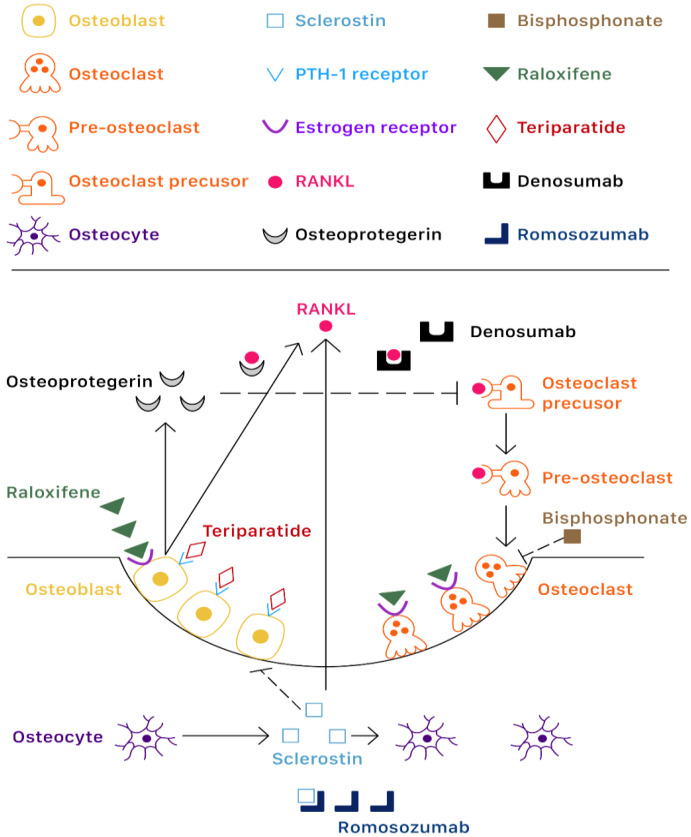
“Raloxifene is a selective estrogen receptor modulator and could enhance osteoclast apoptosis [119].”
Klotho Deficiency Causes Vascular Calcification in Chronic Kidney Disease
Hu, M. C., Shi, M., Zhang, J., Quiñones, H., Griffith, C., Kuro-o, M., & Moe, O. W. (2011) · Journal of the American Society of Nephrology · doi:10.1681/asn.2009121311 · Cited by 926 · cited 4×
“Protectors for vascular calcification among CKD patients included Lanthanum carbonate [63], calcimimetic agent [64], kloth [13], pyrophosphate [65], osteoprotegerin [66], and RANK-L [66].”
BackgroundInfluentialGutierrez, O., Isakova, T., Rhee, E., Shah, A., Holmes, J., Collerone, G., Ju[Combining Diaeresis]ppner, H., & Wolf, M. (2005) · Journal of the American Society of Nephrology · doi:10.1681/asn.2005010052 · Cited by 921 · cited 14×
“The primary cause why calcitriol level declines is the increase in FGF-23 concentration, rather than the loss of functioning renal tissue [15].”
BackgroundInfluentialMiller, P. D., Hattersley, G., Riis, B. J., Williams, G. C., Lau, E., Russo, L. A., Alexandersen, P., Zerbini, C. A. F., Hu, M.-Y., Harris, A. G., et al. (2016) · JAMA · doi:10.1001/jama.2016.11136 · Cited by 875
Hodsman, A. B., Bauer, D. C., Dempster, D. W., Dian, L., Hanley, D. A., Harris, S. T., Kendler, D. L., McClung, M. R., Miller, P. D., Olszynski, W. P., et al. (2005) · Endocrine Reviews · doi:10.1210/er.2004-0006 · Cited by 718 · cited 1×
“receptor [162], which is selective for the N-terminal region of the molecule [163].”
BackgroundBench to bedside: elucidation of the OPG–RANK–RANKL pathway and the development of denosumab
Lacey, D. L., Boyle, W. J., Simonet, W. S., Kostenuik, P. J., Dougall, W. C., Sullivan, J. K., Martin, J. S., & Dansey, R. (2012) · Nature Reviews Drug Discovery · doi:10.1038/nrd3705 · Cited by 694 · cited 1×
“Denosumab is a fully human monoclonal immunoglobulin (Ig)G2 antibody which targets and binds to the DE loop region of RANK-L with high affinity and specificity [131].”
BackgroundLarsson, T., Nisbeth, U. L. F., Ljunggren, Ö., Jüppner, H., & Jonsson, K. B. (2003) · Kidney International · doi:10.1046/j.1523-1755.2003.00328.x · Cited by 689 · cited 12×
“The primary cause why calcitriol level declines is the increase in FGF-23 concentration, rather than the loss of functioning renal tissue [15].”
BackgroundInfluentialSlatopolsky, E., Weerts, C., Thielan, J., Horst, R., Harter, H., & Martin, K. J. (1984) · Journal of Clinical Investigation · doi:10.1172/jci111639 · Cited by 684 · cited 1×
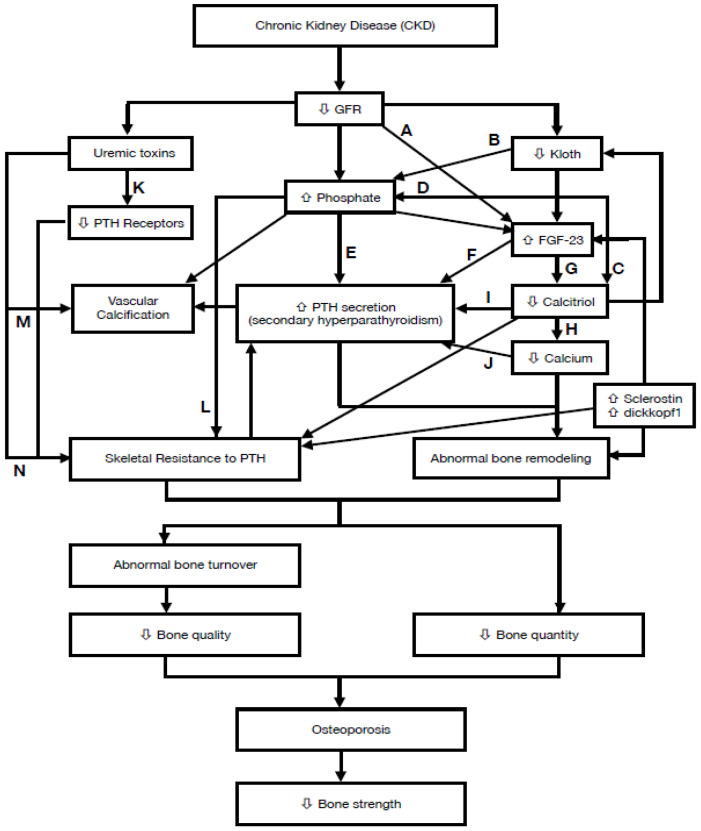
“(A) decrease clearance of FGF-23 [15,73,74]; (B) decrease phosphaturic effect of FGF-23 [75]; (C) inhibit 1α-hydroxylase in proximal tubule of kidney [20]; (D) increase renal tubular resorption of phosphate [76]; (E) induce hypocalcemia, decrease calcitriol, increase PTH gene expression and PTH secretion [20,33,77]; (…”
BackgroundLips, P., Cashman, K. D., Lamberg-Allardt, C., Bischoff-Ferrari, H. A., Obermayer-Pietsch, B., Bianchi, M. L., Stepan, J., El-Hajj Fuleihan, G., & Bouillon, R. (2019) · European Journal of Endocrinology · doi:10.1530/eje-18-0736 · Cited by 662 · cited 1×
“A serum 25(OH)D (calcidiol) level < 30 nmol/L indicates vitamin D deficiency [37,38], which is common among patients with CKD.”
BackgroundOne Year of Alendronate after One Year of Parathyroid Hormone (1–84) for Osteoporosis
Black, D. M., Bilezikian, J. P., Ensrud, K. E., Greenspan, S. L., Palermo, L., Hue, T., Lang, T. F., McGowan, J. A., & Rosen, C. J. (2005) · New England Journal of Medicine · doi:10.1056/nejmoa050336 · Cited by 614
Raggi, P., Chertow, G. M., Torres, P. U., Csiky, B., Naso, A., Nossuli, K., Moustafa, M., Goodman, W. G., Lopez, N., Downey, G., et al. (2011) · Nephrology Dialysis Transplantation · doi:10.1093/ndt/gfq725 · Cited by 574 · cited 2×
“Protectors for vascular calcification among CKD patients included Lanthanum carbonate [63], calcimimetic agent [64], kloth [13], pyrophosphate [65], osteoprotegerin [66], and RANK-L [66].”
BackgroundExercise Training in Adults With CKD: A Systematic Review and Meta-analysis
Heiwe, S., & Jacobson, S. H. (2014) · American Journal of Kidney Diseases · doi:10.1053/j.ajkd.2014.03.020 · Cited by 517 · cited 1×
“Exercise improves muscle impairment, physical function, and physical performance across the spectrum of CKD [91].”
BackgroundGogusev, J., Duchambon, P., Hory, B., Giovannini, M., Goureau, Y., Sarfati, E., & Drüeke, T. B. (1997) · Kidney International · doi:10.1038/ki.1997.41 · Cited by 493 · cited 1×
“(A) decrease clearance of FGF-23 [15,73,74]; (B) decrease phosphaturic effect of FGF-23 [75]; (C) inhibit 1α-hydroxylase in proximal tubule of kidney [20]; (D) increase renal tubular resorption of phosphate [76]; (E) induce hypocalcemia, decrease calcitriol, increase PTH gene expression and PTH secretion [20,33,77]; (…”
BackgroundSerum iPTH, calcium and phosphate, and the risk of mortality in a European haemodialysis population
Floege, J., Kim, J., Ireland, E., Chazot, C., Drueke, T., de Francisco, A., Kronenberg, F., Marcelli, D., Passlick-Deetjen, J., Schernthaner, G., et al. (2011) · Nephrology Dialysis Transplantation · doi:10.1093/ndt/gfq219 · Cited by 477 · cited 3×
“In patients with CKD G5D, both low and high serum phosphate are associated with mortality [29].”
BackgroundDevelopmental origin, functional maintenance and genetic rescue of osteoclasts
Jacome-Galarza, C. E., Percin, G. I., Muller, J. T., Mass, E., Lazarov, T., Eitler, J., Rauner, M., Yadav, V. K., Crozet, L., Bohm, M., et al. (2019) · Nature · doi:10.1038/s41586-019-1105-7 · Cited by 475
Regulation of Vascular Calcification by Osteoclast Regulatory Factors RANKL and Osteoprotegerin
Collin-Osdoby, P. (2004) · Circulation Research · doi:10.1161/01.res.0000149165.99974.12 · Cited by 473 · cited 2×
“Protectors for vascular calcification among CKD patients included Lanthanum carbonate [63], calcimimetic agent [64], kloth [13], pyrophosphate [65], osteoprotegerin [66], and RANK-L [66].”
Circulating FGF-23 Is Regulated by 1α,25-Dihydroxyvitamin D3 and Phosphorus in Vivo
Saito, H., Maeda, A., Ohtomo, S.-I., Hirata, M., Kusano, K., Kato, S., Ogata, E., Segawa, H., Miyamoto, K.-I., & Fukushima, N. (2005) · Journal of Biological Chemistry · doi:10.1074/jbc.m408903200 · Cited by 471 · cited 1×
“In advanced CKD, the consequences of hyperphosphatemia included the stimulating effects on PTH synthesis and secretion [19], FGF-23 secretion [34], and osteoblastic transformation of the vascular smooth muscle cell which directly contributes to cardiovascular calcification [35].”
BackgroundRelationship between Moderate to Severe Kidney Disease and Hip Fracture in the United States
Nickolas, T. L., McMahon, D. J., & Shane, E. (2006) · Journal of the American Society of Nephrology · doi:10.1681/asn.2005111194 · Cited by 412 · cited 1×
“Among the National Health and Nutrition Examination Survey (NHANES III) participants, osteoporosis was twice as common in those with eGFR < 60 mL/min than those with eGFR > 60 mL/min [6].”
BackgroundNaveh-Many, T., Rahamimov, R., Livni, N., & Silver, J. (1995) · Journal of Clinical Investigation · doi:10.1172/jci118224 · Cited by 409 · cited 2×
“↓ calcium ↑ SPTH [23] ↑ abnormal bone remodeling [23] Mineral ↑Skeletal resistance to PTH ↑ SPTH [24] Humoral”
BackgroundLaClair, R. E., Hellman, R. N., Karp, S. L., Kraus, M., Ofner, S., Li, Q., Graves, K. L., & Moe, S. M. (2005) · American Journal of Kidney Diseases · doi:10.1053/j.ajkd.2005.02.029 · Cited by 407 · cited 1×
“One cross-sectional study reported that a high prevalence of calcidiol deficiency and insufficiency in patients with CKD G3-4 not on dialysis therapy [39].”
BackgroundHruska, K. A., & Teitelbaum, S. L. (1995) · New England Journal of Medicine · doi:10.1056/nejm199507203330307 · Cited by 404
Effects of denosumab on fracture and bone mineral density by level of kidney function
Jamal, S. A., Ljunggren, Ö., Stehman-Breen, C., Cummings, S. R., McClung, M. R., Goemaere, S., Ebeling, P. R., Franek, E., Yang, Y.-C., Egbuna, O. I., et al. (2011) · Journal of Bone and Mineral Research · doi:10.1002/jbmr.403 · Cited by 356
Vitamin D in Chronic Kidney Disease and Dialysis Patients
Jean, G., Souberbielle, J., & Chazot, C. (2017) · Nutrients · doi:10.3390/nu9040328 · Cited by 355
Malluche, H. H., Mawad, H. W., & Monier-Faugere, M.-C. (2011) · Journal of Bone and Mineral Research · doi:10.1002/jbmr.309 · Cited by 348 · cited 1×
“Two large bone biopsy studies showed a high prevalence (58% and 59%) of adynamic bone disease in HD patients [46,47].”
BackgroundFelsenberg, D., & Boonen, S. (2005) · Clinical Therapeutics · doi:10.1016/j.clinthera.2004.12.020 · Cited by 341 · cited 1×
“Bone quality refers to the structure and material parameters that enables bone to bear load and resist fracture [42].”
BackgroundA single-dose study of denosumab in patients with various degrees of renal impairment
Block, G. A., Bone, H. G., Fang, L., Lee, E., & Padhi, D. (2012) · Journal of Bone and Mineral Research · doi:10.1002/jbmr.1613 · Cited by 340
Iimori, S., Mori, Y., Akita, W., Kuyama, T., Takada, S., Asai, T., Kuwahara, M., Sasaki, S., & Tsukamoto, Y. (2012) · Nephrology Dialysis Transplantation · doi:10.1093/ndt/gfr317 · Cited by 335
A current understanding of vascular calcification in CKD
Paloian, N. J., & Giachelli, C. M. (2014) · American Journal of Physiology-Renal Physiology · doi:10.1152/ajprenal.00163.2014 · Cited by 321 · cited 1×
“In advanced CKD, the consequences of hyperphosphatemia included the stimulating effects on PTH synthesis and secretion [19], FGF-23 secretion [34], and osteoblastic transformation of the vascular smooth muscle cell which directly contributes to cardiovascular calcification [35].”
BackgroundMiller, P. D., Roux, C., Boonen, S., Barton, I. P., Dunlap, L. E., & Burgio, D. E. (2005) · Journal of Bone and Mineral Research · doi:10.1359/jbmr.050817 · Cited by 318 · cited 1×
“In patients with CKD G1–4, a retrospective analysis that pooled nine clinical trials showed that risedronate increased BMD and prevented vertebral fractures regardless of degree of renal impairment [122].”
BackgroundSprague, S. M., Bellorin-Font, E., Jorgetti, V., Carvalho, A. B., Malluche, H. H., Ferreira, A., D’Haese, P. C., Drüeke, T. B., Du, H., Manley, T., et al. (2016) · American Journal of Kidney Diseases · doi:10.1053/j.ajkd.2015.06.023 · Cited by 316 · cited 2×
“Two large bone biopsy studies showed a high prevalence (58% and 59%) of adynamic bone disease in HD patients [46,47].”
BackgroundQunibi, W., Moustafa, M., Muenz, L. R., He, D. Y., Kessler, P. D., Diaz-Buxo, J. A., & Budoff, M. (2008) · American Journal of Kidney Diseases · doi:10.1053/j.ajkd.2008.02.298 · Cited by 311 · cited 17×
“In patients with CKD G5D, both low and high serum phosphate are associated with mortality [29].”
BackgroundInfluentialMoe, S. M., Chertow, G. M., Parfrey, P. S., Kubo, Y., Block, G. A., Correa-Rotter, R., Drüeke, T. B., Herzog, C. A., London, G. M., Mahaffey, K. W., et al. (2015) · Circulation · doi:10.1161/circulationaha.114.013876 · Cited by 302
Jamal, S. A., Bauer, D. C., Ensrud, K. E., Cauley, J. A., Hochberg, M., Ishani, A., & Cummings, S. R. (2007) · Journal of Bone and Mineral Research · doi:10.1359/jbmr.070112 · Cited by 301 · cited 1×
“In a secondary analysis of the Fracture Intervention Trial (FIT), administration of alendronate was safe and effective in increasing total hip and BMD and reducing spinal fractures in women with eGFR <45 mL/min [124].”
BackgroundHattersley, G., Dean, T., Corbin, B. A., Bahar, H., & Gardella, T. J. (2016) · Endocrinology · doi:10.1210/en.2015-1726 · Cited by 300 · cited 1×
“It was designed to have relatively greater transient affinity of PTH/PTH1 receptor [174] and be more purely anabolic.”
BackgroundMetabolic Bone Disease in Chronic Kidney Disease
Martin, K. J., & González, E. A. (2007) · Journal of the American Society of Nephrology · doi:10.1681/asn.2006070771 · Cited by 288 · cited 1×
“Phosphate retention begins early in CKD and plays a central role in the development of secondary hyperparathyroidism (SPTH) by inducing hypocalcemia, decreasing calcitriol synthesis, and increasing PTH gene expression [32,33].”
BackgroundFGF-23 in patients with end-stage renal disease on hemodialysis
Imanishi, Y., Inaba, M., Nakatsuka, K., Nagasue, K., Okuno, S., Yoshihara, A., Miura, M., Miyauchi, A., Kobayashi, K., Miki, T., et al. (2004) · Kidney International · doi:10.1111/j.1523-1755.2004.00604.x · Cited by 272 · cited 12×
“The primary cause why calcitriol level declines is the increase in FGF-23 concentration, rather than the loss of functioning renal tissue [15].”
BackgroundInfluentialAssociation between Chronic Kidney Disease and Coronary Artery Calcification: The Dallas Heart Study
Kramer, H., Toto, R., Peshock, R., Cooper, R., & Victor, R. (2005) · Journal of the American Society of Nephrology · doi:10.1681/asn.2004070610 · Cited by 272 · cited 1×
“disease, untreated vitamin D deficiency [57], high dialysate calcium [59], hypomagnesemia [60], diabetes [61], dyslipidemia [58], and warfarin [62].”
BackgroundKomaba, H., Goto, S., Fujii, H., Hamada, Y., Kobayashi, A., Shibuya, K., Tominaga, Y., Otsuki, N., Nibu, K.-I., Nakagawa, K., et al. (2010) · Kidney International · doi:10.1038/ki.2009.414 · Cited by 267 · cited 1×
“(A) decrease clearance of FGF-23 [15,73,74]; (B) decrease phosphaturic effect of FGF-23 [75]; (C) inhibit 1α-hydroxylase in proximal tubule of kidney [20]; (D) increase renal tubular resorption of phosphate [76]; (E) induce hypocalcemia, decrease calcitriol, increase PTH gene expression and PTH secretion [20,33,77]; (…”
BackgroundVascular calcification in chronic kidney disease: different bricks in the wall?
Vervloet, M., & Cozzolino, M. (2017) · Kidney International · doi:10.1016/j.kint.2016.09.024 · Cited by 265
Leder, B. Z., O'Dea, L. S. L., Zanchetta, J. R., Kumar, P., Banks, K., McKay, K., Lyttle, C. R., & Hattersley, G. (2015) · The Journal of Clinical Endocrinology & Metabolism · doi:10.1210/jc.2014-3718 · Cited by 261 · cited 1×
“Although it has been proven for its efficacy in improving lumbar spine and total hip BMD in postmenopausal women with osteoporosis [175,176], there are no available data concerning abaloparatide in patients with CKD-MBD.”
BackgroundHill, K. M., Martin, B. R., Wastney, M. E., McCabe, G. P., Moe, S. M., Weaver, C. M., & Peacock, M. (2013) · Kidney International · doi:10.1038/ki.2012.403 · Cited by 245 · cited 1×
“Excessive exogenous calcium in adults may be harmful at all stages of CKD [31,94].”
BackgroundZanchetta, Jr., Bogado, C., Ferretti, J., Wang, O., Wilson, M., Sato, M., Gaich, G., Dalsky, G., & Myers, S. (2003) · Journal of Bone and Mineral Research · doi:10.1359/jbmr.2003.18.3.539 · Cited by 241 · cited 1×
“Trabecular bone increases more than cortical bone [161].”
BackgroundBarreto, F. C., Barreto, D. V., Moysés, R. M. A., Neves, K. R., Canziani, M. E. F., Draibe, S. A., Jorgetti, V., & Carvalho, A. B. (2008) · Kidney International · doi:10.1038/sj.ki.5002769 · Cited by 240
Sclerostin and Dickkopf-1 in Renal Osteodystrophy
Cejka, D., Herberth, J., Branscum, A. J., Fardo, D. W., Monier-Faugere, M.-C., Diarra, D., Haas, M., & Malluche, H. H. (2011) · Clinical Journal of the American Society of Nephrology · doi:10.2215/cjn.06550810 · Cited by 240 · cited 1×
“Furthermore, PTH inhibits sclerostin binding to osteoblasts, which results in promoting bone formation [164,165].”
BackgroundGoldsmith, D. J. A., Covic, A., Sambrook, P. A., & Ackrill, P. (1997) · Nephron · doi:10.1159/000190244 · Cited by 236 · cited 2×
“disease, untreated vitamin D deficiency [57], high dialysate calcium [59], hypomagnesemia [60], diabetes [61], dyslipidemia [58], and warfarin [62].”
BackgroundTeriparatide in postmenopausal women with osteoporosis and mild or moderate renal impairment
Miller, P. D., Schwartz, E. N., Chen, P., Misurski, D. A., & Krege, J. H. (2007) · Osteoporosis International · doi:10.1007/s00198-006-0189-8 · Cited by 235 · cited 1×
“In a post hoc analysis of the Fracture Prevention Trial, teriparatide increases lumbar and femoral neck BMD in female patients with post-menopausal osteoporosis and eGFR as low as 30 mL/min [167].”
Roshanravan, B., Gamboa, J., & Wilund, K. (2017) · American Journal of Kidney Diseases · doi:10.1053/j.ajkd.2017.01.051 · Cited by 225 · cited 1×
“Type of exercise includes aerobic, resistance, and flexibility exercise [93].”
BackgroundPimentel, A., Ureña-Torres, P., Zillikens, M. C., Bover, J., & Cohen-Solal, M. (2017) · Kidney International · doi:10.1016/j.kint.2017.07.021 · Cited by 221 · cited 1×
“Nevertheless, the optimal circulating calcidiol and calcitriol levels to be considered remain unknown and controversial [106].”
BackgroundEffects of Cinacalcet on Fracture Events in Patients Receiving Hemodialysis: The EVOLVE Trial
Moe, S. M., Abdalla, S., Chertow, G. M., Parfrey, P. S., Block, G. A., Correa-Rotter, R., Floege, J., Herzog, C. A., London, G. M., Mahaffey, K. W., et al. (2015) · Journal of the American Society of Nephrology · doi:10.1681/asn.2014040414 · Cited by 215 · cited 1×
“fracture by 16–29% [98], decreases serum FGF-23 and its-associated cardiovascular death and major cardiovascular events [99] in HD patients with SHPT.”
BackgroundViswanathan, M., Reddy, S., Berkman, N., Cullen, K., Middleton, J. C., Nicholson, W. K., & Kahwati, L. C. (2018) · JAMA · doi:10.1001/jama.2018.6537 · Cited by 206
FGF23 Fails to Inhibit Uremic Parathyroid Glands
Canalejo, R., Canalejo, A., Martinez-Moreno, J. M., Rodriguez-Ortiz, M. E., Estepa, J. C., Mendoza, F. J., Munoz-Castaneda, J. R., Shalhoub, V., Almaden, Y., & Rodriguez, M. (2010) · Journal of the American Society of Nephrology · doi:10.1681/asn.2009040427 · Cited by 195 · cited 1×
“(A) decrease clearance of FGF-23 [15,73,74]; (B) decrease phosphaturic effect of FGF-23 [75]; (C) inhibit 1α-hydroxylase in proximal tubule of kidney [20]; (D) increase renal tubular resorption of phosphate [76]; (E) induce hypocalcemia, decrease calcitriol, increase PTH gene expression and PTH secretion [20,33,77]; (…”
BackgroundBehets, G. J., Spasovski, G., Sterling, L. R., Goodman, W. G., Spiegel, D. M., De Broe, M. E., & D'Haese, P. C. (2015) · Kidney International · doi:10.1038/ki.2014.349 · Cited by 181 · cited 1×
“In the multicenter Bone Biopsy Study for Dialysis Patients with the Secondary Hyperparathyroidism of End Stage Renal Disease (BONAFIDE) study, long-term treatment with cinacalcet substantially reduced PTH, diminished the elevated bone formation rate, lowered several biochemical markers of high-turnover bone disease to…”
BackgroundThe calcium-sensing receptor: a key factor in the pathogenesis of secondary hyperparathyroidism
Rodriguez, M., Nemeth, E., & Martin, D. (2005) · American Journal of Physiology-Renal Physiology · doi:10.1152/ajprenal.00302.2004 · Cited by 181 · cited 1×
“The decrease in serum calcium concentration is sensed by a specific membrane calcium-sensing receptor (CaSR) on parathyroid glands and is a potent stimulus for PTH release [26].”
BackgroundComparison of Fracture Risk Prediction among Individuals with Reduced and Normal Kidney Function
Naylor, K. L., Garg, A. X., Zou, G., Langsetmo, L., Leslie, W. D., Fraser, L.-A., Adachi, J. D., Morin, S., Goltzman, D., Lentle, B., et al. (2015) · Clinical Journal of the American Society of Nephrology · doi:10.2215/cjn.06040614 · Cited by 173
Ferreira, A. A. A., Fraza[Combining Tilde]o, J. T. M., Monier-Faugere, M.-C., Gil, C. A. A., Galvao, J. A. A., Oliveira, C., Baldaia, J., Rodrigues, I., Santos, C., Ribeiro, S., et al. (2008) · Journal of the American Society of Nephrology · doi:10.1681/asn.2006101089 · Cited by 172 · cited 2×
“Non-calcium-based phosphate binders, such as sevelamer, are superior to calcium-based binder in increasing the bone formation rate and improving trabecular architecture [43].”
BackgroundCruzado, J. M., Moreno, P., Torregrosa, J. V., Taco, O., Mast, R., Gómez-Vaquero, C., Polo, C., Revuelta, I., Francos, J., Torras, J., et al. (2016) · Journal of the American Society of Nephrology · doi:10.1681/asn.2015060622 · Cited by 168 · cited 1×
“However, a recent randomized study showed that subtotal parathyroidectomy was superior to cinacalcet in controlling hypercalcemia in patients with KT and tertiary hyperparathyroidism [105].”
BackgroundHip Fracture in Patients With Non-Dialysis-Requiring Chronic Kidney Disease
Kim, S. M., Long, J., Montez-Rath, M., Leonard, M., & Chertow, G. M. (2016) · Journal of Bone and Mineral Research · doi:10.1002/jbmr.2862 · Cited by 167 · cited 2×
“CKD is a risk factor for fragility (low trauma) fractures [8,9].”
Background1,25(OH)2D3 administration in moderate renal failure: A prospective double-blind trial
Baker, L. R. I., Abrams, S. M. L., Roe, C. J., Faugere, M.-C., Fanti, P., Subayti, Y., & Malluche, H. H. (1989) · Kidney International · doi:10.1038/ki.1989.36 · Cited by 165 · cited 1×
“Another small randomized trial of bone biopsy-proved adynamic bone disease showed that calcitriol decreased bone turnover [112], leading to the notion about decreasing active vitamin D therapy in these patients.”
BackgroundMolecular properties of the PTH/PTHrP receptor
Gardella, T. J., & Jüppner, H. (2001) · Trends in Endocrinology & Metabolism · doi:10.1016/s1043-2760(01)00409-x · Cited by 161 · cited 1×
“receptor [162], which is selective for the N-terminal region of the molecule [163].”
BackgroundCejka, D., Jäger-Lansky, A., Kieweg, H., Weber, M., Bieglmayer, C., Haider, D. G., Diarra, D., Patsch, J., Kainberger, F. M., Bohle, B., et al. (2011) · Nephrology Dialysis Transplantation · doi:10.1093/ndt/gfr270 · Cited by 158 · cited 1×
“Furthermore, PTH inhibits sclerostin binding to osteoblasts, which results in promoting bone formation [164,165].”
BackgroundPlasma pyrophosphate and vascular calcification in chronic kidney disease
O'Neill, W. C., Sigrist, M. K., & McIntyre, C. W. (2010) · Nephrology Dialysis Transplantation · doi:10.1093/ndt/gfp362 · Cited by 155 · cited 2×
“Protectors for vascular calcification among CKD patients included Lanthanum carbonate [63], calcimimetic agent [64], kloth [13], pyrophosphate [65], osteoprotegerin [66], and RANK-L [66].”
BackgroundSclerostin and DKK1: new players in renal bone and vascular disease
Evenepoel, P., D’Haese, P. C., & Brandenburg, V. M. (2015) · Kidney International · doi:10.1038/ki.2015.156 · Cited by 154 · cited 8×
“As CKD progress, the consequences of increased serum sclerostin lead to deceased bone formation by inhibiting Wnt-induced signaling through binding to LRP5/6 [14,16] and increased osteoclastogenesis by inducing RANK-L synthesis [17].”
BackgroundInfluentialYano, S., Sugimoto, T., Tsukamoto, T., Chihara, K., Kobayashi, A., Kitazawa, S., Maeda, S., & Kitazawa, R. (2000) · Kidney International · doi:10.1111/j.1523-1755.2000.00370.x · Cited by 153 · cited 1×
“(A) decrease clearance of FGF-23 [15,73,74]; (B) decrease phosphaturic effect of FGF-23 [75]; (C) inhibit 1α-hydroxylase in proximal tubule of kidney [20]; (D) increase renal tubular resorption of phosphate [76]; (E) induce hypocalcemia, decrease calcitriol, increase PTH gene expression and PTH secretion [20,33,77]; (…”
BackgroundThe Effect of Raloxifene Treatment in Postmenopausal Women with CKD
Ishani, A., Blackwell, T., Jamal, S. A., Cummings, S. R., & Ensrud, K. E. (2008) · Journal of the American Society of Nephrology · doi:10.1681/asn.2007050555 · Cited by 149 · cited 1×
“In a post hoc analysis of the Multiple Outcomes of Raloxifene Evaluation (MORE) trial, raloxifene improved BMD and reduced vertebral fractures in patients with postmenopausal osteoporosis and CKD G1–4, irrespective of kidney function [158].”
MethodMcCullough, P. A., Sandberg, K. R., Dumler, F., & Yanez, J. E. (2004) · Journal of Nephrology · doi:10.1093/joneph/17.2.205 · Cited by 147 · cited 2×
“disease, untreated vitamin D deficiency [57], high dialysate calcium [59], hypomagnesemia [60], diabetes [61], dyslipidemia [58], and warfarin [62].”
BackgroundSecondary hyperparathyroidism in renal failure: The trade-off hypothesis revisited
Llach, F. (1995) · American Journal of Kidney Diseases · doi:10.1016/0272-6386(95)90541-3 · Cited by 147 · cited 7×
“(A) decrease clearance of FGF-23 [15,73,74]; (B) decrease phosphaturic effect of FGF-23 [75]; (C) inhibit 1α-hydroxylase in proximal tubule of kidney [20]; (D) increase renal tubular resorption of phosphate [76]; (E) induce hypocalcemia, decrease calcitriol, increase PTH gene expression and PTH secretion [20,33,77]; (…”
BackgroundInfluentialVitamin D Deficiency in Chronic Kidney Disease: Recent Evidence and Controversies
Gois, P. H. F., Wolley, M. J., Ranganathan, D., & Seguro, A. C. (2018) · International Journal of Environmental Research and Public Health · doi:10.3390/ijerph15081773 · Cited by 146
25-hydroxyvitamin D levels and bone histomorphometry in hemodialysis renal osteodystrophy
Coen, G., Mantella, D., Manni, M., Balducci, A., Nofroni, I., Sardella, D., Ballanti, P., & BONUCCI, E. (2005) · Kidney International · doi:10.1111/j.1523-1755.2005.00603.x · Cited by 138 · cited 2×
“For CKD patients not on dialysis, the 2017 KDIGO guidelines recommend using 30 ng/mL cutoff value [40], which is the same as that used for the general population.”
BackgroundMethodToussaint, N. D., Lau, K. K., Strauss, B. J., Polkinghorne, K. R., & Kerr, P. G. (2010) · American Journal of Kidney Diseases · doi:10.1053/j.ajkd.2009.12.039 · Cited by 138 · cited 1×
“In CKD G3–4, administration of weekly alendronate did not decrease the progression of vascular calcification compared with placebo, which was different from previous studies of HD patients [125].”
ResultNagano, N. (2005) · Pharmacology & Therapeutics · doi:10.1016/j.pharmthera.2005.06.019 · Cited by 137 · cited 1×
“Administration of a calcimimetic agent increases the sensitivity of CaSR and vitamin D receptor (VDR) expression [95], decreases PTH gene expression [96] and PTH secretion of the parathyroid gland [97].”
BackgroundSpectrum of renal bone disease in end-stage renal failure patients not yet on dialysis
Spasovski, G. B., Bervoets, A., Behets, G. J. S., Ivanovski, N., Sikole, A., Dams, G., Couttenye, M. M., Broe, M. E. D., & D’Haese, P. C. (2003) · Nephrology Dialysis Transplantation · doi:10.1093/ndt/gfg116 · Cited by 137
Management of Osteoporosis in CKD
Khairallah, P., & Nickolas, T. L. (2018) · Clinical Journal of the American Society of Nephrology · doi:10.2215/cjn.11031017 · Cited by 137 · cited 4×
“Denosumab inhibits osteoclast proliferation and development, making it a potent anti-resorptive agent [8].”
BackgroundInfluentialSamelson, E. J., Miller, P. D., Christiansen, C., Daizadeh, N. S., Grazette, L., Anthony, M. S., Egbuna, O., Wang, A., Siddhanti, S. R., Cheung, A. M., et al. (2014) · Journal of Bone and Mineral Research · doi:10.1002/jbmr.2043 · Cited by 128
Hypocalcemia Post Denosumab in Patients with Chronic Kidney Disease Stage 4-5
Dave, V., Chiang, C. Y., Booth, J., & Mount, P. F. (2015) · American Journal of Nephrology · doi:10.1159/000380960 · Cited by 128
Ishimura, E., Okuno, S., Kitatani, K., Tsuchida, T., Yamakawa, T., Shioi, A., Inaba, M., & Nishizawa, Y. (2007) · Clinical Nephrology · doi:10.5414/cnp68222 · Cited by 125 · cited 1×
“disease, untreated vitamin D deficiency [57], high dialysate calcium [59], hypomagnesemia [60], diabetes [61], dyslipidemia [58], and warfarin [62].”
BackgroundAltered divalent ion metabolism in early renal failure: Role of 1,25(OH)2D
Wilson, L., Felsenfeld, A. J., Drezner, M. K., & Llach, F. (1985) · Kidney International · doi:10.1038/ki.1985.48 · Cited by 124
Hernández, E., Valera, R., Alonzo, E., Lilue, M., Carlini, R. G., Capriles, F., Martinis, R., Bellorín-Font, E., & Weisinger, J. R. (2003) · Kidney International · doi:10.1046/j.1523-1755.2003.00005.x · Cited by 122
Calcium Balance in Chronic Kidney Disease
Gallant, K. M. H., & Spiegel, D. M. (2017) · Current Osteoporosis Reports · doi:10.1007/s11914-017-0368-x · Cited by 122
Wehrli, F. W., Leonard, M. B., Saha, P. K., & Gomberg, B. R. (2004) · Journal of Magnetic Resonance Imaging · doi:10.1002/jmri.20085 · Cited by 117 · cited 1×
“Peripheral quantitative computed tomography (pQCT), high resolution pQCT (HRpQCT), and micromagnetic resonance imaging (microMRI) are non-invasive 3D imaging techniques that can detect microarchitecture and mineral density of both trabecular and cortical bones [51].”
Benefits and Harms of Osteoporosis Medications in Patients With Chronic Kidney Disease
Wilson, L. M., Rebholz, C. M., Jirru, E., Liu, M. C., Zhang, A. W., Gayleard, J. L., Chu, Y., & Robinson, K. A. (2017) · Annals of Internal Medicine · doi:10.7326/m16-2752 · Cited by 115 · cited 1×
“In KT recipients, meta-analyses confirmed that bisphosphonates improved the femoral neck and lumbar spine BMD [128–130], but their effects on fracture risk and safety among KT recipients are not established [128].”
ResultLevi, R., Ben‐Dov, I. Z., Lavi-Moshayoff, V., Dinur, M., Martin, D., Naveh‐Many, T., & Silver, J. (2005) · Journal of the American Society of Nephrology · doi:10.1681/asn.2005070679 · Cited by 111 · cited 1×
“Administration of a calcimimetic agent increases the sensitivity of CaSR and vitamin D receptor (VDR) expression [95], decreases PTH gene expression [96] and PTH secretion of the parathyroid gland [97].”
BackgroundEffect of Teriparatide on Early Bone Loss After Kidney Transplantation
Cejka, D., Benesch, T., Krestan, C., Roschger, P., Klaushofer, K., Pietschmann, P., & Haas, M. (2008) · American Journal of Transplantation · doi:10.1111/j.1600-6143.2008.02327.x · Cited by 106 · cited 1×
“Conversely, 6-month daily subcutaneous injections of 20 μg teriparatide did not improve BMD early after KT in a case series [173].”
BackgroundBarreto, F. C., Barreto, D. V., Moysés, R. M. A., Neves, C. L., Jorgetti, V., Draibe, S. A., Canziani, M. E. F., & Carvalho, A. B. (2006) · Kidney International · doi:10.1038/sj.ki.5000311 · Cited by 105 · cited 1×
“Very high PTH levels (≥585 pg/mL) are usually associated with osteitis fibrosa [49], while very low PTH levels (<100 pg/mL) are associated with adynamic bone disease.”
BackgroundThe calcimimetic R-568 increases vitamin D receptor expression in rat parathyroid glands
Rodriguez, M. E., Almadén, Y., Cañadillas, S., Canalejo, A., Siendones, E., Lopez, I., Aguilera‐Tejero, E., Martin, D., & Rodríguez, M. (2007) · American Journal of Physiology-Renal Physiology · doi:10.1152/ajprenal.00262.2006 · Cited by 105 · cited 1×
“Administration of a calcimimetic agent increases the sensitivity of CaSR and vitamin D receptor (VDR) expression [95], decreases PTH gene expression [96] and PTH secretion of the parathyroid gland [97].”
BackgroundDenda, M., Finch, J. L., Brown, A. J., Nishii, Y., Kubodera, N., & Slatopolsky, E. (1996) · Kidney International · doi:10.1038/ki.1996.283 · Cited by 104 · cited 1×
“(A) decrease clearance of FGF-23 [15,73,74]; (B) decrease phosphaturic effect of FGF-23 [75]; (C) inhibit 1α-hydroxylase in proximal tubule of kidney [20]; (D) increase renal tubular resorption of phosphate [76]; (E) induce hypocalcemia, decrease calcitriol, increase PTH gene expression and PTH secretion [20,33,77]; (…”
BackgroundOsteoporosis, bone mineral density and CKD–MBD: treatment considerations
Bover, J., Bailone, L., López‐Báez, V., Benito, S., Ciceri, P., Galassi, A., & Cozzolino, M. G. (2017) · Journal of Nephrology · doi:10.1007/s40620-017-0404-z · Cited by 103 · cited 3×
“Although clinical studies with romosozumab have shown to increase bone density and reduce vertebral and nonvertebral fractures in postmenopausal women [178–180], the precise role and its action in CKD patients remain unknown [90].”
BackgroundManagement of Osteoporosis in Chronic Kidney Disease
Nitta, K., Yajima, A., & Tsuchiya, K. (2017) · Internal Medicine · doi:10.2169/internalmedicine.8618-16 · Cited by 103
Cejka, D., Kodras, K., Bader, T. R., & Haas, M. (2010) · Kidney & Blood Pressure Research · doi:10.1159/000316708 · Cited by 102 · cited 1×
“In patients with CKD G5D and biopsy proven adynamic bone disease, daily administration of teriparatide for 6 months resulted in lumbar spine and femoral neck BMD [169].”
BackgroundRomosozumab for the treatment of osteoporosis
Bandeira, L., Lewiecki, E. M., & Bilezikian, J. P. (2017) · Expert Opinion on Biological Therapy · doi:10.1080/14712598.2017.1280455 · Cited by 101
Ok, E., Aşçı, G., Bayraktaroğlu, S., Töz, H., Özkahya, M., Yılmaz, M., Kırçelli, F., Ok, E. S., Ceylan, N., Duman, S., et al. (2015) · Journal of the American Society of Nephrology · doi:10.1681/asn.2015030268 · Cited by 99 · cited 1×
“disease, untreated vitamin D deficiency [57], high dialysate calcium [59], hypomagnesemia [60], diabetes [61], dyslipidemia [58], and warfarin [62].”
BackgroundReversal of adynamic bone disease by lowering of dialysate calcium
Haris, A., Sherrard, D. J., & Hercz, G. (2006) · Kidney International · doi:10.1038/sj.ki.5001666 · Cited by 95 · cited 1×
“In a prospective trial of 41 patients with PD dialysis and biopsy-proven adynamic bone disease, low-calcium dialysate reduced serum calcium levels and hypercalcemic episodes, resulting in increased PTH levels and normalization of bone turnover [102].”
BackgroundSevere Hypocalcemia Following Denosumab Injection in a Hemodialysis Patient
McCormick, B. B., Davis, J. L., & Burns, K. D. (2012) · American Journal of Kidney Diseases · doi:10.1053/j.ajkd.2012.06.019 · Cited by 89 · cited 1×
“Administration of denosumab is associated with a significant risk of hypocalcemia in patients with CKD [139,144,145] and KT [146].”
BackgroundChen, J., Zhang, X., Zhang, H., Liu, T., Zhang, H., Teng, J., Ji, J., & Ding, X. (2016) · International Journal of Biological Sciences · doi:10.7150/ijbs.15195 · Cited by 87 · cited 1×
“(A) decrease clearance of FGF-23 [15,73,74]; (B) decrease phosphaturic effect of FGF-23 [75]; (C) inhibit 1α-hydroxylase in proximal tubule of kidney [20]; (D) increase renal tubular resorption of phosphate [76]; (E) induce hypocalcemia, decrease calcitriol, increase PTH gene expression and PTH secretion [20,33,77]; (…”
Backgroundp-Cresyl sulfate induces osteoblast dysfunction through activating JNK and p38 MAPK pathways
Tanaka, H., Iwasaki, Y., Yamato, H., Mori, Y., Komaba, H., Watanabe, H., Maruyama, T., & Fukagawa, M. (2013) · Bone · doi:10.1016/j.bone.2013.07.002 · Cited by 84 · cited 1×
“(A) decrease clearance of FGF-23 [15,73,74]; (B) decrease phosphaturic effect of FGF-23 [75]; (C) inhibit 1α-hydroxylase in proximal tubule of kidney [20]; (D) increase renal tubular resorption of phosphate [76]; (E) induce hypocalcemia, decrease calcitriol, increase PTH gene expression and PTH secretion [20,33,77]; (…”
BackgroundCKD–Mineral and Bone Disorder Management in Kidney Transplant Recipients
Alshayeb, H. M., Josephson, M. A., & Sprague, S. M. (2012) · American Journal of Kidney Diseases · doi:10.1053/j.ajkd.2012.07.022 · Cited by 83 · cited 2×
“However, there is no clear evidence in reducing fracture risk [117].”
BackgroundGal‐Moscovici, A., & Popovtzer, M. M. (2005) · Clinical Nephrology · doi:10.5414/cnp63284 · Cited by 83 · cited 1×
“However, PTH levels are not predictive of underlying bone disease when they are modestly elevated [50].”
BackgroundHuynh, A. L. H., Baker, S. T., Stewardson, A. J., & Johnson, D. F. (2016) · Pharmacoepidemiology and Drug Safety · doi:10.1002/pds.4045 · Cited by 82 · cited 1×
“In addition, CKD G4–5 and male sex were found to be associated with denosumab-induced hypocalcemia [154].”
BackgroundChen, C., Chen, N.-C., Hsu, C., Chou, K.-J., Lee, P., Fang, H.-C., & Renn, J.-H. (2014) · The Journal of Clinical Endocrinology & Metabolism · doi:10.1210/jc.2014-1154 · Cited by 81 · cited 1×
“In a small study in CKD G5D patients with SHPT and high-turnover bone disease, administration of denosumab resulted in an increase in femoral neck and lumbar spine BMD at 6 months [142].”
BackgroundSelf-citationSumida, K., Ubara, Y., Hoshino, J., Mise, K., Hayami, N., Suwabe, T., Kawada, M., Imafuku, A., Hiramatsu, R., Hasegawa, E., et al. (2015) · Osteoporosis International · doi:10.1007/s00198-015-3377-6 · Cited by 80 · cited 1×
“In patients with CKD G5D with hypothyroidism and osteoporosis, administration of teriparatide once a week increased lumbar spine BMD, bone formation, and resorption markers [172].”
BackgroundIncreased Peripheral Arterial Calcification in Patients Receiving Warfarin
Han, K. H., & O'Neill, W. C. (2016) · Journal of the American Heart Association · doi:10.1161/jaha.115.002665 · Cited by 79 · cited 1×
“disease, untreated vitamin D deficiency [57], high dialysate calcium [59], hypomagnesemia [60], diabetes [61], dyslipidemia [58], and warfarin [62].”
BackgroundChen, H., Lips, P. T. A. M., Vervloet, M. G., van Schoor, N. M., & de Jongh, R. T. (2018) · Osteoporosis International · doi:10.1007/s00198-018-4592-8 · Cited by 79 · cited 1×
“73 m2) was related to increase incident fracture risk, but not with increased prevalence of vertebral fracture or falls [10].”
BackgroundProteinuria Increases Plasma Phosphate by Altering Its Tubular Handling
de Seigneux, S., Courbebaisse, M., Rutkowski, J. M., Wilhelm-Bals, A., Metzger, M., Khodo, S. N., Hasler, U., Chehade, H., Dizin, É., Daryadel, A., et al. (2014) · Journal of the American Society of Nephrology · doi:10.1681/asn.2014010104 · Cited by 78 · cited 2×
“(A) decrease clearance of FGF-23 [15,73,74]; (B) decrease phosphaturic effect of FGF-23 [75]; (C) inhibit 1α-hydroxylase in proximal tubule of kidney [20]; (D) increase renal tubular resorption of phosphate [76]; (E) induce hypocalcemia, decrease calcitriol, increase PTH gene expression and PTH secretion [20,33,77]; (…”
BackgroundCoyne, D. W., Goldberg, S., Faber, M. D., Ghossein, C., & Sprague, S. M. (2014) · Clinical Journal of the American Society of Nephrology · doi:10.2215/cjn.10661013 · Cited by 75 · cited 1×
“In patients with CKD G3-4, both calcitriol and paricalcitol effectively decrease PTH and alkaline phosphatase levels with minimal effect on calcium levels and phosphorus balance [111].”
BackgroundSclerostin in chronic kidney disease–mineral bone disorder think first before you block it!
Brandenburg, V. M., Verhulst, A., Babler, A., D'Haese, P. C., Evenepoel, P., & Kaesler, N. (2019) · Nephrology Dialysis Transplantation · doi:10.1093/ndt/gfy129 · Cited by 75 · cited 1×
“Because of the activity of Wnt signaling influencing the integrity of the arterial wall [181], blocking sclerostin will impact the vascular calcification processes.”
BackgroundRenal Osteodystrophy or Kidney-Induced Osteoporosis?
Moe, S. M. (2017) · Current Osteoporosis Reports · doi:10.1007/s11914-017-0364-1 · Cited by 72 · cited 1×
“The consequence of fractures increased the mortality rate in CKD patients with non-dialysis [9] and with dialysis [12].”
BackgroundUremic Toxicity and Bone in CKD
Yamamoto, S., & Fukagawa, M. (2017) · Journal of Nephrology · doi:10.1007/s40620-017-0406-x · Cited by 72 · cited 4×
“↑ uremic toxins 2 ↓ PTH receptor [21] ↑ skeletal resistance to PTH [21] Uremia”
BackgroundInfluentialSafety and efficacy of denosumab in osteoporotic hemodialysed patients
Festuccia, F., Jafari, M. T., Moioli, A., Fofi, C., Barberi, S., Amendola, S., Sciacchitano, S., Punzo, G., & Mené, P. (2016) · Journal of Nephrology · doi:10.1007/s40620-016-0334-1 · Cited by 71 · cited 1×
“Another small retrospective study also demonstrated the safety and efficacy of denosumab in the treatment of osteoporosis in CKD G5D patients [143].”
BackgroundPietrzyk, B., Smertka, M., & Chudek, J. T. (2017) · Advances in Clinical and Experimental Medicine · doi:10.17219/acem/68739 · Cited by 68
FRAX Predicts Fracture Risk in Kidney Transplant Recipients
Naylor, K. L., Leslie, W. D., Hodsman, A. B., Rush, D. N., & Garg, A. X. (2014) · Transplantation · doi:10.1097/01.tp.0000438200.84154.1a · Cited by 67 · cited 2×
“fracture risk in patients with non-dialysis CKD [71] and KT recipients [72].”
BackgroundMalluche, H. H., Mawad, H. W., & Koszewski, N. J. (2002) · Kidney International · doi:10.1046/j.1523-1755.2002.00450.x · Cited by 67 · cited 4×
“↓ 1,25(OH)2 D ↑ PTH secretion [20,22] ↓ calcium [23] Humoral”
BackgroundInfluentialBeaudoin, C., Jean, S., Bessette, L., Ste‐Marie, L., Moore, L., & Brown, J. P. (2016) · Osteoporosis International · doi:10.1007/s00198-016-3607-6 · Cited by 67
Jamal, S. A., West, S., & Nickolas, T. L. (2013) · Osteoporosis International · doi:10.1007/s00198-013-2524-1 · Cited by 66 · cited 2×
“fracture risk in patients with non-dialysis CKD [71] and KT recipients [72].”
BackgroundTsoumpra, M. K., Muniz, J. R. C., Barnett, B. L., Kwaasi, A. A. A., Pilka, E. S., Kavanagh, K. L., Evdokimov, A. G., Walter, R. L., von Delft, F., Ebetino, F. H., et al. (2015) · Bone · doi:10.1016/j.bone.2015.08.020 · Cited by 65 · cited 1×
“Nitrogen-containing bisphosphonates, such as zoledronic acid, risedronate, ibandronate and alendronate, selectively inhibit farnesyl pyrophosphate synthase within osteoclasts and induce osteoclast apoptosis [120,121], causing an overall reduction on bone absorption by decreasing osteoclast activity.”
BackgroundThe RANKL-RANK Axis: A Bone to Thymus Round Trip
Sobacchi, C., Menale, C., & Villa, A. (2019) · Frontiers in Immunology · doi:10.3389/fimmu.2019.00629 · Cited by 64
Cellular and molecular mechanisms of secondary hyperparathyroidism
Silver, J., & Levi, R. (2005) · Clinical Nephrology · doi:10.5414/cnp63119 · Cited by 59 · cited 13×
“Decreased free ionized calcium concentration could also accentuate SPTH [23].”
BackgroundInfluentialTilde]adillas, S. C., Canalejo, A., Santamaría, R., Rodríguez-Ortiz, M. E., Estepa, J. C., Martín‐Malo, A., Bravo, J. A., Ramos, B., Aguilera‐Tejero, E., Rodríguez, M., et al. (2005) · Journal of the American Society of Nephrology · doi:10.1681/asn.2004080657 · Cited by 59 · cited 2×
“The decreased number and expression of CaSR in hypertrophied parathyroid glands may be related to the proliferation of parathyroid tissue [27], resulting in inadequate suppression of PTH by calcium and high PTH even in the setting of hypercalcemia.”
BackgroundFracture Risk in Dialysis and Kidney Transplanted Patients: A Systematic Review
Sidibé, A., Auguste, D. U., Desbiens, L., Fortier, C., Wang, Y. P., Jean, S., Moore, L., & Mac‐Way, F. (2018) · JBMR Plus · doi:10.1002/jbm4.10067 · Cited by 57 · cited 2×
“The consequences of CKD-MBD include increased fracture risk, greater morbidity, and mortality [3].”
BackgroundResultWest, S., Jamal, S. A., & Lok, C. E. (2011) · Nephrology Dialysis Transplantation · doi:10.1093/ndt/gfr620 · Cited by 56 · cited 1×
“Non-pharmacologic interventions include modifying dietary calcium and nutritional vitamin D, increased physical activity, smoking cessation, weight bearing exercise, fall prevention [88], and avoidance of excessive alcohol intake [89,90].”
BackgroundLu, K., Ma, W.-Y., Yu, J., Wu, C., & Chu, P. (2012) · Clinical Endocrinology · doi:10.1111/j.1365-2265.2011.04265.x · Cited by 55 · cited 2×
“turnover and improved BMD and risk of fractures [118].”
BackgroundUpdates in CKD-Associated Osteoporosis
Khairallah, P., & Nickolas, T. L. (2018) · Current Osteoporosis Reports · doi:10.1007/s11914-018-0491-3 · Cited by 53 · cited 3×
“In patients with CKD G5D, calcimimetics, such as cinacalcet, is suggested to increase BMD, normalize bone histology and reduce risk of fractures when serum PTH remain elevated despite sufficient calcidiol levels [89].”
BackgroundShigematsu, T., Muraoka, R., Sugimoto, T., & Nishizawà, Y. (2017) · BMC Nephrology · doi:10.1186/s12882-017-0478-9 · Cited by 49 · cited 1×
“In patients with CKD G1–3, a post hoc analysis of three Japanese trials concluded that risedronate could increase lumbar spine BMD without differences in CKD stage 1-3 [123].”
BackgroundMir, M. M., Najar, M., & Muzamil, M. (2017) · Saudi Journal of Kidney Diseases and Transplantation · doi:10.4103/1319-2442.206439 · Cited by 48 · cited 2×
“8% among CKD G3–5 patients in the Kashmir valley [5].”
BackgroundTsuruta, Y., Okano, K., Kikuchi, K., Tsuruta, Y., Akiba, T., & Nitta, K. (2012) · Clinical and Experimental Nephrology · doi:10.1007/s10157-012-0665-8 · Cited by 46 · cited 1×
“Treatment with cinacalcet for 1 year increases the BMD of the femoral neck in patients with iPTH level >300 pg/mL and undergoing HD, especially in those who had higher baseline serum bone-specific alkaline phosphatase (bALP) [100].”
BackgroundChronic kidney disease is associated with low BMD at the hip but not at the spine
de Carvalho, K. S. B., Vasco, R. F. V., Custódio, M. R., Jorgetti, V., Moysés, R. M. A., & Elias, R. M. (2019) · Osteoporosis International · doi:10.1007/s00198-019-04864-4 · Cited by 46
Treatment of reduced bone density with ibandronate in dialysis patients
Bergner, R., Henrich, D. M., Hoffmann, M. F., Schmidt-Gayk, H., Lenz, T., & Upperkamp, M. (2008) · Journal of Nephrology · doi:10.1093/joneph/21.4.510 · Cited by 45 · cited 1×
“In patients with CKD-MBD undergoing HD, ibandronate significantly increased BMD and decreased bone turnover [127].”
BackgroundMining the Complexities of the Estrogen Signaling Pathways for Novel Therapeutics
McDonnell, D. P. (2003) · Endocrinology · doi:10.1210/en.2003-0900 · Cited by 42 · cited 1×
“It manifests estrogenic activity in bone, and in cardiovascular systems while opposing estrogen action in the uterus and breast [157], thus displaying less risk of invasive breast cancers compared with estrogens.”
BackgroundVitamin D and osteoporosis in chronic kidney disease
Lips, P. T. A. M., Goldsmith, D. J. A., & de Jongh, R. T. (2017) · Journal of Nephrology · doi:10.1007/s40620-017-0430-x · Cited by 42 · cited 1×
“Cholecalciferol (Vitamin D3) 800 IU/day is recommended for the treatment and prevention of vitamin D deficiency in CKD and dialysis patients [109].”
BackgroundThe biological action of calcitriol in renal failure
Hsu, C. H., Patel, S. R., Young, E. W., & Vanholder, R. C. (1994) · Kidney International · doi:10.1038/ki.1994.312 · Cited by 41 · cited 1×
“(A) decrease clearance of FGF-23 [15,73,74]; (B) decrease phosphaturic effect of FGF-23 [75]; (C) inhibit 1α-hydroxylase in proximal tubule of kidney [20]; (D) increase renal tubular resorption of phosphate [76]; (E) induce hypocalcemia, decrease calcitriol, increase PTH gene expression and PTH secretion [20,33,77]; (…”
BackgroundSelf-citationPalcu, P., Dion, N., Ste‐Marie, L., Goltzman, D., Radziunas, I., Miller, P. D., & Jamal, S. A. (2015) · American Journal of Kidney Diseases · doi:10.1053/j.ajkd.2015.01.025 · Cited by 41 · cited 1×
“Increased bone turnover after using teriparatide has also been found in some CKD G5D cases [170,171].”
BackgroundEvaluation of fracture risk in chronic kidney disease
Ureña, P., & Cohen-Solal, M. E. (2017) · Journal of Nephrology · doi:10.1007/s40620-017-0398-6 · Cited by 41 · cited 3×
“[70], t ere is still a lack of randomized control trials to support the potential beneficial effects of”
BackgroundCost-effectiveness of denosumab versus oral alendronate for elderly osteoporotic women in Japan
Mori, T., Crandall, C. J., & Ganz, D. A. (2017) · Osteoporosis International · doi:10.1007/s00198-017-3940-4 · Cited by 40
Osteogenic Dkk1 Mediates Glucocorticoid-Induced but Not Arthritis-Induced Bone Loss
Colditz, J., Thiele, S., Baschant, U., Garbe, A. I., Niehrs, C., Hofbauer, L. C., & Rauner, M. (2019) · Journal of Bone and Mineral Research · doi:10.1002/jbmr.3702 · Cited by 39 · cited 5×
“As CKD progress, the consequences of increased serum sclerostin lead to deceased bone formation by inhibiting Wnt-induced signaling through binding to LRP5/6 [14,16] and increased osteoclastogenesis by inducing RANK-L synthesis [17].”
BackgroundInfluentialToth‐Manikowski, S. M., Francis, J. M., Gautam, A., & Gordon, C. E. (2016) · Clinical Transplantation · doi:10.1111/ctr.12792 · Cited by 38
Nishikawa, A., Ishida, T., Taketsuna, M., Yoshiki, F., & Enomoto, H. (2016) · Clinical Interventions in Aging · doi:10.2147/cia.s107285 · Cited by 38 · cited 1×
“Another post hoc analysis of a post marketing surveillance study, including thirty patients with CKD G4 and three patients with CKD G5, showed that daily teriparatide improved BMD and incidences of new vertebral and nonvertebral fractures in patients with osteoporosis with high risk of fracture [168].”
Use of alkaline calcium salts as phosphate binder in uremic patients.
Fournier, A., Moriniére, P., Hamida, F. B., el Esjer, N., Shenovda, M., Ghazali, A., Bouzernidj, M., Achard, J. M., & Westeel, P. F. (1992) · PubMed · Cited by 37
Wada, K., & Wada, Y. (2014) · Therapeutic Apheresis and Dialysis · doi:10.1111/1744-9987.12153 · Cited by 37 · cited 2×
“Protectors for vascular calcification among CKD patients included Lanthanum carbonate [63], calcimimetic agent [64], kloth [13], pyrophosphate [65], osteoprotegerin [66], and RANK-L [66].”
BackgroundBone, inflammation and the bone marrow niche in chronic kidney disease: what do we know?
Mazzaferro, S., Cianciolo, G., Pascalis, A. D., Guglielmo, C., Ureña, P., Bover, J., Tartaglione, L., Pasquali, M., & Manna, G. L. (2018) · Nephrology Dialysis Transplantation · doi:10.1093/ndt/gfy115 · Cited by 37 · cited 9×
“increased urinary phosphate excretion by reducing renal phosphate reabsorption [14] and”
BackgroundInfluentialWetmore, J. B., Kimber, C., Mahnken, J. D., & Stubbs, J. R. (2016) · British Journal Of Nutrition · doi:10.1017/s000711451600427x · Cited by 36 · cited 1×
“Studies for non-dialysis CKD had shown that cholecalciferol (vitamin D3) may be superior to ergocalciferol (vitamin D2) in raising serum calcidiol for treating nutritional vitamin D deficiency [113,114].”
BackgroundHaghverdi, F., Farbodara, T., Mortaji, S., Soltani, P., & Saidi, N. (2014) · Iranian Journal of Kidney Diseases · Cited by 34
Competing Risks of Fracture and Death in Older Adults with Chronic Kidney Disease
Hall, R. K., Sloane, R. J., Pieper, C. F., Houtven, C. H. V., LaFleur, J., Adler, R. A., & Colon-Emeric, C. S. (2018) · Journal of the American Geriatrics Society · doi:10.1111/jgs.15256 · Cited by 34 · cited 1×
“In a prospective cohort study in veterans with CKD G3–5, CKD is related to a moderately greater fracture risk after adjusting age, race, and BMD [11].”
BackgroundWang, J., Yao, M., Xu, J.-H., Shu, B., Wang, Y., & Cui, X.-J. (2016) · Osteoporosis International · doi:10.1007/s00198-015-3465-7 · Cited by 33
Molecular Abnormalities Underlying Bone Fragility in Chronic Kidney Disease
Iwasaki, Y., Kazama, J. J., & Fukagawa, M. (2017) · BioMed Research International · doi:10.1155/2017/3485785 · Cited by 33 · cited 8×
“Decreased free ionized calcium concentration could also accentuate SPTH [23].”
BackgroundInfluentialThongprayoon, C., Acharya, P. C., Aeddula, N. R., Torres‐Ortiz, A., Bathini, T. J., Sharma, K., Ungprasert, P., Watthanasuntorn, K., Suarez, M. L. G., Salim, S. A., et al. (2019) · Archives of Osteoporosis · doi:10.1007/s11657-019-0587-0 · Cited by 30 · cited 1×
“A recent systemic review and meta-analysis study showed that denosumab could effectively increase BMD and T scores in the lumbar spine and femur neck among KT recipients with good allograft function [148].”
BackgroundVitamin D in Dialysis: Defining Deficiency and Rationale for Supplementation
Singer, R. F. (2012) · Seminars in Dialysis · doi:10.1111/sdi.12010 · Cited by 27 · cited 1×
“For patients at CKD G5D, applying the threshold resulted in an estimated prevalence of vitamin D insufficiency (15–30 ng/mL) and/or deficiency (<15 ng/mL) ranging from 50% to 98% in a total sample size of 3722 HD patients [107].”
BackgroundTreatment of adynamic bone disease in a haemodialysis patient with teriparatide
Giamalis, P., Economidou, D., Dimitriadis, C., Memmos, D., Papagianni, A. A., & Efstratiadis, G. (2015) · Clinical Kidney Journal · doi:10.1093/ckj/sfv005 · Cited by 24 · cited 1×
“Increased bone turnover after using teriparatide has also been found in some CKD G5D cases [170,171].”
BackgroundFontalis, A., Kenanidis, E. I., Prousali, E., Potoupnis, M. E., & Tsiridis, E. E. (2018) · Expert Opinion on Drug Safety · doi:10.1080/14740338.2018.1430764 · Cited by 24
A bridge to improving healthcare outcomes and quality of life
Moe, S. M., & Drüeke, T. B. (2004) · American Journal of Kidney Diseases · doi:10.1053/j.ajkd.2003.12.002 · Cited by 23 · cited 2×
“The incidence of osteomalacia has also been decreased with abandonment of aluminum-based phosphate binders and induction of efficient water treatment for preparing the dialysate [48].”
BackgroundLiao, H., Huang, T., Chang, Y., Liou, H., Chou, Y.-H., Sue, Y., Hung, P., Chang, Y., Ho, P., & Tsai, K. (2019) · International Journal of Molecular Sciences · doi:10.3390/ijms20082044 · Cited by 23 · cited 1×
“In a study of partial nephrectomy induced CKD rat model, exercise improved BMD and microstructure by inhibiting serum sclerostin level, therefore mitigating its effect of inhibiting Wnt/ß-catenin signaling pathway [92].”
BackgroundBanerjee, D., Chitalia, N., Ster, I. C., Appelbaum, E. A., Thadhani, R., Kaski, J. C., & Goldsmith, D. J. A. (2019) · European Heart Journal - Cardiovascular Pharmacotherapy · doi:10.1093/ehjcvp/pvz080 · Cited by 21
McKee, H., Ioannidis, G., Lau, A. N., Treleaven, D. J., Gangji, A. S., Ribic, C. M., Wong‐Pack, M., Παπαϊωάννου, Α., & Adachi, J. D. (2020) · Osteoporosis International · doi:10.1007/s00198-019-05267-1 · Cited by 20
Management of mineral and bone disorders in renal transplant recipients
Damasiewicz, M. J., & Ebeling, P. R. (2017) · Nephrology · doi:10.1111/nep.13028 · Cited by 19 · cited 4×
“Further studies are needed for its safety in efficacy of fracture prevention in patients with advanced CKD and post kidney transplantation bone loss [103].”
BackgroundInfluentialPositioning novel biologicals in CKD-mineral and bone disorders
Tartaglione, L., Pasquali, M., Rotondi, S., Muci, M. L., Covic, A. C., & Mazzaferro, S. (2017) · Journal of Nephrology · doi:10.1007/s40620-017-0410-1 · Cited by 19 · cited 10×
“This monoclonal antibody against sclerostin increases bone formation and decreases bone resorption [17,178].”
BackgroundInfluentialErgocalciferol versus Cholecalciferol for Nutritional Vitamin D Replacement in CKD
Mangoo‐Karim, R., Abreu, J. D. S., Yanev, G. P., Perez, N. N., Stubbs, J. R., & Wetmore, J. B. (2015) · The Nephron journals/Nephron journals · doi:10.1159/000430813 · Cited by 18 · cited 1×
“Studies for non-dialysis CKD had shown that cholecalciferol (vitamin D3) may be superior to ergocalciferol (vitamin D2) in raising serum calcidiol for treating nutritional vitamin D deficiency [113,114].”
BackgroundBhanot, R., Kaur, J., & Bhat, Z. Y. (2019) · Case Reports in Nephrology · doi:10.1155/2019/3027419 · Cited by 18
Acute hypocalcaemia following denosumab in heart and lung transplant patients with osteoporosis
Shrosbree, J., Elder, G. J., Eisman, J. A., & Jacqueline R Center (2018) · Internal Medicine Journal · doi:10.1111/imj.13744 · Cited by 16 · cited 1×
“Administration of denosumab is associated with a significant risk of hypocalcemia in patients with CKD [139,144,145] and KT [146].”
BackgroundImmunosuppressive Agents and Bone Disease in Renal Transplant Patients With Hypercalcemia
Sessa, A., Esposito, A., Iavicoli, G., Lettieri, E., Dente, G., Costa, C. S., Bergallo, M., Rossano, R., & Capuano, M. (2010) · Transplantation Proceedings · doi:10.1016/j.transproceed.2010.03.069 · Cited by 14 · cited 1×
“In patients after KT, hypercalcemia is common due to persistence of preexistent hyperparathyroidism, hypophosphatemia, postintervention immobilization, or progressive normalization of calcitriol level [30].”
Background[Calcified and ossified phlebosclerosis].
Leu, H. J., & Brünner, U. (1992) · PubMed · Cited by 14
Denosumab-Associated Severe Hypocalcemia in a Patient With Chronic Kidney Disease
Salim, S. A., Nair, L. R., Thomas, L., Garla, V. V., Palabindala, V., Agarwal, M., & Fülöp, T. (2017) · The American Journal of the Medical Sciences · doi:10.1016/j.amjms.2017.09.008 · Cited by 11 · cited 1×
“Administration of denosumab is associated with a significant risk of hypocalcemia in patients with CKD [139,144,145] and KT [146].”
BackgroundEffects of denosumab on hypercalcemia and bone mineral density loss in kidney transplant recipients
Nanmoku, K., Shinzato, T., Kubo, T., Shimizu, T. S., & Yagisawa, T. (2019) · Clinical Nephrology · doi:10.5414/cn109723 · Cited by 11 · cited 1×
“In kidney transplant recipients, denosumab could improve hypercalcemia and BMD loss [147].”
BackgroundKobel, C., Frey, D., Graf, N., Wuthrich, R. P., & Bonani, M. (2019) · Kidney & Blood Pressure Research · doi:10.1159/000503066 · Cited by 10 · cited 1×
“Denosumab treatment should not be discontinued post KT because discontinuation of the treatment would lead to an increased risk of vertebral fractures and rapid loss of BMD [150].”
BackgroundEffect of Cinacalcet in Kidney Transplant Patients With Hyperparathyroidism
Jo, H. A., Han, K. H., So, Y. K., Jun, H., & Han, S. Y. (2019) · Transplantation Proceedings · doi:10.1016/j.transproceed.2019.01.141 · Cited by 9 · cited 1×
“Cinacalcet reduced hypercalcemia due to hyperparathyroidism [104].”
Fraser, T. R., Flogaitis, I., Moore, A. E. B., & Hampson, G. (2019) · Journal of Endocrinological Investigation · doi:10.1007/s40618-019-01131-5 · Cited by 7 · cited 1×
“After previous bisphosphonate therapy, denosumab could increase BMD and is comparable to zoledronate in CKD patients [141].”
BackgroundDelanaye, P., Cavalier, E., Fafin, C., Dubois, B., Krzesinski, J.-M., & Moranne, O. P. (2015) · Journal of Nephrology · doi:10.1007/s40620-015-0196-y · Cited by 6 · cited 1×
“Vitamin D provided during dialysis is more effective than home prescriptions [110].”
Background[Is denosmab really effective and safe in the care of CKD-MBD?].
Hamano, T., & Nakano, C. (2016) · PubMed · Cited by 2
McKee, H., Ioannidis, G., Lau, A. N., Treleaven, D. J., Gangji, A. S., Ribic, C. M., Wong‐Pack, M., Παπαϊωάννου, Α., & Adachi, J. D. (2020) · Osteoporosis International · doi:10.1007/s00198-020-05381-5 · Cited by 2 · cited 1×
“Moreover, a retrospective head-to-head study showed that the effect of denosumab in improving lumbar spine and femoral neck BMD was greater compared with that of bisphosphonate treatment [149].”
Result
Cited by
Iron Deficiency and Iron Deficiency Anemia: Potential Risk Factors in Bone Loss
Yang, J., Li, Q., Feng, Y., & Zeng, Y. H. (2023) · International Journal of Molecular Sciences · doi:10.3390/ijms24086891 · Cited by 169
“Similar to the general population, women and older CKD patients are at higher risk of osteoporosis [61].”
ResultCellular senescence in brain aging and cognitive decline
Shafqat, A., Khan, S., Omer, M. H., Niaz, M., Albalkhi, I., AlKattan, K. M., Yaqinuddin, A., Tchkonia, T., Kirkland, J. L., & Hashmi, S. K. (2023) · Frontiers in Aging Neuroscience · doi:10.3389/fnagi.2023.1281581 · Cited by 86
“CKD patients are also susceptible to systemic early aging-related conditions, including osteoporosis and pathologic fractures (Pimentel et al., 2017; Hsu et al., 2020), hypogonadism (Skiba et al., 2020), impaired wound healing (Maroz and Simman, 2013), insulin resistance (Spoto et al., 2016),…”
BackgroundIndoxyl-Sulfate-Induced Redox Imbalance in Chronic Kidney Disease
Lu, C., Zheng, C., Lu, K., Liao, M.-T., Wu, K., & Ma, M. (2021) · Antioxidants · doi:10.3390/antiox10060936 · Cited by 79
“bone formation, presenting with extensive bone marrow fibrosis [99].”
BackgroundBone Disease in Chronic Kidney Disease and Kidney Transplant
Bellorín-Font, E., Rojas, E., & Martin, K. J. (2022) · Nutrients · doi:10.3390/nu15010167 · Cited by 67
Role of Vitamin K in Chronic Kidney Disease: A Focus on Bone and Cardiovascular Health
Bellone, F., Cinquegrani, M., Nicotera, R., Carullo, N., Casarella, A., Presta, P., Andreucci, M., Squadrito, G., Mandraffino, G., Prunestì, M., et al. (2022) · International Journal of Molecular Sciences · doi:10.3390/ijms23095282 · Cited by 60
“In addition to PTH, vitamin D, calcium and phosphorus, fibroblast growth factor-23 (FGF-23), sclerostin, and Klotho play a role in CKD-MBD (Figure 1) [71,73].”
Background
Metadata
- Authors
- Hsu, C.-Y., Chen, L.-R., & Chen, K.-H.
- Affiliations
- Chung Yuan Christian University (TW)
- National Yang Ming Chiao Tung University (TW)
- Tzu Chi University (TW)
- Corresponding author
- Chen, Kuo-Hu
- Venue
- International Journal of Molecular Sciences
- Publisher
- MDPI AG
- Published
- 2020-09-18
- Volume
- 21
- Issue
- 18
- Pages
- 6846
- ISSN
- 1422-0067 (ISSN-L)
- PMC
- PMC7555655
- OpenAlex
- W3087316672
- Cited by
- 162
- References
- 183
- Citations by year
- 2026: 22 · 2025: 31 · 2024: 32 · 2023: 29 · 2022: 31 · 2021: 13 · 2020: 4
- FWCI
- 3.10
- Type
- journal article
- Language
- en
- Open access
- gold
- doi.org
- Licence
- Locations
- International Journal of Molecular Sciences (publishedVersion, cc-by)
- PubMed Central (publishedVersion, cc-by)
- PubMed (publishedVersion)
- DOAJ (DOAJ: Directory of Open Access Journals) (submittedVersion, cc-by-sa)
- Funders
- Taipei Tzu Chi Hospital (Taipei Tzu-Chi Hospital, Taiwan (TCRD-TPE-109-10))
- Topics
- Health Sciences › Medicine › Nephrology › Parathyroid Disorders and Treatments
- Health Sciences › Medicine › Orthopedics and Sports Medicine › Bone health and osteoporosis research
- Health Sciences › Medicine › Nephrology › Renal function and acid-base balance
- Keywords
- chronic kidney disease, osteoporosis, chronic kidney disease-mineral and bone disorder, renal osteodystrophy, fragility fractures, fracture risk, bone turnover markers, parathyroid hormone, vitamin D, hyperphosphatemia, secondary hyperparathyroidism, antiresorptive therapy, anabolic therapy, lifestyle modification, calcium and vitamin D supplementation, calcinosis
- MeSH terms
- Bone and Bones, Calcium, Calcium, Dietary, Renal Dialysis, Humans, Kidney Diseases, Osteoporosis, Phosphorus, Chronic Kidney Disease-Mineral and Bone Disorder, Vitamin D, Biomarkers, Fractures, Bone, Renal Insufficiency, Chronic
About these checks
Registry, retraction, Cites and statistics results are computed, not judged, with one exception: a printed reference that no index lists is read once by a model before it counts as a citation error. Claims are extracted by a model and kept only when their quote appears verbatim in the text; each cited source is then checked, with a model’s help, for whether it says what the claim relies on. Those verdicts can be wrong — read the claim’s quote and the cited source before relying on one.
Statistics and arithmetic are recomputed, not judged.
Confidence bands are shown only for fields calibrated on our annotated test set. None is calibrated yet, so no band is shown.
What counts as a claim ›How we measure confidence ›How we check this ›
Are you an author, or do you see a problem with this page? Request a review
Data sources
Bibliographic data: Semantic Scholar, OpenAlex, Crossref.
Contains information from the Semantic Scholar Academic Graph Datasets, made available under the ODC Attribution License (ODC-BY 1.0).
Semantic Scholar’s data is described in: Kinney, R., et al. (2023). The Semantic Scholar Open Data Platform. arXiv:2301.10140.
