

Alzheimer's Disease: Treatment Strategies and Their Limitations.
Open accessThe DOI matches its Crossref record; 274 of the 279 references it cites were found in a registry or an index; 114 of the 190 sources its claims cite were checked for support.
Abstract
Current drug treatments have only symptomatic effects, and disease-modifying treatments are not yet available. Drug delivery to the central nervous system remains a complex process and represents a challenge.
Overview
CoChat Summary
TL;DR
This review argues that Alzheimer’s disease is a progressive, multifactorial disorder for which current drugs are only symptomatic and not curative, making prevention and earlier intervention the main priorities. It emphasizes modifiable risk factors, lipid-based prevention, and soft nanoparticles—especially liposomes and exosomes—as promising ways to improve delivery across the blood–brain barrier.
Key findings
- AD is described as a continuum with preclinical, MCI due to AD, and dementia stages; the first neuropathological signs can appear 15–20 years before disease onset.
- The paper states that more than 30% of AD cases could be due to modifiable risk factors, and cites a report identifying 12 modifiable risk factors that account for about 40% of dementias worldwide.
- Current approved AD drugs are four symptomatic medications: donepezil, memantine, galantamine, and rivastigmine; the paper says their effects are only partial and temporary.
- The review highlights soft nanoparticles as delivery tools: liposomes and exosomes are presented as capable of crossing the BBB, and intranasal administration is described as a promising route; however, no nanosystem has passed the clinical development stage for intranasal delivery.
Methods
- Narrative review of the literature on AD clinical spectrum, pathophysiology, risk factors, models, treatments, and delivery strategies.
- Synthesizes findings from human studies, clinical trials, in vitro models, animal models, and nanotechnology/drug-delivery studies cited throughout the paper.
- Main analysis is qualitative and comparative rather than experimental, organizing evidence into prevention, modeling, treatment limitations, and BBB-delivery approaches.
Limitations
- Stated by the paper: current treatment effects are symptomatic, partial, and temporary, and there is no curative treatment or disease-modifying treatment yet.
- Stated by the paper: evidence for prevention and intranasal approaches is limited by short study durations, inconsistent results, and the fact that no nanosystem has passed clinical development.
- Evident from the text: this is a broad review, so its conclusions depend on heterogeneous prior studies and do not present new primary data or a formal meta-analysis.
Model-written summary. Check it against the paper before relying on it.
Integrity signals
Registry
Cites
Statistics
Figures
Verification
Claims the paper makes
73 Valid · 2 Not valid · 37 Not checked · 45 Own results and interpretations
The cited sources support only part of this claim — read each source’s verdict below.
In the paper
“Research has shown that in the world, more than 30% of AD cases could be due to modifiable risk factors, which could provide interesting and promising targets for prevention strategies to reduce the risk of AD-related cognitive decline and perhaps ND in general [3,20,21].”
§ Alzheimer’s Disease: Treatment Strategies and Their Limitations > 1. Introduction
What the sources say
- Partly supportedcites [3] Livingston G. Huntley J. Sommerlad A. Ames D. Ballard C. Banerjee S. Brayne C. Burns A. Cohen-Mansfield J. Cooper C. Dementia Prevention, Intervention, and Care: 2020 Report of the Lancet Commission Lancet 2020 396 413 446 10.1016/S0140-6736(20)30367-6 32738937 PMC7392084 sourceExperimental — accuracy not yet measured
The Executive summary reports that 12 modifiable risk factors account for around 40% of worldwide dementias, and “Dementia in LMIC” gives an earlier estimate of 35%, assuming causation. Those estimates concern dementia overall, not Alzheimer's disease cases specifically, so they do not establish the claim at that level of specificity. (LLM, conf=0.88)
- Not checked — no full text of the sourcecites [20] Norton S. Matthews F.E. Barnes D.E. Yaffe K. Brayne C. Potential for Primary Prevention of Alzheimer’s Disease: An Analysis of Population-Based Data Lancet Neurol. 2014 13 788 794 10.1016/S1474-4422(14)70136-X 25030513 source
- Partly supportedcites [21] Livingston G. Sommerlad A. Orgeta V. Costafreda S.G. Huntley J. Ames D. Ballard C. Banerjee S. Burns A. Cohen-Mansfield J. Dementia Prevention, Intervention, and Care Lancet 2017 390 2673 2734 10.1016/S0140-6736(17)31363-6 28735855 sourceExperimental — accuracy not yet measured
The Abstract says that around one third of dementia may theoretically be preventable through addressing potentially reversible risk factors. That supports the approximate proportion and prevention premise, but it refers to dementia overall, not specifically to worldwide Alzheimer's disease cases. (LLM, conf=0.84)
hedgedstates a possible cause- Asserted: passes — The authors put it forward as true.
- Checkable: passes — It can be checked against evidence.
- Load-bearing: unclear — It is unclear whether the paper’s conclusions depend on it.
- Based: passes — The paper gives a reason why it holds.
- Partly supported
The cited sources support only part of this claim — read each source’s verdict below.
In the paper
“Furthermore, nanotechnology can be used to improve the bioavailability of PUFA in the form of NL [34,37].”
§ Alzheimer’s Disease: Treatment Strategies and Their Limitations > 1. Introduction
What the sources say
- Partly supportedcites [34] Kaushik A. Jayant R.D. Bhardwaj V. Nair M. Personalized Nanomedicine for CNS Diseases Drug Discov. Today 2018 23 1007 1015 10.1016/j.drudis.2017.11.010 29155026 PMC6897362 sourceExperimental — accuracy not yet measured
The Alzheimer’s disease section describes liposome-based nanocarriers for delivering other compounds, including curcumin. It does not say that nanoliposomes improve PUFA bioavailability; searches for PUFA, polyunsaturated fatty acids, and fatty-acid bioavailability found no such passage in our copy. (LLM, conf=0.79)
- Partly supportedcites [37] Ross C. Taylor M. Fullwood N. Allsop D. Liposome Delivery Systems for the Treatment of Alzheimer’s Disease Int. J. Nanomed. 2018 13 8507 8522 10.2147/IJN.S183117 PMC6296687 30587974 sourceExperimental — accuracy not yet measured
The Stealth liposomes section (page unavailable) says modified liposomes can improve circulation time, supporting the general delivery-system premise. The copy does not say that nanoliposomes improve the bioavailability of PUFAs specifically; searches for PUFA, polyunsaturated fatty acids, and fatty-acid bioavailability found no such passage. (LLM, conf=0.79)
plainstates a cause- Asserted: passes — The authors put it forward as true.
- Checkable: passes — It can be checked against evidence.
- Load-bearing: unclear — It is unclear whether the paper’s conclusions depend on it.
- Based: passes — The paper gives a reason why it holds.
- Partly supported
The cited sources support only part of this claim — read each source’s verdict below.
In the paper
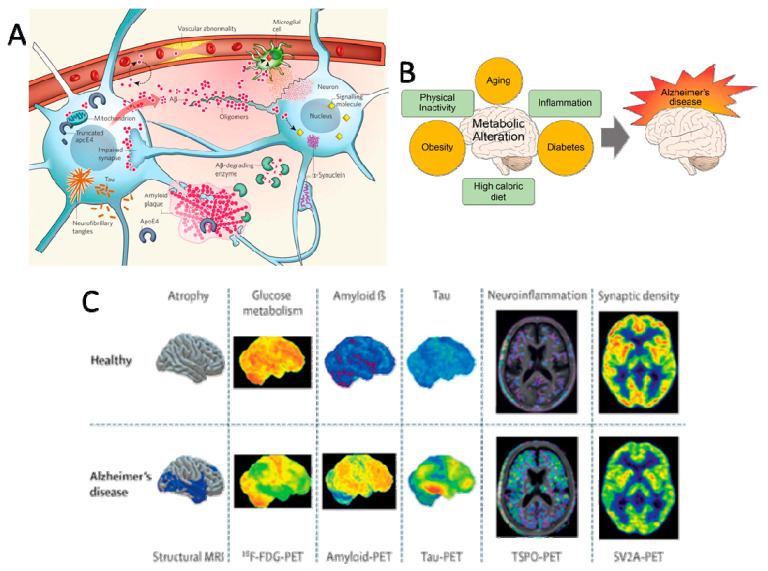
“This could explain why part of the risk factors for cardiovascular disease are in common with AD, including hypertension, dyslipidemia, diabetes, obesity, dietary factors, smoking, and physical activity (Figure 1B).”
§ Alzheimer’s Disease: Treatment Strategies and Their Limitations > 2. Understanding Clinical Spectrum of AD > 2.4. Risk Factors of SAD
What the sources say
- Not checked — no full text of the sourcecites [1] Scheltens P. Blennow K. Breteler M.M.B. de Strooper B. Frisoni G.B. Salloway S. Van der Flier W.M. Alzheimer’s Disease Lancet 2016 388 505 517 10.1016/S0140-6736(15)01124-1 26921134 source
- Partly supportedcites [22] Dubois B. Hampel H. Feldman H.H. Scheltens P. Aisen P. Andrieu S. Bakardjian H. Benali H. Bertram L. Blennow K. Preclinical Alzheimer’s Disease: Definition, Natural History, and Diagnostic Criteria Alzheimer’s Dement. 2016 12 292 323 10.1016/j.jalz.2016.02.002 27012484 PMC6417794 sourceExperimental — accuracy not yet measured
Section 3.4 identifies hypertension, obesity, diabetes, physical inactivity, and smoking as AD risk factors; section 3.5 discusses diet and exercise in relation to AD risk. The paper also groups cardiovascular and lifestyle factors as modifiable AD risks, but our copy does not identify dyslipidemia as an AD risk factor, so the full list is not supported. (LLM, conf=0.87)
- Not checked — no full text of the sourcecites [100] Whitmer R.A. Sidney S. Selby J. Johnston S.C. Yaffe K. Midlife Cardiovascular Risk Factors and Risk of Dementia in Late Life Neurology 2005 64 277 281 10.1212/01.WNL.0000149519.47454.F2 15668425 source
- Partly supportedcites [101] Zlokovic B.V. Neurovascular Pathways to Neurodegeneration in Alzheimer’s Disease and Other Disorders Nat. Rev. Neurosci. 2011 12 723 738 10.1038/nrn3114 22048062 PMC4036520 sourceExperimental — accuracy not yet measured
The Alzheimer’s disease section (page not provided) says that cerebrovascular and Alzheimer’s disease risk factors substantially overlap, and specifically names midlife diabetes, hypertension, and obesity. It does not identify dyslipidemia, dietary factors, smoking, or physical activity as shared risk factors. (LLM, conf=0.86)
- Partly supportedcites [102] Yu J.-T. Xu W. Tan C.-C. Andrieu S. Suckling J. Evangelou E. Pan A. Zhang C. Jia J. Feng L. Evidence-Based Prevention of Alzheimer’s Disease: Systematic Review and Meta-Analysis of 243 Observational Prospective Studies and 153 Randomised Controlled Trials J. Neurol. Neurosurg. Psychiatry 2020 91 1201 1209 10.1136/jnnp-2019-321913 32690803 PMC7569385 sourceExperimental — accuracy not yet measured
The Results (Figure 5) identify hypertension, diabetes, midlife obesity, physical exercise, and smoking as factors relevant to Alzheimer’s disease prevention. The passages do not establish dyslipidemia or dietary factors as Alzheimer’s disease risk factors, so they do not support the full list of shared cardiovascular and Alzheimer’s risk factors. (LLM, conf=0.85)
- Partly supportedcites [103] Edwards G.A. III Gamez N. Escobedo G. Jr. Calderon O. Moreno-Gonzalez I. Modifiable Risk Factors for Alzheimer’s Disease Front. Aging Neurosci. 2019 11 146 10.3389/fnagi.2019.00146 31293412 PMC6601685 sourceExperimental — accuracy not yet measured
The Vascular Diseases section (page unavailable) explicitly identifies hypertension, diabetes, and hypercholesterolemia as risks shared by cardiovascular disease and AD; its Smoking section also links smoking to cardiovascular disease and dementia. The paper discusses diet and obesity in relation to diabetes and AD, but does not establish every item in the citing sentence as a shared cardiovascular–AD risk factor. Its Physical Activity section says it remains unknown whether exercise reduces the risk of developing AD. (LLM, conf=0.86)
hedgedstates an association- Asserted: passes — The authors put it forward as true.
- Checkable: passes — It can be checked against evidence.
- Load-bearing: unclear — It is unclear whether the paper’s conclusions depend on it.
- Based: passes — The paper gives a reason why it holds.
The cited sources support only part of this claim — read each source’s verdict below.
In the paper
“The main risk factor for SAD is age. Indeed, increased life expectancy is correlated with a higher probability of developing neurodegenerative diseases, including AD [89,90].”
§ Alzheimer’s Disease: Treatment Strategies and Their Limitations > 2. Understanding Clinical Spectrum of AD > 2.4. Risk Factors of SAD
What the sources say
- Supportedcites [89] Hebert L.E. Bienias J.L. Aggarwal N.T. Wilson R.S. Bennett D.A. Shah R.C. Evans D.A. Change in Risk of Alzheimer Disease over Time Neurology 2010 75 786 791 10.1212/WNL.0b013e3181f0754f 20805524 PMC2938969 source
The Discussion (p. 790) calls age an “extremely important predictor of AD risk,” supporting the claim that age is a principal risk factor. The paper studies AD in a community population rather than separately identifying sporadic cases, but the citing sentence makes a broad background point, not a subtype-specific estimate. (LLM, conf=0.86)
- Not matchedcites [90] Prince M.J. Guerchet M.M. Prina M. The Epidemiology and Impact of Dementia: Current State and Future Trends. WHO Thematic Briefing 2015 Available online: https://hal.archives-ouvertes.fr/hal-03517019 (accessed on 4 June 2022)
We searched by its title and found no matching paper.
plainstates an association- Asserted: passes — The authors put it forward as true.
- Checkable: passes — It can be checked against evidence.
- Load-bearing: unclear — It is unclear whether the paper’s conclusions depend on it.
- Based: passes — The paper gives a reason why it holds.
- Supported
The cited sources support only part of this claim — read each source’s verdict below.
In the paper
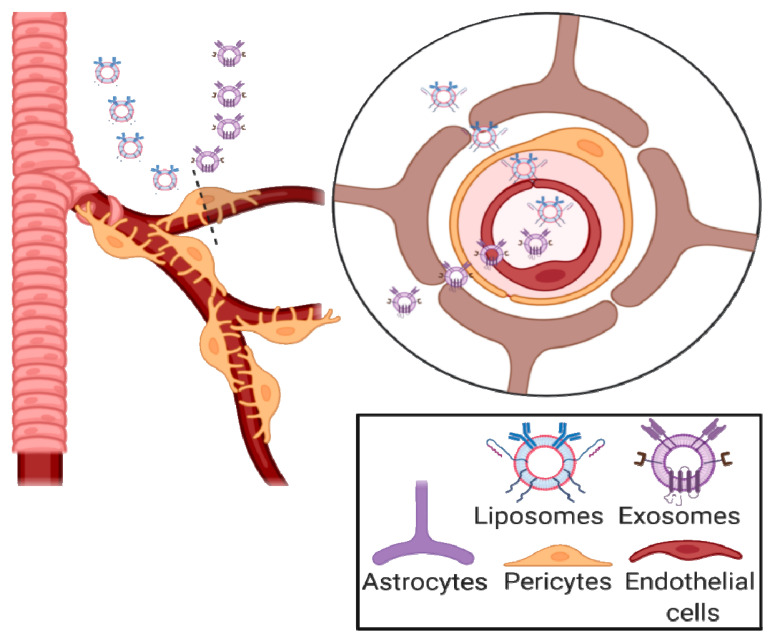
“Soft NP, such as nanoliposomes (NL) or exosomes, represent one of the most effective drug delivery processes to be able to protect therapeutic agents and deliver them to the target tissues [32,33].”
§ Alzheimer’s Disease: Treatment Strategies and Their Limitations > 1. Introduction
What the sources say
- Not checked — no full text of the sourcecites [32] Agrawal M. Ajazuddin Tripathi D.K. Saraf S. Saraf S. Antimisiaris S.G. Mourtas S. Hammarlund-Udenaes M. Alexander A. Recent Advancements in Liposomes Targeting Strategies to Cross Blood-Brain Barrier (BBB) for the Treatment of Alzheimer’s Disease J. Control. Release 2017 260 61 77 10.1016/j.jconrel.2017.05.019 28549949 source
- Partly supportedcites [33] Saint-Pol J. Gosselet F. Duban-Deweer S. Pottiez G. Karamanos Y. Targeting and Crossing the Blood-Brain Barrier with Extracellular Vesicles Cells 2020 9 851 10.3390/cells9040851 32244730 PMC7226770 sourceExperimental — accuracy not yet measured
The Introduction says lipid-based nanoparticles can enclose and protect therapeutic compounds and be designed to target the brain. Section 4 describes exosomes delivering therapeutic cargo to the brain. The paper does not establish that nanoliposomes and exosomes are among the most effective delivery methods, or address delivery to target tissues generally. (LLM, conf=0.86)
plainstates a cause- Asserted: passes — The authors put it forward as true.
- Checkable: passes — It can be checked against evidence.
- Load-bearing: unclear — It is unclear whether the paper’s conclusions depend on it.
- Based: passes — The paper gives a reason why it holds.
68 more claims · 31 with their cited sources checked
Create a free account to see all 157 claims and to verify the 10 references still open.
- It may state two separate claims as one. 73
- Probably not a substantial claim. 20
Claims other papers make about this one
Each is checked against this paper’s own text: does it say what the citing paper says it does?
The source backs part of the claim, not all of it — or backs it for a different population, condition or comparison.
In the citing paper
“It becomes a comprehensive care paradigm when pharmacological therapies are combined with lifestyle changes, cognitive training, and psychosocial support.”
From Recent Advances in Therapeutics for the Treatment of Alzheimer’s Disease (2024) · cites this paper as [221]
Experimental — accuracy not yet measuredIn the citing paper
“This approach is adaptable enough to be customized for every single patient, ensuring optimal treatment outcomes [220,221].”
From Recent Advances in Therapeutics for the Treatment of Alzheimer’s Disease (2024) · cites this paper as [221]
In the citing paper
“These drugs are used for all stages of AD, but inhibition of cholinesterase enzymes works best at the early stage of AD [9, 12].”
From Current therapeutics for Alzheimer’s disease and clinical trials (2024) · cites this paper as [9]
In the citing paper
“Current therapeutics to ameliorate and control the cognitive and behavioral symptoms by targeting the NMDA receptor prevent Ca2+ induced excitotoxicity [2, 9–11], and memantine was approved for this purpose in 2003.”
From Current therapeutics for Alzheimer’s disease and clinical trials (2024) · cites this paper as [9]
In the citing paper
“Memantine is more effective in providing cognitive and behavioral benefits and approved for patients with moderate to severe AD as monotherapy or combination therapy with donepezil [9, 12].”
From Current therapeutics for Alzheimer’s disease and clinical trials (2024) · cites this paper as [9]
3 more claims about this paper
Create a free account to see every claim other papers make about this one.
Self-check
Percentages, sums and reported differences re-computed from the paper’s own numbers.
Self-check results appear here once an independent check has confirmed them.
Cited works that were retracted
Works this paper cites that were later retracted, from the retraction notices publishers deposit. Major when the notice came out before this paper was published.
A note, not an issue: for example, a cited work that was retracted only after this paper was published, which its authors could not have known.
In the paper
“A history of head trauma and hearing loss may favor the onset of AD [3,102,116].”
Cited work 10.1016/s0140-6736(20)30367-6 · retracted 2023-05-01 · notice 10.1016/s2468-2667(23)00083-x · this paper published 2022-11-12
Citations
Cites
1 retracted
Dementia prevention, intervention, and care: 2020 report of the Lancet Commission
Livingston, G., Huntley, J., Sommerlad, A., Ames, D., Ballard, C., Banerjee, S., Brayne, C., Burns, A., Cohen-Mansfield, J., Cooper, C., et al. (2020) · The Lancet · doi:10.1016/s0140-6736(20)30367-6 · Cited by 10,430 · cited 5×
“A history of head trauma and hearing loss may favor the onset of AD [3,102,116].”
BackgroundInfluentialRetractedDiagnostic and Statistical Manual of Mental Disorders
American Psychiatric Association (2013) · doi:10.1176/appi.books.9780890425596 · Cited by 116,369
McKhann, G., Drachman, D., Folstein, M., Katzman, R., Price, D., & Stadlan, E. M. (1984) · Neurology · doi:10.1212/wnl.34.7.939 · Cited by 27,915
Kok, J. S., Berg, I. J., & Scherder, E. J. A. (2013) · Dementia and Geriatric Cognitive Disorders Extra · doi:10.1159/000353441 · Cited by 20,589
McKhann, G. M., Knopman, D. S., Chertkow, H., Hyman, B. T., Jack, C. R., Kawas, C. H., Klunk, W. E., Koroshetz, W. J., Manly, J. J., Mayeux, R., et al. (2011) · Alzheimer's & Dementia · doi:10.1016/j.jalz.2011.03.005 · Cited by 18,657
Neuropathological stageing of Alzheimer-related changes.
Braak, H., & Braak, E. (1991) · Acta Neuropathologica · doi:10.1007/bf00308809 · Cited by 16,123 · cited 2×
“The NFT then evolves in the external part of the temporal lobe before spreading to the posterior cortical associative areas and the entire cortex [6].”
BackgroundNIA‐AA Research Framework: Toward a biological definition of Alzheimer's disease
Jack, C. R., Bennett, D. A., Blennow, K., Carrillo, M. C., Dunn, B., Haeberlein, S. B., Holtzman, D. M., Jagust, W., Jessen, F., Karlawish, J., et al. (2018) · Alzheimer's & Dementia · doi:10.1016/j.jalz.2018.02.018 · Cited by 10,537 · cited 6×
“The presence of biomarkers can be used to indicate the severity of the AD [7,71]: decreased CSF Aβ levels, increased CSF Tau and/or P-Tau levels, cortical thinning and hippocampal atrophy based on MRI, hypometabolism or hypoperfusion of posterior cingulate and temporoparietal cortex (FDG-PET), and detection of cortica…”
InfluentialAlbert, M. S., DeKosky, S. T., Dickson, D., Dubois, B., Feldman, H. H., Fox, N. C., Gamst, A., Holtzman, D. M., Jagust, W. J., Petersen, R. C., et al. (2011) · Alzheimer's & Dementia · doi:10.1016/j.jalz.2011.03.008 · Cited by 10,152
Alzheimer's disease: the amyloid cascade hypothesis
Hardy, J. A., & Higgins, G. A. (1992) · Science · doi:10.1126/science.1566067 · Cited by 7,484 · cited 1×
“The hypothesis of the amyloid cascade suggests that the anomalous accumulation of Aβ peptide and formation of amyloid plaques induce NFT formation and makes neurons more sensitive to neurotoxic effects and neuronal death [57].”
BackgroundDementia prevention, intervention, and care
Livingston, G., Sommerlad, A., Orgeta, V., Costafreda, S. G., Huntley, J., Ames, D., Ballard, C., Banerjee, S., Burns, A., Cohen-Mansfield, J., et al. (2017) · The Lancet · doi:10.1016/s0140-6736(17)31363-6 · Cited by 6,072 · cited 1×
“Research has shown that in the world, more than 30% of AD cases could be due to modifiable risk factors, which could provide interesting and promising targets for prevention strategies to reduce the risk of AD-related cognitive decline and perhaps ND in general [3,20,21].”
Background
Research works printed but not linked: 1
- Prince M.J. Guerchet M.M. Prina M. The Epidemiology and Impact of Dementia: Current State and Future Trends. WHO Thematic Briefing 2015 Available online: https://hal.archives-ouvertes.fr/hal-03517019 (accessed on 4 June 2022)
Cited by
Items 101–200 of 596
Yan, L., Zhang, L., Xu, Z., & Luo, Z. Y. (2025) · Frontiers in Pharmacology · doi:10.3389/fphar.2025.1559447 · Cited by 15
Zhao, S., Zhang, J., Chen, Y., Cui, X., Liu, H., Yan, Y., Sun, Y., Yong-xiu, Q., & Liu, Y. (2023) · Journal of Pharmaceutical and Biomedical Analysis · doi:10.1016/j.jpba.2023.115717 · Cited by 13
Singh, S. K., Parihar, S., Jain, S., Ho, J. A., & Vankayala, R. (2024) · Journal of Materials Chemistry B · doi:10.1039/d4tb00578c · Cited by 14
Neural Stem Cell Therapy for Alzheimer’s Disease: A-State-of-the-Art Review
Shah, A. J., Dar, M. Y., Jan, B., Qadir, I., Mir, R. H., Uppal, J., Ahmad, N. Z., & Masoodi, M. H. (2024) · Journal of dementia and Alzheimer's disease · doi:10.3390/jdad1020008 · Cited by 14
“Moreover, insulin therapy does not always demonstrate meaningful therapeutic benefits in real-world settings despite its potential as a safe, brief symptomatic intervention to delay cognitive decline [6].”
Mechanistic insights into connexin-mediated neuroglia crosstalk in neurodegenerative diseases
Denaro, S., D’Aprile, S., Vicario, N., & Parenti, R. (2025) · Frontiers in Cellular Neuroscience · doi:10.3389/fncel.2025.1532960 · Cited by 12
Targeted miRNA Delivery in Epilepsy: Mechanisms, Advances, and Therapeutic Potential
Shyam, M., Bm, O., Srirangan, P., Nivedita, N., & Prince, S. E. (2025) · Molecular Biology Reports · doi:10.1007/s11033-025-10436-z · Cited by 16
Helgudóttir, S. S., Mørkholt, A. S., Lichota, J., Bruun-Nyzell, P., Andersen, M. C., Kristensen, N. M. J., Johansen, A. K., Zinn, M. R., Jensdóttir, H. M., & Nieland, J. D. (2023) · Neural Regeneration Research · doi:10.4103/1673-5374.387965 · Cited by 17
“The approved drugs for AD primarily target amyloid-β (Aβ) deposition in the brain resulting in a slightly improved clinical outcome (Passeri et al., 2022).”
BackgroundDrug delivery for Alzheimer's disease using nanotechnology
Chauhan, B., Patel, S. A., Prajapati, B. G., & Singh, S. K. (2024) · Elsevier eBooks · doi:10.1016/b978-0-443-13205-6.00011-x · Cited by 22
Pan, C., & Kakeya, H. (2025) · European Journal of Medicinal Chemistry · doi:10.1016/j.ejmech.2025.117481 · Cited by 16
Renesteen, E., Boyajian, J. L., Islam, P., Kassab, A., Abosalha, A. K., Makhlouf, S., Santos, M., Chen, H., Shum-Tim, C., & Prakash, S. (2025) · International Journal of Molecular Sciences · doi:10.3390/ijms26115351 · Cited by 16
“[39]”
PACAP: A promising disease-modifying target for Alzheimer's disease
Basri, R., Al-Kuraishy, H. M., Fawzy, M. N., Alruwaili, M., & Batiha, G. E. (2025) · Life Sciences · doi:10.1016/j.lfs.2025.124176 · Cited by 15
Ricci, A., Carradori, S., Cataldi, A., & Zara, S. (2024) · Biochemistry Research International · doi:10.1155/2024/3649912 · Cited by 17
“Despite the extensive research focused on this topic, today pharmacological approaches are aimed at treating the symptoms’ onset; however, improving early disease iden-tifcation in the preclinical stage is a current challenge for researchers [95].”
BackgroundLi, S., & Yang, J. (2024) · RSC Medicinal Chemistry · doi:10.1039/d4md00660g · Cited by 16
Gao, L., Wang, B., Cui, X., Xia, L., Li, X., Núñez-Figueredo, Y., Li, D., Liu, K., Wang, H., & Jin, M. (2025) · Progress in Neuro-Psychopharmacology and Biological Psychiatry · doi:10.1016/j.pnpbp.2025.111334 · Cited by 17
Guo, Y., & Zhang, L. (2023) · In Vitro Cellular & Developmental Biology - Animal · doi:10.1007/s11626-023-00818-7 · Cited by 11
Lu, J., Zhang, J., Wang, X., Yuan, F., Xin, B., Li, J., Yang, Q., Li, X., Zhang, J., Wang, X., et al. (2024) · Brain Research Bulletin · doi:10.1016/j.brainresbull.2024.110969 · Cited by 12
Tannic acid as a biphasic modulator of tau protein liquid–liquid phase separation
Xiang, J., Chen, J., Liu, Y., Ye, H., Han, Y., Li, P., Gao, M. Y., & Huang, Y. (2024) · International Journal of Biological Macromolecules · doi:10.1016/j.ijbiomac.2024.133578 · Cited by 17
Altıntop, M. D., Sağlık, B. N., & Özdemır, A. (2024) · ACS Omega · doi:10.1021/acsomega.3c10490 · Cited by 11
A multifactorial lens on risk factors promoting the progression of Alzheimer’s disease
Parker, J., Moris, J. M., Goodman, L. C., Paidisetty, V. K., Vanegas, V., Turner, H. A., Melgar, D., & Koh, Y. (2024) · Brain Research · doi:10.1016/j.brainres.2024.149262 · Cited by 12
Promising Natural Remedies for Alzheimer’s Disease Therapy
Thawabteh, A. M., Ghanem, A. W., AbuMadi, S., Thaher, D., Jaghama, W., Karaman, D., & Karaman, R. (2025) · Molecules · doi:10.3390/molecules30040922 · Cited by 14
“Exploration of these chemicals offers hope for the development of new, affordable, and effective therapies for AD because of the enormous variety of possible natural compounds [43].”
Hưng, N. V., Tien, L. Q., Linh, V. N. H., Tran, H., Nguyen, T. K., Pham, D., Hoang, V.-H., Hiền, T. T. T., Nguyen, T. X., Thai, Q. M., et al. (2025) · RSC Advances · doi:10.1039/d5ra00488h · Cited by 12
Jagodic, A., Kršek, A., Schleicher, L. M. S., & Batičić, L. (2025) · Gastrointestinal Disorders · doi:10.3390/gidisord7020028 · Cited by 12
“…as donepezil and memantine, but dietary and other non-pharmaceutical interventions have been attracting interest because they might favorably affect cognitive decline and reduce the rate of disease progression—for example, supplementation with omega-3 fatty acids and training in cognition [87,88].”
New Approaches to the Treatment of Alzheimer’s Disease
Kruk-Słomka, M., Kuceł, D., Małysz, M., Machnikowska, A., Orzelska‐Górka, J., & Biała, G. (2025) · Pharmaceuticals · doi:10.3390/ph18081117 · Cited by 15
“For many years, there has been intensive research into new therapeutic strategies that will not only alleviate its symptoms but also eliminate the cause of the disease [23].”
InfluentialLiu, S., Zhang, S., Guo, M., Lei, Q., He, L., & Li, Z. (2023) · Experimental Gerontology · doi:10.1016/j.exger.2023.112299 · Cited by 9
Zhang, C., Tan, R., Zhou, X., Wang, R., Wang, X., Ma, R., Chu, F., Li, Y., Yin, T., & Liu, Z. (2024) · International Journal of Molecular Sciences · doi:10.3390/ijms25094651 · Cited by 11
“Alzheimer’s disease (AD) is a common neurodegenerative disease characterized by amyloid deposition [1,2].”
BackgroundNanozymes in Alzheimer's disease diagnostics and therapy
Li, L., Zhang, W., Cao, H., Fang, L., Wang, W., Li, C., He, Q., Jiao, J., & Zheng, R. (2024) · Biomaterials Science · doi:10.1039/d4bm00586d · Cited by 13
Jin, J., Fu, C.-L., Xia, J., Luo, H., Wang, X., Chen, S. X., Mao, H., Yuan, K., Lü, L., Xiong, W., et al. (2024) · Molecular Psychiatry · doi:10.1038/s41380-024-02789-x · Cited by 15
Molecular landscape of the overlap between Alzheimer’s disease and somatic insulin-related diseases
Ruisch, I. H., Widomska, J., Witte, W. D., Mota, N. R., Fanelli, G., van Gils, V., Jansen, W. J., Vos, S. J. B., Fóthi, Á., Barta, C., et al. (2024) · Alzheimer s Research & Therapy · doi:10.1186/s13195-024-01609-2 · Cited by 11
“In addition, currently available treatments lack efficacy and these are not disease-modifying treatments (DMTs) [67].”
BackgroundNovel Soluble Epoxide Hydrolase Inhibitor: Toward Regulatory Preclinical Studies
Jarné‐Ferrer, J., Sánchez, J., Codony, S., Schneider, M., Müller, C. E., Sanfeliu, C., Franco, R., Vázquez, S., Griñán‐Ferré, C., & Pallàs, M. (2025) · ACS Pharmacology & Translational Science · doi:10.1021/acsptsci.4c00629 · Cited by 12
Advancing Alzheimer's Therapy: Computational strategies and treatment innovations
Paul, J. K., Malik, A., Azmal, M., Gulzar, T., Afghan, M. T. R., Talukder, O. F., Shahzadi, S., & Ghosh, A. (2025) · IBRO Neuroscience Reports · doi:10.1016/j.ibneur.2025.02.002 · Cited by 10
NDP52 and its emerging role in pathogenesis
Bruqi, K., & Strappazzon, F. (2025) · Cell Death and Disease · doi:10.1038/s41419-025-07668-z · Cited by 13
Shim, G. H., Lau, E. C. Y., Huynh, A. L. H., Lu, C. Y., & Tan, E. C. K. (2025) · Ageing Research Reviews · doi:10.1016/j.arr.2025.102981 · Cited by 19
Luo, S., Tamada, A., Saikawa, Y., Wang, Y., Yu, Q. S., & Hisatsune, T. (2023) · Aging and Disease · doi:10.14336/ad.2023.1006 · Cited by 14
“The hallmarks of Alzheimer's disease (AD) include amyloid-beta plaque accumulation and neurofibrillary tangles (NFTs) in the brain [1, 2]; however, these two characteristics do not completely define the mechanisms underlying AD progresses.”
Papazoglou, A., Henseler, C., Weickhardt, S., Teipelke, J., Παπάζογλου, Π., Daubner, J., Schiffer, T., Krings, D., Broich, K., Hescheler, J., et al. (2024) · PLoS ONE · doi:10.1371/journal.pone.0296959 · Cited by 11
Londoño, C. A. V., Howes, M. R., Costa, G. M., Arboleda, G., & Cardozo, M. A. R. (2023) · Journal of Ethnopharmacology · doi:10.1016/j.jep.2023.116218 · Cited by 9
Li, W., Wan, P., Qiao, J., Liu, Y., Peng, Q., Zhang, Z., Shu, X., Xia, Y., & Sun, B. (2024) · Frontiers in Pharmacology · doi:10.3389/fphar.2024.1372110 · Cited by 9
Churchill, N., Barnes, D. E., Habib, M., & Nianogo, R. A. (2024) · Journal of Alzheimer s Disease · doi:10.3233/jad-231133 · Cited by 10
Ma, X., Sun, Y., Li, C., Wang, M., Zang, Q., Zhang, X., Wang, F., Niu, Y., & Hua, J. (2024) · CNS Neuroscience & Therapeutics · doi:10.1111/cns.70064 · Cited by 10
Fontán‐Baselga, T., Cañeque‐Rufo, H., Rivera-Illades, E., Gramage, E., Zapico, J. M., de Pascual‐Teresa, B., Ramos, P., Herradón, G., & Vicente‐Rodríguez, M. (2024) · Frontiers in Pharmacology · doi:10.3389/fphar.2024.1506049 · Cited by 9
Review on pathogenesis and treatment of Alzheimer's disease
Cai, J., Liu, Y., & Fan, H. (2024) · Developmental Dynamics · doi:10.1002/dvdy.762 · Cited by 11
Judd, J. M., Winslow, W., McDonough, I., Mistry, F., & Velázquez, R. (2024) · Frontiers in Aging Neuroscience · doi:10.3389/fnagi.2024.1466415 · Cited by 10
Wang, N., Pei, Z., Wang, H., Zhao, J., Fang, Z., & Lu, W. (2025) · Food Bioscience · doi:10.1016/j.fbio.2025.106083 · Cited by 11
Diverse potential of chimeric antigen receptor‐engineered cell therapy: Beyond cancer
Wu, L., Zhu, L., & Chen, J. (2025) · Clinical and Translational Medicine · doi:10.1002/ctm2.70306 · Cited by 9
“265,266 Although the exact pathophysiological mechanisms of AD remain unclear, clinical trials involving antibodies targeting aggregated β -amyloid (A β ) have demonstrated that targeting A β can effectively reduce amyloid plaques and improve cognitive function in AD patients.”
Svobodová, B., Moravcová, Z., Misiachna, A., Nováková, G., Marek, A., Finger, V., Odvarkova, J., Pejchal, J., Karasová, J. Ž., Netolický, J., et al. (2025) · European Journal of Medicinal Chemistry · doi:10.1016/j.ejmech.2025.117678 · Cited by 11
Intranasal delivery route for neurodegenerative diseases: recent insights and future directions
Correale, J. D., Mattera, V. S., & Pasquini, J. M. (2025) · Drug Delivery and Translational Research · doi:10.1007/s13346-025-01919-4 · Cited by 13
Deep cervical lymphaticovenous anastomosis for Alzheimer's disease: A narrative review
Chen, Q., Wen, Q., Zhong, T. P., Liu, J., & Gao, H. (2025) · Alzheimer s & Dementia · doi:10.1002/alz.71038 · Cited by 13
Cao, T., Li, X., Li, D., & Tao, Y. (2023) · Ageing and Neurodegenerative Diseases · doi:10.20517/and.2023.25 · Cited by 10
Application of Natural Products in Neurodegenerative Diseases by Intranasal Administration: A Review
Jin, Y., Ma, X., Liu, S., Zong, S., Cheng, Y., Zhang, H., Wang, C., & Li, Y. (2025) · Pharmaceutics · doi:10.3390/pharmaceutics17050675 · Cited by 11
“However, this invasive route can cause pain, discomfort, nausea, headache, neuro-toxicity, and other adverse effects [15].”
Scordino, M., Urone, G., Frinchi, M., Valenza, C., Bonura, A., Cipollina, C., Ciriminna, R., Meneguzzo, F., Pagliaro, M., Mudò, G., et al. (2024) · Cells · doi:10.3390/cells13040355 · Cited by 13
“Consequently, despite decades of clinical and basic research, most therapeutic strategies designed to manage degenerative NDs are only palliative and often associated with a broad spectrum of side effects [2].”
BackgroundSun, Y., Zhao, J. W., Lu, Y., Ngo, F. Y., Shuai, B., Zhang, Z., Feng, Y., & Rong, J. (2024) · Current Neuropharmacology · doi:10.2174/1570159x22666240515090434 · Cited by 9
“The existing treatments for AD primarily focus on symptomatic relief and do not halt the disease progression [100].”
Low-Dose Radiation Therapy for Neurological Disorders: A Double-Edged Sword
Weerasinghe-Mudiyanselage, P. D. E., Kim, J., Kang, S., Lee, Y., Son, Y., Lee, H., & Moon, C. (2024) · Discovery Medicine · doi:10.24976/discov.med.202436184.84 · Cited by 9
Zhu, X., Gao, J., & Qiu, C. (2024) · Metabolic Brain Disease · doi:10.1007/s11011-024-01409-5 · Cited by 8
“Current pharmacological interventions primarily provide symptomatic relief, aiming to retard the progression of cognitive, behavioral, and psychological symptoms asso - ciated with dementia (Passeri et al. 2022).”
BackgroundA review of pharmacological mechanisms, challenges and prospects of macromolecular glycopeptides
Gao, Y., Chen, X., Duan, J., & Xiao, P. (2025) · International Journal of Biological Macromolecules · doi:10.1016/j.ijbiomac.2025.140294 · Cited by 7
Hu, F., Tong, S., & Xu, H. (2025) · The Journal of Membrane Biology · doi:10.1007/s00232-025-00340-9 · Cited by 7
“Treatment modalities encompass drug therapy, chemotherapy, radiotherapy, and surgical intervention, among others (Correia et al. 2020; Passeri et al. 2022).”
Xun, Q., Zhang, J., Feng, L., Ma, Y., Li, Y., & Shi, X. (2025) · Journal of Enzyme Inhibition and Medicinal Chemistry · doi:10.1080/14756366.2025.2466846 · Cited by 9
Kang, Y., Liu, J., Wang, Y., Wang, J., Wang, J., Zhou, C., Cui, R., & Zhang, T. (2025) · Cell Proliferation · doi:10.1111/cpr.70061 · Cited by 7
The Role of Phytochemicals in Age-Related Cognitive Decline: A Natural Solution for Brain Health
Alum, E. U., Uti, D. E., Egba, S. I., Ugwu, O. P.-C., & Aja, P. M. (2025) · Natural Product Communications · doi:10.1177/1934578x251350761 · Cited by 15
“33 This highlights the need for alternative or complementary therapies, such as those involving natural compounds like phytochemicals, which may offer a more holistic approach to brain health by targeting multiple mechanisms simultaneously.”
Neuschmid, S., Schallerer, C., Ehrlich, B. E., & McGuone, D. (2025) · International Journal of Molecular Sciences · doi:10.3390/ijms26189245 · Cited by 9
“Despite this, the underlying molecular mechanisms remain incompletely defined [62], and no effective disease-modifying therapies have emerged [63].”
Tian, S., Liu, Y., Hong, H., & Li, S. (2025) · Molecular Neurobiology · doi:10.1007/s12035-025-05280-y · Cited by 9
“Around the chromosomes, the surfactant-like protein MKi67 suppresses excessive chromatin condensation through interfacial lubrication, preventing non-specific LLPS and ensuring proper kinetochore-microtubule attachment and accurate chromosome alignment [166].”
Duan, Y., Han, C., Zheng, H., Yu, J., & Luo, M. (2025) · Frontiers in Aging Neuroscience · doi:10.3389/fnagi.2025.1678212 · Cited by 15
Harun, Z. Z., Azhar, A. A., Kim, Y. J., Ibrahim, F. W., Ng, M. H., Tan, J. K., & Lokanathan, Y. (2025) · Biomedicines · doi:10.3390/biomedicines13122931 · Cited by 11
“The blood–brain barrier (BBB), a protective barrier of the brain, remains as a major challenge in developing effective drug delivery to the brain, along with the complexity of the disease mechanisms, as administration of the drugs are mostly at the late stages of AD [9].”
Thakur, A., Rana, M., Vanjani, S., Liou, K.-C., Taliyan, R., Nepali, K., & Yang, C. (2026) · Medicinal Research Reviews · doi:10.1002/med.70047 · Cited by 12
Goel, F., Singh, P., & Nand, S. (2026) · Molecular Neurobiology · doi:10.1007/s12035-026-06031-3 · Cited by 12
Yang, M., Ho, T., Chang, C.-C., Su, Y.-S., Yuan, C., Chuang, K., & Tyan, Y. (2023) · Molecules · doi:10.3390/molecules28165938 · Cited by 8
“As for treatments, four drugs (donepezil, memantine, galantamine, rivastigmine) are approved belonging to two families: anticholinesterase inhibitors and anti-glutaminergics [2].”
BackgroundAre Ischemic Stroke and Alzheimer’s Disease Genetically Consecutive Pathologies?
Filippenkov, I. B., Владимирович, Х. А., Mozgovoy, I. V., Dergunova, L. V., & Limborska, S. A. (2023) · Biomedicines · doi:10.3390/biomedicines11102727 · Cited by 7
“It should be noted that, currently, there are very few safe and effective therapies for IS and AD therapy [196,197].”
BackgroundZhang, Y., Tian, J., Ni, J., Wei, M., Li, T., & Shi, J. (2024) · Frontiers in Pharmacology · doi:10.3389/fphar.2023.1268000 · Cited by 7
“The increasing aging of the global population and the increasing prevalence of AD have transformed AD into a major global medical, social, and economic dilemma (Passeri et al., 2022a).”
BackgroundAlzheimer’s disease and clinical trials
Paul, D., Agrawal, R., & Singh, S. (2024) · Journal of Basic and Clinical Physiology and Pharmacology · doi:10.1515/jbcpp-2023-0264 · Cited by 9
Salehi, A., Zolfaghari, B., Aghaei, M., Sirous, H., Sadeghi, M., Gholami, M. R., Reisi, P., & Ghanadian, M. (2024) · DARU Journal of Pharmaceutical Sciences · doi:10.1007/s40199-024-00509-y · Cited by 8
“AD is characterized by the initial deterioration of episodic memory, followed by the manifestation of other cognitive dysfunctions such as apraxia, aphasia, agnosia, and dysexecutive syndrome [1, 2].”
Park, I. K., Choi, Y. S., & Jo, S. Y. (2024) · Analytical Sciences · doi:10.1007/s44211-024-00614-7 · Cited by 7
“However, there are medications that can delay symptoms and achieve better effects when prescribed for mild cognitive impairment (MCI) or early stages of AD, and that’s why an accurate and timely diagnosis of AD is necessary [3, 7–9].”
Kollarik, S., Bimbiryte, D., Sethi, A., Dias, I., Moreira, C. G., & Noaín, D. (2025) · Frontiers in Aging Neuroscience · doi:10.3389/fnagi.2024.1519225 · Cited by 14
Hu, J., Luo, Y., & Wang, X. (2025) · The Journal of Prevention of Alzheimer s Disease · doi:10.1016/j.tjpad.2025.100128 · Cited by 10
Electrochemical biosensors for early detection of Alzheimer’s disease
Jakhonkulovna, S. M., Kamolovna, G. B., Zokirov, M., Tajimuratovna, B. U., Yumashev, A., SHICHIYAKH, R. A., Safarova, N. I., Nusratovna, A. N., Esanmuradova, N., Karimbaevna, T. M., et al. (2025) · Clinica Chimica Acta · doi:10.1016/j.cca.2025.120278 · Cited by 17
Ray, R., Chowdhury, S. G., & Karmakar, P. (2024) · Archives of Biochemistry and Biophysics · doi:10.1016/j.abb.2024.109906 · Cited by 8
Understanding Alzheimer's Disease: Exploring Neuropsychiatric Symptoms and Treatment Options
Strofs, A. R. (2024) · Journal of Student Research · doi:10.47611/jsrhs.v13i1.6167 · Cited by 8
“Each approach is tailored to the individual's needs and preferences 27 .”
BackgroundResilience mechanisms underlying Alzheimer’s disease
Chew, C. S., Jy, L., Ng, K. Y., Koh, R. Y., & Chye, S. M. (2025) · Metabolic Brain Disease · doi:10.1007/s11011-024-01507-4 · Cited by 7
“Furthermore, due to BBB permeability issues, it reduces the efficacy of the drug by restricting their passages to reach the brain resulting in the inability to achieve effective therapeutic concentrations(Passeri et al. 2022; Zhang et al. 2024).”
Naveed, M., Ibrahim, S., Aziz, T. A., Khatoon, K., Asim, M., Majeed, M. N., Hussain, N., Alhomrani, M., Alsanie, W. F., & Alamri, A. S. (2025) · Journal of Computational Biophysics and Chemistry · doi:10.1142/s2737416525500085 · Cited by 9
Calcineurin inhibition may prevent Alzheimer disease in people with Down syndrome
Dohl, J., Treadwell, Z., Norris, C. M., & Head, E. (2025) · Alzheimer s & Dementia · doi:10.1002/alz.70034 · Cited by 7
Pang, R.-K., Shi, J., Peng, X.-Y., Su, S., Zheng, J., Le, K., Keng, V. W., Zhang, S., & Li, X.-X. (2025) · Chinese Medicine · doi:10.1186/s13020-025-01098-x · Cited by 7
“However, no cure currently exists for AD, necessitating the exploration of alternative treatment strategies [5].”
Non-Coding RNAs: lncRNA, piRNA, and snoRNA as Robust Plasma Biomarkers of Alzheimer’s Disease
Xin, R., Kim, E., Li, W. T., Wang‐Rodriguez, J., & Ongkeko, W. M. (2025) · Biomolecules · doi:10.3390/biom15060806 · Cited by 9
“Influenced by multiple risk factors such as age, genetics, lifestyle, cardiovascular health, and history of head trauma, the current understanding of AD’s complex pathogenesis is still limited, posing significant challenges to the development of effective AD treatment [2].”
Kotova, M. M., Stewart, A., Grigoryan, A., Shariff, S., Mirzaei, F., Kantawala, B., Dilbaryan, K., de Abreu, M. S., Galstryan, D. S., Cui, J., et al. (2025) · Journal of Neurochemistry · doi:10.1111/jnc.70090 · Cited by 8
“Currently, there are no effective drugs or treatments to halt or reverse progression of AD (Passeri et al. 2022; Tatulian 2022), necessitating further research into its underlying pathology, biomarkers, causative and protective genes, as well as environmental risks (Jack Jr. 2022).”
Sri, R. S., Pavithra, T., Vinciya, T., Kumar, V. S., Harikrishnan, N., Begum, R. F., & Singh, S. A. (2025) · Frontiers in Pharmacology · doi:10.3389/fphar.2025.1561702 · Cited by 11
Yuan, M., Nguyen, T. T. T., Gibb, A. J., Xian, Y., & Xu, H. (2025) · Chinese Medicine · doi:10.1186/s13020-025-01204-z · Cited by 11
“Currently, approved medications for AD are designated for the stage of clinical dementia, focus on modulating neurochemical systems to address cognitive impairments and behavioural symptoms, and offer only temporary symptomatic relief [1, 5].”
Precision Enzyme: Targeted Drug Discovery in Neurodegenerative Disorders
Paul, S., Tiwari, P. K., & Dubey, S. (2025) · Protein and Peptide Letters · doi:10.2174/0109298665391103250825102319 · Cited by 9
Ozturk, B., Demir, H., Silindir‐Gunay, M., Akdağ, Y., Şahin, S., & Gülsün, T. (2025) · European Journal of Pharmaceutical Sciences · doi:10.1016/j.ejps.2025.107364 · Cited by 6
Sharma, A., & Singh, T. G. (2025) · Brain Research · doi:10.1016/j.brainres.2025.150047 · Cited by 8
Challenges and Opportunities of Drug Delivery for Treatment of Alzheimer’s Disease
El-Fattah, M. A. A. (2026) · AAPS PharmSciTech · doi:10.1208/s12249-025-03316-z · Cited by 10
“Modulation of dosage form and administration route as well as the use of nanoparticles (NPs) to encapsulate therapeutic bioactives and target them into CNS can improve drug delivery for successful management of AD [13].”
Guo, Y., Zhao, T., Chu, X., & Cheng, Z. (2023) · Frontiers in Aging Neuroscience · doi:10.3389/fnagi.2023.1275793 · Cited by 5
“Although various treatment strategies have been explored in clinical trials for decades, the significant heterogeneity of AD has led to the availability of primarily symptom-based treatments rather than actual curative therapies (Author, 2021; Passeri et al., 2022).”
BackgroundPotential roles of telomeres and telomerase in neurodegenerative diseases
Shao, J., Wang, J., Li, B., & Liu, C. (2024) · Ageing and Neurodegenerative Diseases · doi:10.20517/and.2023.41 · Cited by 6
LINC00472 Regulates Ferroptosis of Neurons in Alzheimer’s Disease via FOXO1
Lin, P., Wang, J., Li, Y., Li, G., & Wang, Y. (2024) · Dementia and Geriatric Cognitive Disorders · doi:10.1159/000537883 · Cited by 8
“Alzheimer ’ s disease (AD) is a neurodegenerative disease characterized by progressive deterioration of cognition and memory [1, 2].”
BackgroundTan, Q., Liu, X., Xu, S., Chen, J., Li, W., Zhang, S., & Du, Y. (2024) · Frontiers in Aging Neuroscience · doi:10.3389/fnagi.2024.1390384 · Cited by 6
Herbal medicines in Alzheimer’s disease and the involvement of gut microbiota
Liu, M., Li, T., Liang, H., & Zhong, P. (2024) · Frontiers in Pharmacology · doi:10.3389/fphar.2024.1416502 · Cited by 11
Stasiak, A., Honkisz-Orzechowska, E., Gajda, Z., Wagner, W., Popiołek-Barczyk, K., Kuder, K., Latacz, G., Juszczak, M., Woźniak, K., Karcz, T. P., et al. (2024) · International Journal of Molecular Sciences · doi:10.3390/ijms25158035 · Cited by 7
“The involvement of various processes that react to an unknown primary etiological factor is considered [2,3].”
BackgroundCampbell, K. J., Jiang, P., Olker, C. J., Lin, X., Kim, S. Y., Lee, C., Song, E. J., Turek, F. W., & Vitaterna, M. H. (2024) · Frontiers in Neurology · doi:10.3389/fneur.2024.1430989 · Cited by 7
“Therapeutic strategies for halting or reversing the progression of disease pathology have been areas of immense research interest but have proved elusive (96).”
BackgroundPragya, Bisht, S., & Parashar, P. (2024) · AAPS PharmSciTech · doi:10.1208/s12249-024-02929-0 · Cited by 7
“The initial stage is characterized by short-term memory loss which progress to more severe disabilities owing to neuronal damage [82, 83].”
Wu, J., Tang, J., Huang, D., Wang, Y., Zhou, E., Ru, Q., Xu, G., Chen, L., & Wu, Y. (2024) · Frontiers in Aging Neuroscience · doi:10.3389/fnagi.2024.1482947 · Cited by 8
Jayaprakash, N., & Elumalai, K. (2024) · Chronic Diseases and Translational Medicine · doi:10.1002/cdt3.155 · Cited by 19
A real-world safety surveillance study of aducanumab through the FDA adverse event reporting system
Huang, J., Long, X., & Chen, C. (2025) · Frontiers in Pharmacology · doi:10.3389/fphar.2025.1522058 · Cited by 8
Qu, Y., Ding, M.-R., Zhang, M., Zheng, L., Hu, B., & An, H. (2025) · Journal of Ethnopharmacology · doi:10.1016/j.jep.2025.119870 · Cited by 9
Leonov, G. E., Salikhova, D. I., Shedenkova, M. O., Bukharova, T. B., Fatkhudinov, T., & Goldshtein, D. V. (2023) · Biomolecules · doi:10.3390/biom13121784 · Cited by 7
“Parkinson’s disease is conventionally treated with drugs to restore dopamine levels, while Alzheimer’s disease involves the use of selective NMDA receptor inhibitors, and ischemic stroke treatment relies on thrombolysis, albeit with a limited therapeutic window [8–10].”
BackgroundWang, Y., Cao, Y., Huang, H., Xue, Y., Chen, S., & Gao, X. (2024) · Neuropharmacology · doi:10.1016/j.neuropharm.2024.109863 · Cited by 6
Metadata
- Authors
- Passeri, E., Elkhoury, K., Morsink, M., Broersen, K., Linder, M., Tamayol, A., Malaplate, C., Yen, F. T., & Arab-Tehrany, E.
- Affiliations
- Laboratoire Animal et Agroécosystèmes (FR)
- Laboratoire d'Ingénierie des Biomolécules (FR)
- University of Twente (NL)
- UConn Health (US)
- LIBio Laboratory, University of Lorraine, 54505 Vandoeuvre-lès-Nancy, France
- Corresponding author
- Yen, Frances T.
- ORCID
- Venue
- International Journal of Molecular Sciences
- Publisher
- MDPI AG
- Published
- 2022-11-12
- Volume
- 23
- Issue
- 22
- Pages
- 13954
- ISSN
- 1422-0067 (ISSN-L)
- PMC
- PMC9697769
- OpenAlex
- W4309008621
- Semantic Scholar
- 9dbe6b562aec1dc05309ecc0b7a89b81e6fd01bf
- Cited by
- 689
- References
- 279
- Citations by year
- 2026: 204 · 2025: 255 · 2024: 171 · 2023: 58 · 2022: 1
- FWCI
- 13.82
- Type
- journal article
- Language
- en
- Open access
- gold
- doi.org
- Licence
- Locations
- International Journal of Molecular Sciences (publishedVersion, cc-by)
- PubMed Central (publishedVersion, cc-by)
- PubMed (publishedVersion)
- University of Twente Research Information (publishedVersion, cc-by)
- HAL (submittedVersion, cc-by)
- DOAJ (DOAJ: Directory of Open Access Journals) (submittedVersion, cc-by-sa)
- University of Twente Research Information (submittedVersion, cc-by)
- Funders
- Agence Nationale de la Recherche (ANR-15-IDEX-0004)
- Topics
- Life Sciences › Neuroscience › Cellular and Molecular Neuroscience › Alzheimer's disease research and treatments
- Health Sciences › Medicine › Psychiatry and Mental health › Dementia and Cognitive Impairment Research
- Health Sciences › Medicine › Pharmacology (medical) › Cholinesterase and Neurodegenerative Diseases
- Keywords
- Alzheimer's disease, Alzheimer's disease prevention, risk factors, disease-modifying therapy, brain drug delivery, blood-brain barrier, nanoliposomes, exosomes, nanoparticles, intranasal administration
- MeSH terms
- Alzheimer Disease, Blood-Brain Barrier, Humans, Drug Delivery Systems, Neurodegenerative Diseases, Nanoparticles
About these checks
Registry, retraction, Cites and statistics results are computed, not judged, with one exception: a printed reference that no index lists is read once by a model before it counts as a citation error. Claims are extracted by a model and kept only when their quote appears verbatim in the text; each cited source is then checked, with a model’s help, for whether it says what the claim relies on. Those verdicts can be wrong — read the claim’s quote and the cited source before relying on one.
The claim verdicts this report counts are experimental: their accuracy is not yet measured.
A language model drew the claims from the paper on 2026-10-10, under version 3 of the claim definition (model deepseek-v4.1-flash, prompt extract-v3).
A second model labelled each claim on 2026-10-10 (model jev-1.13-20260917, definition revision gold-guideline-v0.2).
Cited sources are checked with a language model’s help (gpt-6-sol).
Statistics and arithmetic are recomputed, not judged.
Confidence bands are shown only for fields calibrated on our annotated test set. None is calibrated yet, so no band is shown.
What counts as a claim ›How we measure confidence ›How we check this ›
Are you an author, or do you see a problem with this page? Request a review
Data sources
Bibliographic data: Semantic Scholar, OpenAlex, Crossref.
Contains information from the Semantic Scholar Academic Graph Datasets, made available under the ODC Attribution License (ODC-BY 1.0).
Semantic Scholar’s data is described in: Kinney, R., et al. (2023). The Semantic Scholar Open Data Platform. arXiv:2301.10140.
