

Alzheimer's Disease: Treatment Strategies and Their Limitations.
Open accessThe DOI matches its Crossref record; 274 of the 279 references it cites were found in a registry or an index; 114 of the 190 sources its claims cite were checked for support.
Abstract
Current drug treatments have only symptomatic effects, and disease-modifying treatments are not yet available. Drug delivery to the central nervous system remains a complex process and represents a challenge.
Overview
CoChat Summary
TL;DR
This review argues that Alzheimer’s disease is a progressive, multifactorial disorder for which current drugs are only symptomatic and not curative, making prevention and earlier intervention the main priorities. It emphasizes modifiable risk factors, lipid-based prevention, and soft nanoparticles—especially liposomes and exosomes—as promising ways to improve delivery across the blood–brain barrier.
Key findings
- AD is described as a continuum with preclinical, MCI due to AD, and dementia stages; the first neuropathological signs can appear 15–20 years before disease onset.
- The paper states that more than 30% of AD cases could be due to modifiable risk factors, and cites a report identifying 12 modifiable risk factors that account for about 40% of dementias worldwide.
- Current approved AD drugs are four symptomatic medications: donepezil, memantine, galantamine, and rivastigmine; the paper says their effects are only partial and temporary.
- The review highlights soft nanoparticles as delivery tools: liposomes and exosomes are presented as capable of crossing the BBB, and intranasal administration is described as a promising route; however, no nanosystem has passed the clinical development stage for intranasal delivery.
Methods
- Narrative review of the literature on AD clinical spectrum, pathophysiology, risk factors, models, treatments, and delivery strategies.
- Synthesizes findings from human studies, clinical trials, in vitro models, animal models, and nanotechnology/drug-delivery studies cited throughout the paper.
- Main analysis is qualitative and comparative rather than experimental, organizing evidence into prevention, modeling, treatment limitations, and BBB-delivery approaches.
Limitations
- Stated by the paper: current treatment effects are symptomatic, partial, and temporary, and there is no curative treatment or disease-modifying treatment yet.
- Stated by the paper: evidence for prevention and intranasal approaches is limited by short study durations, inconsistent results, and the fact that no nanosystem has passed clinical development.
- Evident from the text: this is a broad review, so its conclusions depend on heterogeneous prior studies and do not present new primary data or a formal meta-analysis.
Model-written summary. Check it against the paper before relying on it.
Integrity signals
Registry
Cites
Statistics
Figures
Verification
Claims the paper makes
73 Valid · 2 Not valid · 37 Not checked · 45 Own results and interpretations
The cited sources support only part of this claim — read each source’s verdict below.
In the paper
“Research has shown that in the world, more than 30% of AD cases could be due to modifiable risk factors, which could provide interesting and promising targets for prevention strategies to reduce the risk of AD-related cognitive decline and perhaps ND in general [3,20,21].”
§ Alzheimer’s Disease: Treatment Strategies and Their Limitations > 1. Introduction
What the sources say
- Partly supportedcites [3] Livingston G. Huntley J. Sommerlad A. Ames D. Ballard C. Banerjee S. Brayne C. Burns A. Cohen-Mansfield J. Cooper C. Dementia Prevention, Intervention, and Care: 2020 Report of the Lancet Commission Lancet 2020 396 413 446 10.1016/S0140-6736(20)30367-6 32738937 PMC7392084 sourceExperimental — accuracy not yet measured
The Executive summary reports that 12 modifiable risk factors account for around 40% of worldwide dementias, and “Dementia in LMIC” gives an earlier estimate of 35%, assuming causation. Those estimates concern dementia overall, not Alzheimer's disease cases specifically, so they do not establish the claim at that level of specificity. (LLM, conf=0.88)
- Not checked — no full text of the sourcecites [20] Norton S. Matthews F.E. Barnes D.E. Yaffe K. Brayne C. Potential for Primary Prevention of Alzheimer’s Disease: An Analysis of Population-Based Data Lancet Neurol. 2014 13 788 794 10.1016/S1474-4422(14)70136-X 25030513 source
- Partly supportedcites [21] Livingston G. Sommerlad A. Orgeta V. Costafreda S.G. Huntley J. Ames D. Ballard C. Banerjee S. Burns A. Cohen-Mansfield J. Dementia Prevention, Intervention, and Care Lancet 2017 390 2673 2734 10.1016/S0140-6736(17)31363-6 28735855 sourceExperimental — accuracy not yet measured
The Abstract says that around one third of dementia may theoretically be preventable through addressing potentially reversible risk factors. That supports the approximate proportion and prevention premise, but it refers to dementia overall, not specifically to worldwide Alzheimer's disease cases. (LLM, conf=0.84)
hedgedstates a possible cause- Asserted: passes — The authors put it forward as true.
- Checkable: passes — It can be checked against evidence.
- Load-bearing: unclear — It is unclear whether the paper’s conclusions depend on it.
- Based: passes — The paper gives a reason why it holds.
- Partly supported
The cited sources support only part of this claim — read each source’s verdict below.
In the paper
“Furthermore, nanotechnology can be used to improve the bioavailability of PUFA in the form of NL [34,37].”
§ Alzheimer’s Disease: Treatment Strategies and Their Limitations > 1. Introduction
What the sources say
- Partly supportedcites [34] Kaushik A. Jayant R.D. Bhardwaj V. Nair M. Personalized Nanomedicine for CNS Diseases Drug Discov. Today 2018 23 1007 1015 10.1016/j.drudis.2017.11.010 29155026 PMC6897362 sourceExperimental — accuracy not yet measured
The Alzheimer’s disease section describes liposome-based nanocarriers for delivering other compounds, including curcumin. It does not say that nanoliposomes improve PUFA bioavailability; searches for PUFA, polyunsaturated fatty acids, and fatty-acid bioavailability found no such passage in our copy. (LLM, conf=0.79)
- Partly supportedcites [37] Ross C. Taylor M. Fullwood N. Allsop D. Liposome Delivery Systems for the Treatment of Alzheimer’s Disease Int. J. Nanomed. 2018 13 8507 8522 10.2147/IJN.S183117 PMC6296687 30587974 sourceExperimental — accuracy not yet measured
The Stealth liposomes section (page unavailable) says modified liposomes can improve circulation time, supporting the general delivery-system premise. The copy does not say that nanoliposomes improve the bioavailability of PUFAs specifically; searches for PUFA, polyunsaturated fatty acids, and fatty-acid bioavailability found no such passage. (LLM, conf=0.79)
plainstates a cause- Asserted: passes — The authors put it forward as true.
- Checkable: passes — It can be checked against evidence.
- Load-bearing: unclear — It is unclear whether the paper’s conclusions depend on it.
- Based: passes — The paper gives a reason why it holds.
- Partly supported
The cited sources support only part of this claim — read each source’s verdict below.
In the paper
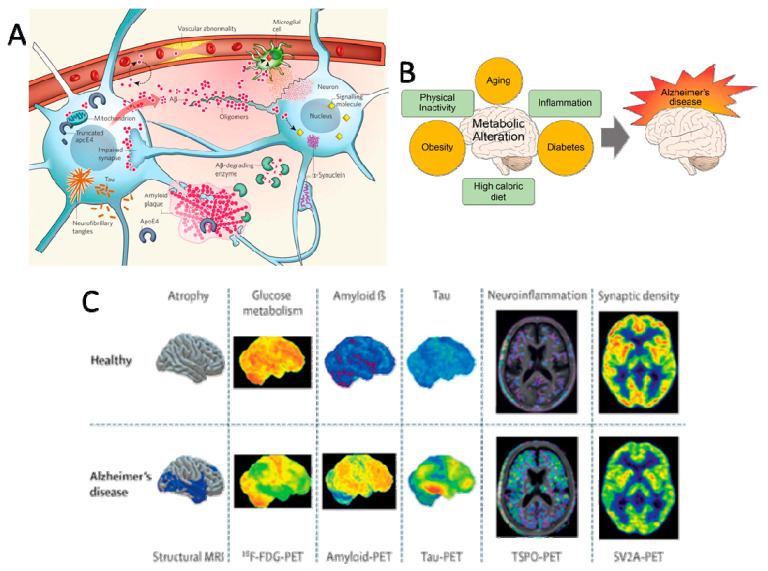
“This could explain why part of the risk factors for cardiovascular disease are in common with AD, including hypertension, dyslipidemia, diabetes, obesity, dietary factors, smoking, and physical activity (Figure 1B).”
§ Alzheimer’s Disease: Treatment Strategies and Their Limitations > 2. Understanding Clinical Spectrum of AD > 2.4. Risk Factors of SAD
What the sources say
- Not checked — no full text of the sourcecites [1] Scheltens P. Blennow K. Breteler M.M.B. de Strooper B. Frisoni G.B. Salloway S. Van der Flier W.M. Alzheimer’s Disease Lancet 2016 388 505 517 10.1016/S0140-6736(15)01124-1 26921134 source
- Partly supportedcites [22] Dubois B. Hampel H. Feldman H.H. Scheltens P. Aisen P. Andrieu S. Bakardjian H. Benali H. Bertram L. Blennow K. Preclinical Alzheimer’s Disease: Definition, Natural History, and Diagnostic Criteria Alzheimer’s Dement. 2016 12 292 323 10.1016/j.jalz.2016.02.002 27012484 PMC6417794 sourceExperimental — accuracy not yet measured
Section 3.4 identifies hypertension, obesity, diabetes, physical inactivity, and smoking as AD risk factors; section 3.5 discusses diet and exercise in relation to AD risk. The paper also groups cardiovascular and lifestyle factors as modifiable AD risks, but our copy does not identify dyslipidemia as an AD risk factor, so the full list is not supported. (LLM, conf=0.87)
- Not checked — no full text of the sourcecites [100] Whitmer R.A. Sidney S. Selby J. Johnston S.C. Yaffe K. Midlife Cardiovascular Risk Factors and Risk of Dementia in Late Life Neurology 2005 64 277 281 10.1212/01.WNL.0000149519.47454.F2 15668425 source
- Partly supportedcites [101] Zlokovic B.V. Neurovascular Pathways to Neurodegeneration in Alzheimer’s Disease and Other Disorders Nat. Rev. Neurosci. 2011 12 723 738 10.1038/nrn3114 22048062 PMC4036520 sourceExperimental — accuracy not yet measured
The Alzheimer’s disease section (page not provided) says that cerebrovascular and Alzheimer’s disease risk factors substantially overlap, and specifically names midlife diabetes, hypertension, and obesity. It does not identify dyslipidemia, dietary factors, smoking, or physical activity as shared risk factors. (LLM, conf=0.86)
- Partly supportedcites [102] Yu J.-T. Xu W. Tan C.-C. Andrieu S. Suckling J. Evangelou E. Pan A. Zhang C. Jia J. Feng L. Evidence-Based Prevention of Alzheimer’s Disease: Systematic Review and Meta-Analysis of 243 Observational Prospective Studies and 153 Randomised Controlled Trials J. Neurol. Neurosurg. Psychiatry 2020 91 1201 1209 10.1136/jnnp-2019-321913 32690803 PMC7569385 sourceExperimental — accuracy not yet measured
The Results (Figure 5) identify hypertension, diabetes, midlife obesity, physical exercise, and smoking as factors relevant to Alzheimer’s disease prevention. The passages do not establish dyslipidemia or dietary factors as Alzheimer’s disease risk factors, so they do not support the full list of shared cardiovascular and Alzheimer’s risk factors. (LLM, conf=0.85)
- Partly supportedcites [103] Edwards G.A. III Gamez N. Escobedo G. Jr. Calderon O. Moreno-Gonzalez I. Modifiable Risk Factors for Alzheimer’s Disease Front. Aging Neurosci. 2019 11 146 10.3389/fnagi.2019.00146 31293412 PMC6601685 sourceExperimental — accuracy not yet measured
The Vascular Diseases section (page unavailable) explicitly identifies hypertension, diabetes, and hypercholesterolemia as risks shared by cardiovascular disease and AD; its Smoking section also links smoking to cardiovascular disease and dementia. The paper discusses diet and obesity in relation to diabetes and AD, but does not establish every item in the citing sentence as a shared cardiovascular–AD risk factor. Its Physical Activity section says it remains unknown whether exercise reduces the risk of developing AD. (LLM, conf=0.86)
hedgedstates an association- Asserted: passes — The authors put it forward as true.
- Checkable: passes — It can be checked against evidence.
- Load-bearing: unclear — It is unclear whether the paper’s conclusions depend on it.
- Based: passes — The paper gives a reason why it holds.
The cited sources support only part of this claim — read each source’s verdict below.
In the paper
“The main risk factor for SAD is age. Indeed, increased life expectancy is correlated with a higher probability of developing neurodegenerative diseases, including AD [89,90].”
§ Alzheimer’s Disease: Treatment Strategies and Their Limitations > 2. Understanding Clinical Spectrum of AD > 2.4. Risk Factors of SAD
What the sources say
- Supportedcites [89] Hebert L.E. Bienias J.L. Aggarwal N.T. Wilson R.S. Bennett D.A. Shah R.C. Evans D.A. Change in Risk of Alzheimer Disease over Time Neurology 2010 75 786 791 10.1212/WNL.0b013e3181f0754f 20805524 PMC2938969 source
The Discussion (p. 790) calls age an “extremely important predictor of AD risk,” supporting the claim that age is a principal risk factor. The paper studies AD in a community population rather than separately identifying sporadic cases, but the citing sentence makes a broad background point, not a subtype-specific estimate. (LLM, conf=0.86)
- Not matchedcites [90] Prince M.J. Guerchet M.M. Prina M. The Epidemiology and Impact of Dementia: Current State and Future Trends. WHO Thematic Briefing 2015 Available online: https://hal.archives-ouvertes.fr/hal-03517019 (accessed on 4 June 2022)
We searched by its title and found no matching paper.
plainstates an association- Asserted: passes — The authors put it forward as true.
- Checkable: passes — It can be checked against evidence.
- Load-bearing: unclear — It is unclear whether the paper’s conclusions depend on it.
- Based: passes — The paper gives a reason why it holds.
- Supported
The cited sources support only part of this claim — read each source’s verdict below.
In the paper
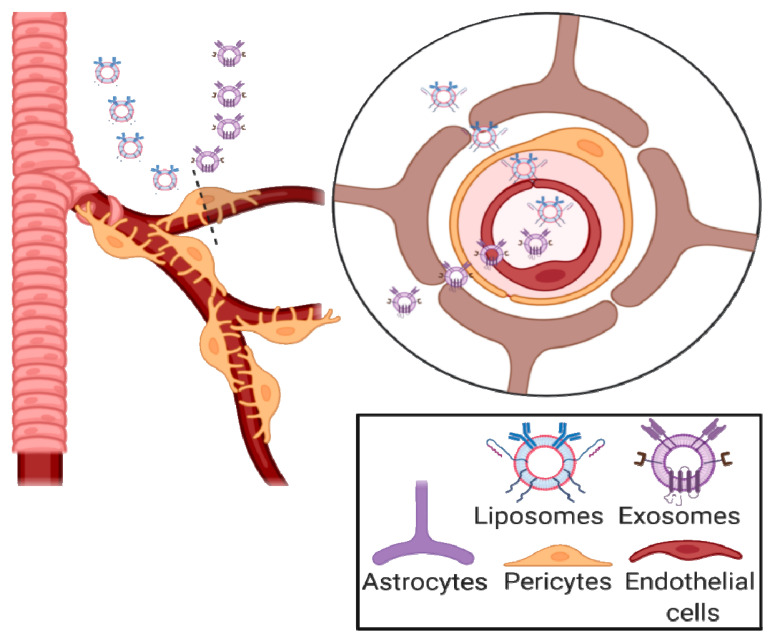
“Soft NP, such as nanoliposomes (NL) or exosomes, represent one of the most effective drug delivery processes to be able to protect therapeutic agents and deliver them to the target tissues [32,33].”
§ Alzheimer’s Disease: Treatment Strategies and Their Limitations > 1. Introduction
What the sources say
- Not checked — no full text of the sourcecites [32] Agrawal M. Ajazuddin Tripathi D.K. Saraf S. Saraf S. Antimisiaris S.G. Mourtas S. Hammarlund-Udenaes M. Alexander A. Recent Advancements in Liposomes Targeting Strategies to Cross Blood-Brain Barrier (BBB) for the Treatment of Alzheimer’s Disease J. Control. Release 2017 260 61 77 10.1016/j.jconrel.2017.05.019 28549949 source
- Partly supportedcites [33] Saint-Pol J. Gosselet F. Duban-Deweer S. Pottiez G. Karamanos Y. Targeting and Crossing the Blood-Brain Barrier with Extracellular Vesicles Cells 2020 9 851 10.3390/cells9040851 32244730 PMC7226770 sourceExperimental — accuracy not yet measured
The Introduction says lipid-based nanoparticles can enclose and protect therapeutic compounds and be designed to target the brain. Section 4 describes exosomes delivering therapeutic cargo to the brain. The paper does not establish that nanoliposomes and exosomes are among the most effective delivery methods, or address delivery to target tissues generally. (LLM, conf=0.86)
plainstates a cause- Asserted: passes — The authors put it forward as true.
- Checkable: passes — It can be checked against evidence.
- Load-bearing: unclear — It is unclear whether the paper’s conclusions depend on it.
- Based: passes — The paper gives a reason why it holds.
68 more claims · 31 with their cited sources checked
Create a free account to see all 157 claims and to verify the 10 references still open.
- It may state two separate claims as one. 73
- Probably not a substantial claim. 20
Claims other papers make about this one
Each is checked against this paper’s own text: does it say what the citing paper says it does?
The source backs part of the claim, not all of it — or backs it for a different population, condition or comparison.
In the citing paper
“It becomes a comprehensive care paradigm when pharmacological therapies are combined with lifestyle changes, cognitive training, and psychosocial support.”
From Recent Advances in Therapeutics for the Treatment of Alzheimer’s Disease (2024) · cites this paper as [221]
Experimental — accuracy not yet measuredIn the citing paper
“This approach is adaptable enough to be customized for every single patient, ensuring optimal treatment outcomes [220,221].”
From Recent Advances in Therapeutics for the Treatment of Alzheimer’s Disease (2024) · cites this paper as [221]
In the citing paper
“These drugs are used for all stages of AD, but inhibition of cholinesterase enzymes works best at the early stage of AD [9, 12].”
From Current therapeutics for Alzheimer’s disease and clinical trials (2024) · cites this paper as [9]
In the citing paper
“Current therapeutics to ameliorate and control the cognitive and behavioral symptoms by targeting the NMDA receptor prevent Ca2+ induced excitotoxicity [2, 9–11], and memantine was approved for this purpose in 2003.”
From Current therapeutics for Alzheimer’s disease and clinical trials (2024) · cites this paper as [9]
In the citing paper
“Memantine is more effective in providing cognitive and behavioral benefits and approved for patients with moderate to severe AD as monotherapy or combination therapy with donepezil [9, 12].”
From Current therapeutics for Alzheimer’s disease and clinical trials (2024) · cites this paper as [9]
3 more claims about this paper
Create a free account to see every claim other papers make about this one.
Self-check
Percentages, sums and reported differences re-computed from the paper’s own numbers.
Self-check results appear here once an independent check has confirmed them.
Cited works that were retracted
Works this paper cites that were later retracted, from the retraction notices publishers deposit. Major when the notice came out before this paper was published.
A note, not an issue: for example, a cited work that was retracted only after this paper was published, which its authors could not have known.
In the paper
“A history of head trauma and hearing loss may favor the onset of AD [3,102,116].”
Cited work 10.1016/s0140-6736(20)30367-6 · retracted 2023-05-01 · notice 10.1016/s2468-2667(23)00083-x · this paper published 2022-11-12
Citations
Cites
1 retracted
Dementia prevention, intervention, and care: 2020 report of the Lancet Commission
Livingston, G., Huntley, J., Sommerlad, A., Ames, D., Ballard, C., Banerjee, S., Brayne, C., Burns, A., Cohen-Mansfield, J., Cooper, C., et al. (2020) · The Lancet · doi:10.1016/s0140-6736(20)30367-6 · Cited by 10,430 · cited 5×
“A history of head trauma and hearing loss may favor the onset of AD [3,102,116].”
BackgroundInfluentialRetractedDiagnostic and Statistical Manual of Mental Disorders
American Psychiatric Association (2013) · doi:10.1176/appi.books.9780890425596 · Cited by 116,369
McKhann, G., Drachman, D., Folstein, M., Katzman, R., Price, D., & Stadlan, E. M. (1984) · Neurology · doi:10.1212/wnl.34.7.939 · Cited by 27,915
Kok, J. S., Berg, I. J., & Scherder, E. J. A. (2013) · Dementia and Geriatric Cognitive Disorders Extra · doi:10.1159/000353441 · Cited by 20,589
McKhann, G. M., Knopman, D. S., Chertkow, H., Hyman, B. T., Jack, C. R., Kawas, C. H., Klunk, W. E., Koroshetz, W. J., Manly, J. J., Mayeux, R., et al. (2011) · Alzheimer's & Dementia · doi:10.1016/j.jalz.2011.03.005 · Cited by 18,657
Neuropathological stageing of Alzheimer-related changes.
Braak, H., & Braak, E. (1991) · Acta Neuropathologica · doi:10.1007/bf00308809 · Cited by 16,123 · cited 2×
“The NFT then evolves in the external part of the temporal lobe before spreading to the posterior cortical associative areas and the entire cortex [6].”
BackgroundNIA‐AA Research Framework: Toward a biological definition of Alzheimer's disease
Jack, C. R., Bennett, D. A., Blennow, K., Carrillo, M. C., Dunn, B., Haeberlein, S. B., Holtzman, D. M., Jagust, W., Jessen, F., Karlawish, J., et al. (2018) · Alzheimer's & Dementia · doi:10.1016/j.jalz.2018.02.018 · Cited by 10,537 · cited 6×
“The presence of biomarkers can be used to indicate the severity of the AD [7,71]: decreased CSF Aβ levels, increased CSF Tau and/or P-Tau levels, cortical thinning and hippocampal atrophy based on MRI, hypometabolism or hypoperfusion of posterior cingulate and temporoparietal cortex (FDG-PET), and detection of cortica…”
InfluentialAlbert, M. S., DeKosky, S. T., Dickson, D., Dubois, B., Feldman, H. H., Fox, N. C., Gamst, A., Holtzman, D. M., Jagust, W. J., Petersen, R. C., et al. (2011) · Alzheimer's & Dementia · doi:10.1016/j.jalz.2011.03.008 · Cited by 10,152
Alzheimer's disease: the amyloid cascade hypothesis
Hardy, J. A., & Higgins, G. A. (1992) · Science · doi:10.1126/science.1566067 · Cited by 7,484 · cited 1×
“The hypothesis of the amyloid cascade suggests that the anomalous accumulation of Aβ peptide and formation of amyloid plaques induce NFT formation and makes neurons more sensitive to neurotoxic effects and neuronal death [57].”
BackgroundDementia prevention, intervention, and care
Livingston, G., Sommerlad, A., Orgeta, V., Costafreda, S. G., Huntley, J., Ames, D., Ballard, C., Banerjee, S., Burns, A., Cohen-Mansfield, J., et al. (2017) · The Lancet · doi:10.1016/s0140-6736(17)31363-6 · Cited by 6,072 · cited 1×
“Research has shown that in the world, more than 30% of AD cases could be due to modifiable risk factors, which could provide interesting and promising targets for prevention strategies to reduce the risk of AD-related cognitive decline and perhaps ND in general [3,20,21].”
Background
Research works printed but not linked: 1
- Prince M.J. Guerchet M.M. Prina M. The Epidemiology and Impact of Dementia: Current State and Future Trends. WHO Thematic Briefing 2015 Available online: https://hal.archives-ouvertes.fr/hal-03517019 (accessed on 4 June 2022)
Cited by
Items 401–500 of 596
Medeiros, S. R. N. D. A., Bezerra, I. C., Pedroza, L. A. L., da Silva, A. J., Martins, R. M. G., Menezes, T. M., de Melo, A. C. G. R., de Melo, A. C. G. R., Paiva, W. S., Filho, A. A. D. M., et al. (2024) · Journal of Oleo Science · doi:10.5650/jos.ess23148 · Cited by 2
Control of the Hippocampal CA1 Area Activity by Adaptive Close-Loop Stimulation
Matveeva, M., Mishchenko, M. A., Fedulina, A., Bolshakov, D. I., Mikhaylov, A. N., & Kazantsev, V. (2024) · International Conference Neurotechnologies and Neurointerfaces (CNN) · doi:10.1109/cnn63506.2024.10705879 · Cited by 1
Stem cell-based therapy for neurodegenerative disorders: progress and challenges
Narayanan, S., Paramshetti, S., Angolkar, M., Gangadharappa, H. V., Vaijanathappa, J., Ambhore, N. S., Haripriya, G., Osmani, R. A. M., & Spandana, K. M. A. (2024) · Elsevier eBooks · doi:10.1016/b978-0-443-28822-7.00025-8 · Cited by 2
The Pathogenesis of Alzheimer’s Disease and Treatment
Zhao, K. (2024) · Theoretical and Natural Science · doi:10.54254/2753-8818/2024.la18201 · Cited by 2
Alzheimer’s Disease and Epigenetics
Örenay-Boyacıoğlu, S., Boyacıoğlu, O., & Döndü, A. (2024) · Springer eBooks · doi:10.1007/978-3-031-32035-4_172-1 · Cited by 2
Imran, I., Kashif, M. N., Ameer, S., Malik, N., Parveen, A., Ashraf, W., Abrar, A., Alqathani, F., & Ahmad, T. (2025) · Learning and Motivation · doi:10.1016/j.lmot.2025.102125 · Cited by 2
Safety and effectiveness of Donepezil and Memantine in Alzheimer's Disease
Ghosh, A. (2025) · International Journal of Pharmaceutical Sciences and Drug Research · doi:10.25004/ijpsdr.2025.170310
The Role of Methylation in Neurodegenerative Diseases: Insights From a Bibliometric Study
Xu, J., Lu, J., Kuang, T., Wang, D., Dong, Z., Chen, M., Liu, C., Ge, G., Yuan, T., & Qin, Z. (2025) · Brain and Behavior · doi:10.1002/brb3.70732 · Cited by 2
Dai, C., Zhao, W., Yang, D., Fan, G., Meng, Q., Yang, H., Xie, L., Zhang, Y., & Zha, X. (2025) · ALPHA PSYCHIATRY · doi:10.31083/ap39349 · Cited by 1
Nanodelivery of Polyphenols as Nutraceuticals for CNS Disorders
Samaiya, P., Sagar, R., Pandey, S., Jain, G., & Sah, A. K. (2023) · Wiley eBooks · doi:10.1002/9781394188864.ch11 · Cited by 1
Duangjan, C., Chang, X., Seidler, P. M., et al. (2024) · bioRxiv (Cold Spring Harbor Laboratory) · doi:10.1101/2024.02.26.582120 · Cited by 1
The ketogenic diet as a treatment paradigm for neurological disease
Jaisil, P., Eid, S., Elzinga, S. E., Koubek, E. J., Meyer, J. D., & Feldman, E. L. (2024) · Elsevier eBooks · doi:10.1016/b978-0-12-820480-1.00148-0 · Cited by 1
Shao, Y., Mei, B., Tan, C., Huo, H., & Fang, T. (2025) · ACM International Conference on Multimedia (ACM MM) · doi:10.1145/3746027.3755536 · Cited by 5
Research Progress on Non-Pharmacological Interventions to Prevent Alzheimer’s Disease
翁, 湄. (2023) · Open Journal of Natural Science · doi:10.12677/ojns.2023.113042
Zhang, L. (2023) · Traditional Chinese Medicine · doi:10.12677/tcm.2023.126187
Mechanism and treatment of cell death in Alzheimer's disease
Zhu, Z. (2023) · Highlights in Science Engineering and Technology · doi:10.54097/hset.v54i.9774
“Pre symptom (or pre-clinical) AD, which can develop over a period of years [2].”
BackgroundVisual Memory and Spatial Navigation as Preclinical Indicators of Alzheimer's DiseasePreprint
Nevers, J. I. (2023) · Research Square · doi:10.21203/rs.3.rs-3253822/v1
Os desafios da doença de Alzheimer - uma revisão de literatura
Neto, J. E. J., Franco, R. P. D. M., Estephanin, V. V., Zhouri, M. R., & Santos, L. T. (2023) · Brazilian Journal of Health Review · doi:10.34119/bjhrv6n5-437 · Cited by 1
Comment on Association between Coronary Heart Disease, Heart Failure and Risk of Alzheimer’s Disease
Liu, W., Ge, W., Fan, X., Du, Y., Li, Y., Jia, H., Lei, K., & Li, S. (2023) · Annals of Indian Academy of Neurology · doi:10.4103/aian.aian_623_23
“[10] Particularly, cigarette smoking status, a modifiable risk factor for both CHD [9] and AD, [4] should be paid more attention to in future relevant cohort and case-control studies.”
BackgroundModeling Path Importance for Effective Alzheimer’s Disease Drug Repurposing
Xiang, S., Lawrence, P. J., Peng, B., Chiang, C., Kim, D., Shen, L., & Ning, X. (2023) · Pacific Symposium on Biocomputing (PSB) · doi:10.1142/9789811286421_0024 · Cited by 3
Tang, Y. (2023) · BIO Web of Conferences · doi:10.1051/bioconf/20237201006
“Monitor the activation of viruses in mice by using PCR to detect the presence of viral DNA [12]”
MethodThe effect of Sideritis species on Alzheimer’s disease: In vitro evaluation
Aydın, S., Ermanoğlu, M., Kurtuluş, Ş. Ö., Yılmaz, B. N., TASKIN, T., & Çam, M. E. (2023) · Journal of Research in Pharmacy · doi:10.29228/jrp.523 · Cited by 3
“They are administered orally or transdermally and offer a limited curative effect [4, 5].”
BackgroundCUIDADOS PALIATIVOS NA DOENÇA DE ALZHEIMER: RELATO DE EXPERIÊNCIA
Moura, C. A. D., & Lopes, G. D. S. (2023) · Revista Contemporânea · doi:10.56083/rcv3n12-151
UOSD Centro Alzheimer Azienda Sanitaria Provinciale (ASP) Siracusa, I., Ferrara, S., Borgognone, M., PL Pharma Srl, I., Petrangolini, G., & Riva, A. (2023) · Austin Alzheimer s and Parkinson s Disease · doi:10.26420/austinalzheimersjparkinsonsdis.2023.1036
Chen, F., Zhang, Z., Heng, T., Feng, Q., Yu, B., Wang, H., Hua, R., Wu, J., Shi, F., Liao, Z., et al. (2024) · Research Square · doi:10.21203/rs.3.rs-4359123/v1
Recent Advances on Early Diagnosis and Immunotherapy Drug for Alzheimer's Disease
Cui, X., & Lin, H. L. (2024) · MEDS Basic Medicine · doi:10.23977/medbm.2024.020117 · Cited by 2
“By activating astrocytes and microglia, this condition triggers chronic inflammation, which then damages neurons and aggravates the pathological changes of AD [6].”
BackgroundSynergistic Effects of Plasma-Activated Medium in Combination with Baicalin Against Neuronal DamagePreprint
Zhu, J., Liu, Q., Chen, Y., et al. (2024) · SSRN Electronic Journal · doi:10.2139/ssrn.4866519
Advances of induced pluripotent stem cells in Alzheimer’s disease: A bibliometric analysis
Song, Z.-X. (2024) · New cell · doi:10.61958/ncyv8282
Synergistic effects of plasma-activated medium in combination with Baicalin against neuronal damage
Zhu, J., Liu, Q., Chen, Y., Zhang, J., Xu, Q., & Wu, Z. (2024) · Heliyon · doi:10.1016/j.heliyon.2024.e36079 · Cited by 1
“Furthermore, increasing the dosage to counteract these effects may also heighten the risk of secondary, undesired effects [56].”
Alvim, A. L., Couto, L. V., de Oliveira, J. C., Moreira, L. S. R., & Barros, A. D. A. (2024) · Brazilian Journal of Health Review · doi:10.34119/bjhrv7n4-346
Nonpharmacological Approaches for Dementia Management
Haghipanah, M., Sameni, S., Abbasi, A. A., & Moradikor, N. (2024) · Nutritional neurosciences · doi:10.1007/978-981-97-4117-5_13
O USO DAS PROTEÍNAS ΒETA-AMILOIDE E TAU COMO NOVA ABORDAGEM TERAPÊUTICA NA DOENÇA DO ALZHEIMER
Pimentel, A. P. A., Rosas, B. D. P. S., Parente, C. T. C., & Rezende, G. D. O. (2024) · Revista Contemporânea · doi:10.56083/rcv4n10-192 · Cited by 24
Current Bioactive Compounds in the Treatment of Alzheimer's Disease
Sharma, P., Pal, R., Sharma, A. K., Kumar, A., & Ashwlayan, V. D. (2024) · Current Bioactive Compounds · doi:10.2174/0115734072340846241025144431
D’Onofrio, G., Luca, A. D., Borrelli, G., Robertis, A. D., Leone, A., Diraco, G., Ciccone, F., Politi, V., Greco, G., D’Alessandro, L., et al. (2024) · Lecture notes in bioengineering · doi:10.1007/978-3-031-77318-1_8
Advances in the principles and treatment of Alzheimer's disease
Zhuang, Y. (2025) · Theoretical and Natural Science · doi:10.54254/2753-8818/2024.la19356
Alzheimer’s Disease: Hypotheses and therapies
Chen, N. (2025) · Theoretical and Natural Science · doi:10.54254/2753-8818/2024.19968 · Cited by 1
Zhou, Y. (2025) · Theoretical and Natural Science · doi:10.54254/2753-8818/2024.19863
Gálvez-Márquez, D. K., Urrego-Morales, O., Rodríguez-Durán, L. F., et al. (2025) · Research Square · doi:10.21203/rs.3.rs-5868268/v1
Upcoming Nano and Conventional Drug Delivery Strategies for Alzheimer’s Disease
Varghese, N. M., Sathyamoorthy, N., Krishnamurthy, P. T., Varshini, M. S., & Chintamaneni, P. K. (2024) · Springer eBooks · doi:10.1007/978-981-96-0259-9_16 · Cited by 1
Franco, L. M. D. Q., Pich, A. L. C., de Almeida, K. C., et al. (2025) · Psicologia e Saúde em Debate · doi:10.22289/2446-922x.v11a1a22
Nie, Q.-Q., Cheng, G., Song, D., Li, J., Xu, L., & Zhang, L.-J. (2025) · Chinese general practice journal. · doi:10.1016/j.cgpj.2025.100049 · Cited by 1
Exploring Current and Emerging Therapeutic Approaches in Alzheimer’s Disease: A Comprehensive Review
Noor, M., Khalid, M., Talha, S. M., Tehreem, A., Bibi, A., & Amjad, R. (2024) · medtigo Journal of Medicine · doi:10.63096/medtigo3084113
Current Developments in Alzheimer's Disease and Treatment
Kaya, S., & Yılmaz, İ. (2025) · Anatolian Journal of Pharmaceutical Sciences · doi:10.71133/anatphar.1577117
Characteristics and Pleiotropic Effects of Ashwagandha – A Literature Review
Miłkowska, U., Kurzyna, P. F., Kołakowska, K., Lis, I., & Piech, G. M. (2024) · Biuletyn Głównej Biblioteki Lekarskiej · doi:10.2478/bgbl-2024-0031
Actualización en el diagnóstico y manejo del Alzheimer: revisión narrativa
Luna, D. S. V., Coloma-Ramirez, L., Jácome, P. N. T., Avellán, Á. B. C., Granda-Peñafiel, N., Abril, V. N. C., Palacios, J. A. I., & López, A. D. L. A. C. (2025) · Florence. · doi:10.56183/florence25003
“Este medicamento actúa como un antagonista no competitivo de los receptores NMDA (N-metil-D-aspartato), modulando la actividad glutamatérgica excesiva que se ha asociado con el daño neuronal en esta patología (23).”
The Impact of Omega-3 Fatty Acids on the Onset and Management of Alzheimer's Disease
Biskup, M., Bartoszek, A., Kopeć, K., et al. (2025) · Quality in Sport · doi:10.12775/qs.2025.41.58757
“Treatment plans often include a combination of pharmacological and non-pharmacological approaches, such as cognitive therapy, lifestyle modifications, and support for caregivers, to maximize patient outcomes[16].”
The 100-Year-Old American and Our Health System
Covo, Y., Gluck, A. R., & Fried, L. P. (2025) · Cambridge University Press eBooks · doi:10.1017/9781009466004.017
Health, Workforce, and Innovation: The Investments Required for a Healthy Lifespan
Alstott, A. L., Gluck, A. R., & Rusyn, E. (2025) · Cambridge University Press eBooks · doi:10.1017/9781009466004.016
Acetylcholinesterase Inhibition and Antioxidant Activity of DHA‐Disubstituted Phospholipids
García-Quinto, E., Sollecito‐Rovella, S., Luna, V. M. A., Montero, L., & Fernández‐Lorente, G. (2025) · Molecular Nutrition & Food Research · doi:10.1002/mnfr.70095 · Cited by 1
“As an AChE inhibitor, galantamine has demonstrated efficacy in reducing the accumulation of beta-amyloid (A β ) plaques, which slows the progression of AD [5, 6].”
Current Status and Developments in the Clinical Treatment of Alzheimer’s Disease
Li, Z. (2025) · Theoretical and Natural Science · doi:10.54254/2753-8818/2025.22922
Carotid ultrasound markers of cognitive impairment in Alzheimer's disease
Zhang, W., Teng, F., Li, Y., & Lou, D. (2025) · Journal of Radiation Research and Applied Sciences · doi:10.1016/j.jrras.2025.101625 · Cited by 1
焦, 庆. (2025) · Advances in Clinical Medicine · doi:10.12677/acm.2025.1551498
A Literature Review on Alzheimer’s disease: Exploring Diagnosis, Care, and Management
Aya, L. M. O. (2025) · International Journal of Research Publication and Reviews · doi:10.55248/gengpi.6.0525.18123
“Recently, stated by (Passeri et al., 2022) nanotechnology treatment has been studied to deliver medicine directly to the specific part of the brain more accurate and effective.”
Shang, Z.-T., Huang, X.-Y., Xiong, L., Xu, Z., Liu, H.-X., & Yu, C. (2025) · Journal of Alzheimer s Disease · doi:10.1177/13872877251352545
Mori, M., Nakano, H., Hikishima, S., Minamikawa, J., Muramatsu, D., Sakashita, Y., Ikeda, T., Noguchi‐Shinohara, M., & Ono, K. (2025) · Biomedicines · doi:10.3390/biomedicines13071649 · Cited by 1
“Extracellular accumulation of amyloid-β protein (A β ), known as senile plaques, and intracellular accumulation of phosphorylated tau—neurofibrillary tangles— are the primary pathological features of AD [3,4].”
Bibliometric Analysis of the Epidemiological Research on Alzheimer’s Disease Treatment
Chowdhury, A., Bhasin, G., & Ganti, L. (2025) · Cureus · doi:10.7759/cureus.87484
“It has no cure, and prevention remains the priority [9].”
Li, R., Xiong, W., & Sun, C. (2025) · International Journal of Neuroscience · doi:10.1080/00207454.2025.2540989
“…damage and accelerate disease progression [4,5]. current treatments, such as cholinesterase inhibitors and NMDA receptor antagonists, only relieve symptoms [6,7]. the fDA-approved drugs aducanumab and lecanemab delay disease by targeting amyloid plaques but do not reverse neuronal damage [2,8].”
Cicero, A. F. G., & Micoli, V. D. (2025) · Springer eBooks · doi:10.1007/978-3-031-93459-9_7
Overview of Nootropic Agents in South Korea and the Impact of Nutrition on Cognitive Function
Park, H. J. (2025) · Korean Journal of Geriatrics & Gerontology · doi:10.15656/kjgg.2025.26.2.51
Application of mesenchymal stem cells in ferroptosis-related diseases
Zhong, X., Zhang, X., Zhu, Y., & Zheng, X. (2025) · Journal of Molecular Medicine · doi:10.1007/s00109-025-02591-4
Guimarães, G. M., Cazarin, C. A., Bernadina, J. G., Eisendecker, H. I., dos Santos, A. C., Dalmagro, A. P., Harle, M., Vieira, M. E., Malheiros, Â., Filho, V. C., et al. (2025) · Exploration of neuroscience · doi:10.37349/en.2025.1006109 · Cited by 2
Caregivers' perspectives on lecanemab use for Alzheimer's disease: A national survey in China
Liu, S., Fan, S., Gan, J., Liao, W., Chen, Q., Li, X., Zhang, J., Chen, X., & Ji, Y. (2025) · Alzheimer s & Dementia · doi:10.1002/alz.70680 · Cited by 4
Öztürk, O., Oyardı, Ö., Sağkan, R. I., & Dündar, Y. (2025) · Bioorganic & Medicinal Chemistry · doi:10.1016/j.bmc.2025.118445 · Cited by 1
Bethea, J. P., Sharma, H., Doberstein, N., Shenker, T., Gregory, B. B., Hoffman, R., Aizenman, D., Guirguis, G. F., Hoffmann, J., Tazani, S., et al. (2025) · Cureus · doi:10.7759/cureus.94748 · Cited by 1
Phage-linked Immunosorbent Assay for Ultrasensitive Detection of Aβ42
Tian, R., Zhang, Q., Zhu, H., et al. (2025) · Journal of Analysis and Testing · doi:10.1007/s41664-025-00399-2
Chen, P., Fan, M., Lin, H., Chen, Z., Zhang, Q., Cheng, Y., & Xu, J. (2026) · Scientific Reports · doi:10.1038/s41598-026-49884-3
Doroszuk, W., Hamouta, J., Nowak, D., Długosz, P., Konat, J., Próchnicka, M., Siwek, M., Zarzycki, A., Noskowicz, J., Urban, J., et al. (2025) · International Journal of Innovative Technologies in Social Science · doi:10.31435/ijitss.3(47).2025.3698
Chande, K., Nirmal, R., Varpe, N., Doke, R. R., Vinchurkar, K., & Singh, S. K. (2025) · 3 Biotech · doi:10.1007/s13205-025-04527-8 · Cited by 3
“However, these treatments offer only symptomatic relief, failing to halt disease progression or address its underlying causes (Rascol et al. 2003; Geerts and Grossberg 2006; Passeri et al. 2022).”
Badin, L., Dendaele, E. V., & Bailly, N. (2025) · Geriatrics · doi:10.3390/geriatrics10060145
“To date, numerous therapeutic treatments have been tested, but no curative results have been demonstrated [3].”
Application of nanomedicines in mitigating oxidative stress
Saha, S., Khanra, M., Banerjee, T., Sar, S., Baidya, A., Kumar, A., & Ghosh, N. (2025) · Elsevier eBooks · doi:10.1016/b978-0-443-28942-2.00017-x
Papatheodorou, M.-C. P., Krokidis, M. G., & Exarchos, T. P. (2025) · Advances in experimental medicine and biology · doi:10.1007/978-3-032-03398-7_39
Das, J., Karmakar, V., Pandey, M., Jain, N., & Gorain, B. (2025) · Journal of Drug Delivery Science and Technology · doi:10.1016/j.jddst.2025.107852
Mondragón‐Rodríguez, S. (2025) · Elsevier eBooks · doi:10.1016/b978-0-443-30008-0.00011-9
The genetic association of IL-17A rs8193036 with the susceptibility to Alzheimer’s disease
Luo, Y., Huang, J., An, Z., & Zhang, X. (2025) · Personalized Medicine · doi:10.1080/17410541.2025.2603166
Therapeutic Potential of Medicinal Mushrooms on Alzheimer’s Disease
Albahttiti, A. T. I., Akubardia, N., Tasnim, D., & Hamzeh, L. (2025) · Nutritional neurosciences · doi:10.1007/978-981-95-2774-8_8
Association between open angle glaucoma and early onset Alzheimer's disease
Yoshida, Y., Michihata, N., Tanito, M., Hiratsuka, Y., Nakao, S., & Yasunaga, H. (2025) · Journal of Alzheimer s Disease · doi:10.1177/13872877251410501 · Cited by 2
USP53 promotes NOTCH2-induced neuroinflammation in Alzheimer's disease
He, D., Zhao, H., Zhu, Y., Kou, Y., Liu, T., Huang, H., Yang, H., Zhang, L., Deng, J., Xu, F., et al. (2025) · Neurochemistry International · doi:10.1016/j.neuint.2025.106109 · Cited by 3
Isoform-specific roles and overlooked complexity of AMPKα in Alzheimer's disease
Zimmermann, H. R., Jester, H. M., Vassar, R. J., & Ma, T. (2026) · Brain medicine : · doi:10.61373/bm026y.0003
Ceesay, M. B., Saputro, A. H., & Sp, S. (2025) · International Conference on Computer Engineering, Network, and Intelligent Multimedia (CENIM) · doi:10.1109/cenim67940.2025.11325770
“The abnormal aggregation of protein in the nervous system and neurodegeneration processes causes structural and functional damages in the central nervous system [6].”
Emerging Trends in the Treatment of Neurodegenerative Diseases
Kumar, P., Kumar, D., Singh, S., Khan, M. A., & Jagjeet (2026) · IGI Global eBooks · doi:10.4018/979-8-3373-1365-8.ch016
Diagnosis of Alzheimer’s disease with high accuracy via Petri net modeling of signaling pathways
Ebrahimian, H., Assadzadeh, F., Rahgozar, M., & Kavousi, K. (2026) · Scientific Reports · doi:10.1038/s41598-026-36585-0 · Cited by 1
Fedulova, L., Kibitkina, A. A., Vasilevskaya, E. R., Karabanov, S. Y., & Александрович, У. Д. (2026) · Food systems · doi:10.21323/2618-9771-2025-8-4-479-487
Causality between noise pollution and Alzheimer disease: A Mendelian randomization analysis
Chen, Z.-H., Wang, L. X., Li, R., Jiang, Y.-H., Zong, G.-H., Yi, Z.-X., Ren, X.-Y., & Jia, B. (2026) · Medicine · doi:10.1097/md.0000000000047612 · Cited by 1
“Current pharmacological treatments offer modest efficacy and are often accompanied by adverse effects such as nausea, vomiting, and dizziness, [4] making the identification of modifiable risk factors of AD a critical public health priority.”
Güngör, B., Kılıç, B., & Doğruer, D. S. (2025) · EMU Journal of Pharmaceutical Sciences · doi:10.54994/emujpharmsci.1834518
Han, Z., Fu, W., Dai, M., Lu, R., Yu, J., Dong, W., & Sang, Z.-P. (2026) · RSC Medicinal Chemistry · doi:10.1039/d5md01026h · Cited by 1
Fikse, E. N., Anderson, F. L., Cho, S., Landry, J., Carloni, E., Biggs, K. E., Paul, K., Daley, T., Chang, T. Y., Kettenbach, A. N., et al. (2026) · Toxicological Sciences · doi:10.1093/toxsci/kfag012
Liu, S., Cheng, Y., Zhang, X., Shen, Y., Wu, S., Chen, Y., Shi, D., 庄彩玉, Chen, B., Zhong, Y., et al. (2026) · Neurochemistry International · doi:10.1016/j.neuint.2026.106131 · Cited by 1
Falangola, M. F., Voltin, J. R., Cole, M., Nietert, P., Liu, F., Iqbal, K., & Jensen, J. H. (2026) · Magnetic Resonance Imaging · doi:10.1016/j.mri.2026.110641
Li, Y., Chen, H., Lu, Y., Zhong, S., & Wu, X. (2026) · Frontiers in Pharmacology · doi:10.3389/fphar.2026.1792796 · Cited by 4
“However, due to the presence of the blood-brain barrier, enhancing the concentration of luteolin within the brain is a major challenge for its clinical application (Passeri et al., 2022).”
Zhou, Z., Zhang, W., Zhai, Z., Kong, F., Zhao, Y., Xu, Y., & Sun, T. (2026) · European journal of medical research · doi:10.1186/s40001-026-04057-w
Sun, L., Lin, J., Song, C., Li, X., Dong, Z., Wang, Y., & Lin, Z. (2026) · BIO Integration · doi:10.15212/bioi-2025-0179
Liu, A., Xing, L., Li, J., Yao, M., Song, J., Guo, W., Duan, P., & Li, H. (2026) · Drug Design Development and Therapy · doi:10.2147/dddt.s590868
“145”
Molecular mechanism of Alzheimer’s disease using integrated multi-omics
Alhusaini, M., Mussa, B. M., İlçe, B. Y., Alhaj, H. A., & Hamoudi, R. (2026) · Frontiers in Aging Neuroscience · doi:10.3389/fnagi.2026.1735696
Zhang, H.-X., & Li, H.-Y. (2026) · Medicine · doi:10.1097/md.0000000000048105
Peng, W., Chung, K. B., Al-Qazzaz, A., Straut, A., O’Banion, M. K., Lawrence, B. P., Dirksen, R. T., & Onukwufor, J. O. (2026) · bioRxiv (Cold Spring Harbor Laboratory) · doi:10.64898/2026.03.25.714217
Han, J., Xia, Y., Jiao, H., Niu, X., Wang, X., Ni, H., & Initiative, A. D. N. (2026) · Brain Imaging and Behavior · doi:10.1007/s11682-026-01142-w · Cited by 1
“Current treatments ease symptoms without curing (Passeri et al., 2022), making understanding its pathogenesis crucial for developing effective strategies.”
Shah, D., Akarte, K., Patel, S., Patel, A., Kushwaha, N., Panjwani, D., Patel, V. A., Ahlawat, P., & Shah, A. (2026) · Molecular Neurobiology · doi:10.1007/s12035-026-05835-7 · Cited by 2
Su, R., & Yang, Q.-Y. (2026) · New cell · doi:10.61958/ncjg8269
Research progress on Gastrodia elata in the prevention and treatment of Alzheimer's Disease
Liao, H.-Y., & Ma, W. (2026) · New medicine. · doi:10.61958/nmwa8068
Genkwanin Facilitates Long-term Potentiation via Calcium-permeable AMPA Receptor in the Hippocampus
Kim, C., Moon, S., & Kim, D.-H. (2026) · 생약학회지 · doi:10.22889/kjp.2026.57.1.18
Metadata
- Authors
- Passeri, E., Elkhoury, K., Morsink, M., Broersen, K., Linder, M., Tamayol, A., Malaplate, C., Yen, F. T., & Arab-Tehrany, E.
- Affiliations
- Laboratoire Animal et Agroécosystèmes (FR)
- Laboratoire d'Ingénierie des Biomolécules (FR)
- University of Twente (NL)
- UConn Health (US)
- LIBio Laboratory, University of Lorraine, 54505 Vandoeuvre-lès-Nancy, France
- Corresponding author
- Yen, Frances T.
- ORCID
- Venue
- International Journal of Molecular Sciences
- Publisher
- MDPI AG
- Published
- 2022-11-12
- Volume
- 23
- Issue
- 22
- Pages
- 13954
- ISSN
- 1422-0067 (ISSN-L)
- PMC
- PMC9697769
- OpenAlex
- W4309008621
- Semantic Scholar
- 9dbe6b562aec1dc05309ecc0b7a89b81e6fd01bf
- Cited by
- 689
- References
- 279
- Citations by year
- 2026: 204 · 2025: 255 · 2024: 171 · 2023: 58 · 2022: 1
- FWCI
- 13.82
- Type
- journal article
- Language
- en
- Open access
- gold
- doi.org
- Licence
- Locations
- International Journal of Molecular Sciences (publishedVersion, cc-by)
- PubMed Central (publishedVersion, cc-by)
- PubMed (publishedVersion)
- University of Twente Research Information (publishedVersion, cc-by)
- HAL (submittedVersion, cc-by)
- DOAJ (DOAJ: Directory of Open Access Journals) (submittedVersion, cc-by-sa)
- University of Twente Research Information (submittedVersion, cc-by)
- Funders
- Agence Nationale de la Recherche (ANR-15-IDEX-0004)
- Topics
- Life Sciences › Neuroscience › Cellular and Molecular Neuroscience › Alzheimer's disease research and treatments
- Health Sciences › Medicine › Psychiatry and Mental health › Dementia and Cognitive Impairment Research
- Health Sciences › Medicine › Pharmacology (medical) › Cholinesterase and Neurodegenerative Diseases
- Keywords
- Alzheimer's disease, Alzheimer's disease prevention, risk factors, disease-modifying therapy, brain drug delivery, blood-brain barrier, nanoliposomes, exosomes, nanoparticles, intranasal administration
- MeSH terms
- Alzheimer Disease, Blood-Brain Barrier, Humans, Drug Delivery Systems, Neurodegenerative Diseases, Nanoparticles
About these checks
Registry, retraction, Cites and statistics results are computed, not judged, with one exception: a printed reference that no index lists is read once by a model before it counts as a citation error. Claims are extracted by a model and kept only when their quote appears verbatim in the text; each cited source is then checked, with a model’s help, for whether it says what the claim relies on. Those verdicts can be wrong — read the claim’s quote and the cited source before relying on one.
The claim verdicts this report counts are experimental: their accuracy is not yet measured.
A language model drew the claims from the paper on 2026-10-10, under version 3 of the claim definition (model deepseek-v4.1-flash, prompt extract-v3).
A second model labelled each claim on 2026-10-10 (model jev-1.13-20260917, definition revision gold-guideline-v0.2).
Cited sources are checked with a language model’s help (gpt-6-sol).
Statistics and arithmetic are recomputed, not judged.
Confidence bands are shown only for fields calibrated on our annotated test set. None is calibrated yet, so no band is shown.
What counts as a claim ›How we measure confidence ›How we check this ›
Are you an author, or do you see a problem with this page? Request a review
Data sources
Bibliographic data: Semantic Scholar, OpenAlex, Crossref.
Contains information from the Semantic Scholar Academic Graph Datasets, made available under the ODC Attribution License (ODC-BY 1.0).
Semantic Scholar’s data is described in: Kinney, R., et al. (2023). The Semantic Scholar Open Data Platform. arXiv:2301.10140.
