

The DOI matches its Crossref record; 2 of the 2 references it cites were found in a registry or an index.
Clinical Applications of Exosomes: A Critical Review
Abstract
Exosomes, small membrane-bound vesicles secreted by cells, have gained significant attention for their therapeutic potential. Measuring 30–100 nm in diameter and derived from various cell types, exosomes play a crucial role in intercellular communication by transferring proteins, lipids, and RNA between cells. This review analyzes existing literature on the clinical applications of exosomes. We conducted a comprehensive search of peer-reviewed articles and clinical trial data to evaluate the benefits, limitations, and challenges of exosome-based therapies. Key areas of focus included regenerative medicine, cancer therapy, gene therapy, and diagnostic biomarkers. This review highlights the vast clinical applications of exosomes. In regenerative medicine, exosomes facilitate tissue repair and regeneration. In cancer therapy, exosomes can deliver therapeutic agents directly to tumor cells. In gene therapy, exosomes serve as vectors for gene delivery. As diagnostic biomarkers, they are useful in diagnosing various diseases. Challenges such as the isolation, purification, and characterization of exosomes were identified. Current clinical trials demonstrate the potential of exosome-based therapies, though they also reveal significant hurdles. Regulatory issues, including the need for standardization and validation of exosome products, are critical for advancing these therapies. While significant progress has been made in understanding exosome biology, further research is essential to fully unlock their clinical potential. Addressing challenges in isolation, purification, and regulatory standardization is crucial for their successful application in clinical practice. This review provides a concise overview of the clinical applications of exosomes, emphasizing both their therapeutic promise and the obstacles that need to be overcome.
Overview
The claims and statistics of this paper haven’t been checked yet.
Run the check — free, no account needed. It reads the open-access text and checks the sources it cites.
Integrity signals
Registry
Cites
Statistics
Figures
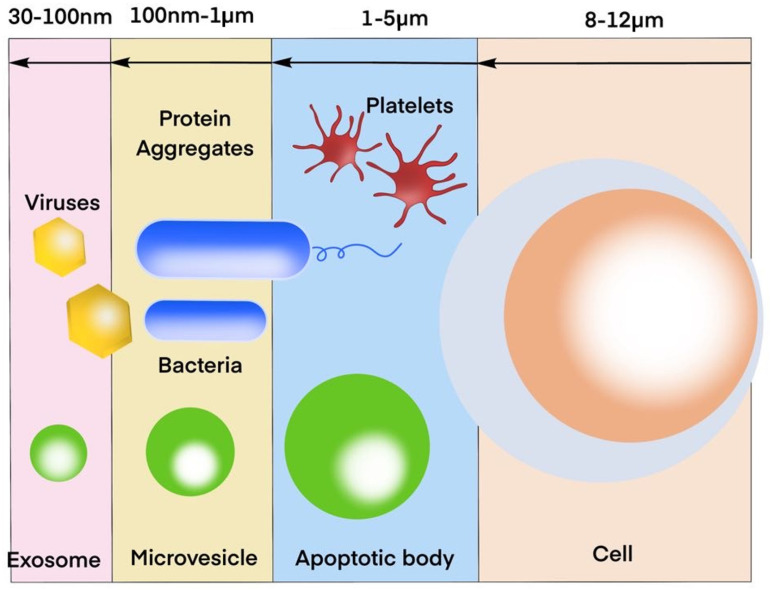
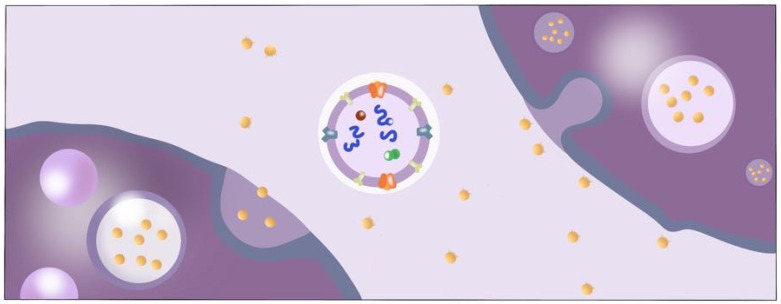
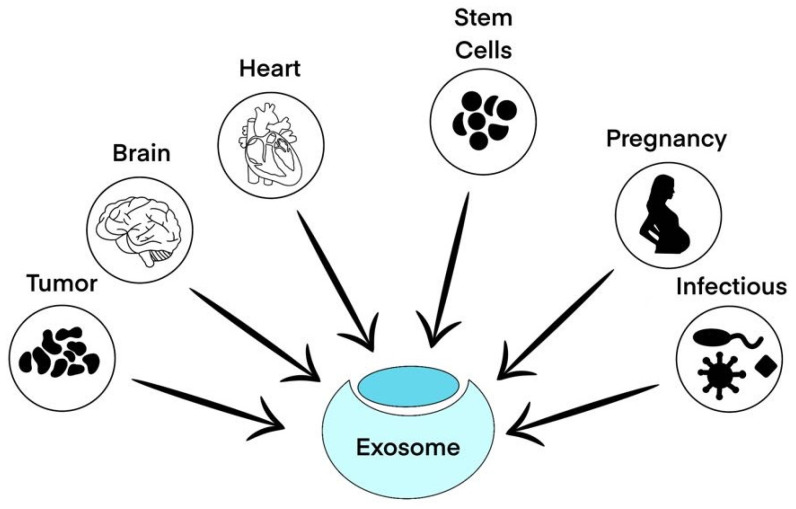
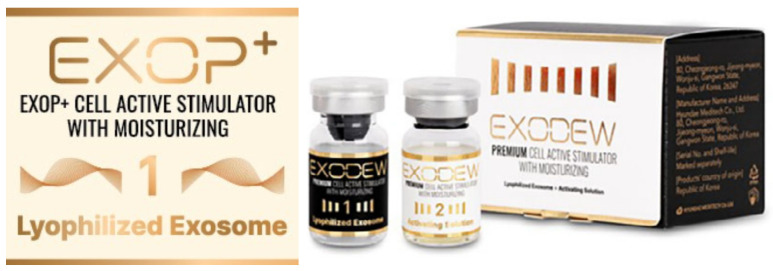
Verification
Claims the paper makes
The claims and statistics of this paper haven’t been checked yet.
Run the check — free, no account needed. It reads the open-access text and checks the sources it cites.
Claims other papers make about this one
Each is checked against this paper’s own text: does it say what the citing paper says it does?
In the citing paper
“Therefore, it is crucial to fully evaluate the safety of exosomes in preclinical studies to ensure patient safety [287].”
From Emerging role of exosomes in cancer therapy: progress and challenges (2025) · cites this paper as [287]
Self-check
Percentages, sums and reported differences re-computed from the paper’s own numbers.
The self-check needs the paper’s full text.
Citations
Cites
Théry, C., Witwer, K. W., Aikawa, E., Alcaraz, M. J., Anderson, J. D., Andriantsitohaina, R., Antoniou, A., Arab, T., Archer, F., Atkin‐Smith, G. K., et al. (2018) · Journal of Extracellular Vesicles · doi:10.1080/20013078.2018.1535750 · Cited by 11,099
Zhang, Y., Bi, J., Huang, J., Tang, Y., Du, S., & Li, P. (2020) · International Journal of Nanomedicine · doi:10.2147/ijn.s264498 · Cited by 1,323
Research works printed but not linked: 60
- Hessvik, 2018, Current knowledge on exosome biogenesis and release, Cell. Mol. Life Sci., 75, 193, 10.1007/s00018-017-2595-9 · DOI · Paper page
- Parker, 1999, The exosome: A proteasome for RNA?, Cell, 99, 347, 10.1016/S0092-8674(00)81520-2 · DOI
- Lai, 2022, Exosome Processing and Characterization Approaches for Research and Technology Development, Adv. Sci., 9, e2103222, 10.1002/advs.202103222 · DOI · Paper page
- Bobrie, 2011, Exosome secretion: Molecular mechanisms and roles in immune responses, Traffic, 12, 1659, 10.1111/j.1600-0854.2011.01225.x · DOI
- Yamashita, 2018, Possibility of Exosome-Based Therapeutics and Challenges in Production of Exosomes Eligible for Therapeutic Application, Biol. Pharm. Bull., 41, 835, 10.1248/bpb.b18-00133 · DOI
- Trindade, 2021, Diagnostic and therapeutic potential of exosomes in Alzheimer’s disease, J. Neurochem., 156, 162, 10.1111/jnc.15112 · DOI
- Sheridan, 2016, Exosome cancer diagnostic reaches market, Nat. Biotechnol., 34, 359, 10.1038/nbt0416-359 · DOI
- Xu, 2019, Exosome: An Emerging Source of Biomarkers for Human Diseases, Curr. Mol. Med., 19, 387, 10.2174/1566524019666190429144310 · DOI
- Jiang, 2019, Exosomes: Diagnostic Biomarkers and Therapeutic Delivery Vehicles for Cancer, Mol. Pharm., 16, 3333, 10.1021/acs.molpharmaceut.9b00409 · DOI
- Li, X., Corbett, A.L., Taatizadeh, E., Tasnim, N., Little, J.P., Garnis, C., Daugaard, M., Guns, E., Hoorfar, M., and Li, I.T.S. (2019). Challenges and opportunities in exosome research-Perspectives from biology, engineering, and cancer therapy. APL Bioeng., 3. · DOI
- Ludwig, N., Whiteside, T.L., and Reichert, T.E. (2019). Challenges in Exosome Isolation and Analysis in Health and Disease. Int. J. Mol. Sci., 20. · DOI
- Pinto, 2024, Exosomes in the Real World of Medical Aesthetics: A Review, Aesthetic Plast. Surg., 48, 2513, 10.1007/s00266-023-03844-8 · DOI
- Hu, 2020, Clinical applications of exosome membrane proteins, Precis. Clin. Med., 3, 54, 10.1093/pcmedi/pbaa007 · DOI
- Santos, P., and Almeida, F. (2021). Exosome-Based Vaccines: History, Current State, and Clinical Trials. Front. Immunol., 12. · DOI
- Song, 2021, The emerging role of exosomes as novel therapeutics: Biology, technologies, clinical applications, and the next, Am. J. Reprod. Immunol., 85, e13329, 10.1111/aji.13329 · DOI
- Aheget, H., Tristán-Manzano, M., Mazini, L., Cortijo-Gutierrez, M., Galindo-Moreno, P., Herrera, C., Martin, F., Marchal, J.A., and Benabdellah, K. (2020). Exosome: A New Player in Translational Nanomedicine. J. Clin. Med., 9. · DOI
- Wang, 2023, Recent progress in exosome research: Isolation, characterization and clinical applications, Cancer Gene Ther., 30, 1051, 10.1038/s41417-023-00617-y · DOI
- Hood, 2012, A systematic approach to exosome-based translational nanomedicine, Wiley Interdiscip. Rev. Nanomed. Nanobiotechnol., 4, 458, 10.1002/wnan.1174 · DOI
- 2020, State-of-the-art exosome loading and functionalization techniques for enhanced therapeutics: A review, Crit. Rev. Biotechnol., 40, 804, 10.1080/07388551.2020.1785385 · DOI
- Das, 2019, Exosome as a Novel Shuttle for Delivery of Therapeutics across Biological Barriers, Mol. Pharm., 16, 24, 10.1021/acs.molpharmaceut.8b00901 · DOI
- Gurunathan, 2021, A Comprehensive Review on Factors Influences Biogenesis, Functions, Therapeutic and Clinical Implications of Exosomes, Int. J. Nanomed., 16, 1281, 10.2147/IJN.S291956 · DOI
- Edelstein, L., Smythies, J., Quesenberry, P., and Noble, D. (2020). Chapter 20—The potential of exosomes as theragnostics in various clinical situations. Exosomes, Academic Press.
- Mendt, 2019, Mesenchymal stem cell-derived exosomes for clinical use, Bone Marrow. Transplant., 54, 789, 10.1038/s41409-019-0616-z · DOI
- Perocheau, 2021, Clinical applications for exosomes: Are we there yet?, Br. J. Pharmacol., 178, 2375, 10.1111/bph.15432 · DOI · Paper page
- Rezaie, 2022, A review on exosomes application in clinical trials: Perspective, questions, and challenges, Cell. Commun. Signal., 20, 145, 10.1186/s12964-022-00959-4 · DOI
- Urbanelli, 2015, Exosome-based strategies for Diagnosis and Therapy, Recent Pat. CNS Drug Discov., 10, 10, 10.2174/1574889810666150702124059 · DOI
- Cully, 2021, Exosome-based candidates move into the clinic, Nat. Rev. Drug. Discov., 20, 6, 10.1038/d41573-020-00220-y · DOI
- Batrakova, 2016, Development and regulation of exosome-based therapy products, Wiley Interdiscip. Rev. Nanomed. Nanobiotechnol., 8, 744, 10.1002/wnan.1395 · DOI
- Harrell, C.R., Jovicic, N., Djonov, V., and Volarevic, V. (2020). Therapeutic Use of Mesenchymal Stem Cell-Derived Exosomes: From Basic Science to Clinics. Pharmaceutics., 12. · DOI
- Lee, B.C., Kang, I., and Yu, K.R. (2021). Therapeutic Features and Updated Clinical Trials of Mesenchymal Stem Cell (MSC)-Derived Exosomes. J. Clin. Med., 10. · DOI
- Chen, 2020, Exosomes in clinical trial and their production in compliance with good manufacturing practice, Ci Ji Yi Xue Za Zhi, 32, 113
- Lotfy, 2023, Mesenchymal stromal/stem cell (MSC)-derived exosomes in clinical trials, Stem. Cell. Res. Ther., 14, 66, 10.1186/s13287-023-03287-7 · DOI · Paper page
- Chung, 2020, Exosomes: Current use and future applications, Clin. Chim. Acta, 500, 226, 10.1016/j.cca.2019.10.022 · DOI
- Vitha, 2019, Characterization and Therapeutic Uses of Exosomes: A New Potential Tool in Orthopedics, Stem. Cells Dev., 28, 141, 10.1089/scd.2018.0205 · DOI
- Popowski, 2020, Exosome therapeutics for lung regenerative medicine, J. Extracell. Vesicles, 9, 1785161, 10.1080/20013078.2020.1785161 · DOI
- Sanghani, 2022, Advances in exosome therapies in ophthalmology-From bench to clinical trial, Acta. Ophthalmol., 100, 243, 10.1111/aos.14932 · DOI
- Kost, 2022, Exosome therapy in hair regeneration: A literature review of the evidence, challenges, and future opportunities, J. Cosmet. Dermatol., 21, 3226, 10.1111/jocd.15008 · DOI
- Kavya, A.N.L., Subramanian, S., and Ramakrishna, S. (2022). Therapeutic applications of exosomes in various diseases: A review. Biomater. Adv., 134. · DOI
- Salarpour, 2022, The application of exosomes and Exosome-nanoparticle in treating brain disorders, J. Mol. Liq., 350, 118549, 10.1016/j.molliq.2022.118549 · DOI
- Willis, G.R., Kourembanas, S., and Mitsialis, S.A. (2017). Toward Exosome-Based Therapeutics: Isolation, Heterogeneity, and Fit-for-Purpose Potency. Front. Cardiovasc. Med., 4. · DOI
- Huda, 2021, Potential Use of Exosomes as Diagnostic Biomarkers and in Targeted Drug Delivery: Progress in Clinical and Preclinical Applications, ACS Biomater. Sci. Eng., 7, 2106, 10.1021/acsbiomaterials.1c00217 · DOI
- Sun, 2014, Potential of cancer cell-derived exosomes in clinical application: A review of recent research advances, Clin. Ther., 36, 863, 10.1016/j.clinthera.2014.04.018 · DOI
- Xu, 2020, Exosome-based immunotherapy: A promising approach for cancer treatment, Mol. Cancer, 19, 160, 10.1186/s12943-020-01278-3 · DOI · Paper page
- Zipkin, 2019, Exosome redux, Nat. Biotechnol., 37, 1395, 10.1038/s41587-019-0326-5 · DOI
- Tai, 2018, Exosomes in cancer development and clinical applications, Cancer Sci., 109, 2364, 10.1111/cas.13697 · DOI · Paper page
- Skuratovskaia, 2021, Exosome Limitations in the Treatment of Inflammatory Diseases, Curr. Pharm. Des., 27, 3105, 10.2174/1381612826666201210120444 · DOI
- Lu, 2019, The Exosome-Derived Biomarker in Atherosclerosis and Its Clinical Application, J. Cardiovasc. Transl. Res., 12, 68, 10.1007/s12265-018-9796-y · DOI
- Dimik, 2023, The exosome: A review of current therapeutic roles and capabilities in human reproduction, Drug Deliv. Transl. Res., 13, 473, 10.1007/s13346-022-01225-3 · DOI
- He, 2018, Exosome Theranostics: Biology and Translational Medicine, Theranostics, 8, 237, 10.7150/thno.21945 · DOI
- Dorayappan, 2016, The biological significance and clinical applications of exosomes in ovarian cancer, Gynecol. Oncol., 142, 199, 10.1016/j.ygyno.2016.03.036 · DOI
- Lorenc, T., Chrzanowski, J., and Olejarz, W. (2020). Current Perspectives on Clinical Use of Exosomes as a Personalized Contrast Media and Theranostics. Cancers, 12. · DOI
- Codispoti, B., Marrelli, M., Paduano, F., and Tatullo, M. (2018). NANOmetric BIO-Banked MSC-Derived Exosome (NANOBIOME) as a Novel Approach to Regenerative Medicine. J. Clin. Med., 7. · DOI
- Tang, 2020, The cancer exosomes: Clinical implications, applications and challenges, Int. J. Cancer, 146, 2946, 10.1002/ijc.32762 · DOI
- Wang, J., Zheng, Y., and Zhao, M. (2016). Exosome-Based Cancer Therapy: Implication for Targeting Cancer Stem Cells. Front. Pharmacol., 7. · DOI
- Tzng, 2023, Current challenges surrounding exosome treatments, Extracell. Vesicle, 2, 100023, 10.1016/j.vesic.2023.100023 · DOI
- Nafar, 2022, Exosome as a target for cancer treatment, J. Investig. Med., 70, 1212, 10.1136/jim-2021-002194 · DOI
- Xiong, 2021, The novel mechanisms and applications of exosomes in dermatology and cutaneous medical aesthetics, Pharmacol. Res., 166, 105490, 10.1016/j.phrs.2021.105490 · DOI
- Yi, 2024, Skin boosters: Definitions and varied classifications, Skin. Res. Technol., 30, e13627, 10.1111/srt.13627 · DOI · Paper page
- Seo, 2023, Ginseng-derived exosome-like nanovesicles extracted by sucrose gradient ultracentrifugation to inhibit osteoclast differentiation, Nanoscale, 15, 5798, 10.1039/D2NR07018A · DOI
- Jang, J., Jeong, H., Jang, E., Kim, E., Yoon, Y., Jang, S., Jeong, H.S., and Jang, G. (2022). Isolation of high-purity and high-stability exosomes from ginseng. Front. Plant. Sci., 13. · DOI
Cited by
Sorted by citations
Emerging role of exosomes in cancer therapy: progress and challenges
Li, J., Wang, J., & Chen, Z. (2025) · Molecular Cancer · doi:10.1186/s12943-024-02215-4 · Cited by 297
Metadata
- Authors
- Lee, K. W. A., Chan, L. K. W., Hung, L. C., Phoebe, L. K. W., Park, Y., & Yi, K.-H.
- Venue
- International Journal of Molecular Sciences
- Publisher
- MDPI AG
- Published
- 2024-07-16
- Volume
- 25
- Issue
- 14
- Pages
- 7794
- ISSN
- 1422-0067
- PMC
- PMC11277529
- Cited by
- 127
- References
- 2
- Language
- en
About these checks
Registry, retraction, Cites and statistics results are computed, not judged, with one exception: a printed reference that no index lists is read once by a model before it counts as a citation error. Claims are extracted by a model and kept only when their quote appears verbatim in the text; each cited source is then checked, with a model’s help, for whether it says what the claim relies on. Those verdicts can be wrong — read the claim’s quote and the cited source before relying on one.
Statistics and arithmetic are recomputed, not judged.
Confidence bands are shown only for fields calibrated on our annotated test set. None is calibrated yet, so no band is shown.
What counts as a claim ›How we measure confidence ›How we check this ›
Are you an author, or do you see a problem with this page? Request a review
How to cite
Cite CoChat for the checks on this page, and the paper for its own findings.
- This page
- CoChat. (2026). Citation check: Clinical Applications of Exosomes: A Critical Review. https://app.cochat.ai/papers/10.3390/ijms25147794
- The paper
- Lee, K. W. A., Chan, L. K. W., Hung, L. C., Phoebe, L. K. W., Park, Y., & Yi, K.-H. (2024). Clinical Applications of Exosomes: A Critical Review. International Journal of Molecular Sciences. https://doi.org/10.3390/ijms25147794
