

Annona muricata: Comprehensive Review on the Ethnomedicinal, Phytochemistry, and Pharmacological Aspects Focusing on Antidiabetic Properties
Open accessThe DOI matches its Crossref record; 87 of the 92 references it cites were found in a registry or an index, and 1 are not checked yet; 68 of the 80 sources its claims cite were checked for support.
Abstract
Plants have played an important role over the centuries in providing products that have been used to help combat ailments and diseases. Many products originating from fresh, dried-plant materials, or extracts are utilized as community remedies in traditional practices or even in modern medicine. The Annonaceae family contains different types of bioactive chemical properties, such as alkaloids, acetogenins, flavonoids, terpenes, and essential oil, meaning the plants in this family are potential therapeutic agents. Belonging to the Annonaceae family, Annona muricata Linn. has recently attracted the attention of scientists for its medicinal value. It has been utilized as a medicinal remedy since ancient times to treat and improve various diseases, for example, diabetes mellitus, hypertension, cancer, and bacterial infections. This review, therefore, highlights the important characteristic and therapeutic effect of A. muricata along with future perspectives on its hypoglycemic effect. The most-common name is soursop, referring to its sour and sweet flavors, while in Malaysia, this tree is commonly called ‘durian belanda’. Furthermore, A. muricata contains a high content of phenolic compounds in the roots and leaves. In vitro and in vivo studies have shown that A. muricata has the pharmacological effects of anti-cancer, anti-microbial, antioxidant, anti-ulcer, anti-diabetic, anti-hypertensive, and wound healing. With regard to its anti-diabetic effect, mechanisms of inhibiting glucose absorption via α-glucosidase and α-amylase activity inhibition, increasing glucose tolerance and glucose uptake by peripheral tissues, and stimulating insulin release or acting like insulin were deeply discussed. There is still a significant research gap, and future studies are required to conduct detailed investigations and gain a better molecular understanding of A. muricata’s anti-diabetic potential, especially by using the metabolomics approach.
Verified 2026-11-22 · 1 reference not checked yet
Overview
CoChat Summary
## TL;DR
This paper is a narrative review of *Annona muricata* (soursop) covering ethnomedicinal uses, phytochemistry, and reported pharmacological effects, with special emphasis on antidiabetic properties. It concludes that the plant has substantial preclinical evidence for hypoglycemic activity, but says more metabolomic and clinical studies are needed to clarify mechanisms and support pharmaceutical development.
## Key findings
- The review reports that 212 compounds have been identified in *A. muricata*, with acetogenins being the most prevalent; earlier phytochemical studies had recorded more than 120 acetogenins, including around 46 from the leaves.
- In the antidiabetic section, the paper states that *A. muricata* can lower blood glucose through α-glucosidase and α-amylase inhibition, improved insulin signaling, and effects on glucose uptake and insulin secretion.
- In a mouse study cited in the review, ethanolic leaf extract at 50 mg/kg and 100 mg/kg reduced diabetic liver injury markers; the paper says the 50 mg/kg low-dose group was the most effective for regulating insulin signaling, energy metabolism, and lipid metabolism.
- In another rat study cited, 30 mg/kg soursop leaf extract produced the greatest anti-hyperglycemic effect, reducing blood glucose similarly to the acarbose positive control.
- The review notes a clinical trial result in colorectal patients given 300 mg of *A. muricata* extract containing 0.36% acetogenins, which reportedly showed suppression of colorectal cancer cell growth.
## Methods
- This is a review article synthesizing ethnomedicinal reports, phytochemical analyses, and in vitro/in vivo/pharmacological studies on *A. muricata*, with an emphasis on diabetes-related effects.
- The paper summarizes prior studies using a range of methods already reported in the literature, including HPLC, NMR, FTIR, Kedde’s reagent, and HPLC-DAD for compound identification, and various animal and cell-based assays for pharmacological effects.
- For the antidiabetic part, it focuses on previously published studies in STZ-induced diabetic mice/rats, alloxan-induced diabetic rats, and in vitro enzyme-inhibition assays (e.g., α-amylase, α-glucosidase, ACE).
## Limitations
- The paper explicitly states that there is a significant research gap and that future studies are needed for detailed investigation and a better molecular understanding of *A. muricata*’s antidiabetic potential, especially using metabolomics.
- It also states that the biological studies on crude extract are still limited to anti-diabetic effects, and that no thorough metabolomic study has been carried out for this effect.
- Evident from the text: most evidence summarized is preclinical (in vitro and in vivo), with only limited clinical evidence mentioned; the paper itself says only 2% of the reviewed studies up to February 2017 were clinical trials.
Model-written summary. Check it against the paper before relying on it.
Integrity signals
Registry
Cites
Statistics
Figures
Verification
Claims the paper makes
66 Valid · 0 Not valid · 12 Not checked · 12 Own results and interpretations
The cited sources support only part of this claim — read each source’s verdict below.
In the paper
“A review of nine Annona species found that five of them, A. muricata, Annona reticulata, Annona cherimola, Annona squamosa, and Annona macrophyllata, possess anti-diabetic properties [16].”
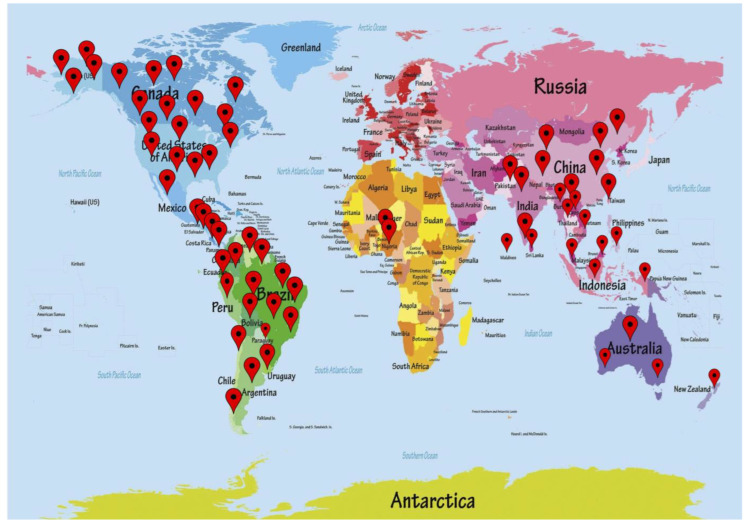
§ Annona muricata: Comprehensive Review on the Ethnomedicinal, Phytochemistry, and Pharmacological Aspects Focusing on Antidiabetic Properties > 1. Introduction Plants have had various significant benefits for thousands of years worldwide, discovered based on traditional knowledge. Even now, plants continue to contribute to new remedies for human beings [1]. Annona muricata Linn. (Annonaceae) has been utilized as a medicinal remedy for many years, attracting many scientists to investigate this plant. A. muricata L. is a lowland tropical fruit-bearing tree of the Annonaceae family. Graviola, soursop, durian belanda, and guanabana are the popular Malaysian local names for A. muricata. Annona’s genus name might be derived from the Latin word ‘anon,’ which means ‘yearly produce’. It could be elaborated as “the fruit production habits of the numerous species in this genus”. On the other hand, Britton and Wilson (1924) suggested that this genus name was derived from ‘Hanon’, which means “the aboriginal name of tropical America tree which is likely to be Santo Domingo”. The name soursop refers to the sour and sweet flavors of the fruit [2]. Many studies reported the therapeutic effects of A. muricata, such as anti-tumor, anti-helminth, anti-fungal, anti-bacterial, hypotensive, anti-viral, and anti-inflammatory effects [3,4,5,6,7]. Various parts of A. muricata, such as leaves and bark, have been used for medicinal purposes. Over 200 chemical compounds have been discovered and extracted, including phenolics, acetogenins, and alkaloids [8]. Due to its medicinal and pharmacological effects, this plant is considered a potential alternative treatment for diabetes mellitus (DM), hypertension, cancer, and bacterial infections [9,10]. In addition, it is also cheap, can be easily accessed, and has environmental friendliness compared to current commercialized medications, which is a good package to be considered for new potential medications [11]. The use of A. muricata extracts as a therapeutic drug in managing diabetes mellitus (DM) has yet to be fully explored. DM is a condition in which the body produces insufficient insulin or does not respond to it, causing a relatively high amount of glucose within the blood vessel. Lack of glucose in the tissue has led to an increase in thirst, frequent urination, and feelings of hunger [12]. Patients with DM also tend to lose weight due to insufficient energy. There were 382 million cases of diabetes worldwide in 2013, but that figure is projected to balloon to 592 million by the year 2035. The majority of diabetics and the highest growth in new cases of diabetes during the next 22 years will be found in low- and middle-income countries [13]. Long-term usage of diabetic medication may lead to certain side effects and complications. Hence, it is crucial to develop a medication from natural sources with fewer side effects [14]. Despite the development of new synthetic drugs and their scientific confirmation, research in the scientific community globally continues to explore the anti-diabetic properties of natural products without unwanted effects, whether in the unprocessed or formulated form [15]. Since DM is a global disease expected to rise throughout the year, it has become imperative to research this topic. Other than focusing on its anti-diabetic effect, this review also covers the traditional application of A. muricata, its medicinal usage, pharmacological effects, and phytochemical constituents to relate and propose its mechanism of action in DM disease. The Annonaceae family has about 2300 species and 130 genera that most likely originated from Northern, Central, and South America [2]. A review of nine Annona species found that five of them, A. muricata, Annona reticulata, Annona cherimola, Annona squamosa, and Annona macrophyllata, possess anti-diabetic properties [16]. Another study on well-known Annona species revealed that the roots of A. reticulata (82.08 ± 0.74 mg gallic acid equivalent, GAE/g DW) have the highest amount of total phenolic content (TPC), followed by the roots of A. muricata (73.10 ± 0.72 mg GAE/g DW) and the leaves of A. muricata (55.18 ± 0.18 mg GAE/g DW). Meanwhile, flavonoid content (TFC) studies revealed that the roots of A. muricata have the highest content (317.22 ± 3.47 mg RE/g DW), followed by its bark (201.17 mg RE/g DW) and leaves (181.94 mg RE/g DW). This study discovered that A. muricata has the highest TFC, followed by A. squamosa, A. reticulata, and A. cherimola [17]. As a result, this demonstrated that the high amounts of TPC and TFC in A. muricata are the reason for its anti-diabetic properties in traditional and medicinal treatment. In this paper, A. muricata was chosen to be reviewed for its anti-diabetic effect compared to other Annona species because it is the most used in traditional diabetes treatment. This is accomplished by integrating all scientific studies and relating traditional uses to phytochemical content [18].
What the sources say
- Partly supportedcites [16] Chowdhury S.S. Tareq A.M. Tareq S.M. Farhad S. Sayeed M.A. Screening of Antidiabetic and Antioxidant Potential along with Phytochemicals of Annona Genus: A Review Futur. J. Pharm. Sci. 2021 7 144 10.1186/s43094-021-00300-9 sourceExperimental — accuracy not yet measured
The Abstract lists nine Annona species, and the Antidiabetic activity section reports glucose-lowering or antihyperglycemic findings for the five species the sentence appears to mean. But the citing sentence names A. macrophyllata, while our copy names A. macroprophyllata; it does not establish that these are the same species. The reported effects are primarily from experimental studies, not evidence of clinical efficacy. (LLM, conf=0.85)
plainstates an association- Asserted: passes — The authors put it forward as true.
- Checkable: passes — It can be checked against evidence.
- Load-bearing: unclear — It is unclear whether the paper’s conclusions depend on it.
- Based: passes — The paper gives a reason why it holds.
- Partly supported
The cited sources support only part of this claim — read each source’s verdict below.
In the paper
“It has been utilized as a medicinal remedy since ancient times to treat and improve various diseases, for example, diabetes mellitus, hypertension, cancer, and bacterial infections.”
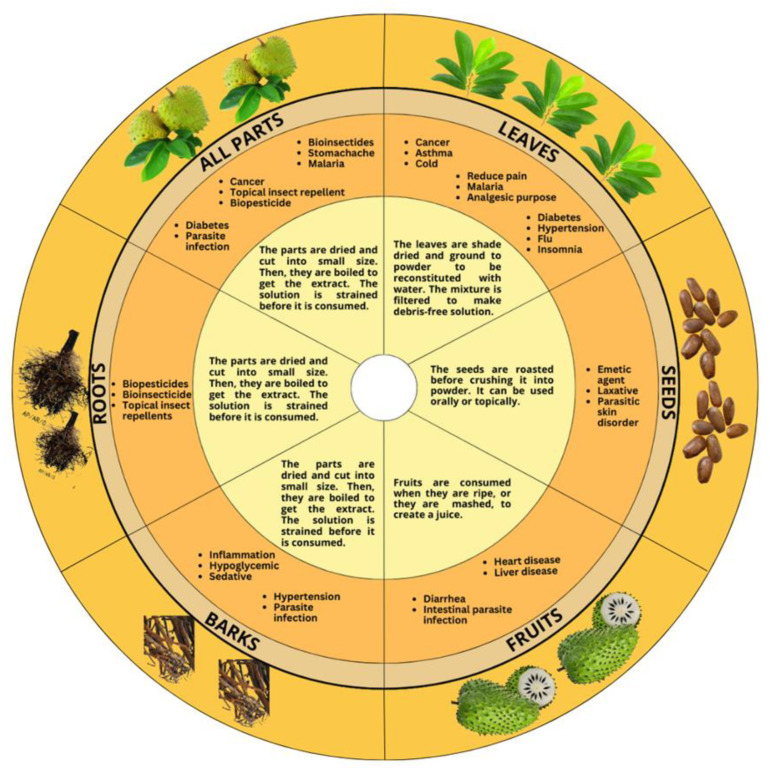
- Also stated in: § 3.1. Ethnomedicinal Uses All parts of A. muricata have been used for centuries to cure many ailments and wounds. The method of preparation varies from topical applications, direct ingestion, decoctions, and juicing. Based on a review on the pharmacological activities of A. muricata, it has long been used to treat a variety of conditions, including cancer, diabetes, hypertension, respiratory illnesses, fever, and bacterial infections (Figure 3) [21,22]. This plant is widely used traditionally to treat various diseases in South and North America, as well as West Africa [23]. The bark, root, seed, and leaf of A. muricata are widely decocted for medical and treatment purposes. In Indonesia and South Pacific countries, soursop leaves are used in a bath to cure skin ailments. Discomfort, such as asthma, colds, and flu, are also managed using the leaves, especially in Mexico and Brazil. Other countries, such as Martinique and Nicaragua, also use it with the same purpose, as stated in a review [24]. Moreover, these leaves are applied topically by people in New Guinea and Ecuador to reduce pain. In Malaysia, the leaves are used to treat external and internal parasite infections and malaria. The leaves are used to treat insomnia, diabetes, headaches, and cystitis [21,22]. In Tanzania, which is in Eastern Africa, the leaves of A. muricata are among the most-used plants to cure diabetes. This medication is available locally and is purchased by patients via marketplaces, neighbours, or traditional medicine sellers, and some participants reported that they had cultivated therapeutic plants near their houses. According to local herbalists, they obtained the ingredients they used to treat diabetes locally and created them themselves based on their experience. Its decoction is consumed in minimal doses to lower blood-glucose levels. The interview emphasized that there is a certain quantity that patients must follow since it is highly powerful and may bring adverse effects or an excessive reduction in glucose level. Furthermore, if the medication is in liquid form, most of the patients combine it with warm water, milk, tea, cereal, or drink it directly [21]. At the same time, its decoction is administered topically for anti-rheumatic and neuralgic effects, as well as to reduce abscesses [25]. Other than leaves, the fruit is also utilized for medicinal uses. In addition to being tasty, the juice is used to treat heart disease, liver disease, and diarrhoea by acting as a galactagogue. The juice is taken as a beverage in South America to eliminate intestinal parasites. On the other hand, the powder from the toasted seed of A. muricata is used as an emetic agent and laxative. Moreover, when mixed with grease to make lotion, the powder can treat parasitic skin disorders [26]. In addition, barks of A. muricata are being used to treat hypertension, diabetes, inflammation, parasite infection, and as a smooth-muscle relaxant [2]. In several tropical Sub-Saharan African countries, including Uganda, all parts of A. muricata are used to treat malaria, stomachache, parasite infections, diabetes, and cancer. The roots, leaves, seeds, and unripe fruit are also used as bioinsecticides, biopesticides, and insect repellents on the skin. In India, A. muricata’s roots, bark, and leaves are reported to have antiphlogistic and anthelmintic effects, while the plant’s flowers and fruits are used to treat catarrh. Furthermore, A. muricata aqueous extract is utilized to manage insects, such as lepidopteran larvae, aphids, and thrips [19]. A. muricata has been used in combination with other plant species. In Malaysia, a mixture of leaves from A. muricata, Hibiscus rosa-sinensis L., and A. squamosa is made into juice and applied on the head to prevent fainting [19]. In summary, every part of the A. muricata tree has its own beneficial effects. Older people also continuously apply this plant in treating certain diseases, showing its effectiveness as a remedy. · plain
“Based on a review on the pharmacological activities of A. muricata, it has long been used to treat a variety of conditions, including cancer, diabetes, hypertension, respiratory illnesses, fever, and bacterial infections (Figure 3) [21,22].”
§ Annona muricata: Comprehensive Review on the Ethnomedicinal, Phytochemistry, and Pharmacological Aspects Focusing on Antidiabetic Properties > Abstract Plants have played an important role over the centuries in providing products that have been used to help combat ailments and diseases. Many products originating from fresh, dried-plant materials, or extracts are utilized as community remedies in traditional practices or even in modern medicine. The Annonaceae family contains different types of bioactive chemical properties, such as alkaloids, acetogenins, flavonoids, terpenes, and essential oil, meaning the plants in this family are potential therapeutic agents. Belonging to the Annonaceae family, Annona muricata Linn. has recently attracted the attention of scientists for its medicinal value. It has been utilized as a medicinal remedy since ancient times to treat and improve various diseases, for example, diabetes mellitus, hypertension, cancer, and bacterial infections. This review, therefore, highlights the important characteristic and therapeutic effect of A. muricata along with future perspectives on its hypoglycemic effect. The most-common name is soursop, referring to its sour and sweet flavors, while in Malaysia, this tree is commonly called ‘durian belanda’. Furthermore, A. muricata contains a high content of phenolic compounds in the roots and leaves. In vitro and in vivo studies have shown that A. muricata has the pharmacological effects of anti-cancer, anti-microbial, antioxidant, anti-ulcer, anti-diabetic, anti-hypertensive, and wound healing. With regard to its anti-diabetic effect, mechanisms of inhibiting glucose absorption via α-glucosidase and α-amylase activity inhibition, increasing glucose tolerance and glucose uptake by peripheral tissues, and stimulating insulin release or acting like insulin were deeply discussed. There is still a significant research gap, and future studies are required to conduct detailed investigations and gain a better molecular understanding of A. muricata’s anti-diabetic potential, especially by using the metabolomics approach.
What the sources say
- Partly supportedcites [21] Kasole R. Martin H.D. Kimiywe J. Traditional Medicine and Its Role in the Management of Diabetes Mellitus: “Patients” and Herbalists’ Perspectives Evid. Based Complement. Altern. Med. 2019 2019 2835691 10.1155/2019/2835691 PMC6637672 31354852 sourceExperimental — accuracy not yet measured
Results §3.3 (page not provided) reports that participants used soursop leaves (Annona muricata) to manage diabetes, supporting that part of the claim as a report of use, not proven effectiveness. The paper does not establish use of A. muricata since ancient times or specifically for hypertension, cancer, or bacterial infections; Discussion §4 mentions high blood pressure only in connection with traditional medicines collectively. (LLM, conf=0.89)
- Partly supportedcites [22] Mutakin M. Fauziati R. Fadhilah F.N. Zuhrotun A. Amalia R. Hadisaputri Y.E. Pharmacological Activities of Soursop (A. muricata Lin.) Molecules 2022 27 1201 10.3390/molecules27041201 35208993 PMC8878098 sourceExperimental — accuracy not yet measured
Section 3, “Traditional Uses” (page unavailable), reports use of A. muricata for bacterial infections, diabetes, hypertension, and cancer. It describes traditional use but does not establish the claim’s “since ancient times” timeframe. (LLM, conf=0.86)
plainstates a cause- Asserted: passes — The authors put it forward as true.
- Checkable: passes — It can be checked against evidence.
- Load-bearing: unclear — It is unclear whether the paper’s conclusions depend on it.
- Based: passes — The paper gives a reason why it holds.
- Also stated in: § 3.1. Ethnomedicinal Uses All parts of A. muricata have been used for centuries to cure many ailments and wounds. The method of preparation varies from topical applications, direct ingestion, decoctions, and juicing. Based on a review on the pharmacological activities of A. muricata, it has long been used to treat a variety of conditions, including cancer, diabetes, hypertension, respiratory illnesses, fever, and bacterial infections (Figure 3) [21,22]. This plant is widely used traditionally to treat various diseases in South and North America, as well as West Africa [23]. The bark, root, seed, and leaf of A. muricata are widely decocted for medical and treatment purposes. In Indonesia and South Pacific countries, soursop leaves are used in a bath to cure skin ailments. Discomfort, such as asthma, colds, and flu, are also managed using the leaves, especially in Mexico and Brazil. Other countries, such as Martinique and Nicaragua, also use it with the same purpose, as stated in a review [24]. Moreover, these leaves are applied topically by people in New Guinea and Ecuador to reduce pain. In Malaysia, the leaves are used to treat external and internal parasite infections and malaria. The leaves are used to treat insomnia, diabetes, headaches, and cystitis [21,22]. In Tanzania, which is in Eastern Africa, the leaves of A. muricata are among the most-used plants to cure diabetes. This medication is available locally and is purchased by patients via marketplaces, neighbours, or traditional medicine sellers, and some participants reported that they had cultivated therapeutic plants near their houses. According to local herbalists, they obtained the ingredients they used to treat diabetes locally and created them themselves based on their experience. Its decoction is consumed in minimal doses to lower blood-glucose levels. The interview emphasized that there is a certain quantity that patients must follow since it is highly powerful and may bring adverse effects or an excessive reduction in glucose level. Furthermore, if the medication is in liquid form, most of the patients combine it with warm water, milk, tea, cereal, or drink it directly [21]. At the same time, its decoction is administered topically for anti-rheumatic and neuralgic effects, as well as to reduce abscesses [25]. Other than leaves, the fruit is also utilized for medicinal uses. In addition to being tasty, the juice is used to treat heart disease, liver disease, and diarrhoea by acting as a galactagogue. The juice is taken as a beverage in South America to eliminate intestinal parasites. On the other hand, the powder from the toasted seed of A. muricata is used as an emetic agent and laxative. Moreover, when mixed with grease to make lotion, the powder can treat parasitic skin disorders [26]. In addition, barks of A. muricata are being used to treat hypertension, diabetes, inflammation, parasite infection, and as a smooth-muscle relaxant [2]. In several tropical Sub-Saharan African countries, including Uganda, all parts of A. muricata are used to treat malaria, stomachache, parasite infections, diabetes, and cancer. The roots, leaves, seeds, and unripe fruit are also used as bioinsecticides, biopesticides, and insect repellents on the skin. In India, A. muricata’s roots, bark, and leaves are reported to have antiphlogistic and anthelmintic effects, while the plant’s flowers and fruits are used to treat catarrh. Furthermore, A. muricata aqueous extract is utilized to manage insects, such as lepidopteran larvae, aphids, and thrips [19]. A. muricata has been used in combination with other plant species. In Malaysia, a mixture of leaves from A. muricata, Hibiscus rosa-sinensis L., and A. squamosa is made into juice and applied on the head to prevent fainting [19]. In summary, every part of the A. muricata tree has its own beneficial effects. Older people also continuously apply this plant in treating certain diseases, showing its effectiveness as a remedy. · plain
Every source the paper cites for this claim was checked and supports it.
In the paper
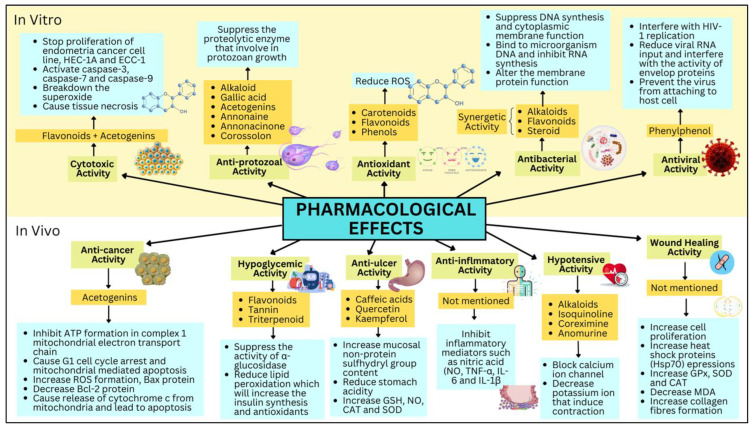
“According to a histological study, A. muricata extracts increased the number of collagen fibers deposited in the wound [85].”
§ Annona muricata: Comprehensive Review on the Ethnomedicinal, Phytochemistry, and Pharmacological Aspects Focusing on Antidiabetic Properties > 4. Phytochemistry and the Pharmacological Effect of A. muricata > 4.2. In Vivo Study
What the sources say
- Supportedcites [85] Moghadamtousi S.Z. Rouhollahi E. Hajrezaie M. Karimian H. Abdulla M.A. Kadir H.A. A. Muricata Leaves Accelerate Wound Healing in Rats via Involvement of Hsp70 and Antioxidant Defence Int. J. Surg. 2015 18 110 117 10.1016/j.ijsu.2015.03.026 25899210 source
The histopathology results (Section 3.2) state that treatment with A. muricata leaf extract markedly increased collagen-fiber deposition in rat wounds. The Discussion (Section 4) also reports well-organized collagen accumulation compared with vehicle-treated wounds. (LLM, conf=0.94)
plainstates a cause- Asserted: passes — The authors put it forward as true.
- Checkable: passes — It can be checked against evidence.
- Load-bearing: unclear — It is unclear whether the paper’s conclusions depend on it.
- Based: passes — The paper gives a reason why it holds.
- Supported
Every source the paper cites for this claim was checked and supports it.
In the paper
“A. muricata’s hypotensive effect could be attributed to the alkaloid compounds found in the plant’s leaves.”
§ Annona muricata: Comprehensive Review on the Ethnomedicinal, Phytochemistry, and Pharmacological Aspects Focusing on Antidiabetic Properties > 4. Phytochemistry and the Pharmacological Effect of A. muricata > 4.2. In Vivo Study
What the sources say
- Supportedcites [84] Nwokocha C.R. Owu D.U. Gordon A. Thaxter K. Mccalla G. Ozolua R.I. Young L. Possible Mechanisms of Action of the Hypotensive Effect of A. Muricata (Soursop) in Normotensive Sprague-Dawley Rats Pharm. Biol. 2012 50 1436 1441 10.3109/13880209.2012.684690 22950673 source
The Discussion explicitly proposes that alkaloid compounds in A. muricata leaves may account for its hypotensive effect. This matches the citing sentence’s tentative wording. (LLM, conf=0.95)
hedgedstates a possible cause- Asserted: passes — The authors put it forward as true.
- Checkable: passes — It can be checked against evidence.
- Load-bearing: unclear — It is unclear whether the paper’s conclusions depend on it.
- Based: passes — The paper gives a reason why it holds.
- Supported
Every source the paper cites for this claim was checked and supports it.
In the paper
“In addition, the combination of A. muricata with Persea americana showed a positive result for anti-hypertensive activity [22].”
§ Annona muricata: Comprehensive Review on the Ethnomedicinal, Phytochemistry, and Pharmacological Aspects Focusing on Antidiabetic Properties > 4. Phytochemistry and the Pharmacological Effect of A. muricata > 4.2. In Vivo Study
What the sources say
- Supportedcites [22] Mutakin M. Fauziati R. Fadhilah F.N. Zuhrotun A. Amalia R. Hadisaputri Y.E. Pharmacological Activities of Soursop (A. muricata Lin.) Molecules 2022 27 1201 10.3390/molecules27041201 35208993 PMC8878098 source
Section 5.8 (Antihypertensive; page not provided) states that combinations of A. muricata with other plants, including Persea americana, exhibited antihypertensive activity. (LLM, conf=0.94)
plainstates a cause- Asserted: passes — The authors put it forward as true.
- Checkable: passes — It can be checked against evidence.
- Load-bearing: unclear — It is unclear whether the paper’s conclusions depend on it.
- Based: passes — The paper gives a reason why it holds.
- Supported
42 more claims · 31 with their cited sources checked
Create a free account to see all 90 claims and to verify the 2 references still open.
- It may state two separate claims as one. 37
- The quote only partly states this claim. 1
- Probably not a substantial claim. 5
Claims other papers make about this one
Each is checked against this paper’s own text: does it say what the citing paper says it does?
The source backs part of the claim, not all of it — or backs it for a different population, condition or comparison.
In the citing paper
“Alkaloids such as anonaine, glaucine, and reticuline have demonstrated antimicrobial and anticancer properties [1,10,11].”
From Comparative Analysis of Infusions and Ethanolic Extracts of Annona muricata Leaves from Colima, Mexico: Phytochemical Profile and Antioxidant Activity (2024) · cites this paper as [1]
Experimental — accuracy not yet measuredThe source backs part of the claim, not all of it — or backs it for a different population, condition or comparison.
In the citing paper
“From a phytochemical perspective, A. muricata leaves are a rich source of bioactive metabolites, including alkaloids, acetogenins, and terpenes [1,2].”
From Comparative Analysis of Infusions and Ethanolic Extracts of Annona muricata Leaves from Colima, Mexico: Phytochemical Profile and Antioxidant Activity (2024) · cites this paper as [1]
Experimental — accuracy not yet measured
Citations
Cites
Saeedi, P., Petersohn, I., Salpea, P., Malanda, B., Karuranga, S., Unwin, N., Colagiuri, S., Guariguata, L., Motala, A. A., Ogurtsova, K., et al. (2019) · Diabetes Research and Clinical Practice · doi:10.1016/j.diabres.2019.107843 · Cited by 10,792 · cited 1×
“The majority of diabetics and the highest growth in new cases of diabetes during the next 22 years will be found in low- and middle-income countries [13].”
BackgroundEkor, M. (2014) · Frontiers in Pharmacology · doi:10.3389/fphar.2013.00177 · Cited by 3,919
Pathophysiology of diabetes: An overview
Sameer, A., Banday, M., & Nissar, S. (2020) · Avicenna Journal of Medicine · doi:10.4103/ajm.ajm_53_20 · Cited by 756 · cited 1×
“Lack of glucose in the tissue has led to an increase in thirst, frequent urination, and feelings of hunger [12].”
BackgroundAntidiabetic Properties of Dietary Flavonoids: A Cellular Mechanism Review
Vinayagam, R., & Xu, B. (2015) · Nutrition & Metabolism · doi:10.1186/s12986-015-0057-7 · Cited by 597 · cited 1×
“They focus on different molecules that are involved in the regulation of several pathways, such as enhancing β-cell proliferation, enhancing insulin secretion, lowering apoptosis, and enhancing hyperglycemia through controlling liver glucose metabolism [87,88].”
BackgroundMoghadamtousi, S., Fadaeinasab, M., Nikzad, S., Mohan, G., Ali, H., & Kadir, H. (2015) · International Journal of Molecular Sciences · doi:10.3390/ijms160715625 · Cited by 577
Flavonols, Flavones, Flavanones, and Human Health: Epidemiological Evidence
Graf, B. A., Milbury, P. E., & Blumberg, J. B. (2005) · Journal of Medicinal Food · doi:10.1089/jmf.2005.8.281 · Cited by 556 · cited 1×
“They focus on different molecules that are involved in the regulation of several pathways, such as enhancing β-cell proliferation, enhancing insulin secretion, lowering apoptosis, and enhancing hyperglycemia through controlling liver glucose metabolism [87,88].”
BackgroundCoria-Téllez, A. V., Montalvo-Gónzalez, E., Yahia, E. M., & Obledo-Vázquez, E. N. (2018) · Arabian Journal of Chemistry · doi:10.1016/j.arabjc.2016.01.004 · Cited by 532
Chlorogenic acids and related compounds in medicinal plants and infusions
Marques, V., & Farah, A. (2009) · Food Chemistry · doi:10.1016/j.foodchem.2008.08.086 · Cited by 287 · cited 1×
“Caffeoylquinic acid [78] Leaves, pulps NR NR”
(2014) · PubMed Central · Cited by 280
Florence, N. T., Benoit, M. Z., Jonas, K., Alexandra, T., Désiré, D. D. P., Pierre, K., & Théophile, D. (2014) · Journal of Ethnopharmacology · doi:10.1016/j.jep.2013.09.021 · Cited by 213 · cited 2×
“Furthermore, the blood-glucose levels, body weight, food and water consumption, lipid profile, and oxidative defenses all returned to normal [15].”
Background
Research works printed but not linked: 3
- Vijayameena C. Subhashini G. Loganayagi M. Ramesh B. Phytochemical Screening and Assessment of Antibacterial Activity for the Bioactive Compounds in A. muricata Int. J. Curr. Microbiol. Appl. Sci. 2013 2 1 8
- Mohantya S. Hollinshead J. Jones L. Jones P.W. Thomas D. Alison A. Watson D.G. Gray A.I. Molyneux R.J. Nash R.J. A. Muricata (Graviola): Toxic or Therapeutic Sambeet Nat. Prod. Commun. 2010 1 9 12
- Carmona A.P.B. Beltran N.P.S. Ruiz J.-C.G. Ruiz-Cruz S. Quiroz C.C. Palacio E.F.M. Antiviral, Antioxidant, and Antihemolytic Effect of A. muricata L. Leaves Extracts Plants 2020 9 1650 10.3390/plants9121650 33256023 PMC7760998 · DOI · Paper page
Cited by
Zubaidi, S. N., Qadi, W. S. M., Maarof, S., Misnan, N. M., Noor, H. S. M., Hamezah, H. S., Baharum, S. N., Rosli, N., Jam, F. A., Al-Olayan, E. M., et al. (2023) · Toxics · doi:10.3390/toxics11080688 · Cited by 22
Self-citationHernandez-Fuentes, G. A., Delgado-Enciso, O. G., Larios-Cedeño, E. G., Sánchez-Galindo, J. M., Ceballos-Magaña, S. G., Pineda-Urbina, K., Alcalá-Pérez, M. A., Magaña-Vergara, N. E., Delgado-Enciso, J., Díaz-Llerenas, U., et al. (2024) · Life · doi:10.3390/life14121702 · Cited by 15
Mobasher, M. A., Alsirhani, A. M., Alwaili, M. A., Baakdah, F. M., Eid, T. M., Alshanbari, F. A., Alzahri, R. Y., Alkhodair, S. A., & El-Said, K. S. (2024) · International Journal of Molecular Sciences · doi:10.3390/ijms25105562 · Cited by 22
Mahmoud, V. L., Shayesteh, R., Loh, T. K. F. Y., Chan, S. W., Sethi, G., Burgess, K., Lee, S. H., Wong, W. F., & Looi, C. Y. (2024) · Heliyon · doi:10.1016/j.heliyon.2024.e39699 · Cited by 22
Bayode, M. T., Awodire, E. F., Ojo, E., Adenikinju, G. O., Sadibo, M. E., Aro, O. P., Adeyolanu, A. E., Abbah, P., Oguntuase, S. S., Lawani, B. T., et al. (2024) · Discover Applied Sciences · doi:10.1007/s42452-024-06107-6 · Cited by 10
“As a consequence, it has become widely known and used for hypoglycemic, hypotensive, and hypolipidemic treatments [47–49].”
Oyinloye, B. E., Agboola, O. E., Ayeni, A. M., Oyinloye, O. M., Agboola, S. S., Idowu, O. T., Mathenjwa-Goqo, M. S., Owolabi, O. V., Ogunyinka, B. I., Osunsanmi, F. O., et al. (2025) · Discover Food · doi:10.1007/s44187-025-00441-3 · Cited by 9
“Alongside the 1A28 and 2AM9 screens, this provides in silico evidence that Annona muricata holds promise as a source of broad-spectrum therapeutic leads for further PCOS drug development targeting hormonal dysregulation [22, 23].”
Dey, P., Gogoi, H., Goyary, D., & Mandal, S. (2024) · South African Journal of Botany · doi:10.1016/j.sajb.2024.08.004 · Cited by 9
Amazonian Fruits for Treatment of Non-Communicable Diseases
Lima, L. S., Ribeiro, M. M., Cardozo, L., Moreira, N. X., Teodoro, A. J., Stenvinkel, P., & Mafra, D. (2024) · Current Nutrition Reports · doi:10.1007/s13668-024-00553-9 · Cited by 12
“It is a natural fruit tree from the Annonaceae family of plants used in various food recipes, such as ice cream, syrups, nectars, jams, jellies, sweets, and drinks [105, 106].”
Campos, L. M., Lemos, A. S. D. O., Paula, P. D. L., Rocha, V. N., Araújo, M. G. D. F., Tavares, G. D., Barradas, T. N., Nascimento, W. W. G., Denadai, Â. M. L., de Oliveira, L. F. C., et al. (2024) · Colloids and Surfaces B Biointerfaces · doi:10.1016/j.colsurfb.2024.113919 · Cited by 11
Ginting, B., Yahya, M., Saidi, N., Maulana, I., Murniana, M., Safitri, E., Bahi, M., Rosiyana, Y., Novani, H., & Milza, D. N. A. (2024) · Journal of Advanced Pharmaceutical Technology amp Research · doi:10.4103/japtr.japtr_470_23 · Cited by 11
Synthesis of N-heterocyclic analogs of natural muricadienin — promising antitumor agents
Tuktarova, R. A., Dzhemileva, L. U., Dzhemilev, U. M., & D'yakonov, V. A. (2024) · Russian Chemical Bulletin · doi:10.1007/s11172-024-4259-x · Cited by 5
Ebenyi, L. N., Chigozie, V. U., Demian, M. D., & Anyanwu, C. B. (2024) · Natural Product Research · doi:10.1080/14786419.2024.2409384 · Cited by 6
“The antibacterial, anti-diabetic, antiulcer, antiproliferative, antioxidant, and anti-inflammatory activities of A. muricata reported in vitro and in vivo studies are a function of its phytochemical components in all parts of the plant (Zubaidi et al. 2023).”
Determination of Bioactive Compounds and Antioxidant Capacity in Leaf and Pulp of Annona muricata
Ruíz-López, M. A., Vargas‐Guerrero, B., Radillo, J. J. V., Montalvo‐González, E., Salcedo-Pérez, E., Rodríguez-Macias, R., Gurrola‐Díaz, C. M., García‐López, P. M., & Pizano-Andrade, J. C. (2025) · Chemistry · doi:10.3390/chemistry7010020 · Cited by 5
Mudau, M., & Adebo, O. A. (2025) · Applied Food Research · doi:10.1016/j.afres.2025.101299 · Cited by 6
Scharf, R. M., Gonçalves, C. O., Fernandes, A. D. S., Mazzei, J. L., Ferraz, E. R. A., Araújo-Lima, C. F., & Felzenszwalb, I. (2024) · Journal of Toxicology and Environmental Health · doi:10.1080/15287394.2024.2309335 · Cited by 5
“There is little evidence that juice fruit or pulp from A. muricata possesses anti-cancer properties (Zubaidi et al. 2023).”
BackgroundChemopreventive Potential of Oils Extracted from Seeds of Three Annona Species
Attanayake, P., Rupasinghe, D., Gamage, A., Madhujith, T., & Merah, O. (2024) · Seeds · doi:10.3390/seeds3010009 · Cited by 9
“According to ethnobotanical studies, A. muricata seeds are toxic, yet the powder made from toasted seeds has been employed in traditional Mexican medicine [10].”
BackgroundChemoinformatics profiling of Annona muricata-derived compounds targeting COX-2 in breast cancer
Mbayo, V., Obakachi, V. A., Govender, P. P., & Govender, K. K. (2026) · Discover Chemistry. · doi:10.1007/s44371-025-00467-7 · Cited by 5
“Several in vitro and in vivo studies highlight its potential to modulate inflammatory mediators and cancer-associated pathways [26, 27], although comprehensive focused COX-2 evaluations remain limited.”
Santos-Santos, M. A. D. L., Balois-Morales, R., Bello-Lara, J. E., León-Fernández, A. E., Jiménez-Zurita, J. O., Bautista‐Rosales, P. U., Ramírez-Balboa, G., Casas-Junco, P. P., & Montalvo‐González, E. (2023) · Revista Bio Ciencias · doi:10.15741/revbio.10.e1502 · Cited by 3
Yoo, B.-G., Hong, J.-P., Kang, B. S., et al. (2025) · Journal of Medicinal Food · doi:10.1089/jmf.2024.k.0237 · Cited by 3
Candra, A., & Darge, H. F. (2025) · Biocatalysis and Agricultural Biotechnology · doi:10.1016/j.bcab.2025.103713 · Cited by 3
Oufquir, S., Agouram, F., Kabdy, H., Laaradia, M. A., Oubella, K., Abdelmoniim, B., Aboufatima, R., Garzoli, S., & Chait, A. (2025) · Chemistry & Biodiversity · doi:10.1002/cbdv.202501606 · Cited by 4
“Zubaidi et al. [10] employed HPLC, nuclear magnetic resonance (NMR), and Fourier-transform infrared (FT-IR) spectroscopy to characterize these compounds.”
InfluentialPizano-Andrade, J. C., Vargas‐Guerrero, B., Radillo, J. J. V., Domínguez-Rosales, J. A., Montalvo‐González, E., Rodríguez-Macias, R., García‐López, P. M., Romero-Verdín, M. D. R., & Ruíz-López, M. A. (2025) · Molecules · doi:10.3390/molecules30173518 · Cited by 4
“Acetogenins have been reported to have antitumor activity and polyphenols have been reported to have photoprotective activity [10–12] However, more studies are required to know this important antitumor and photoprotective property, such as the effect of these compounds on gene expression in vivo…”
Akinlolu, O. S., Fatoki, T. H., & Momodu, D. U. (2023) · Journal of Complementary and Alternative Medical Research · doi:10.9734/jocamr/2023/v21i2434 · Cited by 3
Nutritional and Biochemical Assessment of Edible Fruits From Angola's Native Flora
Rangel, J., Liberal, Â., Pires, T. C. S. P., et al. (2025) · Food Science & Nutrition · doi:10.1002/fsn3.70283 · Cited by 2
“Despite its extensive use in Africa, particularly in traditional medicine, research on the nutritional potential of its edible parts remains limited (Donhouedé et al. 2023).”
InfluentialAntioxidant Natural Plant Constituents for Diabetic Wound Repair
Meng, L., Zhang, X., Sun, L., & Chen, L. (2025) · MedComm – Biomaterials and Applications · doi:10.1002/mba2.70015 · Cited by 5
Optimizing Soursop leaf disease classification with a lightweight ensemble model and explainable AI
Mustofa, S., Khan, S., Shovo, S. A., Emon, Y. R., & Rahman, M. S. (2025) · Current Plant Biology · doi:10.1016/j.cpb.2025.100526 · Cited by 5
Ololade, Z. S., Onifade, O. F., Eze, J. C., Oyebanji, O. T., Olaniran, A. C., Anuoluwa, I. A., Idowu, O. O., & Tommy, B. E. (2024) · Natural Product Research · doi:10.1080/14786419.2024.2342554 · Cited by 6
“The fruits have been used to cure arthritis and fever, while both the seeds and fruit are capable of treating parasitic infections (Womeni et al. 2016; Abdul-Wahab et al. 2018; Zubaidi et al. 2023).”
Benitez, D. A. N., Larios-Galvez, A. K., López-Sesenes, R., Ramírez-Arteaga, A. M., & Gonzalez-Rodriguez, J. G. (2024) · Journal of Bio- and Tribo-Corrosion · doi:10.1007/s40735-024-00923-4 · Cited by 3
Zakari, S., Ogbu, C. O., Zakari, H., Agwara, B. C., Bayode, A. A., & Uti, D. E. (2023) · SSRN Electronic Journal · doi:10.2139/ssrn.4454442 · Cited by 3
Sarakul, O., Boonhok, R., & Somsak, V. (2025) · Advances in Pharmacological and Pharmaceutical Sciences · doi:10.1155/adpp/8736555 · Cited by 1
“Te overall antimalarial ef-fcacy of A. muricata might be attributed to its bioactive compounds, such as acetogenins, alkaloids, favonoids, quinones, megastigmanes, and saponins, making this plant a valuable candidate in the quest for new antimalarial treatments [6, 7].”
Cabrera‐Licona, A., Hernández‐Fuentes, G. A., Pineda‐Urbina, K., Hernández-Rangel, A. E., Alcalá-Pérez, M. A., Diaz‐Martinez, J., Díaz-Llerenas, U., Guzmán-Esquivel, J., Montesinos-López, O. A., Casarez-Price, J. C., et al. (2025) · Pharmaceuticals · doi:10.3390/ph18081177 · Cited by 3
“This effect may be linked to the metabolites present in the AM infusion, particularly flavonoids, which were identified in high abundance (including quercetin, glycosylated derivatives, and other flavonoids) [1,30].”
InfluentialAntolínez‐Pérez, M. F., Fernández-Trujillo, J. P., Sequeda-Castañeda, L. G., & Piñeros-Castro, Y. (2025) · Plant-Environment Interactions · doi:10.1002/pei3.70075 · Cited by 1
THE ETHNOBOTANICAL AND PHARMACOLOGICAL EFFICACY OF ANNONA MURICATA EXTRACTS, DECOCTIONS
Gour, J. K., Singh, S., Pratap, V., Mahapatra, P., Sinha, B. K., Singh, M. K., & Nigam, A. K. (2025) · International Journal of Fundamental and Applied Sciences (IJFAS) · doi:10.59415/ijfas.v14i2.274 · Cited by 3
González, P. D. J. D., Grageola, F., Bautista‐Rosales, P. U., Escalante, A. S., Ávila-Villarreal, G. M., Estévez, M., & Rodríguez-Carpena, J. G. (2025) · Foods · doi:10.3390/foods14183212 · Cited by 2
Study of the Anticancer Activity of Annona squamosa Seeds
Hasan, Z. Y. M. (2025) · Iraqi Journal of Cancer and Medical Genetics · doi:10.29409/xqq6c722 · Cited by 2
El-Said, K. S., Ali, F., & Mohamed, A. E.-S. (2023) · Journal of Medical and Life Science · doi:10.21608/jmals.2023.307798 · Cited by 3
Chinwuko, O. S. K., & Asomugha, A. L. (2024) · World Journal of Advanced Research and Reviews · doi:10.30574/wjarr.2024.21.2.0545 · Cited by 2
“It contains bioactive chemical properties such as alkaloids, acetogenins, flavonoids, terpenes, and essential oils (Zubaidi et al., 2023); these properties contribute to its potential therapeutic uses in various diseases and disorders.”
BackgroundDissanayake, D. M. D. S., Heshani, I. G. S., Hassan, S., & Kuruppu, A. I. (2024) · Combinatorial Chemistry & High Throughput Screening · doi:10.2174/0113862073304276240606102447 · Cited by 1
AVALIAÇÃO DA APLICAÇÃO DO RESÍDUO DA ANNONA MURICATA L. COMO INIBIDOR DE CORROSÃO ECOLÓGICO
de Lima, R. R. F. (2023) · Revista Eletrônica Perspectivas da Ciência e Tecnologia · doi:10.22407/1984-5693.2023.v15.p.e.20231506
KARAKTERISASI KOMPREHENSIF NANO PARTIKEL EKSTRAK DAUN SIRSAK
Zahara, I., Anwar, E., Laksmıtawatı, D. R., & Rahmat, D. (2023) · Binawan Student Journal · doi:10.54771/bsj.v5i1.874
Bangash, S. A., Budhathoki, H., Sohail, S., et al. (2024) · doi:10.53555/jptcp.v31i2.4689
amarasekera, S., & Noor, H. S. M. (2024) · International Journal of Pharmaceutical and Bio-Medical Science · doi:10.47191/ijpbms/v4-i4-05
Brousett-Minaya, M. A., Larico, J. A. R., Chaparro, E., & Bobadilla, M. (2024) · Revista de la Academia Colombiana de Ciencias Exactas Físicas y Naturales · doi:10.18257/raccefyn.2649
Prasad, R., Josephine, C. M. R., Jangid, P. K., Pavan, S., Ujwal Reddy, K. S., & Anamika, A. (2024) · Kristu Jayanti Journal of Core and Applied Biology (KJCAB) · doi:10.59176/kjcab.v3i2.2381 · Cited by 1
Ethnomedicine Study of Medicinal Plants for Therapy of Elderly Sleep Disorders in Tengger Tribe
Lahardo, D., Ekasari, W., & Widyawaruyanti, A. (2024) · Borneo Journal of Pharmacy · doi:10.33084/bjop.v7i3.7272
“Annona muricata fruits and leaves contain alkaloids like anonaine, nornuciferine, and asimilobine, which have known antidepressant properties 27 .”
BackgroundEzim, O. E., Agabus, N. E., Onyeike, E. N., & Abarikwu, S. O. (2025) · Andrologia · doi:10.1155/and/4797178 · Cited by 1
Okorie, N. H., Adonu, C., & Nnadi, C. O. (2025) · Pharmacological Research - Natural Products · doi:10.1016/j.prenap.2025.100167
Fondeh, B. M., Awah, L. A., Ndip, R. A., Kibu, O. D., & Ngemenya, M. N. (2025) · International Journal of Basic & Clinical Pharmacology · doi:10.18203/2319-2003.ijbcp20250473
Potential of Guyabano (Annona muricata Linn) Yema as a Healthful Confection
Ebron, Y. M. C., Gonzaga, K. M. M., Gulle, J. R. S., Lopez, R. G. L., Martinez, R. D. J., & Cerezo, J. S. B. (2025) · Cognizance Journal of Multidisciplinary Studies · doi:10.47760/cognizance.2025.v05i05.004
Ololade, Z. S., Anuoluwa, I. A., Onifade, O. F., Adeagbo, A. I., Oyebanji, O. T., Asaju, A. O., & Eze, J. C. (2025) · Archives of Physiology and Biochemistry · doi:10.1080/13813455.2025.2499840 · Cited by 2
“Eating the fruit helps in curing liver problems; can help the body detoxify and block rapid cell degeneration (Patil et al., 2023; Yajid et al., 2018; Zubaidi et al., 2023).”
Ehimigbai, A. R. O., Emma-Egbumokei, O., & Ohirhian, J. (2025) · Journal of Pharmacognosy and Phytochemistry · doi:10.22271/phyto.2025.v14.i3g.15412
Gabriel, B. O., Osawese, E. L., & Oshomoh, E. O. (2024) · African Journal of Sciences and Traditional Medicine · doi:10.58578/ajstm.v1i2.3476
Andrade–Zambrano, K. A., Chica–Velásquez, M. Á., Rincón–Acosta, F., & López–Rauschemberg, M. (2025) · Revista Científica de la Facultad de Ciencias Veterinarias · doi:10.52973/rcfcv-e35742 · Cited by 1
“Beyond their antineoplastic properties, these natural compounds also exhibit hypoglycemic [24], acaricidal [25], antimicrobial [26], and antioxidant activities [27].”
Innovative nanotechnological approaches to diabetes treatment: the role of metal oxide nanoparticles
Shaban, E. E., & El-Aziz, M. E. A. (2025) · Pharmaceutical Development and Technology · doi:10.1080/10837450.2025.2566460 · Cited by 1
“This leads to abnormal a -cell regulation and dysregulated glucagon secretion (Banday et al. 2020; Zubaidi et al. 2023).”
Medicinal spices and roots in the Philippines
Tan, M. C. S., Linis, V. C., Ondevilla, J. C., Malabed, R. S., Galian, R. A., Ting, J. U., & Bonto, A. P. (2025) · Elsevier eBooks · doi:10.1016/b978-0-443-32920-3.00021-5
Puspitasari, R. D., Syahrani, D., Ekasari, M., et al. (2025) · BIO Web of Conferences · doi:10.1051/bioconf/202519802003
Sumardi, Suprianto, Azzahra, I., & Syafrida, L. (2025) · Jurnal Indah Sains dan Klinis · doi:10.52622/jisk.v6i3.05
Ugbogu, E. A., Esiaba, R. I., Ekweogu, C. N., Ugbogu, O. C., Okoro, B. C., Uche, M. E., Nwaru, E. C., & Israel, C. L. (2026) · Tropical Journal of Natural Product Research · doi:10.26538/tjnpr/v10i1.1
Pereira, J. S., de Moraes, R. L. M. S., do Nascimento, Y. L. F., Santiago, P. S., Figueiredo, C. C. M., Silva, L. P., Folly, E., Bourguignon, S. C., & da Silva, R. M. G. (2026) · Journal of Toxicology and Environmental Health Part B · doi:10.1080/10937404.2026.2649172 · Cited by 2
“…Annona muricata (soursop), Annona squamosa (sugar apple), and Annona cher-imola (cherimoya), which are frequently consumed as fruits, while their leaves and seeds are traditionally used in medicinal preparations (Haykal et al. 2019; M. Kumar et al. 2021; Mutakin et al. 2022; Zubaidi et al. 2023).”
The effectiveness of Annona muricata for improving induced oral candidiasis in gamma-irradiated rats
Bakr, M. A., Elkady, N. A., & Rasmy, A. H. (2026) · BMC Complementary Medicine and Therapies · doi:10.1186/s12906-026-05399-y
“This may act more slowly or indirectly than polyenes [72].”
Safe African medicinal plants for clinical studies
Obi, B. C., Onyeto, C. A., Uzor, P. F., & Akunne, T. C. (2026) · Elsevier eBooks · doi:10.1016/b978-0-443-45179-9.00019-7
al., A. M. E., Khalaf, Y. H., & Mohammed, A. M. (2026) · Materials Chemistry and Physics · doi:10.1016/j.matchemphys.2026.132926
Morales-Arzate, L. R., Hernández-Fonseca, A., Pizano-Andrade, J. C., Domínguez-Rosales, J. A., Nazará, Z., Montalvo‐González, E., Gurrola‐Díaz, C. M., Ruiz‐Madrigal, B., Maldonado‐González, M., & Vargas‐Guerrero, B. (2026) · Life · doi:10.3390/life16081219
“…transporter 2 (GLUT2) and phosphorylated AKT (AKTp) levels and decreasing the protein levels of fatty acid synthase (FAS), sterol regulatory element-binding protein 1c (SREBP1c), CCAAT/enhancer-binding protein alpha (C/EBP α ), and peroxisome proliferator-activated receptor gamma (PPAR γ ) [6,7].”
Selvan, S. A., Patial, P. K., Adelodun, B., et al. (2026) · Journal of Food Processing and Preservation · doi:10.1155/jfpp/3671014
Lankanayaka, A. A. K., Jayathunge, L., Bandara, P. C., Manatunga, D. C., Samarakoon, S. R., Punyasiri, P. A. N., Rajagopalan, U., & Lankanayaka, A. A. K. (2026) · Food and Humanity · doi:10.1016/j.foohum.2026.101415
Castellanos-Potenciano, B. P., Linares, E. B. C., & Ramos-Hernández, E. (2026) · International Journal of Plant Biology · doi:10.3390/ijpb17080072
“Annonaceae specific reviews show the same pairing of traditional use with phytochemical and pharmacological investigation, especially around alkaloids, acetogenins, terpenoids, flavonoids, and essential oils [100–102].”
Opatokun-Saliu, R. O., Azeez, L. A., Anifowose, J. A., Awojide, S. H., Busari, H. K., Adewinbi, S. A., Oladejo, A. A., & Ajibola, K. O. (2026) · Discover Chemistry. · doi:10.1007/s44371-026-00915-y
“They are widely used in folk medicine as aqueous preparations and contain phytochemicals such as phenolics and flavonoids [27], which can function as natural reducing, capping, and stabilizing agents during nanoparticle formation [32].”
Isique-Quesquen, A. P., & Domínguez-Aburto, R. N. (2026) · TUMI Oral Health · doi:10.64716/yj2dbd62
Kalimuthu, N., Raj, A. A., Arumugam, S., Sumathi, S., & Selvankumar, T. (2026) · BioNanoScience · doi:10.1007/s12668-026-02852-7
“Comprehensive investigations have isolated over 200 chemical compounds from the species, with annonaceous acetogenins, alkaloids, flavonoids, and phenolic compounds being the most biologically active constituents [ 90 ].”
Ottou, P. B. M., Bayengue, S. S. B., Guimfack, M. N., Tiekwe, J. E., Enyegue, E. L. E., Nanfah, M. D. M., Landry, K. B., Mansuri, R., Mogtomo, M. L. K., & Foko, L. P. K. (2026) · Journal of Ethnopharmacology · doi:10.1016/j.jep.2026.122399
Ülker, U., Bayraktar, B., Alçığır, M. E., KIZIL, S., Aydın, F., Kotan, G. C., & Yeni, M. (2026) · Antioxidants · doi:10.3390/antiox15101297
Metadata
- Authors
- Zubaidi, S. N., Mohd Nani, H., Ahmad Kamal, M. S., Abdul Qayyum, T., Maarof, S., Afzan, A., Mohmad Misnan, N., Hamezah, H. S., Baharum, S. N., & Mediani, A.
- Affiliations
- National University of Malaysia (MY)
- Institute of Systems Biology (INBIOSIS), Universiti Kebangsaan Malaysia, Bangi 43600, Selangor, Malaysia
- Faculty of Dentistry, Lincoln University College, Petaling Jaya 47301, Selangor, Malaysia
- Malaysian Agricultural Research and Development Institute (MY)
- Ministry of Health (MY)
- Herbal Medicine Research Centre, Institute for Medical Research, National Institutes of Health, Ministry of Health Malaysia, Shah Alam 40170, Selangor, Malaysia
- Corresponding author
- Mediani, Ahmed
- ORCID
- Venue
- Life
- Publisher
- MDPI AG
- Published
- 2023-01-28
- Volume
- 13
- Issue
- 2
- Pages
- 353
- ISSN
- 2075-1729 (ISSN-L)
- PMC
- PMC9968120
- OpenAlex
- W4318478951
- Semantic Scholar
- 1cb7905267e5de034db4d6fd830b001444366241
- Cited by
- 72
- References
- 92
- Citations by year
- 2026: 16 · 2025: 27 · 2024: 22 · 2023: 7
- FWCI
- 1.66
- Type
- journal article
- Language
- en
- Open access
- gold
- doi.org
- Licence
- Locations
- Life (publishedVersion, cc-by)
- PubMed Central (publishedVersion, cc-by)
- PubMed (publishedVersion)
- DOAJ (DOAJ: Directory of Open Access Journals) (submittedVersion, cc-by-sa)
- Funders
- Universiti Kebangsaan Malaysia (GGPM-2021-049)
- Topics
- Life Sciences › Biochemistry, Genetics and Molecular Biology › Biochemistry › Traditional and Medicinal Uses of Annonaceae
- Health Sciences › Medicine › Endocrinology, Diabetes and Metabolism › Natural Antidiabetic Agents Studies
- Life Sciences › Agricultural and Biological Sciences › Plant Science › Medicinal Plant Research
- Keywords
- Annona muricata, Annonaceae, antidiabetic activity, hypoglycemic effect, diabetes mellitus, phytochemistry, acetogenins, phenolic compounds, α-glucosidase inhibition, α-amylase inhibition, glucose tolerance, insulin secretion, antioxidant activity, antihypertensive effect, anticancer activity, antimicrobial activity, antiulcer activity, wound healing, ethnomedicine
About these checks
Registry, retraction, Cites and statistics results are computed, not judged, with one exception: a printed reference that no index lists is read once by a model before it counts as a citation error. Claims are extracted by a model and kept only when their quote appears verbatim in the text; each cited source is then checked, with a model’s help, for whether it says what the claim relies on. Those verdicts can be wrong — read the claim’s quote and the cited source before relying on one.
The claim verdicts this report counts are experimental: their accuracy is not yet measured.
A language model drew the claims from the paper on 2026-10-10, under version 3 of the claim definition (model deepseek-v4.1-flash, prompt extract-v3).
A second model labelled each claim on 2026-10-10 (model jev-1.13-20260917, definition revision gold-guideline-v0.2).
Cited sources are checked with a language model’s help (gpt-6-sol).
Statistics and arithmetic are recomputed, not judged.
Confidence bands are shown only for fields calibrated on our annotated test set. None is calibrated yet, so no band is shown.
What counts as a claim ›How we measure confidence ›How we check this ›
Are you an author, or do you see a problem with this page? Request a review
Data sources
Bibliographic data: Semantic Scholar, OpenAlex, Crossref.
Contains information from the Semantic Scholar Academic Graph Datasets, made available under the ODC Attribution License (ODC-BY 1.0).
Semantic Scholar’s data is described in: Kinney, R., et al. (2023). The Semantic Scholar Open Data Platform. arXiv:2301.10140.
