

The DOI matches its Crossref record; 3 of the 3 references it cites were found in a registry or an index.
Encapsulation of Bioactive Phytochemicals in Plant-Based Matrices and Application as Additives in Meat and Meat Products
Abstract
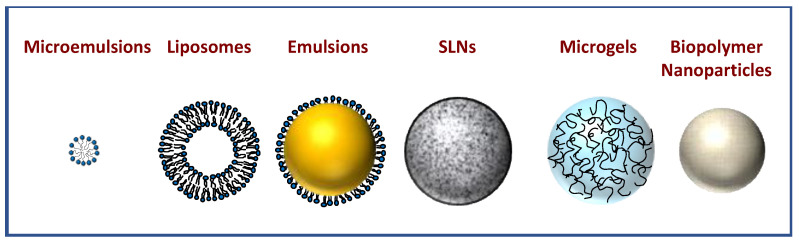
The development of plant-based functional food ingredients has become a major focus of the modern food industry as a response to changes in consumer attitudes. In particular, many consumers are switching to a plant-based diet because of their concerns about animal-derived foods on the environment, human health, and animal welfare. There has therefore been great interest in identifying, isolating, and characterizing functional ingredients from botanical sources, especially waste streams from food and agricultural production. However, many of these functional ingredients cannot simply be incorporated into foods because of their poor solubility, stability, or activity characteristics. In this article, we begin by reviewing conventional and emerging methods of extracting plant-based bioactive agents from natural resources including ultrasound-, microwave-, pulsed electric field- and supercritical fluid-based methods. We then provide a brief overview of different methods to characterize these plant-derived ingredients, including conventional, chromatographic, spectroscopic, and mass spectrometry methods. Finally, we discuss the design of plant-based delivery systems to encapsulate, protect, and deliver these functional ingredients, including micelles, liposomes, emulsions, solid lipid nanoparticles, and microgels. The potential benefits of these plant-based delivery systems are highlighted by discussing their use for incorporating functional ingredients into traditional meat products. However, the same technologies could also be employed to introduce functional ingredients into plant-based meat analogs.
Overview
The claims and statistics of this paper haven’t been checked yet.
Run the check — free, no account needed. It reads the open-access text and checks the sources it cites.
Integrity signals
Registry
Cites
Statistics
Figures
Verification
Claims the paper makes
The claims and statistics of this paper haven’t been checked yet.
Run the check — free, no account needed. It reads the open-access text and checks the sources it cites.
Claims other papers make about this one
Each is checked against this paper’s own text: does it say what the citing paper says it does?
In the citing paper
“However, over time, the protective effect diminishes due to the degradation of DEO bioactive compounds during storage, leading to increased proteolytic activity and subsequent muscle softening [8,84,85].”
From Preservative Potential of Anethum graveolens Essential Oil on Fish Fillet Quality and Shelf Life During Refrigerated Storage (2025) · cites this paper as [85]
Self-check
Percentages, sums and reported differences re-computed from the paper’s own numbers.
The self-check needs the paper’s full text.
Citations
Cites
Food in the Anthropocene: the EAT–Lancet Commission on healthy diets from sustainable food systems
Willett, W., Rockström, J., Loken, B., Springmann, M., Lang, T., Vermeulen, S., Garnett, T., Tilman, D., DeClerck, F., Wood, A., et al. (2019) · The Lancet · doi:10.1016/s0140-6736(18)31788-4 · Cited by 10,880
Reducing food's environmental impacts through producers and consumers
Poore, J., & Nemecek, T. (2018) · Science · doi:10.1126/science.aaq0216 · Cited by 6,085
Essential Oils: Isolation, Production and Uses
Cook, C. M., & Lanaras, T. (2016) · Encyclopedia of Food and Health · doi:10.1016/b978-0-12-384947-2.00261-0 · Cited by 21
Research works printed but not linked: 124
- Chen, W., Ma, S., Wang, Q., McClements, D.J., Liu, X., Ngai, T., and Liu, F. (2021). Fortification of edible films with bioactive agents: A review of their formation, properties, and application in food preservation. Crit. Rev. Food Sci. Nutr., 1–27.
- McClements, 2017, Recent Advances in the Utilization of Natural Emulsifiers to Form and Stabilize Emulsions, Annu. Rev. Food Sci. Technol., 8, 205, 10.1146/annurev-food-030216-030154 · DOI
- McClements, 2021, Nanoemulsion-Based Technologies for Delivering Natural Plant-Based Antimicrobials in Foods, Front. Sustain. Food Syst., 5, 643208, 10.3389/fsufs.2021.643208 · DOI
- Barba, 2018, Active packaging films with natural antioxidants to be used in meat industry: A review, Food Res. Int., 113, 93, 10.1016/j.foodres.2018.06.073 · DOI
- Munekata, P.E.S., Gullón, B., Pateiro, M., Tomasevic, I., Domínguez, R., and Lorenzo, J.M. (2020). Natural Antioxidants from Seeds and Their Application in Meat Products. Antioxidants, 9. · DOI
- Pateiro, 2021, Application of essential oils as antimicrobial agents against spoilage and pathogenic microorganisms in meat products, Int. J. Food Microbiol., 337, 108966, 10.1016/j.ijfoodmicro.2020.108966 · DOI
- Domínguez, R., Munekata, P.E.S., Pateiro, M., Maggiolino, A., Bohrer, B., and Lorenzo, J.M. (2020). Red beetroot. A potential source of natural additives for the meat industry. Appl. Sci., 10. · DOI
- Domínguez, R., Gullón, P., Pateiro, M., Munekata, P.E.S., Zhang, W., and Lorenzo, J.M. (2020). Tomato as potential source of natural additives for meat industry. A review. Antioxidants, 9. · DOI
- Domínguez, R., Pateiro, M., Gagaoua, M., Barba, F.J., Zhang, W., and Lorenzo, J.M. (2019). A comprehensive review on lipid oxidation in meat and meat products. Antioxidants, 8. · DOI
- Barba, 2018, Microencapsulation of antioxidant compounds through innovative technologies and its specific application in meat processing, Trends Food Sci. Technol., 82, 135, 10.1016/j.tifs.2018.10.006 · DOI
- Pateiro, M., Gómez, B., Munekata, P.E.S., Barba, F.J., Putnik, P., Kovačević, D.B., and Lorenzo, J.M. (2021). Nanoencapsulation of Promising Bioactive Compounds to Improve Their Absorption, Stability, Functionality and the Appearance of the Final Food Products. Molecules, 26. · DOI
- Lorenzo, 2018, Berries extracts as natural antioxidants in meat products: A review, Food Res. Int., 106, 1095, 10.1016/j.foodres.2017.12.005 · DOI
- Barba, 2019, Evaluating the impact of supercritical-CO 2 pressure on the recovery and quality of oil from “horchata” by-products: Fatty acid profile, α-tocopherol, phenolic compounds, and lipid oxidation parameters, Food Res. Int., 120, 888, 10.1016/j.foodres.2018.11.054 · DOI
- Pateiro, M., Gómez-Salazar, J.A., Jaime-Patlán, M., Sosa-Morales, M.E., and Lorenzo, J.M. (2021). Plant extracts obtained with green solvents as natural antioxidants in fresh meat products. Antioxidants, 10. · DOI
- Munekata, 2020, Turmeric (Curcuma longa L.) extract on oxidative stability, physicochemical and sensory properties of fresh lamb sausage with fat replacement by tiger nut (Cyperus esculentus L.) oil, Food Res. Int., 136, 109487, 10.1016/j.foodres.2020.109487 · DOI
- Munekata, 2021, Health benefits, extraction and development of functional foods with curcuminoids, J. Funct. Foods, 79, 104392, 10.1016/j.jff.2021.104392 · DOI
- Pateiro, 2018, Essential oils as natural additives to prevent oxidation reactions in meat and meat products: A review, Food Res. Int., 113, 156, 10.1016/j.foodres.2018.07.014 · DOI
- Munekata, P.E.S., Pateiro, M., Rodríguez-Lázaro, D., Domínguez, R., Zhong, J., and Lorenzo, J.M. (2020). The Role of Essential Oils against Pathogenic Escherichia coli in Food Products. Microorganisms, 8. · DOI
- Munekata, 2020, Addition of plant extracts to meat and meat products to extend shelf-life and health-promoting attributes: An overview, Curr. Opin. Food Sci., 31, 81, 10.1016/j.cofs.2020.03.003 · DOI
- Zhang, 2020, Elderberry (Sambucus nigra L.) as potential source of antioxidants. Characterization, optimization of extraction parameters and bioactive properties, Food Chem., 330, 127266, 10.1016/j.foodchem.2020.127266 · DOI
- Vieira Teixeira da Silva, D., dos Santos Baião, D., de Oliveira Silva, F., Alves, G., Perrone, D., Mere Del Aguila, E., and M Flosi Paschoalin, V. (2019). Betanin, a Natural Food Additive: Stability, Bioavailability, Antioxidant and Preservative Ability Assessments. Molecules, 24. · DOI
- Chhikara, 2019, Bioactive compounds of beetroot and utilization in food processing industry: A critical review, Food Chem., 272, 192, 10.1016/j.foodchem.2018.08.022 · DOI · Paper page
- Sigurdson, 2017, Natural colorants: Food colorants from natural sources, Annu. Rev. Food Sci. Technol., 8, 261, 10.1146/annurev-food-030216-025923 · DOI
- Belwal, 2020, Recent advances in scaling-up of non-conventional extraction techniques: Learning from successes and failures, Trends Anal. Chem., 127, 115895, 10.1016/j.trac.2020.115895 · DOI
- Ameer, 2017, Green extraction methods for polyphenols from plant matrices and their byproducts: A review, Compr. Rev. Food Sci. Food Saf., 16, 295, 10.1111/1541-4337.12253 · DOI · Paper page
- Alirezalu, 2020, Phytochemical constituents, advanced extraction technologies and techno-functional properties of selected Mediterranean plants for use in meat products. A comprehensive review, Trends Food Sci. Technol., 100, 292, 10.1016/j.tifs.2020.04.010 · DOI
- Reddy, 2020, Recent improvements in the extraction, cleanup and quantification of bioactive flavonoids, Studies in Natural Products Chemistry, Volume 66, 197, 10.1016/B978-0-12-817907-9.00008-8 · DOI
- Amirmohammadi, 2020, Analysis of the essential oil composition of three cultivated Nepeta species from Iran, Z. fur Naturforsch. Sect. C J. Biosci., 75, 247, 10.1515/znc-2019-0206 · DOI
- Malik, S. (2021). Essential Oils from Plants: Industrial Applications and Biotechnological Production. Exploring Plant Cells for the Production of Compounds of Interest, Springer International Publishing. · DOI
- El-Shemy, H. (2020). Essential Oil’s Chemical Composition and Pharmacological Properties. Essential Oils—Oils of Nature, IntechOpen. · DOI · Paper page
- Zin, M.M., Anucha, C.B., and Bánvölgyi, S. (2020). Recovery of Phytochemicals via Electromagnetic Irradiation (Microwave-Assisted-Extraction): Betalain and Phenolic Compounds in Perspective. Foods, 9. · DOI
- Al Khawli, F., Pateiro, M., Domínguez, R., Lorenzo, J.M., Gullón, P., Kousoulaki, K., Ferrer, E., Berrada, H., and Barba, F.J. (2019). Innovative green technologies of intensification for valorization of seafood and their by-products. Mar. Drugs, 17. · DOI
- Rente, D., Paiva, A., and Duarte, A.R. (2021). The role of hydrogen bond donor on the extraction of phenolic compounds from natural matrices using deep eutectic systems. Molecules, 26. · DOI
- Chemat, 2017, Ultrasound assisted extraction of food and natural products. Mechanisms, techniques, combinations, protocols and applications. A review, Ultrason. Sonochem., 34, 540, 10.1016/j.ultsonch.2016.06.035 · DOI · Paper page
- Bozinou, E., Karageorgou, I., Batra, G., Dourtoglou, V.G., and Lalas, S.I. (2019). Pulsed Electric Field Extraction and Antioxidant Activity Determination of Moringa oleifera Dry Leaves: A Comparative Study with Other Extraction Techniques. Beverages, 5. · DOI
- Pacheco-Fernández, I., and Pino, V. (2019). Extraction with ionic liquids-organic compounds. Liquid-Phase Extraction, Elsevier. · DOI
- Khaw, K., Parat, M., Shaw, P.N., and Falconer, J.R. (2017). Solvent Supercritical Fluid Technologies to Extract Bioactive Compounds from Natural Sources: A Review. Molecules, 22. · DOI · Paper page
- Delso, 2020, Pulsed electric field-assisted extraction of valuable compounds from microorganisms, Compr. Rev. Food Sci. Food Saf., 19, 530, 10.1111/1541-4337.12512 · DOI
- Žlabur, J.Š., Žutić, I., Radman, S., Pleša, M., Brnčić, M., Barba, F.J., Rocchetti, G., Lucini, L., Lorenzo, J.M., and Domínguez, R. (2020). Effect of different green extraction methods and solvents on bioactive components of chamomile (Matricaria chamomilla L.) flowers. Molecules, 25. · DOI
- Žlabur, J.Š., Brajer, M., Voća, S., Galić, A., Radman, S., Rimac-Brnčić, S., Xia, Q., Zhu, Z., Grimi, N., and Barba, F.J. (2021). Ultrasound as a promising tool for the green extraction of specialized metabolites from some culinary spices. Molecules, 26. · DOI
- Jaimez-Ordaz, J., Contreras-López, E., Hernández-Sánchez, T., González-Olivares, L.G., Añorve-Morga, J., and Ramírez-Godínez, J. (2021). Comparative evaluation of four extraction methods of antioxidant compounds from decatropis bicolor in aqueous medium applying response surface design. Molecules, 26. · DOI
- Belwal, 2020, Optimized microwave assisted extraction (MAE) of alkaloids and polyphenols from Berberis roots using multiple-component analysis, Sci. Rep., 10, 917, 10.1038/s41598-020-57585-8 · DOI · Paper page
- Petrotos, K., Giavasis, I., Gerasopoulos, K., Mitsagga, C., Papaioannou, C., and Gkoutsidis, P. (2021). Optimization of Vacuum-Microwave-Assisted Extraction of Natural Polyphenols and Flavonoids from Raw Solid Waste of the Orange Juice Producing Industry at Industrial Scale. Molecules, 26. · DOI
- Barba, 2015, Current applications and new opportunities for the use of pulsed electric fields in food science and industry, Food Res. Int., 77, 773, 10.1016/j.foodres.2015.09.015 · DOI
- Nowacka, M., Tappi, S., Wiktor, A., Rybak, K., Miszczykowska, A., Czyzewski, J., Drozdzal, K., Witrowa-Rajchert, D., and Tylewicz, U. (2019). The Impact of Pulsed Electric Field on the Extraction of Bioactive Compounds from Beetroot. Foods, 8. · DOI
- Moghaddam, 2020, Pulsed electric field-assisted extraction of phenolic antioxidants from tropical almond red leaves, Chem. Pap., 74, 3957, 10.1007/s11696-020-01153-x · DOI
- Ntourtoglou, 2020, Pulsed Electric Field Extraction of α and β-Acids From Pellets of Humulus lupulus (Hop), Front. Bioeng. Biotechnol., 8, 297, 10.3389/fbioe.2020.00297 · DOI
- Caballero, 2020, Supercritical fluid extraction for enhancing polyphenolic compounds production from olive waste extracts, J. Chem. Technol. Biotechnol., 95, 356, 10.1002/jctb.5907 · DOI
- Tyśkiewicz, K., Konkol, M., and Rój, E. (2018). The Application of Supercritical Fluid Extraction in Phenolic Compounds Isolation from Natural Plant Materials. Molecules, 23. · DOI
- Wrona, O., Rafińska, K., Krakowska-Sieprawska, A., and Buszewski, B. (2021). Comparative Studies of Selected Criteria Enabling Optimization of the Extraction of Polar Biologically Active Compounds from Alfalfa with Supercritical Carbon Dioxide. Molecules, 26. · DOI
- Boioli, 2016, Assessment of the Effects of Ultrasonics and Pulsed Electric Fields on Nutritional and Rheological Properties of Raspberry and Blueberry Purees, Food Bioprocess Technol., 9, 520, 10.1007/s11947-015-1642-5 · DOI
- Tzima, 2021, The effect of Pulsed Electric Field as a pre-treatment step in Ultrasound Assisted Extraction of phenolic compounds from fresh rosemary and thyme by-products, Innov. Food Sci. Emerg. Technol., 69, 102644, 10.1016/j.ifset.2021.102644 · DOI · Paper page
- Psarrou, I., Oreopoulou, A., Tsimogiannis, D., and Oreopoulou, V. (2020). Extraction kinetics of phenolic antioxidants from the hydro distillation residues of rosemary and effect of pretreatment and extraction parameters. Molecules, 25. · DOI
- Balachandran, 2006, Ultrasonic enhancement of the supercritical extraction from ginger, Ultrason. Sonochem., 13, 471, 10.1016/j.ultsonch.2005.11.006 · DOI
- Decorti, 2016, Microwave pretreatment of Moringa oleifera seed: Effect on oil obtained by pilot-scale supercritical carbon dioxide extraction and Soxhlet apparatus, J. Supercrit. Fluids, 107, 38, 10.1016/j.supflu.2015.08.006 · DOI
- Borrajo, 2019, Antioxidant and Antimicrobial Activity of Peptides Extracted from Meat By-products: A Review, Food Anal. Methods, 12, 2401, 10.1007/s12161-019-01595-4 · DOI
- Cao, 1998, Comparison of different analytical methods for assessing total antioxidant capacity of human serum, Clin. Chem., 44, 1309, 10.1093/clinchem/44.6.1309 · DOI
- Amaral, 2018, Lipid oxidation in meat: Mechanisms and protective factors—A review, Food Sci. Technol., 38, 1, 10.1590/fst.32518 · DOI
- Gulcin, 2020, Antioxidants and antioxidant methods: An updated overview, Arch. Toxicol., 94, 651, 10.1007/s00204-020-02689-3 · DOI · Paper page
- Alam, 2013, Review on in vivo and in vitro methods evaluation of antioxidant activity, Saudi Pharm. J., 21, 143, 10.1016/j.jsps.2012.05.002 · DOI
- Justino, G. (2017). Antioxidant Capacity of Anthocyanin Pigments. Flavonoids—From Biosynthesis to Human Health, InTech. · DOI
- Lorenzo, 2018, Influence of pitanga leaf extracts on lipid and protein oxidation of pork burger during shelf-life, Food Res. Int., 114, 47, 10.1016/j.foodres.2018.07.046 · DOI
- Diwan, 2012, Phytochemical Composition and Antioxidant Potential of Ruta graveolens L. in vitro Culture Lines, J. Bot., 2012, 685427
- Batool, R., Khan, M.R., Sajid, M., Ali, S., and Zahra, Z. (2019). Estimation of phytochemical constituents and in vitro antioxidant potencies of Brachychiton populneus (Schott & Endl.) R.Br. BMC Chem., 13. · DOI
- 1999, Analysis of total phenols and other oxidation substrates and antioxidants by means of folin-ciocalteu reagent, Methods in Enzymology, Volume 299, 152, 10.1016/S0076-6879(99)99017-1 · DOI · Paper page
- Siemianowska, 2020, Bioactive compounds and microbial quality of stored fermented red beetroots and red beetroot juice, Pol. J. Food Nutr. Sci., 70, 35, 10.31883/pjfns/116611 · DOI
- Roriz, C.L., Xavier, V., Heleno, S.A., Pinela, J., Dias, M.I., Calhelha, R.C., Morales, P., Ferreira, I.C.F.R., and Barros, L. (2021). Chemical and Bioactive Features of Amaranthus caudatus L. Flowers and Optimized Ultrasound-Assisted Extraction of Betalains. Foods, 10. · DOI
- Armesto, 2020, Nutritional characterization of Butternut squash (Cucurbita moschata D.): Effect of variety (Ariel vs. Pluto) and farming type (conventional vs. organic), Food Res. Int., 132, 109052, 10.1016/j.foodres.2020.109052 · DOI
- López-Fernández, O., Domínguez, R., Pateiro, M., Munekata, P.E.S., Rocchetti, G., and Lorenzo, J.M. (2020). Determination of polyphenols using liquid chromatography–tandem mass spectrometry technique (LC–MS/MS): A review. Antioxidants, 9. · DOI
- Munekata, 2017, Effect of natural antioxidants in Spanish salchichón elaborated with encapsulated n-3 long chain fatty acids in konjac glucomannan matrix, Meat Sci., 124, 54, 10.1016/j.meatsci.2016.11.002 · DOI
- Munekata, 2017, Effect of natural antioxidants on physicochemical properties and lipid stability of pork liver pâté manufactured with healthy oils during refrigerated storage, J. Food Sci. Technol., 54, 4324, 10.1007/s13197-017-2903-2 · DOI
- Corleto, 2018, Storage Stability of Dietary Nitrate and Phenolic Compounds in Beetroot (Beta vulgaris ) and Arugula (Eruca sativa ) Juices, J. Food Sci., 83, 1237, 10.1111/1750-3841.14129 · DOI
- Mardones, 2021, Pilot-plant scale extraction of phenolic compounds from grape canes: Comprehensive characterization by LC-ESI-LTQ-Orbitrap-MS, Food Res. Int., 143, 110265, 10.1016/j.foodres.2021.110265 · DOI
- Pateiro, 2018, Guarana seed extracts as a useful strategy to extend the shelf life of pork patties: UHPLC-ESI/QTOF phenolic profile and impact on microbial inactivation, lipid and protein oxidation and antioxidant capacity, Food Res. Int., 114, 55, 10.1016/j.foodres.2018.07.047 · DOI
- Filali, 2020, Chemical composition, antioxidant capacity and antibacterial action of five Moroccan essential oils against Listeria monocytogenes and different serotypes of Salmonella enterica, Microb. Pathog., 149, 104510, 10.1016/j.micpath.2020.104510 · DOI
- Ghasemi, G., Alirezalu, A., Ghosta, Y., Jarrahi, A., Safavi, S.A., Abbas-Mohammadi, M., Barba, F.J., Munekata, P.E.S., Domínguez, R., and Lorenzo, J.M. (2020). Composition, antifungal, phytotoxic, and insecticidal activities of thymus kotschyanus essential oil. Molecules, 25. · DOI
- Fan, S., Chang, J., Zong, Y., Hu, G., and Jia, J. (2018). GC-MS analysis of the composition of the essential oil from Dendranthema indicum Var. Aromaticum using three extraction methods and two columns. Molecules, 23. · DOI
- Ozaki, 2021, Radish powder and oregano essential oil as nitrite substitutes in fermented cooked sausages, Food Res. Int., 140, 109855, 10.1016/j.foodres.2020.109855 · DOI
- McClements, 2018, Encapsulation, protection, and delivery of bioactive proteins and peptides using nanoparticle and microparticle systems: A review, Adv. Colloid Interface Sci., 253, 1, 10.1016/j.cis.2018.02.002 · DOI
- McClements, 2020, Nano-enabled personalized nutrition: Developing multicomponent-bioactive colloidal delivery systems, Adv. Colloid Interface Sci., 282, 102211, 10.1016/j.cis.2020.102211 · DOI
- Kharat, 2019, Recent advances in colloidal delivery systems for nutraceuticals: A case study—Delivery by Design of curcumin, J. Colloid Interface Sci., 557, 506, 10.1016/j.jcis.2019.09.045 · DOI
- McClements, 2015, The nutraceutical bioavailability classification scheme: Classifying nutraceuticals according to factors limiting their oral bioavailability, Annu. Rev. Food Sci. Technol., 6, 299, 10.1146/annurev-food-032814-014043 · DOI
- McClements, D.J. (2014). Nanoparticle- and Microparticle-Based Delivery Systems: Encapsulation, Protection and Release of Active Compounds, CRC Press. · DOI
- McClements, 2018, Delivery by Design (DbD): A Standardized Approach to the Development of Efficacious Nanoparticle- and Microparticle-Based Delivery Systems, Compr. Rev. Food Sci. Food Saf., 17, 200, 10.1111/1541-4337.12313 · DOI
- Flanagan, 2006, Microemulsions: A potential delivery system for bioactives in food, Crit. Rev. Food Sci. Nutr., 46, 221, 10.1080/10408690590956710 · DOI
- Garti, N., and McClements, D.J. (2012). Micelles and microemulsions as food ingredient and nutraceutical delivery systems. Encapsulation Technologies and Delivery Systems for Food Ingredients and Nutraceuticals, Elsevier. · DOI
- Gupta, 2011, Biocompatible microemulsion systems for drug encapsulation and delivery, Curr. Sci., 101, 174
- Narang, 2007, Stable drug encapsulation in micelles and microemulsions, Int. J. Pharm., 345, 9, 10.1016/j.ijpharm.2007.08.057 · DOI
- McClements, 2012, Nanoemulsions versus microemulsions: Terminology, differences, and similarities, Soft Matter, 8, 1719, 10.1039/C2SM06903B · DOI
- Deshpande, 2013, Current trends in the use of liposomes for tumor targeting, Nanomedicine, 8, 1509, 10.2217/nnm.13.118 · DOI
- Maherani, 2011, Liposomes: A Review of Manufacturing Techniques and Targeting Strategies, Curr. Nanosci., 7, 436, 10.2174/157341311795542453 · DOI
- Malam, 2009, Liposomes and nanoparticles: Nanosized vehicles for drug delivery in cancer, Trends Pharmacol. Sci., 30, 592, 10.1016/j.tips.2009.08.004 · DOI
- Mozafari, 2008, Nanoliposomes and their applications in food nanotechnology, J. Liposome Res., 18, 309, 10.1080/08982100802465941 · DOI
- Sawant, 2010, Liposomes as’smart’ pharmaceutical nanocarriers, Soft Matter, 6, 4026, 10.1039/b923535n · DOI
- Taylor, 2005, Liposomal nanocapsules in food science and agriculture, Crit. Rev. Food Sci. Nutr., 45, 587, 10.1080/10408390591001135 · DOI
- McClements, 2011, Edible nanoemulsions: Fabrication, properties, and functional performance, Soft Matter, 7, 2297, 10.1039/C0SM00549E · DOI
- McClements, 2011, Food-Grade nanoemulsions: Formulation, fabrication, properties, performance, Biological fate, and Potential Toxicity, Crit. Rev. Food Sci. Nutr., 51, 285, 10.1080/10408398.2011.559558 · DOI
- Kesisoglou, 2007, Nanosizing—Oral formulation development and biopharmaceutical evaluation, Adv. Drug Deliv. Rev., 59, 631, 10.1016/j.addr.2007.05.003 · DOI
- Pardeike, 2009, Lipid nanoparticles (SLN, NLC) in cosmetic and pharmaceutical dermal products, Int. J. Pharm., 366, 170, 10.1016/j.ijpharm.2008.10.003 · DOI · Paper page
- Helgason, 2009, Effect of surfactant surface coverage on formation of solid lipid nanoparticles (SLN), J. Colloid Interface Sci., 334, 75, 10.1016/j.jcis.2009.03.012 · DOI
- McClements, 2017, Recent progress in hydrogel delivery systems for improving nutraceutical bioavailability, Food Hydrocoll., 68, 238, 10.1016/j.foodhyd.2016.05.037 · DOI
- Oh, 2008, The development of microgels/nanogels for drug delivery applications, Prog. Polym. Sci., 33, 448, 10.1016/j.progpolymsci.2008.01.002 · DOI
- Joye, 2014, Biopolymer-based nanoparticles and microparticles: Fabrication, characterization, and application, Curr. Opin. Colloid Interface Sci., 19, 417, 10.1016/j.cocis.2014.07.002 · DOI
- Buera, 2017, Novel trends in cyclodextrins encapsulation. Applications in food science, Curr. Opin. Food Sci., 16, 106, 10.1016/j.cofs.2017.09.002 · DOI
- Kfoury, M., Hădărugă, N.G., Hădărugă, D.I., and Fourmentin, S. (2016). Cyclodextrins as encapsulation material for flavors and aroma. Encapsulations, Elsevier. · DOI
- Kfoury, 2019, Encapsulation in cyclodextrins to widen the applications of essential oils, Environ. Chem. Lett., 17, 129, 10.1007/s10311-018-0783-y · DOI
- Munekata, P.E.S., Pateiro, M., Bellucci, E.R.B., Domínguez, R., da Silva Barretto, A.C., and Lorenzo, J.M. (2021). Strategies to increase the shelf life of meat and meat products with phenolic compounds. Advances in Food and Nutrition Research, Elsevier. · DOI
- Pateiro, 2019, Antioxidant active packaging systems to extend the shelf life of sliced cooked ham, Curr. Res. Food Sci., 1, 24, 10.1016/j.crfs.2019.10.002 · DOI
- Kostić, A., Milinčić, D.D., Barać, M.B., Shariati, M.A., Tešić, Ž.L., and Pešić, M.B. (2020). The application of pollen as a functional food and feed ingredient—The present and perspectives. Biomolecules, 10. · DOI
- Heldt, 2017, Lyophilized bee pollen extract: A natural antioxidant source to prevent lipid oxidation in refrigerated sausages, LWT-Food Sci. Technol., 76, 299, 10.1016/j.lwt.2016.06.017 · DOI
- Turhan, 2017, Evaluation of Color, Lipid Oxidation and Microbial Quality in Meatballs Formulated with Bee Pollen During Frozen Storage, J. Food Process. Preserv., 41, e12916, 10.1111/jfpp.12916 · DOI
- Turhan, 2014, Evaluation of the nutritional and storage quality of meatballs formulated with bee pollen, Korean J. Food Sci. Anim. Resour., 34, 423, 10.5851/kosfa.2014.34.4.423 · DOI
- 2014, Antioxidant and antimicrobial activity of commercial propolis extract in beef patties, J. Food Sci., 79, 1499
- Vargas-Sánchez, R.D., Torrescano-Urrutia, G.R., Torres-Martínez, B.D.M., Pateiro, M., Lorenzo, J.M., and Sánchez-Escalante, A. (2019). Propolis extract as antioxidant to improve oxidative stability of fresh patties during refrigerated storage. Foods, 8. · DOI
- Abandansarie, 2019, Effects of encapsulated rosemary extract on oxidative and microbiological stability of beef meat during refrigerated storage, Food Sci. Nutr., 7, 3969, 10.1002/fsn3.1258 · DOI
- Almaráz-Buendia, I., Hernández-Escalona, A., González-Tenorio, R., Santos-Ordoñez, N., Espino-García, J.J., Martínez-Juárez, V., Meza-Nieto, M.A., and Campos Montiel, R.G. (2019). Producing an Emulsified Meat System by Partially Substituting Pig Fat with Nanoemulsions that Contain Antioxidant Compounds: The Effect on Oxidative Stability, Nutritional Contribution, and Texture Profile. Foods, 8. · DOI
- Dias, S., Castanheira, E.M.S., Fortes, A.G., Pereira, D.M., Rodrigues, A.R.O., Pereira, R., and Gonçalves, M.S.T. (2020). Application of Natural Pigments in Ordinary Cooked Ham. Molecules, 25. · DOI
- Khatib, 2020, Replacement of nitrite with lupulon–xanthohumol loaded nanoliposome in cooked beef-sausage: Experimental and model based study, J. Food Sci. Technol., 57, 2629, 10.1007/s13197-020-04299-4 · DOI
- Najjaa, 2020, Freeze-dried, oven-dried, and microencapsulation of essential oil from Allium sativum as potential preservative agents of minced meat, Food Sci. Nutr., 8, 1995, 10.1002/fsn3.1487 · DOI
- Camargo, 2020, Antimicrobial potential of spray drying encapsulated thyme (Thymus vulgaris) essential oil on the conservation of hamburger-like meat products, Int. J. Food Microbiol., 330, 108696, 10.1016/j.ijfoodmicro.2020.108696 · DOI
- Parafati, 2019, Quality Maintenance of Beef Burger Patties by Direct Addiction or Encapsulation of a Prickly Pear Fruit Extract, Front. Microbiol., 10, 1760, 10.3389/fmicb.2019.01760 · DOI
- Robert, 2019, Double emulsions with olive leaves extract as fat replacers in meat systems with high oxidative stability, Food Res. Int., 120, 904, 10.1016/j.foodres.2018.12.014 · DOI
- Tometri, 2020, Extraction and encapsulation of Laurus nobilis leaf extract with nano-liposome and its effect on oxidative, microbial, bacterial and sensory properties of minced beef, J. Food Meas. Charact., 14, 3333, 10.1007/s11694-020-00578-y · DOI
- Yekta, 2020, Antimicrobial and antioxidant properties of burgers with quinoa peptide-loaded nanoliposomes, J. Food Saf., 40, e12753, 10.1111/jfs.12753 · DOI
Cited by
Plaskova, A., & Mlcek, J. (2023) · Frontiers in Nutrition · doi:10.3389/fnut.2023.1118761 · Cited by 342
Qazi, H. J., Ye, A., Acevedo-Fani, A., & Singh, H. (2025) · Critical Reviews in Food Science and Nutrition · doi:10.1080/10408398.2024.2353366 · Cited by 54
“…replacement of synthetic antioxidants and antimicrobials in recent years, meat products incorporating bioactive-loaded oil-in-water emulsions have also demonstrated an improvement in the fat content to fulfill consumer demand (Domínguez et al. 2021; Keenan et al. 2015; Robert et al. 2019).”
Tayel, A., Hassanin, F. S., Edris, S. N., Hamad, A., & Sabeq, I. I. (2025) · Foods · doi:10.3390/foods14091591 · Cited by 7
Metadata
- Authors
- Domínguez, R., Pateiro, M., Munekata, P. E. S., McClements, D. J., & Lorenzo, J. M.
- Venue
- Molecules
- Publisher
- MDPI AG
- Published
- 2021-06-29
- Volume
- 26
- Issue
- 13
- Pages
- 3984
- ISSN
- 1420-3049
- PMC
- PMC8272106
- Cited by
- 85
- References
- 3
- Language
- en
- Funders
- Axencia Galega de Innovación (IN607A2019/01)
- U.S. Department of Agriculture (Project Number 831)
About these checks
Registry, retraction, Cites and statistics results are computed, not judged, with one exception: a printed reference that no index lists is read once by a model before it counts as a citation error. Claims are extracted by a model and kept only when their quote appears verbatim in the text; each cited source is then checked, with a model’s help, for whether it says what the claim relies on. Those verdicts can be wrong — read the claim’s quote and the cited source before relying on one.
Statistics and arithmetic are recomputed, not judged.
Confidence bands are shown only for fields calibrated on our annotated test set. None is calibrated yet, so no band is shown.
What counts as a claim ›How we measure confidence ›How we check this ›
Are you an author, or do you see a problem with this page? Request a review
Data sources
Bibliographic data: Semantic Scholar, OpenAlex, Crossref.
Contains information from the Semantic Scholar Academic Graph Datasets, made available under the ODC Attribution License (ODC-BY 1.0).
Semantic Scholar’s data is described in: Kinney, R., et al. (2023). The Semantic Scholar Open Data Platform. arXiv:2301.10140.
