

The DOI matches its Crossref record; 146 of the 146 references it cites were found in a registry or an index.
Comprehensive Analysis of the Structure and Function of Peptide:N-Glycanase 1 and Relationship with Congenital Disorder of Deglycosylation
Open accessPublished version of a preprint
Abstract
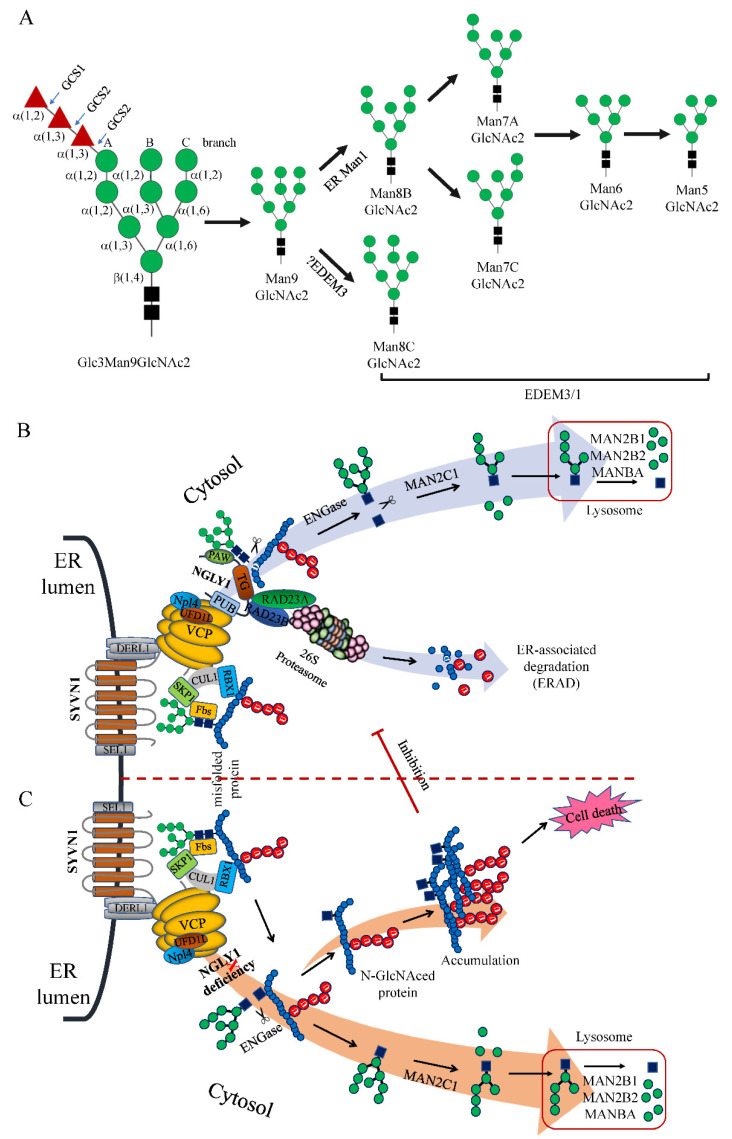
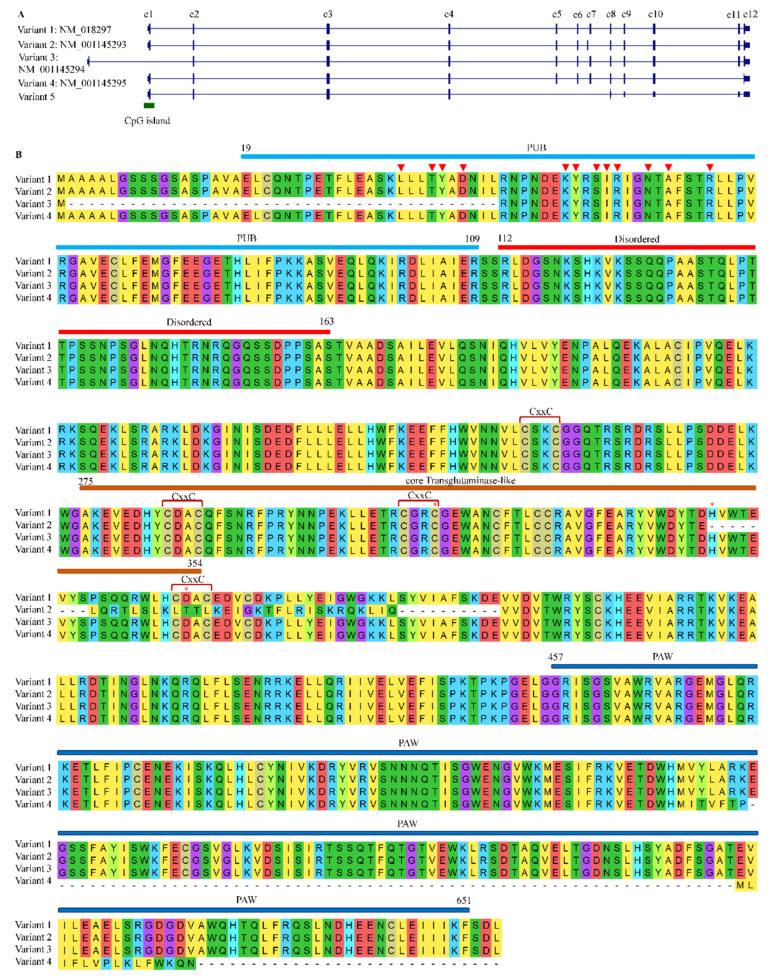
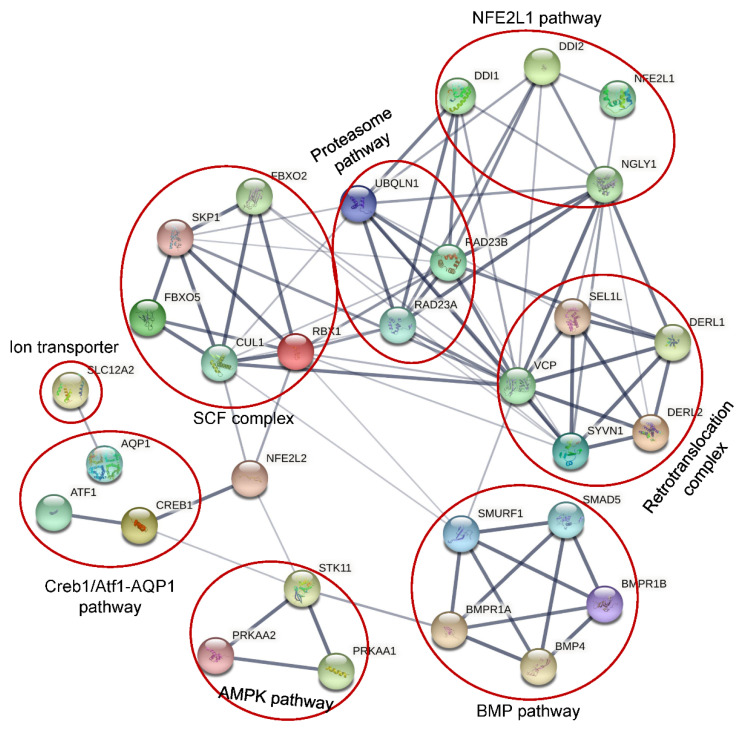
The cytosolic PNGase (peptide:N-glycanase), also known as peptide-N4-(N-acetyl-β-glucosaminyl)-asparagine amidase, is a well-conserved deglycosylation enzyme (EC 3.5.1.52) which catalyzes the non-lysosomal hydrolysis of an N(4)-(acetyl-β-d-glucosaminyl) asparagine residue (Asn, N) into a N-acetyl-β-d-glucosaminyl-amine and a peptide containing an aspartate residue (Asp, D). This enzyme (NGLY1) plays an essential role in the clearance of misfolded or unassembled glycoproteins through a process named ER-associated degradation (ERAD). Accumulating evidence also points out that NGLY1 deficiency can cause an autosomal recessive (AR) human genetic disorder associated with abnormal development and congenital disorder of deglycosylation. In addition, the loss of NGLY1 can affect multiple cellular pathways, including but not limited to NFE2L1 pathway, Creb1/Atf1-AQP pathway, BMP pathway, AMPK pathway, and SLC12A2 ion transporter, which might be the underlying reasons for a constellation of clinical phenotypes of NGLY1 deficiency. The current comprehensive review uncovers the NGLY1’ssdetailed structure and its important roles for participation in ERAD, involvement in CDDG and potential treatment for NGLY1 deficiency.
Overview
The claims and statistics of this paper haven’t been checked yet.
Run the check — free, no account needed. It reads the open-access text and checks the sources it cites.
Integrity signals
Registry
Cites
Statistics
Figures
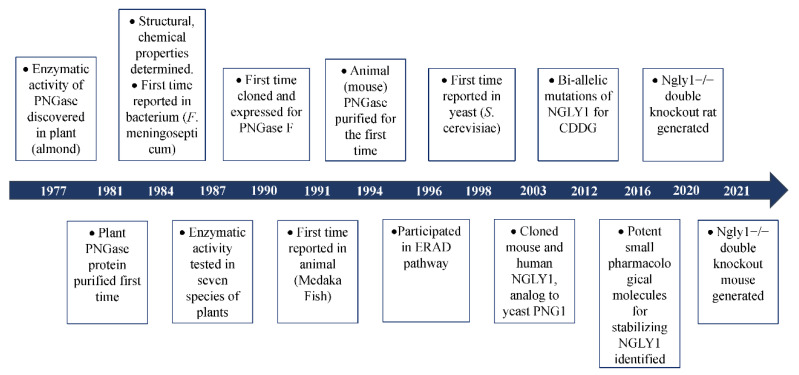
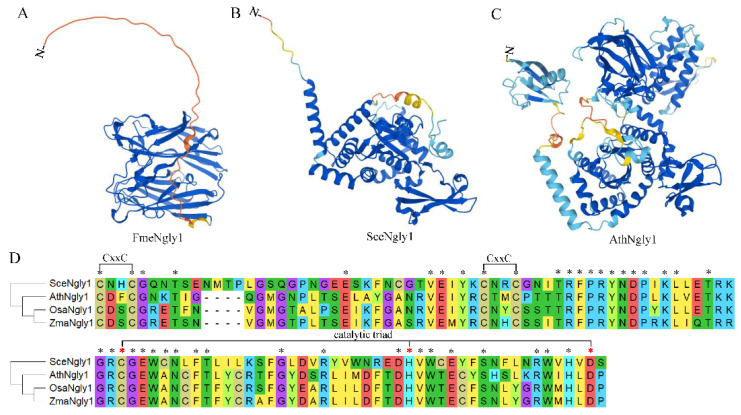
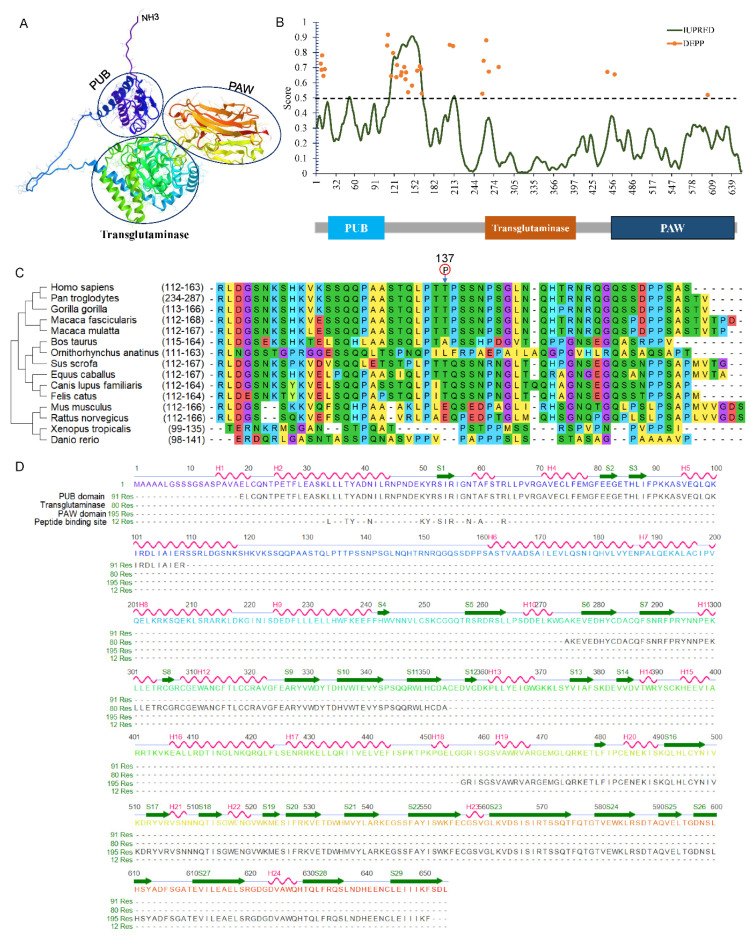
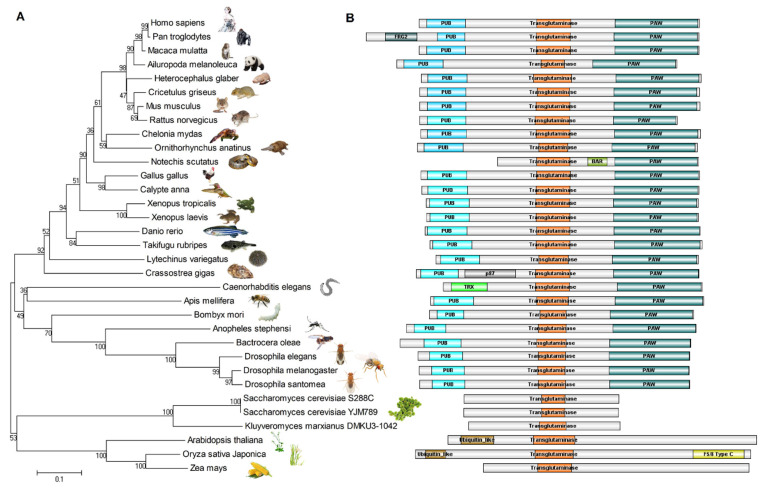
Verification
Claims the paper makes
The claims and statistics of this paper haven’t been checked yet.
Run the check — free, no account needed. It reads the open-access text and checks the sources it cites.
Self-check
Percentages, sums and reported differences re-computed from the paper’s own numbers.
The self-check needs the paper’s full text.
Citations
Cites
Highly accurate protein structure prediction with AlphaFold
Jumper, J., Evans, R., Pritzel, A., Green, T., Figurnov, M., Ronneberger, O., Tunyasuvunakool, K., Bates, R., Žídek, A., Potapenko, A., et al. (2021) · Nature · doi:10.1038/s41586-021-03819-2 · Cited by 43,764
Proceedings of the National Academy of Sciences of the United States of America
Dowling, J. E., & Wald, G. (2009) · Nutrition Reviews · doi:10.1111/j.1753-4887.1981.tb06752.x · Cited by 17,893
Varadi, M., Anyango, S., Deshpande, M., Nair, S., Natassia, C., Yordanova, G., Yuan, D., Stroe, O., Wood, G., Laydon, A., et al. (2022) · Nucleic Acids Research · doi:10.1093/nar/gkab1061 · Cited by 7,850
Biochemical and Biophysical Research Communications
Rc, A. N., On Filamentous Bacteriophage, M., Hoffmann, S., & Willbold, D. (1960) · Nature · doi:10.1038/186124d0 · Cited by 6,690
COSMIC: the Catalogue Of Somatic Mutations In Cancer
Tate, J. G., Bamford, S., Jubb, H. C., Sondka, Z., Beare, D. M., Bindal, N., Boutselakis, H., Cole, C. G., Creatore, C., Dawson, E., et al. (2019) · Nucleic Acids Research · doi:10.1093/nar/gky1015 · Cited by 4,867
Global analysis of protein expression in yeast
Ghaemmaghami, S., Huh, W.-K., Bower, K., Howson, R. W., Belle, A., Dephoure, N., O'Shea, E. K., & Weissman, J. S. (2003) · Nature · doi:10.1038/nature02046 · Cited by 3,750
Cell Survival Responses to Environmental Stresses Via the Keap1-Nrf2-ARE Pathway
Kensler, T. W., Wakabayashi, N., & Biswal, S. (2007) · Annual Review of Pharmacology and Toxicology · doi:10.1146/annurev.pharmtox.46.120604.141046 · Cited by 3,630
CDD/SPARCLE: the conserved domain database in 2020
Lu, S., Wang, J., Chitsaz, F., Derbyshire, M. K., Geer, R. C., Gonzales, N. R., Gwadz, M., Hurwitz, D. I., Marchler, G. H., Song, J. S., et al. (2019) · Nucleic Acids Research · doi:10.1093/nar/gkz991 · Cited by 3,062
Protein Misfolding, Amyloid Formation, and Human Disease: A Summary of Progress Over the Last Decade
Chiti, F., & Dobson, C. M. (2017) · Annual Review of Biochemistry · doi:10.1146/annurev-biochem-061516-045115 · Cited by 2,629
Mészáros, B., Erdős, G., & Dosztányi, Z. (2018) · Nucleic Acids Research · doi:10.1093/nar/gky384 · Cited by 1,454
Alternative splicing as a regulator of development and tissue identity
Baralle, F. E., & Giudice, J. (2017) · Nature Reviews Molecular Cell Biology · doi:10.1038/nrm.2017.27 · Cited by 1,333
Deglycosylation of asparagine-linked glycans by peptide:N-glycosidase F
Tarentino, A. L., Gomez, C. M., & Plummer, T. H. (1985) · Biochemistry · doi:10.1021/bi00338a028 · Cited by 1,130
Systematic Identification of Novel Protein Domain Families Associated with Nuclear Functions
Doerks, T., Copley, R. R., Schultz, J., Ponting, C. P., & Bork, P. (2002) · Genome Research · doi:10.1101/gr.203201 · Cited by 597
Quality Control in the Endoplasmic Reticulum: Crosstalk between ERAD and UPR pathways
Hwang, J., & Qi, L. (2018) · Trends in Biochemical Sciences · doi:10.1016/j.tibs.2018.06.005 · Cited by 592
Plummer, T. H., Elder, J. H., Alexander, S., Phelan, A. W., & Tarentino, A. L. (1984) · Journal of Biological Chemistry · doi:10.1016/s0021-9258(18)90568-5 · Cited by 587
Protein dislocation from the ER requires polyubiquitination and the AAA-ATPase Cdc48
Jarosch, E., Taxis, C., Volkwein, C., Bordallo, J., Finley, D., Wolf, D. H., & Sommer, T. (2002) · Nature Cell Biology · doi:10.1038/ncb746 · Cited by 532
Hartl, F. U. (2017) · Annual Review of Biochemistry · doi:10.1146/annurev-biochem-061516-044518 · Cited by 530
OS-9 and GRP94 deliver mutant α1-antitrypsin to the Hrd1–SEL1L ubiquitin ligase complex for ERAD
Christianson, J. C., Shaler, T. A., Tyler, R. E., & Kopito, R. R. (2008) · Nature Cell Biology · doi:10.1038/ncb1689 · Cited by 509
Antioxidants Enhance Mammalian Proteasome Expression through the Keap1-Nrf2 Signaling Pathway
Kwak, M.-K., Wakabayashi, N., Greenlaw, J. L., Yamamoto, M. P., & Kensler, T. W. (2003) · Molecular and Cellular Biology · doi:10.1128/mcb.23.23.8786-8794.2003 · Cited by 506
Ittisoponpisan, S., Islam, S. A., Khanna, T., Alhuzimi, E., David, A., & Sternberg, M. J. E. (2019) · Journal of Molecular Biology · doi:10.1016/j.jmb.2019.04.009 · Cited by 489
Defining human ERAD networks through an integrative mapping strategy
Christianson, J. C., Olzmann, J. A., Shaler, T. A., Sowa, M. E., Bennett, E. J., Richter, C. M., Tyler, R. E., Greenblatt, E. J., Wade Harper, J., & Kopito, R. R. (2012) · Nature Cell Biology · doi:10.1038/ncb2383 · Cited by 483
Role of EDEM in the Release of Misfolded Glycoproteins from the Calnexin Cycle
Molinari, M., Calanca, V., Galli, C., Lucca, P., & Paganetti, P. (2003) · Science · doi:10.1126/science.1079474 · Cited by 470
EDEM As an Acceptor of Terminally Misfolded Glycoproteins Released from Calnexin
Oda, Y., Hosokawa, N., Wada, I., & Nagata, K. (2003) · Science · doi:10.1126/science.1079181 · Cited by 453
Toward a comprehensive characterization of a human cancer cell phosphoproteome
Zhou, H., Di Palma, S., Preisinger, C., Peng, M., Polat, A. N., Heck, A. J. R., & Mohammed, S. (2013) · Journal of Proteome Research · doi:10.1021/pr300630k · Cited by 438
Clinical application of exome sequencing in undiagnosed genetic conditions
Need, A. C., Shashi, V., Hitomi, Y., Schoch, K., Shianna, K. V., McDonald, M. T., Meisler, M. H., & Goldstein, D. B. (2012) · Journal of Medical Genetics · doi:10.1136/jmedgenet-2012-100819 · Cited by 438
The UBA domain: a sequence motif present in multiple enzyme classes of the ubiquitination pathway
Hofmann, K., & Bücher, P. (1996) · Trends in Biochemical Sciences · doi:10.1016/s0968-0004(96)30015-7 · Cited by 405
Transcription factor NFE2L2/NRF2 is a regulator of macroautophagy genes
Pajares, M., Jiménez-Moreno, N., García-Yagüe, Á. J., Escoll, M., de Ceballos, M. L., Van Leuven, F., Rábano, A., Yamamoto, M., Rojo, A. I., & Cuadrado, A. (2016) · Autophagy · doi:10.1080/15548627.2016.1208889 · Cited by 392
The plant journal for cell and molecular biology
Dickinson, H. G. (1993) · Trends in Biochemical Sciences · doi:10.1016/0968-0004(93)90024-h · Cited by 375
Proteasomal Degradation Is Transcriptionally Controlled by TCF11 via an ERAD-Dependent Feedback Loop
Steffen, J., Seeger, M., Koch, A., & Krüger, E. (2010) · Molecular Cell · doi:10.1016/j.molcel.2010.09.012 · Cited by 366
E3 ubiquitin ligase that recognizes sugar chains
Yoshida, Y., Chiba, T., Tokunaga, F., Kawasaki, H., Iwaï, K., Suzuki, T., Ito, Y., Matsuoka, K., Yoshida, M., Tanaka, K., et al. (2002) · Nature · doi:10.1038/nature00890 · Cited by 356
Parodi, A. J. (2000) · Biochemical Journal · doi:10.1042/0264-6021:3480001 · Cited by 341
Schuberth, C., & Buchberger, A. (2005) · Nature Cell Biology · doi:10.1038/ncb1299 · Cited by 314
Takahashi, K., & Nei, M. (2000) · Molecular Biology and Evolution · doi:10.1093/oxfordjournals.molbev.a026408 · Cited by 307
Getting In and Out from Calnexin/Calreticulin Cycles
Caramelo, J. J., & Parodi, A. J. (2008) · Journal of Biological Chemistry · doi:10.1074/jbc.r700048200 · Cited by 307
Rad23 Promotes the Targeting of Proteolytic Substrates to the Proteasome
Chen, L., & Madura, K. (2002) · Molecular and Cellular Biology · doi:10.1128/mcb.22.13.4902-4913.2002 · Cited by 290
Bakrania, P., Efthymiou, M., Klein, J. C., Salt, A., Bunyan, D. J., Wyatt, A., Ponting, C. P., Martin, A., Williams, S., Lindley, V., et al. (2008) · The American Journal of Human Genetics · doi:10.1016/j.ajhg.2007.09.023 · Cited by 245
Proteasome dysfunction triggers activation of SKN-1A/Nrf1 by the aspartic protease DDI-1
Lehrbach, N. J., & Ruvkun, G. (2016) · eLife · doi:10.7554/elife.17721 · Cited by 239
Nonsense-Mediated mRNA Decay Begins Where Translation EndsPreprint
Karousis, E. D., & Mühlemann, O. (2018) · Cold Spring Harbor Perspectives in Biology · doi:10.1101/cshperspect.a032862 · Cited by 230
PNG1, a Yeast Gene Encoding a Highly Conserved Peptide:N-Glycanase
Suzuki, T., Park, H., Hollingsworth, N. M., Sternglanz, R., & Lennarz, W. J. (2000) · The Journal of Cell Biology · doi:10.1083/jcb.149.5.1039 · Cited by 227
Enns, G. M., Shashi, V., Bainbridge, M. N., Gambello, M. J., Zahir, F., Bast, T., Crimian, R., Schoch, K., Platt, J., Cox, R., et al. (2014) · Genetics in Medicine · doi:10.1038/gim.2014.22 · Cited by 225
Oligosaccharyltransferase: the central enzyme of N‐linked protein glycosylation
Mohorko, E., Glockshuber, R., & Aebi, M. (2011) · Journal of Inherited Metabolic Disease · doi:10.1007/s10545-011-9337-1 · Cited by 215
Hosokawa, N., Kamiya, Y., Kamiya, D., Kato, K., & Nagata, K. (2009) · Journal of Biological Chemistry · doi:10.1074/jbc.m809725200 · Cited by 214
Stressed to death – mechanisms of ER stress-induced cell death
Sovolyova, N., Healy, S., Afshin Samali, A., & Logue, S. E. (2013) · Biological Chemistry · doi:10.1515/hsz-2013-0174 · Cited by 203
The aspartyl protease DDI2 activates Nrf1 to compensate for proteasome dysfunction
Koizumi, S., Irie, T., Hirayama, S., Sakurai, Y., Yashiroda, H., Naguro, I., Ichijo, H., Hamazaki, J., & Murata, S. (2016) · eLife · doi:10.7554/elife.18357 · Cited by 188
Stringent requirement for HRD1, SEL1L, and OS-9/XTP3-B for disposal of ERAD-LS substrates
Bernasconi, R., Galli, C., Calanca, V., Nakajima, T., & Molinari, M. (2010) · The Journal of Cell Biology · doi:10.1083/jcb.200910042 · Cited by 187
Binding of OTULIN to the PUB Domain of HOIP Controls NF-κB Signaling
Schaeffer, V., Akutsu, M., Olma, M. H., Gomes, L. C., Kawasaki, M., & Đikić, I. (2014) · Molecular Cell · doi:10.1016/j.molcel.2014.03.016 · Cited by 185
Demonstration of a new amidase acting on glycopeptides
Takahashi, N. (1977) · Biochemical and Biophysical Research Communications · doi:10.1016/0006-291x(77)90982-2 · Cited by 183
Fbs2 Is a New Member of the E3 Ubiquitin Ligase Family That Recognizes Sugar Chains
Yoshida, Y., Tokunaga, F., Chiba, T., Iwaï, K., Tanaka, K., & Tai, T. (2003) · Journal of Biological Chemistry · doi:10.1074/jbc.m304157200 · Cited by 176
The surface ectoderm is essential for nephric duct formation in intermediate mesoderm
Obara-Ishihara, T., Kuhlman, J. A., Niswander, L. A., & Herzlinger, D. (1999) · Development · doi:10.1242/dev.126.6.1103 · Cited by 173
Suzuki, T., Park, H., & Lennarz, W. J. (2002) · The FASEB Journal · doi:10.1096/fj.01-0889rev · Cited by 160
PMI: A ΔΨm Independent Pharmacological Regulator of Mitophagy
East, D. A., Fagiani, F., Crosby, J., Georgakopoulos, N., Bertrand, H. C., Schaap, M., Fowkes, A., Wells, G., & Campanella, M. (2014) · Chemistry & Biology · doi:10.1016/j.chembiol.2014.09.019 · Cited by 159
Membrane-Sculpting BAR Domains Generate Stable Lipid Microdomains
Zhao, H., Michelot, A., Koskela, E. V., Tkach, V., Stamou, D. G., Drubin, D. G., & Lappalainen, P. (2013) · Cell Reports · doi:10.1016/j.celrep.2013.08.024 · Cited by 149
Dantuma, N. P., Heinen, C., & Hoogstraten, D. (2009) · DNA repair · doi:10.1016/j.dnarep.2009.01.005 · Cited by 145
Prospective phenotyping of NGLY1-CDDG, the first congenital disorder of deglycosylation
Lam, C. T., Ferreira, C. R., Krasnewich, D. M., Toro, C., Latham, L. L., Zein, W. M., Lehky, T., Brewer, C. C., Baker, E. H., Thurm, A. E., et al. (2016) · Genetics in Medicine · doi:10.1038/gim.2016.75 · Cited by 142
A glycosylated type I membrane protein becomes cytosolic when peptide: N‐glycanase is compromised
Blom, D., Hirsch, C., Stern, P., Tortorella, D., & Ploegh, H. L. (2004) · The EMBO Journal · doi:10.1038/sj.emboj.7600090 · Cited by 129
Membrane shaping by the Bin/amphiphysin/Rvs (BAR) domain protein superfamily
Rao, Y., & Haucke, V. (2011) · Cellular and Molecular Life Sciences · doi:10.1007/s00018-011-0768-5 · Cited by 128
Tirosh-Finkel, L., Zeisel, A., Ivenshitz, M., Shamai, A., Yao, Z., Seger, R., Domany, E., & Tzahor, E. (2010) · Development · doi:10.1242/dev.051649 · Cited by 127
Protein Sequence Editing of SKN-1A/Nrf1 by Peptide:N-Glycanase Controls Proteasome Gene Expression
Lehrbach, N. J., Breen, P. C., & Ruvkun, G. (2019) · Cell · doi:10.1016/j.cell.2019.03.035 · Cited by 126
N-glycanase NGLY1 regulates mitochondrial homeostasis and inflammation through NRF1
Yang, K., Huang, R. B., Fujihira, H., Suzuki, T., & Yan, N. (2018) · The Journal of Experimental Medicine · doi:10.1084/jem.20180783 · Cited by 123
Nuclear Factor Erythroid-2 Like 1 (NFE2L1): Structure, function and regulation
Kim, H. M., Han, J. W., & Chan, J. Y. (2016) · Gene · doi:10.1016/j.gene.2016.03.002 · Cited by 122
BMP4 loss-of-function mutations in developmental eye disorders including SHORT syndrome
Reis, L. M., Tyler, R. C., Schilter, K. F., Abdul-Rahman, O. A., Innis, J. W., Kozel, B. A., Schneider, A. S., Bardakjian, T., Lose, E. J., Martin, D. M., et al. (2011) · Human Genetics · doi:10.1007/s00439-011-0968-y · Cited by 120
Huang, C., Harada, Y., Hosomi, A., Masahara-Negishi, Y., Seino, J., Fujihira, H., Funakoshi, Y., Suzuki, T., Dohmae, N., & Suzuki, T. (2015) · Proceedings of the National Academy of Sciences · doi:10.1073/pnas.1414593112 · Cited by 119
Using a Small Molecule Inhibitor of Peptide: N-Glycanase to Probe Its Role in Glycoprotein Turnover
Misaghi, S., Pacold, M. E., Blom, D., Ploegh, H. L., & Korbel, G. A. (2004) · Chemistry & Biology · doi:10.1016/j.chembiol.2004.11.010 · Cited by 116
The atomic structure of a eukaryotic oligosaccharyltransferase complex
Bai, L., Wang, T., Zhao, G., Kovach, A., & Li, H. (2018) · Nature · doi:10.1038/nature25755 · Cited by 114
The proteomics of quiescent and nonquiescent cell differentiation in yeast stationary-phase cultures
Davidson, G. S., Joe, R. M., Roy, S., Meirelles, O., Allen, C., Wilson, M. R., Tapia, P. H., Manzanilla, E. E., Dodson, A. E., Chakraborty, S., et al. (2011) · Molecular Biology of the Cell · doi:10.1091/mbc.e10-06-0499 · Cited by 106
Fujihira, H., Masahara-Negishi, Y., Tamura, M., et al. (2017) · PLoS Genetics · doi:10.1371/journal.pgen.1006696 · Cited by 106
The PUB Domain Functions as a p97 Binding Module in Human Peptide N-Glycanase
Allen, M. D., Buchberger, A., & Bycroft, M. (2006) · Journal of Biological Chemistry · doi:10.1074/jbc.m601173200 · Cited by 104
Some Characteristics of a New Glycopeptidase Acting on Aspartylglycosylamine Linkages1
Takahashi, N., & NISHIBE, H. (1978) · The Journal of Biochemistry · doi:10.1093/oxfordjournals.jbchem.a132270 · Cited by 102
Identification of Peptide:N-Glycanase Activity in Mammalian-Derived Cultured Cells
Suzuki, T., Seko, A., Kitajima, K., Inoue, Y., & Inoue, S. (1993) · Biochemical and Biophysical Research Communications · doi:10.1006/bbrc.1993.1938 · Cited by 102
Aquaporins in Salivary Glands: From Basic Research to Clinical Applications
Delporte, C., Bryla, A., & Perret, J. (2016) · International Journal of Molecular Sciences · doi:10.3390/ijms17020166 · Cited by 98
Plummer, T. H., & Tarentino, A. L. (1981) · Journal of Biological Chemistry · doi:10.1016/s0021-9258(19)68610-2 · Cited by 96
SnapShot: N-Glycosylation Processing Pathways across Kingdoms
Chung, C., Majewska, N. I., Wang, Q., Paul, J. T., & Betenbaugh, M. J. (2017) · Cell · doi:10.1016/j.cell.2017.09.014 · Cited by 96
Protein quality control in the endoplasmic reticulum
Phillips, B. P., Gómez‐Navarro, N., & Miller, E. A. (2020) · Current Opinion in Cell Biology · doi:10.1016/j.ceb.2020.04.002 · Cited by 96
Suzuki, T., Kitajima, K., Emori, Y., Inoue, Y., & Inoue, S. (1997) · Proceedings of the National Academy of Sciences · doi:10.1073/pnas.94.12.6244 · Cited by 94
Quality control of glycoprotein folding and ERAD: the role of N-glycan handling, EDEM1 and OS-9
Roth, J., & Zuber, C. (2016) · Histochemistry and Cell Biology · doi:10.1007/s00418-016-1513-9 · Cited by 93
Structural characteristics of BAR domain superfamily to sculpt the membrane
Masuda, M., & Mochizuki, N. (2010) · Seminars in Cell and Developmental Biology · doi:10.1016/j.semcdb.2010.01.010 · Cited by 92
Endoplasmic reticulum quality control in cancer: Friend or foe
Kim, H., Bhattacharya, A., & Qi, L. (2015) · Seminars in Cancer Biology · doi:10.1016/j.semcancer.2015.02.003 · Cited by 91
Suzuki, T., Park, H., Kitajima, K., & Lennarz, W. J. (1998) · Journal of Biological Chemistry · doi:10.1074/jbc.273.34.21526 · Cited by 91
Structural basis for the selection of glycosylated substrates by SCF Fbs1 ubiquitin ligase
Mizushima, T., Yoshida, Y., Kumanomidou, T., Hasegawa, Y., Suzuki, A., Yamane, T., & Tanaka, K. (2007) · Proceedings of the National Academy of Sciences · doi:10.1073/pnas.0610312104 · Cited by 84
AtPng1p. The First Plant Transglutaminase
Mea, M. D., Caparrós‐Ruiz, D., Claparols, I., Serafini‐Fracassini, D., & Rigau, J. (2004) · PLANT PHYSIOLOGY · doi:10.1104/pp.104.042549 · Cited by 82
Oligosaccharide accessibility to peptide:N-glycosidase as promoted by protein-unfolding reagents.
Tarentino, A. L., & Plummer, T. H. (1982) · Journal of Biological Chemistry · doi:10.1016/s0021-9258(18)33891-2 · Cited by 81
Glycoprotein‐specific ubiquitin ligases recognize N‐glycans in unfolded substrates
Yoshida, Y., Adachi, E., Fukiya, K., Iwaï, K., & Tanaka, K. (2005) · EMBO Reports · doi:10.1038/sj.embor.7400351 · Cited by 81
Suzuki, T., Park, H., Anderson, E. A., & Lennarz, W. J. (2001) · Biochemical and Biophysical Research Communications · doi:10.1006/bbrc.2001.5688 · Cited by 81
Delpire, E. J., & Gagnon, K. B. (2018) · Comprehensive physiology · doi:10.1002/cphy.c170018 · Cited by 80
Free N-linked oligosaccharide chains: Formation and degradation
Suzuki, T., & Funakoshi, Y. (2006) · Glycoconjugate Journal · doi:10.1007/s10719-006-6975-x · Cited by 79
The Retrotranslocation Protein Derlin-1 Binds Peptide:N-Glycanase to the Endoplasmic Reticulum
Katiyar, S., Joshi, S., & Lennarz, W. J. (2005) · Molecular Biology of the Cell · doi:10.1091/mbc.e05-04-0345 · Cited by 77
Free oligosaccharide regulation during mammalian protein N-glycosylation
Chantret, I., & Moore, S. E. H. (2007) · Glycobiology · doi:10.1093/glycob/cwn003 · Cited by 75
Katiyar, S., Li, G., & Lennarz, W. J. (2004) · Proceedings of the National Academy of Sciences · doi:10.1073/pnas.0405663101 · Cited by 73
Structural and chemical characterization of a homogeneous peptide N-glycosidase from almond
Taga, E. M., Waheed, A., & Etten, R. L. V. (1984) · Biochemistry · doi:10.1021/bi00300a006 · Cited by 66
Detection and quantification of peptide‐N4‐(N‐acetyl‐β‐glucosaminyl)asparagine amidases
Plummer, T. H., Phelan, A. W., & Tarentino, A. L. (1987) · European Journal of Biochemistry · doi:10.1111/j.1432-1033.1987.tb10751.x · Cited by 66
Tissue-specific regulation of BMP signaling by Drosophila N-glycanase 1
Antonio, G., Han, S. Y., Huang, C., Hosomi, A., Suzuki, T., & Jafar‐Nejad, H. (2017) · eLife · doi:10.7554/elife.27612 · Cited by 66
Seko, A., Kitajima, K., Inoue, Y., & Inoue, S. (1991) · Journal of Biological Chemistry · doi:10.1016/s0021-9258(18)54540-3 · Cited by 63
Lee, J., Choi, J. M., Lee, C., Yi, K. J., & Cho, Y. (2005) · Proceedings of the National Academy of Sciences · doi:10.1073/pnas.0502082102 · Cited by 60
Mitochondrial function requires NGLY1
Kong, J., Peng, M., Ostrovsky, J., Kwon, Y. J., Oretsky, O., McCormick, E. M., He, M., Argon, Y., & Falk, M. J. (2017) · Mitochondrion · doi:10.1016/j.mito.2017.07.008 · Cited by 58
Oligosaccharide transport: pumping waste from the ER into lysosomes
Moore, S. E. H. (1999) · Trends in Cell Biology · doi:10.1016/s0962-8924(99)01648-7 · Cited by 57
Owings, K. G., Lowry, J., Bi, Y., Might, M., & Chow, C. Y. (2018) · Human Molecular Genetics · doi:10.1093/hmg/ddy026 · Cited by 56
Tarentino, A. L., Quinones, G., Trumble, A., Changchien, L., Duceman, B. W., Maley, F., & Plummer, T. H. (1990) · Journal of Biological Chemistry · doi:10.1016/s0021-9258(19)39244-0 · Cited by 55
Asahina, M., Fujinawa, R., Nakamura, S., Yokoyama, K., Tozawa, R., & Suzuki, T. (2020) · Human Molecular Genetics · doi:10.1093/hmg/ddaa059 · Cited by 54
Maerz, S., Funakoshi, Y., Negishi, Y., Suzuki, T., & Seiler, S. (2009) · Journal of Biological Chemistry · doi:10.1074/jbc.m109.045302 · Cited by 53
The Arabidopsis AtPNG1 gene encodes a peptide: N‐glycanase
Diepold, A., Li, G., Lennarz, W. J., Nürnberger, T., & Brunner, F. (2007) · The Plant Journal · doi:10.1111/j.1365-313x.2007.03215.x · Cited by 52
Suzuki, T., Kwofie, M. A., & Lennarz, W. J. (2003) · Biochemical and Biophysical Research Communications · doi:10.1016/s0006-291x(03)00600-4 · Cited by 52
Kario, E., Tirosh, B., Ploegh, H. L., & Navon, A. (2007) · Journal of Biological Chemistry · doi:10.1074/jbc.m706237200 · Cited by 51
Cryo-EM structure of TFIIH/Rad4–Rad23–Rad33 in damaged DNA opening in nucleotide excision repair
van Eeuwen, T., Shim, Y., Kim, H. J., Zhao, T., Basu, S., Garcia, B. A., Kaplan, C. D., Min, J., & Murakami, K. (2021) · Nature Communications · doi:10.1038/s41467-021-23684-x · Cited by 51
Zhou, X., Zhao, G., Truglio, J. J., Wang, L., Li, G., Lennarz, W. J., & Schindelin, H. (2006) · Proceedings of the National Academy of Sciences · doi:10.1073/pnas.0602954103 · Cited by 48
Aspartylglycosamine is a biomarker for NGLY1-CDDG, a congenital disorder of deglycosylation
Haijes, H. A., der Velden, M. G. M. D. S., Prinsen, H. C. M. T., et al. (2019) · Molecular Genetics and Metabolism · doi:10.1016/j.ymgme.2019.07.001 · Cited by 48
Seko, A., Kitajima, K., Iwasaki, M., Inoue, S., & Inoue, Y. (1989) · Journal of Biological Chemistry · doi:10.1016/s0021-9258(18)71567-6 · Cited by 47
Murphy, P., & Kolstø, A. (2000) · Mechanisms of Development · doi:10.1016/s0925-4773(00)00413-5 · Cited by 47
He, P., Grotzke, J. E., Ng, B. G., et al. (2015) · Glycobiology · doi:10.1093/glycob/cwv024 · Cited by 47
Membrane re-modelling by BAR domain superfamily proteins via molecular and non-molecular factors
Nishimura, T., Morone, N., & Suetsugu, S. (2018) · Biochemical Society Transactions · doi:10.1042/bst20170322 · Cited by 47
Yoshida, Y., Asahina, M., Murakami, A., Kawawaki, J., Yoshida, M., Fujinawa, R., Iwaï, K., Tozawa, R., Matsuda, N., Tanaka, K., et al. (2021) · Proceedings of the National Academy of Sciences · doi:10.1073/pnas.2102902118 · Cited by 47
NISHIBE, H., & Takahashi, N. (1981) · Biochimica et Biophysica Acta (BBA) - Enzymology · doi:10.1016/0005-2744(81)90015-2 · Cited by 46
Bi, Y., Might, M., Vankayalapati, H., et al. (2017) · Bioorganic & Medicinal Chemistry Letters · doi:10.1016/j.bmcl.2017.05.010 · Cited by 46
Demonstration of a new glycopeptidase, from jack-bean meal, acting on aspartylglucosylamine linkages
Sugiyama, K., Ishihara, H., Tejima, S., & Takahashi, N. (1983) · Biochemical and Biophysical Research Communications · doi:10.1016/0006-291x(83)91810-7 · Cited by 45
Regulation of BMP4/Dpp retrotranslocation and signaling by deglycosylation
Galeone, A., Adams, J., Matsuda, S., Presa, M. F., Pandey, A. N., Han, S. Y., Tachida, Y., Hirayama, H., Vaccari, T., Suzuki, T., et al. (2020) · eLife · doi:10.7554/elife.55596 · Cited by 45
Zhao, G., Zhou, X., Wang, L., Li, G., Kisker, C., Lennarz, W. J., & Schindelin, H. (2006) · Journal of Biological Chemistry · doi:10.1074/jbc.m600137200 · Cited by 44
A plant peptide: N-glycanase orthologue facilitates glycoprotein ER-associated degradation in yeast
Masahara-Negishi, Y., Hosomi, A., Mea, M. D., Serafini‐Fracassini, D., & Suzuki, T. (2012) · Biochimica et Biophysica Acta (BBA) - General Subjects · doi:10.1016/j.bbagen.2012.05.009 · Cited by 44
Zhao, G., Li, G., Zhou, X. Y., Matsuo, I., Ito, Y., Suzuki, T., Lennarz, W. J., & Schindelin, H. (2008) · Glycobiology · doi:10.1093/glycob/cwn108 · Cited by 43
N-Glycanase 1 Transcriptionally Regulates Aquaporins Independent of Its Enzymatic Activity
Tambe, M. A., Ng, B. G., & Freeze, H. H. (2019) · Cell Reports · doi:10.1016/j.celrep.2019.11.097 · Cited by 43
Suzuki, T., Hara, I., Nakano, M., Zhao, G., Lennarz, W. J., Schindelin, H., Taniguchi, N., Totani, K., Matsuo, I., & Ito, Y. (2006) · Journal of Biological Chemistry · doi:10.1074/jbc.m603236200 · Cited by 39
A Drosophila screen identifies NKCC1 as a modifier of NGLY1 deficiency
Talsness, D. M., Owings, K. G., Coelho, E., Mercenne, G., Pleinis, J. M., Partha, R., Hope, K. A., Zuberi, A. R., Clark, N. L., Lutz, C. M., et al. (2020) · eLife · doi:10.7554/elife.57831 · Cited by 39
Investigating the importance of proteasome-interaction for Rad23 function
Lambertson, D., Chen, L., & Madura, K. (2002) · Current Genetics · doi:10.1007/s00294-002-0350-7 · Cited by 38
Kühn, P., Guan, C., Cui, T., Tarentino, A. L., Plummer, T. H., & Roey, P. V. (1995) · Journal of Biological Chemistry · doi:10.1074/jbc.270.49.29493 · Cited by 38
Barsomian, G., Johnson, T. L., Borowski, M., Denman, J. L., Ollington, J. F., Hirani, S., McNeilly, D., & Rasmussen, J. R. (1990) · Journal of Biological Chemistry · doi:10.1016/s0021-9258(19)39245-2 · Cited by 37
Panneman, D. M., Wortmann, S. B., Haaxma, C. A., van Hasselt, P. M., Wolf, N. I., Hendriks, Y. M. C., Küsters, B., Vries, S. E. V. E., van de Westerlo, E., Koopman, W. J. H., et al. (2020) · Clinical Genetics · doi:10.1111/cge.13706 · Cited by 37
A conserved role for AMP-activated protein kinase in NGLY1 deficiency
Han, S. Y., Pandey, A. N., Moore, T., Galeone, A., Duraine, L., Cowan, T. M., & Jafar‐Nejad, H. (2020) · PLoS Genetics · doi:10.1371/journal.pgen.1009258 · Cited by 36
Ishii, K., Iwasaki, M., Inoue, S., Kenny, P. T. M., Komura, H., & Inoue, Y. (1989) · Journal of Biological Chemistry · doi:10.1016/s0021-9258(18)94232-8 · Cited by 35
Chantret, I., Fasseu, M., Zaoui, K., Bizec, C. L., Yayé, H. S., Dupré, T., & Moore, S. E. H. (2010) · PLoS ONE · doi:10.1371/journal.pone.0011734 · Cited by 34
Abuduxikuer, K., Zou, L., Wang, L., Chen, L., & Wang, J. (2020) · Journal of Human Genetics · doi:10.1038/s10038-019-0719-9 · Cited by 34
Rusan, Z. M., Kingsford, O. A., & Tanouye, M. A. (2014) · PLoS ONE · doi:10.1371/journal.pone.0101117 · Cited by 32
Chantret, I., Kodali, V. P., Lahmouich, C., Harvey, D. J., & Moore, S. E. H. (2011) · Journal of Biological Chemistry · doi:10.1074/jbc.m111.251371 · Cited by 32
Reversibility of motor dysfunction in the rat model of NGLY1 deficiency
Asahina, M., Fujinawa, R., Hirayama, H., Tozawa, R., Kajii, Y., & Suzuki, T. (2021) · Molecular Brain · doi:10.1186/s13041-021-00806-6 · Cited by 32
Kühn, P., Tarentino, A. L., Plummer, T. H., & Roey, P. V. (1994) · Biochemistry · doi:10.1021/bi00205a005 · Cited by 31
Kato, T., Kawahara, A., Ashida, H., & Yamamoto, K. (2007) · The Journal of Biochemistry · doi:10.1093/jb/mvm117 · Cited by 31
Dual enzymatic properties of the cytoplasmic peptide:N-glycanase in C. elegans
Suzuki, T., Tanabe, K., Hara, I., Taniguchi, N., & Colavita, A. (2007) · Biochemical and Biophysical Research Communications · doi:10.1016/j.bbrc.2007.04.199 · Cited by 29
Singh, R., Almutairi, M. M., Pacheco, R., Almiahuob, M. M., & Fulvio, M. D. (2015) · International Journal of Cell Biology · doi:10.1155/2015/505294 · Cited by 28
NGLY1 deficiency: Novel variants and literature review
Kariminejad, A., Shakiba, M., Mehrvash, S., Namiranian, P., Eghbali, M., Talebi, S., Makvand, M., Jaeken, J., Najmabadi, H., & Hennekam, R. C. M. (2021) · European Journal of Medical Genetics · doi:10.1016/j.ejmg.2021.104146 · Cited by 28
Sugar-Recognizing Ubiquitin Ligases: Action Mechanisms and Physiology
Yoshida, Y., Mizushima, T., & Tanaka, K. (2019) · Frontiers in Physiology · doi:10.3389/fphys.2019.00104 · Cited by 27
George, G., Ninagawa, S., Yagi, H., Furukawa, J., Hashii, N., Ishii‐Watabe, A., Ying, D., Matsushita, K., Ishikawa, T., Mamahit, Y. P., et al. (2021) · eLife · doi:10.7554/elife.70357 · Cited by 26
NGLY1 deficiency: Novel patient, review of the literature and diagnostic algorithm
Lipiński, P., Bogdańska, A., Różdżyńska‐Świątkowska, A., et al. (2020) · JIMD Reports · doi:10.1002/jmd2.12086 · Cited by 23
The N-terminus of yeast peptide: N-glycanase interacts with the DNA repair protein Rad23
Biswas, S., Katiyar, S., Li, G., Zhou, X., Lennarz, W. J., & Schindelin, H. (2004) · Biochemical and Biophysical Research Communications · doi:10.1016/j.bbrc.2004.08.061 · Cited by 22
Ftouhi‐Paquin, N., Hauer, C. R., Stack, R. F., Tarentino, A. L., & Plummer, T. H. (1997) · Journal of Biological Chemistry · doi:10.1074/jbc.272.36.22960 · Cited by 22
Cesaratto, F., Sasset, L., Myers, M. P., Re, A., Petris, G., & Burrone, Ó. R. (2018) · Journal of Molecular Biology · doi:10.1016/j.jmb.2018.10.009 · Cited by 22
Kamiya, Y., Uekusa, Y., Sumiyoshi, A., Sasakawa, H., Hirao, T., Suzuki, T., & Kato, K. (2012) · FEBS Letters · doi:10.1016/j.febslet.2012.03.027 · Cited by 20
Loss of N-Glycanase 1 Alters Transcriptional and Translational Regulation in K562 Cell Lines
Mueller, W. F., Jakob, P., Sun, H., Clauder‐Münster, S., Ghidelli, S., Ordoñez‐Rueda, D., Böesche, M., Bantscheff, M., Collier, P. G., Haase, B., et al. (2020) · G3 Genes Genomes Genetics · doi:10.1534/g3.119.401031 · Cited by 19
Tracing the NGLY1 footprints: insights from Drosophila
Pandey, A., & Jafar‐Nejad, H. (2021) · The Journal of Biochemistry · doi:10.1093/jb/mvab084 · Cited by 15
Zhi, H., & Yuan, W. (2011) · PubMed · Cited by 12
Metadata
- Authors
- Miao, X., Wu, J., Chen, H., & Lu, G.
- Affiliations
- Nanchang University (CN)
- Roswell Park Comprehensive Cancer Center (US)
- Laboratory of Translational Medicine Research, Department of Pathology, Deyang People’s Hospital, No. 173 First Section of Taishanbei Road, Jingyang District, Deyang 618000, China
- Corresponding author
- Wu, Jin
- Chen, Hongping
- Lu, Guanting
- Venue
- Nutrients
- Publisher
- MDPI AG
- Published
- 2022-04-19
- Volume
- 14
- Issue
- 9
- Pages
- 1690
- ISSN
- 2072-6643 (ISSN-L)
- PMC
- PMC9102325
- OpenAlex
- W4224244065
- Cited by
- 13
- References
- 146
- Citations by year
- 2026: 2 · 2025: 2 · 2024: 6 · 2023: 2 · 2022: 1
- FWCI
- 0.29
- Type
- journal article
- Language
- en
- Open access
- gold
- doi.org
- Licence
- Locations
- Nutrients (publishedVersion, cc-by)
- Preprints.org (acceptedVersion, cc-by)
- PubMed Central (publishedVersion, cc-by)
- PubMed (publishedVersion)
- DOAJ (DOAJ: Directory of Open Access Journals) (submittedVersion, cc-by-sa)
- Funders
- Key Research and Development Project of Deyang City’s Science and Technology Bureau (21ZDYF0011)
- Special Fund for Incubation Projects of Deyang People's Hospital (FHG202004)
- Topics
- Life Sciences › Biochemistry, Genetics and Molecular Biology › Molecular Biology › Glycosylation and Glycoproteins Research
- Life Sciences › Biochemistry, Genetics and Molecular Biology › Cell Biology › Endoplasmic Reticulum Stress and Disease
- Health Sciences › Medicine › Genetics (clinical) › Lysosomal Storage Disorders Research
- Keywords
- NGLY1, congenital disorders of glycosylation, ER-associated degradation, N-glycosylation, deglycosylation, BMP signaling, AMPK signaling, NKCC1, glycoprotein quality control, protein structure
- MeSH terms
- Asparagine, Humans, Peptides, Congenital Disorders of Glycosylation, Peptide-N4-(N-acetyl-beta-glucosaminyl) Asparagine Amidase, Solute Carrier Family 12, Member 2
About these checks
Registry, retraction, Cites and statistics results are computed, not judged, with one exception: a printed reference that no index lists is read once by a model before it counts as a citation error. Claims are extracted by a model and kept only when their quote appears verbatim in the text; each cited source is then checked, with a model’s help, for whether it says what the claim relies on. Those verdicts can be wrong — read the claim’s quote and the cited source before relying on one.
Statistics and arithmetic are recomputed, not judged.
Confidence bands are shown only for fields calibrated on our annotated test set. None is calibrated yet, so no band is shown.
What counts as a claim ›How we measure confidence ›How we check this ›
Are you an author, or do you see a problem with this page? Request a review
Data sources
Bibliographic data: Semantic Scholar, OpenAlex, Crossref.
Contains information from the Semantic Scholar Academic Graph Datasets, made available under the ODC Attribution License (ODC-BY 1.0).
Semantic Scholar’s data is described in: Kinney, R., et al. (2023). The Semantic Scholar Open Data Platform. arXiv:2301.10140.
