

Effects of Probiotics, Prebiotics, and Synbiotics on Human Health
Open accessThe DOI matches its Crossref record; 204 of the 210 references it cites were found in a registry or an index.
Abstract
The human gastrointestinal tract is colonised by a complex ecosystem of microorganisms. Intestinal bacteria are not only commensal, but they also undergo a synbiotic co-evolution along with their host. Beneficial intestinal bacteria have numerous and important functions, e.g., they produce various nutrients for their host, prevent infections caused by intestinal pathogens, and modulate a normal immunological response. Therefore, modification of the intestinal microbiota in order to achieve, restore, and maintain favourable balance in the ecosystem, and the activity of microorganisms present in the gastrointestinal tract is necessary for the improved health condition of the host. The introduction of probiotics, prebiotics, or synbiotics into human diet is favourable for the intestinal microbiota. They may be consumed in the form of raw vegetables and fruit, fermented pickles, or dairy products. Another source may be pharmaceutical formulas and functional food. This paper provides a review of available information and summarises the current knowledge on the effects of probiotics, prebiotics, and synbiotics on human health. The mechanism of beneficial action of those substances is discussed, and verified study results proving their efficacy in human nutrition are presented.
Overview
The claims and statistics of this paper haven’t been checked yet.
Free: it reads the open-access text and checks the first 5 claims that cite a source we can check. Create a free account to check every claim.
Integrity signals
Registry
Cites
Statistics
Figures
Verification
Claims the paper makes
The claims and statistics of this paper haven’t been checked yet.
Free: it reads the open-access text and checks the first 5 claims that cite a source we can check. Create a free account to check every claim.
Claims other papers make about this one
Each is checked against this paper’s own text: does it say what the citing paper says it does?
The source backs part of the claim, not all of it — or backs it for a different population, condition or comparison.
In the citing paper
“Therefore, the administration of specific strains of Lactobacilli and Bifidobacteria as probiotics as well as fructooligosaccharides, galactooligosaccharides, and other prebiotics, or the combination of both might constitute a benefit for immunocompromised people (118–122).”
From Immunosenescence and Its Hallmarks: How to Oppose Aging Strategically? A Review of Potential Options for Therapeutic Intervention (2019) · cites this paper as [118]
Experimental — accuracy not yet measuredThe cited source says what the claim attributes to it.
In the citing paper
“Synbiotics combined probiotics with prebiotics, improving the survival of formula probiotics as well as the reproduction of intestinal probiotics.50”
The check wasn’t confident either way, so it gives no verdict — never disputed.
In the citing paper
“However, the effectiveness of probiotic bacteria varies greatly from person to person,39”
From Gut microbiota drives structural variation of exogenous probiotics to enhance colonization (2025) · cites this paper as [39]
Experimental — accuracy not yet measured
Self-check
Percentages, sums and reported differences re-computed from the paper’s own numbers.
The self-check needs the paper’s full text.
Citations
Cites
Hill (2014) · doi:10.1038/nrgastro.2014.66 · Cited by 9,592 · cited 2×
“The definition was maintained by the International Scientific Association for Probiotics and Prebiotics (ISAPP) in 2013 [6].”
BackgroundMethodDietary Modulation of the Human Colonic Microbiota: Introducing the Concept of Prebiotics
Gibson, G. R., & Roberfroid, M. B. (1995) · The Journal of Nutrition · doi:10.1093/jn/125.6.1401 · Cited by 7,667 · cited 2×
“In 1995, prebiotics were defined by Gibson and Roberfroid as non-digested food components that, through the stimulation of growth and/or activity of a single type or a limited amount of microorganisms residing in the gastrointestinal tract, improve the health condition of a host [7].”
BackgroundAFRC, R. F. (1989) · Journal of Applied Bacteriology · doi:10.1111/j.1365-2672.1989.tb05105.x · Cited by 4,149
Authority, E. F. S., & European Centre for Disease Prevention and Control (2015) · EFSA Journal · doi:10.2903/j.efsa.2015.3991 · Cited by 3,550
Dietary modulation of the human colonic microbiota: updating the concept of prebiotics
Gibson, G. R., Probert, H. M., Loo, J. V., Rastall, R. A., & Roberfroid, M. B. (2004) · Nutrition Research Reviews · doi:10.1079/nrr200479 · Cited by 2,536
European Food Safety Authority and European Centre for Disease Prevention and Control (EFSA and ECDC) (2018) · EFSA Journal · doi:10.2903/j.efsa.2018.5500 · Cited by 1,452
Probiotics and their fermented food products are beneficial for health
Parvez, S., Malik, K. A., Ah Kang, S., & Kim, H.-Y. (2006) · Journal of Applied Microbiology · doi:10.1111/j.1365-2672.2006.02963.x · Cited by 1,435 · cited 1×
“It turns out that probiotics may increase the amount of IgA antibodies, which leads to the arrest of a viral infection [84].”
BackgroundApplication of prebiotics and probiotics in poultry production
Patterson, J., & Burkholder, K. (2003) · Poultry Science · doi:10.1093/ps/82.4.627 · Cited by 1,405 · cited 1×
“The most promising and fulfilling criteria for the classification of prebiotic substances, as evidenced by in vitro and in vivo studies, are oligosaccharides, including [142,143]: fructooligosaccharides (FOS), galactooligosaccharides (GOS), isomaltooligosaccharides (IMO), xylooligosaccharides (XOS), transgalactooligos…”
BackgroundProbiotics in man and animals.
Fuller, R. (1989) · PubMed · Cited by 1,292
Probiotics, prebiotics and synbiotics- a review
Pandey, K. R., Naik, S. R., & Vakil, B. V. (2015) · Journal of Food Science and Technology · doi:10.1007/s13197-015-1921-1 · Cited by 1,291 · cited 1×
“It turns out that synbiotics may be highly efficient in the prevention of osteoporosis, reduction of blood fat and sugar levels, regulation of the immunological system, and treatment of brain disorders associated with abnormal hepatic function [185].”
Background
Research works printed but not linked: 12
- Vergin F. Anti-und Probiotica Hipokrates 1954 25 116 119 13174124
- Panesar P.S. Kaur G. Panesar R. Bera M.B. Synbiotics: Potential Dietary Supplements in Functional Foods IFIS Berkshire, UK 2009 10.1136/gut.2005.074971 · DOI · Paper page
- Hosono A. Fermented milk in the orient Functions of Fermented Milk: Challengers for the Health Sciences Nakazawa Y. Hosono A. Elsevier Science Publishers Ltd. Barking, UK 1992 61 78
- Simon O. Micro-organisms as feed additives—Probiotics Adv. Pork Prod. 2005 16 161 167
- Heczko P. Strus M. Jawień M. Szymański H. Medyczne zastosowanie probiotyków Wiad. Lek. 2005 58 640 646 16594475
- Guillot J.F. Probiotic feed additives J. Vet. Pharmacol. Ther. 2003 26 52 55
- Crittenden R. Playne M.J. Prebiotics Handbook of Probiotics and Prebiotics Lee Y.K. Salminen S. John Wiley & Sons Inc. Hoboken, NJ, USA 2009 535 561 · DOI · Paper page
- Śliżewska K. Nowak A. Barczyńska R. Libudzisz Z. Prebiotyki—Definicja, właściwości i zastosowanie w przemyśle Żywność Nauka Technologia Jakość 2013 1 5 20
- Mojka K. Probiotyki, prebiotyki i synbiotyki—Charakterystyka i funkcje Probl. Hig. Epidemiol. 2014 95 541 549
- Socha P. Stolarczyk M. Socha J. Wpływ probiotyków i prebiotyków na gospodarkę lipidową Pediatr. Współcz. Gastroenterol. Hepatol. Żyw. Dziecka 2002 4 85 88
- Kim Y.S. Tsa O.D. Morita A. Bella A. Effect of sodium butyrate and three human colorectal adenocarcinoma cell lines in culture Falk Symp. 1982 31 317 323
- Scavuzzi B.M. Henrique F.C. Miglioranza L.H.S. Simão A.N.C. Dichi I. Impact of prebiotics, probiotics and synbiotics on components of the metabolic syndrome Ann. Nutr. Disord. Ther. 2014 1 1009
Cited by
Items 601–700 of 1,007
Probiotics and Gut Health in Athletes
Miles, M. P. (2020) · Current Nutrition Reports · doi:10.1007/s13668-020-00316-2 · Cited by 33
Singh, M., Kumar, S., Banakar, P. S., Varada, V. V., Das, A., Tyagi, N., & Tyagi, A. K. (2021) · Tropical Animal Health and Production · doi:10.1007/s11250-021-02733-z · Cited by 31
“Cichorium intybus (Chicory) is a perennial composite herb, typically containing about 70% inulin (Nwafor et al. 2017), widely grown for its roots, and now it is being used in animal feed as prebiotic to enhance health by encouraging the augmentation of beneficial bacteria in GIT.”
BackgroundInfluentialMicrobial Therapeutics in Neurocognitive and Psychiatric Disorders
Alagiakrishnan, K., & Halverson, T. (2021) · Journal of Clinical Medicine Research · doi:10.14740/jocmr4575 · Cited by 34
At the Intersection of Gut Microbiome and Stroke: A Systematic Review of the Literature
Sharma, V., Sharma, V., Shahjouei, S., Li, J., Chaudhary, D. P., Khan, A., Wolk, D. M., Zand, R., & Abedi, V. (2021) · Frontiers in Neurology · doi:10.3389/fneur.2021.729399 · Cited by 30
“Probiotics can restore the proper balance of gut microbiota, exert metabolic effects, and enhance immunomodulatory pathways (85).”
BackgroundWang, C., Dou, X., Li, J., Wu, J., Cheng, Y., & An, N. (2021) · Frontiers in Medicine · doi:10.3389/fmed.2021.768849 · Cited by 30
“The relative abundances of Lactobacillus and Bifidobacterium increased in patients with blepharitis, which may be a compensatory reaction to temporarily resist the invasion of pathogenic bacteria (29).”
BackgroundLalitsuradej, E., Sirilun, S., Sittiprapaporn, P., Sivamaruthi, B. S., Pintha, K., Tantipaiboonwong, P., Khongtan, S., Fukngoen, P., Peerajan, S., & Chaiyasut, C. (2022) · Foods · doi:10.3390/foods11050759 · Cited by 30
“The supplementation of probiotics or synbiotics could positively regulate the above-mentioned pathways and offer health benefits to the host [8].”
BackgroundTissue Factor, Thrombosis, and Chronic Kidney Disease
Oe, Y., & Takahashi, N. (2022) · Biomedicines · doi:10.3390/biomedicines10112737 · Cited by 35
“The latter provides non-digestible compounds in foods that stimulate the growth and activity of beneficial bacteria, such as Bifidobacteria and Lactobacilli [80].”
BackgroundPotential Biomedical Applications of Modified Pectin as a Delivery System for Bioactive Substances
Odun-Ayo, F., & Reddy, L. (2023) · Polysaccharides · doi:10.3390/polysaccharides4010001 · Cited by 33
Najafi, M. B. H., Fatemizadeh, S. S., & Tavakoli, M. (2018) · International Journal of Peptide Research and Therapeutics · doi:10.1007/s10989-018-9679-8 · Cited by 31
“Among probiotics, lactobacilli have been widely used in dairy products and are considered noteworthy because of their health benefits (Evivie et al. 2017; Markowiak and Śliżewska 2017).”
BackgroundVegetable milk as probiotic and prebiotic foods
Kehinde, B. A., Panghal, A., Garg, M., Sharma, P., & Chhikara, N. (2020) · Advances in food and nutrition research · doi:10.1016/bs.afnr.2020.06.003 · Cited by 43
Śliżewska, K., Włodarczyk, M., Sobczak, M., Barczyńska, R., Kapuśniak, J., Socha, P., Wierzbicka, A., & Kotowska, A. (2023) · Nutrients · doi:10.3390/nu15040987 · Cited by 33
Self-citationYe, J., Hu, Y., Chen, X., Chang, C., & Li, K. (2023) · Nutrients · doi:10.3390/nu15122772 · Cited by 31
“Probiotics stimulate tight junction proteins in the intestinal epithelial cell, which promotes mucin secretion, increases the protective layer, prevents pathogenic bacteria from adhering to intestinal epithelial cells, and consequently reduces the translocation of pathogenic bacteria [90].”
BackgroundRuiz-Ramírez, Y., Valadez-Blanco, R., Calderón-García, C., Chikindas, M. L., & Ponce‐Alquicira, E. (2023) · Frontiers in Microbiology · doi:10.3389/fmicb.2023.1241581 · Cited by 37
Sochacka, K., Kotowska, A., & Lachowicz, S. (2024) · Nutrients · doi:10.3390/nu16071039 · Cited by 38
“…and circulating leptin levels (a hormone involved in regulating hunger and satiety) but also with changes in the relative abundance of bacteria from the Lachnospiraceae family in their stools—this family belongs to the Firmicutes phylum, which has previously been associated with obesity [59,60].”
BackgroundHan, J., Ren, Y., Zhang, P., Fang, C., Yang, L., Zhou, S., & Ji, Z. (2025) · BMC Gastroenterology · doi:10.1186/s12876-025-03788-0 · Cited by 43
“Research has demonstrated that probiotics can effectively prevent or manage a range of conditions, including intestinal inflammation and infections [14, 15], obesity, diabetes, liver disease [16], respiratory diseases [15], arthritis, pouchitis, ulcerative colitis, and Crohn disease [17].”
Guo, L., Meng, M., Wei, Y., Lin, F., Jiang, Y., Cui, X., Wang, G., Wang, C., & Guo, X. (2019) · Frontiers in Pharmacology · doi:10.3389/fphar.2018.01506 · Cited by 30
Taverniti, V., Koirala, R., Via, A. D., Gargari, G., Leonardis, E., Arioli, S., & Guglielmetti, S. (2019) · Nutrients · doi:10.3390/nu11020285 · Cited by 28
“An appropriate survival rate in the gastrointestinal system is, in fact, considered mandatory for the performance of the metabolic activities that support probiotics’ health-promoting effects, such as the production of bacteriocins, organic acids, vitamins or, more generally, the exertion of competitive exclusion towa…”
BackgroundKalagi, N. A., Abbott, K. A., Alburikan, K. A., Alkofide, H., Stojanovski, E., & Garg, M. L. (2019) · Advances in Nutrition · doi:10.1093/advances/nmz012 · Cited by 30
“Pre- and probiotics are well known to improve host well-being and health by transforming the gut flora to its normal composition after it has been affected by dietary and environmental stresses (25, 27, 46, 47).”
BackgroundChen, C.-L., Chao, S.-H., & Pan, T. (2020) · Heliyon · doi:10.1016/j.heliyon.2020.e03804 · Cited by 28
Chen, H., Mozzicafreddo, M., Pierella, E., Carletti, V., Piersanti, A., Ali, S. M., Ame, S. M., Wang, C., & Miceli, C. (2021) · Parasites & Vectors · doi:10.1186/s13071-021-04580-1 · Cited by 31
Gök, İ. (2021) · Food Reviews International · doi:10.1080/87559129.2021.1962340 · Cited by 37
“Food quality is a crucial factor that should be considered for the prevention and treatment of health issues, such as food poisoning, obesity, allergy, cardiovascular diseases, and cancer.([1]) Currently, in addition to satisfying hunger and providing the necessary nutrients, food is also required to prevent nutrition…”
BackgroundEffectiveness of Probiotics and Prebiotics Against Acute Liver Injury: A Meta-Analysis
Xu, S., Zhao, M., Wang, Q., Xu, Z., Pan, B., Xue, Y., Dai, Z., Wang, S., Xue, Z., Wang, F., et al. (2021) · Frontiers in Medicine · doi:10.3389/fmed.2021.739337 · Cited by 26
Effect of Fermented Soymilk-Honey from Different Probiotics on Osteocalcin Level in Menopausal Women
Desfita, S., Sari, W., Yusmarini, Y., Pato, U., Zakłos‐Szyda, M., & Budryn, G. (2021) · Nutrients · doi:10.3390/nu13103581 · Cited by 33
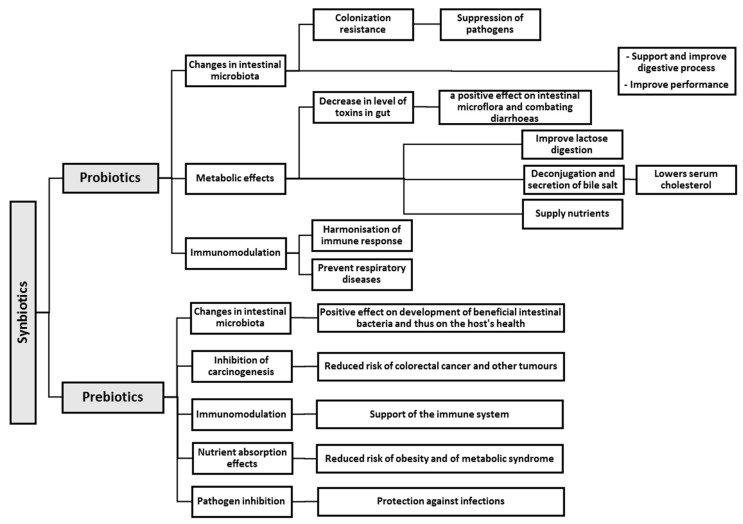
“In addition, probiotics bring about metabolic effects through deconjugated and secreted bile salt, thereby decreasing serum cholesterol [40].”
BackgroundSantibañez-Gutierrez, A., Fernández-Landa, J., Calleja-González, J., Delextrat, A. A., & Mielgo‐Ayuso, J. (2022) · Nutrients · doi:10.3390/nu14030622 · Cited by 33
Synbiotic Supplements in the Prevention of Obesity and Obesity-Related Diseases
Hijová, E. (2022) · Metabolites · doi:10.3390/metabo12040313 · Cited by 31
B, C. K. V., Huligere, S. S., Shbeer, A. M., Ageel, M., Jayanthi, M. K., Jagadeep Chandra, S., & Ramu, R. (2022) · Microorganisms · doi:10.3390/microorganisms10061195 · Cited by 39
“restore, and maintain a favorable ecological balance, as well as the activity of bacteria in the gastrointestinal tract, is crucial for the hosts’ enhanced health [6].”
BackgroundPostbiotics versus probiotics in early-onset colorectal cancer
Feizi, H., Plotnikov, A. O., Rezaee, M. A., Ganbarov, K., Kamounah, F. S., Nikitin, S., Kadkhoda, H., Gholizadeh, P., Pagliano, P., & Kafil, H. S. (2022) · Critical Reviews in Food Science and Nutrition · doi:10.1080/10408398.2022.2132464 · Cited by 32
“They confer resistance to enteric pathogens, aid in lactose digestion, immune system modulation, decreased detoxification/excretion of toxic microbial metabolites, and allergy prevention (Markowiak and Śliżewska 2017; Nagpal et al. 2012).”
BackgroundFermented nondairy functional foods based on probiotics
Şanlıbaba, P. (2023) · Italian Journal of Food Science · doi:10.15586/ijfs.v35i1.2279 · Cited by 32
Gut brain regulation using psychobiotics for improved neuropsychological illness
Deepika, Shukla, A. K., Kumari, A., & Kumar, A. (2023) · Developmental Psychobiology · doi:10.1002/dev.22404 · Cited by 29
Impact of Vitamin D Deficit on the Rat Gut Microbiome
Robles‐Vera, I., Callejo, M., Ramos, R., Duarte, J., & Pérez‐Vizcaíno, F. (2019) · Nutrients · doi:10.3390/nu11112564 · Cited by 32
“, live strains of selected bacteria, or prebiotics, food components that modulate the microbiota [6,7].”
BackgroundBifidobacterium alleviate metabolic disorders via converting methionine to 5’-methylthioadenosine
Lyu, Q., Chen, R.-A., Chuang, H.-L., Zou, H.-B., Liu, L., Sung, L., Liu, P., Wu, H., Chang, H.-Y., Cheng, W.-J., et al. (2024) · Gut Microbes · doi:10.1080/19490976.2023.2300847 · Cited by 30
The interplay between probiotics and host autophagy: mechanisms of action and emerging insights
Sadeghloo, Z., Nabavi-Rad, A., Zali, M. R., Klionsky, D. J., & Yadegar, A. (2024) · Autophagy · doi:10.1080/15548627.2024.2403277 · Cited by 31
“The inclusion of synbiotics in a regular diet (for example, including yogurt or other milk products) could potentially maintain the intestinal microbial balance, prevent bacterial translocation, and enhance immunomodulatory abilities [64].”
Exploring the Gut Microbiota–Retina Axis: Implications for Health and Disease
Schiavone, N., Isoldi, G., Calcagno, S., Rovida, E., Antiga, E., Almeida, C. V. D., & Lulli, M. (2025) · Microorganisms · doi:10.3390/microorganisms13051101 · Cited by 30
“Crucially, the effects of probiotics are highly strain-specific, and their therapeutic properties cannot be generalized across entire genera or species [131].”
Unsolved problems and new medical approaches to otitis media
Principi, N., & Esposito, S. (2020) · Expert Opinion on Biological Therapy · doi:10.1080/14712598.2020.1740677 · Cited by 40
“The results of studies carried out in experimental animals and, more rarely, in humans seem to indicate that oral probiotics may reverse gut and respiratory tract dysbiosis, reduce or eliminate pathogens through competition for nutrients or adhesion sites on cell surfaces, produce bactericidal substances and modulate…”
ResultComparative effectiveness of probiotic-based formulations on cecal microbiota modulation in broilers
Rodrigues, D. R., Briggs, W., Duff, A. F., Chasser, K. M., Murugesan, R., Pender, C. M., Ramirez, S., Petri, D., & Bielke, L. R. (2020) · PLoS ONE · doi:10.1371/journal.pone.0225871 · Cited by 28
Evaluation of Probiotics for Warfighter Health and Performance
Agans, R., Giles, G. E., Goodson, M. S., Karl, J. P., Leyh, S. M., Mumy, K. L., Racicot, K., & Soares, J. W. (2020) · Frontiers in Nutrition · doi:10.3389/fnut.2020.00070 · Cited by 30
Tavares-Silva, E., Caris, A. V., dos Santos, S. A., Ravacci, G. R., & dos Santos, R. V. T. (2021) · Nutrients · doi:10.3390/nu13051478 · Cited by 36
“Despite additional evidence on the benefits of probiotics in health, the effectiveness of probiotic supplementation depends on different factors, such as strains, dose, and different components following the production of bacteria [26].”
BackgroundDiet, Probiotics and Physical Activity: The Right Allies for a Healthy Microbiota
Divella, R., Palma, G. D., Tufaro, A., Pelagio, G., Gadaleta‐Caldarola, G., Bringiotti, R., & Paradiso, A. (2021) · Anticancer Research · doi:10.21873/anticanres.15057 · Cited by 29
Maitre, Y., Mahalli, R., Micheneau, P., Delpierre, A., Guérin, M., Amador, G., & Denis, F. (2021) · Microorganisms · doi:10.3390/microorganisms9071450 · Cited by 28
“Prebiotics are a recent field of research [80], and scanty studies publish their effects on the oral microbiome.”
BackgroundMekky, A. F., Hassanein, W. A. G., Reda, F. M., & El-Sayed, H. M. (2022) · Saudi Journal of Biological Sciences · doi:10.1016/j.sjbs.2022.01.014 · Cited by 32
Khan, F. F., Sohail, A., Ghazanfar, S., Ahmad, A., Riaz, A., Abbasi, K. S., Ibrahim, M. S., Uzair, M., & Arshad, M. U. (2022) · Probiotics and Antimicrobial Proteins · doi:10.1007/s12602-022-09983-9 · Cited by 43
“The origin of strain, lack of interaction with pathogenic strains, and antibiotic resistance profile all contribute to its safety [131].”
BackgroundNampalle, M. T., Biswas, A., Deo, C., Agashe, J., Monika, M., & Tiwari, A. K. (2022) · Scientific Reports · doi:10.1038/s41598-022-27181-z · Cited by 34
Geng, S., Zhang, T., Gao, J., Li, X., Chitrakar, B., Mao, K., & Sang, Y. (2023) · LWT · doi:10.1016/j.lwt.2023.114666 · Cited by 27
Martyniak, A., Zakrzewska, Z., Schab, M., Zawartka, A., Wędrychowicz, A., Skoczeń, S., & Tomasik, P. (2023) · Microorganisms · doi:10.3390/microorganisms11071775 · Cited by 33
“Probiotics can produce antimicrobial substances, modulate immune system response, compete with pathogenic bacteria for adhesion to the epithelium, increase mucosal IgA production, and inhibit toxin production [13,14].”
BackgroundPrebiotics for depression: how does the gut microbiota play a role?
Yang, Y., Bi, Z., Zhang, S., Si, L., Liu, X., & Li, F. (2023) · Frontiers in Nutrition · doi:10.3389/fnut.2023.1206468 · Cited by 39
Açu, M., Kınık, Ö., & Yerlıkaya, O. (2020) · Food Science and Technology · doi:10.1590/fst.39419 · Cited by 26
Lactobacillus Species as Probiotics: Isolation Sources and Health Benefits
Al-Yami, A. M., Mousa, A. T. A., Al-Otaibi, S. A., & Khalifa, A. Y. Z. (2022) · Journal of Pure and Applied Microbiology · doi:10.22207/jpam.16.4.19 · Cited by 43
The role of gut microbiota in cerebrovascular disease and related dementia
Cuartero, M. I., García‐Culebras, A., Nieto‐Vaquero, C., Fraga, E., Torres‐López, C., Pradillo, J. M., Lizasoaín, I., & Moro, M. Á. (2023) · British Journal of Pharmacology · doi:10.1111/bph.16167 · Cited by 31
“…fruits and vegetables and in resistant starches (such as whole grains and legumes) might promote an increase in the levels of SCFAs, the neuroprotective microbial metabolites reduced after stroke (Lee, d'Aigle, et al., 2020; Markowiak & ´ Sli ż ewska, 2017; Sadler et al., 2020; Tan et al., 2021).”
BackgroundInfluentialThe gut-heart axis: unveiling the roles of gut microbiota in cardiovascular diseases
Zhang, Y., Wu, H., Jin, M., Feng, G., & Wang, S. (2025) · Frontiers in Cardiovascular Medicine · doi:10.3389/fcvm.2025.1572948 · Cited by 37
“Lactobacillus , Bi fi dobacterium , Lactococcus , Streptococcus , and Enterococcus are common probiotics (173).”
Atuahene, D., Sam, B. A., Idan, F., Sana, S., Knop, R., Suthar, T., Kumar, H., & Shaikh, A. M. (2025) · Veterinary Sciences · doi:10.3390/vetsci12111054 · Cited by 40
“Synbi-otics are especially valuable in livestock production, boosting productivity and reducing the need for antibiotics [79,80].”
Early-life food nutrition, microbiota maturation and immune development shape life-long health
Zhou, X., Du, L., Shi, R., Chen, Z., Zhou, Y., & Li, Z. (2018) · Critical Reviews in Food Science and Nutrition · doi:10.1080/10408398.2018.1485628 · Cited by 30
Tavares, P. P. L. G., dos Anjos, E. A., Nascimento, R. Q., Cruz, L. F. D. S., Lemos, P. V. F., Druzian, J. I., de Oliveira, T. T. B., de Andrade, R. B., Souza, A. L. D. C., Magalhães‐Guedes, K. T., et al. (2021) · CyTA - Journal of Food · doi:10.1080/19476337.2021.1906753 · Cited by 30
Shahbaz, P., Haq, S. U., Khalid, U., & Boz, İ. (2021) · British Food Journal · doi:10.1108/bfj-05-2021-0464 · Cited by 29
Cozentino, I. D. S. C., de Paula, A. V., Ribeiro, C. A., Alonso, J. D., Grimaldi, R., Luccas, V., Taranto, M. P., & Cavallini, D. C. U. (2021) · LWT · doi:10.1016/j.lwt.2021.112746 · Cited by 25
Siesto, G., Pietrafesa, R., Infantino, V., Thanh, C., Pappalardo, I., Romano, P., & Capece, A. (2022) · Foods · doi:10.3390/foods11091342 · Cited by 36
“In fact, many clinical data confirm therapeutic effects of the probiotics in the treatment of gastrointestinal diseases (irritable bowel syndrome, gastrointestinal disorders, elimination of Helicobacter pylori, diarrhoeas) [2] and prophylaxis of respiratory and urogenital infections [3].”
BackgroundWagh, S. K., Lammers, K. M., Padul, M. V., Rodríguez‐Herrera, A., & Dodero, V. I. (2022) · International Journal of Molecular Sciences · doi:10.3390/ijms231911748 · Cited by 26
Marascio, N., Scarlata, G. G. M., Romeo, F., Cicino, C., Trecarichi, E. M., Quirino, A., Torti, C., Matera, G., & Russo, A. (2023) · International Journal of Molecular Sciences · doi:10.3390/ijms24119307 · Cited by 32
Understanding the riboflavin biosynthesis pathway for the development of antimicrobial agents
Kundu, B., Sarkar, D., Ray, N., & Talukdar, A. (2019) · Medicinal Research Reviews · doi:10.1002/med.21576 · Cited by 28
“The vitamin deficiency in the host could be met through increased uptake of riboflavin from dietary sources or through vitamin supplementation.(91,92)”
BackgroundTesfaye, W., Suárez-Lepe, J. A., Loira, I., Palomero, F., & Morata, A. (2019) · Elsevier eBooks · doi:10.1016/b978-0-12-815504-2.00014-1 · Cited by 32
Złotek, U., Świeca, M., Reguła, J., Jakubczyk, A., Sikora, M., Gawlik‐Dziki, U., & Kapusta, I. T. (2019) · International Journal of Food Science & Technology · doi:10.1111/ijfs.14158 · Cited by 25
Zoghi, S., Heravi, F. S., Nikniaz, Z., Shirmohamadi, M., Moaddab, S. Y., & Leylabadlo, H. E. (2023) · Engineering in Life Sciences · doi:10.1002/elsc.202300070 · Cited by 32
“The comparable conclusion for varied doses may not be applicable, despite no change in strain [154].”
BackgroundInfluentialFortification of Dairy Products using Plant-derived Bioactive Compounds
Wazzan, H. (2024) · Current Research in Nutrition and Food Science Journal · doi:10.12944/crnfsj.12.2.6 · Cited by 29
Micro- and Nanoencapsulation of Probiotics: Exploring Their Impact on Animal-Origin Foods
Gutiérrez-Álzate, K., Beltrán-Cotta, L. A., Rekowsky, B. S. D. S., Cavalheiro, C. P., & da Costa, M. P. (2024) · ACS Food Science & Technology · doi:10.1021/acsfoodscitech.4c00776 · Cited by 33
Gennaro, F. D., Guido, G., Frallonardo, L., Pennazzi, L., Bevilacqua, M., Locantore, P., Vitagliano, A., Saracino, A., & Cicinelli, E. (2025) · Microorganisms · doi:10.3390/microorganisms13010197 · Cited by 29
What do Cochrane systematic reviews say about probiotics as preventive interventions?
Braga, V. L., Rocha, L. P. D. S., Bernardo, D. D., Cruz, C. D. O., & Riera, R. (2017) · Sao Paulo Medical Journal · doi:10.1590/1516-3180.2017.0310241017 · Cited by 24
Qualls‐Creekmore, E., Marlatt, K. L., Aarts, E., Bruce‐Keller, A. J., Church, T., Clément, K., Fisher, J. O., Gordon‐Larsen, P., Morrison, C. D., Raybould, H. E., et al. (2020) · Obesity · doi:10.1002/oby.22806 · Cited by 28
“Furthermore, it has been suggested that clinically meaningful weight loss, unless the overall volume of exercise is very high (14-106), is unlikely to occur in response to aerobic exercise training (17).”
BackgroundProbiotics, prebiotics, and synbiotics: Current status and future uses for human health
Kumari, R., Singh, A., Yadav, A. N., Mishra, S. K., Sachan, A., & Sachan, S. G. (2020) · Elsevier eBooks · doi:10.1016/b978-0-12-820528-0.00012-0 · Cited by 31
Nutraceuticals as a natural alternative for preventive and proactive health care
Visen, A., Visen, S. S., Sharma, A., & Visen, P. (2021) · Elsevier eBooks · doi:10.1016/b978-0-12-819815-5.00040-9 · Cited by 37
Zeng, Z., Zhou, Y., Xu, Y., Wang, S., Wang, B., Zeng, Z., Wang, Q., Ye, X., Lu, J., Yue, M., et al. (2022) · Food & Function · doi:10.1039/d1fo03170h · Cited by 24
Oh, J. H., Jang, Y. S., Kang, D., Kim, H. S., Kim, E.-J., Park, S.-Y., Kim, C., Min, Y. W., & Chang, D. K. (2022) · Gut and Liver · doi:10.5009/gnl210478 · Cited by 29
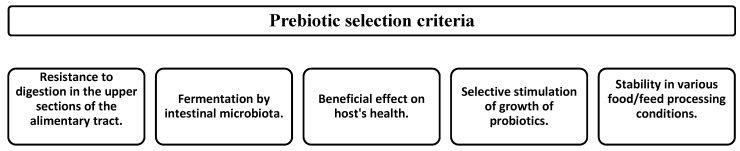
“35 These carbohydrates have five properties: (1) resistance to digestion in the upper parts of the gastrointestinal tract, (2) fermentation by intestinal microbiota, (3) beneficial effects on host health, (4) selective stimulation of the growth of probiotics, and (5) stability in different food and…”
Algaithi, M., Mudgil, P., Hamdi, M., Redha, A. A., Ramachandran, T., Hamed, F., & Maqsood, S. (2022) · Journal of Dairy Science · doi:10.3168/jds.2022-22008 · Cited by 27
Hou, Y., Wang, S.-F., Zhou, K., & Dai, S. (2023) · Frontiers in Nutrition · doi:10.3389/fnut.2022.1066252 · Cited by 28
Plessas, S., Mantzourani, I., Τέρπου, Α., & Bekatorou, A. (2023) · Foods · doi:10.3390/foods13010111 · Cited by 34
“In the recent literature, it is also suggested that prebiotics may contribute to the protection of probiotic cells against acidic and harsh environmental conditions during the production and storage of dairy products [5].”
Backgrounddos Passos, F. R., Maestre, K. L., da Silva, B. F., Rodrigues, Â. C., Triques, C. C., Garcia, H. A., Fagundes‐Klen, M. R., da Silva, E. A., & Fiorese, M. L. (2021) · Food Chemistry · doi:10.1016/j.foodchem.2021.129486 · Cited by 27
Action and immunomodulatory mechanisms, formulations, and safety concerns of probiotics
Ashaolu, T. J., Greff, B., & Varga, L. (2024) · Bioscience of Microbiota Food and Health · doi:10.12938/bmfh.2024-006 · Cited by 29
Harnessing Gut Microbiota for Biomimetic Innovations in Health and Biotechnology
Beltrán-Velasco, A. I., & Clemente‐Suárez, V. J. (2025) · Biomimetics · doi:10.3390/biomimetics10020073 · Cited by 33
“Probiotics are defined as live microorganisms that, when administered in adequate amounts, confer health benefits to the host by balancing the microbiota diversity and reinforcing its functions [5].”
The frontier of health: Exploring therapeutic potentials of the microbiome
Abavisani, M., Foroushan, S. K., Kesharwani, P., & Sahebkar, A. (2025) · PharmaNutrition · doi:10.1016/j.phanu.2025.100435 · Cited by 24
Linkage of circadian rhythm disruptions with Alzheimer's disease and therapeutic interventions
Madhamanchi, K., Zhang, J., & Melkani, G. C. (2025) · Acta Pharmaceutica Sinica B · doi:10.1016/j.apsb.2025.04.011 · Cited by 30
“Prebiotics are non-digestible/non-viable food components that confer health benefits on host-associated modulation of microbiota 116 , for example, inulin and fructooligosaccharides (FOS), fermented by Bifidobacterium and Lactobacillus species and release lactate and acetate, which were used as a…”
A Review of Next-Generation Probiotics—As a Gateway to Biotherapeutics
Vijayaganapathi, A., & Mohanasrinivasan, V. (2025) · Probiotics and Antimicrobial Proteins · doi:10.1007/s12602-025-10606-2 · Cited by 32
“Synbiotic products that combine bacteria from the Bifidobacterium or Lactobacillus species with fructooligosaccharides appear to be the most often used [37].”
Yadav, S., & Raj, R. G. (2025) · Neuroscience · doi:10.1016/j.neuroscience.2025.07.003 · Cited by 28
Shokr, M. M., Eladawy, R. M., Azar, Y. O., & Raish, S. M. A. (2025) · Foods · doi:10.3390/foods14172926 · Cited by 29
“In addition to strengthening gut barrier function and reducing systemic inflammation, the SCFAs generated would also directly affect neurotransmitter production and neuroinflammation in the brain, lowering seizure thresholds and elevating mood beyond what AEDs alone can provide [262].”
Awareness and Knowledge about Probiotics among College Students
Sharma, R., Gupta, S., Gupta, D., & Kushwaha, P. K. (2019) · Journal of Pure and Applied Microbiology · doi:10.22207/jpam.13.4.33 · Cited by 31
Modulation of the Microbiome in Parkinson's Disease: Diet, Drug, Stool Transplant, and Beyond
Brown, E. G., & Goldman, S. M. (2020) · Neurotherapeutics · doi:10.1007/s13311-020-00942-2 · Cited by 28
Ullah, H., Товчига, О. В., Daglia, M., & Khan, H. Z. (2021) · Current Neuropharmacology · doi:10.2174/1570159x19666210217084827 · Cited by 33
“In short, prebiotics modulate the composition and function of gut microbiota, and support the survival and growth of probiotic bacteria during the passage through the upper GIT in an adequate number, with little or no stimulation of other microorganisms [44].”
BackgroundMeng, Z., & Oh, S. (2021) · Journal of Microbiology and Biotechnology · doi:10.4014/jmb.2104.04008 · Cited by 23
“LAB can improve the digestibility and biological value of food, promote digestion and absorption, reduce cholesterol content in the human body, enhance immune function, and show antitumor and antihypertension activities [5, 6].”
BackgroundImpact of Probiotics in Modulation of Gut Microbiome
Nourizadeh, R., Sepehri, B., Abbasi, A., Sayyed, R. Z., & Khalili, L. (2022) · Springer eBooks · doi:10.1007/978-981-16-1626-6_20 · Cited by 30
Yeh, Y.-M., Lye, X.-Y., Lin, H.-Y., Wong, J.-Y., Wu, C.-C., Huang, C.-L., Tsai, Y.-C., & Wang, L. (2022) · Applied Animal Behaviour Science · doi:10.1016/j.applanim.2022.105569 · Cited by 27
Sandionigi, A., Giani, A. D., Tursi, F., Michelotti, A., Cestone, E., Giardina, S., Zampolli, J., & Gennaro, P. D. (2022) · BioMed Research International · doi:10.1155/2022/3860896 · Cited by 29
“The use of prebiotics, probiotics, and synbiotics is becoming a widespread approach to achieve modulation of the gut microbiota by a direct interaction with the host immune system or indirectly by reequilibrating the gut microbiota [21, 22].”
Lama, S., & Tamang, J. P. (2022) · Fermentation · doi:10.3390/fermentation8120664 · Cited by 28
Wu, Y., Niu, X., Li, P., Tong, T., Wang, Q., Zhang, M., Li, Y., Liu, J., & Li, Z. (2023) · Archives of Microbiology · doi:10.1007/s00203-023-03466-3 · Cited by 30
“Some research have shown that the most commonly used probiotics, such as Lactobacillus, Bifidobacterium, and Clostridium, improve cognitive dysfunction by reducing Aβ deposition, NFTs, and neuroinflammation (Markowiak and Ślizewska 2017; Li et al.”
BackgroundTherapeutic and immunomodulatory role of probiotics in breast cancer: A mechanistic review
Summer, M., Ali, S., Fiaz, U., Tahir, H. M., Ijaz, M. U., Mumtaz, S., Mushtaq, R., Khan, R., Shahzad, H., & Fiaz, H. (2023) · Archives of Microbiology · doi:10.1007/s00203-023-03632-7 · Cited by 24
“They also restore the disturbed microflora and play a constructive role in the maintenance of intestinal homeostasis (Markowiak and Śliżewska 2017).”
BackgroundMillets: A Nutritional Powerhouse With Anti-cancer Potential
Gupta, M., Asfaha, D. M., & Govintharaj, P. (2023) · Cureus · doi:10.7759/cureus.47769 · Cited by 23
“These suppress the growth of pathogens and remove carcinogens from the body and enhance nutrient absorption and immunity [11].”
BackgroundPrebiotics, Probiotics, and Synbiotics—A Research Hotspot for Pediatric Obesity
Balas, R. B., Meliţ, L. E., Lupu, A., Lupu, V. V., & Mărginean, C. O. (2023) · Microorganisms · doi:10.3390/microorganisms11112651 · Cited by 34
“Synbiotics represent compounds that have the same properties of prebiotics and pro-biotics, together promoting probiotic survival in the gastrointestinal tract, and they might result in a better outcome regarding the host’s health when compared to prebiotics and probiotics separately [84,85].”
BackgroundClinically Effective Molecules of Natural Origin for Obesity Prevention or Treatment
Hidalgo-Lozada, G. M., Villarruel‐López, A., Nuño, K., García, A. G., Sánchez-Nuño, Y. A., & Ramos-García, C. O. (2024) · International Journal of Molecular Sciences · doi:10.3390/ijms25052671 · Cited by 29
“Meanwhile, Lactobacillus gasseri has some interesting effects on obesity [162] since it is a habitual resident of the human intestine and can modulate the intestinal niche.”
BackgroundMaher, S., ElmelIgy, H. A., Aboushousha, T., Helal, N. S., Ossama, Y., Rady, M., Hassan, A. M. A., & Kamel, M. M. (2024) · Cancer Immunology Immunotherapy · doi:10.1007/s00262-024-03686-6 · Cited by 30
“On the other hand, synbiotics encompass the combination of probiotics and prebiotics, providing a potential synergistic effect in modulating the gut microbiota and promoting overall health [17].”
BackgroundThe good bugs: the use of probiotics in pediatrics
Sansotta, N., Peroni, D. G., Romano, S. L., Rugiano, A., Vuilleumier, P., & Baviera, G. (2019) · Current Opinion in Pediatrics · doi:10.1097/mop.0000000000000808 · Cited by 23
Speranza, B., Campaniello, D., Petruzzi, L., Altieri, C., Sinigaglia, M., Bevilacqua, A., & Corbo, M. R. (2020) · Beverages · doi:10.3390/beverages6020020 · Cited by 25
“The inoculation of probiotics in nondairy beverages (cereal, fruit, and vegetable juices) has a key benefit: the possibility of combining probiotic microorganisms with prebiotics or prebiotic-like compounds, thus producing synbiotics [13].”
BackgroundEpigenetic Effects of Gut Metabolites: Exploring the Path of Dietary Prevention of Type 1 Diabetes
Theyab, A. A., Almutairi, T., Al-Suwaidi, A. M., Bendriss, G., McVeigh, C., & Châari, A. (2020) · Frontiers in Nutrition · doi:10.3389/fnut.2020.563605 · Cited by 23
Caffeine, a natural methylxanthine nutraceutical, exerts dopaminergic neuroprotection
Karuppagounder, S. S., Uthaythas, S., Govindarajulu, M., Ramesh, S., Parameshwaran, K., & Dhanasekaran, M. (2021) · Neurochemistry International · doi:10.1016/j.neuint.2021.105066 · Cited by 31
Advances in the Relationships Between Cow’s Milk Protein Allergy and Gut Microbiota in Infants
Yang, Y., Li, X., Ying, Y., Shoaie, S., Zhang, C., Ji, B., & Wei, Y. (2021) · Frontiers in Microbiology · doi:10.3389/fmicb.2021.716667 · Cited by 28
“Synbiotics are combinations of useful probiotics and prebiotics, which provide a synergistic effect on human health (Markowiak and Śliżewska, 2017).”
Background
Metadata
- Authors
- Markowiak, P., & Śliżewska, K.
- Affiliations
- Institute of Fermentation Technology and Microbiology, Department of Biotechnology and Food Sciences, Lodz University of Technology, 90-924 Łódź, Poland
- Lodz University of Technology (PL)
- Corresponding author
- Śliżewska, Katarzyna
- ORCID
- Śliżewska, Katarzyna
- Venue
- Nutrients
- Publisher
- MDPI AG
- Published
- 2017-09-15
- Volume
- 9
- Issue
- 9
- Pages
- 1021
- ISSN
- 2072-6643 (ISSN-L)
- PMC
- PMC5622781
- OpenAlex
- W2755198076
- Cited by
- 2,401
- References
- 210
- Citations by year
- 2026: 219 · 2025: 322 · 2024: 342 · 2023: 330 · 2022: 378 · 2021: 333 · 2020: 251 · 2019: 157 · 2018: 59 · 2017: 5
- FWCI
- 14.00
- Type
- journal article
- Language
- en
- Open access
- gold
- doi.org
- Licence
- Locations
- Nutrients (publishedVersion, cc-by)
- Europe PMC (PubMed Central) (publishedVersion, cc-by)
- PubMed Central (publishedVersion, cc-by)
- PubMed (publishedVersion)
- DOAJ (DOAJ: Directory of Open Access Journals) (submittedVersion, cc-by-sa)
- Funders
- Narodowe Centrum Badań i Rozwoju (PBS3/A8/32/2015)
- Topics
- Life Sciences › Agricultural and Biological Sciences › Food Science › Probiotics and Fermented Foods
- Health Sciences › Nursing › Nutrition and Dietetics › Microbial Metabolites in Food Biotechnology
- Life Sciences › Biochemistry, Genetics and Molecular Biology › Molecular Biology › Gut microbiota and health
- Keywords
- probiotics, prebiotics, synbiotics, gut microbiota, host-microbe coevolution, immunomodulation, pathogen protection, functional foods, fermented foods, dairy products
- MeSH terms
- Gastrointestinal Microbiome, Animals, Clinical Trials as Topic, Diet, Humans, Probiotics, Models, Animal, Gastrointestinal Tract, Prebiotics, Synbiotics
About these checks
Registry, retraction, Cites and statistics results are computed, not judged, with one exception: a printed reference that no index lists is read once by a model before it counts as a citation error. Claims are extracted by a model and kept only when their quote appears verbatim in the text; each cited source is then checked, with a model’s help, for whether it says what the claim relies on. Those verdicts can be wrong — read the claim’s quote and the cited source before relying on one.
Statistics and arithmetic are recomputed, not judged.
Confidence bands are shown only for fields calibrated on our annotated test set. None is calibrated yet, so no band is shown.
What counts as a claim ›How we measure confidence ›How we check this ›
Are you an author, or do you see a problem with this page? Request a review
Data sources
Bibliographic data: Semantic Scholar, OpenAlex, Crossref.
Contains information from the Semantic Scholar Academic Graph Datasets, made available under the ODC Attribution License (ODC-BY 1.0).
Semantic Scholar’s data is described in: Kinney, R., et al. (2023). The Semantic Scholar Open Data Platform. arXiv:2301.10140.
