

Effects of Probiotics, Prebiotics, and Synbiotics on Human Health
Open accessThe DOI matches its Crossref record; 204 of the 210 references it cites were found in a registry or an index.
Abstract
The human gastrointestinal tract is colonised by a complex ecosystem of microorganisms. Intestinal bacteria are not only commensal, but they also undergo a synbiotic co-evolution along with their host. Beneficial intestinal bacteria have numerous and important functions, e.g., they produce various nutrients for their host, prevent infections caused by intestinal pathogens, and modulate a normal immunological response. Therefore, modification of the intestinal microbiota in order to achieve, restore, and maintain favourable balance in the ecosystem, and the activity of microorganisms present in the gastrointestinal tract is necessary for the improved health condition of the host. The introduction of probiotics, prebiotics, or synbiotics into human diet is favourable for the intestinal microbiota. They may be consumed in the form of raw vegetables and fruit, fermented pickles, or dairy products. Another source may be pharmaceutical formulas and functional food. This paper provides a review of available information and summarises the current knowledge on the effects of probiotics, prebiotics, and synbiotics on human health. The mechanism of beneficial action of those substances is discussed, and verified study results proving their efficacy in human nutrition are presented.
Overview
The claims and statistics of this paper haven’t been checked yet.
Free: it reads the open-access text and checks the first 5 claims that cite a source we can check. Create a free account to check every claim.
Integrity signals
Registry
Cites
Statistics
Figures
Verification
Claims the paper makes
The claims and statistics of this paper haven’t been checked yet.
Free: it reads the open-access text and checks the first 5 claims that cite a source we can check. Create a free account to check every claim.
Claims other papers make about this one
Each is checked against this paper’s own text: does it say what the citing paper says it does?
The source backs part of the claim, not all of it — or backs it for a different population, condition or comparison.
In the citing paper
“Therefore, the administration of specific strains of Lactobacilli and Bifidobacteria as probiotics as well as fructooligosaccharides, galactooligosaccharides, and other prebiotics, or the combination of both might constitute a benefit for immunocompromised people (118–122).”
From Immunosenescence and Its Hallmarks: How to Oppose Aging Strategically? A Review of Potential Options for Therapeutic Intervention (2019) · cites this paper as [118]
Experimental — accuracy not yet measuredThe cited source says what the claim attributes to it.
In the citing paper
“Synbiotics combined probiotics with prebiotics, improving the survival of formula probiotics as well as the reproduction of intestinal probiotics.50”
The check wasn’t confident either way, so it gives no verdict — never disputed.
In the citing paper
“However, the effectiveness of probiotic bacteria varies greatly from person to person,39”
From Gut microbiota drives structural variation of exogenous probiotics to enhance colonization (2025) · cites this paper as [39]
Experimental — accuracy not yet measured
Self-check
Percentages, sums and reported differences re-computed from the paper’s own numbers.
The self-check needs the paper’s full text.
Citations
Cites
Hill (2014) · doi:10.1038/nrgastro.2014.66 · Cited by 9,592 · cited 2×
“The definition was maintained by the International Scientific Association for Probiotics and Prebiotics (ISAPP) in 2013 [6].”
BackgroundMethodDietary Modulation of the Human Colonic Microbiota: Introducing the Concept of Prebiotics
Gibson, G. R., & Roberfroid, M. B. (1995) · The Journal of Nutrition · doi:10.1093/jn/125.6.1401 · Cited by 7,667 · cited 2×
“In 1995, prebiotics were defined by Gibson and Roberfroid as non-digested food components that, through the stimulation of growth and/or activity of a single type or a limited amount of microorganisms residing in the gastrointestinal tract, improve the health condition of a host [7].”
BackgroundAFRC, R. F. (1989) · Journal of Applied Bacteriology · doi:10.1111/j.1365-2672.1989.tb05105.x · Cited by 4,149
Authority, E. F. S., & European Centre for Disease Prevention and Control (2015) · EFSA Journal · doi:10.2903/j.efsa.2015.3991 · Cited by 3,550
Dietary modulation of the human colonic microbiota: updating the concept of prebiotics
Gibson, G. R., Probert, H. M., Loo, J. V., Rastall, R. A., & Roberfroid, M. B. (2004) · Nutrition Research Reviews · doi:10.1079/nrr200479 · Cited by 2,536
European Food Safety Authority and European Centre for Disease Prevention and Control (EFSA and ECDC) (2018) · EFSA Journal · doi:10.2903/j.efsa.2018.5500 · Cited by 1,452
Probiotics and their fermented food products are beneficial for health
Parvez, S., Malik, K. A., Ah Kang, S., & Kim, H.-Y. (2006) · Journal of Applied Microbiology · doi:10.1111/j.1365-2672.2006.02963.x · Cited by 1,435 · cited 1×
“It turns out that probiotics may increase the amount of IgA antibodies, which leads to the arrest of a viral infection [84].”
BackgroundApplication of prebiotics and probiotics in poultry production
Patterson, J., & Burkholder, K. (2003) · Poultry Science · doi:10.1093/ps/82.4.627 · Cited by 1,405 · cited 1×
“The most promising and fulfilling criteria for the classification of prebiotic substances, as evidenced by in vitro and in vivo studies, are oligosaccharides, including [142,143]: fructooligosaccharides (FOS), galactooligosaccharides (GOS), isomaltooligosaccharides (IMO), xylooligosaccharides (XOS), transgalactooligos…”
BackgroundProbiotics in man and animals.
Fuller, R. (1989) · PubMed · Cited by 1,292
Probiotics, prebiotics and synbiotics- a review
Pandey, K. R., Naik, S. R., & Vakil, B. V. (2015) · Journal of Food Science and Technology · doi:10.1007/s13197-015-1921-1 · Cited by 1,291 · cited 1×
“It turns out that synbiotics may be highly efficient in the prevention of osteoporosis, reduction of blood fat and sugar levels, regulation of the immunological system, and treatment of brain disorders associated with abnormal hepatic function [185].”
Background
Research works printed but not linked: 12
- Vergin F. Anti-und Probiotica Hipokrates 1954 25 116 119 13174124
- Panesar P.S. Kaur G. Panesar R. Bera M.B. Synbiotics: Potential Dietary Supplements in Functional Foods IFIS Berkshire, UK 2009 10.1136/gut.2005.074971 · DOI · Paper page
- Hosono A. Fermented milk in the orient Functions of Fermented Milk: Challengers for the Health Sciences Nakazawa Y. Hosono A. Elsevier Science Publishers Ltd. Barking, UK 1992 61 78
- Simon O. Micro-organisms as feed additives—Probiotics Adv. Pork Prod. 2005 16 161 167
- Heczko P. Strus M. Jawień M. Szymański H. Medyczne zastosowanie probiotyków Wiad. Lek. 2005 58 640 646 16594475
- Guillot J.F. Probiotic feed additives J. Vet. Pharmacol. Ther. 2003 26 52 55
- Crittenden R. Playne M.J. Prebiotics Handbook of Probiotics and Prebiotics Lee Y.K. Salminen S. John Wiley & Sons Inc. Hoboken, NJ, USA 2009 535 561 · DOI · Paper page
- Śliżewska K. Nowak A. Barczyńska R. Libudzisz Z. Prebiotyki—Definicja, właściwości i zastosowanie w przemyśle Żywność Nauka Technologia Jakość 2013 1 5 20
- Mojka K. Probiotyki, prebiotyki i synbiotyki—Charakterystyka i funkcje Probl. Hig. Epidemiol. 2014 95 541 549
- Socha P. Stolarczyk M. Socha J. Wpływ probiotyków i prebiotyków na gospodarkę lipidową Pediatr. Współcz. Gastroenterol. Hepatol. Żyw. Dziecka 2002 4 85 88
- Kim Y.S. Tsa O.D. Morita A. Bella A. Effect of sodium butyrate and three human colorectal adenocarcinoma cell lines in culture Falk Symp. 1982 31 317 323
- Scavuzzi B.M. Henrique F.C. Miglioranza L.H.S. Simão A.N.C. Dichi I. Impact of prebiotics, probiotics and synbiotics on components of the metabolic syndrome Ann. Nutr. Disord. Ther. 2014 1 1009
Cited by
Items 201–300 of 1,007
Maternal gut microbiota in the health of mothers and offspring: from the perspective of immunology
Lu, X., Shi, Z., Jiang, L., & Zhang, S. (2024) · Frontiers in Immunology · doi:10.3389/fimmu.2024.1362784 · Cited by 116
Vamanu, E., & Gatea, F. (2020) · Biomedicines · doi:10.3390/biomedicines8020039 · Cited by 83
“Although probiotics are considered as products with guaranteed effect, which increases with the amount ingested, new theories on in vivo bioactivity contradict the known data [49,74].”
BackgroundRatajczak, A. E., Zawada, A. E., Rychter, A. M., Dobrowolska, A., & Krela‐Kaźmierczak, I. (2021) · Nutrients · doi:10.3390/nu13041329 · Cited by 109
Tarique, M., Abdalla, A. K., Masad, R. J., Al-Sbiei, A., Kizhakkayil, J., Osaili, T., Olaimat, A. N., Liu, S., Fernández-Cabezudo, M. J., al-Ramadi, B. K., et al. (2022) · LWT · doi:10.1016/j.lwt.2022.113207 · Cited by 99
Probiotic Lactobacillus gasseri SBT2055 improves insulin secretion in a diabetic rat model
Niibo, M., Shirouchi, B., Umegatani, M., Morita, Y., Ogawa, A., Sakai, F., Kadooka, Y., & Sato, M. (2019) · Journal of Dairy Science · doi:10.3168/jds.2018-15203 · Cited by 76
Zhao, Y., Zeng, D., Wang, H., Qing, X., Sun, N., Xin, J., Luo, M., Khalique, A., Pan, K., Shu, G., et al. (2019) · Probiotics and Antimicrobial Proteins · doi:10.1007/s12602-019-09597-8 · Cited by 88
Lactobacillus acidophilus LB: a useful pharmabiotic for the treatment of digestive disorders
María Remes-Troche, J., Coss-Adame, E., Ángel Valdovinos-Díaz, M., Gómez-Escudero, O., Eugenia Icaza-Chávez, M., Antonio Chávez-Barrera, J., Zárate-Mondragón, F., Antonio Velarde-Ruíz Velasco, J., Rafael Aceves-Tavares, G., Antonio Lira-Pedrín, M., et al. (2020) · Therapeutic Advances in Gastroenterology · doi:10.1177/1756284820971201 · Cited by 77
“difficile; (5) avoiding adverse events from the eradication of Helicobacter pylori; (6) irritable bowel syndrome; (7) chronic constipation in adults; (8) lactose intolerance; (9) concomitant use with standard therapy for the induction or maintenance of remission in mild or moderate chronic non-specific ulcerative coli…”
BackgroundLeta, V., Chaudhuri, К. R., Milner, O., Chung‐Faye, G., Metta, V., Pariante, C. M., & Borsini, A. (2021) · Brain Behavior and Immunity · doi:10.1016/j.bbi.2021.07.026 · Cited by 83
“…and evidence supports their beneficial effects on a variety of human diseases, including metabolic and gastrointestinal disorders (Markowiak and Śliżewska, 2017), as well as neurological and neuropsychiatric conditions (Bermúdez-Humarán et al., 2019).”
BackgroundRecent Advances in Probiotic Application in Animal Health and Nutrition: A Review
Bhogoju, S., & Nahashon, S. N. (2022) · Agriculture · doi:10.3390/agriculture12020304 · Cited by 101
“Probiotics can also stimulate synthesis of vitamins in the host by supplying an extra source of nutrients and digestive enzymes [5,17].”
BackgroundNew Insights into Boron Essentiality in Humans and Animals
Biţă, A., Scorei, I. R., Bălşeanu, T. A., Ciocîlteu, M. V., Bejenaru, C., Radu, A., Bejenaru, L. E., Rău, G., Mogoşanu, G. D., Neamţu, J., et al. (2022) · International Journal of Molecular Sciences · doi:10.3390/ijms23169147 · Cited by 87
The Role of Bacteria, Probiotics and Diet in Irritable Bowel Syndrome
Harper, A., Naghibi, M., & Garcha, D. (2018) · Foods · doi:10.3390/foods7020013 · Cited by 75
“In humans, synbiotics have a range of effects, including increasing numbers of health beneficial bacteria, improved immunomodulation, and reduced incidence of nosocomial infection in patients post-surgery [27].”
BackgroundFerro, M., Charneca, S., Dourado, E., Guerreiro, C. S., & Fonseca, J. E. (2021) · Frontiers in Pharmacology · doi:10.3389/fphar.2021.711788 · Cited by 82
Gut Microbiome: Profound Implications for Diet and Disease
Hills, R. D., Pontefract, B., Mishcon, H. R., Black, C. A., Sutton, S. C., & Theberge, C. R. (2022) · Kompass Nutrition & Dietetics · doi:10.1159/000523712 · Cited by 87
“Coffee, tea, and red wine are high in polyphenols, compounds associated with prebiotic and bifidogenic activity, see References 19–21 in Reference [120].”
BackgroundInfluentialPeng, K., Xia, S., Xiao, S., & Yu, Q. (2022) · Journal of Gastroenterology and Hepatology · doi:10.1111/jgh.15970 · Cited by 86
Singh, R. P., Shadan, A., & Ma, Y. (2022) · Probiotics and Antimicrobial Proteins · doi:10.1007/s12602-022-09992-8 · Cited by 75
Growth and survival of microencapsulated probiotics prepared by emulsion and internal gelation
Qi, W., Liang, X., Yun, T., & Guo, W. (2019) · Journal of Food Science and Technology · doi:10.1007/s13197-019-03616-w · Cited by 82
Wang, Y., Tao, Y., Zhang, X., Shao, S., Han, Y., Chu, D., Xie, G., & Ye, X. (2018) · Process Biochemistry · doi:10.1016/j.procbio.2018.11.006 · Cited by 77
D’Aquila, P., Carelli, L. L., Rango, F. D., Passarino, G., & Bellizzi, D. (2020) · Nutrients · doi:10.3390/nu12030597 · Cited by 89
Alessandri, G., Argentini, C., Milani, C., Turroni, F., Ossiprandi, M. C., van Sinderen, D., & Ventura, M. (2020) · Microbial Biotechnology · doi:10.1111/1751-7915.13656 · Cited by 90
“…of synergistically acting probiotics and prebiotics aimed at promoting the survival and implantation of exogenous live microorganisms (i.e. the probiotic) through the supply of specific carbohydrates or fibres (representing the prebiotic; Gibson and Roberfroid, 1995; Markowiak and Slizewska, 2017).”
BackgroundALTUN, H. K., Ermumcu, M. Ş. K., & Kürklü, N. S. (2020) · Public Health Nutrition · doi:10.1017/s1368980020005297 · Cited by 77
Woźniak, D., Cichy, W., Przysławski, J., & Drzymała-Czyż, S. (2021) · Advances in Medical Sciences · doi:10.1016/j.advms.2021.05.003 · Cited by 71
Niyigaba, T., Liu, D., & Habimana, J. D. D. (2021) · Foods · doi:10.3390/foods10123004 · Cited by 80
Alternative therapeutics to control antimicrobial resistance: a general perspective
Singha, B., Singh, V., & Soni, V. (2024) · Frontiers in Drug Discovery · doi:10.3389/fddsv.2024.1385460 · Cited by 91
Kim, J. H., Ruegger, P. R., Lebig, E. G., VanSchalkwyk, S., Jeske, D. R., Hsiao, A., Borneman, J., & Martins‐Green, M. M. (2020) · Frontiers in Cellular and Infection Microbiology · doi:10.3389/fcimb.2020.00259 · Cited by 85
Danladi, Y., Loh, T. C., Foo, H. L., Akit, H., Tamrin, N. A. M., & Azizi, M. N. (2022) · Animals · doi:10.3390/ani12070917 · Cited by 90
Probiotics and Postbiotics as the Functional Food Components Affecting the Immune Response
Szydłowska, A., & Sionek, B. (2022) · Microorganisms · doi:10.3390/microorganisms11010104 · Cited by 97
“The health benefits of probiotics, confirmed in this study, have enabled them to be used both in therapy and in prevention, in restoring the natural intestinal microflora, in the production of functional food, and in the preservation of food [119].”
BackgroundEffect of Bioactive Peptides on Gut Microbiota and Their Relations to Human Health
Wijesekara, T., Abeyrathne, E. D. N. S., & Ahn, D. U. (2024) · Foods · doi:10.3390/foods13121853 · Cited by 89
“However, different types of prebiotics can stimulate the growth of specific types of gut bacteria [57].”
BackgroundElazzazy, A. M., Baeshen, M. N., Alasmi, K. M., Alqurashi, S. I., Desouky, S. E., & Khattab, S. M. R. (2025) · Microorganisms · doi:10.3390/microorganisms13030566 · Cited by 95
Wang, Y., Meng, X.-C., Dong, Y., Zhao, X., Qian, J., Wang, H., & Li, J. (2019) · Chinese Medical Journal · doi:10.1097/cm9.0000000000000308 · Cited by 90
“Probiotics, prebiotics, and synbiotics could supplement probiotics directly or indirectly.([4,5]) It was worth mentioning that the effectiveness of probiotics may be influenced by”
BackgroundYu, C., Wu, D., Zhu, K., Hou, L., Xiao, H., Ding, T., Liu, D., Ye, X., Linhardt, R. J., & Chen, S. (2021) · Carbohydrate Polymers · doi:10.1016/j.carbpol.2021.118377 · Cited by 79
“There is also a current thinking that prebiotic can be classified as: disaccharides, oligosaccharides and polysaccharides based on the number of monomers bound (Markowiak & Slizewska, 2017).”
BackgroundWłodarczyk, M., & Śliżewska, K. (2021) · Nutrients · doi:10.3390/nu13113808 · Cited by 78
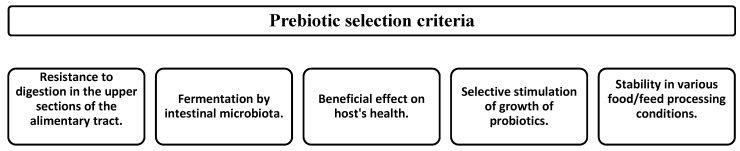
“The last condition, although equally important, is that prebiotic compounds must be viable after food processing such as thermal, chemical, or physical treatments [2].”
BackgroundSelf-citationKeulers, L., Dehghani, A., Knippels, L. M. J., Garssen, J., Papadopoulos, N. G., Folkerts, G., Braber, S., & van Bergenhenegouwen, J. (2022) · Environmental Pollution · doi:10.1016/j.envpol.2022.119066 · Cited by 76
Dahiya, D., & Nigam, P. S. N. (2023) · International Journal of Molecular Sciences · doi:10.3390/ijms24065748 · Cited by 86
“These strains have been granted a “Qualified Presumption of Safety” (QPS) status [43,44].”
BackgroundWang, X., Wang, L., Wei, X., Xu, C., Cavender, G. A., Walker, L. L., & Sun, S. (2024) · Journal of Dairy Science · doi:10.3168/jds.2024-25322 · Cited by 104
Modulation of Gut Microbiota for Health by Current and Next-Generation Probiotics
Satokari, R. M. (2019) · Nutrients · doi:10.3390/nu11081921 · Cited by 79
“The authors underline that the effects may depend on the strain, dose, and components used to produce a given probiotic product [2].”
BackgroundMethodInfluentialProbiotic Properties of Lactobacillus Species Isolated from Fermented Palm Sap in Thailand
Sornsenee, P., Singkhamanan, K., Sangkhathat, S., Saengsuwan, P., & Romyasamit, C. (2021) · Probiotics and Antimicrobial Proteins · doi:10.1007/s12602-021-09754-y · Cited by 80
“Following the FAO/WHO guidelines [1, 20], probiotic bacteria must be safe and tolerant of gastrointestinal tract (GIT) conditions (including low pH, pepsin, pancreatin, and bile salt), adhere to epithelial cells, and must be able to persist in a target niche to protect the host from invasive pathogenic bacteria [7, 21…”
MethodInfluentialRole of probiotics and prebiotics in mitigation of different diseases
Manzoor, S., Wani, S. M., Ahmad Mir, S., & Rizwan, D. (2022) · Nutrition · doi:10.1016/j.nut.2022.111602 · Cited by 69
Potential Properties of Lactobacillus plantarum F-10 as a Bio-control Strategy for Wound Infections
Onbas, T., Osmanağaoğlu, Ö., & Kıran, F. (2018) · Probiotics and Antimicrobial Proteins · doi:10.1007/s12602-018-9486-8 · Cited by 77
“The studies investigating the role of probiotics in skin diseases are very often when compared to the other studies dealing with the importance of probiotics [11].”
BackgroundResultLorente-Picón, M., & Laguna, A. (2021) · Biomolecules · doi:10.3390/biom11030433 · Cited by 69
Crosstalk between gut microbiota and sepsis
Niu, M., & Chen, P. (2021) · Burns & Trauma · doi:10.1093/burnst/tkab036 · Cited by 69
“Additionally, the administration of synbiotics, which are combinations of probiotics and prebiotics, regulates the host gut microbiome [112].”
BackgroundJoseph, R. J., Ser, H.-L., Kuai, Y.-H., Tan, L. T.-H., Arasoo, V. J. T., Letchumanan, V., Wang, L., Pusparajah, P., Goh, B.-H., Ab Mutalib, N.-S., et al. (2021) · Antibiotics · doi:10.3390/antibiotics10060719 · Cited by 68
“Prebiotics are termed as non-viable compounds that confer health benefits by supporting the growth of microbiota, which seems attractive as an alternative to probiotics or alongside (as symbiotic) in the management of BV [284,285].”
BackgroundChiu, S.-T., Chu, T.-W., Simangunsong, T., Ballantyne, R., Chiu, C.-S., & Liu, C. (2021) · Fish & Shellfish Immunology · doi:10.1016/j.fsi.2021.07.024 · Cited by 76
Kumar, D., Lal, M. K., Dutt, S., Raigond, P., Changan, S. S., Tiwari, R. K., Chourasia, K. N., Mangal, V., & Singh, B. (2022) · Molecular Nutrition & Food Research · doi:10.1002/mnfr.202101059 · Cited by 86
Probiotics ameliorate IgA nephropathy by improving gut dysbiosis and blunting NLRP3 signaling
Tan, J., Dong, L., Jiang, Z., Li, T., Luo, X., Pei, G., Qin, A., Zhong, Z., Liu, X., Tang, Y., et al. (2022) · Journal of Translational Medicine · doi:10.1186/s12967-022-03585-3 · Cited by 80
Cai, K., Cao, X., Chen, F., Zhu, K. Y., Sun, D., Cheng, H., Duan, J., & Su, S. (2024) · Phytomedicine · doi:10.1016/j.phymed.2024.155385 · Cited by 71
Nath, A., Haktanirlar, G., Varga, Á., Molnár, M. A., Albert, K., Galambos, I., Koris, A. K., & Vatai, G. N. (2018) · Medicina · doi:10.3390/medicina54020018 · Cited by 75
Kumar, R., Sharma, A., Gupta, M., Padwad, Y. S., & Sharma, R. (2019) · Probiotics and Antimicrobial Proteins · doi:10.1007/s12602-019-09576-z · Cited by 75
“As such, consumption of probiotics has been associated with several health beneficial effects including modulation of gut microbiota, redox homeostasis, immune responses, and the gut-brain axis [5, 6].”
BackgroundApplication of Pickering emulsions in probiotic encapsulation- A review
Haji, F., Cheon, J., Baek, J., Wang, Q., & Tam, K. C. (2022) · Current Research in Food Science · doi:10.1016/j.crfs.2022.09.013 · Cited by 66
Probiotics in Extraintestinal Diseases: Current Trends and New Directions
Kiousi, D. E., Karapetsas, A., Karolidou, K., Panayiotidis, M. I., Pappa, A., & Galanis, A. (2019) · Nutrients · doi:10.3390/nu11040788 · Cited by 66
“The combinatory administration of prebiotic fibers and probiotic strains, termed as “synbiotics”, most frequently includes mixtures of Lactobacilli or Bifidobacteria strains admixed with FOS or inulin [145].”
BackgroundZhong, C., Ukowitz, C., Domig, K. J., & Nidetzky, B. (2020) · Journal of Agricultural and Food Chemistry · doi:10.1021/acs.jafc.0c02660 · Cited by 73
Ferreira, C., Viana, S., & Reis, F. (2020) · Microorganisms · doi:10.3390/microorganisms8101514 · Cited by 68
“Furthermore, they can enhance vitamin absorption [110] and have also been shown to reduce the severity of certain allergic conditions [109].”
BackgroundDietary supplements for treatment of endometriosis: A review.
Bahat, P. Y., Ayhan, I., Özdemir, E. Ü., Inceboz, U. S., & Oral, E. (2022) · Acta bio-medica dell'Ateneo parmense/Acta biomedica · doi:10.23750/abm.v93i1.11237 · Cited by 110
Microbial-Derived Tryptophan Catabolites, Kidney Disease and Gut Inflammation
Madella, A. M., van Bergenhenegouwen, J., Garssen, J., Masereeuw, R., & Overbeek, S. A. (2022) · Toxins · doi:10.3390/toxins14090645 · Cited by 74
Emerging trends in pectin functional processing and its fortification for synbiotics: A review
Sun, R., Niu, Y., Li, M., Liu, Y., Wang, K., Gao, Z., Wang, Z., Yue, T., & Yuan, Y. (2023) · Trends in Food Science & Technology · doi:10.1016/j.tifs.2023.03.004 · Cited by 70
The Role of Probiotics and Their Metabolites in the Treatment of Depression
Jach, M. E., Serefko, A., Szopa, A., Sajnaga, E., Golczyk, H., Santos, L. S., Borowicz, K. K., & Sieniawska, E. (2023) · Molecules · doi:10.3390/molecules28073213 · Cited by 90
Probiotics and their role in gastrointestinal cancers prevention and treatment; an overview.
Javanmard, A., Ashtari, S., Sabet, B., Davoodi, S. H., Rostami‐Nejad, M., Akbari, M. E., Niaz, A., & Mortazavian, A. M. (2018) · Gastroenterology and hepatology from bed to bench. · Cited by 97
Cheng, C. C., Duar, R. M., Lin, X., Perez-Munoz, M. E., Tollenaar, S., Oh, J.-H., van Pijkeren, J.-P., Li, F., van Sinderen, D., Gänzle, M. G., et al. (2020) · Applied and Environmental Microbiology · doi:10.1128/aem.00190-20 · Cited by 65
Salari, A., Ghodrat, S., Gheflati, A., Jarahi, L., Hashemi, M. B., & Afshari, A. (2021) · Complementary Therapies in Clinical Practice · doi:10.1016/j.ctcp.2021.101443 · Cited by 79
Kaewarsar, E., Chaiyasut, C., Lailerd, N., Makhamrueang, N., Peerajan, S., & Sirilun, S. (2023) · Foods · doi:10.3390/foods12081591 · Cited by 93
“The molecular structure of prebiotics determines their physiological effect and the types of gut microbiota that can use prebiotics as carbon sources and energy in the intestines [9].”
BackgroundResultInfluentialJadhav, A., Jagtap, S., Vyavahare, S., Sharbidre, A. A., & Kunchiraman, B. N. (2023) · Frontiers in Cellular and Infection Microbiology · doi:10.3389/fcimb.2023.1268041 · Cited by 80
Celebioglu, H. U., & Svensson, B. (2018) · Microorganisms · doi:10.3390/microorganisms6030090 · Cited by 63
“Several studies thus reported that some lactobacilli can be successful in treating irritable bowel syndrome [3,4,36,37].”
BackgroundInfluentialFlux, M. C., & Lowry, C. A. (2020) · Neurobiology of Disease · doi:10.1016/j.nbd.2019.104578 · Cited by 65
The Role of Probiotics, Prebiotics and Synbiotics in Combating Multidrug-Resistant Organisms
Newman, A., & Arshad, M. (2020) · Clinical Therapeutics · doi:10.1016/j.clinthera.2020.06.011 · Cited by 75
Javid, A. Z., Aminzadeh, M., Haghighizadeh, M. H., & Jamalvandi, M. (2020) · Diabetes Metabolic Syndrome and Obesity · doi:10.2147/dmso.s238867 · Cited by 75
Inamura, K. (2020) · Seminars in Cancer Biology · doi:10.1016/j.semcancer.2020.06.006 · Cited by 63
Application of Spray Dried Encapsulated Probiotics in Functional Food Formulations
Sharma, R., Rashidinejad, A., & Jafari, S. M. (2022) · Food and Bioprocess Technology · doi:10.1007/s11947-022-02803-6 · Cited by 77
“The QPS concept involves some additional criteria for the safety assessment of the bacterial supplements, including the history of safe usage and absence of the risk of acquired resistance to antibiotics (Markowiak and Śliżewska, 2017).”
BackgroundResearch progress of anthocyanin prebiotic activity: A review
Wang, M., Zhang, Z., Sun, H., He, S., Liu, S., Zhang, T., Wang, L., & Ma, G. (2022) · Phytomedicine · doi:10.1016/j.phymed.2022.154145 · Cited by 75
Nguyen, T. T. U., Kim, H. W., & Kim, W. B. (2021) · Journal of Clinical Medicine · doi:10.3390/jcm10194456 · Cited by 75
“For decades, probiotics have been determined to create a healthy gut microbiome community, which is also the first and foremost factor in the complex mechanism of probiotics in kidney failure [10].”
BackgroundFunctional meat products: Trends in pro-, pre-, syn-, para- and post-biotic use
Manassi, C. F., de Souza, S. S., Hassemer, G. D. S., Sartor, S., Lima, C. M. G., Miotto, M., Lindner, J. D. D., Rezzadori, K., Pimentel, T. C., Ramos, G. L. D. P. A., et al. (2022) · Food Research International · doi:10.1016/j.foodres.2022.111035 · Cited by 77
Deehan, E. C., Antwan, S. A., Witwer, R. S., Guerra, P. G., John, T., & Monheit, L. (2024) · Advances in Nutrition · doi:10.1016/j.advnut.2024.100329 · Cited by 77
Epigenetics, microbiota, and intraocular inflammation: New paradigms of immune regulation in the eye
Wen, X., Hu, X., Li, M., Ge, X., Deng, Y., Bible, P. W., & Wei, L. (2018) · Progress in Retinal and Eye Research · doi:10.1016/j.preteyeres.2018.01.001 · Cited by 72
Soleimani, A., Motamedzadeh, A., Mojarrad, M. Z., Bahmani, F., Amirani, E., Ostadmohammadi, V., Ebrahimi, M. T., & Asemi, Z. (2018) · Probiotics and Antimicrobial Proteins · doi:10.1007/s12602-018-9499-3 · Cited by 71
“Prebiotics are nonviable food component that confer a health benefit throughmodulating the host’s microbiota [5].”
BackgroundThe Role of Probiotics in Purine Metabolism, Hyperuricemia and Gout: Mechanisms and Interventions
James, A., Ke, H., Yao, T., & Wang, Y. (2021) · Food Reviews International · doi:10.1080/87559129.2021.1904412 · Cited by 73
“fructooligosaccharides (FOS), xylooligosaccharides, galactooligosaccharides (GOS), inulin and some antinutritional factors, such as tannins.([17,18,73,74]) Moreover, probiotic microorganisms are further screened using molecular and DNA fingerprinting techniques to characterize them to species or strain level in order…”
BackgroundColombo, E., Cooke, R. F., Brandão, A. P., Wiegand, J. B., Schubach, K. M., Sowers, C. A., Duff, G. C., Block, E., & Gouvêa, V. N. (2021) · animal · doi:10.1016/j.animal.2021.100214 · Cited by 68
The Use of Probiotics to Fight Biofilms in Medical Devices: A Systematic Review and Meta-Analysis
Carvalho, F. M., Teixeira‐Santos, R., Mergulhão, F. J., & Gomes, L. C. (2020) · Microorganisms · doi:10.3390/microorganisms9010027 · Cited by 92
Application of the “SCOBY” and Kombucha Tea for the Production of Fermented Milk Drinks
Kruk, M., Trząskowska, M., Ścibisz, I., & Pokorski, P. (2021) · Microorganisms · doi:10.3390/microorganisms9010123 · Cited by 75
Zarezadeh, M., Musazadeh, V., Faghfouri, A. H., Roshanravan, N., & Dehghan, P. (2021) · Critical Reviews in Food Science and Nutrition · doi:10.1080/10408398.2021.2004578 · Cited by 71
“Probiotics are known as “living microorganisms,” which when consumed in adequate quantities, improve the composition of intestinal microbiota and exert positive health benefits (Markowiak and Śliżewska 2017).”
BackgroundPearce, K. L., Hill, A., & Tremellen, K. P. (2019) · Basic and Clinical Andrology · doi:10.1186/s12610-019-0087-5 · Cited by 72
“One potential approach would be the use of probiotics which have been reported to improve intestinal barrier function, reduce metabolic endotoxemia and inflammation [47].”
BackgroundWang, G., Yu, H., Feng, X., Tang, H., Xiong, Z., Xia, Y., Ai, L., & Song, X. (2021) · LWT · doi:10.1016/j.lwt.2021.111208 · Cited by 60
Pereira da Silva, B., Kolba, N., Stampini Duarte Martino, H., Hart, J., & Tako, E. (2019) · Nutrients · doi:10.3390/nu11102457 · Cited by 60
“Prebiotics are dietary substrates that selectively promote the proliferation and/or activity of health-promoting bacterial populations in the colon [19,20].”
BackgroundImpact of Phlorotannin Extracts from Fucus vesiculosus on Human Gut Microbiota
Catarino, M. D., Marçal, C., Bonifácio-Lopes, T., Campos, D. A., Mateus, N. F. D. C. B., Silva, A. M. S., Pintado, M. M., & Cardoso, S. M. (2021) · Marine Drugs · doi:10.3390/md19070375 · Cited by 65
“The microbial colonization of the gastrointestinal tract starts right after birth and undergoes a symbiotic co-evolution along with their host, importantly contributing to the maintenance of intestinal homeostasis, development and integrity of the mucosal barrier, production of various nutrients, protection against mi…”
BackgroundNanobiotechnological prospects of probiotic microflora: Synthesis, mechanism, and applications
Ghosh, S., Sarkar, B., Kaushik, A. K., & Mostafavi, E. (2022) · The Science of The Total Environment · doi:10.1016/j.scitotenv.2022.156212 · Cited by 67
Saeed, M., Afzal, Z., Afzal, F., Khan, R. U., Elnesr, S. S., Alagawany, M. M., & Chen, H. (2023) · Food Science of Animal Resources · doi:10.5851/kosfa.2023.e52 · Cited by 72
“…functional proteins, microbial fractions, cell lysates, secreted polysaccharides, teichoic acid, pili type structures and muropeptides derived from peptidoglycans (Konstantinov et al., 2013; Markowiak and Śliżewska, 2017; O’Grady et al., 2019; Sánchez et al., 2017; Slavin, 2013; Wegh et al., 2017).”
BackgroundProbiotic potentials of lactic acid bacteria isolated from Egyptian fermented food
Tawab, F. I. A., kadr, M. H. A. E., Sultan, A. M., Hamed, E. O., El-Zayat, A. S., & Ahmed, M. N. (2023) · Scientific Reports · doi:10.1038/s41598-023-43752-0 · Cited by 76
“For example, probiotic supplementation in poultry can improve the immune response and growth rate 25 .”
BackgroundNobre, C., do Nascimento, A. K. C., Silva, S. P., Coelho, E., Coimbra, M. A., Cavalcanti, M. T. H., Teixeira, J. A., & Porto, A. L. F. (2019) · Bioresource Technology · doi:10.1016/j.biortech.2019.03.053 · Cited by 66
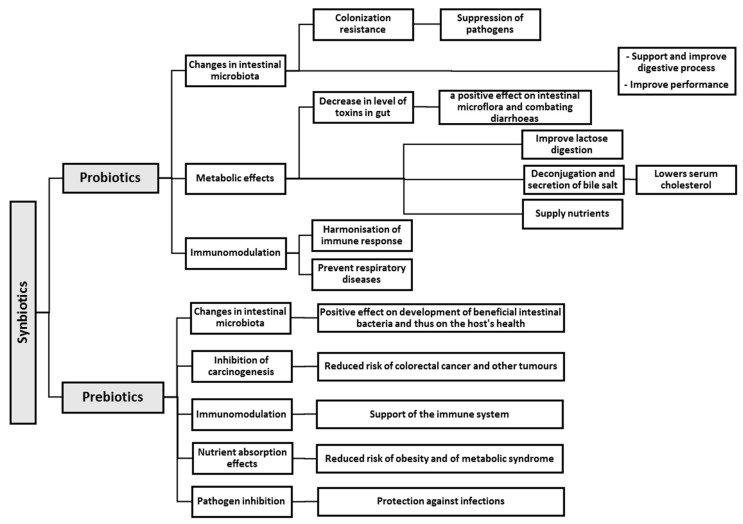
“through the intestinal modulation of the microflora, reduction of colorectal cancer and other tumours, support of the immune system, risk reduction of obesity and metabolic syndrome, and protection against infection (Markowiak and Śliżewska, 2017).”
BackgroundProbiotics and MicroRNA: Their Roles in the Host–Microbe Interactions
Zhao, Y., Zeng, Y., Zeng, D., Wang, H., Zhou, M., Sun, N., Xin, J., Khalique, A., Rajput, D. S., Pan, K., et al. (2021) · Frontiers in Microbiology · doi:10.3389/fmicb.2020.604462 · Cited by 66
van Dorst, J. M., Tam, R. Y., & Ooi, C. Y. (2022) · Nutrients · doi:10.3390/nu14030480 · Cited by 68
Nutritional Treatment of Patients with Colorectal Cancer
Lewandowska, A., Religioni, U., Czerw, A. I., Deptała, A., Karakiewicz, B., Partyka, O., Pajewska, M., Sygit, K., Cipora, E., Kmieć, K., et al. (2022) · International Journal of Environmental Research and Public Health · doi:10.3390/ijerph19116881 · Cited by 82
“Prebiotics, in the course of lactic fermentation carried out by bacteria, become a source of energy for them, during which also such compounds as lactic acid, SCFA, hydrogen, methane and carbon dioxide are formed [53].”
BackgroundGut Microbiota Modulation as a Novel Therapeutic Strategy in Cardiometabolic Diseases
Mutalub, Y. B., Abdulwahab, M., Mohammed, A., Yahkub, A. M., Al-Mhanna, S. B., Yusof, W., Tang, S. P., Rasool, A. H. G., & Mokhtar, S. S. (2022) · Foods · doi:10.3390/foods11172575 · Cited by 72
Bilal, M., Ashraf, S., & Zhao, X. (2022) · Frontiers in Nutrition · doi:10.3389/fnut.2022.931458 · Cited by 58
Arnold, J. W., Simpson, J. B., Roach, J. M., Bruno-Bárcena, J. M., & Azcárate-Peril, M. A. (2018) · Nutrients · doi:10.3390/nu10101517 · Cited by 63
“Similarly, the mechanisms by which probiotics provide a benefit vary between strains, including carbohydrate fermentation [9], an important feature of probiotics [34].”
BackgroundPostbiotic-Enabled Targeting of the Host-Microbiota-Pathogen Interface: Hints of Antibiotic Decline?
Puccetti, M., Xiroudaki, S., Ricci, M., & Giovagnoli, S. (2020) · Pharmaceutics · doi:10.3390/pharmaceutics12070624 · Cited by 62
“A combination of both, namely synbiotics, is being investigated with as of yet insufficient evidence and unclear benefits [128,129].”
BackgroundAraújo, M. M., & Botelho, P. B. (2022) · Frontiers in Nutrition · doi:10.3389/fnut.2022.935830 · Cited by 58
Huynh, T.-G., Hu, S., Chiu, C.-S., Truong, Q.-P., & Liu, C. (2019) · Aquaculture Research · doi:10.1111/are.13951 · Cited by 64
Probiotics Ameliorate Colon Epithelial Injury Induced by Ambient Ultrafine Particles Exposure
Li, X., Sun, H., Li, B., Zhang, X., Cui, J., Yun, J., Yang, Y., Zhang, L., Meng, Q., Wu, S., et al. (2019) · Advanced Science · doi:10.1002/advs.201900972 · Cited by 61
Cassotta, M., Forbes-Hernández, T. Y., Iglesias, R. C., Ruíz, R., Elexpuru-Zabaleta, M., Giampieri, F., & Battino, M. A. (2020) · Nutrients · doi:10.3390/nu12061827 · Cited by 63
Widhani, A., Djauzi, S., Suyatna, F. D., & Dewi, B. E. (2022) · Cells · doi:10.3390/cells11213419 · Cited by 71
Jayachandran, M., & Qu, S. (2023) · Reviews in Endocrine and Metabolic Disorders · doi:10.1007/s11154-023-09843-z · Cited by 68
“This includes defects in microbial sensing by pattern recognition receptors, Paneth cell dysfunction, xenobiotic receptor damage, and negative changes in secretory Immunoglobulin A [81]. been demonstrated in animal models [89].”
BackgroundUnveiling roles of beneficial gut bacteria and optimal diets for health
Kumar, S., Mukherjee, R., Gaur, P., Leal, E. D. S., Lyu, X., Ahmad, S., Puri, P., Chang, C.-M., Raj, V. S., & Pandey, R. P. (2025) · Frontiers in Microbiology · doi:10.3389/fmicb.2025.1527755 · Cited by 77
“The primary benefits of prebiotics are their ability to selectively stimulate the growth of beneficial bacteria, such as Bifidobacteria, Lactobacilli and enhance the production of beneficial metabolites like short-chain fatty acids (Markowiak and Śliżewska, 2017; Davani-Davari et al., 2019).”
Ansari, J. M., Colasacco, C., Emmanouil, E., Kohlhepp, S., & Harriott, O. T. (2019) · PLoS ONE · doi:10.1371/journal.pone.0213841 · Cited by 63
Metadata
- Authors
- Markowiak, P., & Śliżewska, K.
- Affiliations
- Institute of Fermentation Technology and Microbiology, Department of Biotechnology and Food Sciences, Lodz University of Technology, 90-924 Łódź, Poland
- Lodz University of Technology (PL)
- Corresponding author
- Śliżewska, Katarzyna
- ORCID
- Śliżewska, Katarzyna
- Venue
- Nutrients
- Publisher
- MDPI AG
- Published
- 2017-09-15
- Volume
- 9
- Issue
- 9
- Pages
- 1021
- ISSN
- 2072-6643 (ISSN-L)
- PMC
- PMC5622781
- OpenAlex
- W2755198076
- Cited by
- 2,401
- References
- 210
- Citations by year
- 2026: 219 · 2025: 322 · 2024: 342 · 2023: 330 · 2022: 378 · 2021: 333 · 2020: 251 · 2019: 157 · 2018: 59 · 2017: 5
- FWCI
- 14.00
- Type
- journal article
- Language
- en
- Open access
- gold
- doi.org
- Licence
- Locations
- Nutrients (publishedVersion, cc-by)
- Europe PMC (PubMed Central) (publishedVersion, cc-by)
- PubMed Central (publishedVersion, cc-by)
- PubMed (publishedVersion)
- DOAJ (DOAJ: Directory of Open Access Journals) (submittedVersion, cc-by-sa)
- Funders
- Narodowe Centrum Badań i Rozwoju (PBS3/A8/32/2015)
- Topics
- Life Sciences › Agricultural and Biological Sciences › Food Science › Probiotics and Fermented Foods
- Health Sciences › Nursing › Nutrition and Dietetics › Microbial Metabolites in Food Biotechnology
- Life Sciences › Biochemistry, Genetics and Molecular Biology › Molecular Biology › Gut microbiota and health
- Keywords
- probiotics, prebiotics, synbiotics, gut microbiota, host-microbe coevolution, immunomodulation, pathogen protection, functional foods, fermented foods, dairy products
- MeSH terms
- Gastrointestinal Microbiome, Animals, Clinical Trials as Topic, Diet, Humans, Probiotics, Models, Animal, Gastrointestinal Tract, Prebiotics, Synbiotics
About these checks
Registry, retraction, Cites and statistics results are computed, not judged, with one exception: a printed reference that no index lists is read once by a model before it counts as a citation error. Claims are extracted by a model and kept only when their quote appears verbatim in the text; each cited source is then checked, with a model’s help, for whether it says what the claim relies on. Those verdicts can be wrong — read the claim’s quote and the cited source before relying on one.
Statistics and arithmetic are recomputed, not judged.
Confidence bands are shown only for fields calibrated on our annotated test set. None is calibrated yet, so no band is shown.
What counts as a claim ›How we measure confidence ›How we check this ›
Are you an author, or do you see a problem with this page? Request a review
Data sources
Bibliographic data: Semantic Scholar, OpenAlex, Crossref.
Contains information from the Semantic Scholar Academic Graph Datasets, made available under the ODC Attribution License (ODC-BY 1.0).
Semantic Scholar’s data is described in: Kinney, R., et al. (2023). The Semantic Scholar Open Data Platform. arXiv:2301.10140.
