

Effects of Probiotics, Prebiotics, and Synbiotics on Human Health
Open accessThe DOI matches its Crossref record; 204 of the 210 references it cites were found in a registry or an index.
Abstract
The human gastrointestinal tract is colonised by a complex ecosystem of microorganisms. Intestinal bacteria are not only commensal, but they also undergo a synbiotic co-evolution along with their host. Beneficial intestinal bacteria have numerous and important functions, e.g., they produce various nutrients for their host, prevent infections caused by intestinal pathogens, and modulate a normal immunological response. Therefore, modification of the intestinal microbiota in order to achieve, restore, and maintain favourable balance in the ecosystem, and the activity of microorganisms present in the gastrointestinal tract is necessary for the improved health condition of the host. The introduction of probiotics, prebiotics, or synbiotics into human diet is favourable for the intestinal microbiota. They may be consumed in the form of raw vegetables and fruit, fermented pickles, or dairy products. Another source may be pharmaceutical formulas and functional food. This paper provides a review of available information and summarises the current knowledge on the effects of probiotics, prebiotics, and synbiotics on human health. The mechanism of beneficial action of those substances is discussed, and verified study results proving their efficacy in human nutrition are presented.
Overview
The claims and statistics of this paper haven’t been checked yet.
Free: it reads the open-access text and checks the first 5 claims that cite a source we can check. Create a free account to check every claim.
Integrity signals
Registry
Cites
Statistics
Figures
Verification
Claims the paper makes
The claims and statistics of this paper haven’t been checked yet.
Free: it reads the open-access text and checks the first 5 claims that cite a source we can check. Create a free account to check every claim.
Claims other papers make about this one
Each is checked against this paper’s own text: does it say what the citing paper says it does?
The source backs part of the claim, not all of it — or backs it for a different population, condition or comparison.
In the citing paper
“Therefore, the administration of specific strains of Lactobacilli and Bifidobacteria as probiotics as well as fructooligosaccharides, galactooligosaccharides, and other prebiotics, or the combination of both might constitute a benefit for immunocompromised people (118–122).”
From Immunosenescence and Its Hallmarks: How to Oppose Aging Strategically? A Review of Potential Options for Therapeutic Intervention (2019) · cites this paper as [118]
Experimental — accuracy not yet measuredThe cited source says what the claim attributes to it.
In the citing paper
“Synbiotics combined probiotics with prebiotics, improving the survival of formula probiotics as well as the reproduction of intestinal probiotics.50”
The check wasn’t confident either way, so it gives no verdict — never disputed.
In the citing paper
“However, the effectiveness of probiotic bacteria varies greatly from person to person,39”
From Gut microbiota drives structural variation of exogenous probiotics to enhance colonization (2025) · cites this paper as [39]
Experimental — accuracy not yet measured
Self-check
Percentages, sums and reported differences re-computed from the paper’s own numbers.
The self-check needs the paper’s full text.
Citations
Cites
Hill (2014) · doi:10.1038/nrgastro.2014.66 · Cited by 9,592 · cited 2×
“The definition was maintained by the International Scientific Association for Probiotics and Prebiotics (ISAPP) in 2013 [6].”
BackgroundMethodDietary Modulation of the Human Colonic Microbiota: Introducing the Concept of Prebiotics
Gibson, G. R., & Roberfroid, M. B. (1995) · The Journal of Nutrition · doi:10.1093/jn/125.6.1401 · Cited by 7,667 · cited 2×
“In 1995, prebiotics were defined by Gibson and Roberfroid as non-digested food components that, through the stimulation of growth and/or activity of a single type or a limited amount of microorganisms residing in the gastrointestinal tract, improve the health condition of a host [7].”
BackgroundAFRC, R. F. (1989) · Journal of Applied Bacteriology · doi:10.1111/j.1365-2672.1989.tb05105.x · Cited by 4,149
Authority, E. F. S., & European Centre for Disease Prevention and Control (2015) · EFSA Journal · doi:10.2903/j.efsa.2015.3991 · Cited by 3,550
Dietary modulation of the human colonic microbiota: updating the concept of prebiotics
Gibson, G. R., Probert, H. M., Loo, J. V., Rastall, R. A., & Roberfroid, M. B. (2004) · Nutrition Research Reviews · doi:10.1079/nrr200479 · Cited by 2,536
European Food Safety Authority and European Centre for Disease Prevention and Control (EFSA and ECDC) (2018) · EFSA Journal · doi:10.2903/j.efsa.2018.5500 · Cited by 1,452
Probiotics and their fermented food products are beneficial for health
Parvez, S., Malik, K. A., Ah Kang, S., & Kim, H.-Y. (2006) · Journal of Applied Microbiology · doi:10.1111/j.1365-2672.2006.02963.x · Cited by 1,435 · cited 1×
“It turns out that probiotics may increase the amount of IgA antibodies, which leads to the arrest of a viral infection [84].”
BackgroundApplication of prebiotics and probiotics in poultry production
Patterson, J., & Burkholder, K. (2003) · Poultry Science · doi:10.1093/ps/82.4.627 · Cited by 1,405 · cited 1×
“The most promising and fulfilling criteria for the classification of prebiotic substances, as evidenced by in vitro and in vivo studies, are oligosaccharides, including [142,143]: fructooligosaccharides (FOS), galactooligosaccharides (GOS), isomaltooligosaccharides (IMO), xylooligosaccharides (XOS), transgalactooligos…”
BackgroundProbiotics in man and animals.
Fuller, R. (1989) · PubMed · Cited by 1,292
Probiotics, prebiotics and synbiotics- a review
Pandey, K. R., Naik, S. R., & Vakil, B. V. (2015) · Journal of Food Science and Technology · doi:10.1007/s13197-015-1921-1 · Cited by 1,291 · cited 1×
“It turns out that synbiotics may be highly efficient in the prevention of osteoporosis, reduction of blood fat and sugar levels, regulation of the immunological system, and treatment of brain disorders associated with abnormal hepatic function [185].”
Background
Research works printed but not linked: 12
- Vergin F. Anti-und Probiotica Hipokrates 1954 25 116 119 13174124
- Panesar P.S. Kaur G. Panesar R. Bera M.B. Synbiotics: Potential Dietary Supplements in Functional Foods IFIS Berkshire, UK 2009 10.1136/gut.2005.074971 · DOI · Paper page
- Hosono A. Fermented milk in the orient Functions of Fermented Milk: Challengers for the Health Sciences Nakazawa Y. Hosono A. Elsevier Science Publishers Ltd. Barking, UK 1992 61 78
- Simon O. Micro-organisms as feed additives—Probiotics Adv. Pork Prod. 2005 16 161 167
- Heczko P. Strus M. Jawień M. Szymański H. Medyczne zastosowanie probiotyków Wiad. Lek. 2005 58 640 646 16594475
- Guillot J.F. Probiotic feed additives J. Vet. Pharmacol. Ther. 2003 26 52 55
- Crittenden R. Playne M.J. Prebiotics Handbook of Probiotics and Prebiotics Lee Y.K. Salminen S. John Wiley & Sons Inc. Hoboken, NJ, USA 2009 535 561 · DOI · Paper page
- Śliżewska K. Nowak A. Barczyńska R. Libudzisz Z. Prebiotyki—Definicja, właściwości i zastosowanie w przemyśle Żywność Nauka Technologia Jakość 2013 1 5 20
- Mojka K. Probiotyki, prebiotyki i synbiotyki—Charakterystyka i funkcje Probl. Hig. Epidemiol. 2014 95 541 549
- Socha P. Stolarczyk M. Socha J. Wpływ probiotyków i prebiotyków na gospodarkę lipidową Pediatr. Współcz. Gastroenterol. Hepatol. Żyw. Dziecka 2002 4 85 88
- Kim Y.S. Tsa O.D. Morita A. Bella A. Effect of sodium butyrate and three human colorectal adenocarcinoma cell lines in culture Falk Symp. 1982 31 317 323
- Scavuzzi B.M. Henrique F.C. Miglioranza L.H.S. Simão A.N.C. Dichi I. Impact of prebiotics, probiotics and synbiotics on components of the metabolic syndrome Ann. Nutr. Disord. Ther. 2014 1 1009
Cited by
Items 301–400 of 1,007
Mechanisms by Which Probiotic Bacteria Attenuate the Risk of Hepatocellular Carcinoma
Thilakarathna, W. P. D. W., Rupasinghe, H. P. V., & Ridgway, N. D. (2021) · International Journal of Molecular Sciences · doi:10.3390/ijms22052606 · Cited by 64
“The potential to utilize synbiotics, a mixture of probiotic bacteria and corresponding prebiotics, to improve the efficacy of probiotics and selectively stimulate the growth of beneficial gut microbes [15] is a strategy of cancer risk reduction that must be further studied.”
BackgroundO’Connor, L. E., Gahche, J. J., Herrick, K., Davis, C. D., Potischman, N. A., & Vargas, A. J. (2021) · Gastroenterology · doi:10.1053/j.gastro.2021.04.037 · Cited by 63
Integrated molecular approaches for fermented food microbiome research
Walsh, A. M., Leech, J., Huttenhower, C., Delhomme-Nguyen, H., Crispie, F., Chervaux, C., & Cotter, P. D. (2023) · FEMS Microbiology Reviews · doi:10.1093/femsre/fuad001 · Cited by 56
“Smaller cohort studies have been carried out on a range of foods, most commonly dairy, with variable results (Marco et al. 2017, Markowiak and Śliżewska 2017, Stiemsma et al. 2020).”
Zaidi, A. Z., Moore, S. E., & Okala, S. (2021) · Nutrients · doi:10.3390/nu13041137 · Cited by 73
“Prebiotics have the potential of modifying the gut microbiota, however these modifications occur at the level of individual prebiotic strains and are therefore not easily predicted [54].”
BackgroundGuan, X., Feng, Y., Jiang, Y., Hu, Y., Zhang, J., Li, Z., Song, C., Li, F., Hou, J., Shen, T., et al. (2022) · Food Research International · doi:10.1016/j.foodres.2022.111074 · Cited by 61
Blazheva, D. E., Mihaylova, D. S., Averina, O. V., Slavchev, A. K., Brazkova, M., Poluektova, E. U., Даниленко, В. Н., & Krastanov, A. I. (2022) · Russian Journal of Genetics · doi:10.1134/s1022795422090058 · Cited by 63
Zheng, Y., Zhang, L., Bonfili, L., de Vivo, L., Eleuteri, A. M., & Bellesi, M. (2023) · Nutrients · doi:10.3390/nu15061518 · Cited by 61
“Probiotics are live microorganisms intended to change the composition of the flora of the gastrointestinal tract of the host and provide health benefits when consumed [63].”
BackgroundNatural product-based inhibitors of quorum sensing: A novel approach to combat antibiotic resistance
Alum, E. U., Gulumbe, B. H., Izah, S. C., Uti, D. E., Aja, P. M., Igwenyi, I. O., & Offor, C. E. (2025) · Biochemistry and Biophysics Reports · doi:10.1016/j.bbrep.2025.102111 · Cited by 117
“The co-administration of natural bioenhancers, such as piperine, can increase QSI bioavailability by inhibiting metabolic degradation [175].”
Relationship between diet, the gut microbiota, and brain function
Tengeler, A. C., Kozicz, T., & Kiliaan, A. J. (2018) · Nutrition Reviews · doi:10.1093/nutrit/nuy016 · Cited by 56
Efficacy of Dietary Supplements in Inflammatory Bowel Disease and Related Autoimmune Diseases
Jadhav, P., Jiang, Y., Jarr, K. J., Layton, C., Ashouri, J. F., & Sinha, S. R. (2020) · Nutrients · doi:10.3390/nu12072156 · Cited by 68
“With growing supporting evidence, the interest in probiotics and prebiotics, as well as additional supplements, to modulate disease has dramatically grown [9,10].”
BackgroundImportance of Dietary Changes During the Coronavirus Pandemic: How to Upgrade Your Immune Response
Châari, A., Bendriss, G., Zakaria, D., & McVeigh, C. (2020) · Frontiers in Public Health · doi:10.3389/fpubh.2020.00476 · Cited by 65
Microbiological Testing of Probiotic Preparations
Zawistowska-Rojek, A., Zaręba, T., & Tyski, S. S. (2022) · International Journal of Environmental Research and Public Health · doi:10.3390/ijerph19095701 · Cited by 66
Cao, W., Guan, S., Yuan, Y., Wang, Y., Yiasmin, M. N., Liu, Y., Tong, Y., Yu, S., & Hua, X. (2023) · Critical Reviews in Food Science and Nutrition · doi:10.1080/10408398.2023.2253547 · Cited by 62
“These conventional prebiotics were commercialized early and occupy a relatively high market share, however, some of them exposed defects in their fermentation characteristics under specific gut environments (Markowiak and Śliżewska 2017; Singh et al. 2018).”
Basavaprabhu, H. N., Sonu, K. S., & Prabha, R. (2020) · Microbial Pathogenesis · doi:10.1016/j.micpath.2020.104029 · Cited by 55
Effect of a novel synbiotic on Streptococcus mutans
Bijle, M. N., Neelakantan, P., Ekambaram, M., Lo, E. C. M., & Yiu, C. K. Y. (2020) · Scientific Reports · doi:10.1038/s41598-020-64956-8 · Cited by 59
Prebiotic Xylo-Oligosaccharides Ameliorate High-Fat-Diet-Induced Hepatic Steatosis in Rats
Lensu, S., Pariyani, R., Mäkinen, E., Yang, B., Saleem, W., Munukka, E., Lehti, M., Driuchina, A., Lindén, J., Tiirola, M., et al. (2020) · Nutrients · doi:10.3390/nu12113225 · Cited by 60
“Such effective tools are known to be probiotics and prebiotics, for instance [26].”
Plomer, M., Perez, M. I., & Greifenberg, D. M. (2020) · Infectious Diseases and Therapy · doi:10.1007/s40121-020-00333-2 · Cited by 70
Quero-Calero, C. D., Manonelles, P., Fernández, M. L., Abellán‐Aynés, O., López-Plaza, D., Andreu‐Caravaca, L., Hinchado, M. D., Gálvez, I., & Ortega, E. (2021) · Nutrients · doi:10.3390/nu13041321 · Cited by 59
Batista, K. S., de Albuquerque, J. G., de Vasconcelos, M. H. A., Bezerra, M. L. R., Barbalho, M. B. D. S., Pinheiro, R. O., & Aquino, J. D. S. (2021) · Nutrition Research Reviews · doi:10.1017/s0954422421000317 · Cited by 60
“Prebiotics may have direct effects on gut epithelial cells and immune cells or indirect effect on the host’s health, serving as substrates for probiotics that promote immunomodulation, as they inhibit the growth of pathogenic bacteria and also improve digestion and absorption of essential nutrients(45,90).”
BackgroundPowell, L. C., Cullen, J. K., Boyle, G. M., Ridder, T. R. D., Yap, P.-Y., Xue, W., Pierce, C. J., Pritchard, M., Menzies, G. E., Abdulkarim, M., et al. (2022) · Science Translational Medicine · doi:10.1126/scitranslmed.abn3758 · Cited by 56
Yadav, M. K., Sehrawat, N., Sharma, A. K., Kumar, S., Singh, R., Kumar, A., & Kumar, A. (2022) · Journal of Food Science and Technology · doi:10.1007/s13197-022-05621-y · Cited by 68
“…strains ( Lactobacillus delbrueckii spp. bulgaricus , Lb. plantarum , L. rhamnosus , L. acidophilus and Bifidobacterium bifidum) along with the prebiotic inulin reduced the concentration of intra-hepatic tri-acylglycerol (IHTG) within a duration of 6 months (Markowiak and Śliżewska 2017).”
InfluentialMicrobial Detoxification of Residual Pesticides in Fermented Foods: Current Status and Prospects
Armenova, N., Tsigoriyna, L., Arsov, A., Petrov, K. K., & Petrova, P. M. (2023) · Foods · doi:10.3390/foods12061163 · Cited by 58
Quality Management of Probiotics: Ensuring Safety and Maximizing Health Benefits
Ahire, J. J., Rohilla, A., Kumar, V., & Tiwari, A. (2023) · Current Microbiology · doi:10.1007/s00284-023-03526-3 · Cited by 67
“The importance of clinical data in establishing that probiotics are beneficial to one’s health cannot be overstated [37].”
BackgroundImpact of Probiotics and Prebiotics on Gut Microbiome and Hormonal Regulation
Basnet, J., Eissa, M., Cardozo, L. L. Y., Romero, D. G., & Rezq, S. (2024) · Gastrointestinal Disorders · doi:10.3390/gidisord6040056 · Cited by 71
Nath, A., Molnár, M. A., Csighy, A., Kőszegi, K., Galambos, I., Pásztor‐Huszár, K., Koris, A. K., & Vatai, G. N. (2018) · Medicina · doi:10.3390/medicina54060098 · Cited by 60
“, 2013 [5]; Markowiak and Śliżewska, 2017 [6]).”
BackgroundProbiotics improve glucose and lipid metabolism in pregnant women: a meta-analysis
Han, M.-M., Sun, J., Su, X., Peng, Y., Goyal, H., Wu, C., Zhu, X., & Li, L. (2019) · Annals of Translational Medicine · doi:10.21037/atm.2019.01.61 · Cited by 66
Hess, A. L., Benítez‐Páez, A., Blædel, T., Larsen, L. H., Iglesias, J. R., Madera, C., Sanz, Y., & Larsen, T. M. (2019) · European Journal of Nutrition · doi:10.1007/s00394-019-02099-x · Cited by 58
Ilesanmi-Oyelere, B. L., & Kruger, M. C. (2020) · Frontiers in Nutrition · doi:10.3389/fnut.2020.578702 · Cited by 76
Tackling Atherosclerosis via Selected Nutrition
Vesnina, A. D., Prosekov, A. Y., Atuchin∥⊥, V. V., Minina, V. I., & Ponasenko, A. V. (2022) · International Journal of Molecular Sciences · doi:10.3390/ijms23158233 · Cited by 67
Updates on the Role of Probiotics against Different Health Issues: Focus on Lactobacillus
Un-Nisa, A., Khan, A., Zakria, M., Siraj, S., Ullah, S., Tipu, M. K., Ikram, M. A., & Kim, M. O. (2022) · International Journal of Molecular Sciences · doi:10.3390/ijms24010142 · Cited by 69
“The idea that probiotics could be friendly and used to treat certain intestinal diseases was also reported and presented by Tissier, in 1906 [6,7].”
BackgroundPotential food applications and biological activities of fermented quinoa: A review
Abdelshafy, A. M., Rashwan, A. K., & Osman, A. I. (2024) · Trends in Food Science & Technology · doi:10.1016/j.tifs.2024.104339 · Cited by 64
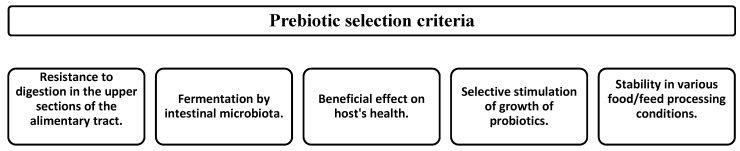
“…of prebiotics include health benefits on the host, fermentation by intestinal microbiota, resistance to digestion in the upper section of the alimentary tract, and selective stimulation of probiotics growth in addition to stability for various food processes (Markowiak & ´ Sli ˙ zewska, 2017).”
Characterization, health benefits and applications of fruits and vegetable probiotics
James, A., & Wang, Y. (2019) · CyTA - Journal of Food · doi:10.1080/19476337.2019.1652693 · Cited by 68
Nagano, T., Arai, Y., Yano, H., Aoki, T., Kurihara, S., Hirano, R., & Nishinari, K. (2020) · Food Hydrocolloids · doi:10.1016/j.foodhyd.2020.105964 · Cited by 57
The emerging role of probiotics as a mitigation strategy against coronavirus disease 2019 (COVID-19)
Mirzaei, R., Attar, A., Papizadeh, S., Jeda, A. S., Hosseini‐Fard, S. R., Jamasbi, E., Kazemi, S., Amerkani, S., Talei, G. R., Moradi, P., et al. (2021) · Archives of Virology · doi:10.1007/s00705-021-05036-8 · Cited by 66
Li, T., Yan, Q., Wen, Y., Liu, J., Sun, J. G., & Jiang, Z. (2021) · Journal of Dairy Science · doi:10.3168/jds.2020-19449 · Cited by 59
Wierzbicka, A., Mańkowska‐Wierzbicka, D., Mardas, M., & Stelmach-Mardas, M. (2021) · Nutrients · doi:10.3390/nu13041160 · Cited by 72
“It has been shown that the supplementation of probiotics might be required to re-establish the homeostasis and to restore the environment [9,10].”
BackgroundEnterococcus spp.: Is It a Bad Choice for a Good Use—A Conundrum to Solve?
Ferchichi, M., Sebei, K., Boukerb, A. M., Karray‐Bouraoui, N., Chevalier, S., Feuilloley, M. G. J., Connil, N., & Zommiti, M. (2021) · Microorganisms · doi:10.3390/microorganisms9112222 · Cited by 65
Alam, Z., Shang, X., Effat, K., Kanwal, F., He, X., Li, Y., Xu, C., Niu, W., War, A. R., & Zhang, Y. (2022) · Journal of Food Biochemistry · doi:10.1111/jfbc.14302 · Cited by 62
Chauhan, J., & Sharma, R. K. (2023) · International Journal of Biological Macromolecules · doi:10.1016/j.ijbiomac.2023.125873 · Cited by 60
Kezer, G., Paramithiotis, S., Khwaldia, K., Harahap, I. A., Čagalj, M., Šimat, V., Smaoui, S., Elfalleh, W., Özoğul, F., & Esatbeyoglu, T. (2025) · Frontiers in Microbiology · doi:10.3389/fmicb.2025.1651965 · Cited by 68
Lee, S., Kirkland, R. A., Grunewald, Z. I., Sun, Q., Wicker, L., & Serre, C. B. D. L. (2019) · Nutrients · doi:10.3390/nu11091975 · Cited by 53
“Interestingly, Lactobacillus species, notably Lactobacillus plantarum, Lactobacillus rhamnosus, and Lactobacillus paracasei, appear to be transient passengers rather than to be GI commensals, promoting the growth of indigenous beneficial gut microbes, such as Bifidobacteria and leading to ecological rearrangement of g…”
BackgroundLeylak, C., Özdemir, K. S., Gürakan, G. C., & Ogel, Z. B. (2020) · International Dairy Journal · doi:10.1016/j.idairyj.2020.104865 · Cited by 63
Acute Radiation Syndrome and the Microbiome: Impact and Review
Hollingsworth, B. A., Cassatt, D. R., DiCarlo, A. L., Rios, C. I., Satyamitra, M. M., Winters, T. A., & Taliaferro, L. P. (2021) · Frontiers in Pharmacology · doi:10.3389/fphar.2021.643283 · Cited by 54
“As the field of probiotics has continued to mature, researchers have found that synbiotics may provide a superior outcome than either one alone, by providing an optimal GI environment to allow the probiotics to survive and colonize the gut (Markowiak and Śliżewska, 2017).”
BackgroundCheese Fortification: Review and Possible Improvements
Picciotti, U., Massaro, A. S., Galiano, A. M., & Garganese, F. (2021) · Food Reviews International · doi:10.1080/87559129.2021.1874411 · Cited by 63
“) .([167,169]) These enzymes promote the absorption of the elements such as iron and calcium .”
BackgroundFunctional constipation and the effect of prebiotics on the gut microbiota: a review
Erhardt, R., Harnett, J., Steels, E., & Steadman, K. J. (2022) · British Journal Of Nutrition · doi:10.1017/s0007114522003853 · Cited by 56
“that combining probiotics with prebiotics into a synbiotic would confer an increased benefit(29).”
Bhat, M. I., Sowmya, K., Kapila, S., & Kapila, R. (2019) · Probiotics and Antimicrobial Proteins · doi:10.1007/s12602-019-09608-8 · Cited by 56
Clinical Trials of Probiotic Strains in Selected Disease Entities
Dudek-Wicher, R., Junka, A., Paleczny, J., & Bartoszewicz, M. (2020) · International Journal of Microbiology · doi:10.1155/2020/8854119 · Cited by 51
“In order for a strain to be described as “probiotic,” it has to meet a number of requirements related to safety, functionality, and technological suitability [2, 3].”
BackgroundPham, V. T., Calatayud, M., Rotsaert, C., Seifert, N., Richard, N., den Abbeele, P. V., Marzorati, M., & Steinert, R. E. (2021) · Nutrients · doi:10.3390/nu13041125 · Cited by 65
“in order to convey a host health benefit [4,5].”
BackgroundPalencia-Argel, M., Rodríguez-Villamil, H., Bernal-Castro, C., Díaz-Moreno, C., & Fuenmayor, C. A. (2022) · Critical Reviews in Food Science and Nutrition · doi:10.1080/10408398.2022.2104806 · Cited by 51
“In a synbiotic, a prebiotic component may selectively favor a probiotic microorganism, improving its survival during storage and passage along the gastrointestinal tract, increasing its effect on the small intestine and colon (Markowiak and Śliżewska 2017).”
BackgroundBeneficial Bacteria Isolated from Food in Relation to the Next Generation of Probiotics
Sionek, B., Szydłowska, A., Zielińska, D., Neffe‐Skocińska, K., & Kołożyn‐Krajewska, D. (2023) · Microorganisms · doi:10.3390/microorganisms11071714 · Cited by 63
“Inulin and oligofructose are the most effective and most commonly used prebiotics [147].”
BackgroundCho, Y.-J., Lee, H. G., Seo, K., YOKOYAMA, W. H., & Kim, H. (2018) · Journal of Agricultural and Food Chemistry · doi:10.1021/acs.jafc.8b03720 · Cited by 50
The role of the human gut microbiota in colonization and infection with multidrug-resistant bacteria
Wüthrich, I., Pelzer, B. W., Khodamoradi, Y., & Vehreschild, M. J. G. T. (2021) · Gut Microbes · doi:10.1080/19490976.2021.1911279 · Cited by 51
“Probiotics are viable microorganisms which, when administered in sufficient quantities, have beneficial effects on the health of the host.(68) If used as a drug with an associated health claim, they are referred to as live biotherapeutic products/agents.”
BackgroundGhasemi, L., Nouri, L., Nafchi, A. M., & Al‐Hassan, A. A. (2022) · Journal of Food Processing and Preservation · doi:10.1111/jfpp.16359 · Cited by 52
The Role of Dietary Fiber and Gut Microbiome Modulation in Progression of Chronic Kidney Disease
Ranganathan, N., & Anteyi, E. A. (2022) · Toxins · doi:10.3390/toxins14030183 · Cited by 63
“Hence, studies have recommended that CKD patients should increase adequate consumption of dietary multifiber and vegetablebased diet to restore intestinal integrity, improve metabolic profile, prevent comorbidities, and retard CKD progression [44].”
BackgroundDarbandi, A., Mirshekar, M., Shariati, A., Moghadam, M. T., Lohrasbi, V., Asadollahi, P., & Talebi, M. (2019) · Clinical Nutrition · doi:10.1016/j.clnu.2019.11.008 · Cited by 53
Haudum, C., Lindheim, L., Ascani, A., Trummer, C., Horvath, A., Münzker, J., & Obermayer-Pietsch, B. (2020) · Nutrients · doi:10.3390/nu12061622 · Cited by 49
“Isoflavones could, therefore, be used as a prebiotic, which acts as a nutrient to support the growth of beneficial microbial strains in PCOS women or vice-versa, the use of probiotics, which are already known beneficial strains, might enhance microbial capacity to metabolize isoflavones via their properties/on their o…”
BackgroundChanges in gut microbiota composition and diversity associated with post-cholecystectomy diarrhea
Li, Y., Liu, B.-N., Zhao, S., Zhou, Y., Bai, L., & Liu, E. (2021) · World Journal of Gastroenterology · doi:10.3748/wjg.v27.i5.391 · Cited by 59
Role of Probiotics and Their Metabolites in Inflammatory Bowel Diseases (IBDs)
Toumi, R., Samer, A., Soufli, I., Rafa, H., & Touil–Boukoffa, C. (2021) · Gastroenterology Insights · doi:10.3390/gastroent12010006 · Cited by 62
“It is made up of 1014 microorganisms that are essentially strict anaerobic bacteria [20].”
BackgroundSudheer, S. M., Gangwar, P., Usmani, Z., Sharma, M., Sharma, V. K., Sana, S. S., Almeida, F. B. D. R., Dubey, N. K., Singh, D. P., Dilbaghi, N., et al. (2021) · Biochimie · doi:10.1016/j.biochi.2021.10.010 · Cited by 53
Chen, Y., Qi, A., Teng, D., Li, S., Yan, Y., Hu, S., & Du, X. (2022) · Techniques in Coloproctology · doi:10.1007/s10151-022-02585-1 · Cited by 57
“When prebiotics are used in combination with probiotics, they are known as synbiotics [9].”
BackgroundEscouto, G. S., Port, G. Z., Tovo, C. V., Fernandes, S. A., Peres, A., Dorneles, G. P., Houde, V. P., Varin, T. V., Pilon, G., Marette, A., et al. (2023) · Journal of Nutrition · doi:10.1016/j.tjnut.2023.05.019 · Cited by 59
Pereira, E. P. R., da Graça, J. S., Ferreira, B. M., Balthazar, C. F., Xavier-Santos, D., Bezerril, F. F., Magnani, M., & Sant’Ana, A. S. (2023) · Food Research International · doi:10.1016/j.foodres.2023.113785 · Cited by 62
Probiotic Yeasts: A Developing Reality?
Tullio, V. C. (2024) · Journal of Fungi · doi:10.3390/jof10070489 · Cited by 62
“…carbohydrates (sugars) that our bodies might find difficult to digest on their own, like those found in grains and legumes, and by producing digestive enzymes like lactase and β -glucosidases, probiotic yeasts can improve nutrient absorption and contribute to efficient digestion [4,22,39,40].”
BackgroundThe role of probiotics in personalized therapeutics: Advances in gut microbe-driven interventions
Manan, M. A. (2025) · The Microbe · doi:10.1016/j.microb.2025.100497 · Cited by 68
Villamor-Martínez, E., Pierro, M., Cavallaro, G., Mosca, F., Kramer, B. W. W., & Villamor, E. (2017) · Nutrients · doi:10.3390/nu9111197 · Cited by 57
“Probiotics are defined as live micro-organisms which, when administered in adequate amounts, confer a health benefit on the host [21,22].”
BackgroundRani, L., & Mondal, A. C. (2021) · Neuroscience Research · doi:10.1016/j.neures.2021.01.001 · Cited by 50
Microbiome dysbiosis in cancer: Exploring therapeutic strategies to counter the disease
Sharma, V., Singh, M. P., Kumar, V., Yadav, M. K., Sehrawat, N., Sharma, D. K., & Sharma, A. K. (2020) · Seminars in Cancer Biology · doi:10.1016/j.semcancer.2020.07.006 · Cited by 51
Wongsiridetchai, C., Jonjaroen, V., Sawangwan, T., Charoenrat, T., & Chantorn, S. T. (2021) · LWT · doi:10.1016/j.lwt.2021.111717 · Cited by 48
Artym, J., & Zimecki, M. (2021) · Biomedicines · doi:10.3390/biomedicines9121940 · Cited by 57
Stress Effect of Food Matrices on Viability of Probiotic Cells during Model Digestion
Matoušková, P., Hoová, J., Rysavka, P., & Márová, I. (2021) · Microorganisms · doi:10.3390/microorganisms9081625 · Cited by 50
“However, the addition of prebiotics to products may negatively influence the product [14].”
BackgroundFuloria, S., Mehta, J., Talukdar, M. P., Sekar, M., Gan, S. H., Subramaniyan, V., Rani, N. N. I. M., Begum, M. Y., Chidambaram, K., Nordin, R. B., et al. (2022) · Frontiers in Microbiology · doi:10.3389/fmicb.2022.950913 · Cited by 70
“In fact, the use of probiotics, their metabolites and prebiotics were regarded to be a viable therapeutic strategy for a variety of infectious and noninfectious ailments (Markowiak and Śliżewska, 2017; Silva et al., 2020).”
BackgroundPrajapati, K., Bisani, K., Prajapati, H., Prajapati, S., Agrawal, D., Singh, S., Saraf, M. S., & Goswami, D. (2023) · Systems Microbiology and Biomanufacturing · doi:10.1007/s43393-023-00208-w · Cited by 53
“As a result, the health advantages must be verified with precise strain and dosage [72].”
Zhao, Y., Liu, S., Tang, Y., You, T., & Xu, H. (2021) · Journal of Agricultural and Food Chemistry · doi:10.1021/acs.jafc.1c03301 · Cited by 49
Unban, K., Chaichana, W., Baipong, S., Abdullahi, A. D., Kanpiengjai, A., Shetty, K., & Khanongnuch, C. (2021) · Fermentation · doi:10.3390/fermentation7030195 · Cited by 60
The gut-brain axis in ischemic stroke: its relevance in pathology and as a therapeutic target
Benakis, C., & Liesz, A. (2022) · Neurological Research and Practice · doi:10.1186/s42466-022-00222-8 · Cited by 60
“In addition, prebiotics can regulate intestinal homeostasis by increased production of SCFAs and regulation of mucin production, which in turn affects function of intestinal immune cells [96].”
BackgroundMirjalili, M., Sharif, A. S., Sangouni, A. A., Emtiazi, H., & Mozaffari–Khosravi, H. (2023) · Clinical Nutrition ESPEN · doi:10.1016/j.clnesp.2023.01.014 · Cited by 52
Liu, H., Yu, Y., Dong, A., Elsabahy, M., Yang, Y., & Gao, H. (2023) · Exploration · doi:10.1002/exp.20230092 · Cited by 61
Ma, M., Liu, Y., Chen, Y., Zhang, S., & Yuan, Y. (2025) · Trends in Food Science & Technology · doi:10.1016/j.tifs.2025.104927 · Cited by 46
Angelescu, I.-R., Zamfir, M., Stancu, M.-M., & Grosu-Tudor, S.-S. (2019) · Annals of Microbiology · doi:10.1007/s13213-019-01540-0 · Cited by 45
Afzaal, M., Saeed, F., Saeed, M., Ahmed, A., Ateeq, H., Nadeem, M. T., & Tufail, T. (2019) · Journal of Food Processing and Preservation · doi:10.1111/jfpp.14346 · Cited by 49
Kang, L., Oh, E., Cho, C., Kwon, H., Lee, C., Jeon, J., Lee, H., Choi, S., Han, S. J., Nam, J., et al. (2020) · Scientific Reports · doi:10.1038/s41598-020-62527-5 · Cited by 48
Führen, J., Rösch, C., ten Napel, M., Schols, H. A., & Kleerebezem, M. (2020) · Applied and Environmental Microbiology · doi:10.1128/aem.01081-20 · Cited by 55
“These scenarios are not mutually exclusive, suggesting that both mechanisms of action can simultaneously contribute to the health benefits of synbiotics (7, 9).”
BackgroundŁagowska, K., Malinowska, A. M., Zawieja, B. E., & Zawieja, E. E. (2020) · Scientific Reports · doi:10.1038/s41598-020-74773-8 · Cited by 49
Oh, J. H., Jang, Y. S., Kang, D., Chang, D. K., & Min, Y. W. (2019) · Nutrients · doi:10.3390/nu11122887 · Cited by 45
“They also produce some substances that have an antibiotic effect by fermenting undigested carbohydrates and dietary fiber, producing organic acids [39].”
BackgroundWang, L., Mo, Y. Y., Huang, Y., Echeveste, C. E., Wang, H., Chen, J., Oshima, K., Yearsley, M., Simal‐Gandaraf, J., Battino, M., et al. (2020) · eFood · doi:10.2991/efood.k.200824.002 · Cited by 45
“Some artificially produced prebiotics, such as inulin, have similar effects [15,16].”
BackgroundFructooligosaccharides production and the health benefits of prebiotics
Nobre, C., Simões, L. S., Gonçalves, D. A., Berni, P. R. D. A., & Teixeira, J. A. (2021) · Elsevier eBooks · doi:10.1016/b978-0-12-823506-5.00002-3 · Cited by 53
Lira, M. M., Filho, J. G. D. O., de Sousa, T. L., da Costa, N. M., Lemes, A. C., Fernandes, S. S., & Egea, M. B. (2023) · Food Research International · doi:10.1016/j.foodres.2023.112822 · Cited by 54
Maternal microbiome in preeclampsia pathophysiology and implications on offspring health
Ishimwe, J. A. (2021) · Physiological Reports · doi:10.14814/phy2.14875 · Cited by 45
“The Food and Drug Administration in the United States regulates microorganisms based on their Generally Regarded As Safe (GRAS) status (Markowiak & Ślizewska, 2017).”
BackgroundKemp, J. A., Paiva, B. R., dos Santos, H. F., de Jesus, H. E., Craven, H., Ijaz, U. Z., Borges, N. A., Shiels, P. G., & Mafra, D. (2021) · Molecular Nutrition & Food Research · doi:10.1002/mnfr.202100374 · Cited by 46
The Gut Microbiota’s Role in Neurological, Psychiatric, and Neurodevelopmental Disorders
Charitos, I. A., Inchingolo, A. M., Ferrante, L., Inchingolo, F., Inchingolo, A. D., Castellaneta, F., Cotoia, A., Palermo, A., Scacco, S., & Dipalma, G. (2024) · Nutrients · doi:10.3390/nu16244404 · Cited by 44
Warda, A. K., Clooney, A. G., Ryan, F. J., Bettio, P. H. D. A., Benedetto, G. D., Ross, R. P., & Hill, C. (2021) · Applied and Environmental Microbiology · doi:10.1128/aem.02459-20 · Cited by 49
“Strategies designed to influence microbiota 55 composition include the ingestion of probiotics (live bacteria providing a health benefit (15)), 56 prebiotics (“a substrate that is selectively utilized by host microorganisms conferring a health 57 benefit” (16)), and synbiotics (a combination of selected substrates and…”
BackgroundAlleviation of halitosis by use of probiotics and their protective mechanisms in the oral cavity
Karbalaei, M., Keikha, M., Kobyliak, N. M., Zadeh, Z. K., Yousefi, B., & Eslami, M. (2021) · New Microbes and New Infections · doi:10.1016/j.nmni.2021.100887 · Cited by 58
“According to WHO, the Food and Agriculture Organization of the United Nations and the European Food Safety Authority, the acceptable conditions for probiotics include safety for humans, and persistence against acid and bile [9].”
BackgroundClerici, L., Bottari, D., & Bottari, B. (2025) · Current Nutrition Reports · doi:10.1007/s13668-025-00619-2 · Cited by 60
Probiotics and their applications in functional foods: a health perspective
Amin, M. R., Biswas, A. P., Tasnim, M., Islam, M. N., & Azam, M. S. (2025) · Applied Food Research · doi:10.1016/j.afres.2025.101193 · Cited by 52
A nutritional approach to microbiota in Parkinson’s disease
UYAR, G. Ö., & YILDIRAN, H. (2019) · Bioscience of Microbiota, Food and Health · doi:10.12938/bmfh.19-002 · Cited by 44
“In a systematic review and meta-analysis including 14 randomized controlled trials, various Lactobacillus and Bifidobacterium strains were found to have the potential to have a positive effect on functional constipation by improving gut transit time, stool frequency, and stool consistency [115].”
BackgroundInfluentialMichels, K. B., Willett, W. C., Vaidya, R. L., Zhang, X., & Giovannucci, E. L. (2020) · American Journal of Clinical Nutrition · doi:10.1093/ajcn/nqaa244 · Cited by 47
“Since gut bacteria ferment soluble fiber, the interaction between probiotics and prebiotics has recently garnered interest (31, 32).”
BackgroundGut Microbiome and Common Variable Immunodeficiency: Few Certainties and Many Outstanding Questions
Varricchi, G., Poto, R., Ianiro, G., Punziano, A., Marone, G., Gasbarrini, A., & Spadaro, G. (2021) · Frontiers in Immunology · doi:10.3389/fimmu.2021.712915 · Cited by 51
“Probiotics, prebiotics, and synbiotics have shown some efficacy in certain experimental (203) and clinical studies (176).”
BackgroundPerini, M. P., Rentas, M. F., Pedreira, R. S., Amaral, A. R., Zafalon, R. V. A., Rodrigues, R. B. A., Henríquez, L. B. F., Zanini, L. D., Vendramini, T. H. A., Balieiro, J. C. D. C., et al. (2020) · Microorganisms · doi:10.3390/microorganisms8121916 · Cited by 46
“The growth of beneficial microbiota enhances the production of microbiota metabolic products such as short-chain fatty acids (SCFA), branched-chain fatty acids (BCFA), and lactic acid [1,2].”
BackgroundGut microbiota and psoriasis: pathogenesis, targeted therapy, and future directions
Zou, X., Zou, X., Gao, L., & Zhao, H. (2024) · Frontiers in Cellular and Infection Microbiology · doi:10.3389/fcimb.2024.1430586 · Cited by 61
Mercado‐Monroy, J., Falfán‐Cortés, R. N., Muñoz‐Pérez, V. M., Gómez‐Aldapa, C. A., & Castro‐Rosas, J. (2025) · Journal of the Science of Food and Agriculture · doi:10.1002/jsfa.70168 · Cited by 70
Metadata
- Authors
- Markowiak, P., & Śliżewska, K.
- Affiliations
- Institute of Fermentation Technology and Microbiology, Department of Biotechnology and Food Sciences, Lodz University of Technology, 90-924 Łódź, Poland
- Lodz University of Technology (PL)
- Corresponding author
- Śliżewska, Katarzyna
- ORCID
- Śliżewska, Katarzyna
- Venue
- Nutrients
- Publisher
- MDPI AG
- Published
- 2017-09-15
- Volume
- 9
- Issue
- 9
- Pages
- 1021
- ISSN
- 2072-6643 (ISSN-L)
- PMC
- PMC5622781
- OpenAlex
- W2755198076
- Cited by
- 2,401
- References
- 210
- Citations by year
- 2026: 219 · 2025: 322 · 2024: 342 · 2023: 330 · 2022: 378 · 2021: 333 · 2020: 251 · 2019: 157 · 2018: 59 · 2017: 5
- FWCI
- 14.00
- Type
- journal article
- Language
- en
- Open access
- gold
- doi.org
- Licence
- Locations
- Nutrients (publishedVersion, cc-by)
- Europe PMC (PubMed Central) (publishedVersion, cc-by)
- PubMed Central (publishedVersion, cc-by)
- PubMed (publishedVersion)
- DOAJ (DOAJ: Directory of Open Access Journals) (submittedVersion, cc-by-sa)
- Funders
- Narodowe Centrum Badań i Rozwoju (PBS3/A8/32/2015)
- Topics
- Life Sciences › Agricultural and Biological Sciences › Food Science › Probiotics and Fermented Foods
- Health Sciences › Nursing › Nutrition and Dietetics › Microbial Metabolites in Food Biotechnology
- Life Sciences › Biochemistry, Genetics and Molecular Biology › Molecular Biology › Gut microbiota and health
- Keywords
- probiotics, prebiotics, synbiotics, gut microbiota, host-microbe coevolution, immunomodulation, pathogen protection, functional foods, fermented foods, dairy products
- MeSH terms
- Gastrointestinal Microbiome, Animals, Clinical Trials as Topic, Diet, Humans, Probiotics, Models, Animal, Gastrointestinal Tract, Prebiotics, Synbiotics
About these checks
Registry, retraction, Cites and statistics results are computed, not judged, with one exception: a printed reference that no index lists is read once by a model before it counts as a citation error. Claims are extracted by a model and kept only when their quote appears verbatim in the text; each cited source is then checked, with a model’s help, for whether it says what the claim relies on. Those verdicts can be wrong — read the claim’s quote and the cited source before relying on one.
Statistics and arithmetic are recomputed, not judged.
Confidence bands are shown only for fields calibrated on our annotated test set. None is calibrated yet, so no band is shown.
What counts as a claim ›How we measure confidence ›How we check this ›
Are you an author, or do you see a problem with this page? Request a review
Data sources
Bibliographic data: Semantic Scholar, OpenAlex, Crossref.
Contains information from the Semantic Scholar Academic Graph Datasets, made available under the ODC Attribution License (ODC-BY 1.0).
Semantic Scholar’s data is described in: Kinney, R., et al. (2023). The Semantic Scholar Open Data Platform. arXiv:2301.10140.
