

Bacillus for Plant Growth Promotion and Stress Resilience: What Have We Learned?
Open accessThe DOI matches its Crossref record; 157 of the 158 references it cites were found in a registry or an index.
Abstract
The rhizosphere is a thin film of soil that surrounds plant roots and the primary location of nutrient uptake, and is where important physiological, chemical, and biological activities are occurring. Many microbes invade the rhizosphere and have the capacity to promote plant growth and health. Bacillus spp. is the most prominent plant growth promoting rhizobacteria due to its ability to form long-lived, stress-tolerant spores. Bacillus-plant interactions are driven by chemical languages constructed by a wide spectrum of metabolites and lead to enhanced plant growth and defenses. Thus, this review is a synthesis and a critical assessment of the current literature on the application of Bacillus spp. in agriculture, highlighting gaps that remain to be explored to improve and expand on the Bacillus-based biostimulants. Furthermore, we suggest that omics sciences, with a focus on metabolomics, offer unique opportunities to illuminate the chemical intercommunications between Bacillus and plants, to elucidate biochemical and molecular details on modes of action of Bacillus-based formulations, to generate more actionable insights on cellular and molecular events that explain the Bacillus-induced growth promotion and stress resilience in plants.
Overview
The claims and statistics of this paper haven’t been checked yet.
Free: it reads the open-access text and checks the first 5 claims that cite a source we can check. Create a free account to check every claim.
Integrity signals
Registry
Cites
Statistics
Figures
Verification
Claims the paper makes
The claims and statistics of this paper haven’t been checked yet.
Free: it reads the open-access text and checks the first 5 claims that cite a source we can check. Create a free account to check every claim.
Claims other papers make about this one
Each is checked against this paper’s own text: does it say what the citing paper says it does?
The cited source says what the claim attributes to it.
In the citing paper
“Bacteria of the genus Bacillus are important plant growth promoters [5][6][7].”
From Soy Molasses as Culture Medium for Bacillus Species Aiming at Plant Growth Promotion (2024) · cites this paper as [7]
The cited source says what the claim attributes to it.
In the citing paper
“Growth-promoting effects can be direct, such as the siderophore production, nitrogen fixation, phytohormone production, and nutrient solubilization, or indirect such, as the production of exopolysaccharides, hydrogen cyanide and lytic enzymes, and biofilm formation [7,8].”
From Soy Molasses as Culture Medium for Bacillus Species Aiming at Plant Growth Promotion (2024) · cites this paper as [7]
Self-check
Percentages, sums and reported differences re-computed from the paper’s own numbers.
The self-check needs the paper’s full text.
Citations
Cites
Understanding plant responses to drought—from genes to the whole plant.
Chaves, M. M., Maroco, J. P., & Pereira, J. S. (2003) · Functional Plant Biology · doi:10.1071/fp02076 · Cited by 3,845
Induced systemic resistance by beneficial microbes
Pieterse, C. M. J., Zamioudis, C., Berendsen, R. L., Weller, D. M., Van Wees, S. C. M., & Bakker, P. A. H. M. (2014) · Annual Review of Phytopathology · doi:10.1146/annurev-phyto-082712-102340 · Cited by 3,272
Multi-omics approaches to disease
Hasin, Y., Seldin, M., & Lusis, A. (2017) · Genome Biology · doi:10.1186/s13059-017-1215-1 · Cited by 2,953
Biological control of soil-borne pathogens by fluorescent pseudomonads
Haas, D., & Défago, G. (2005) · Nature Reviews Microbiology · doi:10.1038/nrmicro1129 · Cited by 2,598 · cited 1×
“can facilitate the uptake of phosphates by the roots through the secretion of phosphatases and low molecular weight organic acids such as formic acid, acetic acid, lactic acid, glycolic acid, fumaric acid, and succinic acid which acidify the environment to aid the conversion of inorganic phosphates into free phosphate…”
BackgroundAlengebawy, A., Abdelkhalek, S. T., Qureshi, S. R., & Wang, M.-Q. (2021) · Toxics · doi:10.3390/toxics9030042 · Cited by 2,339
Feed Your Friends: Do Plant Exudates Shape the Root Microbiome?
Sasse, J., Martinoia, E., & Northen, T. (2018) · Trends in Plant Science · doi:10.1016/j.tplants.2017.09.003 · Cited by 2,216 · cited 1×
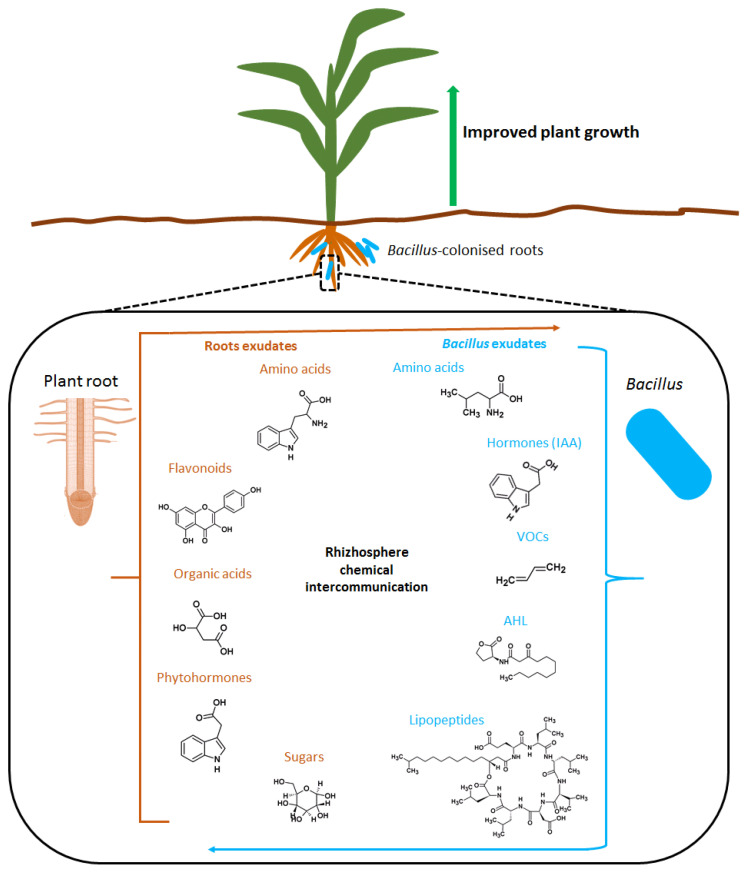
“The communication between plant roots and microbes in the rhizosphere is highly organized and regulated through a dynamic range of specialized metabolites and exudates which ultimately result in altered gene expression in one or both of the interacting partners [29].”
BackgroundBacker, R., Rokem, J. S., Ilangumaran, G., Lamont, J., Praslickova, D., Ricci, E., Subramanian, S., & Smith, D. L. (2018) · Frontiers in Plant Science · doi:10.3389/fpls.2018.01473 · Cited by 2,114
Bacterial volatiles promote growth in Arabidopsis
Ryu, C.-M., Farag, M. A., Hu, C.-H., Reddy, M. S., Wei, H.-X., Paré, P. W., & Kloepper, J. W. (2003) · Proceedings of the National Academy of Sciences · doi:10.1073/pnas.0730845100 · Cited by 1,656
Feature-based molecular networking in the GNPS analysis environment
Nothias, L.-F., Petras, D., Schmid, R., Dührkop, K., Rainer, J., Sarvepalli, A., Protsyuk, I., Ernst, M., Tsugawa, H., Fleischauer, M., et al. (2020) · Nature Methods · doi:10.1038/s41592-020-0933-6 · Cited by 1,634
Role of Plant Growth Promoting Rhizobacteria in Agricultural Sustainability—A Review
Vejan, P., Abdullah, R., Khadiran, T., Ismail, S., & Nasrulhaq Boyce, A. (2016) · Molecules · doi:10.3390/molecules21050573 · Cited by 1,426 · cited 2×
“Members of the genus Bacillus are ubiquitous, Gram-positive, and aerobic bacteria [6,7].”
Background
Research works printed but not linked: 2
- 30. Shaikh, S.S. Impact of Interactions between Rhizosphere and Rhizobacteria: A Review Plant Microbes interaction View project Soil Bioremediation: An approach towards sustainable cleaner technology View project. J. Bacteriol. Mycol. 2018, 5, 1058.
- 98. Rhodes, D.; Hanson, A.D. Compounds in Higher Plants. Annu. Rev. Plant Physiol. Plant Mol. Biol. 1993, 44, 357-384. [CrossRef] · doi:10.1146/annurev.pp.44.060193.002041 · Paper page
Cited by
Etesami, H., Jeong, B. R., & Glick, B. R. (2023) · Current Research in Biotechnology · doi:10.1016/j.crbiot.2023.100128 · Cited by 228
Bioremediation of Heavy Metals by the Genus Bacillus
Wróbel, M., Śliwakowski, W., Kowalczyk, P., Kramkowski, K., & Dobrzyński, J. (2023) · International Journal of Environmental Research and Public Health · doi:10.3390/ijerph20064964 · Cited by 220
Fungi That Promote Plant Growth in the Rhizosphere Boost Crop Growth
Adedayo, A. A., & Babalola, O. O. (2023) · Journal of Fungi · doi:10.3390/jof9020239 · Cited by 169
Bacillus Species: Excellent Biocontrol Agents against Tomato Diseases
Karačić, V., Miljaković, D., Marinković, J., Ignjatov, M., Milošević, D., Tamindžić, G., & Ivanović, M. (2024) · Microorganisms · doi:10.3390/microorganisms12030457 · Cited by 132
“The bacteria of the genus Bacillus are the predominant biocontrol agents, with the B. subtilis complex being the most widely used for controlling plant diseases [66,67].”
BackgroundBiocontrol manufacturing and agricultural applications of Bacillus velezensis
Keshmirshekan, A., Mesquita, L. M. D. S., & Ventura, S. P. M. (2024) · Trends in biotechnology · doi:10.1016/j.tibtech.2024.02.003 · Cited by 102
Patani, A., Patel, M., Islam, S., Yadav, V. K., Prajapati, D., Yadav, A. N., Sahoo, D. K., & Patel, A. (2024) · World Journal of Microbiology and Biotechnology · doi:10.1007/s11274-024-03903-5 · Cited by 92
“Furthermore, by increasing the availability of iron to plants, Bacillus species contribute to greater resistance to a variety of stressors and infections (Tsotetsi et al. 2022).”
Influentialda Cunha, I. D. C. M., da Silva, A. V. R., Boleta, E. H. M., Pellegrinetti, T. A., Zagatto, L. F. G., Silva, S. D. S., de Chaves, M. G., Mendes, R., Patreze, C. M., Tsai, S. M., et al. (2024) · Microbiological Research · doi:10.1016/j.micres.2024.127706 · Cited by 81
Maslennikova, V. S., Цветкова, В. П., Shelikhova, E. V., Selyuk, M. P., Alikina, T., Kabilov, M. R., & Dubovskiy, I. M. (2023) · Journal of Fungi · doi:10.3390/jof9121142 · Cited by 70
“Bacilli are involved in many different relationships with plants: they can be causative agents of diseases [17,18], promote sustainable plant growth and development [19] or protect the plant from infections [20].”
BackgroundSun, W., & Shahrajabian, M. H. (2025) · Earth Systems and Environment · doi:10.1007/s41748-024-00552-4 · Cited by 70
“…acid, as we as ACC, amino acids, flavonoids, and organic acids as signaling molecules; moreover, some other Bacillus can produce volatiles like lipopeptides such as surfactin, 2,3 butanediol, and phyto-hormones such as acyl homoserine lactone (AHL) and gib-berellic acid (Tsotetsi et al. 2022).”
Buqori, D. M. A. I., Sugiharto, B., Suherman, Siswoyo, T. A., & Hariyono, K. (2025) · Scientific Reports · doi:10.1038/s41598-025-89457-4 · Cited by 57
Dhanabalan, S. P., Muthusamy, K., Iruthayasamy, J., Kumaresan, P. V., Ravikumar, C. N., Kandasamy, R., Senthil, N., & Periyannan, S. K. (2024) · Microbiological Research · doi:10.1016/j.micres.2024.127678 · Cited by 51
Teiba, I. I., El-Bilawy, E. H., Elsheery, N. I., & Rastogi, A. (2023) · Horticulturae · doi:10.3390/horticulturae10010012 · Cited by 47
Cuartero, J., Querejeta, J. I., Prieto, I., Frey, B., & Alguacil, M. D. M. (2024) · The Science of The Total Environment · doi:10.1016/j.scitotenv.2024.175006 · Cited by 38
Guo, L., Zhang, X., Zhao, J., Zhang, A., & Pang, Q. (2023) · Plant Physiology and Biochemistry · doi:10.1016/j.plaphy.2023.108063 · Cited by 34
Bioavailability of selenium nanoparticles in soil and plant: the role of particle size
Cheng, B., Liu, J., Li, X., Yue, L., Cao, X., Li, J., Wang, C., & Wang, Z. (2024) · Environmental and Experimental Botany · doi:10.1016/j.envexpbot.2024.105682 · Cited by 34
Stability of soil bacteria in undisturbed soil and continuous maize cultivation in Northern Thailand
Arunrat, N., Sansupa, C., Sereenonchai, S., & Hatano, R. (2023) · Frontiers in Microbiology · doi:10.3389/fmicb.2023.1285445 · Cited by 34
Khalil, S., Panda, P., Ghadamgahi, F., Barreiro, A., Rosberg, A. K., Karlsson, M. E., & Vetukuri, R. R. (2024) · Journal of Environmental Management · doi:10.1016/j.jenvman.2024.120654 · Cited by 33
Biofertilizers for Enhanced Nitrogen Use Efficiency: Mechanisms, Innovations, and Challenges
Herrero, J., Ramírez-Santos, A., Díaz‐Santos, E., & Torres‐Cortés, G. (2025) · Nitrogen · doi:10.3390/nitrogen6040111 · Cited by 34
“Traditionally, Bacillus spp. have been recognized for traits such as phosphate solubilization, antibiotic production against pathogens, and the induction of systemic resistance in plants [158].”
Niron, H., Vienne, A., Frings, P. J., Poetra, R. P., & Vicca, S. (2024) · Global Change Biology · doi:10.1111/gcb.17511 · Cited by 36
“Bacillus subtilis , a common and widely studied PGPR, has been shown to improve the growth and stress resistance of various crops (Hashem et al., 2019 ; Mahapatra et al., 2022; Tsotetsi et al., 2022).”
Oliveira, C. E. D. S., Jalal, A., Aguilar, J. V., de Camargos, L. S., Zóz, T., Ghaley, B. B., Abdel-Maksoud, M. A., Alarjani, K. M., AbdElgawad, H., & Filho, M. C. M. T. (2023) · Frontiers in Plant Science · doi:10.3389/fpls.2023.1248044 · Cited by 32
“…to inoculation with the genus Bacillus in soil cultivation may be explained by several mechanisms including an increase in the biosynthesis of phytohormones and organic compounds, increased availability of nutrients, and the ability to colonize the root system of the plant (Tsotetsi et al., 2022).”
BackgroundAkintayo, S. O., Hosseini, B., Vahidinasab, M., Messmer, M., Pfannstiel, J., Bertsche, U., Hubel, P., Henkel, M., Hausmann, R., Voegele, R. T., et al. (2023) · Frontiers in Bioengineering and Biotechnology · doi:10.3389/fbioe.2023.1228386 · Cited by 23
“LPs provide direct protection to plants through disease suppression via antibiosis (Meena and Kanwar, 2015) and indirectly through induced systemic resistance (ISR), which acts by stimulation of early immune response and activation of defense mechanisms (Pršić and Ongena, 2020; Tsotetsi et al., 2022).”
BackgroundTu, C.-K., Huang, W.-D., Wang, P., Lin, W., Chen, H.-Y., Rau, S.-T., Chang, T.-C., Young, L., Wang, C., & Mh, L. (2024) · Biological Control · doi:10.1016/j.biocontrol.2024.105507 · Cited by 22
Application of Beneficial Bacteria to Enhance Plant Drought Resilience
Жакыпбек, Ы., Kossalbayev, B. D., Tursbekov, S., Турсбекова, Г., Berdaliyeva, Z., & MARATOVICH, B. A. (2026) · Plants · doi:10.3390/plants15050753 · Cited by 24
“In a comprehensive review, Tsotetsi et al. (2022) summarized that EPS-producing Bacillus spp. contribute to drought tolerance by forming protective biofilms that enhance soil structure, reduce surface crusting, and support root growth and water acquisition under water-limited conditions [98].”
Jensen, C. N. G., Pang, J. K. Y., Hahn, C. M., Gottardi, M., Husted, S., Moelbak, L., Kovács, Á. T., Fimognari, L., & Schulz, A. (2023) · Plant Science · doi:10.1016/j.plantsci.2023.111936 · Cited by 21
Tounsi-Hammami, S., Khan, M. A., Zeb, A., Anwar, A. R., Arora, N., Naseem, M., & Mundra, S. (2024) · Frontiers in Plant Science · doi:10.3389/fpls.2024.1356545 · Cited by 21
“Most of these bacteria are known as bene fi cial bacteria with growth promotion abilities under optimum as well as under different abiotic and biotic stress conditions (Akhtar et al., 2020; Tsotetsi et al., 2021; Rojas-Solis et al., 2023).”
BackgroundOubaha, B., Rathore, R. S., Bagri, J., Singhal, N. K., Mazumdar, K., Rishi, V., Pareek, A., & Singla-Pareek, S. L. (2024) · Current Plant Biology · doi:10.1016/j.cpb.2024.100321 · Cited by 22
Mažylytė, R., Kailiuviene, J., Mazoniene, E., Orola, L., Kaziūnienė, J., Mažylytė, K., Lastauskienė, E., & Gegeckas, A. (2024) · Plants · doi:10.3390/plants13121716 · Cited by 22
“The literature is full of research and analyses with Bacillus spp. because these species are particularly distinguished by the fact that microorganism cells are spore-forming, which facilitates cell viability and the storage of biofertilizers [65,66].”
BackgroundFotoohiyan, Z., Samiei, F., Sardoei, A. S., Kashi, F. J., Ghorbanpour, M., & Kariman, K. (2024) · BMC Plant Biology · doi:10.1186/s12870-024-05538-y · Cited by 18
Jin, P., Chu, L., Xuan, Z., Lin, Z., Fang, Y., Pan, X., Wang, J., Liu, W., & Miao, W. (2024) · Tropical Plants · doi:10.48130/tp-0024-0044 · Cited by 22
Wang, L., Zhang, X., Lü, J., & Huang, L. (2025) · Microbiological Research · doi:10.1016/j.micres.2025.128054 · Cited by 19
Patloková, K., & Pokluda, R. (2024) · Plants · doi:10.3390/plants13020291 · Cited by 18
“…(VOCs) which are directly linked to the modification of root architecture and improved plant growth; (iv) biofilm formation and the production of extra polymeric substances (EPS), NH 3 and HCN, are indirectly linked to plant growth promotion via crop protection against abiotic stresses [23,24].”
BackgroundHernández-Amador, E., Montesdeoca-Flores, D. T., & Luis, J. (2026) · Plants · doi:10.3390/plants15030516 · Cited by 20
“Cytokinins are also involved in vascular development, germination, and plant-pathogen interactions [40,71,72].”
InfluentialCosta, M. N., dos Santos, A. S. R., Romão, I. R., Ferrer, M. V., Sequero, C., & Vílchez, J. I. (2022) · Biology · doi:10.3390/biology11121838 · Cited by 17
Gayithri, M., Singh, S., Pradhan, B., Boorla, V., & Chand, S. (2026) · Microbial Ecology · doi:10.1007/s00248-026-02709-2 · Cited by 19
Mukhopadhyay, M., Mukherjee, A., Ganguli, S., Chakraborti, A., Roy, S., Choudhury, S. S., Subramaniyan, V., Kumarasamy, V., Sayed, A. A., El-Demerdash, F. M., et al. (2023) · Frontiers in Microbiology · doi:10.3389/fmicb.2023.1293302 · Cited by 16
“Positive impacts on plant growth due to Bacillus -induced enhanced nutrient acquisition and hormonal modulations following treatment with Bacillus -based formulations have been observed in recent studies (Tsotetsi et al., 2022).”
BackgroundRhizobacterial Colonization and Management of Bacterial Speck Pathogen in Tomato by Pseudomonas spp.
Elsharkawy, M. M., Khedr, A., Mehiar, F., El-Kady, E. M., Alwutayd, K. M., & Behiry, S. I. (2023) · Microorganisms · doi:10.3390/microorganisms11051103 · Cited by 17
“Organic acids such as malic and citric acid are major components of RE [13].”
BackgroundWang, B., Guo, Y., Chen, X., Ma, J., Lei, X., Wang, W., & Long, Y. (2023) · International Journal of Molecular Sciences · doi:10.3390/ijms241411541 · Cited by 17
“can promote the growth of plants directly (siderophore production, nitrogen fixation, and phytohormone production) or indirectly (production of exo-polysaccharides, hydrogen cyanide, and lytic enzymes) without causing harm to the environment [16,17].”
BackgroundWeinand, T., El‐Hasan, A., & Asch, F. (2023) · Microorganisms · doi:10.3390/microorganisms11092327 · Cited by 18
Vaishnavi, J., & Jabez Osborne, W. (2025) · Frontiers in Soil Science · doi:10.3389/fsoil.2025.1484039 · Cited by 17
Loganathachetti, D. S., & Mundra, S. (2023) · Frontiers in Ecology and Evolution · doi:10.3389/fevo.2023.1142073 · Cited by 16
Abiala, M. A., Sadhukhan, A., & Sahoo, L. (2023) · Current Microbiology · doi:10.1007/s00284-023-03246-8 · Cited by 14
Novello, G., Bona, E., Toumatia, O., Vuolo, F., Bouras, N., Titouah, H., Zitouni, A., Gorrasi, S., Massa, N., Cesaro, P., et al. (2023) · Processes · doi:10.3390/pr11102907 · Cited by 14
Nanfack, A. D., Nguefack, J., Musonerimana, S., China, S. L., Giovanardi, D., & Stefani, E. (2023) · Microbiological Research · doi:10.1016/j.micres.2023.127546 · Cited by 14
Gómez-Godínez, L. J., Cisneros-Saguilán, P., Toscano-Santiago, D. D., Santiago-López, Y. E., Fonseca-Pérez, S. N., Ruíz-Rivas, M., Aguirre‐Noyola, J. L., & García, G. (2025) · Microorganisms · doi:10.3390/microorganisms13040909 · Cited by 15
Unlocking the Secrets of Rhizosphere Microbes: A New Dimension for Agriculture
Thakur, M., Khushboo, Shah, S. K., Kumari, P., Kumar, M., Vibhuti, R. K., Pramanik, A., Yadav, V. K., Raina, M., Negi, N. P., et al. (2024) · Symbiosis · doi:10.1007/s13199-024-00980-w · Cited by 15
“These well-known PGPRs influence the plant growth positively and suppress phytopathogens, however their effects on plant growth may differ depending on the specific bacterial strain and plant species involved (Adeleke et al. 2022; Kumar et al. 2022; Mitra et al. 2022; Tsotetsi et al. 2022).”
Galindo, F. S., Thiengo, C. C., Pagliari, P. H., Bernardes, J. V. S., dos Santos, G. D., Longato, P. A. F., Vilela, L. D. S., Filho, M. C. M. T., & Lavres, J. (2025) · Physiologia Plantarum · doi:10.1111/ppl.70205 · Cited by 14
Jongen, R., Marzinelli, E. M., Gonzalez, S. V., Hart, J. L., Kjelleberg, S. J., & Gribben, P. E. (2025) · Journal of Ecology · doi:10.1111/1365-2745.70104 · Cited by 16
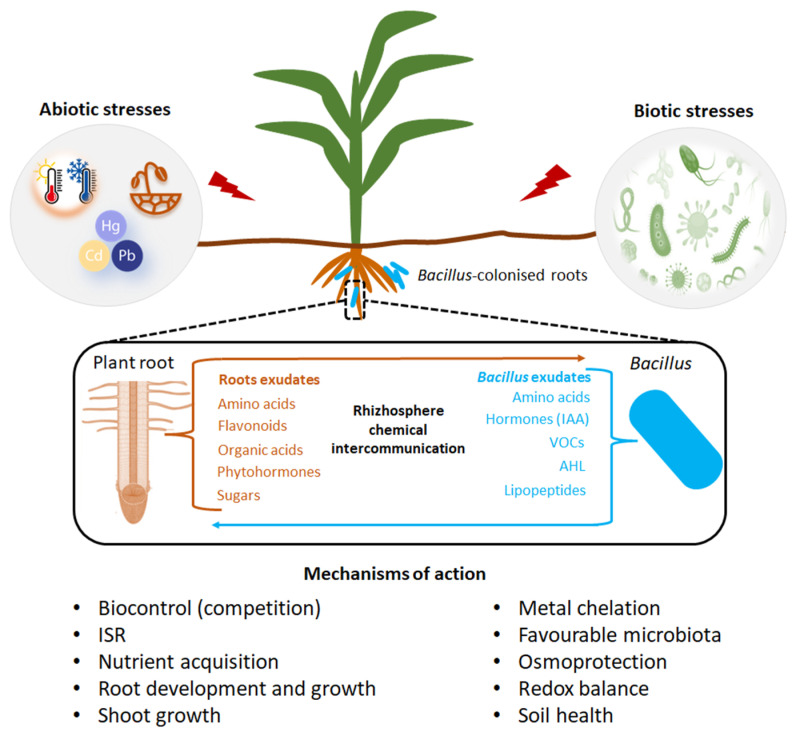
“Bacillus species are well known for promoting terrestrial plant growth and enhancing their resilience to both biotic and abiotic stressors, including drought, salinity and pathogen attack (Tsotetsi et al., 2022 ).”
Jiao, W., Wen, J., Li, N., Ou, T., Qiu, C., Ji, Y., Lin, K., Liu, X., & Xie, J. (2024) · Archives of Microbiology · doi:10.1007/s00203-024-03935-3 · Cited by 13
Bennis, M., Kaddouri, K., Badaoui, B., Bouhnik, O., Chaddad, Z., Perez-Tapia, V., Lamin, H., Alami, S., Lamrabet, M., Abdelmoumen, H., et al. (2023) · FEMS Microbiology Ecology · doi:10.1093/femsec/fiad114 · Cited by 12
Yang, F., Wang, X., Jiang, H., Chang, X., Chen, W., Shi, G., Tian, B., & Yao, Q. (2025) · Microorganisms · doi:10.3390/microorganisms13010133 · Cited by 13
Wang, X., Sale, P. W. G., Wood, J. L., Reddy, P., Franks, A. E., Clark, G. J., Jin, J., Rochfort, S. J., Hunt, J., & Tang, C. (2023) · Plant and Soil · doi:10.1007/s11104-023-06413-9 · Cited by 11
“The hormone IAA may have also contributed somewhat to reduced transpiration as it has been reported to play a role in inhibiting stomatal opening and increasing plant drought tolerance (Zhang et al. 2020).”
InfluentialMolecular responses of seaweeds to biotic interactions: A systematic review
Lang, T., Cummins, S. F., Paul, N. A., & Campbell, A. H. (2024) · Journal of Phycology · doi:10.1111/jpy.13504 · Cited by 10
“The use of omics methodologies have also facilitated the characterization of plant-derived molecules, which are secreted upon interaction with Bacillus spp. and further stimulate growth of this bacterium (Tsotetsi et al., 2022).”
Spantidos, T.-N., Douka, D., Katinakis, P. K., & Venieraki, A. (2025) · Horticulturae · doi:10.3390/horticulturae11040384 · Cited by 10
Castro‐Severyn, J., Fortt, J., Sierralta, M., Alegria, P., Donoso, G., Choque, A., Avellaneda, A. M., Pardo-Esté, C., Saavedra, C. P., Stoll, A., et al. (2024) · Microbiology Spectrum · doi:10.1128/spectrum.00056-24 · Cited by 13
Phytocytokine StPep1-Secreting Bacteria Suppress Potato Powdery Scab Disease
Moroz, N., Colvin, B., Jayasinghe, S. K., Gleason, C., & Tanaka, K. (2024) · Phytopathology · doi:10.1094/phyto-01-24-0019-r · Cited by 11
Cano-Castro, L., Li, J., Wang, N., Strauss, S. L., & Schumann, A. W. (2024) · Frontiers in Horticulture · doi:10.3389/fhort.2024.1383013 · Cited by 10
Study of new biocontrol bacterial agent Bacillus velezensis S41L against Rosellinia necatrix
Sawant, S. S., Song, J.-H., & Seo, H.-J. (2023) · Biological Control · doi:10.1016/j.biocontrol.2023.105305 · Cited by 9
Nauanova, A. P., Shaikhin, S., Ospanova, S., Makenova, M., Shumenova, N., & Bostubayeva, M. (2024) · International Journal of Design & Nature and Ecodynamics · doi:10.18280/ijdne.190202 · Cited by 9
“…spp. strains also exhibit the indirect mechanisms of growth promotion, namely the formation of biofilms, and the production of exopolysaccharides, lytic enzymes, volatile compounds, hydrogen cyanide, etc. to promote plant growth and increase grain yield under various environmental conditions [26].”
Backgroundde Lima, G. B. P., Gomes, E. F., da Rocha, G. M. G., da Silva, F. D. A., Fernandes, P. D., Machado, A. P., Fernandes‐Júnior, P. I., de Melo, A. S., Arriel, N. H. C., Gondim, T. M. D. S., et al. (2023) · Plants · doi:10.3390/plants12061337 · Cited by 11
“Despite the plants showing reductions in root growth, the bacterial strains were efficient in promoting growth and water deficit attenuation, emphasizing the importance of using inoculants to mitigate the effects of water deficit [12,41].”
BackgroundAmenta, M. L., Vaccaro, F., Varriale, S., Sangaré, J. R., Defez, R., Mengoni, A., & Bianco, C. (2024) · FEMS Microbiology Ecology · doi:10.1093/femsec/fiae041 · Cited by 8
“Mor eov er, Bacillus species ar e the most widespread and abundant metabolite-producing bacterial endo-10 (Tsotetsi et al. 2022 ), r epr esenting an important member of the “cor e” cultiv ated plant-associated bacterial taxa (Radhakrish-nan et al. 2017 ).”
BackgroundDlamini, W. N., Yu, K., Chen, W., & Shen, F. (2025) · Rice · doi:10.1186/s12284-025-00781-9 · Cited by 9
“…significant contributions of isolates K, W, N, Y, and D to plant growth promotion under heat-stress conditions, aligning with existing literature on the role of specific isolates in improving plant performance under environmental stress (Akhtar et al. 2020; Ayaz et al. 2022; Tsotetsi et al. 2022).”
Shao, Z., Arkhipov, A., Batool, M., Muirhead, S., Harry, M. S., Ji, X., Mirzaee, H., Carvalhais, L. C., & Schenk, P. M. (2023) · Agriculture · doi:10.3390/agriculture13101911 · Cited by 10
Soy Molasses as Culture Medium for Bacillus Species Aiming at Plant Growth Promotion
Correa da Silva, A. P. F., Dorigan, B. S. R., da Silva-Neto, J. M., Rosa-Magri, M. M., Rossi, F., Francisco, K. R., Ceccato-Antonini, S. R., & Fontanetti, A. (2024) · Fermentation · doi:10.3390/fermentation10080403 · Cited by 7
Karaca, K., Bora, Ş., & Eltem, R. (2025) · Balıkesir Üniversitesi Fen Bilimleri Enstitüsü Dergisi · doi:10.25092/baunfbed.1397156 · Cited by 7
AI-integrated metabolomics maps functional divergence of microbial consortia in field-grown maize
Mulaudzi, M. S., Nephali, L. P., & Tugizimana, F. (2025) · Plant Cell Reports · doi:10.1007/s00299-025-03600-z · Cited by 9
“Several plant-associated Bacillus species have been commercialized as biostimulants (Tsotetsi et al. 2022).”
Self-citationWang, Y., Chen, P., Lin, Q., Zuo, L., & Li, L. (2024) · Microorganisms · doi:10.3390/microorganisms12061247 · Cited by 7
“Species of Bacillus are Gram-positive sporeformers, and many of these species are known for their adaptable metabolic capacities and profound effects on soil ecosystems and plant health [18].”
BackgroundHan, Z., Chen, L.-L., Wang, W., Guan, X., Song, J., & Shu-Rong, M. (2024) · Agronomy · doi:10.3390/agronomy14102358 · Cited by 7
Romanenko, M. N., Shikov, A. E., Savina, I. A., Shmatov, F. M., Nizhnikov, A. A., & Antonets, K. S. (2024) · Microorganisms · doi:10.3390/microorganisms12122450 · Cited by 8
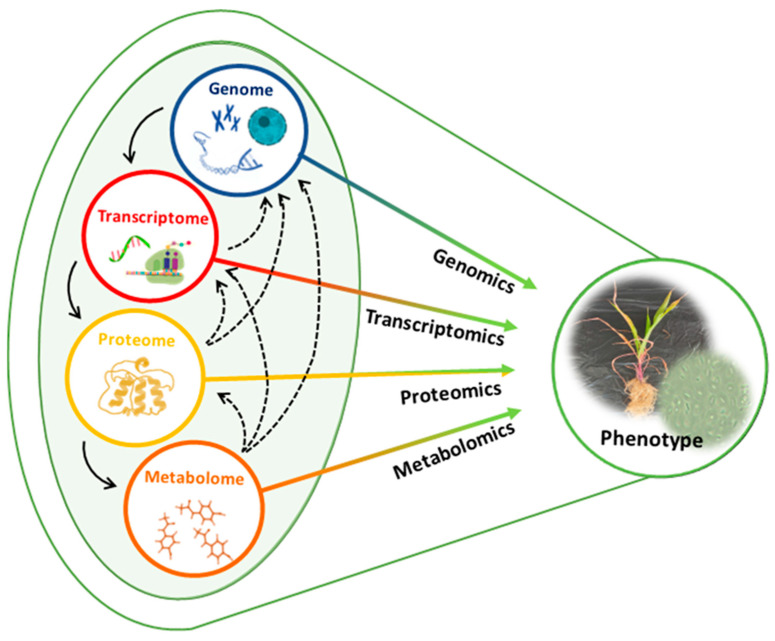
“1 (Genome).”
Wu, M., Tang, T., Liu, Q., Xiao, P., Xiong, Y., Feng, J., Peng, M., Zhu, J., Yong, X., Jia, Y., et al. (2025) · Journal of Hazardous Materials · doi:10.1016/j.jhazmat.2025.139367 · Cited by 7
Papantzikos, V., Papanikou, A., Stournaras, V., Mpeza, P., Mantzoukas, S., & Patakioutas, G. (2024) · Applied Biosciences · doi:10.3390/applbiosci3010010 · Cited by 8
“Bacillus amyloliquefaciens (Bacillales: Bacillaceae) is widely used and well-known PGPR for its pathogen-fighting potential on the roots of many plants and lately looming to have a biostimulant effect on many cultivars [20], even in stress conditions such as water regimes [21].”
Colautti, A., Mian, G., Tomasi, D., Bell, L., & Marcuzzo, P. (2024) · Diversity · doi:10.3390/d16040247 · Cited by 7
“In particular, among the phyla Firmicutes , the Bacillus genus was reported as tolerant to salt stress conditions [59], and its application proved useful for plant growth, producing industrially important enzymes and participating in the bioremediation of toxic chemicals [60].”
BackgroundJui, K. F., Mannan, M. A., Karim, M. A., Akter, M., Akter, M. T., Dola, D. B., Jarin, A. S., & Islam, T. (2025) · Heliyon · doi:10.1016/j.heliyon.2025.e43499 · Cited by 7
Unleashing Crop Resilience: Microbiome Engineering for Drought and Salt Stress-Tolerant Crops
Yadav, R., & Ramakrishna, W. (2025) · Journal of Plant Growth Regulation · doi:10.1007/s00344-025-11853-x · Cited by 9
“In a similar vein, the pivotal role of plant microbes in regulating the accumulation of plant growth regulators elucidated the mechanism through which root microbes enhance drought tolerance of wheat plants treated with Bacillus species (Tsotetsi et al. 2022).”
Martínez-Terrazas, E., Aragón, W., Ocampo, C. F., Serrano‐Carreón, L., Galindo, E., & Serrano, M. (2025) · Pest Management Science · doi:10.1002/ps.70390 · Cited by 6
“10,11 Several reports have described that Bacillus -induced response modify the interaction with pathogens including Pseudomonas syringae, Agrobacterium tumefaciens, Xanthomonas campestris, Xanthomonas axonopodis, Erwinia amylovora, Botrytis cinerea, Fusarium oxysporum, Colletotrichum…”
Manetsberger, J., Gómez, N. C., Benomar, N., Christie, G., & Abriouel, H. (2024) · Environmental Microbiology Reports · doi:10.1111/1758-2229.70053 · Cited by 6
Chen, F., Pan, X., Luo, Z., Duan, X., Zou, M., & Ma, J. (2025) · Environmental Pollution · doi:10.1016/j.envpol.2025.126847 · Cited by 6
Ruraż, K., Przemieniecki, S. W., Błaszak, M., Czarnomska, S. D., OCHMIAN, I. D., & Piwowarczyk, R. (2023) · BMC Plant Biology · doi:10.1186/s12870-023-04488-1 · Cited by 6
“…bacterium of agricultural and biotechnological interest that can contribute to increasing the rate of solubilization of mineral forms of phosphorus, and induced systemic resistance and plant growth promotion [57], as well as strain A12 stimulated the growth of plants under salinity stress [58].”
BackgroundHapsoh, ., Dini, I. R., Wawan, W., Wahyunianto, H., & Rifa’i, A. (2024) · IOP Conference Series Earth and Environmental Science · doi:10.1088/1755-1315/1302/1/012076 · Cited by 6
Sukmana, A. S., Nurcahyanti, S. D., & Nurdika, A. A. H. (2025) · Archives of Phytopathology and Plant Protection · doi:10.1080/03235408.2025.2466851 · Cited by 6
“This is presumably due to Bacillus sp. ’s ability as a biostimulant and biofertilizer (Yanti et al. 2017; Tsotetsi et al. 2022), providing nutrients and stimulating greater plant growth hormones compared to P. fluorescens and the avirulent strain.”
Chen, X., Mao, X., Ding, Y., Chen, T., Wang, Y., Bao, J., Guo, L., Fang, L., & Zhou, J. (2025) · BMC Plant Biology · doi:10.1186/s12870-025-06656-x · Cited by 6
“Bacillus and Flavobacterium promote plant growth, inhibit plant diseases, and enhance plant resistance to abiotic stress [47–50].”
Nurcahyanti, S. D., Masnilah, R., Budiman, S. A., Tanzil, A. I., & Nurdika, A. A. H. (2024) · Biodiversitas Journal of Biological Diversity · doi:10.13057/biodiv/d250539 · Cited by 6
Nakielska, M., Feledyn-Szewczyk, B., Berbeć, A. K., Ukalska‐Jaruga, A., & Frąc, M. (2025) · Sustainability · doi:10.3390/su17062571 · Cited by 5
Stakelienė, V., Pašakinskienė, I., Matijošiūtė, S., Martūnas, J., & Štukėnienė, G. (2025) · Microorganisms · doi:10.3390/microorganisms13040799 · Cited by 5
“These microorganisms perform a broad range of ecological functions, including the decomposition of organic matter, the promotion of plant growth, and the suppression of pathogenic organisms [61,62].”
Aguilar, C., Herrera, R., Causadías, J. L., Bernal, B., Chavarría, O., González, C., Góndola, J., Moreno, A. M., & Martínez, A. A. (2025) · Microbiology Research · doi:10.3390/microbiolres16050095 · Cited by 7
“Emerging research highlights their potential to improve stress tolerance and plant defense mechanisms [24–26].”
InfluentialTaratima, W., Trunjaruen, A., Kaenpho, K., Maneerattanarungroj, P., & Kunpratum, N. (2025) · BMC Plant Biology · doi:10.1186/s12870-025-07037-0 · Cited by 5
Kwon, E., Ahmad, S., & Lee, I.-J. (2025) · International Journal of Molecular Sciences · doi:10.3390/ijms26167834 · Cited by 6
“Among them, Bacillus spp. stands out as particularly effective bio-inoculants due to their capacity to form resilient endospores, enabling survival under harsh environmental conditions [20].”
Valencia-Luna, G. A., Lozada-Campos, D., Pardo‐López, L., Millán-López, S., Loera, O., Tapia-Hernández, A., & Pérez‐Armendáriz, B. (2025) · Applied Microbiology · doi:10.3390/applmicrobiol5040126 · Cited by 8
“Furthermore, these genera are also recognized as plant growth-promoting bacteria, suggesting that their persistence in the soil may be linked to the restoration of soil ecological function [100–102].”
Modiba, M. P., Bell, T., & Babalola, O. O. (2025) · Global Challenges · doi:10.1002/gch2.202500320 · Cited by 7
Ellena, G., Mazzoli, A., Spacova, I., Leys, N., Lebeer, S., & Mastroleo, F. (2025) · npj Science of Food · doi:10.1038/s41538-025-00626-1 · Cited by 5
Ma, J., Ning, X., Li, J., Dai, S., Sun, F., Li, H., Sun, S. S., & Ding, Y. (2026) · Microorganisms · doi:10.3390/microorganisms14020349 · Cited by 5
“Under alkaline and nutrient-deficient stress conditions, certain microorganisms, such as B. licheniformis , can secrete various growth-promoting substances to enhance plant stress adaptation [37,38].”
Licensed to protect: microbial biocontrol challenges and opportunities
Pessemier, C. D., Vandecasteele, M., Hamonts, K., Damme, D. V., & Goormachtig, S. (2026) · Trends in Plant Science · doi:10.1016/j.tplants.2026.03.012 · Cited by 5
Khusna, R. Y., Geraldi, A., Wibowo, A. T., FATIMAH, F., Clement, C., Manuhara, Y. S. W., Santoso, H., Fauzia, F. N., Putro, Y. K., ARSAD, R. N., et al. (2024) · Brazilian Journal of Biology · doi:10.1590/1519-6984.284907 · Cited by 5
Youssfi, C. E., Soujaa, H., Hammoudani, Y. E., Mohammed, H. Z., Mourabit, N., & Aarab, S. (2024) · E3S Web of Conferences · doi:10.1051/e3sconf/202452703010 · Cited by 6
“As a result, plants benefit from better nutrition and hydration, which is particularly advantageous in arid environments or when there is a temporary drop in water availability [33].”
BackgroundFalcón-Piñeiro, A., Baños, A., Sehr, E. M., González-Gragera, E., Giampetruzzi, A., Kubaa, R. A., Antonielli, L., Wallner, A., Brader, G., Verma, S. K., et al. (2026) · Biotechnology Reports · doi:10.1016/j.btre.2026.e00945 · Cited by 5
“Some VOCs, such as albuterol and 1,3-propanediol, induce the expression of phytohormone biosynthetic genes [25,27].”
Li, H., Chen, Q., Wu, Y., YuBo, S., Song, D. H., Dou, L., Hou, M., Song, S., Zheng, J., Zhang, Y., et al. (2026) · Plants · doi:10.3390/plants15050684 · Cited by 4
Plant biostimulants in Hermetia illucens frass: insights into fresh and recirculated frass
Lopes, I. G., Klammsteiner, T., Vrobel, O., Tarkowski, P., Lalander, C., & Yong, J. W. H. (2026) · Plant Growth Regulation · doi:10.1007/s10725-026-01470-3 · Cited by 4
Liao, J., Li, Z., Huang, L., Xu, S., Liu, Q., Pan, A., Liu, Y., Yu, C., & Feng, Y. (2024) · Scientia Horticulturae · doi:10.1016/j.scienta.2024.113227 · Cited by 4
Kumar, S., Tiwari, R. K. S., Nirmalkar, V. K., Dayasagar, & Singh, Y. (2024) · Journal of Scientific Research and Reports · doi:10.9734/jsrr/2024/v30i122696 · Cited by 5
Akram, W., Sharif, S., Rehman, A., Anjum, T., Ali, B., Aftab, Z., Shafqat, A., Afzal, L., Munir, B., Rizwana, H., et al. (2024) · Proceedings of International Forestry and Environment Symposium · doi:10.31357/fesympo.v29.8213 · Cited by 5
Yang, Q. Y., Niu, A., Li, S., Liu, J., & Zhou, G. (2024) · Metabolites · doi:10.3390/metabo14120646 · Cited by 4
“Studies [9,10] have shown that, compared with non-colonizing strains, PGPR colonization establishes a sustained microbial presence within the plant, effectively contributing to the regulation of its immune system [11].”
Metadata
- Authors
- Tsotetsi, T., Nephali, L., Malebe, M., & Tugizimana, F.
- Affiliations
- University of Johannesburg (ZA)
- Corresponding author
- Tsotetsi, Teboho
- Tugizimana, Fidele
- Venue
- Plants
- Publisher
- MDPI AG
- Published
- 2022-09-22
- Volume
- 11
- Issue
- 19
- Pages
- 2482
- ISSN
- 2223-7747 (ISSN-L)
- PMC
- PMC9571655
- OpenAlex
- W4296830111
- Cited by
- 222
- References
- 158
- Citations by year
- 2026: 83 · 2025: 55 · 2024: 53 · 2023: 30 · 2022: 1
- FWCI
- 3.19
- Type
- journal article
- Language
- en
- Open access
- gold
- doi.org
- Licence
- Locations
- Plants (publishedVersion, cc-by)
- PubMed Central (publishedVersion, cc-by)
- PubMed (publishedVersion)
- DOAJ (DOAJ: Directory of Open Access Journals) (submittedVersion, cc-by-sa)
- Topics
- Life Sciences › Agricultural and Biological Sciences › Plant Science › Plant-Microbe Interactions and Immunity
- Life Sciences › Agricultural and Biological Sciences › Plant Science › Plant Growth Enhancement Techniques
- Life Sciences › Agricultural and Biological Sciences › Plant Science › Agriculture, Plant Science, Crop Management
- Keywords
- Bacillus, plant growth-promoting rhizobacteria, plant stress resilience, rhizosphere, biostimulants, metabolomics, microbial metabolites, plant defense, spore-forming bacteria, agricultural applications
About these checks
Registry, retraction, Cites and statistics results are computed, not judged, with one exception: a printed reference that no index lists is read once by a model before it counts as a citation error. Claims are extracted by a model and kept only when their quote appears verbatim in the text; each cited source is then checked, with a model’s help, for whether it says what the claim relies on. Those verdicts can be wrong — read the claim’s quote and the cited source before relying on one.
Statistics and arithmetic are recomputed, not judged.
Confidence bands are shown only for fields calibrated on our annotated test set. None is calibrated yet, so no band is shown.
What counts as a claim ›How we measure confidence ›How we check this ›
Are you an author, or do you see a problem with this page? Request a review
Data sources
Bibliographic data: Semantic Scholar, OpenAlex, Crossref.
Contains information from the Semantic Scholar Academic Graph Datasets, made available under the ODC Attribution License (ODC-BY 1.0).
Semantic Scholar’s data is described in: Kinney, R., et al. (2023). The Semantic Scholar Open Data Platform. arXiv:2301.10140.
