

Sleep Monitoring Based on a Tri-Axial Accelerometer and a Pressure Sensor
Open accessThe DOI matches its Crossref record; 25 of the 25 references it cites were found in a registry or an index.
Abstract
Sleep disorders are a common affliction for many people even though sleep is one of the most important factors in maintaining good physiological and emotional health. Numerous researchers have proposed various approaches to monitor sleep, such as polysomnography and actigraphy. However, such approaches are costly and often require overnight treatment in clinics. With this in mind, the research presented here has emerged from the question: “Can data be easily collected and analyzed without causing discomfort to patients?” Therefore, the aim of this study is to provide a novel monitoring system for quantifying sleep quality. The data acquisition system is equipped with multimodal sensors, including a three-axis accelerometer and a pressure sensor. To identify sleep quality based on measured data, a novel algorithm, which uses numerous physiological parameters, was proposed. Such parameters include non-REM sleep time, the number of apneic episodes, and sleep durations for dominant poses. To assess the effectiveness of the proposed system, three participants were enrolled in this experimental study for a duration of 20 days. From the experimental results, it can be seen that the proposed monitoring system is effective for quantifying sleep quality.
Overview
The claims and statistics of this paper haven’t been checked yet.
Free: it reads the open-access text and checks the first 5 claims that cite a source we can check. Create a free account to check every claim.
Integrity signals
Registry
Cites
Statistics
Figures

Verification
Claims the paper makes
The claims and statistics of this paper haven’t been checked yet.
Free: it reads the open-access text and checks the first 5 claims that cite a source we can check. Create a free account to check every claim.
Claims other papers make about this one
Each is checked against this paper’s own text: does it say what the citing paper says it does?
The source backs part of the claim, not all of it — or backs it for a different population, condition or comparison.
In the citing paper
“Such complementary fusion protocols have been shown to significantly improve the classification performance of sleep stages79,80.”
From The future of sleep health: a data-driven revolution in sleep science and medicine (2020) · cites this paper as [79]
Experimental — accuracy not yet measured
Self-check
Percentages, sums and reported differences re-computed from the paper’s own numbers.
The self-check needs the paper’s full text.
Citations
Cites
The Pittsburgh Sleep Quality Index: a new instrument for psychiatric practice and research
Buysse, D. J., Reynolds, C. F., Monk, T. H., Berman, S. R., & Kupfer, D. J. (1989) · Psychiatry Research · doi:10.1016/0165-1781(89)90047-4 · Cited by 35,234 · cited 3×
“The PSQI contains 19 self-rated questions which form seven component scores.”
BackgroundMethodInfluentialHeart Rate Variability: Standards of Measurement, Physiological Interpretation, and Clinical Use
Electrophysiology, T. F. O. T. E. S. O. C. T. N. A. (1996) · Circulation · doi:10.1161/01.cir.93.5.1043 · Cited by 17,159
Akselrod, S., Gordon, D., Ubel, F. A., Shannon, D. C., Berger, A. C., & Cohen, R. J. (1981) · Science · doi:10.1126/science.6166045 · Cited by 5,079
Assessment of autonomic function in humans by heart rate spectral analysis
Pomeranz, B., Macaulay, R. J., Caudill, M. A., Kutz, I., Adam, D., Gordon, D., Kilborn, K. M., Barger, A. C., Shannon, D. C., Cohen, R. J., et al. (1985) · American Journal of Physiology-Heart and Circulatory Physiology · doi:10.1152/ajpheart.1985.248.1.h151 · Cited by 2,876
Quantification of Sleepiness: A New Approach
Hoddes, E., Zarcone, V., Smythe, H., Phillips, R., & Dement, W. C. (1973) · Psychophysiology · doi:10.1111/j.1469-8986.1973.tb00801.x · Cited by 2,538 · cited 1×
“Sleep quality [9] should be estimated using effective methods to evaluate these three requirements.”
MethodActivity-Based Sleep-Wake Identification: An Empirical Test of Methodological Issues
Sadeh, A., Sharkey, M., & Carskadon, M. A. (1994) · Sleep · doi:10.1093/sleep/17.3.201 · Cited by 1,487
The Role of Actigraphy in the Evaluation of Sleep Disorders
Sadeh, A., Hauri, P. J., Kripke, D. F., & Lavie, P. (1995) · Sleep · doi:10.1093/sleep/18.4.288 · Cited by 909
Sleep Staging Based on Signals Acquired Through Bed Sensor
Kortelainen, J. M., Mendez, M. O., Bianchi, A. M., Matteucci, M., & Cerutti, S. (2010) · IEEE Transactions on Information Technology in Biomedicine · doi:10.1109/titb.2010.2044797 · Cited by 201 · cited 1×
“In [8,26], it has been shown that the heart rate variability (HRV) spectral parameters exhibit significant differences between the different sleep stages and, in particular, they seem to discriminate well between REM and non-REM sleep.”
BackgroundRemote monitoring of breathing dynamics using infrared thermography
Pereira, C. B., Yu, X., Czaplik, M., Rossaint, R., Blazek, V., & Leonhardt, S. (2015) · Biomedical Optics Express · doi:10.1364/boe.6.004378 · Cited by 163 · cited 1×
“Several kinds of airflow sensors are used to monitor respiratory airflow, such as a pressure sensor [17], hot-wire and hot-film sensors, an infrared thermography [18], and an ultrasonic flow meter [19].”
Flow measurement in mechanical ventilation: A review
Schena, E., Massaroni, C., Saccomandi, P., & Cecchini, S. (2015) · Medical Engineering & Physics · doi:10.1016/j.medengphy.2015.01.010 · Cited by 144 · cited 1×
“Several kinds of airflow sensors are used to monitor respiratory airflow, such as a pressure sensor [17], hot-wire and hot-film sensors, an infrared thermography [18], and an ultrasonic flow meter [19].”
Research works printed but not linked: 1
- Mack D. Kell S. Alwan M. Turner B. Felder R. Non-invasive analysis of physiological signals (naps): A vibration sensor that passively detects heart and respiration rates as part of a sensor suite for medical monitoring Proceedings of the 2003 Summer Bioengineering Conference Key Biscayne, FL, USA 25–29 June 2003
Cited by
Smart Homes for Elderly Healthcare—Recent Advances and Research Challenges
Majumder, S., Aghayi, E., Noferesti, M., Memarzadeh-Tehran, H., Mondal, T., Pang, Z., & Deen, M. (2017) · Sensors · doi:10.3390/s17112496 · Cited by 618
“Although these systems are useful to estimate the quality of sleep and some of them used the pressure sensor data t estimate the RR [126], the are not capable of providing detailed information about the vit l signs.”
BackgroundMethodInfluentialThe future of sleep health: a data-driven revolution in sleep science and medicine
Perez-Pozuelo, I., Zhai, B., Palotti, J., Mall, R., Aupetit, M., Garcia-Gomez, J. M., Taheri, S., Guan, Y., & Fernandez-Luque, L. (2020) · npj Digital Medicine · doi:10.1038/s41746-020-0244-4 · Cited by 311
Intelligent Wearable Systems: Opportunities and Challenges in Health and Sports
Yang, L., Amin, O., & Shihada, B. (2024) · ACM Computing Surveys · doi:10.1145/3648469 · Cited by 197
A Smart System for Sleep Monitoring by Integrating IoT With Big Data Analytics
Yacchirema, D. C., Sarabia-Jácome, D., Palau, C. E., & Esteve, M. (2018) · IEEE Access · doi:10.1109/access.2018.2849822 · Cited by 148
“The system performs the monitoring of the OSA harnessing advantage of the combined use of different technologies, components, and complementary open standards such as 6LoWPAN, ZigBee, BLE, Smart IoT Gateway, FIWARE [15] and lightweight and secure IoT protocols such as MQTT and CoAP.”
BackgroundMethodInfluentialTedesco, S., Barton, J., & O’Flynn, B. (2017) · Sensors · doi:10.3390/s17061277 · Cited by 126
“, REM and non-REM states), recurring nights of sleep disruption, and detection of respiratory and snoring features for apnoea diagnosis [18].”
Devices for home detection of obstructive sleep apnea: A review
Mendonça, F., Mostafa, S. S., Ravelo-García, A. G., Morgado-Dias, F., & Penzel, T. (2018) · Sleep Medicine Reviews · doi:10.1016/j.smrv.2018.02.004 · Cited by 126
Current advances in wearable devices and their sensors in patients with depression
Lee, S., Kim, H., Park, M. J., & Jeon, H. J. (2021) · Frontiers in Psychiatry · doi:10.3389/fpsyt.2021.672347 · Cited by 117
A Review of Approaches for Sleep Quality Analysis
Mendonca, F., Mostafa, S. S., Morgado-Dias, F., Ravelo-Garcia, A. G., & Penzel, T. (2019) · IEEE Access · doi:10.1109/access.2019.2900345 · Cited by 101
“[82] to estimate sleep quality according to”
BackgroundAccuracy of Fitbit Charge 4, Garmin Vivosmart 4, and WHOOP Versus Polysomnography: Systematic Review
Schyvens, A.-M., Oost, N. C. V., Aerts, J., Masci, F., Peters, B., Neven, A., Dirix, H., Wets, G., Ross, V., & Verbraecken, J. A. (2024) · JMIR mhealth and uhealth · doi:10.2196/52192 · Cited by 104
“Accelerometers are small, electromechanical devices that measure acceleration along multiple axes (usually 3: x, y, and z) to detect position changes, turning over, or significant body movements during the night [14].”
BackgroundSmart Environments and Social Robots for Age-Friendly Integrated Care Services
Anghel, I. M., Cioara, T., Moldovan, D., Antal, C., Pop, C. D., Salomie, I., Pop, C. B., & Chifu, V. R. (2020) · International Journal of Environmental Research and Public Health · doi:10.3390/ijerph17113801 · Cited by 91
“In [53] the sleep quality is monitored with a wearable three-axis accelerometer and a pressure sensor installed in bed.”
MethodReplacement AutoEncoder: A Privacy-Preserving Algorithm for Sensory Data Analysis
Malekzadeh, M., Clegg, R. G., & Haddadi, H. (2018) · 2018 IEEE/ACM Third International Conference on Internet-of-Things Design and Implementation (IoTDI) · doi:10.1109/iotdi.2018.00025 · Cited by 76
“com/mmalekzadeh/replacement-autoencoder time-series for monitoring users’ health status [12].”
BackgroundA New Wearable System for Home Sleep Apnea Testing, Screening, and Classification
Manoni, A., Loreti, F., Radicioni, V., Pellegrino, D., Torre, L. D., Gumiero, A., Halicki, D., Palange, P., & Irrera, F. (2020) · Sensors · doi:10.3390/s20247014 · Cited by 77
“analyzed sleep quality by the use of a pressure sensor (for heart rate variability) and a tri-axis accelerometer, including the detection of sleep apneas [47].”
MethodSchyvens, A.-M., Peters, B. T., Oost, N. C. V., Aerts, J., Masci, F., Neven, A., Dirix, H., Wets, G., Ross, V., & Verbraecken, J. A. (2025) · SLEEP Advances · doi:10.1093/sleepadvances/zpaf021 · Cited by 91
“Accelerometers are small electromechanical devices that measure acceleration along multiple axes (usually three axes: x , y , and z ) to detect positional changes, turning over, or significant body movements during the night [7].”
Chest-Worn Inertial Sensors: A Survey of Applications and Methods
Rahmani, M. H., Berkvens, R., & Weyn, M. (2021) · Sensors · doi:10.3390/s21082875 · Cited by 62
“Applications such as SCG, voice and swallow analysis require the IMU to be in direct contact with the skin; however, wearing the IMU over the clothes would meet the requirements for other application areas most of the time [10,62,68].”
BackgroundMethodLow Cost Plastic Optical Fiber Pressure Sensor Embedded in Mattress for Vital Signal Monitoring
Sartiano, D., & Sales, S. (2017) · Sensors · doi:10.3390/s17122900 · Cited by 61
Remote Recognition of In-Bed Postures Using a Thermopile Array Sensor With Machine Learning
Chen, Z., & Wang, Y. (2021) · IEEE Sensors Journal · doi:10.1109/jsen.2021.3059681 · Cited by 57
“The bed pressure sensor can also be integrated with a tri-axial accelerometer for sleep quality monitoring through the detection of 4 sleep postures in a hospitalized environment [18].”
BackgroundSystem for monitoring and supporting the treatment of sleep apnea using IoT and big data
Yacchirema, D. C., Sarabia-Jácome, D., Palau, C. E., & Esteve, M. (2018) · Pervasive and Mobile Computing · doi:10.1016/j.pmcj.2018.07.007 · Cited by 59
“in [14] focused on quantifying sleep quality.”
EdgeSanitizer: Locally Differentially Private Deep Inference at the Edge for Mobile Data Analytics
Xu, C., Ren, J., She, L., Zhang, Y., Qin, Z., & Ren, K. (2019) · IEEE Internet of Things Journal · doi:10.1109/jiot.2019.2897005 · Cited by 53
“For example, collecting different physiological data using heart rate sensor and blood pressure sensor can generate timeseries for monitoring users’ health status [26].”
BackgroundCay, G., Ravichandran, V., Sadhu, S., Zisk, A. H., Salisbury, A. L., Solanki, D., & Mankodiya, K. (2022) · IEEE Access · doi:10.1109/access.2022.3210518 · Cited by 51
“In this category, studies mostly focused on creating a sen-sorized bedding system to monitor sleep postures, bed entry and exit times, body movements and physiological signals such as heart rate (HR) and breathing rate (BR) [106], [113], [114], [115], [116], [117], [118], [119], [120].”
BackgroundHe, C., Tan, J., Jian, X., Zhong, G., Cheng, L., & Lin, J. (2022) · IEEE Internet of Things Journal · doi:10.1109/jiot.2022.3146926 · Cited by 40
Ahmadzadeh, S., Luo, J., & Wiffen, R. (2020) · IEEE Reviews in Biomedical Engineering · doi:10.1109/rbme.2020.3033930 · Cited by 42
“In [116], a system integrated with an accelerometer and a pressure sensor has been proposed for monitoring sleep quality, as”
MethodThe past, present, and future of sleep quality assessment and monitoring
Chen, Y., Zhou, E., Wang, Y., Wu, Y., Xu, G., & Chen, L. (2023) · Brain Research · doi:10.1016/j.brainres.2023.148333 · Cited by 45
Vitazkova, D., Kosnacova, H., Turonova, D., Foltan, E., Jagelka, M., Berki, M., Micjan, M., Kokavec, O., Gerhat, F., & Vavrinský, E. (2025) · Biosensors · doi:10.3390/bios15020117 · Cited by 53
Smart Sleep Monitoring System via Passively Sensing Human Vibration Signals
Li, F., Valero, M., Clemente, J. M., Tse, Z. T. H., & Song, W. (2020) · IEEE Sensors Journal · doi:10.1109/jsen.2020.3013435 · Cited by 38
“In [34], sleep monitoring was carried out by a tri-axial accelerometer and a pressure sensor, but vital parameters were mainly estimated by the pressure sensor, while our solution is only based on a vibration sensor.”
MethodSleep Apnea Detection with Polysomnography and Depth Sensors
Schätz, M., Procházka, A., Kuchyňka, J., & Vyšata, O. (2020) · Sensors · doi:10.3390/s20051360 · Cited by 38
“…monitoring and 3D modeling of the chest and abdomen volume changes during breaths as an alternative to conventional spirometry with the use of red-green-blue (RGB) cameras [13,14], infrared cameras[15,16], or Doppler multi-radar systems [17] in addition to ultrasonic and biomotion sensors [18–21].”
Wearable accelerometer based extended sleep position recognition
Fallmann, S., van Veen, R., Chen, L., Walker, D., Chen, F., & Pan, C. (2017) · IEEE International Conference on e-Health Networking, Applications and Services (Healthcom) · doi:10.1109/healthcom.2017.8210806 · Cited by 34
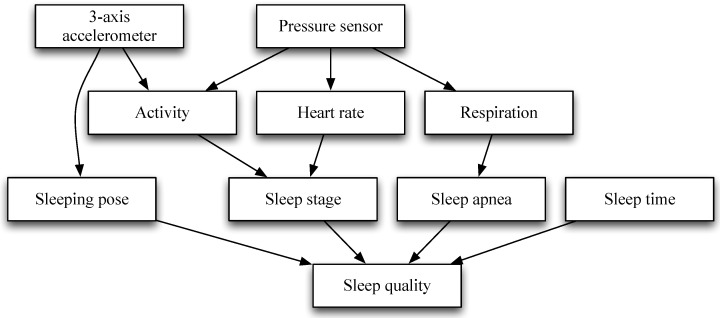
“[14] developed a sleep quality calculation method including the sleep positions and stages, apnea, and sleep time.”
BackgroundMethodFeeding Cannabidiol (CBD)-Containing Treats Did Not Affect Canine Daily Voluntary Activity
Morris, E. M., Kitts-Morgan, S. E., Spangler, D. M., Gebert, J. E., Vanzant, E. S., McLeod, K. R., & Harmon, D. L. (2021) · Frontiers in Veterinary Science · doi:10.3389/fvets.2021.645667 · Cited by 38
Hayano, J., Ueda, N., Kisohara, M., Yoshida, Y., 田中, 春., & Yuda, E. (2020) · Applied Sciences · doi:10.3390/app10093336 · Cited by 31
Effect of brief mindfulness induction on university athletes’ sleep quality following night training
Li, C., Kee, Y. H., & Lam, L. S. (2018) · Frontiers in Psychology · doi:10.3389/fpsyg.2018.00508 · Cited by 28
“Other works also suggest that excessive arousal is likely to impair sleep quality (Nédélec et al., 2015).”
BackgroundVibration sensing-based human and infrastructure safety/health monitoring: A survey
Valero, M., Li, F., Zhao, L., Zhang, C., Garrido, J. M., & Han, Z. (2021) · Digital Signal Processing · doi:10.1016/j.dsp.2021.103037 · Cited by 30
Radar-Based Detection of Respiration Rate with Adaptive Harmonic Quefrency Selection
Lee, J., & Yoo, S. K. (2020) · Sensors · doi:10.3390/s20061607 · Cited by 25
Self-citationSleep Posture Detection Using an Accelerometer Placed on the Neck
Abdulsadig, R. S., Singh, S., Patel, Z., & Rodriguez–Villegas, E. (2022) · Annual International Conference of the IEEE Engineering in Medicine and Biology Society (EMBC) · doi:10.1109/embc48229.2022.9871300 · Cited by 29
“der mattress pressure sensors [3], accelerometers placed on multiple body locations [4]–[7] and a combination of under mattress pressure sensors and accelerometers [8].”
BackgroundGuo, S., Zhao, X., Matsuo, K., Liu, J., & Mukai, T. (2019) · IEEE Sensors Journal · doi:10.1109/jsen.2019.2925022 · Cited by 24
“Vibration can be measured by mounting accelerometers on the bed [11], [12], fixing force sensors”
BackgroundDetecting Bed Occupancy Using Thermal Sensing Technology: A Feasibility Study
Hand, R., Cleland, I., Nugent, C., & Synnott, J. (2022) · Lecture notes of the Institute for Computer Sciences, Social Informatics and Telecommunications Engineering · doi:10.1007/978-3-030-99194-4_6 · Cited by 22
Sleep Posture Monitoring Using a Single Neck- Situated Accelerometer: A Proof-of-Concept
Abdulsadig, R. S., & Rodriguez–Villegas, E. (2023) · IEEE Access · doi:10.1109/access.2023.3246266 · Cited by 25
“mattress pressure sensors [11], [12], [13], [14].”
Clemente, F. M., Bădicu, G., Hasan, U. C., Akyıldız, Z., Pino‐Ortega, J., Silva, R., & Rico-González, M. (2022) · Human Movement · doi:10.5114/hm.2023.111548 · Cited by 21
A Wearable Multisensor Patch for Breathing Pattern Recognition
Das, P. S., Ahmed, H. E. U., Motaghedi, F., Lester, N. J., Khalil, A., Janaideh, M. A., Anees, S., Carmichael, T. B., Bain, A. R., Rondeau‐Gagné, S., et al. (2023) · IEEE Sensors Journal · doi:10.1109/jsen.2023.3264942 · Cited by 21
“are obtained using Hilbert transformation [50], [51], [52],”
MethodDANA: Dimension-Adaptive Neural Architecture for Multivariate Sensor Data
Malekzadeh, M., Clegg, R. G., Cavallaro, A., & Haddadi, H. (2021) · Proceedings of the ACM on Interactive Mobile Wearable and Ubiquitous Technologies · doi:10.1145/3478074 · Cited by 27
“Health and wellness applications [42, 43, 64] exploit motion sensors embedded in mobile and wearable devices to infer body movements and temporal changes in the physiological state of the wearer [8, 9, 20, 51].”
BackgroundAn Active Sleep Monitoring Framework Using Wearables
Hossain, H. M. S., Ramamurthy, S. R., Khan, M. A. A. H., & Roy, N. (2018) · ACM Transactions on Interactive Intelligent Systems · doi:10.1145/3185516 · Cited by 22
Evolution of Bed-Based Sensor Technology in Unobtrusive Sleep Monitoring: A Review
Haghi, M., Gaiduk, M., Stoffers, M., TaheriNejad, N., Penzel, T., Madrid, N. M., & Seepold, R. (2024) · IEEE Sensors Journal · doi:10.1109/jsen.2024.3439743 · Cited by 22
Jaworski, D. J., & Park, E. (2024) · Nature and Science of Sleep · doi:10.2147/nss.s464944 · Cited by 17
“13 Nonetheless, the benefit of non-intrusive devices with sophisticated sensors and software is that they provide an accessible way for consumers to monitor their health effectively without expensive clinical equipment.”
BackgroundFerrer-Lluis, I., Castillo-Escario, Y., Montserrat, J. M., & Jané, R. (2021) · Sensors · doi:10.3390/s21113689 · Cited by 19
Schork, I. G., Manzo, I. A., de Oliveira, M. R. B., da Costa, F. V., Young, R. J., & de Azevedo, C. S. (2023) · Animals · doi:10.3390/ani13091467 · Cited by 20
A Wearable Device Integrated with Deep Learning‐Based Algorithms for the Analysis of Breath Patterns
Tarim, E. A., Erimez, B., Degirmenci, M., & Tekin, H. C. (2023) · Advanced Intelligent Systems · doi:10.1002/aisy.202300174 · Cited by 18
de Sena, S., Häggman, M., Ranta, J., Roienko, O., Ilén, E., Acosta, N., Salama, J., Kirjavainen, T., Stevenson, N. J., Airaksinen, M., et al. (2024) · Heliyon · doi:10.1016/j.heliyon.2024.e33295 · Cited by 16
“The performance of our classifier results is broadly comparable with prior research, showing good sleep state classification performance with respiration and movement signals in paediatric populations [20,53,54].”
Dementia Scale Score Classification Based on Daily Activities Using Multiple Sensors
Minamisawa, A., Okada, S., Inoue, K., & Noguchi, M. (2022) · IEEE Access · doi:10.1109/access.2022.3165208 · Cited by 14
“Nam et al. [27] used a pressure sensor to obtain behavioral data during sleep, such as body movement and heart rate, to estimate health status.”
Automation of classification of sleep stages and estimation of sleep efficiency using actigraphy
Kim, H., Kim, D., & Oh, J. (2023) · Frontiers in Public Health · doi:10.3389/fpubh.2022.1092222 · Cited by 17
Yağanoğlu, M., Kayabekir, M., & Köse, C. (2017) · Sensors · doi:10.3390/s17092006 · Cited by 12
“demonstrated a new monitoring system to measure sleep quality [20].”
BackgroundPreliminary comparison of respiratory signals using acceleration on neck and humidity in exhaled air
Kano, S., & Mekaru, H. (2020) · Microsystem Technologies · doi:10.1007/s00542-020-04889-4 · Cited by 12
Intongkum, C., Sasiwat, Y., Sengchuai, K., Booranawong, A., & Phukpattaranont, P. (2023) · SN Computer Science · doi:10.1007/s42979-023-02426-4 · Cited by 12
“Sleep is essential for maintaining good physical, mental, and emotional health [1, 2].”
Lin, S., Tsai, C.-Y., Majumdar, A., Ho, Y., Huang, Y., Kao, C.-K., Yeh, S.-M., Hsu, W.-H., Kuan, Y., Lee, K., et al. (2024) · Journal of Clinical Sleep Medicine · doi:10.5664/jcsm.11136 · Cited by 12
“10 A study developed image-based models by employing infrared cameras and motion sensor networks to observe the occurrence of sleep-disordered breathing.”
Zhao, F., Balthazaar, S. J. T., Hiremath, S. V., Nightingale, T. E., & Panza, G. S. (2024) · Archives of Physical Medicine and Rehabilitation · doi:10.1016/j.apmr.2024.06.014 · Cited by 11
Detection of Sleep and Wake States Based on the Combined Use of Actigraphy and Ballistocardiography
Jaworski, D. J., Roshan, Y. M., Tae, C.-G., & Park, E. J. (2019) · Annual International Conference of the IEEE Engineering in Medicine and Biology Society (EMBC) · doi:10.1109/embc.2019.8857650 · Cited by 14
“Sleep is an important part of a healthy human life and can make up a quarter of the total life span [1].”
BackgroundContactless monitoring of human behaviors in bed using RSSI signals
Thammachote, P., Intongkum, C., Sengchuai, K., Jindapetch, N., Phukpattaranont, P., Saito, H., & Booranawong, A. (2023) · Medical & Biological Engineering & Computing · doi:10.1007/s11517-023-02847-6 · Cited by 11
Sleep monitoring using an infrared thermal array sensor
Chen, Z., & Wang, Y. S. (2019) · Sensors and Smart Structures Technologies for Civil, Mechanical, and Aerospace Systems · doi:10.1117/12.2515515 · Cited by 11
“Researchers have also applied a bed pressure sensor and a tri-axial accelerometer together for sleep quality monitoring, including detecting four sleep postures in a hospitalized environment[20].”
MethodStrauven, H., Wang, C., Hallez, H., Abeele, V. V., & Vanrumste, B. (2024) · JMIR Nursing · doi:10.2196/58094 · Cited by 9
Lee, J., & Yoo, S. K. (2020) · JMIR mhealth and uhealth · doi:10.2196/17803 · Cited by 9
Self-citationComparison of sleep characteristics measurements: a case study with a population aged 65 and above
Gaiduk, M., Seepold, R., Ortega, J. A., & Madrid, N. M. (2020) · Procedia Computer Science · doi:10.1016/j.procs.2020.09.297 · Cited by 11
“Different types of sensors and methods for calculating the sleep quality can be used, such as a combination of a triaxial accelerometer and a pressure sensor [5].”
MethodUnobtrusive Monitoring of Sleep Cycles: A Technical Review
Siyanbade, J., Abdulrazak, B., & Sadek, I. (2022) · BioMedInformatics · doi:10.3390/biomedinformatics2010013 · Cited by 11
“Study Objective Mode ofMonitoring Subjects Validation Method Evaluation/Result Tuominen et al. (2019) [30] Validating the accuracy of a BCG Beddit Sleep Tracker (BST) for sleep monitoring.”
BackgroundMethodInfluentialLiu, R., Li, C., Xu, H., Wu, K., Li, X., Liu, Y., Yuan, J., Meng, L., Zou, J., Huang, W., et al. (2022) · Nature and Science of Sleep · doi:10.2147/nss.s355369 · Cited by 10
Formolo, N. P. S., Filipini, R. E., Macedo, E. F. D. O., Corrêa, C. R., Nunes, E. A., de Lima, L. R. A., & Speretta, G. F. F. (2022) · Physiology & Behavior · doi:10.1016/j.physbeh.2022.113908 · Cited by 12
Active Breathing Suppression for Improved Sleep Monitoring Heartbeat Detection Using UWB Radar
Rong, Y., Chiriyath, A. R., Dutta, A., & Bliss, D. W. (2019) · IEEE International Workshop on Computational Advances in Multi-Sensor Adaptive Processing · doi:10.1109/camsap45676.2019.9022640 · Cited by 10
Design of a sleep apnoea detection system for a home environment
Gaiduk, M., Weber, L., Alarcón, Á. S., Seepold, R., Madrid, N. M., Orcioni, S., & Conti, M. (2021) · Procedia Computer Science · doi:10.1016/j.procs.2021.09.095 · Cited by 8
“For example, this can be done by analysing the respiratory signal from sensors under the mattress/bed sheet [9, 10, 11] or using algorithms to process the acoustic signal [12, 13].”
MethodDetecting Eating, and Social Presence with All Day Wearable RGB-T
Shahi, S., Sen, S., Pedram, M., Alharbi, R., Gao, Y., Katsaggelos, A. K., Hester, J. D., & Alshurafa, N. I. (2023) · IEEE/ACM Conference on Connected Health: Applications, Systems and Engineering Technologies · doi:10.1145/3580252.3586974 · Cited by 8
“tivity [35, 36, 49], sleep pattern [22, 46], and more recently eating behaviors [21, 45, 77].”
BackgroundOSA patient monitoring system based on the Internet of Things framework
Cai, L., Jiang, J., Liu, X., Zhu, M., Cheng, K., Du, M., Datta, R., Huang, J., Zhu, D., Jiang, H., et al. (2019) · International Conference on Smart and Sustainable Technologies (SpliTech) · doi:10.23919/splitech.2019.8783103 · Cited by 7
“…(PPG) signal morphology is like arterial blood pressure waveform, which can realize the extraction of a variety of physiological parameter information, which makes PPG become a popular non-invasive physiological parameter information monitoring tool in the scientific community [17].”
BackgroundZhou, J., & Gao, Q. (2021) · Wiley eBooks · doi:10.1002/9781119636113.ch48 · Cited by 9
Sleep Monitoring and Sleep-Aid Intervention Methods: A Review
He, C., Wang, X., Wen, Y., Liu, S., Fang, Z., Wu, H. Y., Liang, M., & Deng, S. (2025) · IEEE Internet of Things Journal · doi:10.1109/jiot.2025.3582901 · Cited by 9
“Therefore, in order to improve accuracy, multisensor fusion (e.g., fusion of IMUs and flexible pressure sensors [59], [60]) for sleep monitoring is a future trend.”
Ibrahim, A. K., Chaccour, K., Hassani, A. H. E., Hajjam, M., & Andrès, E. (2024) · IEEE Sensors Journal · doi:10.1109/jsen.2024.3397039 · Cited by 5
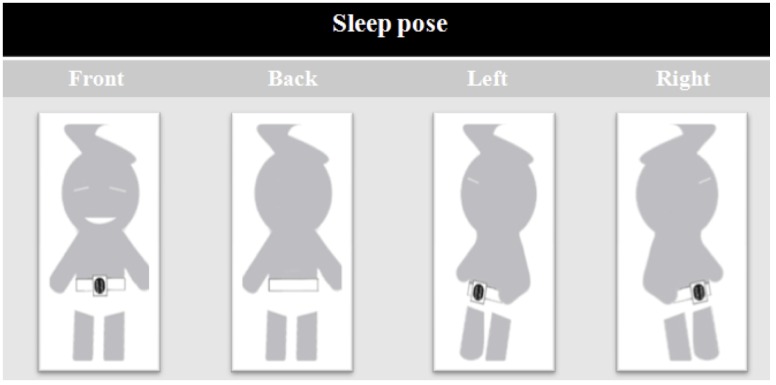
“Generally, sleeping postures can be categorized into four categories namely, the front, the back, the left, and the right [24], [25].”
BackgroundMachine Learning Based Sleep Phase Monitoring using Pulse Oximeter and Accelerometer
Navarro, M.-A. J. M., Nicdao, J. A. I., & Cruz, J. C. D. (2021) · International Conference on Electrical, Telecommunication and Computer Engineering (ELTICOM) · doi:10.1109/elticom53303.2021.9590128 · Cited by 5
Home Based Healthcare Monitoring System for Diabetes Patients Using IoT
Krishna, C. S. M., & Sasikala, T. (2018) · Lecture notes on data engineering and communications technologies · doi:10.1007/978-3-030-03146-6_76 · Cited by 6
A Survey of Human Action Recognition using Accelerometer Data
Mimouna, A., & Khalifa, A. B. (2021) · Smart sensors, measurement and instrumentation · doi:10.1007/978-3-030-71225-9_1 · Cited by 5
Wearable Sensor Design for Real-Time Obstructive Sleep Apnea Monitoring
Delpha, J., Kokil, P., Suriyan, S., & Thiruvengadam, J. (2025) · IEEE Sensors Journal · doi:10.1109/jsen.2025.3559296 · Cited by 4
“Hypopnea and apnea are calculated as a 70% and 10% decrease, respectively, in the amplitude of the received respiratory signal [13], [14].”
The Intelligent Monitoring for the Elderly Based on WiFi Signals
Bao, N., Wu, C., Liang, Q., Xu, L., Li, G., Qi, Z., Zhang, W., Ma, H., & Li, Y. (2018) · Lecture notes in computer science · doi:10.1007/978-3-319-77380-3_85 · Cited by 4
Design and development of a method for detecting sleep roll-over counts using accelerometer ADXL335
Acharya, J. (2019) · International Journal of Electrical and Computer Engineering (IJECE) · doi:10.11591/ijece.v10i1.pp477-485 · Cited by 6
“, [6] proposes a sleep quality monitoring system.”
BackgroundA Mobile Adviser of Healthy Eating by Reading Ingredient Labels
Wong, M. W., Ye, Q., Kylar, Y. K. C., Pang, W., & Kwan, K. C. (2017) · Lecture notes of the Institute for Computer Sciences, Social Informatics and Telecommunications Engineering · doi:10.1007/978-3-319-58877-3_4 · Cited by 6
A SmartBed for Non-obtrusive Physiological Monitoring During Sleep: The LAID Project
Laurino, M., Carbonaro, N., Menicucci, D., Alfì, G., Gemignani, A., & Tognetti, A. (2020) · Lecture notes of the Institute for Computer Sciences, Social Informatics and Telecommunications Engineering · doi:10.1007/978-3-030-49289-2_12 · Cited by 4
Sleep Quality and Daily Activity Association Assessment From Wearable Device Data
Mahesworo, B., Budiarto, A., Hidayat, A. A., Soeparno, H., & Pardamean, B. (2020) · International Conference on Information Management and Technology (ICIMTech) · doi:10.1109/icimtech50083.2020.9211281 · Cited by 5
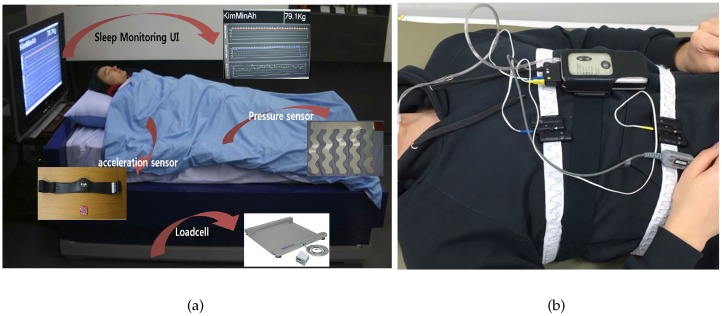
“sensor to monitor physiological variables related to the sleep quality: sleeping pose, sleep state, and both REM and nonREM sleep stages for three participants within 20 days [7].”
MethodSong, Y., Pitafi, Z. F., Dou, F., Sun, J., Zhang, X., Phillips, B. G., & Song, W. (2024) · Proceedings of the ACM on Interactive Mobile Wearable and Ubiquitous Technologies · doi:10.1145/3678514 · Cited by 5
Count What You Want: Exemplar Identification and Few-Shot Counting of Human Actions in the Wild
Huang, Y., Nguyen, D. D., Nguyen, L., Pham, C., & Hoai, M. (2024) · Proceedings of the AAAI Conference on Artificial Intelligence · doi:10.1609/aaai.v38i9.28869 · Cited by 5
Reprint of: Vibration sensing-based human and infrastructure safety/health monitoring: A survey
Valero, M., Li, F., Zhao, L., Zhang, C., Garrido, J. M., & Han, Z. (2022) · Digital Signal Processing · doi:10.1016/j.dsp.2022.103572 · Cited by 4
Thapa, R. K., Kumar, G., Yadav, P. P., Sortwell, A., & Ramírez‐Campillo, R. (2024) · Montenegrin Journal of Sports Science and Medicine · doi:10.26773/mjssm.240905 · Cited by 3
Bernardeschi, C., Cimino, M. G. C. A., Domenici, A., & Vaglini, G. (2017) · Lecture notes of the Institute for Computer Sciences, Social Informatics and Telecommunications Engineering · doi:10.1007/978-3-319-58877-3_33 · Cited by 3
“Normal subjects show more than 90% correlation between actigraphy and polisomnography [6].”
BackgroundInfluentialDhar, E., Barsasella, D., Srikanth, S., Panja, A., Malwade, S., & Syed-Abdul, S. (2022) · Studies in health technology and informatics · doi:10.3233/shti220132 · Cited by 3
A Convolutional Neural Network Framework for Sleep Apnea Detection via Ballistocardiography Signals
Sivo, D. D., Errico, P., Fusco, P., & Venticinque, S. (2026) · Applied Sciences · doi:10.3390/app16073314 · Cited by 2
A review of infant apnea monitor design
Nwaneri, S. C., Ezenwa, B. N., Osuntoki, A. A., Ezeaka, C., & Ogunsola, F. T. (2024) · Journal of Clinical Sciences · doi:10.4103/jcls.jcls_48_23 · Cited by 2
Predicting Sleep Quality Using Lifelog Data with Deep Learning Techniques
Kim, S.-Y., Kim, J.-A., Shin, H., & Kim, S. (2024) · International Conference on Information and Communication Technology Convergence (ICTC) · doi:10.1109/ictc62082.2024.10826605 · Cited by 2
Smart Lighting System for Children's Therapy to Prevent Nyctophobia Syndrome at Bedtime
Pramono, A., Munir, B., Farchan, M., Budiman, S. A., Azis, B., & Putra, W. W. (2022) · International Conference on Cybernetics and Intelligent System (ICORIS) · doi:10.1109/icoris56080.2022.10031394 · Cited by 2
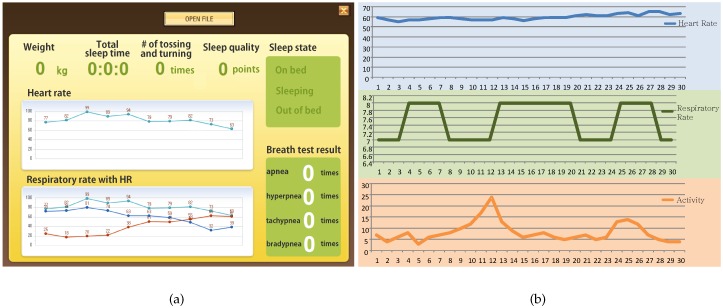
“A sleeping person's heart rate normally ranges between 55 and 65 beats per minute [33].”
BackgroundChiu, C.-C., Liu, W., Kang, J., Chen, C., Ho, Y., Huang, Y., Tsai, Z.-L., Chien, R., Chen, Y., Chen, Y.-L., et al. (2025) · IEEE Journal of Translational Engineering in Health and Medicine · doi:10.1109/jtehm.2025.3588523 · Cited by 2
“…that measuring respiratory patterns may enable a combined evaluation of the impacts of heart function impairment and SDB. Tomonitor respiratory patterns, researchers have proposed various approaches, such as employing sensing arrays integrated with tri-axial accelerometers and pressure sensors [9].”
Sleep Pattern Study with Respect to Binaural Beats Using Sensors and Mobile Application
Rishika, R., Gupta, A., Sinha, S., & Reka, S. S. (2021) · Wireless Personal Communications · doi:10.1007/s11277-021-08245-1 · Cited by 2
A Combination Solution for Sleep Apnea and Heart Rate Detection Based on Accelerometer Tracking
Le-Tien, T., Nguyen, P., Luong-Hoai, T., Nguyen-Binh, M., Vu-Minh, T., Pham-Thai, H., & Nguyen-Huynh, D. (2019) · Lecture notes in computer science · doi:10.1007/978-3-030-35653-8_7 · Cited by 1
Piezoelectric Ceramic Sensor Array Based Obstructive Sleep Apnea Event Detection
Liu, Y., Li, Z., Fan, X., Shao, Y., Hu, D., Huang, R., Xiao, Y., Lv, B., Zhu, L., Liu, Z., et al. (2025) · IEEE Journal of Biomedical and Health Informatics · doi:10.1109/jbhi.2025.3564838 · Cited by 1
“Forpressure signals-based methods, the sleep apnea detection methods can be mainly divided into three categories: analysis-based method [21], [22], [23], [24], [25], threshold-based method [26], [27], [28], and machine learning based method [29], [30], [31].”
Fazio, R. D., Paiano, M., Del-Valle-Soto, C., Velázquez, R., Al-Naami, B. O., & Visconti, P. (2026) · Sensors · doi:10.3390/s26134091 · Cited by 2
“[41] proposes a sleep quality index based on objective measures collected through a multimodal acquisition system.”
Food Consumption Tracker with Health Advises by Food Photos and Labels
Pang, W., Tian, V.-I., & Poon, G. (2018) · ICST Transactions on Ambient Systems · doi:10.4108/eai.23-3-2018.154374 · Cited by 1
Significance of considering respiratory movement in estimating sleep stage
Liu, H., Xu, Y., & Zheng, D. (2020) · Biomedical Engineering Letters · doi:10.1007/s13534-020-00154-9 · Cited by 1
Khan, S. A., Aziz, R., Chhabra, C., & Kaur, H. (2024) · Advances in medical technologies and clinical practice book series · doi:10.4018/979-8-3693-1115-8.ch004 · Cited by 1
SleepPal: A Novel System for Elderly Sleep Monitoring and Bed Falls Detection
Ibrahim, A. K., Chaccour, K., Hassani, A. H. E., & Andrès, E. (2024) · Communications in computer and information science · doi:10.1007/978-3-031-62753-8_5 · Cited by 1
Automatic Detection of Apnea-hypopnea by Throat Sound Measurement System
Uraminami, S., Sakai, N., Oishi, T., & Matsumura, M. (2016) · IEEJ Transactions on Electronics Information and Systems · doi:10.1541/ieejeiss.136.1797 · Cited by 1
Dispositivo Não Invasivo para Monitoramento do Ambiente do Sono
Oliveira, J. A. S., Campos, V. S., dos Reis, J. R., Lobato, F. M. F., & do Nascimento, R. P. (2019) · doi:10.5753/sbcas.2019.6274 · Cited by 1
Development of a sleep monitoring system using cloud computing and big data techniques
Duggal, S., Sood, S., Singh, M., Kumar, K. S., Tiwari, M., & Kumar, S. (2023) · International Conference on Advance Computing and Innovative Technologies in Engineering (ICACITE) · doi:10.1109/icacite57410.2023.10183183 · Cited by 2
Accident Attention System for Somnambulism Patients
Ziyad, S. R., Altulyan, M. S., Liakathunisa, & Alharbi, M. (2023) · Scalable Computing Practice and Experience · doi:10.12694/scpe.v24i2.2249 · Cited by 1
“Sleep quality is measured by sleep latency, total sleep time, duration of nocturnal awakenings, rapid eye movement (REM) state, and non-rapid eye (NREM) movement state [3].”
Background
Metadata
- Authors
- Nam, Y., Kim, Y., & Lee, J.
- Affiliations
- Soonchunhyang University (KR)
- Worcester Polytechnic Institute (US)
- Wonkwang University (KR)
- Corresponding author
- Lee, Jinseok
- Venue
- Sensors
- Publisher
- MDPI AG
- Published
- 2016-05-23
- Volume
- 16
- Issue
- 5
- Pages
- 750
- ISSN
- 1424-8220 (ISSN-L)
- PMC
- PMC4883440
- OpenAlex
- W2396951905
- Semantic Scholar
- 08d165d6cab1d19f1df2df85224967666e458abb
- Cited by
- 124
- References
- 25
- Citations by year
- 2026: 5 · 2025: 9 · 2024: 18 · 2023: 15 · 2022: 13 · 2021: 15 · 2020: 15 · 2019: 14 · 2018: 11 · 2017: 8 · 2016: 1
- FWCI
- 7.69
- Type
- journal article
- Language
- en
- Open access
- gold
- doi.org
- Licence
- Locations
- Sensors (publishedVersion, cc-by)
- Europe PMC (PubMed Central) (publishedVersion, cc-by)
- PubMed Central (publishedVersion, cc-by)
- PubMed (publishedVersion)
- DOAJ (DOAJ: Directory of Open Access Journals) (submittedVersion, cc-by-sa)
- Funders
- Soonchunhyang University
- Ministry of Science, ICT and Future Planning (IITP-2016-H8601-16-1009)
- Topics
- Physical Sciences › Computer Science › Computer Vision and Pattern Recognition › Context-Aware Activity Recognition Systems
- Social Sciences › Psychology › Experimental and Cognitive Psychology › Sleep and related disorders
- Physical Sciences › Engineering › Biomedical Engineering › Non-Invasive Vital Sign Monitoring
- Keywords
- sleep monitoring, sleep quality, triaxial accelerometer, pressure sensors, multimodal sensor data, apnea detection, sleep position, physiological parameters, wearable monitoring system
- MeSH terms
- Algorithms, Heart Rate, Humans, Monitoring, Physiologic, Respiration, Sleep Apnea Syndromes, Sleep Wake Disorders, Biosensing Techniques, Blood Pressure Monitors, Polysomnography
About these checks
Registry, retraction, Cites and statistics results are computed, not judged, with one exception: a printed reference that no index lists is read once by a model before it counts as a citation error. Claims are extracted by a model and kept only when their quote appears verbatim in the text; each cited source is then checked, with a model’s help, for whether it says what the claim relies on. Those verdicts can be wrong — read the claim’s quote and the cited source before relying on one.
Statistics and arithmetic are recomputed, not judged.
Confidence bands are shown only for fields calibrated on our annotated test set. None is calibrated yet, so no band is shown.
What counts as a claim ›How we measure confidence ›How we check this ›
Are you an author, or do you see a problem with this page? Request a review
Data sources
Bibliographic data: Semantic Scholar, OpenAlex, Crossref.
Contains information from the Semantic Scholar Academic Graph Datasets, made available under the ODC Attribution License (ODC-BY 1.0).
Semantic Scholar’s data is described in: Kinney, R., et al. (2023). The Semantic Scholar Open Data Platform. arXiv:2301.10140.
