

Real-Time Surface EMG Pattern Recognition for Hand Gestures Based on an Artificial Neural Network
Open accessThe DOI matches its Crossref record; 39 of the 39 references it cites were found in a registry or an index.
Abstract
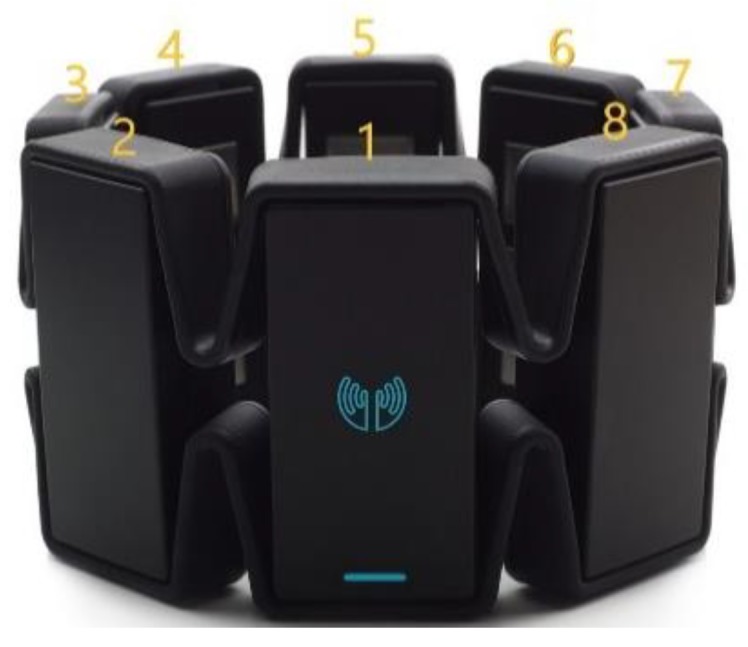
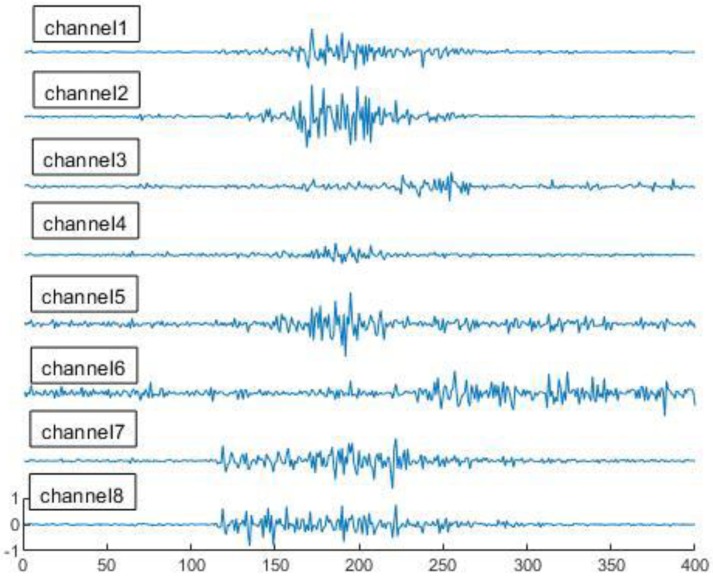
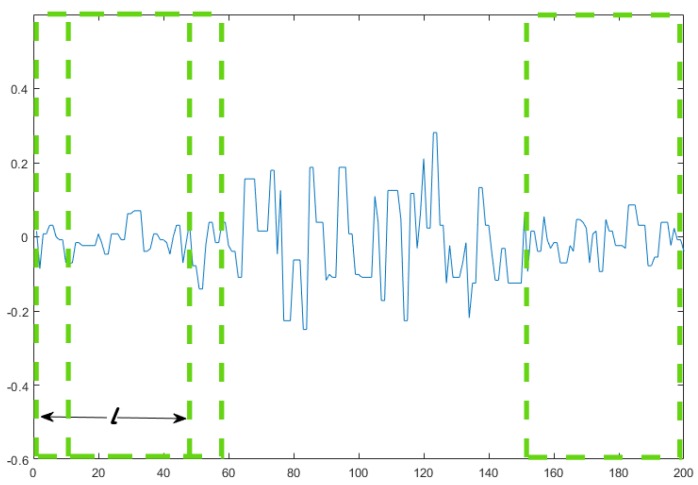
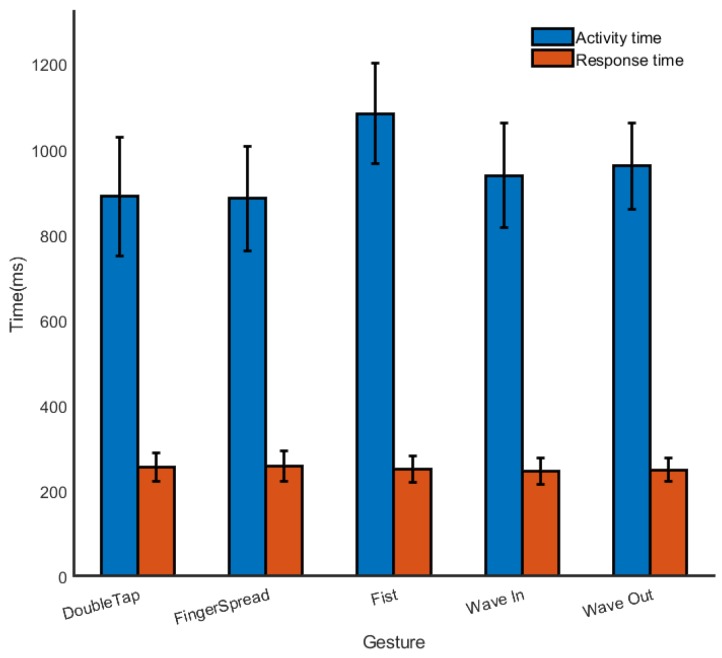
In recent years, surface electromyography (sEMG) signals have been increasingly used in pattern recognition and rehabilitation. In this paper, a real-time hand gesture recognition model using sEMG is proposed. We use an armband to acquire sEMG signals and apply a sliding window approach to segment the data in extracting features. A feedforward artificial neural network (ANN) is founded and trained by the training dataset. A test method is used in which the gesture will be recognized when recognized label times reach the threshold of activation times by the ANN classifier. In the experiment, we collected real sEMG data from twelve subjects and used a set of five gestures from each subject to evaluate our model, with an average recognition rate of 98.7% and an average response time of 227.76 ms, which is only one-third of the gesture time. Therefore, the pattern recognition system might be able to recognize a gesture before the gesture is completed.
Overview
The claims and statistics of this paper haven’t been checked yet.
Free: it reads the open-access text and checks the first 5 claims that cite a source we can check. Create a free account to check every claim.
Integrity signals
Registry
Cites
Statistics
Figures




Verification
Claims the paper makes
The claims and statistics of this paper haven’t been checked yet.
Free: it reads the open-access text and checks the first 5 claims that cite a source we can check. Create a free account to check every claim.
Claims other papers make about this one
Each is checked against this paper’s own text: does it say what the citing paper says it does?
The check wasn’t confident either way, so it gives no verdict — never disputed.
In the citing paper
“CNNs have additionally been shown to detect Alzheimer’s disease in MRI images.[445]”
From Flexible Electronics and Devices as Human–Machine Interfaces for Medical Robotics (2022) · cites this paper as [445]
Experimental — accuracy not yet measured
Self-check
Percentages, sums and reported differences re-computed from the paper’s own numbers.
The self-check needs the paper’s full text.
Citations
Cites
(2008) · Journal of Machine Learning Research · Cited by 33,051
Feature reduction and selection for EMG signal classification
Phinyomark, A., Phukpattaranont, P., & Limsakul, C. (2012) · Expert Systems with Applications · doi:10.1016/j.eswa.2012.01.102 · Cited by 1,542 · cited 1×
“The conventional features used for hand gesture recognition are defined in the following domains: time domain, such as mean absolute value (MAV) and zero crossing (ZC) [28]; frequency domain, such as median frequency and power spectrum ratio [29]; and time-frequency domain, such as wavelets [30].”
BackgroundInfluentialRobust Part-Based Hand Gesture Recognition Using Kinect Sensor
Ren, Z., Yuan, J., Meng, J., & Zhang, Z. (2013) · IEEE Transactions on Multimedia · doi:10.1109/tmm.2013.2246148 · Cited by 746 · cited 1×
“Microsoft’s Kinect sensor is used to obtain depth images and bone information to identify gestures in [15].”
MethodSelf-citationDeep Learning for Electromyographic Hand Gesture Signal Classification Using Transfer Learning
Cote-Allard, U., Fall, C. L., Drouin, A., Campeau-Lecours, A., Gosselin, C., Glette, K., Laviolette, F., & Gosselin, B. (2019) · IEEE Transactions on Neural Systems and Rehabilitation Engineering · doi:10.1109/tnsre.2019.2896269 · Cited by 738 · cited 2×
“92 X Model usi deep learning [38] 98 31 X”
BackgroundMethodVision-based hand-gesture applications
Wachs, J. P., Kölsch, M., Stern, H., & Edan, Y. (2011) · Communications of the ACM · doi:10.1145/1897816.1897838 · Cited by 659 · cited 1×
“There are many sensors used in hand gesture recognition for data acquisition, including cameras [5–8], cyber gloves [9,10], surface electromyography (sEMG) [11,12], and radio frequency [13].”
MethodA Framework for Hand Gesture Recognition Based on Accelerometer and EMG Sensors
Zhang, X., Chen, X., Li, Y., Lantz, V., Wang, K., & Yang, J. (2011) · IEEE Transactions on Systems, Man, and Cybernetics - Part A: Systems and Humans · doi:10.1109/tsmca.2011.2116004 · Cited by 618 · cited 1×
“It shows great potential in the control of bionic hands [1], virtual game control [2], sign language translation [3], and intelligent robotics [4].”
BackgroundHand gesture recognition with 3D convolutional neural networks
Molchanov, P., Gupta, S., Kim, K., & Kautz, J. (2015) · 2015 IEEE Conference on Computer Vision and Pattern Recognition Workshops (CVPRW) · doi:10.1109/cvprw.2015.7301342 · Cited by 543 · cited 1×
“The most common classifiers for hand gesture recognition include support vector machines [17,18], k-nearest neighbors (k-NN) [11,12], decision trees [19], random forest [20], linear discriminant analysis [21,22], artificial neural network (ANN) [23,24], convolutional neural networks [25,26], and gated recurrent unit n…”
BackgroundDardas, N. H., & Georganas, N. D. (2011) · IEEE Transactions on Instrumentation and Measurement · doi:10.1109/tim.2011.2161140 · Cited by 481 · cited 1×
“The most common classifiers for hand gesture recognition include support vector machines [17,18], k-nearest neighbors (k-NN) [11,12], decision trees [19], random forest [20], linear discriminant analysis [21,22], artificial neural network (ANN) [23,24], convolutional neural networks [25,26], and…”
BackgroundCapturing the human figure through a wall
Adib, F., Hsu, C.-Y., Mao, H., Katabi, D., & Durand, F. (2015) · ACM Transactions on Graphics · doi:10.1145/2816795.2818072 · Cited by 443 · cited 1×
“There are many sensors used in hand gesture recognition for data acquisition, including cameras [5–8], cyber gloves [9,10], surface electromyography (sEMG) [11,12], and radio frequency [13].”
MethodWang, S., Song, J., Lien, J., Poupyrev, I., & Hilliges, O. (2016) · Proceedings of the 29th Annual Symposium on User Interface Software and Technology · doi:10.1145/2984511.2984565 · Cited by 433 · cited 1×
“A new sensing technology that uses miniature radar to detect touchless gesture interactions has been developed by Google [16].”
Background
Cited by
Items 101–170 of 170
Ojha, A. (2023) · doi:10.21467/exr.3.1.8382 · Cited by 5
“For example, sEMG has been used to develop a ANN ML model for recognizing the hand gesture [15].”
MethodReliability and validity of muscle activity analysis using wearable electromyographs
Matsuda, T., Miyamori, T., Fujino, Y., Nozu, S., & Kajiwara, Y. (2024) · Journal of Physical Therapy Science · doi:10.1589/jpts.36.123 · Cited by 7
“The armbands typically feature multiple EMG sensors arranged radially on a flexible band, making them easy to apply and adaptable for various applications 8) , including hand gesture recognition 9) and therapy monitoring 10) .”
BackgroundUser Recognition using Electromyogram 2D Spectrogram Images based on CNN
Kim, J. M., Choi, G. H., Kim, J.-S., & Pan, S. B. (2021) · The Journal of Korean Institute of Information Technology · doi:10.14801/jkiit.2021.19.1.107 · Cited by 5
Safe Operations of an Aerial Swarm via a Cobot Human Swarm Interface
Abdi, S. S., & Paley, D. A. (2023) · Proceedings - IEEE International Conference on Robotics and Automation/Proceedings · doi:10.1109/icra48891.2023.10161343 · Cited by 8
“Inspired by the work presented in [40] and [41], the selected gestures have been shown to be successfully recognized with a high degree of accuracy using a number of methods, including those employed on the OYMotion gForcePro+.”
MethodMVMD-TCCA: A method for gesture classification based on surface electromyographic signals.
Chen, W.-J., Zhang, S.-K., Sun, X.-T., Zhang, C., & Liu, Y. (2025) · Journal of Electromyography & Kinesiology · doi:10.1016/j.jelekin.2025.103006 · Cited by 4
Optimised EMG pipeline for gesture classification
Warner, J., Gault, R., & McAllister, J. (2022) · Annual International Conference of the IEEE Engineering in Medicine and Biology Society (EMBC) · doi:10.1109/embc48229.2022.9871089 · Cited by 4
Sohn, M. H., Lai, S. Y., Elwin, M. L., & Dewald, J. P. A. (2022) · bioRxiv (Cold Spring Harbor Laboratory) · doi:10.1101/2022.01.06.475232 · Cited by 6
“, especially when integrated with combined EMG and 353 inertial measurement unit data [41], as well as online or real-time control requiring minimal delay 354 [42-45].”
MethodsEMG-based gesture recognition using multi-domain feature fusion with a lightweight Vanilla network
Li, Y., Li, K., Wang, X., & Sheng, Y. (2025) · Biomedical Signal Processing and Control · doi:10.1016/j.bspc.2025.109430 · Cited by 3
Adaptive robotic arm control through digital twin integration and hybrid neural networks
Zhao, X. (2026) · Scientific Reports · doi:10.1038/s41598-025-34822-6 · Cited by 4
“Particularly significant advantages emerge in complex operational scenarios requiring simultaneous handling of multiple constraints and objectives 49 .”
On the Distribution of Muscle Signals: A Method for Distance-Based Classification of Human Gestures
Sundrup, J. G., & Mombaur, K. (2023) · Sensors · doi:10.3390/s23177441 · Cited by 3
Capturing Dynamic Finger Gesturing with High-resolution Surface Electromyography and Computer Vision
Luxembourg, N., Ben-Dov, D., Marew, R., Teitelbaum, D., Adereth, I. V., & Hanein, Y. (2025) · Journal of Visualized Experiments · doi:10.3791/67766 · Cited by 3
Digital Biomarkers for Diagnosis of Muscle Disorders Using Stimulated Muscle Contraction Signal
Song, K., Choi, S., Shin, J., Son, W.-H., Park, H., Lee, H., & Paik, N. (2023) · IEEE Transactions on Neural Systems and Rehabilitation Engineering · doi:10.1109/tnsre.2023.3250641 · Cited by 3
Human Grasping Force Prediction Based on Surface Electromyography Signals
Wang, Y., Zhang, Z., Su, Z., & Qian, J. (2021) · Communications in computer and information science · doi:10.1007/978-981-16-7207-1_25 · Cited by 3
Self-citationDesign of Human Adaptive Mechatronics Controller for Upper Limb Motion Intention Prediction
Hwang, S., Kim, J., Kim, H., Kim, H., & Kim, Y. (2021) · Computers, materials & continua/Computers, materials & continua (Print) · doi:10.32604/cmc.2022.021667 · Cited by 3
Kozyr, P., & Saveliev, A. I. (2021) · Computer Research and Modeling · doi:10.20537/2076-7633-2021-13-1-175-194 · Cited by 3
Surface EMG Real-Time Chinese Language Recognition Using Artificial Neural Networks
Riaz, M. M., & Zhang, Z. (2021) · Communications in computer and information science · doi:10.1007/978-981-16-7207-1_12 · Cited by 9
Self-citationDynamic Finger Task Identification Using Electromyography
Esmatloo, P., Ghonasgi, K., King, R., & Deshpande, A. D. (2022) · IEEE/RAS-EMBS International Conference on Biomedical Robotics and Biomechatronics (BioRob) · doi:10.1109/biorob52689.2022.9925498 · Cited by 3
“Alternatively, researchers have used computationally intensive machine learning approaches which depend heavily on large training datasets, and are still limited to relatively low prediction accuracy [16], [17].”
BackgroundBastola, S., Huynh, C., Tekeş, A., & Tekeş, C. (2025) · IEEE SoutheastCon · doi:10.1109/southeastcon56624.2025.10971725 · Cited by 2
“In [5], an ANN model has been presented to classify five hand gestures using time-domain features extracted from sEMG signals captured via a myoelectric armband outperforming SVM and RF models.”
Cansız, B., Düdükçü, H. V., Taşkıran, M., & Kahraman, N. (2025) · IEEE Access · doi:10.1109/access.2025.3588791 · Cited by 3
A gesture recognition system based on a bendable triboelectric nanogenerator
Wang, Q., Li, J., Luo, H., Wang, X., & Gao, Y. (2025) · Sensors and Actuators A Physical · doi:10.1016/j.sna.2025.117297 · Cited by 2
Rak, J., & Gas, P. (2026) · Archives of Electrical Engineering · doi:10.24425/aee.2026.156805 · Cited by 2
“Comparative analyses with traditional artificial neural network (ANN)-based systems further confirm the superiority of deep learning approaches under variable signal conditions [30].”
Raw sEMG-based Real-time Gesture Recognition with Recurrent Neural Networks
Wang, Y., Xue, J., & Duan, F. (2021) · International Conference on Robotics and Automation Engineering (ICRAE) · doi:10.1109/icrae53653.2021.9657777 · Cited by 2
Ao, X., Wang, F., Zhao, J., & She, J. (2023) · IEEE International Conference on Industrial Cyber-Physical Systems (ICPS) · doi:10.1109/icps58381.2023.10128002 · Cited by 2
“The most commonly used machine learning methods for recognizing hand movements using sEMG signals include support vector machines [2,3], artificial neural networks [4], convolutional neural networks [5] and K-nearest neighbour algorithms [6].”
MethodShort-term hand gestures recognition based on electromyography signals
Essa, R. R., Jaber, H. A., & Jasim, A. A. (2023) · IAES International Journal of Artificial Intelligence · doi:10.11591/ijai.v12.i4.pp1765-1773 · Cited by 2
UAV Formation Flight Control by Using the Surface Electromyography Signals
Jun, J., Zhao, B., Zhang, P., Guo, W., & Fang, P. (2021) · Chinese Control and Decision Conference (CCDC) · doi:10.1109/ccdc52312.2021.9602378 · Cited by 2
Subhashini, S., & Revathi, S. (2023) · Journal of Wireless Mobile Networks Ubiquitous Computing and Dependable Applications · doi:10.58346/jowua.2023.i4.011 · Cited by 2
Deep Learning-Enabled Swallowing Monitoring and Postoperative Recovery Biosensing System
Tsai, C.-N., Yang, P.-W., Huang, T.-Y., Chen, J.-C., Tseng, H., Wu, C., Sarmah, A., Subramaniyan, P., & Lin, T. (2024) · IEEE Sensors Journal · doi:10.1109/jsen.2024.3487992 · Cited by 2
A Gesture Controlled Music Playback System Using Convolutional Neural Network
Chen, H.-K., & Chuang, C.-C. (2020) · International Symposium on Computer, Consumer and Control · doi:10.1109/is3c50286.2020.00010 · Cited by 2
Accurate sEMG Classification for Hand Gesture Recognition Using Pattern Recognition Techniques
Gouda, M. A., Wang, H., & Feng, N. (2020) · International Conference on Information Science and Control Engineering · doi:10.1109/icisce50968.2020.00045 · Cited by 3
Maskeliūnas, R., Damaševičius, R., Raudonis, V., Adomavičienė, A., Raistenskis, J., & Griškevičius, J. (2023) · Applied Sciences · doi:10.3390/app13095744 · Cited by 2
Nguyen, N., Dao, T.-M.-P., Nguyen, V., Pham, V., Pham, V.-M., & Pham, V. (2024) · International Journal of Advanced Computer Science and Applications · doi:10.14569/ijacsa.2024.0150348 · Cited by 2
“The sampling frequency of the filter is 1kHz, based on references [11-13] which suggested that a sampling frequency between 400Hz and 500Hz is sufficient for measuring EMG signals.”
BackgroundRFID interface for compact pliable EMG wireless epidermal sensor
Miozzi, C., Errico, V., Marrocco, G., Gruppioni, E., & Saggio, G. (2020) · IEEE International Workshop on Metrology for Industry 4.0 & IoT (MetroInd4.0&IoT) · doi:10.1109/metroind4.0iot48571.2020.9138182 · Cited by 3
“for healthcare [26]–[28], gesture classification [29], [30] exoskeletons and prosthetic guidance [31]–[33], or to trigger for object detection [34].”
BackgroundShafieian, M. A., & Nougarou, F. (2023) · Annual International Conference of the IEEE Engineering in Medicine and Biology Society (EMBC) · doi:10.1109/embc40787.2023.10340870 · Cited by 2
“Whether they are regression methods based on linear regression [8, 9], SVMs [10, 11], neural networks [11-13] or deep learning [14-16], the real-time detection accuracy is deteriorating for 3 DoFs and more, which is a crucial requirement for controlling a robotic arm or a prosthesis.”
MethodResearch on sEMG Pattern Recognition Algorithm and Implementation of a Gesture Recognition System
Tian, Y., Zhang, Z., & Li, Y. (2023) · International Conference on Sensing, Measurement & Data Analytics in the era of Artificial Intelligence (ICSMD) · doi:10.1109/icsmd60522.2023.10491043 · Cited by 1
“In general, deep learning methods can achieve better classification accuracy [8].”
MethodSelf-citationArtificial Neuronal Network for Surface EMG Signal Processing
Dunai, L., Verdú, I. S., Sava, L., & Țurcanu, D. (2025) · IEEE International Black Sea Conference on Communications and Networking · doi:10.1109/blackseacom65655.2025.11193928 · Cited by 1
“Extensive experimentation confirms the neural network's robust performance in processing sEMG signals for hand gesture recognition [1][5].”
Cheng, J., Hu, X., & Yang, K. (2025) · Electronics · doi:10.3390/electronics14224374 · Cited by 1
Self-citationIndividual and Finger Posture Identification Using Fiber Bragg Grating Sensors
Flores, W. O. C., Júnior, P. V. R., Lourenção, J. P. M., Müller, M., Fabris, J. L., Lazzaretti, A. E., Júnior, J. J. A. M., & Dreyer, U. J. (2026) · IEEE Sensors Journal · doi:10.1109/jsen.2026.3701533 · Cited by 1
The Research of Characteristic Frequencies for Gesture-based EMG Control Channels
Igrevskaya, A., Kachina, A. A., Petrova, A. I., & Kudryavtsev, K. Y. (2022) · Studies in computational intelligence · doi:10.1007/978-3-030-96993-6_14 · Cited by 1
Tendon driven dextrous prosthetic arm using sEMG technique
Subhash, K. S., Kumar, C. H. V., & Prabhu, S. (2022) · AIP conference proceedings · doi:10.1063/5.0100152 · Cited by 1
Rajendra Thilahar, C., Manoharan, M., Sudalai, P., Kumaravelu, R., Sadayan, R. B., & Kaliaraj, G. S. (2024) · International Conference on Smart Electronics and Communication Systems (ISENSE) · doi:10.1109/isense63713.2024.10872256 · Cited by 1
Islam, M. R. U. (2021) · VBN Forskningsportal (Aalborg Universitet) · doi:10.54337/aau455016322 · Cited by 1
Said, S. (2020) · theses.fr (ABES) · doi:10.70675/dd9c45ddza2aaz46bfzaff8z04f45452183d · Cited by 2
Functional Electrical Stimulation for Hand Movement of Person
Bhute, A. N., Patil, R. S., Sanghai, S., Yadav, P., & Sathe, S. (2021) · Algorithms for intelligent systems · doi:10.1007/978-981-33-4087-9_40
Correction of Electrode ID Configuration based on Distribution of Surface EMG Features
Isezaki, T., Aoki, R., & Koike, Y. (2021) · Annual International Conference of the IEEE Engineering in Medicine and Biology Society (EMBC) · doi:10.1109/embc46164.2021.9629817
“Several calculation window sizes have been investigated for estimating motions [8], [9], and in this study, the calculation window with a duration experimentally set to 2.”
BackgroundSurface EMG Signal Classification for Hand Gesture Recognition
Raj, P., Fatimah, B., & Sushma, B. (2022) · Lecture notes in electrical engineering · doi:10.1007/978-981-19-1520-8_10
Implementation of a neural network of low computational cost for its application in arm prostheses
LEÓN-PERALTA, J. L., Sánchez‐Lara, R., Vazquez-Avila, J. L., & Vargas, J. I. Y. (2022) · Revista de Ingeniería Tecnológica · doi:10.35429/jten.2022.17.6.27.34 · Cited by 1
sEMG Classification of Upper Limb Movements Under Different Loads
González-Mendoza, A., Sanpablo, A. I. P., Quiñones-Urióstegui, I., López-Gutiérrez, R., & Salazar, S. (2022) · EAI/Springer Innovations in Communication and Computing · doi:10.1007/978-3-031-07670-1_12
Hand Motion Detection Based on Surface Electromyography Signals From A Single Wearable Sensor
Li, X., Ma, Y., Zhang, C., Lin, Y., & Chen, H. (2022) · IEEE International Conference on Computation, Communication and Engineering (ICCCE) · doi:10.1109/iccce55785.2022.10036202
“To explore the signal characteristics, both the time-domain and frequency-domain features of the obtained sEMG signals are extracted [10,11].”
MethodEnhancing Impaired Waist-to-Height Ratio Classification Using Neural Networks
Severeyn, É., Cruz, A. L., & Huerta, M. (2023) · Communications in computer and information science · doi:10.1007/978-3-031-46739-4_20
Sonck-Martinez, G. A., Rodriguez-Mata, A. E., Medrano-Hermosillo, J. A., Baray-Arana, R. E., Morales-Estrada, E., & Gonzalez-Huitron, V. A. (2023) · Communications in computer and information science · doi:10.1007/978-3-031-45316-8_31
González-Mendoza, A., Quiñones-Urióstegui, I., Sanpablo, A. I. P., López-Gutiérrez, R., Montero, A. A., Fuentes-Álvarez, R., Hernández, J. H., Salazar, S., & Lozano, R. (2023) · Investigación en Discapacidad · doi:10.35366/113828
Білий, Р. І. (2024) · Technology audit and production reserves · doi:10.15587/2706-5448.2024.306428
Hajihashemi, A., Ebrahimi, F., Kordy, H. M., & Shahbazi, F. (2025) · International Journal of Engineering · doi:10.5829/ije.2025.38.07a.12
Comparison Study Between Different Classifiers’ Techniques For Human Hand Grasping Force Using sEMG
Ghanem, M. M. H., Atia, M. R. A., & Maged, S. A. (2024) · Journal of Advanced Research in Applied Sciences and Engineering Technology · doi:10.37934/araset.61.2.180193
Çetin, E., İlayda, K. A. Y. A., Erat, K., & Durdu, P. O. (2025) · Karadeniz Fen Bilimleri Dergisi · doi:10.31466/kfbd.1553565
Hand Gesture Recognition Using ECANet via Surface Electromyography Signals
Guo, L., Tang, L., Guo, M., Li, X., Shi, B., Li, Y., Yin, B., & Zhao, H. (2025) · International Conference on Artificial Intelligence, Internet and Digital Economy (ICAID) · doi:10.1109/icaid65275.2025.11034537
“Considering that real-time control typically requires a latency of no more than 300 ms, and based on the findings of Zhang et al. [4], where recognition accuracy only starts to decline when the window size exceeds 400 ms, this study adopts a window size of 140 ms.”
Enhancing prosthetic hand control using deep hybrid model
Rajaram, S., Subramanian, N. D., Ramarajan, K., & Padmanabhan, T. (2025) · Advanced Robotics · doi:10.1080/01691864.2025.2521092
Wang, A., Wang, S., & He, J. (2025) · International Conference on Artificial Intelligence Technologies and Applications (ICAITA) · doi:10.1109/icaita67588.2025.11137884
“For example, Zhang et al. proposed a gesture recognition model trained with time-domain features to distinguish five gestures [5].”
Akilan, A., Seth, D., Nakka, S., & Patil, S. R. (2026) · Lecture notes in computer science · doi:10.1007/978-3-032-13012-9_12
Machine Learning in Electromyography Finger Recognition: Current Trends and Future Opportunities
Muhammad, M. A., Ibrahim, M. B. M., Zainudin, M. N. S., Ferbangkara, S., Despa, D., Martinus, Septiana, T., & Supriyono, T. (2025) · International Conference on Converging Technology in Electrical and Information Engineering (ICCTEIE) · doi:10.1109/iccteie66144.2025.11341847
“This signal modality enables gesture recognition and prosthetic control via non-invasive acquisition[3], [4].”
Обзор методов машинного обучения в протезировании
Арсёнов, А., Моракс, В. Д., Donsckaia, A., & Ломакин, А. С. (2025) · Экономика Информатика · doi:10.52575/2687-0932-2025-52-4-897-927
A Comprehensive Review of Real-Time Hand Gesture Recognition using Neural Networks
Raj, H., Kochhar, N., & Nikita (2025) · International Conference on Evolutionary Computing and Mobile Sustainable Networks (ICECMSN) · doi:10.1109/icecmsn68058.2025.11383059
“On the other hand, non-vision systems usually depend on wearable sensors and sEMG sensors are one of the most noticeable ones [14]. sEMG sensors detect the electrical activity of the muscles of the forearm and give a signal which is not sensitive to external environmental conditions such as…”
Gesture Recognition via Transient sEMG Decomposition and Residual Spiking Neural Network
Wang, L., Ma, J., Chen, J., Tan, Y., Jiang, N., & Guo, D. (2026) · Communications in computer and information science · doi:10.1007/978-981-95-6736-2_8
Impact of gesture transition on sEMG-Based hand motion estimation
Jin, S., Sim, H., Labra, J. M. A. R., & Yang, S. (2026) · Biomedical Signal Processing and Control · doi:10.1016/j.bspc.2026.110684
Guo, Z., Huang, X., & Wang, N. (2026) · Physica Scripta · doi:10.1088/1402-4896/ae7ac6
“In terms of recognition algorithms, the most commonly used machine learning methods [14] for human movement intention recognition include:[15] support vector machine (SVM), artificial neural network [16] (ANN),[17] CNN, and K-nearest neighbors [18] algorithm.”
Depth-Sensitive Optical Sensing for Non-Invasive Measurement of Human Muscle Activity
MATSUO, K., BANDARA, D. S. V., Nogami, H., & Arata, J. (2026) · Sensors · doi:10.3390/s26134172
Comprehensive Overview of Deep Neural Network Architectures for Gesture Recognition
Sultana, J., Afsana, N., Dipty, S. T., Fatima, I., Lucy, F. K., Shafoyat, M. U., & Ashik, M. H. (2026) · International Journal of Innovative Research in Technology · doi:10.64643/ijirtv13i4-208315-459
A Longitudinal Monitoring of Muscle Weakness in ALS Using Portable sEMG and Data Mining
Alfaro, A. J. J., Vázquez, N. K. V., Cortés, G., Organiche, E. C., Flores, M. F., & Guillermo, I. C. A. (2026) · International Journal of Combinatorial Optimization Problems and Informatics. · doi:10.61467/2007.1558.2027.v18i1.1515
Metadata
- Authors
- Zhang, Z., Yang, K., Qian, J., & Zhang, L.
- Affiliations
- Shanghai University (CN)
- Tongji University (CN)
- Corresponding author
- Zhang, Zhen
- Zhang, Lunwei
- Venue
- Sensors
- Publisher
- MDPI AG
- Published
- 2019-07-18
- Volume
- 19
- Issue
- 14
- Pages
- 3170
- ISSN
- 1424-8220 (ISSN-L)
- PMC
- PMC6679304
- OpenAlex
- W2957121425
- Cited by
- 165
- References
- 39
- Citations by year
- 2026: 9 · 2025: 17 · 2024: 16 · 2023: 31 · 2022: 37 · 2021: 32 · 2020: 19 · 2019: 4
- FWCI
- 8.08
- Type
- journal article
- Language
- en
- Open access
- gold
- dx.doi.org
- Licence
- Locations
- Sensors (publishedVersion, cc-by)
- Europe PMC (PubMed Central) (publishedVersion, cc-by)
- PubMed Central (publishedVersion, cc-by)
- PubMed (publishedVersion)
- DOAJ (DOAJ: Directory of Open Access Journals) (submittedVersion, cc-by-sa)
- Funders
- Shanghai science and technology commission (18JC1410402)
- National Natural Science Foundation of China (61573236, 61875115)
- Topics
- Physical Sciences › Engineering › Biomedical Engineering › Muscle activation and electromyography studies
- Physical Sciences › Computer Science › Human-Computer Interaction › Hand Gesture Recognition Systems
- Physical Sciences › Computer Science › Computer Vision and Pattern Recognition › Context-Aware Activity Recognition Systems
- Keywords
- surface electromyography, hand gesture recognition, real-time recognition, artificial neural networks, sliding window feature extraction, feedforward neural networks, gesture classification, response time
- MeSH terms
- Adult, Algorithms, Electromyography, Female, Gestures, Hand, Humans, Male, Pattern Recognition, Automated, Signal Processing, Computer-Assisted, Biosensing Techniques, Neural Networks, Computer
About these checks
Registry, retraction, Cites and statistics results are computed, not judged, with one exception: a printed reference that no index lists is read once by a model before it counts as a citation error. Claims are extracted by a model and kept only when their quote appears verbatim in the text; each cited source is then checked, with a model’s help, for whether it says what the claim relies on. Those verdicts can be wrong — read the claim’s quote and the cited source before relying on one.
Statistics and arithmetic are recomputed, not judged.
Confidence bands are shown only for fields calibrated on our annotated test set. None is calibrated yet, so no band is shown.
What counts as a claim ›How we measure confidence ›How we check this ›
Are you an author, or do you see a problem with this page? Request a review
Data sources
Bibliographic data: Semantic Scholar, OpenAlex, Crossref.
Contains information from the Semantic Scholar Academic Graph Datasets, made available under the ODC Attribution License (ODC-BY 1.0).
Semantic Scholar’s data is described in: Kinney, R., et al. (2023). The Semantic Scholar Open Data Platform. arXiv:2301.10140.
