

Real-Time Surface EMG Pattern Recognition for Hand Gestures Based on an Artificial Neural Network
Open accessThe DOI matches its Crossref record; 39 of the 39 references it cites were found in a registry or an index.
Abstract
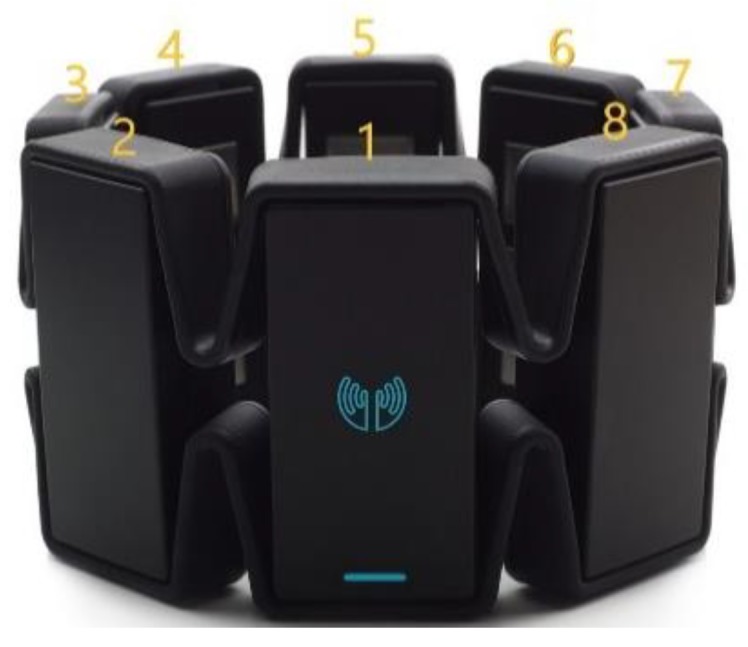
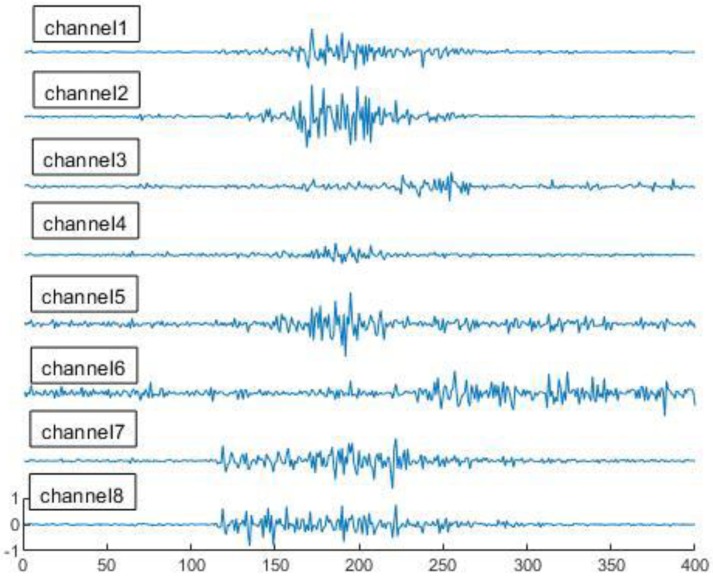
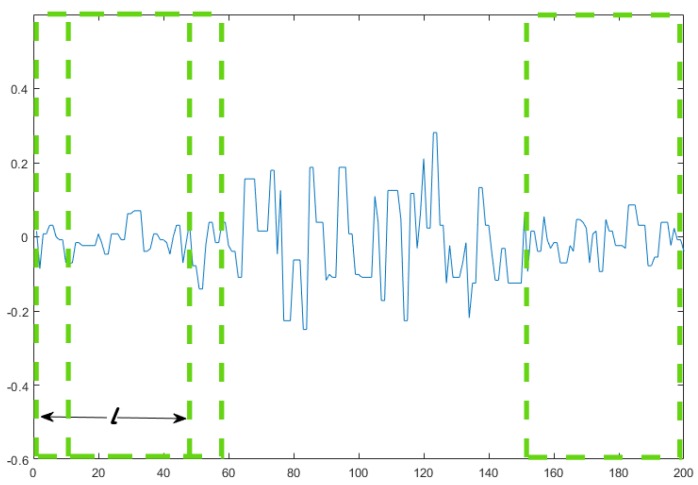
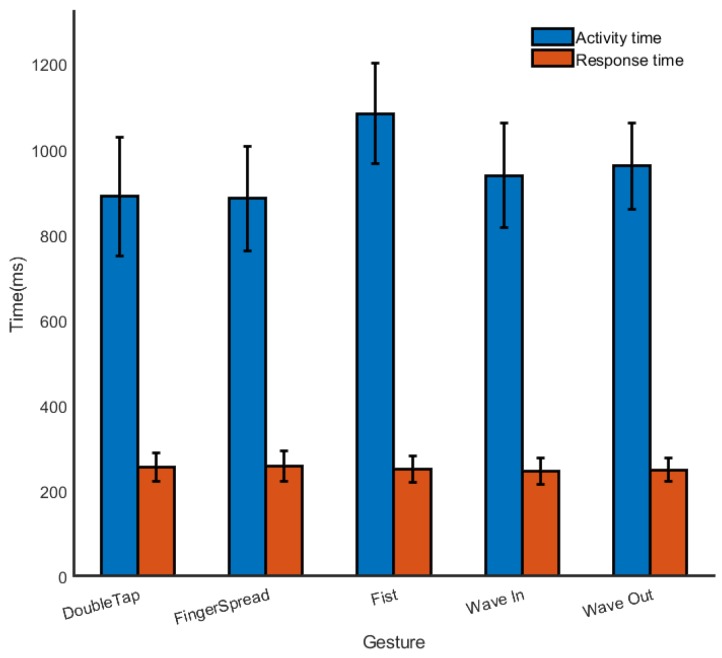
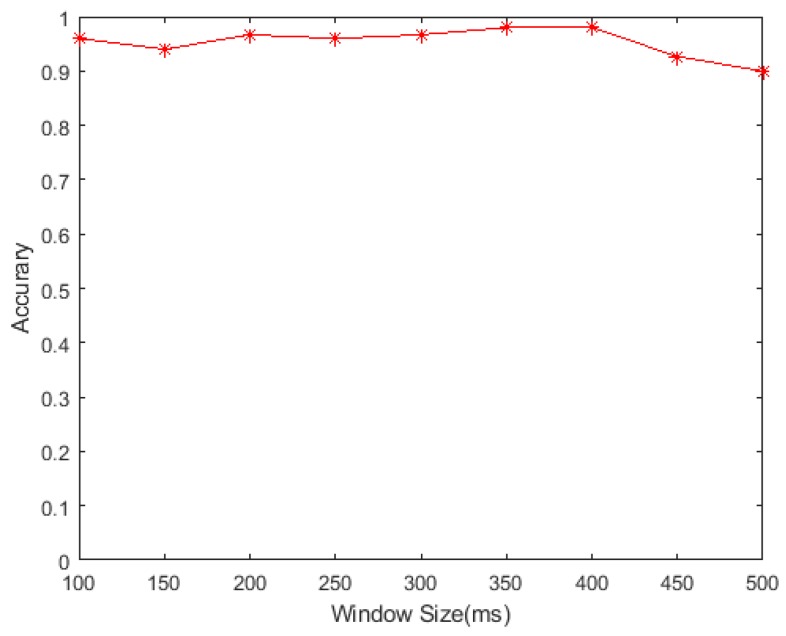
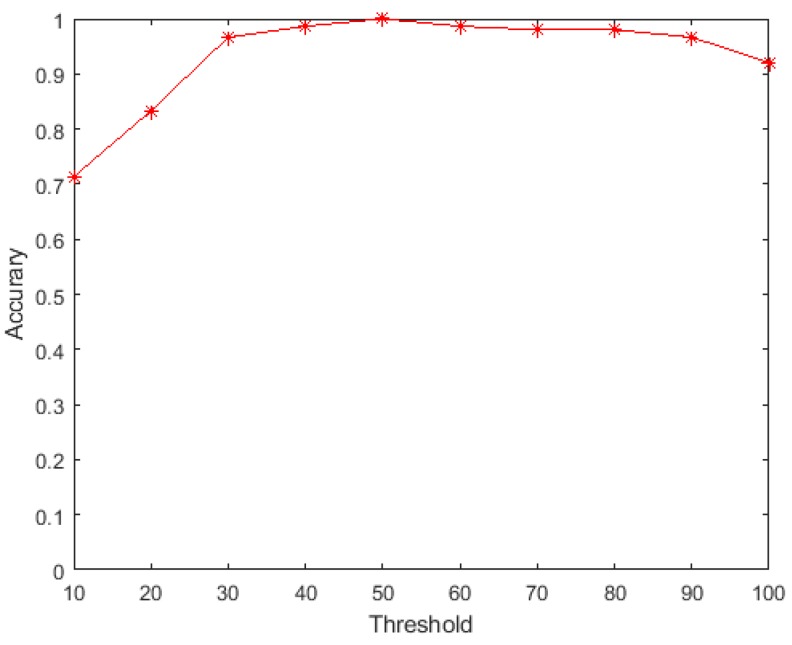
In recent years, surface electromyography (sEMG) signals have been increasingly used in pattern recognition and rehabilitation. In this paper, a real-time hand gesture recognition model using sEMG is proposed. We use an armband to acquire sEMG signals and apply a sliding window approach to segment the data in extracting features. A feedforward artificial neural network (ANN) is founded and trained by the training dataset. A test method is used in which the gesture will be recognized when recognized label times reach the threshold of activation times by the ANN classifier. In the experiment, we collected real sEMG data from twelve subjects and used a set of five gestures from each subject to evaluate our model, with an average recognition rate of 98.7% and an average response time of 227.76 ms, which is only one-third of the gesture time. Therefore, the pattern recognition system might be able to recognize a gesture before the gesture is completed.
Overview
The claims and statistics of this paper haven’t been checked yet.
Free: it reads the open-access text and checks the first 5 claims that cite a source we can check. Create a free account to check every claim.
Integrity signals
Registry
Cites
Statistics
Figures




Verification
Claims the paper makes
The claims and statistics of this paper haven’t been checked yet.
Free: it reads the open-access text and checks the first 5 claims that cite a source we can check. Create a free account to check every claim.
Claims other papers make about this one
Each is checked against this paper’s own text: does it say what the citing paper says it does?
The check wasn’t confident either way, so it gives no verdict — never disputed.
In the citing paper
“CNNs have additionally been shown to detect Alzheimer’s disease in MRI images.[445]”
From Flexible Electronics and Devices as Human–Machine Interfaces for Medical Robotics (2022) · cites this paper as [445]
Experimental — accuracy not yet measured
Self-check
Percentages, sums and reported differences re-computed from the paper’s own numbers.
The self-check needs the paper’s full text.
Citations
Cites
(2008) · Journal of Machine Learning Research · Cited by 33,051
Feature reduction and selection for EMG signal classification
Phinyomark, A., Phukpattaranont, P., & Limsakul, C. (2012) · Expert Systems with Applications · doi:10.1016/j.eswa.2012.01.102 · Cited by 1,542 · cited 1×
“The conventional features used for hand gesture recognition are defined in the following domains: time domain, such as mean absolute value (MAV) and zero crossing (ZC) [28]; frequency domain, such as median frequency and power spectrum ratio [29]; and time-frequency domain, such as wavelets [30].”
BackgroundInfluentialRobust Part-Based Hand Gesture Recognition Using Kinect Sensor
Ren, Z., Yuan, J., Meng, J., & Zhang, Z. (2013) · IEEE Transactions on Multimedia · doi:10.1109/tmm.2013.2246148 · Cited by 746 · cited 1×
“Microsoft’s Kinect sensor is used to obtain depth images and bone information to identify gestures in [15].”
MethodSelf-citationDeep Learning for Electromyographic Hand Gesture Signal Classification Using Transfer Learning
Cote-Allard, U., Fall, C. L., Drouin, A., Campeau-Lecours, A., Gosselin, C., Glette, K., Laviolette, F., & Gosselin, B. (2019) · IEEE Transactions on Neural Systems and Rehabilitation Engineering · doi:10.1109/tnsre.2019.2896269 · Cited by 738 · cited 2×
“92 X Model usi deep learning [38] 98 31 X”
BackgroundMethodVision-based hand-gesture applications
Wachs, J. P., Kölsch, M., Stern, H., & Edan, Y. (2011) · Communications of the ACM · doi:10.1145/1897816.1897838 · Cited by 659 · cited 1×
“There are many sensors used in hand gesture recognition for data acquisition, including cameras [5–8], cyber gloves [9,10], surface electromyography (sEMG) [11,12], and radio frequency [13].”
MethodA Framework for Hand Gesture Recognition Based on Accelerometer and EMG Sensors
Zhang, X., Chen, X., Li, Y., Lantz, V., Wang, K., & Yang, J. (2011) · IEEE Transactions on Systems, Man, and Cybernetics - Part A: Systems and Humans · doi:10.1109/tsmca.2011.2116004 · Cited by 618 · cited 1×
“It shows great potential in the control of bionic hands [1], virtual game control [2], sign language translation [3], and intelligent robotics [4].”
BackgroundHand gesture recognition with 3D convolutional neural networks
Molchanov, P., Gupta, S., Kim, K., & Kautz, J. (2015) · 2015 IEEE Conference on Computer Vision and Pattern Recognition Workshops (CVPRW) · doi:10.1109/cvprw.2015.7301342 · Cited by 543 · cited 1×
“The most common classifiers for hand gesture recognition include support vector machines [17,18], k-nearest neighbors (k-NN) [11,12], decision trees [19], random forest [20], linear discriminant analysis [21,22], artificial neural network (ANN) [23,24], convolutional neural networks [25,26], and gated recurrent unit n…”
BackgroundDardas, N. H., & Georganas, N. D. (2011) · IEEE Transactions on Instrumentation and Measurement · doi:10.1109/tim.2011.2161140 · Cited by 481 · cited 1×
“The most common classifiers for hand gesture recognition include support vector machines [17,18], k-nearest neighbors (k-NN) [11,12], decision trees [19], random forest [20], linear discriminant analysis [21,22], artificial neural network (ANN) [23,24], convolutional neural networks [25,26], and…”
BackgroundCapturing the human figure through a wall
Adib, F., Hsu, C.-Y., Mao, H., Katabi, D., & Durand, F. (2015) · ACM Transactions on Graphics · doi:10.1145/2816795.2818072 · Cited by 443 · cited 1×
“There are many sensors used in hand gesture recognition for data acquisition, including cameras [5–8], cyber gloves [9,10], surface electromyography (sEMG) [11,12], and radio frequency [13].”
MethodWang, S., Song, J., Lien, J., Poupyrev, I., & Hilliges, O. (2016) · Proceedings of the 29th Annual Symposium on User Interface Software and Technology · doi:10.1145/2984511.2984565 · Cited by 433 · cited 1×
“A new sensing technology that uses miniature radar to detect touchless gesture interactions has been developed by Google [16].”
Background
Cited by
Flexible Electronics and Devices as Human–Machine Interfaces for Medical Robotics
Heng, W., Solomon, S., & Gao, W. (2022) · Advanced Materials · doi:10.1002/adma.202107902 · Cited by 609
Jaramillo-Yánez, A., Benalcázar, M. E., & Mena-Maldonado, E. (2020) · Sensors · doi:10.3390/s20092467 · Cited by 259
Li, W., Shi, P., & Yu, H. (2021) · Frontiers in Neuroscience · doi:10.3389/fnins.2021.621885 · Cited by 211
Xu, Z., Wu, D., Chen, Z., Wang, Z., Cao, C., Shao, X., Zhou, G., Zhang, S., Wang, L., & Sun, D. (2023) · Microsystems & Nanoengineering · doi:10.1038/s41378-022-00477-w · Cited by 164
Electromyogram-Based Classification of Hand and Finger Gestures Using Artificial Neural Networks
Lee, K. H., Min, J. Y., & Byun, S. (2021) · Sensors · doi:10.3390/s22010225 · Cited by 146
Dynamic Gesture Recognition Using Surface EMG Signals Based on Multi-Stream Residual Network
Yang, Z., Jiang, D., Sun, Y., Tao, B., Tong, X., Jiang, G., Xu, M., Yun, J., Liu, Y., Chen, B., et al. (2021) · Frontiers in Bioengineering and Biotechnology · doi:10.3389/fbioe.2021.779353 · Cited by 119
“The core design concept of ShuffleNet is to rearrange different channels to solve the drawbacks caused by grouped convolution (Zhang et al., 2019; Li et al., 2020).”
BackgroundMontazerin, M., Rahimian, E., Naderkhani, F., Atashzar, S. F., Yanushkevich, S. N., & Mohammadi, A. (2023) · Scientific Reports · doi:10.1038/s41598-023-36490-w · Cited by 116
Dubey, R., Kumar, M., Upadhyay, A. B., & Pachori, R. B. (2021) · Biomedical Signal Processing and Control · doi:10.1016/j.bspc.2021.103098 · Cited by 79
Neuromorphic Edge Computing for Biomedical Applications: Gesture Classification Using EMG Signals
Vitale, A., Donati, E., Germann, R., & Magno, M. (2022) · IEEE Sensors Journal · doi:10.1109/jsen.2022.3194678 · Cited by 78
“The first step in the classification procedure is separating the recorded signal with their corresponding label into samples of 300 ms, a common value used in literature [45], [51].”
MethodGesture-Based Human–Machine Interaction: Taxonomy, Problem Definition, and Analysis
Carfì, A., & Mastrogiovanni, F. (2021) · IEEE Transactions on Cybernetics · doi:10.1109/tcyb.2021.3129119 · Cited by 77
Simultaneous sEMG Recognition of Gestures and Force Levels for Interaction With Prosthetic Hand
Fang, B., Wang, C., Sun, F., Chen, Z., Shan, J., Liu, H., Ding, W., & Liang, W. (2022) · IEEE Transactions on Neural Systems and Rehabilitation Engineering · doi:10.1109/tnsre.2022.3199809 · Cited by 80
“Reference [9] collected the sEMG data of”
Yu, Z., Zhao, J., Wang, Y., He, L., & Wang, S. (2021) · Sensors · doi:10.3390/s21072540 · Cited by 62
Evaluation of Feature Extraction and Classification for Lower Limb Motion Based on sEMG Signal
Qin, P., & Shi, X. (2020) · Entropy · doi:10.3390/e22080852 · Cited by 60
Wu, Z. Y., Zhang, J., Chen, K., & Fu, C. (2019) · Sensors · doi:10.3390/s19235129 · Cited by 57
EMG-Based Dynamic Hand Gesture Recognition Using Edge AI for Human–Robot Interaction
Kim, E., Shin, J., Kwon, Y., & Park, B. (2023) · Electronics · doi:10.3390/electronics12071541 · Cited by 68
Machine-Learning-Based Muscle Control of a 3D-Printed Bionic Arm
Said, S., Boulkaibet, I., Sheikh, M., Karar, A. S., Kork, S. A., & Naït-Ali, A. (2020) · Sensors · doi:10.3390/s20113144 · Cited by 54
Ali, A., Khan, S. J., Azim, F., Shakeel, C. S., Hussain, A., & Niazi, I. K. (2022) · Proceedings of the Institution of Mechanical Engineers Part H Journal of Engineering in Medicine · doi:10.1177/09544119221074770 · Cited by 57
“DFSS aims to select features with a higher average term frequency, whereas correlation-based feature selection is a more robust technique that evaluates and ranks each feature subset.(7) A new feature selection method referred to as the fisher kernel discriminant analysis (FDA) was introduced to find invariant feature…”
BackgroundMethodInfluentialZhang, Z., He, C., & Yang, K. (2020) · Sensors · doi:10.3390/s20143994 · Cited by 58
“Surface electromyographic signal (sEMG) is a useful non-intrusive technique for recording the electrical activity produced by muscles through surface sensors placed on the skin, which is a promising candidate for motion detection, gesture recognition and even gesture prediction [10–12].”
BackgroundSelf-citationHome Automation-Based Health Assessment Along Gesture Recognition via Inertial Sensors
Rustam, H., Muneeb, M., Alsuhibany, S. A., Ghadi, Y. Y., Shloul, T. A., Jalal, A., & Park, J. (2023) · Computers, materials & continua/Computers, materials & continua (Print) · doi:10.32604/cmc.2023.028712 · Cited by 50
Wang, Y., Zhao, P., & Zhang, Z. (2023) · Expert Systems with Applications · doi:10.1016/j.eswa.2023.121055 · Cited by 55
Self-citationEMG-controlled hand exoskeleton for assisted bilateral rehabilitation
la Cruz-Sánchez, B. A. D., Arias‐Montiel, M., & Lugo‐González, E. (2022) · Journal of Applied Biomedicine · doi:10.1016/j.bbe.2022.04.001 · Cited by 49
Rajapriya, R., Rajeswari, K., & Thiruvengadam, S. J. (2021) · Journal of Applied Biomedicine · doi:10.1016/j.bbe.2021.03.006 · Cited by 43
Mendes, N. (2022) · Journal of Intelligent & Robotic Systems · doi:10.1007/s10846-022-01666-5 · Cited by 36
“Myo was used by Zhang et al. to recognize five human hand gestures [15].”
MethodHoshino, T., Kanoga, S., Tsubaki, M., & Aoyama, A. (2022) · Neurocomputing · doi:10.1016/j.neucom.2021.12.081 · Cited by 38
Xiao, F., Gu, L., Ma, W., Zhu, Y., Zhang, Z., & Wang, Y. (2021) · Mechatronics · doi:10.1016/j.mechatronics.2021.102642 · Cited by 34
Self-citationElectromyographic hand gesture recognition using convolutional neural network with multi-attention
Zhang, Z., Shen, Q., & Wang, Y. (2024) · Biomedical Signal Processing and Control · doi:10.1016/j.bspc.2023.105935 · Cited by 34
Self-citationLópez, L. I. B., Caraguay, Á. L. V., Vimos, V. H., Zea, J. A., Vásconez, J. P., Álvarez, M., & Benalcázar, M. E. (2020) · Sensors · doi:10.3390/s20216327 · Cited by 35
“68 - S no no no [39] MYO 8 * 5 Gr1 12/12 98.”
MethodInfluentialMoctar, S. M. S., Rida, I., & Boudaoud, S. (2024) · IRBM · doi:10.1016/j.irbm.2024.100866 · Cited by 44
Lv, Z., Xiao, F., Wu, Z. W., Liu, Z., & Wang, Y. (2021) · Biomedical Signal Processing and Control · doi:10.1016/j.bspc.2021.102629 · Cited by 32
Real-Time Analysis of Hand Gesture Recognition with Temporal Convolutional Networks
Tsinganos, P., Jansen, B., Cornelis, J. P., & Skodras, A. N. (2022) · Sensors · doi:10.3390/s22051694 · Cited by 37
“Firstly, we utilize the classifier of [37] to compute the real-time accuracy.”
MethodBello, H., Zhou, B., Suh, S., & Lukowicz, P. (2021) · International Symposium on Wearable Computers · doi:10.1145/3460421.3480418 · Cited by 32
“EMG [60] has also been demonstrated as a viable alternative for distributed BPG sensing.”
BackgroundShanmugam, S., Vadivel, R., Sabarathinam, S., Hammachukiattikul, P., & Gunasekaran, N. (2025) · Mathematical Modelling and Control · doi:10.3934/mmc.2025003 · Cited by 30
Kiper, P., Rimini, D., Falla, D., Baba, A., Rutkowski, S., Maistrello, L., & Turolla, A. (2021) · Sensors · doi:10.3390/s21248175 · Cited by 32
Volitional control of upper-limb exoskeleton empowered by EMG sensors and machine learning computing
Chen, B., Zhou, Y. C., Chen, C., Sayeed, Z., Hu, J., Qi, J., Frush, T. J., Goitz, H., Hovorka, J., Cheng, M. M., et al. (2023) · Array · doi:10.1016/j.array.2023.100277 · Cited by 30
Hand Gesture Recognition Based on sEMG Signal and Convolutional Neural Network
Su, Z., Liu, H., Qian, J., Zhang, Z., & Zhang, L. (2021) · International Journal of Pattern Recognition and Artificial Intelligence · doi:10.1142/s0218001421510125 · Cited by 28
Self-citationEMGSense: A Low-Effort Self-Supervised Domain Adaptation Framework for EMG Sensing
Duan, D., Yang, H., Lan, G., Li, T., Jia, X., & Xu, W. (2023) · IEEE International Conference on Pervasive Computing and Communications · doi:10.1109/percom56429.2023.10099164 · Cited by 33
“A variety of novel applications have been proposed, such as authentication [35], activity recognition [4], gesture recognition [6], [7], and hand pose reconstruction [9], [10].”
BackgroundInfluentialKumar, D., & Ganesh, A. (2022) · Journal of Physics Conference Series · doi:10.1088/1742-6596/2327/1/012075 · Cited by 27
“Some of them are discussed here, A novel gesture identification model was developed by authors in [49] that was based on the Artificial neural network and surface EMG electric impulses in order to accomplish the real time response.”
MethodAn enhanced artificial neural network for hand gesture recognition using multi-modal features
Uke, S. N., & Zade, A. V. (2023) · Computer Methods in Biomechanics and Biomedical Engineering Imaging & Visualization · doi:10.1080/21681163.2023.2227735 · Cited by 25
“The methods used for comparing the performances of the enhanced flash fly optimisation technique are (Bargellesi et al. 2019; Song et al. 2019; Hu et al. 2020; Chang et al. 2022) (Huu & Ngoc Huu et al. 2021), (Zhang et al. 2019; Chen et al. 2020; Neethu et al. 2020), and (Dang et al. 2021).”
MethodZhang, Z., Liu, S., Wang, Y., Song, W., & Zhang, Y. (2023) · Engineering Applications of Artificial Intelligence · doi:10.1016/j.engappai.2023.107251 · Cited by 25
Self-citationAdvanced Hand Gesture Prediction Robust to Electrode Shift with an Arbitrary Angle
Xu, Z., Shen, L., Qian, J., & Zhang, Z. (2020) · Sensors · doi:10.3390/s20041113 · Cited by 25
“In comparison to general classification models, although training an individual classifier does not need to have a pre‐defined consistent wearing style, its model has to be retrained and retested on every new session [12].”
BackgroundMethodSelf-citationEffective Multi-Mode Grasping Assistance Control of a Soft Hand Exoskeleton Using Force Myography
Islam, M. R. U., & Bai, S. (2020) · Frontiers in Robotics and AI · doi:10.3389/frobt.2020.567491 · Cited by 24
“Several methods to determine human intention that are based on electromyography (EMG) (Anam et al., 2017; Meng et al., 2017; Pinzón-Arenas et al., 2019; Qi et al., 2019; Zhang et al., 2019; Asif et al., 2020) and force myography (FMG) (Islam and Bai, 2019; Xiao and Menon, 2019, 2020) have been proposed.”
MethodInfluentialIntelligent Sign Language Recognition System for E-Learning Context
Hussain, M. J., Shaoor, A., Alsuhibany, S. A., Ghadi, Y. Y., Shloul, T. A., Jalal, A., & Park, J. (2022) · Computers, materials & continua/Computers, materials & continua (Print) · doi:10.32604/cmc.2022.025953 · Cited by 24
Gesture Recognition by Ensemble Extreme Learning Machine Based on Surface Electromyography Signals
Peng, F., Chen, C., Lv, D., Zhang, N., Wang, X., Zhang, X., & Wang, Z. (2022) · Frontiers in Human Neuroscience · doi:10.3389/fnhum.2022.911204 · Cited by 24
Liu, Y., Peng, X., Tan, Y., Oyemakinde, T. T., Wang, M., Li, G., & Li, X. (2023) · Journal of Neural Engineering · doi:10.1088/1741-2552/ad184f · Cited by 26
“Based on the conclusions of the existing literatures [31–33] and the results of our primary experiment, a window size of 100 ms with 50 ms sliding was used to segment sEMG data to achieve a reasonable number of samples (i.e. 5 s/50 ms = 100 windows for one repeat (5 s of data)).”
ResultLow-Cost Wearable Band Sensors of Surface Electromyography for Detecting Hand Movements
Gómez-Correa, M., & Ortiz, D. C. (2022) · Sensors · doi:10.3390/s22165931 · Cited by 25
“These armbands generally have several EMG sensors located radially on a flexible band, which is easy to place and can be used in several applications [13], such as recognition of hand gestures [14], the control of prostheses [15], video games [16], and therapy monitoring [17].”
BackgroundsEMG-Controlled Soft Exo-Glove for Assistive Rehabilitation Therapies
Copaci, D., Serrano, D., Guadalupe, J. A., Moreno, L. E., & Blanco, D. (2024) · IEEE Access · doi:10.1109/access.2024.3380469 · Cited by 25
“Additionally [29], has used the Myo Armband device to detect five movements of the hand and wrist, including two-finger gripper, wave in, wave out, finger spread, and fist.”
MethodChoi, H. (2023) · Electronics · doi:10.3390/electronics12061398 · Cited by 27
Flexible Capacitive Sensing and Ultrasound Calibration for Skeletal Muscle Deformations
Guo, J., Guo, C., Zhou, J., Duan, K., & Wang, Q. (2022) · Soft Robotics · doi:10.1089/soro.2022.0065 · Cited by 21
“An EMG detects electric potential in muscle cells generated by neurological activation before actual muscle contraction, so it has advantages in response time to recognize motion intents 4 and estimate joint torques.”
Effective features extraction and selection for hand gesture recognition using sEMG signal
Miah, A. S. M., Shin, J., & Hasan, M. A. M. (2024) · Multimedia Tools and Applications · doi:10.1007/s11042-024-19468-2 · Cited by 24
Real-Time Surface EMG Pattern Recognition for Hand Gestures Based on Support Vector Machine
Zhang, Z., Tang, Y., Zhao, S., & Zhang, X. (2019) · IEEE International Conference on Robotics and Biomimetics (ROBIO) · doi:10.1109/robio49542.2019.8961436 · Cited by 21
“A lot of sensors can be used for this step, such as data glove [4], which sends data about hand movements to the computer, depth camera [5], which builds 3D model of the hand posture and surface electromyography (sEMG) [6, 7].”
MethodSelf-citationPancholi, S., Joshi, A. M., & Joshi, D. (2022) · IEEE Transactions on Medical Robotics and Bionics · doi:10.1109/tmrb.2022.3216957 · Cited by 20
“However, handcrafted features have played a significant role in EMG based pattern classification so far, deep learning has recently begun to showcase greater achievements than hand-engineered features [14], [15].”
BackgroundMultisensor-Based 3D Gesture Recognition for a Decision-Making Training System
Pan, T., Chang, C.-Y., Tsai, W.-L., & Hu, M. (2020) · IEEE Sensors Journal · doi:10.1109/jsen.2020.3012887 · Cited by 20
“sensors and EEG sensors) [20], [21], and inertial sensors [22].”
BackgroundReal-Time Chinese Sign Language Recognition Based on Artificial Neural Networks
Zhang, Z., Su, Z., & Yang, G. (2019) · IEEE International Conference on Robotics and Biomimetics (ROBIO) · doi:10.1109/robio49542.2019.8961641 · Cited by 20
“Some wearable sEMG sensors, such as MYO armband [6] issued by the Thalmic, provide a better user experience than many traditional technologies.”
MethodSelf-citationClassification of Finger Movements for Prosthesis Control with Surface Electromyography
Zhang, Z., Yu, X., & Qian, J. (2020) · Sensors and Materials · doi:10.18494/sam.2020.2652 · Cited by 19
Self-citationZhang, Z., Ming, Y., & Wang, Y. (2024) · Engineering Applications of Artificial Intelligence · doi:10.1016/j.engappai.2024.108952 · Cited by 20
Self-citationBangaru, S. S., Wang, C., Zhou, X., Jeon, H. W., & Li, Y. (2020) · Journal of Construction Engineering and Management · doi:10.1061/(asce)co.1943-7862.0001941 · Cited by 21
A General Pipeline for Online Gesture Recognition in Human–Robot Interaction
Villani, V., Secchi, C., Lippi, M., & Sabattini, L. (2023) · IEEE Transactions on Human-Machine Systems · doi:10.1109/thms.2022.3227309 · Cited by 20
“Furthermore, wearable sensors based on surface electromyography (sEMG) are being used for gesture recognition [23], [24], [25].”
MethodFan, J., Wen, J., & Lai, Z. (2023) · Sensors · doi:10.3390/s23052715 · Cited by 18
“The AlexNet architecture includes five convolution layers and three fully connected layers, which make a CNN applicable to classification tasks with diverse categories of images [37]. introduced to the proposed framework to construct an appropriate DL model crucial features from sEMG-GAF To design a classification networ…”
InfluentialParthasarathy, N. S., & Palanichamy, Y. (2023) · Journal on Computing and Cultural Heritage · doi:10.1145/3586207 · Cited by 18
“[9] presented a different method using surface electromyography (sEMG) signals to recognise real-time hand gesture recognition.”
MethodNovel Wearable System to Recognize Sign Language in Real Time
Umut, İ., & Kumdereli, Ü. C. (2024) · Sensors · doi:10.3390/s24144613 · Cited by 21
Kim, P., Lee, J., & Shin, C. S. (2021) · Sensors · doi:10.3390/s21124204 · Cited by 18
“sEMG signals have often been used in the classification of patterns as inputs to machine learning algorithms or artificial neural network (ANN); relying on these kinds of signals has been proven as a valid approach to classifying nonlinear data or complicated patterns [28].”
MethodsEMG-Based Hand Posture Recognition Considering Electrode Shift, Feature Vectors, and Posture Groups
Kim, J., Koo, B., Nam, Y., & Kim, Y. (2021) · Sensors · doi:10.3390/s21227681 · Cited by 21
“developed an algorithm for the target gestures of a double tap, wave in, wave out, fingers spread, and fist [17].”
BackgroundPancholi, S., Joshi, A. M., & Joshi, D. (2021) · arXiv (Cornell University) · doi:10.48550/arxiv.2106.02463 · Cited by 16
“However, handcrafted features have played a significant role in EMG based pattern classification so far, deep learning has recently begun to showcase greater achievements than hand-engineered features [15], [16].”
BackgroundChen, X., Jiao, Y., Zhang, D., Wang, Y., Wang, X., Zang, Y., Liang, Z., & Xie, P. (2023) · IEEE Transactions on Neural Systems and Rehabilitation Engineering · doi:10.1109/tnsre.2023.3311819 · Cited by 15
“sliding window [34], [35] with window size T to divide the multichannel EMG data X = {x1, x2, · · · , xi , · · · , xM } with data length L into a series of segments as follows:”
MethodBriouza, S., Gritli, H., Khraief, N., Belghith, S. M., & Singh, D. (2022) · IEEE International Conference on Advanced Systems and Emergent Technologies (IC_ASET) · doi:10.1109/ic_aset53395.2022.9765856 · Cited by 15
“In fact, it is defined as the moving average of the rectified full-wave EMG biomedical signal [25].”
BackgroundBriouza, S., Gritli, H., Khraief, N., Belghith, S. M., & Singh, D. (2022) · IEEE International Conference on Advanced Systems and Emergent Technologies (IC_ASET) · doi:10.1109/ic_aset53395.2022.9765871 · Cited by 15
“MAV is a method of detecting and gauging muscle contraction levels [9].”
MethodBenalcázar, M. E., Caraguay, Á. L. V., & López, L. I. B. (2020) · Applied Sciences · doi:10.3390/app10238604 · Cited by 15
“Some researchers [11,27,28] use the Myo armband or the Delsys sensor [29] to measure EMGs.”
MethodA parallel classification strategy to simultaneous control elbow, wrist, and hand movements
Leone, F., Gentile, C., Cordella, F., Gruppioni, E., Guglielmelli, E., & Zollo, L. (2022) · Journal of NeuroEngineering and Rehabilitation · doi:10.1186/s12984-022-00982-z · Cited by 17
Ke, A., Huang, J., Wang, J., & He, J. (2022) · Frontiers in Neurorobotics · doi:10.3389/fnbot.2022.853773 · Cited by 14
“For real-time control, the latency time should be 300 ms (Zhang et al., 2019).”
BackgroundEnhancing Gesture Classification Using Active EMG Band and Advanced Feature Extraction Technique
Rani, P., Pancholi, S., Shaw, V., Atzori, M., & Kumar, S. (2023) · IEEE Sensors Journal · doi:10.1109/jsen.2023.3344700 · Cited by 18
“In recent studies, researchers have utilized two commercially available wearable sEMG bands, specifically the Myo armband (U.S. $200) and the MindRove band (U.S. $679) for the purpose of gesture classification [16], [17].”
BackgroundLiang, S., Chen, J., Wu, Y., Yan, S., & Huang, J. (2020) · IEEE Access · doi:10.1109/access.2020.3021072 · Cited by 15
“This sEMG sensor is equipped with eight medical grade stainless steel dry electrodes that can achieve eight-channel sEMG data acquisition [3], [4].”
MethodRecognition of Turkish Sign Language (TID) Using sEMG Sensor
Seddiqi, M., Kivrak, H., & Köse, H. (2020) · Innovations in Intelligent Systems and Applications Conference (ASYU) · doi:10.1109/asyu50717.2020.9259859 · Cited by 12
“Models of gesture-recognition collect data using vision sensors [5], gloves [6], electromyography (EMG) sensors [7], and inertial measuring units (IMUs) [8] and the integration of such sensors as EMG sensors and IMUs [8].”
BackgroundResultInfluentialDetermining Relevant Features in Activity Recognition Via Wearable Sensors on the MYO Armband
Ertuğrul, Ö. F., Dal, S., Hazar, Y., & Aldemir, E. (2020) · Arabian Journal for Science and Engineering · doi:10.1007/s13369-020-04628-x · Cited by 12
“Secondly, biodata, e.g., EMG, electrocardiogram (ECG), acceleration, are widely used by the gesture/action recognition systems [3, 20, 21].”
MethodVarela, D. T., Ferrer-Varela, J. A., Cruz-Morales, R. D., & Padilla-García, E. A. (2022) · Micromachines · doi:10.3390/mi13101681 · Cited by 11
Realtime Hand-Gesture Recognition Based on Novel Charge Variation Sensor and IMU
Reinschmidt, E., Vogt, C., & Magno, M. (2022) · Proceedings of IEEE Sensors/Proceedings of IEEE Sensors ... · doi:10.1109/sensors52175.2022.9967346 · Cited by 10
“It measures the voltage generated by muscle activity on the skin and can be sensed by electrodes in galvanic contact with the skin. sEMG measurements have shown good results in gesture recognition when combined with machine learning [6]–[8].”
BackgroundAs’ari, M. A., Sufri, N. A. J., & Qi, G. S. (2024) · International Journal of Advances in Intelligent Informatics · doi:10.26555/ijain.v10i1.1170 · Cited by 10
“For example, work in [27] developed sign language by using Artificial Neural Network (ANN) that fed with shape, motion and colour based features while study in [28] proposed the time domain based features from surface electromyography.”
MethodRaghu, S. T. P., MacIsaac, D., & Scheme, E. (2021) · Biomedical Signal Processing and Control · doi:10.1016/j.bspc.2021.103134 · Cited by 10
“These included Linear Discriminant Analysis (LDA), Quadratic Discriminant Analysis (QDA), Support Vector Machine with Linear Kernel (SVM), K-Nearest Neighbours (KNN), Multilayer Perceptron-Artificial Neural Network (MLP-ANN) and Random Forest (RF) [1], [33].”
MethodComputer Vision for Human-Computer Interaction Using Noninvasive Technology
Janarthanan, R., Venkatesh, J., Joshi, S., Shukla, P. K., Jamal, S. S., Altuwairiqi, M., & Tiwari, B. (2021) · Scientific Programming · doi:10.1155/2021/3902030 · Cited by 10
“)e main problem to accomplish a difficult understanding of hand motion is successfully gathering signals, extracting features, and classifying diverse hand movements for human-computer interaction [17].”
BackgroundSharif, H., Eslaminia, A., Chembrammel, P., & Kesavadas, T. (2022) · Sensors · doi:10.3390/s22218273 · Cited by 9
Kim, J. M., Choi, G. H., & Pan, S. (2024) · Scientific Reports · doi:10.1038/s41598-024-51791-4 · Cited by 8
An sEMG Signal-based Robotic Arm for Rehabilitation applying Fuzzy Logic
Nguyen, N.-K., Dao, T.-M.-P., Nguyen, T.-D., Nguyen, D.-T., Nguyen, H.-T., & Nguyen, V.-L. (2024) · Engineering Technology & Applied Science Research · doi:10.48084/etasr.7146 · Cited by 8
Real-Time Continuous Sign Language Classification using Ensemble of Windows
Gupta, R., & Jha, N. (2020) · International Conference on Advanced Computing and Communication Systems (ICACCS) · doi:10.1109/icaccs48705.2020.9074319 · Cited by 8
“Wearable sensors have been reported to be useful in various applications, such as in the development of human-machine interface [12], prosthetic control devices [13], sport sciences [14] and human activity recognition [9, 15].”
BackgroundMethodInfluentialUser Recognition System Based on Spectrogram Image Conversion Using EMG Signals
Kim, J. M., Choi, G. H., Kim, M.-G., & Pan, S. B. (2022) · Computers, materials & continua/Computers, materials & continua (Print) · doi:10.32604/cmc.2022.025213 · Cited by 8
sEMG-Based Hand Posture Recognition and Visual Feedback Training for the Forearm Amputee
Kim, J., Yang, S., Koo, B., Lee, S., Park, S.-H., Kim, S., Cho, K. H., & Kim, Y. (2022) · Sensors · doi:10.3390/s22207984 · Cited by 11
“, measured sEMG signals in twelve healthy adults by using an armband-type sEMG sensor to recognize five hand gestures [59].”
MethodEpileptic Seizure Motion Classification based on sEMG and Artificial Neural Network
Djemal, A., Bouchaala, D., Fakhfakh, A., & Kanoun, O. (2021) · International Workshop on Impedance Spectroscopy (IWIS) · doi:10.1109/iwis54661.2021.9711793 · Cited by 8
Bello, H., Zhou, B., Suh, S., Marin, L. A. S., & Lukowicz, P. (2022) · Frontiers in Computer Science · doi:10.3389/fcomp.2022.915280 · Cited by 7
Mereu, F., Morosato, F., Cordella, F., Zollo, L., & Gruppioni, E. (2023) · Frontiers in Neurorobotics · doi:10.3389/fnbot.2023.1264802 · Cited by 8
Dilated residual convolutional network for surface electromyographic hand gesture recognition
Zhang, Z., Zhao, B., Zhang, X., & Zhang, Y. (2024) · Biomedical Signal Processing and Control · doi:10.1016/j.bspc.2024.107438 · Cited by 7
Self-citationGesture recognition from surface electromyography signals based on the SE-DenseNet network
Xiang, Y. H., Zheng, W., Tang, J., Dong, Y., & Pang, Y. (2025) · Biomedizinische Technik/Biomedical Engineering · doi:10.1515/bmt-2024-0282 · Cited by 7
“The Arti fi cial neural network (ANN) models perform better in gesture recognition classi fi cation tasks, achieving relatively high classi fi cation accuracy [11, 12].”
Huang, S. J., Liu, D., Fu, Y., Chen, J., He, L., Yan, J., & Yang, D. (2025) · Journal of Bionic Engineering · doi:10.1007/s42235-025-00708-6 · Cited by 10
“Common sEMG-based hand motion recognition methods now include Hidden Markov Models (HMM) [ 19], Support Vector Machines (SVM) [20 ], Artificial Neural Networks (ANN) [21], Convolutional Neural Networks (CNN) [22], and Recurrent Neural Networks (RNN) [23].”
Wearable Electromyogram Design for Finger Movements Based Real-Time Human-Machine Interfaces
AYDOĞAN, İ., & Aydın, E. A. (2022) · Journal of Polytechnic · doi:10.2339/politeknik.1117947 · Cited by 6
An extended variational autoencoder for cross-subject electromyograph gesture recognition
Zhang, Z., Ming, Y., Shen, Q., Wang, Y., & Zhang, Y. (2024) · Biomedical Signal Processing and Control · doi:10.1016/j.bspc.2024.106828 · Cited by 6
Self-citationAlam, A. H. M. Z., Molter, M., Kapoor, A., Gaonkar, B., Benedict, S., Macyszyn, L. J., Joseph, M. S., & Iyer, S. S. (2021) · IEEE Electronic Components and Technology Conference (ECTC) · doi:10.1109/ectc32696.2021.00245 · Cited by 6
Design and control of intelligent bionic artificial hand based on image recognition
Shi, P. A., Fang, K., & Yu, H. (2022) · Technology and Health Care · doi:10.3233/thc-213320 · Cited by 6
An Auto-ANN for EMG Classification for the Motion Recognition of the Human Hand
Briouza, S., Gritli, H., Khraief, N., Belghith, S. M., & Singh, D. (2022) · IEEE Information Technologies & Smart Industrial Systems (ITSIS) · doi:10.1109/itsis56166.2022.10118372 · Cited by 6
“NNs are also widely used in the classification of biomedical signals [8], [13].”
BackgroundMethodCross Validation Configuration on k-NN for Finger Movements using EMG signals
Anam, K., Ismail, H., Hanggara, F. S., Avian, C., & Worsito, S. B. (2021) · International Conference on Instrumentation, Control, and Automation (ICA) · doi:10.1109/ica52848.2021.9625699 · Cited by 6
Experimental Design of Lower-limb Movement Recognition Based on Support Vector Machine
Ge, W., Zhao, J., Wang, F., Xu, C. Y., Yang, Z., & She, J. (2022) · Chinese Control Conference (CCC) · doi:10.23919/ccc55666.2022.9902297 · Cited by 6
“The most common machine learning methods used to identify lower-limb movements using EMG signals include support vector machines [4, 5], artificial neural network [6], convolutional neural network [7], k-nearest neighbor algorithms[8], and so on.”
MethodEMG Pattern Recognition: A Systematic Review
Dhumal, S., & Sharma, P. (2022) · Lecture notes in networks and systems · doi:10.1007/978-3-031-13150-9_10 · Cited by 6
sEMG-based Gesture Recognition by Rotation Forest-Based Extreme Learning Machine
Peng, F., Chen, C., Zhang, X., Wang, X., Wang, C., & Wang, L. (2021) · IEEE International Conference on Real-time Computing and Robotics (RCAR) · doi:10.1109/rcar52367.2021.9517479 · Cited by 5
An Efficient Method for Identifying Lower Limb Behavior Intentions Based on Surface Electromyography
Ling, L., Wang, Y., Ding, F., Li, J., Feng, B., Li, W., Wang, C., & Li, X. (2023) · Computers, materials & continua/Computers, materials & continua (Print) · doi:10.32604/cmc.2023.043383 · Cited by 5
Metadata
- Authors
- Zhang, Z., Yang, K., Qian, J., & Zhang, L.
- Affiliations
- Shanghai University (CN)
- Tongji University (CN)
- Corresponding author
- Zhang, Zhen
- Zhang, Lunwei
- Venue
- Sensors
- Publisher
- MDPI AG
- Published
- 2019-07-18
- Volume
- 19
- Issue
- 14
- Pages
- 3170
- ISSN
- 1424-8220 (ISSN-L)
- PMC
- PMC6679304
- OpenAlex
- W2957121425
- Cited by
- 165
- References
- 39
- Citations by year
- 2026: 9 · 2025: 17 · 2024: 16 · 2023: 31 · 2022: 37 · 2021: 32 · 2020: 19 · 2019: 4
- FWCI
- 8.08
- Type
- journal article
- Language
- en
- Open access
- gold
- dx.doi.org
- Licence
- Locations
- Sensors (publishedVersion, cc-by)
- Europe PMC (PubMed Central) (publishedVersion, cc-by)
- PubMed Central (publishedVersion, cc-by)
- PubMed (publishedVersion)
- DOAJ (DOAJ: Directory of Open Access Journals) (submittedVersion, cc-by-sa)
- Funders
- Shanghai science and technology commission (18JC1410402)
- National Natural Science Foundation of China (61573236, 61875115)
- Topics
- Physical Sciences › Engineering › Biomedical Engineering › Muscle activation and electromyography studies
- Physical Sciences › Computer Science › Human-Computer Interaction › Hand Gesture Recognition Systems
- Physical Sciences › Computer Science › Computer Vision and Pattern Recognition › Context-Aware Activity Recognition Systems
- Keywords
- surface electromyography, hand gesture recognition, real-time recognition, artificial neural networks, sliding window feature extraction, feedforward neural networks, gesture classification, response time
- MeSH terms
- Adult, Algorithms, Electromyography, Female, Gestures, Hand, Humans, Male, Pattern Recognition, Automated, Signal Processing, Computer-Assisted, Biosensing Techniques, Neural Networks, Computer
About these checks
Registry, retraction, Cites and statistics results are computed, not judged, with one exception: a printed reference that no index lists is read once by a model before it counts as a citation error. Claims are extracted by a model and kept only when their quote appears verbatim in the text; each cited source is then checked, with a model’s help, for whether it says what the claim relies on. Those verdicts can be wrong — read the claim’s quote and the cited source before relying on one.
Statistics and arithmetic are recomputed, not judged.
Confidence bands are shown only for fields calibrated on our annotated test set. None is calibrated yet, so no band is shown.
What counts as a claim ›How we measure confidence ›How we check this ›
Are you an author, or do you see a problem with this page? Request a review
Data sources
Bibliographic data: Semantic Scholar, OpenAlex, Crossref.
Contains information from the Semantic Scholar Academic Graph Datasets, made available under the ODC Attribution License (ODC-BY 1.0).
Semantic Scholar’s data is described in: Kinney, R., et al. (2023). The Semantic Scholar Open Data Platform. arXiv:2301.10140.
