

Wearable Sensor-Based Human Activity Recognition with Transformer Model
Open accessPublished version of a preprint
The DOI matches its Crossref record; 44 of the 44 references it cites were found in a registry or an index.
Abstract
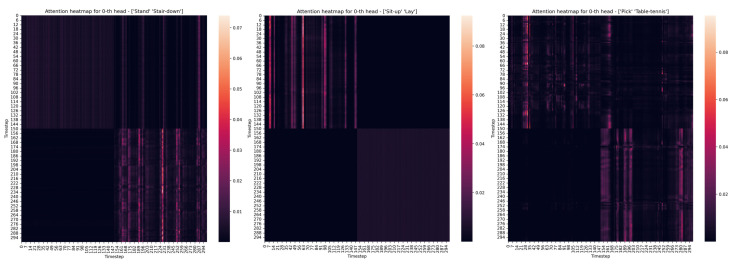
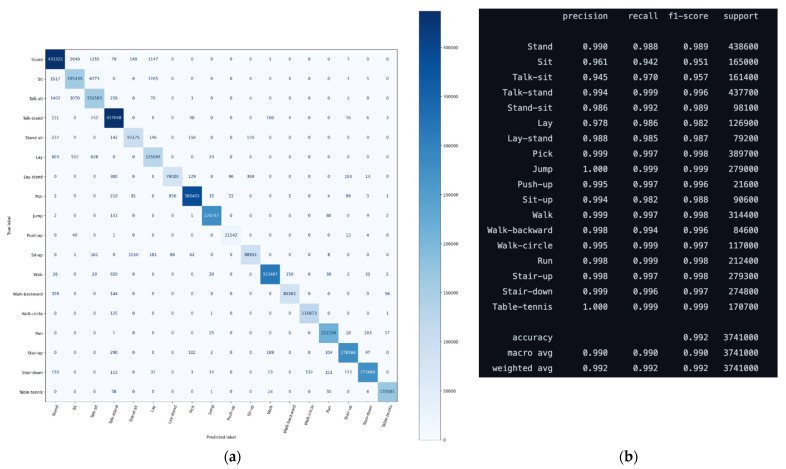
Computing devices that can recognize various human activities or movements can be used to assist people in healthcare, sports, or human-robot interaction. Readily available data for this purpose can be obtained from the accelerometer and the gyroscope built into everyday smartphones. Effective classification of real-time activity data is, therefore, actively pursued using various machine learning methods. In this study, the transformer model, a deep learning neural network model developed primarily for the natural language processing and vision tasks, was adapted for a time-series analysis of motion signals. The self-attention mechanism inherent in the transformer, which expresses individual dependencies between signal values within a time series, can match the performance of state-of-the-art convolutional neural networks with long short-term memory. The performance of the proposed adapted transformer method was tested on the largest available public dataset of smartphone motion sensor data covering a wide range of activities, and obtained an average identification accuracy of 99.2% as compared with 89.67% achieved on the same data by a conventional machine learning method. The results suggest the expected future relevance of the transformer model for human activity recognition.
Overview
The claims and statistics of this paper haven’t been checked yet.
Free: it reads the open-access text and checks the first 5 claims that cite a source we can check. Create a free account to check every claim.
Integrity signals
Registry
Cites
Statistics
Figures


Verification
Claims the paper makes
The claims and statistics of this paper haven’t been checked yet.
Free: it reads the open-access text and checks the first 5 claims that cite a source we can check. Create a free account to check every claim.
Claims other papers make about this one
Each is checked against this paper’s own text: does it say what the citing paper says it does?
The source backs part of the claim, not all of it — or backs it for a different population, condition or comparison.
In the citing paper
“This parallel design minimizes redundancy and improves efficiency relative to the sequential attention in [24] or the resource-intensive Transformer-based attention in [23].”
From Adaptive temporal attention mechanism and hybrid deep CNN model for wearable sensor-based human activity recognition (2025) · cites this paper as [23]
Experimental — accuracy not yet measuredThe source backs part of the claim, not all of it — or backs it for a different population, condition or comparison.
In the citing paper
“Previous studies, including [10, 18, 23, 24], have amalgamated convolutional neural networks (CNN), recurrent neural networks (RNN), and attention mechanisms;”
From Adaptive temporal attention mechanism and hybrid deep CNN model for wearable sensor-based human activity recognition (2025) · cites this paper as [23]
Experimental — accuracy not yet measuredIn the citing paper
“Moreover, replacing LSTM with BiGRU and using an optimized attention mechanism reduces computational cost, making CNNd-TAm more efficient than Transformer-based [23] and hierarchical models [19], and suitable for deployment on resource-constrained wearable devices without compromising accuracy.”
From Adaptive temporal attention mechanism and hybrid deep CNN model for wearable sensor-based human activity recognition (2025) · cites this paper as [23]
Self-check
Percentages, sums and reported differences re-computed from the paper’s own numbers.
The self-check needs the paper’s full text.
Citations
Cites
Vaswani, A., Shazeer, N., Parmar, N., Uszkoreit, J., Jones, L., Gomez, A. N., Kaiser, L., & Polosukhin, I. (2017) · arXiv · doi:10.48550/arxiv.1706.03762 · Cited by 120,404 · cited 6×
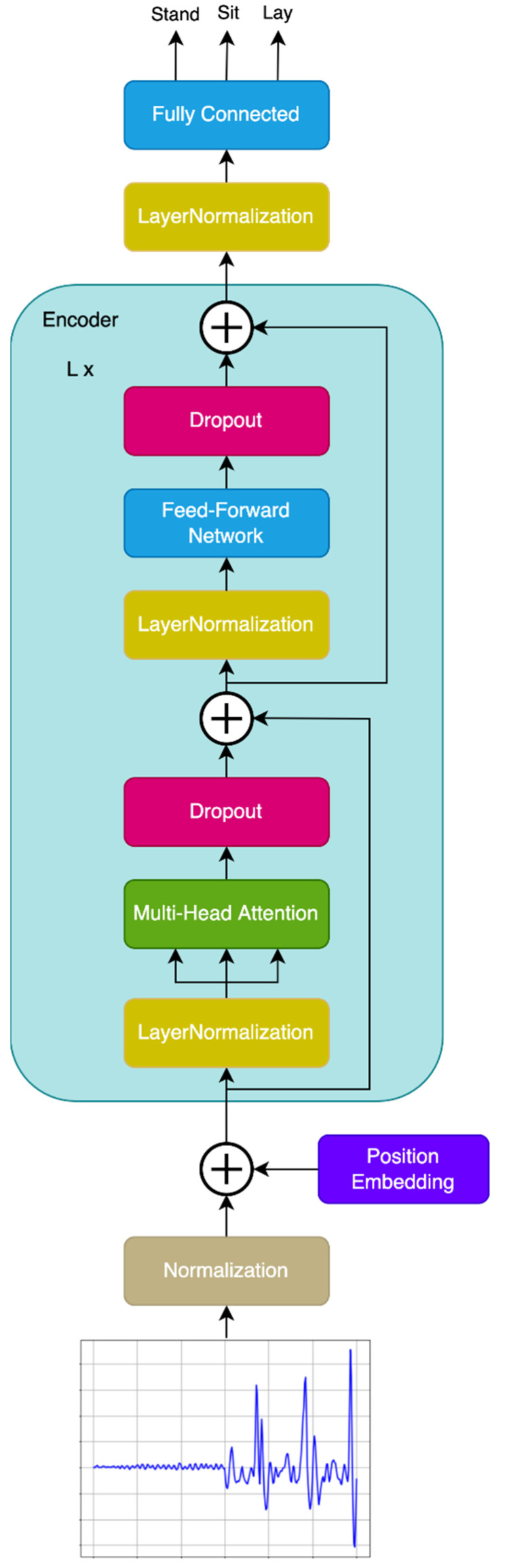
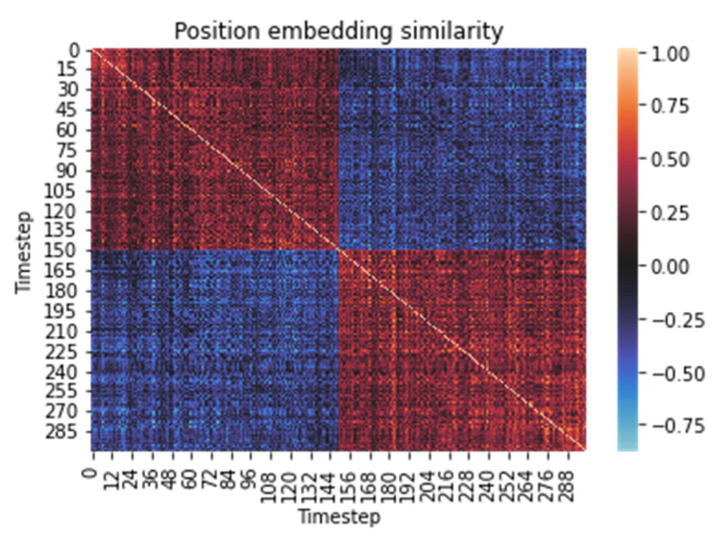
“The entry determining the position of the features within the series is also added to the network input, because the transformer does not know the order of the features, for example, within the processed sentence [34]:”
BackgroundMethodResultInfluentialExploiting Generative AI to Scale up Intelligent Tutoring Systems
Jakubův, J., Chvalovský, K., Goertzel, Z., Kaliszyk, C., Olšák, M., Piotrowski, B., Schulz, S., Suda, M., & Urban, J. (2023) · DROPS (Schloss Dagstuhl – Leibniz Center for Informatics) · doi:10.4230/lipics.itp.2023.19 · Cited by 76,658
Introducing a New Benchmarked Dataset for Activity Monitoring
Reiss, A., & Stricker, D. (2012) · 2012 16th International Symposium on Wearable Computers · doi:10.1109/iswc.2012.13 · Cited by 1,456
BEiT: BERT Pre-Training of Image Transformers
Bao, H., Dong, L., Piao, S., & Wei, F. (2021) · arXiv · doi:10.48550/arxiv.2106.08254 · Cited by 1,392
Doherty, A., Jackson, D., Hammerla, N., Plötz, T., Olivier, P., Granat, M. H., White, T., van Hees, V. T., Trenell, M. I., Owen, C. G., et al. (2017) · PLOS ONE · doi:10.1371/journal.pone.0169649 · Cited by 1,250 · cited 2×
“The dataset selected for testing is the largest currently available for smartphone motion sensor data, covering a wide range of activities [33,36–40].”
MethodMultiscale Convolutional Neural Networks for Fault Diagnosis of Wind Turbine Gearbox
Jiang, G., He, H., Yan, J., & Xie, P. (2019) · IEEE Transactions on Industrial Electronics · doi:10.1109/tie.2018.2844805 · Cited by 892 · cited 1×
“Several types of deep neural networks are typically used for time series classification of sensor signals, such as convolutional neural networks [14–16], fully convolutional neural networks [17], multiscale convolutional neural networks [18], time-LeNet [19], stacked denoising autoencoder [20], deep belief neural netw…”
MethodTransition-Aware Human Activity Recognition Using Smartphones
Reyes-Ortiz, J.-L., Oneto, L., Samà, A., Parra, X., & Anguita, D. (2016) · Neurocomputing · doi:10.1016/j.neucom.2015.07.085 · Cited by 740
Failure diagnosis using deep belief learning based health state classification
Tamilselvan, P., & Wang, P. (2013) · Reliability Engineering & System Safety · doi:10.1016/j.ress.2013.02.022 · Cited by 630 · cited 1×
“…fully convolutional neural networks [17], multiscale convolutional neural networks [18], time-LeNet [19], stacked denoising autoencoder [20], deep belief neural networks [21], Long Short-Term Memory (LSTM) deep recurrent neural network [22], echo state networks [23], or inception-ResNet [24].”
BackgroundDeep Learning in Human Activity Recognition with Wearable Sensors: A Review on Advances
Zhang, S., Li, Y., Zhang, S., Shahabi, F., Xia, S., Deng, Y., & Alshurafa, N. (2022) · Sensors · doi:10.3390/s22041476 · Cited by 625
mHealthDroid: A Novel Framework for Agile Development of Mobile Health Applications
Banos, O., Garcia, R., Holgado-Terriza, J. A., Damas, M., Pomares, H., Rojas, I., Saez, A., & Villalonga, C. (2014) · Lecture Notes in Computer Science · doi:10.1007/978-3-319-13105-4_14 · Cited by 583 · cited 3×
“The The random forest method prediction accuracy on this dataset [36] was slightly lower than deep learning methods achieved on other datasets. random forest method prediction accuracy on this dataset [36] was slightly lower than deep learning methods achieved on other datasets.”
Method
Research works printed but not linked: 1
- Dosovitskiy A. Beyer L. Kolesnikov A. Weissenborn D. Zhai X. Unterthiner T. Dehghani M. Minderer M. Heigold G. Gelly S. An image is worth 16x16 words: Transformers for image recognition at scale arXiv 2020 2010.11929
Cited by
Machine Learning Methods for Cancer Classification Using Gene Expression Data: A Review
Alharbi, F., & Vakanski, A. (2023) · Bioengineering · doi:10.3390/bioengineering10020173 · Cited by 241
The major human AP endonuclease (Ape1) is involved in the nucleotide incision repair pathway
Gros, L. (2004) · Nucleic Acids Research · doi:10.1093/nar/gkh165 · Cited by 209
A review of machine learning-based human activity recognition for diverse applications
Kulsoom, F., Narejo, S., Mehmood, Z., Chaudhry, H. N., Butt, A., & Bashir, A. K. (2022) · Neural Computing and Applications · doi:10.1007/s00521-022-07665-9 · Cited by 168
“Some research worked used attention models to extract feature-based spatiotemporal context [116, 130, 114].”
Method2D mapping of texture and lattice parameters of dental enamel
Al‐Jawad, M., Steuwer, A., Kilcoyne, S. H., Shore, R. C., Cywiński, R., & Wood, D. J. (2007) · Biomaterials · doi:10.1016/j.biomaterials.2007.02.019 · Cited by 119
Essa, E., & Abdelmaksoud, I. R. (2023) · Knowledge-Based Systems · doi:10.1016/j.knosys.2023.110867 · Cited by 115
Wearable Sensor-Based Human Activity Recognition with Hybrid Deep Learning Model
Luwe, Y. J., Lee, C. P., & Lim, K. M. (2022) · Informatics · doi:10.3390/informatics9030056 · Cited by 92
Visual Research Ethics at the Crossroads1
Wiles, R., Clark, A., & Prosser, J. (2011) · SAGE Publications Ltd eBooks · doi:10.4135/9781446268278.n36 · Cited by 86
Miao, F., Huang, Y., Lu, Z., Ohtsuki, T. O., Gui, G., & Sari, H. (2025) · ACM Computing Surveys · doi:10.1145/3705893 · Cited by 116
A perspective on human activity recognition from inertial motion data
Gomaa, W., & Khamis, M. A. (2023) · Neural Computing and Applications · doi:10.1007/s00521-023-08863-9 · Cited by 54
Reliability of the Dynamic Strength Index in College Athletes
THOMAS, C. R., Jones, P. A., & Comfort, P. (2014) · International Journal of Sports Physiology and Performance · doi:10.1123/ijspp.2014-0255 · Cited by 63
Li, S., Zhu, T., Duan, F., Chen, L., Ning, H., Nugent, C., & Wan, Y. (2024) · IEEE Internet of Things Journal · doi:10.1109/jiot.2024.3463405 · Cited by 83
“As computing power advances, deep learning, specifically convolutional neural networks (CNNs) [3], long short-term memory (LSTM) models [4], and Transformers [5], has rev-olutionized human activity recognition.”
BackgroundA DCNN-LSTM based human activity recognition by mobile and wearable sensor networks
Jameer, S., & Syed, H. (2023) · Alexandria Engineering Journal · doi:10.1016/j.aej.2023.09.013 · Cited by 58
Knowledge discovery in temporal databases
Saraee, M. H. (1995) · doi:10.1049/ic:19950112 · Cited by 46
A human activity recognition method using wearable sensors based on convtransformer model
Zhang, Z., Wang, W., An, A., Qin, Y., & Yang, F. (2023) · Evolving Systems · doi:10.1007/s12530-022-09480-y · Cited by 48
“Furthermore, to compare the relative performance gains brought by the proposed method, we use the Transformer model (Dirgová Luptáková et al. 2022) as the baseline model.”
MethodThakur, D., Guzzo, A., & Fortino, G. (2023) · IEEE Internet of Things Journal · doi:10.1109/jiot.2023.3277592 · Cited by 43
Li, X., Chen, S., Zhang, S., Zhu, Y., Xiao, Z., & Wang, X. (2023) · IEEE Internet of Things Journal · doi:10.1109/jiot.2023.3330996 · Cited by 45
“In addition, the transformer models are more easily parallelized than CNNs and RNNs and have the potential to provide accurate and low-latency models for real-time applications [28].”
BackgroundKumar, P., & Suresh, S. (2023) · Multimedia Tools and Applications · doi:10.1007/s11042-023-14492-0 · Cited by 41
“On the KU-HAR dataset, the authors have applied the RF classifier [33] and Adapted transformer model [8] that achieved the accuracy rate of 90.”
MethodPRECYSE: Predicting Cybersickness using Transformer for Multimodal Time-Series Sensor Data
Jeong, D., & Han, K. (2024) · Proceedings of the ACM on Interactive Mobile Wearable and Ubiquitous Technologies · doi:10.1145/3659594 · Cited by 53
“Dirgova et al. [20] collected accelerometer and gyroscope data from smartphones and applied them to a transformer for human activity recognition (HAR).”
Method‘A soundtrack to the insurrection’: street music, marching bands and popular protest
McKay, G. (2007) · Parallax · doi:10.1080/13534640601094817 · Cited by 35
Inertial-Measurement-Unit-Based Novel Human Activity Recognition Algorithm Using Conformer
Kim, Y.-W., Cho, W.-H., Kim, K.-S., & Lee, S. (2022) · Sensors · doi:10.3390/s22103932 · Cited by 31
“Transformers have also been introduced in the field of HAR [22,23].”
BackgroundMethodCorpus Tools and Methods, Today and Tomorrow: Incorporating Linguists' Manual Annotations
Smith, N., Hoffmann, S., & Rayson, P. (2007) · Literary and Linguistic Computing · doi:10.1093/llc/fqn004 · Cited by 35
Ullah, S., Pirahandeh, M., & Kim, D. (2023) · Neurocomputing · doi:10.1016/j.neucom.2023.127157 · Cited by 38
Essahraui, S., Lamaakal, I., Maleh, Y., Makkaoui, K. E., Bouami, M. F., Ouahbi, I., El‐Latif, A. A. A., Almousa, M., & Rodrigues, J. J. P. C. (2025) · IEEE Access · doi:10.1109/access.2025.3589938 · Cited by 44
“Vision Transformers (ViT) were used to improve activity recognition from radar data [260], while other studies have explored the application of transformers in combination with CNNs and LSTMs to enhance the efficiency and Acc of HAR systems [261], [262].”
Wu, J., Mo, Z., Gao, X., Xin, W., Shi, W., & Park, J. (2025) · International Journal of Smart and Nano Materials · doi:10.1080/19475411.2025.2519582 · Cited by 38
Zilelioglu, H., Khodabandelou, G., Chibani, A., & Amirat, Y. (2023) · IEEE Sensors Journal · doi:10.1109/jsen.2023.3267243 · Cited by 32
“Finally, [45] proposed using a transformer model for multilabel sequence-to-sequence activity classification.”
MethodAdaimi, R., & Thomaz, E. (2022) · Sensors · doi:10.3390/s22186881 · Cited by 35
“Specifically, Transformers have been recently shown to be successful in extracting the semantic correlations among elements in a long sequence, which is beneficial for time-series forecasting [67].”
BackgroundTrujillo-Guerrero, M. F., Román-Niemes, S., Jaén-Vargas, M., Cadiz, A., Fonseca, R., & Serrano-Olmedo, J. J. (2023) · IEEE Access · doi:10.1109/access.2023.3318563 · Cited by 28
“The test accuracies above 89% found for our datasets using the 8 models were similar to the accuracies found in [26], [46], [48], [53], and [49].”
MethodTransformer-Based Recognition of Activities of Daily Living from Wearable Sensor Data
Augustinov, G., Nisar, M. A., Li, F., Tabatabaei, A., Grzegorzek, M., Sohrabi, K., & Fudickar, S. (2022) · International Workshop on Sensor-based Activity Recognition and Interaction (iWOAR) · doi:10.1145/3558884.3558895 · Cited by 26
“The model proposed in [11] achieved 99.”
BackgroundMethodLowland floristic assessment of Pico da Neblina National Park, Brazil
Boubli, J. P. (2002) · Plant Ecology · doi:10.1023/a:1015832811209 · Cited by 26
Vuong, T. H., Doan, T., & Takasu, A. (2023) · Sensors · doi:10.3390/s23249721 · Cited by 33
E-democracy: potential for Political Revolution?
Cullagh, K. M. (2003) · International Journal of Law and Information Technology · doi:10.1093/ijlit/11.2.149 · Cited by 24
(2016) · doi:10.4324/9781315713373 · Cited by 60
Modelling match outcomes and decision support for setting a final innings target in test cricket
Scarf, P., & Shi, X. (2005) · IMA Journal of Management Mathematics · doi:10.1093/imaman/dpi010 · Cited by 25
Intelligent Recognition of Multimodal Human Activities for Personal Healthcare
Chakravarthy, S. R. S., Bharanidharan, N., Kumar, V. V., Mahesh, T. R., Bhatia, S., Almusharraf, A. I., & Albalawi, E. M. (2024) · IEEE Access · doi:10.1109/access.2024.3405471 · Cited by 26
Ma, S., Liu, Y., Liu, Y., Wang, J., Fang, Q., & Huang, Y. (2025) · Advanced Engineering Informatics · doi:10.1016/j.aei.2025.103283 · Cited by 36
Prediction of freezing of gait based on self-supervised pretraining via contrastive learning
Xia, Y., Sun, H. D., Zhang, B., Xu, Y., & Ye, Q. (2023) · Biomedical Signal Processing and Control · doi:10.1016/j.bspc.2023.105765 · Cited by 24
AlMuhaideb, S., AlAbdulkarim, L., AlShahrani, D. M., AlDhubaib, H., & AlSadoun, D. E. (2024) · Sensors · doi:10.3390/s24165436 · Cited by 32
Ma, P., Yang, X., Hu, W., Fu, T., & Zhou, C. (2024) · Computers and Electronics in Agriculture · doi:10.1016/j.compag.2024.109652 · Cited by 21
Otago Exercises Monitoring for Older Adults by a Single IMU and Hierarchical Machine Learning Models
Shang, M., Dedeyne, L., Dupont, J., Vercauteren, L., Amini, N., Lapauw, L., Gielen, E., Verschueren, S., Varon, C., De Raedt, W., et al. (2024) · IEEE Transactions on Neural Systems and Rehabilitation Engineering · doi:10.1109/tnsre.2024.3355299 · Cited by 21
“Besides, Transformers have also been explored for HAR using attention mechanism [17], [18].”
MethodFreqMAE: Frequency-Aware Masked Autoencoder for Multi-Modal IoT Sensing
Kara, D., Kimura, T., Liu, S., Li, J., Liu, D., Wang, T., Wang, R., Chen, Y., Hu, Y., & Abdelzaher, T. (2024) · International World Wide Web Conference (WWW) · doi:10.1145/3589334.3645346 · Cited by 38
Naser, R. S., Lam, M. C., Qamar, F., & Zaidan, B. B. (2024) · IEEE Access · doi:10.1109/access.2024.3468470 · Cited by 25
“The performance of this customized transformer approach was tested on a public dataset of smartphone motion sensor data covering a broad range of activities [16].”
MethodObukhov, A. D., Volkov, A. A., Pchelintsev, A. N., Nazarova, A. O., Teselkin, D. V., Олеговна, С. Е., & Fedorchuk, I. (2023) · Sensors · doi:10.3390/s23198058 · Cited by 24
“In the study [40], accuracy in recognizing human actions reached 99.”
BackgroundConformer-Based Human Activity Recognition Using Inertial Measurement Units
Seenath, S., & Dharmaraj, M. (2023) · Sensors · doi:10.3390/s23177357 · Cited by 22
Zafar, R. O., & Zafar, F. (2025) · BMJ Health & Care Informatics · doi:10.1136/bmjhci-2025-101439 · Cited by 22
Muniasamy, A. (2024) · Technology and Health Care · doi:10.3233/thc-241064 · Cited by 17
“These techniques encompass convolutional neural networks (CNN) [17, 18,19], variations of recurrent neural networks (RNNs) such as long short-term memory (LSTM) and gated recurrent units (GRU), as well as hybrid DL methods [20,21,22].”
GOAT: A Generalized Cross-Dataset Activity Recognition Framework with Natural Language Supervision
Miao, S., & Chen, L. (2024) · Proceedings of the ACM on Interactive Mobile Wearable and Ubiquitous Technologies · doi:10.1145/3699736 · Cited by 27
Wang, K., Saragadam, A., Kaur, J., Dogra, A., Cao, S. C., Ghafurian, M., Butt, Z. A., Abhari, S., Chumachenko, D., & Morita, P. P. (2025) · Internet of Things · doi:10.1016/j.iot.2025.101502 · Cited by 20
Jameer, S., & Syed, H. (2023) · Sensors · doi:10.3390/s23094319 · Cited by 20
“[22] 2022 Transformer model–self-attention mechanism (i) It offers an outstanding opportunity for stopping privacy leaks.”
BackgroundEzzeldin, M., Ghoneim, A. S., Abdelhamid, L., & Atia, A. (2024) · Signal Image and Video Processing · doi:10.1007/s11760-024-03552-z · Cited by 22
“For instance, Kumar et al. [2] used a Vision Transformer (VIT) for action classification, Dirgová et al. [13] applied transformers for motion signal analysis, and Zhang et al. [14] proposed a ConvTransformer for activity recognition.”
Boubli, J. P., & Ditchfield, A. D. (2001) · Folia Primatologica · doi:10.1159/000052735 · Cited by 13
Cai, M., Sun, H., Yang, T., Hu, H., Li, X., & Jia, Y. (2025) · Micromachines · doi:10.3390/mi16080902 · Cited by 22
“In wearable BioMEMS applications, Transformer-based time-series models have achieved recognition accuracy of up to 99.2% for human activity monitoring [159].”
InfluentialImproved skeleton-based activity recognition using convolutional block attention module
Qin, J., Zhang, S., Wang, Y., Yang, F., Zhong, X., & Lu, W. (2024) · Computers & Electrical Engineering · doi:10.1016/j.compeleceng.2024.109231 · Cited by 15
Pięta, P., Jegierski, H., Babiuch, P., Jegierski, M., Płaza, M., Łukawski, G., Deniziak, S. R., Jasiński, A., Opałka, J., Wȩgrzyn, P., et al. (2024) · IEEE Access · doi:10.1109/access.2024.3424930 · Cited by 17
“DL approaches: CNN [103], transformer [104], and LSTM [105].”
MethodLiu, M., Geißler, D., Nshimyimana, D., Bian, S., Zhou, B., & Lukowicz, P. (2024) · ACM International Joint Conference on Pervasive and Ubiquitous Computing (UbiComp) · doi:10.1145/3675094.3678446 · Cited by 13
A Review on Deep Learning for Quality of Life Assessment Through the Use of Wearable Data
Skaramagkas, V., Kyprakis, I., Karanasiou, G. S., Fotiadis, D. I., & Tsiknakis, M. (2025) · IEEE Open Journal of Engineering in Medicine and Biology · doi:10.1109/ojemb.2025.3526457 · Cited by 18
“Recently, attention mechanisms and transformers have improved the accuracy of HAR, as demonstrated in Sarkar et al. [15] and Dirgova Luptakova et al. [16], where transformer-based models attained over 99.00% accuracy by effectively capturing temporal dependencies in sensor data.”
InfluentialAdvanced human activity recognition on wearables with multi-scale sparse attention
Muniasamy, A., & Asiri, F. (2025) · Multimedia Tools and Applications · doi:10.1007/s11042-024-20475-6 · Cited by 14
“…known for their natural language processing capabilities, are gaining popularity in image classification owing to their self-attention mechanisms [49], efficient global dependencies, and sparse head transformer architecture, which efficiently handle time-series data and correlate features in…”
Human behavior recognition based on sparse transformer with channel attention mechanism
Cao, K., & Wang, M. (2023) · Frontiers in Physiology · doi:10.3389/fphys.2023.1239453 · Cited by 12
A human activity recognition model based on deep neural network integrating attention mechanism
Xu, F., Gao, X., & Wang, W. (2025) · Scientific Reports · doi:10.1038/s41598-025-98763-w · Cited by 19
“…Human Activity Recognition Comparative Analysis with State-of-the-Art Models, which rigorously benchmarks DCAM-Net against six recent HAR architectures, including Transformer-based models (HAR-Former 10 , ST-Transformer 39 ), lightweight CNNs (EfficientHAR 26 ), and hybrid designs (TCN-BiLSTM 12 ).”
Moulouel, K., Chibani, A., & Amirat, Y. (2023) · Information Sciences · doi:10.1016/j.ins.2023.02.078 · Cited by 13
Ahmadian, S., Rostami, M., Farrahi, V., & Oussalah, M. (2024) · Neural Networks · doi:10.1016/j.neunet.2024.106159 · Cited by 17
Wearable sensors in patient acuity assessment in critical care
Sena, J., Mostafiz, M. T., Zhang, J., Davidson, A., Bandyopadhyay, S., Nerella, S., Ren, Y., Ozrazgat‐Baslanti, T., Shickel, B., Loftus, T. J., et al. (2024) · Frontiers in Neurology · doi:10.3389/fneur.2024.1386728 · Cited by 15
Huang, Y., Zhou, Y., Zhao, H., Riedel, T., & Beigl, M. (2024) · International Joint Conference on Neural Networks (IJCNN) · doi:10.1109/ijcnn60899.2024.10650060 · Cited by 20
“The Trans-former module has been proven as a powerful tool in the NLP domain, its practicability in the WHAR domain is validated by Dirgova et al. [47].”
MethodKarthikeyan, R., Usha, S., Dineshbabu, V., Jeena, R. S., Govindaram, A., & Jegatheesan, A. (2024) · Journal of Machine and Computing · doi:10.53759/7669/jmc202404098 · Cited by 16
“Picture and video data, in addition to data collected from various sensors, have been used to identify human activities [2].”
MethodKumar, P., & Suresh, S. (2022) · IETE Technical Review · doi:10.1080/02564602.2022.2101557 · Cited by 15
Esmaeilzehi, A., Khazaei, E., Wang, K., Kalsi, N. K., Ng, P. C., Liu, H., Yu, Y., Hatzinakos, D., & Plataniotis, K. N. (2024) · Pattern Recognition Letters · doi:10.1016/j.patrec.2024.06.017 · Cited by 13
Guo, X., Kim, Y., Ning, X., & Min, S. D. (2025) · Sensors · doi:10.3390/s25020301 · Cited by 14
“Dirgová Luptáková et al. [40] discussed the superior performance of Transformer models in comparison to prior HAR approaches involving LSTM and CNNs.”
Multisource Data Fusion Using MLP for Human Activity Recognition
Sarakon, S., Massagram, W., & Tamee, K. (2025) · Computers, materials & continua/Computers, materials & continua (Print) · doi:10.32604/cmc.2025.058906 · Cited by 14
Human Activity Recognition via Attention-Augmented TCN-BiGRU Fusion
He, J.-L., Wang, J., Lo, C.-M., & Jiang, Z. (2025) · Sensors · doi:10.3390/s25185765 · Cited by 11
“It achieved high recognition accuracy on the KU-HAR dataset, providing a novel paradigm for end-to-end multi-sensor fusion [35].”
Postmodernization: A Phase We're Going Through? Management in Social Care
Lawler, J. (2005) · The British Journal of Social Work · doi:10.1093/bjsw/bch209 · Cited by 12
Hamida, S. B., Hamida, S. B., Snoun, A., Jemai, O., & Jemai, A. (2023) · Multimedia Tools and Applications · doi:10.1007/s11042-023-16126-x · Cited by 11
“Therefore, Dirgova et al. [9] demonstrated the adequacy of using the transformer model in this context.”
Abromavičius, V., Serackis, A., Katkevičius, A., Kazlauskas, M., & Sledević, T. (2023) · Technology and Health Care · doi:10.3233/thc-235015 · Cited by 10
Tag-free indoor fall detection using transformer network encoder and data fusion
Khan, M. Z., Usman, M., Ahmad, J. E., Rahman, M. M. U., Abbas, H. T., Imran, M. A., & Abbasi, Q. H. (2024) · Scientific Reports · doi:10.1038/s41598-024-67439-2 · Cited by 16
“For instance, recent study has demonstrated the effectiveness of lightweight transformers in processing data from wearable sensors for HAR and achieved improved accuracy and efficiency using smart phone 54 .”
BackgroundHuman Activity Recognition Based on Transformer via Smart-phone Sensors
Yu, L., Feng, K., & Ren, Z. (2023) · International Conference on Computer Communication and Artificial Intelligence (CCAI) · doi:10.1109/ccai57533.2023.10201297 · Cited by 11
“The decoder, whose role is to extract information from the encoder representation, has a similar structure to the encoder, with the exception that it has two multi-headed attention submodules in each module [23].”
Koreanschi, A., ben, H. M., GUILLEMETTE, O., Francois, M., Tondji, Y., Oliviu, S. G., Mihaela, B. R., & Manuel, F. S. (2016) · INCAS BULLETIN · doi:10.13111/2066-8201.2016.8.1.10 · Cited by 10
Nursing knowledge and the expansion of day surgery in the United Kingdom
MITCHELL, M. (2005) · Ambulatory Surgery · doi:10.1016/j.ambsur.2005.09.003 · Cited by 10
Effect of Low-Compression Balls on Wheelchair Tennis Match-Play
Sindall, P., Lenton, J. P., Malone, L. A., Douglas, S. M., Cooper, R. A., Hiremath, S. V., Tolfrey, K., & Goosey-Tolfrey, V. L. (2013) · International Journal of Sports Medicine · doi:10.1055/s-0033-1354384 · Cited by 10
Lightweight human activity recognition method based on the MobileHARC model
Gong, X., Zhang, X., & Li, N. (2024) · Systems Science & Control Engineering · doi:10.1080/21642583.2024.2328549 · Cited by 13
Pedestrian Navigation Activity Recognition Based on Segmentation Transformer
Wang, Q., Tao, Z., Ning, J., Jiang, Z., Guo, L., Luo, H., Wang, H., Men, A., Cheng, X., & Zhang, Z. (2024) · IEEE Internet of Things Journal · doi:10.1109/jiot.2024.3394050 · Cited by 10
“Luptáková et al. [30] introduced the Transformer directly into motion mode recognition, ran it in sequence-to-column mode, and predicted the label per time window.”
BackgroundCAM-Vtrans: real-time sports training utilizing multi-modal robot data
LinLin, H., Sangheang, L., & GuanTing, S. (2024) · Frontiers in Neurorobotics · doi:10.3389/fnbot.2024.1453571 · Cited by 9
High-Accuracy Lower-Limb Intent Recognition: A KPCA-ISSA-SVM Approach with sEMG-IMU Sensor Fusion
Yin, K., Hao, P., Zhao, H., Lou, P., & Chen, Y. (2025) · Biomimetics · doi:10.3390/biomimetics10090609 · Cited by 10
“Consequently, the development of robust and precise locomotion intent recognition algorithms remains a pivotal research focus to advance this field [3,4].”
TinyGraphHAR: Enhancing Human Activity Recognition With Graph Neural Networks
Wieland, C., & Pankratius, V. (2023) · IEEE World AI IoT Congress (AIIoT) · doi:10.1109/aiiot58121.2023.10174597 · Cited by 13
“Furthermore, the authors of the Transformer model have carried out extensive data augmentation to boost the performance of their model on this altered dataset [12].”
MethodInfluentialHierarchical Deep Learning for Human Activity Recognition Integrating Postural Transitions
Tilley, D. J., & Martínez-Hernández, U. (2024) · IEEE Sensors Journal · doi:10.1109/jsen.2024.3491352 · Cited by 10
“Luptáková et al. [33] showed that by utilizing a transformer within the network, they can accurately classify transition states, achieving a 99% classification accuracy on the KU-HAR dataset.”
Deep Error-Correcting Output Codes
Wang, L., Wei, H., Zheng, Y., Dong, J., & Zhong, G. (2023) · Algorithms · doi:10.3390/a16120555 · Cited by 11
Investigating (re)current state-of-the-art in human activity recognition datasets
Bock, M., Hoelzemann, A., Moeller, M., & Laerhoven, K. V. (2022) · Frontiers in Computer Science · doi:10.3389/fcomp.2022.924954 · Cited by 10
McQuire, J., Watson, P., Wright, N., Hiden, H., & Catt, M. (2023) · IEEE Statistical Signal Processing Workshop (SSP) · doi:10.1109/ssp53291.2023.10208059 · Cited by 8
Lyu, L., & Huang, Y. (2024) · Heliyon · doi:10.1016/j.heliyon.2024.e28258 · Cited by 13
“[12], the transformer model was used to detect people ’ s activities based on the movement data of the sensors.”
MethodSimilarity Segmentation Approach for Sensor-Based Activity Recognition
Baraka, A. M., & Noor, M. H. M. (2023) · IEEE Sensors Journal · doi:10.1109/jsen.2023.3295778 · Cited by 14
Multi-dimensional task recognition for human-robot teaming: literature review
Baskaran, P., & Adams, J. A. (2023) · Frontiers in Robotics and AI · doi:10.3389/frobt.2023.1123374 · Cited by 12
Sensor-Based Indoor Fire Forecasting Using Transformer Encoder
Jeong, Y.-S., Hwang, J., Lee, S.-D., Ndomba, G. E., Kim, Y.-J., & Kim, J. (2024) · Sensors · doi:10.3390/s24072379 · Cited by 10
“In particular, the Transformer encoder-based models (e.g., Bidirectional Encoder Representations from Transformer (BERT) [4]) are used not only for language comprehension tasks but also for other domains such as object detection in images [5] and classification using time-series sensor data [6].”
MethodAre Transformers a Useful Tool for Tiny devices in Human Activity Recognition?
Lattanzi, E., Calisti, L., & Contoli, C. (2024) · International Conference on Advances in Artificial Intelligence (ICAAI) · doi:10.1145/3704137.3704171 · Cited by 15
“In particular, we adopted the Transformer configuration proposed by a recent work published by Dirgova et al. [8] and we lowered its memory footprint and CPU requirements by reducing internal parameters.”
Large language models in human-robot collaboration: A systematic review, trends, and challenges
Yuan, G., Liu, X., Xiao, M., Xiao, J., & Wang, L. (2026) · Journal of Manufacturing Systems · doi:10.1016/j.jmsy.2026.01.011 · Cited by 13
Cloud-based Diabetic Prediction Framework: Deep Learning Approach
Tarawneh, M., Alzyoud, F., AlSharrab, Y., & Khatatneh, K. (2022) · International Conference on Emerging Trends in Computing and Engineering Applications (ETCEA) · doi:10.1109/etcea57049.2022.10009820 · Cited by 10
“However, all using smart health care system is moving to the cloud technology faster than before[11, 12].”
BackgroundEnhancing Sensor-Based Human Physical Activity Recognition Using Deep Neural Networks
Hidri, M. S., Hidri, A., Alsaif, S. A., Alahmari, M., & Alshehri, E. (2025) · Journal of Sensor and Actuator Networks · doi:10.3390/jsan14020042 · Cited by 9
“They have been especially effective, with one transformer model achieving an impressive 99.2% for accuracy on smartphone motion sensor data, as opposed to the conventional methodology that could reach only 89.67% [60].”
InfluentialAn, S., Gazi, A. H., & Inan, O. T. (2022) · IEEE Sensors Journal · doi:10.1109/jsen.2022.3194677 · Cited by 8
Ellouze, A., Kadri, N., Alaerjan, A., & Ksantini, M. (2024) · Computers, materials & continua/Computers, materials & continua (Print) · doi:10.32604/cmc.2024.048061 · Cited by 9
Human Activity Recognition Based on Point Clouds from Millimeter-Wave Radar
Lim, S., Park, C., Lee, S., & Jung, Y. (2024) · Applied Sciences · doi:10.3390/app142210764 · Cited by 8
Xie, Y., Yao, Y., & Li, Y. (2025) · Scientific Reports · doi:10.1038/s41598-025-96462-0 · Cited by 12
Fall Detection Using Transformer Model
Sharook, K. M., Premkumar, A., Aishwaryaa, R., Amrutha, J. M., & Deepthi, L. R. (2022) · Lecture notes in networks and systems · doi:10.1007/978-981-19-5331-6_4 · Cited by 6
A Spatio-temporal Graph Transformer driven model for recognizing fine-grained data human activity
Yan, M., Zhang, G., & Ye, C. (2024) · Alexandria Engineering Journal · doi:10.1016/j.aej.2024.06.042 · Cited by 7
Metadata
- Authors
- Dirgová Luptáková, I., Kubovčík, M., & Pospíchal, J.
- Affiliations
- Department of Applied Informatics, Faculty of Natural Sciences, University of Ss. Cyril and Methodius, J. Herdu 2, 917 01 Trnava, Slovakia
- University of Ss. Cyril and Methodius in Trnava (SK)
- Venue
- Sensors
- Publisher
- MDPI AG
- Published
- 2022-03-01
- Volume
- 22
- Issue
- 5
- Pages
- 1911
- ISSN
- 1424-8220 (ISSN-L)
- PMC
- PMC8914677
- OpenAlex
- W4214843096
- Cited by
- 270
- References
- 42
- Citations by year
- 2026: 60 · 2025: 54 · 2024: 64 · 2023: 47 · 2022: 16
- FWCI
- 14.80
- Type
- journal article
- Language
- en
- Open access
- gold
- doi.org
- Licence
- Locations
- Sensors (publishedVersion, cc-by)
- Preprints.org (acceptedVersion, cc-by)
- PubMed Central (publishedVersion, cc-by)
- PubMed (publishedVersion)
- DOAJ (DOAJ: Directory of Open Access Journals) (submittedVersion, cc-by-sa)
- Funders
- Slovak Research and Development Agency (APVV-17-0116)
- Cultural and Educational Grant Agency MŠVVaŠ SR (KEGA 012UCM-4/2021)
- Topics
- Physical Sciences › Computer Science › Computer Vision and Pattern Recognition › Context-Aware Activity Recognition Systems
- Physical Sciences › Computer Science › Signal Processing › Time Series Analysis and Forecasting
- Physical Sciences › Engineering › Biomedical Engineering › Gait Recognition and Analysis
- Keywords
- human activity recognition, wearable sensors, smartphone motion sensors, accelerometer, gyroscope, transformer models, self-attention, time series classification, motion signals
- MeSH terms
- Machine Learning, Wearable Electronic Devices, Algorithms, Humans, Human Activities, Neural Networks, Computer
About these checks
Registry, retraction, Cites and statistics results are computed, not judged, with one exception: a printed reference that no index lists is read once by a model before it counts as a citation error. Claims are extracted by a model and kept only when their quote appears verbatim in the text; each cited source is then checked, with a model’s help, for whether it says what the claim relies on. Those verdicts can be wrong — read the claim’s quote and the cited source before relying on one.
Statistics and arithmetic are recomputed, not judged.
Confidence bands are shown only for fields calibrated on our annotated test set. None is calibrated yet, so no band is shown.
What counts as a claim ›How we measure confidence ›How we check this ›
Are you an author, or do you see a problem with this page? Request a review
Data sources
Bibliographic data: Semantic Scholar, OpenAlex, Crossref.
Contains information from the Semantic Scholar Academic Graph Datasets, made available under the ODC Attribution License (ODC-BY 1.0).
Semantic Scholar’s data is described in: Kinney, R., et al. (2023). The Semantic Scholar Open Data Platform. arXiv:2301.10140.
