

The DOI matches its Crossref record; 123 of the 123 references it cites were found in a registry or an index.
The Broad Host Range and Genetic Diversity of Mammalian and Avian Astroviruses
Open accessAbstract
Astroviruses are a diverse family of viruses that infect a wide range of mammalian and avian hosts. Here we describe the phylogenetic diversity and current classification methodology of astroviruses based on the ORF1b and ORF2 genes, highlighting the propensity of astroviruses to undergo interspecies transmission and genetic recombination which greatly increase diversity and complicate attempts at a unified and comprehensive classification strategy.
Overview
The claims and statistics of this paper haven’t been checked yet.
Run the check — free, no account needed. It reads the open-access text and checks the sources it cites.
Integrity signals
Registry
Cites
Statistics
Figures
Verification
Claims the paper makes
The claims and statistics of this paper haven’t been checked yet.
Run the check — free, no account needed. It reads the open-access text and checks the sources it cites.
Claims other papers make about this one
Each is checked against this paper’s own text: does it say what the citing paper says it does?
The cited source says what the claim attributes to it.
In the citing paper
“Astroviruses have a broad host range (Donato and Vijaykrishna 2017) and are frequently detected in the faeces of mammals, birds, and humans with gastroenteritis (Finkbeiner et al. 2009; De Benedictis et al. 2011).”
From Red fox viromes in urban and rural landscapes (2020) · cites this paper as Donato and Vijaykrishna 2017
Self-check
Percentages, sums and reported differences re-computed from the paper’s own numbers.
The self-check needs the paper’s full text.
Citations
Cites
Matthijnssens, J., Ciarlet, M., McDonald, S. M., Attoui, H., Bànyai, K., Brister, J. R., Buesa, J., Esona, M. D., Estes, M. K., Gentsch, J. R., et al. (2011) · Archives of Virology · doi:10.1007/s00705-011-1006-z · Cited by 1,001
De Benedictis, P., Schultz-Cherry, S., Burnham, A., & Cattoli, G. (2011) · Infection, Genetics and Evolution · doi:10.1016/j.meegid.2011.07.024 · Cited by 479 · cited 4×
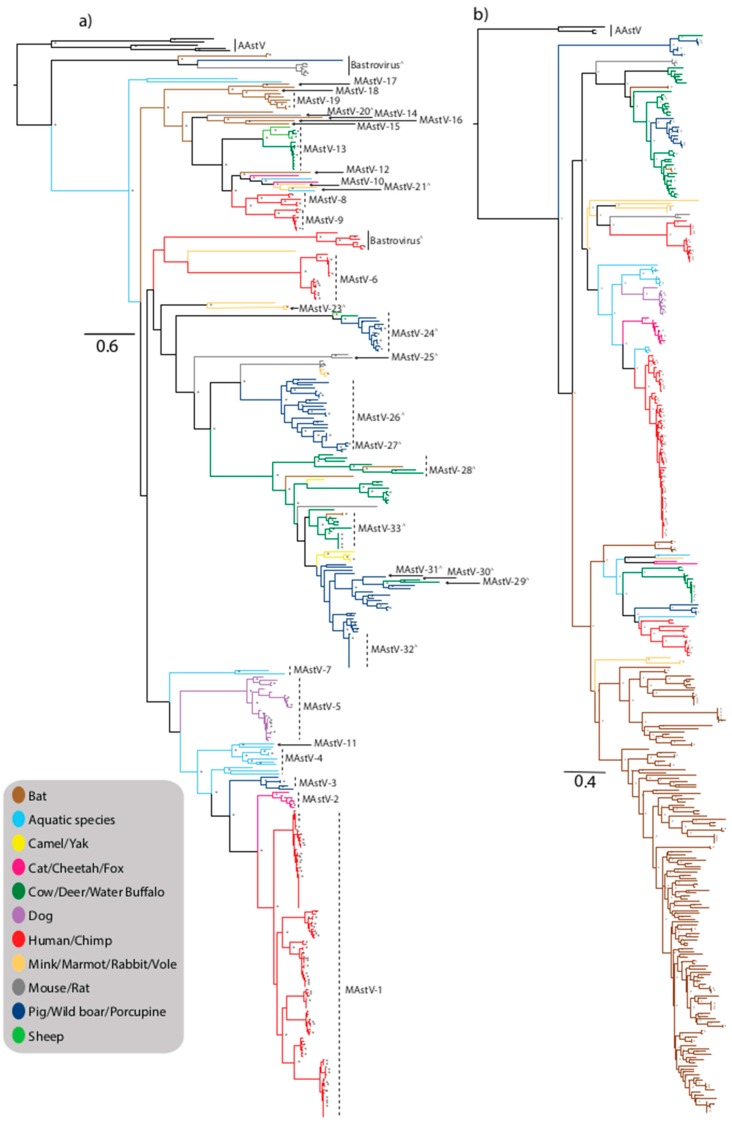
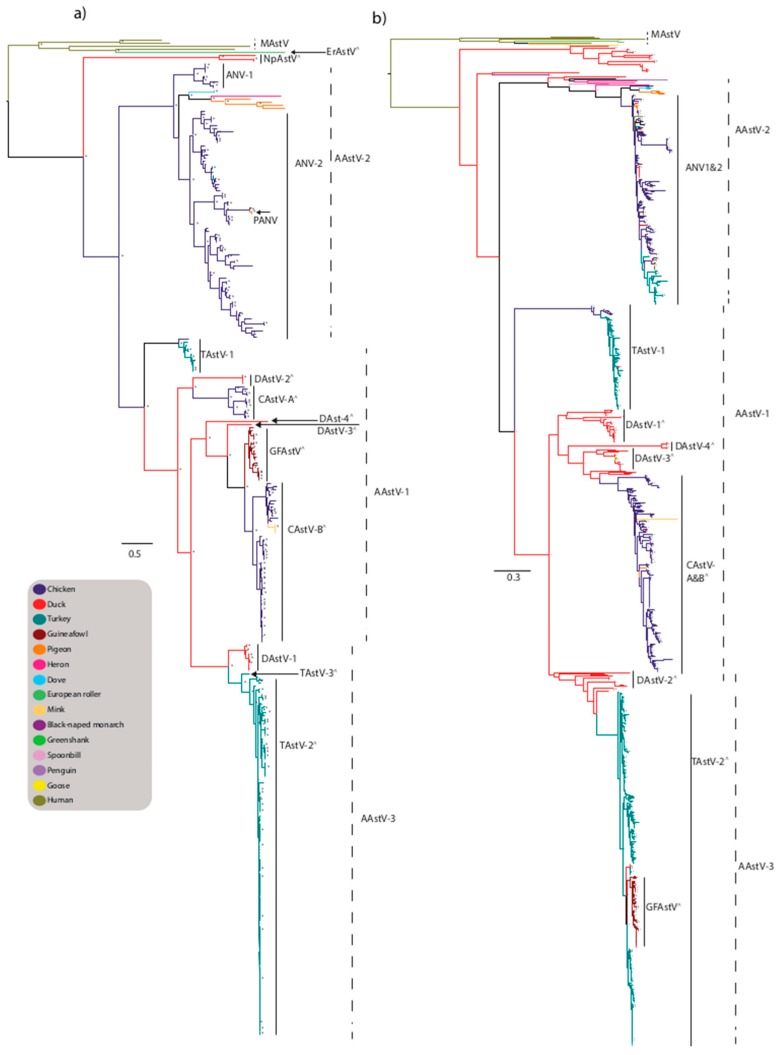
“without causing disease [12] (Figures 1 and 2).”
BackgroundMethodInfluentialLi, L.-L., Victoria, J., Wang, C.-L., Jones, M. S., Fellers, G., Kunz, T., & Delwart, E. (2010) · Journal of Virology · doi:10.1128/jvi.00501-10 · Cited by 402 · cited 1×
“Bat astroviruses were first detected in 2008 in Hong Kong [77] and subsequently detected in bats in China [78,79], North America [80], Germany [81], Hungary [82], and the Czech Republic [83] from numerous bat species, with detection rates ranging from 36% to 100% in Miniopterus magnater bats and from 50% to 70% of Min…”
Background28 nm PARTICLES IN FÆCES IN INFANTILE GASTROENTERITIS
Madeley, C. R., & Cosgrove, B. (1975) · The Lancet · doi:10.1016/s0140-6736(75)90858-2 · Cited by 385
Astrovirus Encephalitis in Boy with X-linked Agammaglobulinemia
Quan, P.-L., Wagner, T. A., Briese, T., Torgerson, T., Hornig, M., Tashmukhamedova, A., Firth, C., Palacios, G., Baisre-De-Leon, A., Paddock, C., et al. (2010) · Emerging Infectious Diseases · doi:10.3201/eid1606.091536 · Cited by 332 · cited 2×
“VA1/HMO-C viruses have been detected and associated with encephalitis in immunocompromized children and adults [11,40,47] and acute respiratory disease [48].”
BackgroundBosch, A., Pintó, R., & Guix, S. (2014) · Clinical Microbiology Reviews · doi:10.1128/cmr.00013-14 · Cited by 311
VIRUSES AND GASTROENTERITIS IN INFANTS
Appleton, H., & Higgins, P. G. (1975) · The Lancet · doi:10.1016/s0140-6736(75)92581-7 · Cited by 307
Novel Astroviruses in Insectivorous Bats
Chu, D. K. W., Poon, L. L. M., Guan, Y., & Peiris, M. J. S. (2008) · Journal of Virology · doi:10.1128/jvi.00857-08 · Cited by 292 · cited 1×
“Bat astroviruses were first detected in 2008 in Hong Kong [77] and subsequently detected in bats in China [78,79], North America [80], Germany [81], Hungary [82], and the Czech Republic [83] from numerous bat species, with detection rates ranging from 36% to 100% in Miniopterus magnater bats and from 50% to 70% of Min…”
BackgroundJiang, B., Monroe, S. S., Koonin, E. V., Stine, S. E., & Glass, R. I. (1993) · Proceedings of the National Academy of Sciences · doi:10.1073/pnas.90.22.10539 · Cited by 283 · cited 1×
“The viruses lack a RNA-helicase domain encoded within the genome and utilize a ribosomal frameshifting mechanism to translate the RdRp, which distinguishes the Astroviridae family from other non-enveloped ssRNA virus families such as Picornaviridae and Caliciviridae [20,21].”
BackgroundEvolutionary Relationships among Rodents
Luckett, W. P., & Hartenberger, J. (1985) · Springer eBooks · doi:10.1007/978-1-4899-0539-0 · Cited by 283
Research works printed but not linked: 1
- King, A.M.Q., Lefkowitz, E., Adams, M.J., and Carstens, E.B. (2012). Family—Astroviridae. Virus Taxonomy: Ninth Report of the International Committee on Taxonomy of Viruses, Elsevier.
Cited by
Sorted by citations
Astrovirus evolution and emergence
Wohlgemuth, N., Honce, R., & Schultz-Cherry, S. (2019) · Infection, Genetics and Evolution · doi:10.1016/j.meegid.2019.01.009 · Cited by 119
“, 2008) and sequence based phylogenetics, astroviruses have been classified by their ORF2 full length amino acid sequence into three species of AAstV and 19 species of MAstV (Bosch et al., 2012; Donato and Vijaykrishna, 2017; Krishnan, 2014).”
BackgroundIsolation and characterization of an astrovirus causing fatal visceral gout in domestic goslings
Zhang, Q., Cao, Y., Wang, J., Fu, G., Sun, M., Zhang, L., Li, M. Y., Cui, G., Huang, Y., Hu, X., et al. (2018) · Emerging Microbes & Infections · doi:10.1038/s41426-018-0074-5 · Cited by 127
“AstVs have been detected in humans and a variety of animal species, including nonhuman primates, other mammals and avian species [3] [4] [5] .”
BackgroundVirome in the cloaca of wild and breeding birds revealed a diversity of significant viruses
Shan, T., Yang, S., Wang, H., Wang, H., Zhang, J., Gong, G., Xiao, Y., Yang, J., Wang, X., Lü, J., et al. (2022) · Microbiome · doi:10.1186/s40168-022-01246-7 · Cited by 116
Global public health implications of human exposure to viral contaminated water
Lanrewaju, A. A., Enitan, A. M., Sabiu, S., Edokpayi, J. N., & Swalaha, F. M. (2022) · Frontiers in Microbiology · doi:10.3389/fmicb.2022.981896 · Cited by 100
“Genera Mamastrovirus (MAstV) and Avastrovirus (AAstV) make up the family Astroviridae (Appleton, 1975; De Benedictis et al., 2011; Donato and Vijaykrishna, 2017).”
BackgroundOccurrence of Human Enteric Viruses in Water Sources and Shellfish: A Focus on Africa
Upfold, N., Luke, G. A., & Knox, C. M. (2021) · Food and Environmental Virology · doi:10.1007/s12560-020-09456-8 · Cited by 81
Intra- and Cross-Species Transmission of Astroviruses
Roach, S. N., & Langlois, R. (2021) · Viruses · doi:10.3390/v13061127 · Cited by 64
Yinda, C. K., Vanhulle, E., Conceição-Neto, N., Beller, L., Deboutte, W., Shi, C., Ghogomu, S. M., Maes, P., Van Ranst, M., & Matthijnssens, J. (2019) · mSphere · doi:10.1128/msphere.00585-18 · Cited by 75
“The genera are further divided into 33 and 7 species, respectively (46) .”
BackgroundIsolation and characterization of a goose astrovirus 1 strain causing fatal gout in goslings, China
Wang, A., Zhang, S., Xie, J., Gu, L. L., Wu, S., Wu, Z. Q., Liu, L., Feng, Q., Dong, H., & Zhu, S. (2021) · Poultry Science · doi:10.1016/j.psj.2021.101432 · Cited by 60
Astrovirus infections induce age-dependent dysbiosis in gut microbiomes of bats
Wasimuddin, Brändel, S. D., Tschapka, M., Page, R. A., Rasche, A., Corman, V. M., Drosten, C., & Sommer, S. (2018) · The ISME Journal · doi:10.1038/s41396-018-0239-1 · Cited by 60
Goose Astrovirus in China: A Comprehensive Review
Zhu, Q., & Sun, D. (2022) · Viruses · doi:10.3390/v14081759 · Cited by 58
Li, J.-Y., Hu, W.-Q., Liu, T., Zhang, H., Opriessnig, T., & Xiao, C. (2020) · Poultry Science · doi:10.1016/j.psj.2020.11.003 · Cited by 54
“Presently, based on the species of origin of astroviruses (AstV), Astroviridae have been classified into 2 genera, Avastrovirus which infect birds and Mamastrovirus which infect mammals (Bosch et al., 2011; De Benedictis et al., 2011; Donato and Vijaykrishna, 2017).”
BackgroundPathogenicity of novel goose-origin astrovirus causing gout in goslings
Yin, D., Tian, J., Yang, J., Tang, Y., & Diao, Y. (2021) · BMC Veterinary Research · doi:10.1186/s12917-020-02739-z · Cited by 52
Yuan, X., Meng, K., Zhang, Y., Yu, Z., Ai, W., & Wang, Y. (2018) · Infection Genetics and Evolution · doi:10.1016/j.meegid.2018.10.014 · Cited by 51
Identification and genomic characterization of emerging goose astrovirus in central China, 2020
Zhang, X., Deng, T., Song, Y., Liu, J., Jiang, Z., Peng, Z., Guo, Y., Yang, L., Qiao, H., Xia, Y., et al. (2021) · Transboundary and Emerging Diseases · doi:10.1111/tbed.14060 · Cited by 51
Red fox viromes in urban and rural landscapes
Campbell, S. J., Ashley, W., Gil-Fernandez, M., Newsome, T. M., Di Giallonardo, F., Ortiz-Baez, A. S., Mahar, J. E., Towerton, A. L., Gillings, M., Holmes, E. C., et al. (2020) · Virus Evolution · doi:10.1093/ve/veaa065 · Cited by 47
“Astroviruses have a broad host range (Donato and Vijaykrishna 2017) and are frequently detected in the faeces of mammals, birds, and humans with gastroenteritis (Finkbeiner et al.”
BackgroundMetagenomic characterisation of additional and novel avian viruses from Australian wild ducks
Vibin, J., Chamings, A., Klaassen, M., & Alexandersen, S. (2020) · Scientific Reports · doi:10.1038/s41598-020-79413-9 · Cited by 49
Fernández-Correa, I., Truchado, D. A., Gómez‐Lucía, E., Doménech, A., Pérez‐Tris, J., Schmidt‐Chanasit, J., Cadar, D., & Benı́tez, L. (2019) · Scientific Reports · doi:10.1038/s41598-019-45889-3 · Cited by 39
Fleischer, R., Schmid, D. W., Wasimuddin, Brändel, S. D., Rasche, A., Corman, V. M., Drosten, C., Tschapka, M., & Sommer, S. (2022) · Molecular Ecology · doi:10.1111/mec.16491 · Cited by 35
“Common bat pathogens include Astroviruses (AstVs), which infect numerous mammalian species and have a very large zoonotic potential (Donato & Vijaykrishna, 2017; Roach & Langlois, 2021; Wohlgemuth et al., 2019).”
BackgroundBeyond the Gastrointestinal Tract: The Emerging and Diverse Tissue Tropisms of Astroviruses
Janowski, A. B. (2021) · Viruses · doi:10.3390/v13050732 · Cited by 35
Genetic diversity and evolution of goose astrovirus in the east of China
Fei, Z., Jiao, A., Xu, M., Wu, J., Wang, Y., Yu, J., Lu, L., Jiang, W., Zhu, G., Sun, W., et al. (2022) · Transboundary and Emerging Diseases · doi:10.1111/tbed.14542 · Cited by 34
Lazov, C. M., Belsham, G. J., Bøtner, A. G., & Rasmussen, T. B. (2021) · Viruses · doi:10.3390/v13061073 · Cited by 33
Жираковская, Е. В., Tikunov, A. Y., Tyumentsev, A. I., Соколов, С. Н., Sedelnikova, D. A., & Викторовна, Т. Н. (2018) · Infection Genetics and Evolution · doi:10.1016/j.meegid.2018.11.006 · Cited by 31
Cortez, V. A., Sharp, B., Yao, J., Livingston, B., Vogel, P., & Schultz‐Cherry, S. (2019) · Journal of Virology · doi:10.1128/jvi.00223-19 · Cited by 29
Neurotropic Astroviruses in Animals
Wildi, N., & Seuberlich, T. (2021) · Viruses · doi:10.3390/v13071201 · Cited by 25
Viral Enteritis in Cattle: To Well Known Viruses and Beyond
Castells, M., & Colina, R. (2021) · Microbiology Research · doi:10.3390/microbiolres12030048 · Cited by 29
Kattoor, J. J., Malik, Y. S., Saurabh, S., Sircar, S., Vinodhkumar, O. R., Bora, D. P., Dhama, K., Ghosh, S., Bànyai, K., Touil, N., et al. (2018) · Transboundary and Emerging Diseases · doi:10.1111/tbed.13058 · Cited by 29
“As per the 2012 official release of the Inter- national Committee of Taxonomy of Viruses (ICTV, http://www.ic tvonline.org/virusTaxonomy.asp), 19 species within the Mamastro- virus genus and three species within the Avastrovirus genus are rec- ognized (Donato & Vijaykrishna, 2017).”
BackgroundComprehensive Analysis of Codon Usage on Porcine Astrovirus
Wu, H., Bao, Z., Mou, C., Chen, Z., & Zhao, J. (2020) · Viruses · doi:10.3390/v12090991 · Cited by 28
Surveillance and genetic diversity analysis of avian astrovirus in China
Zhang, F., Li, Y., Jiang, W., Yu, X., Zhuang, Q., Wang, S., Yuan, L., Wang, K., Sun, S., & Liu, H. (2022) · PLoS ONE · doi:10.1371/journal.pone.0264308 · Cited by 28
Presence and Diversity of Different Enteric Viruses in Wild Norway Rats (Rattus norvegicus)
Niendorf, S., Harms, D., Hellendahl, K. F., Heuser, E., Böttcher, S., Jacobsen, S., Bock, C. –., & Ulrich, R. G. (2021) · Viruses · doi:10.3390/v13060992 · Cited by 27
Prevalence and genome characteristics of canine astrovirus in southwest China
Li, M., Yan, N., Ji, C., Wang, M., Zhang, B., Yue, H., & Tang, C. (2018) · Journal of General Virology · doi:10.1099/jgv.0.001077 · Cited by 27
Yu, Z., Zhang, D., Yang, K., Bai, C., Li, Y.-D., Li, J., Jiang, S., & Wang, Y. (2019) · 3 Biotech · doi:10.1007/s13205-019-2006-z · Cited by 27
Porcine Astrovirus Type 5-Associated Enteritis in Pigs
Opriessnig, T., Xiao, C., & Halbur, P. G. (2020) · Journal of Comparative Pathology · doi:10.1016/j.jcpa.2020.09.014 · Cited by 26
Unveiling Viruses Associated with Gastroenteritis Using a Metagenomics Approach
Fernandez-Cassi, X., Martínez-Puchol, S., Silva-Sales, M., Cornejo, T., Bartolomé, R., Bofill-Mas, S., & Girones, R. (2020) · Viruses · doi:10.3390/v12121432 · Cited by 25
Structural Insights into the Human Astrovirus Capsid
Ykema, M., & Tao, Y. J. (2021) · Viruses · doi:10.3390/v13050821 · Cited by 26
Bovine Astrovirus—A Comprehensive Review
Zhu, Q., Li, B., & Sun, D. (2022) · Viruses · doi:10.3390/v14061217 · Cited by 26
An Insight into the Molecular Characteristics and Associated Pathology of Chicken Astroviruses
Raji, A. A., & Omar, A. R. (2022) · Viruses · doi:10.3390/v14040722 · Cited by 25
Fu, X., Hou, Z., Liu, W., Cao, N., Liang, Y., Li, B., Jiang, D., Li, W., Xu, D., Tian, Y., et al. (2022) · Viruses · doi:10.3390/v14061306 · Cited by 24
Specific detection of the novel goose astrovirus using a TaqMan real-time RT-PCR technology
Wan, C., Chen, C., Cheng, L., Fu, G., Shi, S., Liu, R., Chen, H., Fu, Q., & Huang, Y. (2019) · Microbial Pathogenesis · doi:10.1016/j.micpath.2019.103766 · Cited by 23
Giannitti, F., Caffarena, R. D., Pesavento, P. A., Uzal, F. A., Maya, L., Fraga, M., Colina, R., & Castells, M. (2019) · Frontiers in Microbiology · doi:10.3389/fmicb.2019.01240 · Cited by 22
“Currently, the International Committee on Taxonomy of Viruses (International Committee on Taxonomy of Viruses [ICTV], 2018) recognizes 19 species, namely Mamastrovirus-1 through -19, within the Mamastrovirus genus; however, there are numerous strains awaiting classification, some of which are tentatively considered ne…”
BackgroundResultZhu, J., Qi, M., Jiang, C., Peng, Y., Peng, Q., Chen, Y., Hu, C., Chen, J., Chen, X., Chen, H., et al. (2021) · Journal of General Virology · doi:10.1099/jgv.0.001640 · Cited by 22
“Consistently, multiple genotypes of AstVs have been identified in other hosts, such as humans, bats, and pigs [1, 47].”
BackgroundInfluentialViral metagenomics reveals diverse viruses in the fecal samples of children with diarrhea
Yang, S., He, Y., Zhang, J., Zhang, D., Wang, Y., Lü, X., Wang, X., Shen, Q., Ji, L., Lu, H., et al. (2022) · Virologica Sinica · doi:10.1016/j.virs.2022.01.012 · Cited by 22
Establishing farm dust as a useful viral metagenomic surveillance matrix
Kwok, K. T. T., de Rooij, M. M. T., Messink, A. B., Wouters, I. M., Smit, L. A. M., Cotten, M. L., Heederik, D. J. J., Koopmans, M., & Phan, M. V. T. (2022) · Scientific Reports · doi:10.1038/s41598-022-20701-x · Cited by 22
A novel group of avian Avastrovirus in domestic geese, China
Wan, C., Chen, C., Cheng, L., Liu, R.-C., Shi, S., Fu, G., Fu, Q., Chen, H., & Huang, Y. (2018) · Journal of Veterinary Medical Science · doi:10.1292/jvms.18-0013 · Cited by 22
Qurkhuli, T., Schwensow, N., Brändel, S. D., Tschapka, M., & Sommer, S. (2019) · Immunogenetics · doi:10.1007/s00251-019-01128-7 · Cited by 21
Wang, Y., Bai, C., Zhang, D., Yang, K., Yu, Z., Jiang, S., Ge, K., & Li, Y. (2020) · Gene · doi:10.1016/j.gene.2020.144898 · Cited by 21
Ren, D., Li, T., Zhang, W., Zhang, X., Zhang, X., Xie, Q., Zhang, J. J., Shao, H., Wan, Z., Qin, A., et al. (2021) · Applied Microbiology and Biotechnology · doi:10.1007/s00253-021-11711-2 · Cited by 21
“AstV is a single-stranded, positive-sense RNA virus with a whole genome length of 6.4–7.9 kb (Donato and Vijaykrishna, 2017) and its genome consists of a 5′-UTR, three ORFs (ORF1a, ORF1b, and ORF2), a 3′-UTR, and a poly (A) tail (Fu et al.”
InfluentialWang, Z., Chen, H., Gao, S., Song, M., Shi, Z.-C., Peng, Z., Jin, Q., Li, Z., Qiao, H., Bian, C., et al. (2022) · Applied Microbiology and Biotechnology · doi:10.1007/s00253-022-11852-y · Cited by 21
“Viruses from genus MAstVs contains isolates from plenty of mammals and have been reported to be closely bound up with diarrhea and vomiting (Donato and Vijaykrishna 2017).”
BackgroundDetection of multiple human astroviruses in sewage by next generation sequencing
Tao, Z., Lin, X., Liu, Y. Z., Ji, F., Wang, S., Xiong, P., Zhang, L., Xu, Q., Xu, A., & Cui, N. (2022) · Water Research · doi:10.1016/j.watres.2022.118523 · Cited by 21
Isolation, identification, and pathogenicity of a goose astrovirus causing fatal gout in goslings
Zhu, Q., Miao, Y., Wang, J., Bai, W., Yang, X., Yu, S., Guo, D., & Sun, D. (2022) · Veterinary Microbiology · doi:10.1016/j.vetmic.2022.109570 · Cited by 20
Selected Viruses Detected on and in our Food
Bachofen, C. (2018) · Current Clinical Microbiology Reports · doi:10.1007/s40588-018-0087-9 · Cited by 20
“They show worldwide spread and are detected in faeces of healthy individuals and may hence be part of the normal flora of the gastrointestinal tract [56, 57] .”
BackgroundXue, J., Han, T., Zhao, Y., Yang, H., & Zhang, G. (2020) · Virus Research · doi:10.1016/j.virusres.2020.197858 · Cited by 19
Hirashima, Y., Okada, D., Shibata, S., Yoshida, S., Fujisono, S., Omatsu, T., Mizutani, T., & Nagai, M. (2018) · Archives of Virology · doi:10.1007/s00705-018-3898-3 · Cited by 18
Castells, M., Bertoni, E. A., Caffarena, R. D., Casaux, M. L., Schild, C., Victoria, M., Riet-Corrêa, F., Giannitti, F., Parreño, V. G., & Colina, R. (2019) · Viruses · doi:10.3390/v12010032 · Cited by 17
Yang, K., Xu, L., Liang, Y.-Q., Yin, D., Tu, J., Song, X., Shao, Y., Liu, H., & Qi, K. (2020) · Molecular and Cellular Probes · doi:10.1016/j.mcp.2020.101561 · Cited by 17
Host innate immune responses of geese infected with goose origin nephrotic astrovirus
Wang, Z., Li, L., Liu, P., Wang, C., Lu, Q., Liu, L., Yang, Y., Luo, Q., & Shao, H. (2021) · Microbial Pathogenesis · doi:10.1016/j.micpath.2021.104753 · Cited by 17
Körner, C., Miller, M., & Brielmeier, M. (2019) · PLoS ONE · doi:10.1371/journal.pone.0221118 · Cited by 17
Zhu, Q., Qi, S., Guo, D., Li, C., Su, M., Wang, J., Li, Z., Yang, D., Sun, H., Wang, X., et al. (2023) · mSystems · doi:10.1128/msystems.00842-23 · Cited by 20
“There were also some viruses in bovine enteric viruses, such as BoAstV, BCoV, and BRV, which have shown potential for cross-species trans mission (45, 50, 51), and BCoV has even been reported to be isolated and identified in the fecal samples of children with diarrhea (52).”
BackgroundDiscovery of novel astrovirus genotype species in small ruminants
Kauer, R., Koch, M., Hierweger, M. M., Werder, S., Boujon, C. L., & Seuberlich, T. (2019) · PeerJ · doi:10.7717/peerj.7338 · Cited by 16
“Based on phylogenetic analyses of different viral strains of bovine, ovine and porcine origin, further evidence of possible interspecies transmission could be found (Donato & Vijaykrishna, 2017) .”
BackgroundMcCall, C., Elworth, R. A. L., Wylie, K. M., Wylie, T., Dyson, K., Doughty, R., Treangen, T. J., Hopkins, L., Ensor, K. B., & Stadler, L. B. (2023) · ACS ES&T Water · doi:10.1021/acsestwater.3c00183 · Cited by 15
Mochochoko, B. M., Pohl, C. H., & O’Neill, H. G. (2022) · iScience · doi:10.1016/j.isci.2022.105870 · Cited by 14
Zhou, Q., Cui, Y., Wang, C., Wu, H., Xiong, H., Qi, K., & Liu, H. (2023) · Avian Pathology · doi:10.1080/03079457.2023.2295341 · Cited by 14
“The family Astroviridae has been categorized into two genera based on host range: Mamastravirus (MAstV) and Avastrovirus (AAstV) (Bosch et al ., 2011; Donato & Vijaykrishna, 2017).”
BackgroundIsolation and characterization of a novel chicken astrovirus in China
Yin, L., Zhou, Q., Mai, K., Huang, J., Yan, Z., Wei, X., Shen, H., Li, Q., Chen, L., & Zhou, Q. (2021) · Poultry Science · doi:10.1016/j.psj.2021.101363 · Cited by 14
“Astrovirus (AstV) was first described from human infants with diarrhea in 1975 (Madeley and Cosgrove, 1975), and subsequently identified in a wide range of mammalian and avian species (Snodgrass and Gray, 1977; Blomstrom et al., 2010; Donato and Vijaykrishna, 2017; Smyth, 2017).”
BackgroundBase composition, adaptation, and evolution of goose astroviruses: codon-based investigation
Guo, F., Yang, J., El‐Aty, A. M. A., Wang, R., & Ju, X. (2023) · Poultry Science · doi:10.1016/j.psj.2023.103029 · Cited by 14
“…between the 2 well-de fi ned GoAstVs, namely, GoAst-1 and GoAst-2, based on phylogenetic analysis from the present study and previous researchers (Donato and Vijaykrishna, 2017; Li et al., 2022), as well as correspondence analysis in current study (Figure 1), multiple similar features were found…”
ResultJiang, X., Liu, J., Yuan, X., Zhang, Q., Wang, Y., Zhao, M., Lü, X., Wu, H., Shan, T., Ni, B., et al. (2023) · mSphere · doi:10.1128/msphere.00345-23 · Cited by 13
“Furthermore, by employing taxonomic mapping from the ICTV, we were able to define a new genus and species that are likely to emerge (40).”
BackgroundMethodYi, B., Deng, Q., Guo, C., Li, X., Wu, Q., Zha, R., Wang, X.-H., & Lu, J. (2023) · One Health · doi:10.1016/j.onehlt.2023.100631 · Cited by 15
“It could lead to gastrointestinal symptoms in humans, and several cases of neurological impairment have been re-ported [59].”
BackgroundPrevalence of Astroviruses in Different Animal Species in Poland
Kuczera, K., Orłowska, A., Smreczak, M., Frant, M., Trębas, P., & Rola, J. (2024) · Viruses · doi:10.3390/v16010080 · Cited by 12
“Astroviruses are small RNA viruses characterized by a high mutation rate, the ability to recombine, and interspecies transmission, which allows them to infect a multitude of hosts [2,3].”
BackgroundImmunogenicity and Efficacy Evaluation of Subunit Astrovirus Vaccines
Bidokhti, M., Ullman, K., Hammer, A., Jensen, T. H., Chriel, M., Byrareddy, S., & Baule, C. (2019) · Vaccines · doi:10.3390/vaccines7030079 · Cited by 11
The Isolation and Molecular Characterization of an Astrovirus From “Yellow” Chickens, China
Zhao, W., Wu, Z.-Y., Yao, Y., Qin, A., & Qian, K. (2020) · Frontiers in Veterinary Science · doi:10.3389/fvets.2020.581862 · Cited by 13
Astrovirus Outbreak in an Animal Shelter Associated With Feline Vomiting
Li, Y., Gordon, E. W., Idle, A., Hui, A. J., Chan, R., Seguin, M. A., & Delwart, E. (2021) · Frontiers in Veterinary Science · doi:10.3389/fvets.2021.628082 · Cited by 13
Liu, X., Zhang, W., Wang, D., Zhu, X., Chen, Y., Ouyang, K., Wei, Z., Liu, H., & Huang, W. (2021) · Frontiers in Veterinary Science · doi:10.3389/fvets.2021.684279 · Cited by 13
Astrovirus in Reunion Free-Tailed Bat (Mormopterus francoismoutoui)
Joffrin, L., Hoarau, A. O. G., Lagadec, E., Köster, M., Ramanantsalama, R. V., Mavingui, P., & Lebarbenchon, C. (2021) · Viruses · doi:10.3390/v13081524 · Cited by 13
Comparison of gut viral communities in diarrhoea and healthy dairy calves
Lü, X., Hua, X., Wang, Y., Zhang, D., Jiang, S., Yang, S., Wang, X., Shen, Q., Zhou, T., Lin, Z., et al. (2021) · Journal of General Virology · doi:10.1099/jgv.0.001663 · Cited by 11
Metagenomic analysis of viral diversity and a novel astroviruse of forest rodent
Yin, H., Wan, D.-C., & Chen, H. (2022) · Virology Journal · doi:10.1186/s12985-022-01847-6 · Cited by 12
Orłowska, A., Smreczak, M., Potyrało, P., Bomba, A., Trębas, P., & Rola, J. (2021) · Viruses · doi:10.3390/v13020158 · Cited by 12
Borm, S. V., Steensels, M., Mathijs, É., Vandenbussche, F., van den Berg, T., & Lambrecht, B. (2021) · Virus Genes · doi:10.1007/s11262-021-01872-7 · Cited by 13
“Our phylogenetic analysis of the Capsid and RdRp coding sequences classifies this first Belgian near-complete chicken astrovirus genome as a member of the predominant serotype CAstV-B [65].”
MethodDiscovery of novel DNA viruses in small mammals from Kenya
Ochola, G. O., Li, B., Obanda, V., Ommeh, S. C., Ochieng, H., Yang, X., Onyuok, S. O., Shi, Z., Agwanda, B. R., & Hu, B. (2022) · Virologica Sinica · doi:10.1016/j.virs.2022.06.001 · Cited by 10
“…both RNA viruses such as astroviruses, hepaciviruses, paramyxoviruses, picornaviruses, etc. and DNA viruses such as adenoviruses, herpesviruses, poxviruses, etc. (Zheng et al., 2016; Donato and Vijaykrishna, 2017; Drexler et al., 2013; Sasaki et al., 2014; Lu et al., 2018; Hazel et al., 2000).”
BackgroundA peptide-based ELISA for detection of antibodies against novel goose astrovirus type 1
Ren, D., Zhang, X., Zhang, W., Lian, M., Meng, X.-C., Li, T., Xie, Q., Shao, H., Wan, Z., Qin, A., et al. (2022) · Journal of Virological Methods · doi:10.1016/j.jviromet.2022.114646 · Cited by 11
Epidemiological Investigation of Goose Astrovirus in Hebei Province, China, 2019–2021
Chen, L., Cui, H. Y., Li, J., Zhang, Y., Wang, H., Yang, Y., Wang, X., Zhang, C., & Liu, J. (2024) · Microorganisms · doi:10.3390/microorganisms12050990 · Cited by 11
“…(TAstV-1); AAstV-2 includes the nephritis virus (ANV) and chicken astrovirus (CAtsV); and AAstV-3 encompasses turkey astrovirus type 2 (TAstV-2), turkey astrovirus type 3 (TAstV-3), four distinct types of duck astroviruses (DAstV-1 to DAstV-4), and two goose astroviruses (GAstV-1 and GAstV-2) [10].”
BackgroundInterface between Bats and Pigs in Heavy Pig Production
Leopardi, S., Priori, P., Zecchin, B., Zamperin, G., Milani, A., Tonon, F., Giorgiutti, M., Beato, M. S., & Benedictis, P. D. (2020) · Viruses · doi:10.3390/v13010004 · Cited by 11
Genomic characterization of a novel astrovirus identified in Amur tigers from a zoo in China
Zhang, H., Qiu, Q.-G., Liu, S., Hu, W.-Q., Li, J.-Y., Liu, T., Peng, Y., Ge, X., & Xiao, C. (2019) · Archives of Virology · doi:10.1007/s00705-019-04435-2 · Cited by 11
Astrovirus in White-Tailed Deer, United States, 2018
Wang, L., Shen, H., Zheng, Y., Schumacher, L. L., & Li, G. (2020) · Emerging infectious diseases · doi:10.3201/eid2602.190878 · Cited by 11
“Astroviruses cause diarrhea and neurologic diseases in mammals and a spectrum of diseases, including diarrhea, hepatitis, and nephritis, in birds (2).”
BackgroundGlobal prevalence of Porcine Astrovirus: A systematic review and meta-analysis
Ge, X., Li, Y., Zhao, F., Ma, X., Li, J., Yanping, J., Cui, W., Wang, X., & Tang, L. (2025) · Preventive Veterinary Medicine · doi:10.1016/j.prevetmed.2025.106465 · Cited by 10
Boros, Á., Pankovics, P., László, Z., Urban, P. P., Herczeg, R., Gáspár, G., Tóth, F., & Reuter, G. (2023) · Microbiology Spectrum · doi:10.1128/spectrum.02533-23 · Cited by 10
“together with n = 397 representative AstV and Bastrovirus sequences from (28, 28) and supplemented with the closest relatives of the study strains identified”
BackgroundGenetic diversity and phylogenetic analysis of newly discovered bat astroviruses in Korea
Lee, S., Son, K., Kim, Y.-S., Wang, S.-J., Kim, Y.-K., Jheong, W., & Oem, J. (2018) · Archives of Virology · doi:10.1007/s00705-018-3992-6 · Cited by 10
“The Astroviridae family is made up of two genera: Mamastrovirus and Avastrovirus [3] .”
BackgroundGenetic diversity and expanded host range of astroviruses detected in small mammals in Singapore
Neves, E. S., Mendenhall, I. H., Borthwick, S. A., Su, Y. C. F., & Smith, G. J. D. (2021) · One Health · doi:10.1016/j.onehlt.2021.100218 · Cited by 9
“Astroviruses infect a wide variety of species including humans, livestock (sheep, cows, pigs), companion animals (dogs and cats), wild animals (bats, rodents and monkeys), and marine species such as whales, sea lions and penguins [8].”
BackgroundPerez, L. J., Forberg, K., Cloherty, G., & Berg, M. G. (2023) · Emerging Microbes & Infections · doi:10.1080/22221751.2023.2217942 · Cited by 9
“Since their discovery in 1975 [1], astroviruses have been identified in a myriad of hosts, including domestic and wild animals [2], avian and mammalian species [3], and in terrestrial and aquatic environments [4].”
Li, Y., Luo, J., Shang, J., Zhang, F., Deng, C., Feng, Y., Meng, G., Jiang, W., Yu, X., & Liu, H. (2024) · Frontiers in Microbiology · doi:10.3389/fmicb.2024.1375826 · Cited by 9
“…DAstV-4, GoAstV-1, GoAstV-2 are four new AAstVs in recent years, which have not been formally classified by ICTV, and cause duck hepatitis, goose gout and urate deposition, and the healthy development of China’s poultry farming industry poses a certain danger (Donato and Vijaykrishna, 2017).”
BackgroundAleshina, Y. A., & Lukashev, A. N. (2025) · Virus Evolution · doi:10.1093/ve/veaf006 · Cited by 8
“Additional species MAstV20 to MAstV33 were suggested in 2012 based on ORF2 sequences (Guix et al. 2012) [reproduced with larger dataset of ORF2 sequences later (Donato and Vijaykrishna 2017)].”
InfluentialChidoti, V., Nys, H. M. D., Abdi, M. K., Mashura, G., Pinarello, V., Chiweshe, N., Matope, G., Guerrini, L., Pfukenyi, D. M., Cappelle, J., et al. (2023) · Peer Community Journal · doi:10.24072/pcjournal.340 · Cited by 7
Porcine Astrovirus Infection in Brains of Pigs in Korea
Park, J.-S., Jeong, C., Chae, S.-B., Yang, M., Oh, B., Lee, S., & Oem, J. (2024) · Viruses · doi:10.3390/v16091372 · Cited by 7
Kariithi, H. M., Volkening, J. D., Chiwanga, G. H., Pantin‐Jackwood, M. J., Msoffe, P. L. M., & Suarez, D. L. (2023) · Viruses · doi:10.3390/v15061247 · Cited by 7
Genetic identification of astroviruses in wild boars
Vilček, Š., Šalamúnová, S., & Jacková, A. (2019) · Journal of Veterinary Science · doi:10.4142/jvs.2019.20.1.91 · Cited by 7
“A comprehensive phylogenetic analysis has shown that some sequences found in bats do cluster with astrovirus strains from other species, including fox, cattle, and mice [3], an observation suggesting that bats could be involved in the interspecies transmission of astroviruses.”
BackgroundIdentification of a Novel Astrovirus Associated with Bovine Respiratory Disease
Nelsen, A., Knudsen, D. E. B., & Hause, B. M. (2023) · Transboundary and Emerging Diseases · doi:10.1155/2023/8512021 · Cited by 6
“A large number of astrovirus species have been identifed and classifed based on their host, which do not correspond to genetic phylogenies [2].”
Mouse and human immune responses share neutralization epitopes of HAstV-VA1
Ramírez-Bello, I., López, T., Espinosa, R., Ghosh, A., Green, K., Riaño-Umbarila, L., Gaspar-Castillo, C., Aguilera-Flores, C., Alpuche-Aranda, C., López, S., et al. (2024) · Journal of Virology · doi:10.1128/jvi.00971-24 · Cited by 5
Development of a label-free photoelectrochemical immunosensor for novel astrovirus detection
Shen, Q., Qian, L., Chen, Y., Bao, Y., Wang, J., Wang, X., Liu, Y., Yang, S., Ji, L., Shan, T., et al. (2024) · Microchimica Acta · doi:10.1007/s00604-024-06514-x · Cited by 6
“MAstV primarily infects mammals including human, sheep, pig, cat, bovine, and dog, and has been found to be closely related with viral diarrhea [4].”
Pathogenesis of murine astrovirus in experimentally infected mice
Morita, H., Yasuda, M., Yamamoto, M., Tomiyama, Y., Uchida, R., Ka, Y., Ogura, T., Kawai, K., Suemizu, H., & Hayashimoto, N. (2021) · EXPERIMENTAL ANIMALS · doi:10.1538/expanim.20-0162 · Cited by 6
Łukaszuk, E., Dziewulska, D., Custer, J. M., Kraberger, S. J., Varsani, A., & Stenzel, T. (2024) · Poultry Science · doi:10.1016/j.psj.2024.104028 · Cited by 6
“However, according to Donato and Vijaykrishna (2017), species demarcation is based on the amino acid sequence of the ORF2 genome region, and the different strains with > 75% identity in the capsid proteins belong to the same species.”
BackgroundŁukaszuk, E., & Stenzel, T. (2020) · Pathogens · doi:10.3390/pathogens9121025 · Cited by 6
Wang, J., Xu, C., Zeng, M., & Tang, C. (2022) · Microbiology Spectrum · doi:10.1128/spectrum.01218-22 · Cited by 6
Qureshi, M. I., Worthington, B. M., Liu, Y., Cheung, W. Y.-M., Su, S., Zheng, Z., Li, L., Lam, T. T., Guan, Y., & Zhu, H. (2023) · Virus Evolution · doi:10.1093/ve/veac125 · Cited by 6
“Previous reports have suggested the potential for interspecies transmission events within this lineage containing AstVs of dromedaries, swine, porcupine, and diverse ruminant host species (Smits et al. 2010; Hu et al. 2014; Donato and Vijaykrishna 2017; Guan et al. 2018).”
Background
Metadata
- Authors
- Donato, C., & Vijaykrishna, D.
- Affiliations
- Monash University (AU)
- Duke-NUS Medical School (SG)
- Corresponding author
- Vijaykrishna, Dhanasekaran
- Venue
- Viruses
- Publisher
- MDPI AG
- Published
- 2017-05-10
- Volume
- 9
- Issue
- 5
- Pages
- 102
- ISSN
- 1999-4915 (ISSN-L)
- PMC
- PMC5454415
- OpenAlex
- W2612817723
- Cited by
- 196
- References
- 123
- Citations by year
- 2026: 15 · 2025: 16 · 2024: 24 · 2023: 24 · 2022: 37 · 2021: 31 · 2020: 17 · 2019: 22 · 2018: 10
- FWCI
- 1.62
- Type
- journal article
- Language
- en
- Open access
- gold
- doi.org
- Licence
- Locations
- Viruses (publishedVersion, cc-by)
- Europe PMC (PubMed Central) (publishedVersion, cc-by)
- PubMed Central (publishedVersion, cc-by)
- PubMed (publishedVersion)
- Monash University Research Portal (Monash University) (submittedVersion, other-oa)
- National University of Singapore (submittedVersion, cc-by)
- Minerva Access (University of Melbourne) (submittedVersion, cc-by)
- Topics
- Life Sciences › Agricultural and Biological Sciences › Animal Science and Zoology › Animal Virus Infections Studies
- Health Sciences › Medicine › Infectious Diseases › Viral gastroenteritis research and epidemiology
- Health Sciences › Medicine › Public Health, Environmental and Occupational Health › Zoonotic diseases and public health
- Keywords
- astrovirus, host range, genetic diversity, phylogenetic diversity, virus taxonomy, ORF1b, ORF2, interspecies transmission, genetic recombination
- MeSH terms
- Animals, Birds, Feces, Humans, Mammals, Phylogeny, Recombination, Genetic, RNA-Dependent RNA Polymerase, Genetic Variation, Viral Proteins, Open Reading Frames, Astroviridae, Astroviridae Infections, Capsid Proteins, Mice, Rats, Host Specificity
About these checks
Registry, retraction, Cites and statistics results are computed, not judged, with one exception: a printed reference that no index lists is read once by a model before it counts as a citation error. Claims are extracted by a model and kept only when their quote appears verbatim in the text; each cited source is then checked, with a model’s help, for whether it says what the claim relies on. Those verdicts can be wrong — read the claim’s quote and the cited source before relying on one.
Statistics and arithmetic are recomputed, not judged.
Confidence bands are shown only for fields calibrated on our annotated test set. None is calibrated yet, so no band is shown.
What counts as a claim ›How we measure confidence ›How we check this ›
Are you an author, or do you see a problem with this page? Request a review
