

The DOI matches its Crossref record; 123 of the 123 references it cites were found in a registry or an index.
The Broad Host Range and Genetic Diversity of Mammalian and Avian Astroviruses
Open accessAbstract
Astroviruses are a diverse family of viruses that infect a wide range of mammalian and avian hosts. Here we describe the phylogenetic diversity and current classification methodology of astroviruses based on the ORF1b and ORF2 genes, highlighting the propensity of astroviruses to undergo interspecies transmission and genetic recombination which greatly increase diversity and complicate attempts at a unified and comprehensive classification strategy.
Overview
The claims and statistics of this paper haven’t been checked yet.
Run the check — free, no account needed. It reads the open-access text and checks the sources it cites.
Integrity signals
Registry
Cites
Statistics
Figures
Verification
Claims the paper makes
The claims and statistics of this paper haven’t been checked yet.
Run the check — free, no account needed. It reads the open-access text and checks the sources it cites.
Claims other papers make about this one
Each is checked against this paper’s own text: does it say what the citing paper says it does?
The cited source says what the claim attributes to it.
In the citing paper
“Astroviruses have a broad host range (Donato and Vijaykrishna 2017) and are frequently detected in the faeces of mammals, birds, and humans with gastroenteritis (Finkbeiner et al. 2009; De Benedictis et al. 2011).”
From Red fox viromes in urban and rural landscapes (2020) · cites this paper as Donato and Vijaykrishna 2017
Self-check
Percentages, sums and reported differences re-computed from the paper’s own numbers.
The self-check needs the paper’s full text.
Citations
Cites
Matthijnssens, J., Ciarlet, M., McDonald, S. M., Attoui, H., Bànyai, K., Brister, J. R., Buesa, J., Esona, M. D., Estes, M. K., Gentsch, J. R., et al. (2011) · Archives of Virology · doi:10.1007/s00705-011-1006-z · Cited by 1,001
De Benedictis, P., Schultz-Cherry, S., Burnham, A., & Cattoli, G. (2011) · Infection, Genetics and Evolution · doi:10.1016/j.meegid.2011.07.024 · Cited by 479 · cited 4×
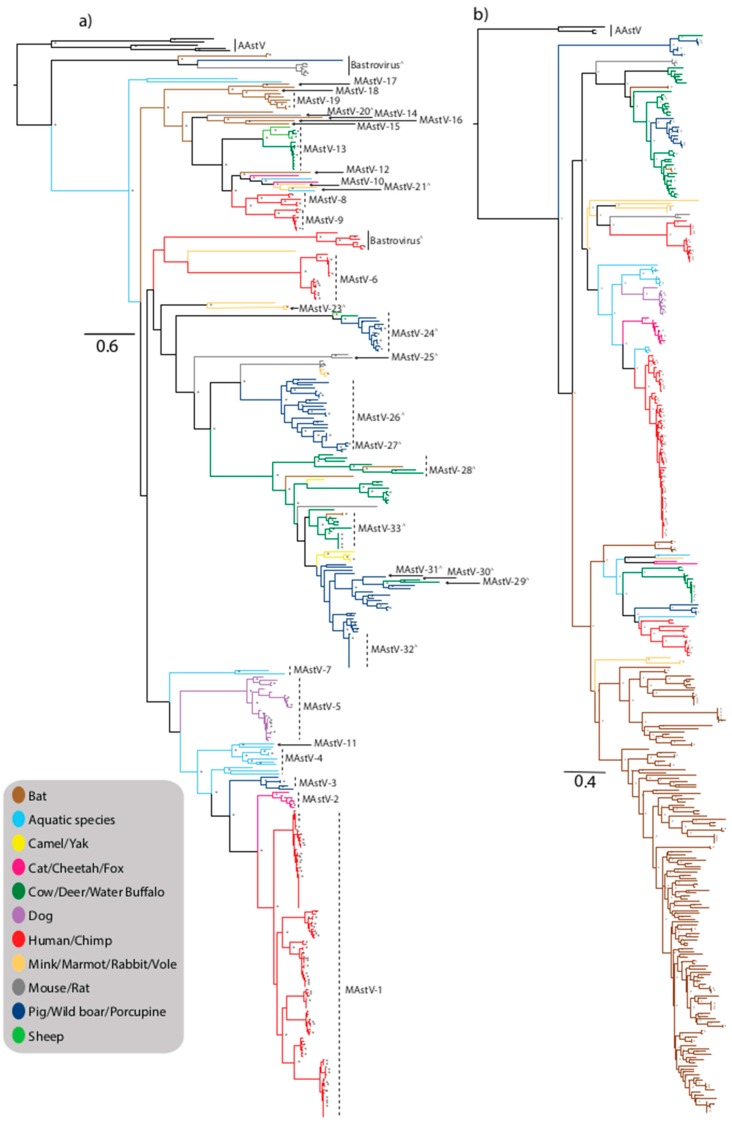
“without causing disease [12] (Figures 1 and 2).”
BackgroundMethodInfluentialLi, L.-L., Victoria, J., Wang, C.-L., Jones, M. S., Fellers, G., Kunz, T., & Delwart, E. (2010) · Journal of Virology · doi:10.1128/jvi.00501-10 · Cited by 402 · cited 1×
“Bat astroviruses were first detected in 2008 in Hong Kong [77] and subsequently detected in bats in China [78,79], North America [80], Germany [81], Hungary [82], and the Czech Republic [83] from numerous bat species, with detection rates ranging from 36% to 100% in Miniopterus magnater bats and from 50% to 70% of Min…”
Background28 nm PARTICLES IN FÆCES IN INFANTILE GASTROENTERITIS
Madeley, C. R., & Cosgrove, B. (1975) · The Lancet · doi:10.1016/s0140-6736(75)90858-2 · Cited by 385
Astrovirus Encephalitis in Boy with X-linked Agammaglobulinemia
Quan, P.-L., Wagner, T. A., Briese, T., Torgerson, T., Hornig, M., Tashmukhamedova, A., Firth, C., Palacios, G., Baisre-De-Leon, A., Paddock, C., et al. (2010) · Emerging Infectious Diseases · doi:10.3201/eid1606.091536 · Cited by 332 · cited 2×
“VA1/HMO-C viruses have been detected and associated with encephalitis in immunocompromized children and adults [11,40,47] and acute respiratory disease [48].”
BackgroundBosch, A., Pintó, R., & Guix, S. (2014) · Clinical Microbiology Reviews · doi:10.1128/cmr.00013-14 · Cited by 311
VIRUSES AND GASTROENTERITIS IN INFANTS
Appleton, H., & Higgins, P. G. (1975) · The Lancet · doi:10.1016/s0140-6736(75)92581-7 · Cited by 307
Novel Astroviruses in Insectivorous Bats
Chu, D. K. W., Poon, L. L. M., Guan, Y., & Peiris, M. J. S. (2008) · Journal of Virology · doi:10.1128/jvi.00857-08 · Cited by 292 · cited 1×
“Bat astroviruses were first detected in 2008 in Hong Kong [77] and subsequently detected in bats in China [78,79], North America [80], Germany [81], Hungary [82], and the Czech Republic [83] from numerous bat species, with detection rates ranging from 36% to 100% in Miniopterus magnater bats and from 50% to 70% of Min…”
BackgroundJiang, B., Monroe, S. S., Koonin, E. V., Stine, S. E., & Glass, R. I. (1993) · Proceedings of the National Academy of Sciences · doi:10.1073/pnas.90.22.10539 · Cited by 283 · cited 1×
“The viruses lack a RNA-helicase domain encoded within the genome and utilize a ribosomal frameshifting mechanism to translate the RdRp, which distinguishes the Astroviridae family from other non-enveloped ssRNA virus families such as Picornaviridae and Caliciviridae [20,21].”
BackgroundEvolutionary Relationships among Rodents
Luckett, W. P., & Hartenberger, J. (1985) · Springer eBooks · doi:10.1007/978-1-4899-0539-0 · Cited by 283
Isolation of Small Viruses Resembling Astroviruses and Caliciviruses from Acute Enteritis Of Calves
Woode, G. N., & Bridger, J. C. (1978) · Journal of Medical Microbiology · doi:10.1099/00222615-11-4-441 · Cited by 262 · cited 1×
“The first bovine astrovirus was detected in England in 1978 [66] and bovine astrovirus strains have been detection in association with neurological disease, including encephalitis (BoAstV-CH13/NeuroS1) [14–16,67–69] and diarrheal disease in calves in South Korea [70] and cattle and buffalo calves in China [71].”
BackgroundMultiple Novel Astrovirus Species in Human Stool
Kapoor, A., Li, L., Victoria, J., Oderinde, B., Mason, C., Pandey, P., Zaidi, S. Z., & Delwart, E. (2009) · Journal of General Virology · doi:10.1099/vir.0.014449-0 · Cited by 241 · cited 3×
“Whilst primarily associated with asymptomatic or diarrheal disease in humans, there are several reports of central nervous system (CNS) complications such as acute flaccid paralysis [9], meningitis, and encephalitis [10,11].”
BackgroundInfluentialBlomström, A., Widén, F., Hammer, A., Belák, S., & Berg, M. (2010) · Journal of Clinical Microbiology · doi:10.1128/jcm.01040-10 · Cited by 238 · cited 2×
“One of the mammalian species with the highest burden of symptomatic astrovirus infection is mink; infection is associated with pre-weaning diarrhea syndrome and the neurological condition “shaking mink syndrome” [17,76].”
BackgroundAmplification of Emerging Viruses in a Bat Colony
Drexler, J. F., Corman, V. M., Wegner, T., Tateno, A. F., Zerbinati, R. M., Gloza‐Rausch, F., Seebens-Hoyer, A., Müller, M. A., & Drosten, C. (2011) · Emerging infectious diseases · doi:10.3201/eid1703.100526 · Cited by 236 · cited 1×
“Bat astroviruses were first detected in 2008 in Hong Kong [77] and subsequently detected in bats in China [78,79], North America [80], Germany [81], Hungary [82], and the Czech Republic [83] from numerous bat species, with detection rates ranging from 36% to 100% in Miniopterus magnater bats and from 50% to 70% of Min…”
BackgroundFinkbeiner, S. R., Li, Y., Ruone, S., Conrardy, C., Gregoricus, N., Toney, D., Virgin, H. W., Anderson, L. J., Vinjé, J., Wang, D., et al. (2009) · Journal of Virology · doi:10.1128/jvi.00998-09 · Cited by 224 · cited 10×
“A study in the USA revealed the high level of co-infections in pigs (13.9%), revealing the frequent opportunity for recombination, especially between viruses of different lineages [61].”
BackgroundInfluentialMolecular Epidemiology of Astrovirus Infection in Barcelona, Spain
Guix, S., Caballero, S., Villena, C., Bartolomé, R. M., Latorre, C., Rabella, N., Simó, M., Bosch, A., & Pintó, R. M. (2002) · Journal of Clinical Microbiology · doi:10.1128/jcm.40.1.133-139.2002 · Cited by 224
The changing epidemiology of astrovirus-associated gastroenteritis: a review
Glass, R. I., Noel, J. S., Mitchell, D. K., Herrmann, J. E., Blacklow, N. R., Pickering, L. K., Dennehy, P. H., Ruiz-Palacios, G. M., Guerrero, M. L., & Monroe, S. S. (1996) · Archives of virology. Supplementum · doi:10.1007/978-3-7091-6553-9_31 · Cited by 218 · cited 1×
“Following an incubation period of 3–4 days, symptoms including diarrhea, vomiting, abdominal pain, and fever are often reported [7,8].”
InfluentialAstrovirus VA1/HMO-C: An Increasingly Recognized Neurotropic Pathogen in Immunocompromised Patients
Brown, J. R., Morfopoulou, S., Hubb, J., Emmett, W., Ip, W., Shah, D., Brooks, T., Paine, S., Anderson, G., Virasami, A., et al. (2015) · Clinical Infectious Diseases · doi:10.1093/cid/ciu940 · Cited by 207 · cited 1×
“VA1/HMO-C viruses have been detected and associated with encephalitis in immunocompromized children and adults [11,40,47] and acute respiratory disease [48].”
BackgroundPantin‐Jackwood, M. J., Day, J. M., Jackwood, M. W., & Spackman, E. (2008) · Avian Diseases · doi:10.1637/8174-111507-reg.1 · Cited by 197
Human stool contains a previously unrecognized diversity of novel astroviruses
Finkbeiner, S. R., Holtz, L. R., Jiang, Y., Rajendran, P., Franz, C., Zhao, G., Kang, G., & Wang, D. (2009) · Virology Journal · doi:10.1186/1743-422x-6-161 · Cited by 195 · cited 3×
“MLB2 viruses were first identified in Vellore, India [42] with the majority of strains subsequently identified in Japan, The Gambia, and Switzerland with limited detection in Turkey, USA, Kenya, China, and Thailand and prevalence reported in the range of 0.3% to 1.5% [40] .”
BackgroundInfluentialJc, B. (1980) · PubMed · Cited by 180
Imada, T., Yamaguchi, S., Mase, M., Tsukamoto, K., Masanori, K. U. B. O., & Morooka, A. (2000) · Journal of Virology · doi:10.1128/jvi.74.18.8487-8493.2000 · Cited by 173 · cited 1×
“The first serotype of ANV (ANV-1) was isolated from a healthy broiler chick in 1976 [99] and was initially regarded as a picornavirus, subsequently reclassified within the Astroviridae family in 2000 [100].”
BackgroundDivergent Astrovirus Associated with Neurologic Disease in Cattle
Li, L.-L., Diab, S., McGraw, S., Barr, B., Traslavina, R., Higgins, R., Talbot, T., Blanchard, P., Rimoldi, G., Fahsbender, E., et al. (2013) · Emerging Infectious Diseases · doi:10.3201/eid1909.130682 · Cited by 166 · cited 2×
“In animals, astrovirus infection may be asymptomatic or associated with enteric disease and a range of other symptoms indicative of the involvement of other organ systems including hepatitis and nephritis in avian species [12, 13] , and neurological symptoms in cattle [14] [15] [16] and mink [17] .”
BackgroundComplete genome sequence of a highly divergent astrovirus isolated from a child with acute diarrhea
Finkbeiner, S. R., Kirkwood, C. D., & Wang, D. (2008) · Virology Journal · doi:10.1186/1743-422x-5-117 · Cited by 163 · cited 1×
“The first "non-classic" HAstV strain characterized was MLB1, the virus was detected in a stool sample from a 3 year old Australian child with acute diarrhea in 1999; the child had previously received a liver transplant [39] .”
BackgroundBelliot, G., Laveran, H., & Monroe, S. S. (1997) · Archives of Virology · doi:10.1007/s007050050163 · Cited by 159 · cited 1×
“Subsequent molecular characterization based on viral reactivity to polyclonal antibodies and nucleotide sequence analysis led to the recognition of eight serotypes (HAstV-1–8), now termed “classic” HAstV [18,33,34].”
BackgroundCharacterization of phylogenetically diverse astroviruses of marine mammals
Rivera, R., Nollens, H. H., Venn-Watson, S. K., Gulland, F. M. D., & Wellehan, J. F. X. (2009) · Journal of General Virology · doi:10.1099/vir.0.015222-0 · Cited by 147 · cited 3×
“Viruses from the Mamastrovirus genus have also been characterized from marine mammals including stellar sea lion (SslAstV) and California sea lions (CslAstV), minke whale, orca whale, and bottlenose dolphins (BdAstV) (Figure 1a,b) [26].”
BackgroundInfluentialThe isolation and characterisation of astroviruses from chickens
Baxendale, W., & Mebatsion, T. (2004) · Avian Pathology · doi:10.1080/0307945042000220426 · Cited by 144 · cited 2×
“Chicken astrovirus has been associated with runting-stunting syndrome (RSS) in chickens characterized by poor weight gain, lower feed conversion, and mortality resulting in economic losses [97], and “white chicks” disease associated with increased mortality of embryos and chicks, weakness, and white plumage [98].”
BackgroundMolecular Characterization of an Avian Astrovirus
Koci, M. D., Seal, B. S., & Schultz‐Cherry, S. (2000) · Journal of Virology · doi:10.1128/jvi.74.13.6173-6177.2000 · Cited by 137 · cited 1×
“TAstV-2 was identified in 1996 [94], and is likely to be classified within the species Avastrovirus 3 and is primarily associated with PEMS [95].”
BackgroundAstrovirus MLB2, a New Gastroenteric Virus Associated with Meningitis and Disseminated Infection
Cordey, S., Vu, D., Schibler, M., L’Huillier, A. G., Brito, F., Docquier, M., Posfay-Barbe, K. M., Petty, T. J., Turin, L., Zdobnov, E. M., et al. (2016) · Emerging infectious diseases · doi:10.3201/eid2205.150807 · Cited by 137
Wunderli, W., Meerbach, A., Güngör, T., Berger, C., Greiner, O., Caduff, R. F., Trkola, A., Bossart, W., Gerlach, D., Schibler, M., et al. (2011) · PLoS ONE · doi:10.1371/journal.pone.0027483 · Cited by 132 · cited 2×
“CNS complications associated with astrovirus infection have been reported in recent years, including acute flaccid paralysis, with some fatalities reported in children with underlying immune disorders [30,31].”
BackgroundAstrovirus-like particles associated with hepatitis in ducklings
Gough, R. E., Collins, M., Borland, E. D., & Keymer, L. (1984) · Veterinary Record · doi:10.1136/vr.114.11.279-a · Cited by 128 · cited 2×
“Astrovirus infection in ducks has been associated with a highly contagious and fatal hepatitis, historically known as duck hepatitis virus type 2 (DHV-2), which was described in the U.K. and subsequently serotype DHV-3 was isolated in the USA [5, 84, 105, 106] .”
BackgroundDetection and transmission of 30 nm virus particles (astroviruses) in faeces of lambs with diarrhoea
Snodgrass, D. R., & Gray, E. W. (1977) · Archives of Virology · doi:10.1007/bf01315050 · Cited by 120 · cited 2×
“Astroviruses were first described from human infants with diarrhea and were subsequently identified in the young of numerous mammalian and avian species [4,5].”
BackgroundPathogenesis of Astrovirus Infection
Moser, L. A., & Schultz‐Cherry, S. (2005) · Viral Immunology · doi:10.1089/vim.2005.18.4 · Cited by 119 · cited 1×
“In animals, astrovirus infection may be asymptomatic or associated with enteric disease and a range of other symptoms indicative of the involvement of other organ systems including hepatitis and nephritis in avian species [12,13], and neurological symptoms in cattle [14–16] and mink [17].”
BackgroundXiao, C.-T., Gimenez-Lirola, L., Gerber, P., Jiang, Y.-H., Halbur, P., & Opriessnig, T. (2013) · Journal of General Virology · doi:10.1099/vir.0.048744-0 · Cited by 119 · cited 1×
“9%), revealing the frequent opportunity for recombination, especially between viruses of different lineages [61].”
BackgroundMultiple novel and prevalent astroviruses in pigs
Luo, Z., Roi, S., Dastor, M., Gallice, E., Laurin, M., & L'Homme, Y. (2010) · Veterinary Microbiology · doi:10.1016/j.vetmic.2010.11.026 · Cited by 116 · cited 5×
“Porcupine strains isolated in China also cluster with unclassified PAstV-2 strains suggesting further interspecies transmission of these viruses (Figure 1a) [64].”
BackgroundInfluentialComplete sequence of a duck astrovirus associated with fatal hepatitis in ducklings
Fu, Y., Pan, M., Wang, X., Xu, Y., Xie, X., Knowles, N. J., Yang, H., & Zhang, D. (2009) · Journal of General Virology · doi:10.1099/vir.0.008599-0 · Cited by 116 · cited 11×
“A study in the USA revealed the high level of co-infections in pigs (13.9%), revealing the frequent opportunity for recombination, especially between viruses of different lineages [61].”
BackgroundInfluentialKurtz, J. B., & Lee, T. W. (1984) · The Lancet · doi:10.1016/s0140-6736(84)92101-9 · Cited by 115
Neurotropic Astrovirus in Cattle with Nonsuppurative Encephalitis in Europe
Bouzalas, I., Wüthrich, D., Walland, J., Drögemüller, C., Zurbriggen, A., Vandevelde, M., Oevermann, A., Bruggmann, R., & Seuberlich, T. (2014) · Journal of Clinical Microbiology · doi:10.1128/jcm.01195-14 · Cited by 110 · cited 2×
“In animals, astrovirus infection may be asymptomatic or associated with enteric disease and a range of other symptoms indicative of the involvement of other organ systems including hepatitis and nephritis in avian species [12, 13] , and neurological symptoms in cattle [14] [15] [16] and mink [17] .”
BackgroundAstrovirus: A Cause of an Enteric Disease in Turkey Poults
Reynolds, D. L., & Saif, Y. Μ. (1986) · Avian Diseases · doi:10.2307/1590577 · Cited by 110 · cited 1×
“Subsequently there have been sporadic reports of astrovirus outbreaks in turkeys, associated with enteritis and growth depression [93].”
BackgroundMolecular characterization of avian astroviruses
Pantin‐Jackwood, M. J., Strother, K. O., Mundt, E., Zsak, L., Day, J. M., & Spackman, E. (2010) · Archives of Virology · doi:10.1007/s00705-010-0849-z · Cited by 109 · cited 11×
“A study in the USA revealed the high level of co-infections in pigs (13.9%), revealing the frequent opportunity for recombination, especially between viruses of different lineages [61].”
BackgroundInfluentialDetection of astroviruses in turkey faeces by direct electron microscopy
McNulty, M. S., Curran, W. L., & McFerran, J. (1980) · Veterinary Record · doi:10.1136/vr.106.26.561 · Cited by 108 · cited 2×
“Avian astrovirus have been detected in outbreaks of enteric disease in turkey poults, and avian astrovirus were first reported as an agent of gastroenteritis and mortality in young turkeys in 1980, associated with a condition known as poult enteritis mortality syndrome (PEMS) [91,92].”
BackgroundCrystal structure of the human astrovirus capsid spike
Dong, J., Dong, L., Méndez, E., & Tao, Y. J. (2011) · Proceedings of the National Academy of Sciences · doi:10.1073/pnas.1104834108 · Cited by 106 · cited 1×
“The greatest diversity in the genome is within the ORF2 region, which is characterized by a highly-conserved N-terminal domain (amino acids (aa) 1–424), a hypervariable domain (aa 425–688) which is believed to form the capsid spike and contribute to receptor binding, and a highly acidic C-terminal domain [22,23].”
BackgroundUlloa, J. C., & Gutiérrez, M. F. (2010) · Canadian Journal of Microbiology · doi:10.1139/w10-042 · Cited by 102 · cited 2×
“A recombinant strain derived from porcine astrovirus and human HAstV-3 strains was reported from piglets and children from various regions of Colombia [62].”
BackgroundWilliams, F. P. (1980) · Archives of Virology · doi:10.1007/bf01314735 · Cited by 102 · cited 1×
“Canine strains form a small, discrete cluster comprising species MAstV-5, within a lineage comprised of dolphin and sea lion clades representing species MAstV-4 and -11 [55,56], and feline, porcine, and human strains are more distantly related within the same lineage (Figure 1a).”
BackgroundDetection of diverse astroviruses from bats in China
Zhu, H., Chu, D. K. W., Liu, W., Dong, B. Q., Zhang, S. Y., Zhang, J. X., Li, L. F., Vijaykrishna, D., Smith, G. J. D., Chen, H., et al. (2009) · Journal of General Virology · doi:10.1099/vir.0.007732-0 · Cited by 96 · cited 9×
“The first bovine astrovirus was detected in England in 1978 [66] and bovine astrovirus strains have been detection in association with neurological disease, including encephalitis (BoAstV-CH13/NeuroS1) [14–16,67–69] and diarrheal disease in calves in South Korea [70] and cattle and buffalo calves in China [71].”
BackgroundInfluentialSelf-citationNovel human astroviruses: Novel human diseases?
Vu, D., Cordey, S., Brito, F., & Kaiser, L. (2016) · Journal of Clinical Virology · doi:10.1016/j.jcv.2016.07.004 · Cited by 95 · cited 11×
“The first bovine astrovirus was detected in England in 1978 [66] and bovine astrovirus strains have been detection in association with neurological disease, including encephalitis (BoAstV-CH13/NeuroS1) [14–16,67–69] and diarrheal disease in calves in South Korea [70] and cattle and buffalo calves in China [71].”
BackgroundInfluentialHerrmann, J. E., Hudson, R. W., Perron-Henry, D. M., Kurtz, J. B., & Blacklow, N. R. (1988) · The Journal of Infectious Diseases · doi:10.1093/infdis/158.1.182 · Cited by 94 · cited 1×
“Subsequent molecular characterization based on viral reactivity to polyclonal antibodies and nucleotide sequence analysis led to the recognition of eight serotypes (HAstV-1–8), now termed “classic” HAstV [18,33,34].”
BackgroundPrevalence of classic, MLB-clade and VA-clade Astroviruses in Kenya and The Gambia
Meyer, C. T., Bauer, I. K., Antonio, M., Adeyemi, M., Saha, D., Oundo, J., Ochieng, J. B., Omore, R., Stine, O., Wang, D., et al. (2015) · Virology Journal · doi:10.1186/s12985-015-0299-z · Cited by 93 · cited 5×
“MLB3 viruses were first detected in India in 2004 [43], with subsequent detection in Kenya and The Gambia and the prevalence in stools ranges from 0.6% to 3.1% [40,44].”
BackgroundInfluentialCharacterization of a Picornavirus Isolated from Broiler Chicks
YAMAGUCHI, S., Imada, T., & Kawamura, H. (1979) · Avian Diseases · doi:10.2307/1589732 · Cited by 87 · cited 1×
“The first serotype of ANV (ANV-1) was isolated from a healthy broiler chick in 1976 [99] and was initially regarded as a picornavirus, subsequently reclassified within the Astroviridae family in 2000 [100].”
BackgroundDetection of astroviruses in feces of a cat with diarrhea
Hoshino, Y., Zimmer, J. F., Möise, N. S., & Scott, F. (1981) · Archives of Virology · doi:10.1007/bf01320252 · Cited by 86
Jiang, H.-B., Holtz, L. R., Bauer, I. K., Franz, C. J., Zhao, G.-Y., Bodhidatta, L., Shrestha, S., Kang, G., & Wang, D. (2012) · Virology · doi:10.1016/j.virol.2012.09.040 · Cited by 83 · cited 4×
“The prevalence of VA1/HMO-C viruses in stools ranges from 0.2% to 1.6% in diarrheic and non-diarrheic subjects worldwide, with limited detection in Nepal, Japan, Tanzania, The Gambia, France, and the U.K. [9,44,47].”
BackgroundInfluentialAstrovirus epidemiologically linked to pre-weaning diarrhoea in mink
Englund, L., Chriél, M., Dietz, H. H., & Hedlund, K. O. (2002) · Veterinary Microbiology · doi:10.1016/s0378-1135(01)00472-2 · Cited by 82 · cited 1×
“One of the mammalian species with the highest burden of symptomatic astrovirus infection is mink; infection is associated with pre-weaning diarrhea syndrome and the neurological condition “shaking mink syndrome” [17,76].”
BackgroundWalter, J. E., Mitchell, D. K., Guerrero, M. L., Berke, T., Matson, D. O., Monroe, S. S., Pickering, L. K., & Ruiz-Palacios, G. M. (2001) · The Journal of Infectious Diseases · doi:10.1086/318825 · Cited by 82 · cited 2×
“The viruses lack a RNA-helicase domain encoded within the genome and utilize a ribosomal frameshifting mechanism to translate the RdRp, which distinguishes the Astroviridae family from other non-enveloped ssRNA virus families such as Picornaviridae and Caliciviridae [20,21].”
BackgroundEl-Senousy, W. M., Guix, S., Abid, I. F., Pintó, R. M., & Bosch, A. (2006) · Applied and Environmental Microbiology · doi:10.1128/aem.01748-06 · Cited by 81 · cited 1×
“Astroviruses have been detected in the environment and the durability of the virus in this environment may greatly contribute to cross-species transmission within and between terrestrial and aquatic species, generating significant diversity [115].”
BackgroundAdaptive Immunity Restricts Replication of Novel Murine Astroviruses
Yokoyama, C. C., Loh, J., Zhao, G.-Y., Stappenbeck, T., Wang, D., Huang, H. V., Virgin, H., & Thackray, L. B. (2012) · Journal of Virology · doi:10.1128/jvi.02018-12 · Cited by 80
Karlsson, E., Small, C. T., Freiden, P., Feeroz, M., Matsen, F., San, S., Hasan, M., Wang, D., Jones-Engel, L., & Schultz-Cherry, S. (2015) · PLoS Pathogens · doi:10.1371/journal.ppat.1005225 · Cited by 80 · cited 2×
“L-bat species), and numerous other strains awaiting classification, some of which are considered as tentative new species (designated by a ∧ symbol in the phylogenetic trees) (Figure 1a) [27,28].”
BackgroundIn vitro Isolation, Propagation, and Characterization of Duck Hepatitis Virus Type III
Haider, S. A., & Calnek, B. W. (1979) · Avian Diseases · doi:10.2307/1589748 · Cited by 80 · cited 11×
“A study in the USA revealed the high level of co-infections in pigs (13.9%), revealing the frequent opportunity for recombination, especially between viruses of different lineages [61].”
BackgroundInfluentialDetection of a Novel Bovine Astrovirus in a Cow with Encephalitis
Schlottau, K., Schulze, C., Bilk, S., Hanke, D., Höper, D. W., Beer, M., & Hoffmann, B. (2016) · Transboundary and Emerging Diseases · doi:10.1111/tbed.12493 · Cited by 80 · cited 2×
“In animals, astrovirus infection may be asymptomatic or associated with enteric disease and a range of other symptoms indicative of the involvement of other organ systems including hepatitis and nephritis in avian species [12, 13] , and neurological symptoms in cattle [14] [15] [16] and mink [17] .”
BackgroundBurbelo, P., Ching, K. H., Esper, F. L., Iadarola, M., Delwart, E., Lipkin, W., & Kapoor, A. (2011) · PLoS ONE · doi:10.1371/journal.pone.0022576 · Cited by 79
Ecological Drivers of Virus Evolution: Astrovirus as a Case Study
Mendenhall, I. H., Smith, G. J. D., & Vijaykrishna, D. (2015) · Journal of Virology · doi:10.1128/jvi.02971-14 · Cited by 77 · cited 3×
“The important role that ecotones play in astrovirus cross-species transmission has been proposed [112].”
BackgroundInfluentialSelf-citationMolecular Epidemiology of Childhood Astrovirus Infection in Child Care Centers
Mitchell, D. K., Matson, D. O., Jiang, X., Berke, T., Monroe, S. S., Carter, M. J., Willcocks, M. M., & Pickering, L. K. (1999) · The Journal of Infectious Diseases · doi:10.1086/314863 · Cited by 77 · cited 1×
“Following an incubation period of 3–4 days, symptoms including diarrhea, vomiting, abdominal pain, and fever are often reported [7,8].”
InfluentialEvolutionary relationships among Astroviridae
Lukashov, V. V., & Goudsmit, J. (2002) · Journal of General Virology · doi:10.1099/0022-1317-83-6-1397 · Cited by 75 · cited 1×
“Based on evolutionary analysis, an interspecies transmission pathway has been hypothesised whereby porcine strains may have been transmitted to cats and subsequently to humans, possibly involving other intermediary species suggesting sustained interspecies transmission events [53].”
BackgroundGenetic analysis of the capsid region of astroviruses
Wang, Q., Kakizawa, J., Wen, L.-Y., Shimizu, M., Nishio, O., Fang, Z., & Ushijima, H. (2001) · Journal of Medical Virology · doi:10.1002/jmv.1043 · Cited by 75 · cited 1×
“The greatest diversity in the genome is within the ORF2 region, which is characterized by a highly-conserved N-terminal domain (amino acids (aa) 1–424), a hypervariable domain (aa 425–688) which is believed to form the capsid spike and contribute to receptor binding, and a highly acidic C-terminal domain [22,23].”
BackgroundDuck hepatitis: vaccination against two serological types.
Asplin, F. D. (1965) · PubMed · doi:10.1136/vr.77.50.1529 · Cited by 72 · cited 3×
“Astrovirus infection in ducks has been associated with a highly contagious and fatal hepatitis, historically known as duck hepatitis virus type 2 (DHV-2), which was described in the U.K. and subsequently serotype DHV-3 was isolated in the USA [5, 84, 105, 106] .”
BackgroundKofstad, T., & Jonassen, C. M. (2011) · PLoS ONE · doi:10.1371/journal.pone.0025964 · Cited by 72 · cited 1×
“Fewer land dwelling wild birds have been found to harbor avian astroviruses including doves and pigeons (order Colombiformes), European roller (order Coraciiformes), and black-naped monarch (order Passeriformes) [51,104,110,111].”
BackgroundA Novel Group of Avian Astroviruses in Wild Aquatic Birds
Chu, D. K. W., Leung, C. Y. H., Perera, H. K. K., Ng, E. M., Gilbert, M., Joyner, P. H., Grioni, A., Ades, G., Guan, Y., Peiris, M. J. S., et al. (2012) · Journal of Virology · doi:10.1128/jvi.02105-12 · Cited by 72 · cited 3×
“Astroviruses have been detected in numerous wild aquatic species including teals, pintails, and shovelers (belonging to the order Anseriformes), sanderlings (order Charadriiformes), and herons and spoonbills (order Pelecaniformes) [86,109].”
BackgroundGabbay, Y. B., Leite, J. P. G., Oliveira, D. D. S., Nakamura, L. S., Nunes, M. R. T., Mascarenhas, J. D. P., Heinemann, M. B., & Linhares, A. C. (2007) · Virus Research · doi:10.1016/j.virusres.2007.07.006 · Cited by 68
Characterization of an outbreak of astroviral diarrhea in a group of cheetahs (Acinonyx jubatus)
Atkins, A., Wellehan, J. F. X., Childress, A. L., Archer, L. L., Fraser, W. A., & Citino, S. B. (2008) · Veterinary Microbiology · doi:10.1016/j.vetmic.2008.10.035 · Cited by 66 · cited 1×
“Characterization of an outbreak of diarrhea in a group of captive cheetahs in a breeding facility identified an astrovirus strain most closely related to feline strains (Figure 1a), however it is not clear if this is a recent transmission from domesticated cats or if the virus is circulating independently in cheetahs…”
BackgroundEvidence of a Recombinant Wild-Type Human Astrovirus Strain from a Kenyan Child with Gastroenteritis
Wolfaardt, M., Kiulia, N., Mwenda, J., & Taylor, M. B. (2010) · Journal of Clinical Microbiology · doi:10.1128/jcm.01093-10 · Cited by 63 · cited 1×
“A virus with a recombination event within the ORF1a region has been identified [119].”
Backgroundde Wit, S. J., ten Dam, G. B., van de Laar, J. M. A. M., Biermann, Y., Verstegen, I., Edens, F., & Schrier, C. C. (2011) · Avian Pathology · doi:10.1080/03079457.2011.596813 · Cited by 60 · cited 1×
“A third serotype (ANV-3) detected in chickens and turkeys with RSS and locomotion impairment has been proposed based on sequencing of the ORF1a region, however complete genome sequences are unavailable for adequate comparisons to the recognized serotypes [102].”
BackgroundDetection of Antibodies against Turkey Astrovirus in Humans
Meliopoulos, V., Kayali, G., Burnham, A. J., Oshansky, C. M., Thomas, P. G., Gray, G. C., Beck, M. A., & Schultz‐Cherry, S. (2014) · PLoS ONE · doi:10.1371/journal.pone.0096934 · Cited by 58 · cited 2×
“Farms and abattoirs have also been recognized as environments facilitating transmission between livestock species and to farm and abattoir workers [114].”
BackgroundMethodEpidemiology of astrovirus infection in children
Jeong, H. S., Jeong, A.-Y., & Cheon, D. (2012) · Korean Journal of Pediatrics · doi:10.3345/kjp.2012.55.3.77 · Cited by 56 · cited 1×
“Human astroviurses (HAstVs) have been recognized as one of the major causes of acute gastroenteritis in children, associated with 2–8% of infections [6].”
BackgroundCo-circulation of distinct genetic lineages of astroviruses in turkeys and guinea fowl
Cattoli, G., Battisti, C. D., Toffan, A., Salviato, A., Lavazza, A., Cerioli, M. P., & Capua, I. (2006) · Archives of Virology · doi:10.1007/s00705-006-0862-4 · Cited by 54 · cited 1×
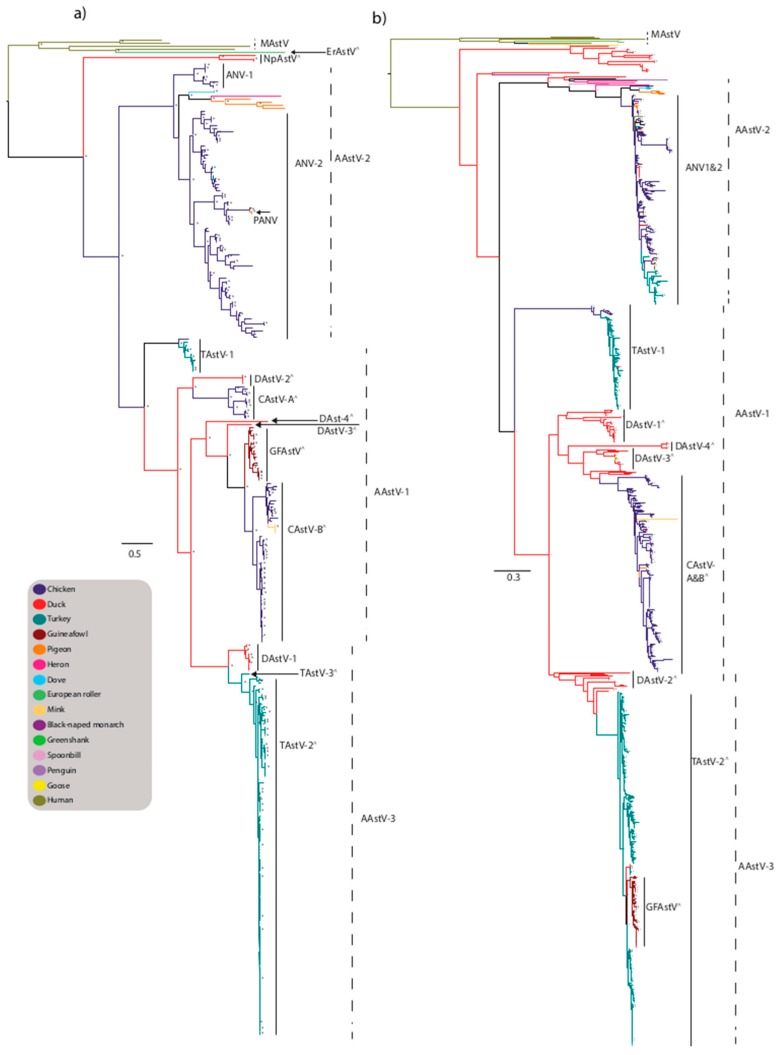
“Astroviruses infecting guineafowl are closely related to TAstV-2 strains based on analysis of the RdRp region [96], however the capsid region is distinct to TAstV-2 strains, forming a discrete cluster in a lineage of unassigned viruses suggesting they are closely related to CAstV-B strains (Figure 2a).”
BackgroundTuấn, N. A., Hoang, L., Pham, L. D., Hoang, K. T., Mizuguchi, M., Okitsu, S., & Ushijima, H. (2007) · Journal of Medical Virology · doi:10.1002/jmv.21032 · Cited by 53 · cited 1×
“Astrovirus infection in humans has been primarily associated with diarrhea and vomiting, accounting for up to 10% of sporadic gastroenteritis cases in some regions [29].”
BackgroundUltrastructure of human astrovirus serotype 2
Risco, C., Carrascosa, J. L., Pedregosa, A., Humphrey, C. D., & Sánchez-Fauquier, A. (1995) · Journal of General Virology · doi:10.1099/0022-1317-76-8-2075 · Cited by 53 · cited 1×
“Astroviruses are named due to the distinct five-pointed or six-pointed star-like appearance of some virions when visualized under an electron microscope (EM); astrovirus is derived from the Greek word astron meaning star [1] [2] [3] .”
BackgroundExploring the virome of cattle with non-suppurative encephalitis of unknown etiology by metagenomics
Wüthrich, D., Boujon, C. L., Truchet, L., Selimovic-Hamza, S., Oevermann, A., Bouzalas, I. G., Bruggmann, R., & Seuberlich, T. (2016) · Virology · doi:10.1016/j.virol.2016.03.009 · Cited by 51 · cited 1×
“The first bovine astrovirus was detected in England in 1978 [66] and bovine astrovirus strains have been detection in association with neurological disease, including encephalitis (BoAstV-CH13/NeuroS1) [14] [15] [16] [67] [68] [69] and diarrheal disease in calves in South Korea [70] and cattle and buffalo calves in Ch…”
BackgroundA seroprevalence investigation of chicken astrovirus infections
Todd, D., Wilkinson, D. S., Jewhurst, H., Wylie, M., Gordon, A. W., & Adair, B. M. (2009) · Avian Pathology · doi:10.1080/03079450903055421 · Cited by 50 · cited 1×
“In addition to AAstV-1 comprised of TAstV-1, AAstV-2 comprised of ANV1 and ANV2, and AAstV-3 comprised of TAstV-2 and duck astrovirus 1 (DAstV-1), there are numerous yet-to-be classified viruses, including Turkey astrovirus 3 (TAstV-3), chicken astrovirus A (CAstV-A), chicken astrovirus B (CAstV-B) [88,89], GFAstV, an…”
BackgroundIdentification and characterization of deer astroviruses.
Smits, S., van Leeuwen, M., Kuiken, T., Hammer, A., Simon, J., & Osterhaus, A. (2010) · Journal of General Virology · doi:10.1099/vir.0.024067-0 · Cited by 49 · cited 1×
“Phylogenetic analysis also reveals that bovine-like astrovirus strains have been isolated from numerous wild species including water buffalo, yak, and European roe deer (CcAstV-1 and CcAstV-2) suffering from gastroenteritis [73].”
BackgroundSerotypes of bovine astrovirus
Woode, G. N., Gourley, N. E., Pohlenz, J., Liebler, E. M., Mathews, S. L., & Hutchinson, M. P. (1985) · Journal of Clinical Microbiology · doi:10.1128/jcm.22.4.668-670.1985 · Cited by 48 · cited 1×
“Two serotypes were previously recognized, BoAstV-1 and BoAstV-2 [72], however based on phylogenetic analysis there are multiple lineages of BoAstV strains circulating in farmed bovine populations, and the close clustering of bovine, porcine, and ovine strains in multiple lineages reflects the common interspecies trans…”
BackgroundEnteric Disease in Dogs Naturally Infected by a Novel Canine Astrovirus
Martella, V., Moschidou, P., Catella, C., Larocca, V., Pinto, P., Losurdo, M., Corrente, M., Lorusso, E., Bànyai, K., Decaro, N., et al. (2011) · Journal of Clinical Microbiology · doi:10.1128/jcm.05018-11 · Cited by 47 · cited 1×
“Canine strains form a small, discrete cluster comprising species MAstV-5, within a lineage comprised of dolphin and sea lion clades representing species MAstV-4 and -11 [55,56], and feline, porcine, and human strains are more distantly related within the same lineage (Figure 1a).”
BackgroundDetection of all serotypes of human astrovirus by the polymerase chain reaction
Jonassen, T. Ø., Monceyron, C., Lee, T. W., Kurtz, J. B., & Grinde, B. (1995) · Journal of Virological Methods · doi:10.1016/0166-0934(94)00168-g · Cited by 46 · cited 1×
“Full-and partial-genome sequence analysis has identified multiple strains that have undergone recombination events, which are predominately located within the ORF1b/ORF2 junction region of the genome, which is a region with an RNA secondary structure predicted to contain a stable hairpin structure [21, 34, [116] [117]…”
BackgroundAstroviruses associated with stunting and pre-hatching mortality in duck and goose embryos
Biđin, M., Lojkić, I., Tišljar, M., Biđin, Z., & Majnarić, D. (2012) · Avian Pathology · doi:10.1080/03079457.2011.642796 · Cited by 45 · cited 1×
“Astrovirus infection has been implicated in pre-hatching mortality in ducklings and goslings [87] .”
BackgroundSajewicz-Krukowska, J., & Domańska-Blicharz, K. (2016) · Archives of Virology · doi:10.1007/s00705-016-2940-6 · Cited by 45 · cited 1×
“Chicken astrovirus has been associated with runting-stunting syndrome (RSS) in chickens characterized by poor weight gain, lower feed conversion, and mortality resulting in economic losses [97] , and "white chicks" disease associated with increased mortality of embryos and chicks, weakness, and white plumage [98] .”
BackgroundAstrovirus in wild boars (Sus scrofa) in Hungary
Reuter, G., Nemes, C., Boros, Á., Kapusinszky, B., Delwart, E., & Pankovics, P. (2012) · Archives of Virology · doi:10.1007/s00705-012-1272-4 · Cited by 42 · cited 1×
“Wild boars showing no symptoms of enteric disease, housed in a captive breeding park with no contact with domesticated pigs, were found to harbor astrovirus strains with a high degree of genetic similarity to porcine strains comprising MAstV-26 and suggests that the virus may be derived from commonly circulating porci…”
BackgroundNew astrovirus in human feces from Burkina Faso
Phan, T., Nordgren, J., Ouermi, D., Simporé, J., Nitiéma, L., Deng, X.-T., & Delwart, E. (2014) · Journal of Clinical Virology · doi:10.1016/j.jcv.2014.03.024 · Cited by 42 · cited 1×
“VA4 has only been detected in Nepal [43] and the BF34 strain has only detected in Burkina Faso [45].”
BackgroundPhylogenetic analysis of bovine astrovirus in Korean cattle
Oem, J., & An, D.-J. (2013) · Virus Genes · doi:10.1007/s11262-013-1013-0 · Cited by 42 · cited 1×
“The first bovine astrovirus was detected in England in 1978 [66] and bovine astrovirus strains have been detection in association with neurological disease, including encephalitis (BoAstV-CH13/NeuroS1) [14–16,67–69] and diarrheal disease in calves in South Korea [70] and cattle and buffalo calves in China [71].”
BackgroundIdentification of an Astrovirus Commonly Infecting Laboratory Mice in the US and Japan
Ng, T. F. F., Kondov, N. O., Hayashimoto, N., Uchida, R., Cha, Y., Beyer, A. I., Wong, W., Pesavento, P. A., Suemizu, H., Muench, M. O., et al. (2013) · PLoS ONE · doi:10.1371/journal.pone.0066937 · Cited by 42 · cited 5×
“The prevalence of VA2/HMO-A viruses in stools ranges from 0.3% to 2.3%, with strains also detected in Egypt, Japan, USA, Kenya, and China [40].”
BackgroundInfluentialNationwide surveillance study of human astrovirus infections in an Italian paediatric population
Grazia, S. D., Martella, V., Chironna, M., Bonura, F., Tummolo, F., Calderaro, A., Moschidou, P., Giammanco, A., & Medici, M. C. (2012) · Epidemiology and Infection · doi:10.1017/s0950268812000945 · Cited by 42 · cited 1×
“Full-and partial-genome sequence analysis has identified multiple strains that have undergone recombination events, which are predominately located within the ORF1b/ORF2 junction region of the genome, which is a region with an RNA secondary structure predicted to contain a stable hairpin structure [21, 34, [116] [117]…”
BackgroundSeroepidemiology of Astrovirus MLB1
Holtz, L. R., Bauer, I. K., Jiang, H., Belshe, R. B., Freiden, P. J., Schultz‐Cherry, S., & Wang, D. (2014) · Clinical and Vaccine Immunology · doi:10.1128/cvi.00100-14 · Cited by 42 · cited 1×
“However, a seroepidemiologic study in the USA revealed that primary exposure to MLB1 occurs in childhood and that seropositivity reached 100% by adulthood suggesting the widespread circulation of the virus in the human population [41].”
BackgroundIdentification of a novel astrovirus in domestic sheep in Hungary
Reuter, G., Pankovics, P., Delwart, E., & Boros, Á. (2011) · Archives of Virology · doi:10.1007/s00705-011-1151-4 · Cited by 40 · cited 2×
“A large diverse lineage, largely comprised of unclassified viruses or tentatively classified viruses awaiting approval encompasses divergent marmot and rabbit strains (MAstV-23), small, discrete clusters of porcine/ovine/bovine strains (MAstV-24), divergent rat strains (MAstV-25), and unclassified mouse and mink strai…”
BackgroundDetection of diverse novel astroviruses from small mammals in China
Hu, B., Chmura, A. A., Li, J., Zhu, G., Desmond, J., Zhang, Y., Zhang, W., Epstein, J. H., Daszak, P., & Shi, Z. (2014) · Journal of General Virology · doi:10.1099/vir.0.067686-0 · Cited by 40 · cited 1×
“Porcupine strains isolated in China also cluster with unclassified PAstV-2 strains suggesting further interspecies transmission of these viruses (Figure 1a) [64].”
BackgroundMartella, V., Pinto, P., Tummolo, F., Grazia, S. D., Giammanco, G., Medici, M., Ganesh, B., L'Homme, Y., Farkas, T., Jakab, F., et al. (2014) · Archives of Virology · doi:10.1007/s00705-014-2153-9 · Cited by 40 · cited 2×
“Adopting a nomenclature that records the appropriate metadata associated with sample collection including host, location, date of collection, and determined species and serotype as proposed by Martella and colleagues would vastly improve the usability of strains for more complex analyses [38].”
MethodIdentification of a second encephalitis-associated astrovirus in cattle
Seuberlich, T., Wüthrich, D., Selimovic-Hamza, S., Drögemüller, C., Oevermann, A., Bruggmann, R., & Bouzalas, I. (2016) · Emerging Microbes and Infections · doi:10.1038/emi.2016.5 · Cited by 40
Genetic characterization of a novel astrovirus in Pekin ducks
Liao, Q., Liu, N., Wang, X., Wang, F., & Zhang, D. (2015) · Infection Genetics and Evolution · doi:10.1016/j.meegid.2015.02.025 · Cited by 38 · cited 3×
“In addition to AAstV-1 comprised of TAstV-1, AAstV-2 comprised of ANV1 and ANV2, and AAstV-3 comprised of TAstV-2 and duck astrovirus 1 (DAstV-1), there are numerous yet-to-be classified viruses, including Turkey astrovirus 3 (TAstV-3), chicken astrovirus A (CAstV-A), chicken astrovirus B (CAstV-B) [88,89], GFAstV, an…”
BackgroundKang, K.-I., Icard, A. H., Linnemann, E. G., Sellers, H. S., & Mundt, E. (2011) · Virus Genes · doi:10.1007/s11262-011-0663-z · Cited by 38 · cited 1×
“In addition to AAstV-1 comprised of TAstV-1, AAstV-2 comprised of ANV1 and ANV2, and AAstV-3 comprised of TAstV-2 and duck astrovirus 1 (DAstV-1), there are numerous yet-to-be classified viruses, including Turkey astrovirus 3 (TAstV-3), chicken astrovirus A (CAstV-A), chicken astrovirus B (CAstV-B) [88,89], GFAstV, an…”
BackgroundNovel Astroviruses in Children, Egypt
Ahmed, S. F., Sebeny, P., Klena, J., Pimentel, G., Mansour, A., Naguib, A., Bruton, J., Young, S. Y., Holtz, L. R., & Wang, D. (2011) · Emerging Infectious Diseases · doi:10.3201/eid1712.110909 · Cited by 38
High evolutionary rate of human astrovirus.
Babkin, I., Tikunov, A., Zhirakovskaia, E., Netesov, S., & Tikunova, N. (2012) · Infection, Genetics and Evolution · doi:10.1016/j.meegid.2012.01.019 · Cited by 37 · cited 2×
“Full-and partial-genome sequence analysis has identified multiple strains that have undergone recombination events, which are predominately located within the ORF1b/ORF2 junction region of the genome, which is a region with an RNA secondary structure predicted to contain a stable hairpin structure [21, 34, [116] [117]…”
BackgroundIsolation and phylogenetic characterization of bat astroviruses in southern China
Xiao, J.-P., Li, J., Hu, G., Chen, Z., Wu, Y., Chen, Y., Chen, Z., Liao, Y., Zhou, J., Ke, X., et al. (2011) · Archives of Virology · doi:10.1007/s00705-011-1011-2 · Cited by 37 · cited 9×
“The first bovine astrovirus was detected in England in 1978 [66] and bovine astrovirus strains have been detection in association with neurological disease, including encephalitis (BoAstV-CH13/NeuroS1) [14–16,67–69] and diarrheal disease in calves in South Korea [70] and cattle and buffalo calves in China [71].”
BackgroundInfluentialDetection and Characterization of Avastrovirus Associated with Diarrhea Isolated from Minks in China
Sun, N., Yang, Y., Wang, G., Shao, X., Zhang, S., Wang, F.-X., Tan, B., Tian, F., Cheng, S., & Wen, Y. (2014) · Food and Environmental Virology · doi:10.1007/s12560-014-9155-3 · Cited by 35 · cited 1×
“A highly divergent group of mink strains detected in China represent a novel clade of astroviruses that were distantly related to previously described mink astrovirus and were closely related to chicken and turkey astroviruses (Figure 2a,b) [113].”
BackgroundSilva, P. A. C., Cardoso, D. D. P., & Schreier, E. (2006) · Archives of Virology · doi:10.1007/s00705-005-0704-9 · Cited by 35 · cited 1×
“HAstV-4 and HAstV-8 have been associated with infection of older children and longer duration of diarrhea (>7 days) [36,37].”
BackgroundQureshi, M. A., Saif, Y. M., Heggen, C. L., Edens, F. W., & HAVENSTEIN, G. B. (2001) · Avian Diseases · doi:10.2307/1592865 · Cited by 34 · cited 2×
“Avian astrovirus have been detected in outbreaks of enteric disease in turkey poults, and avian astrovirus were first reported as an agent of gastroenteritis and mortality in young turkeys in 1980, associated with a condition known as poult enteritis mortality syndrome (PEMS) [91,92].”
BackgroundDetection of astrovirus infection in pigeons (Columbia livia) during an outbreak of diarrhoea
Zhao, W., Zhu, A. L., Yuan, C., Yu, Y.-S., Zhu, C., Lan, D., Yang, Z. B., Cui, L., & Hua, X. (2011) · Avian Pathology · doi:10.1080/03079457.2011.587792 · Cited by 33 · cited 9×
“The first bovine astrovirus was detected in England in 1978 [66] and bovine astrovirus strains have been detection in association with neurological disease, including encephalitis (BoAstV-CH13/NeuroS1) [14–16,67–69] and diarrheal disease in calves in South Korea [70] and cattle and buffalo calves in China [71].”
BackgroundInfluentialLineage diversification and recombination in type-4 human astroviruses
Martella, V., Medici, M. C., Terio, V., Catella, C., Bozzo, G., Tummolo, F., Calderaro, A., Bonura, F., Franco, M. D., Bànyai, K., et al. (2013) · Infection Genetics and Evolution · doi:10.1016/j.meegid.2013.09.015 · Cited by 32 · cited 1×
“Numerous human recombinant strains have been reported between HAstV strains, including strains with HAstV-1 (ORF1b) and HAstV-4 (ORF2) parental viruses, HAstV-1 (ORF1b) and HAstV-3 (ORF2) parental viruses, HAstV-3 (ORF1b) and HAstV-2 (ORF2), and VA2 (ORF1b) and MLB1 (ORF2) parental viruses [116, [119] [120] [121] .”
BackgroundAlfred, N., Liu, H., Mu Lan, L. I., Hong, S., Hai Bo, T. A. N. G., Zu Zhang, W. E. I., Chen, Y., Fa Kai, L. I., Zhong, Y., & HUANG, W. J. (2015) · Journal of Veterinary Medical Science · doi:10.1292/jvms.14-0252 · Cited by 32 · cited 9×
“The first bovine astrovirus was detected in England in 1978 [66] and bovine astrovirus strains have been detection in association with neurological disease, including encephalitis (BoAstV-CH13/NeuroS1) [14–16,67–69] and diarrheal disease in calves in South Korea [70] and cattle and buffalo calves in China [71].”
BackgroundInfluentialNovel Coronavirus and Astrovirus in Delaware Bay Shorebirds
Honkavuori, K. S., Briese, T., Krauss, S. L., Sanchez, M. D., Jain, K., Hutchison, S. K., Webster, R. G., & Lipkin, W. I. (2014) · PLoS ONE · doi:10.1371/journal.pone.0093395 · Cited by 31 · cited 1×
“Astroviruses have been detected in numerous wild aquatic species including teals, pintails, and shovelers (belonging to the order Anseriformes), sanderlings (order Charadriiformes), and herons and spoonbills (order Pelecaniformes) [86,109].”
BackgroundDetection of a mammalian-like astrovirus in bird, European roller (Coracias garrulus).
Pankovics, P., Boros, Á., Kiss, T., Delwart, E., & Reuter, G. (2015) · Infection, Genetics and Evolution · doi:10.1016/j.meegid.2015.06.020 · Cited by 30 · cited 3×
“The highly divergent strains isolated from European roller (Er/SZAL6/HUN/2011 and Er/BMTK529/HUN/2011) exhibited low identity to avian and mammalian astroviruses, cluster within the MAstV lineage, and were likely derived from multiple recombination and interspecies transmission events [51].”
BackgroundSelimovic-Hamza, S., Bouzalas, I. G., Vandevelde, M., Oevermann, A., & Seuberlich, T. (2016) · Frontiers in Veterinary Science · doi:10.3389/fvets.2016.00091 · Cited by 30
A novel astrovirus from dromedaries in the Middle East.
Woo, P. C. Y., Lau, S., Teng, J. L. L., Tsang, A. K. L., Joseph, S., Xie, J., Jose, S., Fan, R. Y. Y., Wernery, U., & Yuen, K. Y. (2015) · Journal of General Virology · doi:10.1099/jgv.0.000233 · Cited by 29 · cited 2×
“L-bat species), and numerous other strains awaiting classification, some of which are considered as tentative new species (designated by a ∧ symbol in the phylogenetic trees) (Figure 1a) [27,28].”
BackgroundA Novel Astrovirus-Like RNA Virus Detected in Human Stool
Munnink, B. O., Cotten, M., Canuti, M., Deijs, M., Jebbink, M., van Hemert, F. V., Phan, M. V. T., Bakker, M., Farsani, S. M. J., Kellam, P., et al. (2016) · Virus Evolution · doi:10.1093/ve/vew005 · Cited by 29 · cited 1×
“This virus remains to be classified by the ICVT, however the capsid regions clusters closest to the MLB1-3 viruses suggesting an evolutionary relationship to these divergent human astroviruses [50] (Figure 1a ).”
BackgroundDetection of Diverse Novel Bat Astrovirus Sequences in the Czech Republic
Dufková, L., Straková, P., Širmarová, J., Salát, J., Moutelíková, R., Chrudimský, T., Bartonička, T., Nowotny, N. R., & Růžek, D. (2015) · Vector-Borne and Zoonotic Diseases · doi:10.1089/vbz.2015.1813 · Cited by 28
Isolation and detection of duck astrovirus CPH: implications for epidemiology and pathogenicity
Liu, N., Jiang, M., Wang, M., Wang, F., Zhang, B., & Zhang, D. (2016) · Avian Pathology · doi:10.1080/03079457.2016.1143549 · Cited by 28 · cited 1×
“Duck astrovirus DAstV-3/CPH has been suggested to transmit horizontally and vertically [108] and DAstV-3/CPH viruses have also been detected in goslings [107].”
BackgroundFirth, A., & Atkins, J. (2010) · Virology Journal · doi:10.1186/1743-422x-7-17 · Cited by 27 · cited 1×
“A further ORF, termed ORFX, has been observed in classic HAstVs and some mammalian astroviurses, overlapping the 5 end of ORF2 which may be translated through a leaking scanning mechanism [19] .”
BackgroundComplete sequence of a novel duck astrovirus
Liu, N., Wang, F., & Zhang, D. (2014) · Archives of Virology · doi:10.1007/s00705-014-2141-0 · Cited by 27 · cited 1×
“In addition to AAstV-1 comprised of TAstV-1, AAstV-2 comprised of ANV1 and ANV2, and AAstV-3 comprised of TAstV-2 and duck astrovirus 1 (DAstV-1), there are numerous yet-to-be classified viruses, including Turkey astrovirus 3 (TAstV-3), chicken astrovirus A (CAstV-A), chicken astrovirus B (CAstV-B) [88,89], GFAstV, an…”
BackgroundZhao, W., Zhu, A. L., Yu, Y., Yuan, C., Zhu, C., Yang, Z. B., Cui, L., & Hua, X. (2011) · Archives of Virology · doi:10.1007/s00705-011-1034-8 · Cited by 26 · cited 2×
“Fewer land dwelling wild birds have been found to harbor avian astroviruses including doves and pigeons (order Colombiformes), European roller (order Coraciiformes), and black-naped monarch (order Passeriformes) [51,104,110,111].”
BackgroundIsolation and characterisation of cytopathic avian enteroviruses from broiler chicks
Takase, K., SHINOHARA, K., TSUNEYOSHI, M., Yamamoto, M., & Yamada, S. (1989) · Avian Pathology · doi:10.1080/03079458908418638 · Cited by 23 · cited 1×
“The second serotype (ANV-2) was later described from chicks with stunted growth [101].”
BackgroundShaukat, S., Angez, M., Alam, M. M., Jebbink, M. F., Deijs, M., Canuti, M., Sharif, S., de Vries, M., Khurshid, A., Mahmood, T., et al. (2014) · Virology Journal · doi:10.1186/1743-422x-11-146 · Cited by 22 · cited 1×
“CNS complications associated with astrovirus infection have been reported in recent years, including acute flaccid paralysis, with some fatalities reported in children with underlying immune disorders [30,31].”
BackgroundComplete Genome of a Novel Porcine Astrovirus
Shan, T., Wang, C., Tong, W., Zheng, H., Hua, X.-G., Yang, S., Guo, Y.-F., Zhang, W., & Tong, G. (2012) · Journal of Virology · doi:10.1128/jvi.02598-12 · Cited by 20 · cited 1×
“This diversity likely reflects the varying origins of these viruses, in particular highlighting frequent interspecies transmission and recombination events [58] [59] [60] .”
BackgroundNovel human astroviruses: challenges for developing countries
Krishnan, T. (2014) · VirusDisease · doi:10.1007/s13337-014-0202-3 · Cited by 19 · cited 2×
“The classification of the Astrovirus genus within the family Astroviridae was recognized by the International Committee for Taxonomy of Viruses (ICTV) in 1995 and the classification scheme has been modified numerous times over the intervening years [24].”
BackgroundComplete Genome Sequence of a Newly Identified Porcine Astrovirus Genotype 3 Strain US-MO123
Xiao, C.-T., Halbur, P., & Opriessnig, T. (2012) · Journal of Virology · doi:10.1128/jvi.02426-12 · Cited by 15 · cited 1×
“This diversity likely reflects the varying origins of these viruses, in particular highlighting frequent interspecies transmission and recombination events [58] [59] [60] .”
BackgroundDetection of a novel astrovirus from a black-naped monarch (Hypothymis azurea) in Cambodia
Mendenhall, I. H., Yaung, K. N., Joyner, P. H., Keatts, L., Borthwick, S. A., Neves, E. S., Sorn, S., Gilbert, M., & Smith, G. J. D. (2015) · Virology Journal · doi:10.1186/s12985-015-0413-2 · Cited by 14 · cited 1×
“Fewer land dwelling wild birds have been found to harbor avian astroviruses including doves and pigeons (order Colombiformes), European roller (order Coraciiformes), and black-naped monarch (order Passeriformes) [51, 104, 110, 111] .”
BackgroundCordey, S., Brito, F., Vu, D., Turin, L., Kilowoko, M., Kyungu, E., Genton, B., Zdobnov, E., D'Acremont, V., & Kaiser, L. (2016) · Emerging Microbes and Infections · doi:10.1038/emi.2016.67 · Cited by 14
Identification of a second encephalitis-associated astrovirus in cattle
Seuberlich, T., Wüthrich, D., Selimovic-Hamza, S., Drögemüller, C., Oevermann, A., Bruggmann, R., & Bouzalas, I. (2016) · Emerging Microbes &Infections · doi:10.1038/emi.2017.56 · Cited by 13
Novel European lineages of bat astroviruses identified in Hungary
Kemenesi, G., Dallos, B., Görföl, T., Boldogh, S. A., Estók, P., Kurucz, K., Oldal, M., Németh, V., Madai, M., Bànyai, K., et al. (2014) · Acta Virologica · doi:10.4149/av_2014_01_95 · Cited by 13 · cited 1×
“Bat astroviruses were first detected in 2008 in Hong Kong [77] and subsequently detected in bats in China [78,79], North America [80], Germany [81], Hungary [82], and the Czech Republic [83] from numerous bat species, with detection rates ranging from 36% to 100% in Miniopterus magnater bats and from 50% to 70% of Min…”
Background
Research works printed but not linked: 1
- King, A.M.Q., Lefkowitz, E., Adams, M.J., and Carstens, E.B. (2012). Family—Astroviridae. Virus Taxonomy: Ninth Report of the International Committee on Taxonomy of Viruses, Elsevier.
Cited by
Sorted by citations
Astrovirus evolution and emergence
Wohlgemuth, N., Honce, R., & Schultz-Cherry, S. (2019) · Infection, Genetics and Evolution · doi:10.1016/j.meegid.2019.01.009 · Cited by 119
“, 2008) and sequence based phylogenetics, astroviruses have been classified by their ORF2 full length amino acid sequence into three species of AAstV and 19 species of MAstV (Bosch et al., 2012; Donato and Vijaykrishna, 2017; Krishnan, 2014).”
BackgroundIsolation and characterization of an astrovirus causing fatal visceral gout in domestic goslings
Zhang, Q., Cao, Y., Wang, J., Fu, G., Sun, M., Zhang, L., Li, M. Y., Cui, G., Huang, Y., Hu, X., et al. (2018) · Emerging Microbes & Infections · doi:10.1038/s41426-018-0074-5 · Cited by 127
“AstVs have been detected in humans and a variety of animal species, including nonhuman primates, other mammals and avian species [3] [4] [5] .”
BackgroundVirome in the cloaca of wild and breeding birds revealed a diversity of significant viruses
Shan, T., Yang, S., Wang, H., Wang, H., Zhang, J., Gong, G., Xiao, Y., Yang, J., Wang, X., Lü, J., et al. (2022) · Microbiome · doi:10.1186/s40168-022-01246-7 · Cited by 116
Global public health implications of human exposure to viral contaminated water
Lanrewaju, A. A., Enitan, A. M., Sabiu, S., Edokpayi, J. N., & Swalaha, F. M. (2022) · Frontiers in Microbiology · doi:10.3389/fmicb.2022.981896 · Cited by 100
“Genera Mamastrovirus (MAstV) and Avastrovirus (AAstV) make up the family Astroviridae (Appleton, 1975; De Benedictis et al., 2011; Donato and Vijaykrishna, 2017).”
BackgroundOccurrence of Human Enteric Viruses in Water Sources and Shellfish: A Focus on Africa
Upfold, N., Luke, G. A., & Knox, C. M. (2021) · Food and Environmental Virology · doi:10.1007/s12560-020-09456-8 · Cited by 81
Metadata
- Authors
- Donato, C., & Vijaykrishna, D.
- Affiliations
- Monash University (AU)
- Duke-NUS Medical School (SG)
- Corresponding author
- Vijaykrishna, Dhanasekaran
- Venue
- Viruses
- Publisher
- MDPI AG
- Published
- 2017-05-10
- Volume
- 9
- Issue
- 5
- Pages
- 102
- ISSN
- 1999-4915 (ISSN-L)
- PMC
- PMC5454415
- OpenAlex
- W2612817723
- Cited by
- 196
- References
- 123
- Citations by year
- 2026: 15 · 2025: 16 · 2024: 24 · 2023: 24 · 2022: 37 · 2021: 31 · 2020: 17 · 2019: 22 · 2018: 10
- FWCI
- 1.62
- Type
- journal article
- Language
- en
- Open access
- gold
- doi.org
- Licence
- Locations
- Viruses (publishedVersion, cc-by)
- Europe PMC (PubMed Central) (publishedVersion, cc-by)
- PubMed Central (publishedVersion, cc-by)
- PubMed (publishedVersion)
- Monash University Research Portal (Monash University) (submittedVersion, other-oa)
- National University of Singapore (submittedVersion, cc-by)
- Minerva Access (University of Melbourne) (submittedVersion, cc-by)
- Topics
- Life Sciences › Agricultural and Biological Sciences › Animal Science and Zoology › Animal Virus Infections Studies
- Health Sciences › Medicine › Infectious Diseases › Viral gastroenteritis research and epidemiology
- Health Sciences › Medicine › Public Health, Environmental and Occupational Health › Zoonotic diseases and public health
- Keywords
- astrovirus, host range, genetic diversity, phylogenetic diversity, virus taxonomy, ORF1b, ORF2, interspecies transmission, genetic recombination
- MeSH terms
- Animals, Birds, Feces, Humans, Mammals, Phylogeny, Recombination, Genetic, RNA-Dependent RNA Polymerase, Genetic Variation, Viral Proteins, Open Reading Frames, Astroviridae, Astroviridae Infections, Capsid Proteins, Mice, Rats, Host Specificity
About these checks
Registry, retraction, Cites and statistics results are computed, not judged, with one exception: a printed reference that no index lists is read once by a model before it counts as a citation error. Claims are extracted by a model and kept only when their quote appears verbatim in the text; each cited source is then checked, with a model’s help, for whether it says what the claim relies on. Those verdicts can be wrong — read the claim’s quote and the cited source before relying on one.
Statistics and arithmetic are recomputed, not judged.
Confidence bands are shown only for fields calibrated on our annotated test set. None is calibrated yet, so no band is shown.
What counts as a claim ›How we measure confidence ›How we check this ›
Are you an author, or do you see a problem with this page? Request a review
