

The DOI matches its Crossref record; 158 of the 165 references it cites were found in a registry or an index.
The Role of Indoleamine 2, 3-Dioxygenase in Immune Suppression and Autoimmunity
Open accessAbstract
Indoleamine 2, 3-dioxygenase (IDO) is the first and rate limiting catabolic enzyme in the degradation pathway of the essential amino acid tryptophan. By cleaving the aromatic indole ring of tryptophan, IDO initiates the production of a variety of tryptophan degradation products called “kynurenines” that are known to exert important immuno-regulatory functions. Because tryptophan must be supplied in the diet, regulation of tryptophan catabolism may exert profound effects by activating or inhibiting metabolism and immune responses. Important for survival, the regulation of IDO biosynthesis and its activity in cells of the immune system can critically alter their responses to immunological insults, such as infection, autoimmunity and cancer. In this review, we assess how IDO-mediated catabolism of tryptophan can modulate the immune system to arrest inflammation, suppress immunity to cancer and inhibit allergy, autoimmunity and the rejection of transplanted tissues. Finally, we examine how vaccines may enhance immune suppression of autoimmunity through the upregulation of IDO biosynthesis in human dendritic cells.
Overview
The claims and statistics of this paper haven’t been checked yet.
Run the check — free, no account needed. It reads the open-access text and checks the sources it cites.
Integrity signals
Registry
Cites
Statistics
Figures
Verification
Claims the paper makes
The claims and statistics of this paper haven’t been checked yet.
Run the check — free, no account needed. It reads the open-access text and checks the sources it cites.
Claims other papers make about this one
Each is checked against this paper’s own text: does it say what the citing paper says it does?
The cited source says what the claim attributes to it.
In the citing paper
“Increased IDO expression is responsible for the catabolism of TRP in the KYN degradation pathway [36] and is canonically upregulated by inflammatory mechanisms [37,38].”
Self-check
Percentages, sums and reported differences re-computed from the paper’s own numbers.
The self-check needs the paper’s full text.
Citations
Cites
Multilineage potential of adult human mesenchymal stem cells
Pittenger, M. F., Mackay, A. M., Beck, S. C., Jaiswal, R. K., Douglas, R., Mosca, J. D., Moorman, M. A., Simonetti, D. W., Craig, S., & Marshak, D. R. (1999) · Science · doi:10.1126/science.284.5411.143 · Cited by 21,052 · cited 1×
“Mesenchymal stem cells provide a basis for improved tissue regeneration and gene therapy [17,18].”
BackgroundMechanisms of TGF-β Signaling from Cell Membrane to the Nucleus
Shi, Y., & Massagué, J. (2003) · Cell · doi:10.1016/s0092-8674(03)00432-x · Cited by 5,860 · cited 3×
“Several molecular stimuli and signaling pathways were shown to induce the transcription and translation of metabolically-active IDO1 enzyme [35,40,50].”
BackgroundMechanisms of Diabetic Complications
Forbes, J. M., & Cooper, M. E. (2013) · Physiological Reviews · doi:10.1152/physrev.00045.2011 · Cited by 2,890 · cited 2×
“About 80% of patients are women with a 2–5-times greater risk of autoimmune disease onset among African, Hispanic and Native American women than those of European descent [119,137,143–145].”
BackgroundPrevention of Allogeneic Fetal Rejection by Tryptophan Catabolism
Munn, D. H., Zhou, M., Attwood, J. T., Bondarev, I. E., Conway, S. J., Marshall, B., Brown, C. C., & Mellor, A. L. (1998) · Science · doi:10.1126/science.281.5380.1191 · Cited by 2,589 · cited 1×
“confirming that placental cells synthesizing IDO1 can protect the mammalian fetus from maternal T-cell attack [15,16].”
BackgroundUyttenhove, C., Pilotte, L., Théate, I., Stroobant, V., Colau, D., Parmentier, N., Boon, T., & Van den Eynde, B. J. (2003) · Nature Medicine · doi:10.1038/nm934 · Cited by 2,305 · cited 1×
“A connection between elevated urinary tryptophan catabolites and bladder cancer was first reported in the 1950s [105].”
BackgroundBone Marrow Stromal Stem Cells: Nature, Biology, and Potential Applications
Bianco, P., Riminucci, M., Gronthos, S., & Robey, P. G. (2001) · Stem Cells · doi:10.1634/stemcells.19-3-180 · Cited by 1,944 · cited 1×
“Mesenchymal stem cells provide a basis for improved tissue regeneration and gene therapy [17,18].”
BackgroundAn endogenous tumour-promoting ligand of the human aryl hydrocarbon receptor
Opitz, C. A., Litzenburger, U. M., Sahm, F., Ott, M., Tritschler, I., Trump, S., Schumacher, T., Jestaedt, L., Schrenk, D., Weller, M., et al. (2011) · Nature · doi:10.1038/nature10491 · Cited by 1,898 · cited 1×
“The aryl hydrocarbon receptor (AhR) was shown to cause immune suppression after binding dioxin [70].”
BackgroundAn Interaction between Kynurenine and the Aryl Hydrocarbon Receptor Can Generate Regulatory T Cells
Mezrich, J. D., Fechner, J. H., Zhang, X., Johnson, B. P., Burlingham, W. J., & Bradfield, C. A. (2010) · The Journal of Immunology · doi:10.4049/jimmunol.0903670 · Cited by 1,674 · cited 2×
“Interestingly, kynurenines produced from IDO’s enzymatic activity can also bind and activate as an endogenous ligand, AhR [53,54].”
BackgroundEpidemiology and estimated population burden of selected autoimmune diseases in the United States
Jacobson, D. L., Gange, S. J., Rose, N. R., & Graham, N. M. H. (1997) · Clinical Immunology and Immunopathology · doi:10.1006/clin.1997.4412 · Cited by 1,667 · cited 2×
“self-antigens were shown to prevent uveitis, multiple sclerosis and type 1 diabetes in animal models of autoimmunity [124,131,132,142,153].”
BackgroundEisenbarth (1986) · doi:10.1056/nejm198605223142106 · Cited by 1,659 · cited 1×
“Type 1 diabetes (T1D) is a well-studied prototypic tissue-specific autoimmune disease resulting from auto-reactive lymphocyte destruction of the pancreatic islet insulin-producing -cells [34,134–137].”
Background
Cited by
Sorted by citations
Items 201–300 of 316
MiR-669b-3p regulates CD4+ T cell function by down-regulating indoleamine-2, 3-dioxygenase
Li, C., Wang, X., Fang, Y., Zhao, Z., Zhang, B., Zhang, J., Li, W., & Liu, T. (2020) · Transplant Immunology · doi:10.1016/j.trim.2020.101320 · Cited by 10
HMGA1-pseudogene7 transgenic mice develop B cell lymphomas
Martino, M. D., Biase, D. D., Forzati, F., Credendino, S. C., Palma, G., Barbieri, A., Arra, C., Paciello, O., Gaudio, E., Ponzoni, M., et al. (2020) · Scientific Reports · doi:10.1038/s41598-020-62974-0 · Cited by 13
Pretorius, C., & Luies, L. (2024) · Metabolomics · doi:10.1007/s11306-024-02161-8 · Cited by 9
“In HIV/TB co-infection, elevated kynure-nine pathway activity could compromise immune response effectiveness (Mbongue et al., 2015).”
BackgroundAsgari, F., Nikzamir, A., Baghaei, K., Salami, S., Masotti, A., & Rostami‐Nejad, M. (2024) · Inflammation · doi:10.1007/s10753-024-02004-7 · Cited by 9
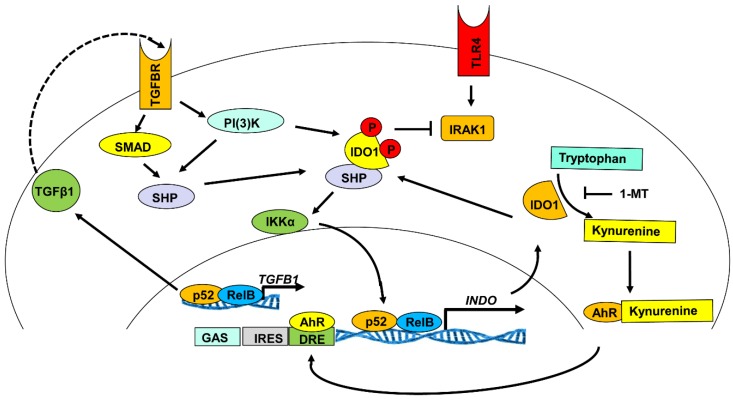
“According to the findings of our research, a significant portion of this signaling mechanism is based on the ability of TGF-β for IDO activation [59].”
Synergistic Effect of Retinoic Acid and Lactoferrin in the Maintenance of Gut Homeostasis
Peña‐Juárez, M. C., Guadarrama-Escobar, O. R., Serrano-Castañeda, P., Méndez‐Albores, A., Vázquez‐Durán, A., Vera‐Graziano, R., Pérez, B. R., Salgado-Machuca, M., Anguíano-Almazán, E., Morales-Florido, M. I., et al. (2024) · Biomolecules · doi:10.3390/biom14010078 · Cited by 8
“…MC-DCs di ff erentiated in the presence of LF exhibit increased expression of molecules such as the immunoglobulin-like transcript and programmed death ligand (indoleamine 2,3-dioxygenase and suppressor of cytokine signaling 3), which have negative regulatory or inhibitory immune functions [89].”
BackgroundZhang, C., Wang, L., Xu, C., Xu, H., & Wu, Y. (2023) · Frontiers in Pharmacology · doi:10.3389/fphar.2023.1079924 · Cited by 9
“Tryptophan, which plays a fundamental role in cancer innate and adaptive immune tolerance, is a substrate of IDO via the kynurenine degradation pathway (Mbongue et al., 2015).”
BackgroundCui, Z., Zhang, X., Zhang, X., Wu, N., Lu, L.-F., Li, S., Chen, D., & Zhang, Y. (2019) · Fish & Shellfish Immunology · doi:10.1016/j.fsi.2019.04.005 · Cited by 9
Day, A. L., Jameson, Z., Hyde, C., Simbi, B. H., Fowkes, R. C., & Lawson, C. (2018) · Biosensors · doi:10.3390/bios8030086 · Cited by 9
Gonçalves, M., Rodrigues‐Santos, P., Januário, C., Cosentino, M., & Pereira, F. C. (2024) · International Immunopharmacology · doi:10.1016/j.intimp.2024.112062 · Cited by 9
Merlo, B., & Iacono, E. (2023) · Animals · doi:10.3390/ani13223571 · Cited by 9
“The review will focus on the secretome (CMs or EVs) applications and results, even when MSCs have been concurrently used in the experimental designs.”
MethodStincardini, C., Pariano, M., D’Onofrio, F., Renga, G., Orecchini, E., Orabona, C., Nunzi, E., Gargaro, M., Fallarino, F., Chun, S. K., et al. (2023) · PNAS Nexus · doi:10.1093/pnasnexus/pgad036 · Cited by 10
Supramolecular organizing centers at the interface of inflammation and neurodegeneration
Sušjan, P., Ramuta, T. Ž., Boršić, E., Orehek, S., & Hafner‐Bratkovič, I. (2022) · Frontiers in Immunology · doi:10.3389/fimmu.2022.940969 · Cited by 11
“identified indoleamine 2,3dioxygenase that was highly induced in poly(I:C)-treated astrocytes, an enzyme with many biological functions, especially immunosuppression (192) through the synthesis of tryptophan metabolites that are cytotoxic to certain immune cells (193).”
BackgroundReverse Iontophoretic Extraction of Skin Cancer-Related Biomarkers
Morin, M., Björklund, S., Jankovskaja, S., Moore, K., Delgado-Charro, M., Ruzgas, T., Guy, R., & Engblom, J. (2021) · Pharmaceutics · doi:10.3390/pharmaceutics14010079 · Cited by 8
“On the other hand, the catabolism of the essential amino acid tryptophan (Trp) along the kynurenine pathway (KP) plays a crucial role in regulation of the immune response [23,24] and changes in the Trp/Kyn ratio are associated with several diseases including cancer [25–27].”
BackgroundAlexander, C. A., & Yang, Y. Y. (2021) · Nanomedicine Nanotechnology Biology and Medicine · doi:10.1016/j.nano.2021.102492 · Cited by 12
Juhl, M., Follin, B., Gad, M., Larsen, J., Kastrup, J., & Ekblond, A. (2020) · Stem Cells International · doi:10.1155/2020/8868909 · Cited by 8
Differential Phase Contrast Imaging to Predict MSC Immune Function
Rui, K.-J., Priyadarshani, P., Liversage, A., Munoz, C., Stice, S. L., & Mortensen, L. (2025) · Advanced Healthcare Materials · doi:10.1002/adhm.202501553 · Cited by 7
Simpson, S. R., Middleton, D. D., Lukesh, N. R., Islam, M. J., Bachelder, E. M., & Ainslie, K. M. (2024) · Journal of Pharmacy and Science · doi:10.1016/j.xphs.2024.05.030 · Cited by 7
Redox Signaling Modulates Activity of Immune Checkpoint Inhibitors in Cancer Patients
Allegra, A., Murdaca, G., Mirabile, G., & Gangemi, S. (2023) · Biomedicines · doi:10.3390/biomedicines11051325 · Cited by 8
A metabolic blueprint of COVID-19 and long-term vaccine efficacy
Berber, E., Sumbria, D., & Kökkaya, S. (2022) · Drug Metabolism and Personalized Therapy · doi:10.1515/dmpt-2022-0148 · Cited by 8
Royzman, D., Andreev, D., Stich, L., Peckert-Maier, K., Wild, A. B., Zinser, E., Mühl-Zürbes, P., Jones, E., Adam, S., Frey, S., et al. (2022) · Frontiers in Immunology · doi:10.3389/fimmu.2022.936995 · Cited by 8
“, via the induction of type I interferons, which, in turn, induce TGFb and IDO expression (60).”
BackgroundRegulatory T Cells Contribute to Resistance against Lyme Arthritis
Siebers, E., Liedhegner, E. S., Lawlor, M., Schell, R. F., & Nardelli, D. T. (2020) · Infection and Immunity · doi:10.1128/iai.00160-20 · Cited by 7
Miyamoto, K. N., & Bonatto, D. (2020) · Clinical Immunology · doi:10.1016/j.clim.2020.108489 · Cited by 7
Immunomodulatory Behavior of Mesenchymal Stem Cells
Taşlı, P. N., Bozkurt, B. T., Kırbaş, O. K., Deniz, A. A. H., & Şahi̇n, F. (2018) · Advances in experimental medicine and biology · doi:10.1007/5584_2018_255 · Cited by 8
Blick-Nitko, S., Ture, S., Schafer, X. L., Munger, J. C., Livada, A., Li, C., Maurya, P., Rondina, M. T., & Morrell, C. (2024) · Blood Advances · doi:10.1182/bloodadvances.2024013175 · Cited by 6
“48-50 To determine platelet Ido1 expression during PyNL infection, platelets were isolated from control or infected mice at multiple time points after infection to isolate platelet mRNA for quantitative reverse transcription polymerase chain reaction.”
Zitta, K., Hummitzsch, L., Lichte, F., Fändrich, F., Steinfath, M., Eimer, C., Kapahnke, S., Buerger, M., Hess, K., Rusch, M., et al. (2024) · Journal of Translational Medicine · doi:10.1186/s12967-024-05336-y · Cited by 6
“IDO as well as PD-L1 also inhibit T-cell activation [22, 26, 27] PD-L1 expression in Mreg IFNγ0 , the same percentage of Mreg and Mreg IFNγ0 are positive for PD-L1 on protein level.”
BackgroundCarbone, L. D., Bůžková, P., Fink, H. A., Robbins, J. A., Barzilay, J. I., Elam, R. E., & Isales, C. M. (2023) · JBMR Plus · doi:10.1002/jbm4.10801 · Cited by 6
Hegde, M. M., Sandbhor, P., Aishwarya, J., Gota, V., & Goda, J. S. (2023) · Frontiers in Oncology · doi:10.3389/fonc.2023.1168454 · Cited by 11
“Downregulate kynurenic acid metabolism through Treg-mediated Foxp3 apoptosis of CD4+T cells Reduce L-arginine concentration essential for normal T-cell functions via the production of nitric oxide (NO) using nitric oxide synthase (NOS) Induce expression of cytotoxic CD8-T lymphocytes and release anti-apoptotic signals…”
Yurt, E. F., Bicer, C. K., Serdar, M. A., Akan, S., & Erten, Ş. (2023) · Cytokine · doi:10.1016/j.cyto.2023.156247 · Cited by 6
Impact of amino acids on microglial activation and CNS remyelination.
Hu, J., Baydyuk, M., & Huang, J. K. (2022) · Current opinion in pharmacology (Print) · doi:10.1016/j.coph.2022.102287 · Cited by 6
Hassan, S. U., Chua, E., Paz, E., Kaur, P., Tay, C. Y., Greeff, J., Liu, S.-M., & Martin, G. (2022) · Scientific Reports · doi:10.1038/s41598-022-06001-4 · Cited by 6
Vu, B. T., Le, H. T., Nguyen, K. N., & Pham, P. V. (2021) · Advances in experimental medicine and biology · doi:10.1007/5584_2021_672 · Cited by 7
Lassiter, R. L., Merchen, T., Fang, X.-X., & Wang, Y.-L. (2021) · Frontiers in Immunology · doi:10.3389/fimmu.2021.671025 · Cited by 6
Koivula, T., Tuulasvaara, A., Hetemäki, I., Hurme, M., Mäkelä, S., Mustonen, J., Vaheri, A., & Arstila, T. (2017) · Pathogens and Disease · doi:10.1093/femspd/ftw114 · Cited by 6
Glioblastoma cell-induced immunosuppression causing chemoresistance
Sordillo, P. P., & Sordillo, L. A. (2021) · Elsevier eBooks · doi:10.1016/b978-0-12-821567-8.00008-7 · Cited by 5
Divergent metabolic rewiring shapes altered innate immunity
Liu, M., Wang, X., Qu, X., Wang, Y., Shen, X., & Xu, L. (2025) · Cellular Immunology · doi:10.1016/j.cellimm.2025.105025 · Cited by 6
Belpaire, A., Demeyer, A., Berrevoet, D., Nieuwerburgh, F. V., Caelenberg, E. V., Papageorgiou, T., van Geel, N., & Speeckaert, R. (2025) · Journal of Investigative Dermatology · doi:10.1016/j.jid.2025.07.027 · Cited by 5
The Tryptophan-Kynurenine pathway in people living with HIV: a systematic review
Sebigi, T. W., Asia, L. K., January, G. G., van Vuren, E. J., & Williams, M. E. (2025) · Infection · doi:10.1007/s15010-025-02557-1 · Cited by 6
“As such, it regulates the overall rate at which downstream Kyn metabolites are produced, thereby justifying their designation as the rate-limiting enzymes of the Trp–Kyn pathway [25].”
Xu, Q., Wang, R., Sui, K., Xu, Y., Zhou, Y., He, Y., Hu, Z., Wang, Q., Xie, X., Wang, X., et al. (2025) · Stem Cell Research & Therapy · doi:10.1186/s13287-025-04321-6 · Cited by 5
Aqueous humor metabolomic profiling identifies a distinct signature in pseudoexfoliation syndrome
Zemītis, A., Vanags, J., Schiemer, T., Klavins, K., & Laganovska, G. (2025) · Frontiers in Molecular Biosciences · doi:10.3389/fmolb.2024.1487115 · Cited by 6
Stieger, A., Huber, M., Yu, Z., Kessler, B., Fischer, R., Andereggen, L., Kobel, B., Stueber, F., Luedi, M., & Filipovic, M. G. (2024) · Metabolites · doi:10.3390/metabo14060334 · Cited by 5
“The role of IDO has been extensively investigated in various diseases, including cancer [3,6–15], autoimmune disorders [16,17], and neurodegenerative conditions [18,19].”
BackgroundDelivery of Immobilized IFN-γ With PCN-333 and Its Effect on Human Mesenchymal Stem Cells.
Phipps, J., Haseli, M., Pinzon-Herrera, L., Wilson, B., Corbitt, J., Servoss, S., & Almodóvar, J. (2023) · ACS Biomaterials Science & Engineering · doi:10.1021/acsbiomaterials.2c01038 · Cited by 5
Horcharoensuk, P., Yang'en, S., Narkwichean, A., & Rungsiwiwut, R. (2022) · PLoS ONE · doi:10.1371/journal.pone.0264773 · Cited by 5
“Normally, IDO is expressed during immunosuppressive processes via inhibition of pro-inflammatory T-cells as well as induction of the regulatory T-cell population [43].”
BackgroundKim, H.-R., Jin, H.-S., & Eom, Y.-B. (2021) · Genes · doi:10.3390/genes12121905 · Cited by 5
Yang, M.-Y., Huang, G.-Y., Qian, H., Wang, J., Zhao, S.-Y., Li, S., & Yuan, Y. (2021) · Autoimmunity · doi:10.1080/08916934.2021.1907572 · Cited by 5
Alahdal, M., Sun, D., Duan, L., Ouyang, H., Wang, M., Xiong, J., & Wang, D. (2021) · Cancer Science · doi:10.1111/cas.14832 · Cited by 5
Lin, S., Yeh, T., Song, J., Hung, M., Cheng, M.-F., Liao, F.-Y., Li, A.-S., Cheng, S.-Y., Lin, L.-M., Chiu, C.-H., et al. (2018) · Bioorganic Chemistry · doi:10.1016/j.bioorg.2018.02.010 · Cited by 6
Unconventional Immunotherapies in Cancer: Opportunities and Challenges
Alturki, M., Alshehri, A. A., Aldossary, A. M., Fallatah, M., Almughem, F. A., Fayez, N. A., Majrashi, M. A., Alradwan, I. A., Alkhrayef, M. N., Alomary, M. N., et al. (2025) · Pharmaceuticals · doi:10.3390/ph18081154 · Cited by 5
“For example, TGF-β can suppress the cytotoxic activity of γδ T cells, while Indoleamine 2,3-Dioxygenase 1 (IDO)- mediated tryptophan depletion can impair MAIT cell function [88,89].”
Hoffka, G., Hornyák, L., Székvölgyi, L., & Miskei, M. (2025) · Protein Science · doi:10.1002/pro.70152 · Cited by 4
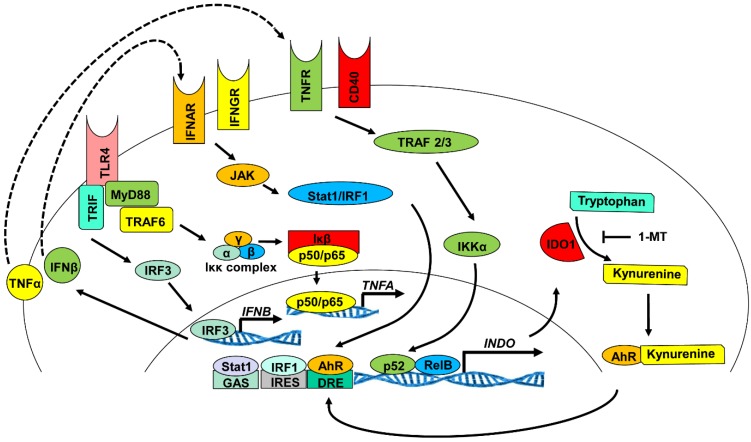
“Specifically, IKK α induces the non-canonical NF-κ B pathway by promoting the processing of p100 into p52, leading to the formation of the p52/RelB transcriptional complex, which governs immune and inflammatory responses (Mbongue et al., 2015; Pallotta et al., 2011).”
Identification of crucial inflammaging related risk factors in multiple sclerosis
Xu, M., Wang, H., Ren, S., Wang, B., Yang, W., Lv, L., Sha, X., Li, W., & Wang, Y. (2024) · Frontiers in Molecular Neuroscience · doi:10.3389/fnmol.2024.1398665 · Cited by 4
“The roles of the kynurenine pathway included endogenous regulation of neuronal excitability, initiation of immune tolerance and synthesis of nicotinamide adenine dinucleotide (NAD), where NAD + being a key molecule in a variety of biochemical processes (Mbongue et al., 2015; Zhong et al., 2023).”
BackgroundHaseli, M., Pinzon‐Herrera, L., Hao, X., Wickramasinghe, S. R., & Almodóvar, J. (2023) · Langmuir · doi:10.1021/acs.langmuir.3c02355 · Cited by 4
Kim, D. K., Synn, C., Yang, S. M., Kang, S., Baek, S., Oh, S.-W., Lee, G.-J., Kang, H.-W., Lee, Y.-S., Park, J. S., et al. (2022) · Frontiers in Chemistry · doi:10.3389/fchem.2022.998013 · Cited by 4
“T cells, NK cells, and macrophages, activates regulatory T cells, and has positive effects on tumor progression (Mbongue et al., 2015; Zhai et al., 2020).”
BackgroundIndolamine 2,3-dioxygenase (IDO) inhibitors as a potential treatment for somatic symptoms
Doğrul, B. N. (2022) · Medical Hypotheses · doi:10.1016/j.mehy.2022.110777 · Cited by 5
Activation of GSK3 Prevents Termination of TNF-Induced Signaling
Welz, B., Bikker, R., Hoffmeister, L., Diekmann, M., Christmann, M., Brand, K., & Huber, R. (2021) · Journal of Inflammation Research · doi:10.2147/jir.s300806 · Cited by 5
Awuah, D., Ruisinger, A., Alobaid, M. A., Mbadugha, C., & Ghaemmaghami, A. (2020) · bioRxiv · doi:10.1101/2020.11.05.369967 · Cited by 4
Zhang, Y., Bowman, K. J., Maleski, J., Diamond, S., & Yeleswaram, S. (2019) · Drug Metabolism And Disposition · doi:10.1124/dmd.118.084053 · Cited by 4
Amino Acids | Aromatic Amino Acid Metabolism Across Species
Li, J., Vavricka, C. J., Yang, C., Han, Q., & Cooper, A. J. L. (2021) · Elsevier eBooks · doi:10.1016/b978-0-12-819460-7.00279-6 · Cited by 4
Fongsaran, C., Dineley, K. T., Paessler, S., & Cisneros, I. E. (2024) · Pathogens · doi:10.3390/pathogens13050397 · Cited by 3
“Further analysis identified correlations in the CNS between the expression of IDO mRNA and inflammatory cytokine gene expression following VEEV TC-83 inoculation in WT and Tg2576 mice.”
BackgroundHarnessing IDO inhibitors to optimize cancer immunotherapy
Rab, S. O., Jaafar, H., Jabir, M. S., Malathi, H., devi, S., Pramanik, A., Al-Hetty, H. R. A. K., Alnajar, M. J., Jawad, S. F., & Mustafa, Y. (2025) · Naunyn-Schmiedeberg's Archives of Pharmacology · doi:10.1007/s00210-025-04445-9 · Cited by 3
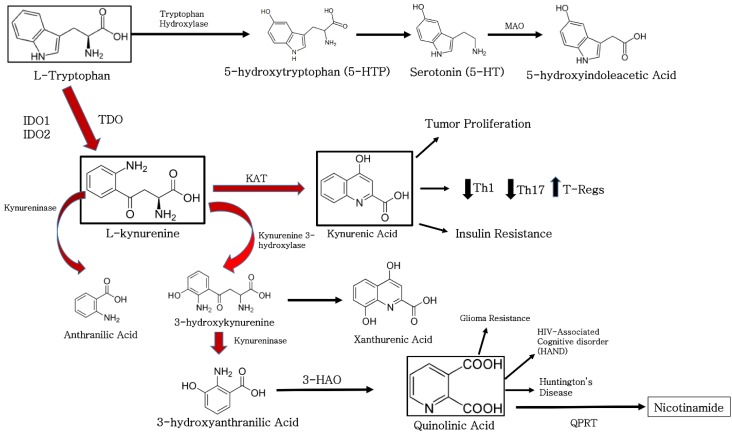
“The primary role of IDO in the TME is to break down the necessary amino acid tryptophan into kynurenine, which significantly affects immune modulation (Mbongue et al. 2015) (Fig.”
Shill, D. D., Stade, H. N., Goodson, K. C., Beltran, M. A., Haller, D., Benson, M., Drumwright, M. D., & Scholz, D. (2025) · International Journal of Cosmetic Science · doi:10.1111/ics.13073 · Cited by 3
“Conversely, green tea extracts have been shown to enhance the release of indoleamine-2,3-dioxygenase, which plays a critical role in suppressing immune responses to bacteria [33, 34].”
Indoleamine 2,3-Dioxygenase 1 (IDO1) in Kidney Transplantation: A Guardian against Rejection
Wiśnicki, K., Donizy, P., Hałoń, A., Wawrzonkowski, P., Janczak, D., Krajewska, M., & Banasik, M. (2023) · Journal of Clinical Medicine · doi:10.3390/jcm12247531 · Cited by 3
Morin, M., Björklund, S., Nilsson, E. J., & Engblom, J. (2023) · Pharmaceutics · doi:10.3390/pharmaceutics15082031 · Cited by 3
“, the catabolism of the essential amino acid tryptophan (Trp) along the kynurenine pathway (KP) has been reported to play a crucial role in regulation of the immune response [13,14].”
BackgroundZhao, Z.-C., Lu, L., & Li, W.-D. (2020) · Drug development research (Print) · doi:10.1002/ddr.21769 · Cited by 3
“…acid tryptophan into anthranilic acid and kynurenine (Sugimoto et al., 2006), has been mainly studied in pregnancy, organ transplantation, autoimmune diseases, tissue inflammation and tumors (Curti et al., 2009; Liu et al., 2014; Mbongue et al., 2015; Mellor et al., 2002; Thaker et al., 2013).”
BackgroundBlinova, G. A., Yarygin, K. N., & Kholodenko, I. V. (2024) · Biomedical Chemistry Research and Methods · doi:10.18097/bmcrm00221 · Cited by 5
Hamid, M., Siddig, A. M. A., Suliman, R., Saeed, A., Mussa, A., & Al-Hatamleh, M. A. I. (2026) · Cancer Letters · doi:10.1016/j.canlet.2026.218665 · Cited by 2
Kynurenine pathway impact on immune evasion and inflammation in acute myeloid leukemia
Wawrzak-Pienkowska, K., Golonko, A., Ignatiuk, D., Swidnicka-Siergiejko, A. K., Pienkowski, T., & Kurek, K. (2026) · Life Sciences · doi:10.1016/j.lfs.2026.124474 · Cited by 1
Molecular Markers Distinguishing Early‐Stage Mycosis Fungoides From Atopic Dermatitis Skin Lesions
Ng, B., Whelan, C. V., Alkon, N., Kurowski, A., Jonak, C., & Brunner, P. (2026) · Experimental Dermatology · doi:10.1111/exd.70240 · Cited by 2
“IDO has immunosuppressive roles not only in the context of cancer but also in organ transplantation and protection of the placenta during pregnancy [66–68].”
Yenidoğan, İ., Tabori, U. Y., & Das, A. (2026) · Journal of Neuro-Oncology · doi:10.1007/s11060-026-05491-w · Cited by 2
“Functioning as a metabolic checkpoint inhibitor, IDO1 blockade is increasingly being evaluated in combination with conventional cytotoxic treatments to improve clinical efficacy [ 11, 12].”
Pelosi, G., Laffi, A., Catalano, G., Bruno, A., Papotti, M. G., Bassani, B., Bianchi, F., Duregon, E., Pas, T. M. D., Catania, C., et al. (2025) · Expert Review of Anticancer Therapy · doi:10.1080/14737140.2025.2584486 · Cited by 3
“Indoleamine 2, 3-dioxygenase (IDO) expression, an effector of immune suppression and autoimmunity [257], was found enriched in stromal and endothelial cells and positively correlated with higher immune cell density in both primary tumors and their metastases, independently of NE patterns [256].”
Capatina, A. L., Czechowski, T., Plunkett-Jones, C., Tonon, T., Kourtzelis, I., Lichman, B. R., Brackenbury, W. J., Graham, I. A., & Lagos, D. (2026) · Biochemical Journal · doi:10.1042/bcj20253246 · Cited by 1
Ebokaiwe, A. P., Okoro, N., Alilonu, D. O., Onu, E., Obimma, J. N., Eze, C., & Olasehinde, O. (2025) · Immunological Investigations · doi:10.1080/08820139.2025.2503171 · Cited by 2
“The synthesis of kynurenine through the actions of the immunosuppressive enzymes IDO and TDO constitutes a primary physiological mechanism for the degradation of tryptophan (Trp) (Ebokaiwe et al., 2022; Mbongue et al., 2015).”
Peixoto, D., Carvalho, I., Robledo, D., Machado, M., Pereiro, P., Figueras, A. J., Azeredo, R., & Costas, B. (2025) · Scientific Reports · doi:10.1038/s41598-025-01079-y · Cited by 1
Mizutani, T., Tsuchiya, S., Honda, M., Raudales, J. L. M., Kuroda, K., Miyamoto, H., Nakamura, T., Ishibashi, K., & Shibuya, Y. (2023) · Biochemistry and Biophysics Reports · doi:10.1016/j.bbrep.2023.101569 · Cited by 2
“IDO is the rate-limiting enzyme in the tryptophan catabolic pathway and is regarded as one of the key modulators of acquired immune tolerance [55].”
BackgroundExploring the Potential of Plant-Based CTB-INS Oral Vaccines in Treating Type 1 Diabetes
Mbongue, J. C., Vanterpool, E., & Langridge, W. (2023) · Immuno · doi:10.3390/immuno3020014 · Cited by 2
“Since tryptophan must be received through diet, managing how it is metabolized can significantly affect how the body uses energy and how the immune system responds [58].”
BackgroundSelf-citationCryopreservation as Biotechnological Application of Dendritic Cells in Clinical Practice
Goltsev, A., Yampolska, K., Kisielova, H., Ostankov, M., Dubrava, T., Babenko, N., Gaevska, Y., & Bondarovych, M. (2021) · Problems of Cryobiology and Cryomedicine · doi:10.15407/cryo31.04.289 · Cited by 2
Haseli, M., Pinzon-Herrera, L., & Almodóvar, J. (2021) · Cells Tissues Organs · doi:10.1159/000521609 · Cited by 2
“Intracellular Ido Assay Indoleamine 2,3-dioxygenase (IDO) is a cytosolic heme protein that is important for immuno-regulatory functions [Takikawa et al., 1988; Mbongue et al., 2015].”
BackgroundGrzegorzewska, A., Świderska, M., Winnicka, H., Niepolski, L., Bura, M., Łagiedo-Żelazowska, M., & Jagodziński, P. (2019) · Cytokine · doi:10.1016/j.cyto.2019.154766 · Cited by 2
Kozlov, V., & Demina, D. (2017) · doi:10.15789/1563-0625-2017-3-225-240 · Cited by 2
“Но в то же время, продвинутые метаболиты катаболизма триптофана такие как QUIN (quinolinic acid) и 3-HAA (3-hydroxyanthranilic acid) обладают выраженным нейротоксическим эффектом, который лежит в основе развития таких заболеваний, как болезни Альцгеймера, Хантингтона, развития депрессивных состояний при различных восп…”
InfluentialGong, Y., Zeng, W., Liao, Y., Xie, X., Qin, Z., Li, C., & Zhang, X. (2026) · Frontiers in Immunology · doi:10.3389/fimmu.2026.1926935 · Cited by 1
“…, which inhibit the production of RANKL and TNF-a by pro-in fl ammatory cells; more importantly, Tregs express CTLA-4, which can bind to CD80/CD86 on the surface of osteoclast precursors or antigen-presenting cells, thereby directly inhibiting osteoclastogenesis or inducing the IDO pathway (61, 62).”
Lénárt, I., Horváth, O., Molnár, K., Bereczki, C., Monostori, P., Klivényi, P., & Galla, Z. (2026) · Scientific Reports · doi:10.1038/s41598-026-55891-1 · Cited by 1
Mathew, N., George, S., Rejimon, P., Orofino, C., Shaikh, A., Mistry, D., Mazahreh, L., Jose, A., Imran, H., Gupta, S. J., et al. (2026) · Journal of Pharmacology and Experimental Therapeutics · doi:10.1016/j.jpet.2026.104935 · Cited by 1
Indoleamine 2,3-Dioxygenase: A Potential Biomarker for Neural Damage Severity of Leprosy Neuropathy
Rahman, A. U., Santana, R. C., Pereira, M. M. D. P., Moura, C., de Oliveira, J. D., Sarno, E., da Silva, G. M. S., Jardim, M., & Pinheiro, R. O. (2026) · Cellular and molecular neurobiology · doi:10.1007/s10571-025-01657-8 · Cited by 1
“It catalyzes the conversion of tryptophan into kynurenine, thereby regulating tryptophan availability for various cellular and biological processes (Merlo et al. 2022 ; Mbongue et al. 2015).”
Paulino, P. J. I. V., & Omar, M. T. C. (2025) · Journal of Genetic Engineering and Biotechnology · doi:10.1016/j.jgeb.2025.100574 · Cited by 1
“52 Meanwhile, GZMB genes is associated with munity in cancer, 53 suggesting its role in the tumor microenvironment.”
Nguyen, T. S., Nguyen, T. T. N., Nguyen, T., Ha, T. B. C., Nguyen, M. C., Raza, S. S., Do, V. T., & Chu, H. H. (2025) · Stem Cells International · doi:10.1155/sci/6612312 · Cited by 1
“These cytokine-rich conditions diminish key immunomodulatory mechanisms, such as indolea-mine-2,3-dioxygenase, prostaglandin E 2 , and TGF-β , down-regulates migratory CXCR4/SDF-1 signaling and diminish MSC survival in vivo, collectively eroding their immunomodulatory ef fi cacy [84 – 87].”
Kemppainen, O., Mathlin, A., Pasonen-Seppänen, S., & Siponen, M. (2024) · Journal of Oral Pathology & Medicine · doi:10.1111/jop.13582 · Cited by 1
Subramanian, P., Prabhu, V., Nehru, M., Palanirasu, R., & Janardhanan, R. (2024) · Molecular Biology Reports · doi:10.1007/s11033-024-09435-3 · Cited by 1
“Members of the tumour necrosis factor superfamily possess the capability to initiate signalling processes that can either promote or sustain the expression of indoleamine 2,3-dioxygenase 1 (IDO1) [13].”
Effects of rubiadin-3-methyl ether on the immune properties of hUC-MSCs
Nguyen, S. T. X., Nguyen, H. T. T., Nguyen, P., Pham, D. T., Nguyễn, T. T., Nguyễn, C. M., Chu, H.-A.-H., & Nam, `. T. (2023) · Vietnam Journal of Biotechnology · doi:10.15625/1811-4989/18086 · Cited by 1
Timganova, V., Shardina, K., & Gutina, E. (2023) · Russian Journal of Immunology · doi:10.46235/1028-7221-10003-eot · Cited by 1
Will Mesenchymal Stem Cell Therapy Be Effective In COVID-19?
Kalai, S., Senthil, M., Kumar, R., & Kameshwaran, R. (2021) · Journal of Drug Delivery and Therapeutics · doi:10.22270/jddt.v11i6.5143 · Cited by 1
Theodoropoulos, G., Albanis, K., & Wangpaichitr, M. (2021) · JOURNAL OF CURRENT SCIENCE AND TECHNOLOGY · doi:10.14456/jcst.2021.15 · Cited by 1
“, 2005) and has been shown to activate indoleamine 2,3-dioxygenase 1 (IDO1) biosynthesis (Mbongue et al., 2015; Y. Shi & Massague, 2003).”
BackgroundDissecting Emerging Aspects of Regulatory Circuitry in Man and Mice: Regulatory T Cell Biology
Rahman, T., Seraj, M. F., & Casellato, A. (2018) · Advances in Bioscience and Biotechnology · doi:10.4236/abb.2018.99031 · Cited by 1
“IDO is a potent immunosuppressive enzyme which induces catabolism of tryptophan in to pro-apoptotic metabolites, resulting in the suppression of effector cells [158].”
BackgroundImmunoparasitology: A Unique Interplay Between Host and Pathogen
Suo, X., Lillehoj, H., Tuo, W.-B., & Wu, Z.-G. (2020) · Frontiers Research Topics · doi:10.3389/978-2-88963-801-7 · Cited by 1
“For example, Rzepecka et al. reported that a synthetic analog of ES-62 known as SMA12b is able to suppress arthritis in mice by prevention of inflammasome activation (132).”
BackgroundInfluentialRole of Metabolism in Regulating Immune Cell Fate Decisions
Ohradanova-Repic, A., Boes, M., & Stockinger, H. (2020) · Frontiers Research Topics · doi:10.3389/978-2-88963-721-8 · Cited by 1
Shotgun proteomic analysis of quail liver under feed deprivation and low-energy diet conditions
Khalifeh, D., Gulyás, G., Knop, R., Reda, G. K., Kalló, G., Szabó, C., Csősz, É., & Czeglédi, L. (2026) · Veterinary and Animal Science · doi:10.1016/j.vas.2026.100813
“…with amino acid and lipid metabolism, indicating that the liver actively processes diverse substrates, including amino acids and organic acids, under normal conditions (Cogburn et al., 2020; Fujikawa et al., 2024; Li et al., 2024; Mbongue et al., 2015; Rengaraj et al., 2013; Xu et al., 2008).”
Kuang, Y., 向秀红, Peng, C., Yong, J., He, P., Nian, S., & Feng, L. (2026) · iScience · doi:10.1016/j.isci.2026.116805
“38 Albumin also exerts antioxidant effects via its cysteine-34 residue.”
Wang, J., Tan, J. S. Y., Shelat, V. G., & Lim, J. (2026) · Frontiers in Immunology · doi:10.3389/fimmu.2026.1885999
“This TGF-b /IDO/SHP signalling axis drives non-canonical nuclear factor-k B (NF-k B) activation through p52/ReIB pathway, in part by suppressing interleukin-1 receptor-associated kinase 1 (IRAK1), thereby preventing transcriptional induction of IL-6 (82).”
Khalifeh, D., Gulyás, G., Knop, R., Almira, F. N., Gashew, M., Abdelbary, E. M., Reda, G. K., Kalló, G., Szabó, C., Csősz, É., et al. (2026) · Comparative Biochemistry and Physiology - Part D:Genomics and Proteomics · doi:10.1016/j.cbd.2026.101939
Immune tolerance: Parallels between pregnancy and kidney transplantation.
Agrawal, S. (2026) · Human Immunology · doi:10.1016/j.humimm.2026.111767
The interplay between microbiota and the gut-brain axis in treatment-resistant depression
Bertollo, A. G., Puntel, C. F., Scaini, G., Quevedo, J., Barichello, T., Ignácio, Z. M., & Réus, G. Z. (2026) · Progress in Neuro-Psychopharmacology and Biological Psychiatry · doi:10.1016/j.pnpbp.2026.111782
The evolving landscape of immunotherapy in lung cancer: From mechanism to clinical translation
Chen, Z., Zhang, W., Xiang, M., Wang, Y., Zhu, H., He, M., Shu, Y., & Huang, H. H. (2026) · Current Proteomics · doi:10.1016/j.curpro.2026.100121
Metadata
- Authors
- Mbongue, J., Nicholas, D., Torrez, T., Kim, N.-S., Firek, A., & Langridge, W.
- Affiliations
- Loma Linda University (US)
- California Baptist University (US)
- Jerry L. Pettis Memorial VA Medical Center (US)
- Corresponding author
- Langridge, William
- Venue
- Vaccines
- Publisher
- MDPI AG
- Published
- 2015-09-10
- Volume
- 3
- Issue
- 3
- Pages
- 703-729
- ISSN
- 2076-393X (ISSN-L)
- PMC
- PMC4586474
- OpenAlex
- W2101376945
- Cited by
- 351
- References
- 165
- Citations by year
- 2026: 18 · 2025: 32 · 2024: 32 · 2023: 39 · 2022: 43 · 2021: 39 · 2020: 47 · 2019: 34 · 2018: 39 · 2017: 16 · 2016: 11 · 2015: 1
- FWCI
- 1.26
- Type
- journal article
- Language
- en
- Open access
- gold
- dx.doi.org
- Licence
- Locations
- Vaccines (publishedVersion, cc-by)
- Europe PMC (PubMed Central) (publishedVersion, cc-by)
- PubMed Central (publishedVersion, cc-by)
- PubMed (publishedVersion)
- DOAJ (DOAJ: Directory of Open Access Journals) (submittedVersion, cc-by-sa)
- Funders
- Loma Linda University
- National Institutes of Health (DK-99-013)
- National Institute of General Medical Sciences (R25GM060507)
- National Institute on Minority Health and Health Disparities (P20MD006988)
- Topics
- Life Sciences › Neuroscience › Biological Psychiatry › Tryptophan and brain disorders
- Life Sciences › Immunology and Microbiology › Immunology › Immunotherapy and Immune Responses
- Life Sciences › Immunology and Microbiology › Immunology › T-cell and B-cell Immunology
- Keywords
- indoleamine 2,3-dioxygenase, tryptophan catabolism, kynurenine, immunosuppression, autoimmunity, dendritic cells, tumor immunosuppression, allergy, graft rejection, inflammation, vaccine adjuvants, tryptophan metabolism
About these checks
Registry, retraction, Cites and statistics results are computed, not judged, with one exception: a printed reference that no index lists is read once by a model before it counts as a citation error. Claims are extracted by a model and kept only when their quote appears verbatim in the text; each cited source is then checked, with a model’s help, for whether it says what the claim relies on. Those verdicts can be wrong — read the claim’s quote and the cited source before relying on one.
Statistics and arithmetic are recomputed, not judged.
Confidence bands are shown only for fields calibrated on our annotated test set. None is calibrated yet, so no band is shown.
What counts as a claim ›How we measure confidence ›How we check this ›
Are you an author, or do you see a problem with this page? Request a review
