

The DOI matches its Crossref record; 75 of the 75 references it cites were found in a registry or an index.
Diversity of Saccharomyces boulardii CNCM I-745 mechanisms of action against intestinal infections
Open accessAbstract
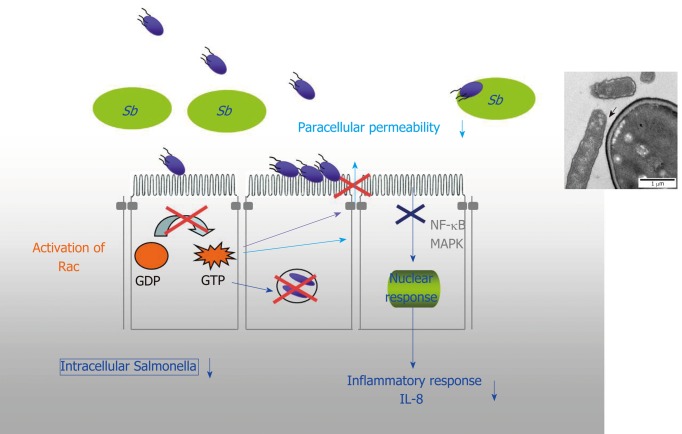
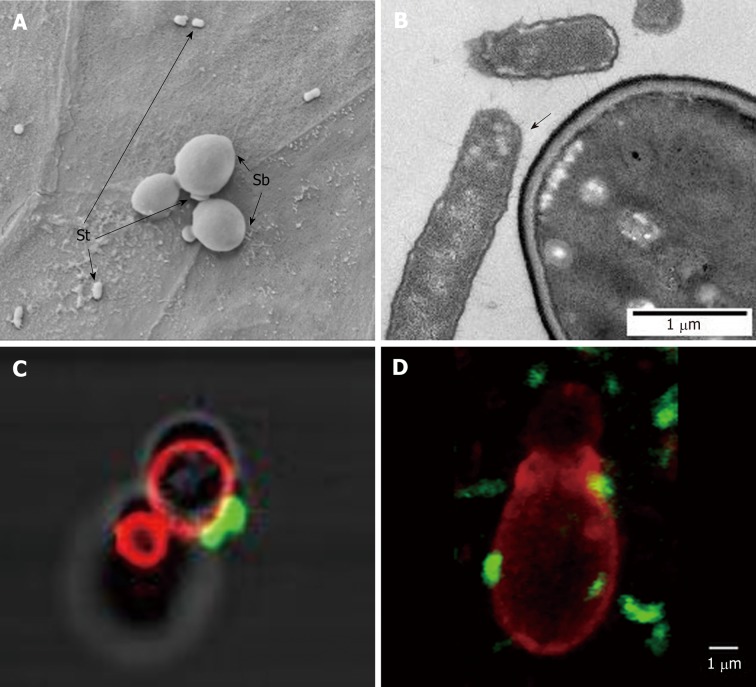
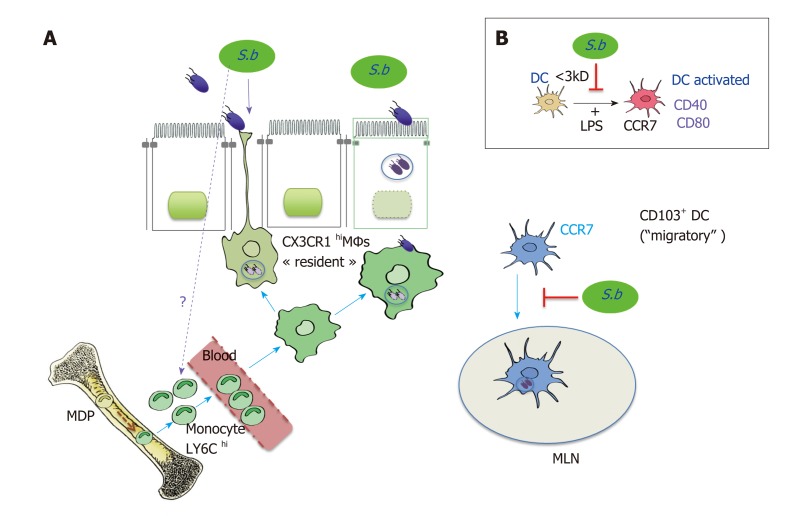
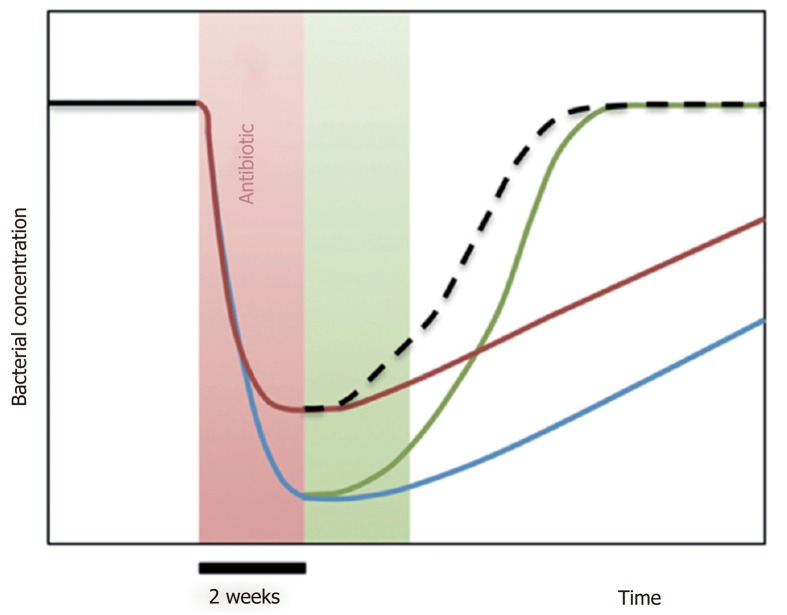
The yeast Saccharomyces boulardii CNCM I-745 is one of the probiotics recommended for the prevention of antibiotic-associated diarrhea.Studies conducted in vivo and in vitro demonstrated that in the case of infectious diseases there are two potential sites of action of Saccharomyces boulardii CNCM I-745: (1) An action on enteropathogenic microorganisms (adhesion of bacteria and their elimination or an effect on their virulence factors: Toxins, lipopolysaccharide, etc.); and (2) a direct action on the intestinal mucosa (trophic effects, effects on epithelial reconstitution, anti-secretory effects, anti-inflammatory, immunomodulators).Oral administration of Saccharomyces boulardii CNCM I-745 to healthy subjects does not alter their microbiota.However, in the case of diseases associated with the use of antibiotics or chronic diarrhea, Saccharomyces boulardii CNCM I-745 can restore the intestinal microbiota faster.The interaction of Saccharomyces boulardii CNCM I-745 with the innate immune system have been recently demonstrated thus opening up a new therapeutic potential of this yeast in the case of diseases associated with intestinal infections but also other pathologies associated with dysbiosis such as inflammatory diseases.
Overview
The claims and statistics of this paper haven’t been checked yet.
Run the check — free, no account needed. It reads the open-access text and checks the sources it cites.
Integrity signals
Registry
Cites
Statistics
Figures
Verification
Claims the paper makes
The claims and statistics of this paper haven’t been checked yet.
Run the check — free, no account needed. It reads the open-access text and checks the sources it cites.
Claims other papers make about this one
Each is checked against this paper’s own text: does it say what the citing paper says it does?
In the citing paper
“This is because, when passing through the digestive tract, Saccharomyces strains have a higher survival capacity compared with the other probiotics. Also, these strains help to maintain the balance of the normal microflora of the intestinal tract and have immunomodulatory effects, acting to fine-tune immunological pathways during pathogenic infections or chronic diseases [32,33,34].”
From The Potential Impact of Probiotics on Human Health: An Update on Their Health-Promoting Properties (2024) · cites this paper as [33]
Self-check
Percentages, sums and reported differences re-computed from the paper’s own numbers.
The self-check needs the paper’s full text.
Citations
Cites
McFarland, L. V. (1994) · JAMA · doi:10.1001/jama.1994.03510480037031 · Cited by 862
Review article: yeast as probiotics – Saccharomyces boulardii
CZERUCKA, D., PICHE, T., & RAMPAL, P. (2007) · Alimentary Pharmacology & Therapeutics · doi:10.1111/j.1365-2036.2007.03442.x · Cited by 587
Self-citationPrevention of antibiotic-associated diarrhea by Saccharomyces boulardii: A prospective study
Surawicz, C. M., Elmer, G. W., Speelman, P., McFarland, L. V., Chinn, J., & van Belle, G. (1989) · Gastroenterology · doi:10.1016/0016-5085(89)91613-2 · Cited by 570
Surawicz, C. M., McFarland, L. V., Greenberg, R. N., Rubin, M., Fekety, R., Mulligan, M. E., Garcia, R. J., Brandmarker, S. A., Bowen, K., Borjal, D., et al. (2000) · Clinical Infectious Diseases · doi:10.1086/318130 · Cited by 526
Prevention of beta-lactam-associated diarrhea by Saccharomyces boulardii compared with placebo.
McFarland, L. V., Surawicz, C. M., Greenberg, R. N., Elmer, G. W., Moyer, K. A., Melcher, S. A., Bowen, K., & Cox, J. L. (1995) · PubMed · Cited by 338
Kotowska, M., Albrecht, P., & Szajewska, H. (2005) · Alimentary Pharmacology & Therapeutics · doi:10.1111/j.1365-2036.2005.02356.x · Cited by 288
Pothoulakis, C., Kelly, C. P., Joshi, M. A., Gao, N., O'Keane, C. J., Castagliuolo, I., & LaMont, J. T. (1993) · Gastroenterology · doi:10.1016/0016-5085(93)90280-p · Cited by 280
Saccharomyces boulardii protease inhibits Clostridium difficile toxin A effects in the rat ileum
Castagliuolo, I., LaMont, J. T., Nikulásson, S. Þ., & Pothoulakis, C. (1996) · Infection and Immunity · doi:10.1128/iai.64.12.5225-5232.1996 · Cited by 263
Buts, J., Bernasconi, P., Vaerman, J.-P., & Dive, C. (1990) · Digestive Diseases and Sciences · doi:10.1007/bf01536771 · Cited by 248
Qamar, A., Aboudola, S., Warny, M., Michetti, P., Pothoulakis, C., LaMont, J. T., & Kelly, C. P. (2001) · Infection and Immunity · doi:10.1128/iai.69.4.2762-2765.2001 · Cited by 230
Szajewska, H., & Kołodziej, M. (2015) · Alimentary Pharmacology & Therapeutics · doi:10.1111/apt.13344 · Cited by 218
Czerucka, D., Dahan, S., Mograbi, B., Rossi, B., & Rampal, P. (2000) · Infection and Immunity · doi:10.1128/iai.68.10.5998-6004.2000 · Cited by 190
Treatment of recurrent Clostridium difficile colitis with vancomycin and Saccharomyces boulardii.
Surawicz, C. M., McFarland, L. V., Elmer, G., & Chinn, J. (1989) · PubMed · Cited by 179
Biostructure of Fecal Microbiota in Healthy Subjects and Patients With Chronic Idiopathic Diarrhea
Swidsinski, A., Loening–Baucke, V., Verstraelen, H., Osowska, S., & Doerffel, Y. (2008) · Gastroenterology · doi:10.1053/j.gastro.2008.04.017 · Cited by 178
Dahan, S., Dalmasso, G., Imbert, V., Peyron, J., Rampal, P., & Czerucka, D. (2003) · Infection and Immunity · doi:10.1128/iai.71.2.766-773.2003 · Cited by 169
Murzyn, A., Krasowska, A., Stefanowicz, P., Dziadkowiec, D., & Łukaszewicz, M. (2010) · PLoS ONE · doi:10.1371/journal.pone.0012050 · Cited by 164
Szajewska, H., & Mrukowicz, J. Z. (2005) · Alimentary Pharmacology & Therapeutics · doi:10.1111/j.1365-2036.2005.02624.x · Cited by 158
Chen, X., Kokkotou, E. G., Mustafa, N., Bhaskar, K. R., Sougioultzis, S., O’Brien, M. J., Pothoulakis, C., & Kelly, C. P. (2006) · Journal of Biological Chemistry · doi:10.1074/jbc.m605200200 · Cited by 156
Moré, M. I., & Swidsinski, A. V. (2015) · Clinical and Experimental Gastroenterology · doi:10.2147/ceg.s85574 · Cited by 151
Effects of Saccharomyces boulardii in children with acute diarrhoea
Kurugöl, Z., & Koturoğlu, G. (2005) · Acta Paediatrica · doi:10.1111/j.1651-2227.2005.tb01786.x · Cited by 150
Czerucka, D., Roux, I., & Rampal, P. (1994) · Gastroenterology · doi:10.1016/s0016-5085(94)94403-2 · Cited by 144
Wu, X., Vallance, B. A., Boyer, L., Bergstrom, K., Walker, J., Madsen, K. L., OʼKusky, J. R., Buchan, A. M. J., & Jacobson, K. (2007) · American Journal of Physiology-Gastrointestinal and Liver Physiology · doi:10.1152/ajpgi.00173.2007 · Cited by 137
Role of a probiotic (Saccharomyces boulardii) in management and prevention of diarrhoea
Billoo, A. G. (2006) · World Journal of Gastroenterology · doi:10.3748/wjg.v12.i28.4557 · Cited by 136
Brandão, R. L., Castro, I. M., Bambirra, E. A., Amaral, S. C., Fietto, L. G., Trópia, M. J. M., Neves, M. J., dos Santos, R. G., Gomes, N. C. M., & Nicoli, J. R. (1998) · Applied and Environmental Microbiology · doi:10.1128/aem.64.2.564-568.1998 · Cited by 135
Cindoruk, M., Erkan, G., Karakan, T., Dursun, A., & Unal, S. (2007) · Helicobacter · doi:10.1111/j.1523-5378.2007.00516.x · Cited by 135
Buts, J., Dekeyser, N., Stilmant, C., Delem, E., Smets, F. N., & Sokal, E. M. (2006) · Pediatric Research · doi:10.1203/01.pdr.0000220322.31940.29 · Cited by 130
Jawhara, S., & Poulain, D. (2007) · Medical Mycology · doi:10.1080/13693780701523013 · Cited by 129
Schneider, S. M. (2005) · World Journal of Gastroenterology · doi:10.3748/wjg.v11.i39.6165 · Cited by 127
Kollaritsch, H., Holst, H., Grobara, P., & Wiedermann, G. (1993) · PubMed · Cited by 124
Effectiveness and safety ofSaccharomyces boulardiifor acute infectious diarrhea
Dinleyici, E. Ç., Eren, M., Özen, M., Yargıç, Z. A., & Vandenplas, Y. (2012) · Expert Opinion on Biological Therapy · doi:10.1517/14712598.2012.664129 · Cited by 118
Kabbani, T. A., Pallav, K., Dowd, S. E., Villafuerte-Galvez, J., Vanga, R. R., Castillo, N. E., Hansen, J., Dennis, M., Leffler, D. A., & Kelly, C. P. (2017) · Gut Microbes · doi:10.1080/19490976.2016.1267890 · Cited by 115
Prevention of clindamycin-induced mortality in hamsters by Saccharomyces boulardii
Toothaker, R. D., & Elmer, G. W. (1984) · Antimicrobial Agents and Chemotherapy · doi:10.1128/aac.26.4.552 · Cited by 113
Rodrigues, A. C. P., Nardi, R. M. D., Bambirra, E. A., Vieira, E., & Nicoli, J. R. (1996) · Journal of Applied Bacteriology · doi:10.1111/j.1365-2672.1996.tb04325.x · Cited by 110
Martins, F. S., Dalmasso, G., Arantes, R. M. E., Doye, A., Lemichez, E., Lagadec, P., Imbert, V., Peyron, J., Rampal, P., Nicoli, J. R., et al. (2010) · PLoS ONE · doi:10.1371/journal.pone.0008925 · Cited by 110
Berg, R. D., Bernasconi, P., Fowler, D., & Gautreaux, M. D. (1993) · The Journal of Infectious Diseases · doi:10.1093/infdis/168.5.1314 · Cited by 107
Saccharomyces boulardii in acute childhood diarrhoea: a randomized, placebo‐controlled study
Villarruel, G., Rubio, D. M., López, F. G. B., Cintioni, J., Gurevech, R., Romero, G. G., & Vandenplas, Y. (2007) · Acta Paediatrica · doi:10.1111/j.1651-2227.2007.00191.x · Cited by 106
Duman, D., Bor, S., ??z??temiz, ?., ahin, T. L., uz, D. O., tan, F. I., Vural, T., Sandkci, M., ksal, F. I., ek, L. I., et al. (2005) · European Journal of Gastroenterology & Hepatology · doi:10.1097/00042737-200512000-00015 · Cited by 104
Prevention of Clostridium difficile induced mortality in gnotobiotic mice by Saccharomyces boulardii
Corthier, G., Dubos, F., & Ducluzeau, R. (1986) · Canadian Journal of Microbiology · doi:10.1139/m86-164 · Cited by 104
Neut, C., Mahieux, S., & Dubreuil, L. J. (2017) · Médecine et Maladies Infectieuses · doi:10.1016/j.medmal.2017.07.001 · Cited by 96
Htwe, K., Yee, K. S., Tin, M., & Vandenplas, Y. (2008) · American Journal of Tropical Medicine and Hygiene · doi:10.4269/ajtmh.2008.78.214 · Cited by 93
Jahn, H., Ullrich, R., Schneider, T., Liehr, R., Schieferdecker, H. L., Holst, H., & Zeitz, M. (2009) · Digestion · doi:10.1159/000201320 · Cited by 81
Sakarya, S., & Günay, N. (2014) · Apmis · doi:10.1111/apm.12237 · Cited by 79
Shan, L.-S., Hou, P., Wang, Z.-J., Liu, F.-R., Chen, N., Shu, L.-H., Zhang, H., Han, X.-H., Han, X.-X., Cai, X., et al. (2013) · Beneficial Microbes · doi:10.3920/bm2013.0008 · Cited by 76
Saccharomyces boulardiiinterferes withShigellapathogenesis by postinvasion signaling events
Mumy, K. L., Chen, X., Kelly, C. P., & McCormick, B. A. (2007) · American Journal of Physiology-Gastrointestinal and Liver Physiology · doi:10.1152/ajpgi.00391.2007 · Cited by 76
Thomas, S., Przesdzing, I., Metzke, D., Schmitz, J., Radbruch, A., & Baumgart, D. C. (2009) · Clinical & Experimental Immunology · doi:10.1111/j.1365-2249.2009.03878.x · Cited by 74
Barc, M. C., Charrin-Sarnel, C., Rochet, V., Bourlioux, F., Sandré, C., Boureau, H., Dore, J. M., & Collignon, A. (2008) · Anaerobe · doi:10.1016/j.anaerobe.2008.04.003 · Cited by 72
Effect of Saccharomyces boulardii on cAMP- and Ca2+-dependent Cl- Secretion in T84 Cells
Czerucka, D., & Rampal, P. (1999) · Digestive Diseases and Sciences · doi:10.1023/a:1026689628136 · Cited by 69
Rigothier, M. C., Maccario, J., & Gayral, P. (1994) · Parasitology Research · doi:10.1007/bf00932617 · Cited by 69
Krasowska, A., Murzyn, A., Dyjankiewicz, A., Łukaszewicz, M., & Dziadkowiec, D. (2009) · FEMS Yeast Research · doi:10.1111/j.1567-1364.2009.00559.x · Cited by 67
Buccigrossi, V., Laudiero, G., Russo, C. A., Miele, E., Sofia, M., Monini, M., Ruggeri, F. M., & Guarino, A. (2014) · PLoS ONE · doi:10.1371/journal.pone.0099830 · Cited by 65
Thomas, S., Metzke, D., Schmitz, J., Dörffel, Y., & Baumgart, D. C. (2011) · American Journal of Physiology-Gastrointestinal and Liver Physiology · doi:10.1152/ajpgi.00217.2011 · Cited by 63
Silica–niobia oxides as viable acid catalysts in water: Effective vs. intrinsic acidity
Carniti, P., Gervasini, A., & Marzo, M. (2009) · Catalysis Today · doi:10.1016/j.cattod.2009.07.111 · Cited by 56
Pontier-Bres, R., Prodon, F., Munro, P. M., Rampal, P., Lemichez, E., Peyron, J., & Czerucka, D. (2012) · PLoS ONE · doi:10.1371/journal.pone.0033796 · Cited by 54
[Influence of Saccharomyces boulardii on jejunal secretion in rats induced by cholera toxin].
Vidon, N., Huchet, B., & Jc, R. (1986) · PubMed · Cited by 52
Saccharomyces boulardii CNCM I-745 in different clinical conditions
Dinleyici, E. Ç., Kara, A., Özen, M., & Vandenplas, Y. (2014) · Expert Opinion on Biological Therapy · doi:10.1517/14712598.2014.937419 · Cited by 49
Schroeder, B. U., Winckler, C., Failing, K., & Breves, G. (2004) · Digestive Diseases and Sciences · doi:10.1023/b:ddas.0000037828.05100.52 · Cited by 48
Pontier-Bres, R., Munro, P. M., Boyer, L., Anty, R., Imbert, V., Terciolo, C., André, F., Rampal, P., Lemichez, E., Peyron, J., et al. (2014) · PLoS ONE · doi:10.1371/journal.pone.0103069 · Cited by 43
Fidan, I., Kalkancı, A., Yeşilyurt, E., Yalçin, B., Erdal, B., Kuştımur, S., & İmir, T. (2008) · Mycoses · doi:10.1111/j.1439-0507.2008.01545.x · Cited by 43
Girard, P., Pansart, Y., Lorette, I., & Gillardin, J. (2003) · Digestive Diseases and Sciences · doi:10.1023/a:1022801228938 · Cited by 41
Ducluzeau, R., & Bensaada, M. (1983) · PubMed · Cited by 41
Murzyn, A., Krasowska, A., Augustyniak, D., Majkowska-Skrobek, G., Łukaszewicz, M., & Dziadkowiec, D. (2010) · FEMS Microbiology Letters · doi:10.1111/j.1574-6968.2010.02037.x · Cited by 40
Breves, G., Faul, K., Schröder, B., Holst, H., Caspary, W. F., & Stein, J. M. (2000) · Digestion · doi:10.1159/000007757 · Cited by 32
Koon, H. W., Su, B., Xu, C., Mussatto, C. C., Tran, D. H.-N., Lee, E. C., ORTIZ, C. W., Wang, J., Lee, J. E., Ho, S., et al. (2016) · American Journal of Physiology-Gastrointestinal and Liver Physiology · doi:10.1152/ajpgi.00150.2016 · Cited by 32
Swidsinski, A. V., Loening-Baucke, V. A., Schulz, S., Manowsky, J., Verstraelen, H., & Swidsinski, S. (2015) · Systematic and Applied Microbiology · doi:10.1016/j.syapm.2015.11.002 · Cited by 30
Corthier, G., Lucas, F., Jouvert, S., & Castex, F. (1992) · Toxicon · doi:10.1016/0041-0101(92)90030-9 · Cited by 28
Collignon, A., Sandré, C., & Barc, M. C. (2010) · Gastroentérologie Clinique et Biologique · doi:10.1016/s0399-8320(10)70024-5 · Cited by 19
Rigothier, M. C., Maccario, J., Vuong, P. N., & Gayral, P. (1990) · Annales de Parasitologie Humaine et Comparée · doi:10.1051/parasite/1990652051 · Cited by 18
Ljungh, Å. (1996) · FEMS Immunology & Medical Microbiology · doi:10.1016/s0928-8244(96)00073-9 · Cited by 17
Algın, M. C., Sahin, A., Kiraz, N., Şahıntürk, V., & İhtiyar, E. (2005) · Surgery Today · doi:10.1007/s00595-005-3049-9 · Cited by 16
Pontier-Bres, R., Rampal, P., Peyron, J., Munro, P. M., Lemichez, E., & Czerucka, D. (2015) · Toxins · doi:10.3390/toxins7114455 · Cited by 14
Yang, L., Tian, Z., Yu, Y., Zhang, C., Li, X., Mao, T., Jing, X., Zhao, W.-J., Ding, X., Yang, R.-M., et al. (2017) · Pathogens and Disease · doi:10.1093/femspd/ftx006 · Cited by 12
Ibáñez, L., Pontier-Bres, R., Larbret, F., Rekima, A., Verhasselt, V., Blin‐Wakkach, C., & Czerucka, D. (2019) · Frontiers in Immunology · doi:10.3389/fimmu.2019.00643 · Cited by 11
Biological sludges as animal feed supplements—analysis and composition of sludges
Kavanagh, B. V., Herbert, L. S., & Moodie, S. P. (1982) · Agricultural Wastes · doi:10.1016/0141-4607(82)90006-3 · Cited by 8
Research works printed but not linked: 3
- Adam J, Barret A, Barret-Bellet C. Essais cliniques contrôlés en double insu de l'Ultra-Levure lyophilisée. Etude multicentrique par 25 médecins de 388 cas. Méd Chirurg Dig 1976; 5: 401-405
- Guilbaub JF. Traitement des candidoses digestives et cutanéo-muqueuses par l'Ultra-levure à haute dose. Vie méd 1975; 8: 628-630
- Krammer M, Karbach U. Antidiarrheal action of the yeast Saccharomyces boulardii in the rat small and large intestine by stimulating chloride secretion. Z Gastroenterol 1993; 31:73-77
Cited by
Sorted by citations
The Potential Impact of Probiotics on Human Health: An Update on Their Health-Promoting Properties
Maftei, N.-M., Raileanu, C. R., Balta, A. A., Ambrose, L., Boev, M., Marin, D. B., & Lisa, E. L. (2024) · Microorganisms · doi:10.3390/microorganisms12020234 · Cited by 381
The promotion mechanism of prebiotics for probiotics: A review
You, S., Ma, Y., Yan, B., Pei, W., Wu, Q., Ding, C., & Huang, C. (2022) · Frontiers in Nutrition · doi:10.3389/fnut.2022.1000517 · Cited by 320
Helmy, Y. A., Taha-Abdelaziz, K., Hawwas, H. A. E.-H., Ghosh, S. B., Alkafaas, S. S., Moawad, M. M. M., Saied, E. M., Kassem, I. I., & Mawad, A. M. M. (2023) · Antibiotics · doi:10.3390/antibiotics12020274 · Cited by 253
Molecular mechanisms of probiotic prevention of antibiotic-associated diarrhea
Mekonnen, S. A., Merenstein, D. J., Fraser, C. M., & Marco, M. L. (2020) · Current Opinion in Biotechnology · doi:10.1016/j.copbio.2020.01.005 · Cited by 207
Probiotic Yeast Saccharomyces: Back to Nature to Improve Human Health
Abid, R., Waseem, H., Ali, J., Ghazanfar, S., Ali, G. M., Elasbali, A. M., & Alharethi, S. H. (2022) · Journal of Fungi · doi:10.3390/jof8050444 · Cited by 176
Metadata
- Authors
- Czerucka, D., & Rampal, P.
- Affiliations
- Scientific Centre of Monaco (MC)
- Venue
- World Journal of Gastroenterology
- Publisher
- Baishideng Publishing Group Inc.
- Published
- 2019-05-14
- Volume
- 25
- Issue
- 18
- Pages
- 2188-2203
- ISSN
- 1007-9327 (ISSN-L)
- PMC
- PMC6526157
- OpenAlex
- W2946761187
- Cited by
- 116
- References
- 75
- Citations by year
- 2026: 24 · 2025: 15 · 2024: 16 · 2023: 20 · 2022: 18 · 2021: 14 · 2020: 9
- FWCI
- 0.92
- Type
- journal article
- Language
- en
- Open access
- hybrid
- doi.org
- Licence
- cc-by-nc
- Locations
- World Journal of Gastroenterology (publishedVersion, cc-by-nc)
- PubMed Central (publishedVersion, cc-by-nc)
- PubMed (publishedVersion)
- Topics
- Life Sciences › Agricultural and Biological Sciences › Food Science › Probiotics and Fermented Foods
- Life Sciences › Biochemistry, Genetics and Molecular Biology › Molecular Biology › Gut microbiota and health
- Life Sciences › Immunology and Microbiology › Microbiology › Yeasts and Rust Fungi Studies
- Keywords
- Saccharomyces boulardii CNCM I-745, probiotics, intestinal infection, antibiotic-associated diarrhea, bacterial adhesion, virulence factors, intestinal mucosa, anti-inflammatory activity, immunomodulation, gut microbiota, dysbiosis, innate immune system, chronic diarrhea
- MeSH terms
- Gastrointestinal Microbiome, Saccharomyces boulardii, Animals, Disease Models, Animal, Humans, Immunity, Innate, Intestinal Diseases, Intestinal Mucosa, Probiotics, Intraabdominal Infections
About these checks
Registry, retraction, Cites and statistics results are computed, not judged, with one exception: a printed reference that no index lists is read once by a model before it counts as a citation error. Claims are extracted by a model and kept only when their quote appears verbatim in the text; each cited source is then checked, with a model’s help, for whether it says what the claim relies on. Those verdicts can be wrong — read the claim’s quote and the cited source before relying on one.
Statistics and arithmetic are recomputed, not judged.
Confidence bands are shown only for fields calibrated on our annotated test set. None is calibrated yet, so no band is shown.
What counts as a claim ›How we measure confidence ›How we check this ›
Are you an author, or do you see a problem with this page? Request a review
