

The role of the opioid system in decision making and cognitive control: A review
Open accessPublished version of a preprint
The DOI matches its Crossref record; 249 of the 249 references it cites were found in a registry or an index.
Abstract
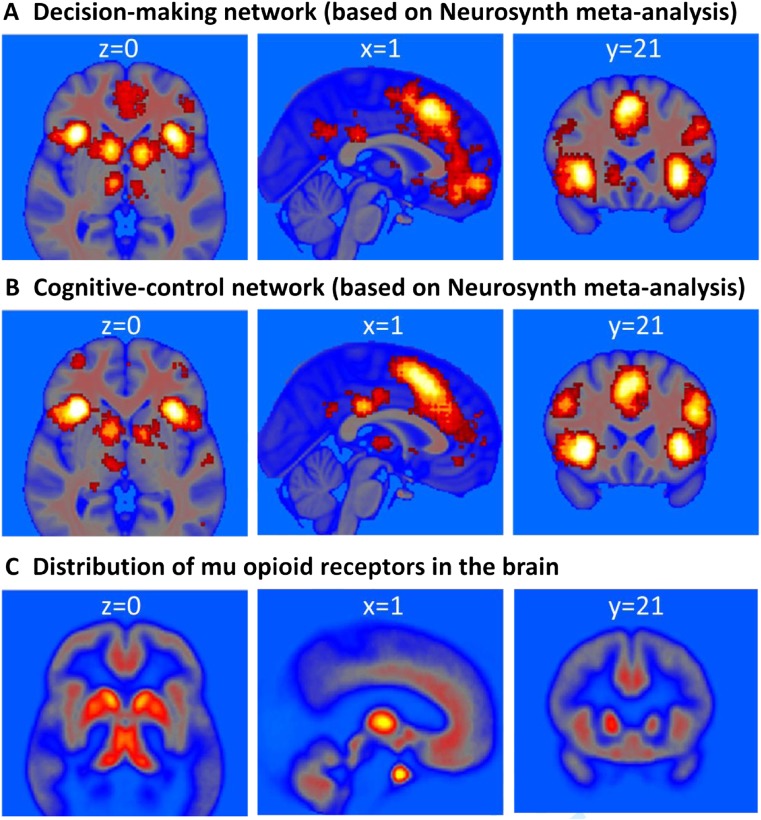
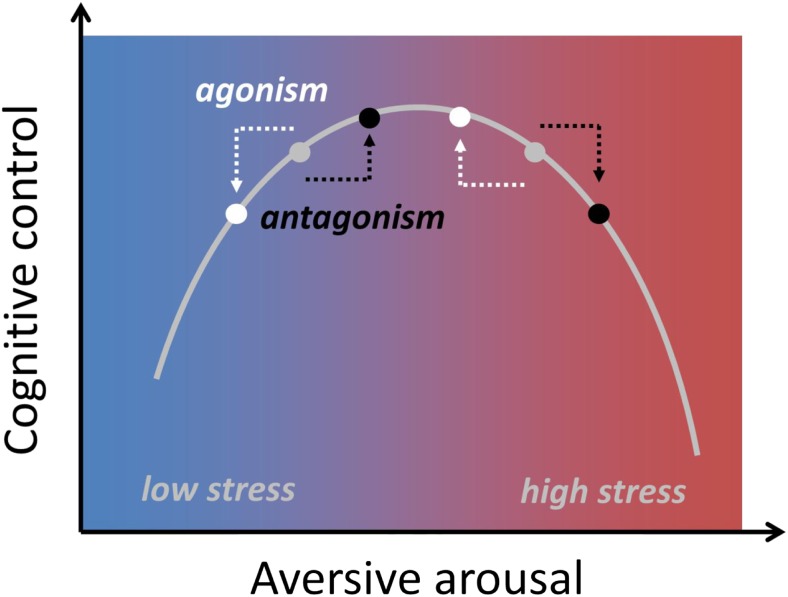
The opioid system regulates affective processing, including pain, pleasure, and reward. Restricting the role of this system to hedonic modulation may be an underestimation, however. Opioid receptors are distributed widely in the human brain, including the more "cognitive" regions in the frontal and parietal lobes. Nonhuman animal research points to opioid modulation of cognitive and decision-making processes. We review emerging evidence on whether acute opioid drug modulation in healthy humans can influence cognitive function, such as how we choose between actions of different values and how we control our behavior in the face of distracting information. Specifically, we review studies employing opioid agonists or antagonists together with experimental paradigms of reward-based decision making, impulsivity, executive functioning, attention, inhibition, and effort. Although this field is still in its infancy, the emerging picture suggests that the mu-opioid system can influence higher-level cognitive function via modulation of valuation, motivation, and control circuits dense in mu-opioid receptors, including orbitofrontal cortex, basal ganglia, amygdalae, anterior cingulate cortex, and prefrontal cortex. The framework that we put forward proposes that opioids influence decision making and cognitive control by increasing the subjective value of reward and reducing aversive arousal. We highlight potential mechanisms that might underlie the effects of mu-opioid signaling on decision making and cognitive control and provide directions for future research.
Overview
The claims and statistics of this paper haven’t been checked yet.
Free: it reads the open-access text and checks the first 5 claims that cite a source we can check. Create a free account to check every claim.
Integrity signals
Registry
Cites
Statistics
Figures
Verification
Claims the paper makes
The claims and statistics of this paper haven’t been checked yet.
Free: it reads the open-access text and checks the first 5 claims that cite a source we can check. Create a free account to check every claim.
Claims other papers make about this one
Each is checked against this paper’s own text: does it say what the citing paper says it does?
The source backs part of the claim, not all of it — or backs it for a different population, condition or comparison.
In the citing paper
“Supporting Hume, latter-day empirical studies indicate that reasoning is an inherently emotional process [see van Steenbergen et al. (2019)].”
From Can Damasio's Somatic Marker Hypothesis Explain More Than Its Originator Will Admit? (2021) · cites this paper as van Steenbergen et al. (2019)
Experimental — accuracy not yet measured
Self-check
Percentages, sums and reported differences re-computed from the paper’s own numbers.
The self-check needs the paper’s full text.
Citations
Cites
Prospect Theory: An Analysis of Decision under Risk
Kahneman, D., & Tversky, A. (1979) · Econometrica · doi:10.2307/1914185 · Cited by 48,524
Prospect theory: An analysis of decision under risk
Kahneman, D., & Tversky, A. (1988) · Decision, Probability and Utility · doi:10.1017/cbo9780511609220.014 · Cited by 32,474 · cited 1×
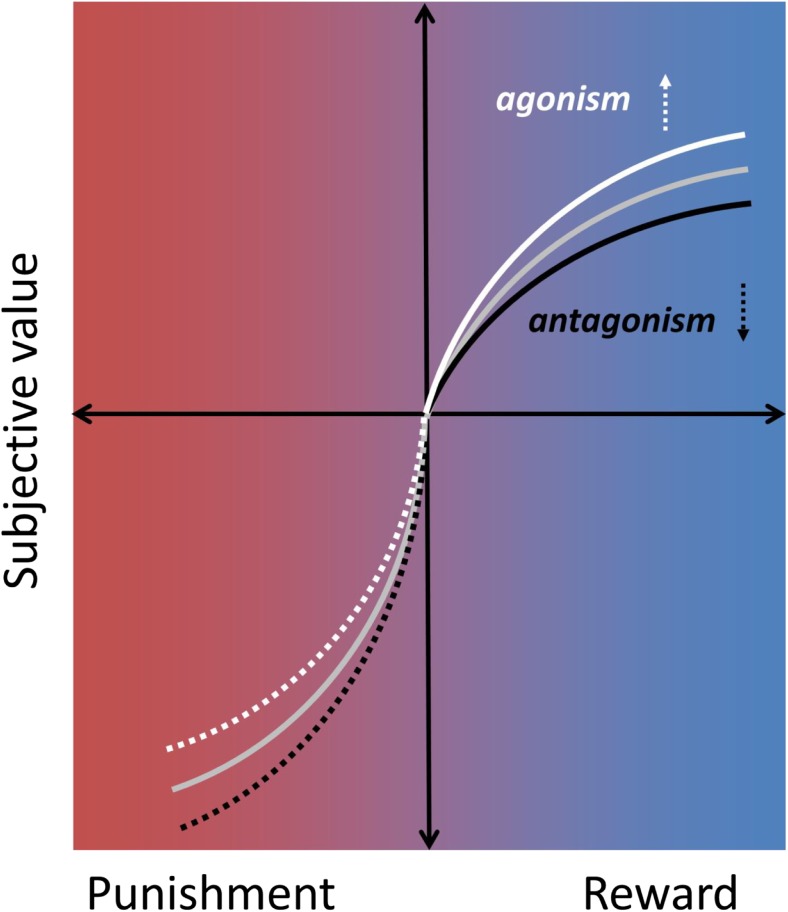
“As for tasks including punishments as well as rewards, it is possible that mu-opioid stimulation would cause a shift primarily of aversive stimuli but not rewards, because aversive stimuli are typically more salient (Kahneman & Tversky, 1979).”
BackgroundA JOURNAL OF PHARMACOLOGY AND EXPERIMENTAL THERAPEUTICS
(1909) · Journal of the American Medical Association · doi:10.1001/jama.1909.02550020033007 · Cited by 7,866
Conflict monitoring and cognitive control
Botvinick, M. M., Braver, T. S., Barch, D. M., Carter, C. S., & Cohen, J. D. (2001) · Psychological Review · doi:10.1037/0033-295x.108.3.624 · Cited by 7,351
Egeth, H., & Kahneman, D. (1975) · The American Journal of Psychology · doi:10.2307/1421603 · Cited by 6,972
Core affect and the psychological construction of emotion.
Russell, J. A. (2003) · Psychological Review · doi:10.1037/0033-295x.110.1.145 · Cited by 6,113 · cited 1×
“In models that describe affect as a two-dimensional space with the factors arousal and valence (Russell, 2003), aversive arousal can be conceptualized as a diagonal in the quadrant that combines high levels of arousal with negative valence (Thayer, 1989; Yik, Russell, & Barrett, 1999).”
BackgroundAston-Jones, G., & Cohen, J. D. (2005) · Annual Review of Neuroscience · doi:10.1146/annurev.neuro.28.061604.135709 · Cited by 4,472
Large-scale automated synthesis of human functional neuroimaging data.
Yarkoni, T., Poldrack, R. A., Nichols, T. E., Van Essen, D. C., & Wager, T. D. (2011) · Nature Methods · doi:10.1038/nmeth.1635 · Cited by 3,686
Normal personality assessment in clinical practice: the NEO personality inventory
Costa, P. T., & McCrae, R. R. (1992) · Psychological Assessment · doi:10.1037/1040-3590.4.1.5 · Cited by 3,414
Drug Addiction, Dysregulation of Reward, and Allostasis
Koob, G. (2001) · Neuropsychopharmacology · doi:10.1016/s0893-133x(00)00195-0 · Cited by 2,953
Research works printed but not linked: 6
- Allen ME Coen D Naloxone blooking of running-induced mood changes Annals of Sports Medicine 1987 3 190 195
- De Quincey, T. (2000). Confessions of an English Opium-eater. The Works of Thomas De Quincey, Vol. 2: Confessions of an English Opium-Eater, 1821–1856 (Vol. 89). Oxford University Press.
- Gendolla GHE Wright RA Richter M Ryan R Effort intensity: Studies of cardiovascular response The Oxford handbook on motivation 2011 New York Oxford University Press
- Mayberg, H. S., & Frost, J. J. (1990). Opiate receptors. In Quantitative imaging: neuroreceptors, neurotransmitters, and enzymes (pp. 81–95). New York: Raven Press.
- Thayer RE The biopsychology of mood and activation 1989 New York Oxford University Press
- Yeomans MR Opioids and human food choice Appetite 1995 24 302
Cited by
Opioid Receptor-Mediated Regulation of Neurotransmission in the Brain
Reeves, K. C., Shah, N., Muñoz, B., & Atwood, B. K. (2022) · Frontiers in Molecular Neuroscience · doi:10.3389/fnmol.2022.919773 · Cited by 156
“…such as respiration and gastrointestinal tract motility (Shippenberg et al., 1998; Drews and Zimmer, 2010; Van’t Veer and Carlezon, 2013; Leroy et al., 2017; Eisenstein, 2019; Patel et al., 2019; Toubia and Khalife, 2019; van Steenbergen et al., 2019; Robble et al., 2020; Galaj and Xi, 2021).”
BackgroundHow positive affect buffers stress responses
van Steenbergen, H., de Bruijn, E. R. A., van Duijvenvoorde, A. C. K., & van Harmelen, A. (2021) · Current Opinion in Behavioral Sciences · doi:10.1016/j.cobeha.2021.03.014 · Cited by 102
Lowered endogenous mu-opioid receptor availability in subclinical depression and anxiety
Nummenmaa, L., Karjalainen, T., Isojärvi, J., Kantonen, T., Tuisku, J., Kaasinen, V., Joutsa, J., Nuutila, P., Kalliokoski, K. K., Hirvonen, J., et al. (2020) · Neuropsychopharmacology · doi:10.1038/s41386-020-0725-9 · Cited by 95
Emotions as ComputationsPreprint
Emanuel, A., & Eldar, E. (2022) · PsyArXiv (OSF Preprints) · doi:10.1016/j.neubiorev.2022.104977 · Cited by 103
Unlocking opioid neuropeptide dynamics with genetically encoded biosensors
Dong, C., Gowrishankar, R., Jin, Y., He, X. J., Gupta, A., Wang, H., Sayar, N., Flores, R. J., Mahe, K., Tjahjono, N., et al. (2024) · Nature Neuroscience · doi:10.1038/s41593-024-01697-1 · Cited by 67
Expression of Opioid Receptors in Cells of the Immune System
Brejchová, J., Holáň, V., & Svoboda, P. (2020) · International Journal of Molecular Sciences · doi:10.3390/ijms22010315 · Cited by 60
“The opioid receptors also play an important role in reward and motivation [21–23], and affect emotional responses and cognition [22,24].”
BackgroundKrejtz, K., Żurawska, J., Duchowski, A. T., & Wichary, S. (2020) · Journal of Eye Movement Research · doi:10.16910/jemr.13.5.2 · Cited by 56
Meier, I. M., Eikemo, M., & Leknes, S. (2021) · Current Addiction Reports · doi:10.1007/s40429-021-00366-8 · Cited by 54
Self-citationPositive affect as a computational mechanism
Eldar, E., Pessiglione, M., & van Dillen, L. F. (2021) · Current Opinion in Behavioral Sciences · doi:10.1016/j.cobeha.2021.01.007 · Cited by 42
Patel, A., Weber, V., Gourine, A. V., & Ackland, G. L. (2021) · British Journal of Anaesthesia · doi:10.1016/j.bja.2021.08.037 · Cited by 41
Nutritional implications of opioid use disorder: A guide for drug treatment providers
Chavez, M. N., & Rigg, K. K. (2020) · Psychology of Addictive Behaviors · doi:10.1037/adb0000575 · Cited by 38
Reward systems, cognition, and emotion: Introduction to the special issue
Banich, M. T., & Floresco, S. (2019) · Cognitive Affective & Behavioral Neuroscience · doi:10.3758/s13415-019-00725-z · Cited by 39
Revisiting positive affect and reward influences on cognitive control
Chiew, K. S. (2020) · Current Opinion in Behavioral Sciences · doi:10.1016/j.cobeha.2020.11.010 · Cited by 33
Evolution of regulatory signatures in primate cortical neurons at cell-type resolution
Kozlenkov, A., Vermunt, M. W., Apontes, P., Li, J., Hao, K., Sherwood, C. C., Hof, P. R., Ely, J. J., Wegner, M., Mukamel, E. A., et al. (2020) · Proceedings of the National Academy of Sciences · doi:10.1073/pnas.2011884117 · Cited by 30
Chronic pain precedes disrupted eating behavior in low-back pain patients
Lin, Y., de Araújo, I. E., Stanley, G., Small, D. M., & Geha, P. (2022) · PLoS ONE · doi:10.1371/journal.pone.0263527 · Cited by 30
Aerobic Fitness Is Associated with Cerebral μ-Opioid Receptor Activation in Healthy Humans
Saanijoki, T., Kantonen, T., Pekkarinen, L., Kalliokoski, K. K., Hirvonen, J., Malén, T., Tuominen, L. J., Tuulari, J. J., Arponen, E., Nuutila, P., et al. (2022) · Medicine & Science in Sports & Exercise · doi:10.1249/mss.0000000000002895 · Cited by 29
“MORs in these regions are closely involved in processing both nociceptive and hedonic signals (12) as well as modulating decision making and cognitive control (39).”
BackgroundHuneke, N. T. M., Aslan, I. H., Fagan, H. A., Phillips, N., Tanna, R., Cortese, S., Garner, M. J., & Baldwin, D. S. (2022) · The International Journal of Neuropsychopharmacology · doi:10.1093/ijnp/pyac009 · Cited by 27
Dignath, D., Berger, A., Spruit, I. M., & van Steenbergen, H. (2019) · International Journal of Psychophysiology · doi:10.1016/j.ijpsycho.2019.10.003 · Cited by 27
Pleasurable music activates cerebral µ-opioid receptors: a combined PET-fMRI study
Putkinen, V., Seppälä, K., Harju, H., Hirvonen, J., Karlsson, H. K., & Nummenmaa, L. (2025) · European Journal of Nuclear Medicine and Molecular Imaging · doi:10.1007/s00259-025-07232-z · Cited by 24
“MORs may contribute to the efficacy of these interventions through modulation of motivation and cognitive control (van Steenbergen et al., 2019).”
Fan, X., Shi, G., & Zhao, P. (2019) · European Neuropsychopharmacology · doi:10.1016/j.euroneuro.2019.10.010 · Cited by 23
Claustral neurons projecting to frontal cortex restrict opioid consumption
Terem, A., Fatal, Y., Peretz‐Rivlin, N., Turm, H., Koren, S. S., Kitsberg, D., Ashwal-Fluss, R., Mukherjee, D., Habib, N., & Citri, A. (2023) · Current Biology · doi:10.1016/j.cub.2023.05.065 · Cited by 22
Anglada-Tort, M., & Skov, M. (2020) · Psychology of Aesthetics Creativity and the Arts · doi:10.1037/aca0000350 · Cited by 22
Tamargo, J. A., Campa, A. L., Martínez, S. S., Li, T., Sherman, K. E., Zarini, G. G., Meade, C. S., Mandler, R. N., & Baum, M. K. (2020) · Journal of Psychoactive Drugs · doi:10.1080/02791072.2020.1850946 · Cited by 22
“© 2020 Taylor & Francis Group, LLC Opioid drugs exert direct and indirect effects on cognitive processes (van Steenbergen, Eikemo, and Leknes 2019).”
BackgroundLe, T. M., Chen, Y., Chaudhary, S., & Li, C. R. (2021) · Addiction Neuroscience · doi:10.1016/j.addicn.2021.100004 · Cited by 20
Cortical endogenous opioids and their role in facilitating repetitive behaviors in deer mice
Augustine, F., Rajendran, S., & Singer, H. S. (2019) · Behavioural Brain Research · doi:10.1016/j.bbr.2019.112317 · Cited by 20
Opioid modulation of prefrontal cortex cells and circuits
Cole, R. H., Moussawi, K., & Joffe, M. E. (2024) · Neuropharmacology · doi:10.1016/j.neuropharm.2024.109891 · Cited by 19
Fang, P., Gao, Y., Li, Y., Li, C., Zhang, T., Wu, L., Zhu, Y., & Xie, Y. (2024) · NeuroImage · doi:10.1016/j.neuroimage.2024.120785 · Cited by 18
Phosphoproteomic dysregulation in Huntington’s disease mice is rescued by environmental enrichment
Mees, I., Li, S., Tran, H., Ang, C., Williamson, N. A., Hannan, A. J., & Renoir, T. (2022) · Brain Communications · doi:10.1093/braincomms/fcac305 · Cited by 19
Alzu’bi, A., Baker, W. B., Al‐Trad, B., Zoubi, M. S. A., Alarjah, M. I. A., Abu‐El‐Rub, E., Tahat, L., Helaly, A. M., Ghorab, D. S., El‐Huneidi, W., et al. (2024) · Brain Research Bulletin · doi:10.1016/j.brainresbull.2024.110917 · Cited by 19
Opioid Regulation of Social Homeostasis: Connecting Loneliness to Addiction
Løseth, G. E., Eikemo, M., & Leknes, S. (2024) · Biological Psychiatry · doi:10.1016/j.biopsych.2024.11.011 · Cited by 18
“The overall function of the μ opioid system appears to be to direct the organism toward the most valuable option in any given context (61,62).”
Self-citationDegarege, A., Krupp, K., Tamargo, J. A., Martínez, S. S., Campa, A. L., & Baum, M. K. (2021) · AIDS Care · doi:10.1080/09540121.2021.1896660 · Cited by 17
Sebold, M., Garbusow, M., Cerci, D., Chen, K., Sommer, C., Huys, Q. J. M., Nebe, S., Rapp, M. A., Veer, I. M., Zimmermann, U. S., et al. (2021) · Journal of Psychopharmacology · doi:10.1177/0269881121991992 · Cited by 18
“Although contemporary theories emphasise the involvement of the dopaminergic system in incentive salience, recent findings suggest the opioid system as another important player (Pecina and Berridge, 2013; van Steenbergen et al., 2019).”
BackgroundMurray, K. D., Lin, Y., Makary, M. M., Whang, P. G., & Geha, P. (2021) · Molecular Pain · doi:10.1177/1744806921990938 · Cited by 16
Mikuš, N., Korb, S., Massaccesi, C., Gausterer, C., Graf, I., Willeit, M., Eisenegger, C., Lamm, C., Silani, G., & Mathys, C. D. (2022) · eLife · doi:10.7554/elife.79661 · Cited by 16
Langeslag, S. J. E., & van Steenbergen, H. (2019) · Cognition & Emotion · doi:10.1080/02699931.2019.1627291 · Cited by 16
Immersive Virtual Reality: A Safe, Scalable, Non-opioid Analgesic for Military and Veteran Patients
Peterson, B. N., Hitching, R., Howard, L., Zhu, K., Fontenot, M. R., Alhalabi, W., Seibel, A., Harris, O. A., Madrigal, E., Adamson, M. M., et al. (2021) · Frontiers in Virtual Reality · doi:10.3389/frvir.2021.742290 · Cited by 15
Opioid antagonism mitigates antipsychotic-associated weight gain: focus on olanzapine
McIntyre, R. S., Citrome, L., Cummings, H., Todtenkopf, M. S., Tan, L. A., Harris‐White, M. E., & Akerman, S. C. (2022) · CNS Spectrums · doi:10.1017/s1092852922000116 · Cited by 15
The Association Between Chronic Pain Acceptance and Pain-Related Disability: A Meta-Analysis
White, K. M., Zale, E. L., Lape, E. C., & Ditre, J. W. (2024) · Journal of Clinical Psychology in Medical Settings · doi:10.1007/s10880-024-10061-1 · Cited by 14
“…cognitive and affective side effects that may inhibit one’s ability to participate in the active and aware embrace of thoughts and feelings (Hayes et al., 2006; van Steenbergen et al., 2019), potentially weak-ening the relationship between chronic pain acceptance and pain-related disability.”
Dissecting shared pain representations to understand their behavioral and clinical relevance
Rütgen, M., & Lamm, C. (2024) · Neuroscience & Biobehavioral Reviews · doi:10.1016/j.neubiorev.2024.105769 · Cited by 13
Effects of chronic tramadol administration on cognitive flexibility in mice
Attoh-Mensah, E., Léger, M., Loggia, G., Fréret, T., Chavoix, C., & Schumann‐Bard, P. (2021) · Psychopharmacology · doi:10.1007/s00213-021-05903-x · Cited by 13
McQueney, A. J., & Garcia, E. J. (2024) · Drug and Alcohol Dependence · doi:10.1016/j.drugalcdep.2024.112426 · Cited by 13
Panariello, F., Borgiani, G., Bronte, C., Cassero, G., Montanari, G., Falcieri, M., Rugo, M. A., Trunfio, O., Ronchi, D. D., & Atti, A. R. (2023) · International Journal of Environmental Research and Public Health · doi:10.3390/ijerph20031727 · Cited by 12
Pharmacological Modulation of Temporal Discounting: A Systematic Review
Sarmiento, L. F., Ríos-Flórez, J. A., Ardila, H. A. P., de Sousa, P. S. L., Rosa, A. O. L., Herculano, A. M., & Gouvêia, A. (2023) · Healthcare · doi:10.3390/healthcare11071046 · Cited by 12
“The opioid system is involved in affective processing, pain, pleasure, and reward [74].”
BackgroundMartucci, K. T. (2024) · Trends in Neurosciences · doi:10.1016/j.tins.2024.04.005 · Cited by 11
Mojiri, Z., Rouhani, E., Akhavan, A., Jokar, Z., & Alaei, H. (2024) · Scientific Reports · doi:10.1038/s41598-024-71841-1 · Cited by 11
“Morphine binds to mu-opioid receptors, influencing various neurotransmitter systems, and can either stimulate or inhibit locomotor activity based on the dose and individual differences 4,53 .”
BackgroundJerjir, A., Goudman, L., Buyten, J. V., Smedt, A. D., Smet, I., Devos, M., & Moens, M. (2021) · Neuromodulation Technology at the Neural Interface · doi:10.1111/ner.13384 · Cited by 11
Assessing psychiatric safety in suicidal emergency department patients
Brenner, J. M., Marco, C. A., Kluesner, N. H., Schears, R. M., & Martin, D. R. (2020) · Journal of the American College of Emergency Physicians Open · doi:10.1002/emp2.12017 · Cited by 11
Minervini, V., Disney, A., Husbands, S. M., & France, C. P. (2020) · Psychopharmacology · doi:10.1007/s00213-020-05592-y · Cited by 11
“…opioid system is involved in various aspects of cognition and that long-term blockade of mu opioid receptors might adversely impact complex operant behavior involving memory (Cohen et al. 1983a, b; Flood et al. 1987; Freeman and Young 2000; Nathan et al. 2012; Van Steenbergen et al. 2019).”
BackgroundInfluentialForero, S. A., Liu, S., Shetty, N., & Ophir, A. G. (2024) · Genes Brain & Behavior · doi:10.1111/gbb.12906 · Cited by 10
Top Ten Tips Palliative Care Clinicians Should Know About Opioid Use Disorder
Haley, E. M., Stone, J., Childers, J. W., Davis, A. V., Ehrman, S. E., Houser, M. W., Olenik, J. M., Roche, M. S., Jones, C. A., & Skarf, L. M. (2020) · Journal of Palliative Medicine · doi:10.1089/jpm.2020.0409 · Cited by 10
Jerzemowska, G., Plucińska, K., Piwka, A., Podlacha, M., & Orzeł-Gryglewska, J. (2022) · International Journal of Molecular Sciences · doi:10.3390/ijms24010512 · Cited by 9
“The µ-opioid system could arouse higher-level cognitive function through modulation of valuation, motivation, and control circuits dense in µ-OR, which included the orbitofrontal cortex, basal ganglia, Amg, anterior Cg1 and Cg2, and PFC [53].”
BackgroundInfluentialCan Damasio's Somatic Marker Hypothesis Explain More Than Its Originator Will Admit?
Overskeid, G. (2021) · Frontiers in Psychology · doi:10.3389/fpsyg.2020.607310 · Cited by 8
Mitragynine and morphine produce dose-dependent bimodal action on food but not water intake in rats
Gonzalez, J. D. Z., Mottinelli, M., McCurdy, C. R., de Lartigue, G., McMahon, L. R., & Wilkerson, J. L. (2024) · American Journal of Physiology-Regulatory, Integrative and Comparative Physiology · doi:10.1152/ajpregu.00128.2024 · Cited by 8
Penphumaphuang, I., Matchim, Y., Mahawongkhajit, P., & Boontoi, T. (2023) · Belitung Nursing Journal · doi:10.33546/bnj.2629 · Cited by 8
Lv, Q., Zhang, M., Jiang, H., Liu, Y., Zhao, S., Xu, X., Zhang, W., Chen, T., Su, H., Zhang, J., et al. (2023) · NeuroImage · doi:10.1016/j.neuroimage.2023.120421 · Cited by 8
“…an indispensable role of opioid modulation in cognitive control and decision-making processes in that the frontal and parietal regions contain appreciable densities of MOR, whereby opioid signaling heavily influences neuronal function within areas (Baldo, 2016; van Steenbergen et al., 2019).”
BackgroundWei, Y. J., Winterstein, A. G., Schmidt, S. O., Fillingim, R. B., Schmidt, S., Daniels, M. J., & DeKosky, S. T. (2025) · Alzheimer s & Dementia · doi:10.1002/alz.70002 · Cited by 8
“10,11 13 Several clinical and observational studies have assessed the association between prescription opioid exposure and cognition.”
Naltrexone modulates contextual processing in depression
Chen, J., Mizuno, A. N., Lyew, T., Karim, H. T., Karp, J. F., Dombrovski, A. Y., & Peciña, M. (2020) · Neuropsychopharmacology · doi:10.1038/s41386-020-00809-2 · Cited by 8
Medication burden and anticholinergic use are associated with overt HE in individuals with cirrhosis
Montrose, J. A., Desai, A. P., Nephew, L. D., Patidar, K. R., Ghabril, M., Campbell, N. L., Chalasani, N., Qiu, Y., Hays, M. E., & Orman, E. S. (2024) · Hepatology Communications · doi:10.1097/hc9.0000000000000460 · Cited by 8
Factors associated with cognitive flexibility in people with opioid-use disorder: a pilot study
Regier, P. S., de Arruda, T. C. M., Šinko, L., Teitelman, A. M., & Childress, A. R. (2024) · Frontiers in Psychiatry · doi:10.3389/fpsyt.2024.1505391 · Cited by 7
“One possibility is that pre-existing neurocognitive dif fi culties are partially driven by impulsiveness, and subsequently exacerbated by opioid exposure (37, 38).”
The administration of the opioid buprenorphine decreases motivational error signals
Pfabigan, D. M., Rütgen, M., Kroll, S. L., Riečanský, I., & Lamm, C. (2021) · Psychoneuroendocrinology · doi:10.1016/j.psyneuen.2021.105199 · Cited by 7
Nickerson, K., Lieschke, G., Rajappa, H., Smith, A., & Inder, K. (2022) · Journal of Clinical Nursing · doi:10.1111/jocn.16235 · Cited by 7
Sensory Inputs Guiding Cognitive Behaviors and Decision Making
Lin, J. (2023) · Highlights in Science Engineering and Technology · doi:10.54097/gew7ng02 · Cited by 6
“The opioid system is crucial in regulating reward, pleasure, pain, and affection [14].”
BackgroundInfluentialThe hedonic impact of cleaner–client fish interactions is mediated by the opioid system
Maximino, C., Araujo‐Silva, H., Cacela-Rodrigues, I., Luchiari, A. C., Saraiva, J. L., & Soares, M. C. (2025) · Proceedings of the Royal Society B Biological Sciences · doi:10.1098/rspb.2025.1532 · Cited by 6
Pharmacological investigations of effort-based decision-making in humans: Naltrexone and nicotine
Nunez, C., Hoots, J. K., Schepers, S. T., Bower, M., de Wit, H., & Wardle, M. C. (2022) · PLoS ONE · doi:10.1371/journal.pone.0275027 · Cited by 6
“Consistent with this theory, opioid agonists in rats increase the value of rewards and the effort exerted to obtain rewards [11, 17, 18], while antagonists, such as naltrexone, reduce liking and consumption of rewards [13] as well as willingness to exert effort for rewards [19–22].”
BackgroundProactive engagement of cognitive control modulates implicit approach-avoidance bias
Harlé, K. M., Bomyea, J. A., Spadoni, A. D., Simmons, A. N., & Taylor, C. T. (2020) · Cognitive Affective & Behavioral Neuroscience · doi:10.3758/s13415-020-00815-3 · Cited by 6
Grywińska, W. B., & Głowacka, A. (2023) · Postępy Psychiatrii i Neurologii · doi:10.5114/ppn.2023.132493 · Cited by 6
“Additionally, the mu-opioid system is implicated in cognitive function, and samidorphan’s antagonistic effects may help reduce craving, impulsive behaviors, and depressive symptoms associated with addiction and mood disorders [45].”
BackgroundTemporomandibular Joint - Surgical Reconstruction and Managements
Kummoona, R. (2022) · IntechOpen eBooks · doi:10.5772/intechopen.98032 · Cited by 5
Youngblood, B. D., Medina, J. C., Gehlert, D. R., & Schwartz, N. (2023) · Frontiers in Psychiatry · doi:10.3389/fpsyt.2023.1170541 · Cited by 5
A metabolic framework for reward: Redefining dopamine and opioids as physiological agents
Cohen, M. T., & Atzil, S. (2026) · Neuroscience & Biobehavioral Reviews · doi:10.1016/j.neubiorev.2026.106608 · Cited by 5
Seeing the bigger picture: endogenous opioids mediate attentional broadening after reward receipt
van Steenbergen, H., Gable, P. A., Fagan, H. A., Molteni, L., Midveris, A., & Huneke, N. T. M. (2025) · Psychological Medicine · doi:10.1017/s0033291725101815 · Cited by 4
“However, unlike the extensive research on dopamine and other neuromodulators, the study of the impact of endogenous opioids on cognitive processes, particularly their modulation by affective states, is still in its early stages (Chiew & Braver, 2014; Van Steenbergen, Eikemo, & Leknes, 2019).”
Fang, Y., Yeh, Y., Liu, T., Tien-Wei, H., & Ko, C. (2025) · Neuroscience & Biobehavioral Reviews · doi:10.1016/j.neubiorev.2025.106108 · Cited by 4
Reina-Campos, M., Gallego‐Landin, I., Medrano, M., García-Baos, A., & Valverde, O. (2025) · Open Biology · doi:10.1098/rsob.250141 · Cited by 4
“Beyond the ECS, PLAE also disrupts the rhythmic expression of opioid receptors ( Oprm1 , Oprk1 ), which are involved in motivation, reward processing and emotional regulation [65].”
The Deep Roots of Addiction: A Comparative Perspective
Karnib, N., & van Staaden, M. J. (2020) · Brain Behavior and Evolution · doi:10.1159/000514180 · Cited by 4
Reward-based modulation of task-switching performance: a diffusion model analysis
Weber, T., Fröber, K., & Schuch, S. (2023) · Attention Perception & Psychophysics · doi:10.3758/s13414-023-02711-7 · Cited by 4
“Motivation and cognitive control have been suggested to be closely linked (for reviews, see Botvinick & Braver, 2015; Braver, 2015; Chiew, 2021; Chiew & Braver, 2011; Dreis-bach & Fischer, 2012; Kouneiher et al., 2009; Parro et al., 2018; van Steenbergen et al., 2019; Yee & Braver, 2018).”
BackgroundCalvo, F., dos Anjos‐Garcia, T., Paschoalin-Maurin, T., Bazaglia-de-Sousa, G., Rodrigues, B. M. D. P., Soares, B. L., Almada, R. C., Wotjak, C. T., & Coimbra, N. C. (2024) · Acta Neuropsychiatrica · doi:10.1017/neu.2024.30 · Cited by 4
“…regulating reward, motivational behaviour, affective behaviour, decision-making and cognitive control, adaptation to aversive/ stressful situations (van Steenbergen et al ., 2019; Cole et al ., 2024), and affective and sensory aspects of pain (Gomtsian et al ., 2018; Cahill et al ., 2022),…”
Kumar, S., Mohapatra, A. N., Pundir, A. S., Kumari, M., Din, U., Sharma, S., Datta, A., Arora, V., & Iyengar, S. (2020) · Frontiers in Neuroscience · doi:10.3389/fnins.2020.554094 · Cited by 4
“Furthermore, despite the fact that opioid receptors are expressed in many cortical areas (Bodnar, 2018; van Steenbergen et al., 2019) which project directly Frontiers in Neuroscience | www.frontiersin.org 1 September 2020 | Volume 14 | Article 554094 to the basal ganglia, the effects of opioid…”
BackgroundCognitive profile in functional disorders
Roivainen, E., Peura, M., & Pätsi, J. (2023) · Cognitive Neuropsychiatry · doi:10.1080/13546805.2023.2275336 · Cited by 3
“There are two possible explanations for this fi nding: 1) CNS medications have an impact on cognition (Van Steenbergen et al., 2019); 2) Patients who use CNS medication experience more severe symptoms such as pain and poor sleep, which may a ff ect cognition as compared to patients without CNS…”
BackgroundOperant learning is disrupted when opioid reward pathways are blocked in the domesticated hen
Fountain, J., Hazel, S. J., Ryan, T., & Taylor, P. S. (2020) · Applied Animal Behaviour Science · doi:10.1016/j.applanim.2020.105105 · Cited by 3
Oinio, V., Sundström, M., Bäckström, P., Uhari-Väänänen, J. K., Kiianmaa, K., Raasmaja, A., & Piepponen, P. T. (2020) · Behavioural Pharmacology · doi:10.1097/fbp.0000000000000606 · Cited by 3
Opioid Use Among Social Security Disability Insurance Applicants
Wu, A. Y., Hoffman, D., & O’Leary, P. (2024) · Journal of Disability Policy Studies · doi:10.1177/10442073241228838 · Cited by 3
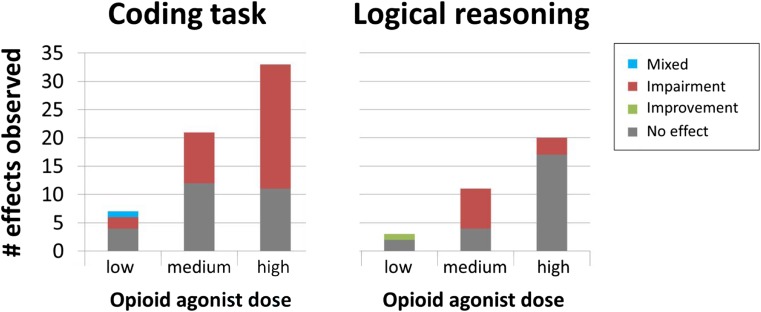
“Evidence on the effects of opioid use on work related tasks and abilities more generally is limited, but there is some evidence that higher doses of opioids can impair performance on executive functioning tasks associate with work (van Steenbergen et al., 2019).”
Opioidergic modulation of monetary incentive delay fMRI responses
Turton, S., Hawkins, P. C. T., Muller-Pollard, C., Zois, E., Conrod, P., Zelaya, F. O., & Mehta, M. A. (2025) · Psychopharmacology · doi:10.1007/s00213-025-06753-7 · Cited by 2
“This would reflect prior evidence of the effects of opioids to impair cognition, particularly at higher doses (Van Steenbergen et al. 2019 ).”
Ma, C., Li, Y., Gao, Y., Lin, X., Hou, Y., He, W., Zhu, Y., Jiang, J., Xie, Y., & Fang, P. (2025) · Cerebral Cortex · doi:10.1093/cercor/bhaf081 · Cited by 2
Ghosh, A., Mahintamani, T., Rana, D. K., Basu, D., Mattoo, S. K., Premkumar, M., & Singh, G. K. (2022) · Indian Journal of Psychological Medicine · doi:10.1177/02537176221127449 · Cited by 2
Fatahi, Z., Fatahi, M., & Haghparast, A. (2024) · EXCLI journal · doi:10.17179/excli2023-6442 · Cited by 2
Wang, P., & Ma, G. (2024) · Medicine · doi:10.1097/md.0000000000038049 · Cited by 2
Johnson, R., DeAngelis, B. N., Nakajima, M., ALLEN, S. S., & Al’Absi, M. (2024) · Addiction Neuroscience · doi:10.1016/j.addicn.2024.100177 · Cited by 2
Temporomandibular Disorders of Iatrogenic Etiology
Slesarev, O. V. (2022) · IntechOpen eBooks · doi:10.5772/intechopen.104479 · Cited by 2
Smith, A. M., Acharya, M., Hudson, T. J., Hayes, C. J., Porter, A., Turpin, J., Bona, J. P., Utecht, J., & Martin, B. C. (2022) · Journal of the American Pharmacists Association · doi:10.1016/j.japh.2022.12.023 · Cited by 2
Psychotropic Polypharmacy Leading to Reversible Dementia: A Case Report
Lahiri, D., Lima, B. S., Roncero, C. T., Stokes, K. A., Panda, S. S., & Chertkow, H. M. (2024) · Cognitive and Behavioral Neurology · doi:10.1097/wnn.0000000000000380 · Cited by 2
The dilemma of adolescents experiencing self-stigma to quit drugs
Daulima, N. H. C. (2024) · Journal of Psychiatric Nursing · doi:10.14744/phd.2024.76258 · Cited by 1
“[8] This condition is a complex but treatable disease with management that involves various methods, namely pharmacotherapy, behavioral therapy, and social therapy.”
BackgroundYao, X., Rama, A.-A., Mazzitelli, J., McFaull, S. R., & Thompson, W. (2024) · BMC Public Health · doi:10.1186/s12889-024-20016-8 · Cited by 1
Hayashi, S., Fujiuchi, M., Oshiden, M., Honda, A., & Kagawa, N. (2024) · Journal of Fish Biology · doi:10.1111/jfb.15980 · Cited by 1
Pain and cognitive functions – the battle for cognitive reserve
Ахмеджанова, Л. Т., Tabeeva, G. R., & Mandra, E. V. (2024) · Neurology neuropsychiatry Psychosomatics · doi:10.14412/2074-2711-2024-6-97-104 · Cited by 1
Neurocognitive Effects of Substance Abuse and Their Measurement with Neuropsychological Tests
López, N., Herrera, J., Flórez, Y., Castellanos, C. E., & Gargiulo, P. Á. (2024) · Springer eBooks · doi:10.1007/978-3-031-72219-6_38 · Cited by 1
Xie, Y., Guan, M., Zhang, T., Ma, C., Li, C., Wang, L., Lin, X., Li, Y., Wang, Z., Ma, Z., et al. (2025) · Translational Psychiatry · doi:10.1038/s41398-025-03459-4 · Cited by 1
“As mentioned above, GAL, a neuropeptide, drives neurogenesis, synaptic plasticity, and neurotransmitter modulation [161, 162] via G-protein-coupled receptor interactions [163], in fl uencing signalling pathways that regulate neuronal excitability and plasticity.”
Charle, A. C., Iseselo, M. K., & Sanga, S. S. (2025) · PLOS mental health. · doi:10.1371/journal.pmen.0000446 · Cited by 1
Sigunov, A., Peciña, M., Palmatier, M. I., Sellers, E. W., Clements, A. D., & Deehan, G. A. (2025) · Neuroscience & Biobehavioral Reviews · doi:10.1016/j.neubiorev.2025.106527 · Cited by 1
Culver, O. P., Thigpen, R. E., & Jhou, T. C. (2026) · Neuropsychopharmacology · doi:10.1038/s41386-026-02437-8 · Cited by 1
Kooteh, B. R., Dolatshahi, B., Bakhshani, N., & Rajeh, Y. N. (2021) · international journal high risk behaviors & addiction · doi:10.5812/ijhrba.115515 · Cited by 1
The role of inhibition function in pain
Bo, L. I. U., CHENG, X., Yue, H., & Bao, H. (2022) · Advances in Psychological Science · doi:10.3724/sp.j.1042.2022.01253 · Cited by 1
Metadata
- Authors
- van Steenbergen, H., Eikemo, M., & Leknes, S.
- Affiliations
- Oslo University Hospital (NO)
- University of Oslo (NO)
- Venue
- Cognitive, Affective, & Behavioral Neuroscience
- Published
- 2019-04-08
- Volume
- 19
- Issue
- 3
- Pages
- 435-458
- ISSN
- 1530-7026 (ISSN-L)
- 1531-135X
- PMC
- PMC6599188
- OpenAlex
- W2937558409
- Cited by
- 118
- References
- 248
- Citations by year
- 2026: 9 · 2025: 14 · 2024: 28 · 2023: 12 · 2022: 18 · 2021: 14 · 2020: 17 · 2019: 5
- FWCI
- 1.80
- Type
- journal article
- Language
- en
- Open access
- hybrid
- doi.org
- Licence
- cc-by
- creativecommons.org/licenses/by/4.0 (tdm)
- Locations
- Cognitive Affective & Behavioral Neuroscience (publishedVersion, cc-by)
- Europe PMC (PubMed Central) (publishedVersion, cc-by)
- PubMed Central (publishedVersion, cc-by)
- PubMed (publishedVersion)
- Leiden Repository (Leiden University) (submittedVersion, cc-by)
- Leiden Repository (Leiden University) (submittedVersion)
- OSF Preprints (OSF Preprints) (submittedVersion)
- NORA - Norwegian Open Research Archives (submittedVersion, cc-by)
- Data Archiving and Networked Services (DANS) (submittedVersion, cc-by)
- Funders
- Leiden University
- Topics
- Life Sciences › Neuroscience › Cellular and Molecular Neuroscience › Neurotransmitter Receptor Influence on Behavior
- Life Sciences › Neuroscience › Cognitive Neuroscience › Neural and Behavioral Psychology Studies
- Life Sciences › Neuroscience › Cellular and Molecular Neuroscience › Neuropeptides and Animal Physiology
- Keywords
- opioid system, mu-opioid receptor, decision-making, cognitive control, reward valuation, impulsivity, executive function, attention, inhibition, effort, motivation, orbitofrontal cortex, basal ganglia, amygdala, anterior cingulate cortex, prefrontal cortex, opioid agonists, opioid antagonists
- MeSH terms
- Animals, Brain, Decision Making, Humans, Narcotic Antagonists, Narcotics, Reward, Signal Transduction, Executive Function
About these checks
Registry, retraction, Cites and statistics results are computed, not judged, with one exception: a printed reference that no index lists is read once by a model before it counts as a citation error. Claims are extracted by a model and kept only when their quote appears verbatim in the text; each cited source is then checked, with a model’s help, for whether it says what the claim relies on. Those verdicts can be wrong — read the claim’s quote and the cited source before relying on one.
Statistics and arithmetic are recomputed, not judged.
Confidence bands are shown only for fields calibrated on our annotated test set. None is calibrated yet, so no band is shown.
What counts as a claim ›How we measure confidence ›How we check this ›
Are you an author, or do you see a problem with this page? Request a review
Data sources
Bibliographic data: Semantic Scholar, OpenAlex, Crossref.
Contains information from the Semantic Scholar Academic Graph Datasets, made available under the ODC Attribution License (ODC-BY 1.0).
Semantic Scholar’s data is described in: Kinney, R., et al. (2023). The Semantic Scholar Open Data Platform. arXiv:2301.10140.
