

The role of the opioid system in decision making and cognitive control: A review
Open accessPublished version of a preprint
The DOI matches its Crossref record; 249 of the 249 references it cites were found in a registry or an index.
Abstract
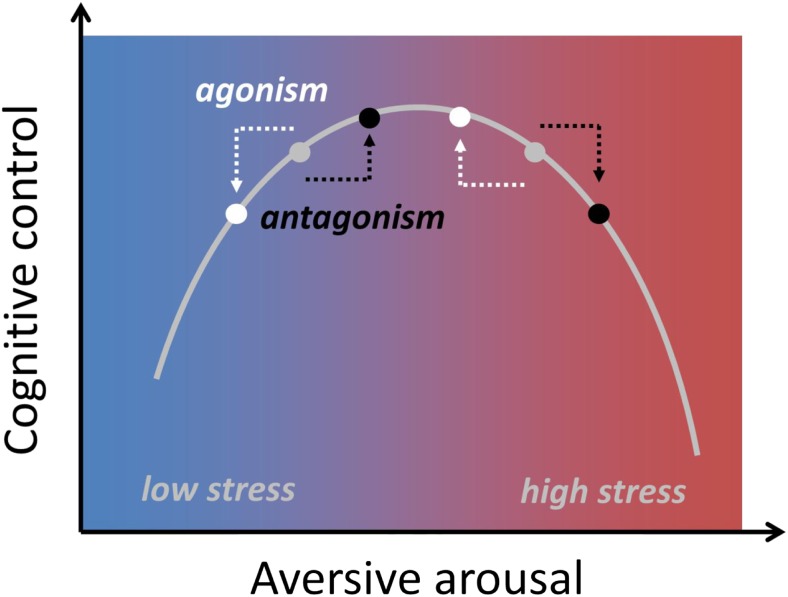
The opioid system regulates affective processing, including pain, pleasure, and reward. Restricting the role of this system to hedonic modulation may be an underestimation, however. Opioid receptors are distributed widely in the human brain, including the more "cognitive" regions in the frontal and parietal lobes. Nonhuman animal research points to opioid modulation of cognitive and decision-making processes. We review emerging evidence on whether acute opioid drug modulation in healthy humans can influence cognitive function, such as how we choose between actions of different values and how we control our behavior in the face of distracting information. Specifically, we review studies employing opioid agonists or antagonists together with experimental paradigms of reward-based decision making, impulsivity, executive functioning, attention, inhibition, and effort. Although this field is still in its infancy, the emerging picture suggests that the mu-opioid system can influence higher-level cognitive function via modulation of valuation, motivation, and control circuits dense in mu-opioid receptors, including orbitofrontal cortex, basal ganglia, amygdalae, anterior cingulate cortex, and prefrontal cortex. The framework that we put forward proposes that opioids influence decision making and cognitive control by increasing the subjective value of reward and reducing aversive arousal. We highlight potential mechanisms that might underlie the effects of mu-opioid signaling on decision making and cognitive control and provide directions for future research.
Overview
The claims and statistics of this paper haven’t been checked yet.
Free: it reads the open-access text and checks the first 5 claims that cite a source we can check. Create a free account to check every claim.
Integrity signals
Registry
Cites
Statistics
Figures
Verification
Claims the paper makes
The claims and statistics of this paper haven’t been checked yet.
Free: it reads the open-access text and checks the first 5 claims that cite a source we can check. Create a free account to check every claim.
Claims other papers make about this one
Each is checked against this paper’s own text: does it say what the citing paper says it does?
The source backs part of the claim, not all of it — or backs it for a different population, condition or comparison.
In the citing paper
“Supporting Hume, latter-day empirical studies indicate that reasoning is an inherently emotional process [see van Steenbergen et al. (2019)].”
From Can Damasio's Somatic Marker Hypothesis Explain More Than Its Originator Will Admit? (2021) · cites this paper as van Steenbergen et al. (2019)
Experimental — accuracy not yet measured
Self-check
Percentages, sums and reported differences re-computed from the paper’s own numbers.
The self-check needs the paper’s full text.
Citations
Cites
Prospect Theory: An Analysis of Decision under Risk
Kahneman, D., & Tversky, A. (1979) · Econometrica · doi:10.2307/1914185 · Cited by 48,524
Prospect theory: An analysis of decision under risk
Kahneman, D., & Tversky, A. (1988) · Decision, Probability and Utility · doi:10.1017/cbo9780511609220.014 · Cited by 32,474 · cited 1×
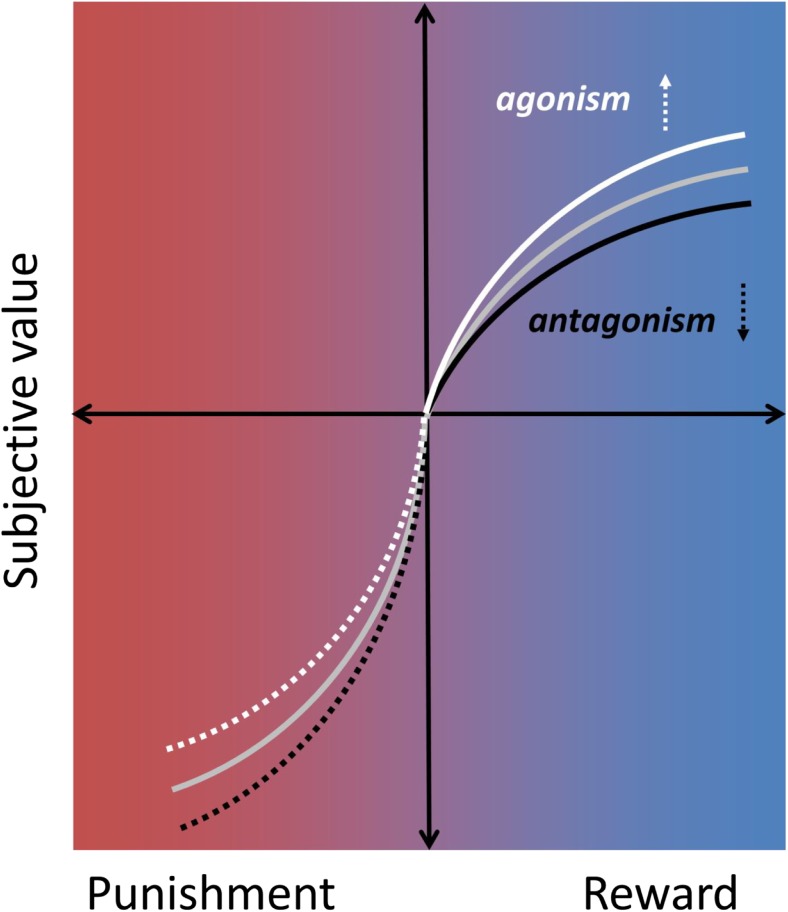
“As for tasks including punishments as well as rewards, it is possible that mu-opioid stimulation would cause a shift primarily of aversive stimuli but not rewards, because aversive stimuli are typically more salient (Kahneman & Tversky, 1979).”
BackgroundA JOURNAL OF PHARMACOLOGY AND EXPERIMENTAL THERAPEUTICS
(1909) · Journal of the American Medical Association · doi:10.1001/jama.1909.02550020033007 · Cited by 7,866
Conflict monitoring and cognitive control
Botvinick, M. M., Braver, T. S., Barch, D. M., Carter, C. S., & Cohen, J. D. (2001) · Psychological Review · doi:10.1037/0033-295x.108.3.624 · Cited by 7,351
Egeth, H., & Kahneman, D. (1975) · The American Journal of Psychology · doi:10.2307/1421603 · Cited by 6,972
Core affect and the psychological construction of emotion.
Russell, J. A. (2003) · Psychological Review · doi:10.1037/0033-295x.110.1.145 · Cited by 6,113 · cited 1×
“In models that describe affect as a two-dimensional space with the factors arousal and valence (Russell, 2003), aversive arousal can be conceptualized as a diagonal in the quadrant that combines high levels of arousal with negative valence (Thayer, 1989; Yik, Russell, & Barrett, 1999).”
BackgroundAston-Jones, G., & Cohen, J. D. (2005) · Annual Review of Neuroscience · doi:10.1146/annurev.neuro.28.061604.135709 · Cited by 4,472
Large-scale automated synthesis of human functional neuroimaging data.
Yarkoni, T., Poldrack, R. A., Nichols, T. E., Van Essen, D. C., & Wager, T. D. (2011) · Nature Methods · doi:10.1038/nmeth.1635 · Cited by 3,686
Normal personality assessment in clinical practice: the NEO personality inventory
Costa, P. T., & McCrae, R. R. (1992) · Psychological Assessment · doi:10.1037/1040-3590.4.1.5 · Cited by 3,414
Drug Addiction, Dysregulation of Reward, and Allostasis
Koob, G. (2001) · Neuropsychopharmacology · doi:10.1016/s0893-133x(00)00195-0 · Cited by 2,953
Dopamine in motivational control: rewarding, aversive, and alerting
Bromberg-Martin, E. S., Matsumoto, M., & Hikosaka, O. (2010) · Neuron · doi:10.1016/j.neuron.2010.11.022 · Cited by 2,396
The debate over dopamine’s role in reward: the case for incentive salience
Berridge, K. C. (2007) · Psychopharmacology · doi:10.1007/s00213-006-0578-x · Cited by 2,347 · cited 2×
“…or nu llef fe ct s (… ) on pe rf or m an ce re la tiv e to a pl ac eb o co nt ro lc on di tio n. 3 M in im um es tim at ed do se at w hi ch th e in di ca te d ef fe ct is si gn if ic an tly di ff er en tf ro m pl ac eb o. appetite-independent Bliking^ (Smith & Berridge, 2007; Wassum et al., 2009b).”
BackgroundThe expected value of control: an integrative theory of anterior cingulate cortex function
Shenhav, A., Botvinick, M. M., & Cohen, J. D. (2013) · Neuron · doi:10.1016/j.neuron.2013.07.007 · Cited by 2,321
A neuropsychological theory of positive affect and its influence on cognition.
Ashby, F. G., Isen, A. M., & Turken, A. U. (1999) · Psychological Review · doi:10.1037/0033-295x.106.3.529 · Cited by 2,270
Dissecting components of reward: ‘liking’, ‘wanting’, and learning
Berridge, K. C., Robinson, T. E., & Aldridge, J. W. (2009) · Current Opinion in Pharmacology · doi:10.1016/j.coph.2008.12.014 · Cited by 1,942
Bartra, O., McGuire, J. T., & Kable, J. W. (2013) · NeuroImage · doi:10.1016/j.neuroimage.2013.02.063 · Cited by 1,927
Robert J. Hockey, G. (1997) · Biological Psychology · doi:10.1016/s0301-0511(96)05223-4 · Cited by 1,753
Berridge, K. C., & Kringelbach, M. L. (2015) · Neuron · doi:10.1016/j.neuron.2015.02.018 · Cited by 1,730
Wechsler Adult Intelligence Scale—Fourth Edition (WAIS-IV)
Lani, J. A., & Wechsler, D. (2010) · Cited by 1,692
Opioids excite dopamine neurons by hyperpolarization of local interneurons
Johnson, S., & North, R. (1992) · The Journal of Neuroscience · doi:10.1523/jneurosci.12-02-00483.1992 · Cited by 1,637
Scanning the horizon: towards transparent and reproducible neuroimaging research
Poldrack, R. A., Baker, C. I., Durnez, J., Gorgolewski, K. J., Matthews, P. M., Munafò, M. R., Nichols, T. E., Poline, J.-B., Vul, E., & Yarkoni, T. (2017) · Nature Reviews Neuroscience · doi:10.1038/nrn.2016.167 · Cited by 1,410
An opportunity cost model of subjective effort and task performance
Kurzban, R., Duckworth, A., Kable, J. W., & Myers, J. (2013) · Behavioral and Brain Sciences · doi:10.1017/s0140525x12003196 · Cited by 1,381
How do emotion and motivation direct executive control?
Pessoa, L. (2009) · Trends in Cognitive Sciences · doi:10.1016/j.tics.2009.01.006 · Cited by 1,286 · cited 1×
“…& Hommel, 2010; Van Steenbergen, Band, Hommel, Rombouts, & Nieuwenhuis, 2015) and the influence of motivation on these processes (Botvinick & Braver, 2015; Braver et al., 2014; Pessoa, 2009) could use antagonist drugs to determine the role of endogenous muopioid neurotransmission in these effects.”
BackgroundConflict monitoring and decision making: Reconciling two perspectives on anterior cingulate function
BOTVINICK, M. M. (2007) · Cognitive, Affective, & Behavioral Neuroscience · doi:10.3758/cabn.7.4.356 · Cited by 1,117 · cited 1×
“…with prior work that shows that cognitive control tasks elicit affective responses (i.e., integral emotions; Inzlicht et al., 2015), which might drive (mal) adaptive behavior (Botvinick, 2007; van Steenbergen et al., 2009) and which are likely under opioid regulation (van Steenbergen et al., 2017).”
BackgroundToward a rational and mechanistic account of mental effort
Shenhav, A., Musslick, S., Lieder, F., Kool, W., Griffiths, T. L., Cohen, J. D., & Botvinick, M. M. (2017) · Annual Review of Neuroscience · doi:10.1146/annurev-neuro-072116-031526 · Cited by 1,077 · cited 1×
“In addition, behavioral impairments in control tasks might reflect shifts in motivation instead of reflecting a cognitive incapability (Kurzban, Duckworth, Kable, &Myers, 2013; Shenhav et al., 2017).”
BackgroundThe Neuropsychopharmacology of Fronto-Executive Function: Monoaminergic Modulation
Robbins, T. W., & Arnsten, A. F. T. (2009) · Annual Review of Neuroscience · doi:10.1146/annurev.neuro.051508.135535 · Cited by 957
Frontocingulate Dysfunction in Depression: Toward Biomarkers of Treatment Response
Pizzagalli, D. A. (2011) · Neuropsychopharmacology · doi:10.1038/npp.2010.166 · Cited by 945 · cited 1×
“On the other hand, chronic stress and depression is associated with hyperactive neural error monitoring, impairing post-error accuracy (Pizzagalli, 2011).”
BackgroundPupil dilation as an index of effort in cognitive control tasks: A review
van der Wel, P., & van Steenbergen, H. (2018) · Psychonomic Bulletin & Review · doi:10.3758/s13423-018-1432-y · Cited by 928 · cited 2×
“…measures, such as cardiovascular measures (Gendolla, Wright, & Richter, 2011; Kuipers et al., 2017; Spruit, Wilderjans, & van Steenbergen, 2018) and taskevoked pupil dilation (Kahneman, 1973; van der Wel & van Steenbergen, 2018) to investigate potential compensatory mechanisms.”
BackgroundMotivation and cognitive control: from behavior to neural mechanism
Botvinick, M., & Braver, T. (2015) · Annual Review of Psychology · doi:10.1146/annurev-psych-010814-015044 · Cited by 909
The Effort Paradox: Effort Is Both Costly and Valued
Inzlicht, M., Shenhav, A., & Olivola, C. Y. (2018) · Trends in Cognitive Sciences · doi:10.1016/j.tics.2018.01.007 · Cited by 863 · cited 2×
“, 2011), in particular when effort is intrinsically valuable (Inzlicht et al., 2018).”
BackgroundShields, G. S., Sazma, M. A., & Yonelinas, A. P. (2016) · Neuroscience & Biobehavioral Reviews · doi:10.1016/j.neubiorev.2016.06.038 · Cited by 818
A common neurobiology for pain and pleasure
Leknes, S., & Tracey, I. (2008) · Nature Reviews Neuroscience · doi:10.1038/nrn2333 · Cited by 784
Self-citationDreisbach, G., & Goschke, T. (2004) · Journal of Experimental Psychology: Learning, Memory, and Cognition · doi:10.1037/0278-7393.30.2.343 · Cited by 775
Treadway, M. T., Bossaller, N. A., Shelton, R. C., & Zald, D. H. (2012) · Journal of Abnormal Psychology · doi:10.1037/a0028813 · Cited by 733
Remember the Future: Working Memory Training Decreases Delay Discounting Among Stimulant Addicts
Bickel, W. K., Yi, R., Landes, R. D., Hill, P. F., & Baxter, C. (2011) · Biological Psychiatry · doi:10.1016/j.biopsych.2010.08.017 · Cited by 704
The dopamine theory of addiction: 40 years of highs and lows
Nutt, D. J., Lingford-Hughes, A., Erritzoe, D., & Stokes, P. R. A. (2015) · Nature Reviews Neuroscience · doi:10.1038/nrn3939 · Cited by 649
Motivation of extended behaviors by anterior cingulate cortex
Holroyd, C. B., & Yeung, N. (2012) · Trends in Cognitive Sciences · doi:10.1016/j.tics.2011.12.008 · Cited by 618
Payne, J. P. (1969) · British Journal of Anaesthesia · doi:10.1093/bja/41.4.356 · Cited by 600
The Influence of Positive Affect on Decision-Making Strategy
Isen, A. M., & Means, B. (1983) · Social Cognition · doi:10.1521/soco.1983.2.1.18 · Cited by 579
Water associated zero maze: a novel rat test for long term traumatic re-experiencing
Ritov, G., & Richter-Levin, G. (2014) · Frontiers in Behavioral Neuroscience · doi:10.3389/fnbeh.2014.00001 · Cited by 579
Gorgolewski, K. J., Varoquaux, G., Rivera, G., Schwarz, Y., Ghosh, S. S., Maumet, C., Sochat, V. V., Nichols, T. E., Poldrack, R. A., Poline, J.-B., et al. (2015) · Frontiers in Neuroinformatics · doi:10.3389/fninf.2015.00008 · Cited by 572 · cited 2×
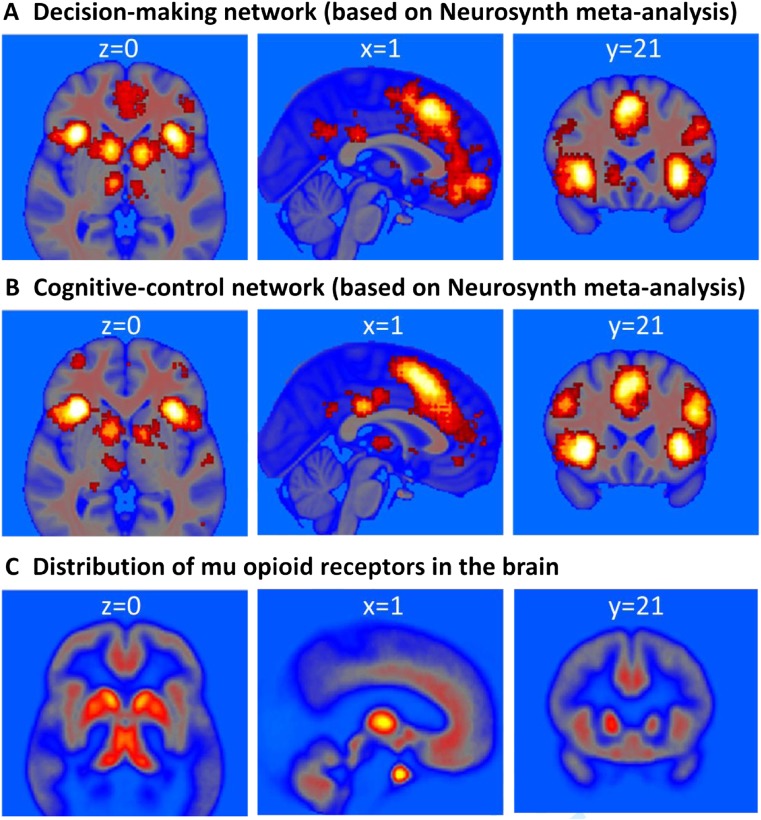
“These maps and their conjunctions are available at Neurovault (Gorgolewski et al., 2015): https://neurovault.org/ collections/4841/ possible role of the mu-opioid system in indirect modulation of decision-making and cognitive control via changes in affective states (Braver et al., 2014; Chiew & Braver, 2011; Dreisbach…”
BackgroundEmotional foundations of cognitive control
Inzlicht, M., Bartholow, B. D., & Hirsh, J. B. (2015) · Trends in Cognitive Sciences · doi:10.1016/j.tics.2015.01.004 · Cited by 542 · cited 1×
“Some studies have highlighted the specific effects of aversive arousal, i.e., heightened arousal in combination with negative valence (Saunders & Inzlicht, 2015; van Steenbergen, 2015).”
BackgroundTowards a functional neuroanatomy of pleasure and happiness
Kringelbach, M. L., & Berridge, K. C. (2009) · Trends in Cognitive Sciences · doi:10.1016/j.tics.2009.08.006 · Cited by 522
Structure of self-reported current affect: Integration and beyond.
Yik, M. S. M., Russell, J. A., & Barrett, L. F. (1999) · Journal of Personality and Social Psychology · doi:10.1037//0022-3514.77.3.600 · Cited by 476
Opiate versus psychostimulant addiction: the differences do matter
Badiani, A., Belin, D., Epstein, D., Calu, D., & Shaham, Y. (2011) · Nature Reviews Neuroscience · doi:10.1038/nrn3104 · Cited by 472
Asymbolia for pain: a sensory‐limbic disconnection syndrome
Berthier, M., Starkstein, S., & Leiguarda, R. (1988) · Annals of Neurology · doi:10.1002/ana.410240109 · Cited by 456
Smith, K. S., & Berridge, K. C. (2007) · The Journal of Neuroscience · doi:10.1523/jneurosci.4205-06.2007 · Cited by 450
Pharmacology of nociceptin and its receptor: a novel therapeutic target
Calo', G., Guerrini, R., Rizzi, A., Salvadori, S., & Regoli, D. (2000) · British Journal of Pharmacology · doi:10.1038/sj.bjp.0703219 · Cited by 437
Fields, H. L., & Margolis, E. B. (2015) · Trends in Neurosciences · doi:10.1016/j.tins.2015.01.002 · Cited by 432
Oral naltrexone maintenance treatment for opioid dependence
Minozzi, S., Amato, L., Vecchi, S., Davoli, M., Kirchmayer, U., & Verster, A. D. (2011) · Cochrane Database of Systematic Reviews · doi:10.1002/14651858.cd001333.pub4 · Cited by 419
Mechanisms of motivation–cognition interaction: challenges and opportunities
Braver, T. S., Krug, M. K., Chiew, K. S., Kool, W., Westbrook, J. A., Clement, N. J., Adcock, R. A., Barch, D. M., Botvinick, M. M., Carver, C. S., et al. (2014) · Cognitive, Affective, & Behavioral Neuroscience · doi:10.3758/s13415-014-0300-0 · Cited by 391 · cited 4×
“possible role of the mu-opioid system in indirect modulation of decision-making and cognitive control via changes in affective states (Braver et al., 2014; Chiew & Braver, 2011; Dreisbach & Goschke, 2004; Isen & Means, 1983; Notebaert & Braem, 2016; van Steenbergen, 2015; Vinckier, Rigoux, Oudiette, & Pessiglione, 201…”
BackgroundInfluentialRegulation of Human Affective Responses by Anterior Cingulate and Limbic µ-Opioid Neurotransmission
Zubieta, J.-K., Ketter, T. A., Bueller, J. A., Xu, Y., Kilbourn, M. R., Young, E. A., & Koeppe, R. A. (2003) · Archives of General Psychiatry · doi:10.1001/archpsyc.60.11.1145 · Cited by 377 · cited 1×
“Interestingly, mood induction tasks appear to modulate endogenous opioid neurotransmission (Koepp et al., 2009; Prossin et al., 2015; Zubieta et al., 2003).”
Background75 years of opioid research: the exciting but vain quest for the Holy Grail
Corbett, A. D., Henderson, G., McKnight, A. T., & Paterson, S. J. (2006) · British Journal of Pharmacology · doi:10.1038/sj.bjp.0706435 · Cited by 358 · cited 1×
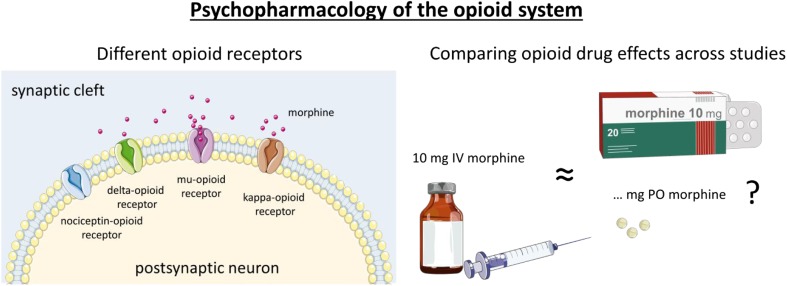
“The opioid system is made up of four different opioid receptor types, the mu-, delta, kappa-, and the nociceptin receptors (Corbett, 2009).”
BackgroundPerceived self-efficacy in coping with cognitive stressors and opioid activation.
Bandura, A., Cioffi, D., Taylor, C. B., & Brouillard, M. E. (1988) · Journal of Personality and Social Psychology · doi:10.1037//0022-3514.55.3.479 · Cited by 347
Self-Control as Value-Based Choice
Berkman, E. T., Hutcherson, C. A., Livingston, J. L., Kahn, L. E., & Inzlicht, M. (2017) · Current Directions in Psychological Science · doi:10.1177/0963721417704394 · Cited by 337
Opioid peptides and the control of human ingestive behaviour
Yeomans, M. R., & Gray, R. W. (2002) · Neuroscience & Biobehavioral Reviews · doi:10.1016/s0149-7634(02)00041-6 · Cited by 317
Yovell, Y., Bar, G., Mashiah, M., Baruch, Y., Briskman, I., Asherov, J., Lotan, A., Rigbi, A., & Panksepp, J. (2016) · American Journal of Psychiatry · doi:10.1176/appi.ajp.2015.15040535 · Cited by 311
Benson, N., Hulac, D. M., & Kranzler, J. H. (2010) · Psychological Assessment · doi:10.1037/a0017767 · Cited by 309
Mucha, R. F., & Iversen, S. D. (1984) · Psychopharmacology · doi:10.1007/bf00427782 · Cited by 308
Giordano, L., Bickel, W., Loewenstein, G., Jacobs, E., Marsch, L., & Badger, G. (2002) · Psychopharmacology · doi:10.1007/s00213-002-1159-2 · Cited by 294
Opioid Rotation: The Science and the Limitations of the Equianalgesic Dose Table
Knotkova, H., Fine, P. G., & Portenoy, R. K. (2009) · Journal of Pain and Symptom Management · doi:10.1016/j.jpainsymman.2009.06.001 · Cited by 287
Taste responses and preferences for sweet high-fat foods: Evidence for opioid involvement☆
DREWNOWSKI, A., KRAHN, D., DEMITRACK, M., NAIRN, K., & GOSNELL, B. (1992) · Physiology & Behavior · doi:10.1016/0031-9384(92)90155-u · Cited by 286
Lakens, D., & Evers, E. R. K. (2014) · Perspectives on Psychological Science · doi:10.1177/1745691614528520 · Cited by 266
Internet Sex Addiction Treated With Naltrexone
Bostwick, J. M., & Bucci, J. A. (2008) · Mayo Clinic Proceedings · doi:10.4065/83.2.226 · Cited by 265 · cited 1×
“…craving and relapse in addiction, opioid blockade may reduce impulsive behaviors in kleptomania, pathological gambling, and Bsex addiction^ (Bostwick & Bucci, 2008; Grant, Kim, & Odlaug, 2009; Johnson, 2006; Lahti, Halme, Pankakoski, Sinclair, & Alho, 2010; Minozzi et al., 2011; Porchet et…”
Opioids for hedonic experience and dopamine to get ready for it
Barbano, M. F., & Cador, M. (2007) · Psychopharmacology · doi:10.1007/s00213-006-0521-1 · Cited by 257 · cited 1×
“Accordingly, many influential theories describe the opioid system as the brain’s regulator of affective states (Barbano & Cador, 2007; Berridge & Kringelbach, 2015; Koob & Le Moal, 2001).”
BackgroundTanum, L., Solli, K. K., Latif, Z.-E.-H., Benth, J. Š., Opheim, A., Sharma-Haase, K., Krajci, P., & Kunøe, N. (2017) · JAMA Psychiatry · doi:10.1001/jamapsychiatry.2017.3206 · Cited by 253
The Endomorphin System and Its Evolving Neurophysiological Role
Fichna, J., Janecka, A., Costentin, J., & Do Rego, J.-C. (2007) · Pharmacological Reviews · doi:10.1124/pr.59.1.3 · Cited by 250
Dreisbach, G., & Fischer, R. (2012) · Brain and Cognition · doi:10.1016/j.bandc.2011.12.003 · Cited by 239
Positive Affect Versus Reward: Emotional and Motivational Influences on Cognitive Control
Chiew, K. S., & Braver, T. S. (2011) · Frontiers in Psychology · doi:10.3389/fpsyg.2011.00279 · Cited by 238 · cited 1×
“…role of the mu-opioid system in indirect modulation of decision-making and cognitive control via changes in affective states (Braver et al., 2014; Chiew & Braver, 2011; Dreisbach & Goschke, 2004; Isen & Means, 1983; Notebaert & Braem, 2016; van Steenbergen, 2015; Vinckier, Rigoux, Oudiette, &…”
BackgroundFava, M., Memisoglu, A., Thase, M. E., Bodkin, J. A., Trivedi, M. H., de Somer, M., Du, Y., Leigh-Pemberton, R., DiPetrillo, L., Silverman, B., et al. (2016) · American Journal of Psychiatry · doi:10.1176/appi.ajp.2015.15070921 · Cited by 232
Response of the μ-opioid system to social rejection and acceptance
Hsu, D. T., Sanford, B. J., Meyers, K. K., Love, T. M., Hazlett, K. E., Wang, H., Ni, L., Walker, S. J., Mickey, B. J., Korycinski, S. T., et al. (2013) · Molecular Psychiatry · doi:10.1038/mp.2013.96 · Cited by 225
Opioid dependence treatment: options in pharmacotherapy
Stotts, A. L., Dodrill, C. L., & Kosten, T. R. (2009) · Expert Opinion on Pharmacotherapy · doi:10.1517/14656560903037168 · Cited by 222
Barch, D. M., Pagliaccio, D., & Luking, K. (2015) · Current Topics in Behavioral Neurosciences · doi:10.1007/7854_2015_376 · Cited by 218
Peciña, S., & Berridge, K. C. (2013) · European Journal of Neuroscience · doi:10.1111/ejn.12174 · Cited by 216 · cited 1×
“Extensive evidence from non-human animals indicates a parallel mechanism (Mahler & Berridge, 2012; S. Peciña & Berridge, 2013).”
BackgroundImaging of opioid receptors in the central nervous system
Henriksen, G., & Willoch, F. (2008) · Brain · doi:10.1093/brain/awm255 · Cited by 214
Reward Counteracts Conflict Adaptation: Evidence for a Role of Affect in Executive Control
Steenbergen, H. V., Band, G. P. H., & Hommel, B. (2009) · Psychological Science · doi:10.1111/j.1467-9280.2009.02470.x · Cited by 214 · cited 1×
“…with prior work that shows that cognitive control tasks elicit affective responses (i.e., integral emotions; Inzlicht et al., 2015), which might drive (mal) adaptive behavior (Botvinick, 2007; van Steenbergen et al., 2009) and which are likely under opioid regulation (van Steenbergen et al., 2017).”
BackgroundRewards of beauty: the opioid system mediates social motivation in humans
Chelnokova, O., Laeng, B., Eikemo, M., Riegels, J., Løseth, G., Maurud, H., Willoch, F., & Leknes, S. (2014) · Molecular Psychiatry · doi:10.1038/mp.2014.1 · Cited by 204
Self-citationOpioid and orexin hedonic hotspots in rat orbitofrontal cortex and insula
Castro, D. C., & Berridge, K. C. (2017) · Proceedings of the National Academy of Sciences · doi:10.1073/pnas.1705753114 · Cited by 204
In the Mood for Adaptation: How Affect Regulates Conflict-Driven Control
van Steenbergen, H., Band, G. P. H., & Hommel, B. (2010) · Psychological Science · doi:10.1177/0956797610385951 · Cited by 197
Conflicts as Aversive Signals for Control Adaptation
Dreisbach, G., & Fischer, R. (2015) · Current Directions in Psychological Science · doi:10.1177/0963721415569569 · Cited by 196
Hill, J. L., & Zacny, J. P. (2000) · Psychopharmacology · doi:10.1007/s002130000500 · Cited by 195
A Neural Signature of Hierarchical Reinforcement Learning
Ribas-Fernandes, J. J. F., Solway, A., Diuk, C., McGuire, J. T., Barto, A. G., Niv, Y., & Botvinick, M. M. (2011) · Neuron · doi:10.1016/j.neuron.2011.05.042 · Cited by 195
Conflicts as Aversive Signals: (502412013-956)
Dreisbach, G., & Fischer, R. (2012) · PsycEXTRA Dataset · doi:10.1037/e502412013-956 · Cited by 195
Grant, J. E., Kim, S. W., & Odlaug, B. L. (2009) · Biological Psychiatry · doi:10.1016/j.biopsych.2008.11.022 · Cited by 193
Endogenous opioid system dysregulation in depression: implications for new therapeutic approaches
Peciña, M., Karp, J. F., Mathew, S., Todtenkopf, M. S., Ehrich, E. W., & Zubieta, J.-K. (2019) · Molecular Psychiatry · doi:10.1038/s41380-018-0117-2 · Cited by 190
A review of the effects of opioids on psychomotor and cognitive functioning in humans.
Zacny, J. P. (1995) · Experimental and Clinical Psychopharmacology · doi:10.1037//1064-1297.3.4.432 · Cited by 187 · cited 3×
“It would be interesting to assess the role of the opioid system in these processes as well (Streufert & Gengo, 1993; Zacny, 1995).”
BackgroundMethodDistinct opioid circuits determine the palatability and the desirability of rewarding events
Wassum, K. M., Ostlund, S. B., Maidment, N. T., & Balleine, B. W. (2009) · Proceedings of the National Academy of Sciences · doi:10.1073/pnas.0905874106 · Cited by 182
Opioid system and human emotions
Nummenmaa, L., & Tuominen, L. (2018) · British Journal of Pharmacology · doi:10.1111/bph.13812 · Cited by 178 · cited 1×
“…of Diagnostic Physics, Oslo University Hospital, Oslo, Norway 4 Department of Psychology, University of Oslo, Oslo, Norway emission tomography (PET) studies with opioid receptorspecific tracers posit a central role of the opioid system for positive affective states (Nummenmaa & Tuominen, 2017).”
BackgroundOpioid Release after High-Intensity Interval Training in Healthy Human Subjects
Saanijoki, T., Tuominen, L. J., Tuulari, J. J., Nummenmaa, L., Arponen, E., Kalliokoski, K. K., & Hirvonen, J. (2017) · Neuropsychopharmacology · doi:10.1038/npp.2017.148 · Cited by 177
Dopamine neurons projecting to medial shell of the nucleus accumbens drive heroin reinforcement
Corre, J., van Zessen, R., Loureiro, M., Patriarchi, T., Tian, L., Pascoli, V., & Lüscher, C. (2018) · eLife · doi:10.7554/elife.39945 · Cited by 175
Solinas, M., & Goldberg, S. R. (2005) · Neuropsychopharmacology · doi:10.1038/sj.npp.1300720 · Cited by 174
What and when to "want"? Amygdala-based focusing of incentive salience upon sugar and sex
Mahler, S. V., & Berridge, K. C. (2012) · Psychopharmacology · doi:10.1007/s00213-011-2588-6 · Cited by 170
Evaluation of Opioid Modulation in Major Depressive Disorder
Ehrich, E., Turncliff, R., Du, Y., Leigh-Pemberton, R., Fernandez, E., Jones, R., & Fava, M. (2015) · Neuropsychopharmacology · doi:10.1038/npp.2014.330 · Cited by 169
Effects of naloxone on experimentally induced ischemic pain and on mood in human subjects.
Grevert, P., & Goldstein, A. (1977) · Proceedings of the National Academy of Sciences · doi:10.1073/pnas.74.3.1291 · Cited by 153
Rowland, N. E., Mukherjee, M., & Robertson, K. (2001) · Psychopharmacology · doi:10.1007/s002130100910 · Cited by 153
Keeping a large-pupilled eye on high-level visual processing
Binda, P., & Murray, S. O. (2014) · Trends in Cognitive Sciences · doi:10.1016/j.tics.2014.11.002 · Cited by 152
Oral naltrexone maintenance treatment for opioid dependence
Minozzi, S., Amato, L., Vecchi, S., Davoli, M., Kirchmayer, U., & Verster, A. (2011) · Cochrane Database of Systematic Reviews · doi:10.1002/14651858.cd001333.pub3 · Cited by 151 · cited 2×
“Interestingly, in addition to reducing craving and relapse in addiction, opioid blockade may reduce impulsive behaviors in kleptomania, pathological gambling, and Bsex addiction^ (Bostwick & Bucci, 2008; Grant, Kim, & Odlaug, 2009; Johnson, 2006; Lahti, Halme, Pankakoski, Sinclair, & Alho, 2010; Minozzi et al., 2011;…”
BackgroundParker, L. A., Maier, S., Rennie, M., & Crebolder, J. (1992) · Behavioral Neuroscience · doi:10.1037//0735-7044.106.6.999 · Cited by 142
The cognitive effects of opioids
Ersek, M. T., Cherrier, M. M., Overman, S. S., & Irving, G. A. (2004) · Pain Management Nursing · doi:10.1016/j.pmn.2003.11.002 · Cited by 138
Enhancing attention through training
Posner, M. I., Rothbart, M. K., & Tang, Y. (2015) · Current Opinion in Behavioral Sciences · doi:10.1016/j.cobeha.2014.12.008 · Cited by 138
The Role of Opioid Peptides in the Hormonal Responses to Acute Exercise in Man
Grossman, A., Bouloux, P., Price, P., Drury, P. L., Lam, K. S. L., Turner, T., Thomas, J., Besser, G. M., & Sutton, J. (1984) · Clinical Science · doi:10.1042/cs0670483 · Cited by 137
Zacny, J. P., & Gutiérrez, S. (2003) · Psychopharmacology · doi:10.1007/s00213-003-1540-9 · Cited by 135
Endogenous opioids: The downside of opposing stress
Valentino, R. J., & Van Bockstaele, E. (2015) · Neurobiology of Stress · doi:10.1016/j.ynstr.2014.09.006 · Cited by 133
The pupillary effects of oploids
Murray, R. B., Adler, M. W., & Korczyn, A. D. (1983) · Life Sciences · doi:10.1016/0024-3205(83)90123-6 · Cited by 132
The multiple facets of opioid receptor function: implications for addiction
Lutz, P.-E., & Kieffer, B. L. (2013) · Current Opinion in Neurobiology · doi:10.1016/j.conb.2013.02.005 · Cited by 130
Wanigasekera, V., Lee, M. C., Rogers, R., Kong, Y., Leknes, S., Andersson, J., & Tracey, I. (2012) · Proceedings of the National Academy of Sciences · doi:10.1073/pnas.1120201109 · Cited by 130
Self-citationHedonic and motivational roles of opioids in food reward: Implications for overeating disorders
Peciña, S., & Smith, K. S. (2010) · Pharmacology Biochemistry and Behavior · doi:10.1016/j.pbb.2010.05.016 · Cited by 127
Insights into mu opioid pharmacology
Pasternak, G. W. (2001) · Life Sciences · doi:10.1016/s0024-3205(01)01008-6 · Cited by 126 · cited 1×
“Drugs, such as morphine and heroin, are considered mu-opioid agonists, i.e., they act primarily on the mu-opioid receptor (Pasternak, 2001).”
BackgroundMotivation and Cognitive Control
(2015) · Routledge eBooks · doi:10.4324/9781315656878 · Cited by 126
Petrovic, P., Pleger, B., Seymour, B., Klöppel, S., De Martino, B., Critchley, H., & Dolan, R. J. (2008) · The Journal of Neuroscience · doi:10.1523/jneurosci.2807-08.2008 · Cited by 125
Neuro-computational account of how mood fluctuations arise and affect decision making
Vinckier, F., Rigoux, L., Oudiette, D., & Pessiglione, M. (2018) · Nature Communications · doi:10.1038/s41467-018-03774-z · Cited by 124
Marsch, L. A., Bickel, W. K., Badger, G. J., Rathmell, J. P., Swedberg, M. D. B., Jonzon, B., & Norsten-Höög, C. (2001) · The Journal of Pharmacology and Experimental Therapeutics · doi:10.1016/s0022-3565(24)29229-6 · Cited by 119
State-dependent μ-opioid modulation of social motivation
Loseth, G. E., Ellingsen, D.-M., & Leknes, S. (2014) · Frontiers in Behavioral Neuroscience · doi:10.3389/fnbeh.2014.00430 · Cited by 118
Self-citationμ-opioid receptor system mediates reward processing in humans
Nummenmaa, L., Saanijoki, T., Tuominen, L., Hirvonen, J., Tuulari, J. J., Nuutila, P., & Kalliokoski, K. (2018) · Nature Communications · doi:10.1038/s41467-018-03848-y · Cited by 113 · cited 1×
“…behavior through receptors in the orbitofrontal cortex, amygdala, thalamus, insular cortices, ventral and dorsal striatum, and cingulate cortices (Hsu et al., 2013; Love, Stohler, & Zubieta, 2009; Murray et al., 2014; Nummenmaa et al., 2018; Petrovic et al., 2008; Rabiner et al., 2011).”
BackgroundBlunted Endogenous Opioid Release Following an Oral Amphetamine Challenge in Pathological Gamblers
Mick, I., Myers, J., Ramos, A. C., Stokes, P. R. A., Erritzoe, D., Colasanti, A., Gunn, R. N., Rabiner, E. A., Searle, G. E., Waldman, A. D., et al. (2016) · Neuropsychopharmacology · doi:10.1038/npp.2015.340 · Cited by 112
Hanks, G. W., OʼNeill, W. M., Simpson, P., & Wesnes, K. A. (1995) · European Journal of Clinical Pharmacology · doi:10.1007/bf00194334 · Cited by 110
Naloxone augments electrophysiological signs of selective attention in man
Arnsten, A. F. T., Segal, D. S., Neville, H. J., Hillyard, S. A., Janowsky, D. S., Judd, L. L., & Bloom, F. E. (1983) · Nature · doi:10.1038/304725a0 · Cited by 108
Rabiner, E. A., Beaver, J., Makwana, A., Searle, G., Long, C., Nathan, P. J., Newbould, R. D., Howard, J., Miller, S. R., Bush, M. A., et al. (2011) · Molecular Psychiatry · doi:10.1038/mp.2011.29 · Cited by 106
Effects of morphine and naltrexone on impulsive decision making in rats
Kieres, A. K., Hausknecht, K. A., Farrar, A. M., Acheson, A., de Wit, H., & Richards, J. B. (2004) · Psychopharmacology · doi:10.1007/s00213-003-1697-2 · Cited by 106
Acute effects of morphine on distinct forms of impulsive behavior in rats
Pattij, T., Schetters, D., Janssen, M. C. W., Wiskerke, J., & Schoffelmeer, A. N. M. (2009) · Psychopharmacology · doi:10.1007/s00213-009-1558-8 · Cited by 105
Oral naltrexone maintenance treatment for opioid dependence
Minozzi, S., Amato, L., Vecchi, S., Davoli, M., Kirchmayer, U., & Verster, A. (2006) · Cochrane Database of Systematic Reviews · doi:10.1002/14651858.cd001333.pub2 · Cited by 105
Mechanism of morphine-induced miosis in the dog.
Lee, H. K., & Wang, S. C. (1975) · Journal of Pharmacology and Experimental Therapeutics · doi:10.1016/s0022-3565(25)30077-7 · Cited by 104 · cited 1×
“Even at lower doses, opioid agonists in humans and some other species reduce pupil size (miosis) (Lee & Wang, 1975; Murray, Adler, & Korczyn, 1983).”
BackgroundBlockade of Endogenous Opioid Neurotransmission Enhances Acquisition of Conditioned Fear in Humans
Eippert, F., Bingel, U., Schoell, E., Yacubian, J., & Büchel, C. (2008) · The Journal of Neuroscience · doi:10.1523/jneurosci.5336-07.2008 · Cited by 102
Sweet taste pleasantness is modulated by morphine and naltrexone
Eikemo, M., Løseth, G. E., Johnstone, T., Gjerstad, J., Willoch, F., & Leknes, S. (2016) · Psychopharmacology · doi:10.1007/s00213-016-4403-x · Cited by 101 · cited 2×
“…human and nonhuman animals show that blocking opioids reduces food pleasantness and consumption, especially for high-calorie foods (Drewnowski, Krahn, Demitrack, Nairn, & Gosnell, 1992; Eikemo et al., 2016; Price, Christou, Backman, Stone, & Schweinhardt, 2016; Yeomans, 1995; Yeomans & Gray, 2002).”
BackgroundResultSelf-citationLove, T. M., Stohler, C. S., & Zubieta, J.-K. (2009) · Archives of General Psychiatry · doi:10.1001/archgenpsychiatry.2009.134 · Cited by 99
Effects of opioid- and non-opioid analgesics on responses to psychosocial stress in humans
Bershad, A. K., Miller, M. A., Norman, G. J., & de Wit, H. (2018) · Hormones and Behavior · doi:10.1016/j.yhbeh.2018.04.009 · Cited by 97
Endogenous Opioid Blockade and Impulsive Responding in Alcoholics and Healthy Controls
Mitchell, J., Tavares, V. C., Fields, H. L., D’Esposito, M., & Boettiger, C. A. (2006) · Neuropsychopharmacology · doi:10.1038/sj.npp.1301226 · Cited by 96
Opioid partial agonist buprenorphine dampens responses to psychosocial stress in humans
Bershad, A. K., Jaffe, J. H., Childs, E., & de Wit, H. (2015) · Psychoneuroendocrinology · doi:10.1016/j.psyneuen.2014.12.004 · Cited by 94
Zacny, J. P., & Lichtor, S. A. (2007) · Psychopharmacology · doi:10.1007/s00213-007-0937-2 · Cited by 91
Evidence for endogenous opioid release in the amygdala during positive emotion
Koepp, M. J., Hammers, A., Lawrence, A. D., Asselin, M., Grasby, P. M., & Bench, C. J. (2008) · NeuroImage · doi:10.1016/j.neuroimage.2008.08.032 · Cited by 91 · cited 1×
“Interestingly, mood induction tasks appear to modulate endogenous opioid neurotransmission (Koepp et al., 2009; Prossin et al., 2015; Zubieta et al., 2003).”
BackgroundHedonic processing in humans is mediated by an opioidergic mechanism in a mesocorticolimbic system
Büchel, C., Miedl, S. F., & Sprenger, C. (2018) · eLife · doi:10.7554/elife.39648 · Cited by 90 · cited 3×
“…an incentive delay task with monetary gain and erotic images in 21 healthy men (within-subject) found that compared with placebo, opioid blockade decreased the relative pleasantness of both types of high-value rewards but with a significantly stronger effect on erotic images (Buchel et al., 2018).”
BackgroundInfluentialEffects of Naltrexone on the Subjective Response to Amphetamine in Healthy Volunteers
Jayaram-Lindström, N., Wennberg, P., Hurd, Y. L., & Franck, J. (2004) · Journal of Clinical Psychopharmacology · doi:10.1097/01.jcp.0000144893.29987.e5 · Cited by 88
The cost of dopamine for dynamic cognitive control
Cools, R. (2015) · Current Opinion in Behavioral Sciences · doi:10.1016/j.cobeha.2015.05.007 · Cited by 87 · cited 1×
“Furthermore, dopamine modulates cognition via different receptor types and pathways (Bromberg-Martin, Matsumoto, & Hikosaka, 2010; Cools, 2015), making direct comparisons difficult.”
BackgroundDelay discounting decreases in those completing treatment for opioid dependence.
Landes, R. D., Christensen, D. R., & Bickel, W. K. (2012) · Experimental and Clinical Psychopharmacology · doi:10.1037/a0027391 · Cited by 87
Weber, S. C., Beck‐Schimmer, B., Kajdi, M.-E., Müller, D., Tobler, P. N., & Quednow, B. B. (2016) · Translational Psychiatry · doi:10.1038/tp.2016.113 · Cited by 87 · cited 6×
“Using a Pavlovian instrumental transfer (PIT) task with chocolate reinforcement, Weber et al. (2016) found a significant reduction in the difference between button presses for rewarded and unrewarded stimuli following 50 mg naltrexone (n = 40) compared with placebo (n = 40), indicating reduced…”
BackgroundInfluentialZacny, J. P., Lichtor, J. L., Flemming, D., Coalson, D. W., & Thompson, W. K. (1994) · The Journal of Pharmacology and Experimental Therapeutics · doi:10.1016/s0022-3565(25)38451-x · Cited by 86
Opiate receptor blockade by naltrexone and mood state after acute physical activity.
Daniel, M., Martin, A. D., & Carter, J. (1992) · British Journal of Sports Medicine · doi:10.1136/bjsm.26.2.111 · Cited by 86
Subjective, psychomotor, and analgesic effects of oral codeine and morphine in healthy volunteers
Walker, D. J., & Zacny, J. P. (1998) · Psychopharmacology · doi:10.1007/s002130050757 · Cited by 85
A simultaneous comparison of Fentanylʼs analgesic effects on experimental and clinical pain
Price, D. D., Harkins, S. W., Rafii, A., & Price, C. (1986) · Pain · doi:10.1016/0304-3959(86)90042-4 · Cited by 83
Affective Modulation of Cognitive Control: A Biobehavioral Perspective
van Steenbergen, H. (2014) · Springer eBooks · doi:10.1007/978-1-4939-1236-0_7 · Cited by 79 · cited 4×
“…in behavioral performance (2017), which are thought to reflect short-term adaptive increases in cognitive control triggered by aversive arousal integral to the task at hand (Botvinick, Braver, Barch, Carter, & Cohen, 2001; Dreisbach & Fischer, 2012; Inzlicht et al., 2015; van Steenbergen, 2015).”
BackgroundInfluentialKnowles, E. E. M., Weiser, M., David, A. S., Glahn, D. C., Davidson, M., & Reichenberg, A. (2015) · Biological Psychiatry · doi:10.1016/j.biopsych.2015.01.018 · Cited by 77
Chaijale, N., Curtis, A. L., Wood, S. K., Zhang, X.-Y., Bhatnagar, S., Reyes, B. A. S., Bockstaele, E. J. V., & Valentino, R. J. (2013) · Neuropsychopharmacology · doi:10.1038/npp.2013.117 · Cited by 77
Boettiger, C. A., Kelley, E. A., Mitchell, J. M., D'Esposito, M., & Fields, H. L. (2009) · Pharmacology Biochemistry and Behavior · doi:10.1016/j.pbb.2009.02.008 · Cited by 77
Naltrexone Depot Formulations for Opioid and Alcohol Dependence: A Systematic Review
Lobmaier, P. P., Kunøe, N., Gossop, M., & Waal, H. (2011) · CNS Neuroscience & Therapeutics · doi:10.1111/j.1755-5949.2010.00194.x · Cited by 77
Comparison of Psychological Effects of Certain Centrally Acting Drugs in Man
Kornetsky, C. H. (1957) · Archives of Neurology And Psychiatry · doi:10.1001/archneurpsyc.1957.02330330104016 · Cited by 76
Prefrontal Cortical Opioids and Dysregulated Motivation: A Network Hypothesis
Baldo, B. A. (2016) · Trends in Neurosciences · doi:10.1016/j.tins.2016.03.004 · Cited by 76 · cited 2×
“…animal studies highlights the importance of the opioid system in regulating not just aversive experiences but also motivation and Bliking^ of food (Baldo, 2016; S. Peciña & Smith, 2010), social contact (Loseth, Ellingsen, & Leknes, 2014), and other rewards (Laurent, Morse, & Balleine, 2015).”
BackgroundLaredo, S. A., Steinman, M. Q., Robles, C. F., Ferrer, E., Ragen, B. J., & Trainor, B. C. (2015) · European Journal of Neuroscience · doi:10.1111/ejn.12824 · Cited by 75
Verster, J. C., Veldhuijzen, D. S., & Volkerts, E. R. (2006) · Clinical Journal of Pain · doi:10.1097/01.ajp.0000202981.28915.b2 · Cited by 74
Walker, D. J., & Zacny, J. P. (1999) · Journal of Pharmacology and Experimental Therapeutics · doi:10.1016/s0022-3565(24)38292-8 · Cited by 73
Effects of buprenorphine on responses to social stimuli in healthy adults
Bershad, A. K., Seiden, J. A., & de Wit, H. (2015) · Psychoneuroendocrinology · doi:10.1016/j.psyneuen.2015.09.011 · Cited by 72
Endogenous opioids regulate social threat learning in humans
Haaker, J., Yi, J., Petrovic, P., & Olsson, A. (2017) · Nature Communications · doi:10.1038/ncomms15495 · Cited by 71
Weerts, E. M., McCaul, M. E., Kuwabara, H., Yang, X., Xu, X., Dannals, R. F., Frost, J. J., Wong, D. F., & Wand, G. S. (2013) · International Journal of Neuropsychopharmacology · doi:10.1017/s146114571200017x · Cited by 69
Naltrexone reduces the relative reinforcing value of nicotine in a cigarette smoking choice paradigm
Rukstalis, M. R., Jepson, C., Strasser, A. A., Lynch, K. G., Perkins, K. A., Patterson, F., & Lerman, C. E. (2005) · Psychopharmacology · doi:10.1007/s00213-004-2136-8 · Cited by 68
Wassum, K. M., Cely, I. C., Balleine, B. W., & Maidment, N. T. (2011) · The Journal of Neuroscience · doi:10.1523/jneurosci.3102-10.2011 · Cited by 67
Brain Mu-Opioid Receptor Binding Predicts Treatment Outcome in Cocaine-Abusing Outpatients
Ghitza, U. E., Preston, K. L., Epstein, D. H., Kuwabara, H., Endres, C. J., Bencherif, B., Boyd, S. J., Copersino, M. L., Frost, J. J., & Gorelick, D. A. (2010) · Biological Psychiatry · doi:10.1016/j.biopsych.2010.05.003 · Cited by 65
Walker, D. J., & Zacny, J. P. (1999) · PubMed · Cited by 65
The role of opioid processes in reward and decision-making
Laurent, V., Morse, A. K., & Balleine, B. W. (2015) · British Journal of Pharmacology · doi:10.1111/bph.12818 · Cited by 64
Naloxone increases pain induced by topical capsaicin in healthy human volunteers
Anderson, W. S., Sheth, R. N., Bencherif, B., Frost, J. J., & Campbell, J. N. (2002) · Pain · doi:10.1016/s0304-3959(02)00103-3 · Cited by 64
Psychomotor effects of ketorolac in comparison with buprenorphine and diclofenac [see comments]
MacDonald, F., Gough, K., Nicoll, R., & Dow, R. (1989) · British Journal of Clinical Pharmacology · doi:10.1111/j.1365-2125.1989.tb05393.x · Cited by 64
Murray, E., Brouwer, S., McCutcheon, R. A., Harmer, C. J., Cowen, P. J., & McCabe, C. (2014) · Psychopharmacology · doi:10.1007/s00213-014-3573-7 · Cited by 63
Opioid suppression of conditioned anticipatory brain responses to breathlessness
Hayen, A., Wanigasekera, V., Faull, O. K., Campbell, S. F., Garry, P. S., Raby, S. J. M., Robertson, J., Webster, R., Wise, R. G., Herigstad, M., et al. (2017) · NeuroImage · doi:10.1016/j.neuroimage.2017.01.005 · Cited by 60
Cherrier, M. M., Amory, J. K., Ersek, M., Risler, L., & Shen, D. D. (2009) · The Journal of Pain · doi:10.1016/j.jpain.2009.03.017 · Cited by 59
Acute effects of opioids on memory functions of healthy men and women
Friswell, J., Phillips, C., Holding, J. W., Morgan, C. J. A., Brandner, B., & Curran, H. V. (2008) · Psychopharmacology · doi:10.1007/s00213-008-1123-x · Cited by 59
Lovallo, W. R., Enoch, M., Acheson, A., Cohoon, A. J., Sorocco, K. H., Hodgkinson, C. A., Vincent, A. S., Glahn, D. C., & Goldman, D. A. (2015) · Neuropsychopharmacology · doi:10.1038/npp.2015.101 · Cited by 59 · cited 1×
“In addition, opioid antagonism increases cortisol responses, and this is thought to reflect blockade of a tonic endogenous opioid inhibition of cortisol in humans (Lovallo et al., 2015).”
BackgroundZacny, J. P., & Gutiérrez, S. (2009) · Drug and Alcohol Dependence · doi:10.1016/j.drugalcdep.2008.11.013 · Cited by 59
Effects of Oral Morphine on Cold Pressor Tolerance Time and Neuropsychological Performance
Cleeland, C. S. (1996) · Neuropsychopharmacology · doi:10.1016/0893-133x(95)00205-r · Cited by 58 · cited 1×
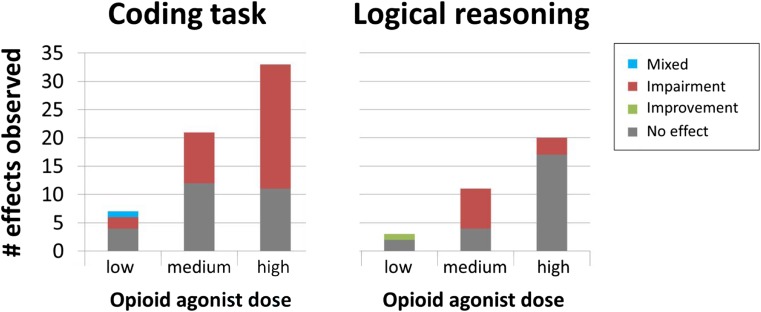
“However, other studies using low or moderate doses of opioid agonists failed to observe effects (Cleeland et al., 1996; Kornetsky, Humphries, & Evarts, 1957; Cherrier, Amory, Ersek, Risler, & Shen, 2009).”
BackgroundEscher, M., Daali, Y., Chabert, J., Gérard Hopfgartner, D., Dayer, P., & Desmeules, J. A. (2007) · Clinical Therapeutics · doi:10.1016/j.clinthera.2007.08.007 · Cited by 58
Ghoneim, M. M., Mewaldt, S. P., & Thatcher, J. (1975) · Psychopharmacology · doi:10.1007/bf00421185 · Cited by 57
Zacny, J. P., Hill, J. L., Black, M. L., & Sadeghi, P. (1998) · Journal of Pharmacology and Experimental Therapeutics · doi:10.1016/s0022-3565(24)37712-2 · Cited by 56
Modulating effects of a cold water stimulus on opioid effects in volunteers
Conley, K. M., Toledano, A. Y., Apfelbaum, J. L., & Zacny, J. P. (1997) · Psychopharmacology · doi:10.1007/s002130050298 · Cited by 55
Walker, D. J., Zacny, J. P., Galva, K., & Lichtor, L. (2001) · Psychopharmacology · doi:10.1007/s002130100723 · Cited by 55
Zacny, J. P., Conley, K., & Marks, S. (1997) · Journal of Pharmacology and Experimental Therapeutics · doi:10.1016/s0022-3565(24)36508-5 · Cited by 53
Naltrexone alters the processing of social and emotional stimuli in healthy adults
Wardle, M. C., Bershad, A. K., & de Wit, H. (2016) · Social Neuroscience · doi:10.1080/17470919.2015.1136355 · Cited by 52
Mouaffak, F., Leite, C., Hamzaoui, S., Benyamina, A., Laqueille, X., & Kebir, O. (2017) · European Addiction Research · doi:10.1159/000480539 · Cited by 52
van Steenbergen, H., Band, G. P. H., & Hommel, B. (2015) · Frontiers in Psychology · doi:10.3389/fpsyg.2015.00974 · Cited by 52
Zacny, J. P., Conley, K., & Galinkin, J. L. (1997) · Journal of Pharmacology and Experimental Therapeutics · doi:10.1016/s0022-3565(24)36921-6 · Cited by 52
Gandhi, W., Becker, S., & Schweinhardt, P. (2013) · European Journal of Pain · doi:10.1002/j.1532-2149.2012.00281.x · Cited by 51
High-dose naloxone affects task performance in normal subjects
Cohen, R. M., Cohen, M. R., Weingartner, H., Pickar, D., & Murphy, D. L. (1983) · Psychiatry Research · doi:10.1016/0165-1781(83)90100-2 · Cited by 51
Abuse liability of oxycodone as a function of pain and drug use history
Comer, S. D., Sullivan, M. A., Vosburg, S. K., Kowalczyk, W. J., & Houser, J. (2010) · Drug and Alcohol Dependence · doi:10.1016/j.drugalcdep.2009.12.018 · Cited by 50
Hedonic Hotspots Regulate Cingulate-driven Adaptation to Cognitive Demands
van Steenbergen, H., Band, G. P. H., Hommel, B., Rombouts, S. A. R. B., & Nieuwenhuis, S. (2014) · Cerebral Cortex · doi:10.1093/cercor/bht416 · Cited by 50
Prossin, A. R., Koch, A. E., Campbell, P., Barichello, T., Zalcman, S. S., & Zubieta, J.-K. (2015) · Molecular Psychiatry · doi:10.1038/mp.2015.110 · Cited by 49
Parsing the Effects of Reward on Cognitive Control
Notebaert, W., & Braem, S. (2015) · Routledge eBooks · doi:10.4324/9781315656878-11 · Cited by 49 · cited 1×
“…and cognitive control via changes in affective states (Braver et al., 2014; Chiew & Braver, 2011; Dreisbach & Goschke, 2004; Isen & Means, 1983; Notebaert & Braem, 2016; van Steenbergen, 2015; Vinckier, Rigoux, Oudiette, & Pessiglione, 2018) and stress (Shields, Sazma, & Yonelinas, 2016).”
Saarialho‐Kere, U., Mattila, M. J., Paloheimo, M., & Sepp�l�, T. (1987) · European Journal of Clinical Pharmacology · doi:10.1007/bf00544557 · Cited by 48
Behavioral and Physiological Effects of Remifentanil and Alfentanil in Healthy Volunteers
Black, M. L., Hill, J. L., & Zacny, J. P. (1999) · Anesthesiology · doi:10.1097/00000542-199903000-00013 · Cited by 48
The µ-opioid system promotes visual attention to faces and eyes
Chelnokova, O., Laeng, B., Løseth, G. E., Eikemo, M., Willoch, F., & Leknes, S. (2016) · Social Cognitive and Affective Neuroscience · doi:10.1093/scan/nsw116 · Cited by 48 · cited 3×
“, 2014), the relative pleasantness of nude images and frustration at missed opportunity to view these (Buchel, Miedl, & Sprenger, 2018), visual exploration of faces (Chelnokova et al., 2016), and perception of faces with emotional expressions (Bershad, Seiden, & de Wit, 2016; Loseth et al.”
BackgroundResultInfluentialSelf-citationZacny, J. P., McKay, M. A., Toledano, A. Y., Marks, S., Young, C. J., Klock, P. A., & Apfelbaum, J. L. (1996) · Drug and Alcohol Dependence · doi:10.1016/0376-8716(96)01274-4 · Cited by 47
Effects of naltrexone and ethanol on auditory event-related brain potentials
Jääskeläinen, I. P., Hirvonen, J., Kujala, T., Alho, K., Eriksson, C. J. P., Lehtokoski, A., Pekkonen, E., Sinclair, J. D., Yabe, H., Näätänen, R., et al. (1998) · Alcohol · doi:10.1016/s0741-8329(97)00104-3 · Cited by 47 · cited 1×
“However, a more recent study testing four females and nine males using a higher dose of the opioid antagonist naltrexone (50 mg PO) to block >90% of muopioid receptors observed an effect in a direction opposite to the findings by Arnsten and colleagues (Jääskeläinen et al., 1998).”
ResultEmotional perception modulated by an opioid and a cholecystokinin agonist
Gospic, K. A. M., Gunnarsson, T., Fransson, P., Ingvar, M., Lindefors, N., & Petrović, P. (2007) · Psychopharmacology · doi:10.1007/s00213-007-1032-4 · Cited by 46
Saarialho‐Kere, U., Mattila, M. J., & Seppälä, T. (1989) · Pharmacology & Toxicology · doi:10.1111/j.1600-0773.1989.tb01168.x · Cited by 46
Disruption of endogenous opioid activity during instrumental learning enhances habit acquisition
Wassum, K. M., Cely, I. C., Maidment, N. T., & Balleine, B. W. (2009) · Neuroscience · doi:10.1016/j.neuroscience.2009.06.071 · Cited by 46 · cited 1×
“…or nu llef fe ct s (… ) on pe rf or m an ce re la tiv e to a pl ac eb o co nt ro lc on di tio n. 3 M in im um es tim at ed do se at w hi ch th e in di ca te d ef fe ct is si gn if ic an tly di ff er en tf ro m pl ac eb o. appetite-independent Bliking^ (Smith & Berridge, 2007; Wassum et al., 2009b).”
BackgroundOpioid Modulation of Value-Based Decision-Making in Healthy Humans
Eikemo, M., Biele, G., Willoch, F., Thomsen, L., & Leknes, S. (2017) · Neuropsychopharmacology · doi:10.1038/npp.2017.58 · Cited by 46
Self-citationKuipers, M., Richter, M. M., Scheepers, D. T., Immink, M. A., Sjak-Shie, E., & van Steenbergen, H. (2016) · International Journal of Psychophysiology · doi:10.1016/j.ijpsycho.2016.10.007 · Cited by 45 · cited 1×
“Future studies should include physiological measures, such as cardiovascular measures (Gendolla, Wright, & Richter, 2011; Kuipers et al., 2017; Spruit, Wilderjans, & van Steenbergen, 2018) and taskevoked pupil dilation (Kahneman, 1973; van der Wel & van Steenbergen, 2018) to investigate potential…”
BackgroundSpecifying the non-specific factors underlying opioid analgesia: expectancy, attention, and affect
Atlas, L. Y., Wielgosz, J., Whittington, R. A., & Wager, T. D. (2014) · Psychopharmacology · doi:10.1007/s00213-013-3296-1 · Cited by 44
Zacny, J. P., & Gutiérrez, S. (2011) · Psychopharmacology · doi:10.1007/s00213-011-2349-6 · Cited by 44
Zacny, J. P., & de Wit, H. (2009) · Pharmacology Biochemistry and Behavior · doi:10.1016/j.pbb.2009.07.010 · Cited by 44
Opioid-Independent and Opioid-Mediated Modes of Pain Modulation
Berna, C., Leknes, S., Ahmad, A. H., Mhuircheartaigh, R. N., Goodwin, G. M., & Tracey, I. (2018) · Journal of Neuroscience · doi:10.1523/jneurosci.0854-18.2018 · Cited by 42
Self-citationBradley, C. M., & Nicholson, A. (1986) · British Journal of Clinical Pharmacology · doi:10.1111/j.1365-2125.1986.tb02928.x · Cited by 40
Improved memory for reward cues following acute buprenorphine administration in humans
Syal, S., Ipser, J., Terburg, D., Solms, M., Panksepp, J., Malcolm‐Smith, S., Bos, P. A., Montoya, E. R., Stein, D. J., & van Honk, J. (2014) · Psychoneuroendocrinology · doi:10.1016/j.psyneuen.2014.11.009 · Cited by 40
OBJECTIVE EVIDENCE OF MENTAL EFFECTS OF HEROIN, MORPHINE AND PLACEBO IN NORMAL SUBJECTS
Smith, G. M., Semke, C. W., & Beecher, H. K. (1962) · Journal of Pharmacology and Experimental Therapeutics · doi:10.1016/s0022-3565(25)26260-7 · Cited by 40
Effect of 12-hour infusion of naloxone on mood and cognition in normal male volunteers
del Campo, A. F. M., McMurray, R. G., BESSER, G. M., & Grossman, A. B. (1992) · Biological Psychiatry · doi:10.1016/0006-3223(92)90038-2 · Cited by 39
Research works printed but not linked: 6
- Allen ME Coen D Naloxone blooking of running-induced mood changes Annals of Sports Medicine 1987 3 190 195
- De Quincey, T. (2000). Confessions of an English Opium-eater. The Works of Thomas De Quincey, Vol. 2: Confessions of an English Opium-Eater, 1821–1856 (Vol. 89). Oxford University Press.
- Gendolla GHE Wright RA Richter M Ryan R Effort intensity: Studies of cardiovascular response The Oxford handbook on motivation 2011 New York Oxford University Press
- Mayberg, H. S., & Frost, J. J. (1990). Opiate receptors. In Quantitative imaging: neuroreceptors, neurotransmitters, and enzymes (pp. 81–95). New York: Raven Press.
- Thayer RE The biopsychology of mood and activation 1989 New York Oxford University Press
- Yeomans MR Opioids and human food choice Appetite 1995 24 302
Cited by
Opioid Receptor-Mediated Regulation of Neurotransmission in the Brain
Reeves, K. C., Shah, N., Muñoz, B., & Atwood, B. K. (2022) · Frontiers in Molecular Neuroscience · doi:10.3389/fnmol.2022.919773 · Cited by 156
“…such as respiration and gastrointestinal tract motility (Shippenberg et al., 1998; Drews and Zimmer, 2010; Van’t Veer and Carlezon, 2013; Leroy et al., 2017; Eisenstein, 2019; Patel et al., 2019; Toubia and Khalife, 2019; van Steenbergen et al., 2019; Robble et al., 2020; Galaj and Xi, 2021).”
BackgroundHow positive affect buffers stress responses
van Steenbergen, H., de Bruijn, E. R. A., van Duijvenvoorde, A. C. K., & van Harmelen, A. (2021) · Current Opinion in Behavioral Sciences · doi:10.1016/j.cobeha.2021.03.014 · Cited by 102
Lowered endogenous mu-opioid receptor availability in subclinical depression and anxiety
Nummenmaa, L., Karjalainen, T., Isojärvi, J., Kantonen, T., Tuisku, J., Kaasinen, V., Joutsa, J., Nuutila, P., Kalliokoski, K. K., Hirvonen, J., et al. (2020) · Neuropsychopharmacology · doi:10.1038/s41386-020-0725-9 · Cited by 95
Emotions as ComputationsPreprint
Emanuel, A., & Eldar, E. (2022) · PsyArXiv (OSF Preprints) · doi:10.1016/j.neubiorev.2022.104977 · Cited by 103
Unlocking opioid neuropeptide dynamics with genetically encoded biosensors
Dong, C., Gowrishankar, R., Jin, Y., He, X. J., Gupta, A., Wang, H., Sayar, N., Flores, R. J., Mahe, K., Tjahjono, N., et al. (2024) · Nature Neuroscience · doi:10.1038/s41593-024-01697-1 · Cited by 67
Metadata
- Authors
- van Steenbergen, H., Eikemo, M., & Leknes, S.
- Affiliations
- Oslo University Hospital (NO)
- University of Oslo (NO)
- Venue
- Cognitive, Affective, & Behavioral Neuroscience
- Published
- 2019-04-08
- Volume
- 19
- Issue
- 3
- Pages
- 435-458
- ISSN
- 1530-7026 (ISSN-L)
- 1531-135X
- PMC
- PMC6599188
- OpenAlex
- W2937558409
- Cited by
- 118
- References
- 248
- Citations by year
- 2026: 9 · 2025: 14 · 2024: 28 · 2023: 12 · 2022: 18 · 2021: 14 · 2020: 17 · 2019: 5
- FWCI
- 1.80
- Type
- journal article
- Language
- en
- Open access
- hybrid
- doi.org
- Licence
- cc-by
- creativecommons.org/licenses/by/4.0 (tdm)
- Locations
- Cognitive Affective & Behavioral Neuroscience (publishedVersion, cc-by)
- Europe PMC (PubMed Central) (publishedVersion, cc-by)
- PubMed Central (publishedVersion, cc-by)
- PubMed (publishedVersion)
- Leiden Repository (Leiden University) (submittedVersion, cc-by)
- Leiden Repository (Leiden University) (submittedVersion)
- OSF Preprints (OSF Preprints) (submittedVersion)
- NORA - Norwegian Open Research Archives (submittedVersion, cc-by)
- Data Archiving and Networked Services (DANS) (submittedVersion, cc-by)
- Funders
- Leiden University
- Topics
- Life Sciences › Neuroscience › Cellular and Molecular Neuroscience › Neurotransmitter Receptor Influence on Behavior
- Life Sciences › Neuroscience › Cognitive Neuroscience › Neural and Behavioral Psychology Studies
- Life Sciences › Neuroscience › Cellular and Molecular Neuroscience › Neuropeptides and Animal Physiology
- Keywords
- opioid system, mu-opioid receptor, decision-making, cognitive control, reward valuation, impulsivity, executive function, attention, inhibition, effort, motivation, orbitofrontal cortex, basal ganglia, amygdala, anterior cingulate cortex, prefrontal cortex, opioid agonists, opioid antagonists
- MeSH terms
- Animals, Brain, Decision Making, Humans, Narcotic Antagonists, Narcotics, Reward, Signal Transduction, Executive Function
About these checks
Registry, retraction, Cites and statistics results are computed, not judged, with one exception: a printed reference that no index lists is read once by a model before it counts as a citation error. Claims are extracted by a model and kept only when their quote appears verbatim in the text; each cited source is then checked, with a model’s help, for whether it says what the claim relies on. Those verdicts can be wrong — read the claim’s quote and the cited source before relying on one.
Statistics and arithmetic are recomputed, not judged.
Confidence bands are shown only for fields calibrated on our annotated test set. None is calibrated yet, so no band is shown.
What counts as a claim ›How we measure confidence ›How we check this ›
Are you an author, or do you see a problem with this page? Request a review
Data sources
Bibliographic data: Semantic Scholar, OpenAlex, Crossref.
Contains information from the Semantic Scholar Academic Graph Datasets, made available under the ODC Attribution License (ODC-BY 1.0).
Semantic Scholar’s data is described in: Kinney, R., et al. (2023). The Semantic Scholar Open Data Platform. arXiv:2301.10140.
