

The DOI matches its Crossref record; 47 of the 48 references it cites were found in a registry or an index.
Proinflammatory effects of S100A8/A9 via TLR4 and RAGE signaling pathways in BV-2 microglial cells
Open accessAbstract
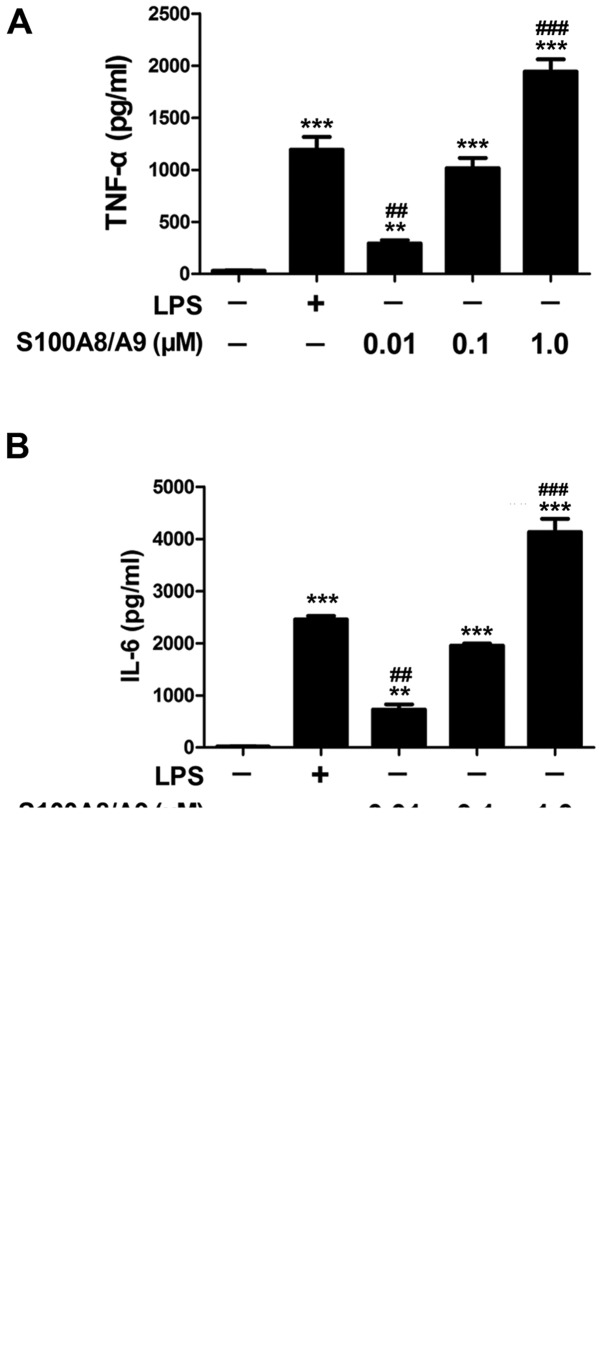
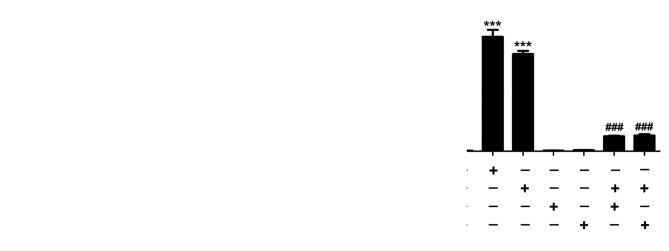
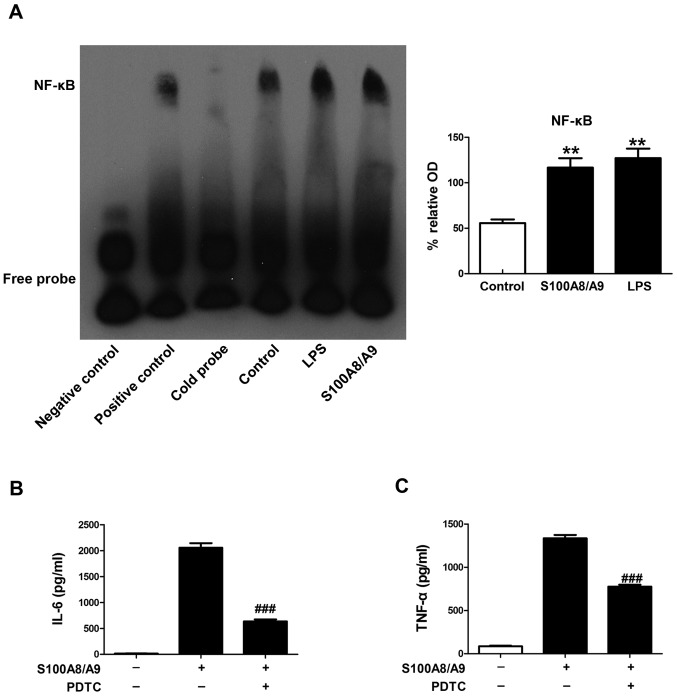
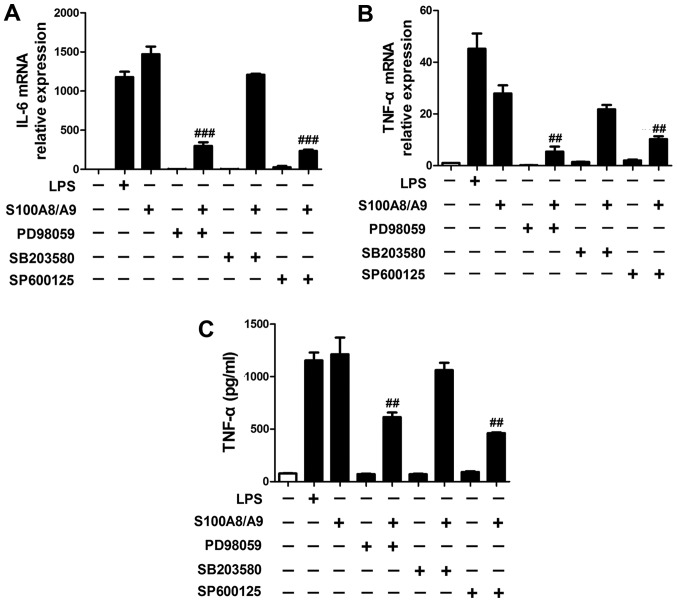
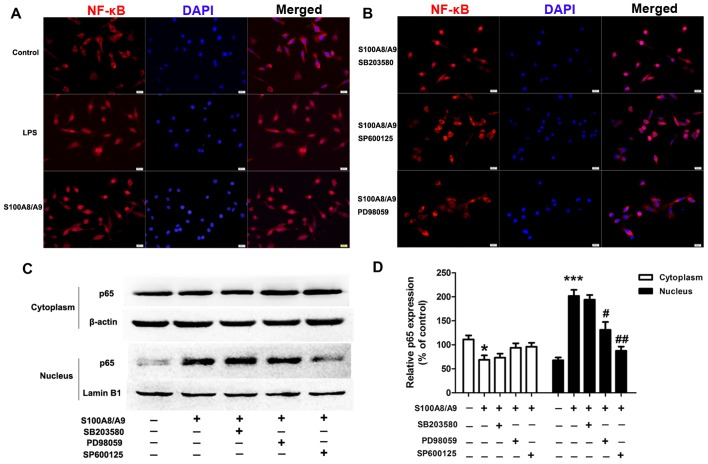
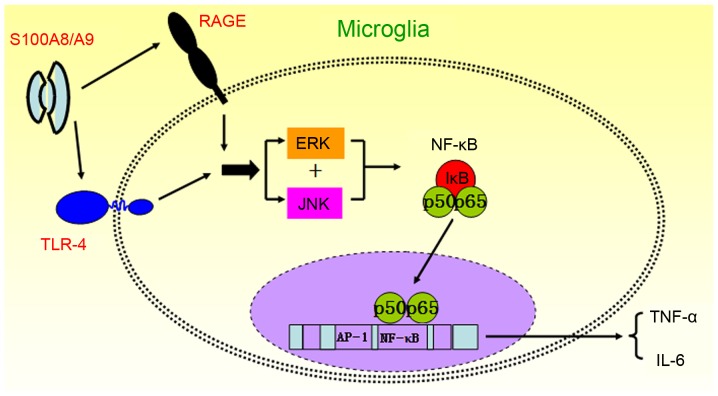
S100A8/A9, a heterodimer of the two calcium-binding proteins S100A8 and S100A9, has emerged as an important proinflammatory mediator in acute and chronic inflammation. However, whether S100A8/A9 is implicated in microglial‑induced neuroinflammatory response remains unclear. Here, we found that S100A8/A9 significantly increased the secretion of proinflammatory cytokines inclu-ding tumor necrosis factor-α (TNF-α) and interleukin-6 (IL-6) in cultured BV-2 microglial cells. Inhibition of the Toll-like receptor 4 (TLR4) and the receptor for advanced glycation end-products (RAGE) with C225 and a RAGE-blocking antibody, respectively significantly reduced the secretion of TNF-α and IL-6 from S100A8/A9-stimulated BV-2 microglial cells. Furthermore, S100A8/A9 markedly enhanced the nuclear translocation of NF-κB p65 and the DNA-binding activities of NF-κB in BV-2 microglial cells, and suppression of ERK and JNK/MAPK signaling pathways by PD98059 or SP600125 significantly inhibited NF-κB activity and the release of TNF-α and IL-6 in the S100A8/A9-treated BV-2 microglial cells. Our data also showed that inhibition of NF-κB with pyrrolidine dithiocarbamate (PDTC) significantly reduced the secretion of TNF-α and IL-6 from BV-2 microglial cells treated with S100A8/A9. Taken together, our data suggest that S100A8/A9 acts directly on BV-2 microglial cells via binding to TLR4 and RAGE on the membrane and then stimulates the secretion of proinflammatory cytokines through ERK and JNK-mediated NF-κB activity in BV-2 microglial cells. Targeting S100A8/A9 may provide a novel therapeutic strategy in microglial-induced neuroinflammatory diseases.
Overview
The claims and statistics of this paper haven’t been checked yet.
Run the check — free, no account needed. It reads the open-access text and checks the sources it cites.
Integrity signals
Registry
Cites
Statistics
Figures
Verification
Claims the paper makes
The claims and statistics of this paper haven’t been checked yet.
Run the check — free, no account needed. It reads the open-access text and checks the sources it cites.
Claims other papers make about this one
Each is checked against this paper’s own text: does it say what the citing paper says it does?
In the citing paper
“Tau-dependent microglial activation can enhance secretion of pro-inflammatory cytokines such as IL-1β, IL-6, and TNF-α [421–423].”
From Molecular and cellular mechanisms underlying the pathogenesis of Alzheimer’s disease (2020) · cites this paper as [422]
Self-check
Percentages, sums and reported differences re-computed from the paper’s own numbers.
The self-check needs the paper’s full text.
Citations
Cites
RAGE Mediates a Novel Proinflammatory Axis
Hofmann, M. A., Drury, S., Fu, C., Qu, W., Taguchi, A., Lu, Y., Avila, C., Kambham, N., Bierhaus, A., Nawroth, P., et al. (1999) · Cell · doi:10.1016/s0092-8674(00)80801-6 · Cited by 1,864 · cited 1×
“Previous studies have shown that activated microglia express high levels of TLR4 and RAGE in response to neuroinflammation (9-12).”
BackgroundNeumar, R. W., Nolan, J. P., Adrie, C., Aibiki, M., Berg, R. A., Böttiger, B. W., Callaway, C. W., Clark, R. S. B., Geocadin, R. G., Jauch, E. C., et al. (2008) · Circulation · doi:10.1161/circulationaha.108.190652 · Cited by 1,460 · cited 1×
“Microglial activation plays a pivotal role during the development and progression of neurodegenerative diseases based on its great capacity for secreting proinflammatory cytokines, such as tumor necrosis factor‑ α (TNF-α ) and interleukin‑6 (IL‑6), resulting in acute inflammation (13).”
BackgroundVogl, T., Tenbrock, K., Ludwig, S., Leukert, N., Ehrhardt, C., van Zoelen, M. A. D., Nacken, W., Foell, D., van der Poll, T., Sorg, C., et al. (2007) · Nature Medicine · doi:10.1038/nm1638 · Cited by 1,418 · cited 1×
“Recently, S100A8/A9, as the endogenous activator of TLR4 signaling, promotes lethal endotoxin‑induced shock (6).”
BackgroundUnderstanding RAGE, the receptor for advanced glycation end products
Bierhaus, A., Humpert, P. M., Morcos, M., Wendt, T., Chavakis, T., Arnold, B., Stern, D. M., & Nawroth, P. P. (2005) · Journal of Molecular Medicine · doi:10.1007/s00109-005-0688-7 · Cited by 1,297
Treatment of Septic Shock with the Tumor Necrosis Factor Receptor:Fc Fusion Protein
Fisher, C. J., Agosti, J. M., Opal, S. M., Lowry, S. F., BALK, R. A., SADOFF, J. C., Abraham, E. H., Schein, R. M. H., & Benjamin, E. (1996) · New England Journal of Medicine · doi:10.1056/nejm199606273342603 · Cited by 1,239 · cited 1×
“More studies also demonstrated that major risk factors for sepsis, systemic inflammatory response syndrome and septic shock are related to TNF‑ α ‑independent mechanisms (45,46).”
BackgroundLehnardt, S., Massillon, L., Follett, P., Jensen, F. E., Ratan, R., Rosenberg, P. A., Volpe, J. J., & Vartanian, T. (2003) · Proceedings of the National Academy of Sciences · doi:10.1073/pnas.1432609100 · Cited by 1,052 · cited 1×
“Thus, our data, which demonstrated that S100A8/A9 contributed to inflammation via TLR4, further revealed that neuroinflammation and ischemic brain injury is modulated by TLR4 (39-41).”
BackgroundNF-kB: a crucial transcription factor for glial and neuronal cell function
O'Neill, L. A. J., & Kaltschmidt, C. (1997) · Trends in Neurosciences · doi:10.1016/s0166-2236(96)01035-1 · Cited by 1,013
Intracellular and extracellular roles of S100 proteins
Donato, R. (2003) · Microscopy Research and Technique · doi:10.1002/jemt.10296 · Cited by 974 · cited 1×
“Previous studies have shown that activated microglia express high levels of TLR4 and RAGE in response to neuroinflammation (9-12).”
BackgroundEhrchen, J. M., Sunderkötter, C. H., Foell, D., Vogl, T., & Roth, J. (2009) · Journal of Leukocyte Biology · doi:10.1189/jlb.1008647 · Cited by 869 · cited 2×
“…the S100A8/A9 heterodimers are associ-/A9 heterodimers are associ-A9 heterodimers are associated with the pathogenesis of various diseases, and coupled with an inflammatory component, which is primarily released from activated or necrotic neutrophils and monocytes/macro-/macro-macro-phages (1,2).”
BackgroundRyckman, C., Vandal, K., Rouleau, P., Talbot, M., & Tessier, P. A. (2003) · The Journal of Immunology · doi:10.4049/jimmunol.170.6.3233 · Cited by 861 · cited 1×
“As an endogenous ligand of TLR4 and RAGE (14), S100A8/A9 also amplifies the production of proinflammatory cytokines and contributes to CNS injury (2,15).”
Background
Cited by
Sorted by citations
Wang, S., Song, R., Wang, Z., Jing, Z., Wang, S., & Ma, J. (2018) · Frontiers in Immunology · doi:10.3389/fimmu.2018.01298 · Cited by 1,450
“In BV-2 microglia, S100A8/A9 stimulates the production of TNF-α and IL-6 through ERK/NF-κB and JNK/ NF-κB signaling (72).”
BackgroundMolecular and cellular mechanisms underlying the pathogenesis of Alzheimer’s disease
Guo, T., Zhang, D., Zeng, Y., Huang, T. Y., Xu, H., & Zhao, Y. (2020) · Molecular Neurodegeneration · doi:10.1186/s13024-020-00391-7 · Cited by 994
Calprotectin: from biomarker to biological function
Jukic, A., Bakiri, L., Wagner, E. F., Tilg, H., & Adolph, T. E. (2021) · Gut · doi:10.1136/gutjnl-2021-324855 · Cited by 500
Transcriptional and Translational Differences of Microglia from Male and Female Brains
Guneykaya, D., Ivanov, A., Hernandez, D. P., Haage, V., Wojtas, B., Meyer, N., Maricos, M., Jordan, P., Buonfiglioli, A., Gielniewski, B., et al. (2018) · Cell Reports · doi:10.1016/j.celrep.2018.08.001 · Cited by 477
Calprotectin (S100A8/S100A9): a key protein between inflammation and cancer
Shabani, F., Farasat, A., Mahdavi, M., & Gheibi, N. (2018) · Inflammation Research · doi:10.1007/s00011-018-1173-4 · Cited by 251
Alzheimer’s Disease Pathogenesis: Role of Autophagy and Mitophagy Focusing in Microglia
Eshraghi, M., Adlimoghaddam, A., Mahmoodzadeh, A., Sharifzad, F., Yasavoli-Sharahi, H., Lorzadeh, S., Albensi, B. C., & Ghavami, S. (2021) · International Journal of Molecular Sciences · doi:10.3390/ijms22073330 · Cited by 158
“Among the increased proinflammatory factors in AD, HMGB1 [341], S100A8/A9 [342], complement receptor [343], Fc receptors [344], scavenger receptors [345], RAGE [346], TLRs [258], and CXCR4 [347] have all been reported to induce autophagy in the cells.”
BackgroundInfluentialPMN-MDSCs accumulation induced by CXCL1 promotes CD8+ T cells exhaustion in gastric cancer
Zhou, X., Fang, D., Liu, H., Ou, X., Zhang, C., Zhao, Z., Zhao, S., Peng, J., Cai, S., He, Y., et al. (2022) · Cancer Letters · doi:10.1016/j.canlet.2022.215598 · Cited by 157
Inflammation within the neurovascular unit: Focus on microglia for stroke injury and recovery
Eldahshan, W., Fagan, S. C., & Ergul, A. (2019) · Pharmacological Research · doi:10.1016/j.phrs.2019.104349 · Cited by 104
“These results indicate a biphasic role for microglia on neurogenesis in vivo (64, 70).”
BackgroundS100 proteins in atherosclerosis
Xiao, X., Chen, Y., Qu, S.-L., Shao, Y.-D., Zhou, C.-Y., Chao, R., Huang, L., & Zhang, C. (2019) · Clinica Chimica Acta · doi:10.1016/j.cca.2019.11.019 · Cited by 88
Meningeal lymphatics-microglia axis regulates synaptic physiology
Kim, K., Abramishvili, D., Du, S., Papadopoulos, Z., Cao, J., Herz, J., Smirnov, I., Thomas, J., Colonna, M., & Kipnis, J. (2025) · Cell · doi:10.1016/j.cell.2025.02.022 · Cited by 86
Wu, M., Xu, L., Wang, Y., Zhou, N., Zhen, F., Zhang, Y., Qu, X., Fan, H., Liu, S., Chen, Y., et al. (2018) · Brain Research Bulletin · doi:10.1016/j.brainresbull.2018.09.014 · Cited by 84
Ratan, Y., Rajput, A., Maleysm, S., Pareek, A., Jain, V. K., Pareek, A., Kaur, R., & Singh, G. (2023) · Biomedicines · doi:10.3390/biomedicines11051398 · Cited by 89
Aung, T. N., Monkman, J. H., Warrell, J., Vathiotis, I. A., Bates, K., Gavrielatou, N., Trontzas, I. P., Tan, C. W., Fernandez, A. I., Moutafi, M. K., et al. (2025) · Nature Genetics · doi:10.1038/s41588-025-02351-7 · Cited by 100
“S100A9 (and its partner, S100A8 ) activates endothelial cells via TLR4 and RAGE , producing proinflammatory cytokines and promoting a protumor microenvironment 24 , while CD24 mediates immune evasion 25 via SIGLEC-10 (ref.”
Effect of Systemic Inflammation in the CNS: A Silent History of Neuronal Damage
Solano, M. V. M., Lara, C. S., Sánchez-Garibay, C., Soto-Rojas, L. O., Escobedo-Ávila, I., Tena‐Suck, M. L., Ortiz-Butrón, R., Choreño-Parra, J. A., Romero‐López, J. P., & Meléndez-Camargo, M. E. (2023) · International Journal of Molecular Sciences · doi:10.3390/ijms241511902 · Cited by 78
Antimicrobial peptides: Defending the mucosal epithelial barrier
Johnstone, K. F., & Herzberg, M. C. (2022) · Frontiers in Oral Health · doi:10.3389/froh.2022.958480 · Cited by 86
“TLR4 and RAGE Secretion of proinflammatory cytokines BV-2 microglial cells [171]”
BackgroundInfluentialInflammatory gene expression during acute high‐altitude exposure
Pham, K., Frost, S., Parikh, K. D., Puvvula, N., Oeung, B., & Heinrich, E. C. (2022) · The Journal of Physiology · doi:10.1113/jp282772 · Cited by 76
“The S100A8/S100A9 heterodimer has previously been found to be an endogenous activator of TLR4 (Ehrchen et al., 2009; Foell et al., 2007; Ma et al., 2017; Vogl et al., 2007).”
BackgroundSex differences in the inflammatory response to stroke
Tariq, M. B., Lee, J., & McCullough, L. D. (2022) · Seminars in Immunopathology · doi:10.1007/s00281-022-00969-x · Cited by 72
S100A8/A9: An emerging player in sepsis and sepsis-induced organ injury
Wang, Q., Long, G., Luo, H. J., Zhu, X., Han, Y., Shang, Y., Zhang, D., & Gong, R. (2023) · Biomedicine & Pharmacotherapy · doi:10.1016/j.biopha.2023.115674 · Cited by 72
Hu, L., Nomura, S., Sato, Y., Takagi, K., Ishii, T., Honma, Y., Watanabe, K., Mizukami, Y., & Muto, J. (2022) · Journal of Dermatological Science · doi:10.1016/j.jdermsci.2022.06.001 · Cited by 70
Garg, S., Malhotra, R. K., Khan, S. I., Sarkar, S., Susrutha, P., Singh, V., Goyal, S. N., Nag, T. C., Ray, R., Bhatia, J., et al. (2018) · Phytomedicine · doi:10.1016/j.phymed.2018.09.187 · Cited by 58
Pullaiah, C. P., Nelson, V. K., Rayapu, S., Kumar, G. V. N., & Kedam, T. (2021) · BMC Pharmacology and Toxicology · doi:10.1186/s40360-021-00510-0 · Cited by 52
Extracellular histones as damage-associated molecular patterns in neuroinflammatory responses
Richards, C. M., McRae, S. A., Ranger, A. L., & Klegeris, A. (2022) · Reviews in the Neurosciences · doi:10.1515/revneuro-2022-0091 · Cited by 51
Subedi, L., Lee, J. H., Gaire, B. P., & Kim, S. Y. (2020) · Antioxidants · doi:10.3390/antiox9090792 · Cited by 47
Hypoxia-Induced S100A8 Expression Activates Microglial Inflammation and Promotes Neuronal Apoptosis
Ha, J. S., Choi, H.-R., Kim, I. S., Kim, E.-A. L., Cho, S., & Yang, S.-J. (2021) · International Journal of Molecular Sciences · doi:10.3390/ijms22031205 · Cited by 46
“S100A8/A9 stimulated the secretion of pro-inflammatory cytokines on LPS-induced BV-2 microglia cells via TLR4 and receptor for advanced glycation end products (RAGE) and exacerbated the damage of oligodendrocyte precursor cells by activating the nuclear factor (NF)-κB signaling pathway [17,18].”
BackgroundRole of RAGE in the Pathogenesis of Neurological Disorders
Juranek, J., Mukherjee, K., Kordas, B., Załęcki, M., Korytko, A., Zglejc-Waszak, K., Szuszkiewicz, J., & Banach, M. (2022) · Neuroscience Bulletin · doi:10.1007/s12264-022-00878-x · Cited by 45
“surface of microglia acts as a receptor for the Ca-binding protein S100A8/A9 to activate NF-jB via the JNK/ERK pathway to enhance the production of inflammatory cytokines [81].”
BackgroundRamli, N. Z., Yahaya, M. F., Tooyama, I., & Damanhuri, H. A. (2020) · Antioxidants · doi:10.3390/antiox9101019 · Cited by 43
Hui, B., Zhang, L., Zhou, Q., & Hui, L. (2017) · Neurotoxicity Research · doi:10.1007/s12640-017-9837-3 · Cited by 42
Neuroplastin‐β mediates S100A8/A9‐induced lung cancer disseminative progression
Sumardika, I. W., Chen, Y., Tomonobu, N., Kinoshita, R., Ruma, I. M. W., Sato, H., Kondo, E., Inoue, Y., 山内, 明., Murata, H., et al. (2019) · Molecular Carcinogenesis · doi:10.1002/mc.22987 · Cited by 42
Role of aldose reductase in diabetes-induced retinal microglia activation
Chang, K., Shieh, B., & Petrash, J. M. (2019) · Chemico-Biological Interactions · doi:10.1016/j.cbi.2019.01.020 · Cited by 41
Jung, J., Kim, J.-W., Suh, C., & Kim, H. (2020) · Frontiers in Immunology · doi:10.3389/fimmu.2020.583513 · Cited by 36
“HMGB1 is released during apoptosis or necrosis, acting as a DAMP, and inflammatory cytokines including TNF-a and IFN-ɣ enhance the release of HMGB1 (44, 45).”
BackgroundInfluentialMoraes, T. R., Veras, F. P., Barchuk, A. R., Nogueira, E. S. C., Kanashiro, A., & Galdino, G. S. (2024) · Frontiers in Immunology · doi:10.3389/fimmu.2024.1303937 · Cited by 35
Cho, E., Mun, S., Kim, H. K., Ham, Y. S., Gil, W. J., & Yang, C. (2023) · Acta Pharmacologica Sinica · doi:10.1038/s41401-023-01188-2 · Cited by 34
S100A8/A9 promotes endometrial fibrosis via regulating RAGE/JAK2/STAT3 signaling pathway
Xin, X., Liu, H., Zhang, S., Li, P., Zhao, X., Zhang, X., Li, S., Wu, S., Zhao, F., & Tan, J. (2024) · Communications Biology · doi:10.1038/s42003-024-05814-5 · Cited by 34
Neutrophil Activation and Neutrophil Extracellular Trap Formation in Dialysis Patients
Bieber, S. D., Muczynski, K. A., & Lood, C. (2020) · Kidney Medicine · doi:10.1016/j.xkme.2020.06.014 · Cited by 31
“Although specifics of the long-term clinical effects of this are unknown and difficult to decipher from other problems of patients with kidney disease, it is reasonable to assume that neutrophil activation is undesirable given the well-known contribution to inflammation and organ damage.(19,24) Neutrophils, through re…”
BackgroundSun, Y., Wang, Z., Hou, J., Shi, J., Tang, Z., Wang, C., & Zhao, H. (2022) · Frontiers in Pharmacology · doi:10.3389/fphar.2022.832590 · Cited by 31
“As reported, S100A9 modulates macrophage inflammation in AMI and regulates microglial inflammation in depression (Ma et al., 2017; Marinković et al., 2019), yet the evidence of it is not quite adequate in post-AMI depression.”
BackgroundYeo, I. J., Lee, M. J., Baek, A., Miller, Z. C., Bhattarai, D., Baek, Y. M., Jeong, H. J., Kim, Y. K., Kim, D., Hong, J. T., et al. (2019) · Scientific Reports · doi:10.1038/s41598-019-54846-z · Cited by 29
COVID-19: The Emerging Immunopathological Determinants for Recovery or Death
Ahmad, T., Chaudhuri, R., Joshi, M. C., Almatroudi, A., Rahmani, A. H., & Ali, S. M. (2020) · Frontiers in Microbiology · doi:10.3389/fmicb.2020.588409 · Cited by 30
Transmissible ER stress between macrophages and tumor cells configures tumor microenvironment
Wei, W., Zhang, Y., Song, Q., Zhang, Q., Zhang, X., Liu, X., Wu, Z., Xu, X., Xu, Y., Yan, Y., et al. (2022) · Cellular and Molecular Life Sciences · doi:10.1007/s00018-022-04413-z · Cited by 29
“Free S100 proteins could bind to cell membrane receptors (RAGE or TLRs) to initiate the inflammatory response [59], however, the mechanism of S100 proteins within EVs remains to be investigated.”
BackgroundSelf-citationRelationship of S100 Proteins with Neuroinflammation
García‐Domínguez, M. (2025) · Biomolecules · doi:10.3390/biom15081125 · Cited by 27
Identification of novel biomarkers for neonatal hypoxic-ischemic encephalopathy using iTRAQ
Zhu, Y., Yun, Y., Jin, M., Li, G. L., Li, H., Miao, P., Ding, X., Feng, X., Xu, L., & Sun, B. (2020) · The Italian Journal of Pediatrics/Italian journal of pediatrics · doi:10.1186/s13052-020-00822-7 · Cited by 26
S100A8 Promotes Inflammation via Toll-Like Receptor 4 After Experimental Traumatic Brain Injury
He, G., Zhao, C., Wu, D.-G., Cheng, H., Sun, L., Zhang, D., Yang, X., Fan, X.-R., Di, G., & Jiang, X. (2021) · Frontiers in Neuroscience · doi:10.3389/fnins.2020.616559 · Cited by 25
Shabani, F., Mahdavi, M., Imani, M., Feizi, M. A. H., & Gheibi, N. (2020) · Human & Experimental Toxicology · doi:10.1177/0960327120909530 · Cited by 25
“(TNF-a) and interleukin-6 (IL-6)) in BV-2 microglial cells via ERK/NF-kB and c-Jun N-terminal kinases (JNKs)/NF-kB signaling pathways.(21) Overexpression and activation of ERK have been found in many human malignant tumors and, as such, represented an attractive target for the development of anticancer drugs.”
BackgroundNovel insight on marker genes and pathogenic peripheral neutrophil subtypes in acute pancreatitis
Zhang, D., Wang, M., Zhang, Y., Xia, C., Peng, L., Li, K., Yin, H., Li, S., Yang, X., Su, X., et al. (2022) · Frontiers in Immunology · doi:10.3389/fimmu.2022.964622 · Cited by 25
“S100A12 is highly abundant in neutrophils and has been identified as an activator of long-term inflammation via the RAGE pathway (37).”
BackgroundAli, H. E., Boakari, Y. L., Loux, S. C., Dini, P., Scoggin, K. E. S., Esteller‐Vico, A., Kalbfleisch, T., & Ball, B. A. (2020) · Biology of Reproduction · doi:10.1093/biolre/ioaa020 · Cited by 25
“In addition, ligand–receptor interaction analysis revealed that S100A8 and S100A9 (both upregulated in placentitis) could interact with TLR4 with a subsequent amplification of the proinflammatory cascade [52].”
BackgroundLiver-Derived S100A6 Propels β-Cell Dysfunction in NAFLD
Dogra, S., Das, D., Maity, S. K., Paul, A., Rawat, P., Daniel, P. V., Das, K., Mitra, S., Chakrabarti, P., & Mondal, P. (2022) · Diabetes · doi:10.2337/db22-0056 · Cited by 25
Bai, B., Xu, Y., & Chen, H. (2022) · British Journal of Pharmacology · doi:10.1111/bph.15998 · Cited by 20
Alam, S., Réhman, S. U., & Kim, M. O. (2019) · Journal of Clinical Medicine · doi:10.3390/jcm8020271 · Cited by 22
Highly specific interaction of monomeric S100P protein with interferon beta
Kazakov, A. S., Maiorov, S. A., Deryusheva, E. I., Avkhacheva, N. V., Denessiouk, K. A., Denesyuk, A. I., Rastrygina, V. A., Permyakov, E. A., & Permyakov, S. E. (2019) · International Journal of Biological Macromolecules · doi:10.1016/j.ijbiomac.2019.12.039 · Cited by 22
Yan, L., Li, Y., Tan, T., Qi, J., Fang, J. S., Guo, H., Ren, Z., Gou, L., Geng, Y., Cui, H., et al. (2023) · International Journal of Molecular Sciences · doi:10.3390/ijms24087007 · Cited by 23
“RAGE, another important receptor involved in the inflammatory response, can bind with various ligands, including advanced glycosylation end products (AGEs) [23], high mobility group box 1 (HMGB1) [24], and the S100A8/A9 heterodimer [25].”
BackgroundCzapski, G. A., Zhao, Y., Lukiw, W. J., & Strosznajder, J. B. (2020) · International Journal of Molecular Sciences · doi:10.3390/ijms21217838 · Cited by 20
“Both of these proteins, via a signaling pathway involving TLR4, RAGE and ERK/NF-κB, lead to secretion of TNF-α and IL-6 in microglia cells (BV2) [59].”
BackgroundSalivary Proteomics Reveals Significant Changes in Relation to Alzheimer’s Disease and Aging
Contini, C., Serrao, S., Manconi, B., Olianas, A., Iavarone, F., Bizzarro, A., Masullo, C., Castagnola, M., Messana, I., Diaz, G., et al. (2022) · Journal of Alzheimer s Disease · doi:10.3233/jad-220246 · Cited by 19
Gong, X., Shen, H., Guo, L., Huang, C., Su, T., Wang, H., Feng, S., Yang, S., Huo, F., Liu, H., et al. (2023) · Immunity & Ageing · doi:10.1186/s12979-023-00337-9 · Cited by 20
“S100A8/S100A9 can stimulate TNF-⍺ and IL-6 production in BV-2 microglia through ERK/NF-κB and JNK/NF-κB signaling pathways [29].”
BackgroundSalivary S100 proteins screen periodontitis among Korean adults
Karna, S., Shin, Y., Kim, S., & Kim, H. (2018) · Journal Of Clinical Periodontology · doi:10.1111/jcpe.13059 · Cited by 20
“S100 A8 and A9 are human proteins which involved in cell cycle progression, signal transduction, cell- type differentiation, morphological differentiation, and inflammatory events (Khammanivong, Wang, Sorenson, Ross, & Herzberg, 2013; Kojima et al., 2000; Ma et al., 2017; Thorey et al., 2001).”
BackgroundCozac, D. A., Halațiu, V.-B., & Scridon, A. (2025) · Frontiers in Immunology · doi:10.3389/fimmu.2025.1630410 · Cited by 22
Remodeling the Microenvironment before Occurrence and Metastasis of Cancer
Zhang, X., & Xiang, J. (2018) · International Journal of Biological Sciences · doi:10.7150/ijbs.28669 · Cited by 19
“Primary tumor induction of S100A8 and S100A9 expression has also been shown to recruit Mac1+ myeloid cells via TLR4 to premetastatic sites[121, 122].”
BackgroundInhibition of S100A9 alleviates neurogenic pulmonary edema after subarachnoid hemorrhage
Wang, G., Hou, G., Tian, Q., Liu, C., Guo, Y., Wei, H., Zhang, Z., & Li, M. (2023) · Biochemical Pharmacology · doi:10.1016/j.bcp.2023.115905 · Cited by 18
FGF18 alleviates sepsis-induced acute lung injury by inhibiting the NF-κB pathway
Hu, Z., Dai, J., Xu, T., Chen, H., Shen, G., Zhou, J., Ma, H., Wang, Y., & Jin, L. (2024) · Respiratory Research · doi:10.1186/s12931-024-02733-1 · Cited by 18
“This finding is consistent with previous studies that have shown MAPK kinase inhibitors can alleviate p65 phosphorylation [39, 40].”
ResultHu, W.-G., & Lin, C. (2020) · Molecular Medicine Reports · doi:10.3892/mmr.2020.11702 · Cited by 18
“Notably, S100A8 induces cytokine expression via the roS‐dependent activation of nF‐κB (39).”
BackgroundSun, Y., Wang, Z., Wang, C., Tang, Z., & Zhao, H. (2021) · Biomedicine & Pharmacotherapy · doi:10.1016/j.biopha.2021.112303 · Cited by 18
Endogenous Ligands of TLR4 in Microglia: Potential Targets for Related Neurological Diseases
Chen, B., & Di, B. (2024) · Current Drug Targets · doi:10.2174/0113894501316051240821060249 · Cited by 16
Staphylococcus aureus metal acquisition in the mastitic mammary gland
Carlson, S. K., Erickson, D. L., & Wilson, E. (2020) · Microbial Pathogenesis · doi:10.1016/j.micpath.2020.104179 · Cited by 18
Gao, H., Gao, L., Rao, Y., Qian, L., Li, M., & Wang, W. (2023) · Frontiers in Endocrinology · doi:10.3389/fendo.2023.1133280 · Cited by 17
“AGER was found to be able to activate the NF-kB signaling pathway and ERK signaling pathway (34, 35), which may indicate a potential molecular mechanism of high concentrations of insulin leading to cell senescence.”
BackgroundFang, X., Lian, H., Liu, S., Dong, J., Hua, X., Li, W., Liao, C., & Yuan, X. (2023) · Inflammation Research · doi:10.1007/s00011-023-01757-5 · Cited by 17
“Furthermore, RAGE is also believed to be a major receptor for S100A8/A9, and a recent study reported that S100A8/ A9 promoted RAGE and carboxylated glycan-dependent activation of the MAPK and NF-κB signalling pathways in colon tumour cells [12, 60].”
BackgroundNevejan, L., Strypens, T., Nieuwenhove, M. V., Boel, A., Cattoir, L., Vaerenbergh, K. V., Meeus, P., Bossuyt, X., Neve, N. D., & Hoovels, L. V. (2022) · Clinical Chemistry and Laboratory Medicine (CCLM) · doi:10.1515/cclm-2022-1165 · Cited by 16
Exploratory Transcriptomic Profiling Reveals the Role of Gut Microbiota in Vascular Dementia
Kaur, N., LaForce, G. R., Mallela, D. P., Saha, P. P., Buffa, J. A., Li, X. S., Sangwan, N., Rothenberg, K. G., & Zhu, W. (2023) · International Journal of Molecular Sciences · doi:10.3390/ijms24098091 · Cited by 16
“products, stimulating the production of pro-inflammatory cytokines in microglia and causing brain damage via ERK/NF-B and JNK/NF-B signaling pathways [67,68].”
BackgroundS100A8/A9 as a risk factor for breast cancer negatively regulated by DACH1
Zhang, X., Niu, M., Li, T., Wu, Y., Gao, J., Yi, M., & Wu, K. (2023) · Biomarker Research · doi:10.1186/s40364-023-00548-8 · Cited by 16
“Neutrophils or macrophages secret S100A8/A9 to magnify infection-induced inflammation by triggering advanced glycation end products (RAGE) and Toll-like receptor 4 (TLR4) signaling [18].”
BackgroundAvian MRP126 Restricts Microbial Growth through Ca(II)-Dependent Zn(II) Sequestration
Bozzi, A. T., & Nolan, E. M. (2019) · Biochemistry · doi:10.1021/acs.biochem.9b01012 · Cited by 17
Liao, X., Xie, R.-X., Zheng, S.-Y., Fan, C.-L., Zuo, M.-Y., Chen, S., Zhu, J., & Li, J. (2024) · Phytomedicine · doi:10.1016/j.phymed.2024.156257 · Cited by 15
He, J., Qin, Z., Liu, H., Cai, Y., Wu, H., Wang, T., Hu, Q., Xu, Y., Yang, P., Wu, X., et al. (2025) · Journal of Neuroinflammation · doi:10.1186/s12974-025-03573-6 · Cited by 19
“The proinflammatory protein S100A9, a key component of the alarmin family, has emerged as a critical mediator of microglial activation in neuroinflammatory and neurodegenerative diseases [44, 45].”
S100A8/S100A9 Promote Progression of Multiple Myeloma via Expansion of Megakaryocytes
Lin, C., Garcia-Gerique, L., Bonner, E. E., Mastio, J., Rosenwasser, M. J., Cruz, Z., Lawler, M. E., Bernabei, L. L., Muthumani, K., Liu, Q., et al. (2023) · Cancer Research Communications · doi:10.1158/2767-9764.crc-22-0368 · Cited by 15
Pavlenko, D., Seven, Z. G. T., Bystrom, L. L., Markan, A., Verpile, R., Ishida, H., & Akiyama, T. (2023) · Acta Dermato Venereologica · doi:10.2340/actadv.v103.13382 · Cited by 16
“Experiments were performed under a protocol approved by the University of Miami Institutional Animal Care and Use Committee (21-111).”
BackgroundMethodSilveira, A. A. A., Mahon, O. R., Cunningham, C. C., Corr, E. M., Mendonça, R., Saad, S. T. O., Costa, F. F., Dunne, A., & Conran, N. (2019) · Journal of Leukocyte Biology · doi:10.1002/jlb.3mia1118-418rr · Cited by 14
Wu, D., Wang, S., Shen, M., Wang, Y., Zhang, B., Wu, Z., Lu, J., & Zheng, Y. (2018) · Journal of Cellular and Molecular Medicine · doi:10.1111/jcmm.13532 · Cited by 14
“A previous study indicated that both TLR4 and RAGE proteins were overexpressed in pancreatitis, as well as highlighting the ability of S100A9 to activate the IL-17 signalling pathway and regulate the expression of inflammatory factors by binding to the cell surface receptors TLR4 and RAGE proteins.(44) Once secreted,…”
BackgroundRetractedCharacterizing the Macrophage Population in Patients With Idiopathic Subglottic Stenosis
Ospino, R., Berges, A. J., Mafla, L. M., Collins, S. L., Chan‐Li, Y., Lina, I. A., Gelbard, A. H., Hillel, A. T., & Motz, K. (2022) · The Laryngoscope · doi:10.1002/lary.30524 · Cited by 14
“Current evidence suggests that inhibition of this signaling transduction pathway can produce anti-fibrotic effects through the reduction of IL 6.(43) Together, our findings suggest that S100A8/9 may impact pathologic tissue fibrosis in iSGS, thus representing a potential therapeutic target for disease modulation.”
BackgroundThe impact of nutritional immunity on Group B streptococcal pathogenesis during wound infection
Akbari, M. S., Keogh, R. A., Radin, J. N., Sanchez-Rosario, Y., Johnson, M. D. L., Horswill, A. R., Kehl‐Fie, T. E., Burcham, L. R., & Doran, K. S. (2023) · mBio · doi:10.1128/mbio.00304-23 · Cited by 14
“Of note, CP can be pro-inflammatory via binding to Toll-like receptor 4 (TLR4) which could impact inflammation, particularly neutrophil recruitment to the site of infection (11).”
BackgroundGong, H., Yao, L., Deng, S., Lv, K., Luo, J., Luo, Y., Du, Z., Wu, L.-F., Liu, T., Wang, X., et al. (2024) · Pharmacological Research · doi:10.1016/j.phrs.2024.107568 · Cited by 14
Guan, X., Zha, L., Zhu, X., Rao, X., Huang, X., Xiong, Y., Guo, Y., Zhang, M., Zhou, D., Tu, Q., et al. (2025) · International Journal of Molecular Medicine · doi:10.3892/ijmm.2025.5588 · Cited by 14
“To harness the thera‑ peutic potential of S100A8/A9, novel compounds or biologics targeting the protein must be developed, and their safety and efficacy must be assessed (71,73,74,125).”
Iashchishyn, I. A., Алексеевна, Г. М., Moskalenko, R., Davydova, T. V., Wang, C., Sewell, R. D. E., & Morozova‐Roche, L. A. (2018) · ACS Chemical Neuroscience · doi:10.1021/acschemneuro.7b00512 · Cited by 13
Tan, N., Hu, S., Hu, Z., Wu, Z., & Wang, B. (2020) · Molecular Medicine Reports · doi:10.3892/mmr.2020.11194 · Cited by 13
“at high concentrations, extracellular S100a9 exhibited proinflammatory functions and growth-inhibitory activity, induced cell apoptosis, and exerted deleterious effects by stimulating leukocyte migration and recruitment, enhancing leukocyte-endothelial contact and increasing vascular permeability (58-61).”
BackgroundRegulation of S100As Expression by Inflammatory Cytokines in Chronic Lymphocytic Leukemia
Ajtić, O. M., Subotički, T., Diklić, M., Đikić, D., Vukotić, M., Dragojević, T., Živković, E., Antic, D. A., & Čokić, V. P. (2022) · International Journal of Molecular Sciences · doi:10.3390/ijms23136952 · Cited by 13
“These suggest potentially increased levels of factor S100A8/9, as a ligand for TLR4, through negative feedback regulation, while S100A8/A9 also increases IL-6 secretion in cultured microglial cells [14].”
BackgroundHuang, N., Tang, J., Yi, X., Zhang, M., Ли, Б., Cheng, Y. Z., & Chen, J. (2023) · Biochimica et Biophysica Acta (BBA) - Molecular Cell Research · doi:10.1016/j.bbamcr.2023.119619 · Cited by 12
Unraveling the Mechanisms of S100A8/A9 in Myocardial Injury and Dysfunction
Xu, Y., Wang, Y., Ning, K., & Bao, Y. (2024) · Current Issues in Molecular Biology · doi:10.3390/cimb46090577 · Cited by 13
“…and promoting cytokine and chemokine production; (8) regulating leukocyte adhesion and migration; and (9) acting as an alarm or danger-associated molecular pattern (DAMP) molecule [8,21], stimulating innate immune cells and leading to the amplification of pro-inflammatory cascade reactions [22,23].”
BackgroundIL6 inhibition of inflammatory S100A8/9 proteins is NF‐κB mediated in essential thrombocythemia
Diklić, M., Ajtić, O. M., Subotički, T., Djikić, D., Kovačić, M. V., Bjelica, S., Beleslin‐Čokić, B. B., Vukotić, M., Leković, D., Gotić, M., et al. (2019) · Cell Biochemistry and Function · doi:10.1002/cbf.3482 · Cited by 11
“We found increased TNFRSF1A and TRADD gene expression in CD34+ cells of MPN. Previous report revealed that S100A8/A9 significantly increased the secretion of proinflammatory cytokines the tumour necrosis factor-α (TNF-α) and IL6, as well as the nuclear translocation and the DNA-binding activities of NF-κB.25 It has be…”
BackgroundInfluentialNevejan, L., Strypens, T., Nieuwenhove, M. V., Boel, A., Cattoir, L., Meeus, P., Bossuyt, X., Neve, N. D., & Hoovels, L. V. (2021) · Clinica Chimica Acta · doi:10.1016/j.cca.2021.12.011 · Cited by 11
“CLP acts as an endogenous ligand of Tolllike receptor 4 (TLR4) and receptor for advanced glycation endproducts (RAGE) [4].”
Andrade‐Talavera, Y., Chen, G., Pansieri, J., Arroyo‐García, L. E., Toleikis, Z., Smirnovas, V., Johansson, J., Morozova‐Roche, L. A., & Fisahn, A. (2022) · Progress in Neurobiology · doi:10.1016/j.pneurobio.2022.102366 · Cited by 11
Common contributing factors to COVID-19 and inflammatory bowel disease
Kostoff, R. N., Briggs, M. B., Kanduc, D., Shores, D. R., Kovatsi, L., Vardavas, A. I., & Porter, A. L. (2021) · Toxicology Reports · doi:10.1016/j.toxrep.2021.08.007 · Cited by 11
“IBD: “ In sedentary HFD mice a significant increase in the intestinal oxidative stress parameters and mucosal expression of IL-1 β , TNF-α , IL-17, IFN γ , IL-6, and IL-10 protein were observed and these effects were aggravated in mice subjected to forced treadmill exercise.”
InfluentialNagaoka, M., Fukami, T., Kisui, F., Yamada, T., Sakai, Y., Tashiro, K., Ogiso, T., Konishi, K., Honda, S., Hirosawa, K., et al. (2021) · Biochemical Pharmacology · doi:10.1016/j.bcp.2021.114842 · Cited by 10
Zinych, P. P., Pushkarev, V. M., Bolgov, М. Y., Guda, B. B., & PUSHKAREV, V. V. (2020) · Endokrynologia · doi:10.31793/1680-1466.2020.25-3.227 · Cited by 11
Lee, J., Kim, H., Kim, M., Yoon, S., & Lee, S. (2022) · Genes & Genomics · doi:10.1007/s13258-022-01285-2 · Cited by 10
“By engaging with TLR4 or RAGE, S100A8/A9-mediated NF-κB/MAPK activation generates intracellular signaling cascades, activating pro-inflammatory cytokines/ chemokines for the recruitment and activation of inflammatory cells (Leclerc et al. 2009; Ma et al. 2017; Murray 2014; Nishikawa et al. 2017).”
BackgroundSignor, L., Paris, T., Mas, C., Picard, A., Lutfalla, G., Erba, E. B., & Yatime, L. (2020) · Journal of Structural Biology · doi:10.1016/j.jsb.2020.107689 · Cited by 12
Staphylococcus aureus thermonuclease NucA is a key virulence factor in septic arthritis
Li, N., Deshmukh, M. V., Sahin, F., Hafza, N., Ammanath, A. V., Ehnert, S., Nussler, A. K., Weber, A. N. R., Jin, T., & Götz, F. (2025) · Communications Biology · doi:10.1038/s42003-025-07920-4 · Cited by 9
Damage-Associated Molecular Patterns in Perioperative Anesthesia Care: A Clinical Perspective
Maisat, W., & Yuki, K. (2025) · Anesthesia Research · doi:10.3390/anesthres3010001 · Cited by 10
Gatselis, N., Lyberopoulou, A., Lygoura, V., Giannoulis, G., Samakidou, A., Vaiou, A., Antoniou, K. M., Triantafyllou, K., Stefos, A., Georgiadou, S. P., et al. (2023) · European Journal of Internal Medicine · doi:10.1016/j.ejim.2023.11.001 · Cited by 8
Paramasivam, S., Selvan, P. S., & Ekambaram, S. P. (2024) · The Protein Journal · doi:10.1007/s10930-024-10186-0 · Cited by 10
“…reports show that there is a signifi - cant interaction between the different structural assemblies of S100A8 and S100A9 proteins against TLR4 [19, 22–25 ], RAGE [ 22 , 26– 28] and CD36 [7, 29 –31 ] towards the dis - ease progression in RA, the highly contributing S100 pro - tein (as a…”
InfluentialPericardial Fluid Accumulates microRNAs That Regulate Heart Fibrosis after Myocardial Infarction
Silva, E. D., Pereira-Sousa, D., Ribeiro-Costa, F., Cerqueira, R. J., Enguita, F. J., Gomes, R. N., Dias-Ferreira, J., Pereira, C., Castanheira, A., Pinto‐do‐Ó, P., et al. (2024) · International Journal of Molecular Sciences · doi:10.3390/ijms25158329 · Cited by 8
“Following MI, the cessation of blood flow results in cardiac cell death and impaired contractility [5,6].”
BackgroundInfluentialSkóra, B., & Szychowski, K. A. (2025) · Archives of Toxicology · doi:10.1007/s00204-025-04183-0 · Cited by 9
“In addition to bacterial-derived LPS, several other TLR4 ligands have been identified as damage-associated molecular patterns (DAMPs) (Chen et al. 2009; Fang et al. 2011; Ma et al. 2017; Oseni et al. 2023).”
Euchrenone A10 attenuates septic lung injury though S100A8/A9-dependent TLR4/MyD88/NF-κB signaling
Zhou, L., Xiao, Y., He, J., Ren, H., Zhao, C., Zhang, C., Shu, X., Chen, D., Chen, D., He, X., et al. (2025) · Phytomedicine · doi:10.1016/j.phymed.2025.157336 · Cited by 8
Pro-inflammatory protein S100A9 targeted by a natural molecule to prevent neurodegeneration onset
Leri, M., Sun, D., Svedružić, Ž. M., Šulskis, D., Smirnovas, V., Stefani, M., Morozova‐Roche, L. A., & Bucciantini, M. (2024) · International Journal of Biological Macromolecules · doi:10.1016/j.ijbiomac.2024.133838 · Cited by 8
Liu, Q., Li, R., Li, Q., Luo, B., Lin, J., & Lyu, L. (2021) · Journal of Clinical Tuberculosis and Other Mycobacterial Diseases · doi:10.1016/j.jctube.2021.100270 · Cited by 8
Metadata
- Authors
- Ma, L., Sun, P., Zhang, J.-C., Zhang, Q., & Yao, S.-L.
- Affiliations
- Wuhan Union Hospital (CN)
- Corresponding author
- Zhang, Qing
- Venue
- International Journal of Molecular Medicine
- Publisher
- Spandidos Publications
- Published
- 2017-05-12
- Volume
- 40
- Issue
- 1
- Pages
- 31-38
- ISSN
- 1107-3756 (ISSN-L)
- 1791-244X
- PMC
- PMC5466387
- OpenAlex
- W2613996502
- Cited by
- 196
- References
- 48
- Citations by year
- 2026: 23 · 2025: 32 · 2024: 30 · 2023: 35 · 2022: 23 · 2021: 11 · 2020: 19 · 2019: 10 · 2018: 10 · 2017: 2
- FWCI
- 4.58
- Type
- journal article
- Language
- en
- Open access
- hybrid
- doi.org
- Licence
- cc-by-nc-nd
- Locations
- International Journal of Molecular Medicine (publishedVersion, cc-by-nc-nd)
- Europe PMC (PubMed Central) (publishedVersion, other-oa)
- PubMed Central (publishedVersion, cc-by-nc-nd)
- PubMed (publishedVersion)
- Funders
- National Natural Science Foundation of China (81101401)
- Topics
- Life Sciences › Biochemistry, Genetics and Molecular Biology › Molecular Biology › S100 Proteins and Annexins
- Life Sciences › Neuroscience › Neurology › Neuroinflammation and Neurodegeneration Mechanisms
- Life Sciences › Biochemistry, Genetics and Molecular Biology › Clinical Biochemistry › Advanced Glycation End Products research
- Keywords
- S100A8/A9, microglia, neuroinflammation, TLR4, RAGE, NF-κB, ERK signaling, JNK signaling, TNF-α, interleukin-6, inflammatory cytokines, pyrrolidine dithiocarbamate, C225, BV-2 cells
- MeSH terms
- Receptor for Advanced Glycation End Products, Animals, Cell Line, Transformed, Inflammation, Signal Transduction, Cytokines, Microglia, Inflammation Mediators, Calgranulin A, Calgranulin B, Toll-Like Receptor 4, Mice
About these checks
Registry, retraction, Cites and statistics results are computed, not judged, with one exception: a printed reference that no index lists is read once by a model before it counts as a citation error. Claims are extracted by a model and kept only when their quote appears verbatim in the text; each cited source is then checked, with a model’s help, for whether it says what the claim relies on. Those verdicts can be wrong — read the claim’s quote and the cited source before relying on one.
Statistics and arithmetic are recomputed, not judged.
Confidence bands are shown only for fields calibrated on our annotated test set. None is calibrated yet, so no band is shown.
What counts as a claim ›How we measure confidence ›How we check this ›
Are you an author, or do you see a problem with this page? Request a review
