

The DOI matches its Crossref record; 1 of the 1 references it cites were found in a registry or an index.
Oncogenic function of angiopoietin-2 in vitro and its modulation of tumor progression in colorectal carcinoma
Overview
The claims and statistics of this paper haven’t been checked yet.
Run the check — free, no account needed. It reads the open-access text and checks the sources it cites.
Integrity signals
Registry
Cites
Statistics
Figures
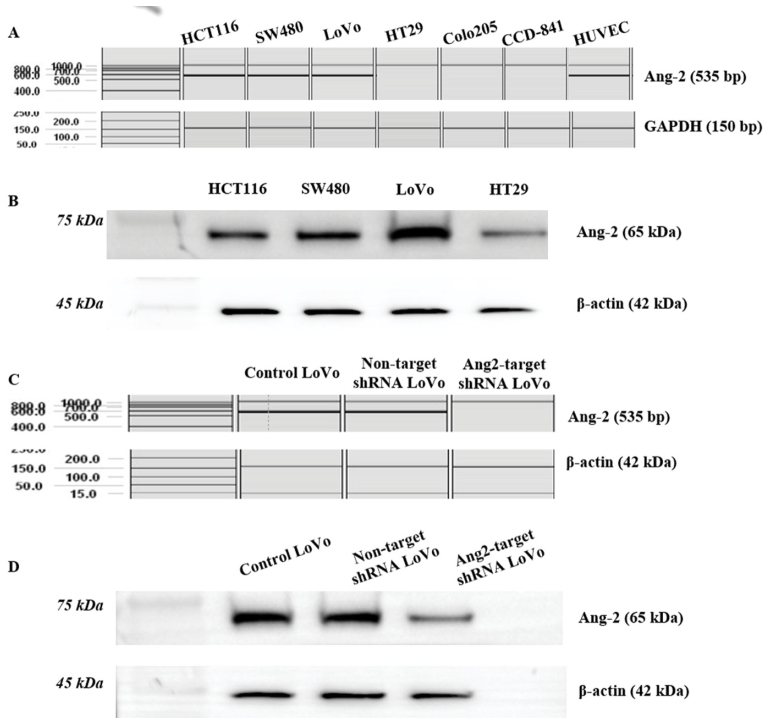
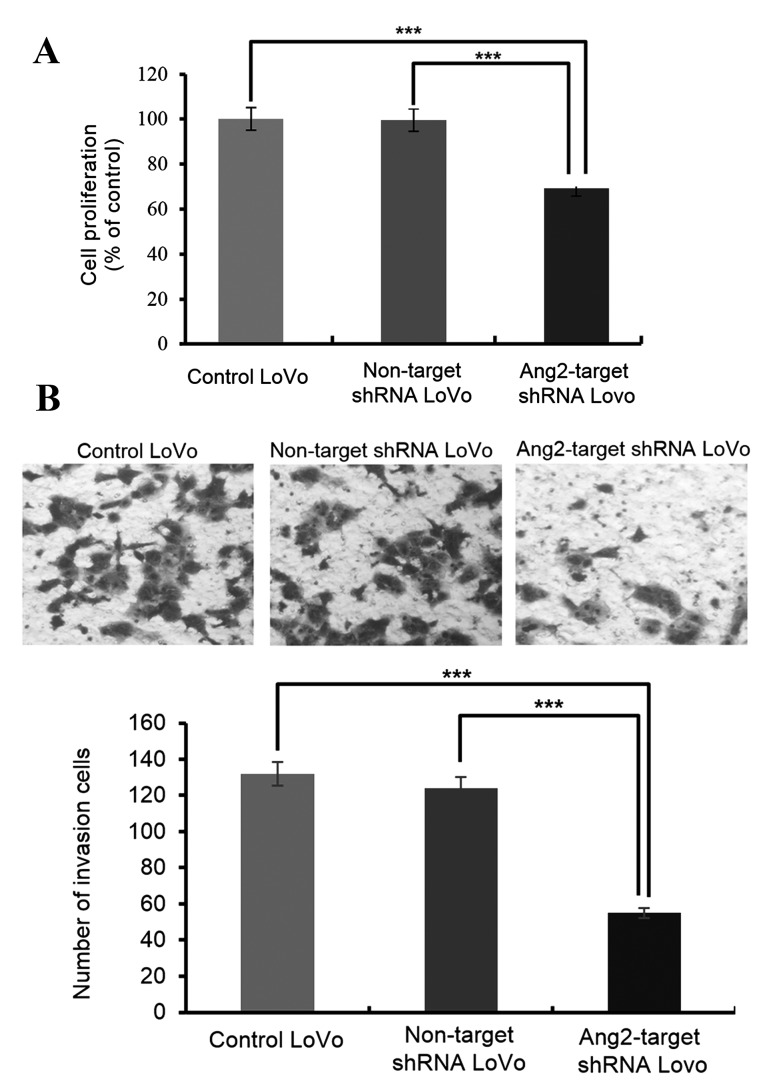
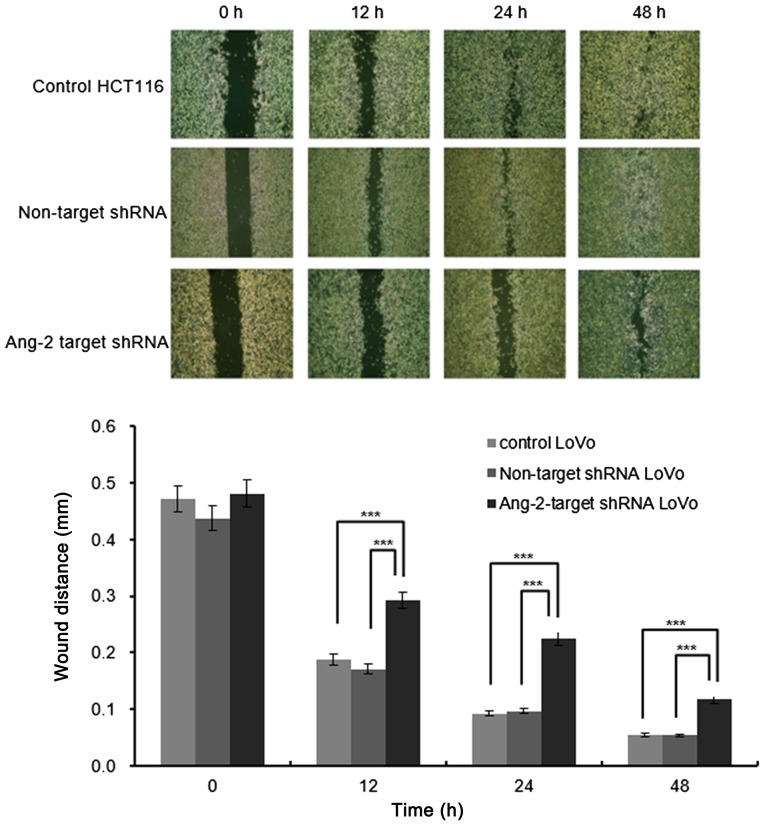
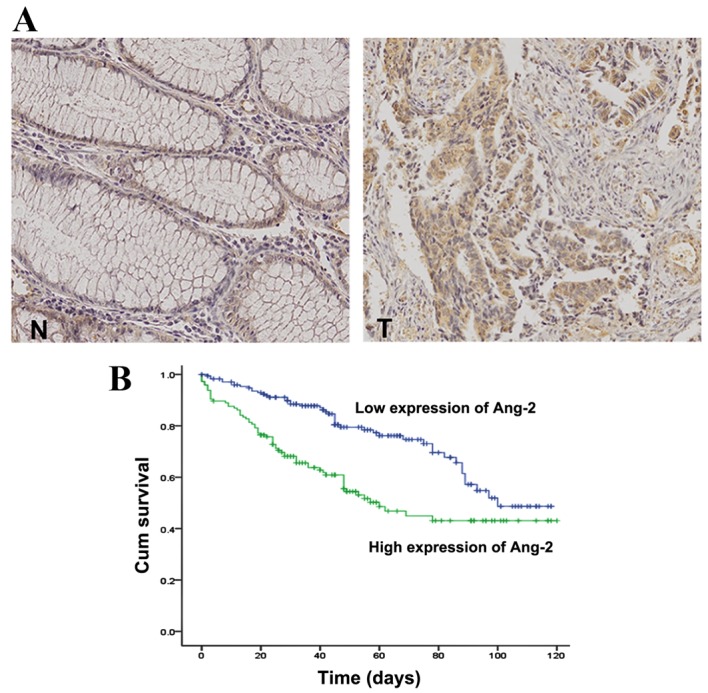
Verification
Claims the paper makes
The claims and statistics of this paper haven’t been checked yet.
Run the check — free, no account needed. It reads the open-access text and checks the sources it cites.
Claims other papers make about this one
Each is checked against this paper’s own text: does it say what the citing paper says it does?
In the citing paper
“In addition, Kim et al. indicated that Ang-2 maybe play a crucial role as an oncogene in colorectal carcinogenesis, supporting tumor progression as a prognostic marker [90].”
From Targeted Nano-Drug Delivery of Colchicine against Colon Cancer Cells by Means of Mesoporous Silica Nanoparticles (2020) · cites this paper as [90]
Self-check
Percentages, sums and reported differences re-computed from the paper’s own numbers.
The self-check needs the paper’s full text.
Citations
Cites
The role of hypoxia-inducible factors in tumorigenesis
Rankin, E. B., & Giaccia, A. J. (2008) · Cell Death & Differentiation · doi:10.1038/cdd.2008.21 · Cited by 806 · cited 6×
“Angiopoietin (Ang)-1 and -2 are ligands of the Tie-2 receptor, which is a receptor tyrosine kinase expressed by endothelial cells during vascular development.”
Influential
Research works printed but not linked: 28
- Fiedler, 2003, Angiopoietin-1 and angiopoietin-2 share the same binding domains in the Tie-2 receptor involving the first Ig-like loop and the epidermal growth factor-like repeats, J Biol Chem, 278, 1721, 10.1074/jbc.M208550200 · DOI
- Hu, 2009, Angiopoietin-2: Development of inhibitors for cancer therapy, Curr Oncol Rep, 11, 111, 10.1007/s11912-009-0017-3 · DOI
- Rykala, 2011, Angiogenesis markers quantification in breast cancer and their correlation with clinicopathological prognostic variables, Pathol Oncol Res, 17, 809, 10.1007/s12253-011-9387-6 · DOI
- Zhang, 2006, Expression of angiopoietins, Tie2 and vascular endothelial growth factor in angiogenesis and progression of hepatocellular carcinoma, World J Gastroenterol, 12, 4241, 10.3748/wjg.v12.i26.4241 · DOI
- Tanaka, 2002, Expression of angiopoietins and its clinical significance in non-small cell lung cancer, Cancer Res, 62, 7124
- Moom, 2006, Expression of angiopoietin 1, 2 and their common receptor Tie2 in human gastric carcinoma: Implication for angiogenesis, J Korean Med Sci, 21, 272, 10.3346/jkms.2006.21.2.272 · DOI
- Helfrch, 2009, Angiopoietin-2 levels are associated with disease progression in metastatic malignant melanoma, Clin Cancer Res, 15, 1384, 10.1158/1078-0432.CCR-08-1615 · DOI
- Jemal, 2008, Cancer statistics, 2008, CA Cancer J Clin, 58, 71, 10.3322/CA.2007.0010 · DOI
- Jung, 2013, Cancer statistics in Korea: Incidence, mortality, survival and prevalence in 2010, Cancer Res Treat, 45, 1, 10.4143/crt.2013.45.1.1 · DOI
- Goldberg, 2006, Therapy for metastatic colorectal cancer, Oncologist, 11, 981, 10.1634/theoncologist.11-9-981 · DOI · Paper page
- Haddad, 2011, Colorectal liver metastases, Int J Surg Oncol, 2011, 285840
- Carmeliet, 2000, Angiogenesis in cancer and other diseases, Nature, 407, 249, 10.1038/35025220 · DOI · Paper page
- Scott, 2012, Antibody therapy of cancer, Nat Rev Cancer, 12, 278, 10.1038/nrc3236 · DOI
- Ahmad, 2001, The effects of angiopoietin-1 and -2 on tumor growth and angiogenesis in human colon cancer, Cancer Res, 61, 1255
- Rigamonti, 2014, Role of angiopoietin-2 in adaptive tumor resistance to VEGF Signaling Blockade, Cell Rep, 8, 696, 10.1016/j.celrep.2014.06.059 · DOI · Paper page
- Peters, 1998, Vascular endothelial growth factor and the angiopoietins: Working together to build a better blood vessel, Circ Res, 83, 342, 10.1161/01.RES.83.3.342 · DOI
- Li, 2013, Angiopoietin-2 expression is correlated with angiogenesis and overall survival in oral squamous cell carcinoma, Med Oncol, 30, 571, 10.1007/s12032-013-0571-2 · DOI
- Ochiumi, 2004, Clinical significance of angiopoietin-2 expression at the deepest invasive tumor site of advanced colorectal carcinoma, Int J Oncol, 24, 539
- Scharpfenecker, 2005, The Tie-2 ligand angiopietin-2 destabilizes quiescent endothelium through an internal autocrine loop mechanism, J Cell Sci, 15, 771, 10.1242/jcs.01653 · DOI
- Ahmad, 2001, Differential expression of angiopoietin-1 and angiopoietin-2 in colon carcinoma. A possible mechanism for the initiation of angiogenesis, Cancer, 92, 1138, 10.1002/1097-0142(20010901)92:5<1138::AID-CNCR1431>3.0.CO;2-L · DOI
- Kahlert, 2014, Tumour-site-dependent expression profile of angiogenic factors in tumour-associated stroma of primary colorectal cancer and metastases, Br J Cancer, 110, 441, 10.1038/bjc.2013.745 · DOI
- Avraham, 2014, Angiopoietin-2 mediates blood-brain barrier impairment and colonization of triple-negative breast cancer cells in brain, J Pathol, 232, 369, 10.1002/path.4304 · DOI
- Shim, 2007, Angiopoietin: A TIE(d) balance in tumor angiogenesis, Mole Cancer Res, 5, 655, 10.1158/1541-7786.MCR-07-0072 · DOI
- Hu, 2006, Angiopoietin 2 induces glioma cell invasion by stimulating matrix metalloprotease 2 expression through the alphavbeta1 integrin and focal adhesion kinase signaling pathway, Cancer Res, 66, 775, 10.1158/0008-5472.CAN-05-1149 · DOI
- Nasarre, 2009, Host-derived angiopoietin-2 affects early stages of tumor development and vessel maturation but is dispensable for later stages of tumor growth, Cancer Res, 69, 1324, 10.1158/0008-5472.CAN-08-3030 · DOI
- Wang, 2007, Expression of angiopoietin-2 is correlated with vascularization and tumor size in human colorectal adenocarcinoma, Tohoku J Exp Med, 213, 33, 10.1620/tjem.213.33 · DOI · Paper page
- Yancopoulos, 2000, Vascular-specific growth factors and blood vessel formation, Nature, 407, 242, 10.1038/35025215 · DOI · Paper page
- Etoh, 2001, Angiopoietin-2 is related to tumor angiogenesis in gastric carcinoma: Possible in vivo regulation via induction of proteases, Cancer Res, 61, 2145
Cited by
Sorted by citations
AbouAitah, K., Hassan, H. A., Swiderska-Sroda, A., Gohar, L., Shaker, O. G., Wojnarowicz, J., Opalinska, A., Smalc-Koziorowska, J., Gierlotka, S., & Lojkowski, W. (2020) · Cancers · doi:10.3390/cancers12010144 · Cited by 105
Metadata
- Authors
- Kim, H., Ahn, T. S., Kim, C.-J., Bae, S. B., Kim, H. J., Lee, C.-S., Kim, T. H., Im, J., Lee, S. H., Son, M. W., Lee, M. S., Baek, M. J., & Jeong, D.
- Venue
- Oncology Letters
- Publisher
- Spandidos Publications
- Published
- 2017-05-18
- Volume
- 14
- Issue
- 1
- Pages
- 553-560
- ISSN
- 1792-1074
- 1792-1082
- PMC
- PMC5494651
- Cited by
- 8
- References
- 1
- Language
- en
About these checks
Registry, retraction, Cites and statistics results are computed, not judged, with one exception: a printed reference that no index lists is read once by a model before it counts as a citation error. Claims are extracted by a model and kept only when their quote appears verbatim in the text; each cited source is then checked, with a model’s help, for whether it says what the claim relies on. Those verdicts can be wrong — read the claim’s quote and the cited source before relying on one.
Statistics and arithmetic are recomputed, not judged.
Confidence bands are shown only for fields calibrated on our annotated test set. None is calibrated yet, so no band is shown.
What counts as a claim ›How we measure confidence ›How we check this ›
Are you an author, or do you see a problem with this page? Request a review
