

The DOI matches its Crossref record; 167 of the 171 references it cites were found in a registry or an index.
The PI3K/AKT pathway in obesity and type 2 diabetes
Open accessAbstract
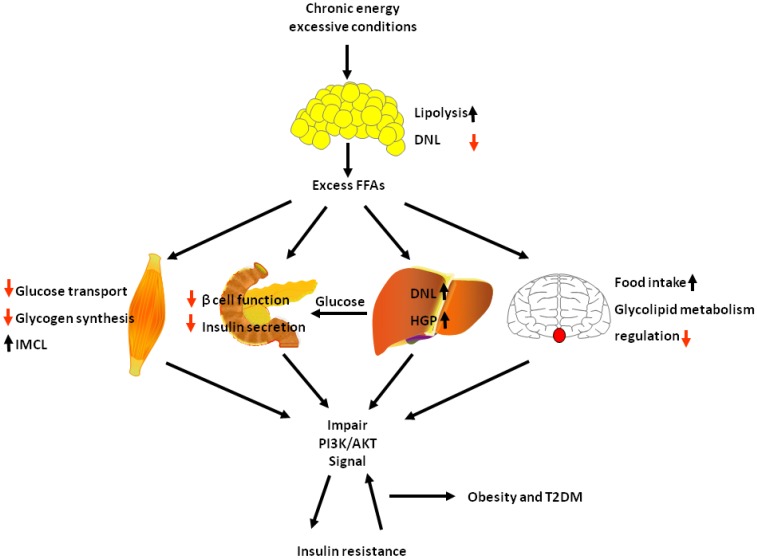
Obesity and type 2 diabetes mellitus are complicated metabolic diseases that affect multiple organs and are characterized by hyperglycaemia. Currently, stable and effective treatments for obesity and type 2 diabetes mellitus are not available. Therefore, the mechanisms leading to obesity and diabetes and more effective ways to treat obesity and diabetes should be identified. Based on accumulated evidences, the PI3K/AKT signalling pathway is required for normal metabolism due to its characteristics, and its imbalance leads to the development of obesity and type 2 diabetes mellitus. This review focuses on the role of PI3K/AKT signalling in the skeletal muscle, adipose tissue, liver, brain and pancreas, and discusses how this signalling pathway affects the development of the aforementioned diseases. We also summarize evidences for recently identified therapeutic targets of the PI3K/AKT pathway as treatments for obesity and type 2 diabetes mellitus. PI3K/AKT pathway damaged in various tissues of the body leads to obesity and type 2 diabetes as the result of insulin resistance, and in turn, insulin resistance exacerbates the PI3K/AKT pathway, forming a vicious circle.
Overview
The claims and statistics of this paper haven’t been checked yet.
Run the check — free, no account needed. It reads the open-access text and checks the sources it cites.
Integrity signals
Registry
Cites
Statistics
Figures
Verification
Claims the paper makes
The claims and statistics of this paper haven’t been checked yet.
Run the check — free, no account needed. It reads the open-access text and checks the sources it cites.
Claims other papers make about this one
Each is checked against this paper’s own text: does it say what the citing paper says it does?
The cited source says what the claim attributes to it.
In the citing paper
“AKT activation leads to increased glucose transporter 4 (GLUT4) expression and translocation, ultimately leading to increased glucose uptake.”
From Non-Diabetic Hypoglycemia: Evaluation and Management in Adults (2025) · cites this paper as [48]
The cited source says what the claim attributes to it.
In the citing paper
“PI3K is an enzyme that activates protein kinase B (AKT), which regulates glucose metabolism, among other intracellular functions [48].”
From Non-Diabetic Hypoglycemia: Evaluation and Management in Adults (2025) · cites this paper as [48]
Self-check
Percentages, sums and reported differences re-computed from the paper’s own numbers.
The self-check needs the paper’s full text.
Citations
Cites
mTOR Signaling in Growth Control and Disease
Laplante, M., & Sabatini, D. M. (2012) · Cell · doi:10.1016/j.cell.2012.03.017 · Cited by 8,509 · cited 1×
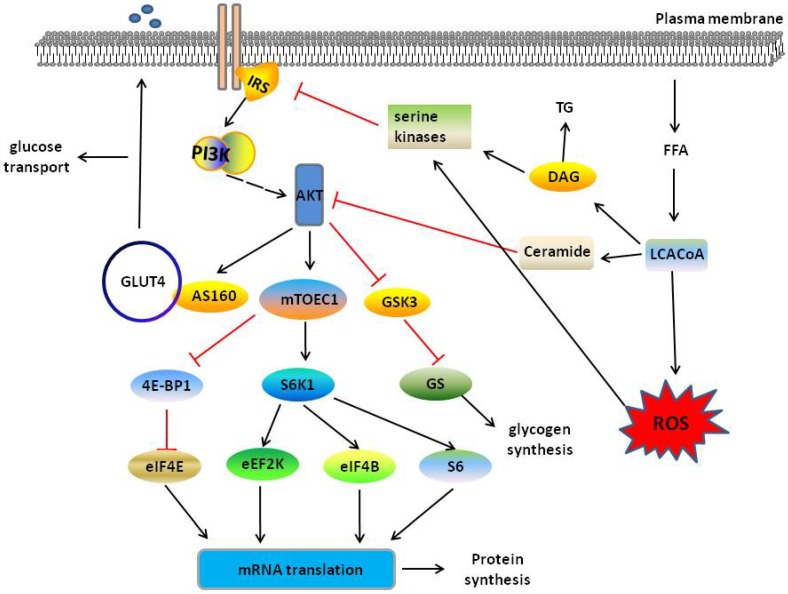
“AKT-mediated mTORC1 activation regulates a number of downstream effectors proteins through phosphorylation, including the well-characterized effectors p70 ribosomal S6 protein kinase-1 (S6K1) and eukaryotic translation initiation factor-4E (eIF4E)binding protein-1 (4E-BP1), to increase protein synthesis [43, 44].”
BackgroundPhosphorylation and regulation of Akt/PKB by the rictor-mTOR complex
Sarbassov, D. D., Guertin, D. A., Ali, S. M., & Sabatini, D. M. (2005) · Science · doi:10.1126/science.1106148 · Cited by 6,216 · cited 1×
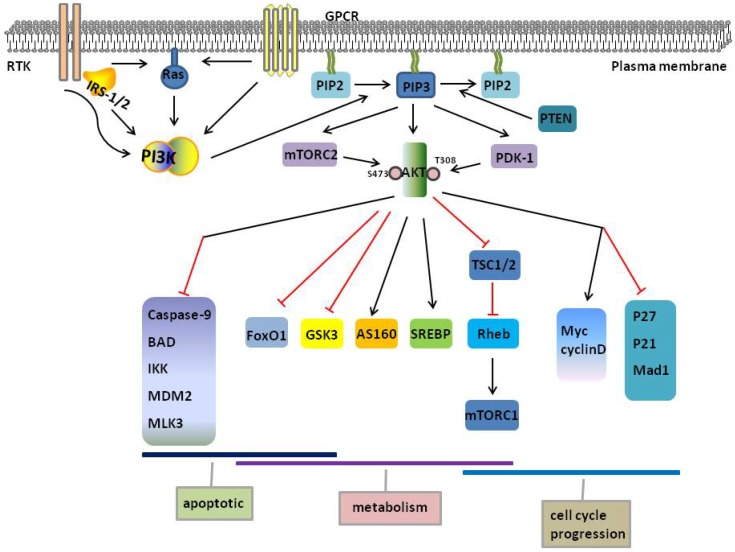
“First, phosphorylation of the threonine 308 (AKT1) in the kinase domain by phosphoinositide-dependent protein kinase 1 (PDK1) initiates the activation process [19], subsequent phosphorylation at serine 473 (AKT1) in the carboxy-terminal regulatory domain through mTOR complex 2 (mTORC2)[17, 20], which is activated by a…”
BackgroundAKT/PKB signaling: navigating downstream
Manning, B. D., & Cantley, L. C. (2007) · Cell · doi:10.1016/j.cell.2007.06.009 · Cited by 6,115 · cited 1×
“AKT regulates two processes by glycolysis Glucose 6-phosphate and glycogen synthase kinase 3 (GSK3) to produce cellular energy via glycolysis and promotes glycogen production by inhibiting [30].”
BackgroundMechanisms linking obesity to insulin resistance and type 2 diabetes
Kahn, S. E., Hull, R. L., & Utzschneider, K. M. (2006) · Nature · doi:10.1038/nature05482 · Cited by 5,448 · cited 1×
“In obese subjects, excess levels of circulating FFAs, which are caused by a blunted response of adipose tissues, impairs the function of β cells [150].”
BackgroundInhibition of glycogen synthase kinase-3 by insulin mediated by protein kinase B
Cross, D. A. E., Alessi, D. R., Cohen, P., Andjelkovich, M., & Hemmings, B. A. (1995) · Nature · doi:10.1038/378785a0 · Cited by 5,244 · cited 8×
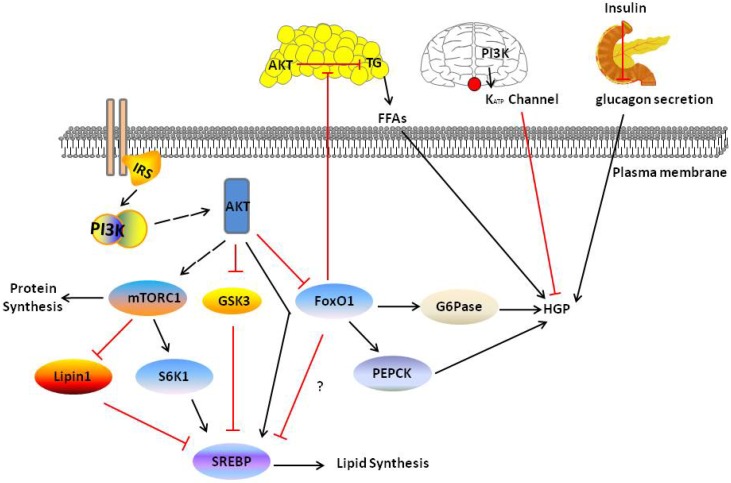
“In the feeding state, SREBP-1c is regulated by four pathways: activated AKT stimulates liver X receptor (LXR), which is require for SREBP-1c transcription [64]; activated AKT stimulates mTORC1 to activate SREBP-1c transcription, and mTORC1 also inhibits Lipin-1, which decreases the half-life of nuclear SREBP-1c [65, 6…”
BackgroundInfluentialAKT/PKB Signaling: Navigating the Network
Manning, B. D., & Toker, A. (2017) · Cell · doi:10.1016/j.cell.2017.04.001 · Cited by 3,772 · cited 2×
“Similar phosphorylation events are observed at corresponding residues in AKT2 (T309 and S474) and AKT3 (T305 and S472) [22].”
BackgroundRole of leptin in the neuroendocrine response to fasting
Ahima, R. S., Prabakaran, D., Mantzoros, C., Qu, D., Lowell, B., Maratos-Flier, E., & Flier, J. S. (1996) · Nature · doi:10.1038/382250a0 · Cited by 3,117 · cited 1×
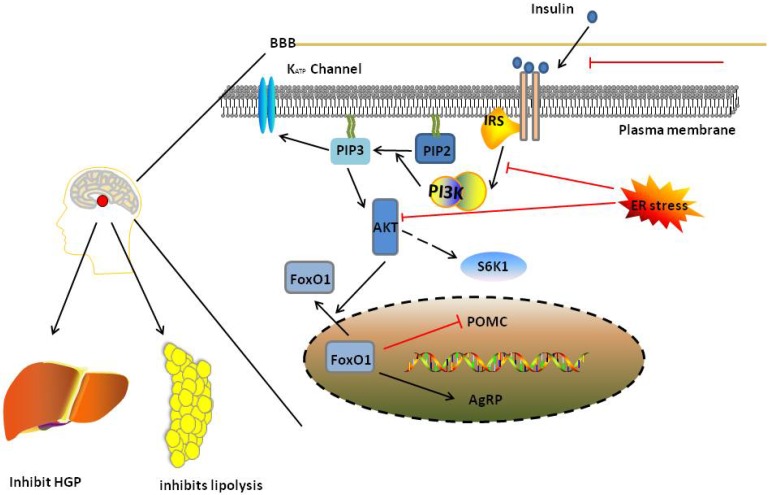
“In the presence of persistent excess energy availability, leptin signalling activates other pathways, such as STAT3 or SH2-containing tyrosine phosphatase, to predominantly regulate food intake in POMC neurons [90, 113, 119].”
BackgroundAlessi, D. R., James, S. R., Downes, C. P., Holmes, A. B., Gaffney, P. R. J., Reese, C. B., & Cohen, P. (1997) · Current Biology · doi:10.1016/s0960-9822(06)00122-9 · Cited by 2,881 · cited 1×
“First, phosphorylation of the threonine 308 (AKT1) in the kinase domain by phosphoinositide-dependent protein kinase 1 (PDK1) initiates the activation process [19], subsequent phosphorylation at serine 473 (AKT1) in the carboxy-terminal regulatory domain through mTOR complex 2 (mTORC2)[17, 20], which is activated by a…”
BackgroundEndoplasmic reticulum stress and the inflammatory basis of metabolic disease
Hotamisligil, G. S. (2010) · Cell · doi:10.1016/j.cell.2010.02.034 · Cited by 2,802 · cited 1×
“Chronic metabolic inflammation and endoplasmic reticulum (ER) stress also impair hepatic insulin-AKT signalling and subsequently causes insulin resistance [106, 107].”
BackgroundHealth and economic burden of the projected obesity trends in the USA and the UK
Wang, Y. C., McPherson, K., Marsh, T., Gortmaker, S. L., & Brown, M. (2011) · The Lancet · doi:10.1016/s0140-6736(11)60814-3 · Cited by 2,775 · cited 1×
“The prevalence of obesity has grown at an alarming rate although specific public health policies and treatment efforts have been developed to resist the obesity epidemic [1], potentially leading to increased numbers of patients affected by complications of obesity, such as the most devastating type 2 diabetes mellitus…”
Background
Research works printed but not linked: 5
- [98]Yecies Jessica L Zhang Hui H Menon S Liu S Yecies D Lipovsky Alex I Akt Stimulates Hepatic SREBP1c and Lipogenesis through Parallel mTORC1-Dependent and Independent Pathways Cell metabolism 2011 14 1 21 32 21723501 PMC3652544
- [120]Al-Qassab H Smith MA Irvine EE Guillermet-Guibert J Claret M Choudhury AI Dominant role of the p110beta isoform of PI3K over p110alpha in energy homeostasis regulation by POMC and AgRP neurons Cell metabolism 2009 10 5 343 54 19883613 PMC2806524
- [144]Bernal-Mizrachi E Wen W Stahlhut S Welling CM Permutt MA Islet beta cell expression of constitutively active Akt1/PKB alpha induces striking hypertrophy, hyperplasia, and hyperinsulinemia J Clin Invest 2001 108 11 1631 8 11733558 PMC200992
- [147]Wang HW Mizuta M Saitoh Y Noma K Ueno H Nakazato M Glucagon-like peptide-1 and candesartan additively improve glucolipotoxicity in pancreatic beta-cells Metabolism 2011 60 8 1081 9 21255808
- [161]Villani V Milanesi A Sedrakyan S Da Sacco S Angelow S Conconi MT Amniotic fluid stem cells prevent beta-cell injury Cytotherapy 2014 16 1 41 55 24210784 PMC4374982
Cited by
Sorted by citations
Items 501–600 of 1,008
Parkinson’s disease and brain insulin signaling: Mechanisms and potential role of GLP-1 mimetics
Foroozanmehr, B., Hemmati, M. A., Yaribeygi, H., Karav, S., Jamialahmadi, T., & Sahebkar, A. (2025) · Brain Research · doi:10.1016/j.brainres.2025.149738 · Cited by 6
Role of lactoferrin and its derived peptides in metabolic syndrome treatment
Zong, X., Wang, Y.-J., Chen, Y., Fang, P., & Zhang, Y. (2025) · Frontiers in Endocrinology · doi:10.3389/fendo.2025.1562653 · Cited by 5
“Huang (49) observed that the PI3K/AKT pathway was blocked in the T2DM state.”
Chen, H., Duan, Z., Jia, Q., Zhang, X., Xu, D., Zheng, L.-Y., Qi, Z., Yang, Y., Li, Y., & Wu, C. (2025) · Molecular Neurobiology · doi:10.1007/s12035-025-04933-2 · Cited by 6
Velumani, K., Rajan, P. S., Shaik, M. R., Hussain, S. A., Shaik, B., Guru, A., & Issac, P. K. (2025) · Cell Biochemistry and Biophysics · doi:10.1007/s12013-025-01747-w · Cited by 7
“Research has shown that IR interferes with the PI3K/AKT/mTOR signalling, a critical controller of glucose metabolism [9].”
Ma, C., Yang, X., Zhang, L., Zhang, J., Zhang, Y., & Hu, X. (2025) · PLoS ONE · doi:10.1371/journal.pone.0318696 · Cited by 7
Effects of Weight Loss on Endothelium and Vascular Homeostasis: Impact on Cardiovascular Risk
Tiezzi, M., Sega, F. V. D., Gentileschi, P., Campanelli, M., Benavoli, D., & Tremoli, E. (2025) · Biomedicines · doi:10.3390/biomedicines13020381 · Cited by 5
“Direct and indirect signs of endothelial dysfunction, which occur in obesity and overweight, are both modified by DIWL and SIWL, and data indicate that inflammation and glucose levels are one of the main drivers that alter endothelial function.”
Liu, Y., Luo, J., Meenu, M., & Xu, B. (2025) · International Journal of Food Properties · doi:10.1080/10942912.2025.2452445 · Cited by 5
“[68] Therefore, both PI3K/AKT and MAPK pathways had the potential to be developed as the treatment targets of obesity and diabetes.”
Zhang, X., Zhong, G., Chen, J., Ha, X., Yang, Q., & Wu, H. (2024) · Metabolic Brain Disease · doi:10.1007/s11011-024-01474-w · Cited by 5
“As its activation can mitigate insulin resistance and obesity (Huang et al. 2018 ).”
Cao, C., Chen, W., Chen, B., Wang, X., Lu, Y., Zou, X., Kang, X., & Chen, L. (2024) · Biomedical Chromatography · doi:10.1002/bmc.6042 · Cited by 5
Cardiovascular risk and obesity impact loss of grey matter volume earlier in males than females
Nowell, J., Gentleman, S., & Edison, P. (2024) · Journal of Neurology Neurosurgery & Psychiatry · doi:10.1136/jnnp-2024-333675 · Cited by 6
“47”
Gong, P., Long, H., Yang, Q., Zhou, R., Yang, W., Chen, F., Xie, J., Zhao, Y., & Xu, H. (2024) · Food Bioscience · doi:10.1016/j.fbio.2024.105448 · Cited by 6
Leukotriene B4 is elevated in diabetes and promotes ventricular arrhythmogenesis in guinea pig
Corbin, A. C., Aromolaran, K. A., & Aromolaran, A. S. (2024) · Journal of Cellular Physiology · doi:10.1002/jcp.31467 · Cited by 5
Rasool, K., Bhatti, A., Satti, A. M., Paracha, R., & John, P. (2024) · Frontiers in Pharmacology · doi:10.3389/fphar.2024.1457383 · Cited by 5
“AKT1 also increases glycogen synthesis by inactivating glycogen synthase kinase 3 (GSK3) and affects lipid metabolism by promoting fatty acid synthesis (Huang et al., 2018).”
BackgroundShen, R., Cheng, K., Li, G., Pan, Z., Qiaolongbatu, X., Wang, Y., Ma, C., Huang, X., Wang, L., Li, W., et al. (2024) · Drug Design Development and Therapy · doi:10.2147/dddt.s468119 · Cited by 6
“51 Hernandez’s laboratory was dedicated to studying the molecular mechanism of insulin resistance in brown adipocytes and found that activation of p42/p44 and p38MAPKs by TNF-α impaired insulin stimulation of IRS-2 associated PI3K, leading to insulin resistance in brown adipocytes.”
BackgroundSelf-citationLi, Y., Qi, X., Wang, Q.-R., He, Y., Li, Z.-P., Cen, X., & Wei, L.-M. (2024) · Frontiers in Cellular and Infection Microbiology · doi:10.3389/fcimb.2024.1407051 · Cited by 5
“A study showed that PI3K)/Akt/NF-k B signaling pathways were an important pathway in regulating cell proliferation and apoptosis (Huang et al., 2018).”
BackgroundJamal, A., Brettle, H., Jamil, D., Tran, V., Diep, H., Bobik, A., van der Poel, C., Vinh, A., Drummond, G., Thomas, C., et al. (2024) · Biomolecules · doi:10.3390/biom14060637 · Cited by 5
“The hypothesis that reduced circulating insulin levels may be due to increased glucose absorption into organs such as the liver, skeletal muscle, and adipose tissue is based on previous findings [32,48,49].”
BackgroundResultSun, C., Xiao, K., He, Y., & Li, X.-H. (2024) · Medicine · doi:10.1097/md.0000000000037094 · Cited by 5
“[36] In 37–39] Beyond this, AKT1 expression inhibits the polarization of macrophages toward the M1 phenotype, providing anti-inflammatory effects to the gastrointestinal tract.”
BackgroundGao, F., Zhou, Y., Yu, B., Xie, H.-D., Shi, Y., Zhang, X.-H., & Liu, H. (2023) · Heliyon · doi:10.1016/j.heliyon.2023.e23535 · Cited by 5
“…potential of QDTS in targeting these signaling pathways and protecting podocytes in DN. Akt1, a crucial effector of the PI3K/Akt signaling pathway [52], plays a significant role in podocyte injury [53], extracellular matrix accumulation [54], mesangial cell proliferation and renal tubular…”
BackgroundZhu, T., Li, Y., Zhu, L., Xu, J., Feng, Z., Chen, H., Shi, S., Liu, C., Ou, Q., Gao, F., et al. (2023) · Glia · doi:10.1002/glia.24486 · Cited by 5
“…plays a vital role in cellular physiology by modulating growth factor signals during organism growth and fundamental cellular and molecular processes, such as protein synthesis, lipid metabolism, glucose homeostasis, and cell proliferation and survival (Abeyrathna & Su, 2015; Huang et al., 2018).”
BackgroundNutrigenomics of inward rectifier potassium channels
Ferreira, G., Santander, A., Cardozo, R., Chavarría, L., Domínguez, L., Mujica, N., Benítez, M., Sastre, S., Sobrevía, L., & Nicolson, G. L. (2023) · Biochimica et Biophysica Acta (BBA) - Molecular Basis of Disease · doi:10.1016/j.bbadis.2023.166803 · Cited by 11
Adar, T., Mizrahi, M., Lichtenstein, Y., Shabat, Y., Sakhnini, R., Zolotarov, L., Shehadeh, N., & Ilan, Y. (2023) · Clinical and Experimental Hepatology · doi:10.5114/ceh.2023.127849 · Cited by 5
“The PI3K/Akt signaling pathway plays a role in metabolism, and its imbalance is associated with developing type 2 diabetes and obesity [5].”
BackgroundInfluentialOlder postmenopausal women with lower lean mass have hypermethylated sites in the PI3K-Akt pathway
Correia, I. M., Rodrigues, G. D. S., Noronha, N., Watanabe, L. M., de Almeida, M. L., Sobrinho, A. C. D. S., Nonino, C., & Bueno, C. (2023) · Frontiers in Physiology · doi:10.3389/fphys.2023.1150821 · Cited by 5
“However, excess energy, as in obesity, can impair the signaling of this pathway, causing insulin resistance (Huang et al., 2018).”
BackgroundInfluentialLiu, P., Yan, X., Pu, J., Liao, Q., Wang, K., Lan, J., Wang, R., Wang, Z.-T., Ding, L.-L., & Yang, L. (2023) · Journal of Ethnopharmacology · doi:10.1016/j.jep.2023.116290 · Cited by 5
Zeng, H., Zhao, S., Pang, Z., Wang, S., Cao, L., & Zhang, Y. (2023) · Journal of Integrative Neuroscience · doi:10.31083/j.jin2202044 · Cited by 5
“naling pathway plays an important role under various pathophysiological conditions [31].”
BackgroundWang, X., Liu, J., Wang, Q., & Chen, Q. (2023) · Frontiers in Endocrinology · doi:10.3389/fendo.2023.1122047 · Cited by 9
“However, impairment of this pathway leads to insulin resistance, which in turn worsens this pathway, leading to T2DM (52).”
BackgroundModulation of transcription factors by small molecules in β-cell development and differentiation
Harithpriya, K., Jayasuriya, R., Adhikari, T., Rai, A., & Ramkumar, K. M. (2023) · European Journal of Pharmacology · doi:10.1016/j.ejphar.2023.175606 · Cited by 5
Fraga, L. N., Anacleto, S. L., Milenkovic, D., Lajolo, F., & Hassimotto, N. M. (2022) · Food & Function · doi:10.1039/d2fo02479a · Cited by 5
Zhou, Y., Fan, G., Zhang, Y.-D., & Xu, L. (2022) · BioMed Research International · doi:10.1155/2022/2896185 · Cited by 5
“PI3K/ AKT signaling is a major pathway in insulin, and aberrant PI3K/AKT signaling is a common pathogenesis of diabetes [42].”
The genus Porana (Convolvulaceae) - A phytochemical and pharmacological review
Peng, Y., Li, Y., Yang, Y., Gao, Y., Ren, H., Hu, J., Cui, X., Lü, W., Tao, H., & Chen, Z. (2022) · Frontiers in Pharmacology · doi:10.3389/fphar.2022.998965 · Cited by 5
Zhou, X., Liao, W.-C., Peng, W., Xie, T.-T., Yin, Q.-L., & Zheng, Y. (2022) · Evidence-Based Complementary and Alternative Medicine · doi:10.1155/2022/1240967 · Cited by 5
PI3K/AKT Signaling Pathway–Mediated Three Flavonoids’ Modulation on Glucose Metabolism
Jin, D., & He, J.-F. (2022) · Revista Brasileira de Farmacognosia · doi:10.1007/s43450-022-00291-5 · Cited by 5
“The imbalanced PI3K/AKT signaling would result in the development of type II diabetes mellitus (Huang et al. 2018).”
BackgroundInfluentialSongkoomkrong, S., Nonkhwao, S., Saetan, J., Duangprom, S., Amonruttanapun, P., Janpan, P., Sobhon, P., & Kornthong, N. (2026) · International Journal of Molecular Sciences · doi:10.3390/ijms27114970 · Cited by 4
Secondary causes of diabetes: a crossroad of endocrinology and oncology
Hee, N. K. Y., Lim, Q. H., Khunti, K., Ooi, Y., Yen, I., Saad, M. B., Ekinci, E. I., Li, H., Vethakkan, S. R., Chan, J. C. N., et al. (2026) · The Lancet Diabetes & Endocrinology · doi:10.1016/s2213-8587(26)00027-6 · Cited by 4
Bhatti, G. K., Ahmed, I., Sehrawat, A., Sharma, P. K., Kandimalla, R., Bhatti, J. S., & Bhatti, J. S. (2026) · Molecular Aspects of Medicine · doi:10.1016/j.mam.2026.101464 · Cited by 4
Zhao, Y.-L., Liao, J.-B., Pang, P., Li, J.-Y., Su, S.-C., Shao, M., Wen, W., & Xu, F.-R. (2026) · Frontiers in Pharmacology · doi:10.3389/fphar.2025.1732134 · Cited by 6
“The PI3K/Akt module is a core insulin signaling axis that supports glucose homeostasis by promoting GLUT4 membrane translocation in skeletal muscle/adipose tissue and restraining hepatic gluconeogenesis, thereby contributing to insulin sensitivity (Schultze et al., 2012; Huang et al., 2018).”
The future of Forkhead box O transcription factors
Huang, H., Gui, T., & Burgering, B. M. T. (2026) · Biochemical Journal · doi:10.1042/bcj20253428 · Cited by 2
“In agreement, deregulation of PI3K signaling toward FOXO is strongly implicated in diabetes (reviewed in [16,17]), linking DAF-16/FOXO not only to the aging process but also to two major age-related diseases, namely cancer and diabetes.”
Zhu, W.-T., Chen, J., Zhang, W.-Q., Wang, Y.-M., Xu, F., & Pang, J.-Y. (2025) · Journal of Medicinal Chemistry · doi:10.1021/acs.jmedchem.5c02244 · Cited by 4
Al-Dhahi, A., Al-kuraishy, H., Al-Gareeb, A., Albuhadily, A. K., Mustafa, A. M., Ismail, A., Alexiou, A., Papadakis, M., & Batiha, G. E.-S. (2025) · Metabolic brain disease · doi:10.1007/s11011-025-01745-0 · Cited by 4
Sharma, A., Suvedi, D., Kumar, A., Khanal, S., Verma, R., Kumar, D., Kumar, D., Tapwal, A., Kumar, V., & Peter, L. (2025) · World Journal of Microbiology and Biotechnology · doi:10.1007/s11274-025-04687-y · Cited by 5
“4) (Hu et al. 2022; Huang et al. 2018; Pan et al. 2021 ; Zheng et al. 2024).”
Lipolysis gone rogue: the HSL connection in feeding cancer
Hemadri, K., Subramanian, P., Aravindan, S., Periyasamy, L., & Aravindan, N. (2025) · Cell Biology and Toxicology · doi:10.1007/s10565-025-10098-4 · Cited by 4
“Nor-mally, the PI3K pathway inhibits catabolic processes like lipolysis and encourages anabolic processes (Huang et al. 2018).”
Reversal of diet-induced obesity by central insulin sensitizer FSTL1
Li, K., Dai, H., Li, L., Qiu, S., Liu, D., Wang, C., Li, S., Yang, G., Li, L., Li, M., et al. (2025) · Neuron · doi:10.1016/j.neuron.2025.09.036 · Cited by 4
Long, D., Lu, Z., Fang, B., Tian, Y., Fu, H., Yang, D., & Li, T. (2025) · Biochimica et Biophysica Acta (BBA) - Molecular Basis of Disease · doi:10.1016/j.bbadis.2025.168050 · Cited by 4
Wei, X., Du, P., Luo, Y., Zhao, Y., Zhou, X., Chen, G., & Zhang, B. (2025) · Foods · doi:10.3390/foods14172989 · Cited by 4
“The inhibition of GSK3 β further enhances GLUT4 translocation and glycogen synthesis while stabilizing Nrf2, creating a positive feedback loop that improves metabolic homeostasis [41].”
FoxO3a: capture the bond between magnesium and diabetic kidney disease
Chen, T., Sun, M., Zhou, Q., & Xu, J. (2025) · Frontiers in Endocrinology · doi:10.3389/fendo.2025.1603150 · Cited by 2
“Magnesium also serves as a cofactor for the insulin receptor b , regulating tyrosine kinase activity in peripheral tissues. promotes glucose transport, glycogen synthesis, and protein synthesis through the PI3K/AKT signaling pathway (92).”
Lin, Y., Lun, W., Bai, Y., Che, Q., Cao, H., Guo, J., & Su, Z. (2025) · Journal of Functional Foods · doi:10.1016/j.jff.2025.106946 · Cited by 3
Self-citationOrmazabal, P., Gherardelli, C., Pinto, C., Servili, E., Méndez‐Orellana, C., Wong, G. W., Contreras, R., Cisternas, P., & Inestrosa, N. C. (2025) · Journal of Biological Chemistry · doi:10.1016/j.jbc.2025.110607 · Cited by 4
“Additionally, we measured the expression levels of Akt, an energy sensor that plays a central role in glucose metabolism and is known to be altered in obesity (44–46).”
Aiello, G., Yalçıntaş, Y. M., Campaci, D., Lombardo, M., Muthanna, F. M. S., Conte, C., Karav, S., Tripodi, G., & Baldelli, S. (2025) · Journal of Diabetes & Metabolic Disorders · doi:10.1007/s40200-025-01683-9 · Cited by 6
“…facilitates glucose uptake by stim - ulating the translocation of the glucose transporter GLUT4 across the cell membrane, increases glycogen synthesis by inhibiting GSK-3, and suppresses hepatic gluconeogenesis by blocking factors that promote glucose production in the liver [ 41 ]. dysfunction.’.”
Choi, Y.-J., & Auh, J. (2025) · Applied Biological Chemistry · doi:10.1186/s13765-025-01017-6 · Cited by 4
“The PI3K/AKT signaling pathway, a crucial insulin signaling pathway, promotes glucose utilization in various tissues, including the regulation of glucose metabolism in the liver, including processes, such as glycogen synthesis and gluconeogenesis [34].”
Qü, Y., Xiong, W., Zhou, R., Song, N., & Qian, J. (2025) · Molecular Medicine Reports · doi:10.3892/mmr.2025.13616 · Cited by 4
“However, in the context of HG, such as in diabetes, this pathway becomes dysregulated (27).”
Zarkesh, M., Saba, R., Aghazadeh, H., Teymoori, F., Akbarzadeh, M., Asghari, G., Montazeri, M., Ghasemi, A., Yuzbashian, E., Zadeh–Vakili, A., et al. (2025) · Scientific Reports · doi:10.1038/s41598-025-05233-4 · Cited by 5
“The phosphatidylinositol-3-kinase (PI3K)/Akt signaling pathway plays a fundamental role in normal cellular processes involved in growth and metabolism and also in processes maintaining glucose homeostasis and regulating fat metabolism 11,12 .”
Jung, J., Park, S.-H., Cho, W., Lee, M., Kim, J. H., Gwon, Y., & Kim, O. (2025) · Journal of Medicinal Food · doi:10.1089/jmf.2025.k.0038 · Cited by 2
El-Said, K. S., Noser, A. A., & Mohamed, A. E.-S. (2025) · Bioorganic Chemistry · doi:10.1016/j.bioorg.2025.108696 · Cited by 4
Noroozzadeh, M., Mousavi, M. A., Naz, M. S. G., Farahmand, M., Azizi, F., & Tehrani, F. R. (2025) · Reproductive Biology and Endocrinology · doi:10.1186/s12958-025-01405-z · Cited by 6
Zhang, Y., Wu, L., Zheng, C., Xu, H., Lin, W., Chen, Z., Cao, L., & Qu, Y. (2025) · Scientific Reports · doi:10.1038/s41598-025-01175-z · Cited by 1
“Reactivation of this inhibited AKT pathway may alleviate obesity and insulin resistance, thereby improving T2DM 117–119 .”
Phochantachinda, S., Photcharatinnakorn, P., Chatchaisak, D., Sakcamduang, W., Chansawhang, A., Buranasinsup, S., Suemanotham, N., & Chantong, B. (2025) · PLoS ONE · doi:10.1371/journal.pone.0321509 · Cited by 5
Beerwala, F. A., Kolambkar, S. V., Karikazi, A., Khatib, N. A., Bhandare, V. V., Roy, S., & Harish, D. R. (2025) · In Silico Research in Biomedicine · doi:10.1016/j.insi.2025.100010 · Cited by 4
Niu, Y., Niu, H., Chi, L., Li, P., Du, J., Wang, X., Xu, H., Lu, B., & Pang, Z. (2025) · Frontiers in Pharmacology · doi:10.3389/fphar.2025.1566723 · Cited by 5
Rosas, P. C., & Solaro, R. J. (2025) · Comprehensive physiology · doi:10.1002/cph4.70006 · Cited by 5
“Akt signaling represents a signaling pathway controlled by P1 with overlapping signaling in adipose tissue and the myocardium (Abeyrathna and Su 2015; Egom et al. 2011; Huang et al. 2018; Wang, Wang, et al. 2018).”
An, Y.-L., Han, P.-Y., Zhang, C., Yue, Y.-Q., Wen, C., Meng, Y., Li, H., & Li, X. (2025) · International Journal of Biological Macromolecules · doi:10.1016/j.ijbiomac.2025.141901 · Cited by 4
Cho, K., Kim, Y., Woo, S., & Ryu, K.-H. (2025) · Tissue Engineering and Regenerative Medicine · doi:10.1007/s13770-025-00709-w · Cited by 5
“The PI3K/AKT pathway, a key regulator of glucose uptake, lipid metabolism, and protein synthesis in skeletal muscles [26] may enhance anabolic processes and alter metabolite turnover, including myo-inositol, when activated by TMSC EVs.”
Nair, J. M., Chauhan, G., Prasad, G., Bandesh, K., Giri, A. K., Chakraborty, S., Marwaha, R. K., Mathur, S. R., Choudhury, D., Tandon, N., et al. (2025) · Obesity · doi:10.1002/oby.24248 · Cited by 4
“Conversely, IPMK highly expressed in adipose tissue may influence OB via the PI3K/AKT pathway and by affecting the binding of NKX-2 family transcription factors, highly expressed in the hypothalamic POMC neurons, thereby modulating the leptin-melanocortin pathway [39,40].”
Soltany, A., Daryanoosh, F., Gholampour, F., Hosseini, N. S., & Khoramipour, K. (2025) · Journal of Cellular and Molecular Medicine · doi:10.1111/jcmm.70396 · Cited by 4
“HN activates the phosphatidylinositol 3-kinase (PI3K)/protein kinase B (AKT) signalling pathway, inhibiting the proapoptotic proteins Bax, Bak, and caspase-9, which can improve IR and glucose consumption and reduce gluconeogenesis [17, 22].”
Effects of dechlorane plus on hepatic pathology, metabolic health and gut microbiota in male mice.
Liu, W., He, Q.-Y., Yue, C.-X., Xu, T., & Hang, X. (2024) · Science of the Total Environment · doi:10.1016/j.scitotenv.2024.177532 · Cited by 4
Stenbäck, V., Lehtonen, I., Mäkelä, K. A., Raza, G. S., Ylinen, V. P., Valtonen, R. I. P., Hamari, T., Walkowiak, J., Tulppo, M. P., & Herzig, K. (2024) · International Journal of Molecular Sciences · doi:10.3390/ijms25179135 · Cited by 4
“…functions that relate to the development of obesity and diabetes mellitus by affecting the translocation of GLUT 4 transporter and lipid metabolism via Forkhead box protein O1 (FoxO1), mammalian target of rapamycin complex 1 (mTORC1), and sterol regulatory element-binding proteins (SREBPs) [24,28].”
BackgroundModeling sex-specific whole-body metabolic responses to feeding and fasting
Abo, S. M. C., & Layton, A. T. (2024) · Computers in Biology and Medicine · doi:10.1016/j.compbiomed.2024.109024 · Cited by 5
Singh, A. D., Chawda, M. B., & Kulkarni, Y. A. (2024) · Cardiovascular Toxicology · doi:10.1007/s12012-024-09891-0 · Cited by 4
“The proper functioning of the PI3K/Akt pathway is necessary for the insulin-dependent regulation of both systemic and cellular metabolism [12, 13].”
Yu, Z., Yang, J., Jiang, Y., Wei, M., Lyu, Y., Yang, D., Shen, S., Han, Y., & Li, M. (2024) · Metabolic Brain Disease · doi:10.1007/s11011-024-01376-x · Cited by 4
Ma, Y., Sun, X., & Yao, X. (2024) · Mitochondrion · doi:10.1016/j.mito.2024.101929 · Cited by 6
Ashiqueali, S., Schneider, A., Zhu, X., Juszczyk, E., Mansoor, M. A. M., Zhu, Y. X., Fang, Y., Zanini, B. M., Garcia, D. N., Hayslip, N., et al. (2024) · Aging Cell · doi:10.1111/acel.14227 · Cited by 4
“Specifically, the Pi3k/Akt pathway is dysregulated in T2DM and is also a promising target for NAFLD due to its regulation of downstream Mtor and Srebpc , which induce lipogenesis in the liver (Feng et al., 2022; Huang et al., 2018).”
BackgroundChen, C., Jiang, C., Lin, T., Hu, Y., Wu, H., Xiang, Q., Yang, M.-G., Wang, S., Han, X., & Tao, J. (2024) · Acta Physiologica · doi:10.1111/apha.14154 · Cited by 4
“8 Proper activation of this pathway is necessary for insulin to work properly, but kinase inhibitors directly targeting PI3K-Akt and its downstream effectors might disrupt the metabolic balance.”
BackgroundPichetkun, V., Khine, H., Srifa, S., Nukulkit, S., Nuengchamnong, N., Hansapaiboon, S., Saenmuangchin, R., Chaotham, C., & Chansriniyom, C. (2024) · Scientific Reports · doi:10.1038/s41598-024-59357-0 · Cited by 4
“Approximately 90% and 10% of postprandial glucose uptake is by skeletal muscle and adipose tissue, respectively 22 .”
Haneishi, Y., Treppiccione, L., Maurano, F., Luongo, D., Miyamoto, J., & Rossi, M. (2024) · Molecular Nutrition & Food Research · doi:10.1002/mnfr.202300779 · Cited by 4
Fernández‐Arjona, M. D. M., Navarro, J. A., López-Gambero, A. J., de Ceglia, M., Rodríguez-Pozo, M., Rubio, L., de Fonseca, F. R., Barrios, V., Chowen, J. A., Argente, J., et al. (2024) · Biology of Sex Differences · doi:10.1186/s13293-024-00603-5 · Cited by 4
“IGF1 elicits transient insulin-like activation of the PI3K p85 subunit, leading to AKT phosphorylation and GSK3 inactivation, and thereby facilitating glycogen synthesis, fatty acid synthesis for storage, cell apoptosis protection and cell cycle progression [64].”
Erukainure, O. L., & Chukwuma, C. I. (2024) · Plants · doi:10.3390/plants13050665 · Cited by 7
“PI-3 kinase has been reported for its role in insulin signaling and insulin-mediated translocation of GLUT4, thereby driving muscle glucose uptake [46,47].”
BackgroundBai, Y.-M., Liang, S., & Zhou, B. (2024) · Aging · doi:10.18632/aging.205559 · Cited by 4
Molecular Insights of Nonalcoholic Fatty Liver Disease Pathogenesis
Dawood, R. M., Salum, G. M., El-Meguid, M. A., & Fotouh, B. E.-S. (2024) · Journal of Interferon & Cytokine Research · doi:10.1089/jir.2023.0162 · Cited by 4
“Glucose and lipid metabolism are regulated through binding the insulin with insulin receptors that elicit tyrosine phosphorylation and then activate phosphatidylinositol-3-kinase (PI3K/AKT) pathway (Huang et al., 2018).”
Jo, S.-L., & Hong, E. (2024) · Antioxidants · doi:10.3390/antiox13020230 · Cited by 6
“However, in insulin-resistant brains, ER stress occurs, leading to impairment of the PI3K/AKT pathway [77,78].”
BackgroundGöttig, L., & Schreiner, S. (2024) · Tumour Virus Research · doi:10.1016/j.tvr.2024.200277 · Cited by 4
“Insulin resistance in adipose tissue can lead to abnormal glucose metabolism [210,211], causing adipose tissue to become dysfunctional and often enlarged, fostering a pro-inflammatory and hyperlipidemic environment that ultimately promotes adipose hypertrophy and obesity [212].”
BackgroundOthman, A. M., Ibrahim, I. A., Saleh, S. M., Abo–Elmatty, D. M., Mesbah, N. M., & Abdel-Hamed, A. R. (2023) · Biomedicines · doi:10.3390/biomedicines11123300 · Cited by 4
“It mediates growth factor signals and essential cellular processes such as glucose homeostasis, lipid metabolism, protein synthesis, and cell proliferation and survival [17].”
BackgroundInfluence of metabolic stress and metformin on synaptic protein profile in SH‐SY5Y‐derived neurons
Yang, A. J. T., Mohammad, A., Finch, M. S., Tsiani, E., Spencer, G. E., Necakov, A., & MacPherson, R. E. K. (2023) · Physiological Reports · doi:10.14814/phy2.15852 · Cited by 3
“Impairments in Akt action are observed with brain IR and AD, and Akt signaling impairments in the brain play a comparative role in dysregulated insulin action with that seen with T2D and peripheral IR (Huang et al., 2018).”
BackgroundFunctional analysis of differentially expressed circular RNAs in sheep subcutaneous fat
Liu, T., Feng, H., Yousuf, S., Xie, L., & Miao, X. (2023) · BMC Genomics · doi:10.1186/s12864-023-09401-6 · Cited by 4
“PI3K/Akt signaling pathway can reduce liver glucose production and glycogen decomposition, increase the synthesis of glycogen and fatty acids, and store energy for other tissues [61].”
BackgroundMubarak, H. A., Kamal, M. M., Mahmoud, Y., Abd-Elsamea, F. S., Abdelbary, E. R., Gamea, M. G., & El-Mahdy, R. I. (2023) · Journal of Cellular Biochemistry · doi:10.1002/jcb.30482 · Cited by 4
“11,45 Therefore, enhanced expression of PI3K, Akt, and PDX ‐ 1 is closely linked to the normal β ‐ cells physiology, whereas reduced activity is related to the dysfunction in insulin biosynthesis and secretion.”
BackgroundJi, C., Ma, J., Feng, C., Zhu, H., Gao, Y., Huang, J. C., Shen, H., & Wei, Y. (2023) · Clinical Cosmetic and Investigational Dermatology · doi:10.2147/ccid.s425295 · Cited by 5
Wu, Y., Wu, Y.-T., Zhang, Z., Cai, J., Zong, M.-H., Li, L., Zhang, X., Wu, H.-C., & Li, B. (2023) · ACS Food Science & Technology · doi:10.1021/acsfoodscitech.3c00176 · Cited by 4
miRDM-rfGA: Genetic algorithm-based identification of a miRNA set for detecting type 2 diabetes
Park, A., & Nam, S. (2023) · BMC Medical Genomics · doi:10.1186/s12920-023-01636-2 · Cited by 4
“Insulin resistance occurs when PI3K signaling is inhibited [59, 60] and has been observed in adipocytes [61, 62], muscle cells [57], the liver [63], and blood [56].”
BackgroundZheng, X.-W., Zhang, Y., Xu, J., Li, X.-Y., Wen, H., Zhang, X.-G., Liu, A., & Zhang, J. (2023) · Frontiers in Bioscience · doi:10.31083/j.fbl2808164 · Cited by 4
“Furthermore, a related study has proved that the PI3K-AKT signaling pathway is one of the key insulin signaling pathways involved in the regulation of glucose and lipid metabolism [73].”
BackgroundOlanzapine manipulates neuroactive signals and may onset metabolic disturbances
Khanal, P., Zargari, F., Dey, Y. N., & Nikfarjam, Z. (2023) · Journal of Biomolecular Structure and Dynamics · doi:10.1080/07391102.2023.2235617 · Cited by 5
“PI3K-Akt signaling pathway has been well documented for the upregulation of the lipid biosynthesis and downregulation of lipolysis which is regulated by SREBP; regulator of fatty acid synthase and FOXO1; regulates the expression of the adipose triglyceride lipase, are considered as the substrates for AKT-metabolism (H…”
A diabetes-like biochemical and behavioural phenotype of Drosophila induced by predator stress
Krama, T., Bahhir, D., Ots, L., Popovs, S., Bartkevičs, V., Pugajeva, I., Krams, R., Merivee, E., Must, A., Rantala, M. J., et al. (2023) · Proceedings of the Royal Society B Biological Sciences · doi:10.1098/rspb.2023.0442 · Cited by 4
“via GLUT4-dependent pathway in muscles), and defects in this pathway are therefore closely associated with the development of diabetes [46].”
BackgroundOmentin-1 and diabetes: more evidence but far from enough
Xu, J., Li, M., Jiang, X., Wang, Y., Ma, H., Zhou, Y., Tian, M., & Liu, Y. (2023) · Archives of Physiology and Biochemistry · doi:10.1080/13813455.2023.2230380 · Cited by 10
“Pi3K/Akt is a traditional signalling pathway that exerts profound effects on diverse processes, including cell proliferation, survival, and energy metabolism. impaired Pi3K/Akt signalling pathway may lead to insulin resistance, metabolic disorders, and diabetes (Huang et al. 2018).”
Jiménez-Chávez, A., Morales-Rubio, R. A., Sánchez-Gasca, E., Rivera-Rosas, M., Uribe-Ramírez, M., Amador-Muñóz, O., Martínez-Domínguez, Y. M., Rosas‐Pérez, I., Choy, E. H. Y., Herman, D. A., et al. (2023) · Environmental Toxicology and Pharmacology · doi:10.1016/j.etap.2023.104115 · Cited by 4
Zhou, Y., Zhu, J., Gu, M., & Gu, K. (2023) · Journal of Oncology · doi:10.1155/2023/6851036 · Cited by 4
Malar, D. S., Prasanth, M. I., Brimson, J. M., Verma, K., Prasansuklab, A., & Tencomnao, T. (2023) · Nutrition and Healthy Aging · doi:10.3233/nha-220177 · Cited by 7
“Down-regulation of the AKT signaling pathway has been observed under hyperglycemic conditions in cellular models [76, 77].”
BackgroundTian, C., Qiu, M., Lv, H.-Z., Yue, F., & Zhou, F.-F. (2022) · ACS Omega · doi:10.1021/acsomega.2c05663 · Cited by 4
Sleeve gastrectomy attenuated diabetes-related cognitive decline in diabetic rats
Ding, H., Liu, C., Zhang, S., Li, B., Xu, Q., Shi, B., Li, S., Dong, S., Ma, X., Zhang, Y., et al. (2022) · Frontiers in Endocrinology · doi:10.3389/fendo.2022.1015819 · Cited by 5
“PI3K was activated by direct interaction with insulin receptor substrate 1 (IRS-1), and then the Akt was phosphorylated, which in turn induced the phosphorylation of GSK3b and ultimately promoted the balance of blood glucose (53).”
BackgroundIL-25 directly modulates adipocyte function and inflammation through the regulation of adiponectin
Jeerawattanawart, S., Siripurkpong, P., Roytrakul, S., & Angkasekwinai, P. (2022) · Inflammation Research · doi:10.1007/s00011-022-01606-x · Cited by 4
“PI3K/AKT signaling pathway involved in the regulation of metabolic function in adipocytes [46].”
BackgroundChen, C., Fu, D., Wu, Y., Huang, C.-H., & Huang, P. (2022) · Clinical Complementary Medicine and Pharmacology · doi:10.1016/j.ccmp.2022.100060 · Cited by 4
Molecular Mechanisms Underlying Reproductive Dysfunction in Polycystic Ovary Syndrome
Kobayashi, H., Shigetomi, H., Nishio, M., Umetani, M., Imanaka, S., & Hashimoto, H. (2026) · Reproductive Sciences · doi:10.1007/s43032-026-02097-5 · Cited by 3
“…PI3K–AKT and subsequently mTORC1, which phosphorylates S6K1 and Eukaryotic Translation Initiation Factor 4E-Binding Protein 1 (4E-BP1) downstream, thereby integratively regulating glucose and lipid metabolism, protein metabolism, cell proliferation, survival, apoptosis, and autophagy [133].”
Voros, C., Chatzinikolaou, F. G., Papadimas, G. K., Papapanagiotou, I., Karpouzos, A., Koulakmanidis, A.-M., Athanasiou, D., Bananis, K., Athanasiou, A. I., Athanasiou, A. V., et al. (2026) · International Journal of Molecular Sciences · doi:10.3390/ijms27083344 · Cited by 3
Yeerbao, Z., Li, X., Zhang, L., Du, G., Tang, J., Jiang, S., Ru, X., Li, D.-L., Abulimiti, D., Chen, L., et al. (2026) · Frontiers in Endocrinology · doi:10.3389/fendo.2026.1760943 · Cited by 3
“…involves a series of key molecules, including the insulin receptor (IR), insulin receptor substrates (IRS), phosphatidylinositol 3-kinase (PI3K), and protein kinase B (Akt) (41), which collectively regulate a broad spectrum of genes and protein functions related to anabolism and cell survival.”
Huu, T. N., Thanh, H. D., Kim, M.-K., Sah, D. K., Trinh, V. H., Yoon, H. J., Choi, J. M., Lee, G.-H., Kim, S., & Lee, S.-R. (2026) · npj Metabolic Health and Disease · doi:10.1038/s44324-025-00094-x · Cited by 3
Metadata
- Authors
- Huang, X., Liu, G., Guo, J., & Su, Z.
- Affiliations
- Guangdong Pharmaceutical University (CN)
- Shenzhen Center for Disease Control and Prevention (CN)
- Corresponding author
- Guo, Jiao
- Su, Zhengquan
- Venue
- International Journal of Biological Sciences
- Publisher
- Ivyspring International Publisher
- Published
- 2018
- Volume
- 14
- Issue
- 11
- Pages
- 1483-1496
- ISSN
- 1449-2288 (ISSN-L)
- PMC
- PMC6158718
- OpenAlex
- W2886504687
- Cited by
- 1,673
- References
- 171
- Citations by year
- 2026: 197 · 2025: 296 · 2024: 282 · 2023: 258 · 2022: 246 · 2021: 211 · 2020: 136 · 2019: 44 · 2018: 3
- FWCI
- 9.71
- Type
- journal article
- Language
- en
- Open access
- gold
- doi.org
- Licence
- cc-by-nc
- Locations
- International Journal of Biological Sciences (publishedVersion, cc-by-nc)
- Europe PMC (PubMed Central) (publishedVersion, other-oa)
- PubMed Central (publishedVersion, cc-by-nc)
- PubMed (publishedVersion)
- Funders
- National Natural Science Foundation of China (2017-02, 81173107)
- Topics
- Life Sciences › Biochemistry, Genetics and Molecular Biology › Molecular Biology › Metabolism, Diabetes, and Cancer
- Life Sciences › Biochemistry, Genetics and Molecular Biology › Molecular Biology › PI3K/AKT/mTOR signaling in cancer
- Health Sciences › Medicine › Endocrinology, Diabetes and Metabolism › Adipokines, Inflammation, and Metabolic Diseases
- Keywords
- PI3K/Akt signaling, obesity, type 2 diabetes, insulin resistance, hyperglycemia, skeletal muscle, adipose tissue, liver, pancreas, therapeutic target, metabolic disorders
- MeSH terms
- Animals, Diabetes Mellitus, Type 2, Humans, Insulin Resistance, Obesity, Signal Transduction, Phosphatidylinositol 3-Kinases, Proto-Oncogene Proteins c-akt
About these checks
Registry, retraction, Cites and statistics results are computed, not judged, with one exception: a printed reference that no index lists is read once by a model before it counts as a citation error. Claims are extracted by a model and kept only when their quote appears verbatim in the text; each cited source is then checked, with a model’s help, for whether it says what the claim relies on. Those verdicts can be wrong — read the claim’s quote and the cited source before relying on one.
Statistics and arithmetic are recomputed, not judged.
Confidence bands are shown only for fields calibrated on our annotated test set. None is calibrated yet, so no band is shown.
What counts as a claim ›How we measure confidence ›How we check this ›
Are you an author, or do you see a problem with this page? Request a review
